Exotic Atlas CARE BEFORE COMMITMENT Start Matching
Decision Scenario
BROWSE BY CONDITION

Exotic pets for beginners

When starting out, assess whether you can consistently provide the environment it needs. Here, we list candidates with higher base care scores and controllable risk signals.

22 Candidate Records · selected using care requirements

Re-match with Your Criteria

Mongolian Gerbil Why It Was Selected

Beginner 94 /100, Safe 88 /100, meets the beginner and risk screening conditions on this page.

Please Confirm: Space and companionship,Small body size does not mean a small cage is sufficient; social species also require stable companions or interaction time.

Small Mammals
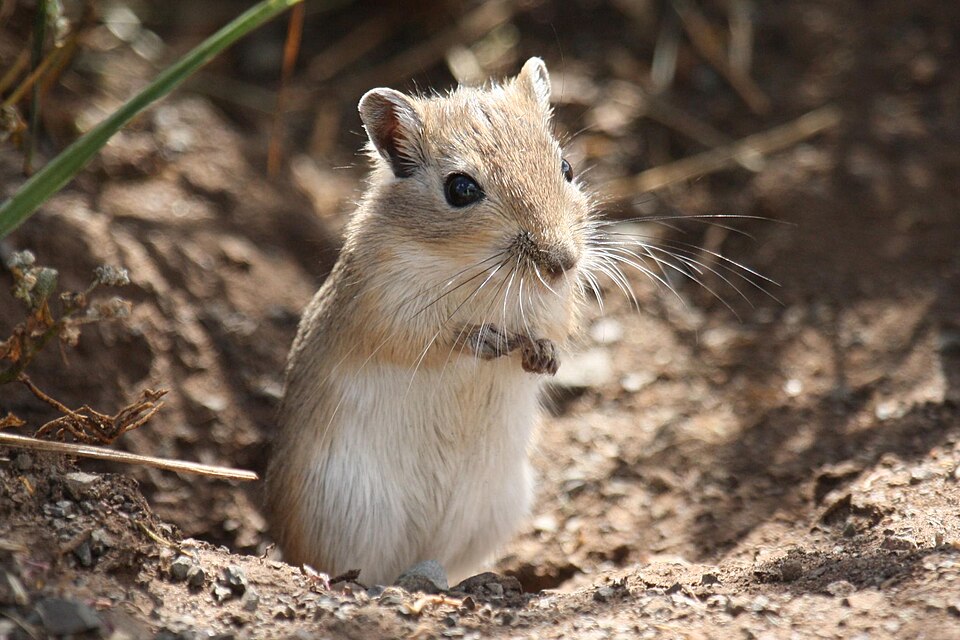
Mongolian Gerbil (Meriones unguiculatus)
Images · Public domainAlastair Rae from London, United Kingdom / Wikimedia Commons

Mongolian Gerbil

Meriones unguiculatus

Social rodents that are good at digging; require deep substrate, not just a small cage.

Adult size
3.94–5.12 in
Reference Lifespan
3–4 yr
Environment reference
64.4–75.2 °F
Basic CareOmnivore · Risks Low
Ownership Score 81/100
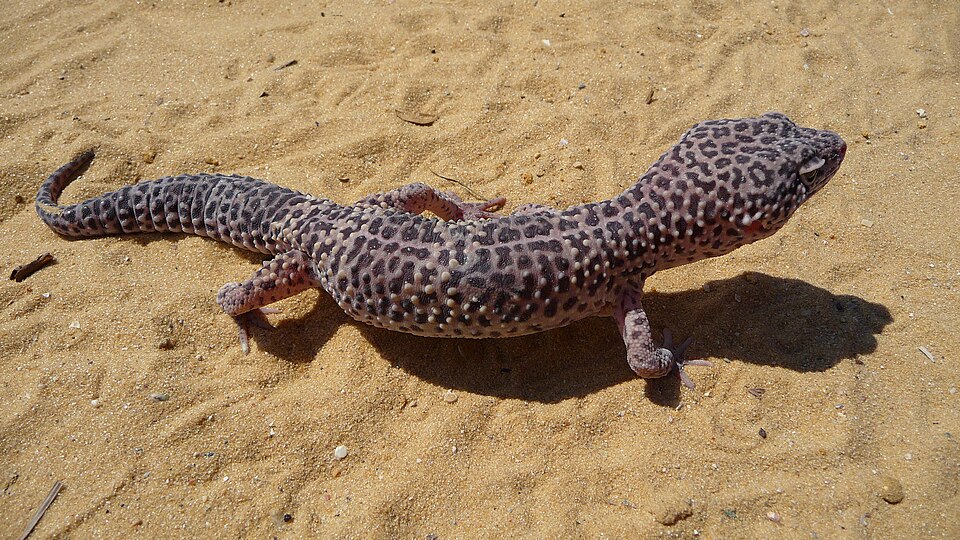
Leopard Gecko Why It Was Selected

Beginner 92 /100, Safe 91 /100, meets the beginner and risk screening conditions on this page.

Please Confirm: Adult Space,Juveniles appear small; long-term costs are mainly the adult enclosure, lighting, and backup equipment.

Reptiles
Leopard Gecko (Eublepharis macularius)
Images · Public domainGeorge Chernilevsky / Wikimedia Commons

Leopard Gecko

Eublepharis macularius

Terrestrial, crepuscular activity. Provide multiple hideouts for security.

Adult size
7.09–9.84 in
Reference Lifespan
15–20 yr
Environment reference
75.2–78.8 °F
Basic CareInsectivore · Risks Low
Ownership Score 80/100

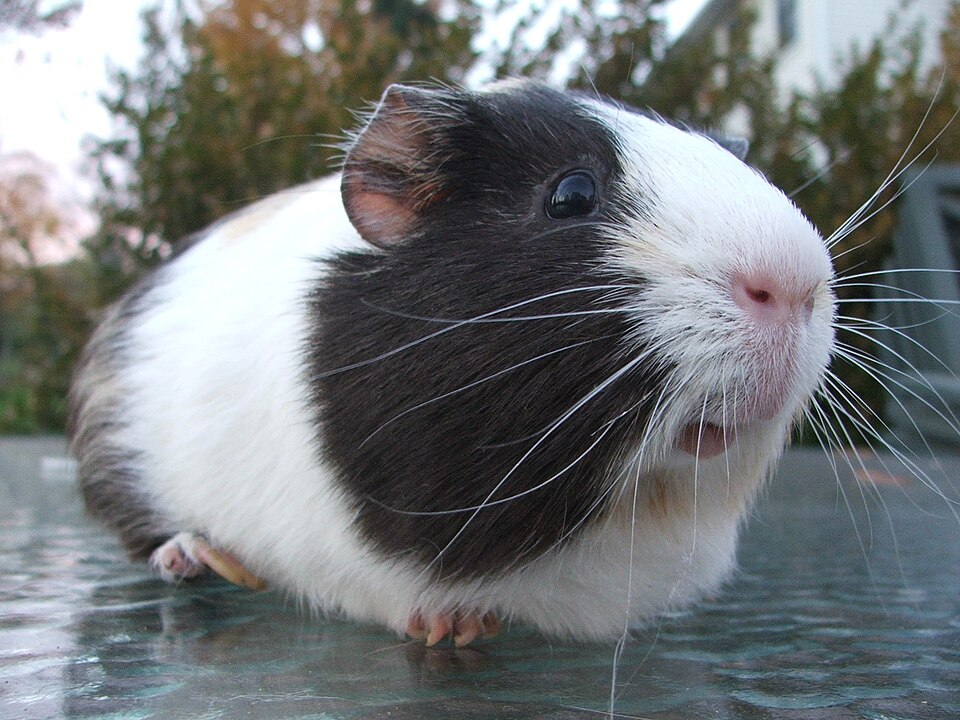
Guinea Pig Why It Was Selected

Beginner 94 /100, Safe 88 /100, meets the beginner and risk screening conditions on this page.

Please Confirm: Space and companionship,Small body size does not mean a small cage is sufficient; social species also require stable companions or interaction time.

Small Mammals
Guinea Pig (Cavia porcellus)
Images · CC BY-SA 4.0Gzen92 / Wikimedia Commons

Guinea Pig

Cavia porcellus

Requires companions, continuous ground, unlimited hay, and vitamin C.

Adult size
7.87–11.81 in
Reference Lifespan
4–8 yr
Environment reference
64.4–75.2 °F
Basic CareHerbivore · Risks Low
Ownership Score 79/100

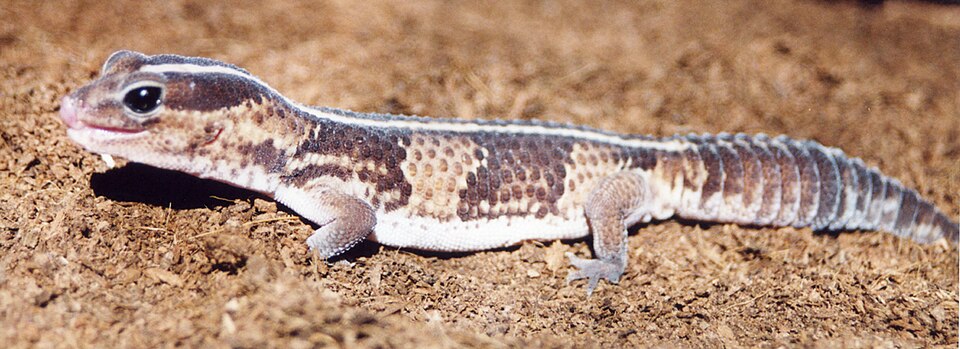
Fat Tailed Gecko Why It Was Selected

Beginner 86 /100, Safe 88 /100, meets the beginner and risk screening conditions on this page.

Please Confirm: Moist hide,It relies more on a moist hide than a leopard gecko; keeping the entire enclosure damp continuously will still cause problems.

Reptiles
Fat Tailed Gecko (Hemitheconyx caudicinctus)
Images · CC BY-SA 3.0Stolbovsky / Wikimedia Commons

Fat Tailed Gecko

Hemitheconyx caudicinctus

Terrestrial and nocturnal, similar to Leopard Geckos, but humidity and hide configurations cannot be directly copied.

Adult size
7.09–9.06 in
Reference Lifespan
10–15 yr
Environment reference
75.2–86 °F
Basic CareInsectivore · Risks Low
Ownership Score 75/100

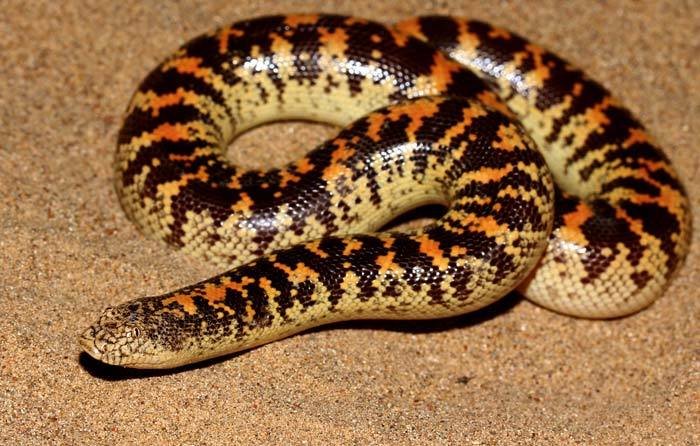
Arabian Sand Boa Why It Was Selected

Beginner 94 /100, Safe 88 /100, meets the beginner and risk screening conditions on this page.

Please Confirm: Adult Space,Juveniles may appear small, but adult enclosures, lighting, and backup equipment constitute the long-term cost.

Reptiles
Arabian Sand Boa (Eryx jayakari)
Images · CC BY 2.0Omid Mozaffari / Wikimedia Commons

Arabian Sand Boa

Eryx jayakari

Small in size but capable of long-term burrowing; substrate depth, temperature gradient, and escape-proofing are more critical than decoration.

Adult size
17.72–29.53 in
Reference Lifespan
10–15 yr
Environment reference
75.2–89.6 °F
Basic CareCarnivore · Risks Low
Ownership Score 75/100

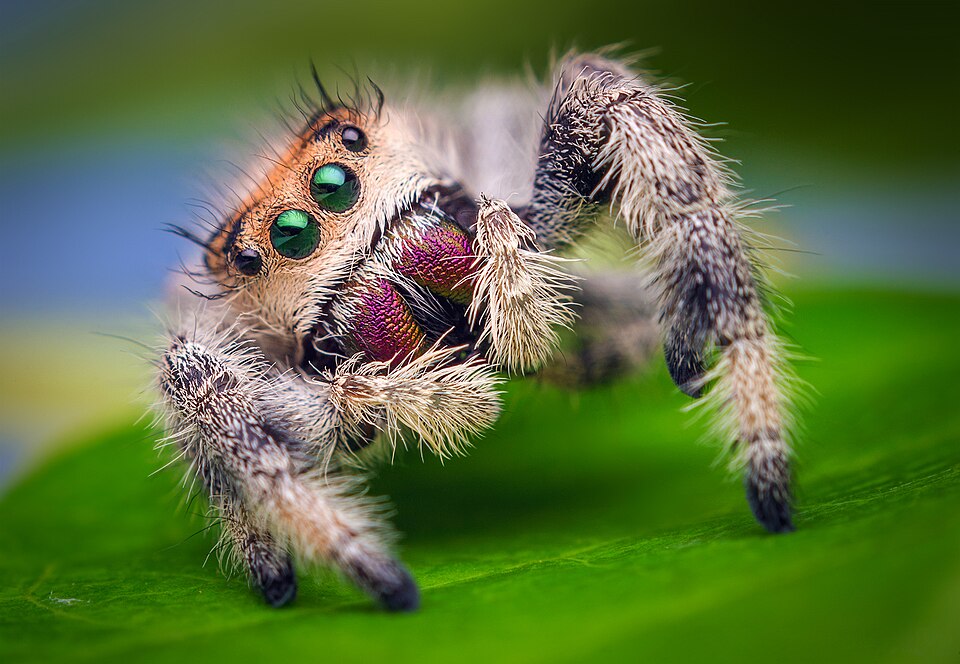
Regal Jumping Spider Why It Was Selected

Beginner 94 /100, Safe 88 /100, meets the beginner and risk screening conditions on this page.

Please Confirm: Molting window,Do not move or feed during the molting period; temporary inactivity is often natural behavior.

Invertebrates
Regal Jumping Spider (Phidippus regius)
Images · CC BY 2.0Thomas Shahan / Wikimedia Commons

Regal Jumping Spider

Phidippus regius

Small body size, good vision, and suitable for observation, but short lifespan and live prey supply require mental preparation.

Adult size
0.59–0.79 in
Reference Lifespan
1–2 yr
Environment reference
71.6–82.4 °F
Basic CareInsectivore · Risks Low
Ownership Score 73/100

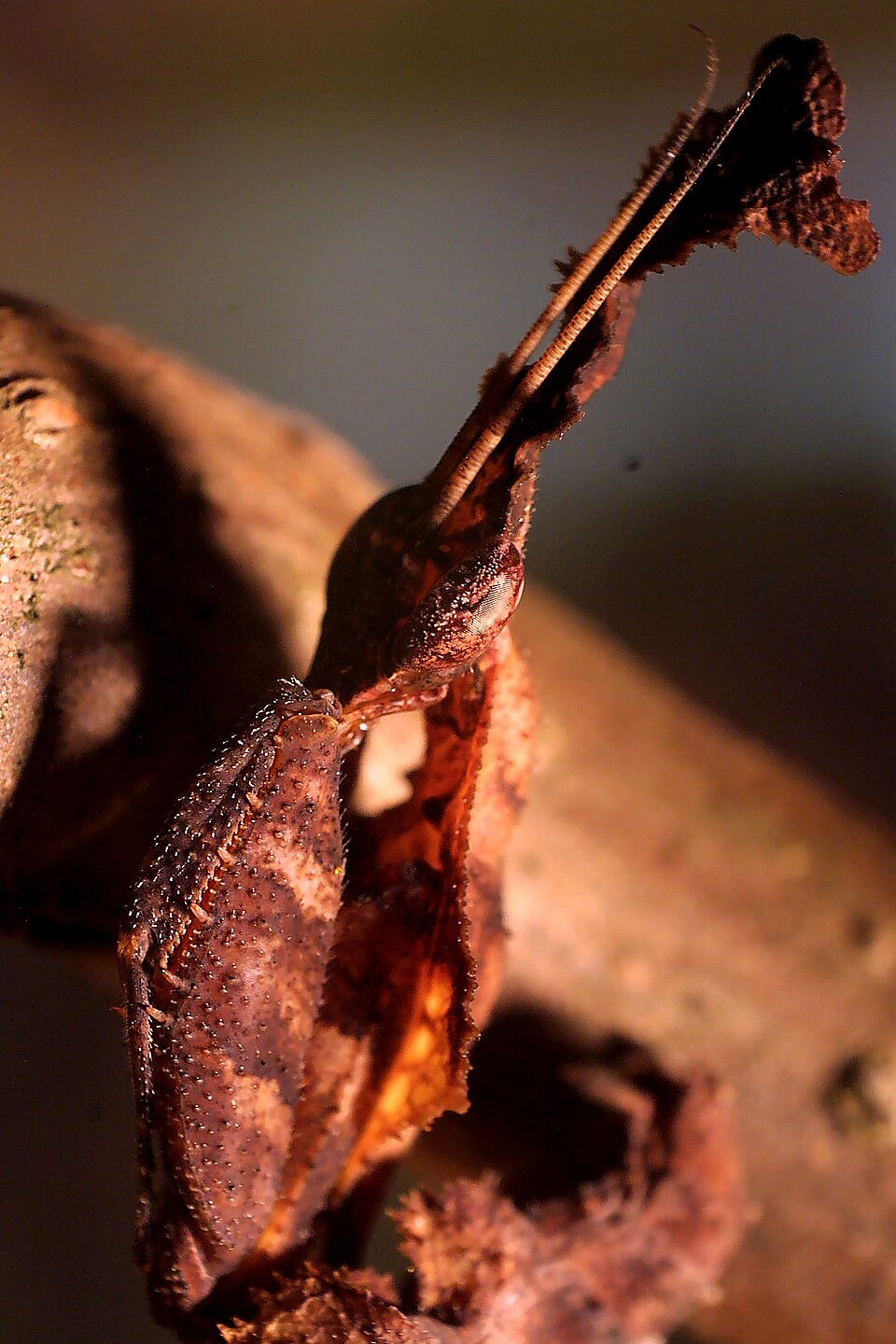
Ghost Mantis Why It Was Selected

Beginner 94 /100, Safe 88 /100, meets the beginner and risk screening conditions on this page.

Please Confirm: Molting window,Do not move or feed during the molting period; temporary inactivity is often natural behavior.

Invertebrates
Ghost Mantis (Phyllocrania paradoxa)
Images · CC BY-SA 3.0Mydriatic / Wikimedia Commons

Ghost Mantis

Phyllocrania paradoxa

Camouflage-oriented observation insects requiring high, ventilated, and stable live prey.

Adult size
1.57–2.36 in
Reference Lifespan
1–2 yr
Environment reference
71.6–82.4 °F
Basic CareInsectivore · Risks Low
Ownership Score 73/100

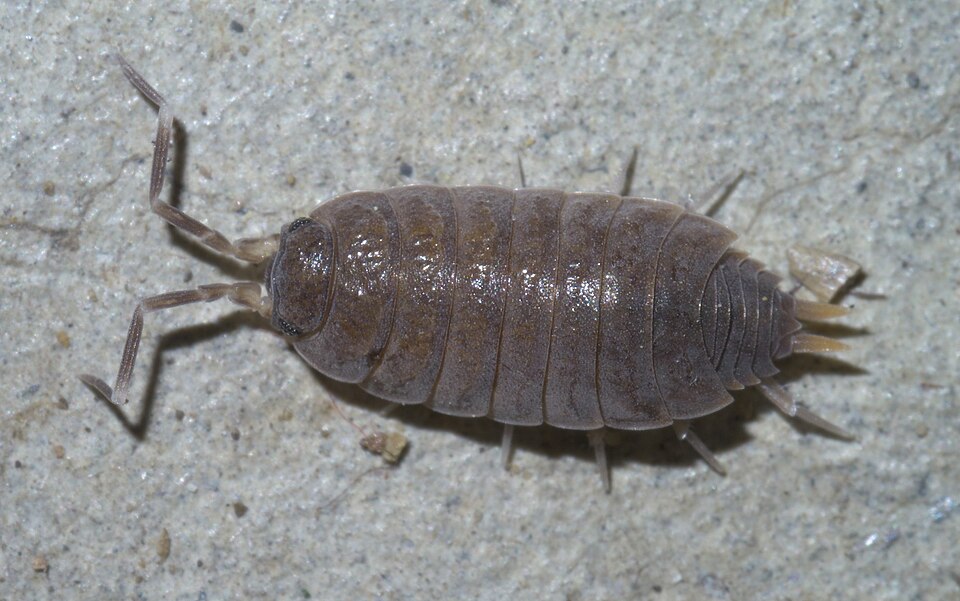
Powder Orange Isopod Why It Was Selected

Beginner 94 /100, Safe 88 /100, meets the beginner and risk screening conditions on this page.

Please Confirm: Molting window,Do not move or feed during the molting period; temporary inactivity is often natural behavior.

Invertebrates
Powder Orange Isopod (Porcellionides pruinosus)
Images · CC BY-SA 4.0 xpda / Wikimedia Commons

Powder Orange Isopod

Porcellionides pruinosus

Decomposer colonies centered on safe leaf litter, rotting wood, and humidity gradients.

Adult size
0.39–0.79 in
Reference Lifespan
1–2 yr
Environment reference
68–78.8 °F
Basic CareDetritivore · Risks Low
Ownership Score 73/100

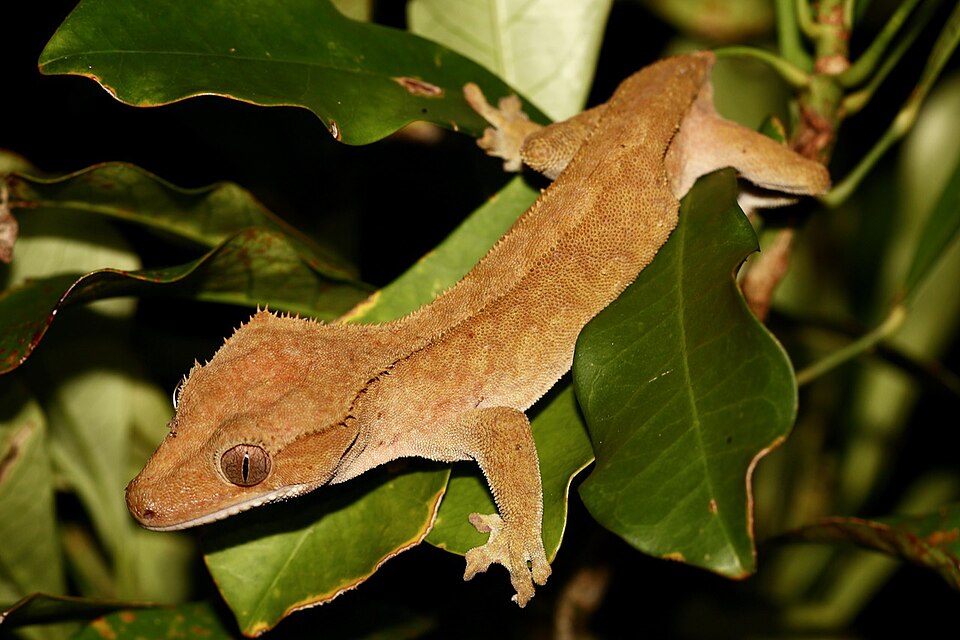
Crested Gecko Why It Was Selected

Beginner 88 /100, Safe 88 /100, meets the beginner and risk screening conditions on this page.

Please Confirm: Summer overheating,Prolonged temperatures above approximately 82.4 °F may be more dangerous than brief coolness; cooling solutions must be tested in advance.

Reptiles
Crested Gecko (Correlophus ciliatus)
Images · CC BY 4.0Lennart Hudel / Wikimedia Commons

Crested Gecko

Correlophus ciliatus

Nocturnal arboreal gecko; vertical space is more valuable than exposed floor.

Adult size
7.09–9.84 in
Reference Lifespan
15–20 yr
Environment reference
71.6–78.8 °F
Basic CareOmnivore · Risks Low
Ownership Score 72/100

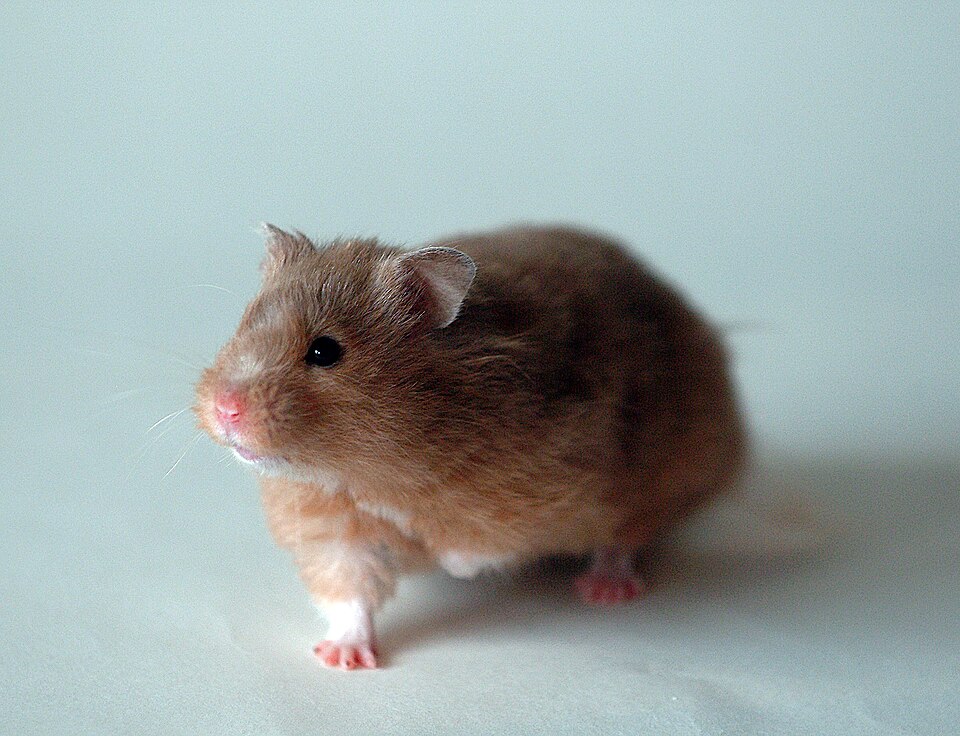
Syrian Hamster Why It Was Selected

Beginner 86 /100, Safe 82 /100, meets the beginner and risk screening conditions on this page.

Please Confirm: Space and companionship,Small body size does not mean a small cage is sufficient; social species also require stable companions or interaction time.

Small Mammals
Syrian Hamster (Mesocricetus auratus)
Images · CC BY 2.5Adamjennison111 at English Wikipedia / Wikimedia Commons

Syrian Hamster

Mesocricetus auratus

Solitary nocturnal rodent; prioritize deep bedding and continuous floor space.

Adult size
5.12–7.09 in
Reference Lifespan
2–3 yr
Environment reference
64.4–75.2 °F
Basic CareOmnivore · Risks Low
Ownership Score 72/100

Nerite Snail Why It Was Selected

Beginner 94 /100, Safe 88 /100, meets the beginner and risk screening conditions on this page.

Please Confirm: Condition the water before introducing animals.,Established cycling, water changes, and water quality testing are daily tasks; a clear tank does not mean low maintenance.

Ornamental Aquatics
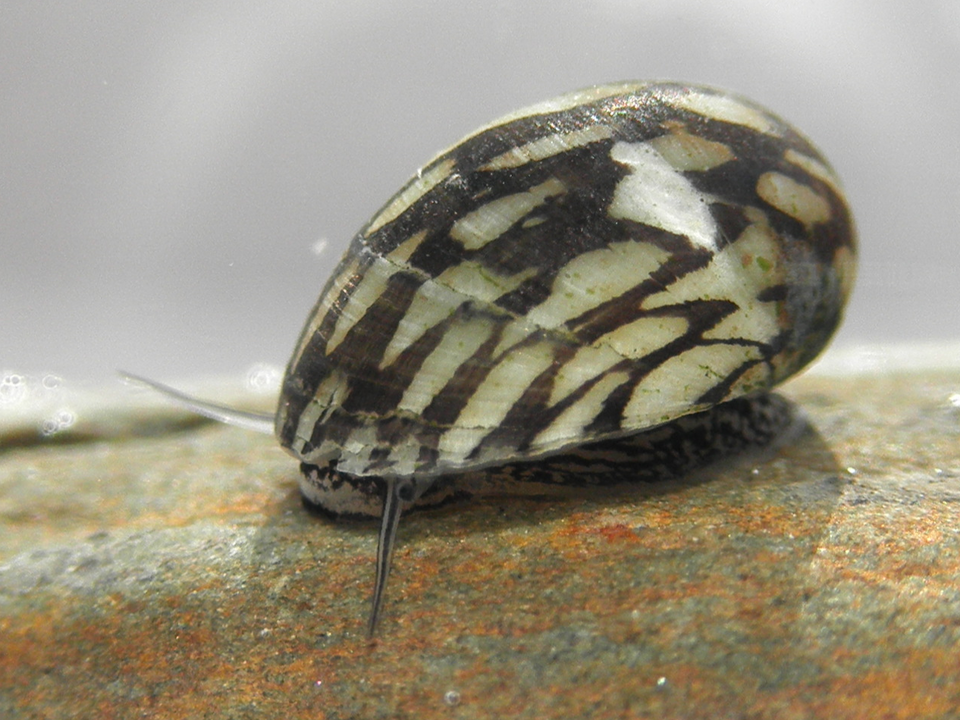
Nerite Snail (Neritina natalensis)
Images · CC BY 4.0Michal Maňas / Wikimedia Commons

Nerite Snail

Neritina natalensis

An ornamental snail that feeds primarily on algal films; stable life depends on mature tanks, minerals, and escape prevention.

Adult size
0.79–1.18 in
Reference Lifespan
1–2 yr
Water Temperature
68–82.4 °F
Basic CareHerbivore · Risks Low
Ownership Score 72/100

Stimson Python Why It Was Selected

Beginner 94 /100, Safe 88 /100, meets the beginner and risk screening conditions on this page.

Please Confirm: Adult Space,Juveniles may appear small, but adult enclosures, lighting, and backup equipment constitute the long-term cost.

Reptiles
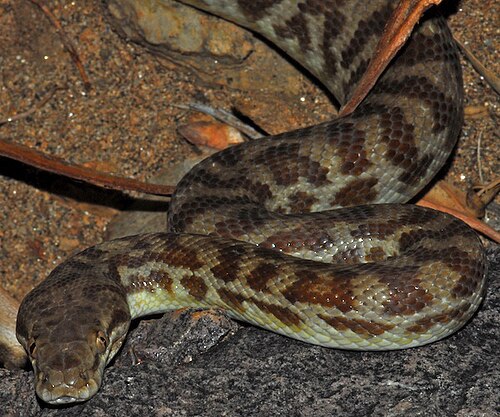
Stimson Python (Antaresia stimsoni)
Images · CC BY-SA 2.5Stewart Macdonald (Smacdonald) / Wikimedia Commons

Stimson Python

Antaresia stimsoni

Suitable for observation-based keepers, but nocturnal activity, live or frozen prey availability, and temperature differential control still require a fixed routine.

Adult size
27.56–43.31 in
Reference Lifespan
15–20 yr
Environment reference
75.2–87.8 °F
Basic CareCarnivore · Risks Low
Ownership Score 72/100

Guppy Why It Was Selected

Beginner 94 /100, Safe 88 /100, meets the beginner and risk screening conditions on this page.

Please Confirm: Condition the water before introducing animals.,Established cycling, water changes, and water quality testing are daily tasks; a clear tank does not mean low maintenance.

Ornamental Aquatics
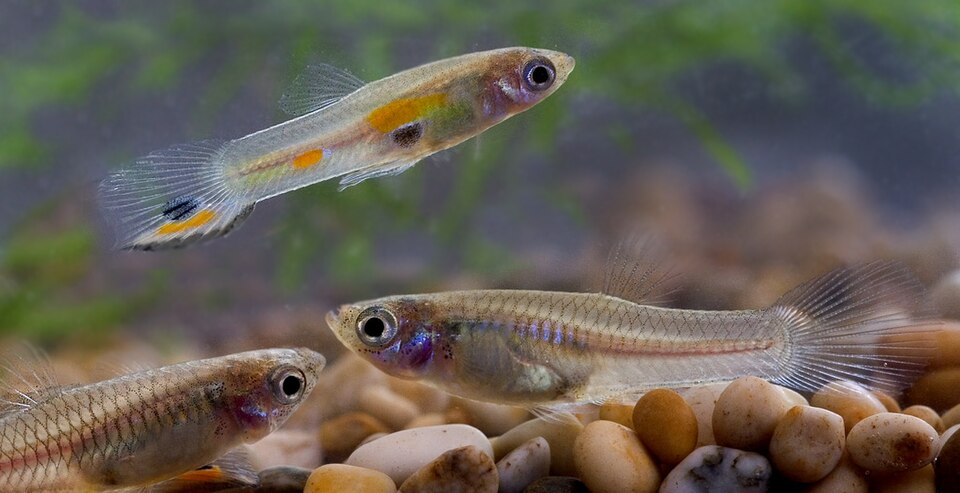
Guppy (Poecilia reticulata)
Images · CC BY 3.0Per Harald Olsen / Wikimedia Commons

Guppy

Poecilia reticulata

Active livebearers; breeding rates often exceed beginner expectations.

Adult size
1.18–2.36 in
Reference Lifespan
2–3 yr
Water Temperature
71.6–78.8 °F
Basic CareOmnivore · Risks Low
Ownership Score 71/100

Zebra Danio Why It Was Selected

Beginner 94 /100, Safe 88 /100, meets the beginner and risk screening conditions on this page.

Please Confirm: Condition the water before introducing animals.,Established cycling, water changes, and water quality testing are daily tasks; a clear tank does not mean low maintenance.

Ornamental Aquatics
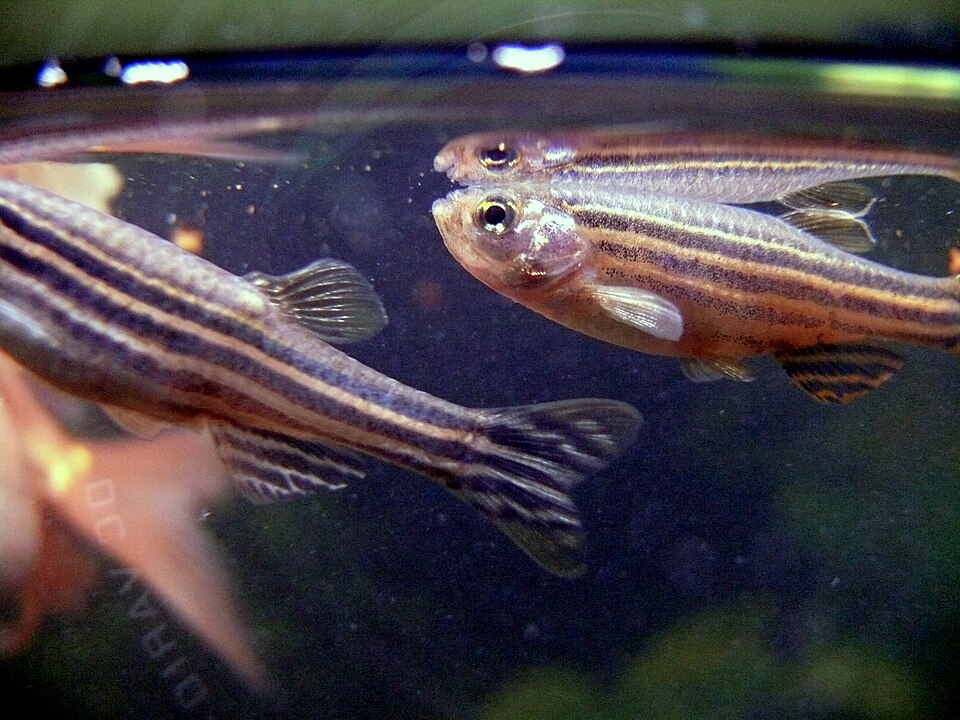
Zebra Danio (Danio rerio)
Images · CC BY-SA 3.0Pogrebnoj-Alexandroff / Wikimedia Commons

Zebra Danio

Danio rerio

Fast-schooling fish; do not omit horizontal swimming space due to small body size.

Adult size
1.57–1.97 in
Reference Lifespan
3–5 yr
Water Temperature
64.4–75.2 °F
Basic CareOmnivore · Risks Low
Ownership Score 71/100

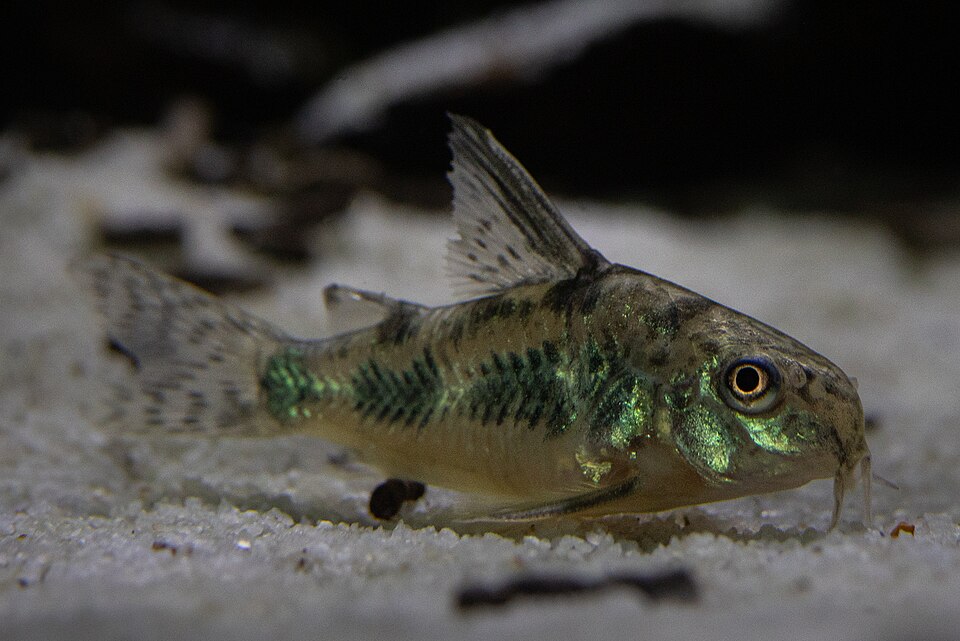
Peppered Corydoras Why It Was Selected

Beginner 94 /100, Safe 88 /100, meets the beginner and risk screening conditions on this page.

Please Confirm: Condition the water before introducing animals.,Established cycling, water changes, and water quality testing are daily tasks; a clear tank does not mean low maintenance.

Ornamental Aquatics
Peppered Corydoras (Corydoras paleatus)
Images · CC BY-SA 4.0 Mattia Nocciola / Wikimedia Commons

Peppered Corydoras

Corydoras paleatus

Bottom-dwelling schooling fish; soft substrate, sufficient companions, and mature cycling are more important than the 'cleaner' label.

Adult size
1.97–2.76 in
Reference Lifespan
3–5 yr
Water Temperature
68–77 °F
Basic CareOmnivore · Risks Low
Ownership Score 71/100

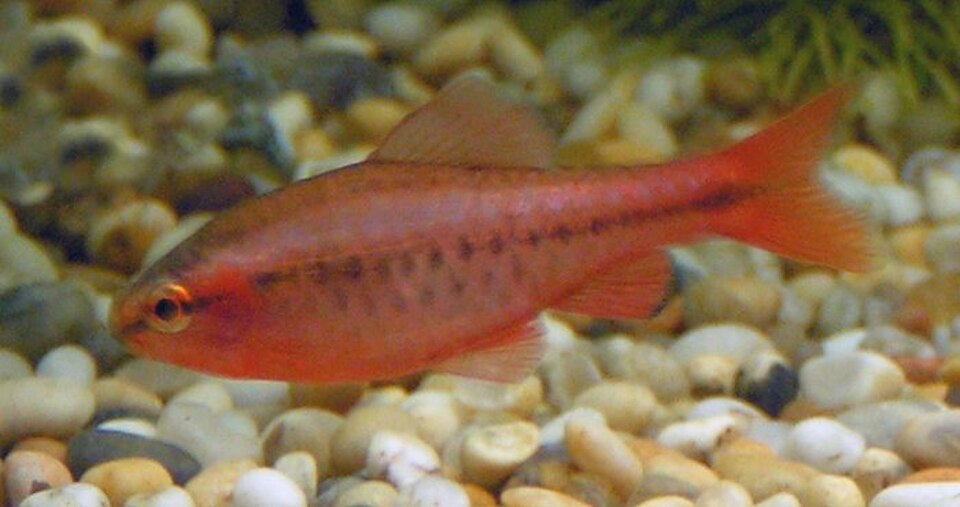
Cherry Barb Why It Was Selected

Beginner 94 /100, Safe 88 /100, meets the beginner and risk screening conditions on this page.

Please Confirm: Condition the water before introducing animals.,Established cycling, water changes, and water quality testing are daily tasks; a clear tank does not mean low maintenance.

Ornamental Aquatics
Cherry Barb (Puntius titteya)
Images · CC BY-SA 3.0sannse / Wikimedia Commons

Cherry Barb

Puntius titteya

Gentle schooling fish; require sufficient companions, plant cover, and mature cycling.

Adult size
1.57–1.97 in
Reference Lifespan
4–6 yr
Water Temperature
71.6–80.6 °F
Basic CareOmnivore · Risks Low
Ownership Score 71/100

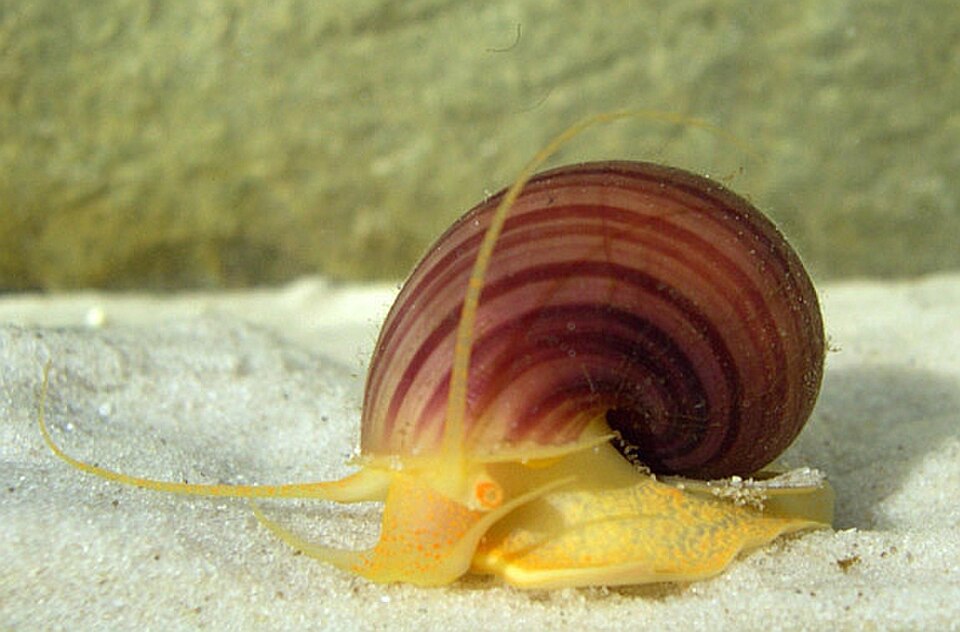
Mystery Snail Why It Was Selected

Beginner 94 /100, Safe 88 /100, meets the beginner and risk screening conditions on this page.

Please Confirm: Condition the water before introducing animals.,Established cycling, water changes, and water quality testing are daily tasks; a clear tank does not mean low maintenance.

Ornamental Aquatics
Mystery Snail (Pomacea diffusa)
Images · CC BY-SA 3.0Stijn Ghesquiere / Wikimedia Commons

Mystery Snail

Pomacea diffusa

A freshwater snail that breathes air and can climb out of the tank; calcium, water level, and escape prevention are more important than appearance.

Adult size
1.57–1.97 in
Reference Lifespan
1–2 yr
Water Temperature
68–82.4 °F
Basic CareHerbivore · Risks Low
Ownership Score 71/100

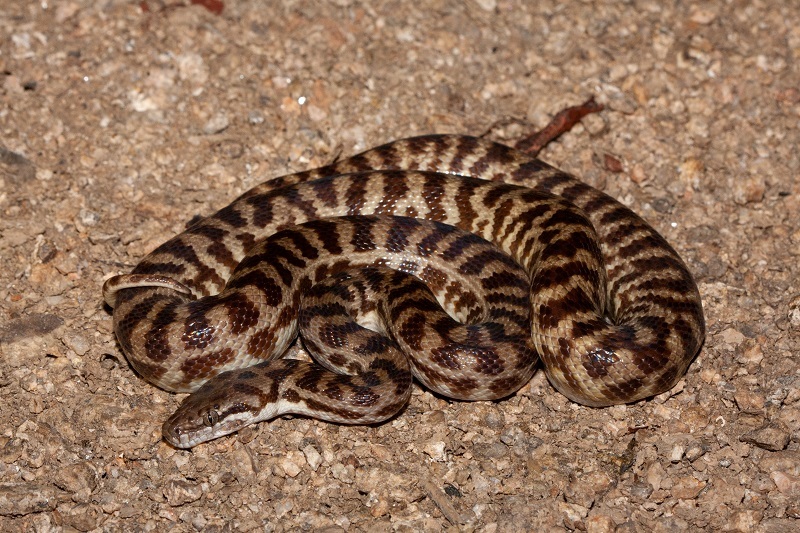
Spotted Python Why It Was Selected

Beginner 94 /100, Safe 88 /100, meets the beginner and risk screening conditions on this page.

Please Confirm: Adult Space,Juveniles may appear small, but adult enclosures, lighting, and backup equipment constitute the long-term cost.

Reptiles
Spotted Python (Antaresia maculosa)
Images · CC BY 4.0dhfischer / Wikimedia Commons

Spotted Python

Antaresia maculosa

Relatively compact body size, but still requires a stable thermal gradient, escape-proofing, and enclosures sized for replacement as they reach adulthood.

Adult size
31.5–47.24 in
Reference Lifespan
15–20 yr
Environment reference
75.2–87.8 °F
Basic CareCarnivore · Risks Low
Ownership Score 71/100

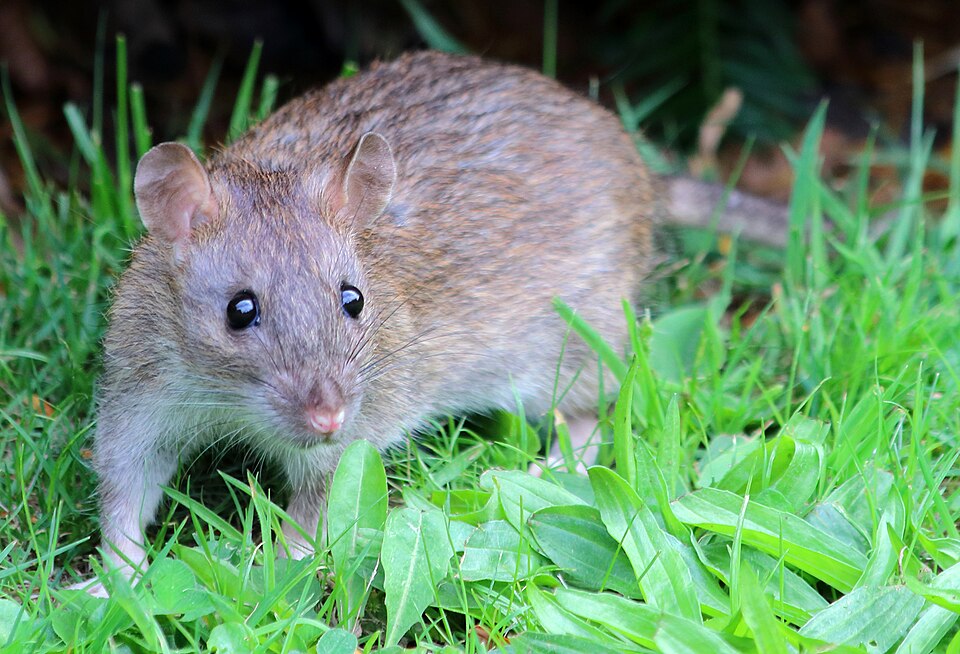
Fancy Rat Why It Was Selected

Beginner 84 /100, Safe 82 /100, meets the beginner and risk screening conditions on this page.

Please Confirm: Space and companionship,Small body size does not mean a small cage is sufficient; social species also require stable companions or interaction time.

Small Mammals
Fancy Rat (Rattus norvegicus)
Images · CC BY-SA 4.0Dunpharlain / Wikimedia Commons

Fancy Rat

Rattus norvegicus

Highly social and exploratory rodents; companionship and environmental enrichment are essential.

Adult size
7.87–11.02 in
Reference Lifespan
2–3 yr
Environment reference
64.4–75.2 °F
Basic CareOmnivore · Risks Low
Ownership Score 70/100

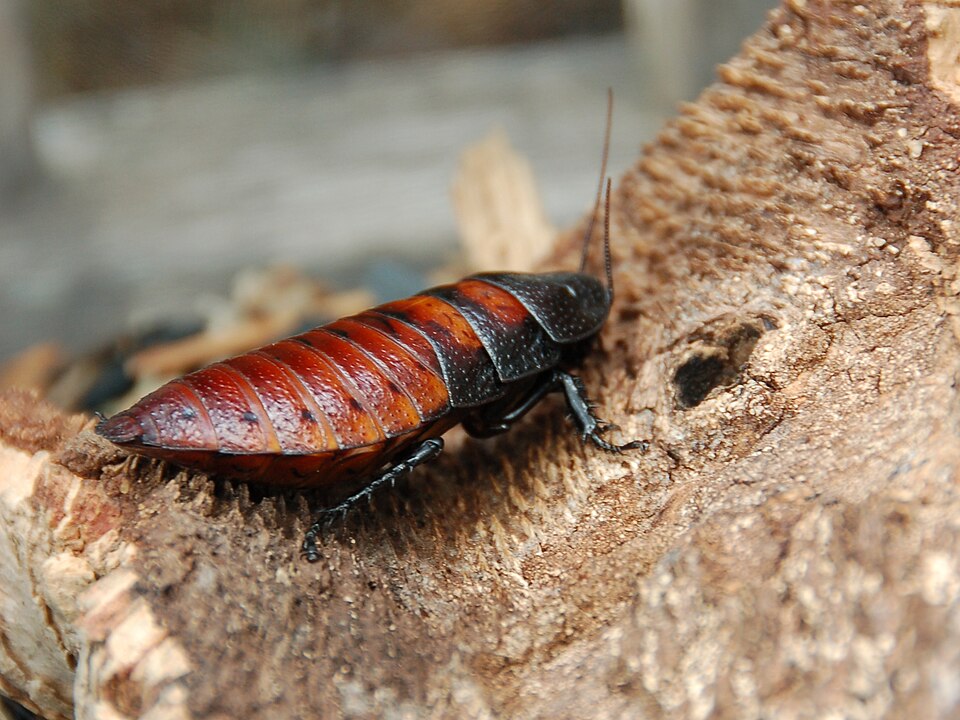
Madagascar Hissing Cockroach Why It Was Selected

Beginner 86 /100, Safe 90 /100, meets the beginner and risk screening conditions on this page.

Please Confirm: Group breeding,Housing multiple individuals makes population expansion easy, but plan for isolation and relocation before acquiring.

Invertebrates
Madagascar Hissing Cockroach (Gromphadorhina portentosa)
Images · Public domainAlmabes at English Wikipedia / Wikimedia Commons

Madagascar Hissing Cockroach

Gromphadorhina portentosa

Group housing, hissing, and breeding rates require more planning than they appear to suggest based on appearance.

Adult size
1.97–3.15 in
Reference Lifespan
2–5 yr
Environment reference
75.2–86 °F
Basic CareDetritivore · Risks Low
Ownership Score 70/100

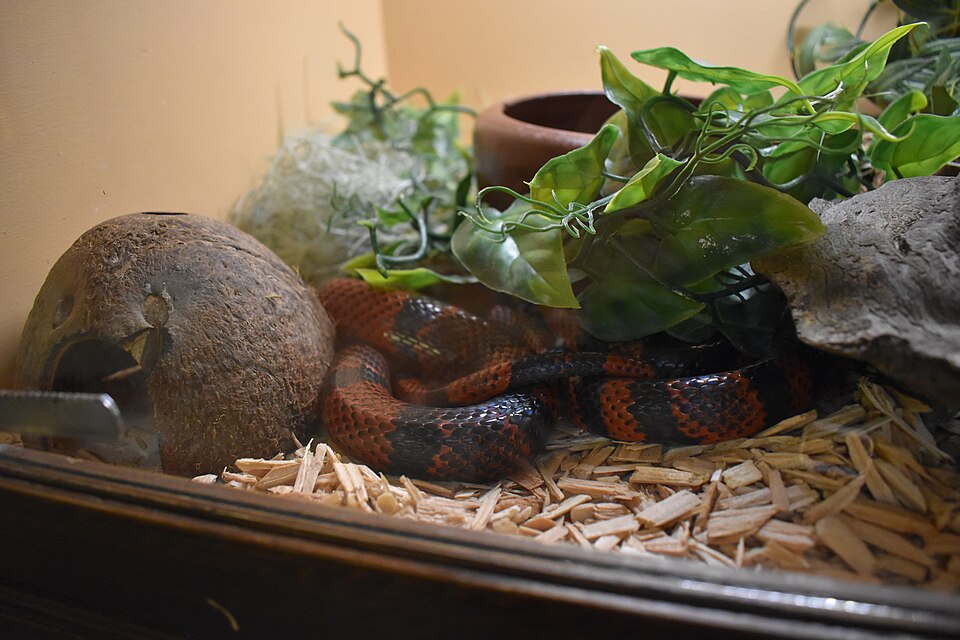
Honduran Milk Snake Why It Was Selected

Beginner 94 /100, Safe 88 /100, meets the beginner and risk screening conditions on this page.

Please Confirm: Adult Space,Juveniles may appear small, but adult enclosures, lighting, and backup equipment constitute the long-term cost.

Reptiles
Honduran Milk Snake (Lampropeltis triangulum hondurensis)
Images · CC BY-SA 4.0Tylwyth Eldar / Wikimedia Commons

Honduran Milk Snake

Lampropeltis triangulum hondurensis

Appetite is usually stable, but escape-proofing, feeding intervals, and isolation from other snakes remain foundational requirements.

Adult size
39.37–55.12 in
Reference Lifespan
15–20 yr
Environment reference
73.4–86 °F
Basic CareCarnivore · Risks Low
Ownership Score 70/100

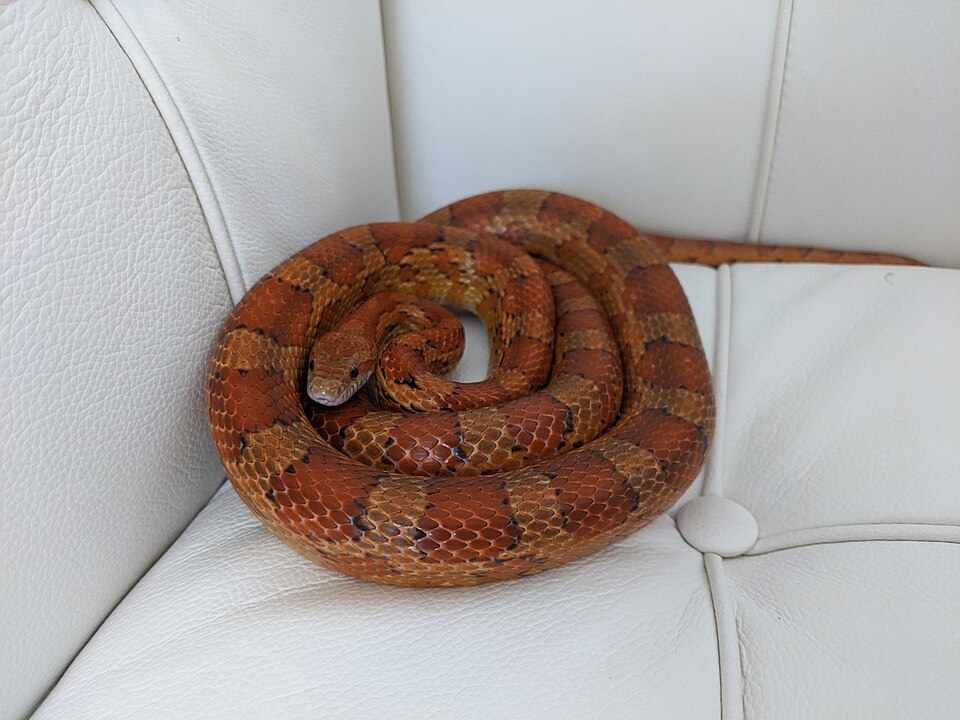
Corn Snake Why It Was Selected

Beginner 84 /100, Safe 78 /100, meets the beginner and risk screening conditions on this page.

Please Confirm: Adult Space,Adult length determines the enclosure floor area; juvenile containers cannot serve as a long-term solution.

Reptiles
Corn Snake (Pantherophis guttatus)
Images · CC0Ethan Porcaro / Wikimedia Commons

Corn Snake

Pantherophis guttatus

Climbing, crepuscular snakes; escape-proofing and long-term space are primary requirements.

Adult size
35.43–59.06 in
Reference Lifespan
15–20 yr
Environment reference
68–86 °F
Basic CareCarnivore · Risks Low
Ownership Score 66/100

These candidates come from the editor's filtering rules, not purchase recommendations. Open the record to review environmental parameters, hidden challenges, veterinary accessibility, and cost assumptions.