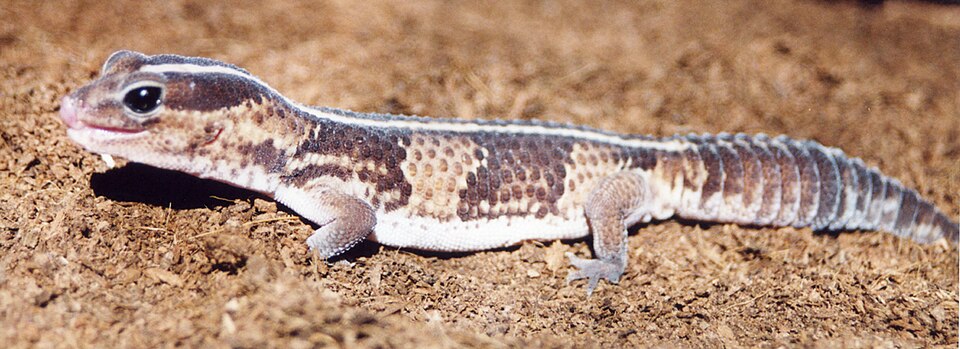
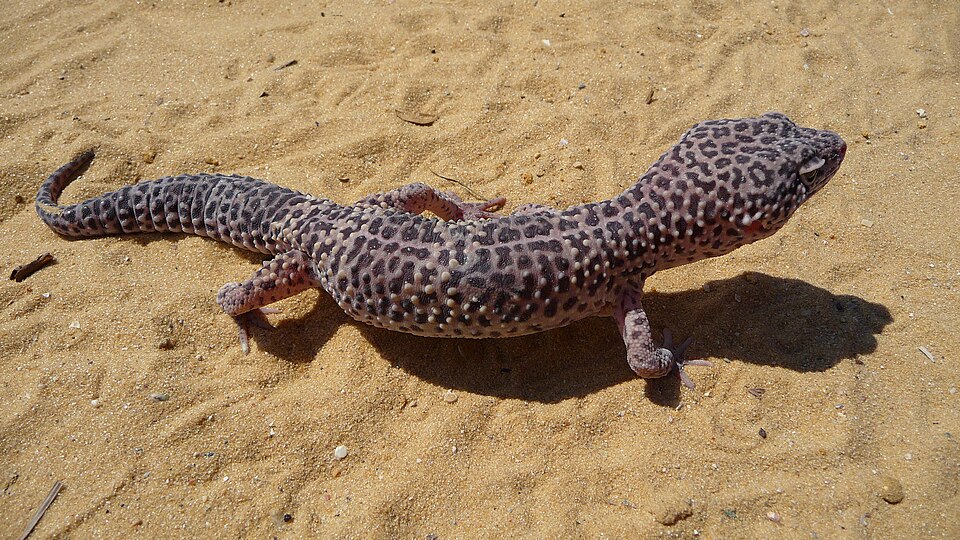
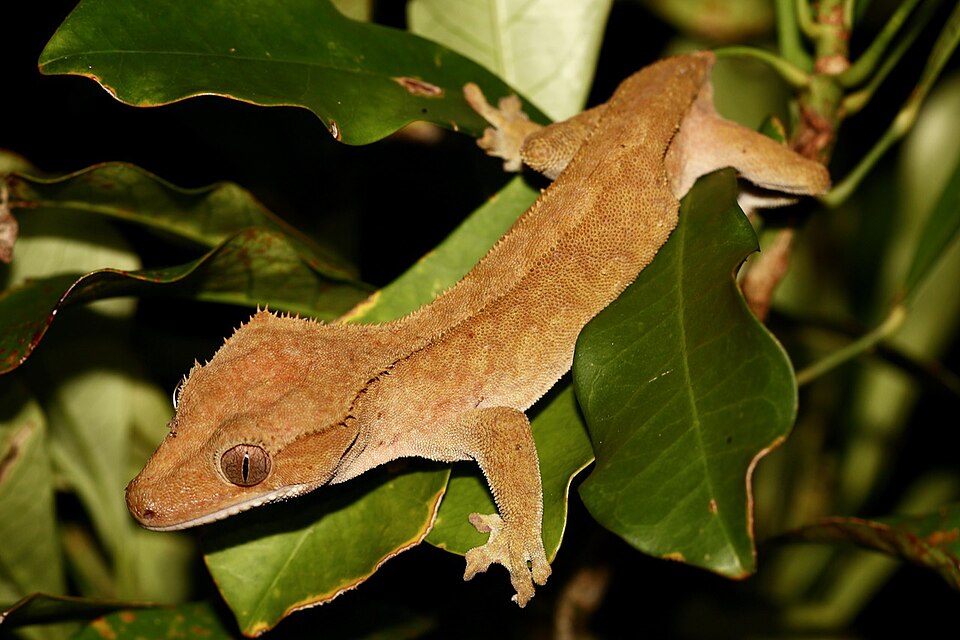
This is an edited estimate of lifestyle compatibility, not an animal value rating. A higher score indicates that, based on current data, the animal is easier to integrate into your daily routine.
Children and families 88Apartments 94Bedrooms 94Frequent travel 82
The composite score is calculated by weighting nine factors: beginner-friendliness, handling ease, interaction, space requirements, cost, maintenance, travel, veterinary access, and safety. Read risk signals according to field direction: lower scores for biting, escape, and toxicity indicate greater safety; higher scores for noise, odor, and cleaning indicate less hassle. Combine this page's environmental requirements and risk notes with your judgment; do not rely solely on the total score.
BEFORE YOU COMMIT
First check whether it fits your life
This brief brings together the space, maintenance, feeding, lifespan and veterinary conditions recorded on this page so you know what to verify next.
75/100 · Somewhat suitable
A better fit if
Most care conditions can be arranged
Adult space is relatively easy to plan, but use the recommended enclosure as the baseline
The daily maintenance rhythm is relatively easy to schedule
Resolve these first
Moist hide:It relies more on a moist hide than a leopard gecko; keeping the entire enclosure damp continuously will still cause problems.
The lifespan is a long commitment and needs a long-term plan
Adult size
7.09–9.06 in
Reference Lifespan
10 to 15 years
Minimum space
At least 35.43 × 17.72 × 17.72 in per adult, prioritizing floor space and multiple hiding spots.
Veterinary Accessibility
Moderate
This is a comparison aid based on the current record, not a purchase, medical or local-law conclusion. Check the sources and local conditions before continuing.
THINGS OWNERS UNDERESTIMATE
Common Underestimations by Keepers
Moist hideIt relies more on a moist hide than a leopard gecko; keeping the entire enclosure damp continuously will still cause problems.
Live prey and supplementsInsects must be nutritionally supplemented; calcium and vitamin supplementation must be adjusted by stage.
Adult SpaceJuvenile enclosures cannot be used as a long-term solution; adults still require multiple temperature and humidity options.
VETERINARY ACCESS
Veterinary Accessibility
Moderate
It is best to find an exotic pet veterinarian with reptile experience in advance.
Moderate; resources may be limited at night and in non-metro areas.
Specialist Exotic Pet Care Typically Required
DATA STATUS
Where this record stands
Editorial example
Last updated
2026-09-07
Fields checked
No field review record yet
Reference sources
1 · Reference sources
Professional review
Pending veterinary or taxonomic review
Local rules
Local rules need verification
Source links are starting points for reading. A group-level guide does not verify every value for each species. Check local rules separately.
Common adult carapace length; see species-specific data for exact carapace width.
Dietary Habits
Insectivore
Activity Cycle
Mostly active at dawn, dusk, or night; requires a temperature gradient that allows them to escape heat.
Availability of Captive-Bred Individuals
Common
Temperament and Aggression
Most individuals are relatively docile, but may still bite or drop their tail when startled.
Toxicity and Contact Risks
Non-venomous. Support the body during handling; do not pull the tail. Contact Risks: Low。
Socialization and Handling
Typically kept singly. Housing together increases fighting, food competition, and breeding stress.
Environmental Parameters
Temperature Gradient
Cool end approximately 71.6–77 °F, warm hide approximately 86–89.6 °F, and retain retreat space.
Humidity and Ventilation
50 to 70%. Humidity varies with ventilation, misting, and day-night cycles; do not maintain a single reading for the entire enclosure long-term.
Lighting and Circadian Rhythm
Low-intensity UVB coexisting with shaded areas; a stable day-night cycle is more important than pursuing high brightness.
Basking Spot / Localized Heat
Warm hide surface approximately 86–89.6 °F; connect the heat source to a thermostat and measure with a probe.
UVB Requirements
Low-intensity UVB coexisting with shaded areas; a stable day-night cycle is more important than pursuing high brightness.
Adult Space
Minimum: At least 35.43 × 17.72 × 17.72 in per adult, prioritizing floor space and multiple hiding spots. Recommended: Adults are recommended in a single enclosure of 47.24 × 23.62 × 23.62 in or larger, with a dry area and a moist hide.
Substrate and Water
Pesticide-free soil, paper-based substrate, or substrate suitable for the species. Do not use wood chips of unknown origin. · Provide fresh water continuously; containers must be secure to prevent drowning or tipping.
These ranges are for planning the environment of a healthy adult, not a constant value for the entire enclosure, and do not cover disease, breeding, or juvenile stages.
Diet and Nutrition
Primarily fed nutritionally fortified insects such as crickets and Dubia roaches, with frequency adjusted by age and body condition, supplemented with calcium.
Feeding Frequency
Juveniles are typically fed daily; adults usually every 2 to 3 days, adjusted according to body condition.
Live Prey Requirement
Required
Rodent Pellets
Not Required
Enclosure and activity space
At least 35.43 × 17.72 × 17.72 in per adult, prioritizing floor space and multiple hiding spots.
Dimensions are editor suggestions, not mandatory minimum standards in all regions. Group size, individual body size, and layout may require more space.
Frequently Asked Questions
Is it harder to keep than a leopard gecko?
Basic equipment is similar, but the moist hide and ventilation retreat require more continuous observation.
Can it be co-housed with other geckos?
Not recommended. Housing alone makes it easier to observe feeding, defecation, and weight changes.
Risks and Legality
The moist hide should be kept moist; keeping the entire enclosure damp for a long period will increase skin problems.
Confirm reliable sources, regional regulations, and a reptile veterinarian before acquiring.
Local rules need verificationNo jurisdiction selected
Purchase, possession, breeding, transport, and import/export regulations may differ. Please verify with the local competent authority using the scientific name.
Sources and editor notes
This page is a structured editing example and has not yet undergone field-by-field expert review. Reference links are for further consultation; data for some groups may not apply to every species. Please read the full manual before formal husbandry.