Exotic Atlas CARE BEFORE COMMITMENT Start Matching
Decision Scenario
BROWSE BY CONDITION

Exotic pets that do not need rodents

Acceptance of food sources directly impacts husbandry arrangements. This list includes only species explicitly recorded as not requiring rodent-based prey; verify availability of insects, pellets, or plant-based food.

317 Candidate Records · selected using care requirements

Re-match with Your Criteria

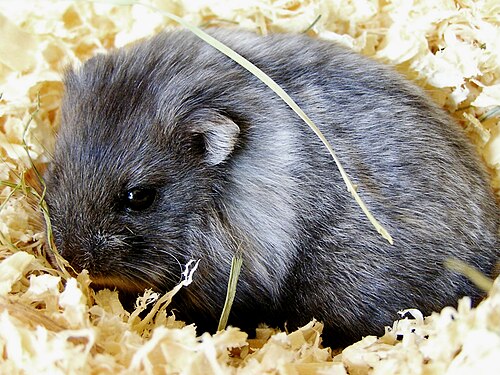
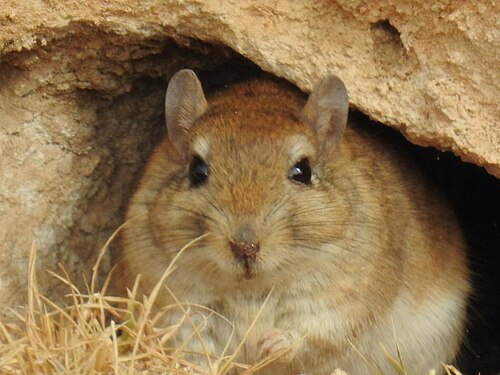
Mongolian Gerbil Why It Was Selected

Diet recorded as Omnivore , explicitly recorded as not requiring rodent-based prey; specific food must still be verified against dietary records.

Please Confirm: Space and companionship,Small body size does not mean a small cage is sufficient; social species also require stable companions or interaction time.

Small Mammals
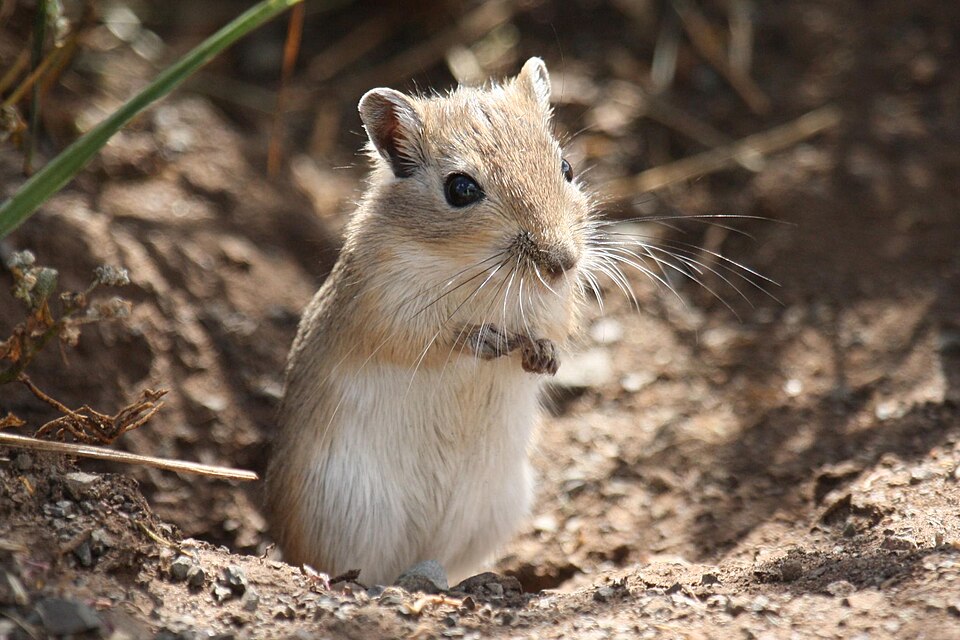
Mongolian Gerbil (Meriones unguiculatus)
Images · Public domainAlastair Rae from London, United Kingdom / Wikimedia Commons

Mongolian Gerbil

Meriones unguiculatus

Social rodents that are good at digging; require deep substrate, not just a small cage.

Adult size
3.94–5.12 in
Reference Lifespan
3–4 yr
Environment reference
64.4–75.2 °F
Basic CareOmnivore · Risks Low
Ownership Score 81/100
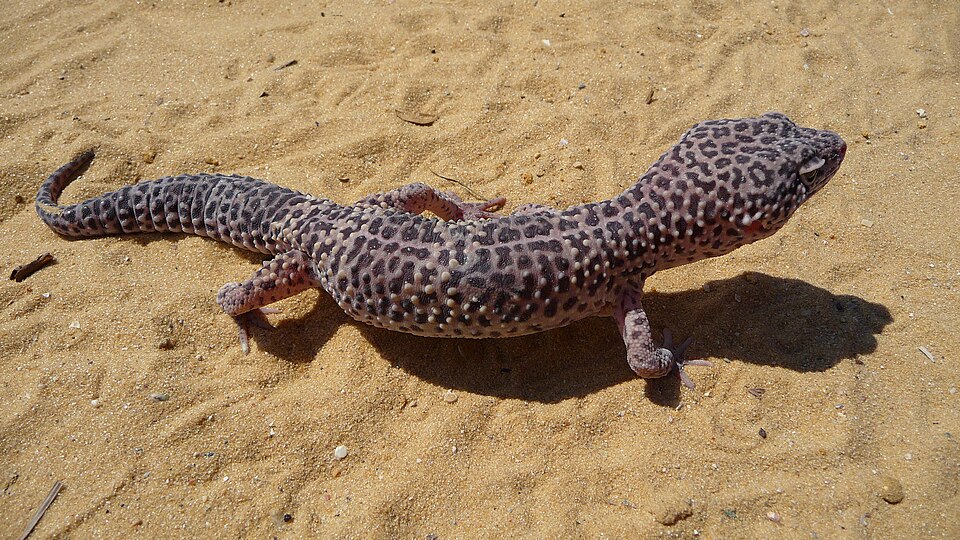
Leopard Gecko Why It Was Selected

Diet recorded as Insectivore , explicitly recorded as not requiring rodent-based prey; specific food must still be verified against dietary records.

Please Confirm: Adult Space,Juveniles appear small; long-term costs are mainly the adult enclosure, lighting, and backup equipment.

Reptiles
Leopard Gecko (Eublepharis macularius)
Images · Public domainGeorge Chernilevsky / Wikimedia Commons

Leopard Gecko

Eublepharis macularius

Terrestrial, crepuscular activity. Provide multiple hideouts for security.

Adult size
7.09–9.84 in
Reference Lifespan
15–20 yr
Environment reference
75.2–78.8 °F
Basic CareInsectivore · Risks Low
Ownership Score 80/100

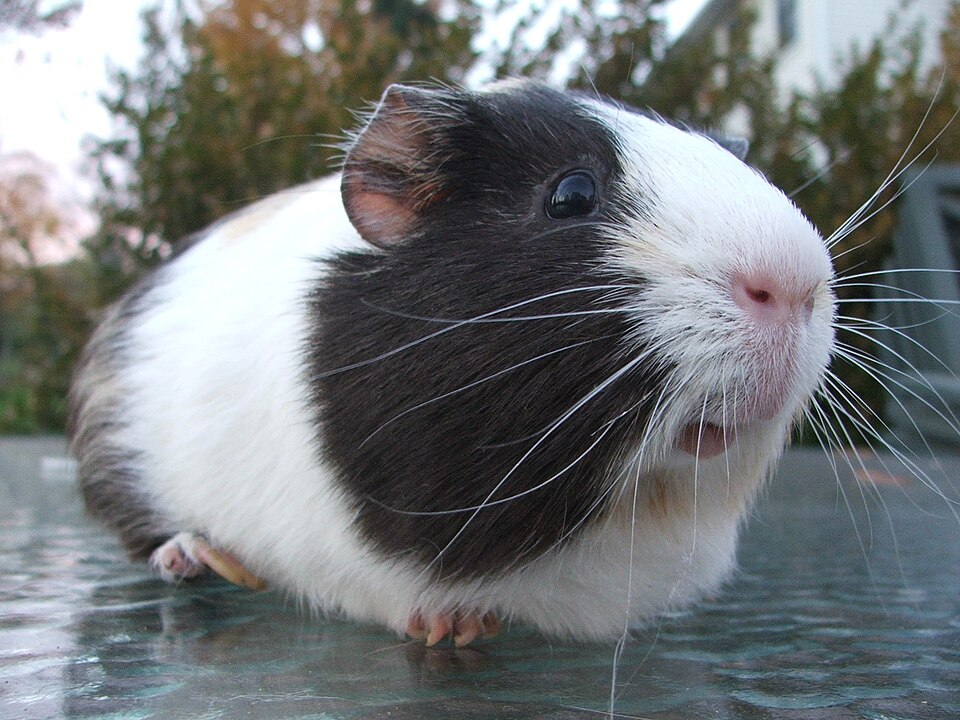
Guinea Pig Why It Was Selected

Diet recorded as Herbivore , explicitly recorded as not requiring rodent-based prey; specific food must still be verified against dietary records.

Please Confirm: Space and companionship,Small body size does not mean a small cage is sufficient; social species also require stable companions or interaction time.

Small Mammals
Guinea Pig (Cavia porcellus)
Images · CC BY-SA 4.0Gzen92 / Wikimedia Commons

Guinea Pig

Cavia porcellus

Requires companions, continuous ground, unlimited hay, and vitamin C.

Adult size
7.87–11.81 in
Reference Lifespan
4–8 yr
Environment reference
64.4–75.2 °F
Basic CareHerbivore · Risks Low
Ownership Score 79/100

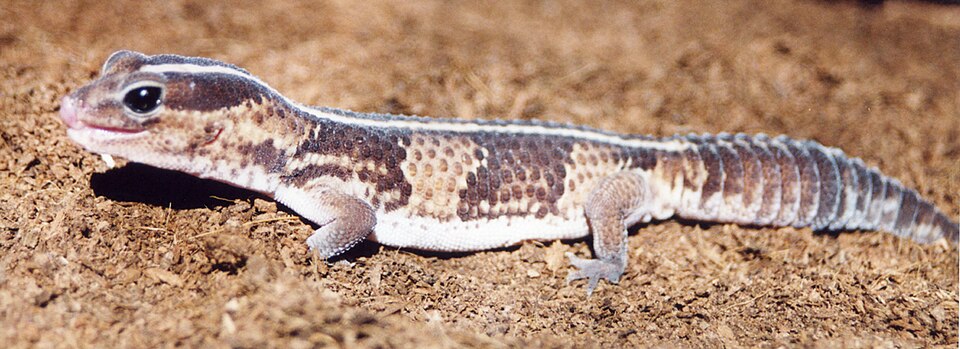
Fat Tailed Gecko Why It Was Selected

Diet recorded as Insectivore , explicitly recorded as not requiring rodent-based prey; specific food must still be verified against dietary records.

Please Confirm: Moist hide,It relies more on a moist hide than a leopard gecko; keeping the entire enclosure damp continuously will still cause problems.

Reptiles
Fat Tailed Gecko (Hemitheconyx caudicinctus)
Images · CC BY-SA 3.0Stolbovsky / Wikimedia Commons

Fat Tailed Gecko

Hemitheconyx caudicinctus

Terrestrial and nocturnal, similar to Leopard Geckos, but humidity and hide configurations cannot be directly copied.

Adult size
7.09–9.06 in
Reference Lifespan
10–15 yr
Environment reference
75.2–86 °F
Basic CareInsectivore · Risks Low
Ownership Score 75/100

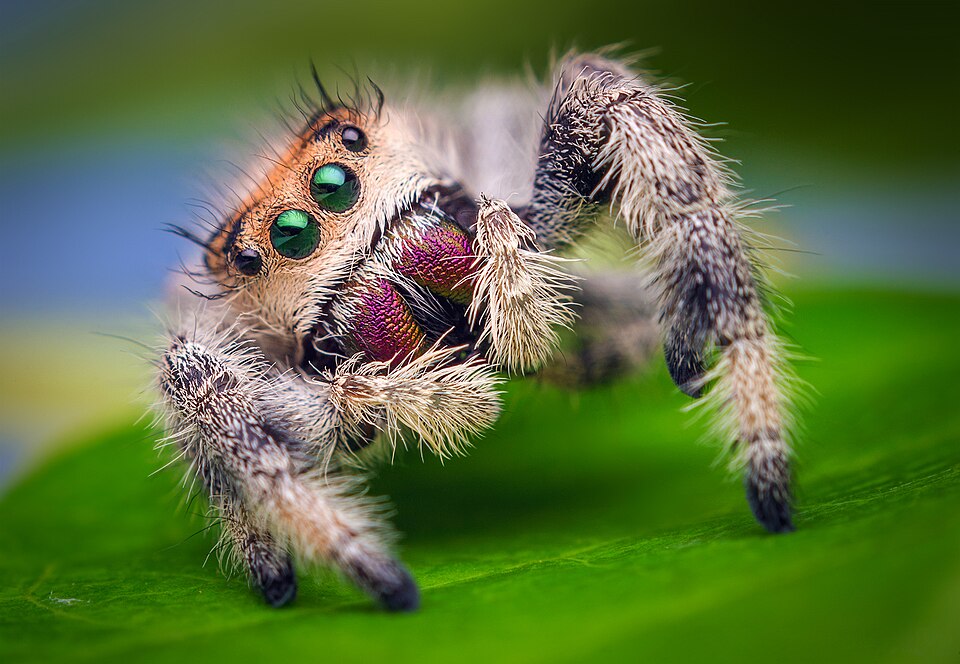
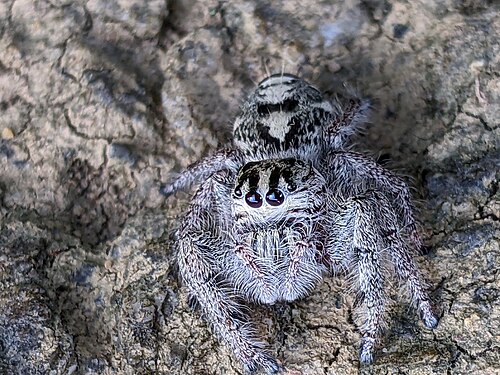
Regal Jumping Spider Why It Was Selected

Diet recorded as Insectivore , explicitly recorded as not requiring rodent-based prey; specific food must still be verified against dietary records.

Please Confirm: Molting window,Do not move or feed during the molting period; temporary inactivity is often natural behavior.

Invertebrates
Regal Jumping Spider (Phidippus regius)
Images · CC BY 2.0Thomas Shahan / Wikimedia Commons

Regal Jumping Spider

Phidippus regius

Small body size, good vision, and suitable for observation, but short lifespan and live prey supply require mental preparation.

Adult size
0.59–0.79 in
Reference Lifespan
1–2 yr
Environment reference
71.6–82.4 °F
Basic CareInsectivore · Risks Low
Ownership Score 73/100

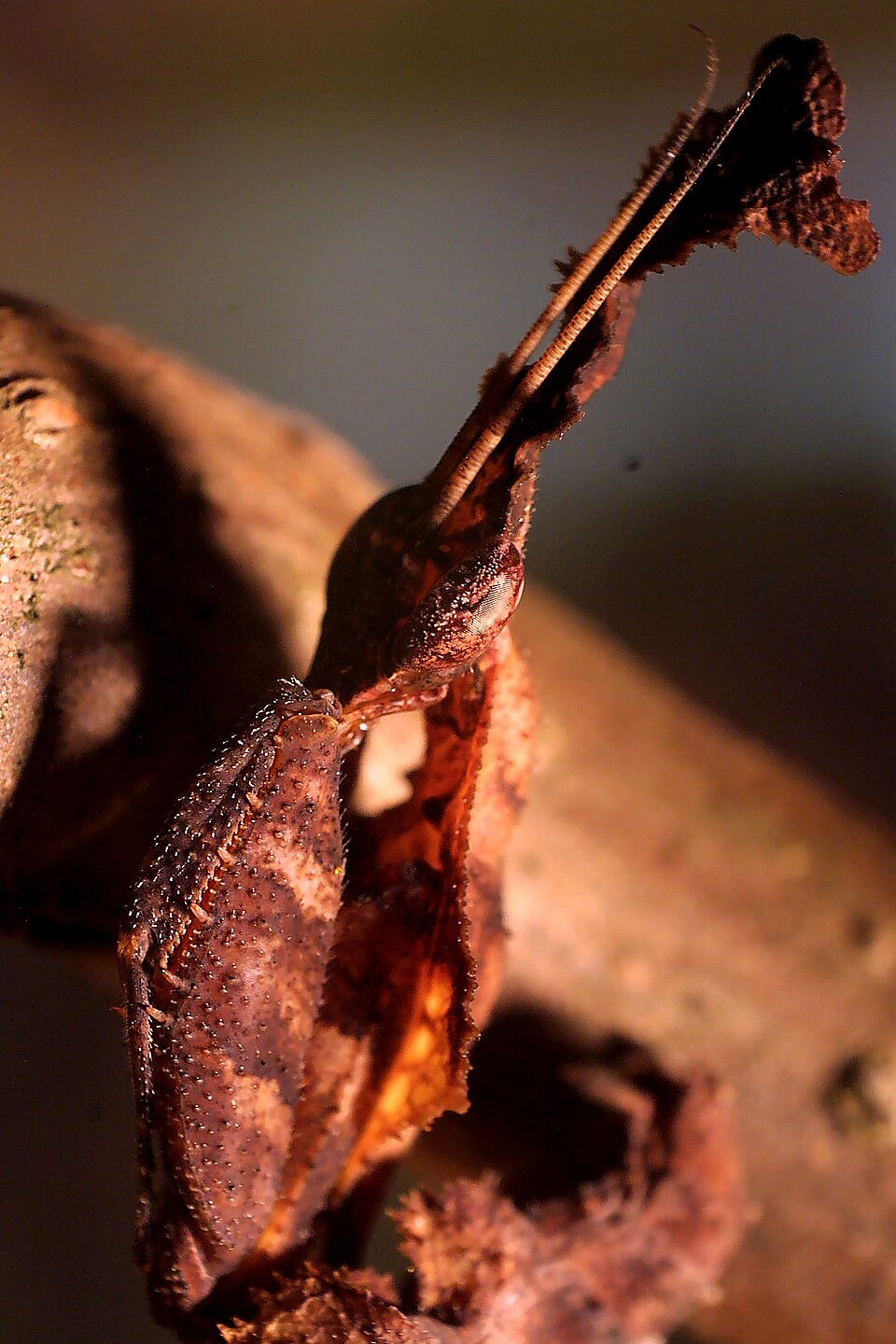
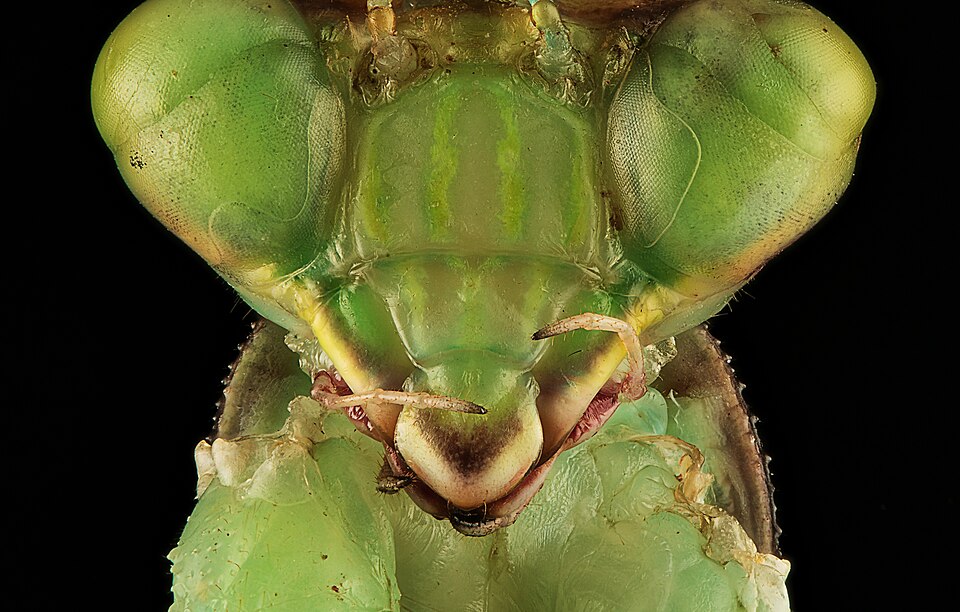
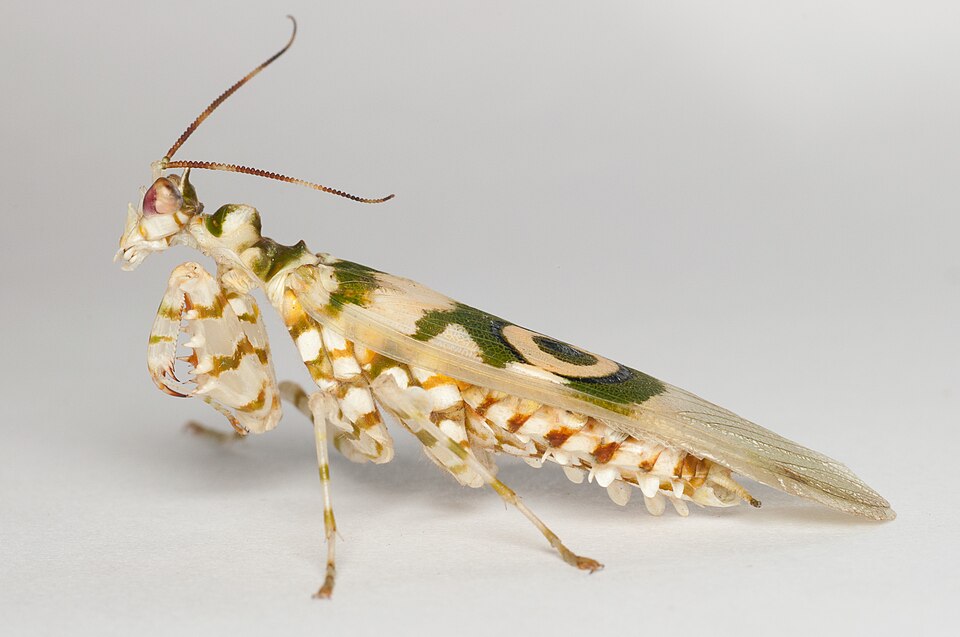
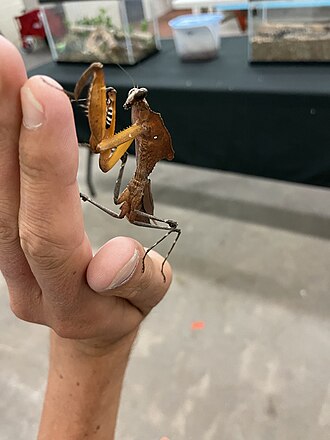
Ghost Mantis Why It Was Selected

Diet recorded as Insectivore , explicitly recorded as not requiring rodent-based prey; specific food must still be verified against dietary records.

Please Confirm: Molting window,Do not move or feed during the molting period; temporary inactivity is often natural behavior.

Invertebrates
Ghost Mantis (Phyllocrania paradoxa)
Images · CC BY-SA 3.0Mydriatic / Wikimedia Commons

Ghost Mantis

Phyllocrania paradoxa

Camouflage-oriented observation insects requiring high, ventilated, and stable live prey.

Adult size
1.57–2.36 in
Reference Lifespan
1–2 yr
Environment reference
71.6–82.4 °F
Basic CareInsectivore · Risks Low
Ownership Score 73/100

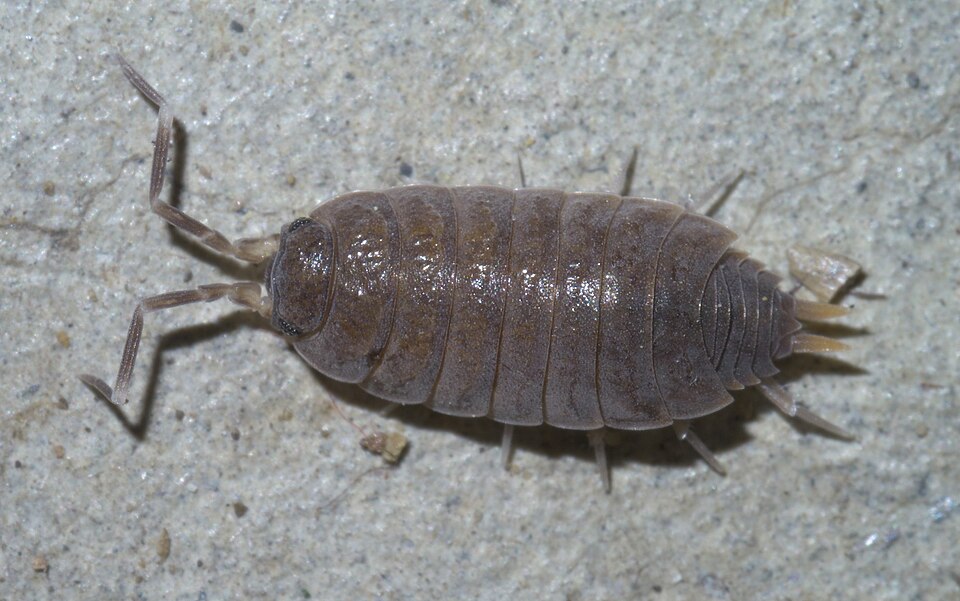
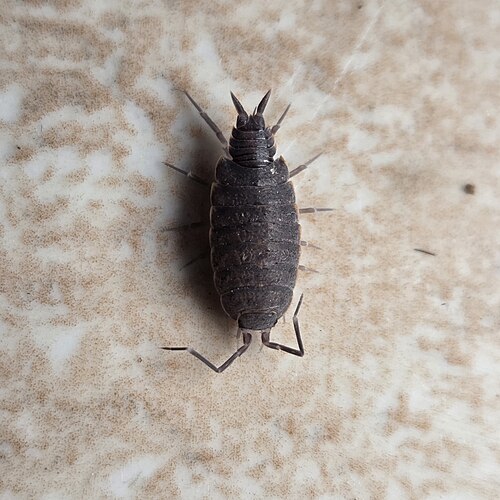
Powder Orange Isopod Why It Was Selected

Diet recorded as Detritivore , explicitly recorded as not requiring rodent-based prey; specific food must still be verified against dietary records.

Please Confirm: Molting window,Do not move or feed during the molting period; temporary inactivity is often natural behavior.

Invertebrates
Powder Orange Isopod (Porcellionides pruinosus)
Images · CC BY-SA 4.0 xpda / Wikimedia Commons

Powder Orange Isopod

Porcellionides pruinosus

Decomposer colonies centered on safe leaf litter, rotting wood, and humidity gradients.

Adult size
0.39–0.79 in
Reference Lifespan
1–2 yr
Environment reference
68–78.8 °F
Basic CareDetritivore · Risks Low
Ownership Score 73/100

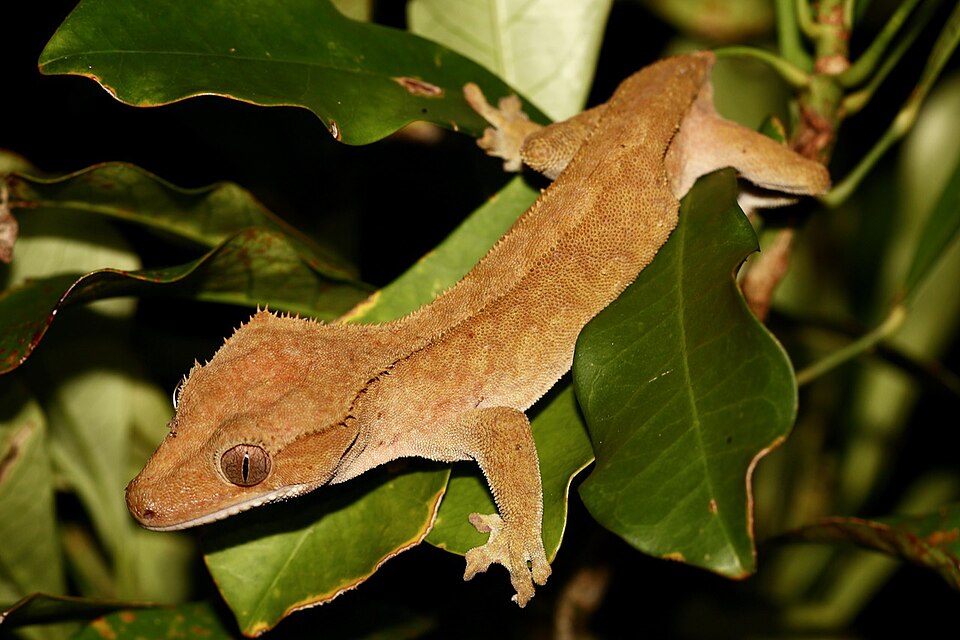
Crested Gecko Why It Was Selected

Diet recorded as Omnivore , explicitly recorded as not requiring rodent-based prey; specific food must still be verified against dietary records.

Please Confirm: Summer overheating,Prolonged temperatures above approximately 82.4 °F may be more dangerous than brief coolness; cooling solutions must be tested in advance.

Reptiles
Crested Gecko (Correlophus ciliatus)
Images · CC BY 4.0Lennart Hudel / Wikimedia Commons

Crested Gecko

Correlophus ciliatus

Nocturnal arboreal gecko; vertical space is more valuable than exposed floor.

Adult size
7.09–9.84 in
Reference Lifespan
15–20 yr
Environment reference
71.6–78.8 °F
Basic CareOmnivore · Risks Low
Ownership Score 72/100

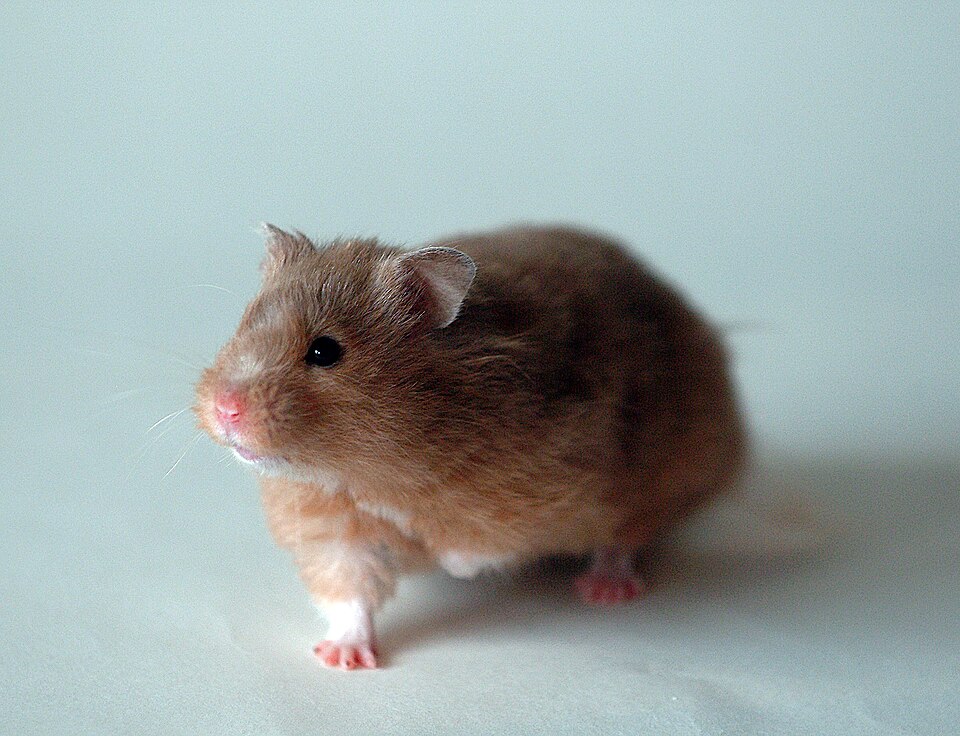
Syrian Hamster Why It Was Selected

Diet recorded as Omnivore , explicitly recorded as not requiring rodent-based prey; specific food must still be verified against dietary records.

Please Confirm: Space and companionship,Small body size does not mean a small cage is sufficient; social species also require stable companions or interaction time.

Small Mammals
Syrian Hamster (Mesocricetus auratus)
Images · CC BY 2.5Adamjennison111 at English Wikipedia / Wikimedia Commons

Syrian Hamster

Mesocricetus auratus

Solitary nocturnal rodent; prioritize deep bedding and continuous floor space.

Adult size
5.12–7.09 in
Reference Lifespan
2–3 yr
Environment reference
64.4–75.2 °F
Basic CareOmnivore · Risks Low
Ownership Score 72/100

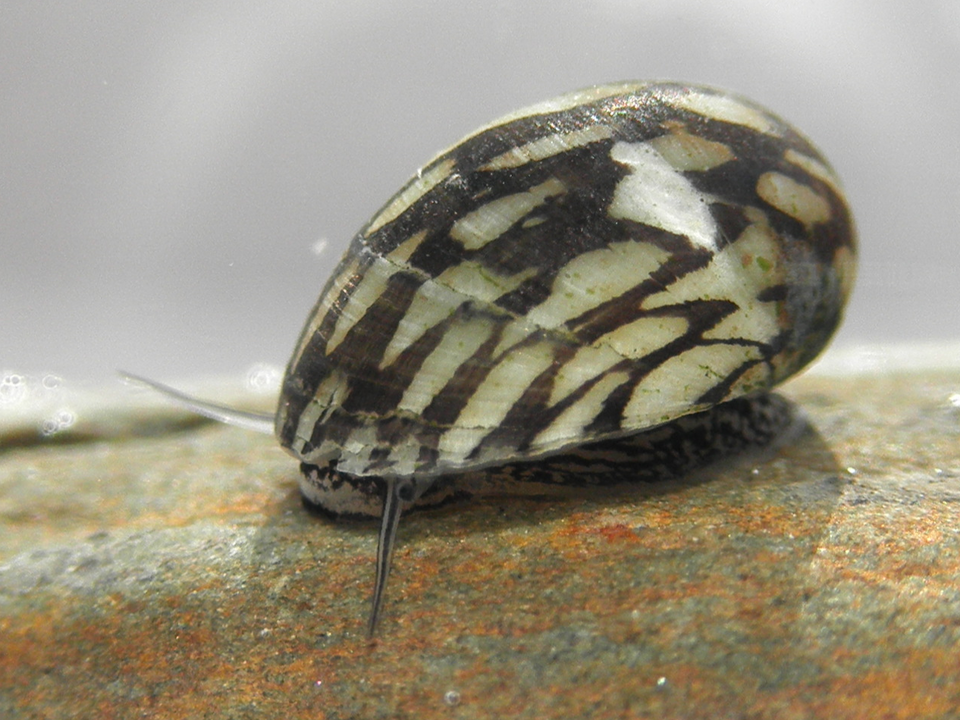
Nerite Snail Why It Was Selected

Diet recorded as Herbivore , explicitly recorded as not requiring rodent-based prey; specific food must still be verified against dietary records.

Please Confirm: Condition the water before introducing animals.,Established cycling, water changes, and water quality testing are daily tasks; a clear tank does not mean low maintenance.

Ornamental Aquatics
Nerite Snail (Neritina natalensis)
Images · CC BY 4.0Michal Maňas / Wikimedia Commons

Nerite Snail

Neritina natalensis

An ornamental snail that feeds primarily on algal films; stable life depends on mature tanks, minerals, and escape prevention.

Adult size
0.79–1.18 in
Reference Lifespan
1–2 yr
Water Temperature
68–82.4 °F
Basic CareHerbivore · Risks Low
Ownership Score 72/100

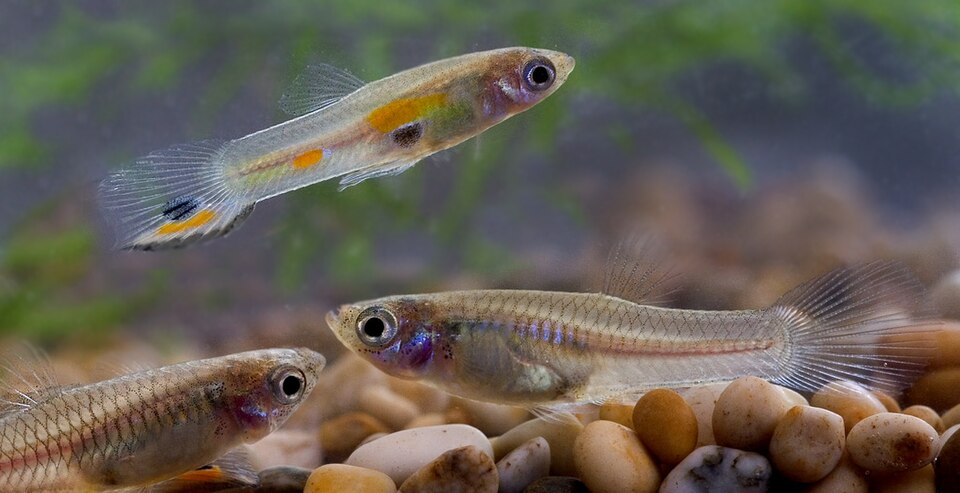
Guppy Why It Was Selected

Diet recorded as Omnivore , explicitly recorded as not requiring rodent-based prey; specific food must still be verified against dietary records.

Please Confirm: Condition the water before introducing animals.,Established cycling, water changes, and water quality testing are daily tasks; a clear tank does not mean low maintenance.

Ornamental Aquatics
Guppy (Poecilia reticulata)
Images · CC BY 3.0Per Harald Olsen / Wikimedia Commons

Guppy

Poecilia reticulata

Active livebearers; breeding rates often exceed beginner expectations.

Adult size
1.18–2.36 in
Reference Lifespan
2–3 yr
Water Temperature
71.6–78.8 °F
Basic CareOmnivore · Risks Low
Ownership Score 71/100
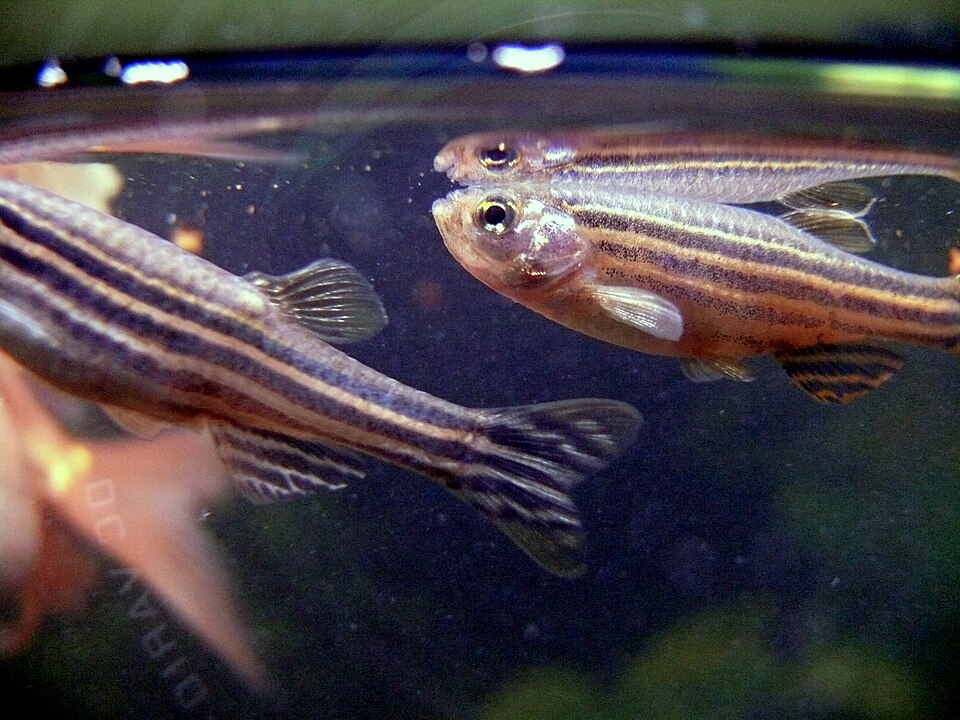
Zebra Danio Why It Was Selected

Diet recorded as Omnivore , explicitly recorded as not requiring rodent-based prey; specific food must still be verified against dietary records.

Please Confirm: Condition the water before introducing animals.,Established cycling, water changes, and water quality testing are daily tasks; a clear tank does not mean low maintenance.

Ornamental Aquatics
Zebra Danio (Danio rerio)
Images · CC BY-SA 3.0Pogrebnoj-Alexandroff / Wikimedia Commons

Zebra Danio

Danio rerio

Fast-schooling fish; do not omit horizontal swimming space due to small body size.

Adult size
1.57–1.97 in
Reference Lifespan
3–5 yr
Water Temperature
64.4–75.2 °F
Basic CareOmnivore · Risks Low
Ownership Score 71/100
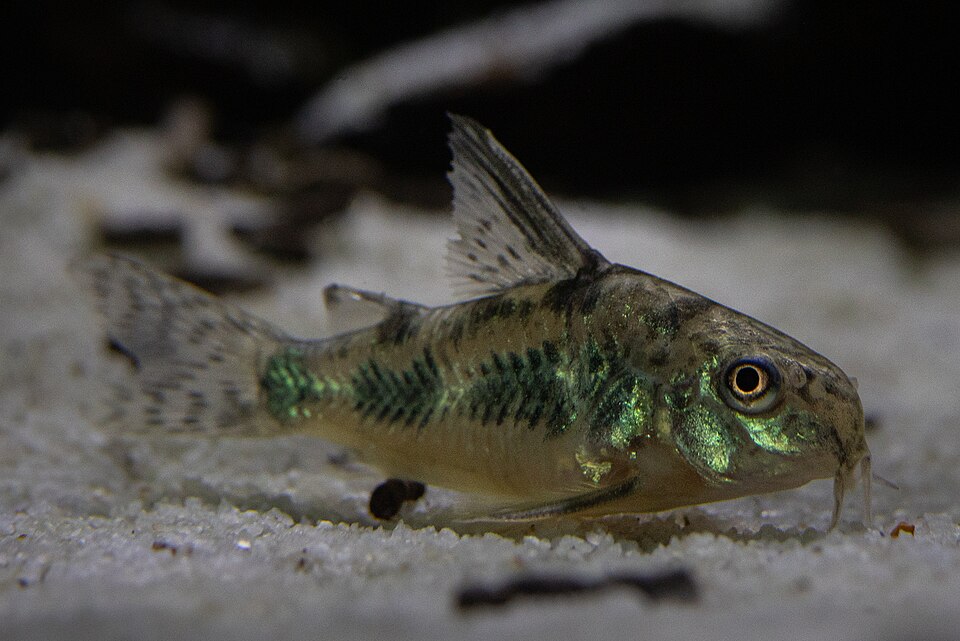
Peppered Corydoras Why It Was Selected

Diet recorded as Omnivore , explicitly recorded as not requiring rodent-based prey; specific food must still be verified against dietary records.

Please Confirm: Condition the water before introducing animals.,Established cycling, water changes, and water quality testing are daily tasks; a clear tank does not mean low maintenance.

Ornamental Aquatics
Peppered Corydoras (Corydoras paleatus)
Images · CC BY-SA 4.0 Mattia Nocciola / Wikimedia Commons

Peppered Corydoras

Corydoras paleatus

Bottom-dwelling schooling fish; soft substrate, sufficient companions, and mature cycling are more important than the 'cleaner' label.

Adult size
1.97–2.76 in
Reference Lifespan
3–5 yr
Water Temperature
68–77 °F
Basic CareOmnivore · Risks Low
Ownership Score 71/100
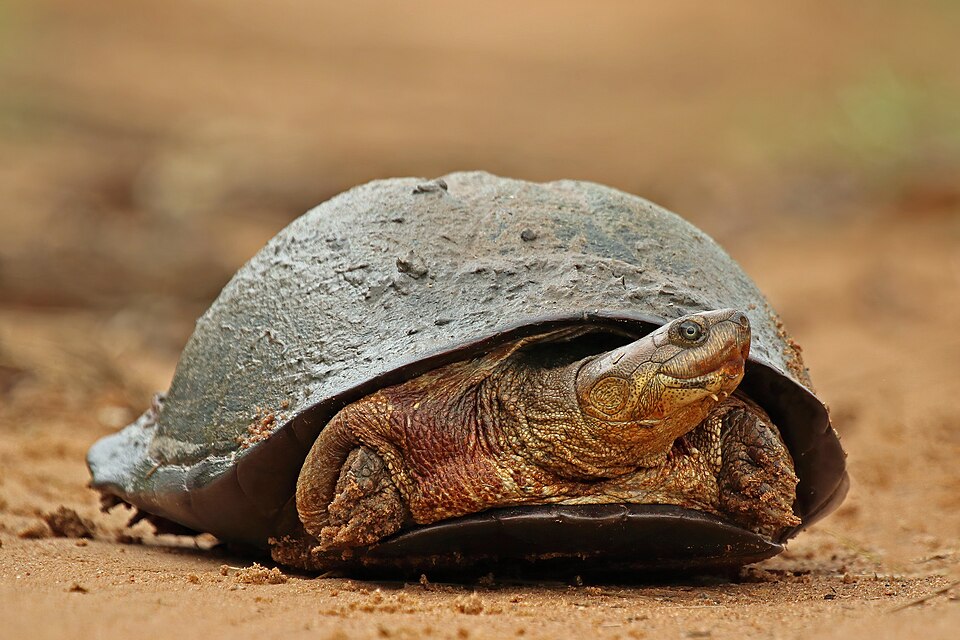
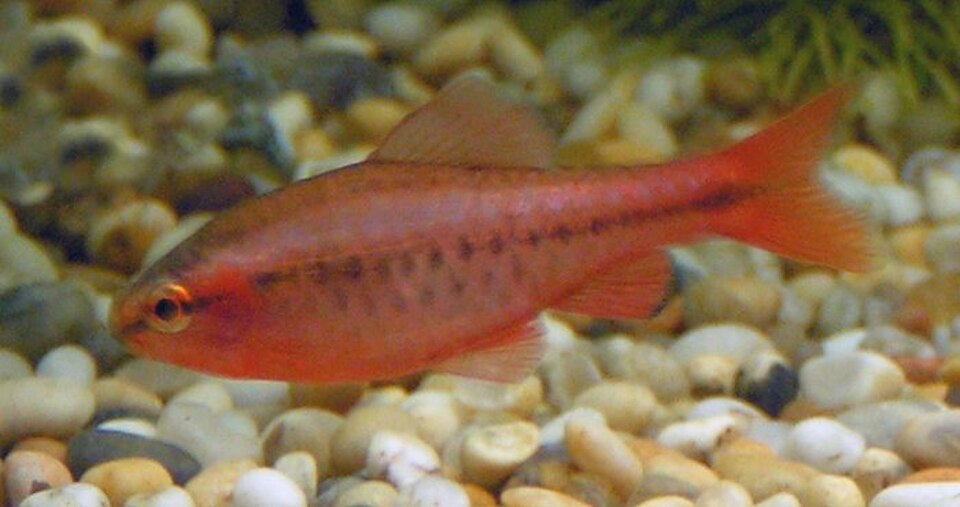
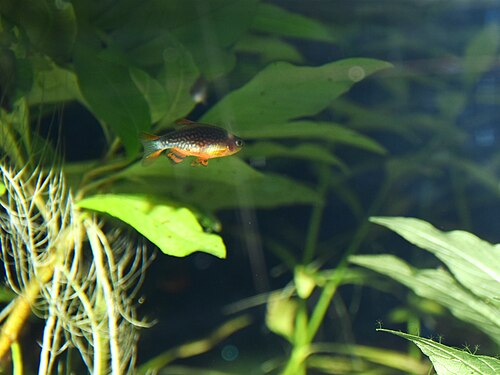
Cherry Barb Why It Was Selected

Diet recorded as Omnivore , explicitly recorded as not requiring rodent-based prey; specific food must still be verified against dietary records.

Please Confirm: Condition the water before introducing animals.,Established cycling, water changes, and water quality testing are daily tasks; a clear tank does not mean low maintenance.

Ornamental Aquatics
Cherry Barb (Puntius titteya)
Images · CC BY-SA 3.0sannse / Wikimedia Commons

Cherry Barb

Puntius titteya

Gentle schooling fish; require sufficient companions, plant cover, and mature cycling.

Adult size
1.57–1.97 in
Reference Lifespan
4–6 yr
Water Temperature
71.6–80.6 °F
Basic CareOmnivore · Risks Low
Ownership Score 71/100
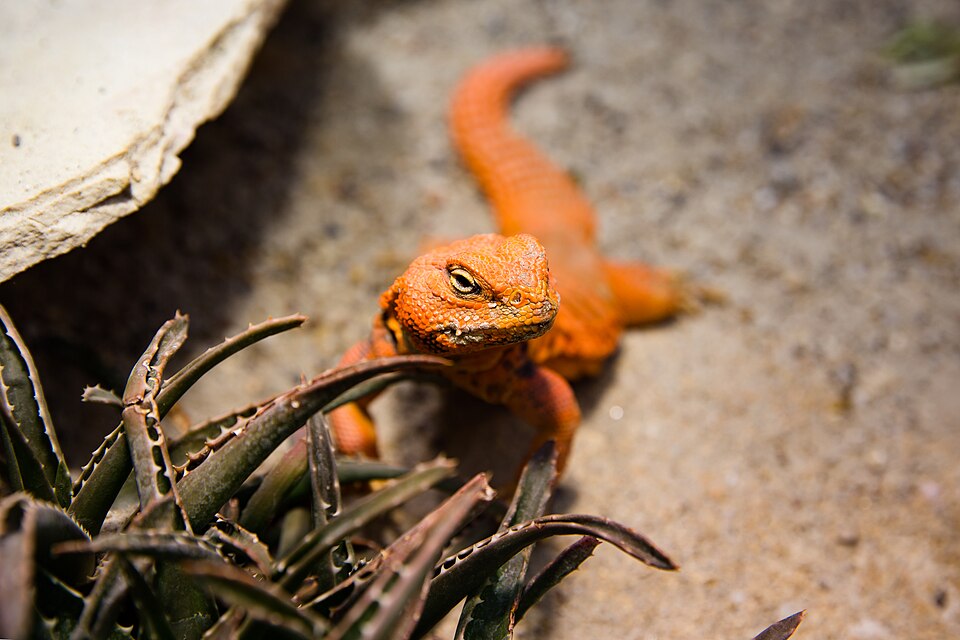
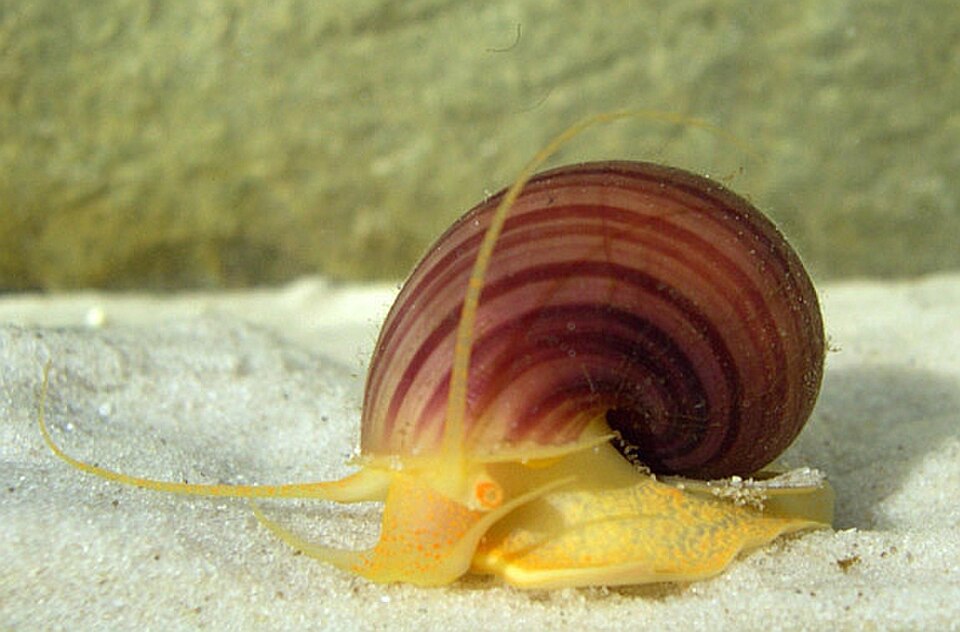
Mystery Snail Why It Was Selected

Diet recorded as Herbivore , explicitly recorded as not requiring rodent-based prey; specific food must still be verified against dietary records.

Please Confirm: Condition the water before introducing animals.,Established cycling, water changes, and water quality testing are daily tasks; a clear tank does not mean low maintenance.

Ornamental Aquatics
Mystery Snail (Pomacea diffusa)
Images · CC BY-SA 3.0Stijn Ghesquiere / Wikimedia Commons

Mystery Snail

Pomacea diffusa

A freshwater snail that breathes air and can climb out of the tank; calcium, water level, and escape prevention are more important than appearance.

Adult size
1.57–1.97 in
Reference Lifespan
1–2 yr
Water Temperature
68–82.4 °F
Basic CareHerbivore · Risks Low
Ownership Score 71/100
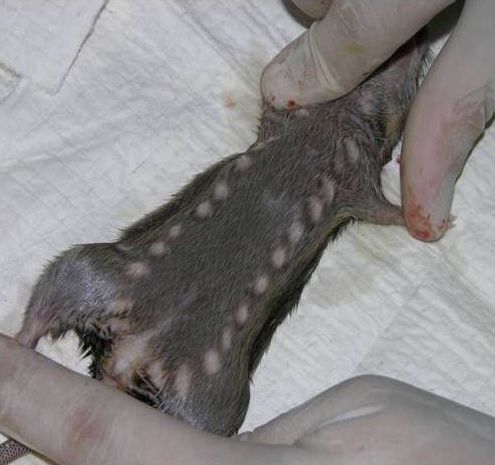
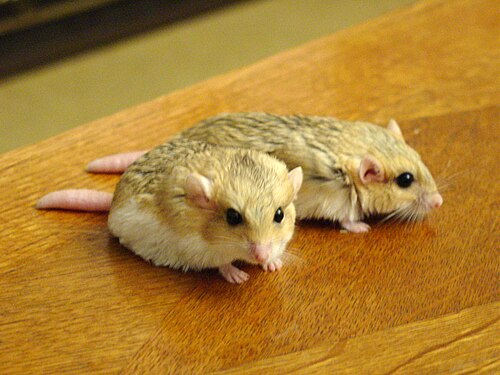
Fat Tailed Gerbil Why It Was Selected

Diet recorded as Omnivore , explicitly recorded as not requiring rodent-based prey; specific food must still be verified against dietary records.

Please Confirm: Space and companionship,Small body size does not mean a small cage is sufficient; social species also require stable companions or interaction time.

Small Mammals
Fat Tailed Gerbil (Pachyuromys duprasi)
Images · CC BY-SA 2.5P.H.J. (Peter) Maas / www.petermaas.nl / Wikimedia Commons

Fat Tailed Gerbil

Pachyuromys duprasi

Tail fat storage and nocturnal activity are key traits; deep bedding, low-sugar diets, and escape prevention are most critical.

Adult size
3.94–5.12 in
Reference Lifespan
4–7 yr
Environment reference
68–82.4 °F
Advanced CareOmnivore · Risks Low
Ownership Score 71/100
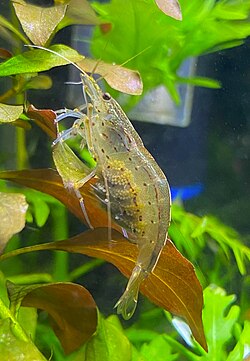
Chinese Hamster Why It Was Selected

Diet recorded as Omnivore , explicitly recorded as not requiring rodent-based prey; specific food must still be verified against dietary records.

Please Confirm: Space and companionship,Small body size does not mean a small cage is sufficient; social species also require stable companions or interaction time.

Small Mammals
Chinese Hamster (Cricetulus griseus)
Images · CC BY 4.0Natuur12 / Wikimedia Commons

Chinese Hamster

Cricetulus griseus

Slender body and strong climbing ability; cage gaps, escape prevention, and single-housing boundaries cannot be simplified based on common hamster experience.

Adult size
3.54–4.72 in
Reference Lifespan
2–4 yr
Environment reference
64.4–77 °F
Advanced CareOmnivore · Risks Low
Ownership Score 71/100
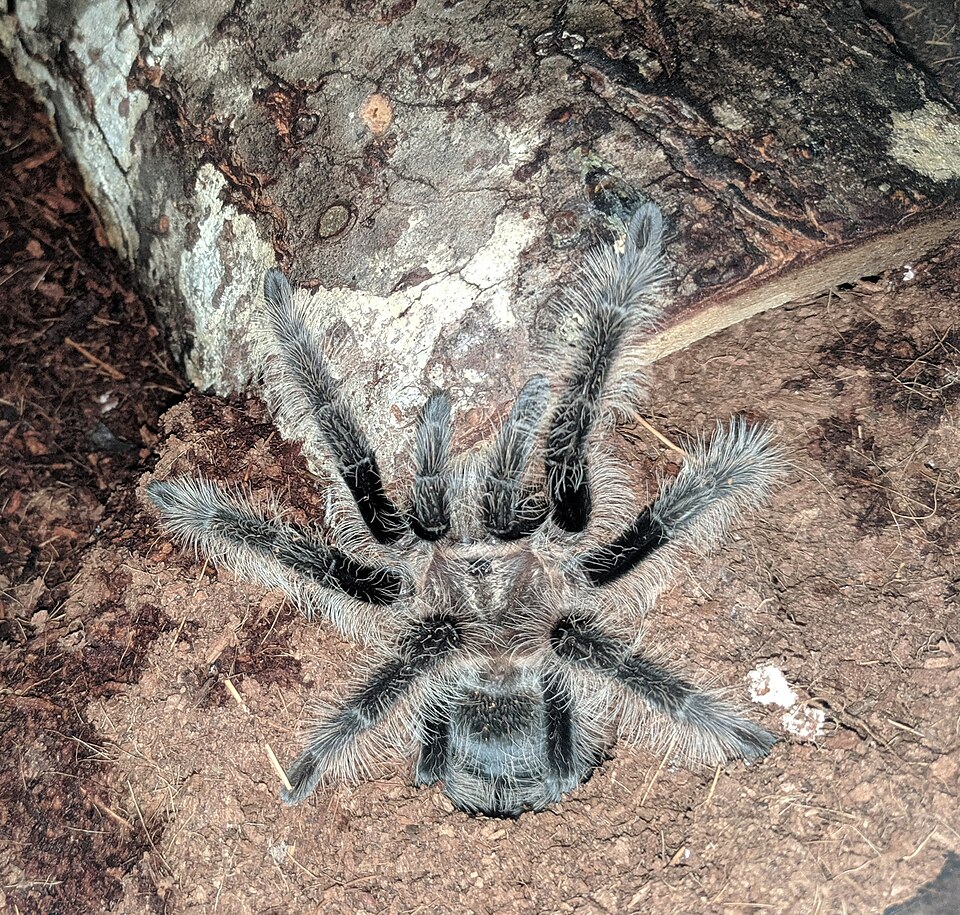
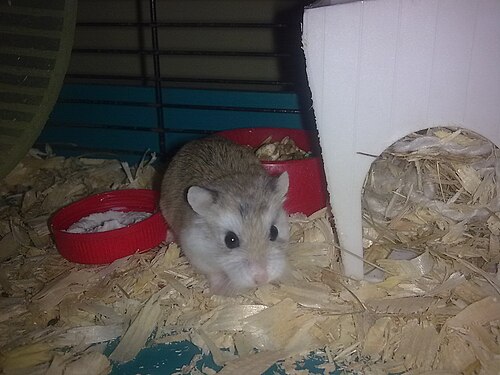
Roborovski Hamster Why It Was Selected

Diet recorded as Omnivore , explicitly recorded as not requiring rodent-based prey; specific food must still be verified against dietary records.

Please Confirm: Space and companionship,Small body size does not mean a small cage is sufficient; social species also require stable companions or interaction time.

Small Mammals
Roborovski Hamster (Phodopus roborovskii)
Images · CC BY 3.0Takaaka92 / Wikimedia Commons

Roborovski Hamster

Phodopus roborovskii

Small body size, fast, and not necessarily handling-friendly; prioritize wheels, deep bedding, and escape-proofing.

Adult size
1.97–3.15 in
Reference Lifespan
2–4 yr
Environment reference
64.4–77 °F
Advanced CareOmnivore · Risks Low
Ownership Score 71/100
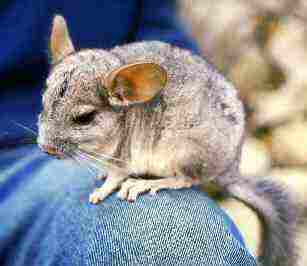
Campbell Dwarf Hamster Why It Was Selected

Diet recorded as Omnivore , explicitly recorded as not requiring rodent-based prey; specific food must still be verified against dietary records.

Please Confirm: Space and companionship,Small body size does not mean a small cage is sufficient; social species also require stable companions or interaction time.

Small Mammals
Campbell Dwarf Hamster (Phodopus campbelli)
Images · CC BY-SA 4.0NasserHalaweh / Wikimedia Commons

Campbell Dwarf Hamster

Phodopus campbelli

Requires deep bedding, stable routine, and controlled-sugar diet; co-housing cannot be assumed safe.

Adult size
3.15–4.33 in
Reference Lifespan
2–3 yr
Environment reference
64.4–77 °F
Advanced CareOmnivore · Risks Low
Ownership Score 71/100
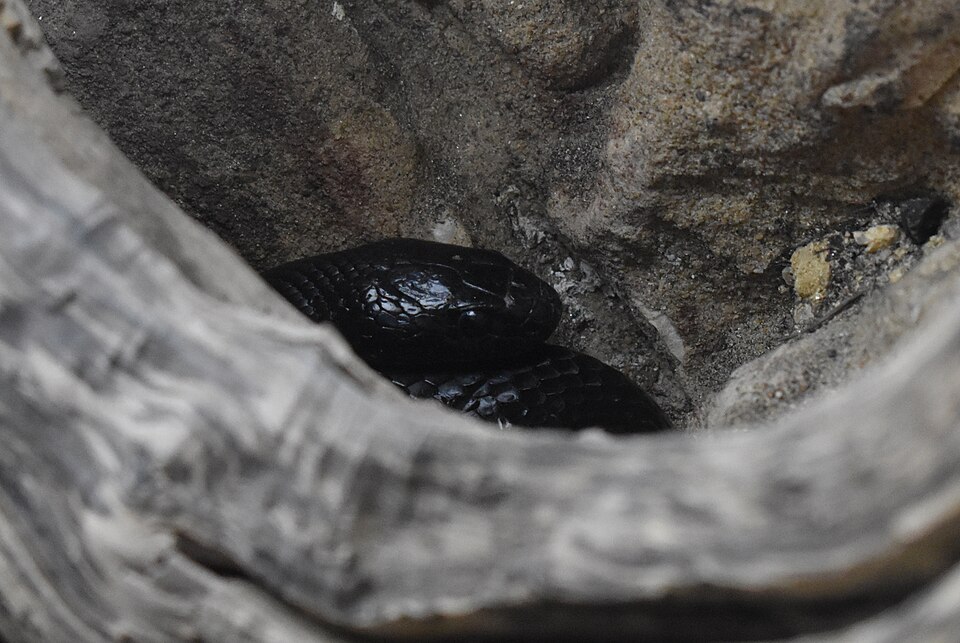
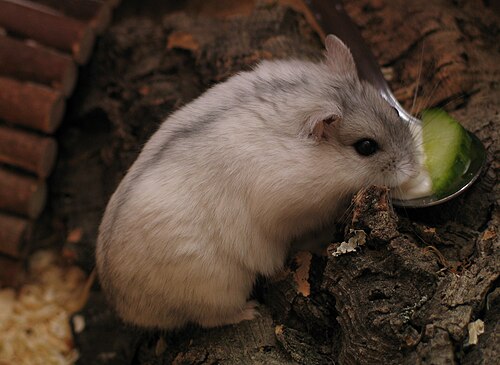
Winter White Hamster Why It Was Selected

Diet recorded as Omnivore , explicitly recorded as not requiring rodent-based prey; specific food must still be verified against dietary records.

Please Confirm: Space and companionship,Small body size does not mean a small cage is sufficient; social species also require stable companions or interaction time.

Small Mammals
Winter White Hamster (Phodopus sungorus)
Images · CC BY-SA 2.5Dirk Goldhahn / Wikimedia Commons

Winter White Hamster

Phodopus sungorus

Small body size but requires full running space; lighting, temperature, and co-housing conflicts must be considered in advance.

Adult size
3.15–4.33 in
Reference Lifespan
2–3 yr
Environment reference
64.4–77 °F
Advanced CareOmnivore · Risks Low
Ownership Score 71/100
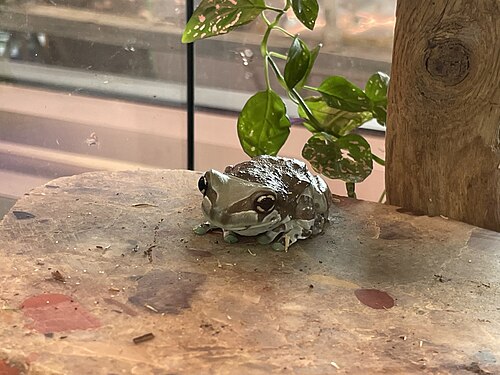
Common Mouse Why It Was Selected

Diet recorded as Omnivore , explicitly recorded as not requiring rodent-based prey; specific food must still be verified against dietary records.

Please Confirm: Space and companionship,Small body size does not mean a small cage is sufficient; social species also require stable companions or interaction time.

Small Mammals
Common Mouse (Mus musculus)
Images · CC BY 4.0Daniel Montesinos / Wikimedia Commons

Common Mouse

Mus musculus

Fast breeding, strong odor, and good at squeezing into crevices; gender segregation, bedding, and escape-proofing must be implemented simultaneously.

Adult size
2.76–3.94 in
Reference Lifespan
1–3 yr
Environment reference
64.4–78.8 °F
Advanced CareOmnivore · Risks Low
Ownership Score 71/100

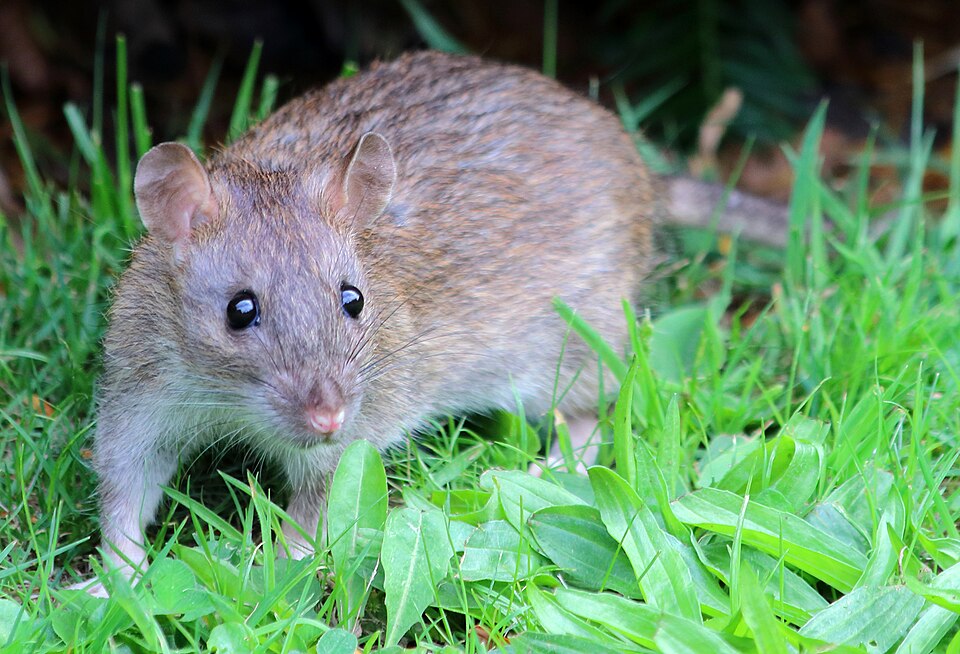
Fancy Rat Why It Was Selected

Diet recorded as Omnivore , explicitly recorded as not requiring rodent-based prey; specific food must still be verified against dietary records.

Please Confirm: Space and companionship,Small body size does not mean a small cage is sufficient; social species also require stable companions or interaction time.

Small Mammals
Fancy Rat (Rattus norvegicus)
Images · CC BY-SA 4.0Dunpharlain / Wikimedia Commons

Fancy Rat

Rattus norvegicus

Highly social and exploratory rodents; companionship and environmental enrichment are essential.

Adult size
7.87–11.02 in
Reference Lifespan
2–3 yr
Environment reference
64.4–75.2 °F
Basic CareOmnivore · Risks Low
Ownership Score 70/100

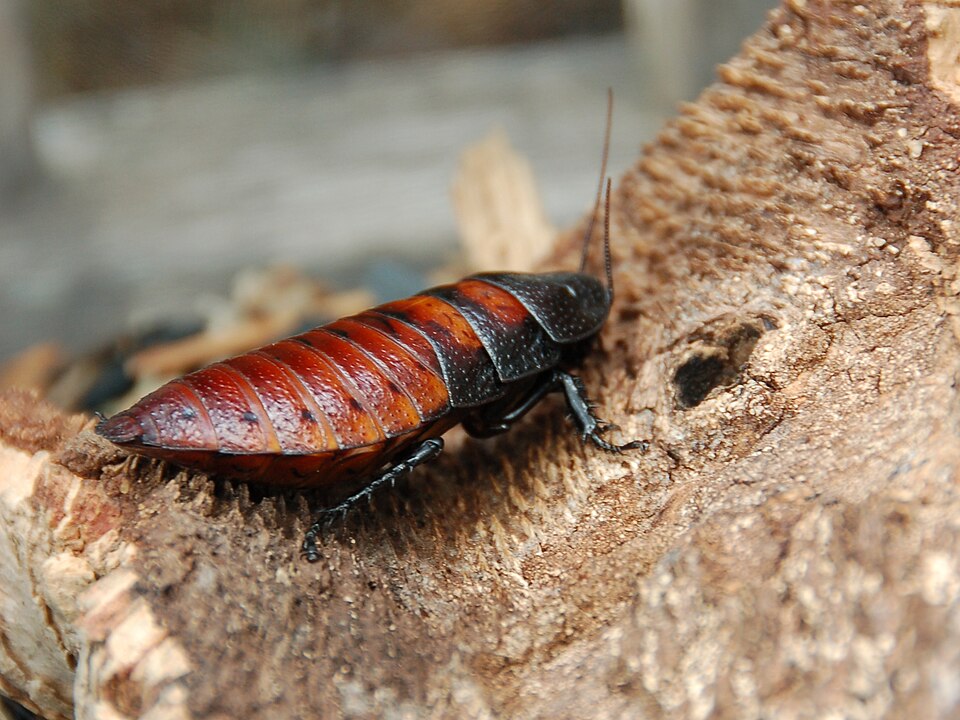
Madagascar Hissing Cockroach Why It Was Selected

Diet recorded as Detritivore , explicitly recorded as not requiring rodent-based prey; specific food must still be verified against dietary records.

Please Confirm: Group breeding,Housing multiple individuals makes population expansion easy, but plan for isolation and relocation before acquiring.

Invertebrates
Madagascar Hissing Cockroach (Gromphadorhina portentosa)
Images · Public domainAlmabes at English Wikipedia / Wikimedia Commons

Madagascar Hissing Cockroach

Gromphadorhina portentosa

Group housing, hissing, and breeding rates require more planning than they appear to suggest based on appearance.

Adult size
1.97–3.15 in
Reference Lifespan
2–5 yr
Environment reference
75.2–86 °F
Basic CareDetritivore · Risks Low
Ownership Score 70/100

Shaws Jird Why It Was Selected

Diet recorded as Omnivore , explicitly recorded as not requiring rodent-based prey; specific food must still be verified against dietary records.

Please Confirm: Space and companionship,Small body size does not mean a small cage is sufficient; social species also require stable companions or interaction time.

Small Mammals
Shaws Jird (Meriones shawi)
Images · CC BY 4.0Mourad Hazallah / Wikimedia Commons

Shaws Jird

Meriones shawi

Excavators, nocturnal, and prone to biting; deep bedding, chew-proof fencing, and social dynamics must be arranged first.

Adult size
4.72–7.09 in
Reference Lifespan
3–6 yr
Environment reference
68–82.4 °F
Advanced CareOmnivore · Risks Low
Ownership Score 70/100

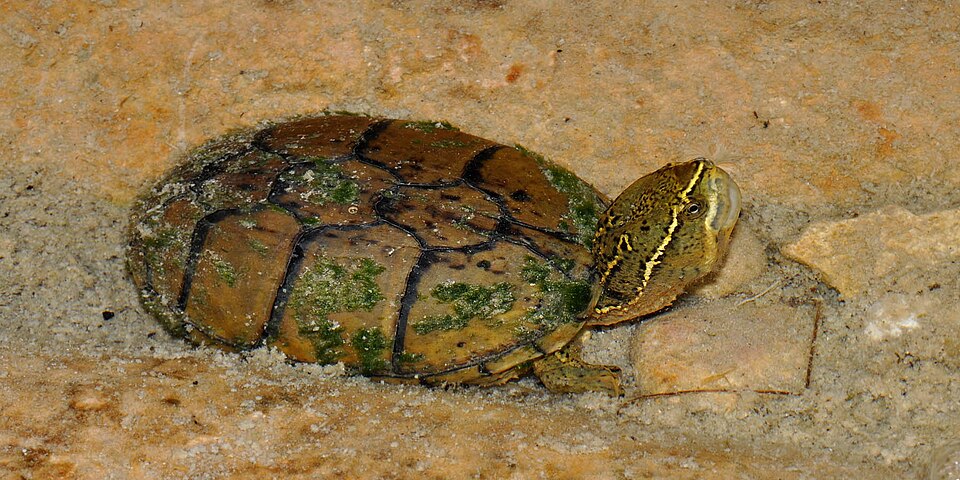
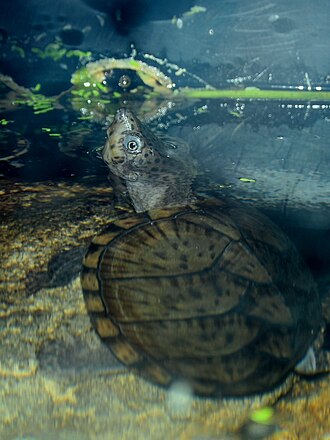
Common Musk Turtle Why It Was Selected

Diet recorded as Carnivore , explicitly recorded as not requiring rodent-based prey; specific food must still be verified against dietary records.

Please Confirm: Adult Space,Juveniles may appear small, but adult enclosures, lighting, and backup equipment constitute the long-term cost.

Reptiles
Common Musk Turtle (Sternotherus odoratus)
Images · CC BY-SA 4.0William L. Farr / Wikimedia Commons

Common Musk Turtle

Sternotherus odoratus

Small size but can climb out of water and bite; prepare shallow water structure, basking platform, and escape-proof cover simultaneously.

Adult size
3.15–5.51 in
Reference Lifespan
20–30 yr
Environment reference
71.6–82.4 °F
Advanced CareCarnivore · Risks Low
Ownership Score 69/100

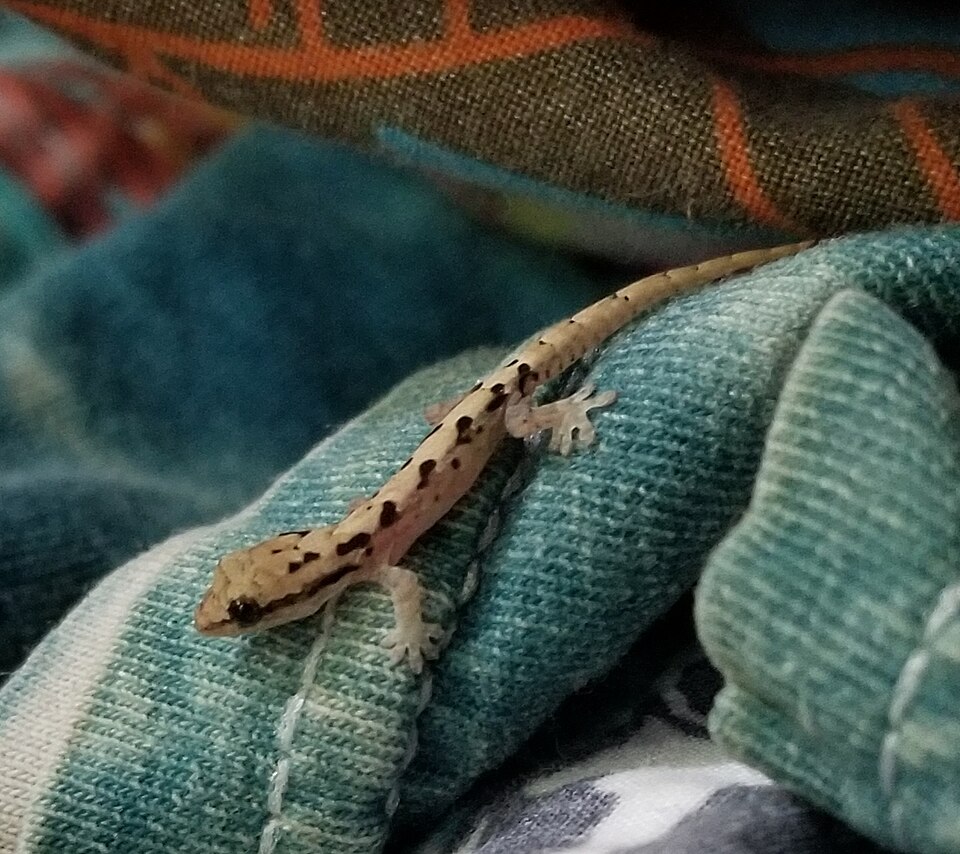
Mourning Gecko Why It Was Selected

Diet recorded as Omnivore , explicitly recorded as not requiring rodent-based prey; specific food must still be verified against dietary records.

Please Confirm: Adult Space,Juveniles may appear small, but adult enclosures, lighting, and backup equipment constitute the long-term cost.

Reptiles
Mourning Gecko (Lepidodactylus lugubris)
Images · CC BY 2.0patrickkavanagh / Wikimedia Commons

Mourning Gecko

Lepidodactylus lugubris

Extremely small body and capable of escaping through gaps; group breeding and ventilation hole protection must be designed in advance.

Adult size
3.15–3.94 in
Reference Lifespan
5–10 yr
Environment reference
71.6–82.4 °F
Advanced CareOmnivore · Risks Low
Ownership Score 69/100

Razor Backed Musk Turtle Why It Was Selected

Diet recorded as Omnivore , explicitly recorded as not requiring rodent-based prey; specific food must still be verified against dietary records.

Please Confirm: Adult Space,Juveniles may appear small, but adult enclosures, lighting, and backup equipment constitute the long-term cost.

Reptiles
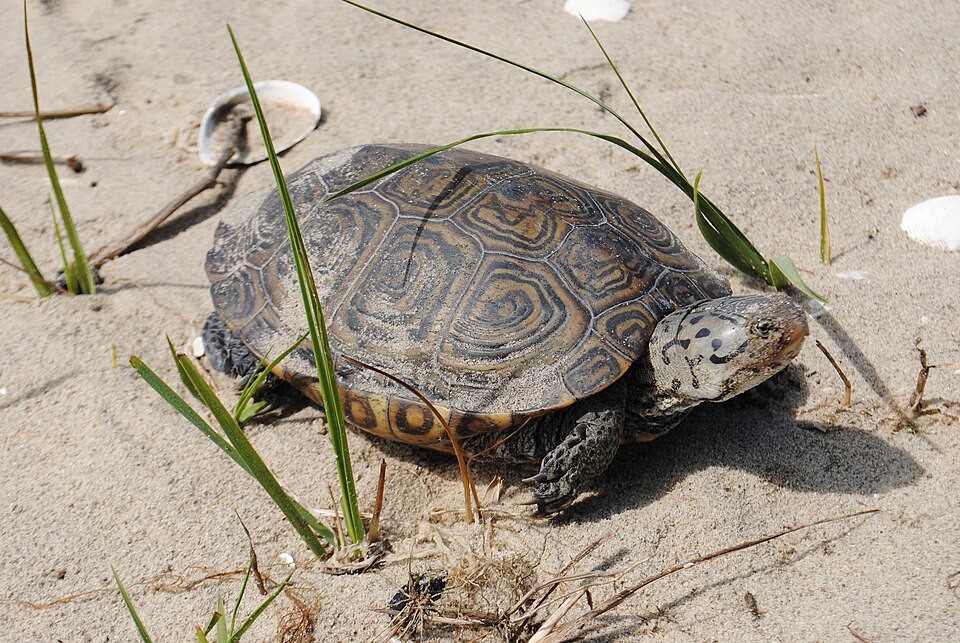
Razor Backed Musk Turtle (Sternotherus carinatus)
Images · CC BY-SA 4.0NasserHalaweh / Wikimedia Commons

Razor Backed Musk Turtle

Sternotherus carinatus

Small body size but requires stable water quality, substrate area, and surface aeration; small boxes cannot replace aquariums for long-term housing.

Adult size
3.94–5.91 in
Reference Lifespan
20–30 yr
Environment reference
71.6–82.4 °F
Advanced CareOmnivore · Risks Low
Ownership Score 69/100

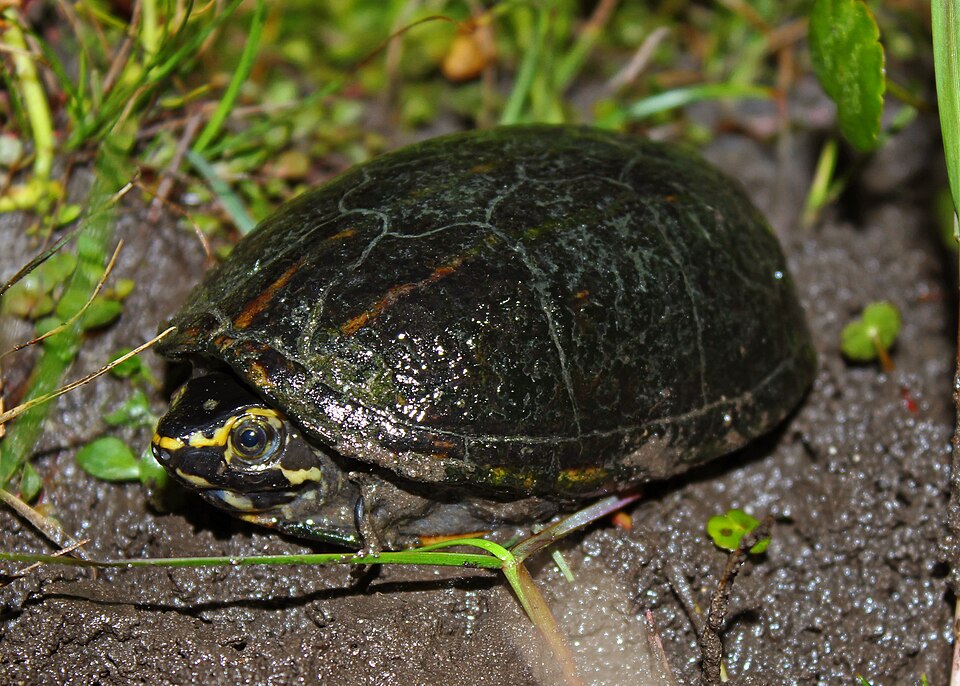
Striped Mud Turtle Why It Was Selected

Diet recorded as Omnivore , explicitly recorded as not requiring rodent-based prey; specific food must still be verified against dietary records.

Please Confirm: Adult Space,Juveniles may appear small, but adult enclosures, lighting, and backup equipment constitute the long-term cost.

Reptiles
Striped Mud Turtle (Kinosternon baurii)
Images · CC BY 2.0Peter Paplanus / Wikimedia Commons

Striped Mud Turtle

Kinosternon baurii

Shallow water, basking platforms, and hides must form a safe route; water quality fluctuations directly impact feeding and activity.

Adult size
3.94–5.91 in
Reference Lifespan
20–30 yr
Environment reference
71.6–82.4 °F
Advanced CareOmnivore · Risks Low
Ownership Score 69/100

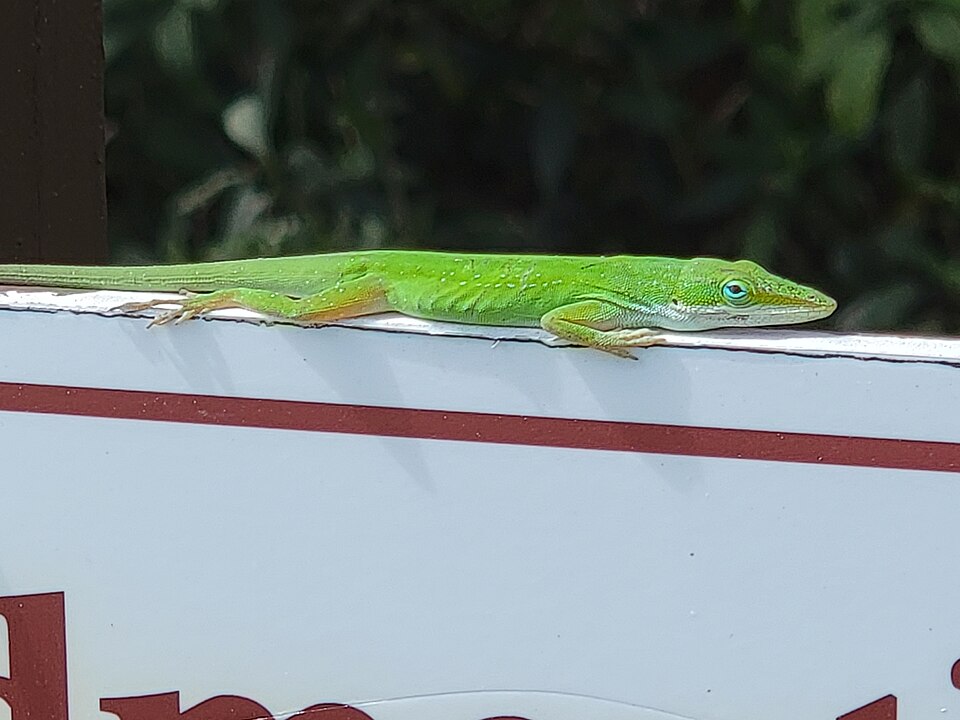
Green Anole Why It Was Selected

Diet recorded as Insectivore , explicitly recorded as not requiring rodent-based prey; specific food must still be verified against dietary records.

Please Confirm: Adult Space,Juveniles may appear small, but adult enclosures, lighting, and backup equipment constitute the long-term cost.

Reptiles
Green Anole (Anolis carolinensis)
Images · CC BY-SA 4.0Wilafa / Wikimedia Commons

Green Anole

Anolis carolinensis

Small body size but relies on vertical space, UVB, and live prey; when group-housed, monitor for territorial stress.

Adult size
4.72–7.87 in
Reference Lifespan
4–8 yr
Environment reference
71.6–86 °F
Advanced CareInsectivore · Risks Low
Ownership Score 68/100

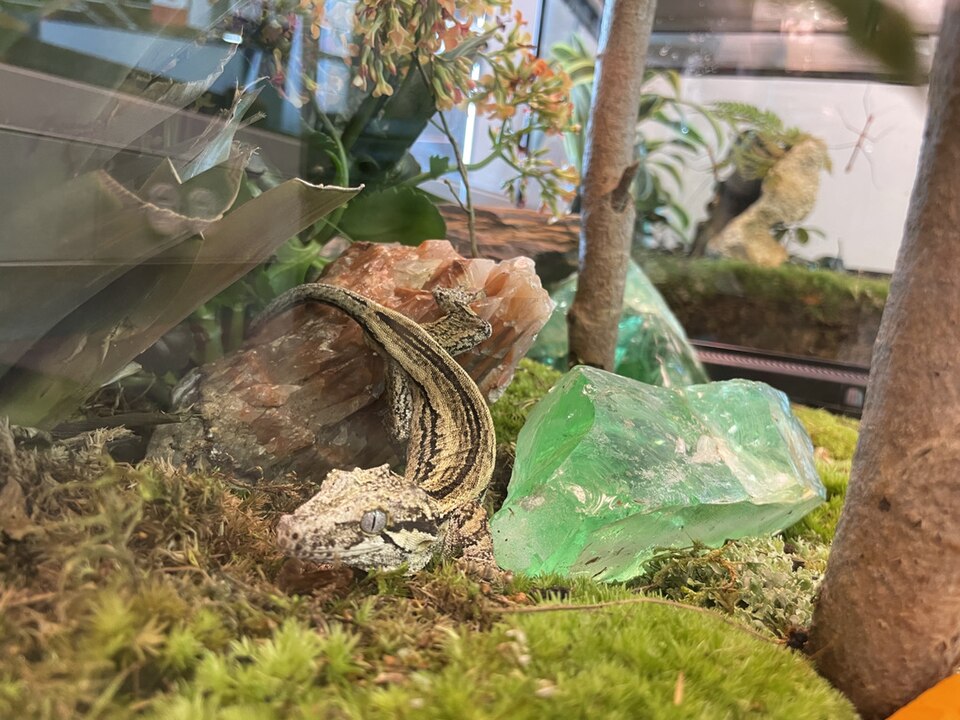
Gargoyle Gecko Why It Was Selected

Diet recorded as Omnivore , explicitly recorded as not requiring rodent-based prey; specific food must still be verified against dietary records.

Please Confirm: High enclosure for escape prevention,Climbing routes, gaps in doors, and ventilation mesh must be regularly checked and secured; jumping accidents can also cause injury.

Reptiles
Gargoyle Gecko (Rhacodactylus auriculatus)
Images · CC BY-SA 4.0Fungus Guy / Wikimedia Commons

Gargoyle Gecko

Rhacodactylus auriculatus

New Caledonian arboreal gecko; climbing height and escape prevention are more important than floor space.

Adult size
7.87–9.84 in
Reference Lifespan
15–20 yr
Environment reference
71.6–82.4 °F
Advanced CareOmnivore · Risks Low
Ownership Score 67/100

Reeves Turtle Why It Was Selected

Diet recorded as Omnivore , explicitly recorded as not requiring rodent-based prey; specific food must still be verified against dietary records.

Please Confirm: Adult Space,Juveniles may appear small, but adult enclosures, lighting, and backup equipment constitute the long-term cost.

Reptiles
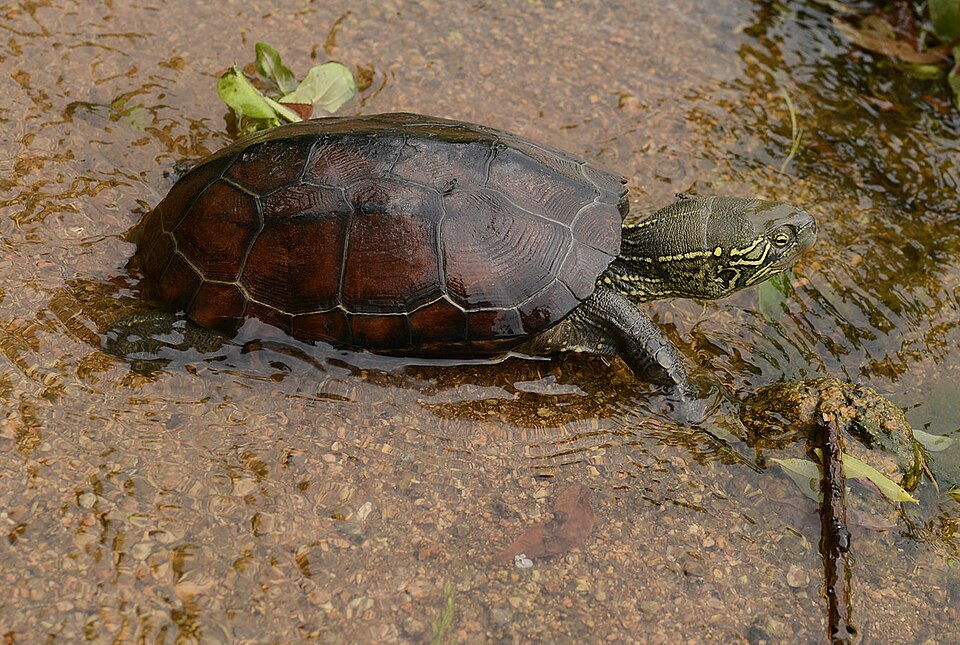
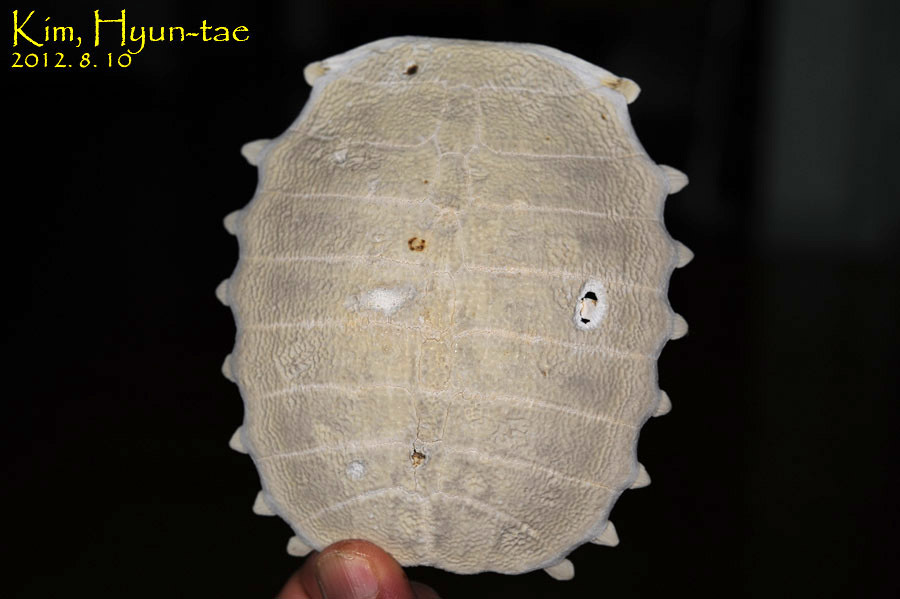
Reeves Turtle (Mauremys reevesii)
Images · CC BY 4.0Kim, Hyun-tae / Wikimedia Commons

Reeves Turtle

Mauremys reevesii

Juvenile tolerance does not mean water quality can be ignored; reserve space for basking, seasonal rhythms, and adult growth.

Adult size
5.91–9.84 in
Reference Lifespan
20–35 yr
Environment reference
71.6–86 °F
Advanced CareOmnivore · Risks Low
Ownership Score 67/100

Giant Day Gecko Why It Was Selected

Diet recorded as Omnivore , explicitly recorded as not requiring rodent-based prey; specific food must still be verified against dietary records.

Please Confirm: Adult Space,Juveniles may appear small, but adult enclosures, lighting, and backup equipment constitute the long-term cost.

Reptiles
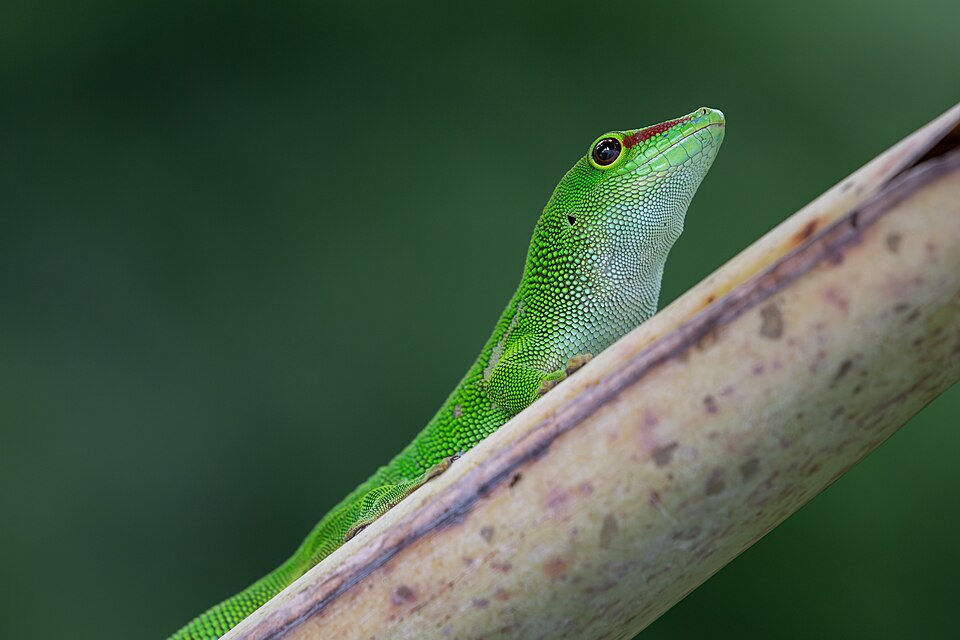
Giant Day Gecko (Phelsuma grandis)
Images · CC BY-SA 4.0Diego Delso / Wikimedia Commons

Giant Day Gecko

Phelsuma grandis

Diurnal, agile, and with fragile skin; vertical space, hydration, and avoiding forceful handling are priorities.

Adult size
8.66–11.81 in
Reference Lifespan
10–15 yr
Environment reference
75.2–86 °F
Advanced CareOmnivore · Risks Low
Ownership Score 67/100

African Pygmy Mouse Why It Was Selected

Diet recorded as Omnivore , explicitly recorded as not requiring rodent-based prey; specific food must still be verified against dietary records.

Please Confirm: Space and companionship,Small body size does not mean a small cage is sufficient; social species also require stable companions or interaction time.

Small Mammals
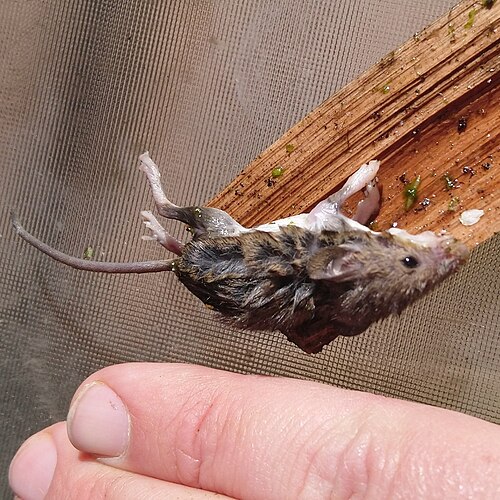
African Pygmy Mouse (Mus minutoides)
Images · CC BY 4.0Henry de Lange / Wikimedia Commons

African Pygmy Mouse

Mus minutoides

Extremely small in size and fast-breeding, requiring careful management of escape-proof mesh, group numbers, and nocturnal activity.

Adult size
1.97–3.15 in
Reference Lifespan
1–2 yr
Environment reference
68–78.8 °F
Advanced CareOmnivore · Risks Low
Ownership Score 67/100

Spiny Mouse Why It Was Selected

Diet recorded as Omnivore , explicitly recorded as not requiring rodent-based prey; specific food must still be verified against dietary records.

Please Confirm: Space and companionship,Small body size does not mean a small cage is sufficient; social species also require stable companions or interaction time.

Small Mammals
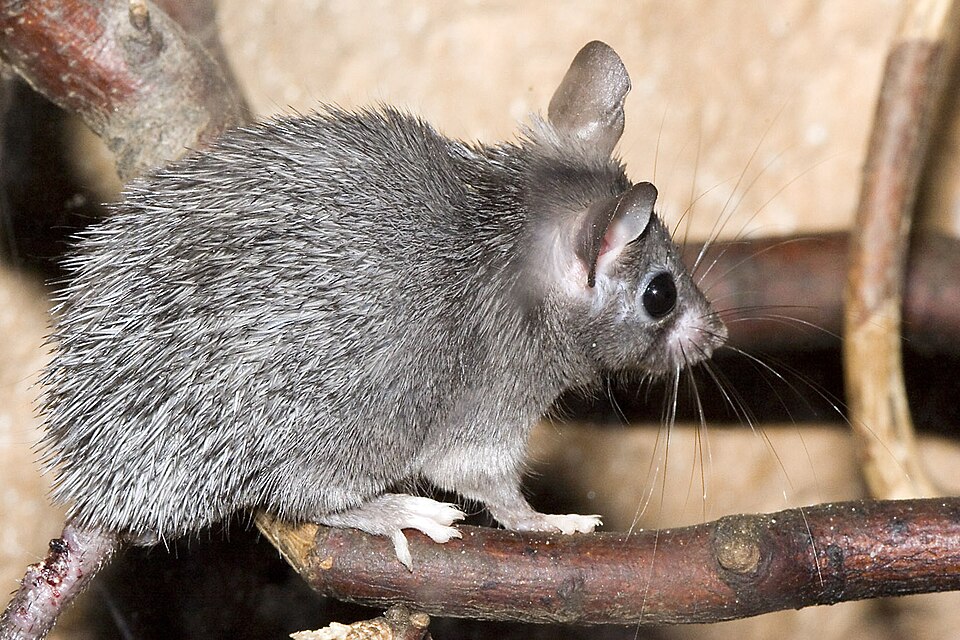
Spiny Mouse (Acomys cahirinus)
Images · CC BY-SA 3.0Olaf Leillinger / Wikimedia Commons

Spiny Mouse

Acomys cahirinus

Skin and social dynamics differ from the common house mouse; escape prevention, sand bathing, and low-fat diets must be planned together.

Adult size
3.15–5.12 in
Reference Lifespan
4–7 yr
Environment reference
68–82.4 °F
Advanced CareOmnivore · Risks Low
Ownership Score 67/100

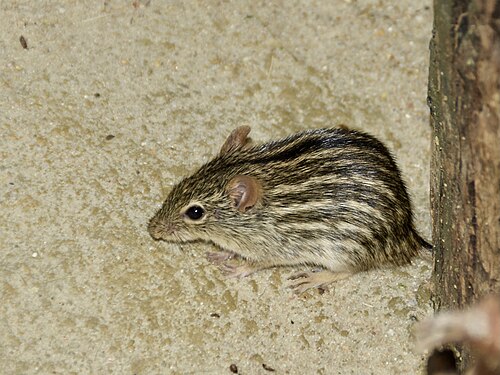
African Striped Mouse Why It Was Selected

Diet recorded as Omnivore , explicitly recorded as not requiring rodent-based prey; specific food must still be verified against dietary records.

Please Confirm: Space and companionship,Small body size does not mean a small cage is sufficient; social species also require stable companions or interaction time.

Small Mammals
African Striped Mouse (Lemniscomys barbarus)
Images · CC BY-SA 4.0NasserHalaweh / Wikimedia Commons

African Striped Mouse

Lemniscomys barbarus

Active, agile, and not necessarily suitable for frequent handling; requires long cages, group observation, and escape-proofing.

Adult size
3.94–5.51 in
Reference Lifespan
2–4 yr
Environment reference
64.4–78.8 °F
Advanced CareOmnivore · Risks Low
Ownership Score 67/100

Yellow Bellied Slider Why It Was Selected

Diet recorded as Omnivore , explicitly recorded as not requiring rodent-based prey; specific food must still be verified against dietary records.

Please Confirm: Adult Space,Juveniles may appear small, but adult enclosures, lighting, and backup equipment constitute the long-term cost.

Reptiles
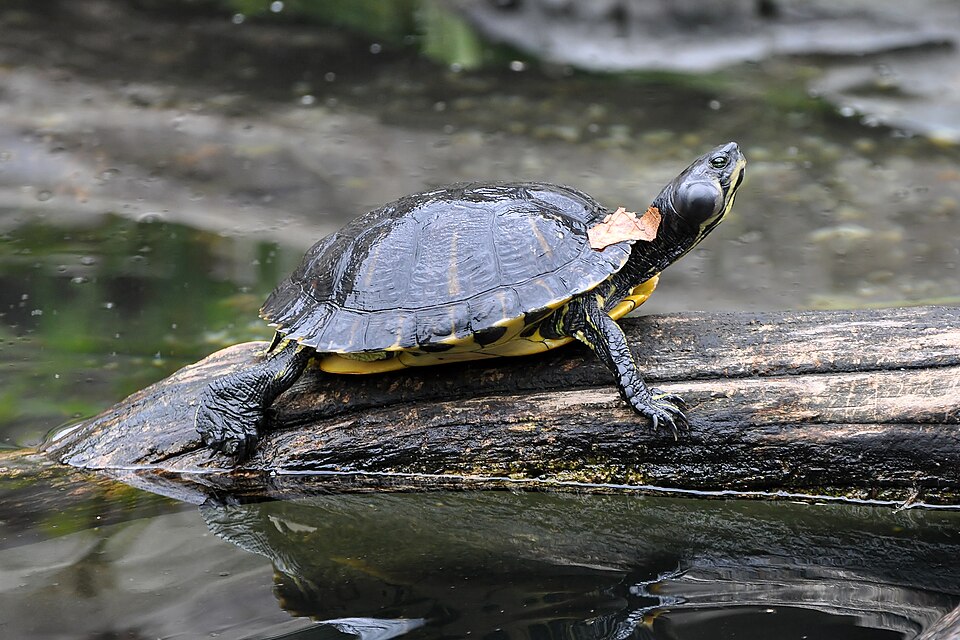
Yellow Bellied Slider (Trachemys scripta scripta)
Images · CC BY-SA 3.0Joe Ravi / Wikimedia Commons

Yellow Bellied Slider

Trachemys scripta scripta

Juveniles are often underestimated; adult size, filtration load, basking platforms, and regulatory issues must be planned for long-term conditions.

Adult size
7.87–11.81 in
Reference Lifespan
20–30 yr
Environment reference
75.2–86 °F
Advanced CareOmnivore · Risks Low
Ownership Score 67/100

Map Turtle Why It Was Selected

Diet recorded as Omnivore , explicitly recorded as not requiring rodent-based prey; specific food must still be verified against dietary records.

Please Confirm: Adult Space,Juveniles may appear small, but adult enclosures, lighting, and backup equipment constitute the long-term cost.

Reptiles
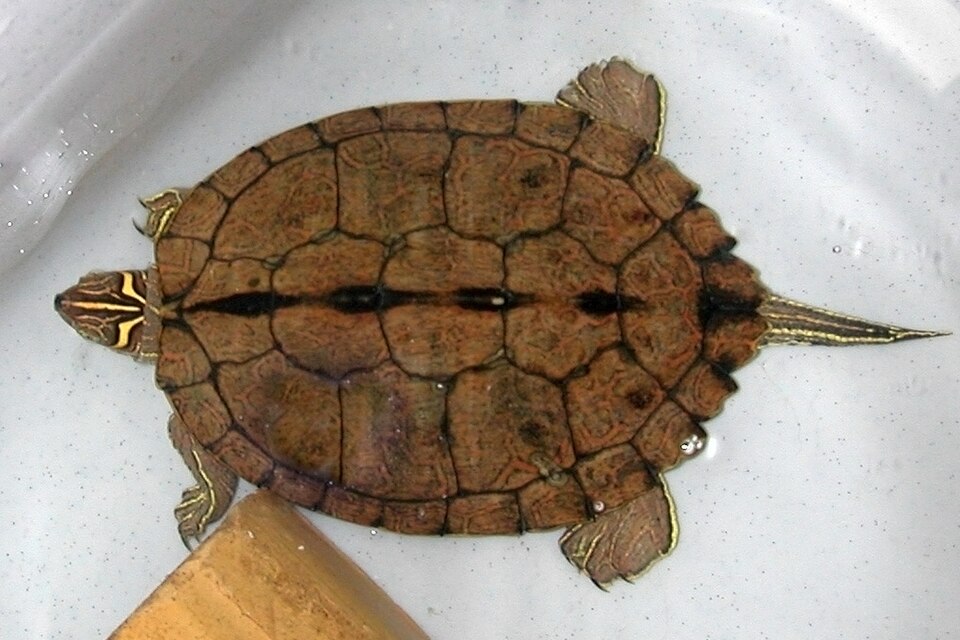
Map Turtle (Graptemys pseudogeographica)
Images · CC BY-SA 4.0HeikeMarie / Wikimedia Commons

Map Turtle

Graptemys pseudogeographica

Sexual dimorphism in body size may be significant; basking platforms, filtration, and adult substrate area must be prepared for the larger individual.

Adult size
3.94–9.84 in
Reference Lifespan
15–25 yr
Environment reference
73.4–84.2 °F
Advanced CareOmnivore · Risks Low
Ownership Score 67/100

African Helmeted Turtle Why It Was Selected

Diet recorded as Omnivore , explicitly recorded as not requiring rodent-based prey; specific food must still be verified against dietary records.

Please Confirm: Adult Space,Juveniles may appear small, but adult enclosures, lighting, and backup equipment constitute the long-term cost.

Reptiles
African Helmeted Turtle (Pelomedusa subrufa)
Images · CC BY-SA 4.0Charles J. Sharp / Wikimedia Commons

African Helmeted Turtle

Pelomedusa subrufa

Basking and water quality are equally important; the activity space and filtration capacity for adults cannot be estimated based on juveniles.

Adult size
5.91–9.84 in
Reference Lifespan
20–30 yr
Environment reference
71.6–86 °F
Advanced CareOmnivore · Risks Low
Ownership Score 67/100

Uromastyx Why It Was Selected

Diet recorded as Herbivore , explicitly recorded as not requiring rodent-based prey; specific food must still be verified against dietary records.

Please Confirm: Adult Space,Juveniles may appear small, but adult enclosures, lighting, and backup equipment constitute the long-term cost.

Reptiles
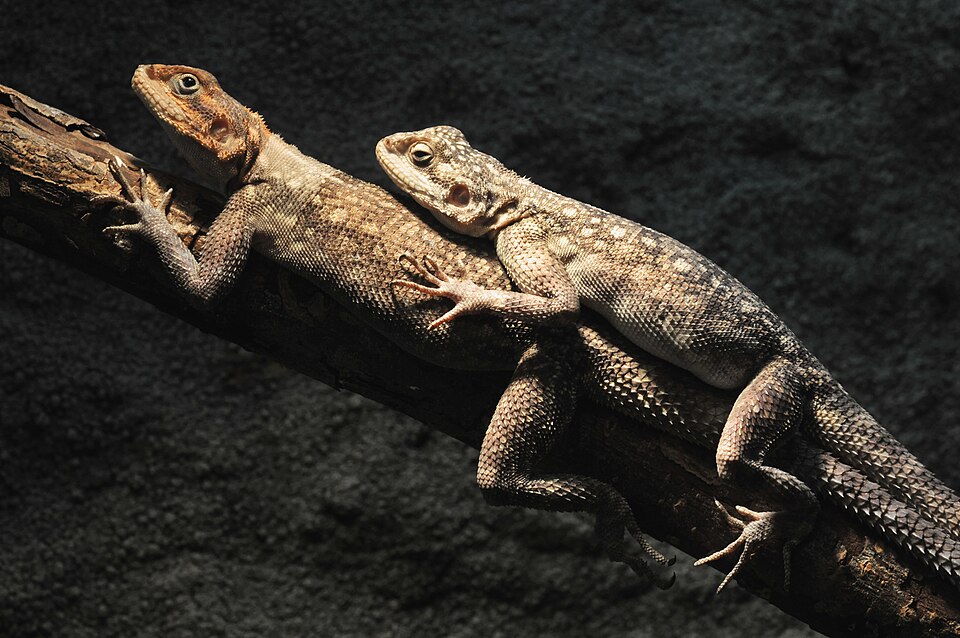
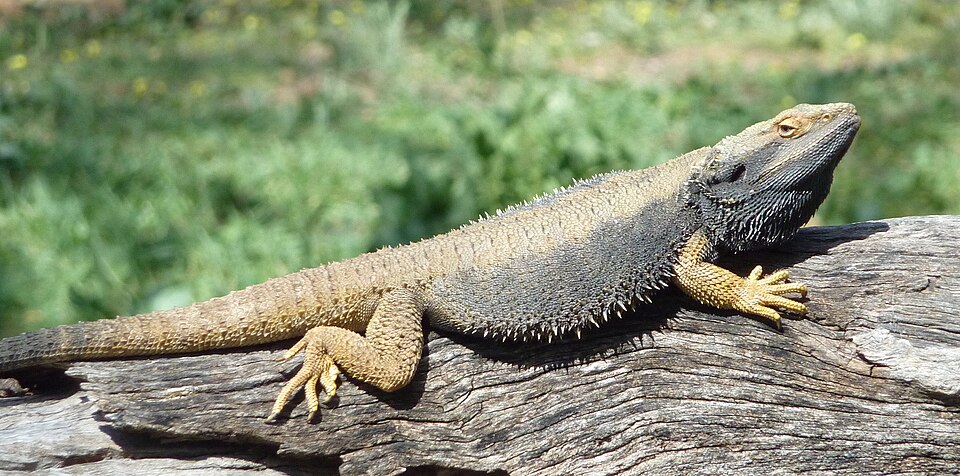
Uromastyx (Uromastyx geyri)
Images · CC BY-SA 3.0Manfred Werner - Tsui / Wikimedia Commons

Uromastyx

Uromastyx geyri

High basking spots, low humidity, and high-fiber plants are core requirements; standard room temperature and humid setups are unsuitable.

Adult size
9.84–13.78 in
Reference Lifespan
15–25 yr
Environment reference
82.4–104 °F
Advanced CareHerbivore · Risks Low
Ownership Score 66/100

African Soft Furred Rat Why It Was Selected

Diet recorded as Omnivore , explicitly recorded as not requiring rodent-based prey; specific food must still be verified against dietary records.

Please Confirm: Space and companionship,Small body size does not mean a small cage is sufficient; social species also require stable companions or interaction time.

Small Mammals
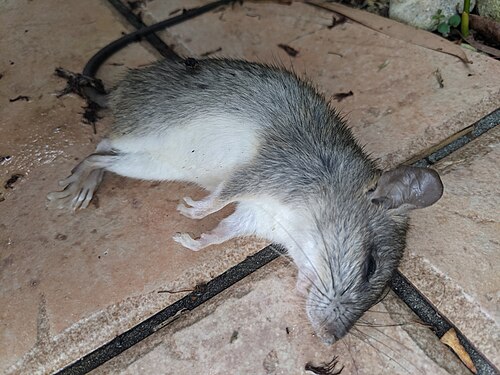
African Soft Furred Rat (Mastomys natalensis)
Images · CC BY 3.0Kelly, et al / Wikimedia Commons

African Soft Furred Rat

Mastomys natalensis

Social, active, and fast-breeding; housing space, scent, and isolation cages must be prepared before acquisition.

Adult size
4.72–7.09 in
Reference Lifespan
2–4 yr
Environment reference
68–80.6 °F
Advanced CareOmnivore · Risks Low
Ownership Score 66/100

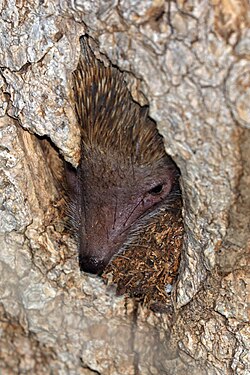
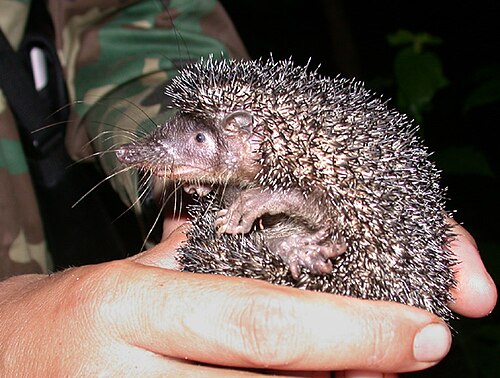
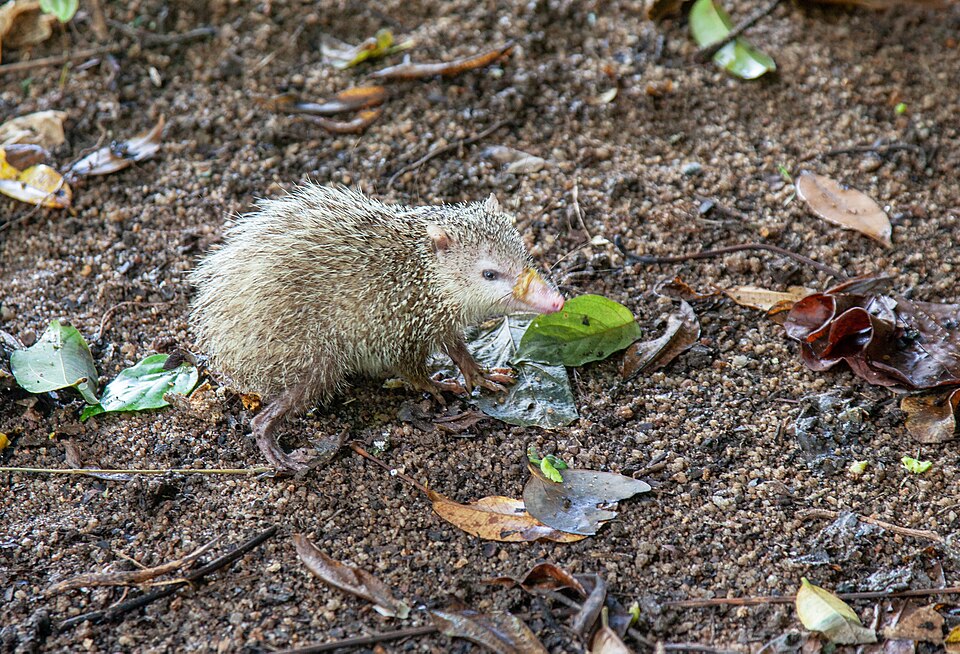
African Pygmy Tenrec Why It Was Selected

Diet recorded as Insectivore , explicitly recorded as not requiring rodent-based prey; specific food must still be verified against dietary records.

Please Confirm: Space and companionship,Small body size does not mean a small cage is sufficient; social species also require stable companions or interaction time.

Small Mammals
African Pygmy Tenrec (Echinops telfairi)
Images · CC BY-SA 4.0Charles J. Sharp / Wikimedia Commons

African Pygmy Tenrec

Echinops telfairi

Nocturnal, seasonal hibernation, and diet differ from common hedgehogs; temperature fluctuations and exotics veterinary care must be verified first.

Adult size
5.12–7.09 in
Reference Lifespan
4–8 yr
Environment reference
71.6–86 °F
Advanced CareInsectivore · Risks Low
Ownership Score 66/100

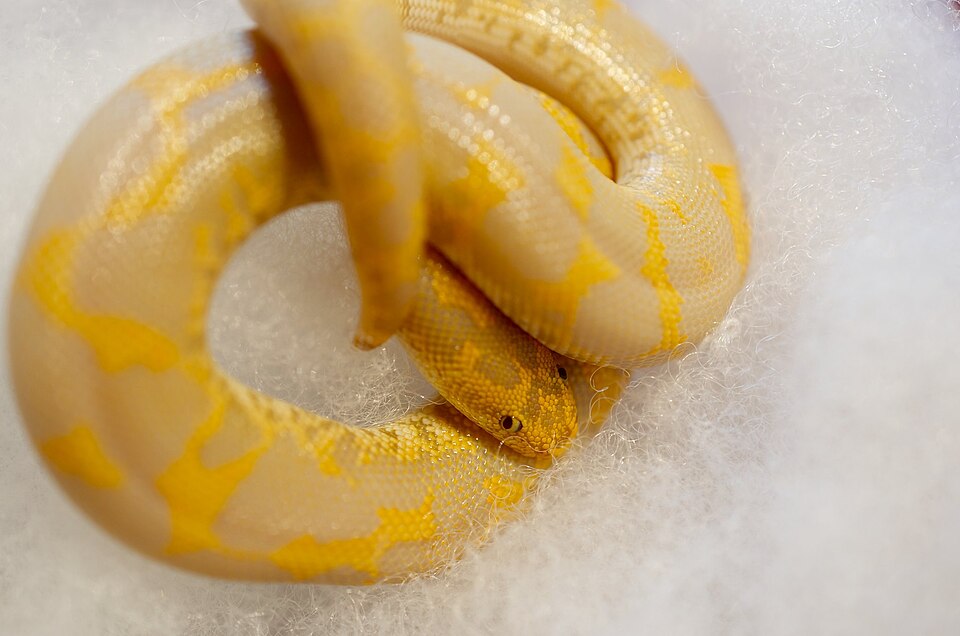
Kenyan Sand Boa Why It Was Selected

Diet recorded as Carnivore , explicitly recorded as not requiring rodent-based prey; specific food must still be verified against dietary records.

Please Confirm: Adult Space,Juveniles may appear small, but adult enclosures, lighting, and backup equipment constitute the long-term cost.

Reptiles
Kenyan Sand Boa (Eryx colubrinus)
Images · CC BY-SA 2.0The Reptilarium / Wikimedia Commons

Kenyan Sand Boa

Eryx colubrinus

Most of the time buried in substrate; depth, escape-proofing, and frozen rodent storage are more practical preparations before purchase.

Adult size
17.72–29.53 in
Reference Lifespan
15–25 yr
Environment reference
75.2–89.6 °F
Advanced CareCarnivore · Risks Low
Ownership Score 65/100

Schneiders Skink Why It Was Selected

Diet recorded as Omnivore , explicitly recorded as not requiring rodent-based prey; specific food must still be verified against dietary records.

Please Confirm: Adult Space,Juveniles may appear small, but adult enclosures, lighting, and backup equipment constitute the long-term cost.

Reptiles
Schneiders Skink (Eumeces schneideri)
Images · CC BY-SA 3.0Vincent Malloy / Wikimedia Commons

Schneiders Skink

Eumeces schneideri

Diurnal, voracious, and requires strong basking spots; adult enclosure size and diet control are more critical than in the juvenile stage.

Adult size
13.78–19.69 in
Reference Lifespan
15–25 yr
Environment reference
77–95 °F
Advanced CareOmnivore · Risks Low
Ownership Score 64/100

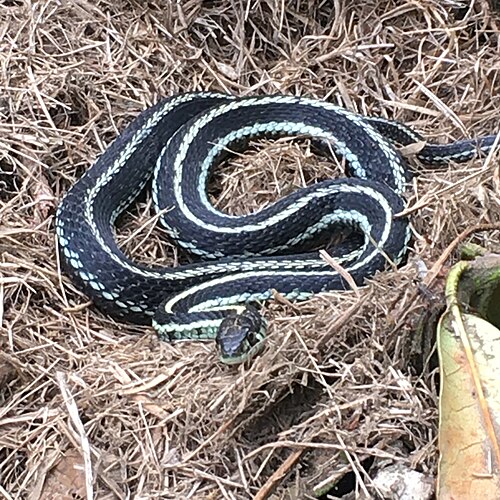
Common Garter Snake Why It Was Selected

Diet recorded as Carnivore , explicitly recorded as not requiring rodent-based prey; specific food must still be verified against dietary records.

Please Confirm: Adult Space,Juveniles may appear small, but adult enclosures, lighting, and backup equipment constitute the long-term cost.

Reptiles
Common Garter Snake (Thamnophis sirtalis)
Images · CC BY 4.0iNaturalist user: spacecowboy / Wikimedia Commons

Common Garter Snake

Thamnophis sirtalis

Requires varied food and stable water; confirm individual compatibility, space, and feeding management before group housing.

Adult size
17.72–35.43 in
Reference Lifespan
6–10 yr
Environment reference
68–82.4 °F
Advanced CareCarnivore · Risks Low
Ownership Score 64/100

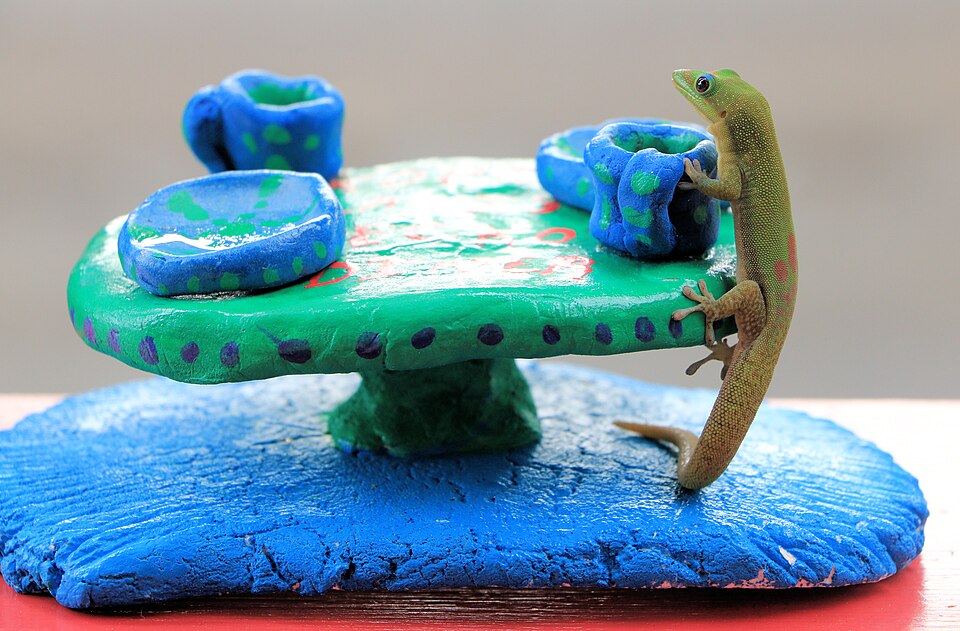
Gold Dust Day Gecko Why It Was Selected

Diet recorded as Omnivore , explicitly recorded as not requiring rodent-based prey; specific food must still be verified against dietary records.

Please Confirm: Adult Space,Juveniles may appear small, but adult enclosures, lighting, and backup equipment constitute the long-term cost.

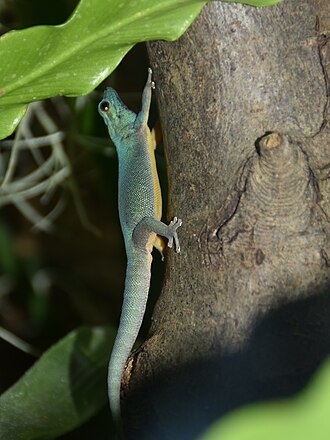
Reptiles
Gold Dust Day Gecko (Phelsuma laticauda)
Images · CC BY 4.0ImagePerson / Wikimedia Commons

Gold Dust Day Gecko

Phelsuma laticauda

Small body but fast-moving; UVB, ventilation, and escape-proofing details determine long-term observability.

Adult size
4.72–7.09 in
Reference Lifespan
8–12 yr
Environment reference
73.4–84.2 °F
Advanced CareOmnivore · Risks Low
Ownership Score 64/100

Dwarf Clawed Frog Why It Was Selected

Diet recorded as Carnivore , explicitly recorded as not requiring rodent-based prey; specific food must still be verified against dietary records.

Please Confirm: Water Quality and Skin,Skin is directly involved in respiration; cleaners, chlorine, and standing water can cause rapid injury.

Amphibians
Dwarf Clawed Frog (Hymenochirus boettgeri)
Images · CC BY-SA 4.0Daderot / Wikimedia Commons

Dwarf Clawed Frog

Hymenochirus boettgeri

Fully aquatic but fragile-bodied; focus on mature water volume, slow flow and avoiding tank-mates that compete for food.

Adult size
1.18–1.97 in
Reference Lifespan
5–8 yr
Environment reference
71.6–82.4 °F
Advanced CareCarnivore · Risks Low
Ownership Score 64/100

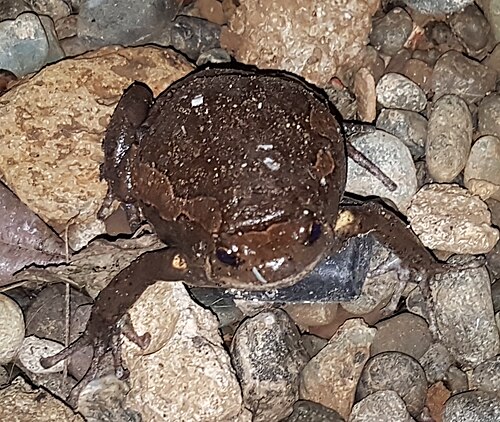
Asian Painted Frog Why It Was Selected

Diet recorded as Insectivore , explicitly recorded as not requiring rodent-based prey; specific food must still be verified against dietary records.

Please Confirm: Water Quality and Skin,Skin is directly involved in respiration; cleaners, chlorine, and standing water can cause rapid injury.

Amphibians
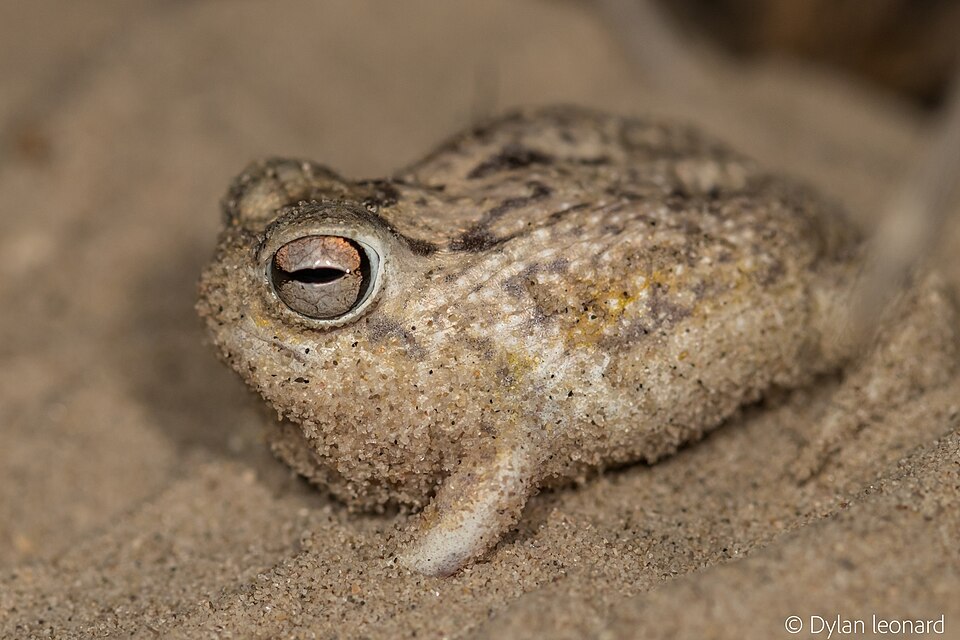
Asian Painted Frog (Kaloula pulchra)
Images · CC0Obsidian Soul / Wikimedia Commons

Asian Painted Frog

Kaloula pulchra

Nocturnal, burrows into substrate, and has a distinct call; deep substrate, ventilation, and bedroom noise must be assessed first.

Adult size
2.36–3.15 in
Reference Lifespan
6–10 yr
Environment reference
71.6–86 °F
Advanced CareInsectivore · Risks Low
Ownership Score 64/100

Japanese Tree Frog Why It Was Selected

Diet recorded as Insectivore , explicitly recorded as not requiring rodent-based prey; specific food must still be verified against dietary records.

Please Confirm: Water Quality and Skin,Skin is directly involved in respiration; cleaners, chlorine, and standing water can cause rapid injury.

Amphibians
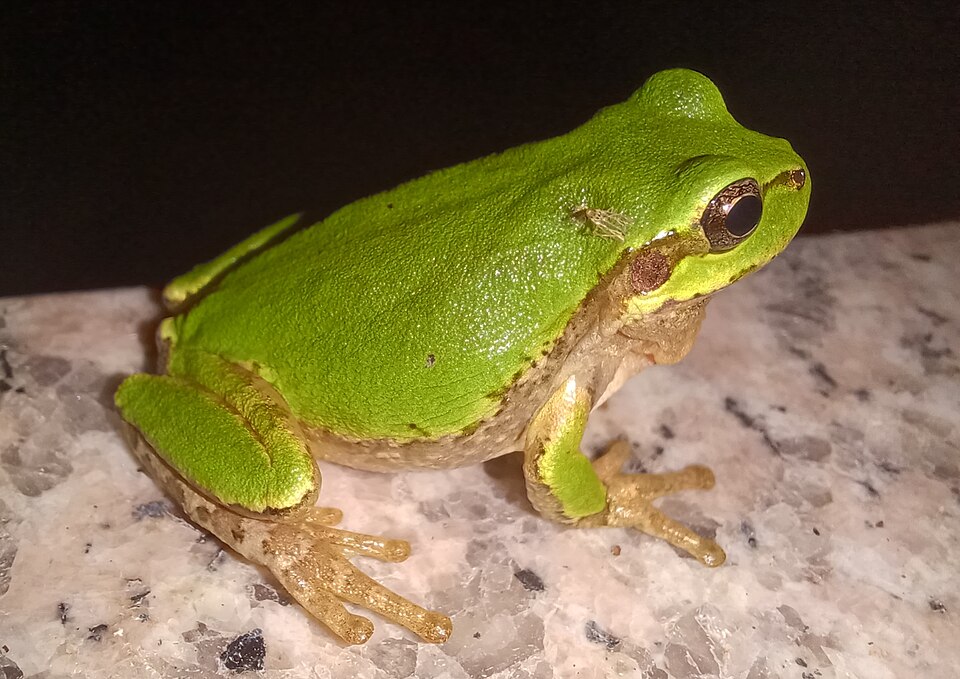
Japanese Tree Frog (Dryophytes japonicus)
Images · CC BY-SA 4.0Warehadokuro / Wikimedia Commons

Japanese Tree Frog

Dryophytes japonicus

Nocturnal, capable of jumping, and with distinct calls; basic preparation includes ventilation, escape-proofing, and live micro-prey.

Adult size
1.18–1.97 in
Reference Lifespan
5–10 yr
Environment reference
64.4–80.6 °F
Advanced CareInsectivore · Risks Low
Ownership Score 64/100

Blue Death Feigning Beetle Why It Was Selected

Diet recorded as Detritivore , explicitly recorded as not requiring rodent-based prey; specific food must still be verified against dietary records.

Please Confirm: Molting window,Do not move or feed during the molting period; temporary inactivity is often natural behavior.

Invertebrates
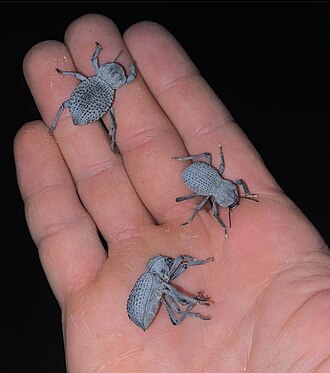
Blue Death Feigning Beetle (Asbolus verrucosus)
Images · CC0Cor2ran / Wikimedia Commons

Blue Death Feigning Beetle

Asbolus verrucosus

Drought-tolerant and low-maintenance but requires ventilation and dry substrate; wetness and standing water are more dangerous than lack of water.

Adult size
0.79–1.18 in
Reference Lifespan
5–8 yr
Environment reference
71.6–89.6 °F
Advanced CareDetritivore · Risks Low
Ownership Score 64/100

Flower Chafer Why It Was Selected

Diet recorded as Detritivore , explicitly recorded as not requiring rodent-based prey; specific food must still be verified against dietary records.

Please Confirm: Molting window,Do not move or feed during the molting period; temporary inactivity is often natural behavior.

Invertebrates
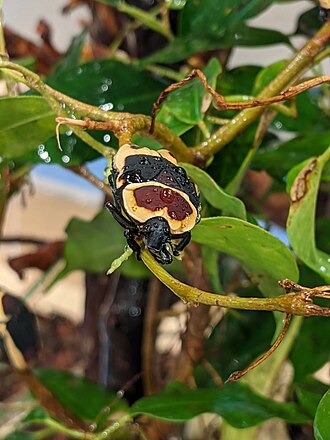
Flower Chafer (Pachnoda marginata)
Images · CC BY 4.0Jbjensen1 / Wikimedia Commons

Flower Chafer

Pachnoda marginata

Suitable for observation but breeds quickly; manage humus substrate, fruits/vegetables, and larva numbers in sync.

Adult size
0.79–1.18 in
Reference Lifespan
1–2 yr
Environment reference
75.2–86 °F
Advanced CareDetritivore · Risks Low
Ownership Score 64/100

Bold Jumping Spider Why It Was Selected

Diet recorded as Carnivore , explicitly recorded as not requiring rodent-based prey; specific food must still be verified against dietary records.

Please Confirm: Molting window,Do not move or feed during the molting period; temporary inactivity is often natural behavior.

Invertebrates
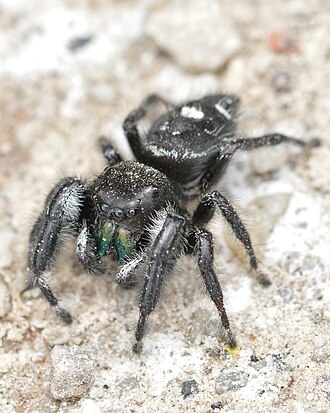
Bold Jumping Spider (Phidippus audax)
Images · CC BY-SA 4.0Ryan Hodnett / Wikimedia Commons

Bold Jumping Spider

Phidippus audax

Small body size, keen vision, and jumping ability; ventilation holes, micro live prey, and open-top escape-proof enclosures are critical.

Adult size
0.39–0.79 in
Reference Lifespan
1–2 yr
Environment reference
68–82.4 °F
Advanced CareCarnivore · Risks Low
Ownership Score 64/100

Dairy Cow Isopod Why It Was Selected

Diet recorded as Detritivore , explicitly recorded as not requiring rodent-based prey; specific food must still be verified against dietary records.

Please Confirm: Molting window,Do not move or feed during the molting period; temporary inactivity is often natural behavior.

Invertebrates
Dairy Cow Isopod (Porcellio laevis)
Images · CC BY-SA 4.0Nathan Jones / Wikimedia Commons

Dairy Cow Isopod

Porcellio laevis

Rapid reproduction and fast population growth; manage wet zones, dry zones, calcium sources, and population control simultaneously.

Adult size
0.39–0.79 in
Reference Lifespan
1–2 yr
Environment reference
68–82.4 °F
Advanced CareDetritivore · Risks Low
Ownership Score 64/100

Powder Blue Isopod Why It Was Selected

Diet recorded as Detritivore , explicitly recorded as not requiring rodent-based prey; specific food must still be verified against dietary records.

Please Confirm: Molting window,Do not move or feed during the molting period; temporary inactivity is often natural behavior.

Invertebrates Morph records
Powder Blue Isopod (Porcellionides pruinosus)
Images · CC BY-SA 4.0Gannu03 / Wikimedia Commons

Powder Blue Isopod

Porcellionides pruinosus

Often kept as a cleaning colony but still requires individual management; do not ignore humidity gradients and transfer space after population explosions.

Adult size
0.39–0.79 in
Reference Lifespan
1–2 yr
Environment reference
68–82.4 °F
Advanced CareDetritivore · Risks Low
Ownership Score 64/100

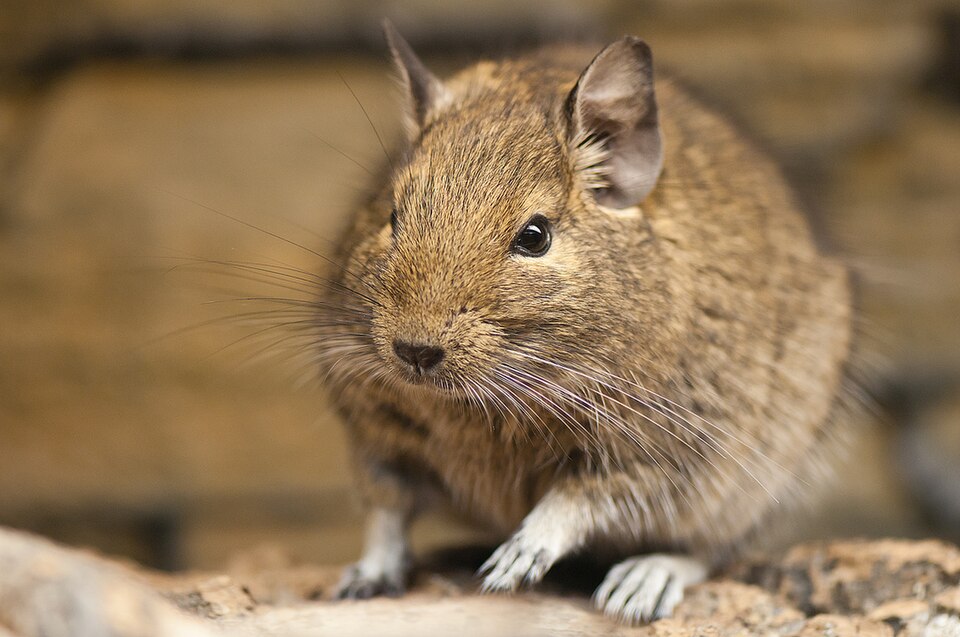
Degu Why It Was Selected

Diet recorded as Herbivore , explicitly recorded as not requiring rodent-based prey; specific food must still be verified against dietary records.

Please Confirm: Space and companionship,Small body size does not mean a small cage is sufficient; social species also require stable companions or interaction time.

Small Mammals
Degu (Octodon degus)
Images · CC BY-SA 2.0Markus / Wikimedia Commons

Degu

Octodon degus

Diurnal, social rodents that require chewing, digging, and a low-sugar diet.

Adult size
4.72–7.87 in
Reference Lifespan
5–8 yr
Environment reference
64.4–71.6 °F
Advanced CareHerbivore · Risks Medium
Ownership Score 63/100

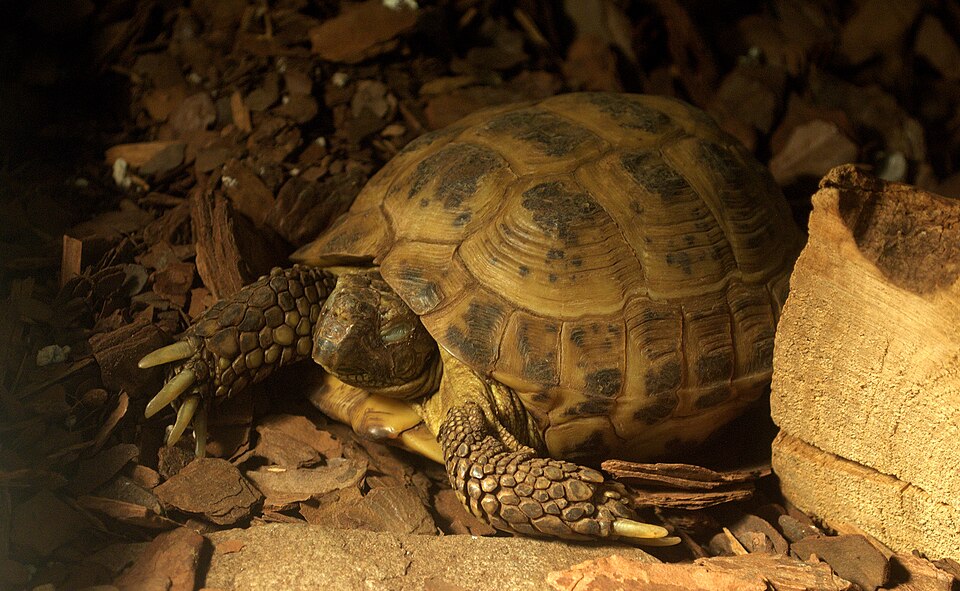
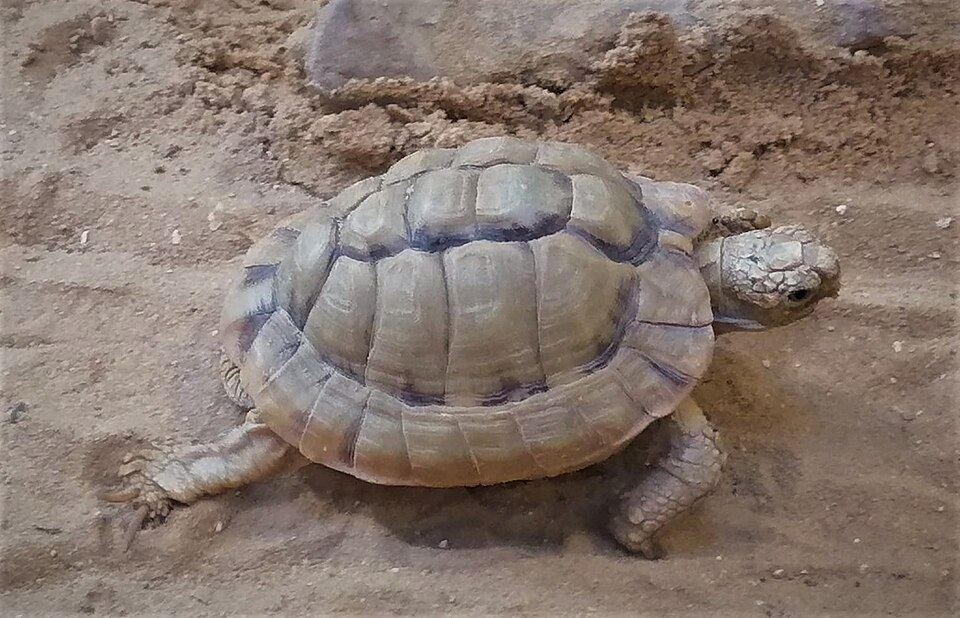
Russian Tortoise Why It Was Selected

Diet recorded as Herbivore , explicitly recorded as not requiring rodent-based prey; specific food must still be verified against dietary records.

Please Confirm: Adult Space,Juveniles may appear small, but adult enclosures, lighting, and backup equipment constitute the long-term cost.

Reptiles
Russian Tortoise (Testudo horsfieldii)
Images · CC BY-SA 3.0Futureman1199 / Wikimedia Commons

Russian Tortoise

Testudo horsfieldii

Tolerates dryness but not prolonged crowding. Adult space and winter management are often underestimated.

Adult size
5.91–9.84 in
Reference Lifespan
40–50 yr
Environment reference
68–89.6 °F
Advanced CareHerbivore · Risks Low
Ownership Score 63/100

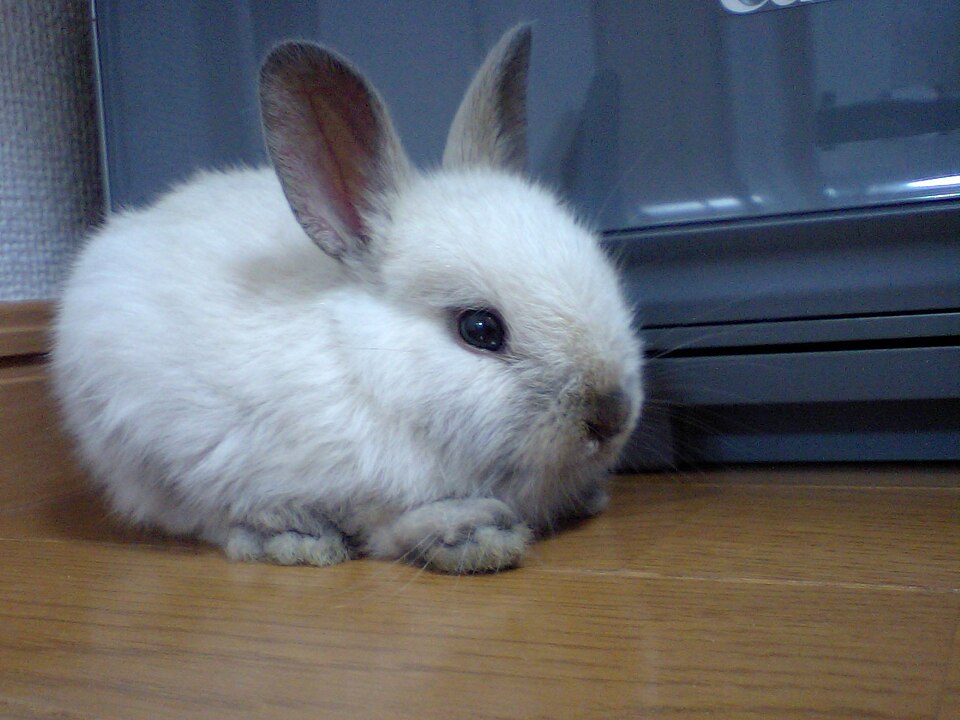
Dwarf Rabbit Why It Was Selected

Diet recorded as Herbivore , explicitly recorded as not requiring rodent-based prey; specific food must still be verified against dietary records.

Please Confirm: Space and companionship,Small body size does not mean a small cage is sufficient; social species also require stable companions or interaction time.

Small Mammals
Dwarf Rabbit (Oryctolagus cuniculus)
Images · Public domainshogun1192 / Wikimedia Commons

Dwarf Rabbit

Oryctolagus cuniculus

Rabbits are not small-cage animals; they require large exercise areas, hay, neutering, and long-term veterinary budgets.

Adult size
9.84–15.75 in
Reference Lifespan
8–12 yr
Environment reference
59–71.6 °F
Advanced CareHerbivore · Risks Low
Ownership Score 63/100

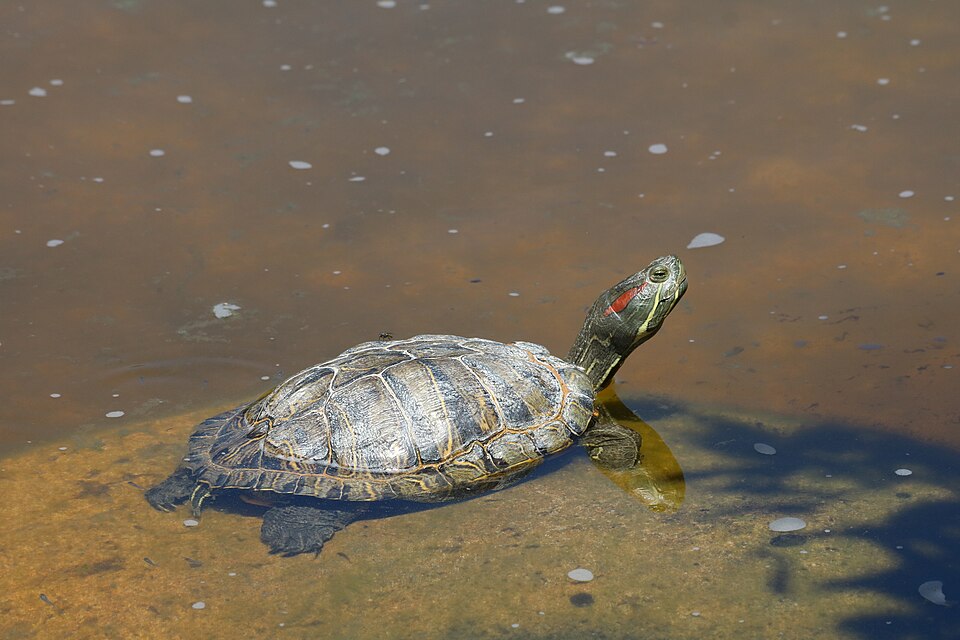
Red Eared Slider Why It Was Selected

Diet recorded as Omnivore , explicitly recorded as not requiring rodent-based prey; specific food must still be verified against dietary records.

Please Confirm: Adult Space,Juveniles may appear small, but adult enclosures, lighting, and backup equipment constitute the long-term cost.

Reptiles
Red Eared Slider (Trachemys scripta elegans)
Images · CC BY-SA 4.0Grendelkhan / Wikimedia Commons

Red Eared Slider

Trachemys scripta elegans

Water volume, basking platforms, filtration, and adult size far exceed juvenile stages; never release into the wild.

Adult size
7.87–11.81 in
Reference Lifespan
20–40 yr
Environment reference
75.2–86 °F
Advanced CareOmnivore · Risks Low
Ownership Score 63/100

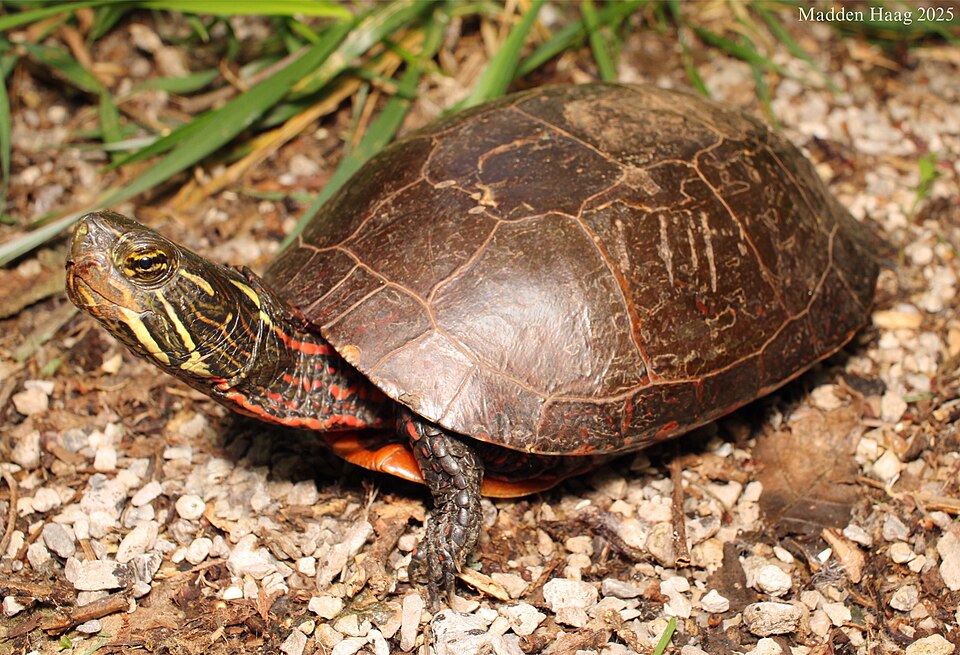
Painted Turtle Why It Was Selected

Diet recorded as Omnivore , explicitly recorded as not requiring rodent-based prey; specific food must still be verified against dietary records.

Please Confirm: Adult Space,Juveniles may appear small, but adult enclosures, lighting, and backup equipment constitute the long-term cost.

Reptiles
Painted Turtle (Chrysemys picta)
Images · CC BY-SA 4.0MH Herpetology / Wikimedia Commons

Painted Turtle

Chrysemys picta

Requires a fully emergent basking platform, sufficient water depth, and efficient filtration; adult excretion load is often underestimated.

Adult size
4.72–9.84 in
Reference Lifespan
20–40 yr
Environment reference
71.6–86 °F
Advanced CareOmnivore · Risks Low
Ownership Score 63/100

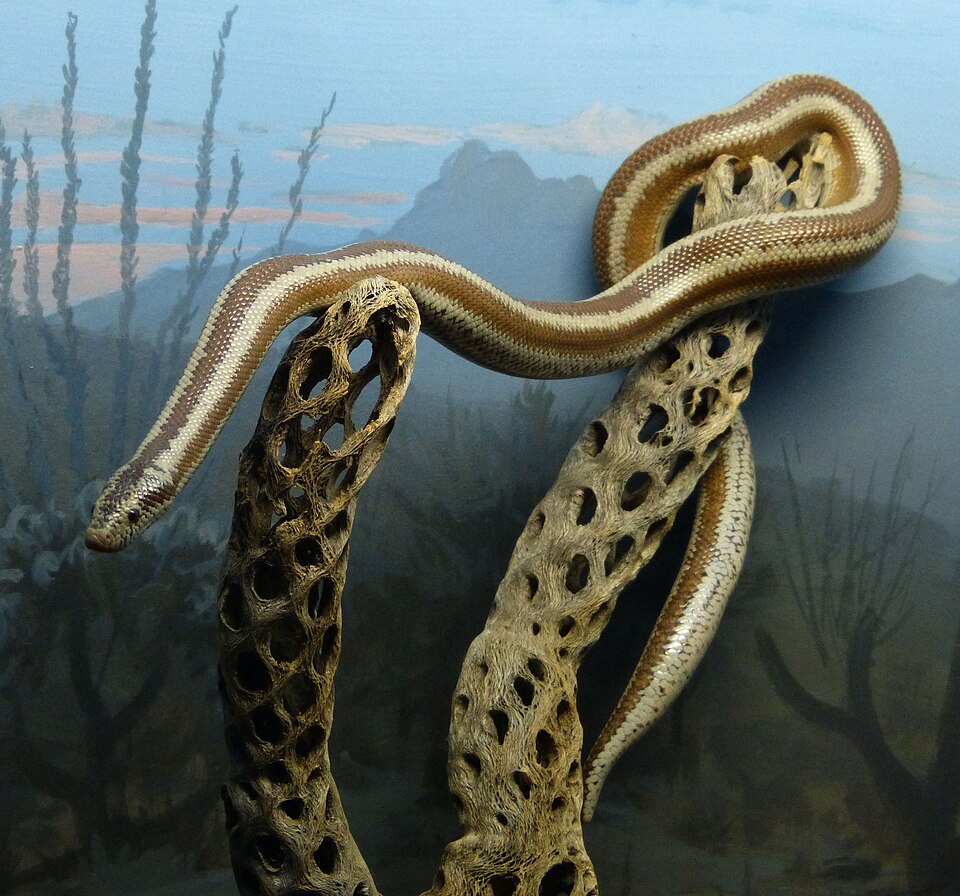
Rosy Boa Why It Was Selected

Diet recorded as Carnivore , explicitly recorded as not requiring rodent-based prey; specific food must still be verified against dietary records.

Please Confirm: Adult Space,Juveniles may appear small, but adult enclosures, lighting, and backup equipment constitute the long-term cost.

Reptiles
Rosy Boa (Lichanura trivirgata)
Images · Public domainRobb Hannawacker, while working for Joshua Tree National Park / Wikimedia Commons

Rosy Boa

Lichanura trivirgata

Generally docile temperament, but long lifespan, frozen rodent feeding, and escape-proofing still require planning for adult size.

Adult size
23.62–39.37 in
Reference Lifespan
20–30 yr
Environment reference
71.6–86 °F
Advanced CareCarnivore · Risks Low
Ownership Score 63/100

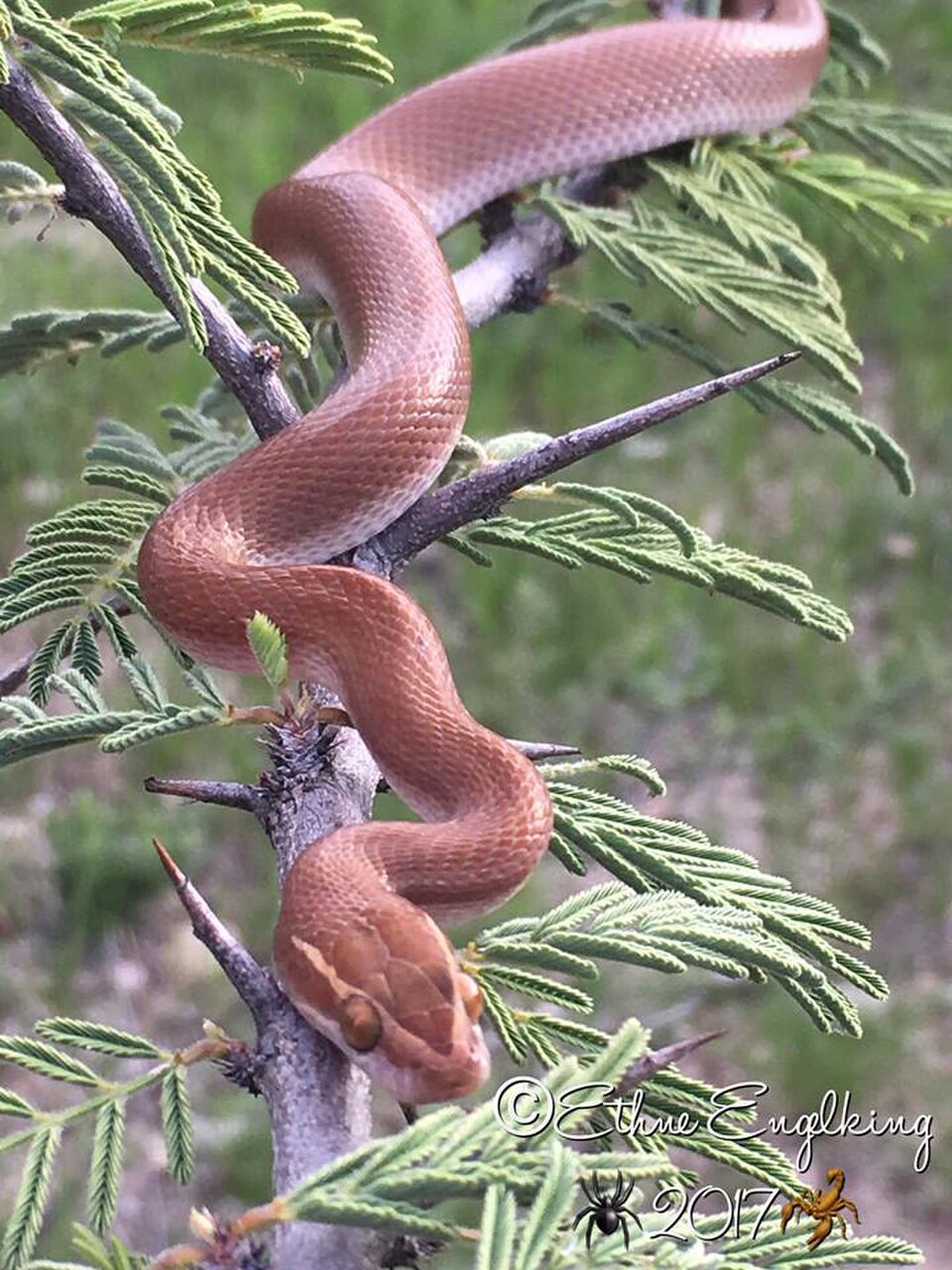
African House Snake Why It Was Selected

Diet recorded as Carnivore , explicitly recorded as not requiring rodent-based prey; specific food must still be verified against dietary records.

Please Confirm: Adult Space,Juveniles may appear small, but adult enclosures, lighting, and backup equipment constitute the long-term cost.

Reptiles
African House Snake (Boaedon capensis)
Images · CC BY-SA 4.0Ethne Engelking / Wikimedia Commons

African House Snake

Boaedon capensis

Compact body but prone to escape; maintain consistent locking, hiding, and frozen rodent feeding records.

Adult size
23.62–39.37 in
Reference Lifespan
8–15 yr
Environment reference
71.6–86 °F
Advanced CareCarnivore · Risks Low
Ownership Score 63/100

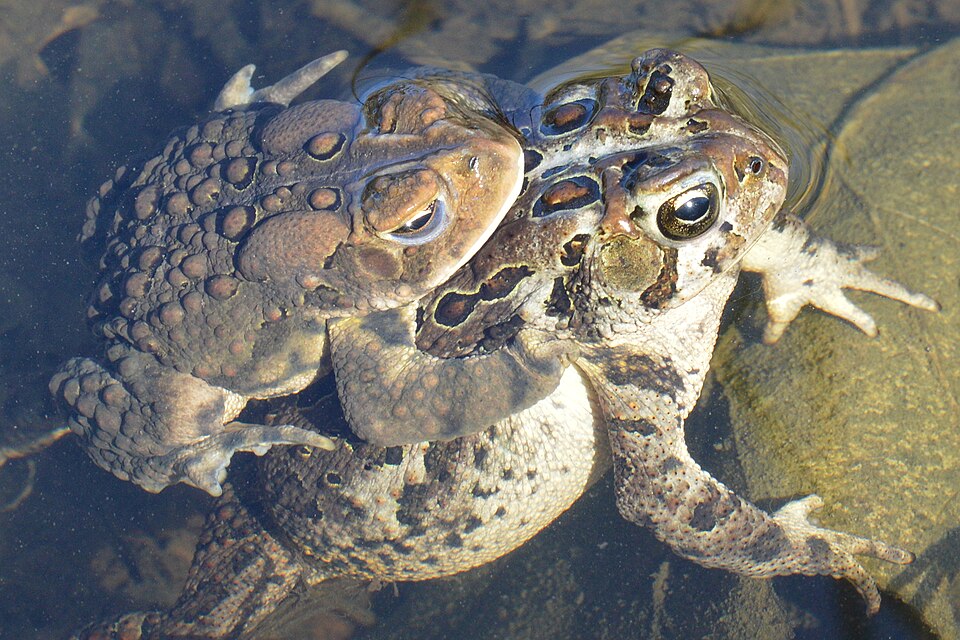
American Toad Why It Was Selected

Diet recorded as Insectivore , explicitly recorded as not requiring rodent-based prey; specific food must still be verified against dietary records.

Please Confirm: Water Quality and Skin,Skin is directly involved in respiration; cleaners, chlorine, and standing water can cause rapid injury.

Amphibians
American Toad (Anaxyrus americanus)
Images · CC BY-SA 4.0Ryan Hodnett / Wikimedia Commons

American Toad

Anaxyrus americanus

Skin secretions and nocturnal activity require hygiene and noise management; wild-caught specimens should not be brought home directly.

Adult size
1.97–3.94 in
Reference Lifespan
5–10 yr
Environment reference
64.4–80.6 °F
Advanced CareInsectivore · Risks Low
Ownership Score 63/100

Tailless Whip Scorpion Why It Was Selected

Diet recorded as Carnivore , explicitly recorded as not requiring rodent-based prey; specific food must still be verified against dietary records.

Please Confirm: Molting window,Do not move or feed during the molting period; temporary inactivity is often natural behavior.

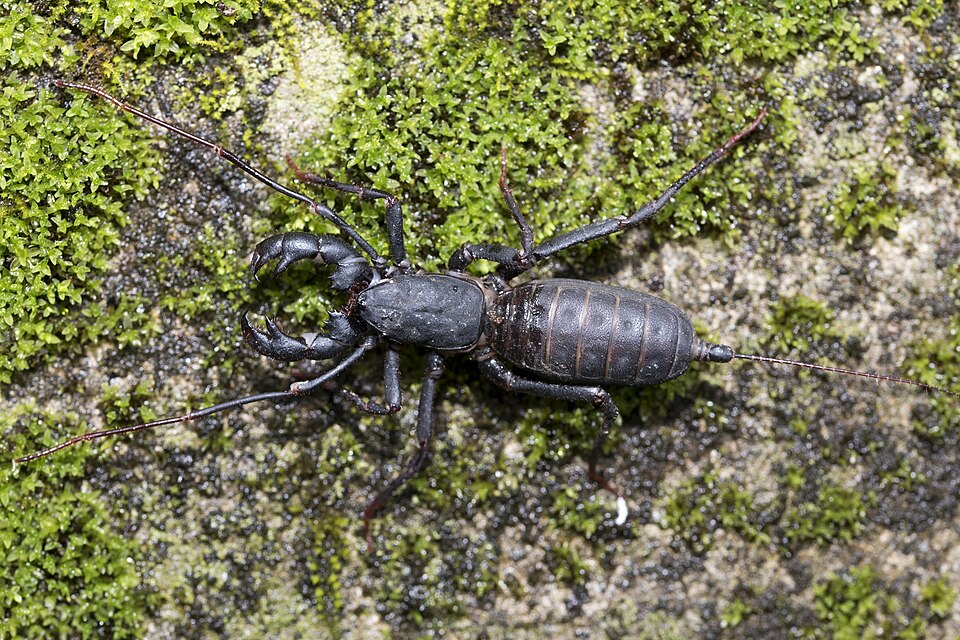
Invertebrates
Tailless Whip Scorpion (Damon diadema)
Images · CC BY-SA 3.0Steven Acres / Wikimedia Commons

Tailless Whip Scorpion

Damon diadema

Appearance is frightening but primarily relies on sensing with legs; vertical hiding, low light, and live prey are core requirements.

Adult size
3.15–4.72 in
Reference Lifespan
5–10 yr
Environment reference
71.6–82.4 °F
Advanced CareCarnivore · Risks Low
Ownership Score 63/100

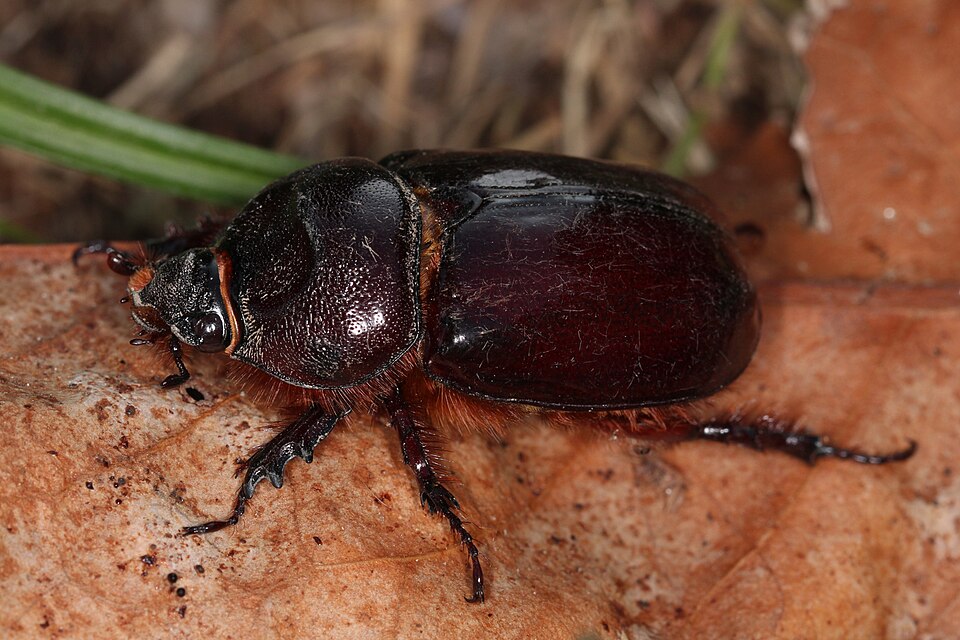
Rhinoceros Beetle Why It Was Selected

Diet recorded as Detritivore , explicitly recorded as not requiring rodent-based prey; specific food must still be verified against dietary records.

Please Confirm: Molting window,Do not move or feed during the molting period; temporary inactivity is often natural behavior.

Invertebrates
Rhinoceros Beetle (Oryctes nasicornis)
Images · CC BY 4.0Holger Krisp / Wikimedia Commons

Rhinoceros Beetle

Oryctes nasicornis

Adults have short lifespans, but larvae require deep humus substrate; prepare complete life-cycle space before breeding.

Adult size
1.18–1.97 in
Reference Lifespan
1–2 yr
Environment reference
71.6–82.4 °F
Advanced CareDetritivore · Risks Low
Ownership Score 63/100

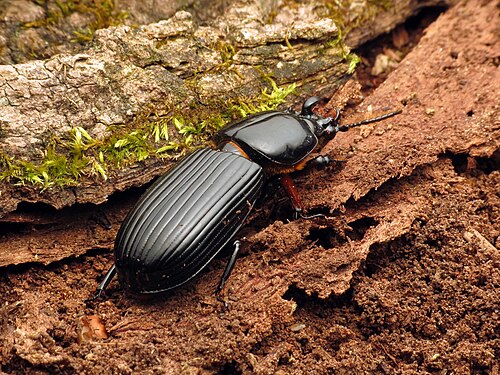
Bess Beetle Why It Was Selected

Diet recorded as Detritivore , explicitly recorded as not requiring rodent-based prey; specific food must still be verified against dietary records.

Please Confirm: Molting window,Do not move or feed during the molting period; temporary inactivity is often natural behavior.

Invertebrates
Bess Beetle (Odontotaenius disjunctus)
Images · CC BY 4.0Schulz, Katja / Wikimedia Commons

Bess Beetle

Odontotaenius disjunctus

Dependent on rotting wood and group cooperation; wood sourcing, humidity, and mold control are primary maintenance tasks.

Adult size
1.18–1.97 in
Reference Lifespan
1–2 yr
Environment reference
68–80.6 °F
Advanced CareDetritivore · Risks Low
Ownership Score 63/100

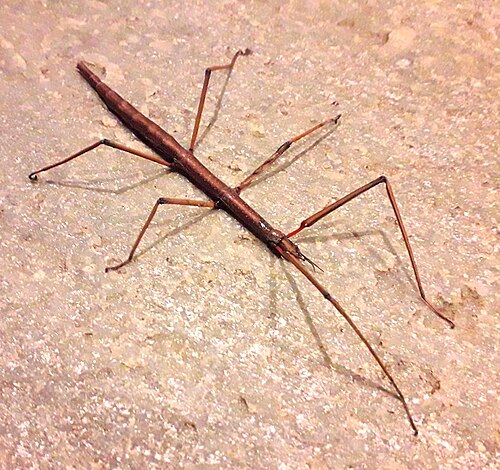
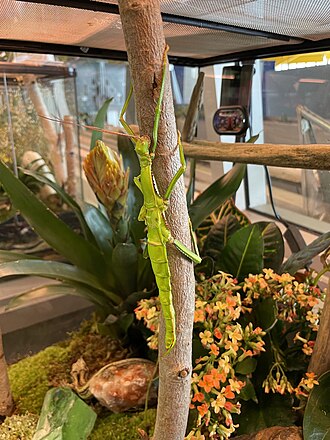
Indian Stick Insect Why It Was Selected

Diet recorded as Herbivore , explicitly recorded as not requiring rodent-based prey; specific food must still be verified against dietary records.

Please Confirm: Molting window,Do not move or feed during the molting period; temporary inactivity is often natural behavior.

Invertebrates
Indian Stick Insect (Carausius morosus)
Images · CC BY 4.0KKOUTRAS61 / Wikimedia Commons

Indian Stick Insect

Carausius morosus

Foliage consumption and breeding rates are easily underestimated; escape prevention, plant supply, and population control must be implemented together.

Adult size
2.76–3.94 in
Reference Lifespan
1–2 yr
Environment reference
68–82.4 °F
Advanced CareHerbivore · Risks Low
Ownership Score 63/100

Giant Asian Mantis Why It Was Selected

Diet recorded as Carnivore , explicitly recorded as not requiring rodent-based prey; specific food must still be verified against dietary records.

Please Confirm: Molting window,Do not move or feed during the molting period; temporary inactivity is often natural behavior.

Invertebrates
Giant Asian Mantis (Hierodula membranacea)
Images · CC BY-SA 4.0MicrocosmicWorld / Wikimedia Commons

Giant Asian Mantis

Hierodula membranacea

Requires continuous live prey and vertical molting space; adults prey on each other; separate housing and feeding schedules are essential.

Adult size
2.76–3.94 in
Reference Lifespan
1–2 yr
Environment reference
71.6–86 °F
Advanced CareCarnivore · Risks Low
Ownership Score 63/100

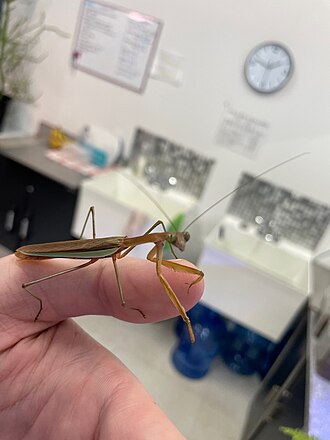
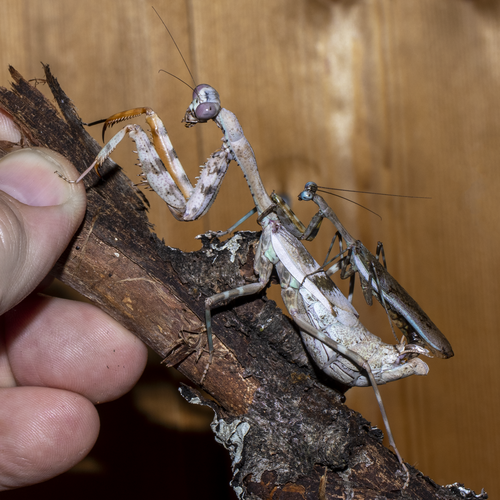
Chinese Mantis Why It Was Selected

Diet recorded as Carnivore , explicitly recorded as not requiring rodent-based prey; specific food must still be verified against dietary records.

Please Confirm: Molting window,Do not move or feed during the molting period; temporary inactivity is often natural behavior.

Invertebrates
Chinese Mantis (Tenodera sinensis)
Images · CC BY-SA 4.0Fungus Guy / Wikimedia Commons

Chinese Mantis

Tenodera sinensis

Single housing, live prey, and ample vertical space for molting are key; individuals caught outdoors should not be introduced directly indoors.

Adult size
2.76–3.94 in
Reference Lifespan
1–2 yr
Environment reference
68–82.4 °F
Advanced CareCarnivore · Risks Low
Ownership Score 63/100

Spiny Flower Mantis Why It Was Selected

Diet recorded as Carnivore , explicitly recorded as not requiring rodent-based prey; specific food must still be verified against dietary records.

Please Confirm: Molting window,Do not move or feed during the molting period; temporary inactivity is often natural behavior.

Invertebrates
Spiny Flower Mantis (Pseudocreobotra wahlbergii)
Images · CC BY-SA 4.0Yasunori Koide / Wikimedia Commons

Spiny Flower Mantis

Pseudocreobotra wahlbergii

Small body size but fragile molting; live prey size, ventilation, and vertical space require precise control.

Adult size
1.57–2.36 in
Reference Lifespan
1–2 yr
Environment reference
71.6–82.4 °F
Advanced CareCarnivore · Risks Low
Ownership Score 63/100

Budwing Mantis Why It Was Selected

Diet recorded as Carnivore , explicitly recorded as not requiring rodent-based prey; specific food must still be verified against dietary records.

Please Confirm: Molting window,Do not move or feed during the molting period; temporary inactivity is often natural behavior.

Invertebrates
Budwing Mantis (Parasphendale affinis)
Images · CC BY 4.0Jon Glittenberg / Wikimedia Commons

Budwing Mantis

Parasphendale affinis

Requires live prey and vertical space for molting; adult behavior and sexual dimorphism must be understood in advance.

Adult size
1.97–3.15 in
Reference Lifespan
1–2 yr
Environment reference
71.6–86 °F
Advanced CareCarnivore · Risks Low
Ownership Score 63/100

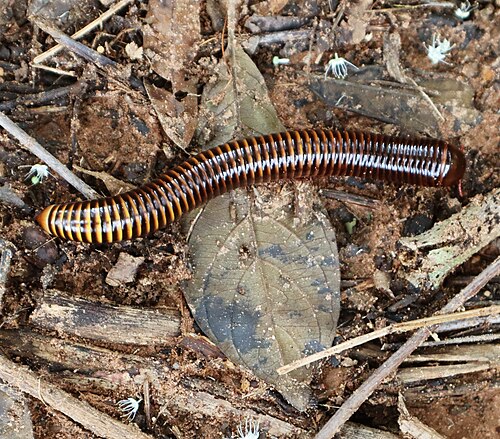
Bumblebee Millipede Why It Was Selected

Diet recorded as Detritivore , explicitly recorded as not requiring rodent-based prey; specific food must still be verified against dietary records.

Please Confirm: Molting window,Do not move or feed during the molting period; temporary inactivity is often natural behavior.

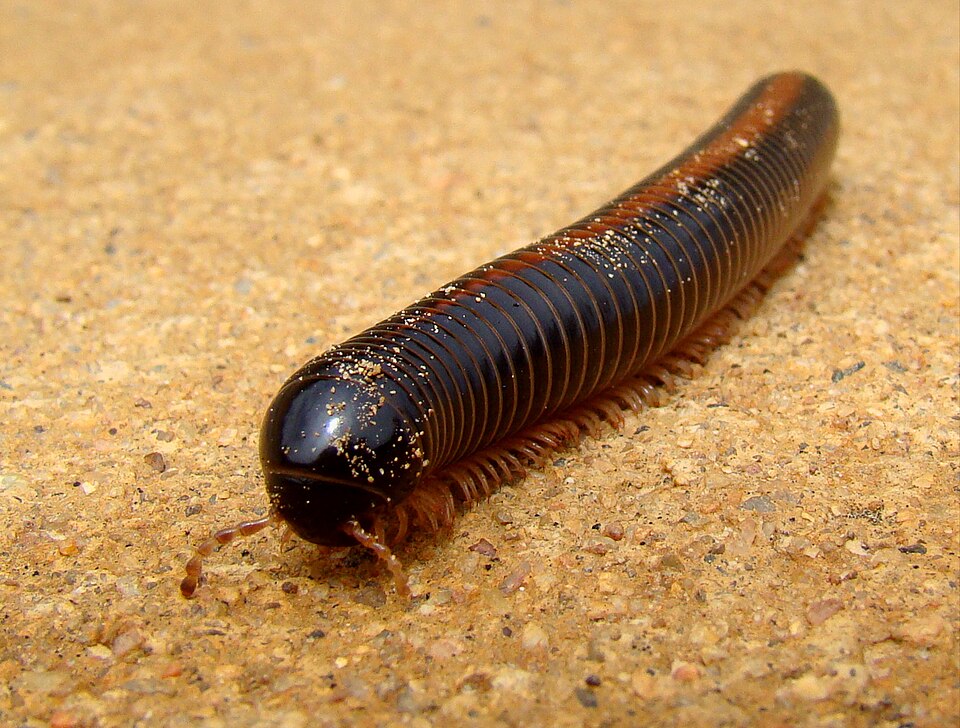
Invertebrates
Bumblebee Millipede (Anadenobolus monilicornis)
Images · CC0Peterkwashie / Wikimedia Commons

Bumblebee Millipede

Anadenobolus monilicornis

Requires deep leaf litter substrate and stable humidity; pay attention to defensive secretions, pesticide-treated wood, and molting periods.

Adult size
2.36–3.94 in
Reference Lifespan
2–4 yr
Environment reference
71.6–82.4 °F
Advanced CareDetritivore · Risks Low
Ownership Score 63/100

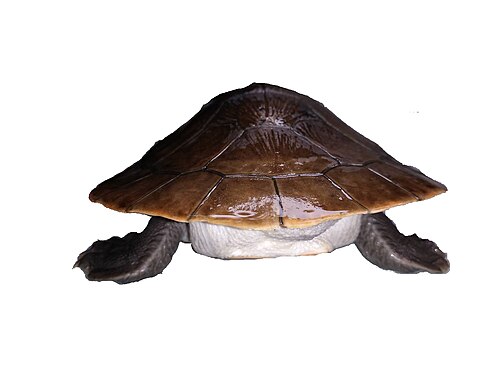
Pink Bellied Side Necked Turtle Why It Was Selected

Diet recorded as Omnivore , explicitly recorded as not requiring rodent-based prey; specific food must still be verified against dietary records.

Please Confirm: Adult Space,Juveniles may appear small, but adult enclosures, lighting, and backup equipment constitute the long-term cost.

Reptiles
Pink Bellied Side Necked Turtle (Emydura subglobosa)
Images · CC BY-SA 4.0Alejandro Carrasco Prieto / Wikimedia Commons

Pink Bellied Side Necked Turtle

Emydura subglobosa

Requires stable water temperature, basking platforms, and strong filtration; when kept in community, watch for food competition and size differences.

Adult size
7.87–11.81 in
Reference Lifespan
25–35 yr
Environment reference
75.2–84.2 °F
Advanced CareOmnivore · Risks Low
Ownership Score 63/100

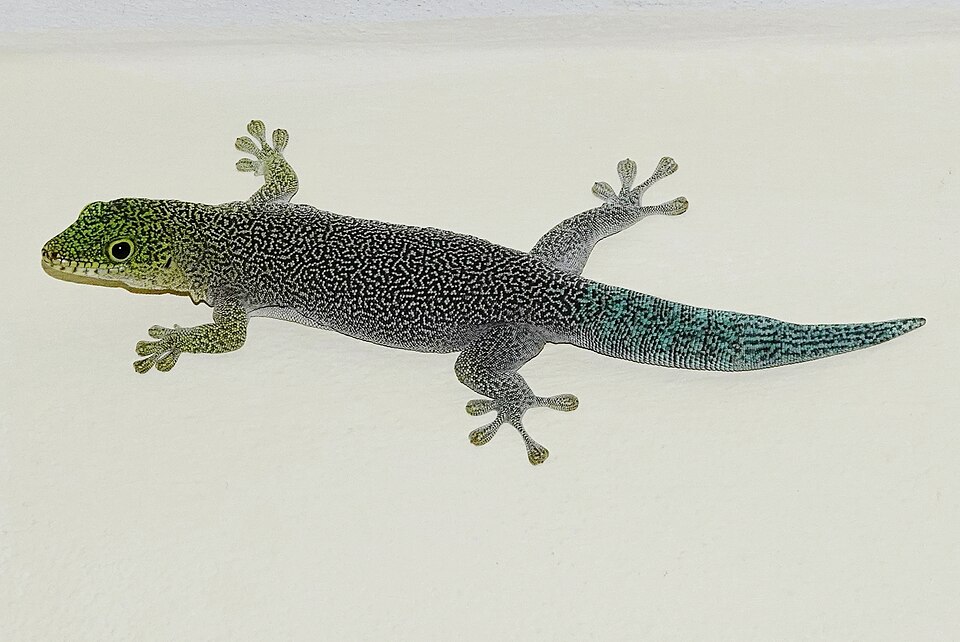
Standing Day Gecko Why It Was Selected

Diet recorded as Omnivore , explicitly recorded as not requiring rodent-based prey; specific food must still be verified against dietary records.

Please Confirm: Adult Space,Juveniles may appear small, but adult enclosures, lighting, and backup equipment constitute the long-term cost.

Reptiles
Standing Day Gecko (Phelsuma standingi)
Images · CC BY 4.0Margaret Stevens / Wikimedia Commons

Standing Day Gecko

Phelsuma standingi

Requires tall enclosures, UVB lighting, foliage, and supplemental food; tails and skin are not suitable for repeated handling.

Adult size
7.87–9.84 in
Reference Lifespan
10–15 yr
Environment reference
75.2–86 °F
Advanced CareOmnivore · Risks Low
Ownership Score 63/100

African Pygmy Hedgehog Why It Was Selected

Diet recorded as Omnivore , explicitly recorded as not requiring rodent-based prey; specific food must still be verified against dietary records.

Please Confirm: Nocturnal activity cycle,Activity and noise are concentrated at night; whether a bedroom is suitable cannot be judged solely by size.

Small Mammals
African Pygmy Hedgehog (Atelerix albiventris)
Images · CC BY-SA 3.0Jkasvi (talk · contribs) / Wikimedia Commons

African Pygmy Hedgehog

Atelerix albiventris

Nocturnal, capable of rolling into a spiny ball and running; observation-type small mammal; temperature, exercise, and exotic animal veterinary care are critical.

Adult size
5.91–9.84 in
Reference Lifespan
3–6 yr
Environment reference
71.6–80.6 °F
Advanced CareOmnivore · Risks Medium
Ownership Score 62/100

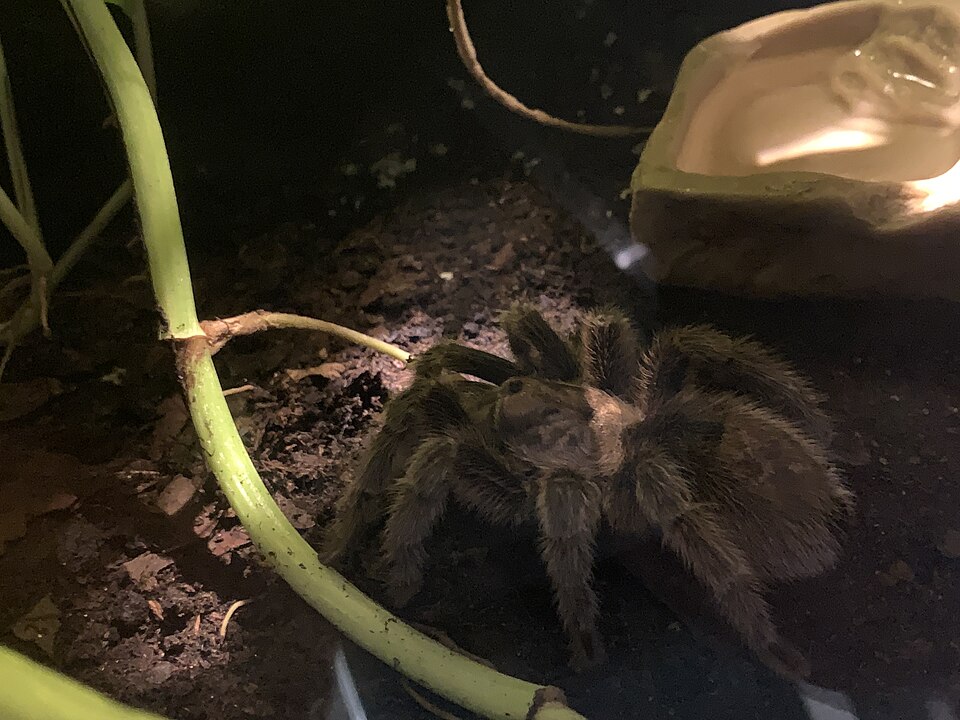
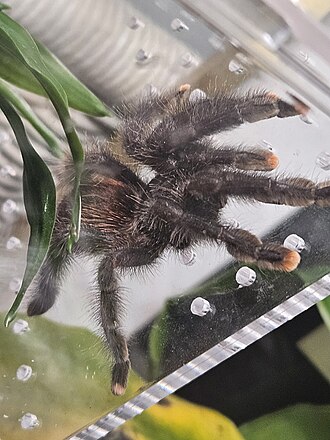
Chilean Rose Tarantula Why It Was Selected

Diet recorded as Carnivore , explicitly recorded as not requiring rodent-based prey; specific food must still be verified against dietary records.

Please Confirm: Spine protection,Defensive urticating hairs can irritate skin and eyes; wear gloves during cleaning and avoid blowing on the substrate.

Invertebrates
Chilean Rose Tarantula (Grammostola rosea)
Images · CC BY-SA 4.0Premeditated / Wikimedia Commons

Chilean Rose Tarantula

Grammostola rosea

Moves slowly but kicks urticating hairs; suitable for observation, not for frequent handling.

Adult size
3.94–5.12 in
Reference Lifespan
5–20 yr
Environment reference
68–78.8 °F
Basic CareCarnivore · Risks Medium
Ownership Score 62/100

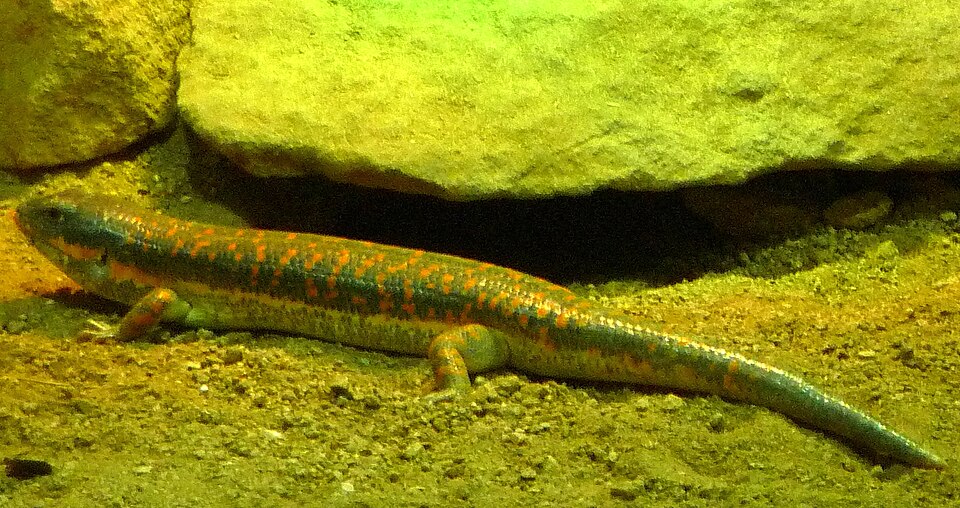
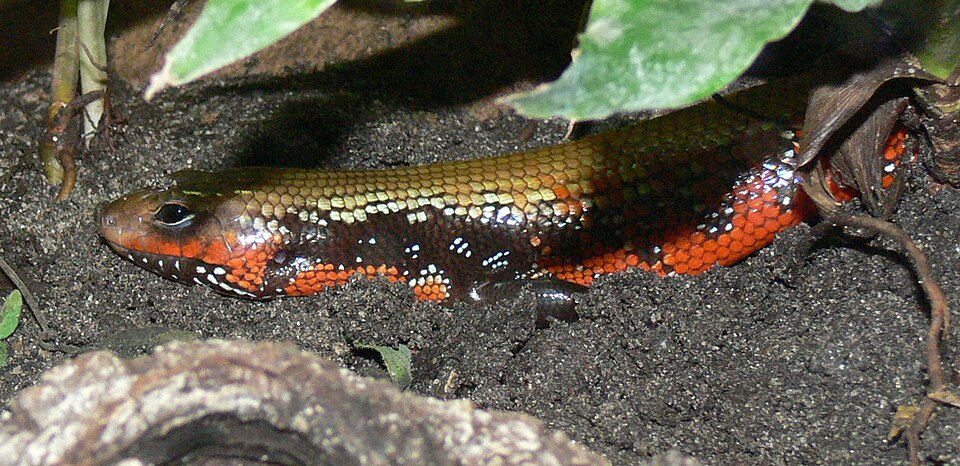
Fire Skink Why It Was Selected

Diet recorded as Insectivore , explicitly recorded as not requiring rodent-based prey; specific food must still be verified against dietary records.

Please Confirm: Adult Space,Juveniles may appear small, but adult enclosures, lighting, and backup equipment constitute the long-term cost.

Reptiles
Fire Skink (Lepidothyris fernandi)
Images · CC BY-SA 3.0User:Haplochromis / Wikimedia Commons

Fire Skink

Lepidothyris fernandi

Prefers deep substrate and hiding spots; humidity must be stable but the tank bottom should not remain waterlogged.

Adult size
9.84–13.78 in
Reference Lifespan
10–15 yr
Environment reference
75.2–86 °F
Advanced CareInsectivore · Risks Low
Ownership Score 62/100

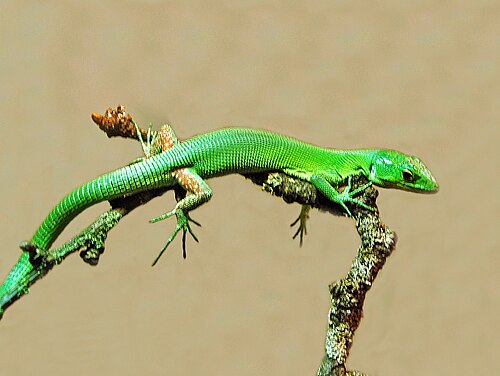
Green Keel Bellied Lizard Why It Was Selected

Diet recorded as Omnivore , explicitly recorded as not requiring rodent-based prey; specific food must still be verified against dietary records.

Please Confirm: Adult Space,Juveniles may appear small, but adult enclosures, lighting, and backup equipment constitute the long-term cost.

Reptiles
Green Keel Bellied Lizard (Gastropholis prasina)
Images · CC BY-SA 4.0Hectonichus / Wikimedia Commons

Green Keel Bellied Lizard

Gastropholis prasina

Arborial climbing space, branch stability, and ventilation must be designed together; low enclosures are unsuitable.

Adult size
9.84–13.78 in
Reference Lifespan
8–12 yr
Environment reference
71.6–82.4 °F
Advanced CareOmnivore · Risks Low
Ownership Score 62/100

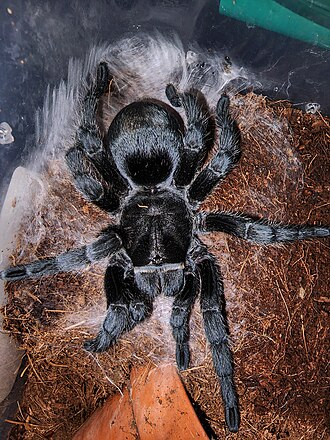
Brazilian Black Tarantula Why It Was Selected

Diet recorded as Carnivore , explicitly recorded as not requiring rodent-based prey; specific food must still be verified against dietary records.

Please Confirm: Molting window,Do not move or feed during the molting period; temporary inactivity is often natural behavior.

Invertebrates
Brazilian Black Tarantula (Grammostola pulchra)
Images · CC BY-SA 4.0DigitalLem0n / Wikimedia Commons

Brazilian Black Tarantula

Grammostola pulchra

Movement is usually slow but they kick urticating hairs; low enclosures, shallow water, and observational care are more suitable.

Adult size
4.72–6.3 in
Reference Lifespan
8–20 yr
Environment reference
71.6–82.4 °F
Advanced CareCarnivore · Risks Low
Ownership Score 62/100

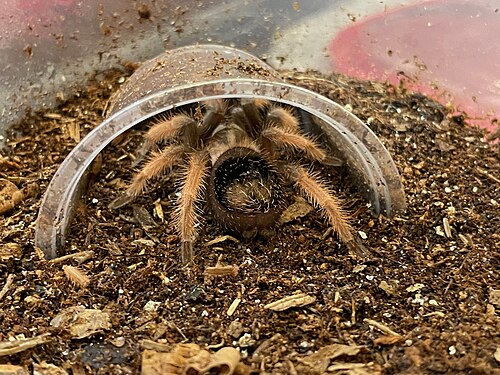
Mexican Red Rump Why It Was Selected

Diet recorded as Carnivore , explicitly recorded as not requiring rodent-based prey; specific food must still be verified against dietary records.

Please Confirm: Molting window,Do not move or feed during the molting period; temporary inactivity is often natural behavior.

Invertebrates
Mexican Red Rump (Brachypelma vagans)
Images · CC BY-SA 4.0Elekes Andor / Wikimedia Commons

Mexican Red Rump

Brachypelma vagans

Terrestrial, with a relatively wide tolerance range, but urticating hairs, molting, and live prey residue still require fixed procedures.

Adult size
4.72–6.3 in
Reference Lifespan
8–20 yr
Environment reference
71.6–82.4 °F
Advanced CareCarnivore · Risks Low
Ownership Score 62/100

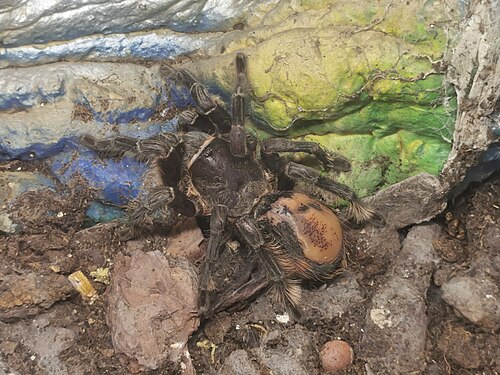
Mexican Red Leg Why It Was Selected

Diet recorded as Carnivore , explicitly recorded as not requiring rodent-based prey; specific food must still be verified against dietary records.

Please Confirm: Molting window,Do not move or feed during the molting period; temporary inactivity is often natural behavior.

Invertebrates
Mexican Red Leg (Brachypelma emilia)
Images · CC BY-SA 4.0Fungus Guy / Wikimedia Commons

Mexican Red Leg

Brachypelma emilia

Suitable for observation but not for frequent handling; source, molting period, and low-humidity ventilation must remain stable.

Adult size
4.72–6.3 in
Reference Lifespan
10–20 yr
Environment reference
71.6–82.4 °F
Advanced CareCarnivore · Risks Low
Ownership Score 62/100

Costa Rican Zebra Tarantula Why It Was Selected

Diet recorded as Carnivore , explicitly recorded as not requiring rodent-based prey; specific food must still be verified against dietary records.

Please Confirm: Molting window,Do not move or feed during the molting period; temporary inactivity is often natural behavior.

Invertebrates
Costa Rican Zebra Tarantula (Aphonopelma seemanni)
Images · CC BY-SA 2.0Bernard DUPONT from FRANCE / Wikimedia Commons

Costa Rican Zebra Tarantula

Aphonopelma seemanni

Ground-dwelling, fast-moving, and prone to kicking; escape plans and low-disturbance observation are more suitable than handling.

Adult size
3.94–5.51 in
Reference Lifespan
8–15 yr
Environment reference
71.6–82.4 °F
Advanced CareCarnivore · Risks Low
Ownership Score 62/100

Arizona Blonde Tarantula Why It Was Selected

Diet recorded as Carnivore , explicitly recorded as not requiring rodent-based prey; specific food must still be verified against dietary records.

Please Confirm: Molting window,Do not move or feed during the molting period; temporary inactivity is often natural behavior.

Invertebrates
Arizona Blonde Tarantula (Aphonopelma chalcodes)
Images · CC BY 4.0Chris A. Hamilton, Brent E. Hendrixson, Jason E. Bond / Wikimedia Commons

Arizona Blonde Tarantula

Aphonopelma chalcodes

Dry, low enclosures with shallow water are the basic setup; wild collection and local protection regulations must be verified first.

Adult size
3.94–5.51 in
Reference Lifespan
8–20 yr
Environment reference
68–82.4 °F
Advanced CareCarnivore · Risks Low
Ownership Score 62/100

Green Bottle Blue Tarantula Why It Was Selected

Diet recorded as Carnivore , explicitly recorded as not requiring rodent-based prey; specific food must still be verified against dietary records.

Please Confirm: Molting window,Do not move or feed during the molting period; temporary inactivity is often natural behavior.

Invertebrates
Green Bottle Blue Tarantula (Chromatopelma cyaneopubescens)
Images · CC BY-SA 4.0DigitalLem0n / Wikimedia Commons

Green Bottle Blue Tarantula

Chromatopelma cyaneopubescens

High webbing production, fast movement, and tendency to kick and shed urticating hairs; low humidity and ventilation, along with an escape plan when opening the lid, are critical.

Adult size
4.72–6.3 in
Reference Lifespan
8–15 yr
Environment reference
71.6–86 °F
Advanced CareCarnivore · Risks Low
Ownership Score 62/100

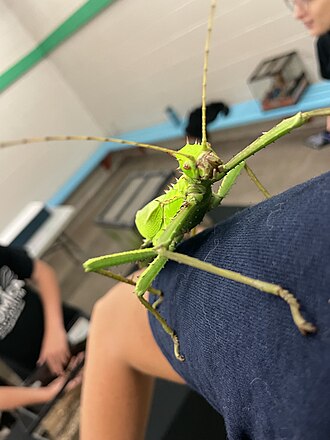
Giant Prickly Stick Insect Why It Was Selected

Diet recorded as Herbivore , explicitly recorded as not requiring rodent-based prey; specific food must still be verified against dietary records.

Please Confirm: Molting window,Do not move or feed during the molting period; temporary inactivity is often natural behavior.

Invertebrates
Giant Prickly Stick Insect (Extatosoma tiaratum)
Images · CC BY-SA 4.0NasserHalaweh / Wikimedia Commons

Giant Prickly Stick Insect

Extatosoma tiaratum

Large body size and molting require significant vertical space; foliage supply, escape prevention, and juvenile isolation must be prepared in advance.

Adult size
3.94–5.91 in
Reference Lifespan
1–2 yr
Environment reference
68–82.4 °F
Advanced CareHerbivore · Risks Low
Ownership Score 62/100

Giant Walking Stick Why It Was Selected

Diet recorded as Herbivore , explicitly recorded as not requiring rodent-based prey; specific food must still be verified against dietary records.

Please Confirm: Molting window,Do not move or feed during the molting period; temporary inactivity is often natural behavior.

Invertebrates
Giant Walking Stick (Diapherodes gigantea)
Images · CC BY-SA 4.0Fungus Guy / Wikimedia Commons

Giant Walking Stick

Diapherodes gigantea

High body size and climbing height requirements; foliage supply, ventilation, and molting space must be adequately provided.

Adult size
4.72–7.09 in
Reference Lifespan
1–2 yr
Environment reference
73.4–84.2 °F
Advanced CareHerbivore · Risks Low
Ownership Score 62/100

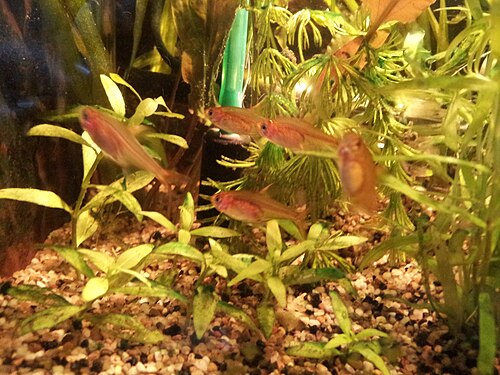
Ember Tetra Why It Was Selected

Diet recorded as Omnivore , explicitly recorded as not requiring rodent-based prey; specific food must still be verified against dietary records.

Please Confirm: Condition the water before introducing animals.,Established cycling, water changes, and water quality testing are daily tasks; a clear tank does not mean low maintenance.

Ornamental Aquatics
Ember Tetra (Hyphessobrycon amandae)
Images · CC BY-SA 3.0Pascal Wolterman / Wikimedia Commons

Ember Tetra

Hyphessobrycon amandae

Small schooling fish require mature micro-ecosystems and fine-grained food; observe when mixing species for feeding competition.

Adult size
0.79–1.18 in
Reference Lifespan
2–4 yr
Water Temperature
73.4–84.2 °F
Advanced CareOmnivore · Risks Low
Ownership Score 62/100

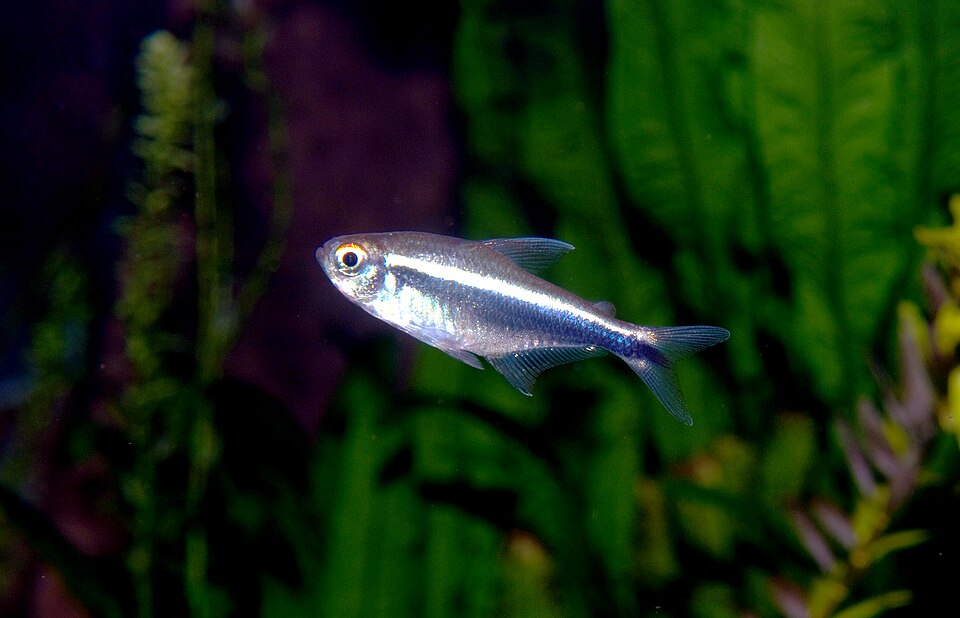
Black Neon Tetra Why It Was Selected

Diet recorded as Omnivore , explicitly recorded as not requiring rodent-based prey; specific food must still be verified against dietary records.

Please Confirm: Condition the water before introducing animals.,Established cycling, water changes, and water quality testing are daily tasks; a clear tank does not mean low maintenance.

Ornamental Aquatics
Black Neon Tetra (Hyphessobrycon herbertaxelrodi)
Images · CC BY 2.0Brian Gratwicke / Wikimedia Commons

Black Neon Tetra

Hyphessobrycon herbertaxelrodi

Schooling, shelter, and stable water quality are basic requirements; long-term single-tank setups are not viable.

Adult size
1.18–1.57 in
Reference Lifespan
3–5 yr
Water Temperature
73.4–82.4 °F
Advanced CareOmnivore · Risks Low
Ownership Score 62/100

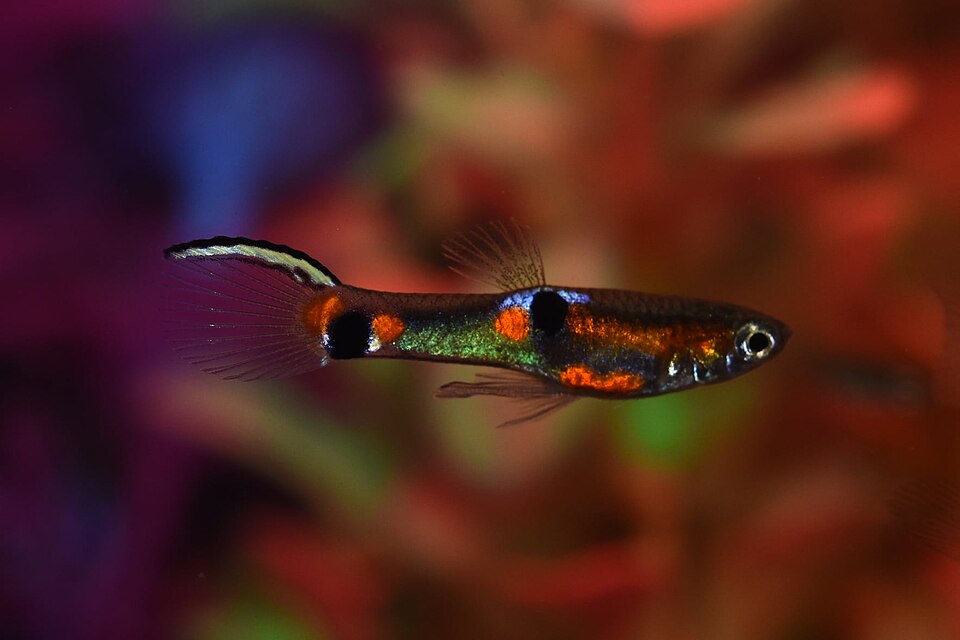
Endlers Livebearer Why It Was Selected

Diet recorded as Omnivore , explicitly recorded as not requiring rodent-based prey; specific food must still be verified against dietary records.

Please Confirm: Condition the water before introducing animals.,Established cycling, water changes, and water quality testing are daily tasks; a clear tank does not mean low maintenance.

Ornamental Aquatics
Endlers Livebearer (Poecilia wingei)
Images · CC BY-SA 4.0Dgrummon / Wikimedia Commons

Endlers Livebearer

Poecilia wingei

Small body size, fast breeding, and prone to hybridization; plan carefully for group numbers, fry destination, and genetic lines.

Adult size
0.79–1.57 in
Reference Lifespan
2–3 yr
Water Temperature
71.6–82.4 °F
Advanced CareOmnivore · Risks Low
Ownership Score 62/100

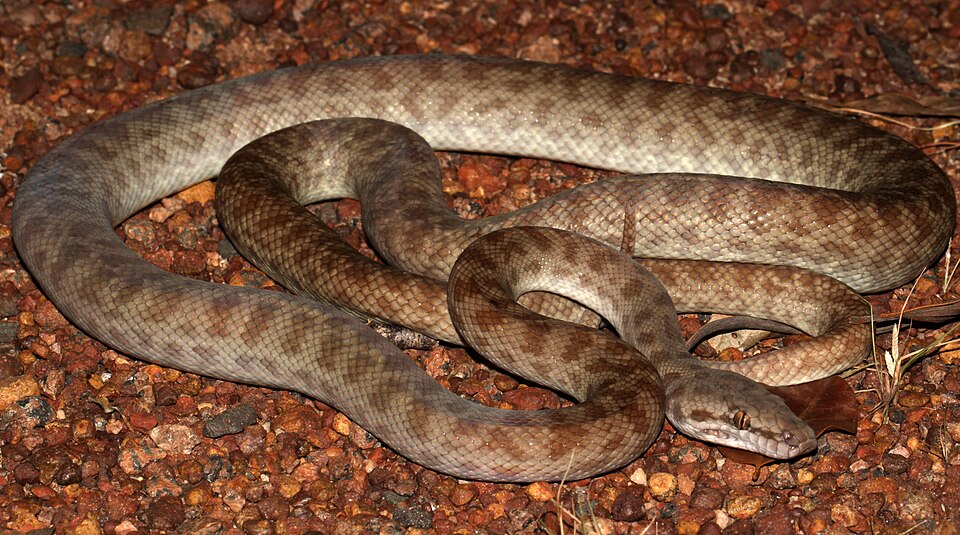
Childrens Python Why It Was Selected

Diet recorded as Carnivore , explicitly recorded as not requiring rodent-based prey; specific food must still be verified against dietary records.

Please Confirm: Adult Space,Juveniles may appear small, but adult enclosures, lighting, and backup equipment constitute the long-term cost.

Reptiles
Childrens Python (Antaresia childreni)
Images · CC BY 2.0Matt from Melbourne, Australia / Wikimedia Commons

Childrens Python

Antaresia childreni

Relatively compact body size but still requires locking and frozen mouse feeding; nocturnal activity affects bedroom placement.

Adult size
35.43–47.24 in
Reference Lifespan
15–25 yr
Environment reference
75.2–87.8 °F
Advanced CareCarnivore · Risks Low
Ownership Score 61/100

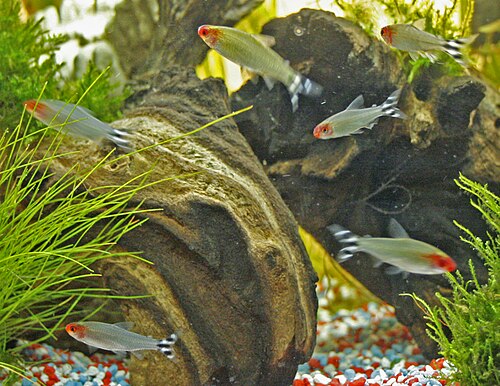
Rummy Nose Tetra Why It Was Selected

Diet recorded as Omnivore , explicitly recorded as not requiring rodent-based prey; specific food must still be verified against dietary records.

Please Confirm: Condition the water before introducing animals.,Established cycling, water changes, and water quality testing are daily tasks; a clear tank does not mean low maintenance.

Ornamental Aquatics
Rummy Nose Tetra (Hemigrammus rhodostomus)
Images · CC BY-SA 3.0Gavinevans / Wikimedia Commons

Rummy Nose Tetra

Hemigrammus rhodostomus

Schooling and water stability are more important than individual price; prioritize a mature cycle, cover, and sufficient companions.

Adult size
1.57–1.97 in
Reference Lifespan
4–6 yr
Water Temperature
75.2–82.4 °F
Advanced CareOmnivore · Risks Low
Ownership Score 61/100

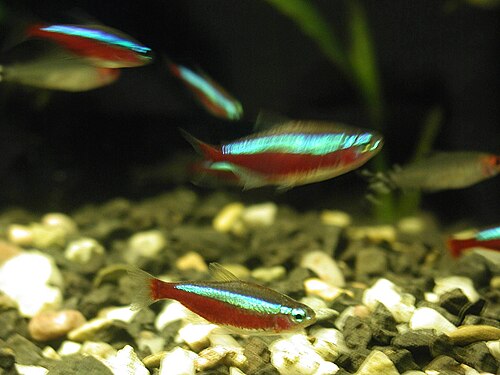
Cardinal Tetra Why It Was Selected

Diet recorded as Omnivore , explicitly recorded as not requiring rodent-based prey; specific food must still be verified against dietary records.

Please Confirm: Condition the water before introducing animals.,Established cycling, water changes, and water quality testing are daily tasks; a clear tank does not mean low maintenance.

Ornamental Aquatics
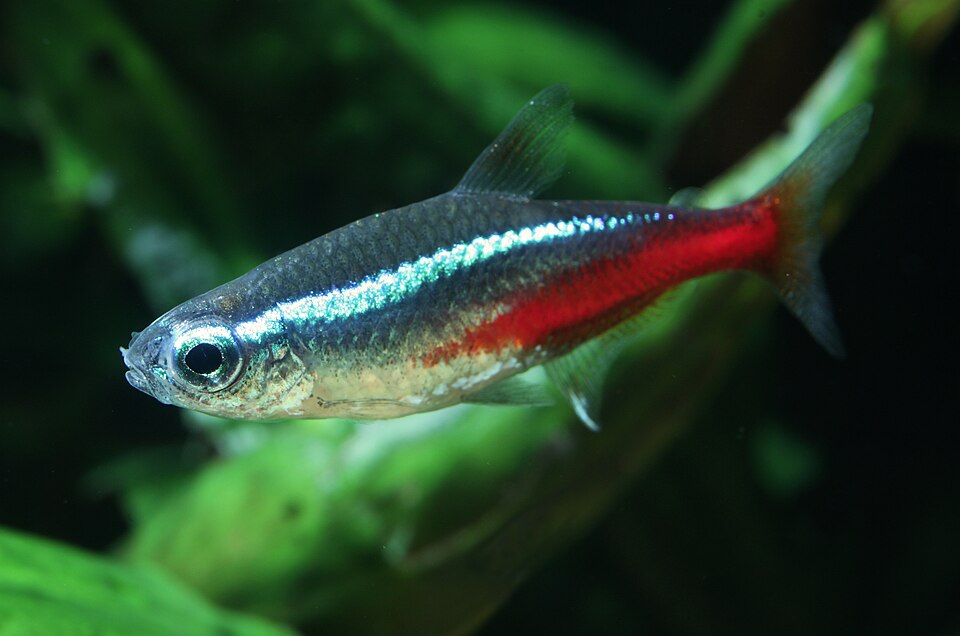
Cardinal Tetra (Paracheirodon axelrodi)
Images · Public domainPaolo Neo / Wikimedia Commons

Cardinal Tetra

Paracheirodon axelrodi

Requires stable, soft, acidic water and proper group numbers; fluctuations in a newly cycled tank will cause losses faster than the fish's size.

Adult size
1.18–1.97 in
Reference Lifespan
3–5 yr
Water Temperature
73.4–82.4 °F
Advanced CareOmnivore · Risks Low
Ownership Score 61/100

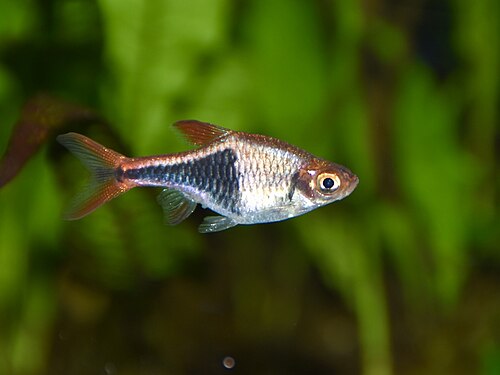
Harlequin Rasbora Why It Was Selected

Diet recorded as Omnivore , explicitly recorded as not requiring rodent-based prey; specific food must still be verified against dietary records.

Please Confirm: Condition the water before introducing animals.,Established cycling, water changes, and water quality testing are daily tasks; a clear tank does not mean low maintenance.

Ornamental Aquatics
Harlequin Rasbora (Trigonostigma heteromorpha)
Images · CC BY-SA 4.0NasserHalaweh / Wikimedia Commons

Harlequin Rasbora

Trigonostigma heteromorpha

Requires schooling, plant cover, and stable water quality; strong currents cause chronic stress in small fish.

Adult size
1.57–1.97 in
Reference Lifespan
4–6 yr
Water Temperature
73.4–84.2 °F
Advanced CareOmnivore · Risks Low
Ownership Score 61/100

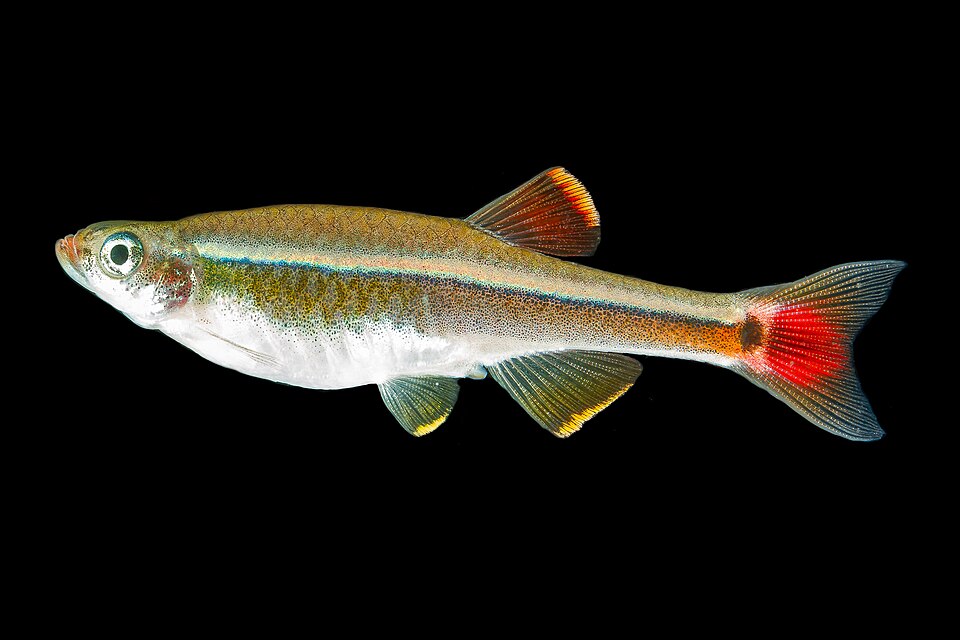
White Cloud Mountain Minnow Why It Was Selected

Diet recorded as Omnivore , explicitly recorded as not requiring rodent-based prey; specific food must still be verified against dietary records.

Please Confirm: Condition the water before introducing animals.,Established cycling, water changes, and water quality testing are daily tasks; a clear tank does not mean low maintenance.

Ornamental Aquatics
White Cloud Mountain Minnow (Tanichthys albonubes)
Images · CC BY 4.0Petrtyl / Wikimedia Commons

White Cloud Mountain Minnow

Tanichthys albonubes

Cool-water schooling fish; summer cooling, sufficient conspecifics, and gentle currents are more critical than small tank volume.

Adult size
1.18–1.97 in
Reference Lifespan
4–6 yr
Water Temperature
64.4–75.2 °F
Advanced CareOmnivore · Risks Low
Ownership Score 61/100

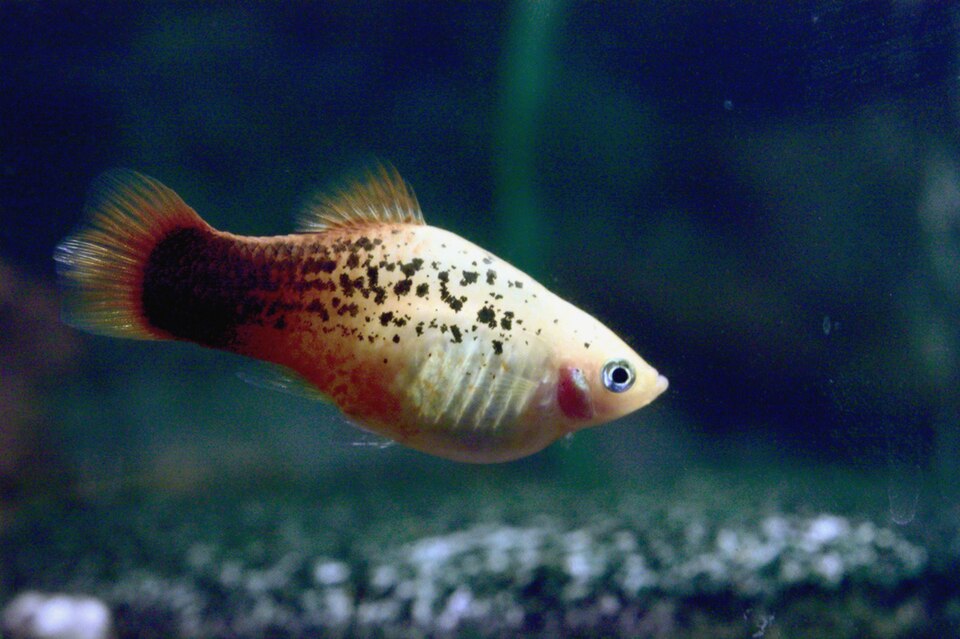
Platy Why It Was Selected

Diet recorded as Omnivore , explicitly recorded as not requiring rodent-based prey; specific food must still be verified against dietary records.

Please Confirm: Condition the water before introducing animals.,Established cycling, water changes, and water quality testing are daily tasks; a clear tank does not mean low maintenance.

Ornamental Aquatics
Platy (Xiphophorus maculatus)
Images · CC BY 2.0vxixiv / Wikimedia Commons

Platy

Xiphophorus maculatus

Moderate hardiness but high reproduction rates; water hardness, group ratios, and isolation space require advance planning.

Adult size
1.97–2.76 in
Reference Lifespan
3–5 yr
Water Temperature
71.6–82.4 °F
Advanced CareOmnivore · Risks Low
Ownership Score 61/100

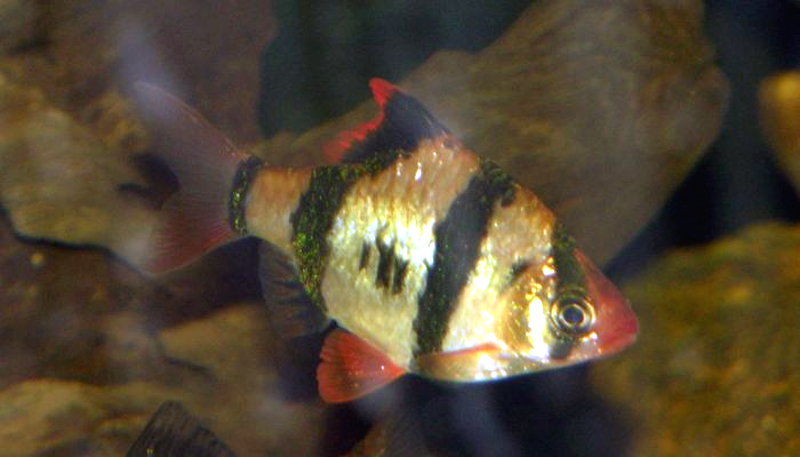
Tiger Barb Why It Was Selected

Diet recorded as Omnivore , explicitly recorded as not requiring rodent-based prey; specific food must still be verified against dietary records.

Please Confirm: Condition the water before introducing animals.,Established cycling, water changes, and water quality testing are daily tasks; a clear tank does not mean low maintenance.

Ornamental Aquatics
Tiger Barb (Puntigrus tetrazona)
Images · CC BY-SA 2.5Photo by Derek Ramsey (Ram-Man) / Wikimedia Commons

Tiger Barb

Puntigrus tetrazona

Schooling disperses chasing behavior; stocking numbers, tank mates, and filter cycling must be considered together.

Adult size
1.97–2.76 in
Reference Lifespan
5–7 yr
Water Temperature
73.4–82.4 °F
Advanced CareOmnivore · Risks Low
Ownership Score 61/100

Gold Barb Why It Was Selected

Diet recorded as Omnivore , explicitly recorded as not requiring rodent-based prey; specific food must still be verified against dietary records.

Please Confirm: Condition the water before introducing animals.,Established cycling, water changes, and water quality testing are daily tasks; a clear tank does not mean low maintenance.

Ornamental Aquatics
Gold Barb (Barbodes semifasciolatus)
Images · CC BY 2.5Gerd Nomade / Wikimedia Commons

Gold Barb

Barbodes semifasciolatus

Schooling, plant cover, and stable filtration reduce stress; separate space is also needed during breeding season.

Adult size
2.36–3.54 in
Reference Lifespan
5–7 yr
Water Temperature
68–80.6 °F
Advanced CareOmnivore · Risks Low
Ownership Score 61/100

Amano Shrimp Why It Was Selected

Diet recorded as Omnivore , explicitly recorded as not requiring rodent-based prey; specific food must still be verified against dietary records.

Please Confirm: Condition the water before introducing animals.,Established cycling, water changes, and water quality testing are daily tasks; a clear tank does not mean low maintenance.

Ornamental Aquatics
Amano Shrimp (Caridina multidentata)
Images · CC BY 4.0Jolielover / Wikimedia Commons

Amano Shrimp

Caridina multidentata

Requires mature algal films and stable minerals; molting periods, species mixing predation, and suction risks must be monitored.

Adult size
1.57–2.36 in
Reference Lifespan
2–4 yr
Water Temperature
68–80.6 °F
Advanced CareOmnivore · Risks Low
Ownership Score 61/100

Curly Hair Tarantula Why It Was Selected

Diet recorded as Carnivore , explicitly recorded as not requiring rodent-based prey; specific food must still be verified against dietary records.

Please Confirm: Molting window,Do not move or feed during the molting period; temporary inactivity is often natural behavior.

Invertebrates
Curly Hair Tarantula (Tliltocatl albopilosus)
Images · CC BY-SA 4.0Elick11 / Wikimedia Commons

Curly Hair Tarantula

Tliltocatl albopilosus

Burrowing, ground-dwelling tarantula. Lifespan range refers to females; males are significantly shorter.

Adult size
4.72–5.91 in
Reference Lifespan
15–20 yr
Environment reference
71.6–78.8 °F
Advanced CareCarnivore · Risks Medium
Ownership Score 60/100

Chinchilla Why It Was Selected

Diet recorded as Herbivore , explicitly recorded as not requiring rodent-based prey; specific food must still be verified against dietary records.

Please Confirm: Space and companionship,Small body size does not mean a small cage is sufficient; social species also require stable companions or interaction time.

Small Mammals
Chinchilla (Chinchilla lanigera)
Images · AttributionJaime E. Jimenez, Laboratorio de Ecología, Universidad de Los Lagos. CHILE [1]. / Wikimedia Commons

Chinchilla

Chinchilla lanigera

Heat-sensitive high-fiber herbivore; summer cooling and long-term dental care are important.

Adult size
8.66–14.96 in
Reference Lifespan
10–20 yr
Environment reference
60.8–69.8 °F
Advanced CareHerbivore · Risks Medium
Ownership Score 60/100

California Kingsnake Why It Was Selected

Diet recorded as Carnivore , explicitly recorded as not requiring rodent-based prey; specific food must still be verified against dietary records.

Please Confirm: Adult Space,Juveniles may appear small, but adult enclosures, lighting, and backup equipment constitute the long-term cost.

Reptiles
California Kingsnake (Lampropeltis californiae)
Images · CC BY-SA 4.0Tylwyth Eldar / Wikimedia Commons

California Kingsnake

Lampropeltis californiae

Activity levels and escape-proofing requirements exceed juvenile appearance; frozen rodent feeding, secure latches, and adult enclosures must be prepared in advance.

Adult size
35.43–51.18 in
Reference Lifespan
15–20 yr
Environment reference
71.6–86 °F
Advanced CareCarnivore · Risks Low
Ownership Score 60/100

Amazon Milk Frog Why It Was Selected

Diet recorded as Insectivore , explicitly recorded as not requiring rodent-based prey; specific food must still be verified against dietary records.

Please Confirm: Water Quality and Skin,Skin is directly involved in respiration; cleaners, chlorine, and standing water can cause rapid injury.

Amphibians
Amazon Milk Frog (Trachycephalus resinifictrix)
Images · CC BY-SA 4.0Fungus Guy / Wikimedia Commons

Amazon Milk Frog

Trachycephalus resinifictrix

Arboreal high enclosure, ventilation, and misting schedule must be coordinated; prolonged dampness and standing water cause skin problems.

Adult size
2.76–3.94 in
Reference Lifespan
8–12 yr
Environment reference
71.6–82.4 °F
Advanced CareInsectivore · Risks Low
Ownership Score 60/100

Clown Tree Frog Why It Was Selected

Diet recorded as Insectivore , explicitly recorded as not requiring rodent-based prey; specific food must still be verified against dietary records.

Please Confirm: Water Quality and Skin,Skin is directly involved in respiration; cleaners, chlorine, and standing water can cause rapid injury.

Amphibians
Clown Tree Frog (Dendropsophus leucophyllatus)
Images · CC BY 4.0Anders Hastings / Wikimedia Commons

Clown Tree Frog

Dendropsophus leucophyllatus

Small size, active, and prone to escaping through gaps; high-sided ventilation and tiny live prey must be prepared in advance.

Adult size
1.18–1.97 in
Reference Lifespan
5–8 yr
Environment reference
71.6–82.4 °F
Advanced CareInsectivore · Risks Low
Ownership Score 60/100

Madagascar Tomato Frog Why It Was Selected

Diet recorded as Insectivore , explicitly recorded as not requiring rodent-based prey; specific food must still be verified against dietary records.

Please Confirm: Water Quality and Skin,Skin is directly involved in respiration; cleaners, chlorine, and standing water can cause rapid injury.

Amphibians
Madagascar Tomato Frog (Dyscophus antongilii)
Images · CC BY-SA 4.0IrmaA2 / Wikimedia Commons

Madagascar Tomato Frog

Dyscophus antongilii

Stocky body but secretes irritants; moist substrate, solitary housing, and gentle handling are basic requirements.

Adult size
2.76–3.94 in
Reference Lifespan
8–12 yr
Environment reference
71.6–82.4 °F
Advanced CareInsectivore · Risks Low
Ownership Score 60/100

African Foam Nest Frog Why It Was Selected

Diet recorded as Insectivore , explicitly recorded as not requiring rodent-based prey; specific food must still be verified against dietary records.

Please Confirm: Water Quality and Skin,Skin is directly involved in respiration; cleaners, chlorine, and standing water can cause rapid injury.

Amphibians
African Foam Nest Frog (Chiromantis xerampelina)
Images · CC BY-SA 2.0Bernard DUPONT from FRANCE / Wikimedia Commons

African Foam Nest Frog

Chiromantis xerampelina

Arboreal, nocturnal, and with unique breeding behaviors; reserve space for ventilation, branches, and seasonal misting.

Adult size
1.97–3.15 in
Reference Lifespan
5–10 yr
Environment reference
71.6–86 °F
Advanced CareInsectivore · Risks Low
Ownership Score 60/100

Ornate Chorus Frog Why It Was Selected

Diet recorded as Insectivore , explicitly recorded as not requiring rodent-based prey; specific food must still be verified against dietary records.

Please Confirm: Water Quality and Skin,Skin is directly involved in respiration; cleaners, chlorine, and standing water can cause rapid injury.

Amphibians
Ornate Chorus Frog (Pseudacris ornata)
Images · CC BY 2.0Peter Paplanus / Wikimedia Commons

Ornate Chorus Frog

Pseudacris ornata

Small body size with distinct nocturnal calls; micro live prey and seasonal humidity must be arranged in advance.

Adult size
1.18–1.97 in
Reference Lifespan
4–8 yr
Environment reference
64.4–78.8 °F
Advanced CareInsectivore · Risks Low
Ownership Score 60/100

Heavy Jumper Why It Was Selected

Diet recorded as Carnivore , explicitly recorded as not requiring rodent-based prey; specific food must still be verified against dietary records.

Please Confirm: Molting window,Do not move or feed during the molting period; temporary inactivity is often natural behavior.

Invertebrates
Heavy Jumper (Hyllus diardi)
Images · CC BY 4.0Doreen / Wikimedia Commons

Heavy Jumper

Hyllus diardi

Larger body size and strong jumping ability; vertical space, micro live prey, and secondary enclosures are more important.

Adult size
0.79–1.18 in
Reference Lifespan
1–2 yr
Environment reference
73.4–84.2 °F
Advanced CareCarnivore · Risks Low
Ownership Score 60/100

Electric Blue Acara Why It Was Selected

Diet recorded as Omnivore , explicitly recorded as not requiring rodent-based prey; specific food must still be verified against dietary records.

Please Confirm: Condition the water before introducing animals.,Established cycling, water changes, and water quality testing are daily tasks; a clear tank does not mean low maintenance.

Ornamental Aquatics
Electric Blue Acara (Andinoacara pulcher)
Images · CC05snake5 / Wikimedia Commons

Electric Blue Acara

Andinoacara pulcher

Relatively peaceful but still possess breeding territories; mature water volume, hiding spots, and group planning are more important than color.

Adult size
4.72–7.09 in
Reference Lifespan
8–12 yr
Water Temperature
73.4–84.2 °F
Advanced CareOmnivore · Risks Low
Ownership Score 60/100

Swordtail Why It Was Selected

Diet recorded as Omnivore , explicitly recorded as not requiring rodent-based prey; specific food must still be verified against dietary records.

Please Confirm: Condition the water before introducing animals.,Established cycling, water changes, and water quality testing are daily tasks; a clear tank does not mean low maintenance.

Ornamental Aquatics
Swordtail (Xiphophorus hellerii)
Images · CC BY 4.0Yung-Lun Lin / Wikimedia Commons

Swordtail

Xiphophorus hellerii

Rapid reproduction with males potentially chasing conspecifics; plan group ratios, filtration, and fry disposition in advance.

Adult size
3.15–5.51 in
Reference Lifespan
3–5 yr
Water Temperature
71.6–82.4 °F
Advanced CareOmnivore · Risks Low
Ownership Score 60/100

Molly Why It Was Selected

Diet recorded as Omnivore , explicitly recorded as not requiring rodent-based prey; specific food must still be verified against dietary records.

Please Confirm: Condition the water before introducing animals.,Established cycling, water changes, and water quality testing are daily tasks; a clear tank does not mean low maintenance.

Ornamental Aquatics
Molly (Poecilia sphenops)
Images · CC BY-SA 4.0Dnoerholm / Wikimedia Commons

Molly

Poecilia sphenops

Requires higher minerals and a stable group; breeding, salinity, and water load are easily underestimated.

Adult size
2.36–4.72 in
Reference Lifespan
3–5 yr
Water Temperature
75.2–86 °F
Advanced CareOmnivore · Risks Low
Ownership Score 60/100

Kuhli Loach Why It Was Selected

Diet recorded as Omnivore , explicitly recorded as not requiring rodent-based prey; specific food must still be verified against dietary records.

Please Confirm: Condition the water before introducing animals.,Established cycling, water changes, and water quality testing are daily tasks; a clear tank does not mean low maintenance.

Ornamental Aquatics
Kuhli Loach (Pangio kuhlii)
Images · CC BY 3.0Published by Zoologische Mededelingen, at http://www.zoologischemededelingen.nl . Creative commons license published on main page. / Wikimedia Commons

Kuhli Loach

Pangio kuhlii

Nocturnal schooling and likes to burrow in substrate; fine smooth substrate, hiding spots, and sufficient companions are basic requirements.

Adult size
3.15–4.72 in
Reference Lifespan
8–12 yr
Water Temperature
75.2–86 °F
Advanced CareOmnivore · Risks Low
Ownership Score 60/100

Bristlenose Pleco Why It Was Selected

Diet recorded as Herbivore , explicitly recorded as not requiring rodent-based prey; specific food must still be verified against dietary records.

Please Confirm: Condition the water before introducing animals.,Established cycling, water changes, and water quality testing are daily tasks; a clear tank does not mean low maintenance.

Ornamental Aquatics
Bristlenose Pleco (Ancistrus cirrhosus)
Images · CC BY-SA 3.0 deThe Last 99 / Wikimedia Commons

Bristlenose Pleco

Ancistrus cirrhosus

Requires driftwood, hiding spots, and high-fiber food; cannot rely solely on tank wall algae for long-term nutrition.

Adult size
3.94–5.91 in
Reference Lifespan
8–12 yr
Water Temperature
73.4–84.2 °F
Advanced CareHerbivore · Risks Low
Ownership Score 60/100

Siamese Algae Eater Why It Was Selected

Diet recorded as Omnivore , explicitly recorded as not requiring rodent-based prey; specific food must still be verified against dietary records.

Please Confirm: Condition the water before introducing animals.,Established cycling, water changes, and water quality testing are daily tasks; a clear tank does not mean low maintenance.

Ornamental Aquatics
Siamese Algae Eater (Crossocheilus oblongus)
Images · CC BY-SA 4.0aleander2137 / Wikimedia Commons

Siamese Algae Eater

Crossocheilus oblongus

Algae-removal capacity changes with age; long-term care must adjust for group size, water flow, and supplemental feeding.

Adult size
4.72–6.3 in
Reference Lifespan
6–10 yr
Water Temperature
73.4–82.4 °F
Advanced CareOmnivore · Risks Low
Ownership Score 60/100

Rosy Barb Why It Was Selected

Diet recorded as Omnivore , explicitly recorded as not requiring rodent-based prey; specific food must still be verified against dietary records.

Please Confirm: Condition the water before introducing animals.,Established cycling, water changes, and water quality testing are daily tasks; a clear tank does not mean low maintenance.

Ornamental Aquatics
Rosy Barb (Pethia conchonius)
Images · CC BY 4.0235x / Wikimedia Commons

Rosy Barb

Pethia conchonius

Cool-water schooling fish; sufficient companions, open swimming space, and summer temperature control must all be included.

Adult size
3.15–4.72 in
Reference Lifespan
5–7 yr
Water Temperature
64.4–78.8 °F
Advanced CareOmnivore · Risks Low
Ownership Score 60/100

Boesemani Rainbowfish Why It Was Selected

Diet recorded as Omnivore , explicitly recorded as not requiring rodent-based prey; specific food must still be verified against dietary records.

Please Confirm: Condition the water before introducing animals.,Established cycling, water changes, and water quality testing are daily tasks; a clear tank does not mean low maintenance.

Ornamental Aquatics
Boesemani Rainbowfish (Melanotaenia boesemani)
Images · CC BY-SA 4.0Botev / Wikimedia Commons

Boesemani Rainbowfish

Melanotaenia boesemani

Requires schooling and horizontal swimming space; adult coloration and body size depend on stable water quality and a balanced diet.

Adult size
3.94–5.51 in
Reference Lifespan
5–8 yr
Water Temperature
75.2–82.4 °F
Advanced CareOmnivore · Risks Low
Ownership Score 60/100

Golden Gecko Why It Was Selected

Diet recorded as Insectivore , explicitly recorded as not requiring rodent-based prey; specific food must still be verified against dietary records.

Please Confirm: Adult Space,Juveniles may appear small, but adult enclosures, lighting, and backup equipment constitute the long-term cost.

Reptiles
Golden Gecko (Gekko badenii)
Images · CC BY-SA 4.0Heroinabspeutzer / Wikimedia Commons

Golden Gecko

Gekko badenii

Nocturnal, fast-moving, and defensive; ventilation, vertical space, and escape prevention are more critical than simply increasing humidity.

Adult size
7.09–9.84 in
Reference Lifespan
8–12 yr
Environment reference
75.2–86 °F
Advanced CareInsectivore · Risks Medium
Ownership Score 60/100

Betta Why It Was Selected

Diet recorded as Carnivore , explicitly recorded as not requiring rodent-based prey; specific food must still be verified against dietary records.

Please Confirm: Condition the water before introducing animals.,Established cycling, water changes, and water quality testing are daily tasks; a clear tank does not mean low maintenance.

Ornamental Aquatics
Betta (Betta splendens)
Images · CC BY-SA 2.0Denise Chan / Wikimedia Commons

Betta

Betta splendens

Even though they can breathe air, they still require filtration, stable temperature, and consistent water quality.

Adult size
1.97–2.76 in
Reference Lifespan
3–5 yr
Water Temperature
75.2–82.4 °F
Basic CareCarnivore · Risks Medium
Ownership Score 59/100

Orchid Mantis Why It Was Selected

Diet recorded as Insectivore , explicitly recorded as not requiring rodent-based prey; specific food must still be verified against dietary records.

Please Confirm: Molting window,Do not move or feed during the molting period; temporary inactivity is often natural behavior.

Invertebrates
Orchid Mantis (Hymenopus coronatus)
Images · CC BY-SA 3.0Luc Viatour / Wikimedia Commons

Orchid Mantis

Hymenopus coronatus

Arboreal insect dependent on appropriate live prey, ventilation, and molting height.

Adult size
1.57–2.36 in
Reference Lifespan
0.5–1 yr
Environment reference
71.6–82.4 °F
Advanced CareInsectivore · Risks Low
Ownership Score 59/100

American Green Tree Frog Why It Was Selected

Diet recorded as Insectivore , explicitly recorded as not requiring rodent-based prey; specific food must still be verified against dietary records.

Please Confirm: Humidity drop,Allow ventilation and a drying period after misting; overnight standing water increases skin problems.

Amphibians
American Green Tree Frog (Hyla cinerea)
Images · CC0mefisher / Wikimedia Commons

American Green Tree Frog

Hyla cinerea

Nocturnal and arboreal; ventilation and misting with a return to dryness are more important than constant moisture.

Adult size
1.57–2.36 in
Reference Lifespan
6–10 yr
Environment reference
68–80.6 °F
Advanced CareInsectivore · Risks Low
Ownership Score 59/100

Milk Snake Why It Was Selected

Diet recorded as Carnivore , explicitly recorded as not requiring rodent-based prey; specific food must still be verified against dietary records.

Please Confirm: Adult Space,Juveniles may appear small, but adult enclosures, lighting, and backup equipment constitute the long-term cost.

Reptiles
Milk Snake (Lampropeltis triangulum)
Images · CC BY 2.0Peter Paplanus / Wikimedia Commons

Milk Snake

Lampropeltis triangulum

Patterns can make its climbing and escape ability overlooked; space, secure latches, and frozen rodent feeding routines must be stable.

Adult size
35.43–59.06 in
Reference Lifespan
15–20 yr
Environment reference
71.6–86 °F
Advanced CareCarnivore · Risks Low
Ownership Score 59/100

Japanese Fire Bellied Newt Why It Was Selected

Diet recorded as Carnivore , explicitly recorded as not requiring rodent-based prey; specific food must still be verified against dietary records.

Please Confirm: Water Quality and Skin,Skin is directly involved in respiration; cleaners, chlorine, and standing water can cause rapid injury.

Amphibians
Japanese Fire Bellied Newt (Cynops pyrrhogaster)
Images · CC BY-SA 4.0Motokoka / Wikimedia Commons

Japanese Fire Bellied Newt

Cynops pyrrhogaster

Skin is sensitive and heat-intolerant; water quality, cover, and summer cooling must be tested before acquisition.

Adult size
3.15–5.51 in
Reference Lifespan
10–20 yr
Environment reference
60.8–75.2 °F
Advanced CareCarnivore · Risks Low
Ownership Score 59/100

Eastern Newt Why It Was Selected

Diet recorded as Carnivore , explicitly recorded as not requiring rodent-based prey; specific food must still be verified against dietary records.

Please Confirm: Water Quality and Skin,Skin is directly involved in respiration; cleaners, chlorine, and standing water can cause rapid injury.

Amphibians
Eastern Newt (Notophthalmus viridescens)
Images · CC BY-SA 2.5Patrick Coin (Patrick Coin) / Wikimedia Commons

Eastern Newt

Notophthalmus viridescens

Juvenile and adult requirements differ; water-land transitions, clean water, and low-temperature management must all be considered.

Adult size
2.76–4.72 in
Reference Lifespan
10–15 yr
Environment reference
60.8–75.2 °F
Advanced CareCarnivore · Risks Low
Ownership Score 59/100

Marbled Salamander Why It Was Selected

Diet recorded as Carnivore , explicitly recorded as not requiring rodent-based prey; specific food must still be verified against dietary records.

Please Confirm: Water Quality and Skin,Skin is directly involved in respiration; cleaners, chlorine, and standing water can cause rapid injury.

Amphibians
Marbled Salamander (Ambystoma opacum)
Images · CC BY 2.0Peter Paplanus / Wikimedia Commons

Marbled Salamander

Ambystoma opacum

Terrestrial-leaning and requires deep, moist substrate; reduce disturbance and bright light during molting and feeding.

Adult size
3.54–5.12 in
Reference Lifespan
8–15 yr
Environment reference
60.8–75.2 °F
Advanced CareCarnivore · Risks Low
Ownership Score 59/100

Argentine Horned Frog Why It Was Selected

Diet recorded as Carnivore , explicitly recorded as not requiring rodent-based prey; specific food must still be verified against dietary records.

Please Confirm: Water Quality and Skin,Skin is directly involved in respiration; cleaners, chlorine, and standing water can cause rapid injury.

Amphibians
Argentine Horned Frog (Ceratophrys ornata)
Images · CC BY 4.0Leonel Roget / Wikimedia Commons

Argentine Horned Frog

Ceratophrys ornata

Strong appetite and prone to accidental bites; controlling body weight, single housing and safe handling outweigh frequent interaction.

Adult size
4.72–7.09 in
Reference Lifespan
8–12 yr
Environment reference
71.6–82.4 °F
Advanced CareCarnivore · Risks Medium
Ownership Score 59/100

Brazilian Horned Frog Why It Was Selected

Diet recorded as Carnivore , explicitly recorded as not requiring rodent-based prey; specific food must still be verified against dietary records.

Please Confirm: Water Quality and Skin,Skin is directly involved in respiration; cleaners, chlorine, and standing water can cause rapid injury.

Amphibians
Brazilian Horned Frog (Ceratophrys joazeirensis)
Images · CC0Fabricio Carvalho da Silva / Wikimedia Commons

Brazilian Horned Frog

Ceratophrys joazeirensis

Ambushes live prey; substrate moisture, feeding intervals, and risk of accidental ingestion must be adjusted according to individual size.

Adult size
3.94–6.3 in
Reference Lifespan
8–12 yr
Environment reference
71.6–84.2 °F
Advanced CareCarnivore · Risks Low
Ownership Score 59/100

Atlas Beetle Why It Was Selected

Diet recorded as Detritivore , explicitly recorded as not requiring rodent-based prey; specific food must still be verified against dietary records.

Please Confirm: Molting window,Do not move or feed during the molting period; temporary inactivity is often natural behavior.

Invertebrates
Atlas Beetle (Chalcosoma atlas)
Images · CC BY 4.0Ctac / Wikimedia Commons

Atlas Beetle

Chalcosoma atlas

Long larval stage and high substrate consumption; male fighting and breeding numbers must be planned in advance.

Adult size
1.97–4.72 in
Reference Lifespan
1–2 yr
Environment reference
75.2–86 °F
Advanced CareDetritivore · Risks Low
Ownership Score 59/100

Dead Leaf Mantis Why It Was Selected

Diet recorded as Carnivore , explicitly recorded as not requiring rodent-based prey; specific food must still be verified against dietary records.

Please Confirm: Molting window,Do not move or feed during the molting period; temporary inactivity is often natural behavior.

Invertebrates
Dead Leaf Mantis (Deroplatys desiccata)
Images · CC BY-SA 4.0Fungus Guy / Wikimedia Commons

Dead Leaf Mantis

Deroplatys desiccata

Relies on camouflage against vertical branches and stable humidity; cannot be moved frequently or misted during molting.

Adult size
2.76–3.94 in
Reference Lifespan
1–2 yr
Environment reference
71.6–82.4 °F
Advanced CareCarnivore · Risks Low
Ownership Score 59/100

Ecuadorian Hermit Crab Why It Was Selected

Diet recorded as Omnivore , explicitly recorded as not requiring rodent-based prey; specific food must still be verified against dietary records.

Please Confirm: Molting window,Do not move or feed during the molting period; temporary inactivity is often natural behavior.

Invertebrates
Ecuadorian Hermit Crab (Coenobita compressus)
Images · CC BY-SA 4.0Picardo7 / Wikimedia Commons

Ecuadorian Hermit Crab

Coenobita compressus

Requires fresh water, salt water, deep moist substrate, and spare shells; a single small box cannot support long-term life.

Adult size
1.18–2.36 in
Reference Lifespan
10–20 yr
Environment reference
75.2–84.2 °F
Advanced CareOmnivore · Risks Low
Ownership Score 59/100

Purple Pincher Hermit Crab Why It Was Selected

Diet recorded as Omnivore , explicitly recorded as not requiring rodent-based prey; specific food must still be verified against dietary records.

Please Confirm: Molting window,Do not move or feed during the molting period; temporary inactivity is often natural behavior.

Invertebrates Morph records
Purple Pincher Hermit Crab (Coenobita clypeatus)
Images · CC BY-SA 4.0Fungus Guy / Wikimedia Commons

Purple Pincher Hermit Crab

Coenobita clypeatus

Do not rely solely on a shallow water dish and decorative sand; prepare deep substrate, dual water sources, shells, and communal space.

Adult size
1.57–3.94 in
Reference Lifespan
10–20 yr
Environment reference
75.2–84.2 °F
Advanced CareOmnivore · Risks Low
Ownership Score 59/100

Dojo Loach Why It Was Selected

Diet recorded as Omnivore , explicitly recorded as not requiring rodent-based prey; specific food must still be verified against dietary records.

Please Confirm: Condition the water before introducing animals.,Established cycling, water changes, and water quality testing are daily tasks; a clear tank does not mean low maintenance.

Ornamental Aquatics
Dojo Loach (Misgurnus anguillicaudatus)
Images · Public domainNoel Burkhead / USGS / Wikimedia Commons

Dojo Loach

Misgurnus anguillicaudatus

Benthic, burrows in substrate, and can jump out of the tank; plan substrate, escape prevention, and group space based on adult size.

Adult size
5.91–9.84 in
Reference Lifespan
8–12 yr
Water Temperature
64.4–78.8 °F
Advanced CareOmnivore · Risks Low
Ownership Score 59/100

Chinese Softshell Turtle Why It Was Selected

Diet recorded as Carnivore , explicitly recorded as not requiring rodent-based prey; specific food must still be verified against dietary records.

Please Confirm: Adult Space,Juveniles may appear small, but adult enclosures, lighting, and backup equipment constitute the long-term cost.

Reptiles
Chinese Softshell Turtle (Pelodiscus sinensis)
Images · CC BY 4.0Kim, Hyun-tae / Wikimedia Commons

Chinese Softshell Turtle

Pelodiscus sinensis

Bites, burrows, and has specific water quality and substrate requirements; source, usage, and regional regulations must be verified separately.

Adult size
7.87–13.78 in
Reference Lifespan
20–30 yr
Environment reference
71.6–82.4 °F
Advanced CareCarnivore · Risks Medium
Ownership Score 59/100

Red Headed Agama Why It Was Selected

Diet recorded as Omnivore , explicitly recorded as not requiring rodent-based prey; specific food must still be verified against dietary records.

Please Confirm: Adult Space,Juveniles may appear small, but adult enclosures, lighting, and backup equipment constitute the long-term cost.

Reptiles
Red Headed Agama (Agama agama)
Images · CC BY 3.0Michael Gäbler / Wikimedia Commons

Red Headed Agama

Agama agama

Basking spots, activity levels, and territorial behavior make small-bodied individuals harder to keep; understand sex and space requirements before housing in groups.

Adult size
9.84–13.78 in
Reference Lifespan
8–12 yr
Environment reference
75.2–89.6 °F
Advanced CareOmnivore · Risks Medium
Ownership Score 59/100

Central Bearded Dragon Why It Was Selected

Diet recorded as Omnivore , explicitly recorded as not requiring rodent-based prey; specific food must still be verified against dietary records.

Please Confirm: UVB replacement,Lamp output degrades over time; maintenance must be based on model, distance, and measured results.

Reptiles
Central Bearded Dragon (Pogona vitticeps)
Images · Public domainGeorge Chernilevsky / Wikimedia Commons

Central Bearded Dragon

Pogona vitticeps

Diurnal terrestrial lizard with specific requirements for UVB, basking spot, and diet ratio.

Adult size
15.75–21.65 in
Reference Lifespan
10–15 yr
Environment reference
71.6–78.8 °F
Advanced CareOmnivore · Risks Medium
Ownership Score 58/100

Neon Tetra Why It Was Selected

Diet recorded as Omnivore , explicitly recorded as not requiring rodent-based prey; specific food must still be verified against dietary records.

Please Confirm: Condition the water before introducing animals.,Established cycling, water changes, and water quality testing are daily tasks; a clear tank does not mean low maintenance.

Ornamental Aquatics
Neon Tetra (Paracheirodon innesi)
Images · CC BY 3.0Holger Krisp / Wikimedia Commons

Neon Tetra

Paracheirodon innesi

Schooling dwarf tetras; established water and sufficient companions are more important than individual specimens.

Adult size
1.18–1.57 in
Reference Lifespan
5–8 yr
Water Temperature
69.8–77 °F
Advanced CareOmnivore · Risks Low
Ownership Score 58/100

Pink Toe Tarantula Why It Was Selected

Diet recorded as Carnivore , explicitly recorded as not requiring rodent-based prey; specific food must still be verified against dietary records.

Please Confirm: Molting window,Do not move or feed during the molting period; temporary inactivity is often natural behavior.

Invertebrates
Pink Toe Tarantula (Avicularia avicularia)
Images · CC BY 4.0BhaalPriestess / Wikimedia Commons

Pink Toe Tarantula

Avicularia avicularia

Arboreal, high jumping, and rapid escape are the main challenges; high enclosure ventilation and a lid-opening escape plan must be tested first.

Adult size
3.94–5.91 in
Reference Lifespan
6–12 yr
Environment reference
73.4–82.4 °F
Advanced CareCarnivore · Risks Low
Ownership Score 58/100

Jungle Nymph Why It Was Selected

Diet recorded as Herbivore , explicitly recorded as not requiring rodent-based prey; specific food must still be verified against dietary records.

Please Confirm: Molting window,Do not move or feed during the molting period; temporary inactivity is often natural behavior.

Invertebrates
Jungle Nymph (Heteropteryx dilatata)
Images · CC BY-SA 4.0Fungus Guy / Wikimedia Commons

Jungle Nymph

Heteropteryx dilatata

Females are large and spiny; enclosure height, foliage supply, and disturbance prevention during molting must be accounted for.

Adult size
4.72–7.09 in
Reference Lifespan
1–2 yr
Environment reference
73.4–84.2 °F
Advanced CareHerbivore · Risks Low
Ownership Score 58/100

Comet Goldfish Why It Was Selected

Diet recorded as Omnivore , explicitly recorded as not requiring rodent-based prey; specific food must still be verified against dietary records.

Please Confirm: Condition the water before introducing animals.,Established cycling, water changes, and water quality testing are daily tasks; a clear tank does not mean low maintenance.

Ornamental Aquatics Morph records
Comet Goldfish (Carassius auratus)
Images · CC BY-SA 4.0Luftwaffle3 / Wikimedia Commons

Comet Goldfish

Carassius auratus

Tolerance does not equal suitability for small tanks; adult waste output, filtration, and group space must be calculated for long-term conditions.

Adult size
7.87–13.78 in
Reference Lifespan
10–20 yr
Water Temperature
64.4–78.8 °F
Advanced CareOmnivore · Risks Low
Ownership Score 58/100

Celestial Pearl Danio Why It Was Selected

Diet recorded as Omnivore , explicitly recorded as not requiring rodent-based prey; specific food must still be verified against dietary records.

Please Confirm: Condition the water before introducing animals.,Established cycling, water changes, and water quality testing are daily tasks; a clear tank does not mean low maintenance.

Ornamental Aquatics
Celestial Pearl Danio (Danio margaritatus)
Images · CC BY-SA 4.0NasserHalaweh / Wikimedia Commons

Celestial Pearl Danio

Danio margaritatus

Small body size, rapid reproduction, and need for live micro-prey; high stocking density, schooling, and stable water quality must be synchronized.

Adult size
0.79–1.18 in
Reference Lifespan
2–4 yr
Water Temperature
68–78.8 °F
Advanced CareOmnivore · Risks Low
Ownership Score 58/100

Fire Bellied Toad Why It Was Selected

Diet recorded as Insectivore , explicitly recorded as not requiring rodent-based prey; specific food must still be verified against dietary records.

Please Confirm: Water Quality and Skin,Skin is directly involved in respiration; cleaners, chlorine, and standing water can cause rapid injury.

Amphibians
Fire Bellied Toad (Bombina orientalis)
Images · CC0Vassil / Wikimedia Commons

Fire Bellied Toad

Bombina orientalis

Semi-aquatic amphibian requiring an easily accessible water-land interface.

Adult size
1.57–2.36 in
Reference Lifespan
10–15 yr
Environment reference
64.4–75.2 °F
Advanced CareInsectivore · Risks Medium
Ownership Score 57/100

Blue Tongued Skink Why It Was Selected

Diet recorded as Omnivore , explicitly recorded as not requiring rodent-based prey; specific food must still be verified against dietary records.

Please Confirm: Adult floor area,Sturdy build, high demand for active floor area; juvenile size does not represent long-term enclosure needs.

Reptiles
Blue Tongued Skink (Tiliqua scincoides)
Images · CC BY-SA 2.0Doug Beckers / Wikimedia Commons

Blue Tongued Skink

Tiliqua scincoides

Sturdy build and varied diet, but adult enclosure, lighting, and body condition management cannot be omitted.

Adult size
17.72–23.62 in
Reference Lifespan
15–20 yr
Environment reference
71.6–89.6 °F
Advanced CareOmnivore · Risks Medium
Ownership Score 57/100

Red Eyed Tree Frog Why It Was Selected

Diet recorded as Insectivore , explicitly recorded as not requiring rodent-based prey; specific food must still be verified against dietary records.

Please Confirm: Water Quality and Skin,Skin is directly involved in respiration; cleaners, chlorine, and standing water can cause rapid injury.

Amphibians
Red Eyed Tree Frog (Agalychnis callidryas)
Images · CC BY 2.0Red-eyed Tree Frog (Agalychnis callidryas) 3.jpg: Geoff Gallice from Gainesville, FL, USA derivative work: B kimmel / Wikimedia Commons

Red Eyed Tree Frog

Agalychnis callidryas

Requires a tall enclosure, stable humidity drop, and low handling frequency.

Adult size
1.57–2.36 in
Reference Lifespan
8–12 yr
Environment reference
71.6–80.6 °F
Advanced CareInsectivore · Risks Medium
Ownership Score 57/100

Spanish Ribbed Newt Why It Was Selected

Diet recorded as Carnivore , explicitly recorded as not requiring rodent-based prey; specific food must still be verified against dietary records.

Please Confirm: Water Quality and Skin,Skin is directly involved in respiration; cleaners, chlorine, and standing water can cause rapid injury.

Amphibians
Spanish Ribbed Newt (Pleurodeles waltl)
Images · CC BY 4.0EvanBaldonado / Wikimedia Commons

Spanish Ribbed Newt

Pleurodeles waltl

The water body should be cool and have a secure basking platform; cooling, filtration, and escape-proofing are more important than decoration in summer.

Adult size
7.87–11.81 in
Reference Lifespan
10–15 yr
Environment reference
60.8–75.2 °F
Advanced CareCarnivore · Risks Low
Ownership Score 57/100

Cockatoo Cichlid Why It Was Selected

Diet recorded as Omnivore , explicitly recorded as not requiring rodent-based prey; specific food must still be verified against dietary records.

Please Confirm: Condition the water before introducing animals.,Established cycling, water changes, and water quality testing are daily tasks; a clear tank does not mean low maintenance.

Ornamental Aquatics
Cockatoo Cichlid (Apistogramma cacatuoides)
Images · CC BY-SA 3.0Redspider / Wikimedia Commons

Cockatoo Cichlid

Apistogramma cacatuoides

Requires cover, soft water, and breeding zones; community tanks must provide isolation space.

Adult size
2.36–3.94 in
Reference Lifespan
3–5 yr
Water Temperature
73.4–82.4 °F
Advanced CareOmnivore · Risks Low
Ownership Score 57/100

Australe Killifish Why It Was Selected

Diet recorded as Carnivore , explicitly recorded as not requiring rodent-based prey; specific food must still be verified against dietary records.

Please Confirm: Condition the water before introducing animals.,Established cycling, water changes, and water quality testing are daily tasks; a clear tank does not mean low maintenance.

Ornamental Aquatics
Australe Killifish (Aphyosemion australe)
Images · CC BY-SA 4.0NasserHalaweh / Wikimedia Commons

Australe Killifish

Aphyosemion australe

Prefers cool water, prone to jumping, and has a unique breeding method; prepare covers, live food, and a hatching plan in advance.

Adult size
1.97–2.76 in
Reference Lifespan
2–4 yr
Water Temperature
68–77 °F
Advanced CareCarnivore · Risks Low
Ownership Score 57/100

Otocinclus Why It Was Selected

Diet recorded as Herbivore , explicitly recorded as not requiring rodent-based prey; specific food must still be verified against dietary records.

Please Confirm: Condition the water before introducing animals.,Established cycling, water changes, and water quality testing are daily tasks; a clear tank does not mean low maintenance.

Ornamental Aquatics
Otocinclus (Otocinclus affinis)
Images · CC BY-SA 3.0Marrabbio2 / Wikimedia Commons

Otocinclus

Otocinclus affinis

Requires mature tanks, algae films, and stable dissolved oxygen; newly introduced individuals are prone to losses from starvation and transport stress.

Adult size
1.18–1.97 in
Reference Lifespan
3–5 yr
Water Temperature
71.6–82.4 °F
Advanced CareHerbivore · Risks Low
Ownership Score 57/100

Threadfin Rainbowfish Why It Was Selected

Diet recorded as Omnivore , explicitly recorded as not requiring rodent-based prey; specific food must still be verified against dietary records.

Please Confirm: Condition the water before introducing animals.,Established cycling, water changes, and water quality testing are daily tasks; a clear tank does not mean low maintenance.

Ornamental Aquatics
Threadfin Rainbowfish (Iriatherina werneri)
Images · CC BY-SA 4.0NRJMelvinT / Wikimedia Commons

Threadfin Rainbowfish

Iriatherina werneri

Delicate fin rays, small body size, and fine mouth structure; gentle tank mates, micro-foods, and stable water flow are essential.

Adult size
1.57–1.97 in
Reference Lifespan
3–5 yr
Water Temperature
75.2–84.2 °F
Advanced CareOmnivore · Risks Low
Ownership Score 57/100

Whites Tree Frog Why It Was Selected

Diet recorded as Insectivore , explicitly recorded as not requiring rodent-based prey; specific food must still be verified against dietary records.

Please Confirm: Water Quality and Skin,Skin is directly involved in respiration; cleaners, chlorine, and standing water can cause rapid injury.

Amphibians
Whites Tree Frog (Litoria caerulea)
Images · Public domainLiquidGhoul / Wikimedia Commons

Whites Tree Frog

Litoria caerulea

Nocturnal arboreal frog, sensitive skin, suitable for observation rather than frequent handling.

Adult size
2.76–4.72 in
Reference Lifespan
10–15 yr
Environment reference
75.2–82.4 °F
Advanced CareInsectivore · Risks Medium
Ownership Score 56/100

Tomato Frog Why It Was Selected

Diet recorded as Insectivore , explicitly recorded as not requiring rodent-based prey; specific food must still be verified against dietary records.

Please Confirm: Water Quality and Skin,Skin is directly involved in respiration; cleaners, chlorine, and standing water can cause rapid injury.

Amphibians
Tomato Frog (Dyscophus guineti)
Images · AttributionThe original uploader was Firereptiles at English Wikipedia. / Wikimedia Commons

Tomato Frog

Dyscophus guineti

Terrestrial burrowing frog. The commercial name 'tomato frog' may correspond to different species.

Adult size
2.36–3.94 in
Reference Lifespan
6–10 yr
Environment reference
71.6–78.8 °F
Advanced CareInsectivore · Risks Medium
Ownership Score 56/100

African Clawed Frog Why It Was Selected

Diet recorded as Carnivore , explicitly recorded as not requiring rodent-based prey; specific food must still be verified against dietary records.

Please Confirm: Water Quality and Skin,Skin is directly involved in respiration; cleaners, chlorine, and standing water can cause rapid injury.

Amphibians
African Clawed Frog (Xenopus laevis)
Images · CC BY 2.0Brian Gratwicke / Wikimedia Commons

African Clawed Frog

Xenopus laevis

Fully aquatic, high food intake, and potential pathogen carrier; water quality and escape prevention are core tasks.

Adult size
3.15–5.12 in
Reference Lifespan
10–15 yr
Water Temperature
64.4–71.6 °F
Advanced CareCarnivore · Risks Medium
Ownership Score 56/100

Budgetts Frog Why It Was Selected

Diet recorded as Carnivore , explicitly recorded as not requiring rodent-based prey; specific food must still be verified against dietary records.

Please Confirm: Water Quality and Skin,Skin is directly involved in respiration; cleaners, chlorine, and standing water can cause rapid injury.

Amphibians
Budgetts Frog (Lepidobatrachus laevis)
Images · CC BY 4.0メルビル / Wikimedia Commons

Budgetts Frog

Lepidobatrachus laevis

High food intake and cannibalistic; plan water-to-land ratio, single housing and adult bite risk before introduction.

Adult size
3.94–5.91 in
Reference Lifespan
8–12 yr
Environment reference
68–82.4 °F
Advanced CareCarnivore · Risks Medium
Ownership Score 56/100

African Dormouse Why It Was Selected

Diet recorded as Omnivore , explicitly recorded as not requiring rodent-based prey; specific food must still be verified against dietary records.

Please Confirm: Space and companionship,Small body size does not mean a small cage is sufficient; social species also require stable companions or interaction time.

Small Mammals
African Dormouse (Graphiurus murinus)
Images · CC BY-SA 3.0Николай Усик / http://paradoxusik.livejournal.com/ / Wikimedia Commons

African Dormouse

Graphiurus murinus

Nocturnal, good at climbing, and requires hidden nest boxes; escape risk and stable nighttime care must be assessed first.

Adult size
3.15–4.72 in
Reference Lifespan
3–6 yr
Environment reference
64.4–78.8 °F
High-Demand CareOmnivore · Risks Low
Ownership Score 56/100

Hazel Dormouse Why It Was Selected

Diet recorded as Omnivore , explicitly recorded as not requiring rodent-based prey; specific food must still be verified against dietary records.

Please Confirm: Space and companionship,Small body size does not mean a small cage is sufficient; social species also require stable companions or interaction time.

Small Mammals
Hazel Dormouse (Muscardinus avellanarius)
Images · CC BY 4.0Dimitǎr Boevski / Wikimedia Commons

Hazel Dormouse

Muscardinus avellanarius

Protection and sourcing are heavily restricted; nocturnal activity, hibernation, and climbing space must be permitted by local regulations before considering ownership.

Adult size
2.36–3.54 in
Reference Lifespan
3–6 yr
Environment reference
60.8–75.2 °F
High-Demand CareOmnivore · Risks Low
Ownership Score 56/100

Common Pygmy Possum Why It Was Selected

Diet recorded as Omnivore , explicitly recorded as not requiring rodent-based prey; specific food must still be verified against dietary records.

Please Confirm: Space and companionship,Small body size does not mean a small cage is sufficient; social species also require stable companions or interaction time.

Small Mammals
Common Pygmy Possum (Cercartetus nanus)
Images · CC BY-SA 4.0Yi-Kai Tea / Wikimedia Commons

Common Pygmy Possum

Cercartetus nanus

Small body size, nocturnal, and requires arboreal nesting boxes; food, temperature, and veterinary resources cannot be managed like hamsters.

Adult size
3.94–5.51 in
Reference Lifespan
4–6 yr
Environment reference
64.4–78.8 °F
High-Demand CareOmnivore · Risks Low
Ownership Score 56/100

Convict Cichlid Why It Was Selected

Diet recorded as Omnivore , explicitly recorded as not requiring rodent-based prey; specific food must still be verified against dietary records.

Please Confirm: Condition the water before introducing animals.,Established cycling, water changes, and water quality testing are daily tasks; a clear tank does not mean low maintenance.

Ornamental Aquatics
Convict Cichlid (Amatitlania nigrofasciata)
Images · CC BY 4.0geosesarma / Wikimedia Commons

Convict Cichlid

Amatitlania nigrofasciata

Rapid breeding and strong territoriality; tank zoning and juvenile disposition must be considered before purchase.

Adult size
3.94–5.91 in
Reference Lifespan
8–12 yr
Water Temperature
73.4–84.2 °F
Advanced CareOmnivore · Risks Low
Ownership Score 56/100

Peacock Cichlid Why It Was Selected

Diet recorded as Omnivore , explicitly recorded as not requiring rodent-based prey; specific food must still be verified against dietary records.

Please Confirm: Condition the water before introducing animals.,Established cycling, water changes, and water quality testing are daily tasks; a clear tank does not mean low maintenance.

Ornamental Aquatics
Peacock Cichlid (Aulonocara nyassae)
Images · Public domainCharles Tate Regan (1878 - 1943) / Wikimedia Commons

Peacock Cichlid

Aulonocara nyassae

Requires stable, slightly alkaline water and proper stocking ratios; reserve capacity for territory and filtration in community tanks.

Adult size
3.94–5.91 in
Reference Lifespan
6–10 yr
Water Temperature
75.2–82.4 °F
Advanced CareOmnivore · Risks Low
Ownership Score 56/100

Mexican Red Knee Why It Was Selected

Diet recorded as Carnivore , explicitly recorded as not requiring rodent-based prey; specific food must still be verified against dietary records.

Please Confirm: Molting window,Do not move or feed during the molting period; temporary inactivity is often natural behavior.

Invertebrates
Mexican Red Knee (Brachypelma hamorii)
Images · Public domainGeorge Chernilevsky / Wikimedia Commons

Mexican Red Knee

Brachypelma hamorii

Slow-growing terrestrial tarantula; females can live for decades.

Adult size
4.72–6.3 in
Reference Lifespan
20–30 yr
Environment reference
71.6–80.6 °F
Advanced CareCarnivore · Risks Medium
Ownership Score 55/100

Fancy Goldfish Why It Was Selected

Diet recorded as Omnivore , explicitly recorded as not requiring rodent-based prey; specific food must still be verified against dietary records.

Please Confirm: Condition the water before introducing animals.,Established cycling, water changes, and water quality testing are daily tasks; a clear tank does not mean low maintenance.

Ornamental Aquatics
Fancy Goldfish (Carassius auratus)
Images · CC BY-SA 3.0לינה אבוגוש / Wikimedia Commons

Fancy Goldfish

Carassius auratus

Goldfish are not small-bowl pets; waste output, adult size, and filtration requirements are all high.

Adult size
3.94–9.84 in
Reference Lifespan
10–15 yr
Water Temperature
64.4–73.4 °F
Advanced CareOmnivore · Risks Low
Ownership Score 55/100

Mexican Fire Leg Why It Was Selected

Diet recorded as Carnivore , explicitly recorded as not requiring rodent-based prey; specific food must still be verified against dietary records.

Please Confirm: Molting window,Do not move or feed during the molting period; temporary inactivity is often natural behavior.

Invertebrates
Mexican Fire Leg (Brachypelma boehmei)
Images · CC BY-SA 4.0Elekes Andor / Wikimedia Commons

Mexican Fire Leg

Brachypelma boehmei

Noticeable bristling and slow growth; low enclosures, shallow water, and a quiet environment during molting are priorities.

Adult size
5.12–7.09 in
Reference Lifespan
10–20 yr
Environment reference
71.6–82.4 °F
Advanced CareCarnivore · Risks Medium
Ownership Score 55/100

African Pygmy Squirrel Why It Was Selected

Diet recorded as Omnivore , explicitly recorded as not requiring rodent-based prey; specific food must still be verified against dietary records.

Please Confirm: Space and companionship,Small body size does not mean a small cage is sufficient; social species also require stable companions or interaction time.

Small Mammals
African Pygmy Squirrel (Myosciurus pumilio)
Images · CC BY-SA 4.0Charles J. Sharp / Wikimedia Commons

African Pygmy Squirrel

Myosciurus pumilio

Small body size but requires tall enclosures, climbing opportunities, and continuous enrichment; source and specialist veterinary care must be verified first.

Adult size
3.94–5.91 in
Reference Lifespan
4–8 yr
Environment reference
71.6–84.2 °F
High-Demand CareOmnivore · Risks Low
Ownership Score 55/100

Japanese Flying Squirrel Why It Was Selected

Diet recorded as Herbivore , explicitly recorded as not requiring rodent-based prey; specific food must still be verified against dietary records.

Please Confirm: Space and companionship,Small body size does not mean a small cage is sufficient; social species also require stable companions or interaction time.

Small Mammals
Japanese Flying Squirrel (Pteromys momonga)
Images · Public domainFauna Japonica / Siebold (book attribution) / Wikimedia Commons

Japanese Flying Squirrel

Pteromys momonga

Nocturnal, gliding, and arboreal; requires high enclosure length, escape risk assessment, and regulatory compliance evaluation.

Adult size
5.51–7.87 in
Reference Lifespan
5–8 yr
Environment reference
60.8–77 °F
High-Demand CareHerbivore · Risks Low
Ownership Score 55/100

Pea Puffer Why It Was Selected

Diet recorded as Carnivore , explicitly recorded as not requiring rodent-based prey; specific food must still be verified against dietary records.

Please Confirm: Condition the water before introducing animals.,Established cycling, water changes, and water quality testing are daily tasks; a clear tank does not mean low maintenance.

Ornamental Aquatics
Pea Puffer (Carinotetraodon travancoricus)
Images · CC BY-SA 4.0Beta Mahatvaraj / Wikimedia Commons

Pea Puffer

Carinotetraodon travancoricus

Small body size but with distinct territory and live food requirements; single housing or dense planting in separate zones must be arranged based on individual responses.

Adult size
0.79–1.18 in
Reference Lifespan
3–5 yr
Water Temperature
75.2–82.4 °F
Advanced CareCarnivore · Risks Medium
Ownership Score 55/100

Tiger Salamander Why It Was Selected

Diet recorded as Carnivore , explicitly recorded as not requiring rodent-based prey; specific food must still be verified against dietary records.

Please Confirm: Water Quality and Skin,Skin is directly involved in respiration; cleaners, chlorine, and standing water can cause rapid injury.

Amphibians
Tiger Salamander (Ambystoma tigrinum)
Images · CC BY-SA 3.0Carla Isabel Ribeiro / Wikimedia Commons

Tiger Salamander

Ambystoma tigrinum

Cooler terrestrial salamander; tropical frog standards do not apply.

Adult size
7.09–11.81 in
Reference Lifespan
10–15 yr
Environment reference
60.8–71.6 °F
Advanced CareCarnivore · Risks Medium
Ownership Score 54/100

Brazilian Red White Tarantula Why It Was Selected

Diet recorded as Carnivore , explicitly recorded as not requiring rodent-based prey; specific food must still be verified against dietary records.

Please Confirm: Molting window,Do not move or feed during the molting period; temporary inactivity is often natural behavior.

Invertebrates
Brazilian Red White Tarantula (Nhandu chromatus)
Images · CC BY-SA 4.0Fungus Guy / Wikimedia Commons

Brazilian Red White Tarantula

Nhandu chromatus

Vivid coloration does not mean they are suitable for handling; urticating hairs, live prey, and escape-proofing must be planned according to large tarantulas.

Adult size
5.51–7.87 in
Reference Lifespan
8–15 yr
Environment reference
71.6–82.4 °F
Advanced CareCarnivore · Risks Medium
Ownership Score 54/100

Brazilian White Knee Tarantula Why It Was Selected

Diet recorded as Carnivore , explicitly recorded as not requiring rodent-based prey; specific food must still be verified against dietary records.

Please Confirm: Molting window,Do not move or feed during the molting period; temporary inactivity is often natural behavior.

Invertebrates
Brazilian White Knee Tarantula (Acanthoscurria geniculata)
Images · CC BY-SA 4.0Fungus Guy / Wikimedia Commons

Brazilian White Knee Tarantula

Acanthoscurria geniculata

Large body size, fast feeding response, and they kick urticating hairs; low enclosures with a large floor area and tool-assisted transfers are safer.

Adult size
6.3–8.66 in
Reference Lifespan
8–15 yr
Environment reference
71.6–82.4 °F
Advanced CareCarnivore · Risks Medium
Ownership Score 54/100

Salmon Pink Bird Eater Why It Was Selected

Diet recorded as Carnivore , explicitly recorded as not requiring rodent-based prey; specific food must still be verified against dietary records.

Please Confirm: Molting window,Do not move or feed during the molting period; temporary inactivity is often natural behavior.

Invertebrates
Salmon Pink Bird Eater (Lasiodora parahybana)
Images · CC BY-SA 4.0Fungus Guy / Wikimedia Commons

Salmon Pink Bird Eater

Lasiodora parahybana

Fast growth, large size, and heavy feeding requirements; enclosures, live prey, and molting isolation must be sized with ample margin.

Adult size
7.09–9.84 in
Reference Lifespan
6–12 yr
Environment reference
71.6–82.4 °F
Advanced CareCarnivore · Risks Medium
Ownership Score 54/100

Southern Flying Squirrel Why It Was Selected

Diet recorded as Omnivore , explicitly recorded as not requiring rodent-based prey; specific food must still be verified against dietary records.

Please Confirm: Space and companionship,Small body size does not mean a small cage is sufficient; social species also require stable companions or interaction time.

Small Mammals
Southern Flying Squirrel (Glaucomys volans)
Images · CC BY 2.0Judy Gallagher / Wikimedia Commons

Southern Flying Squirrel

Glaucomys volans

Requires continuous vertical space and a night activity zone; ventilation, escape prevention, and exotic vet care are all difficult.

Adult size
7.87–11.81 in
Reference Lifespan
5–8 yr
Environment reference
64.4–77 °F
High-Demand CareOmnivore · Risks Low
Ownership Score 54/100

Electric Blue Gecko Why It Was Selected

Diet recorded as Insectivore , explicitly recorded as not requiring rodent-based prey; specific food must still be verified against dietary records.

Please Confirm: Adult Space,Juveniles may appear small, but adult enclosures, lighting, and backup equipment constitute the long-term cost.

Reptiles
Electric Blue Gecko (Lygodactylus williamsi)
Images · CC BY-SA 4.0NasserHalaweh / Wikimedia Commons

Electric Blue Gecko

Lygodactylus williamsi

Small in size but highly sensitive to lighting, ventilation, live micro-prey, and source compliance; not suitable for casual co-housing.

Adult size
3.15–3.94 in
Reference Lifespan
5–8 yr
Environment reference
71.6–82.4 °F
High-Demand CareInsectivore · Risks Low
Ownership Score 54/100

Giant Millipede Why It Was Selected

Diet recorded as Detritivore , explicitly recorded as not requiring rodent-based prey; specific food must still be verified against dietary records.

Please Confirm: Molting window,Do not move or feed during the molting period; temporary inactivity is often natural behavior.

Invertebrates
Giant Millipede (Archispirostreptus gigas)
Images · CC BY-SA 3.0Bjørn Christian Tørrissen / Wikimedia Commons

Giant Millipede

Archispirostreptus gigas

Decomposer dependent on leaf litter and rotting wood; the substrate itself serves as the primary food source.

Adult size
7.87–11.81 in
Reference Lifespan
5–10 yr
Environment reference
71.6–78.8 °F
Advanced CareDetritivore · Risks Medium
Ownership Score 53/100

Cherry Shrimp Why It Was Selected

Diet recorded as Omnivore , explicitly recorded as not requiring rodent-based prey; specific food must still be verified against dietary records.

Please Confirm: Condition the water before introducing animals.,Established cycling, water changes, and water quality testing are daily tasks; a clear tank does not mean low maintenance.

Ornamental Aquatics
Cherry Shrimp (Neocaridina davidi)
Images · CC BY-SA 4.0Friedrich Bitter / Wikimedia Commons

Cherry Shrimp

Neocaridina davidi

Freshwater shrimp that rely heavily on biofilm; stable mineral balance is more important than pursuing an exact pH.

Adult size
0.79–1.18 in
Reference Lifespan
1–2 yr
Water Temperature
68–77 °F
Advanced CareOmnivore · Risks Low
Ownership Score 53/100

Vinegaroon Why It Was Selected

Diet recorded as Carnivore , explicitly recorded as not requiring rodent-based prey; specific food must still be verified against dietary records.

Please Confirm: Molting window,Do not move or feed during the molting period; temporary inactivity is often natural behavior.

Invertebrates
Vinegaroon (Mastigoproctus giganteus)
Images · CC BY 2.0Yu Yaqian / Wikimedia Commons

Vinegaroon

Mastigoproctus giganteus

Distinctive appearance but unsuitable for bare-handed handling; defensive acid spray and pincer strike risks must be visible.

Adult size
1.97–3.15 in
Reference Lifespan
5–8 yr
Environment reference
71.6–82.4 °F
Advanced CareCarnivore · Risks High
Ownership Score 53/100

Naked Mole Rat Why It Was Selected

Diet recorded as Herbivore , explicitly recorded as not requiring rodent-based prey; specific food must still be verified against dietary records.

Please Confirm: Space and companionship,Small body size does not mean a small cage is sufficient; social species also require stable companions or interaction time.

Small Mammals
Naked Mole Rat (Heterocephalus glaber)
Images · CC BY-SA 2.0Bernard DUPONT from FRANCE / Wikimedia Commons

Naked Mole Rat

Heterocephalus glaber

Highly social, subterranean, with specialized temperature requirements; ordinary households cannot replicate group environments.

Adult size
3.15–4.72 in
Reference Lifespan
10–25 yr
Environment reference
82.4–89.6 °F
High-Demand CareHerbivore · Risks Medium
Ownership Score 53/100

Striped Possum Why It Was Selected

Diet recorded as Omnivore , explicitly recorded as not requiring rodent-based prey; specific food must still be verified against dietary records.

Please Confirm: Space and companionship,Small body size does not mean a small cage is sufficient; social species also require stable companions or interaction time.

Small Mammals
Striped Possum (Dactylopsila trivirgata)
Images · CC BY-SA 3.0Striped_Possum_on_bananas_edited.jpg: Jacqui Rock derivative work: Berichard (talk) / Wikimedia Commons

Striped Possum

Dactylopsila trivirgata

Nocturnal, arboreal, and capable of biting; requires tall enclosures, environmental enrichment, and specialist veterinary care; cannot be managed like common rodents.

Adult size
9.84–13.78 in
Reference Lifespan
6–10 yr
Environment reference
68–82.4 °F
High-Demand CareOmnivore · Risks Low
Ownership Score 53/100

Mbuna Cichlid Why It Was Selected

Diet recorded as Herbivore , explicitly recorded as not requiring rodent-based prey; specific food must still be verified against dietary records.

Please Confirm: Condition the water before introducing animals.,Established cycling, water changes, and water quality testing are daily tasks; a clear tank does not mean low maintenance.

Ornamental Aquatics
Mbuna Cichlid (Pseudotropheus zebra)
Images · CC BY 3.0lienyuan lee / Wikimedia Commons

Mbuna Cichlid

Pseudotropheus zebra

Territorial aggression and high alkalinity are core challenges; plan for rock cover, proper group ratios, and quarantine tanks first.

Adult size
3.94–5.51 in
Reference Lifespan
6–10 yr
Water Temperature
75.2–82.4 °F
Advanced CareHerbivore · Risks Medium
Ownership Score 53/100

Sugar Glider Why It Was Selected

Diet recorded as Omnivore , explicitly recorded as not requiring rodent-based prey; specific food must still be verified against dietary records.

Please Confirm: Space and companionship,Small body size does not mean a small cage is sufficient; social species also require stable companions or interaction time.

Small Mammals
Sugar Glider (Petaurus breviceps)
Images · Public domainNeville W. Cayley / Wikimedia Commons

Sugar Glider

Petaurus breviceps

Highly social, nocturnal, and long-lived arboreal marsupials; not suitable for understanding as small-cage pets.

Adult size
4.72–5.91 in
Reference Lifespan
10–15 yr
Environment reference
68–82.4 °F
High-Demand CareOmnivore · Risks Medium
Ownership Score 52/100

Gray Short Tailed Opossum Why It Was Selected

Diet recorded as Omnivore , explicitly recorded as not requiring rodent-based prey; specific food must still be verified against dietary records.

Please Confirm: Nocturnal rhythm,Primarily active at night; daytime disturbance increases stress and defensive responses.

Small Mammals
Gray Short Tailed Opossum (Monodelphis domestica)
Images · CC BY 4.0Célio Moura Neto / Wikimedia Commons

Gray Short Tailed Opossum

Monodelphis domestica

Nocturnal, solitary small marsupial; scent, interaction rhythm, and medical care must be arranged in advance.

Adult size
4.72–7.09 in
Reference Lifespan
3–5 yr
Environment reference
71.6–82.4 °F
Advanced CareOmnivore · Risks Medium
Ownership Score 52/100

Greek Tortoise Why It Was Selected

Diet recorded as Herbivore , explicitly recorded as not requiring rodent-based prey; specific food must still be verified against dietary records.

Please Confirm: Adult Space,Juveniles may appear small, but adult enclosures, lighting, and backup equipment constitute the long-term cost.

Reptiles
Greek Tortoise (Testudo graeca)
Images · CC BY 4.0Arthur Gelling / Wikimedia Commons

Greek Tortoise

Testudo graeca

Long lifespan; seasonal changes, low-sugar hay, and hibernation management cannot be handled based solely on juvenile experience.

Adult size
5.91–11.81 in
Reference Lifespan
40–60 yr
Environment reference
71.6–86 °F
High-Demand CareHerbivore · Risks Low
Ownership Score 52/100

Hermanns Tortoise Why It Was Selected

Diet recorded as Herbivore , explicitly recorded as not requiring rodent-based prey; specific food must still be verified against dietary records.

Please Confirm: Adult Space,Juveniles may appear small, but adult enclosures, lighting, and backup equipment constitute the long-term cost.

Reptiles
Hermanns Tortoise (Testudo hermanni)
Images · CC BY 4.0Tiia Monto / Wikimedia Commons

Hermanns Tortoise

Testudo hermanni

Requires strong UVB, spacious floor space, and seasonal rhythms; for long-term indoor housing, activity levels must be addressed first.

Adult size
5.91–11.02 in
Reference Lifespan
40–70 yr
Environment reference
71.6–86 °F
High-Demand CareHerbivore · Risks Low
Ownership Score 52/100

Mountain Viscacha Why It Was Selected

Diet recorded as Herbivore , explicitly recorded as not requiring rodent-based prey; specific food must still be verified against dietary records.

Please Confirm: Space and companionship,Small body size does not mean a small cage is sufficient; social species also require stable companions or interaction time.

Small Mammals
Mountain Viscacha (Lagidium viscacia)
Images · CC BY-SA 4.0Thomas Swerts / Wikimedia Commons

Mountain Viscacha

Lagidium viscacia

Cooler, good at jumping, and requires rock shelves; summer cooling and high-fiber diets are the main challenges.

Adult size
11.81–17.72 in
Reference Lifespan
8–12 yr
Environment reference
53.6–75.2 °F
High-Demand CareHerbivore · Risks Low
Ownership Score 52/100

Southern Three Banded Armadillo Why It Was Selected

Diet recorded as Omnivore , explicitly recorded as not requiring rodent-based prey; specific food must still be verified against dietary records.

Please Confirm: Space and companionship,Small body size does not mean a small cage is sufficient; social species also require stable companions or interaction time.

Small Mammals
Southern Three Banded Armadillo (Tolypeutes matacus)
Images · CC BY 4.0Víctor Dávalos / Wikimedia Commons

Southern Three Banded Armadillo

Tolypeutes matacus

Requires digging, activity, and a low-stress environment; source, diet, and specialist veterinary care must be confirmed first.

Adult size
11.81–15.75 in
Reference Lifespan
15–20 yr
Environment reference
71.6–86 °F
High-Demand CareOmnivore · Risks Low
Ownership Score 52/100

Brush Tailed Bettong Why It Was Selected

Diet recorded as Omnivore , explicitly recorded as not requiring rodent-based prey; specific food must still be verified against dietary records.

Please Confirm: Space and companionship,Small body size does not mean a small cage is sufficient; social species also require stable companions or interaction time.

Small Mammals
Brush Tailed Bettong (Bettongia penicillata)
Images · CC BY-SA 4.0Calistemon / Wikimedia Commons

Brush Tailed Bettong

Bettongia penicillata

Nocturnal, arboreal, and capable of jumping; requires digging and foraging space; source and specialist veterinary resources must be verified first.

Adult size
11.81–15.75 in
Reference Lifespan
6–10 yr
Environment reference
60.8–78.8 °F
High-Demand CareOmnivore · Risks Low
Ownership Score 52/100

Jeweled Lacerta Why It Was Selected

Diet recorded as Omnivore , explicitly recorded as not requiring rodent-based prey; specific food must still be verified against dietary records.

Please Confirm: Adult Space,Juveniles may appear small, but adult enclosures, lighting, and backup equipment constitute the long-term cost.

Reptiles
Jeweled Lacerta (Timon lepidus)
Images · CC BY-SA 3.0User:Haplochromis / Wikimedia Commons

Jeweled Lacerta

Timon lepidus

Activity levels and territoriality are more prominent than appearance; requires long enclosures, strong UVB, and retreat areas.

Adult size
17.72–25.59 in
Reference Lifespan
15–20 yr
Environment reference
75.2–93.2 °F
High-Demand CareOmnivore · Risks Low
Ownership Score 51/100

Squirrel Glider Why It Was Selected

Diet recorded as Omnivore , explicitly recorded as not requiring rodent-based prey; specific food must still be verified against dietary records.

Please Confirm: Space and companionship,Small body size does not mean a small cage is sufficient; social species also require stable companions or interaction time.

Small Mammals
Squirrel Glider (Petaurus norfolcensis)
Images · CC BY-SA 4.0Greg Tasney / Wikimedia Commons

Squirrel Glider

Petaurus norfolcensis

Nocturnal, social, and requires a large-volume enclosure; diet, odor, and long-term companionship cannot be underestimated.

Adult size
7.87–11.81 in
Reference Lifespan
8–12 yr
Environment reference
64.4–78.8 °F
High-Demand CareOmnivore · Risks Medium
Ownership Score 51/100

Greater Hedgehog Tenrec Why It Was Selected

Diet recorded as Insectivore , explicitly recorded as not requiring rodent-based prey; specific food must still be verified against dietary records.

Please Confirm: Space and companionship,Small body size does not mean a small cage is sufficient; social species also require stable companions or interaction time.

Small Mammals
Greater Hedgehog Tenrec (Setifer setosus)
Images · CC BY-SA 3.0Tom Junek / Wikimedia Commons

Greater Hedgehog Tenrec

Setifer setosus

Body size and spiny defense exceed those of common small hedgehogs; nocturnal activity, diet, and medical resources require attention.

Adult size
7.09–9.84 in
Reference Lifespan
4–8 yr
Environment reference
71.6–86 °F
High-Demand CareInsectivore · Risks Medium
Ownership Score 51/100

Egyptian Tortoise Why It Was Selected

Diet recorded as Herbivore , explicitly recorded as not requiring rodent-based prey; specific food must still be verified against dietary records.

Please Confirm: Adult Space,Juveniles may appear small, but adult enclosures, lighting, and backup equipment constitute the long-term cost.

Reptiles
Egyptian Tortoise (Testudo kleinmanni)
Images · CC BY-SA 4.0JaffaFalcon / Wikimedia Commons

Egyptian Tortoise

Testudo kleinmanni

Small in size but demanding high temperatures, ventilation, low humidity, and legal sourcing; verify documentation and permits before purchase.

Adult size
3.94–5.51 in
Reference Lifespan
30–50 yr
Environment reference
75.2–89.6 °F
High-Demand CareHerbivore · Risks Medium
Ownership Score 51/100

Red Footed Tortoise Why It Was Selected

Diet recorded as Herbivore , explicitly recorded as not requiring rodent-based prey; specific food must still be verified against dietary records.

Please Confirm: Adult Space,Juveniles may appear small, but adult enclosures, lighting, and backup equipment constitute the long-term cost.

Reptiles
Red Footed Tortoise (Chelonoidis carbonaria)
Images · CC BY-SA 4.0Bjoertvedt / Wikimedia Commons

Red Footed Tortoise

Chelonoidis carbonaria

Size and humidity requirements far exceed juvenile impressions; long-term large space and a stable environment are needed.

Adult size
11.81–17.72 in
Reference Lifespan
30–50 yr
Environment reference
75.2–86 °F
High-Demand CareHerbivore · Risks Low
Ownership Score 50/100

Freshwater Angelfish Why It Was Selected

Diet recorded as Omnivore , explicitly recorded as not requiring rodent-based prey; specific food must still be verified against dietary records.

Please Confirm: Adult height,Higher water volume is needed after fins are spread; low tanks will restrict turning and display behaviors.

Ornamental Aquatics
Freshwater Angelfish (Pterophyllum scalare)
Images · CC BY 4.0Rjcastillo / Wikimedia Commons

Freshwater Angelfish

Pterophyllum scalare

Tall-bodied schooling fish with territorial tendencies; adult height and filtration load are often underestimated.

Adult size
5.91–7.87 in
Reference Lifespan
8–12 yr
Water Temperature
75.2–84.2 °F
Advanced CareOmnivore · Risks Low
Ownership Score 50/100

Leopard Tortoise Why It Was Selected

Diet recorded as Herbivore , explicitly recorded as not requiring rodent-based prey; specific food must still be verified against dietary records.

Please Confirm: Adult Space,Juveniles may appear small, but adult enclosures, lighting, and backup equipment constitute the long-term cost.

Reptiles
Leopard Tortoise (Stigmochelys pardalis)
Images · CC BY-SA 2.0Bernard DUPONT / Wikimedia Commons

Leopard Tortoise

Stigmochelys pardalis

Slow growth but occupies large space; hay, basking spots, and adult activity areas must be planned together.

Adult size
11.81–17.72 in
Reference Lifespan
40–70 yr
Environment reference
75.2–89.6 °F
High-Demand CareHerbivore · Risks Low
Ownership Score 50/100

Pancake Tortoise Why It Was Selected

Diet recorded as Herbivore , explicitly recorded as not requiring rodent-based prey; specific food must still be verified against dietary records.

Please Confirm: Adult Space,Juveniles may appear small, but adult enclosures, lighting, and backup equipment constitute the long-term cost.

Reptiles
Pancake Tortoise (Malacochersus tornieri)
Images · CC BY-SA 4.0Ethmostigmus / Wikimedia Commons

Pancake Tortoise

Malacochersus tornieri

Skilled at climbing rock crevices; enclosure escape-proofing, drop protection, and legal sourcing are more critical than size figures.

Adult size
5.91–7.09 in
Reference Lifespan
30–50 yr
Environment reference
75.2–89.6 °F
High-Demand CareHerbivore · Risks Medium
Ownership Score 50/100

Chinese Box Turtle Why It Was Selected

Diet recorded as Omnivore , explicitly recorded as not requiring rodent-based prey; specific food must still be verified against dietary records.

Please Confirm: Adult Space,Juveniles may appear small, but adult enclosures, lighting, and backup equipment constitute the long-term cost.

Reptiles
Chinese Box Turtle (Cuora flavomarginata)
Images · CC BY 4.0chiuluan / Wikimedia Commons

Chinese Box Turtle

Cuora flavomarginata

Requires moist terrestrial habitat, shelter, and stable temperatures; sourcing and protection regulations must be verified first.

Adult size
5.91–7.87 in
Reference Lifespan
30–50 yr
Environment reference
71.6–84.2 °F
High-Demand CareOmnivore · Risks Medium
Ownership Score 50/100

Egyptian Uromastyx Why It Was Selected

Diet recorded as Herbivore , explicitly recorded as not requiring rodent-based prey; specific food must still be verified against dietary records.

Please Confirm: Adult Space,Juveniles may appear small, but adult enclosures, lighting, and backup equipment constitute the long-term cost.

Reptiles
Egyptian Uromastyx (Uromastyx aegyptia)
Images · CC BY-SA 4.0Aboyahia74 / Wikimedia Commons

Egyptian Uromastyx

Uromastyx aegyptia

Heavier body size and basking spots than common spiny-tailed iguanas; calculate electricity, ventilation, and adult space requirements first.

Adult size
19.69–29.53 in
Reference Lifespan
20–30 yr
Environment reference
86–107.6 °F
High-Demand CareHerbivore · Risks Low
Ownership Score 50/100

Agouti Why It Was Selected

Diet recorded as Herbivore , explicitly recorded as not requiring rodent-based prey; specific food must still be verified against dietary records.

Please Confirm: Space and companionship,Small body size does not mean a small cage is sufficient; social species also require stable companions or interaction time.

Small Mammals
Agouti (Dasyprocta punctata)
Images · CC BY-SA 4.0Charles J. Sharp / Wikimedia Commons

Agouti

Dasyprocta punctata

High activity, gnawing, and territoriality; requires durable fencing, environmental enrichment, and stable social arrangements.

Adult size
15.75–23.62 in
Reference Lifespan
10–15 yr
Environment reference
71.6–86 °F
High-Demand CareHerbivore · Risks Medium
Ownership Score 50/100

Nine Banded Armadillo Why It Was Selected

Diet recorded as Omnivore , explicitly recorded as not requiring rodent-based prey; specific food must still be verified against dietary records.

Please Confirm: Space and companionship,Small body size does not mean a small cage is sufficient; social species also require stable companions or interaction time.

Small Mammals
Nine Banded Armadillo (Dasypus novemcinctus)
Images · CC BY 4.0Aramburu Carlos / Wikimedia Commons

Nine Banded Armadillo

Dasypus novemcinctus

Nocturnal, burrowing, and requiring deep substrate; indoor space, hygiene, and regulatory restrictions are all significant.

Adult size
13.78–23.62 in
Reference Lifespan
10–15 yr
Environment reference
71.6–86 °F
High-Demand CareOmnivore · Risks Medium
Ownership Score 50/100

Mouse Deer Why It Was Selected

Diet recorded as Herbivore , explicitly recorded as not requiring rodent-based prey; specific food must still be verified against dietary records.

Please Confirm: Space and companionship,Small body size does not mean a small cage is sufficient; social species also require stable companions or interaction time.

Small Mammals
Mouse Deer (Tragulus kanchil)
Images · CC BY-SA 4.0Udo Schröter / Wikimedia Commons

Mouse Deer

Tragulus kanchil

Timid, nocturnal, and forest-dependent; sourcing and professional veterinary care are more critical than interaction expectations.

Adult size
15.75–21.65 in
Reference Lifespan
10–15 yr
Environment reference
71.6–86 °F
High-Demand CareHerbivore · Risks Medium
Ownership Score 50/100

Sulcata Tortoise Why It Was Selected

Diet recorded as Herbivore , explicitly recorded as not requiring rodent-based prey; specific food must still be verified against dietary records.

Please Confirm: Adult Space,Juveniles may appear small, but adult enclosures, lighting, and backup equipment constitute the long-term cost.

Reptiles
Sulcata Tortoise (Centrochelys sulcata)
Images · CC BY-SA 4.0NasserHalaweh / Wikimedia Commons

Sulcata Tortoise

Centrochelys sulcata

Juveniles appear small, but adults require outdoor-grade space, low-sugar forage, and durable enclosures.

Adult size
23.62–35.43 in
Reference Lifespan
50–80 yr
Environment reference
78.8–95 °F
High-Demand CareHerbivore · Risks Low
Ownership Score 49/100

Chinese Water Dragon Why It Was Selected

Diet recorded as Omnivore , explicitly recorded as not requiring rodent-based prey; specific food must still be verified against dietary records.

Please Confirm: Adult Space,Juveniles may appear small, but adult enclosures, lighting, and backup equipment constitute the long-term cost.

Reptiles
Chinese Water Dragon (Physignathus cocincinus)
Images · CC BY-SA 4.0Chris Oldnall / Wikimedia Commons

Chinese Water Dragon

Physignathus cocincinus

High enclosures, moving water, ventilation, and humidity control constrain each other; standard glass tanks will quickly become insufficient.

Adult size
23.62–35.43 in
Reference Lifespan
10–15 yr
Environment reference
75.2–89.6 °F
High-Demand CareOmnivore · Risks Low
Ownership Score 49/100

Frilled Lizard Why It Was Selected

Diet recorded as Insectivore , explicitly recorded as not requiring rodent-based prey; specific food must still be verified against dietary records.

Please Confirm: Adult Space,Juveniles may appear small, but adult enclosures, lighting, and backup equipment constitute the long-term cost.

Reptiles
Frilled Lizard (Chlamydosaurus kingii)
Images · CC BY 4.0Richard N Horne / Wikimedia Commons

Frilled Lizard

Chlamydosaurus kingii

Tree-dwelling height, running distance, and strong UVB must be provided; escape responses when startled are very fast.

Adult size
23.62–35.43 in
Reference Lifespan
10–15 yr
Environment reference
77–95 °F
High-Demand CareInsectivore · Risks Low
Ownership Score 49/100

Green Basilisk Why It Was Selected

Diet recorded as Omnivore , explicitly recorded as not requiring rodent-based prey; specific food must still be verified against dietary records.

Please Confirm: Adult Space,Juveniles may appear small, but adult enclosures, lighting, and backup equipment constitute the long-term cost.

Reptiles
Green Basilisk (Basiliscus plumifrons)
Images · CC BY-SA 4.0NasserHalaweh / Wikimedia Commons

Green Basilisk

Basiliscus plumifrons

High humidity, moving water, and vertical climbing space are all essential; adults will quickly overwhelm standard home setups.

Adult size
23.62–35.43 in
Reference Lifespan
8–12 yr
Environment reference
77–89.6 °F
High-Demand CareOmnivore · Risks Low
Ownership Score 49/100

Chinese Cave Gecko Why It Was Selected

Diet recorded as Insectivore , explicitly recorded as not requiring rodent-based prey; specific food must still be verified against dietary records.

Please Confirm: Adult Space,Juveniles may appear small, but adult enclosures, lighting, and backup equipment constitute the long-term cost.

Reptiles
Chinese Cave Gecko (Goniurosaurus lui)
Images · CC BY 4.0Qi S, Wang J, Grismer LL, Chen H-H, Lyu Z-T, Wang Y-Y (2020) The Stoor Hobbit of Guangdong: Goniurosaurus gollum sp. nov., a cave-dwelling Leopard Gecko (Squamata, Eublepharidae) from South China. ZooKeys 991: 137-153. / Wikimedia Commons

Chinese Cave Gecko

Goniurosaurus lui

Cool, high-humidity, and low-light environments require continuous stability; summer cooling and source verification cannot be omitted.

Adult size
7.09–9.84 in
Reference Lifespan
8–15 yr
Environment reference
64.4–77 °F
High-Demand CareInsectivore · Risks Medium
Ownership Score 49/100

Vietnamese Mossy Frog Why It Was Selected

Diet recorded as Insectivore , explicitly recorded as not requiring rodent-based prey; specific food must still be verified against dietary records.

Please Confirm: Water Quality and Skin,Skin is directly involved in respiration; cleaners, chlorine, and standing water can cause rapid injury.

Amphibians
Vietnamese Mossy Frog (Theloderma corticale)
Images · CC BY-SA 4.0Fungus Guy / Wikimedia Commons

Vietnamese Mossy Frog

Theloderma corticale

Cooler, high humidity, and water-land crevice environments require stable maintenance; inadequate ventilation leads to rapid mold growth.

Adult size
2.76–3.54 in
Reference Lifespan
8–12 yr
Environment reference
64.4–77 °F
High-Demand CareInsectivore · Risks Low
Ownership Score 49/100

Vietnamese Flying Frog Why It Was Selected

Diet recorded as Insectivore , explicitly recorded as not requiring rodent-based prey; specific food must still be verified against dietary records.

Please Confirm: Water Quality and Skin,Skin is directly involved in respiration; cleaners, chlorine, and standing water can cause rapid injury.

Amphibians
Vietnamese Flying Frog (Rhacophorus annamensis)
Images · CC BY 4.0James Hunt / Wikimedia Commons

Vietnamese Flying Frog

Rhacophorus annamensis

Requires high enclosure, foliage, and continuous ventilation; jump distance and escape gaps are key setup considerations.

Adult size
2.36–3.54 in
Reference Lifespan
6–10 yr
Environment reference
68–80.6 °F
High-Demand CareInsectivore · Risks Low
Ownership Score 49/100

Waxy Monkey Tree Frog Why It Was Selected

Diet recorded as Insectivore , explicitly recorded as not requiring rodent-based prey; specific food must still be verified against dietary records.

Please Confirm: Water Quality and Skin,Skin is directly involved in respiration; cleaners, chlorine, and standing water can cause rapid injury.

Amphibians
Waxy Monkey Tree Frog (Phyllomedusa sauvagii)
Images · CC BY-SA 4.0Paul Harrison / Wikimedia Commons

Waxy Monkey Tree Frog

Phyllomedusa sauvagii

Nocturnal arboreal species requiring a dry-wet cycle; continuous misting masks its true environmental needs.

Adult size
2.76–3.94 in
Reference Lifespan
8–12 yr
Environment reference
71.6–86 °F
High-Demand CareInsectivore · Risks Low
Ownership Score 49/100

Red Banded Rubber Frog Why It Was Selected

Diet recorded as Insectivore , explicitly recorded as not requiring rodent-based prey; specific food must still be verified against dietary records.

Please Confirm: Water Quality and Skin,Skin is directly involved in respiration; cleaners, chlorine, and standing water can cause rapid injury.

Amphibians
Red Banded Rubber Frog (Phrynomantis bifasciatus)
Images · CC BY-SA 2.0Bernard DUPONT from FRANCE / Wikimedia Commons

Red Banded Rubber Frog

Phrynomantis bifasciatus

Seasonal activity is pronounced; humidity cycles, dark hiding spots, and live prey must be adjusted according to the season.

Adult size
1.57–2.36 in
Reference Lifespan
5–8 yr
Environment reference
71.6–84.2 °F
High-Demand CareInsectivore · Risks Low
Ownership Score 49/100

African Rain Frog Why It Was Selected

Diet recorded as Insectivore , explicitly recorded as not requiring rodent-based prey; specific food must still be verified against dietary records.

Please Confirm: Water Quality and Skin,Skin is directly involved in respiration; cleaners, chlorine, and standing water can cause rapid injury.

Amphibians
African Rain Frog (Breviceps adspersus)
Images · CC BY-SA 2.0Bernard DUPONT from FRANCE / Wikimedia Commons

African Rain Frog

Breviceps adspersus

Excavates burrows and dislikes standing water; substrate depth, seasonal humidity, and live micro-prey must remain stable.

Adult size
1.57–2.36 in
Reference Lifespan
5–8 yr
Environment reference
68–82.4 °F
High-Demand CareInsectivore · Risks Low
Ownership Score 49/100

Desert Rain Frog Why It Was Selected

Diet recorded as Insectivore , explicitly recorded as not requiring rodent-based prey; specific food must still be verified against dietary records.

Please Confirm: Water Quality and Skin,Skin is directly involved in respiration; cleaners, chlorine, and standing water can cause rapid injury.

Amphibians
Desert Rain Frog (Breviceps macrops)
Images · CC BY-SA 4.0Dylan Leonard / Wikimedia Commons

Desert Rain Frog

Breviceps macrops

Cool coastal climates are difficult to replicate; overheating, excessive humidity, and insufficient ventilation can quickly cause problems.

Adult size
1.57–2.36 in
Reference Lifespan
5–8 yr
Environment reference
60.8–75.2 °F
High-Demand CareInsectivore · Risks Low
Ownership Score 49/100

Rubber Ducky Isopod Why It Was Selected

Diet recorded as Detritivore , explicitly recorded as not requiring rodent-based prey; specific food must still be verified against dietary records.

Please Confirm: Molting window,Do not move or feed during the molting period; temporary inactivity is often natural behavior.

Invertebrates
Rubber Ducky Isopod (Cubaris sp.)
Images · CC BY 4.0Edgars Fish Channel / Wikimedia Commons

Rubber Ducky Isopod

Cubaris sp.

Slow reproduction, high price, and sensitive to environmental fluctuations; test source, ventilation, and stable wet zones first.

Adult size
0.39–0.79 in
Reference Lifespan
1–3 yr
Environment reference
71.6–82.4 °F
High-Demand CareDetritivore · Risks Low
Ownership Score 49/100

Common Tenrec Why It Was Selected

Diet recorded as Insectivore , explicitly recorded as not requiring rodent-based prey; specific food must still be verified against dietary records.

Please Confirm: Space and companionship,Small body size does not mean a small cage is sufficient; social species also require stable companions or interaction time.

Small Mammals
Common Tenrec (Tenrec ecaudatus)
Images · CC BY 4.0Yulia Kolosova / Wikimedia Commons

Common Tenrec

Tenrec ecaudatus

Body size, spiny defense, and seasonal hibernation make care complex; sources and specialist veterinarians must be verified first.

Adult size
9.84–15.75 in
Reference Lifespan
4–8 yr
Environment reference
71.6–86 °F
High-Demand CareInsectivore · Risks Medium
Ownership Score 49/100

Pygmy Marmoset Why It Was Selected

Diet recorded as Omnivore , explicitly recorded as not requiring rodent-based prey; specific food must still be verified against dietary records.

Please Confirm: Space and companionship,Small body size does not mean a small cage is sufficient; social species also require stable companions or interaction time.

Small Mammals
Pygmy Marmoset (Cebuella pygmaea)
Images · CC BY-SA 2.0Don Faulkner / Wikimedia Commons

Pygmy Marmoset

Cebuella pygmaea

Small size does not mean easy care; social needs, arboreal space, diet, and regulatory thresholds are all very high.

Adult size
4.72–6.3 in
Reference Lifespan
12–16 yr
Environment reference
71.6–86 °F
High-Demand CareOmnivore · Risks High
Ownership Score 49/100

Bat Eared Fox Why It Was Selected

Diet recorded as Omnivore , explicitly recorded as not requiring rodent-based prey; specific food must still be verified against dietary records.

Please Confirm: Space and companionship,Small body size does not mean a small cage is sufficient; social species also require stable companions or interaction time.

Small Mammals
Bat Eared Fox (Otocyon megalotis)
Images · CC BY 4.0Christiaan Viljoen / Wikimedia Commons

Bat Eared Fox

Otocyon megalotis

Requires running, burrowing, and nocturnal activity space; husbandry costs and regulatory thresholds far exceed those of typical small mammals.

Adult size
17.72–25.59 in
Reference Lifespan
8–12 yr
Environment reference
64.4–86 °F
High-Demand CareOmnivore · Risks Medium
Ownership Score 49/100

Diamondback Terrapin Why It Was Selected

Diet recorded as Carnivore , explicitly recorded as not requiring rodent-based prey; specific food must still be verified against dietary records.

Please Confirm: Adult Space,Juveniles may appear small, but adult enclosures, lighting, and backup equipment constitute the long-term cost.

Reptiles
Diamondback Terrapin (Malaclemys terrapin)
Images · CC BY 4.0Zihao Wang / Wikimedia Commons

Diamondback Terrapin

Malaclemys terrapin

Salinity, filtration, basking, and long-term body size must be managed; brackish water care is more complex than freshwater turtle management.

Adult size
4.72–9.84 in
Reference Lifespan
25–40 yr
Environment reference
75.2–86 °F
High-Demand CareCarnivore · Risks Medium
Ownership Score 49/100

Asian Leaf Turtle Why It Was Selected

Diet recorded as Omnivore , explicitly recorded as not requiring rodent-based prey; specific food must still be verified against dietary records.

Please Confirm: Adult Space,Juveniles may appear small, but adult enclosures, lighting, and backup equipment constitute the long-term cost.

Reptiles
Asian Leaf Turtle (Cyclemys dentata)
Images · CC BY-SA 2.0Bernard DUPONT from FRANCE / Wikimedia Commons

Asian Leaf Turtle

Cyclemys dentata

Water-land transition, cool and humid conditions, and hiding spaces must remain stable; source and protection regulations must be checked first.

Adult size
7.87–9.84 in
Reference Lifespan
20–30 yr
Environment reference
71.6–82.4 °F
High-Demand CareOmnivore · Risks Medium
Ownership Score 49/100

Malayan Box Turtle Why It Was Selected

Diet recorded as Omnivore , explicitly recorded as not requiring rodent-based prey; specific food must still be verified against dietary records.

Please Confirm: Adult Space,Juveniles may appear small, but adult enclosures, lighting, and backup equipment constitute the long-term cost.

Reptiles
Malayan Box Turtle (Cuora amboinensis)
Images · CC BY-SA 4.0NasserHalaweh / Wikimedia Commons

Malayan Box Turtle

Cuora amboinensis

Maintain a semi-aquatic habitat, water quality, and moist terrestrial areas simultaneously; do not overlook wild-sourced origins and trade restrictions.

Adult size
7.87–11.81 in
Reference Lifespan
20–30 yr
Environment reference
75.2–86 °F
High-Demand CareOmnivore · Risks Medium
Ownership Score 49/100

Ferret Why It Was Selected

Diet recorded as Carnivore , explicitly recorded as not requiring rodent-based prey; specific food must still be verified against dietary records.

Please Confirm: Space and companionship,Small body size does not mean a small cage is sufficient; social species also require stable companions or interaction time.

Small Mammals
Ferret (Mustela putorius furo)
Images · CC BY-SA 4.0Alfredo Gutiérrez / Wikimedia Commons

Ferret

Mustela putorius furo

Highly active, high-exploration, and high-odor small carnivores; require daily outdoor time and escape-proof modification.

Adult size
13.78–19.69 in
Reference Lifespan
6–10 yr
Environment reference
59–75.2 °F
High-Demand CareCarnivore · Risks Medium
Ownership Score 48/100

Indian Star Tortoise Why It Was Selected

Diet recorded as Herbivore , explicitly recorded as not requiring rodent-based prey; specific food must still be verified against dietary records.

Please Confirm: Adult Space,Juveniles may appear small, but adult enclosures, lighting, and backup equipment constitute the long-term cost.

Reptiles
Indian Star Tortoise (Geochelone elegans)
Images · CC BY-SA 4.0Malaika the jackal researcher / Wikimedia Commons

Indian Star Tortoise

Geochelone elegans

High demands for humidity, ventilation, and provenance; verify legal documentation carefully before purchase.

Adult size
7.87–13.78 in
Reference Lifespan
30–50 yr
Environment reference
75.2–89.6 °F
High-Demand CareHerbivore · Risks Medium
Ownership Score 48/100

Veiled Chameleon Why It Was Selected

Diet recorded as Insectivore , explicitly recorded as not requiring rodent-based prey; specific food must still be verified against dietary records.

Please Confirm: Adult Space,Juveniles may appear small, but adult enclosures, lighting, and backup equipment constitute the long-term cost.

Reptiles
Veiled Chameleon (Chamaeleo calyptratus)
Images · CC BY-SA 4.0Fungus Guy / Wikimedia Commons

Veiled Chameleon

Chamaeleo calyptratus

Ventilation, dripping water, UVB, and basking spots must remain stable simultaneously; long-term water deprivation is more dangerous than short-term temperature deviations.

Adult size
13.78–23.62 in
Reference Lifespan
5–8 yr
Environment reference
71.6–89.6 °F
High-Demand CareInsectivore · Risks Medium
Ownership Score 48/100

Panther Chameleon Why It Was Selected

Diet recorded as Insectivore , explicitly recorded as not requiring rodent-based prey; specific food must still be verified against dietary records.

Please Confirm: Adult Space,Juveniles may appear small, but adult enclosures, lighting, and backup equipment constitute the long-term cost.

Reptiles
Panther Chameleon (Furcifer pardalis)
Images · CC BY-SA 4.0Fungus Guy / Wikimedia Commons

Panther Chameleon

Furcifer pardalis

Color is not an indicator of difficulty; ventilation, water availability, temperature gradients, and exotic animal veterinary care determine stability.

Adult size
13.78–21.65 in
Reference Lifespan
5–8 yr
Environment reference
68–86 °F
High-Demand CareInsectivore · Risks Medium
Ownership Score 48/100

Jackson Chameleon Why It Was Selected

Diet recorded as Insectivore , explicitly recorded as not requiring rodent-based prey; specific food must still be verified against dietary records.

Please Confirm: Adult Space,Juveniles may appear small, but adult enclosures, lighting, and backup equipment constitute the long-term cost.

Reptiles
Jackson Chameleon (Trioceros jacksonii)
Images · CC0Marius Burger / Wikimedia Commons

Jackson Chameleon

Trioceros jacksonii

Requires a tall enclosure that is cool, humid, and well-ventilated; summer cooling and night-day temperature differentials cannot be omitted.

Adult size
7.87–13.78 in
Reference Lifespan
5–10 yr
Environment reference
64.4–80.6 °F
High-Demand CareInsectivore · Risks Medium
Ownership Score 48/100

Alpine Newt Why It Was Selected

Diet recorded as Carnivore , explicitly recorded as not requiring rodent-based prey; specific food must still be verified against dietary records.

Please Confirm: Water Quality and Skin,Skin is directly involved in respiration; cleaners, chlorine, and standing water can cause rapid injury.

Amphibians
Alpine Newt (Ichthyosaura alpestris)
Images · CC BY 3.0Holger Krisp / Wikimedia Commons

Alpine Newt

Ichthyosaura alpestris

Cool water and seasonal changes are challenging; typical indoor summer temperatures may remain too high for extended periods.

Adult size
3.15–5.12 in
Reference Lifespan
10–15 yr
Environment reference
57.2–71.6 °F
High-Demand CareCarnivore · Risks Low
Ownership Score 48/100

Smooth Newt Why It Was Selected

Diet recorded as Carnivore , explicitly recorded as not requiring rodent-based prey; specific food must still be verified against dietary records.

Please Confirm: Water Quality and Skin,Skin is directly involved in respiration; cleaners, chlorine, and standing water can cause rapid injury.

Amphibians
Smooth Newt (Lissotriton vulgaris)
Images · CC BY-SA 4.0Michel Langeveld / Wikimedia Commons

Smooth Newt

Lissotriton vulgaris

During breeding, they enter the water; water-land setup and low-temperature cycles cannot be replaced by a single frog tank setup.

Adult size
2.76–4.33 in
Reference Lifespan
6–12 yr
Environment reference
57.2–73.4 °F
High-Demand CareCarnivore · Risks Low
Ownership Score 48/100

Mole Salamander Why It Was Selected

Diet recorded as Carnivore , explicitly recorded as not requiring rodent-based prey; specific food must still be verified against dietary records.

Please Confirm: Water Quality and Skin,Skin is directly involved in respiration; cleaners, chlorine, and standing water can cause rapid injury.

Amphibians
Mole Salamander (Ambystoma talpoideum)
Images · CC BY 4.0evangrimes / Wikimedia Commons

Mole Salamander

Ambystoma talpoideum

Shy and temperature-sensitive; arrange deep substrate, water bowls, and low-disturbance care simultaneously.

Adult size
3.15–4.72 in
Reference Lifespan
8–12 yr
Environment reference
60.8–75.2 °F
High-Demand CareCarnivore · Risks Low
Ownership Score 48/100

Red Backed Salamander Why It Was Selected

Diet recorded as Insectivore , explicitly recorded as not requiring rodent-based prey; specific food must still be verified against dietary records.

Please Confirm: Water Quality and Skin,Skin is directly involved in respiration; cleaners, chlorine, and standing water can cause rapid injury.

Amphibians
Red Backed Salamander (Plethodon cinereus)
Images · CC BY-SA 4.0Alex Karasoulos / Wikimedia Commons

Red Backed Salamander

Plethodon cinereus

Dependent on moist leaf litter and small live prey; environmental overheating or excessive dryness will quickly affect condition.

Adult size
3.15–5.12 in
Reference Lifespan
6–10 yr
Environment reference
57.2–71.6 °F
High-Demand CareInsectivore · Risks Low
Ownership Score 48/100

White Lipped Tree Frog Why It Was Selected

Diet recorded as Insectivore , explicitly recorded as not requiring rodent-based prey; specific food must still be verified against dietary records.

Please Confirm: Water Quality and Skin,Skin is directly involved in respiration; cleaners, chlorine, and standing water can cause rapid injury.

Amphibians
White Lipped Tree Frog (Nyctimystes infrafrenatus)
Images · CC BY-SA 4.0Steve Fitzgerald / Wikimedia Commons

White Lipped Tree Frog

Nyctimystes infrafrenatus

Adults are larger and arboreal; vertical space, safe landing spots, and live prey storage must allow for extra room.

Adult size
3.15–5.12 in
Reference Lifespan
8–12 yr
Environment reference
71.6–82.4 °F
High-Demand CareInsectivore · Risks Low
Ownership Score 48/100

Wallaces Flying Frog Why It Was Selected

Diet recorded as Insectivore , explicitly recorded as not requiring rodent-based prey; specific food must still be verified against dietary records.

Please Confirm: Water Quality and Skin,Skin is directly involved in respiration; cleaners, chlorine, and standing water can cause rapid injury.

Amphibians
Wallaces Flying Frog (Rhacophorus nigropalmatus)
Images · CC BY-SA 4.0Rushenb / Wikimedia Commons

Wallaces Flying Frog

Rhacophorus nigropalmatus

High-sided enclosures with humidity and secure landing spots are all required; standard terrestrial frog tanks cannot be used as substitutes.

Adult size
3.15–4.72 in
Reference Lifespan
6–10 yr
Environment reference
71.6–82.4 °F
High-Demand CareInsectivore · Risks Low
Ownership Score 48/100

Strawberry Hermit Crab Why It Was Selected

Diet recorded as Omnivore , explicitly recorded as not requiring rodent-based prey; specific food must still be verified against dietary records.

Please Confirm: Molting window,Do not move or feed during the molting period; temporary inactivity is often natural behavior.

Invertebrates
Strawberry Hermit Crab (Coenobita perlatus)
Images · CC BY-SA 3.0The original uploader was Lilcrabbygal at English Wikipedia. / Wikimedia Commons

Strawberry Hermit Crab

Coenobita perlatus

Coastal environments are difficult to replicate; humidity, salt water, deep substrate, and group space are more important than appearance.

Adult size
1.57–3.15 in
Reference Lifespan
10–20 yr
Environment reference
75.2–84.2 °F
High-Demand CareOmnivore · Risks Low
Ownership Score 48/100

Patagonian Mara Why It Was Selected

Diet recorded as Herbivore , explicitly recorded as not requiring rodent-based prey; specific food must still be verified against dietary records.

Please Confirm: Space and companionship,Small body size does not mean a small cage is sufficient; social species also require stable companions or interaction time.

Small Mammals
Patagonian Mara (Dolichotis patagonum)
Images · CC BY-SA 2.0Mike Pennington  / Wikimedia Commons

Patagonian Mara

Dolichotis patagonum

High running distance, gnawing, and social needs; indoor housing requires pen-level space.

Adult size
25.59–31.5 in
Reference Lifespan
10–15 yr
Environment reference
59–77 °F
High-Demand CareHerbivore · Risks Medium
Ownership Score 48/100

Common Marmoset Why It Was Selected

Diet recorded as Omnivore , explicitly recorded as not requiring rodent-based prey; specific food must still be verified against dietary records.

Please Confirm: Space and companionship,Small body size does not mean a small cage is sufficient; social species also require stable companions or interaction time.

Small Mammals
Common Marmoset (Callithrix jacchus)
Images · CC BY-SA 4.0Aatu Dorochenko / Wikimedia Commons

Common Marmoset

Callithrix jacchus

Highly social, long-lived, and requiring primate medical care; completely unsuitable as an ordinary household pet.

Adult size
7.09–9.84 in
Reference Lifespan
12–16 yr
Environment reference
71.6–86 °F
High-Demand CareOmnivore · Risks High
Ownership Score 48/100

Gambian Pouched Rat Why It Was Selected

Diet recorded as Omnivore , explicitly recorded as not requiring rodent-based prey; specific food must still be verified against dietary records.

Please Confirm: Space and companionship,Small body size does not mean a small cage is sufficient; social species also require stable companions or interaction time.

Small Mammals
Gambian Pouched Rat (Cricetomys gambianus)
Images · CC BY-SA 4.0Louisvarley / Wikimedia Commons

Gambian Pouched Rat

Cricetomys gambianus

Large body size, strong biting, and social enrichment needs; housing, odor management, and veterinary care must be established first.

Adult size
13.78–19.69 in
Reference Lifespan
5–8 yr
Environment reference
68–82.4 °F
High-Demand CareOmnivore · Risks Medium
Ownership Score 48/100

African Egg Eating Snake Why It Was Selected

Diet recorded as Egg-eating , explicitly recorded as not requiring rodent-based prey; specific food must still be verified against dietary records.

Please Confirm: Adult Space,Juveniles may appear small, but adult enclosures, lighting, and backup equipment constitute the long-term cost.

Reptiles
African Egg Eating Snake (Dasypeltis scabra)
Images · CC BY 3.0Holger Krisp / Wikimedia Commons

African Egg Eating Snake

Dasypeltis scabra

Specialized egg-eating means feed size, supply stability, and refusal management cannot be applied using standard rat snake experience.

Adult size
27.56–39.37 in
Reference Lifespan
10–15 yr
Environment reference
71.6–82.4 °F
High-Demand CareEgg-eating · Risks Low
Ownership Score 48/100

Oriental Fire Bellied Newt Why It Was Selected

Diet recorded as Carnivore , explicitly recorded as not requiring rodent-based prey; specific food must still be verified against dietary records.

Please Confirm: Skin secretions,Skin secretions may irritate eyes and mouth; wash hands thoroughly after handling water or individuals.

Amphibians
Oriental Fire Bellied Newt (Cynops orientalis)
Images · Public domainYatton / Wikimedia Commons

Oriental Fire Bellied Newt

Cynops orientalis

Semi-aquatic, skin-sensitive; water-land transitions and summer cooling must be arranged in advance.

Adult size
3.15–4.72 in
Reference Lifespan
10–15 yr
Water Temperature
64.4–75.2 °F
Advanced CareCarnivore · Risks Medium
Ownership Score 47/100

Elongated Tortoise Why It Was Selected

Diet recorded as Herbivore , explicitly recorded as not requiring rodent-based prey; specific food must still be verified against dietary records.

Please Confirm: Adult Space,Juveniles may appear small, but adult enclosures, lighting, and backup equipment constitute the long-term cost.

Reptiles
Elongated Tortoise (Indotestudo elongata)
Images · CC BY-SA 4.0Superbass / Wikimedia Commons

Elongated Tortoise

Indotestudo elongata

High-humidity environments must coexist with ventilation; wild-caught status and conservation status make source verification more important than price.

Adult size
11.81–15.75 in
Reference Lifespan
30–50 yr
Environment reference
75.2–86 °F
High-Demand CareHerbivore · Risks Medium
Ownership Score 47/100

Ackie Monitor Why It Was Selected

Diet recorded as Carnivore , explicitly recorded as not requiring rodent-based prey; specific food must still be verified against dietary records.

Please Confirm: Adult Space,Juveniles may appear small, but adult enclosures, lighting, and backup equipment constitute the long-term cost.

Reptiles
Ackie Monitor (Varanus acanthurus)
Images · CC BY-SA 4.0Tylwyth Eldar / Wikimedia Commons

Ackie Monitor

Varanus acanthurus

Requires deep substrate, strong basking spots, and ample exploration space; live food costs and tail protection cannot be overlooked.

Adult size
17.72–27.56 in
Reference Lifespan
12–20 yr
Environment reference
82.4–100.4 °F
High-Demand CareCarnivore · Risks Medium
Ownership Score 47/100

Spotted Salamander Why It Was Selected

Diet recorded as Carnivore , explicitly recorded as not requiring rodent-based prey; specific food must still be verified against dietary records.

Please Confirm: Water Quality and Skin,Skin is directly involved in respiration; cleaners, chlorine, and standing water can cause rapid injury.

Amphibians
Spotted Salamander (Ambystoma maculatum)
Images · CC BY 2.0Peter Paplanus / Wikimedia Commons

Spotted Salamander

Ambystoma maculatum

Requires cool, deep substrate and high humidity without standing water; summer temperatures are the primary risk.

Adult size
5.91–9.84 in
Reference Lifespan
10–20 yr
Environment reference
60.8–75.2 °F
High-Demand CareCarnivore · Risks Low
Ownership Score 47/100

Red Salamander Why It Was Selected

Diet recorded as Carnivore , explicitly recorded as not requiring rodent-based prey; specific food must still be verified against dietary records.

Please Confirm: Water Quality and Skin,Skin is directly involved in respiration; cleaners, chlorine, and standing water can cause rapid injury.

Amphibians
Red Salamander (Pseudotriton ruber)
Images · CC BY-SA 4.0Riley Stanton / Wikimedia Commons

Red Salamander

Pseudotriton ruber

Sensitive to water temperature, dissolved oxygen, and water quality fluctuations; standard tropical amphibian equipment is unsuitable.

Adult size
3.94–7.09 in
Reference Lifespan
10–20 yr
Environment reference
53.6–68 °F
High-Demand CareCarnivore · Risks Low
Ownership Score 47/100

Surinam Toad Why It Was Selected

Diet recorded as Carnivore , explicitly recorded as not requiring rodent-based prey; specific food must still be verified against dietary records.

Please Confirm: Water Quality and Skin,Skin is directly involved in respiration; cleaners, chlorine, and standing water can cause rapid injury.

Amphibians
Surinam Toad (Pipa pipa)
Images · CC BY-SA 3.0User:Stan Shebs / Wikimedia Commons

Surinam Toad

Pipa pipa

Fully aquatic and sensitive to water quality; filtration, dissolved oxygen, and long-term stable water changes are more important than aquascaping.

Adult size
5.91–7.87 in
Reference Lifespan
8–15 yr
Environment reference
75.2–82.4 °F
High-Demand CareCarnivore · Risks Low
Ownership Score 47/100

Chinese Warty Newt Why It Was Selected

Diet recorded as Carnivore , explicitly recorded as not requiring rodent-based prey; specific food must still be verified against dietary records.

Please Confirm: Water Quality and Skin,Skin is directly involved in respiration; cleaners, chlorine, and standing water can cause rapid injury.

Amphibians
Chinese Warty Newt (Paramesotriton chinensis)
Images · CC BY 3.0Firedreams / Wikimedia Commons

Chinese Warty Newt

Paramesotriton chinensis

Water quality, low temperature, and terrestrial platform structure must remain stable long-term; source and regional protection regulations cannot be omitted.

Adult size
4.72–7.87 in
Reference Lifespan
10–20 yr
Environment reference
60.8–75.2 °F
High-Demand CareCarnivore · Risks Low
Ownership Score 47/100

Lowland Paca Why It Was Selected

Diet recorded as Herbivore , explicitly recorded as not requiring rodent-based prey; specific food must still be verified against dietary records.

Please Confirm: Space and companionship,Small body size does not mean a small cage is sufficient; social species also require stable companions or interaction time.

Small Mammals
Lowland Paca (Cuniculus paca)
Images · CC BY-SA 4.0Erminio / Wikimedia Commons

Lowland Paca

Cuniculus paca

Nocturnal, large body size, and requires water and deep hides; standard pet cages cannot meet long-term needs.

Adult size
23.62–35.43 in
Reference Lifespan
10–15 yr
Environment reference
71.6–86 °F
High-Demand CareHerbivore · Risks Medium
Ownership Score 47/100

African Brush Tailed Porcupine Why It Was Selected

Diet recorded as Herbivore , explicitly recorded as not requiring rodent-based prey; specific food must still be verified against dietary records.

Please Confirm: Space and companionship,Small body size does not mean a small cage is sufficient; social species also require stable companions or interaction time.

Small Mammals
African Brush Tailed Porcupine (Atherurus africanus)
Images · CC BY-SA 4.0Udo Schröter / Wikimedia Commons

African Brush Tailed Porcupine

Atherurus africanus

Nocturnal habits, gnawing, and spiny defense result in high maintenance costs; ordinary households are not suitable as a starting exotic pet.

Adult size
13.78–23.62 in
Reference Lifespan
8–15 yr
Environment reference
68–82.4 °F
High-Demand CareHerbivore · Risks High
Ownership Score 47/100

Hooded Skunk Why It Was Selected

Diet recorded as Omnivore , explicitly recorded as not requiring rodent-based prey; specific food must still be verified against dietary records.

Please Confirm: Space and companionship,Small body size does not mean a small cage is sufficient; social species also require stable companions or interaction time.

Small Mammals
Hooded Skunk (Mephitis macroura)
Images · CC BY-SA 4.0Juan Cruzado Cortés / Wikimedia Commons

Hooded Skunk

Mephitis macroura

Scent, nocturnal activity, and defensive behavior require specialized housing and regulatory review; interaction cannot be judged solely by domestication level.

Adult size
13.78–23.62 in
Reference Lifespan
5–10 yr
Environment reference
68–86 °F
High-Demand CareOmnivore · Risks High
Ownership Score 47/100

Kinkajou Why It Was Selected

Diet recorded as Omnivore , explicitly recorded as not requiring rodent-based prey; specific food must still be verified against dietary records.

Please Confirm: Space and companionship,Small body size does not mean a small cage is sufficient; social species also require stable companions or interaction time.

Small Mammals
Kinkajou (Potos flavus)
Images · CC BY 2.0Dick Culbert from Gibsons, B.C., Canada / Wikimedia Commons

Kinkajou

Potos flavus

Nocturnal, long-lived, and with bite risk; requires large vertical space, consistent companionship, and exotic veterinary care.

Adult size
15.75–23.62 in
Reference Lifespan
20–25 yr
Environment reference
71.6–86 °F
High-Demand CareOmnivore · Risks High
Ownership Score 47/100

Squirrel Monkey Why It Was Selected

Diet recorded as Omnivore , explicitly recorded as not requiring rodent-based prey; specific food must still be verified against dietary records.

Please Confirm: Space and companionship,Small body size does not mean a small cage is sufficient; social species also require stable companions or interaction time.

Small Mammals
Squirrel Monkey (Saimiri sciureus)
Images · CC BY-SA 4.0NasserHalaweh / Wikimedia Commons

Squirrel Monkey

Saimiri sciureus

Social, active, and requiring primate-specialist care; standard cages and single-animal interaction are insufficient.

Adult size
9.84–13.78 in
Reference Lifespan
15–25 yr
Environment reference
71.6–86 °F
High-Demand CareOmnivore · Risks High
Ownership Score 47/100

Rock Hyrax Why It Was Selected

Diet recorded as Herbivore , explicitly recorded as not requiring rodent-based prey; specific food must still be verified against dietary records.

Please Confirm: Space and companionship,Small body size does not mean a small cage is sufficient; social species also require stable companions or interaction time.

Small Mammals
Rock Hyrax (Procavia capensis)
Images · CC BY 4.0Christoph Moning / Wikimedia Commons

Rock Hyrax

Procavia capensis

Exhibits strong social, climbing, and territorial behaviors; requires rock-wall style enclosures and specialized veterinary care; unsuitable for home keeping.

Adult size
15.75–23.62 in
Reference Lifespan
8–12 yr
Environment reference
64.4–86 °F
High-Demand CareHerbivore · Risks High
Ownership Score 47/100

Crystal Red Shrimp Why It Was Selected

Diet recorded as Omnivore , explicitly recorded as not requiring rodent-based prey; specific food must still be verified against dietary records.

Please Confirm: Condition the water before introducing animals.,Established cycling, water changes, and water quality testing are daily tasks; a clear tank does not mean low maintenance.

Ornamental Aquatics
Crystal Red Shrimp (Caridina cantonensis)
Images · CC BY-SA 4.0FakirNL / Wikimedia Commons

Crystal Red Shrimp

Caridina cantonensis

Sensitive to temperature, hardness, and ammonia fluctuations; a mature, stable micro-ecosystem is more important than tank decorations.

Adult size
0.79–1.18 in
Reference Lifespan
1–2 yr
Water Temperature
68–77 °F
High-Demand CareOmnivore · Risks Low
Ownership Score 47/100

Shingleback Skink Why It Was Selected

Diet recorded as Omnivore , explicitly recorded as not requiring rodent-based prey; specific food must still be verified against dietary records.

Please Confirm: Adult Space,Juveniles may appear small, but adult enclosures, lighting, and backup equipment constitute the long-term cost.

Reptiles
Shingleback Skink (Tiliqua rugosa)
Images · CC BY-SA 4.0Calistemon / Wikimedia Commons

Shingleback Skink

Tiliqua rugosa

Heavy-bodied, large activity areas, and long lifespans; adult ground space, UVB, and diet must be planned together.

Adult size
13.78–17.72 in
Reference Lifespan
15–20 yr
Environment reference
71.6–89.6 °F
High-Demand CareOmnivore · Risks Medium
Ownership Score 47/100

Green Black Poison Frog Why It Was Selected

Diet recorded as Insectivore , explicitly recorded as not requiring rodent-based prey; specific food must still be verified against dietary records.

Please Confirm: Water Quality and Skin,Skin is directly involved in respiration; cleaners, chlorine, and standing water can cause rapid injury.

Amphibians
Green Black Poison Frog (Dendrobates auratus)
Images · CC BY 3.0Holger Krisp / Wikimedia Commons

Green Black Poison Frog

Dendrobates auratus

Captive-bred individuals are typically non-venomous, but high humidity, tiny live prey, and breeding management still require careful control.

Adult size
1.18–1.97 in
Reference Lifespan
8–15 yr
Environment reference
68–78.8 °F
High-Demand CareInsectivore · Risks Medium
Ownership Score 46/100

Bumblebee Poison Frog Why It Was Selected

Diet recorded as Insectivore , explicitly recorded as not requiring rodent-based prey; specific food must still be verified against dietary records.

Please Confirm: Water Quality and Skin,Skin is directly involved in respiration; cleaners, chlorine, and standing water can cause rapid injury.

Amphibians
Bumblebee Poison Frog (Dendrobates leucomelas)
Images · CC BY-SA 4.0NasserHalaweh / Wikimedia Commons

Bumblebee Poison Frog

Dendrobates leucomelas

Risk is usually reduced after captive breeding, but temperature, humidity, and tiny live prey supply still require stable control.

Adult size
1.18–1.97 in
Reference Lifespan
8–15 yr
Environment reference
68–78.8 °F
High-Demand CareInsectivore · Risks Medium
Ownership Score 46/100

Tinc Poison Dart Frog Why It Was Selected

Diet recorded as Insectivore , explicitly recorded as not requiring rodent-based prey; specific food must still be verified against dietary records.

Please Confirm: Water Quality and Skin,Skin is directly involved in respiration; cleaners, chlorine, and standing water can cause rapid injury.

Amphibians
Tinc Poison Dart Frog (Dendrobates tinctorius)
Images · CC BY 3.0Michael Gäbler / Wikimedia Commons

Tinc Poison Dart Frog

Dendrobates tinctorius

Captive-bred individuals are typically non-venomous; husbandry challenges shift to high humidity, ventilation, and stable live insect prey.

Adult size
1.57–2.36 in
Reference Lifespan
10–20 yr
Environment reference
68–78.8 °F
High-Demand CareInsectivore · Risks Medium
Ownership Score 46/100

Strawberry Poison Frog Why It Was Selected

Diet recorded as Insectivore , explicitly recorded as not requiring rodent-based prey; specific food must still be verified against dietary records.

Please Confirm: Water Quality and Skin,Skin is directly involved in respiration; cleaners, chlorine, and standing water can cause rapid injury.

Amphibians
Strawberry Poison Frog (Oophaga pumilio)
Images · CC BY-SA 4.0Fungus Guy / Wikimedia Commons

Strawberry Poison Frog

Oophaga pumilio

Extremely small, territorial, and with complex breeding details; origin, live prey, and humidity equipment must be verified together.

Adult size
0.79–1.18 in
Reference Lifespan
8–15 yr
Environment reference
68–78.8 °F
High-Demand CareInsectivore · Risks Medium
Ownership Score 46/100

Blue Legged Mantella Why It Was Selected

Diet recorded as Insectivore , explicitly recorded as not requiring rodent-based prey; specific food must still be verified against dietary records.

Please Confirm: Water Quality and Skin,Skin is directly involved in respiration; cleaners, chlorine, and standing water can cause rapid injury.

Amphibians
Blue Legged Mantella (Mantella expectata)
Images · CC BY-SA 2.5Franco Andreone - see authorization / Wikimedia Commons

Blue Legged Mantella

Mantella expectata

Sensitive to high temperatures and water quality fluctuations; captive-bred sources and live prey availability must be confirmed first.

Adult size
0.79–1.18 in
Reference Lifespan
6–10 yr
Environment reference
68–78.8 °F
High-Demand CareInsectivore · Risks Medium
Ownership Score 46/100

Golden Mantella Why It Was Selected

Diet recorded as Insectivore , explicitly recorded as not requiring rodent-based prey; specific food must still be verified against dietary records.

Please Confirm: Water Quality and Skin,Skin is directly involved in respiration; cleaners, chlorine, and standing water can cause rapid injury.

Amphibians
Golden Mantella (Mantella aurantiaca)
Images · CC BY-SA 4.0Nicolas Eynaud / Wikimedia Commons

Golden Mantella

Mantella aurantiaca

Extremely small and with sensitive conservation status; temperature, live prey, and proof of origin cannot be guessed by experience.

Adult size
0.79–1.18 in
Reference Lifespan
6–10 yr
Environment reference
64.4–77 °F
High-Demand CareInsectivore · Risks Medium
Ownership Score 46/100

Striped Skunk Why It Was Selected

Diet recorded as Omnivore , explicitly recorded as not requiring rodent-based prey; specific food must still be verified against dietary records.

Please Confirm: Space and companionship,Small body size does not mean a small cage is sufficient; social species also require stable companions or interaction time.

Small Mammals
Striped Skunk (Mephitis mephitis)
Images · CC BY-SA 4.0Alejandro Gómez Nísino / Wikimedia Commons

Striped Skunk

Mephitis mephitis

Scent glands, digging, and regulations are hard barriers; they cannot be kept as ordinary small mammals.

Adult size
15.75–27.56 in
Reference Lifespan
5–10 yr
Environment reference
64.4–78.8 °F
High-Demand CareOmnivore · Risks High
Ownership Score 46/100

Raccoon Why It Was Selected

Diet recorded as Omnivore , explicitly recorded as not requiring rodent-based prey; specific food must still be verified against dietary records.

Please Confirm: Space and companionship,Small body size does not mean a small cage is sufficient; social species also require stable companions or interaction time.

Small Mammals
Raccoon (Procyon lotor)
Images · CC BY-SA 4.0Clément Bardot / Wikimedia Commons

Raccoon

Procyon lotor

Intelligent, curious, capable of unlocking, and highly destructive; long-term care requires specialized enclosures and veterinary resources.

Adult size
15.75–27.56 in
Reference Lifespan
10–16 yr
Environment reference
64.4–82.4 °F
High-Demand CareOmnivore · Risks High
Ownership Score 46/100

Coati Why It Was Selected

Diet recorded as Omnivore , explicitly recorded as not requiring rodent-based prey; specific food must still be verified against dietary records.

Please Confirm: Space and companionship,Small body size does not mean a small cage is sufficient; social species also require stable companions or interaction time.

Small Mammals
Coati (Nasua nasua)
Images · CC BY-SA 4.0Enrique González  / Wikimedia Commons

Coati

Nasua nasua

High social, climbing, and foraging needs make it difficult for a home environment to simultaneously ensure safety and enrichment.

Adult size
15.75–27.56 in
Reference Lifespan
10–15 yr
Environment reference
71.6–86 °F
High-Demand CareOmnivore · Risks High
Ownership Score 46/100

Bennets Wallaby Why It Was Selected

Diet recorded as Herbivore , explicitly recorded as not requiring rodent-based prey; specific food must still be verified against dietary records.

Please Confirm: Space and companionship,Small body size does not mean a small cage is sufficient; social species also require stable companions or interaction time.

Small Mammals
Bennets Wallaby (Notamacropus rufogriseus)
Images · CC BY-SA 4.0Calistemon / Wikimedia Commons

Bennets Wallaby

Notamacropus rufogriseus

Requires large grassy areas, jump-proof fencing, and conspecific socialization; urban households struggle to meet long-term activity needs.

Adult size
27.56–39.37 in
Reference Lifespan
10–15 yr
Environment reference
53.6–78.8 °F
High-Demand CareHerbivore · Risks Medium
Ownership Score 46/100

Fennec Fox Why It Was Selected

Diet recorded as Omnivore , explicitly recorded as not requiring rodent-based prey; specific food must still be verified against dietary records.

Please Confirm: Space and companionship,Small body size does not mean a small cage is sufficient; social species also require stable companions or interaction time.

Small Mammals
Fennec Fox (Vulpes zerda)
Images · CC BY-SA 4.0 Roger Culos / Wikimedia Commons

Fennec Fox

Vulpes zerda

Nocturnal, burrowing, with loud vocalizations and strong odor; requires specialized housing and local regulatory permits.

Adult size
9.84–15.75 in
Reference Lifespan
10–14 yr
Environment reference
68–89.6 °F
High-Demand CareOmnivore · Risks High
Ownership Score 46/100

German Blue Ram Why It Was Selected

Diet recorded as Omnivore , explicitly recorded as not requiring rodent-based prey; specific food must still be verified against dietary records.

Please Confirm: Condition the water before introducing animals.,Established cycling, water changes, and water quality testing are daily tasks; a clear tank does not mean low maintenance.

Ornamental Aquatics
German Blue Ram (Mikrogeophagus ramirezi)
Images · CC BY-SA 3.0Loup1128 / Wikimedia Commons

German Blue Ram

Mikrogeophagus ramirezi

Small in size but sensitive to high temperatures, water parameters, and medication residues; a mature, stable tank is more important than decorations.

Adult size
1.97–2.76 in
Reference Lifespan
3–5 yr
Water Temperature
78.8–86 °F
High-Demand CareOmnivore · Risks Low
Ownership Score 46/100

Bamboo Shrimp Why It Was Selected

Diet recorded as Filter feeding , explicitly recorded as not requiring rodent-based prey; specific food must still be verified against dietary records.

Please Confirm: Condition the water before introducing animals.,Established cycling, water changes, and water quality testing are daily tasks; a clear tank does not mean low maintenance.

Ornamental Aquatics
Bamboo Shrimp (Atyopsis moluccensis)
Images · CC BY-SA 4.0Kacper Aleksander / Wikimedia Commons

Bamboo Shrimp

Atyopsis moluccensis

Dependent on suspended food in the water; filtration, flow rate, and molting-period hiding must be designed together.

Adult size
2.36–3.94 in
Reference Lifespan
1–3 yr
Water Temperature
71.6–82.4 °F
High-Demand CareFilter feeding · Risks Low
Ownership Score 46/100

Mata Mata Why It Was Selected

Diet recorded as Carnivore , explicitly recorded as not requiring rodent-based prey; specific food must still be verified against dietary records.

Please Confirm: Adult Space,Juveniles may appear small, but adult enclosures, lighting, and backup equipment constitute the long-term cost.

Reptiles
Mata Mata (Chelus fimbriata)
Images · CC BY-SA 4.0NasserHalaweh / Wikimedia Commons

Mata Mata

Chelus fimbriata

Water depth, filtration, dissolved oxygen, and feeding methods are all specialized; equipment and maintenance requirements increase significantly as the animal grows.

Adult size
15.75–19.69 in
Reference Lifespan
15–25 yr
Environment reference
75.2–84.2 °F
High-Demand CareCarnivore · Risks Medium
Ownership Score 46/100

Caribbean Hermit Crab Why It Was Selected

Diet recorded as Omnivore , explicitly recorded as not requiring rodent-based prey; specific food must still be verified against dietary records.

Please Confirm: Molting window,Do not move or feed during the molting period; temporary inactivity is often natural behavior.

Invertebrates
Caribbean Hermit Crab (Coenobita clypeatus)
Images · CC BY-SA 3.0ZooFari / Wikimedia Commons

Caribbean Hermit Crab

Coenobita clypeatus

Terrestrial crustaceans still require humid air, fresh water, and salt water. Not suitable for dry small enclosures.

Adult size
1.18–2.36 in
Reference Lifespan
10–20 yr
Environment reference
75.2–82.4 °F
High-Demand CareOmnivore · Risks Medium
Ownership Score 45/100

Tokay Gecko Why It Was Selected

Diet recorded as Insectivore , explicitly recorded as not requiring rodent-based prey; specific food must still be verified against dietary records.

Please Confirm: Adult Space,Juveniles may appear small, but adult enclosures, lighting, and backup equipment constitute the long-term cost.

Reptiles
Tokay Gecko (Gekko gecko)
Images · CC BY 4.0Gerard Chartier / Wikimedia Commons

Tokay Gecko

Gekko gecko

Larger in size, with stronger bite force and escape ability than common small geckos; suitable for experienced keepers.

Adult size
9.84–13.78 in
Reference Lifespan
10–15 yr
Environment reference
75.2–86 °F
High-Demand CareInsectivore · Risks High
Ownership Score 45/100

Mudpuppy Why It Was Selected

Diet recorded as Carnivore , explicitly recorded as not requiring rodent-based prey; specific food must still be verified against dietary records.

Please Confirm: Water Quality and Skin,Skin is directly involved in respiration; cleaners, chlorine, and standing water can cause rapid injury.

Amphibians
Mudpuppy (Necturus maculosus)
Images · CC BY 2.0Peter Paplanus / Wikimedia Commons

Mudpuppy

Necturus maculosus

Requires low temperatures, high dissolved oxygen, and stable water flow; summer cooling equipment is usually the decisive cost.

Adult size
7.87–13.78 in
Reference Lifespan
10–20 yr
Environment reference
50–68 °F
High-Demand CareCarnivore · Risks Low
Ownership Score 45/100

Giant Monkey Frog Why It Was Selected

Diet recorded as Insectivore , explicitly recorded as not requiring rodent-based prey; specific food must still be verified against dietary records.

Please Confirm: Water Quality and Skin,Skin is directly involved in respiration; cleaners, chlorine, and standing water can cause rapid injury.

Amphibians
Giant Monkey Frog (Phyllomedusa bicolor)
Images · CC BY-SA 2.0Bernard DUPONT from FRANCE / Wikimedia Commons

Giant Monkey Frog

Phyllomedusa bicolor

Size, climbing height, and skin secretions require safe handling; source and contact boundaries must be confirmed first.

Adult size
3.54–4.72 in
Reference Lifespan
8–12 yr
Environment reference
71.6–84.2 °F
High-Demand CareInsectivore · Risks Medium
Ownership Score 45/100

Common Snapping Turtle Why It Was Selected

Diet recorded as Carnivore , explicitly recorded as not requiring rodent-based prey; specific food must still be verified against dietary records.

Please Confirm: Adult Space,Juveniles may appear small, but adult enclosures, lighting, and backup equipment constitute the long-term cost.

Reptiles
Common Snapping Turtle (Chelydra serpentina)
Images · CC0Ahunt / Wikimedia Commons

Common Snapping Turtle

Chelydra serpentina

High bite force, adult size, and water load; not suitable for keeping as a typical small turtle.

Adult size
9.84–17.72 in
Reference Lifespan
30–50 yr
Environment reference
71.6–82.4 °F
High-Demand CareCarnivore · Risks High
Ownership Score 44/100

Western Rat Snake Why It Was Selected

Diet recorded as Carnivore , explicitly recorded as not requiring rodent-based prey; specific food must still be verified against dietary records.

Please Confirm: Adult Space,Juveniles may appear small, but adult enclosures, lighting, and backup equipment constitute the long-term cost.

Reptiles
Western Rat Snake (Pantherophis obsoletus)
Images · CC BY 2.0Peter Paplanus / Wikimedia Commons

Western Rat Snake

Pantherophis obsoletus

Excellent climber and grows very long; enclosure latches, ventilation, and frozen rodent storage must be managed as for large snakes.

Adult size
47.24–70.87 in
Reference Lifespan
15–25 yr
Environment reference
71.6–86 °F
High-Demand CareCarnivore · Risks Low
Ownership Score 44/100

Brazilian Rainbow Boa Why It Was Selected

Diet recorded as Carnivore , explicitly recorded as not requiring rodent-based prey; specific food must still be verified against dietary records.

Please Confirm: Adult Space,Juveniles may appear small, but adult enclosures, lighting, and backup equipment constitute the long-term cost.

Reptiles
Brazilian Rainbow Boa (Epicrates cenchria)
Images · CC BY 4.0Vincent A. Vos / Wikimedia Commons

Brazilian Rainbow Boa

Epicrates cenchria

High-humidity environments require strong ventilation and mold prevention; adult enclosures and frozen mouse storage must allow extra space.

Adult size
47.24–70.87 in
Reference Lifespan
15–25 yr
Environment reference
75.2–86 °F
High-Demand CareCarnivore · Risks Low
Ownership Score 44/100

Greater Siren Why It Was Selected

Diet recorded as Carnivore , explicitly recorded as not requiring rodent-based prey; specific food must still be verified against dietary records.

Please Confirm: Water Quality and Skin,Skin is directly involved in respiration; cleaners, chlorine, and standing water can cause rapid injury.

Amphibians
Greater Siren (Siren lacertina)
Images · CC0kcthetc1 / Wikimedia Commons

Greater Siren

Siren lacertina

Large-bodied, nocturnal and fully aquatic; mature size, filtration and escape-proofing must be calculated for adults.

Adult size
15.75–27.56 in
Reference Lifespan
10–20 yr
Environment reference
64.4–77 °F
High-Demand CareCarnivore · Risks Low
Ownership Score 44/100

Surinam Horned Frog Why It Was Selected

Diet recorded as Carnivore , explicitly recorded as not requiring rodent-based prey; specific food must still be verified against dietary records.

Please Confirm: Water Quality and Skin,Skin is directly involved in respiration; cleaners, chlorine, and standing water can cause rapid injury.

Amphibians
Surinam Horned Frog (Ceratophrys cornuta)
Images · CC BY-SA 4.0MauMirror / Wikimedia Commons

Surinam Horned Frog

Ceratophrys cornuta

Strong camouflage and obvious predatory feeding; deep substrate, solitary housing, and handling tools must be prepared in advance.

Adult size
4.72–7.09 in
Reference Lifespan
8–12 yr
Environment reference
71.6–82.4 °F
High-Demand CareCarnivore · Risks Medium
Ownership Score 44/100

Indian Bullfrog Why It Was Selected

Diet recorded as Carnivore , explicitly recorded as not requiring rodent-based prey; specific food must still be verified against dietary records.

Please Confirm: Water Quality and Skin,Skin is directly involved in respiration; cleaners, chlorine, and standing water can cause rapid injury.

Amphibians
Indian Bullfrog (Hoplobatrachus tigerinus)
Images · CC BY-SA 4.0Vijayanrajapuram / Wikimedia Commons

Indian Bullfrog

Hoplobatrachus tigerinus

Size and appetite increase rapidly; single housing, large water bowl, and preventing accidental ingestion of food are basic requirements.

Adult size
4.72–7.09 in
Reference Lifespan
8–12 yr
Environment reference
71.6–86 °F
High-Demand CareCarnivore · Risks Medium
Ownership Score 44/100

Crocodile Newt Why It Was Selected

Diet recorded as Carnivore , explicitly recorded as not requiring rodent-based prey; specific food must still be verified against dietary records.

Please Confirm: Water Quality and Skin,Skin is directly involved in respiration; cleaners, chlorine, and standing water can cause rapid injury.

Amphibians
Crocodile Newt (Tylototriton shanjing)
Images · CC BY-SA 4.0NasserHalaweh / Wikimedia Commons

Crocodile Newt

Tylototriton shanjing

Skin secretions, cool high humidity, and source restrictions all require professional documentation support; do not treat as a common newt.

Adult size
5.91–8.66 in
Reference Lifespan
10–20 yr
Environment reference
60.8–75.2 °F
High-Demand CareCarnivore · Risks Medium
Ownership Score 44/100

North American Porcupine Why It Was Selected

Diet recorded as Herbivore , explicitly recorded as not requiring rodent-based prey; specific food must still be verified against dietary records.

Please Confirm: Space and companionship,Small body size does not mean a small cage is sufficient; social species also require stable companions or interaction time.

Small Mammals
North American Porcupine (Erethizon dorsatum)
Images · CC BY-SA 4.0NasserHalaweh / Wikimedia Commons

North American Porcupine

Erethizon dorsatum

Strong spiny defense, gnawing, and climbing abilities; require outdoor-grade enclosures and professional medical support.

Adult size
23.62–39.37 in
Reference Lifespan
10–15 yr
Environment reference
59–77 °F
High-Demand CareHerbivore · Risks High
Ownership Score 44/100

Severum Why It Was Selected

Diet recorded as Omnivore , explicitly recorded as not requiring rodent-based prey; specific food must still be verified against dietary records.

Please Confirm: Condition the water before introducing animals.,Established cycling, water changes, and water quality testing are daily tasks; a clear tank does not mean low maintenance.

Ornamental Aquatics
Severum (Heros severus)
Images · CC BY 2.5moi même / Wikimedia Commons

Severum

Heros severus

Adult body size and territorial behavior are pronounced; water volume, filtration, and plant protection must be arranged simultaneously.

Adult size
7.09–9.84 in
Reference Lifespan
8–12 yr
Water Temperature
75.2–86 °F
High-Demand CareOmnivore · Risks Low
Ownership Score 44/100

Giant African Land Snail Why It Was Selected

Diet recorded as Herbivore , explicitly recorded as not requiring rodent-based prey; specific food must still be verified against dietary records.

Please Confirm: Molting window,Do not move or feed during the molting period; temporary inactivity is often natural behavior.

Invertebrates
Giant African Land Snail (Lissachatina fulica)
Images · CC BY-SA 4.0Fungus Guy / Wikimedia Commons

Giant African Land Snail

Lissachatina fulica

High reproduction volume and involves foreign invasion regulations; emphasize calcium sources, humidity, escape prevention, and never release into the wild.

Adult size
3.94–7.87 in
Reference Lifespan
5–10 yr
Environment reference
71.6–82.4 °F
High-Demand CareHerbivore · Risks Medium
Ownership Score 43/100

Oscar Fish Why It Was Selected

Diet recorded as Carnivore , explicitly recorded as not requiring rodent-based prey; specific food must still be verified against dietary records.

Please Confirm: Condition the water before introducing animals.,Established cycling, water changes, and water quality testing are daily tasks; a clear tank does not mean low maintenance.

Ornamental Aquatics
Oscar Fish (Astronotus ocellatus)
Images · CC BY-SA 4.0Clément Bardot / Wikimedia Commons

Oscar Fish

Astronotus ocellatus

Large body size, heavy feeding, and substrate modification; ample water volume, filtration, and dedicated isolation space must be provided.

Adult size
9.84–13.78 in
Reference Lifespan
10–15 yr
Water Temperature
73.4–84.2 °F
High-Demand CareCarnivore · Risks Low
Ownership Score 43/100

Frontosa Why It Was Selected

Diet recorded as Carnivore , explicitly recorded as not requiring rodent-based prey; specific food must still be verified against dietary records.

Please Confirm: Condition the water before introducing animals.,Established cycling, water changes, and water quality testing are daily tasks; a clear tank does not mean low maintenance.

Ornamental Aquatics
Frontosa (Cyphotilapia frontosa)
Images · CC BY-SA 4.0Ethmostigmus / Wikimedia Commons

Frontosa

Cyphotilapia frontosa

Large schooling, alkaline water, and cave structure require a large, mature aquarium system.

Adult size
9.84–13.78 in
Reference Lifespan
15–20 yr
Water Temperature
75.2–82.4 °F
High-Demand CareCarnivore · Risks Low
Ownership Score 43/100

Clown Loach Why It Was Selected

Diet recorded as Omnivore , explicitly recorded as not requiring rodent-based prey; specific food must still be verified against dietary records.

Please Confirm: Condition the water before introducing animals.,Established cycling, water changes, and water quality testing are daily tasks; a clear tank does not mean low maintenance.

Ornamental Aquatics
Clown Loach (Chromobotia macracanthus)
Images · CC BY-SA 4.0Tommy Kronkvist / Wikimedia Commons

Clown Loach

Chromobotia macracanthus

Fry are cute but adults grow large and school; plan water, filtration, and sufficient companions based on a multi-year cycle.

Adult size
7.87–11.81 in
Reference Lifespan
10–20 yr
Water Temperature
77–86 °F
High-Demand CareOmnivore · Risks Low
Ownership Score 43/100

Archerfish Why It Was Selected

Diet recorded as Carnivore , explicitly recorded as not requiring rodent-based prey; specific food must still be verified against dietary records.

Please Confirm: Condition the water before introducing animals.,Established cycling, water changes, and water quality testing are daily tasks; a clear tank does not mean low maintenance.

Ornamental Aquatics
Archerfish (Toxotes jaculatrix)
Images · CC BY-SA 4.0NasserHalaweh / Wikimedia Commons

Archerfish

Toxotes jaculatrix

Water surface height, covers, and salinity management are highly specific; feeding behavior cannot replace comprehensive water quality planning.

Adult size
7.87–11.81 in
Reference Lifespan
8–12 yr
Water Temperature
75.2–86 °F
High-Demand CareCarnivore · Risks Low
Ownership Score 43/100

Axolotl Why It Was Selected

Diet recorded as Carnivore , explicitly recorded as not requiring rodent-based prey; specific food must still be verified against dietary records.

Please Confirm: Water temperature and cooling,Stably cool water temperature typically requires air conditioning or a chiller; summer solutions cannot be retrofitted temporarily.

Amphibians
Axolotl (Ambystoma mexicanum)
Images · CC BY-SA 3.0LoKiLeCh / Wikimedia Commons

Axolotl

Ambystoma mexicanum

A permanently aquatic salamander; cold-water maintenance is the core cost.

Adult size
7.87–11.81 in
Reference Lifespan
10–15 yr
Water Temperature
60.8–64.4 °F
High-Demand CareCarnivore · Risks Medium
Ownership Score 42/100

Striped Tail Scorpion Why It Was Selected

Diet recorded as Carnivore , explicitly recorded as not requiring rodent-based prey; specific food must still be verified against dietary records.

Please Confirm: Molting window,Do not move or feed during the molting period; temporary inactivity is often natural behavior.

Invertebrates
Striped Tail Scorpion (Centruroides vittatus)
Images · CC0Insects Unlocked from USA / Wikimedia Commons

Striped Tail Scorpion

Centruroides vittatus

Small in size but prone to escape and stings; secondary containers, long tools, and first-aid plans must be prepared in advance.

Adult size
1.97–3.15 in
Reference Lifespan
3–6 yr
Environment reference
71.6–86 °F
High-Demand CareCarnivore · Risks High
Ownership Score 42/100

African Butterflyfish Why It Was Selected

Diet recorded as Carnivore , explicitly recorded as not requiring rodent-based prey; specific food must still be verified against dietary records.

Please Confirm: Condition the water before introducing animals.,Established cycling, water changes, and water quality testing are daily tasks; a clear tank does not mean low maintenance.

Ornamental Aquatics
African Butterflyfish (Pantodon buchholzi)
Images · CC BY-SA 3.0Toniher / Wikimedia Commons

African Butterflyfish

Pantodon buchholzi

Surface feeding, jumping out of the tank, and compatibility with tank mates must be managed; a lid, live food, and surface space are all indispensable.

Adult size
3.94–5.91 in
Reference Lifespan
5–8 yr
Water Temperature
75.2–86 °F
High-Demand CareCarnivore · Risks Medium
Ownership Score 42/100

Figure Eight Puffer Why It Was Selected

Diet recorded as Carnivore , explicitly recorded as not requiring rodent-based prey; specific food must still be verified against dietary records.

Please Confirm: Condition the water before introducing animals.,Established cycling, water changes, and water quality testing are daily tasks; a clear tank does not mean low maintenance.

Ornamental Aquatics
Figure Eight Puffer (Dichotomyctere ocellatus)
Images · CC BY 2.5ColdmachineUK / Wikimedia Commons

Figure Eight Puffer

Dichotomyctere ocellatus

High risk of tooth damage, salinity fluctuations, and species mixing; water quality transitions must be slow and continuously monitored.

Adult size
3.15–4.72 in
Reference Lifespan
5–8 yr
Water Temperature
75.2–86 °F
High-Demand CareCarnivore · Risks Medium
Ownership Score 42/100

Emperor Scorpion Why It Was Selected

Diet recorded as Carnivore , explicitly recorded as not requiring rodent-based prey; specific food must still be verified against dietary records.

Please Confirm: Molting window,Do not move or feed during the molting period; temporary inactivity is often natural behavior.

Invertebrates
Emperor Scorpion (Pandinus imperator)
Images · CC BY-SA 3.0Rosa Pineda / Wikimedia Commons

Emperor Scorpion

Pandinus imperator

Nocturnal, terrestrial scorpion. Escape prevention, transfers using suitable tools and risk management are essential.

Adult size
5.91–7.87 in
Reference Lifespan
6–8 yr
Environment reference
75.2–82.4 °F
High-Demand CareCarnivore · Risks High
Ownership Score 41/100

African Bullfrog Why It Was Selected

Diet recorded as Carnivore , explicitly recorded as not requiring rodent-based prey; specific food must still be verified against dietary records.

Please Confirm: Water Quality and Skin,Skin is directly involved in respiration; cleaners, chlorine, and standing water can cause rapid injury.

Amphibians
African Bullfrog (Pyxicephalus adspersus)
Images · CC BY-SA 4.0Photo by David J. Stang / Wikimedia Commons

African Bullfrog

Pyxicephalus adspersus

Large ambush frog with strong swallowing appetite; long-term space and handling risks must be taken seriously.

Adult size
5.91–9.84 in
Reference Lifespan
15–20 yr
Environment reference
75.2–86 °F
High-Demand CareCarnivore · Risks High
Ownership Score 41/100

Fire Salamander Why It Was Selected

Diet recorded as Insectivore , explicitly recorded as not requiring rodent-based prey; specific food must still be verified against dietary records.

Please Confirm: Water Quality and Skin,Skin is directly involved in respiration; cleaners, chlorine, and standing water can cause rapid injury.

Amphibians
Fire Salamander (Salamandra salamandra)
Images · CC BY 4.0Vasyl Krasnoshtan / Wikimedia Commons

Fire Salamander

Salamandra salamandra

High requirements for cool, humid environments and skin secretion management; sourcing and regulations must be addressed upfront.

Adult size
5.91–9.84 in
Reference Lifespan
10–20 yr
Environment reference
59–68 °F
High-Demand CareInsectivore · Risks High
Ownership Score 41/100

Green Iguana Why It Was Selected

Diet recorded as Herbivore , explicitly recorded as not requiring rodent-based prey; specific food must still be verified against dietary records.

Please Confirm: Adult Space,Juveniles may appear small, but adult enclosures, lighting, and backup equipment constitute the long-term cost.

Reptiles
Green Iguana (Iguana iguana)
Images · CC BY-SA 4.0Rhododendrites / Wikimedia Commons

Green Iguana

Iguana iguana

Hatchlings are popular, but adults require tall enclosures, strong UVB, humidity, and safe tail clearance.

Adult size
39.37–70.87 in
Reference Lifespan
10–20 yr
Environment reference
78.8–95 °F
High-Demand CareHerbivore · Risks Medium
Ownership Score 41/100

Carpet Python Why It Was Selected

Diet recorded as Carnivore , explicitly recorded as not requiring rodent-based prey; specific food must still be verified against dietary records.

Please Confirm: Adult Space,Juveniles may appear small, but adult enclosures, lighting, and backup equipment constitute the long-term cost.

Reptiles
Carpet Python (Morelia spilota)
Images · CC BY-SA 4.0Pelagic / Wikimedia Commons

Carpet Python

Morelia spilota

Climbing space and adult length are both large; learn safe handling before interaction and prepare ample frozen mice.

Adult size
59.06–98.43 in
Reference Lifespan
15–25 yr
Environment reference
75.2–89.6 °F
High-Demand CareCarnivore · Risks Medium
Ownership Score 41/100

Green Tree Python Why It Was Selected

Diet recorded as Carnivore , explicitly recorded as not requiring rodent-based prey; specific food must still be verified against dietary records.

Please Confirm: Adult Space,Juveniles may appear small, but adult enclosures, lighting, and backup equipment constitute the long-term cost.

Reptiles
Green Tree Python (Morelia viridis)
Images · CC BY-SA 4.0Alexander A. Fomichev / Wikimedia Commons

Green Tree Python

Morelia viridis

High-level coiling, ventilation, and humidity must be precisely controlled; not suitable as a typical terrestrial snake.

Adult size
47.24–70.87 in
Reference Lifespan
15–20 yr
Environment reference
75.2–86 °F
High-Demand CareCarnivore · Risks Medium
Ownership Score 41/100

California Newt Why It Was Selected

Diet recorded as Carnivore , explicitly recorded as not requiring rodent-based prey; specific food must still be verified against dietary records.

Please Confirm: Water Quality and Skin,Skin is directly involved in respiration; cleaners, chlorine, and standing water can cause rapid injury.

Amphibians
California Newt (Taricha torosa)
Images · CC BY-SA 3.0Connor Long / Wikimedia Commons

California Newt

Taricha torosa

Skin toxins and cool water-land environments both require high standards; contact and child-family safety must be assessed first.

Adult size
4.72–7.87 in
Reference Lifespan
10–20 yr
Environment reference
59–73.4 °F
High-Demand CareCarnivore · Risks High
Ownership Score 41/100

Colorado River Toad Why It Was Selected

Diet recorded as Carnivore , explicitly recorded as not requiring rodent-based prey; specific food must still be verified against dietary records.

Please Confirm: Water Quality and Skin,Skin is directly involved in respiration; cleaners, chlorine, and standing water can cause rapid injury.

Amphibians
Colorado River Toad (Incilius alvarius)
Images · CC BY 4.0Sean Krieg / Wikimedia Commons

Colorado River Toad

Incilius alvarius

Skin secretions may pose serious risks; regulations, contact boundaries, and professional veterinary confirmation must be verified first.

Adult size
3.94–7.09 in
Reference Lifespan
8–15 yr
Environment reference
71.6–86 °F
High-Demand CareCarnivore · Risks High
Ownership Score 41/100

Cane Toad Why It Was Selected

Diet recorded as Carnivore , explicitly recorded as not requiring rodent-based prey; specific food must still be verified against dietary records.

Please Confirm: Water Quality and Skin,Skin is directly involved in respiration; cleaners, chlorine, and standing water can cause rapid injury.

Amphibians
Cane Toad (Rhinella marina)
Images · CC BY-SA 2.0Bernard DUPONT from FRANCE / Wikimedia Commons

Cane Toad

Rhinella marina

Large body size, high food consumption, and toxin gland risks; verify foreign invasion status and local ban/restriction regulations first.

Adult size
3.94–7.87 in
Reference Lifespan
8–15 yr
Environment reference
71.6–86 °F
High-Demand CareCarnivore · Risks High
Ownership Score 41/100

Cobalt Blue Tarantula Why It Was Selected

Diet recorded as Carnivore , explicitly recorded as not requiring rodent-based prey; specific food must still be verified against dietary records.

Please Confirm: Molting window,Do not move or feed during the molting period; temporary inactivity is often natural behavior.

Invertebrates
Cobalt Blue Tarantula (Cyriopagopus lividum)
Images · CC BY-SA 4.0Unix.dude44 / Wikimedia Commons

Cobalt Blue Tarantula

Cyriopagopus lividum

Fast-moving, highly defensive, and burrowing; operation with tools and secure containment are prerequisites.

Adult size
4.72–6.3 in
Reference Lifespan
8–15 yr
Environment reference
75.2–86 °F
High-Demand CareCarnivore · Risks High
Ownership Score 41/100

Venezuelan Suntiger Why It Was Selected

Diet recorded as Carnivore , explicitly recorded as not requiring rodent-based prey; specific food must still be verified against dietary records.

Please Confirm: Molting window,Do not move or feed during the molting period; temporary inactivity is often natural behavior.

Invertebrates
Venezuelan Suntiger (Psalmopoeus irminia)
Images · CC BY-SA 4.0Naviberkz21 / Wikimedia Commons

Venezuelan Suntiger

Psalmopoeus irminia

Fast and highly defensive; arboreal enclosures, secure locks, and full-tool operation cannot be omitted.

Adult size
4.72–6.3 in
Reference Lifespan
6–12 yr
Environment reference
73.4–82.4 °F
High-Demand CareCarnivore · Risks High
Ownership Score 41/100

Trinidad Chevron Tarantula Why It Was Selected

Diet recorded as Carnivore , explicitly recorded as not requiring rodent-based prey; specific food must still be verified against dietary records.

Please Confirm: Molting window,Do not move or feed during the molting period; temporary inactivity is often natural behavior.

Invertebrates
Trinidad Chevron Tarantula (Psalmopoeus cambridgei)
Images · CC BY-SA 4.0Fungus Guy / Wikimedia Commons

Trinidad Chevron Tarantula

Psalmopoeus cambridgei

Agile, arboreal, and prone to door-bashing; suitable for tool-based handling and observation, not for frequent lid-opening displays.

Adult size
4.72–6.3 in
Reference Lifespan
6–12 yr
Environment reference
73.4–82.4 °F
High-Demand CareCarnivore · Risks High
Ownership Score 41/100

Singapore Blue Tarantula Why It Was Selected

Diet recorded as Carnivore , explicitly recorded as not requiring rodent-based prey; specific food must still be verified against dietary records.

Please Confirm: Molting window,Do not move or feed during the molting period; temporary inactivity is often natural behavior.

Invertebrates
Singapore Blue Tarantula (Lampropelma violaceopes)
Images · CC BY-SA 4.0Stefan Walkowski / Wikimedia Commons

Singapore Blue Tarantula

Lampropelma violaceopes

Arboreal, fast, and highly defensive; a secondary container and long-handled tools are required when opening the lid.

Adult size
5.51–7.87 in
Reference Lifespan
8–15 yr
Environment reference
75.2–86 °F
High-Demand CareCarnivore · Risks High
Ownership Score 41/100

Orange Baboon Tarantula Why It Was Selected

Diet recorded as Carnivore , explicitly recorded as not requiring rodent-based prey; specific food must still be verified against dietary records.

Please Confirm: Molting window,Do not move or feed during the molting period; temporary inactivity is often natural behavior.

Invertebrates
Orange Baboon Tarantula (Pterinochilus murinus)
Images · CC BY-SA 4.0Fungus Guy / Wikimedia Commons

Orange Baboon Tarantula

Pterinochilus murinus

Fast, strong web-building, and with obvious defensive reactions; safe handling must be prioritized over display.

Adult size
3.94–5.51 in
Reference Lifespan
6–12 yr
Environment reference
71.6–86 °F
High-Demand CareCarnivore · Risks High
Ownership Score 41/100

Asian Forest Scorpion Why It Was Selected

Diet recorded as Carnivore , explicitly recorded as not requiring rodent-based prey; specific food must still be verified against dietary records.

Please Confirm: Molting window,Do not move or feed during the molting period; temporary inactivity is often natural behavior.

Invertebrates
Asian Forest Scorpion (Heterometrus spinifer)
Images · CC BY-SA 4.0Fungus Guy / Wikimedia Commons

Asian Forest Scorpion

Heterometrus spinifer

Pincers and stinger require respect; deep substrate, hides, and tool-feeding are safer than manual handling.

Adult size
3.94–5.91 in
Reference Lifespan
5–8 yr
Environment reference
75.2–86 °F
High-Demand CareCarnivore · Risks High
Ownership Score 41/100

Desert Hairy Scorpion Why It Was Selected

Diet recorded as Carnivore , explicitly recorded as not requiring rodent-based prey; specific food must still be verified against dietary records.

Please Confirm: Molting window,Do not move or feed during the molting period; temporary inactivity is often natural behavior.

Invertebrates
Desert Hairy Scorpion (Hadrurus arizonensis)
Images · CC BY-SA 4.0BertaDasNashorn / Wikimedia Commons

Desert Hairy Scorpion

Hadrurus arizonensis

Dry, burrowing, and stinger risk must be accounted for; enclosure openings and child-family safety cannot be overlooked.

Adult size
3.94–5.91 in
Reference Lifespan
5–8 yr
Environment reference
75.2–89.6 °F
High-Demand CareCarnivore · Risks High
Ownership Score 41/100

Capybara Why It Was Selected

Diet recorded as Herbivore , explicitly recorded as not requiring rodent-based prey; specific food must still be verified against dietary records.

Please Confirm: Space and companionship,Small body size does not mean a small cage is sufficient; social species also require stable companions or interaction time.

Small Mammals
Capybara (Hydrochoerus hydrochaeris)
Images · CC BY-SA 4.0Clodomiro Esteves Junior / Wikimedia Commons

Capybara

Hydrochoerus hydrochaeris

Social, large-bodied, and water-dependent; household environments almost always face space, hygiene, and regulatory barriers.

Adult size
35.43–51.18 in
Reference Lifespan
8–12 yr
Environment reference
68–86 °F
High-Demand CareHerbivore · Risks High
Ownership Score 41/100

Jack Dempsey Why It Was Selected

Diet recorded as Carnivore , explicitly recorded as not requiring rodent-based prey; specific food must still be verified against dietary records.

Please Confirm: Condition the water before introducing animals.,Established cycling, water changes, and water quality testing are daily tasks; a clear tank does not mean low maintenance.

Ornamental Aquatics
Jack Dempsey (Rocio octofasciata)
Images · CC BY-SA 2.0Bernard DUPONT / Wikimedia Commons

Jack Dempsey

Rocio octofasciata

Strong territoriality and aggression; tank compatibility, filtration, and backup isolation tanks must be planned in advance.

Adult size
7.87–9.84 in
Reference Lifespan
8–12 yr
Water Temperature
75.2–86 °F
High-Demand CareCarnivore · Risks Medium
Ownership Score 41/100

Common Pleco Why It Was Selected

Diet recorded as Omnivore , explicitly recorded as not requiring rodent-based prey; specific food must still be verified against dietary records.

Please Confirm: Condition the water before introducing animals.,Established cycling, water changes, and water quality testing are daily tasks; a clear tank does not mean low maintenance.

Ornamental Aquatics
Common Pleco (Pterygoplichthys pardalis)
Images · CC BY-SA 4.0NasserHalaweh / Wikimedia Commons

Common Pleco

Pterygoplichthys pardalis

Fry are often mistaken for small cleaner fish; adults pose high risks due to size, waste production, and abandonment.

Adult size
11.81–19.69 in
Reference Lifespan
10–15 yr
Water Temperature
73.4–84.2 °F
High-Demand CareOmnivore · Risks Low
Ownership Score 41/100

Rope Fish Why It Was Selected

Diet recorded as Carnivore , explicitly recorded as not requiring rodent-based prey; specific food must still be verified against dietary records.

Please Confirm: Condition the water before introducing animals.,Established cycling, water changes, and water quality testing are daily tasks; a clear tank does not mean low maintenance.

Ornamental Aquatics
Rope Fish (Erpetoichthys calabaricus)
Images · CC BY-SA 2.5Daiju Azuma / Wikimedia Commons

Rope Fish

Erpetoichthys calabaricus

Nocturnal, air-breathing, and prone to escaping; plan for a surface cover, hiding spots, and sufficient tank length in advance.

Adult size
13.78–19.69 in
Reference Lifespan
10–15 yr
Water Temperature
75.2–84.2 °F
High-Demand CareCarnivore · Risks Low
Ownership Score 41/100

Senegal Bichir Why It Was Selected

Diet recorded as Carnivore , explicitly recorded as not requiring rodent-based prey; specific food must still be verified against dietary records.

Please Confirm: Condition the water before introducing animals.,Established cycling, water changes, and water quality testing are daily tasks; a clear tank does not mean low maintenance.

Ornamental Aquatics
Senegal Bichir (Polypterus senegalus)
Images · CC05snake5 / Wikimedia Commons

Senegal Bichir

Polypterus senegalus

Surfaces to breathe and eats small fish; calculate requirements for a lid, bottom area, and compatible tank mate sizes beforehand.

Adult size
11.81–17.72 in
Reference Lifespan
10–15 yr
Water Temperature
75.2–84.2 °F
High-Demand CareCarnivore · Risks Low
Ownership Score 41/100

Red Tegu Why It Was Selected

Diet recorded as Omnivore , explicitly recorded as not requiring rodent-based prey; specific food must still be verified against dietary records.

Please Confirm: Adult Space,Juveniles may appear small, but adult enclosures, lighting, and backup equipment constitute the long-term cost.

Reptiles
Red Tegu (Salvator rufescens)
Images · CC0Hugo Hulsberg / Wikimedia Commons

Red Tegu

Salvator rufescens

Adult space, protein control, and bite-proofing measures are all critical; costs cannot be estimated based on small lizard budgets.

Adult size
31.5–47.24 in
Reference Lifespan
15–20 yr
Environment reference
77–93.2 °F
High-Demand CareOmnivore · Risks High
Ownership Score 40/100

Savannah Monitor Why It Was Selected

Diet recorded as Carnivore , explicitly recorded as not requiring rodent-based prey; specific food must still be verified against dietary records.

Please Confirm: Adult Space,Juveniles may appear small, but adult enclosures, lighting, and backup equipment constitute the long-term cost.

Reptiles
Savannah Monitor (Varanus exanthematicus)
Images · CC BY-SA 4.0Bjoertvedt / Wikimedia Commons

Savannah Monitor

Varanus exanthematicus

The juvenile market often leads to underestimating adult space and obesity risks; deep substrate, exercise, and feeding control must all be in place.

Adult size
31.5–47.24 in
Reference Lifespan
10–15 yr
Environment reference
82.4–100.4 °F
High-Demand CareCarnivore · Risks High
Ownership Score 40/100

Indian Ornamental Why It Was Selected

Diet recorded as Carnivore , explicitly recorded as not requiring rodent-based prey; specific food must still be verified against dietary records.

Please Confirm: Molting window,Do not move or feed during the molting period; temporary inactivity is often natural behavior.

Invertebrates
Indian Ornamental (Poecilotheria regalis)
Images · CC BY-SA 2.5 inN.A.Nazeer / Wikimedia Commons

Indian Ornamental

Poecilotheria regalis

High speed and venom risk; must have a locked high enclosure, long tools, and professional emergency resources.

Adult size
6.3–8.66 in
Reference Lifespan
8–15 yr
Environment reference
73.4–82.4 °F
High-Demand CareCarnivore · Risks High
Ownership Score 40/100

Gooty Sapphire Ornamental Why It Was Selected

Diet recorded as Carnivore , explicitly recorded as not requiring rodent-based prey; specific food must still be verified against dietary records.

Please Confirm: Molting window,Do not move or feed during the molting period; temporary inactivity is often natural behavior.

Invertebrates
Gooty Sapphire Ornamental (Poecilotheria metallica)
Images · CC BY-SA 2.0B a y L e e ' s 8 Legged Art / Wikimedia Commons

Gooty Sapphire Ornamental

Poecilotheria metallica

Rare in color but handling risk is equally high; source, enclosure, escape prevention, and medical pathways must be confirmed first.

Adult size
6.3–8.66 in
Reference Lifespan
8–15 yr
Environment reference
73.4–82.4 °F
High-Demand CareCarnivore · Risks High
Ownership Score 40/100

King Baboon Tarantula Why It Was Selected

Diet recorded as Carnivore , explicitly recorded as not requiring rodent-based prey; specific food must still be verified against dietary records.

Please Confirm: Molting window,Do not move or feed during the molting period; temporary inactivity is often natural behavior.

Invertebrates
King Baboon Tarantula (Citharischius crawshayi)
Images · CC BY-SA 3.0Matěj Baťha / Wikimedia Commons

King Baboon Tarantula

Citharischius crawshayi

Deep burrowing, fast, and difficult to observe directly; enclosure depth, latches, and transfer plans must be prepared in advance.

Adult size
5.91–8.66 in
Reference Lifespan
8–15 yr
Environment reference
71.6–82.4 °F
High-Demand CareCarnivore · Risks High
Ownership Score 40/100

Red Kangaroo Why It Was Selected

Diet recorded as Herbivore , explicitly recorded as not requiring rodent-based prey; specific food must still be verified against dietary records.

Please Confirm: Space and companionship,Small body size does not mean a small cage is sufficient; social species also require stable companions or interaction time.

Small Mammals
Red Kangaroo (Osphranter rufus)
Images · CC BY-SA 4.0ARC CoE CABAH / Wikimedia Commons

Red Kangaroo

Osphranter rufus

Size and jumping ability dictate that it requires paddock-level space; standard residential housing cannot provide safe activity distances.

Adult size
39.37–62.99 in
Reference Lifespan
12–20 yr
Environment reference
59–86 °F
High-Demand CareHerbivore · Risks High
Ownership Score 40/100

Koi Why It Was Selected

Diet recorded as Omnivore , explicitly recorded as not requiring rodent-based prey; specific food must still be verified against dietary records.

Please Confirm: Condition the water before introducing animals.,Established cycling, water changes, and water quality testing are daily tasks; a clear tank does not mean low maintenance.

Ornamental Aquatics
Koi (Cyprinus rubrofuscus)
Images · CC BY-SA 4.0Ma. Eugenia Mendiola González / Wikimedia Commons

Koi

Cyprinus rubrofuscus

Juveniles are easily underestimated; adults require pond-sized water volume, filtration, and overwintering plans.

Adult size
19.69–35.43 in
Reference Lifespan
20–40 yr
Water Temperature
64.4–82.4 °F
High-Demand CareOmnivore · Risks Low
Ownership Score 40/100

Black Tailed Prairie Dog Why It Was Selected

Diet recorded as Herbivore , explicitly recorded as not requiring rodent-based prey; specific food must still be verified against dietary records.

Please Confirm: Social commitment,Highly social and requires daily interaction; long-term lack of companionship in a single animal leads to behavioral issues.

Small Mammals
Black Tailed Prairie Dog (Cynomys ludovicianus)
Images · CC BY-SA 3.0Joe Ravi / Wikimedia Commons

Black Tailed Prairie Dog

Cynomys ludovicianus

Highly social and active; indoor space, chew-proofing, and veterinary resources are heavily required.

Adult size
11.81–15.75 in
Reference Lifespan
8–12 yr
Environment reference
64.4–78.8 °F
High-Demand CareHerbivore · Risks High
Ownership Score 39/100

Argentine Tegu Why It Was Selected

Diet recorded as Omnivore , explicitly recorded as not requiring rodent-based prey; specific food must still be verified against dietary records.

Please Confirm: Adult Space,Juveniles may appear small, but adult enclosures, lighting, and backup equipment constitute the long-term cost.

Reptiles
Argentine Tegu (Salvator merianae)
Images · CC BY-SA 4.0Thomas Fuhrmann / Wikimedia Commons

Argentine Tegu

Salvator merianae

High intelligence, large size, and high activity levels require room-sized enclosures; domestication cannot replace safety management.

Adult size
35.43–55.12 in
Reference Lifespan
15–20 yr
Environment reference
78.8–95 °F
High-Demand CareOmnivore · Risks High
Ownership Score 39/100

Two Toed Amphiuma Why It Was Selected

Diet recorded as Carnivore , explicitly recorded as not requiring rodent-based prey; specific food must still be verified against dietary records.

Please Confirm: Water Quality and Skin,Skin is directly involved in respiration; cleaners, chlorine, and standing water can cause rapid injury.

Amphibians
Two Toed Amphiuma (Amphiuma means)
Images · CC BY-SA 4.0Emőke Dénes / Wikimedia Commons

Two Toed Amphiuma

Amphiuma means

Elongated body, nocturnal and strong bite; requires deep water, hiding spots and secure lids.

Adult size
11.81–39.37 in
Reference Lifespan
10–20 yr
Environment reference
64.4–77 °F
High-Demand CareCarnivore · Risks Medium
Ownership Score 39/100

Goliath Birdeater Why It Was Selected

Diet recorded as Carnivore , explicitly recorded as not requiring rodent-based prey; specific food must still be verified against dietary records.

Please Confirm: Molting window,Do not move or feed during the molting period; temporary inactivity is often natural behavior.

Invertebrates
Goliath Birdeater (Theraphosa blondi)
Images · CC BY 4.0Guillaume Delaitre / Wikimedia Commons

Goliath Birdeater

Theraphosa blondi

Strong body size, urticating hairs, and defensive reactions; suitable for observation by experienced keepers, not for handling.

Adult size
7.87–11.81 in
Reference Lifespan
8–15 yr
Environment reference
73.4–82.4 °F
High-Demand CareCarnivore · Risks High
Ownership Score 39/100

Blue Iguana Why It Was Selected

Diet recorded as Herbivore , explicitly recorded as not requiring rodent-based prey; specific food must still be verified against dietary records.

Please Confirm: Adult Space,Juveniles may appear small, but adult enclosures, lighting, and backup equipment constitute the long-term cost.

Reptiles
Blue Iguana (Cyclura lewisi)
Images · CC BY 4.0SnowFire / Wikimedia Commons

Blue Iguana

Cyclura lewisi

Large, long-lived, and sourcing is affected by protection status; only consider if outdoor-level facilities are available.

Adult size
39.37–59.06 in
Reference Lifespan
20–40 yr
Environment reference
78.8–93.2 °F
High-Demand CareHerbivore · Risks High
Ownership Score 38/100

Red Tail Boa Why It Was Selected

Diet recorded as Carnivore , explicitly recorded as not requiring rodent-based prey; specific food must still be verified against dietary records.

Please Confirm: Adult Space,Juveniles may appear small, but adult enclosures, lighting, and backup equipment constitute the long-term cost.

Reptiles
Red Tail Boa (Boa constrictor)
Images · CC BY-SA 2.0Tod Baker from Tianjin, China / Wikimedia Commons

Red Tail Boa

Boa constrictor

Adult length, strength, and long-term feeding costs are all high; single-person handling and household safety must be assessed first.

Adult size
70.87–118.11 in
Reference Lifespan
20–30 yr
Environment reference
77–87.8 °F
High-Demand CareCarnivore · Risks High
Ownership Score 38/100

Discus Fish Why It Was Selected

Diet recorded as Omnivore , explicitly recorded as not requiring rodent-based prey; specific food must still be verified against dietary records.

Please Confirm: High-temperature energy consumption,Long-term high water temperature results in continuous electricity costs and cooling management; a power outage plan cannot be omitted.

Ornamental Aquatics
Discus Fish (Symphysodon aequifasciatus)
Images · CC BY-SA 4.0Rjcastillo / Wikimedia Commons

Discus Fish

Symphysodon aequifasciatus

High-temperature schooling fish; stable water quality, sufficient water volume, and continuous water changes are core requirements.

Adult size
5.91–7.87 in
Reference Lifespan
8–12 yr
Water Temperature
80.6–86 °F
High-Demand CareOmnivore · Risks Low
Ownership Score 37/100

Motoro Stingray Why It Was Selected

Diet recorded as Carnivore , explicitly recorded as not requiring rodent-based prey; specific food must still be verified against dietary records.

Please Confirm: Condition the water before introducing animals.,Established cycling, water changes, and water quality testing are daily tasks; a clear tank does not mean low maintenance.

Ornamental Aquatics
Motoro Stingray (Potamotrygon motoro)
Images · CC BY-SA 4.0DanielloFlorenco / Wikimedia Commons

Motoro Stingray

Potamotrygon motoro

Large aquarium systems are required for bottom area, filtration, and sting safety; standard home tanks are insufficient.

Adult size
17.72–27.56 in
Reference Lifespan
10–20 yr
Water Temperature
75.2–86 °F
High-Demand CareCarnivore · Risks High
Ownership Score 36/100

Clown Knifefish Why It Was Selected

Diet recorded as Carnivore , explicitly recorded as not requiring rodent-based prey; specific food must still be verified against dietary records.

Please Confirm: Condition the water before introducing animals.,Established cycling, water changes, and water quality testing are daily tasks; a clear tank does not mean low maintenance.

Ornamental Aquatics
Clown Knifefish (Chitala ornata)
Images · CC BY-SA 4.0 Mattia Nocciola / Wikimedia Commons

Clown Knifefish

Chitala ornata

Juvenile size changes rapidly; nocturnal behavior, predatory nature, and adult water requirements must be planned in advance for large fish systems.

Adult size
23.62–39.37 in
Reference Lifespan
10–15 yr
Water Temperature
75.2–86 °F
High-Demand CareCarnivore · Risks Medium
Ownership Score 36/100

Alligator Snapping Turtle Why It Was Selected

Diet recorded as Carnivore , explicitly recorded as not requiring rodent-based prey; specific food must still be verified against dietary records.

Please Confirm: Adult Space,Juveniles may appear small, but adult enclosures, lighting, and backup equipment constitute the long-term cost.

Reptiles
Alligator Snapping Turtle (Macrochelys temminckii)
Images · CC BY-SA 4.0Tina Li / Wikimedia Commons

Alligator Snapping Turtle

Macrochelys temminckii

Extremely high body size, bite force, and water load; home environments typically cannot meet adult requirements.

Adult size
13.78–31.5 in
Reference Lifespan
50–70 yr
Environment reference
71.6–82.4 °F
High-Demand CareCarnivore · Risks High
Ownership Score 34/100

Aldabra Giant Tortoise Why It Was Selected

Diet recorded as Herbivore , explicitly recorded as not requiring rodent-based prey; specific food must still be verified against dietary records.

Please Confirm: Adult Space,Juveniles may appear small, but adult enclosures, lighting, and backup equipment constitute the long-term cost.

Reptiles
Aldabra Giant Tortoise (Aldabrachelys gigantea)
Images · CC BY-SA 4.0Diego Delso / Wikimedia Commons

Aldabra Giant Tortoise

Aldabrachelys gigantea

Longevity and size make them long-term facility projects; verify space, permits, and lifelong care commitments before home keeping.

Adult size
35.43–47.24 in
Reference Lifespan
80–120 yr
Environment reference
75.2–89.6 °F
High-Demand CareHerbivore · Risks High
Ownership Score 34/100

Water Monitor Why It Was Selected

Diet recorded as Carnivore , explicitly recorded as not requiring rodent-based prey; specific food must still be verified against dietary records.

Please Confirm: Adult Space,Juveniles may appear small, but adult enclosures, lighting, and backup equipment constitute the long-term cost.

Reptiles
Water Monitor (Varanus salvator)
Images · CC BY 4.0Kingshuk Mondal / Wikimedia Commons

Water Monitor

Varanus salvator

Large adult size, bite force, water requirements, and enclosure needs; typical home environments usually cannot meet these long-term.

Adult size
47.24–78.74 in
Reference Lifespan
15–20 yr
Environment reference
78.8–89.6 °F
High-Demand CareCarnivore · Risks High
Ownership Score 34/100

Silver Arowana Why It Was Selected

Diet recorded as Carnivore , explicitly recorded as not requiring rodent-based prey; specific food must still be verified against dietary records.

Please Confirm: Condition the water before introducing animals.,Established cycling, water changes, and water quality testing are daily tasks; a clear tank does not mean low maintenance.

Ornamental Aquatics
Silver Arowana (Osteoglossum bicirrhosum)
Images · CC BY 3.0Alexander Grebenkov / Wikimedia Commons

Silver Arowana

Osteoglossum bicirrhosum

Long body shape, strong jumping ability, and high surface load; require giant tanks, secure covers, and long-term budgeting.

Adult size
31.5–47.24 in
Reference Lifespan
10–15 yr
Water Temperature
75.2–86 °F
High-Demand CareCarnivore · Risks High
Ownership Score 32/100

These candidates come from the editor's filtering rules, not purchase recommendations. Open the record to review environmental parameters, hidden challenges, veterinary accessibility, and cost assumptions.