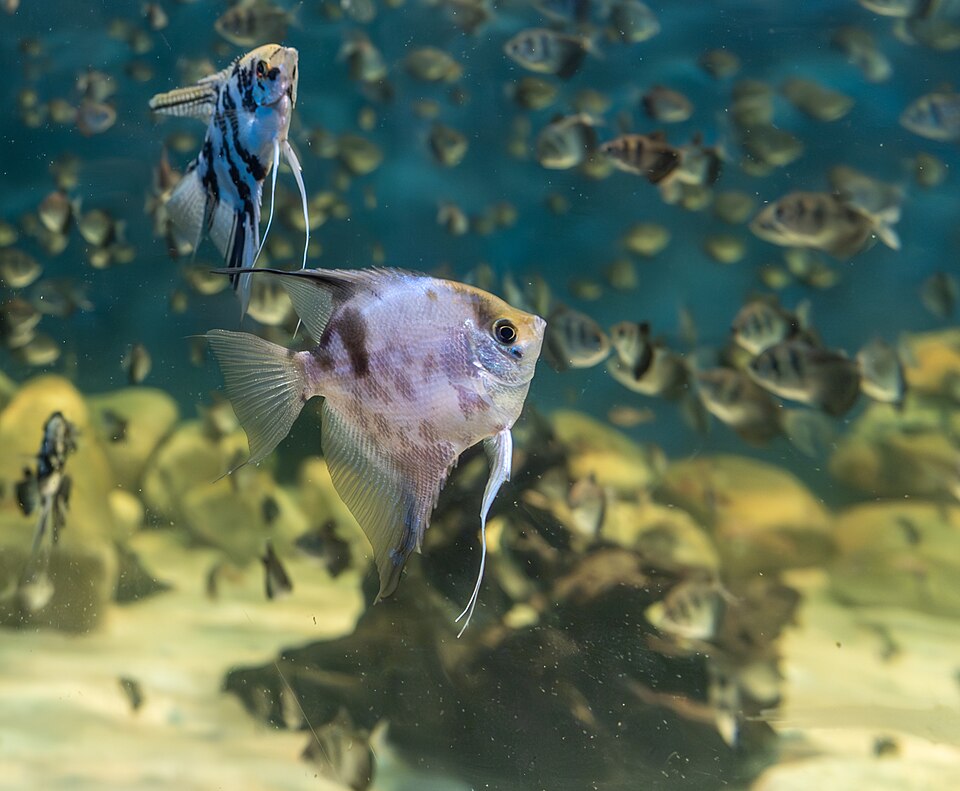
This is an edited estimate of lifestyle compatibility, not an animal value rating. A higher score indicates that, based on current data, the animal is easier to integrate into your daily routine.
Children and families 88Apartments 92Bedrooms 92Frequent travel 27
The composite score is calculated by weighting nine factors: beginner-friendliness, handling ease, interaction, space requirements, cost, maintenance, travel, veterinary access, and safety. Read risk signals according to field direction: lower scores for biting, escape, and toxicity indicate greater safety; higher scores for noise, odor, and cleaning indicate less hassle. Combine this page's environmental requirements and risk notes with your judgment; do not rely solely on the total score.
BEFORE YOU COMMIT
First check whether it fits your life
This brief brings together the space, maintenance, feeding, lifespan and veterinary conditions recorded on this page so you know what to verify next.
50/100 · Requires careful assessment
A better fit if
The living conditions need closer planning
Adult space is a threshold to solve before purchase
Daily maintenance requires a steady time commitment
Resolve these first
Adult height:Higher water volume is needed after fins are spread; low tanks will restrict turning and display behaviors.
Confirm an exotic veterinarian and emergency route before purchase
Adult size
5.91–7.87 in
Reference Lifespan
8 to 12 years
Minimum space
Minimum stocking for adults is approximately 47.55 US gal, accounting for tank height and filtration load.
Veterinary Accessibility
Difficult
This is a comparison aid based on the current record, not a purchase, medical or local-law conclusion. Check the sources and local conditions before continuing.
THINGS OWNERS UNDERESTIMATE
Common Underestimations by Keepers
Adult heightHigher water volume is needed after fins are spread; low tanks will restrict turning and display behaviors.
Territorial conflictAfter adult fish pairing, they may drive away companions; tank layout and backup isolation tanks must be planned in advance.
Group costJuveniles appear cheap, but water volume, filtration, and feed after growth are the main expenses.
VETERINARY ACCESS
Veterinary Accessibility
Difficult
Fewer specialists for fish and aquatic amphibians; water quality testing is the first line of defense.
Difficult; transport and water temperature control can affect diagnosis.
Specialist Exotic Pet Care Typically Required
DATA STATUS
Where this record stands
Editorial example
Last updated
2026-09-07
Fields checked
No field review record yet
Reference sources
1 · Reference sources
Professional review
Pending veterinary or taxonomic review
Local rules
Local rules need verification
Source links are starting points for reading. A group-level guide does not verify every value for each species. Check local rules separately.
Common adult carapace length; see species-specific data for exact carapace width.
Dietary Habits
Omnivore
Activity Cycle
Varies by species; first stabilize day/night lighting and water conditions
Availability of Captive-Bred Individuals
Common
Temperament and Aggression
Individual differences are usually observable, and aggression toward tank mates is more likely during breeding or in crowded conditions.
Toxicity and Contact Risks
Non-venomous. Use appropriately sized nets for handling to avoid fin nipping. Contact Risks: Low。
Socialization and Handling
Juveniles can be kept in groups, but adults may establish territories after pairing; prepare for isolation and regrouping.
Environmental Parameters
Water Temperature
Water temperature approximately 75.2–84.2 °F, kept stable and avoid strong water currents directly hitting the animal.
Humidity and Ventilation
Fully aquatic; air humidity not applicable.
Lighting and Circadian Rhythm
Maintain consistent day/night lighting and plant cover to avoid strong light causing individuals to hide for extended periods.
Basking Spot / Localized Heat
Not applicable; focus on stable water temperature, dissolved oxygen, and group space.
UVB Requirements
Maintain consistent day/night lighting and plant cover to avoid strong light causing individuals to hide for extended periods.
Adult Space
Minimum: Minimum stocking for adults is approximately 47.55 US gal, accounting for tank height and filtration load. Recommended: Recommended minimum group size for adults is 66.04 US gal or larger, with tall plants and retreat areas provided.
Substrate and Water
Substrate free of pollutants and with appropriate particle size; perform regular waste removal. · After the cycle is established, maintain stable temperature, ammonia, and nitrite levels, and adjust flow based on group size and plant layout.
Water Quality · pH 6–7.5
After the cycle is established, maintain stable temperature, ammonia, and nitrite levels, and adjust flow based on group size and plant layout.
These ranges are for planning the environment of a healthy adult, not a constant value for the entire enclosure, and do not cover disease, breeding, or juvenile stages.
Diet and Nutrition
Feed small amounts daily, rotating between flakes, frozen, and appropriate live foods; include feed-fast days and monitor water quality.
Feeding Frequency
Feed small amounts daily, include feed-fast days, and adjust according to water quality.
Live Prey Requirement
Optional
Rodent Pellets
Not Required
Enclosure and activity space
Minimum stocking for adults is approximately 47.55 US gal, accounting for tank height and filtration load.
Dimensions are editor suggestions, not mandatory minimum standards in all regions. Group size, individual body size, and layout may require more space.
Frequently Asked Questions
Are angelfish suitable for small tanks?
Not suitable for long-term small tanks. Adult height, schooling, and territorial behavior require taller and wider water volumes.
Can they be kept with small fish?
Depends on body size and individual temperament. Smaller fish may be chased or eaten; do not base compatibility on the juvenile stage alone.
Risks and Legality
Adult height and territorial behavior alter water volume requirements; juvenile tank setups cannot be used directly.
Confirm stable water quality, group size, and available quarantine space before acquiring.
Local rules need verificationNo jurisdiction selected
Purchase, possession, breeding, transport, and import/export regulations may differ. Please verify with the local competent authority using the scientific name.
Sources and editor notes
This page is a structured editing example and has not yet undergone field-by-field expert review. Reference links are for further consultation; data for some groups may not apply to every species. Please read the full manual before formal husbandry.