Ornamental Aquatics
Stabilize the water and filtration first, then consider fish and shrimp.
Switch Major Category
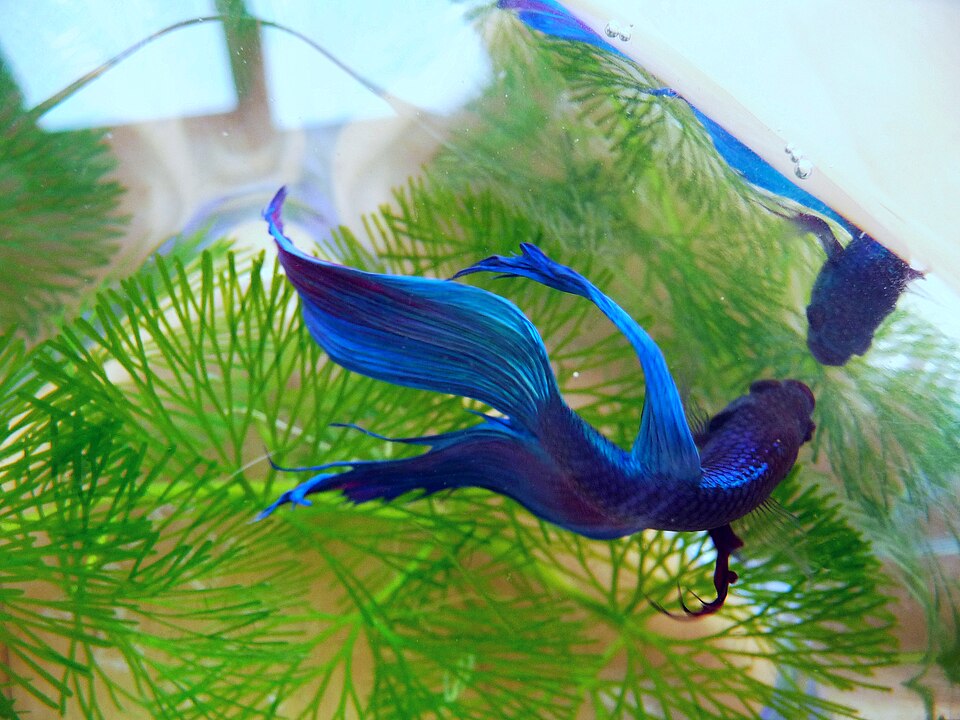
Betta
Even though they can breathe air, they still require filtration, stable temperature, and consistent water quality.
- Adult size
- 1.97–2.76 in
- Reference Lifespan
- 3–5 yr
- Water Temperature
- 75.2–82.4 °F
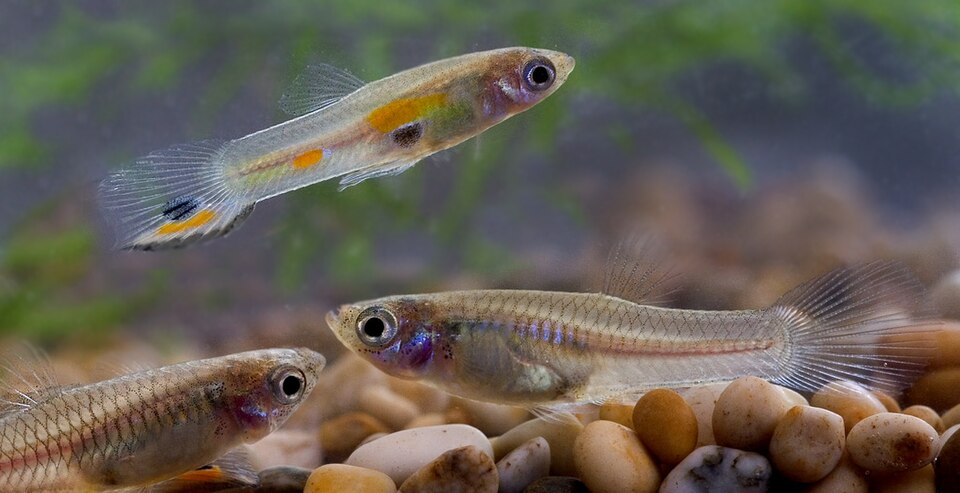
Guppy
Active livebearers; breeding rates often exceed beginner expectations.
- Adult size
- 1.18–2.36 in
- Reference Lifespan
- 2–3 yr
- Water Temperature
- 71.6–78.8 °F
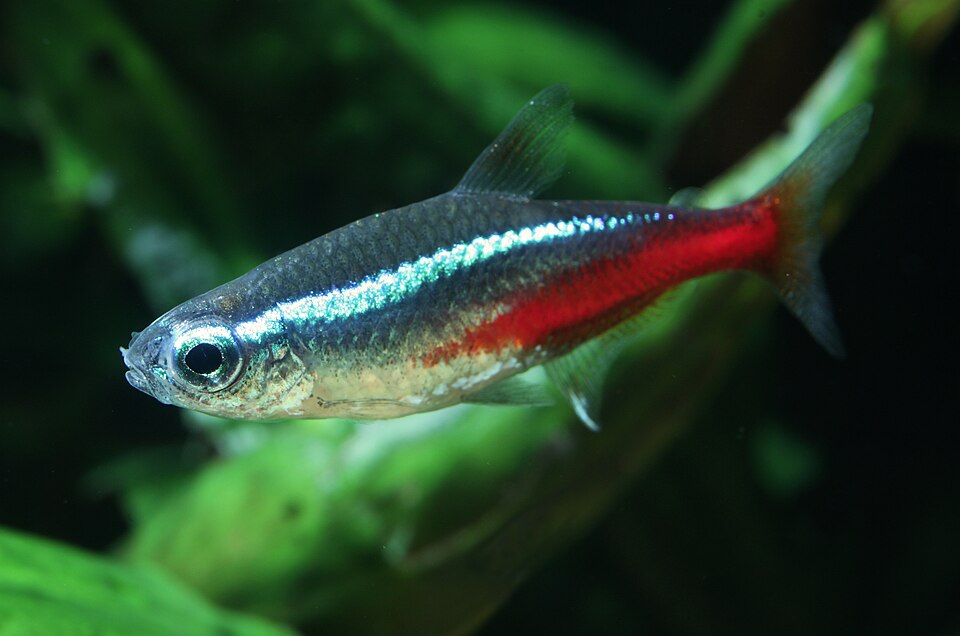
Neon Tetra
Schooling dwarf tetras; established water and sufficient companions are more important than individual specimens.
- Adult size
- 1.18–1.57 in
- Reference Lifespan
- 5–8 yr
- Water Temperature
- 69.8–77 °F
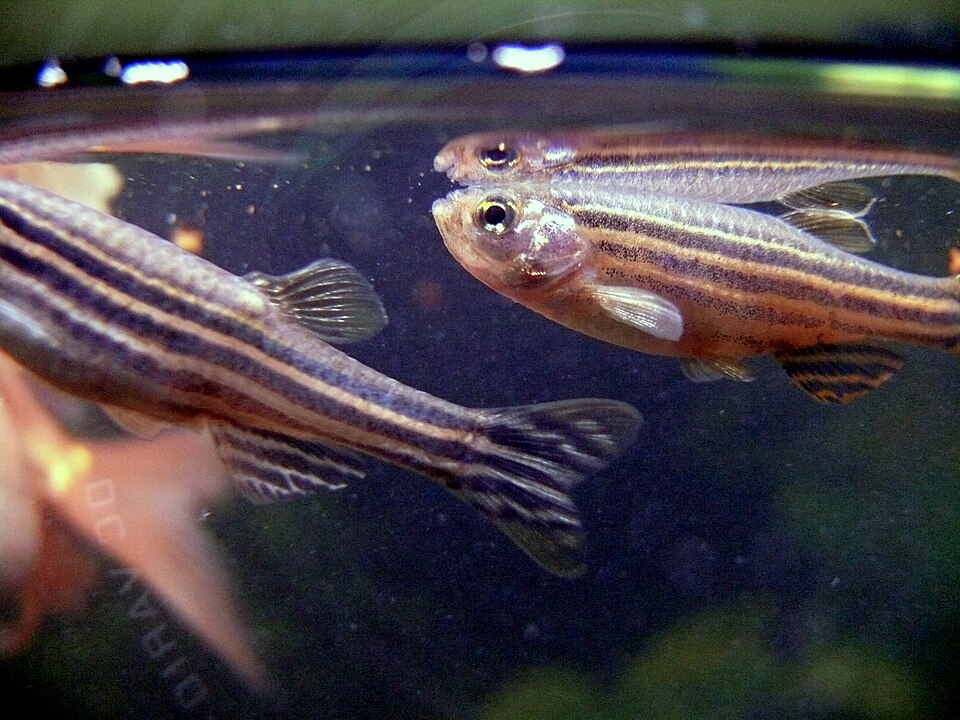
Zebra Danio
Fast-schooling fish; do not omit horizontal swimming space due to small body size.
- Adult size
- 1.57–1.97 in
- Reference Lifespan
- 3–5 yr
- Water Temperature
- 64.4–75.2 °F
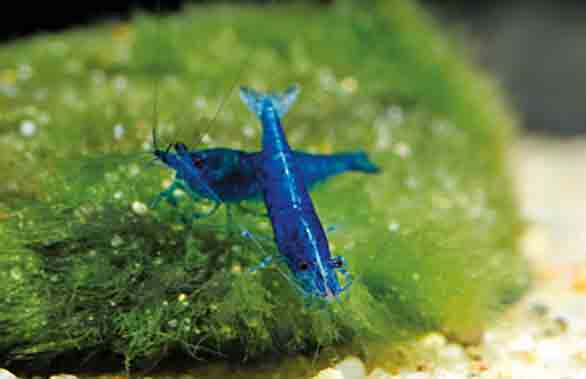
Cherry Shrimp
Freshwater shrimp that rely heavily on biofilm; stable mineral balance is more important than pursuing an exact pH.
- Adult size
- 0.79–1.18 in
- Reference Lifespan
- 1–2 yr
- Water Temperature
- 68–77 °F
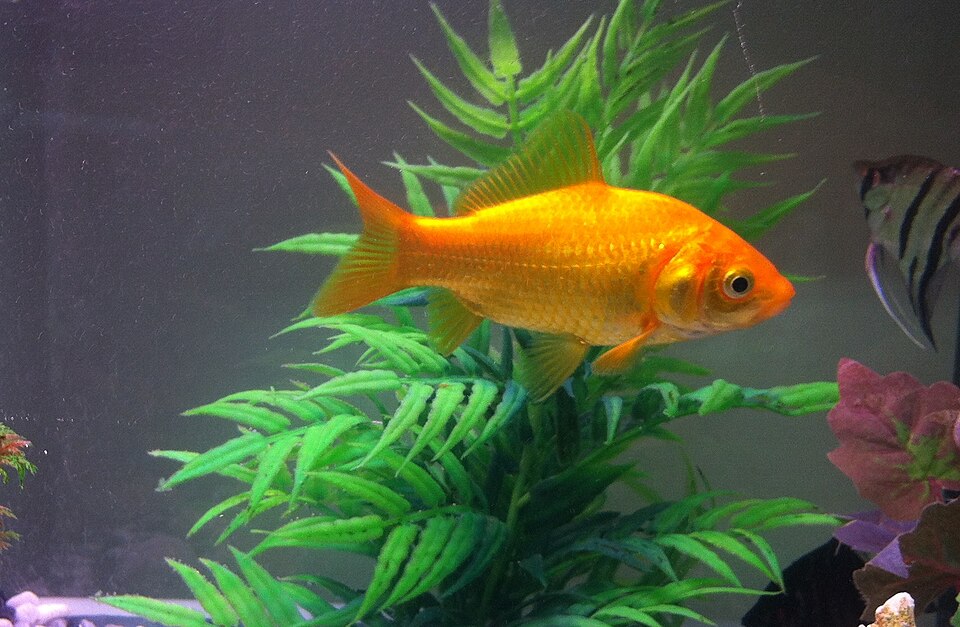
Fancy Goldfish
Goldfish are not small-bowl pets; waste output, adult size, and filtration requirements are all high.
- Adult size
- 3.94–9.84 in
- Reference Lifespan
- 10–15 yr
- Water Temperature
- 64.4–73.4 °F
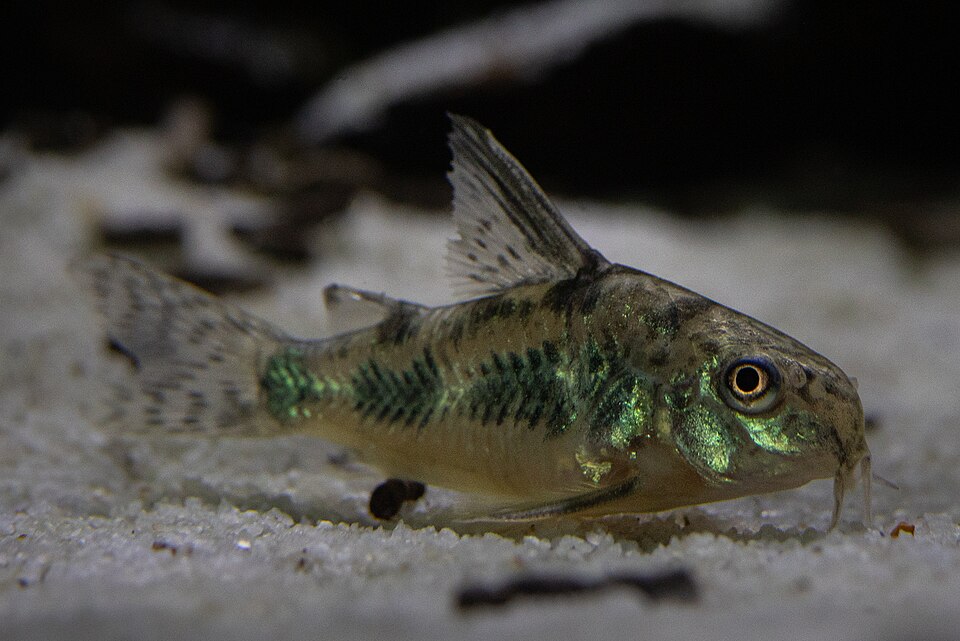
Peppered Corydoras
Bottom-dwelling schooling fish; soft substrate, sufficient companions, and mature cycling are more important than the 'cleaner' label.
- Adult size
- 1.97–2.76 in
- Reference Lifespan
- 3–5 yr
- Water Temperature
- 68–77 °F
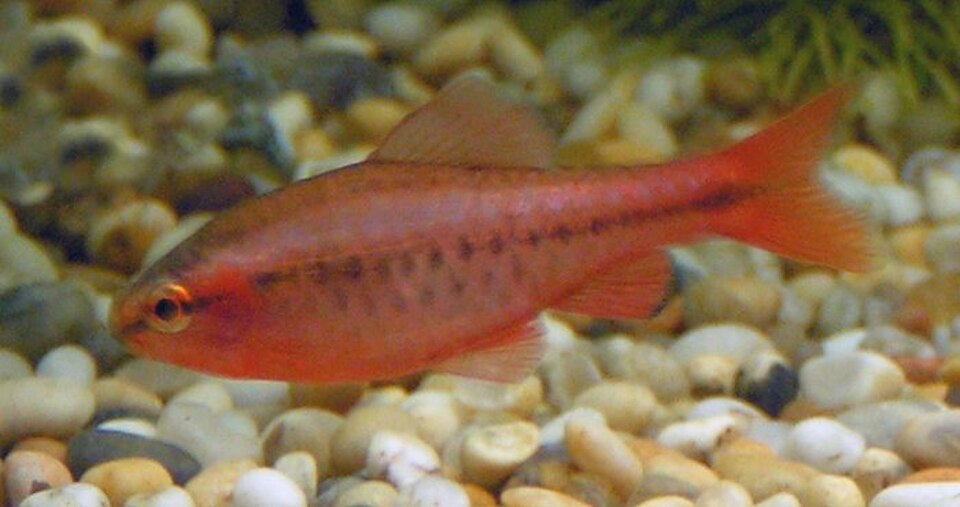
Cherry Barb
Gentle schooling fish; require sufficient companions, plant cover, and mature cycling.
- Adult size
- 1.57–1.97 in
- Reference Lifespan
- 4–6 yr
- Water Temperature
- 71.6–80.6 °F
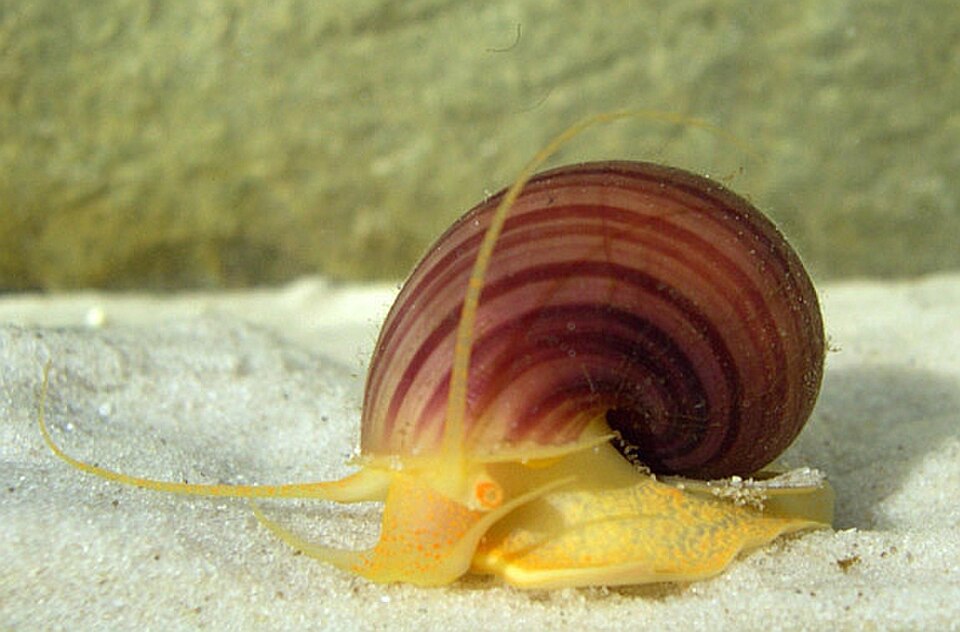
Mystery Snail
A freshwater snail that breathes air and can climb out of the tank; calcium, water level, and escape prevention are more important than appearance.
- Adult size
- 1.57–1.97 in
- Reference Lifespan
- 1–2 yr
- Water Temperature
- 68–82.4 °F
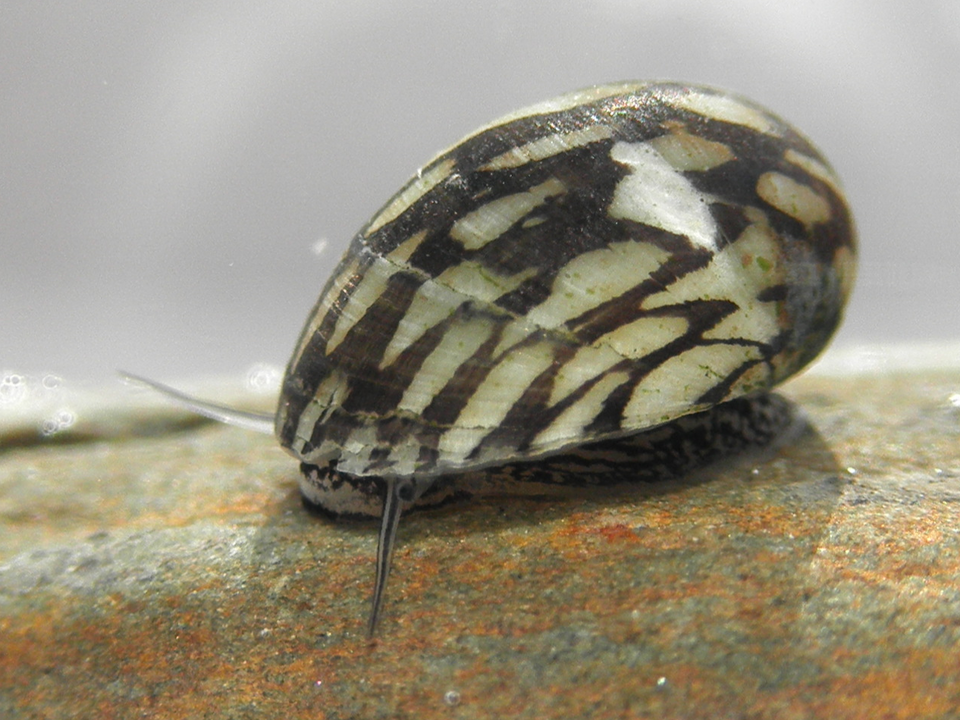
Nerite Snail
An ornamental snail that feeds primarily on algal films; stable life depends on mature tanks, minerals, and escape prevention.
- Adult size
- 0.79–1.18 in
- Reference Lifespan
- 1–2 yr
- Water Temperature
- 68–82.4 °F
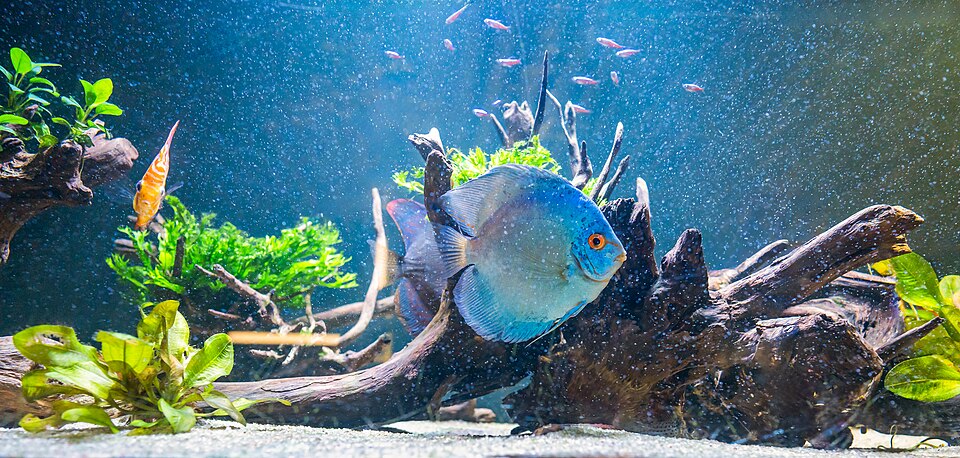
Discus Fish
High-temperature schooling fish; stable water quality, sufficient water volume, and continuous water changes are core requirements.
- Adult size
- 5.91–7.87 in
- Reference Lifespan
- 8–12 yr
- Water Temperature
- 80.6–86 °F
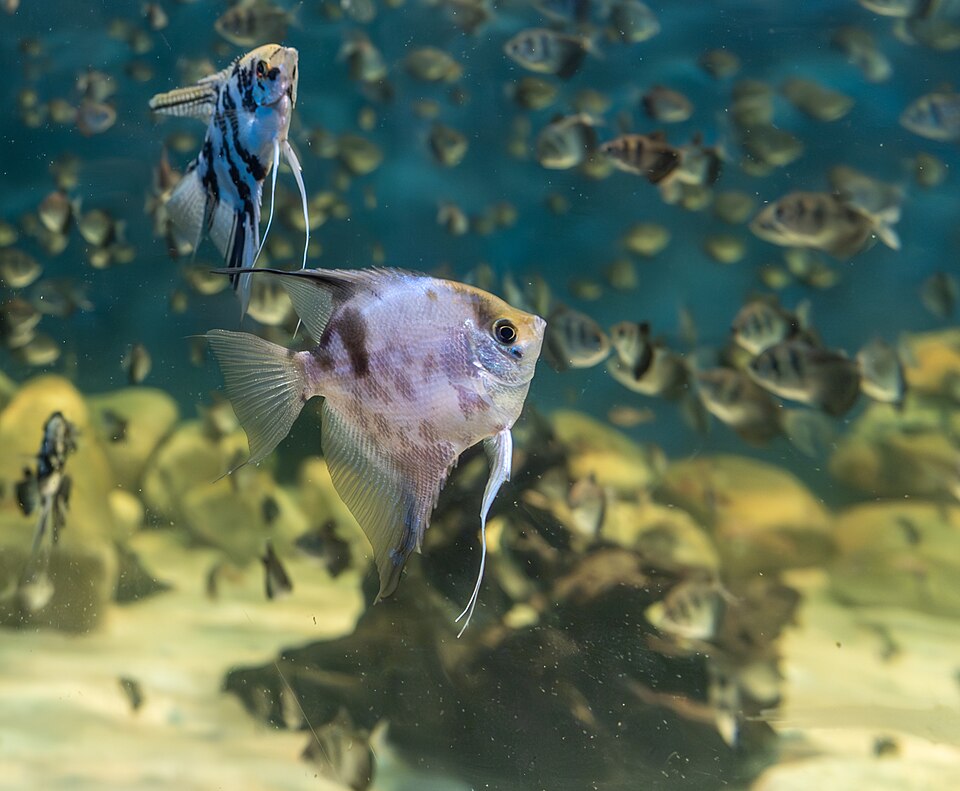
Freshwater Angelfish
Tall-bodied schooling fish with territorial tendencies; adult height and filtration load are often underestimated.
- Adult size
- 5.91–7.87 in
- Reference Lifespan
- 8–12 yr
- Water Temperature
- 75.2–84.2 °F
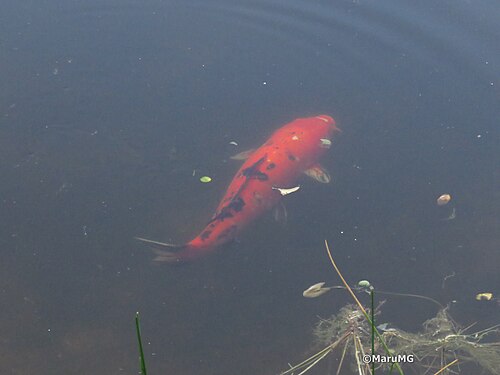
Koi
Juveniles are easily underestimated; adults require pond-sized water volume, filtration, and overwintering plans.
- Adult size
- 19.69–35.43 in
- Reference Lifespan
- 20–40 yr
- Water Temperature
- 64.4–82.4 °F
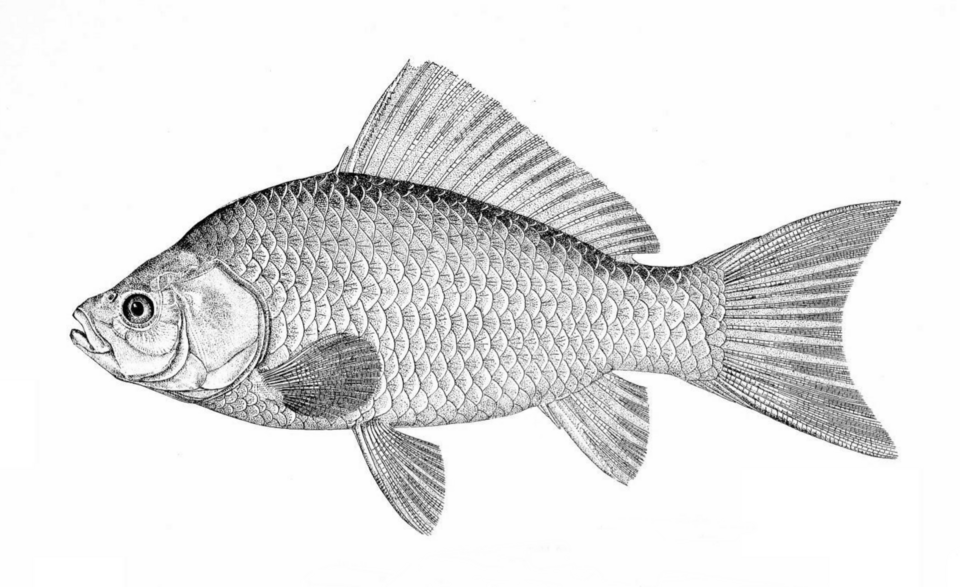
Comet Goldfish
Tolerance does not equal suitability for small tanks; adult waste output, filtration, and group space must be calculated for long-term conditions.
- Adult size
- 7.87–13.78 in
- Reference Lifespan
- 10–20 yr
- Water Temperature
- 64.4–78.8 °F
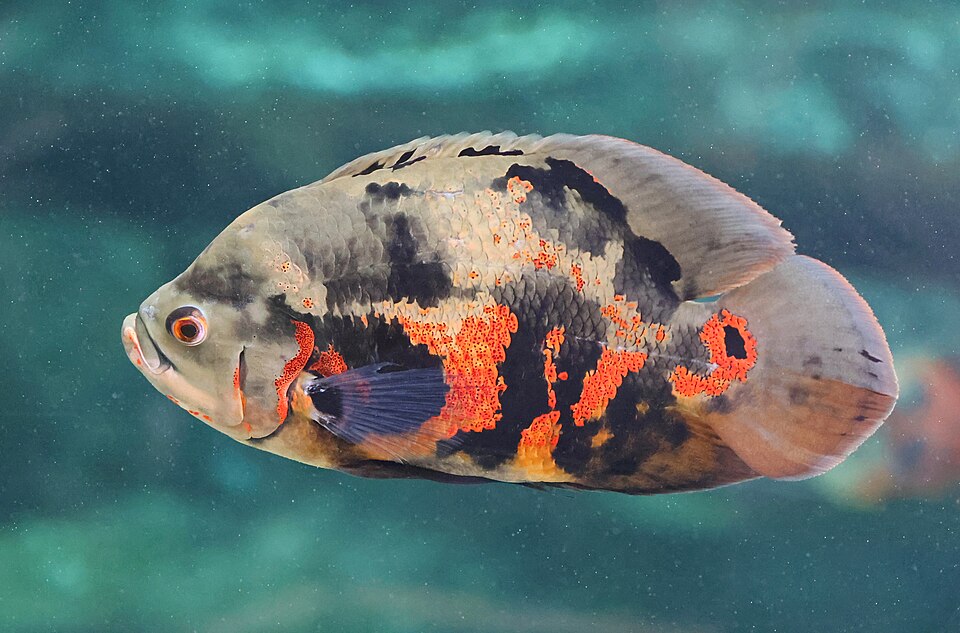
Oscar Fish
Large body size, heavy feeding, and substrate modification; ample water volume, filtration, and dedicated isolation space must be provided.
- Adult size
- 9.84–13.78 in
- Reference Lifespan
- 10–15 yr
- Water Temperature
- 73.4–84.2 °F
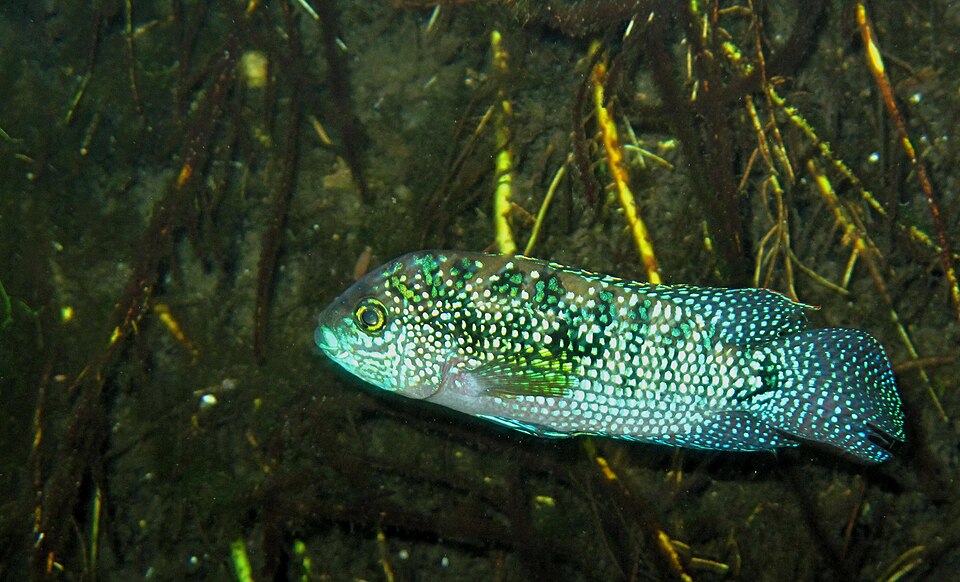
Jack Dempsey
Strong territoriality and aggression; tank compatibility, filtration, and backup isolation tanks must be planned in advance.
- Adult size
- 7.87–9.84 in
- Reference Lifespan
- 8–12 yr
- Water Temperature
- 75.2–86 °F
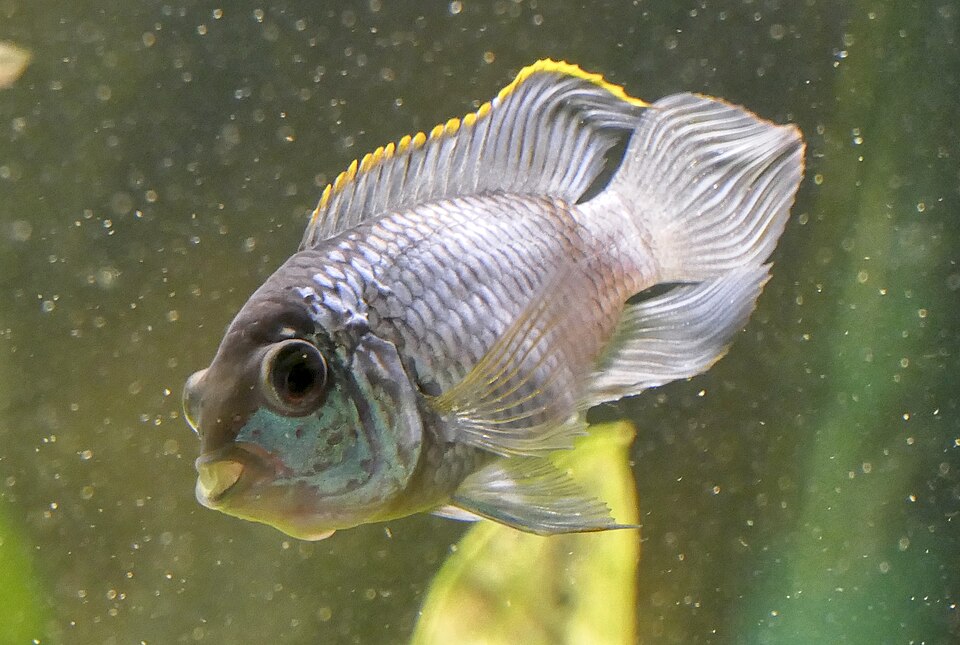
Electric Blue Acara
Relatively peaceful but still possess breeding territories; mature water volume, hiding spots, and group planning are more important than color.
- Adult size
- 4.72–7.09 in
- Reference Lifespan
- 8–12 yr
- Water Temperature
- 73.4–84.2 °F
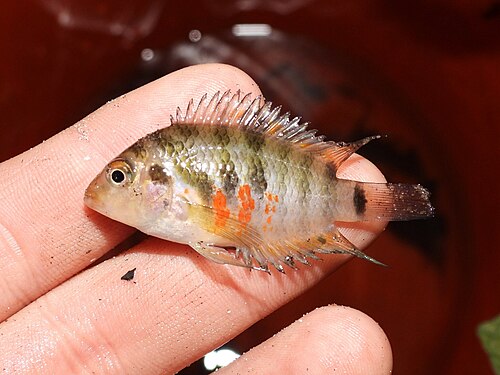
Convict Cichlid
Rapid breeding and strong territoriality; tank zoning and juvenile disposition must be considered before purchase.
- Adult size
- 3.94–5.91 in
- Reference Lifespan
- 8–12 yr
- Water Temperature
- 73.4–84.2 °F
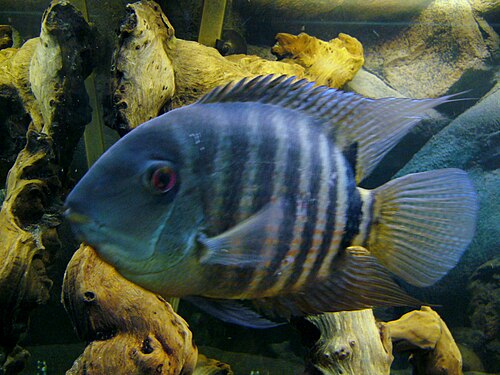
Severum
Adult body size and territorial behavior are pronounced; water volume, filtration, and plant protection must be arranged simultaneously.
- Adult size
- 7.09–9.84 in
- Reference Lifespan
- 8–12 yr
- Water Temperature
- 75.2–86 °F
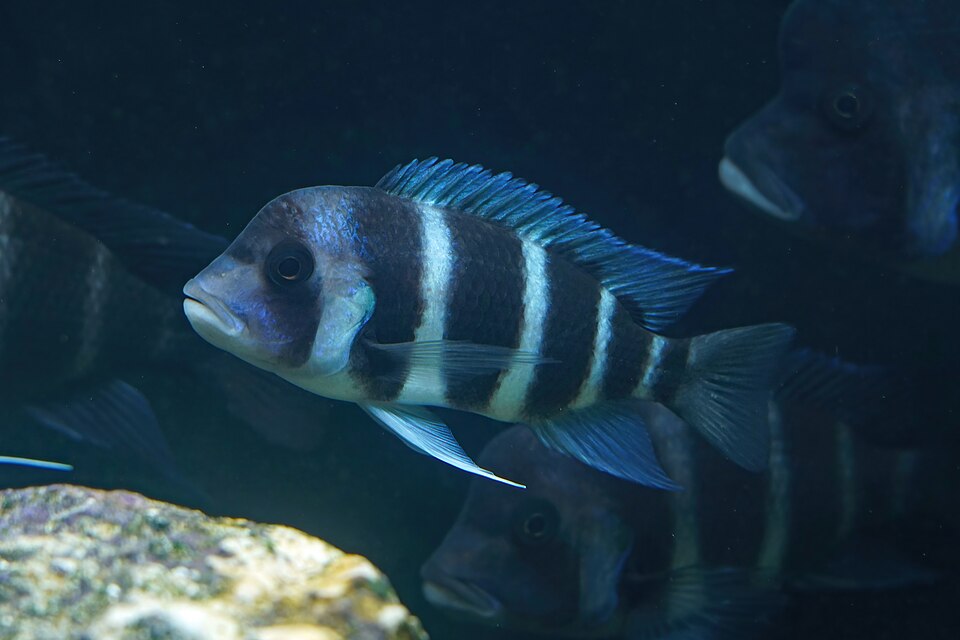
Frontosa
Large schooling, alkaline water, and cave structure require a large, mature aquarium system.
- Adult size
- 9.84–13.78 in
- Reference Lifespan
- 15–20 yr
- Water Temperature
- 75.2–82.4 °F
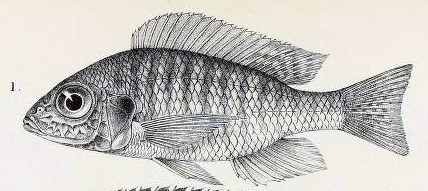
Peacock Cichlid
Requires stable, slightly alkaline water and proper stocking ratios; reserve capacity for territory and filtration in community tanks.
- Adult size
- 3.94–5.91 in
- Reference Lifespan
- 6–10 yr
- Water Temperature
- 75.2–82.4 °F
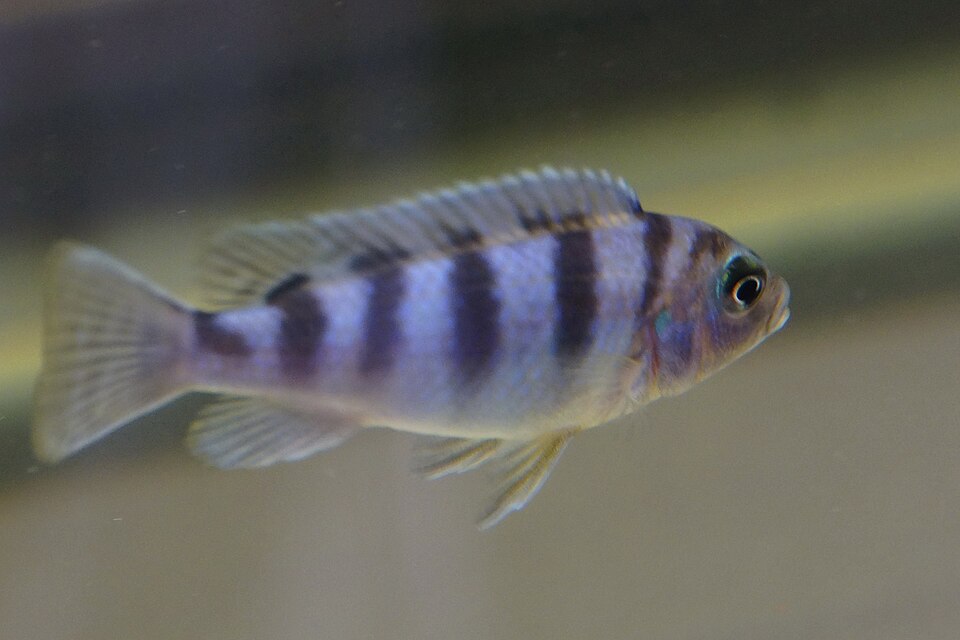
Mbuna Cichlid
Territorial aggression and high alkalinity are core challenges; plan for rock cover, proper group ratios, and quarantine tanks first.
- Adult size
- 3.94–5.51 in
- Reference Lifespan
- 6–10 yr
- Water Temperature
- 75.2–82.4 °F
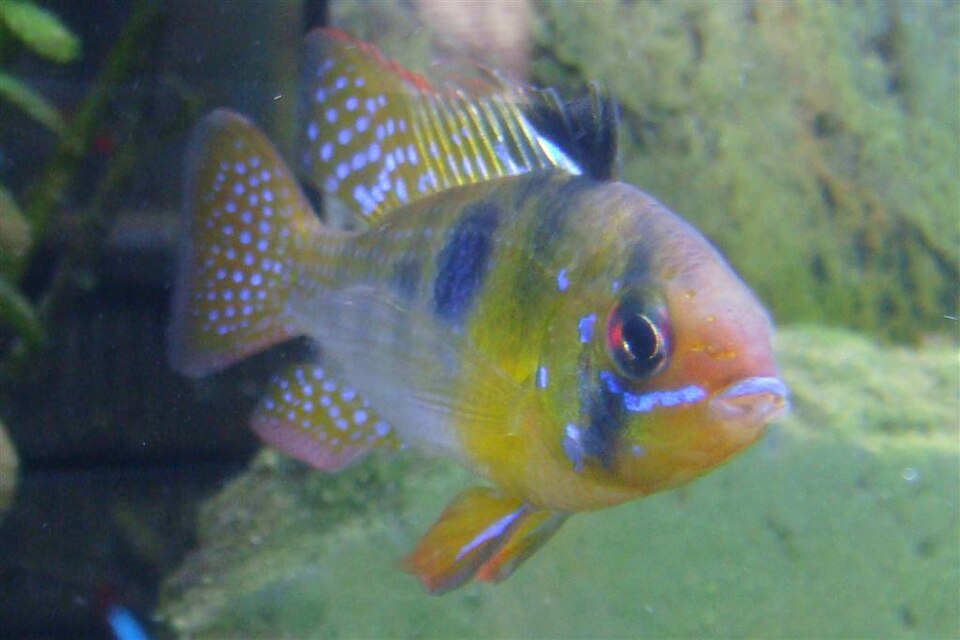
German Blue Ram
Small in size but sensitive to high temperatures, water parameters, and medication residues; a mature, stable tank is more important than decorations.
- Adult size
- 1.97–2.76 in
- Reference Lifespan
- 3–5 yr
- Water Temperature
- 78.8–86 °F
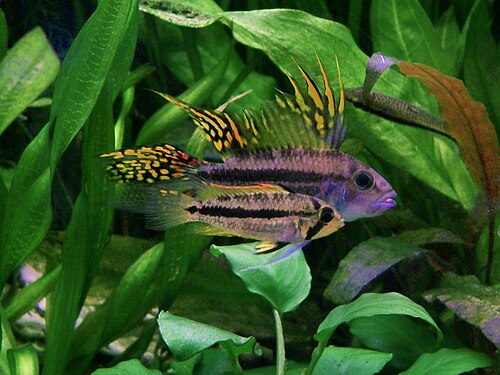
Cockatoo Cichlid
Requires cover, soft water, and breeding zones; community tanks must provide isolation space.
- Adult size
- 2.36–3.94 in
- Reference Lifespan
- 3–5 yr
- Water Temperature
- 73.4–82.4 °F
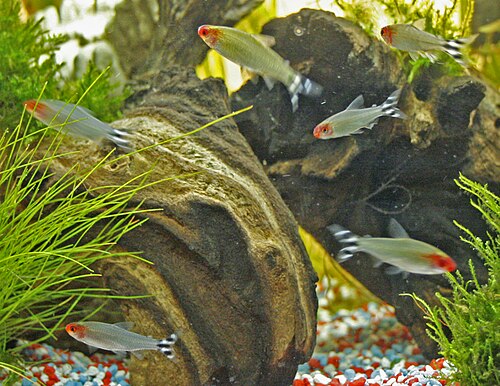
Rummy Nose Tetra
Schooling and water stability are more important than individual price; prioritize a mature cycle, cover, and sufficient companions.
- Adult size
- 1.57–1.97 in
- Reference Lifespan
- 4–6 yr
- Water Temperature
- 75.2–82.4 °F
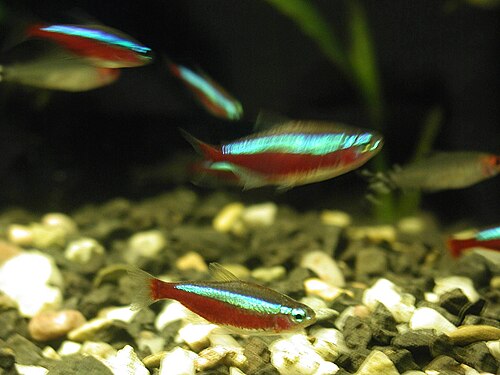
Cardinal Tetra
Requires stable, soft, acidic water and proper group numbers; fluctuations in a newly cycled tank will cause losses faster than the fish's size.
- Adult size
- 1.18–1.97 in
- Reference Lifespan
- 3–5 yr
- Water Temperature
- 73.4–82.4 °F
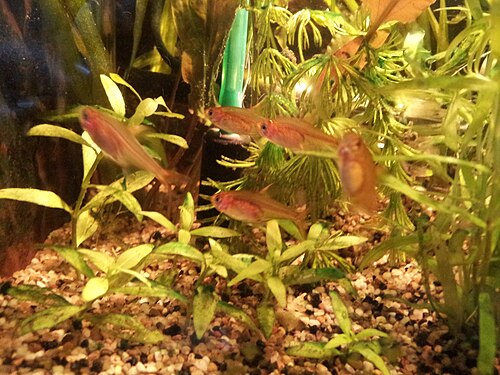
Ember Tetra
Small schooling fish require mature micro-ecosystems and fine-grained food; observe when mixing species for feeding competition.
- Adult size
- 0.79–1.18 in
- Reference Lifespan
- 2–4 yr
- Water Temperature
- 73.4–84.2 °F
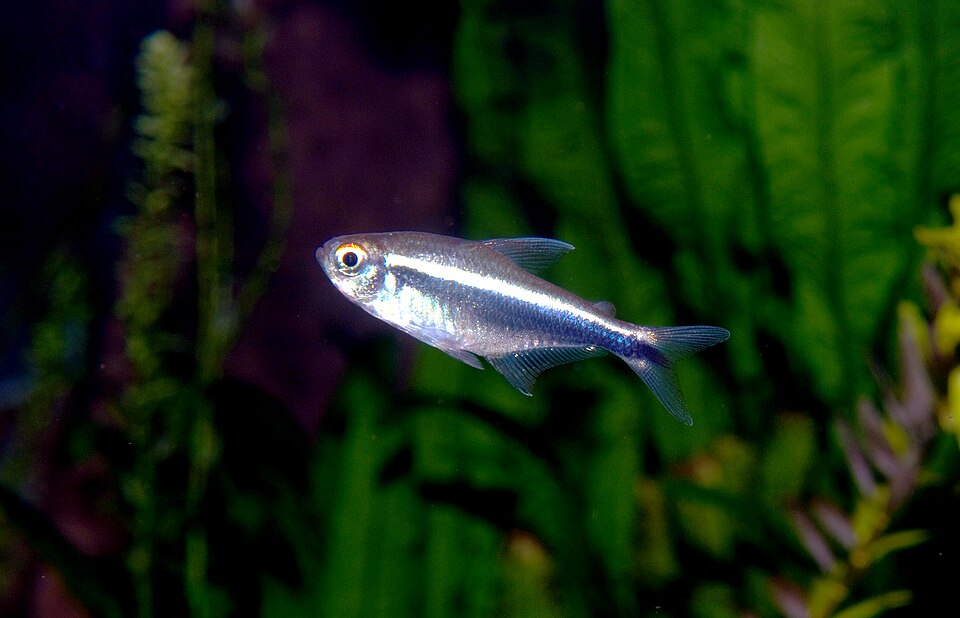
Black Neon Tetra
Schooling, shelter, and stable water quality are basic requirements; long-term single-tank setups are not viable.
- Adult size
- 1.18–1.57 in
- Reference Lifespan
- 3–5 yr
- Water Temperature
- 73.4–82.4 °F
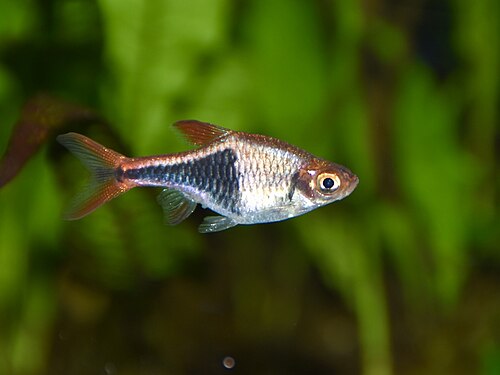
Harlequin Rasbora
Requires schooling, plant cover, and stable water quality; strong currents cause chronic stress in small fish.
- Adult size
- 1.57–1.97 in
- Reference Lifespan
- 4–6 yr
- Water Temperature
- 73.4–84.2 °F
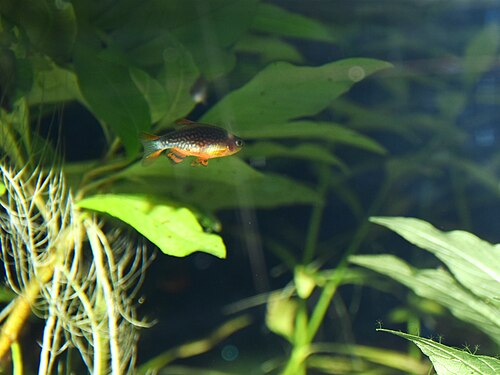
Celestial Pearl Danio
Small body size, rapid reproduction, and need for live micro-prey; high stocking density, schooling, and stable water quality must be synchronized.
- Adult size
- 0.79–1.18 in
- Reference Lifespan
- 2–4 yr
- Water Temperature
- 68–78.8 °F
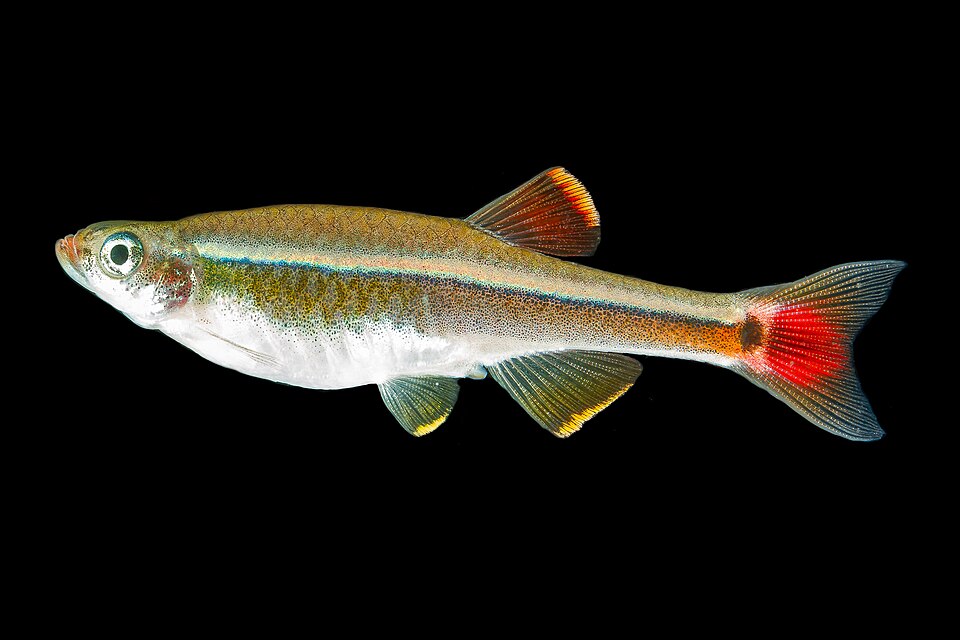
White Cloud Mountain Minnow
Cool-water schooling fish; summer cooling, sufficient conspecifics, and gentle currents are more critical than small tank volume.
- Adult size
- 1.18–1.97 in
- Reference Lifespan
- 4–6 yr
- Water Temperature
- 64.4–75.2 °F
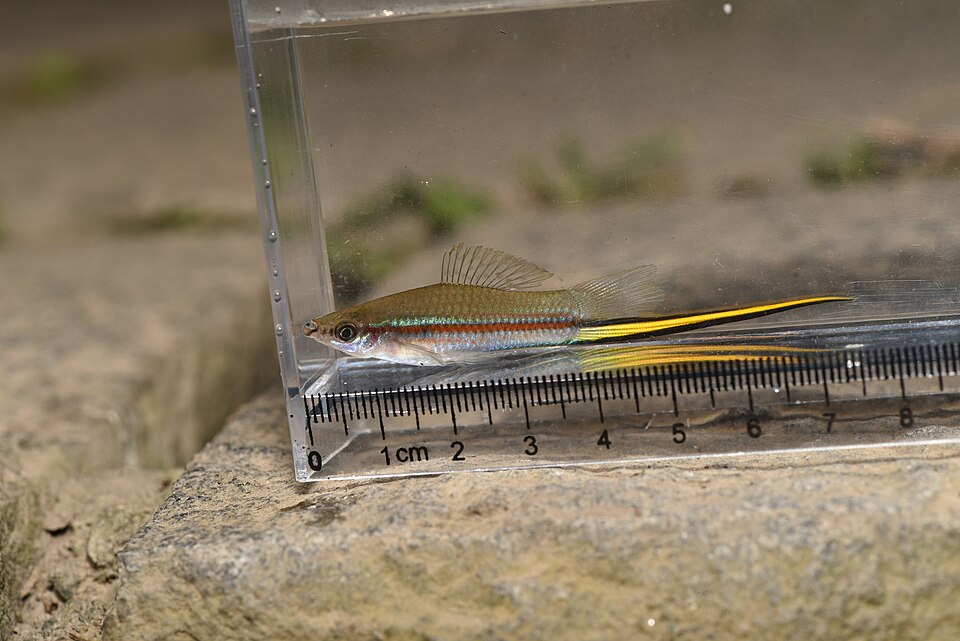
Swordtail
Rapid reproduction with males potentially chasing conspecifics; plan group ratios, filtration, and fry disposition in advance.
- Adult size
- 3.15–5.51 in
- Reference Lifespan
- 3–5 yr
- Water Temperature
- 71.6–82.4 °F
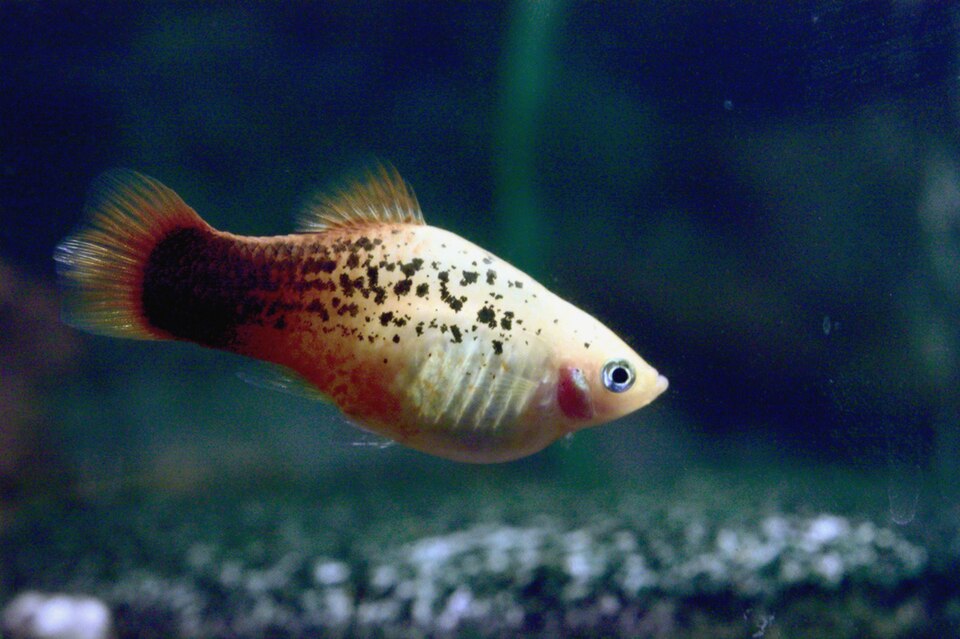
Platy
Moderate hardiness but high reproduction rates; water hardness, group ratios, and isolation space require advance planning.
- Adult size
- 1.97–2.76 in
- Reference Lifespan
- 3–5 yr
- Water Temperature
- 71.6–82.4 °F
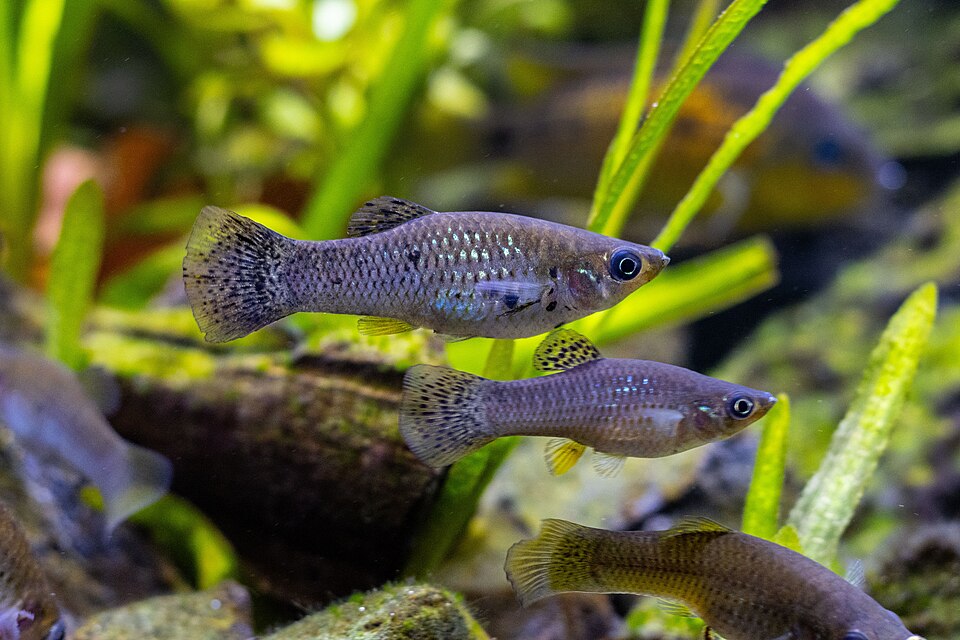
Molly
Requires higher minerals and a stable group; breeding, salinity, and water load are easily underestimated.
- Adult size
- 2.36–4.72 in
- Reference Lifespan
- 3–5 yr
- Water Temperature
- 75.2–86 °F
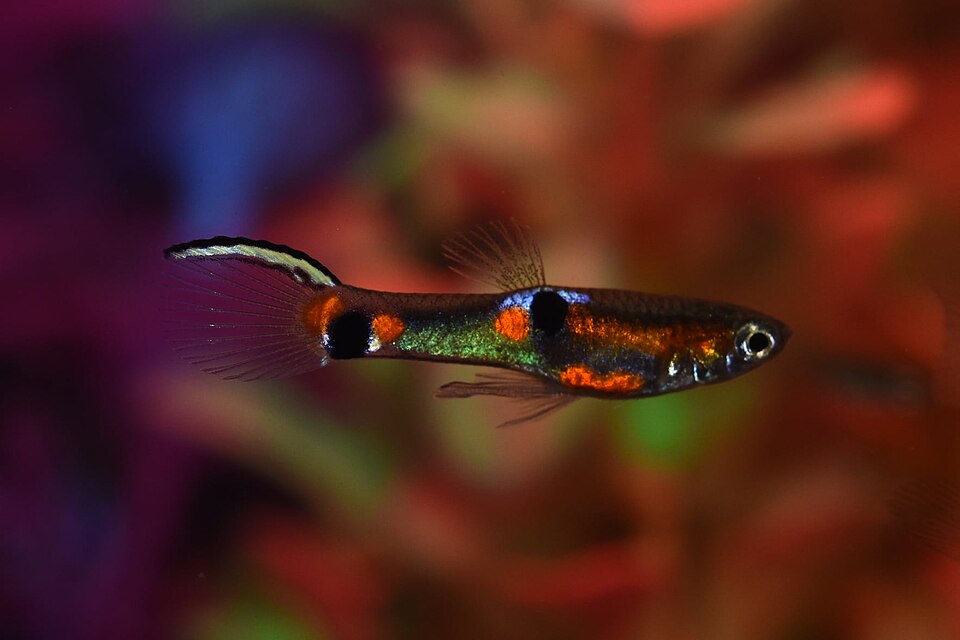
Endlers Livebearer
Small body size, fast breeding, and prone to hybridization; plan carefully for group numbers, fry destination, and genetic lines.
- Adult size
- 0.79–1.57 in
- Reference Lifespan
- 2–3 yr
- Water Temperature
- 71.6–82.4 °F
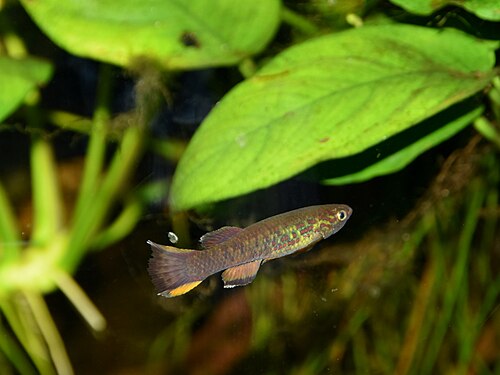
Australe Killifish
Prefers cool water, prone to jumping, and has a unique breeding method; prepare covers, live food, and a hatching plan in advance.
- Adult size
- 1.97–2.76 in
- Reference Lifespan
- 2–4 yr
- Water Temperature
- 68–77 °F
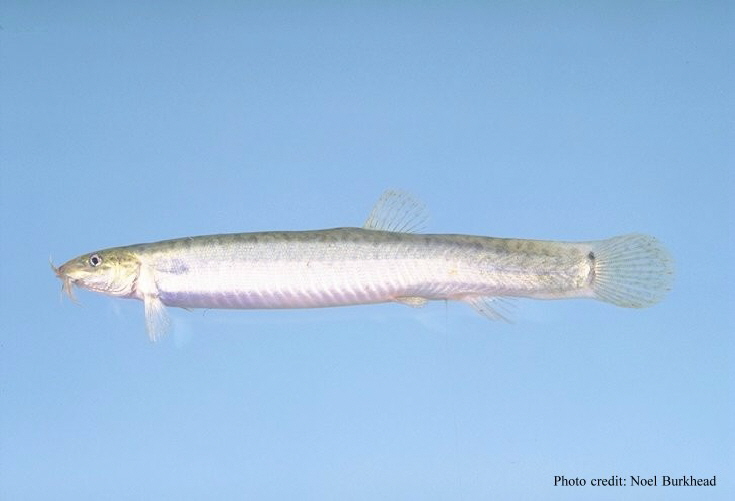
Dojo Loach
Benthic, burrows in substrate, and can jump out of the tank; plan substrate, escape prevention, and group space based on adult size.
- Adult size
- 5.91–9.84 in
- Reference Lifespan
- 8–12 yr
- Water Temperature
- 64.4–78.8 °F
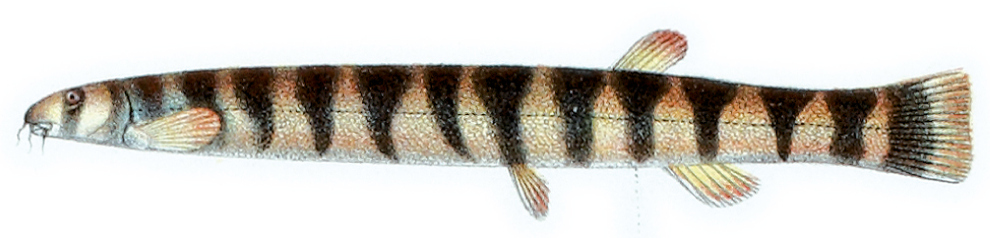
Kuhli Loach
Nocturnal schooling and likes to burrow in substrate; fine smooth substrate, hiding spots, and sufficient companions are basic requirements.
- Adult size
- 3.15–4.72 in
- Reference Lifespan
- 8–12 yr
- Water Temperature
- 75.2–86 °F
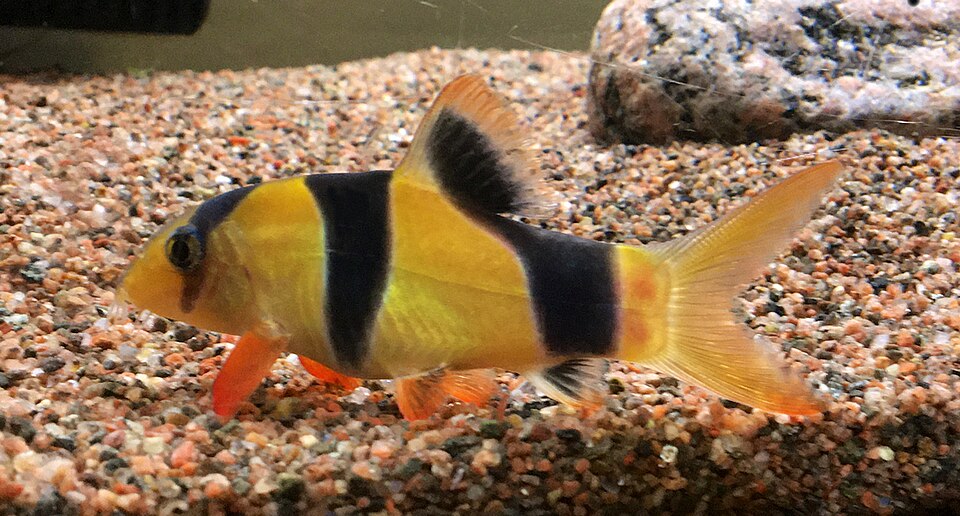
Clown Loach
Fry are cute but adults grow large and school; plan water, filtration, and sufficient companions based on a multi-year cycle.
- Adult size
- 7.87–11.81 in
- Reference Lifespan
- 10–20 yr
- Water Temperature
- 77–86 °F
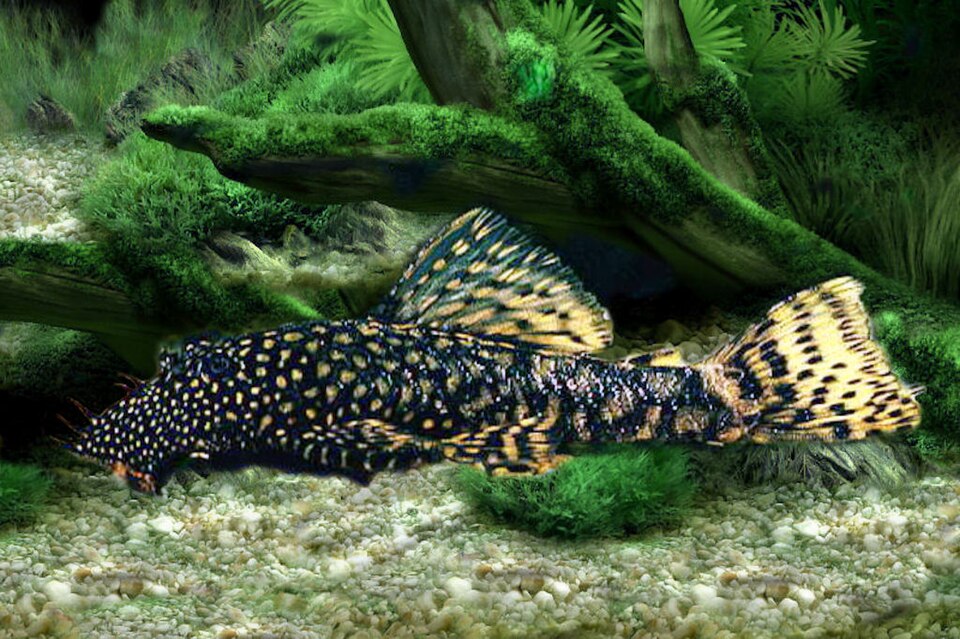
Bristlenose Pleco
Requires driftwood, hiding spots, and high-fiber food; cannot rely solely on tank wall algae for long-term nutrition.
- Adult size
- 3.94–5.91 in
- Reference Lifespan
- 8–12 yr
- Water Temperature
- 73.4–84.2 °F
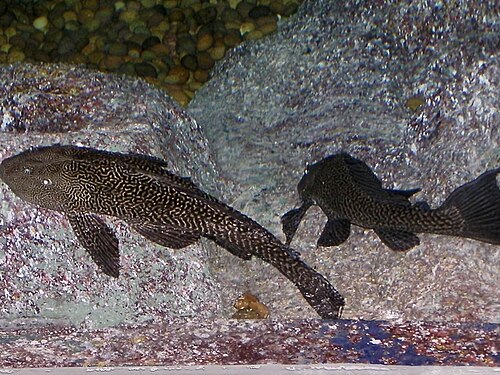
Common Pleco
Fry are often mistaken for small cleaner fish; adults pose high risks due to size, waste production, and abandonment.
- Adult size
- 11.81–19.69 in
- Reference Lifespan
- 10–15 yr
- Water Temperature
- 73.4–84.2 °F
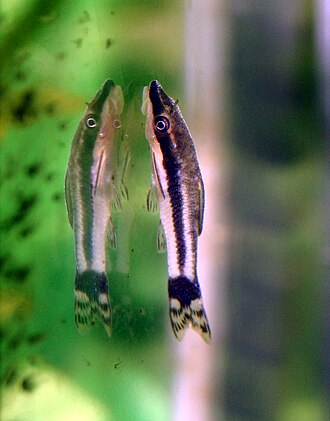
Otocinclus
Requires mature tanks, algae films, and stable dissolved oxygen; newly introduced individuals are prone to losses from starvation and transport stress.
- Adult size
- 1.18–1.97 in
- Reference Lifespan
- 3–5 yr
- Water Temperature
- 71.6–82.4 °F
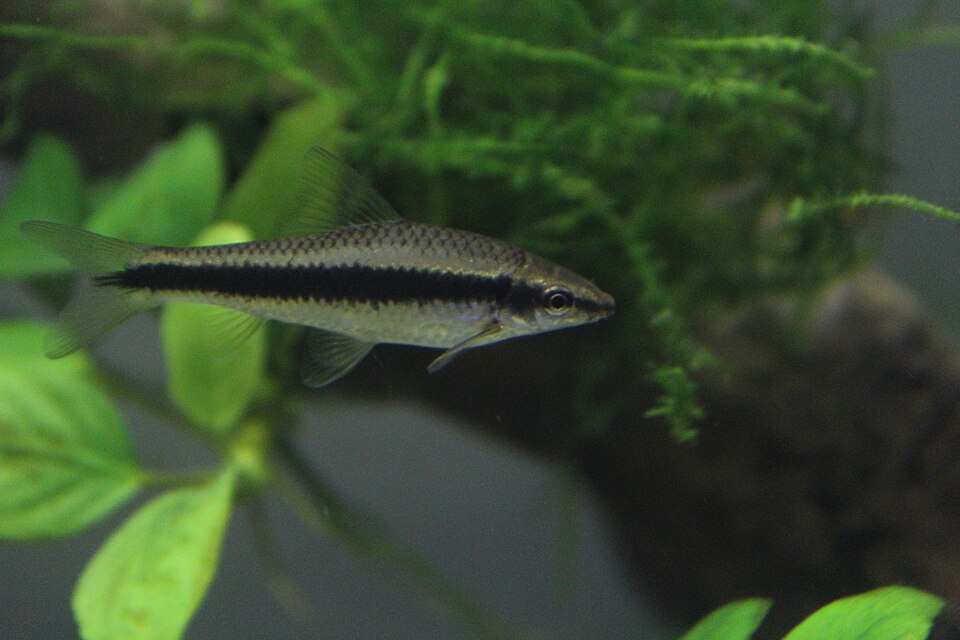
Siamese Algae Eater
Algae-removal capacity changes with age; long-term care must adjust for group size, water flow, and supplemental feeding.
- Adult size
- 4.72–6.3 in
- Reference Lifespan
- 6–10 yr
- Water Temperature
- 73.4–82.4 °F
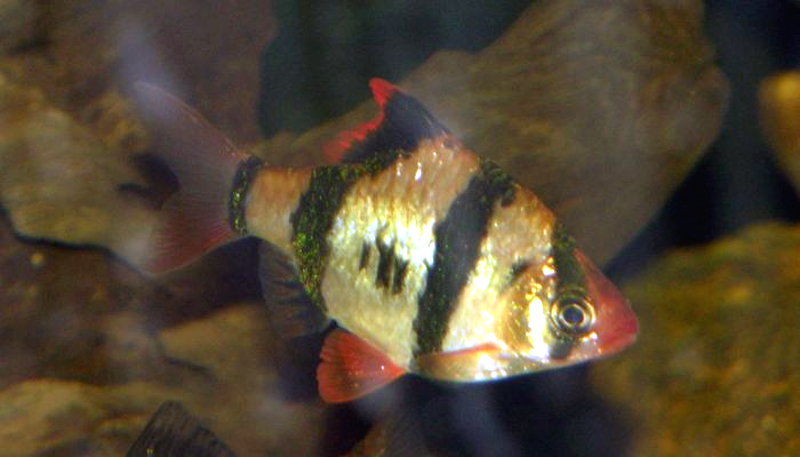
Tiger Barb
Schooling disperses chasing behavior; stocking numbers, tank mates, and filter cycling must be considered together.
- Adult size
- 1.97–2.76 in
- Reference Lifespan
- 5–7 yr
- Water Temperature
- 73.4–82.4 °F
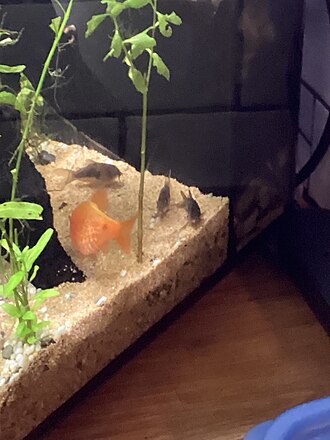
Rosy Barb
Cool-water schooling fish; sufficient companions, open swimming space, and summer temperature control must all be included.
- Adult size
- 3.15–4.72 in
- Reference Lifespan
- 5–7 yr
- Water Temperature
- 64.4–78.8 °F
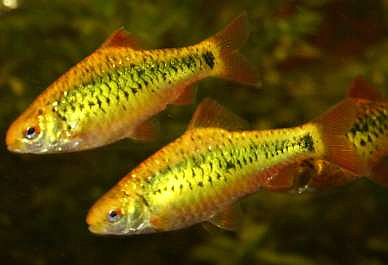
Gold Barb
Schooling, plant cover, and stable filtration reduce stress; separate space is also needed during breeding season.
- Adult size
- 2.36–3.54 in
- Reference Lifespan
- 5–7 yr
- Water Temperature
- 68–80.6 °F
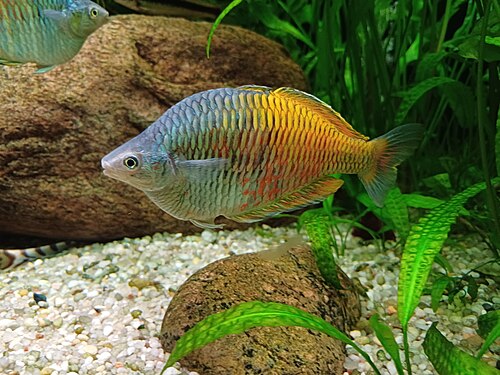
Boesemani Rainbowfish
Requires schooling and horizontal swimming space; adult coloration and body size depend on stable water quality and a balanced diet.
- Adult size
- 3.94–5.51 in
- Reference Lifespan
- 5–8 yr
- Water Temperature
- 75.2–82.4 °F
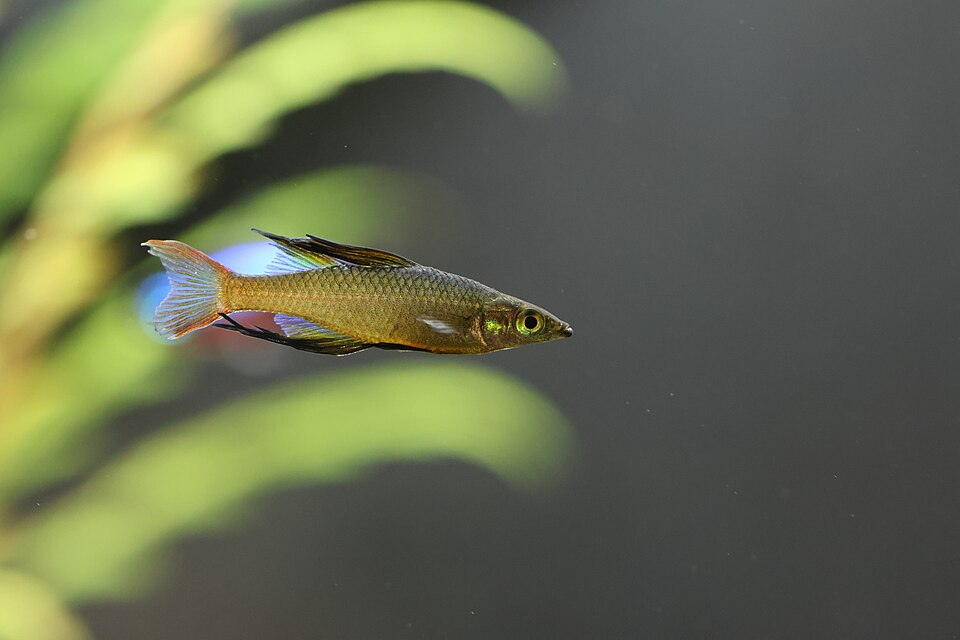
Threadfin Rainbowfish
Delicate fin rays, small body size, and fine mouth structure; gentle tank mates, micro-foods, and stable water flow are essential.
- Adult size
- 1.57–1.97 in
- Reference Lifespan
- 3–5 yr
- Water Temperature
- 75.2–84.2 °F
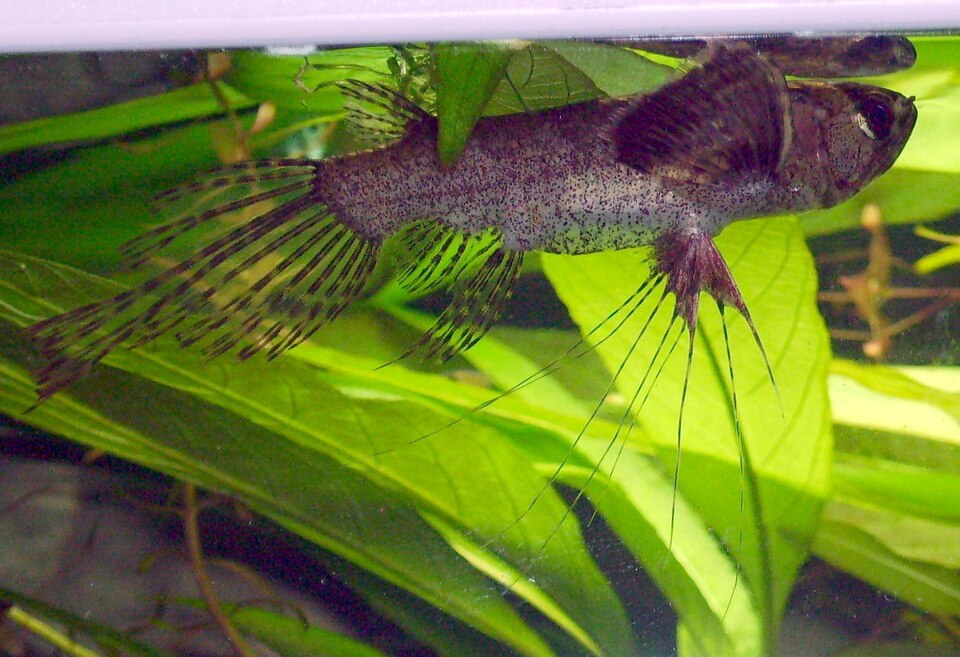
African Butterflyfish
Surface feeding, jumping out of the tank, and compatibility with tank mates must be managed; a lid, live food, and surface space are all indispensable.
- Adult size
- 3.94–5.91 in
- Reference Lifespan
- 5–8 yr
- Water Temperature
- 75.2–86 °F
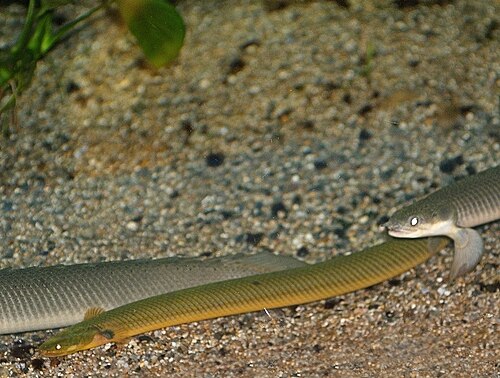
Rope Fish
Nocturnal, air-breathing, and prone to escaping; plan for a surface cover, hiding spots, and sufficient tank length in advance.
- Adult size
- 13.78–19.69 in
- Reference Lifespan
- 10–15 yr
- Water Temperature
- 75.2–84.2 °F
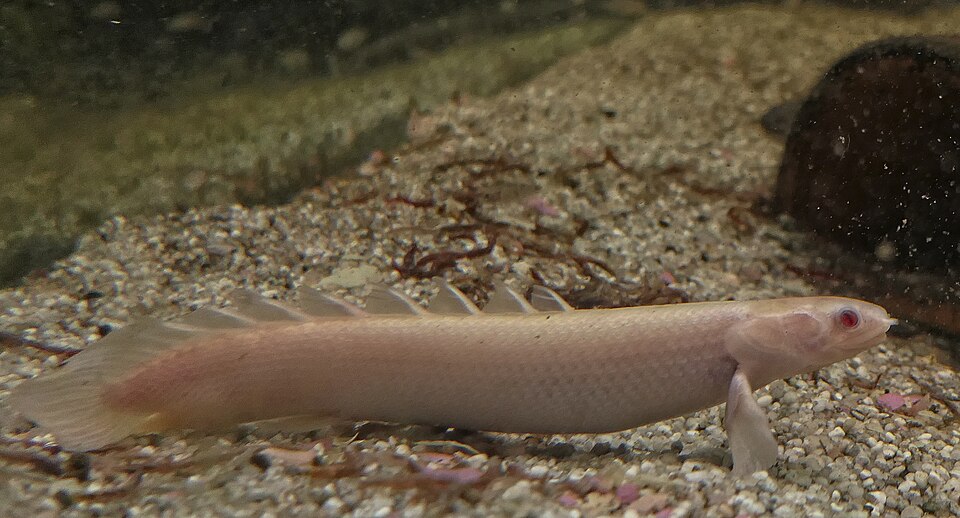
Senegal Bichir
Surfaces to breathe and eats small fish; calculate requirements for a lid, bottom area, and compatible tank mate sizes beforehand.
- Adult size
- 11.81–17.72 in
- Reference Lifespan
- 10–15 yr
- Water Temperature
- 75.2–84.2 °F
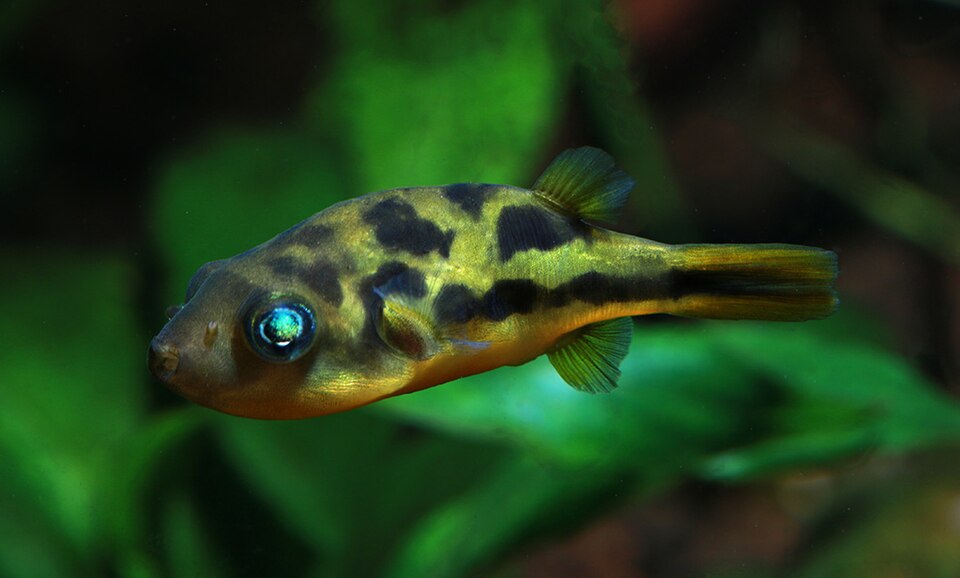
Pea Puffer
Small body size but with distinct territory and live food requirements; single housing or dense planting in separate zones must be arranged based on individual responses.
- Adult size
- 0.79–1.18 in
- Reference Lifespan
- 3–5 yr
- Water Temperature
- 75.2–82.4 °F
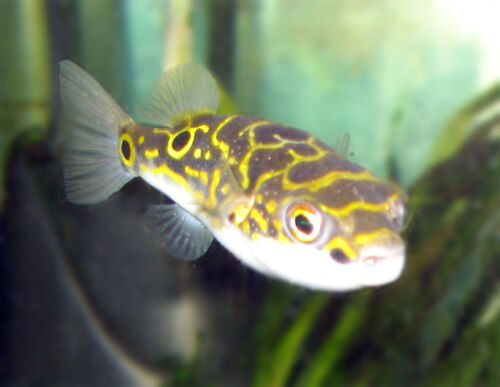
Figure Eight Puffer
High risk of tooth damage, salinity fluctuations, and species mixing; water quality transitions must be slow and continuously monitored.
- Adult size
- 3.15–4.72 in
- Reference Lifespan
- 5–8 yr
- Water Temperature
- 75.2–86 °F
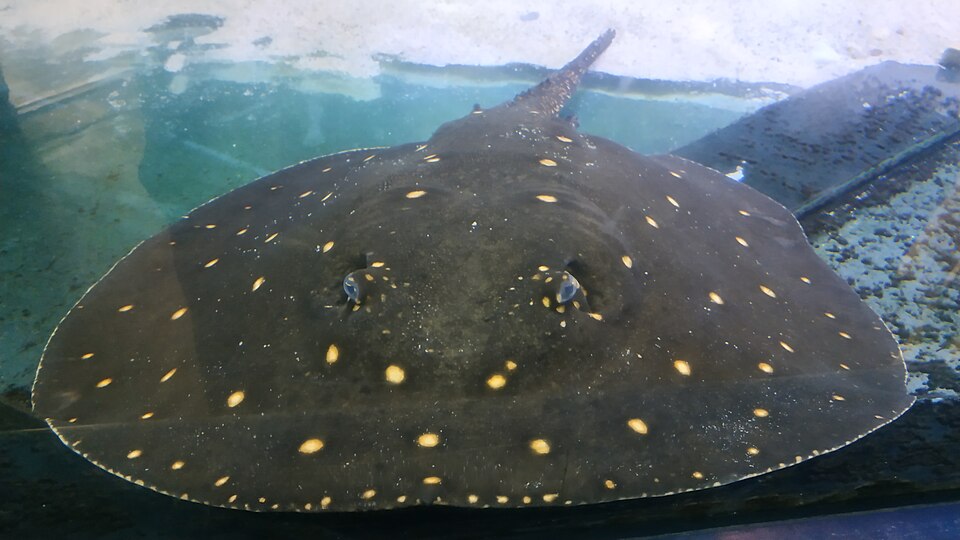
Motoro Stingray
Large aquarium systems are required for bottom area, filtration, and sting safety; standard home tanks are insufficient.
- Adult size
- 17.72–27.56 in
- Reference Lifespan
- 10–20 yr
- Water Temperature
- 75.2–86 °F
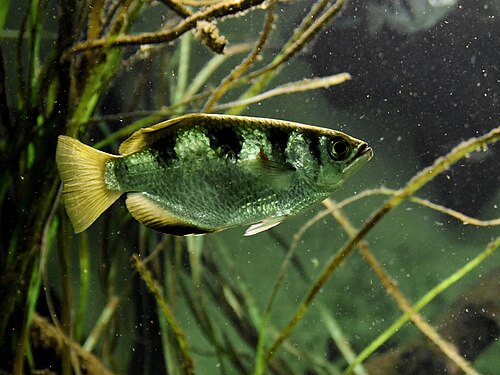
Archerfish
Water surface height, covers, and salinity management are highly specific; feeding behavior cannot replace comprehensive water quality planning.
- Adult size
- 7.87–11.81 in
- Reference Lifespan
- 8–12 yr
- Water Temperature
- 75.2–86 °F
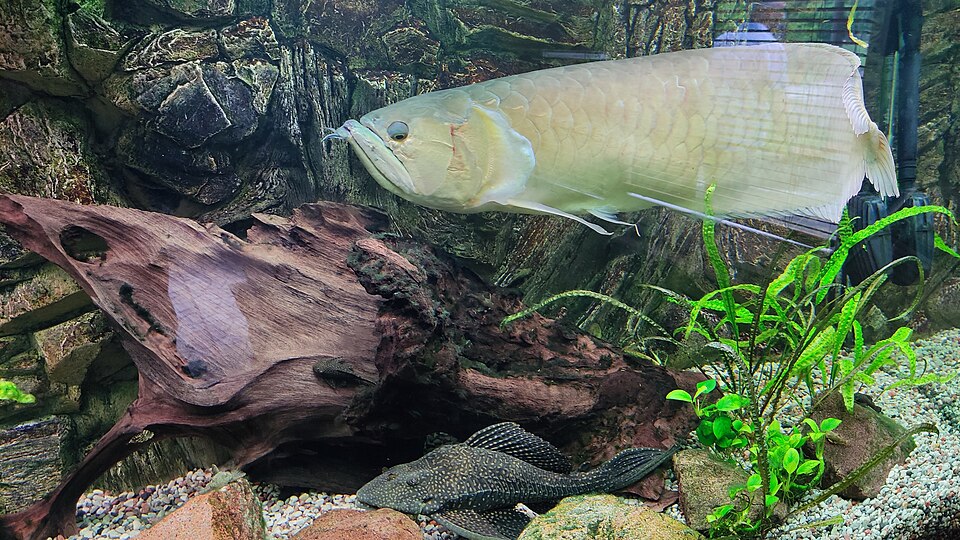
Silver Arowana
Long body shape, strong jumping ability, and high surface load; require giant tanks, secure covers, and long-term budgeting.
- Adult size
- 31.5–47.24 in
- Reference Lifespan
- 10–15 yr
- Water Temperature
- 75.2–86 °F
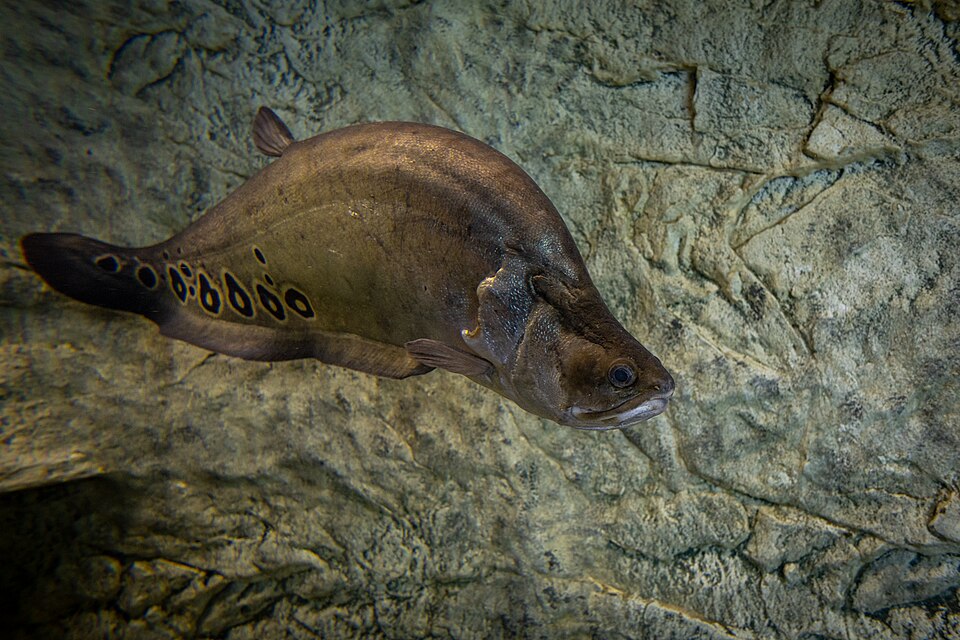
Clown Knifefish
Juvenile size changes rapidly; nocturnal behavior, predatory nature, and adult water requirements must be planned in advance for large fish systems.
- Adult size
- 23.62–39.37 in
- Reference Lifespan
- 10–15 yr
- Water Temperature
- 75.2–86 °F
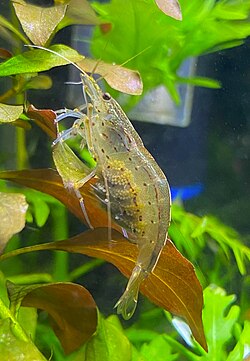
Amano Shrimp
Requires mature algal films and stable minerals; molting periods, species mixing predation, and suction risks must be monitored.
- Adult size
- 1.57–2.36 in
- Reference Lifespan
- 2–4 yr
- Water Temperature
- 68–80.6 °F
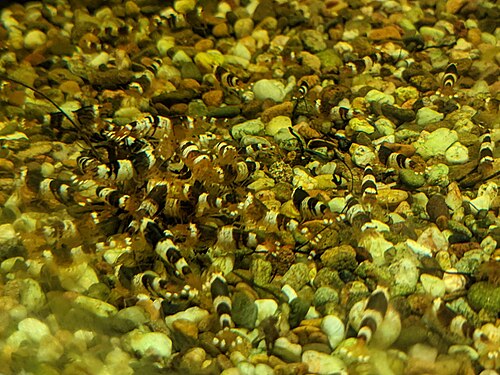
Crystal Red Shrimp
Sensitive to temperature, hardness, and ammonia fluctuations; a mature, stable micro-ecosystem is more important than tank decorations.
- Adult size
- 0.79–1.18 in
- Reference Lifespan
- 1–2 yr
- Water Temperature
- 68–77 °F
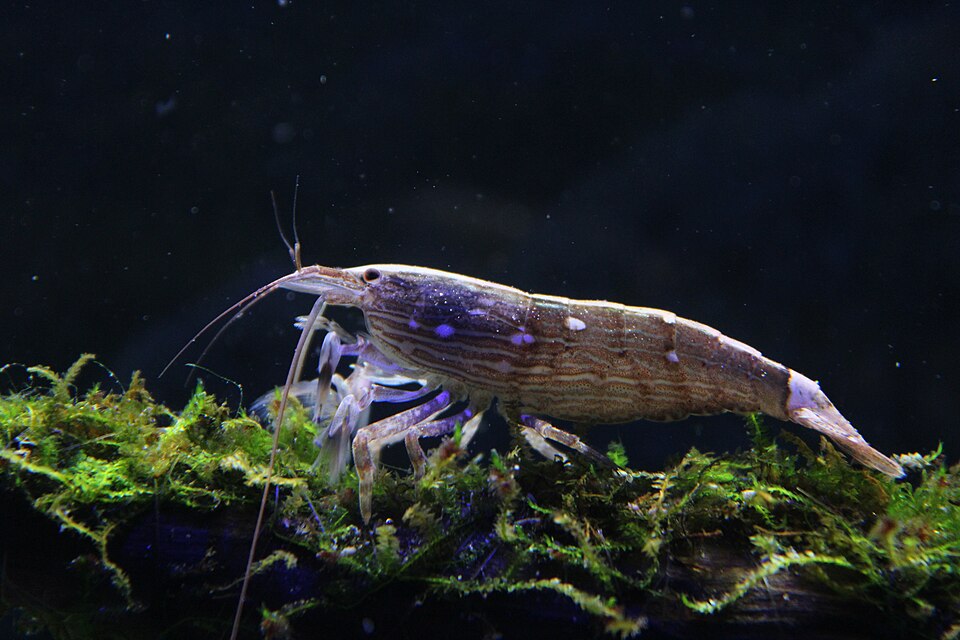
Bamboo Shrimp
Dependent on suspended food in the water; filtration, flow rate, and molting-period hiding must be designed together.
- Adult size
- 2.36–3.94 in
- Reference Lifespan
- 1–3 yr
- Water Temperature
- 71.6–82.4 °F