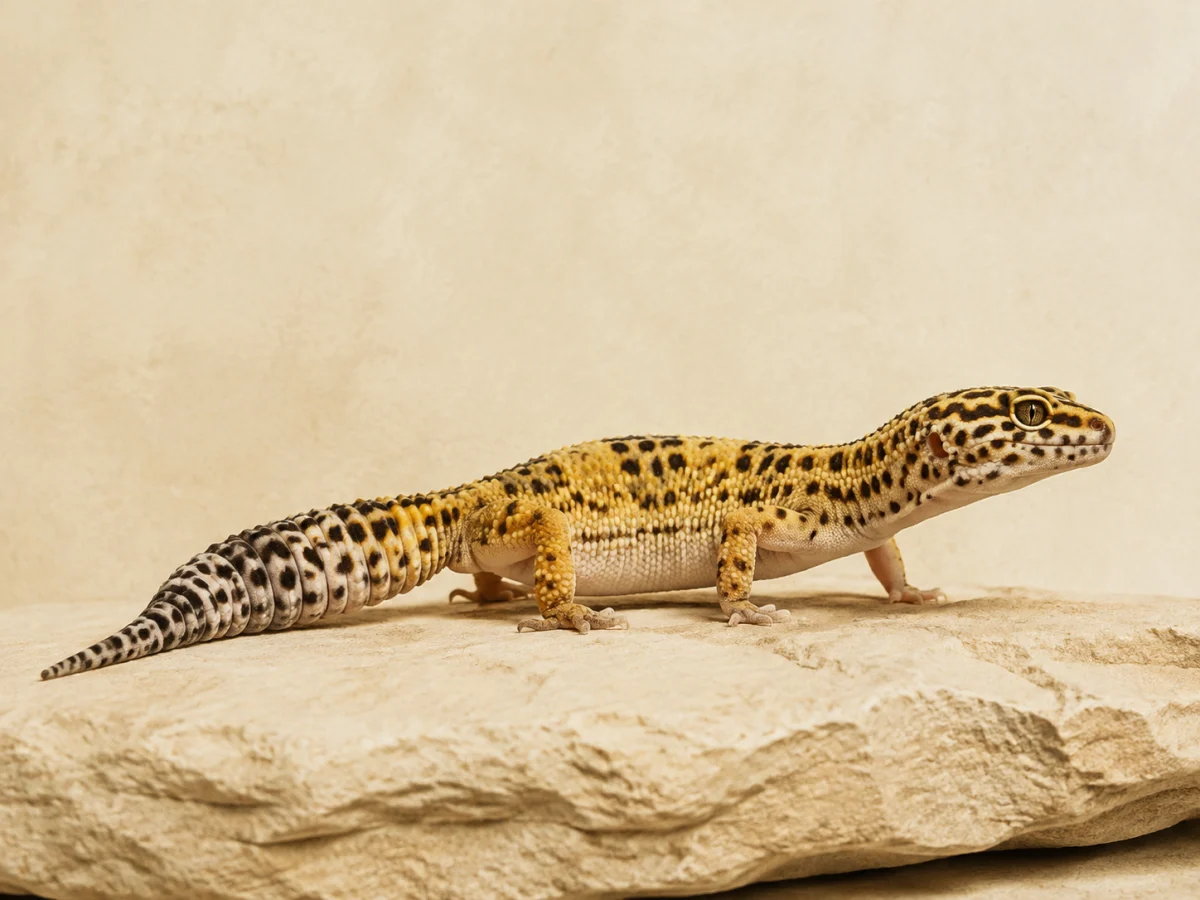
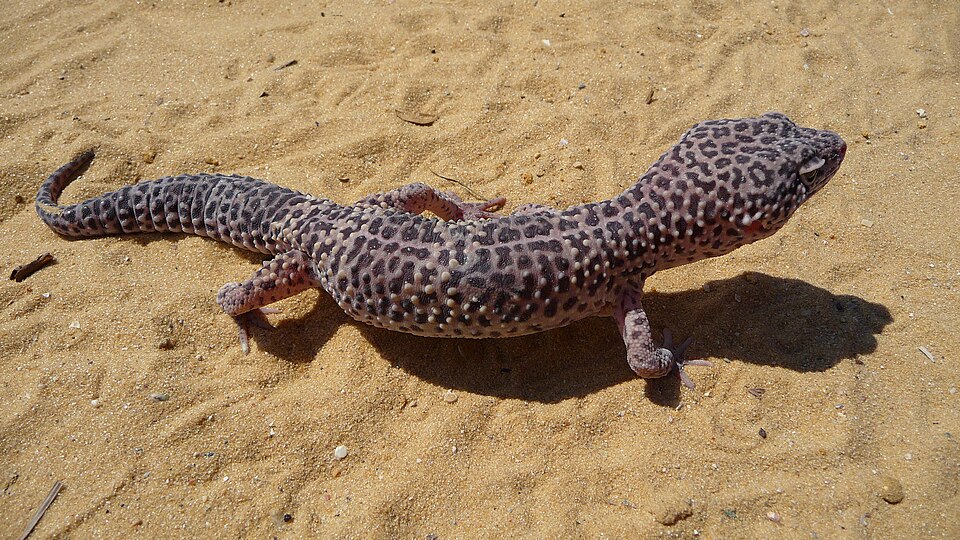
Is a Leopard Gecko a Good First Exotic Pet? Space, Food and Heat
Leopard geckos are often suggested for beginners, but adult space, live prey, supplements and a temperature gradient still need a real plan.
Read the guide From its original habitat to the enclosure you can provide.
First check habits, environment, cost, and risk before deciding if it's suitable.
Search records by classification, size, difficulty, and environmental conditions.
Enter the species library 02 / MATCHAnswer 15 life questions to see which candidates are more suitable.
Start Matching 03 / COMPARECompare two similar animals using the same dataset.
Select a comparison setTerrestrial, crepuscular activity. Provide multiple hideouts for security.
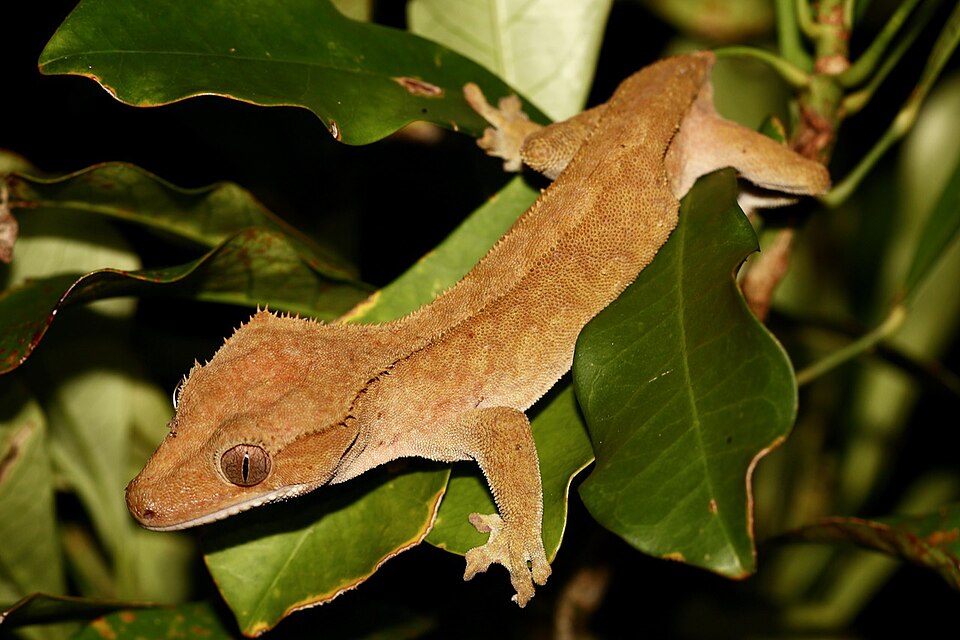
Nocturnal arboreal gecko; vertical space is more valuable than exposed floor.
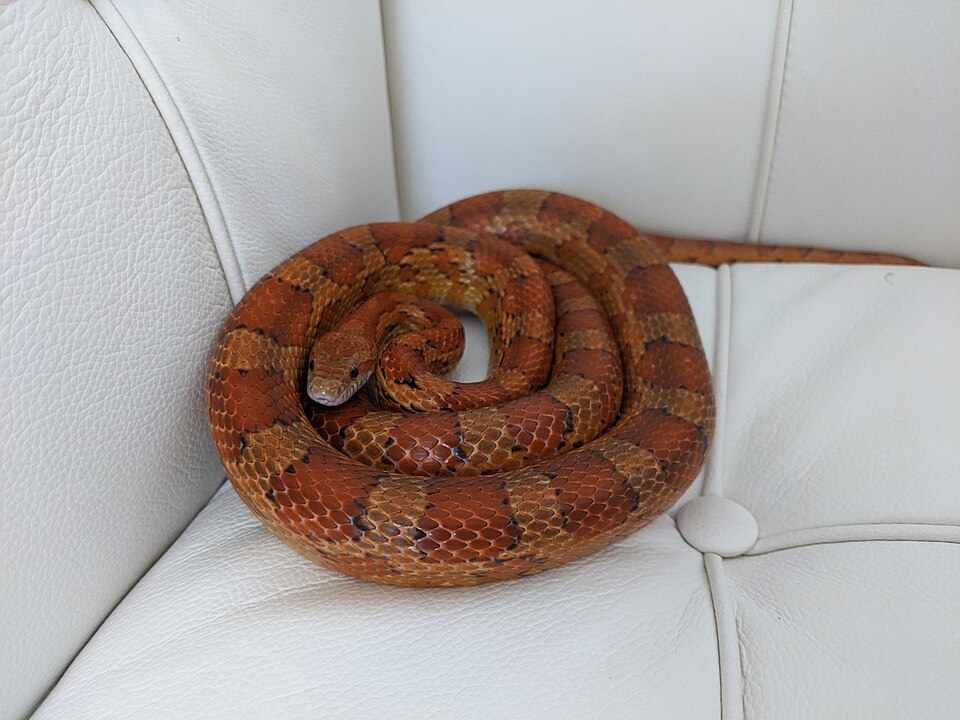
Climbing, crepuscular snakes; escape-proofing and long-term space are primary requirements.
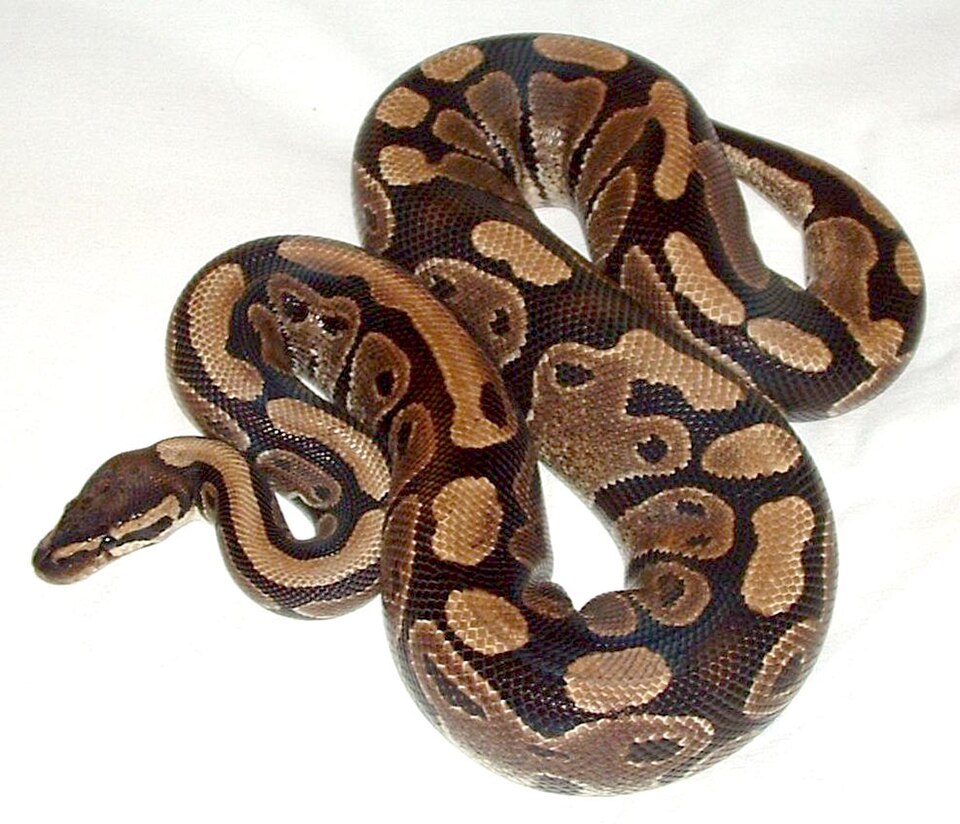
Terrestrial, nocturnal pythons with long lifespans; humidity management and source verification require advance planning.
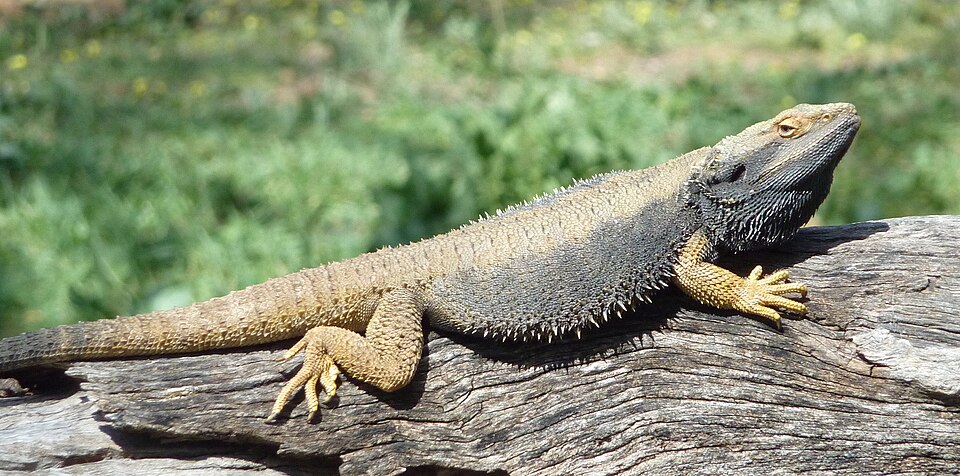
Diurnal terrestrial lizard with specific requirements for UVB, basking spot, and diet ratio.
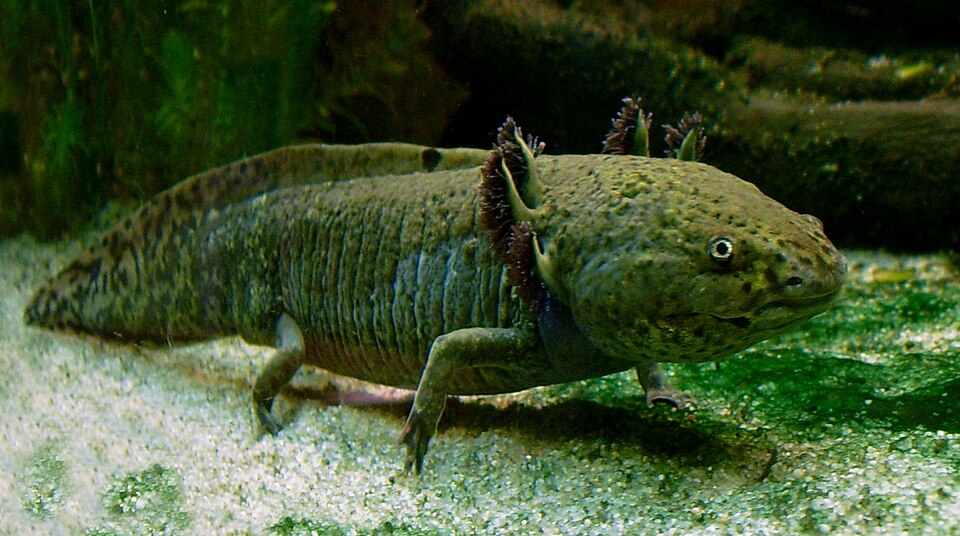
A permanently aquatic salamander; cold-water maintenance is the core cost.
Start with a few familiar exotic pets and turn a seemingly simple choice into living conditions you can check.
Leopard geckos are often suggested for beginners, but adult space, live prey, supplements and a temperature gradient still need a real plan.
Read the guideBall pythons are quiet and long-lived, but adult space, frozen rodents, feeding refusals and steady climate control are real commitments.
Read the guideCrested geckos are arboreal and nocturnal. Adult height, ventilation, climbing routes and summer cooling deserve planning before decoration.
Read the guideTake into account body length, lifespan, and adult space; do not judge solely by how small the juvenile is.
Temperature, humidity, food sources, and the time you can commit each day will all influence your choice.
Verify the source, regional regulations, and veterinary resources first. Suitable for observation, not necessarily for handling.