What Does a Crested Gecko Enclosure Need? Height, Ventilation and Cooling
Crested geckos are arboreal and nocturnal. Adult height, ventilation, climbing routes and summer cooling deserve planning before decoration.
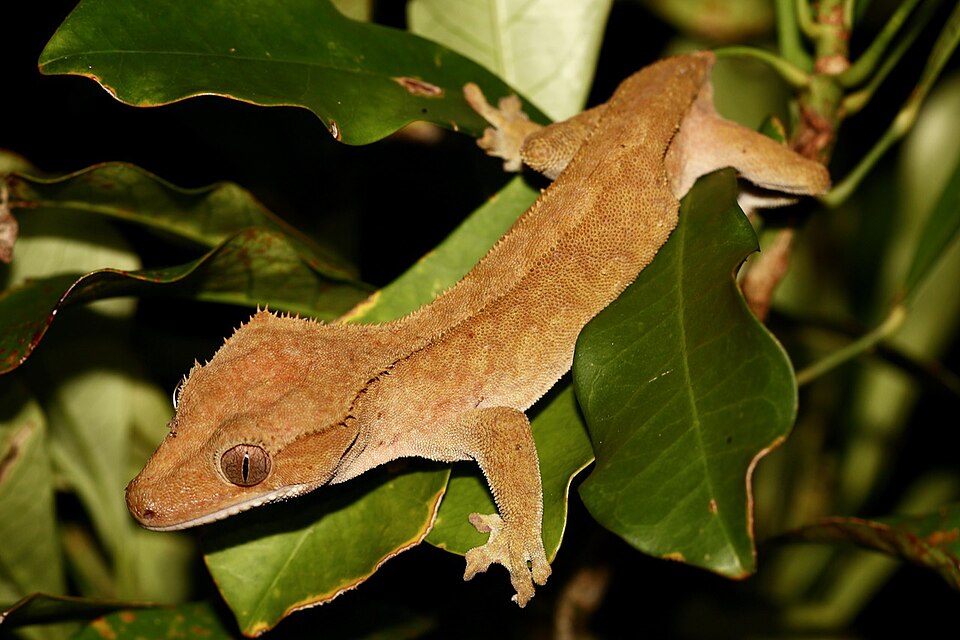
A crested gecko does not look large, which is why people often underestimate enclosure height and the work of building a safe layout. It needs three-dimensional space with connected climbing routes and cover. If your home runs hot in summer, cooling must be tested before the gecko arrives.
A tall enclosure is more than a box turned upright
For one adult, plan at least 17.72 × 17.72 × 23.62 in, with around 35.43 in of height as a recommended target. Branches, foliage and anchor points should form a secure route rather than a few loose decorations.
Vertical space adds cleaning, fixing and escape-control work. Check the door, screen top and load points of every branch before adding the animal.
Humidity should move, and air must move too
A common humidity plan is about 50–70%. Let it rise briefly after misting and fall with ventilation instead of keeping the enclosure saturated all day. Temperatures are usually around 71.6–78.8 °F; long periods above 82.4 °F deserve attention.
A hot basking spot is not required. Shade, a day–night cycle and low-intensity UVB can work together, but lamp and screen distance should be tested in the actual enclosure.
Convenient food still needs body-condition checks
A complete diet is commonly offered every 2–3 days, with small insect supplements based on body condition. Convenience does not remove the need to watch feeding, waste and weight trends.
Crested geckos are better suited to observation. Occasional, brief contact can build familiarity, but they should not be treated as a pet that must come out for interaction every day.
Take this checklist with you
- Start at 23.62 in of adult height and, where possible, plan a 17.72 × 17.72 × 35.43 in tall enclosure.
- Test summer room temperature, ventilation, misting and cooling before relying on them.
- Secure branches and plants, and check the screen, door gaps and cable holes for escape routes.
Plan for these hard parts
- Height and three-dimensional planting add maintenance; do not budget only for the juvenile container.
- High humidity needs ventilation. Stagnant wet air is not safer.
- If you want frequent handling or a bedroom setup, consider nocturnal activity and cleaning routines first.
A crested gecko suits someone who enjoys building a vertical habitat, can manage summer heat and is happy with observation-led interaction. It is not a decoration that can be left alone once placed in a tall tank.
Further reading
RSPCA Species Care DataThis is an editorial introduction. It does not replace veterinary advice or establish local legal status.
Crested Gecko
Nocturnal arboreal gecko; vertical space is more valuable than exposed floor.
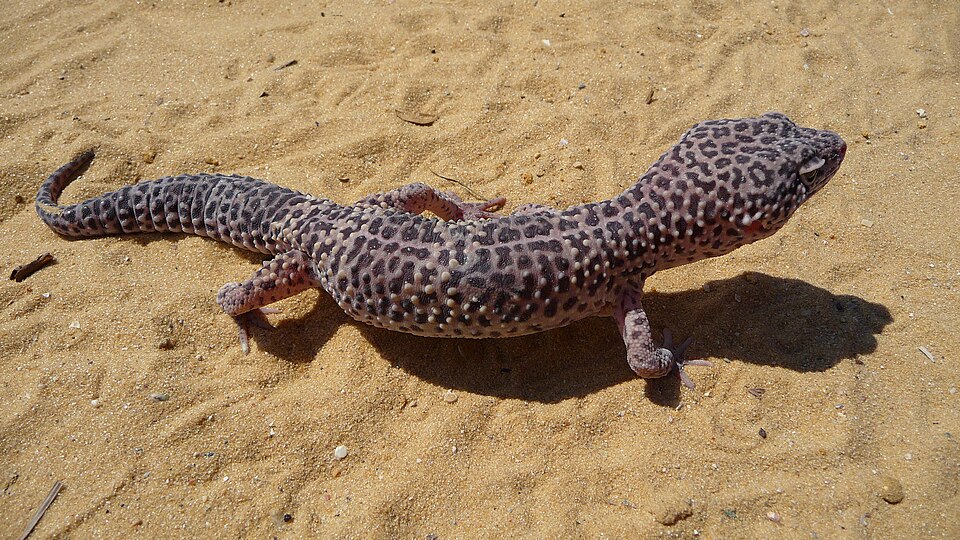
Is a Leopard Gecko a Good First Exotic Pet? Space, Food and Heat
Leopard geckos are often suggested for beginners, but adult space, live prey, supplements and a temperature gradient still need a real plan.
Read the guide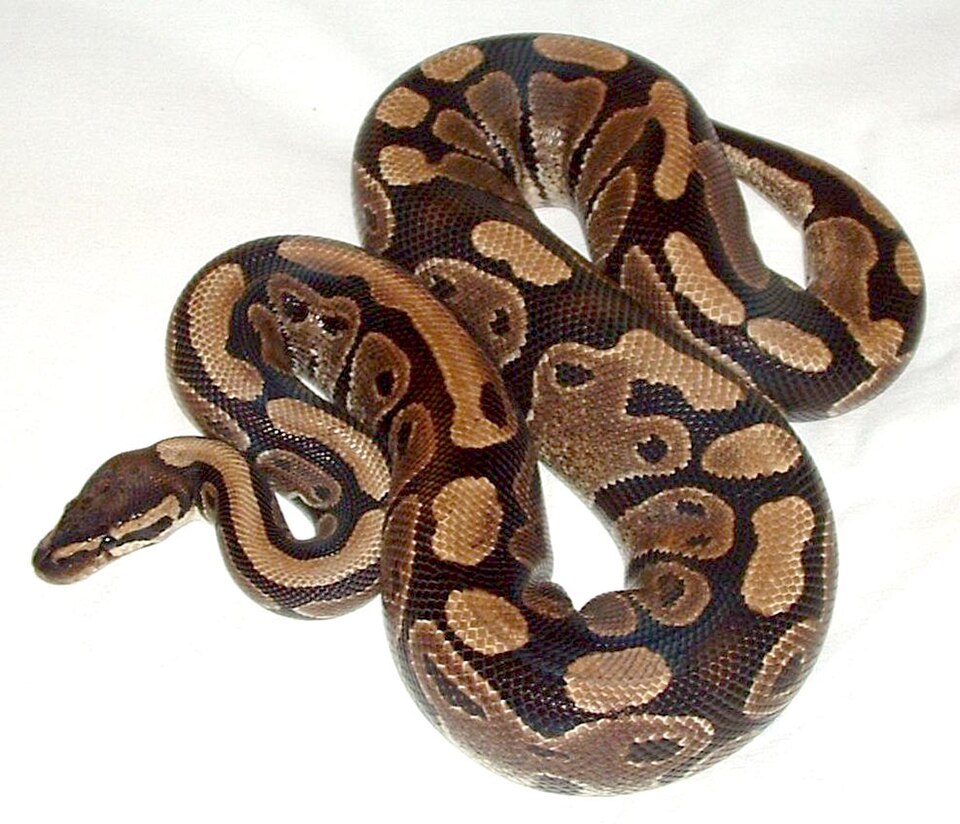
5 Things to Think Through Before Getting a Ball Python
Ball pythons are quiet and long-lived, but adult space, frozen rodents, feeding refusals and steady climate control are real commitments.
Read the guide