Is a Leopard Gecko a Good First Exotic Pet? Space, Food and Heat
Leopard geckos are often suggested for beginners, but adult space, live prey, supplements and a temperature gradient still need a real plan.
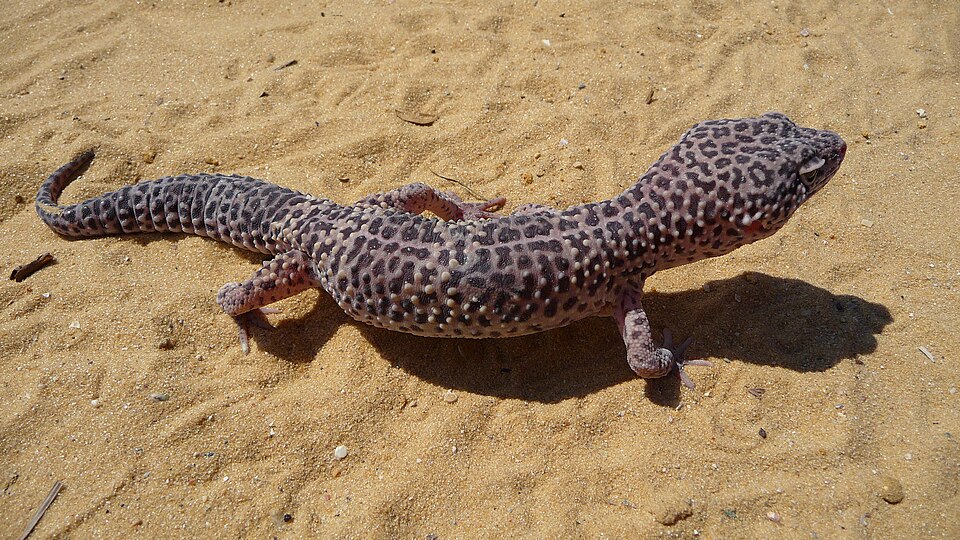
A leopard gecko is relatively straightforward to start, but “easy to start” does not mean a small box works forever. This ground-dwelling, crepuscular gecko needs a stable adult setup and a routine that includes a reliable supply of live insects.
Why people call it beginner-friendly
Environmental control is comparatively manageable. You do not need to keep the entire enclosure wet or build a complicated climbing scene. Several hides and a clear cool-to-warm gradient matter more than expensive decoration.
Adults commonly reach 7.09–9.84 in, with a reference lifespan of 15–20 years. That adult phase lasts much longer than the juvenile stage, so plan the enclosure and veterinary access around the adult animal.
Run heat and substrate before the animal arrives
Plan a cool area around 75.2–78.8 °F and a local warm area around 82.4–86 °F. Place the probe and a separate thermometer where they answer different questions. One reading cannot describe the whole enclosure, and an exposed heat source without a thermostat should not be used.
Air humidity is usually around 30–40%, with a separate humid hide. A humid hide is not the same thing as keeping the whole enclosure wet. Choose substrate by source and safety; avoid unknown wood shavings.
Food is part of the long-term commitment
Leopard geckos need live insects. Juveniles are often fed daily, while adults are commonly fed every 2–3 days, adjusted for body condition. Storing prey, providing calcium and keeping nutrition consistent often take more time than the first purchase.
Handling can work at a suitable pace, but a high handling score does not mean daily disturbance is appropriate. Give the gecko secure hides and a predictable routine before building up contact.
Take this checklist with you
- For one adult, start with at least a 35.43 × 17.72 × 17.72 in footprint; if possible, plan for 47.24 × 23.62 × 23.62 in or larger.
- Test the heat source, thermostat, probes and thermometer together so the cool, warm and night ranges are known.
- Find a dependable live-insect supply, calcium supplement and veterinarian experienced with reptiles before buying.
Plan for these hard parts
- The juvenile is small, but the adult enclosure sets the long-term space and cost.
- A humid hide is not a wet enclosure; ventilation and a dry surface still matter.
- Check local rules, source and individual health separately before purchase.
If you can accept live prey and plan adult space and heat control up front, a leopard gecko can be a steady first reptile. If you want an animal that needs almost no maintenance and can be handled whenever you like, it may not be the right fit.
Further reading
RSPCA Species Care DataThis is an editorial introduction. It does not replace veterinary advice or establish local legal status.
Leopard Gecko
Terrestrial, crepuscular activity. Provide multiple hideouts for security.
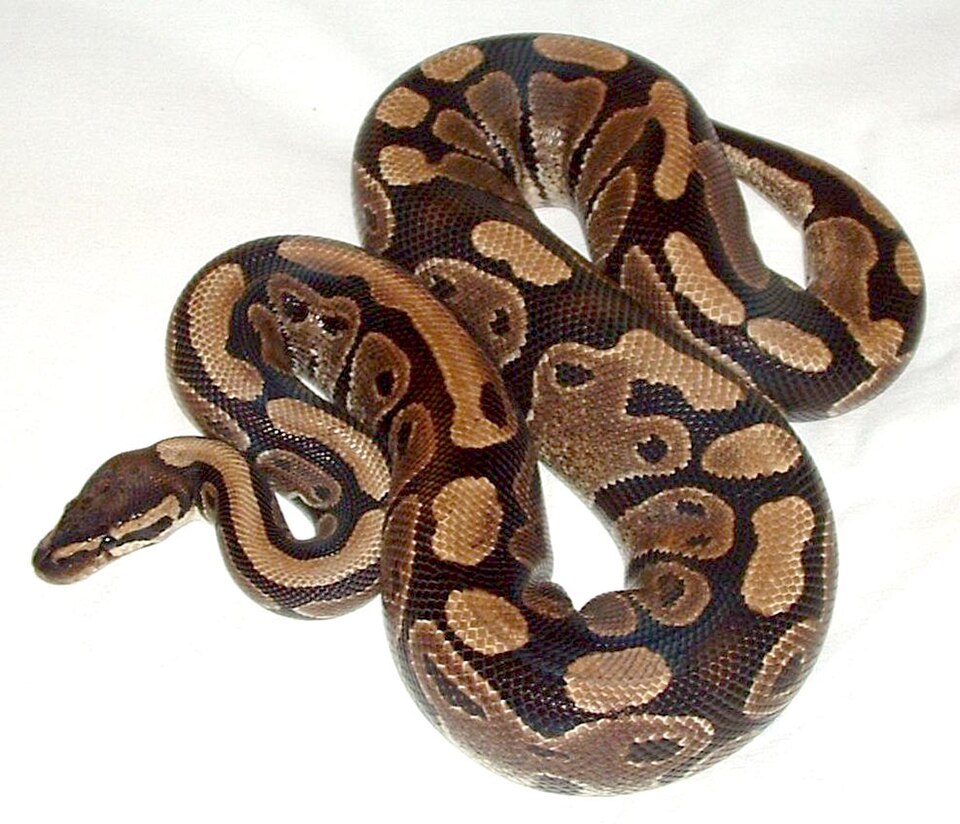
5 Things to Think Through Before Getting a Ball Python
Ball pythons are quiet and long-lived, but adult space, frozen rodents, feeding refusals and steady climate control are real commitments.
Read the guide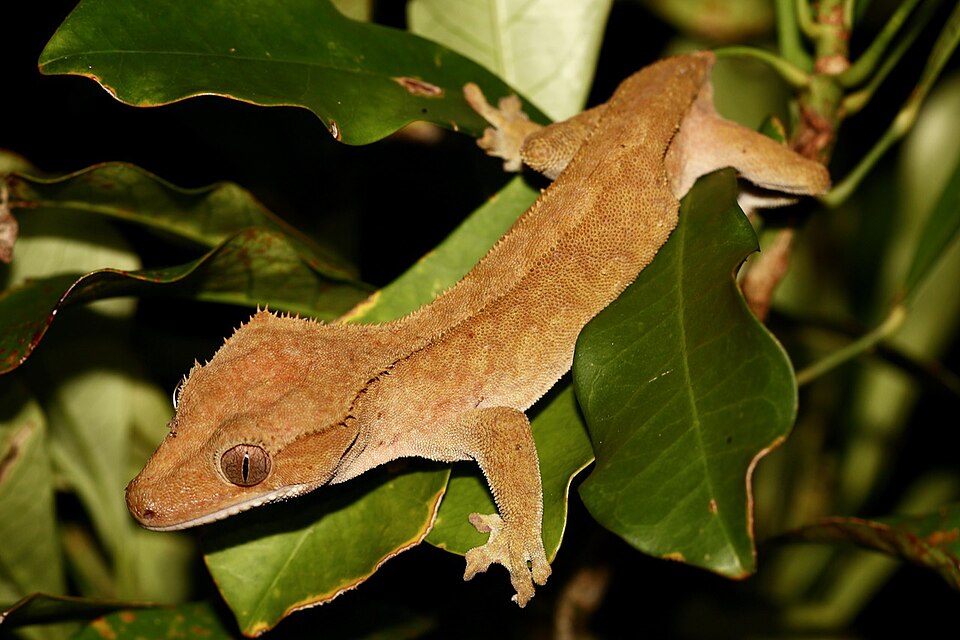
What Does a Crested Gecko Enclosure Need? Height, Ventilation and Cooling
Crested geckos are arboreal and nocturnal. Adult height, ventilation, climbing routes and summer cooling deserve planning before decoration.
Read the guide