Reptiles
Check temperature, lighting, and space first, then understand the care differences for different reptile species.
Switch Major Category
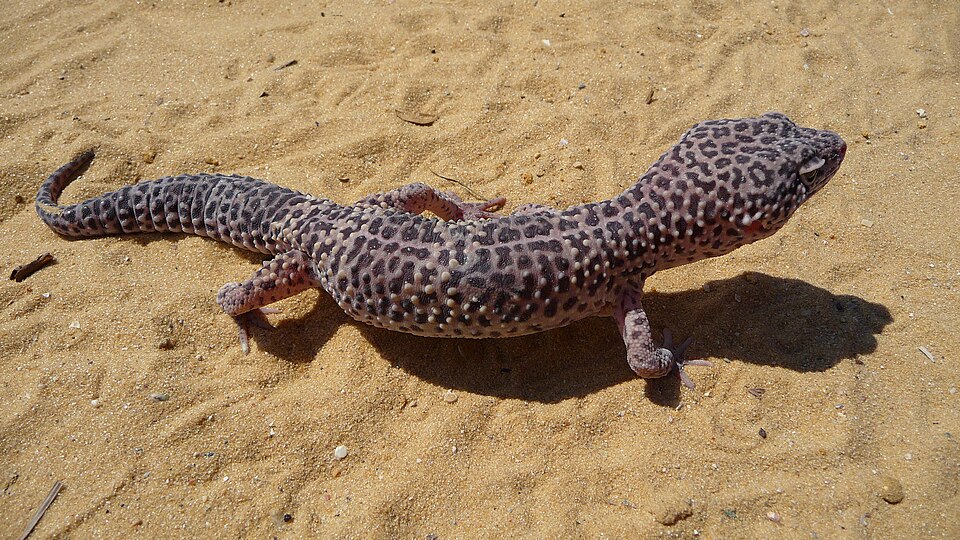
Leopard Gecko
Terrestrial, crepuscular activity. Provide multiple hideouts for security.
- Adult size
- 7.09–9.84 in
- Reference Lifespan
- 15–20 yr
- Environment reference
- 75.2–78.8 °F
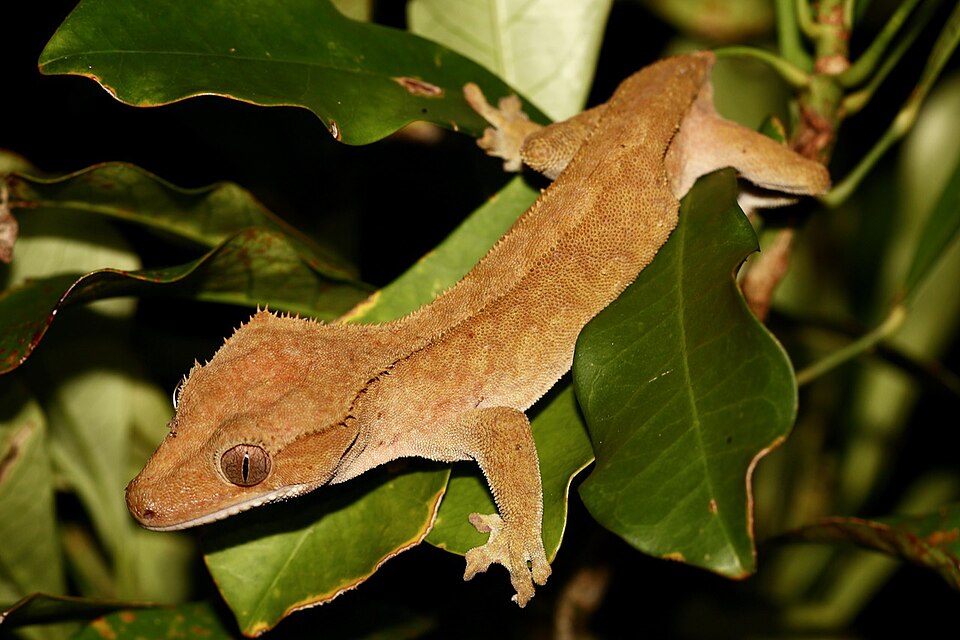
Crested Gecko
Nocturnal arboreal gecko; vertical space is more valuable than exposed floor.
- Adult size
- 7.09–9.84 in
- Reference Lifespan
- 15–20 yr
- Environment reference
- 71.6–78.8 °F
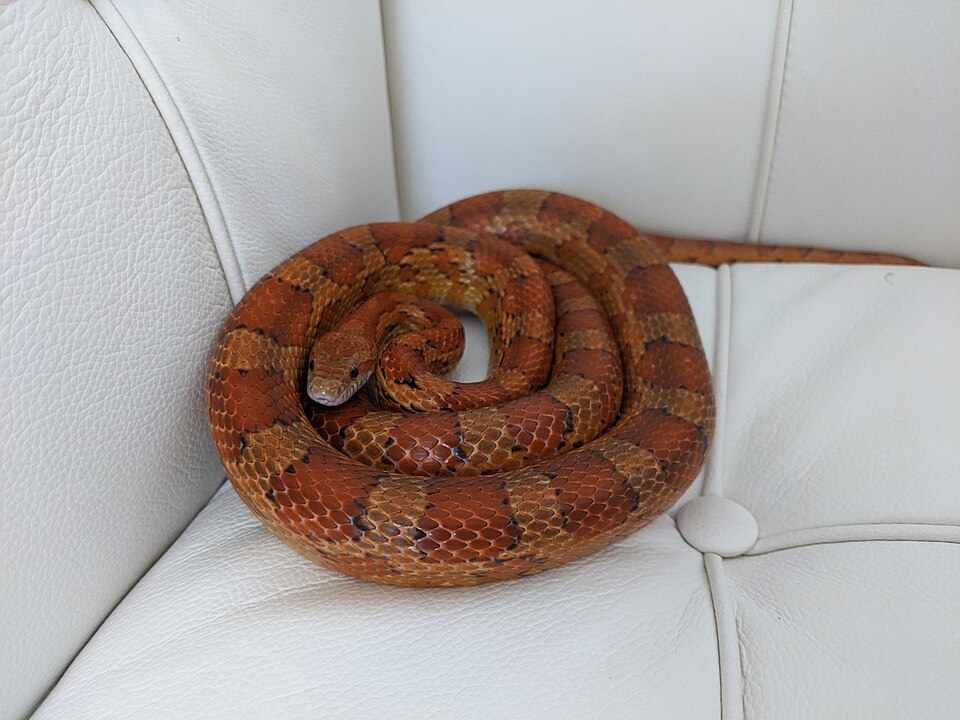
Corn Snake
Climbing, crepuscular snakes; escape-proofing and long-term space are primary requirements.
- Adult size
- 35.43–59.06 in
- Reference Lifespan
- 15–20 yr
- Environment reference
- 68–86 °F
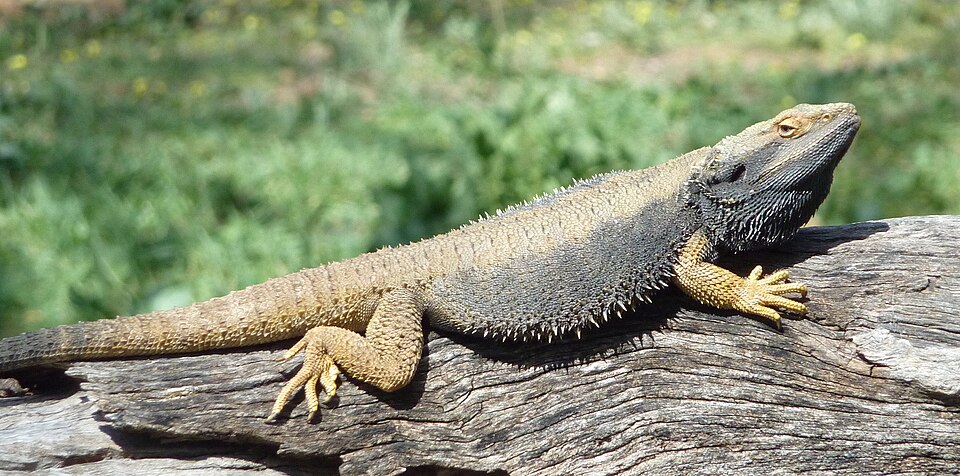
Central Bearded Dragon
Diurnal terrestrial lizard with specific requirements for UVB, basking spot, and diet ratio.
- Adult size
- 15.75–21.65 in
- Reference Lifespan
- 10–15 yr
- Environment reference
- 71.6–78.8 °F
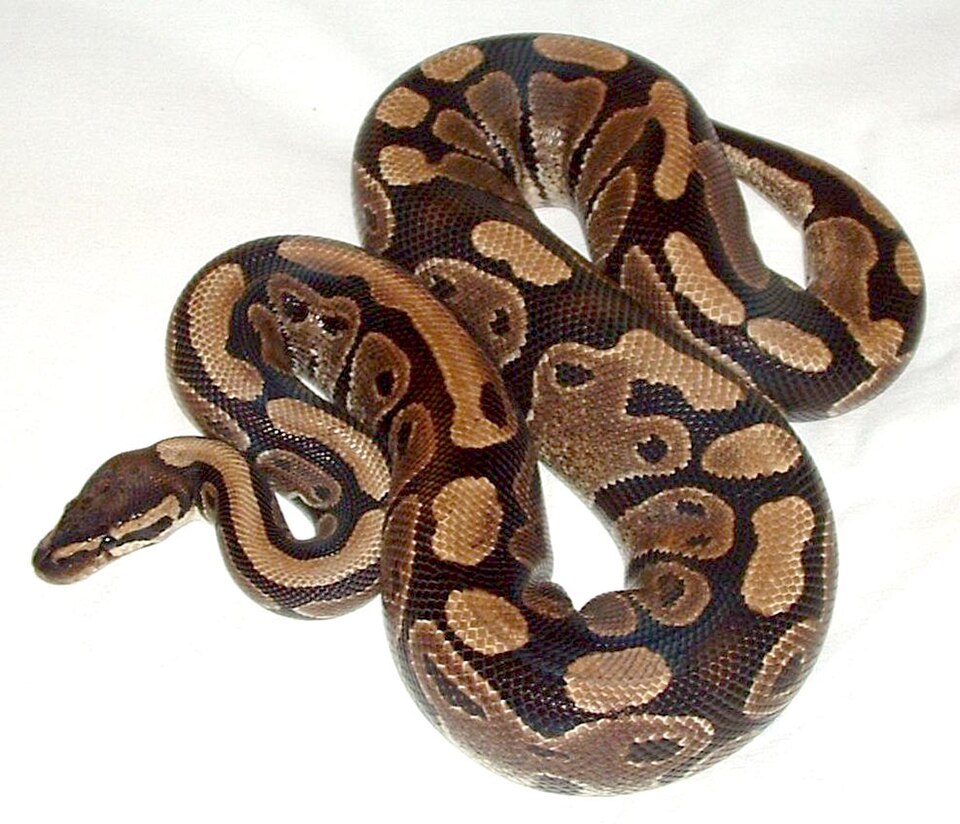
Ball Python
Terrestrial, nocturnal pythons with long lifespans; humidity management and source verification require advance planning.
- Adult size
- 35.43–59.06 in
- Reference Lifespan
- 20–30 yr
- Environment reference
- 75.2–87.8 °F
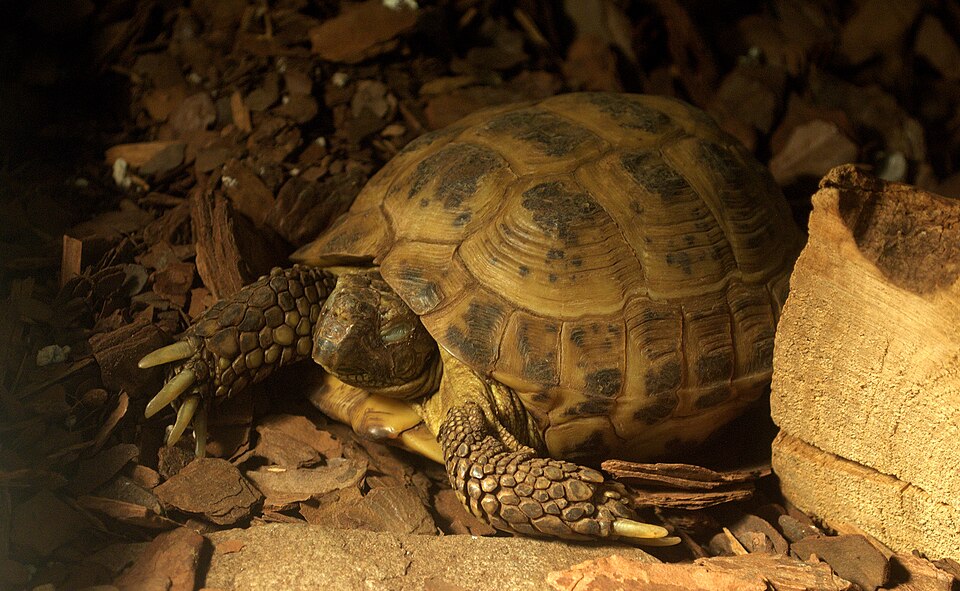
Russian Tortoise
Tolerates dryness but not prolonged crowding. Adult space and winter management are often underestimated.
- Adult size
- 5.91–9.84 in
- Reference Lifespan
- 40–50 yr
- Environment reference
- 68–89.6 °F
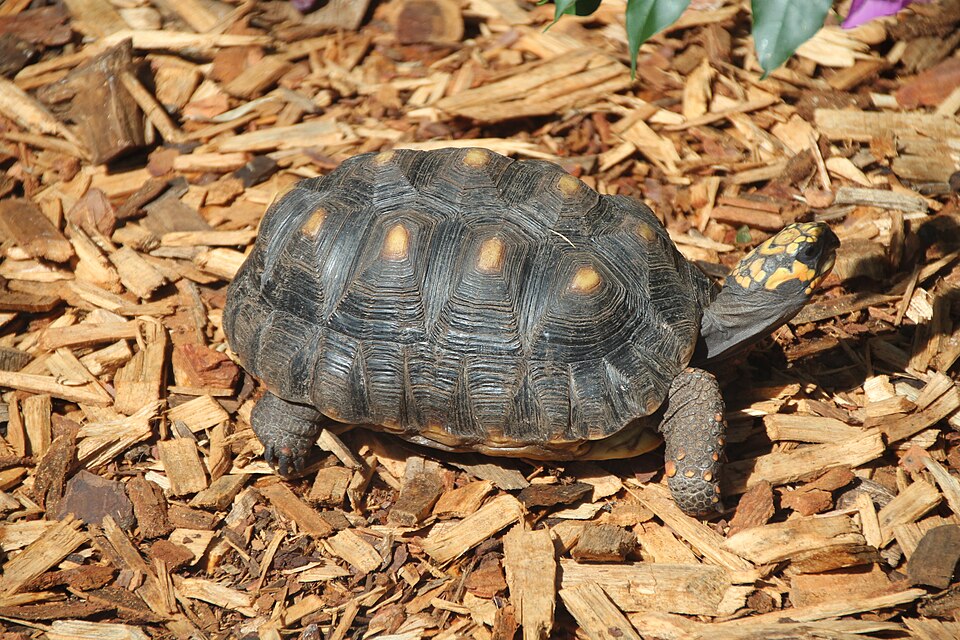
Red Footed Tortoise
Size and humidity requirements far exceed juvenile impressions; long-term large space and a stable environment are needed.
- Adult size
- 11.81–17.72 in
- Reference Lifespan
- 30–50 yr
- Environment reference
- 75.2–86 °F
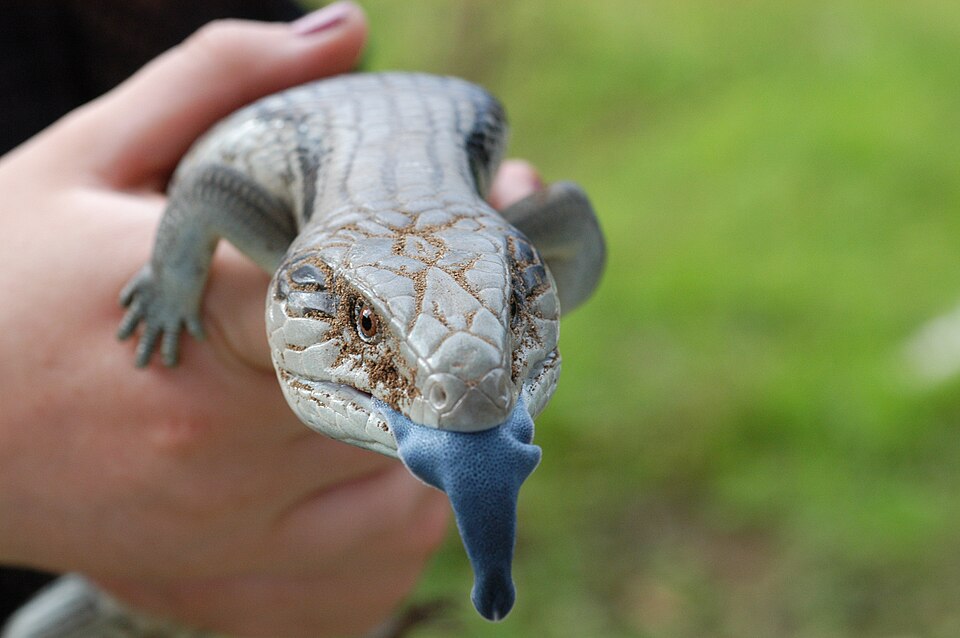
Blue Tongued Skink
Sturdy build and varied diet, but adult enclosure, lighting, and body condition management cannot be omitted.
- Adult size
- 17.72–23.62 in
- Reference Lifespan
- 15–20 yr
- Environment reference
- 71.6–89.6 °F
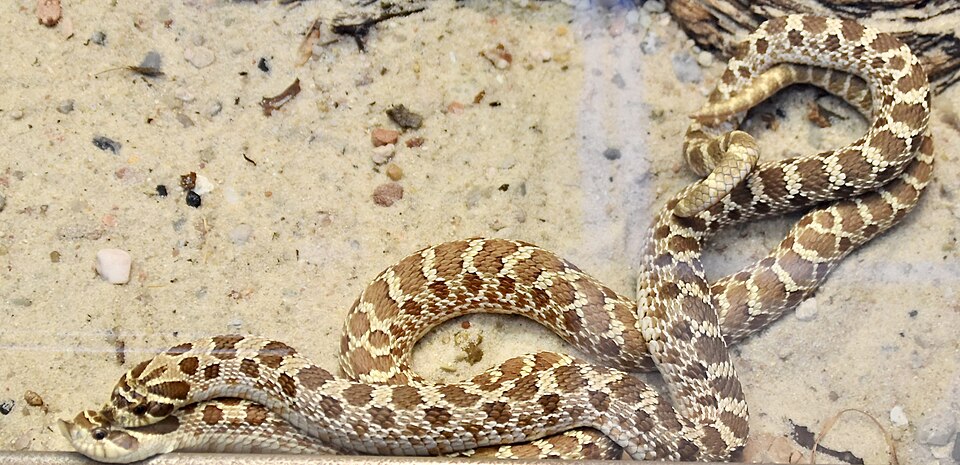
Western Hognose
Smaller size but possesses rear fangs and defensive displays; should not be understood as a harmless small snake.
- Adult size
- 15.75–35.43 in
- Reference Lifespan
- 12–18 yr
- Environment reference
- 71.6–86 °F
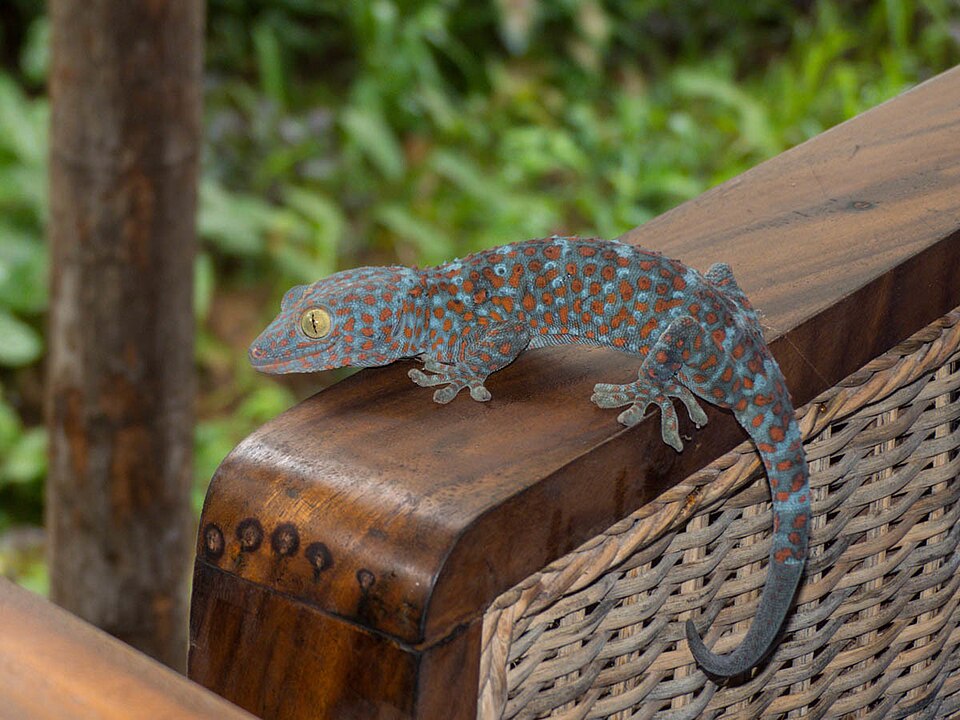
Tokay Gecko
Larger in size, with stronger bite force and escape ability than common small geckos; suitable for experienced keepers.
- Adult size
- 9.84–13.78 in
- Reference Lifespan
- 10–15 yr
- Environment reference
- 75.2–86 °F
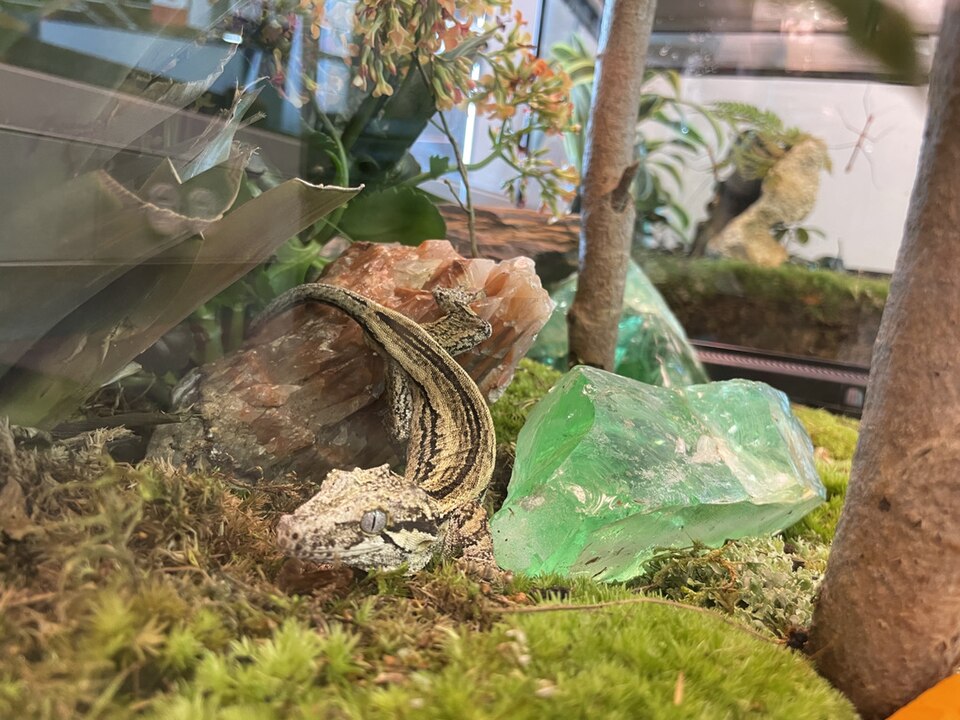
Gargoyle Gecko
New Caledonian arboreal gecko; climbing height and escape prevention are more important than floor space.
- Adult size
- 7.87–9.84 in
- Reference Lifespan
- 15–20 yr
- Environment reference
- 71.6–82.4 °F
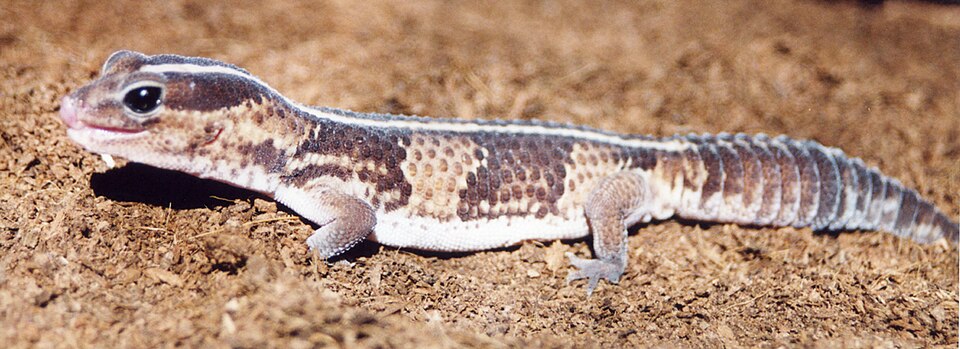
Fat Tailed Gecko
Terrestrial and nocturnal, similar to Leopard Geckos, but humidity and hide configurations cannot be directly copied.
- Adult size
- 7.09–9.06 in
- Reference Lifespan
- 10–15 yr
- Environment reference
- 75.2–86 °F
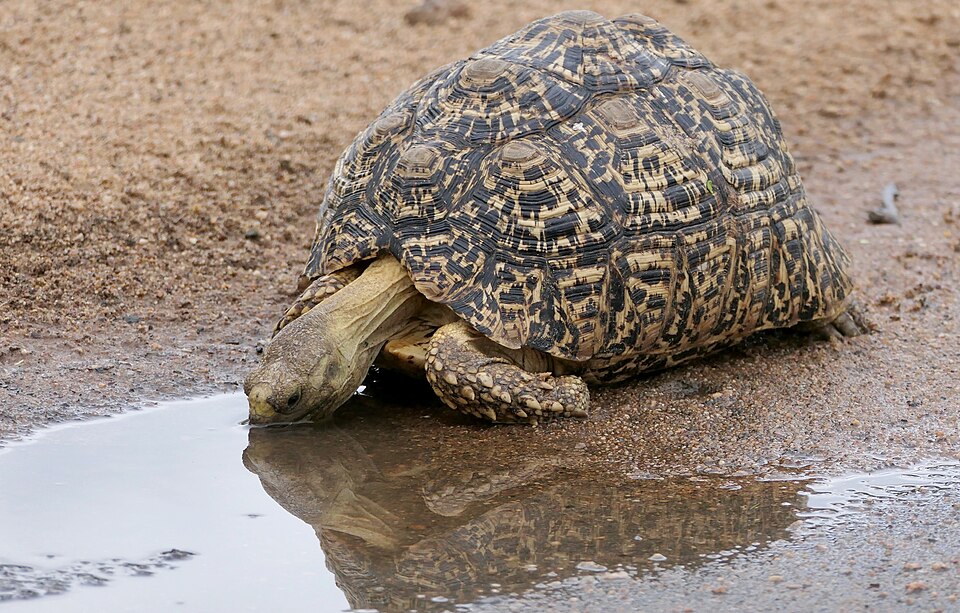
Leopard Tortoise
Slow growth but occupies large space; hay, basking spots, and adult activity areas must be planned together.
- Adult size
- 11.81–17.72 in
- Reference Lifespan
- 40–70 yr
- Environment reference
- 75.2–89.6 °F
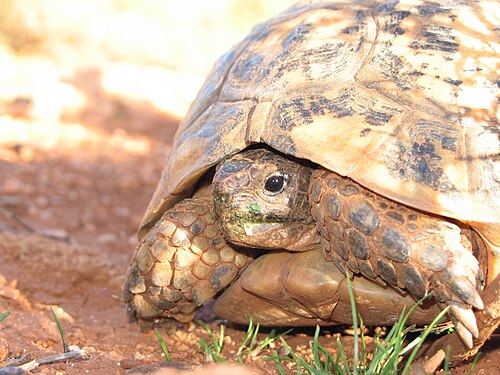
Greek Tortoise
Long lifespan; seasonal changes, low-sugar hay, and hibernation management cannot be handled based solely on juvenile experience.
- Adult size
- 5.91–11.81 in
- Reference Lifespan
- 40–60 yr
- Environment reference
- 71.6–86 °F
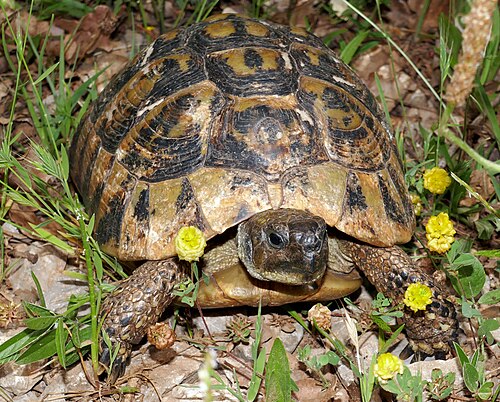
Hermanns Tortoise
Requires strong UVB, spacious floor space, and seasonal rhythms; for long-term indoor housing, activity levels must be addressed first.
- Adult size
- 5.91–11.02 in
- Reference Lifespan
- 40–70 yr
- Environment reference
- 71.6–86 °F
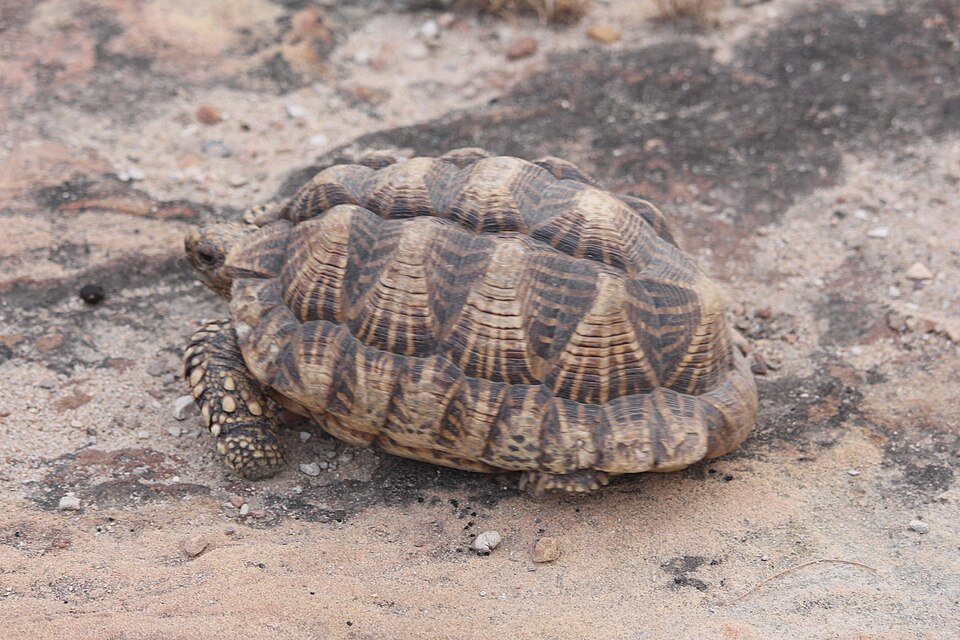
Indian Star Tortoise
High demands for humidity, ventilation, and provenance; verify legal documentation carefully before purchase.
- Adult size
- 7.87–13.78 in
- Reference Lifespan
- 30–50 yr
- Environment reference
- 75.2–89.6 °F
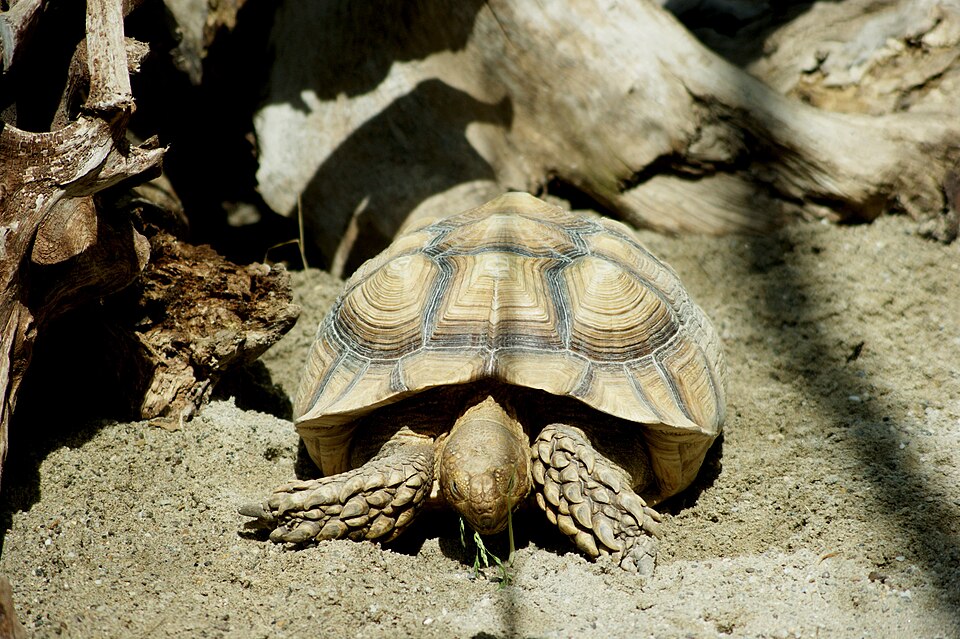
Sulcata Tortoise
Juveniles appear small, but adults require outdoor-grade space, low-sugar forage, and durable enclosures.
- Adult size
- 23.62–35.43 in
- Reference Lifespan
- 50–80 yr
- Environment reference
- 78.8–95 °F
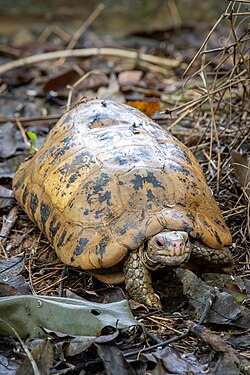
Elongated Tortoise
High-humidity environments must coexist with ventilation; wild-caught status and conservation status make source verification more important than price.
- Adult size
- 11.81–15.75 in
- Reference Lifespan
- 30–50 yr
- Environment reference
- 75.2–86 °F
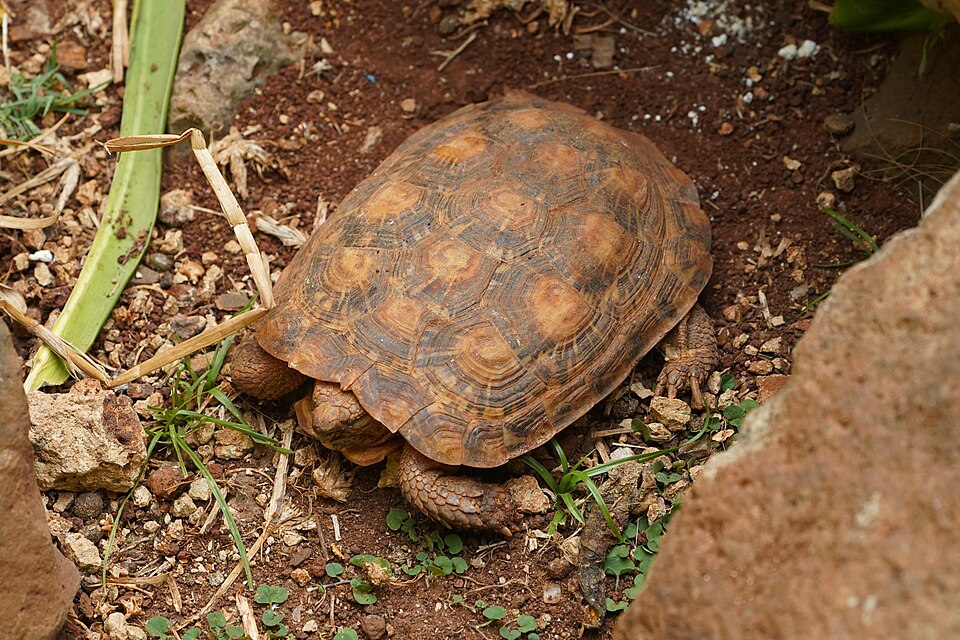
Pancake Tortoise
Skilled at climbing rock crevices; enclosure escape-proofing, drop protection, and legal sourcing are more critical than size figures.
- Adult size
- 5.91–7.09 in
- Reference Lifespan
- 30–50 yr
- Environment reference
- 75.2–89.6 °F
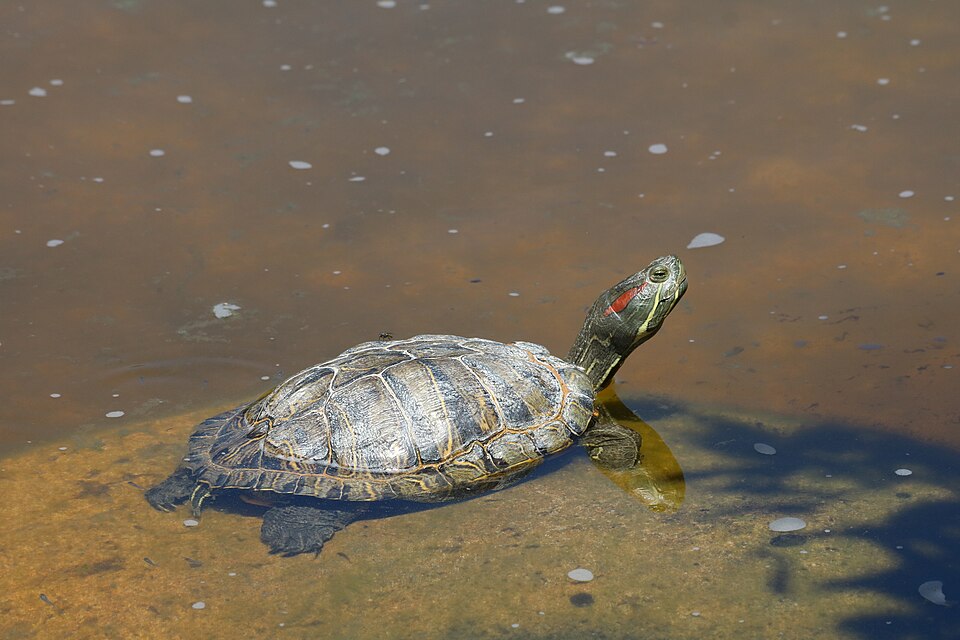
Red Eared Slider
Water volume, basking platforms, filtration, and adult size far exceed juvenile stages; never release into the wild.
- Adult size
- 7.87–11.81 in
- Reference Lifespan
- 20–40 yr
- Environment reference
- 75.2–86 °F
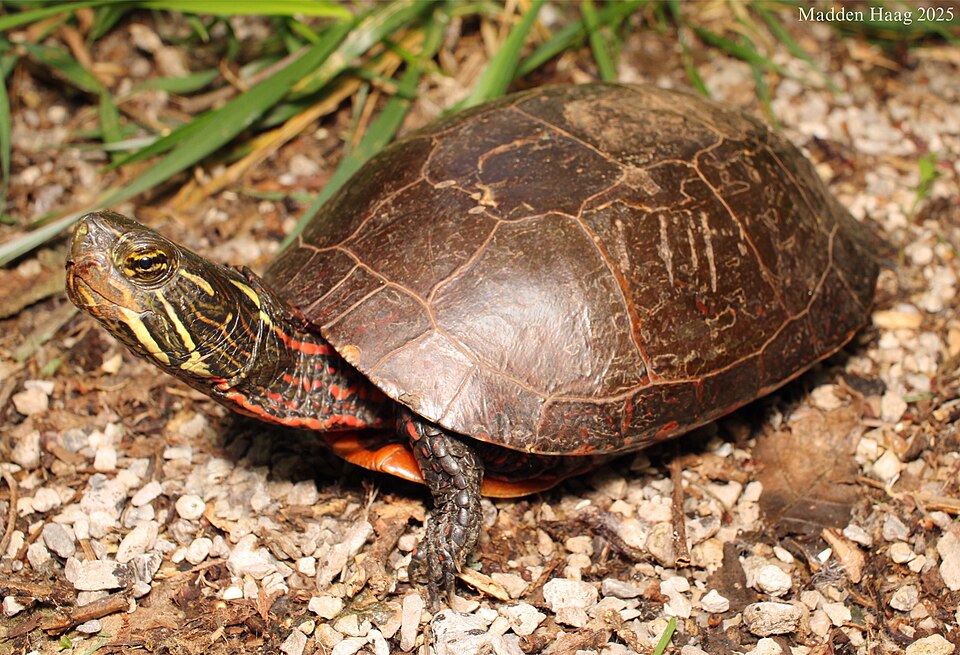
Painted Turtle
Requires a fully emergent basking platform, sufficient water depth, and efficient filtration; adult excretion load is often underestimated.
- Adult size
- 4.72–9.84 in
- Reference Lifespan
- 20–40 yr
- Environment reference
- 71.6–86 °F
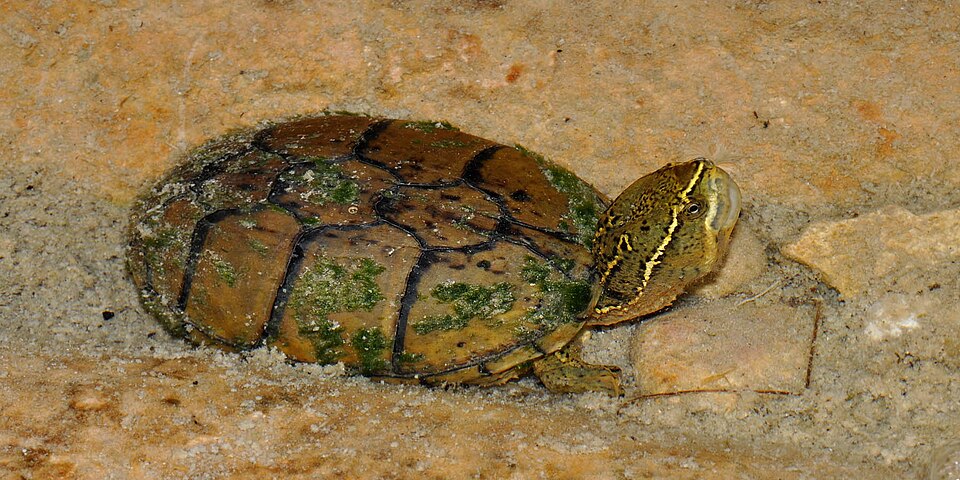
Common Musk Turtle
Small size but can climb out of water and bite; prepare shallow water structure, basking platform, and escape-proof cover simultaneously.
- Adult size
- 3.15–5.51 in
- Reference Lifespan
- 20–30 yr
- Environment reference
- 71.6–82.4 °F
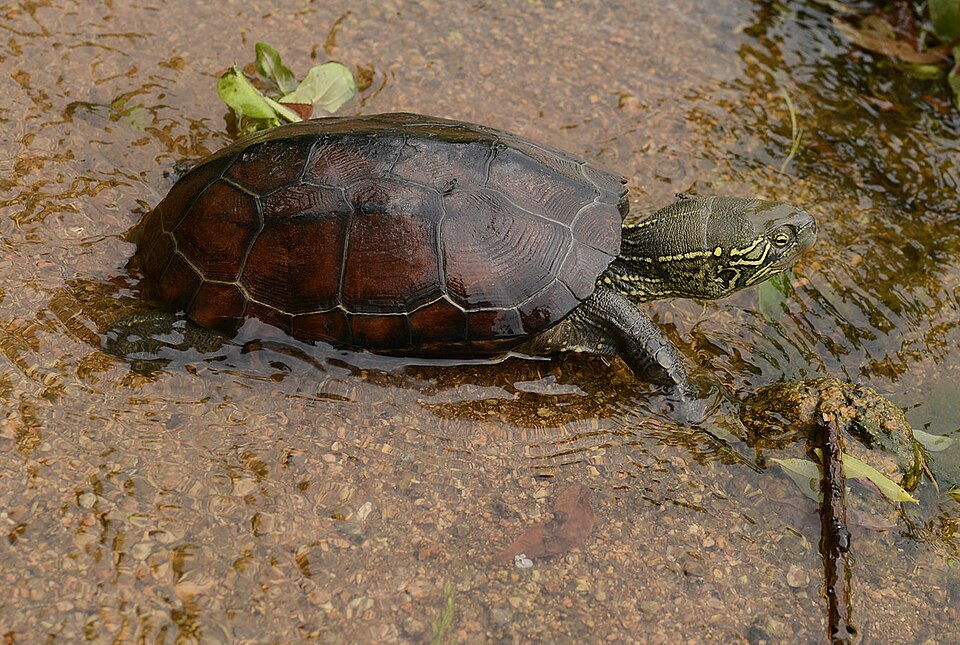
Reeves Turtle
Juvenile tolerance does not mean water quality can be ignored; reserve space for basking, seasonal rhythms, and adult growth.
- Adult size
- 5.91–9.84 in
- Reference Lifespan
- 20–35 yr
- Environment reference
- 71.6–86 °F
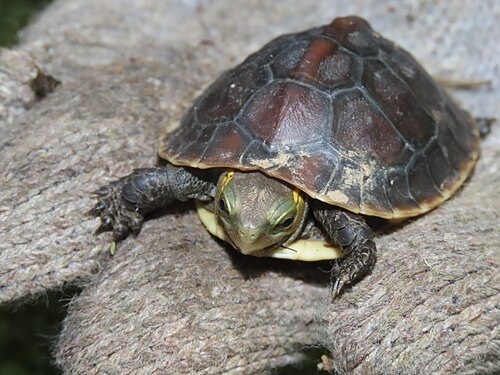
Chinese Box Turtle
Requires moist terrestrial habitat, shelter, and stable temperatures; sourcing and protection regulations must be verified first.
- Adult size
- 5.91–7.87 in
- Reference Lifespan
- 30–50 yr
- Environment reference
- 71.6–84.2 °F
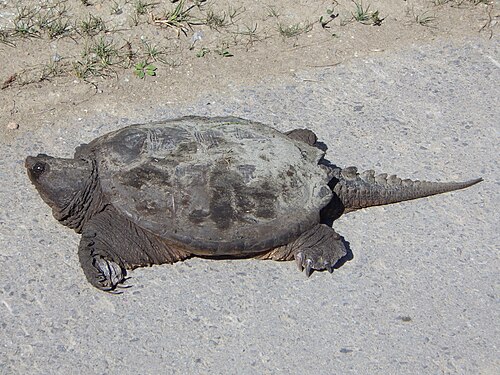
Common Snapping Turtle
High bite force, adult size, and water load; not suitable for keeping as a typical small turtle.
- Adult size
- 9.84–17.72 in
- Reference Lifespan
- 30–50 yr
- Environment reference
- 71.6–82.4 °F
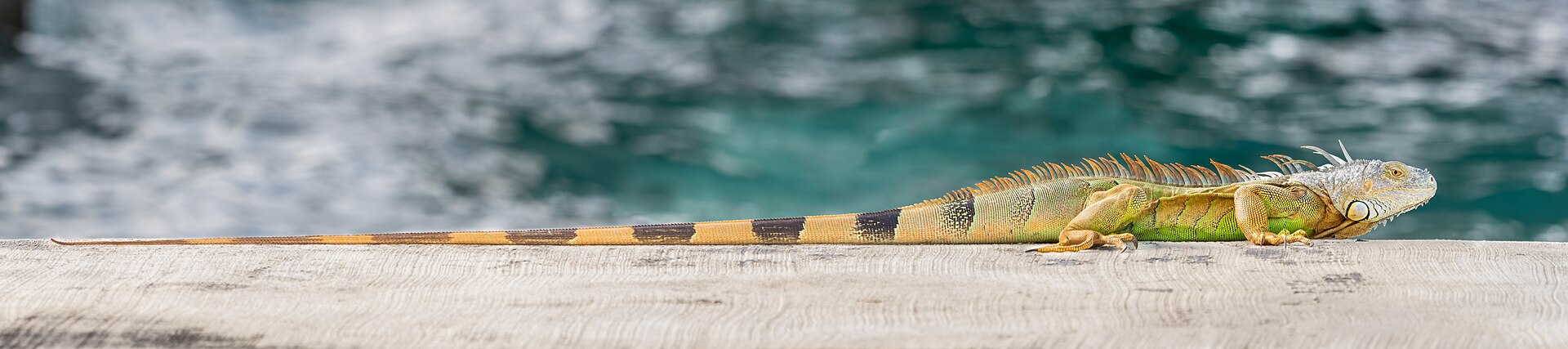
Green Iguana
Hatchlings are popular, but adults require tall enclosures, strong UVB, humidity, and safe tail clearance.
- Adult size
- 39.37–70.87 in
- Reference Lifespan
- 10–20 yr
- Environment reference
- 78.8–95 °F
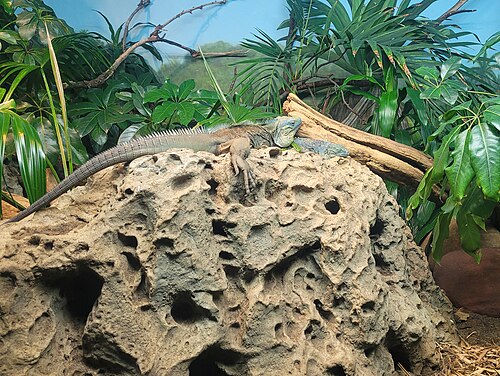
Blue Iguana
Large, long-lived, and sourcing is affected by protection status; only consider if outdoor-level facilities are available.
- Adult size
- 39.37–59.06 in
- Reference Lifespan
- 20–40 yr
- Environment reference
- 78.8–93.2 °F
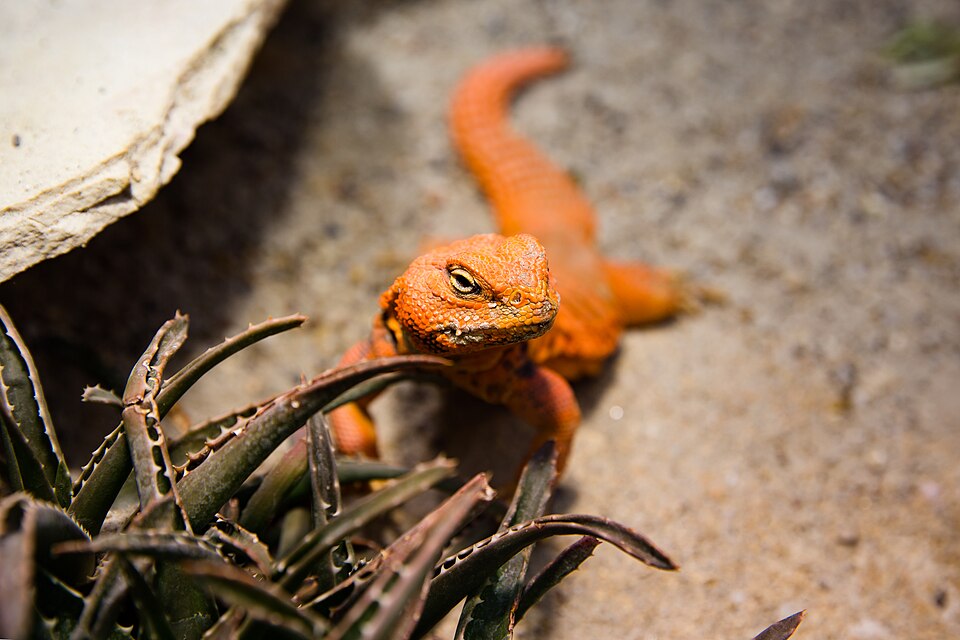
Uromastyx
High basking spots, low humidity, and high-fiber plants are core requirements; standard room temperature and humid setups are unsuitable.
- Adult size
- 9.84–13.78 in
- Reference Lifespan
- 15–25 yr
- Environment reference
- 82.4–104 °F
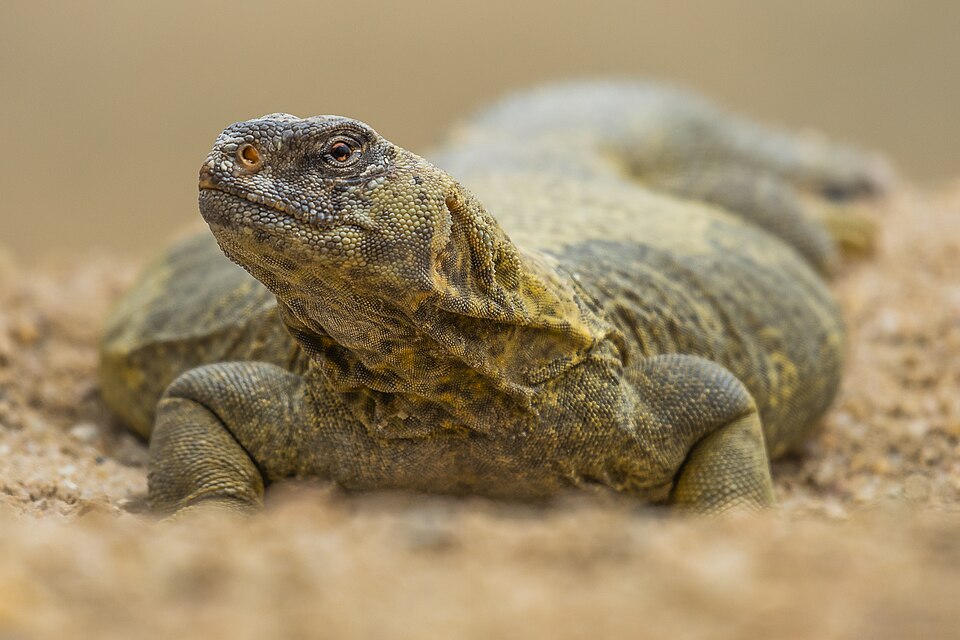
Egyptian Uromastyx
Heavier body size and basking spots than common spiny-tailed iguanas; calculate electricity, ventilation, and adult space requirements first.
- Adult size
- 19.69–29.53 in
- Reference Lifespan
- 20–30 yr
- Environment reference
- 86–107.6 °F
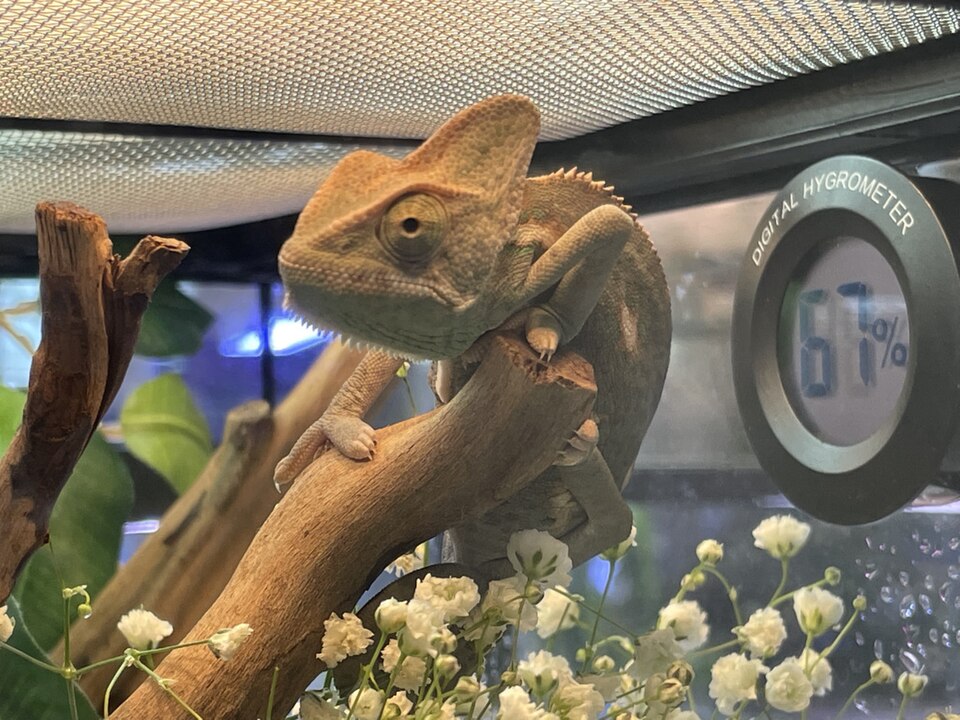
Veiled Chameleon
Ventilation, dripping water, UVB, and basking spots must remain stable simultaneously; long-term water deprivation is more dangerous than short-term temperature deviations.
- Adult size
- 13.78–23.62 in
- Reference Lifespan
- 5–8 yr
- Environment reference
- 71.6–89.6 °F
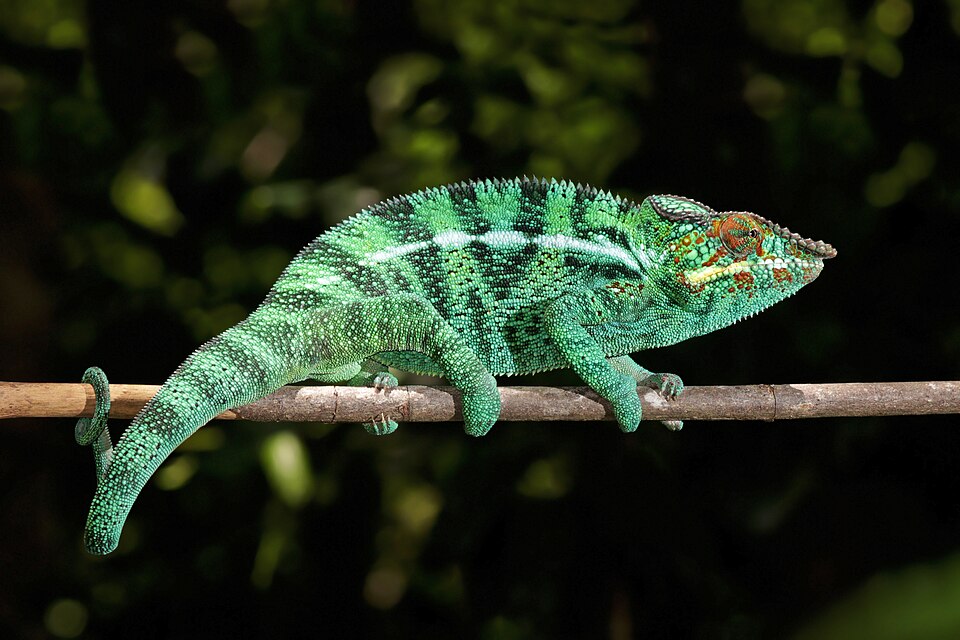
Panther Chameleon
Color is not an indicator of difficulty; ventilation, water availability, temperature gradients, and exotic animal veterinary care determine stability.
- Adult size
- 13.78–21.65 in
- Reference Lifespan
- 5–8 yr
- Environment reference
- 68–86 °F
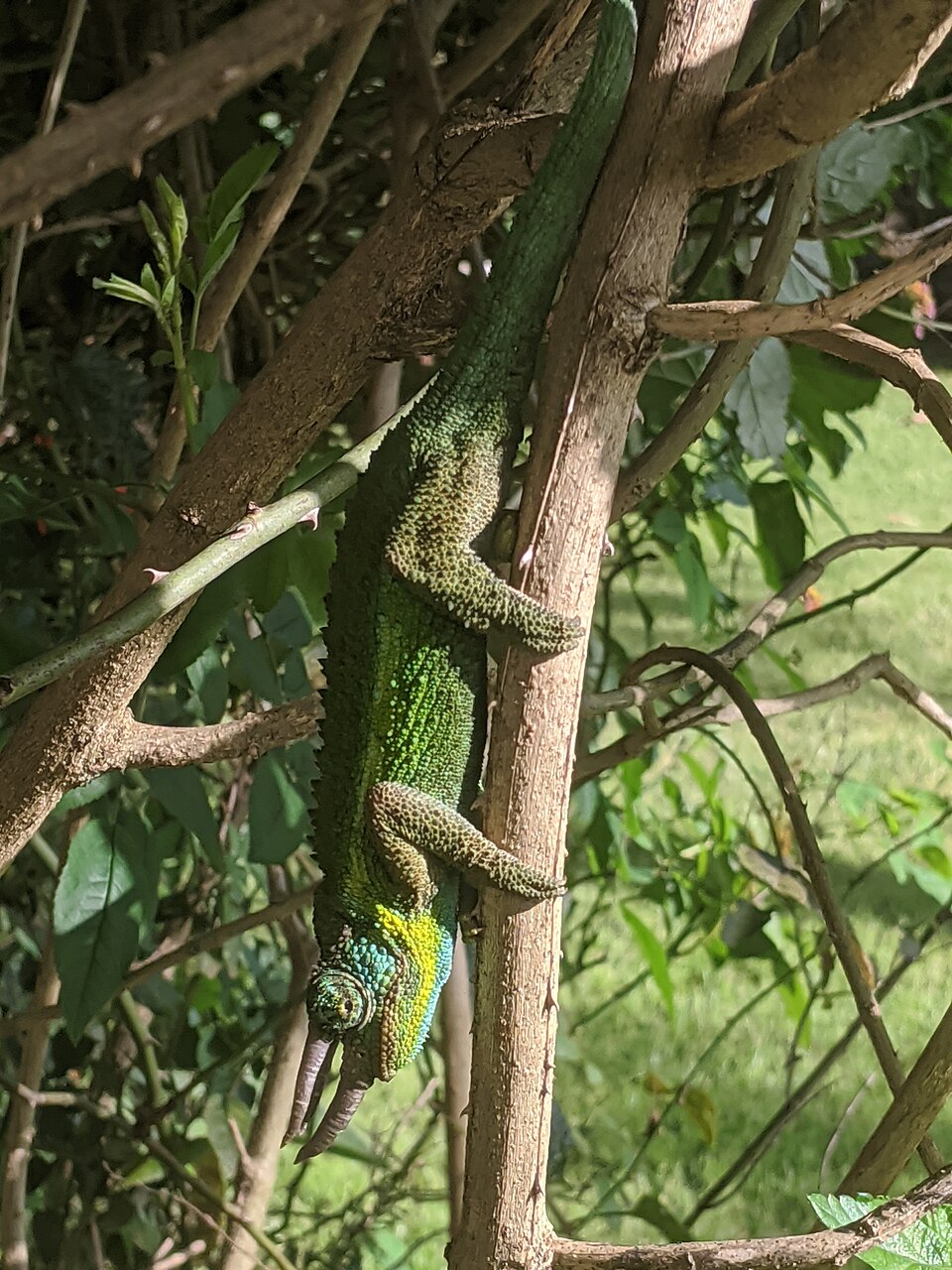
Jackson Chameleon
Requires a tall enclosure that is cool, humid, and well-ventilated; summer cooling and night-day temperature differentials cannot be omitted.
- Adult size
- 7.87–13.78 in
- Reference Lifespan
- 5–10 yr
- Environment reference
- 64.4–80.6 °F
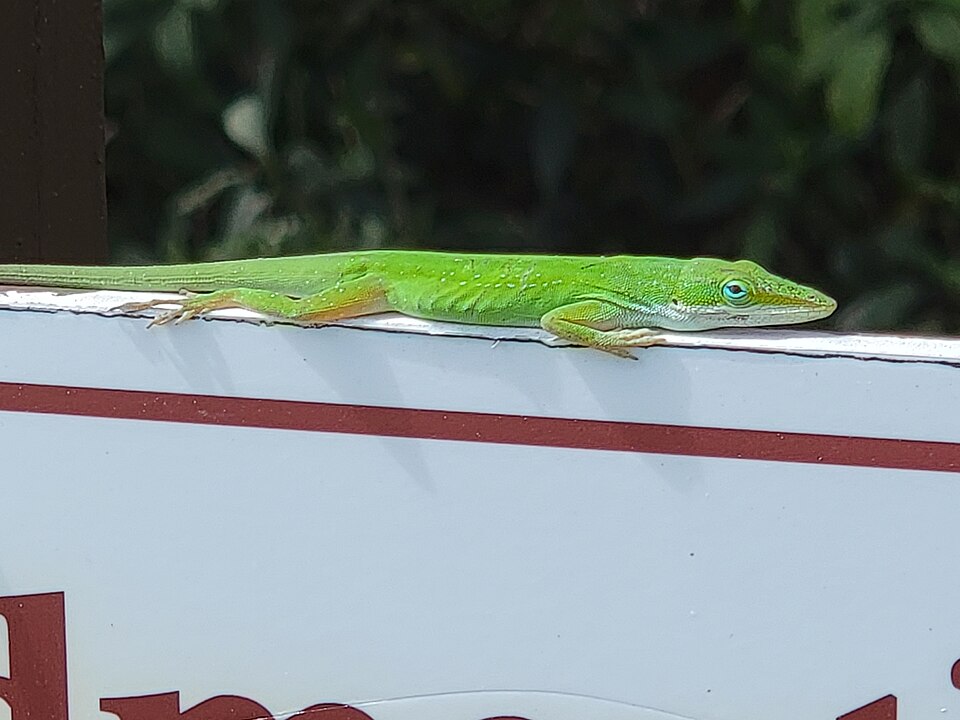
Green Anole
Small body size but relies on vertical space, UVB, and live prey; when group-housed, monitor for territorial stress.
- Adult size
- 4.72–7.87 in
- Reference Lifespan
- 4–8 yr
- Environment reference
- 71.6–86 °F
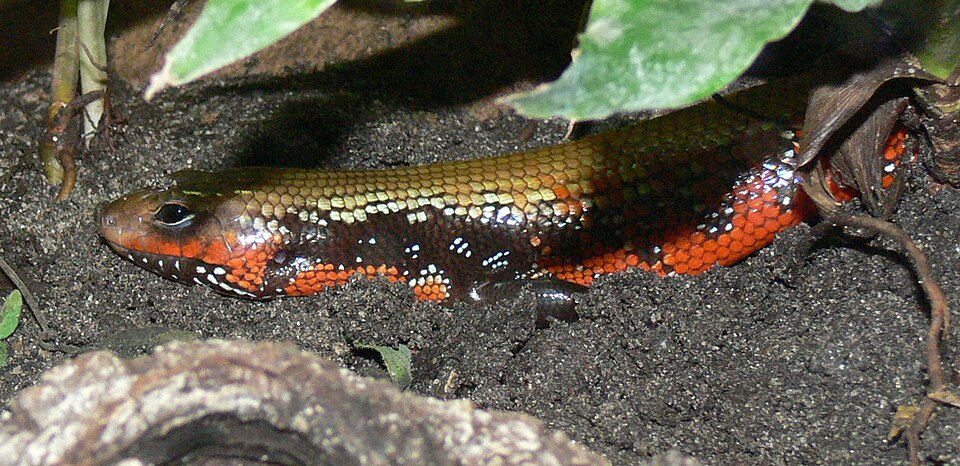
Fire Skink
Prefers deep substrate and hiding spots; humidity must be stable but the tank bottom should not remain waterlogged.
- Adult size
- 9.84–13.78 in
- Reference Lifespan
- 10–15 yr
- Environment reference
- 75.2–86 °F
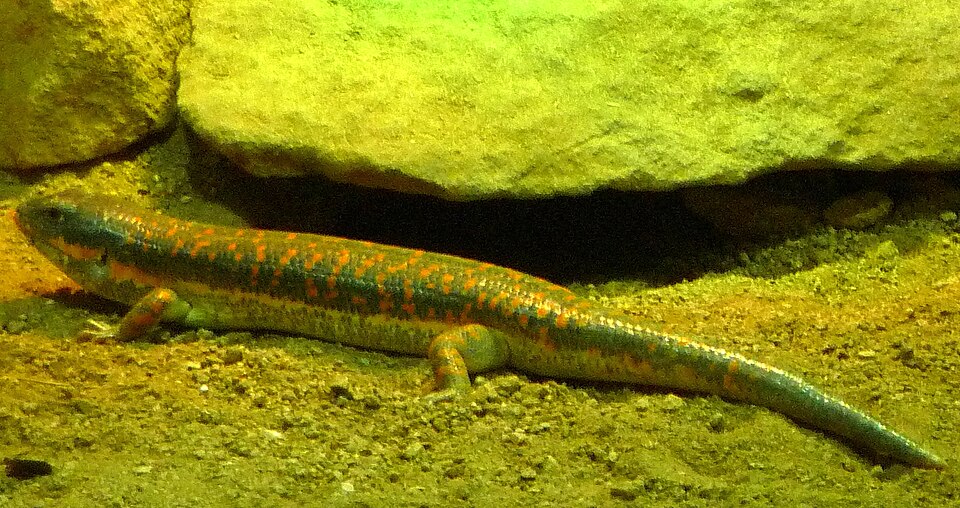
Schneiders Skink
Diurnal, voracious, and requires strong basking spots; adult enclosure size and diet control are more critical than in the juvenile stage.
- Adult size
- 13.78–19.69 in
- Reference Lifespan
- 15–25 yr
- Environment reference
- 77–95 °F
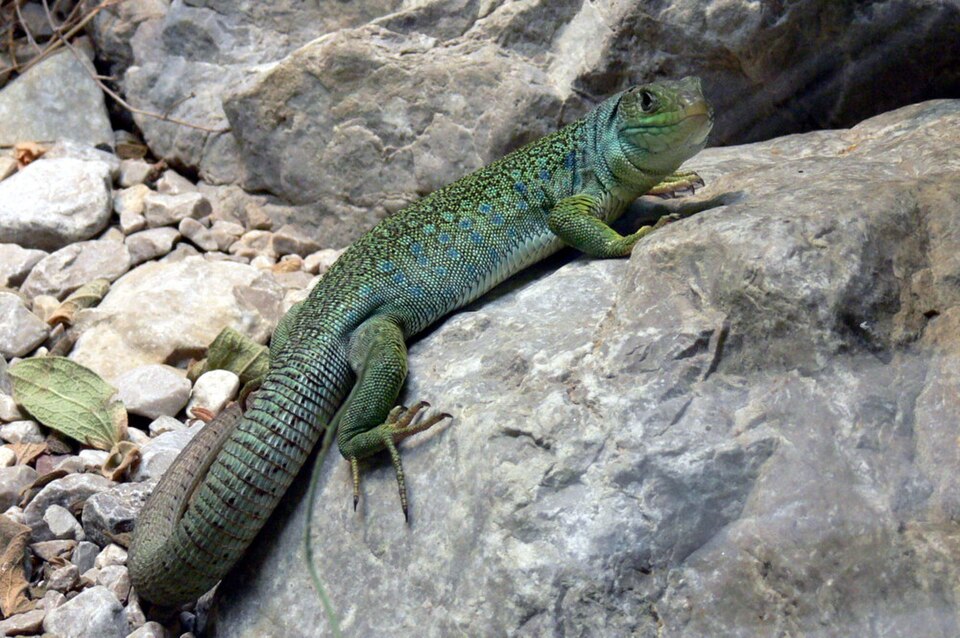
Jeweled Lacerta
Activity levels and territoriality are more prominent than appearance; requires long enclosures, strong UVB, and retreat areas.
- Adult size
- 17.72–25.59 in
- Reference Lifespan
- 15–20 yr
- Environment reference
- 75.2–93.2 °F
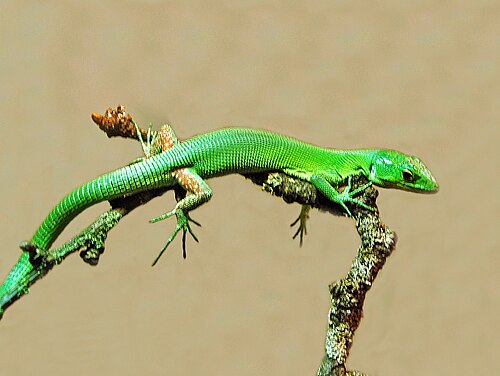
Green Keel Bellied Lizard
Arborial climbing space, branch stability, and ventilation must be designed together; low enclosures are unsuitable.
- Adult size
- 9.84–13.78 in
- Reference Lifespan
- 8–12 yr
- Environment reference
- 71.6–82.4 °F
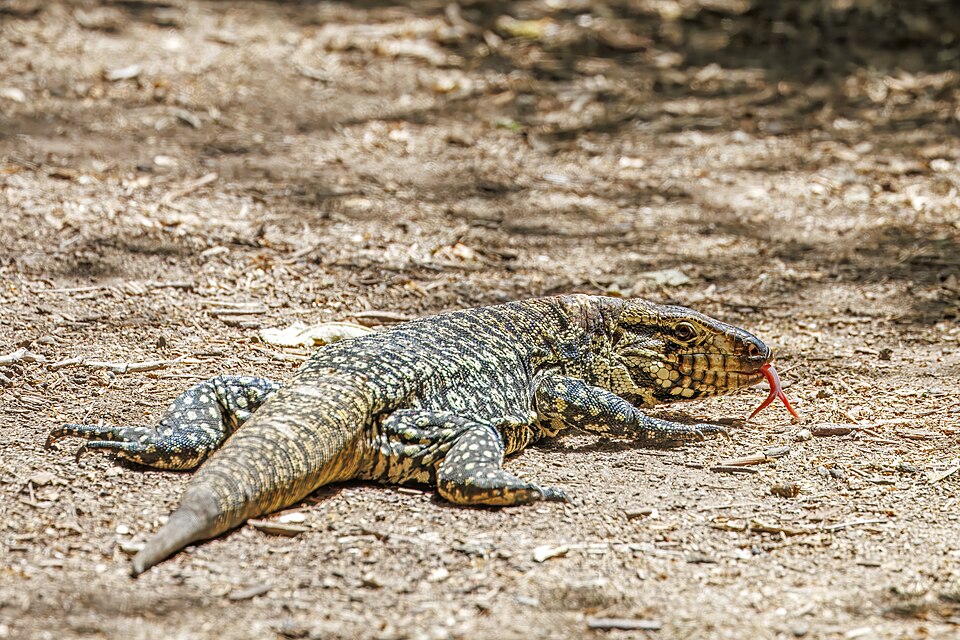
Argentine Tegu
High intelligence, large size, and high activity levels require room-sized enclosures; domestication cannot replace safety management.
- Adult size
- 35.43–55.12 in
- Reference Lifespan
- 15–20 yr
- Environment reference
- 78.8–95 °F
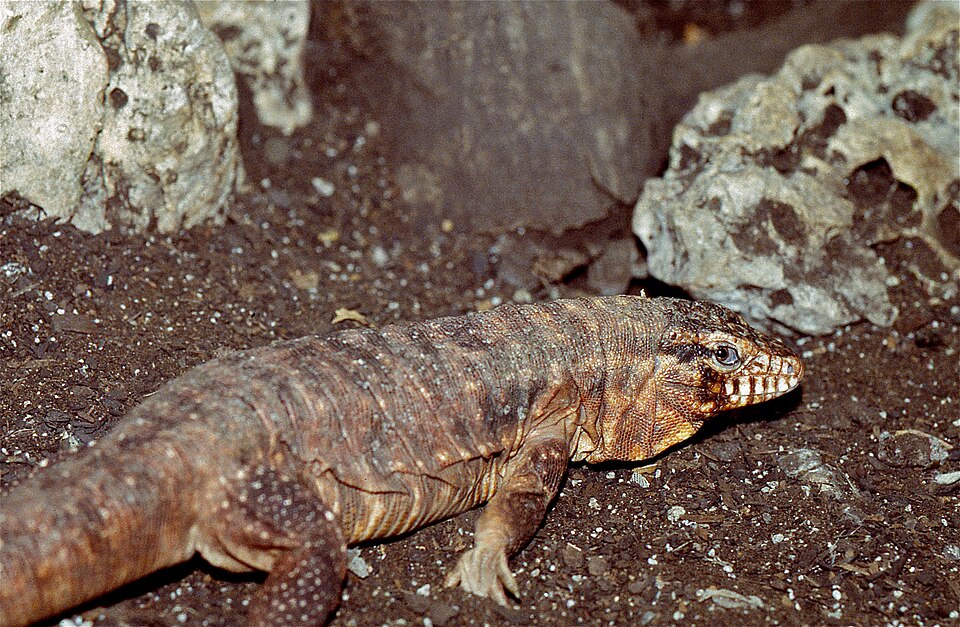
Red Tegu
Adult space, protein control, and bite-proofing measures are all critical; costs cannot be estimated based on small lizard budgets.
- Adult size
- 31.5–47.24 in
- Reference Lifespan
- 15–20 yr
- Environment reference
- 77–93.2 °F
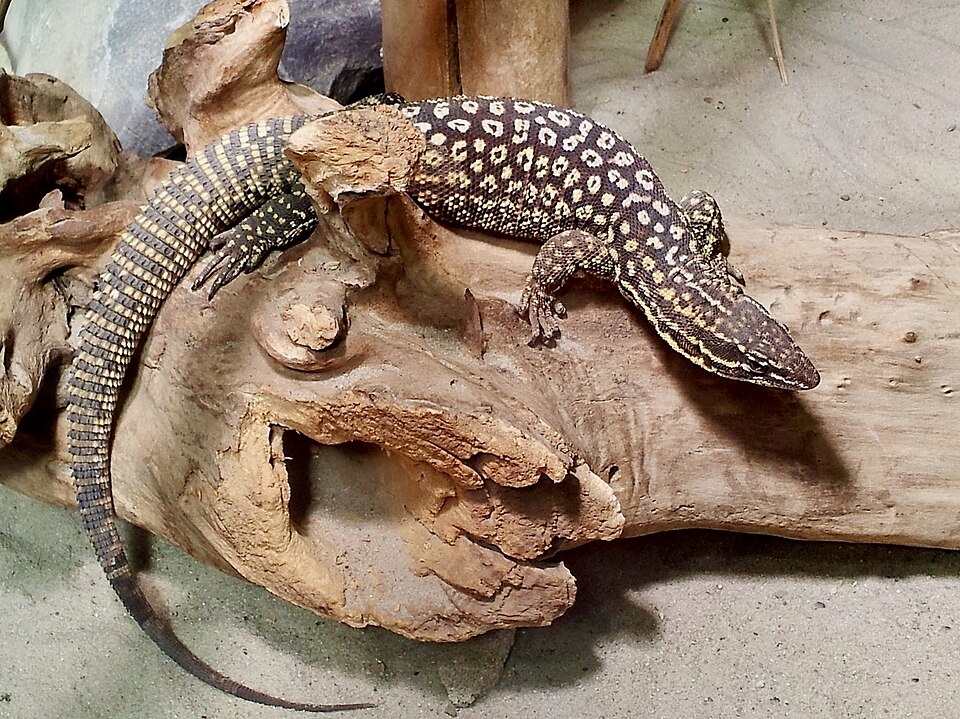
Ackie Monitor
Requires deep substrate, strong basking spots, and ample exploration space; live food costs and tail protection cannot be overlooked.
- Adult size
- 17.72–27.56 in
- Reference Lifespan
- 12–20 yr
- Environment reference
- 82.4–100.4 °F
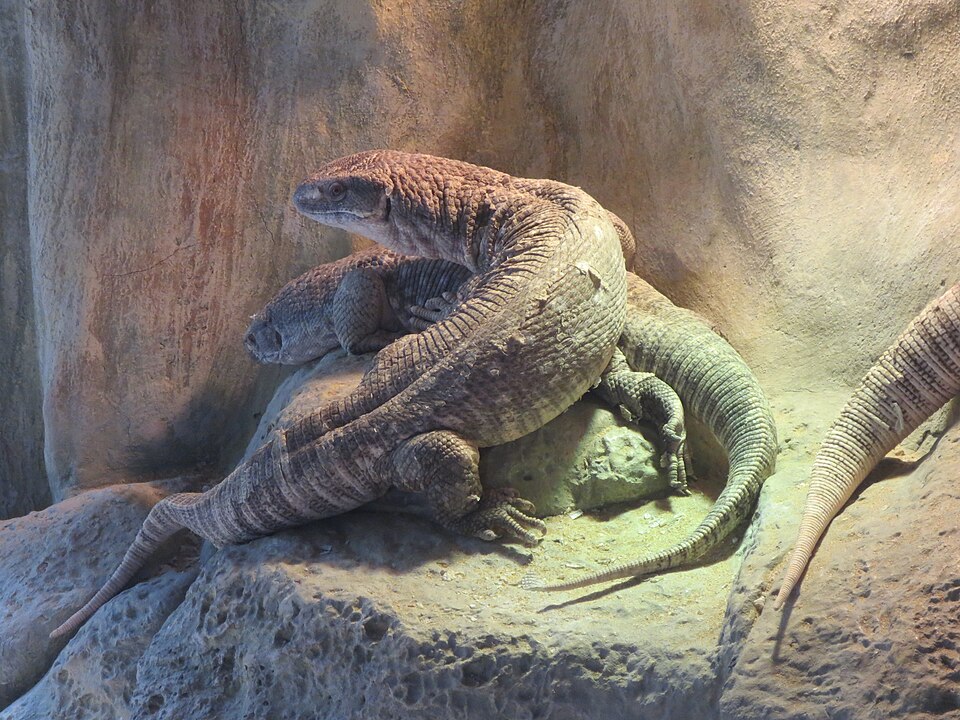
Savannah Monitor
The juvenile market often leads to underestimating adult space and obesity risks; deep substrate, exercise, and feeding control must all be in place.
- Adult size
- 31.5–47.24 in
- Reference Lifespan
- 10–15 yr
- Environment reference
- 82.4–100.4 °F
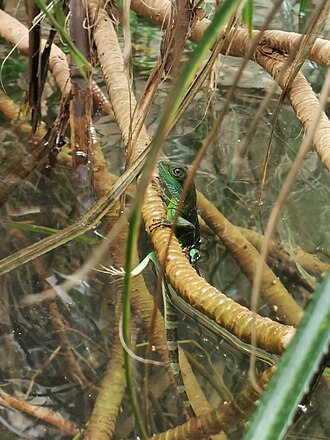
Chinese Water Dragon
High enclosures, moving water, ventilation, and humidity control constrain each other; standard glass tanks will quickly become insufficient.
- Adult size
- 23.62–35.43 in
- Reference Lifespan
- 10–15 yr
- Environment reference
- 75.2–89.6 °F
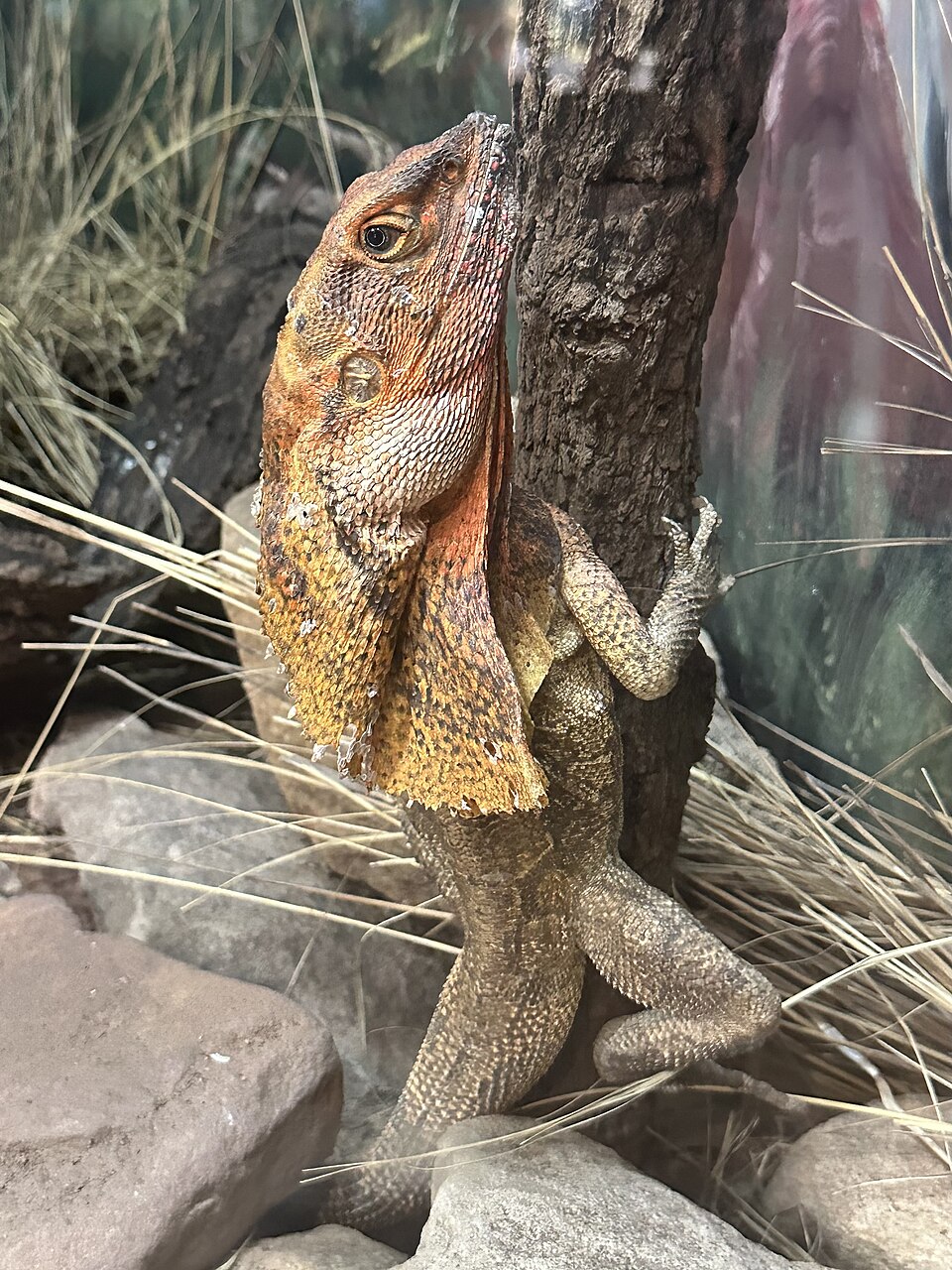
Frilled Lizard
Tree-dwelling height, running distance, and strong UVB must be provided; escape responses when startled are very fast.
- Adult size
- 23.62–35.43 in
- Reference Lifespan
- 10–15 yr
- Environment reference
- 77–95 °F
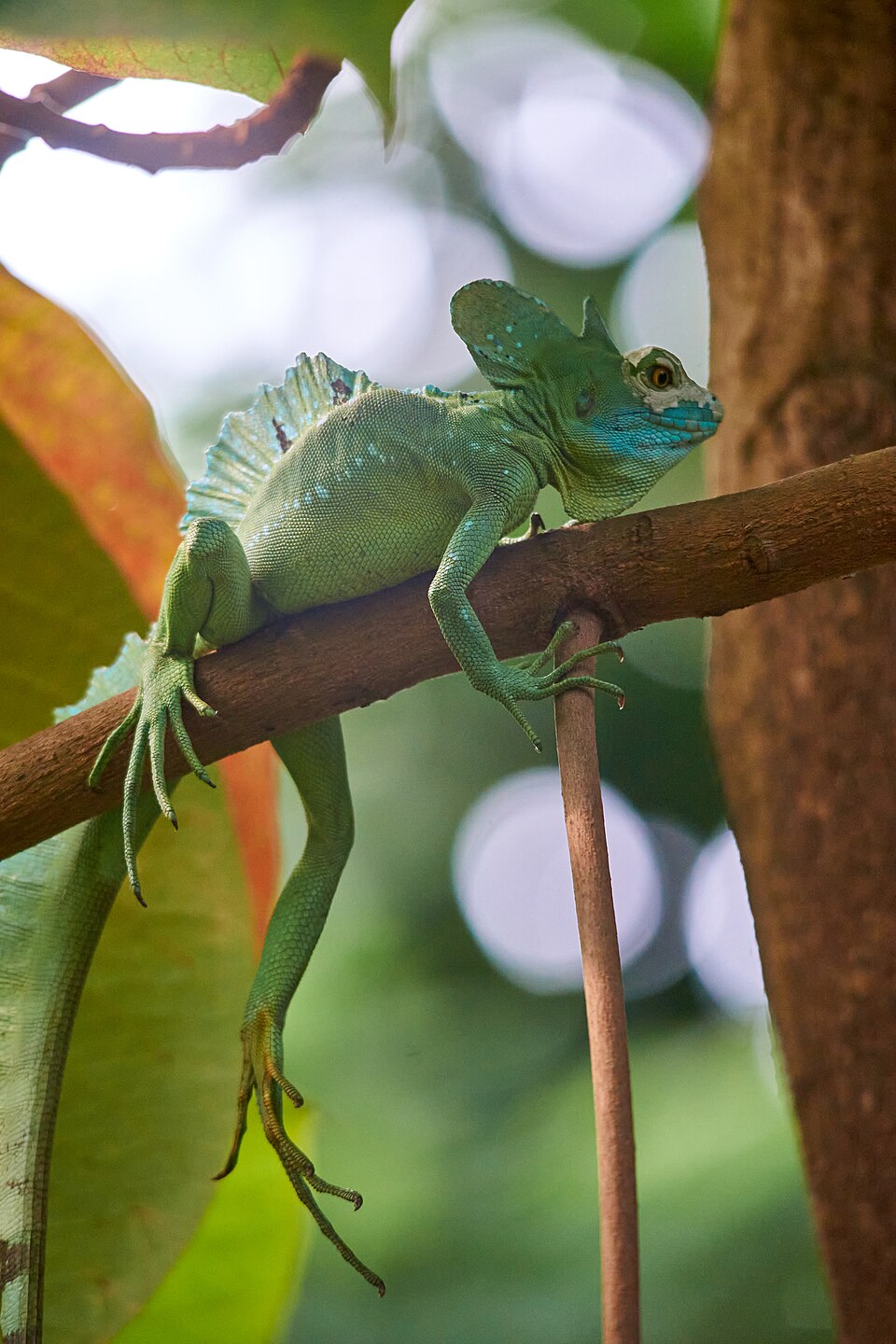
Green Basilisk
High humidity, moving water, and vertical climbing space are all essential; adults will quickly overwhelm standard home setups.
- Adult size
- 23.62–35.43 in
- Reference Lifespan
- 8–12 yr
- Environment reference
- 77–89.6 °F
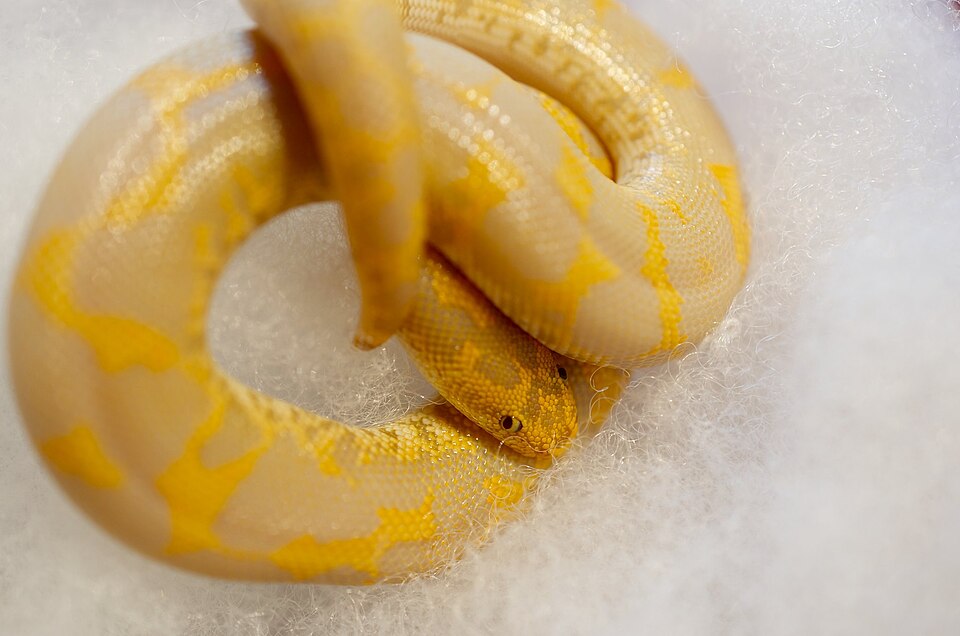
Kenyan Sand Boa
Most of the time buried in substrate; depth, escape-proofing, and frozen rodent storage are more practical preparations before purchase.
- Adult size
- 17.72–29.53 in
- Reference Lifespan
- 15–25 yr
- Environment reference
- 75.2–89.6 °F
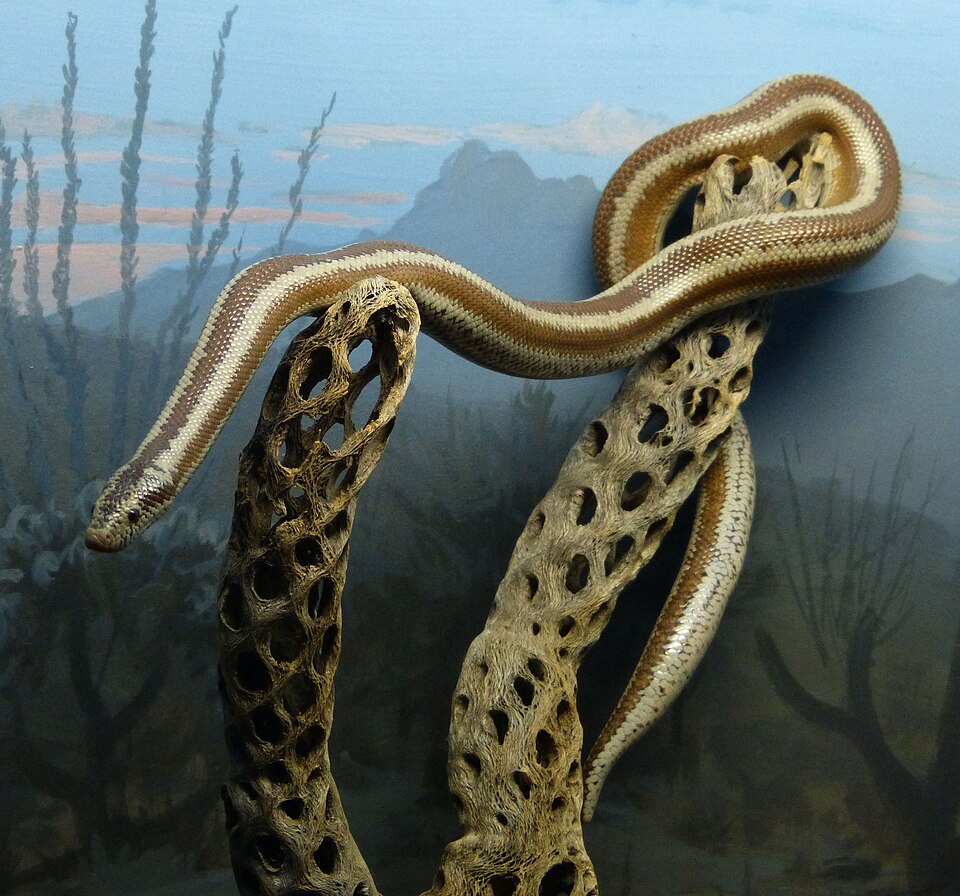
Rosy Boa
Generally docile temperament, but long lifespan, frozen rodent feeding, and escape-proofing still require planning for adult size.
- Adult size
- 23.62–39.37 in
- Reference Lifespan
- 20–30 yr
- Environment reference
- 71.6–86 °F
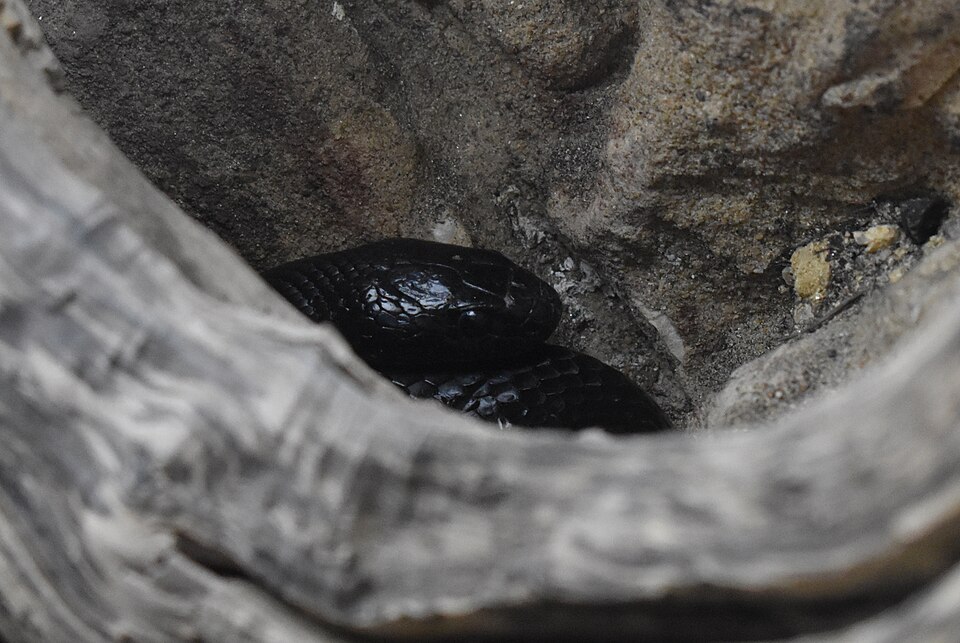
California Kingsnake
Activity levels and escape-proofing requirements exceed juvenile appearance; frozen rodent feeding, secure latches, and adult enclosures must be prepared in advance.
- Adult size
- 35.43–51.18 in
- Reference Lifespan
- 15–20 yr
- Environment reference
- 71.6–86 °F
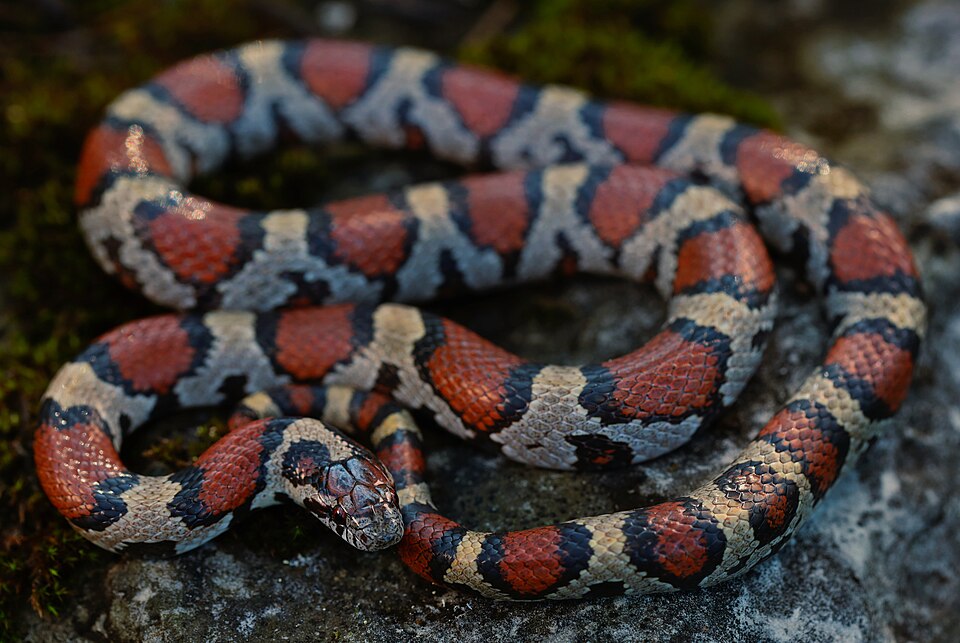
Milk Snake
Patterns can make its climbing and escape ability overlooked; space, secure latches, and frozen rodent feeding routines must be stable.
- Adult size
- 35.43–59.06 in
- Reference Lifespan
- 15–20 yr
- Environment reference
- 71.6–86 °F
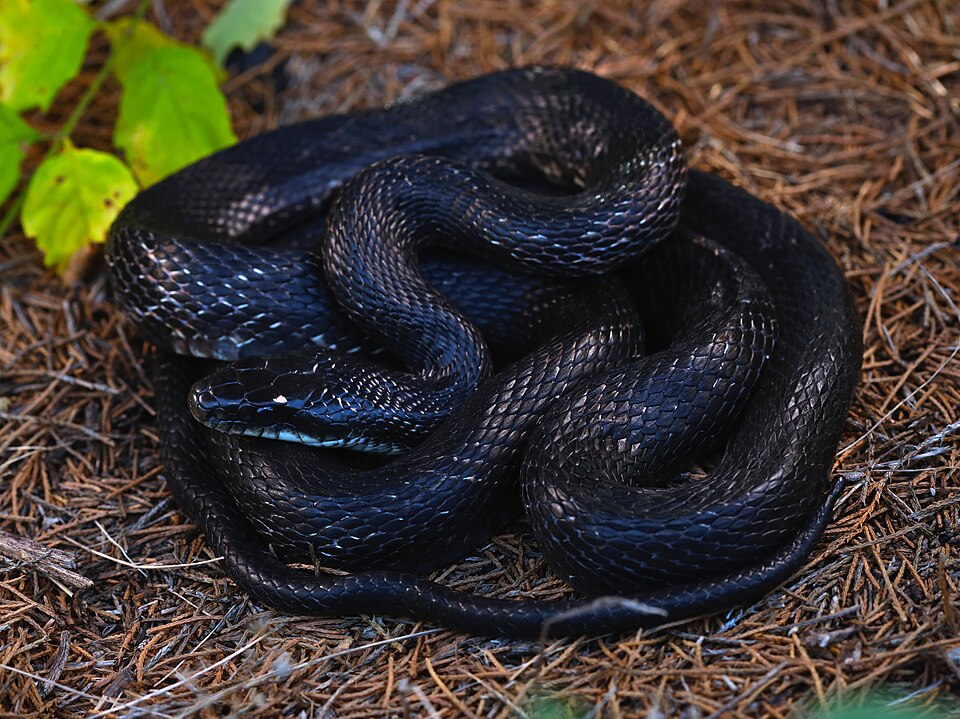
Western Rat Snake
Excellent climber and grows very long; enclosure latches, ventilation, and frozen rodent storage must be managed as for large snakes.
- Adult size
- 47.24–70.87 in
- Reference Lifespan
- 15–25 yr
- Environment reference
- 71.6–86 °F
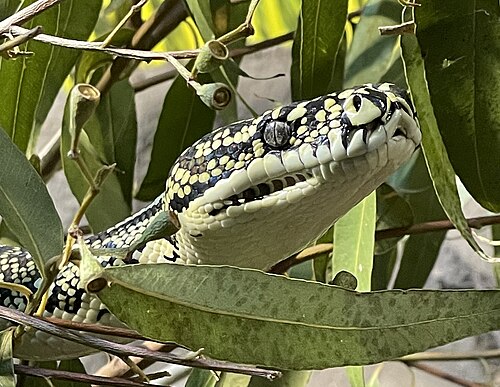
Carpet Python
Climbing space and adult length are both large; learn safe handling before interaction and prepare ample frozen mice.
- Adult size
- 59.06–98.43 in
- Reference Lifespan
- 15–25 yr
- Environment reference
- 75.2–89.6 °F
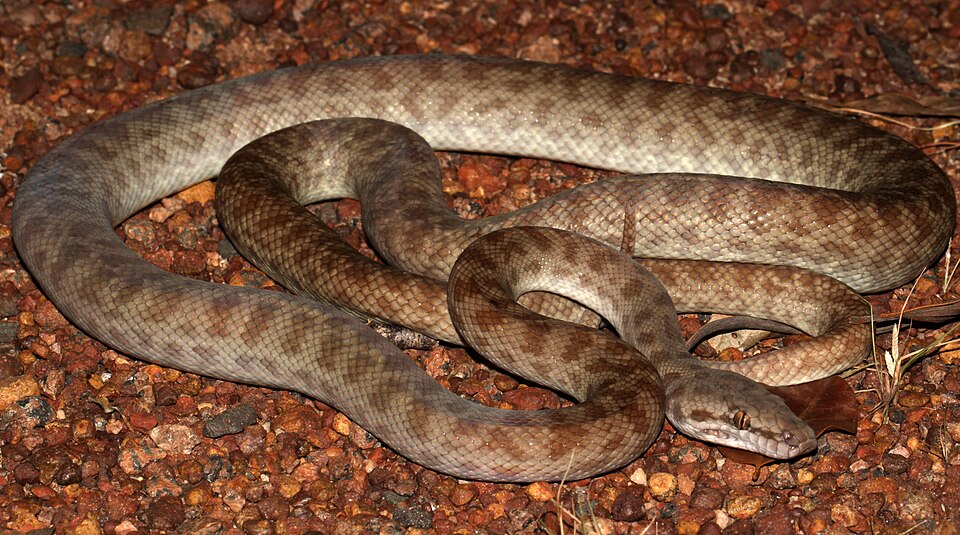
Childrens Python
Relatively compact body size but still requires locking and frozen mouse feeding; nocturnal activity affects bedroom placement.
- Adult size
- 35.43–47.24 in
- Reference Lifespan
- 15–25 yr
- Environment reference
- 75.2–87.8 °F
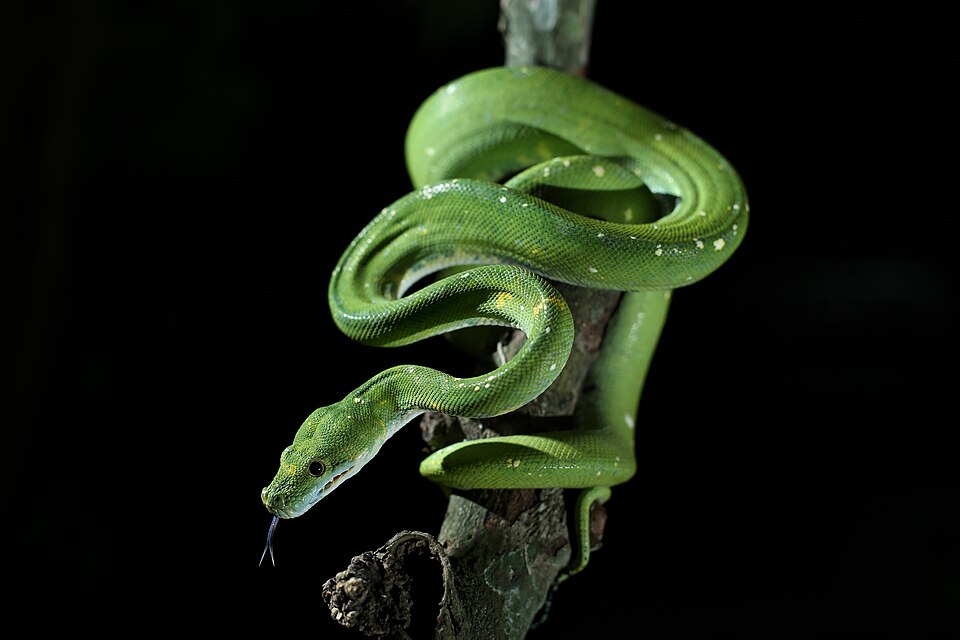
Green Tree Python
High-level coiling, ventilation, and humidity must be precisely controlled; not suitable as a typical terrestrial snake.
- Adult size
- 47.24–70.87 in
- Reference Lifespan
- 15–20 yr
- Environment reference
- 75.2–86 °F
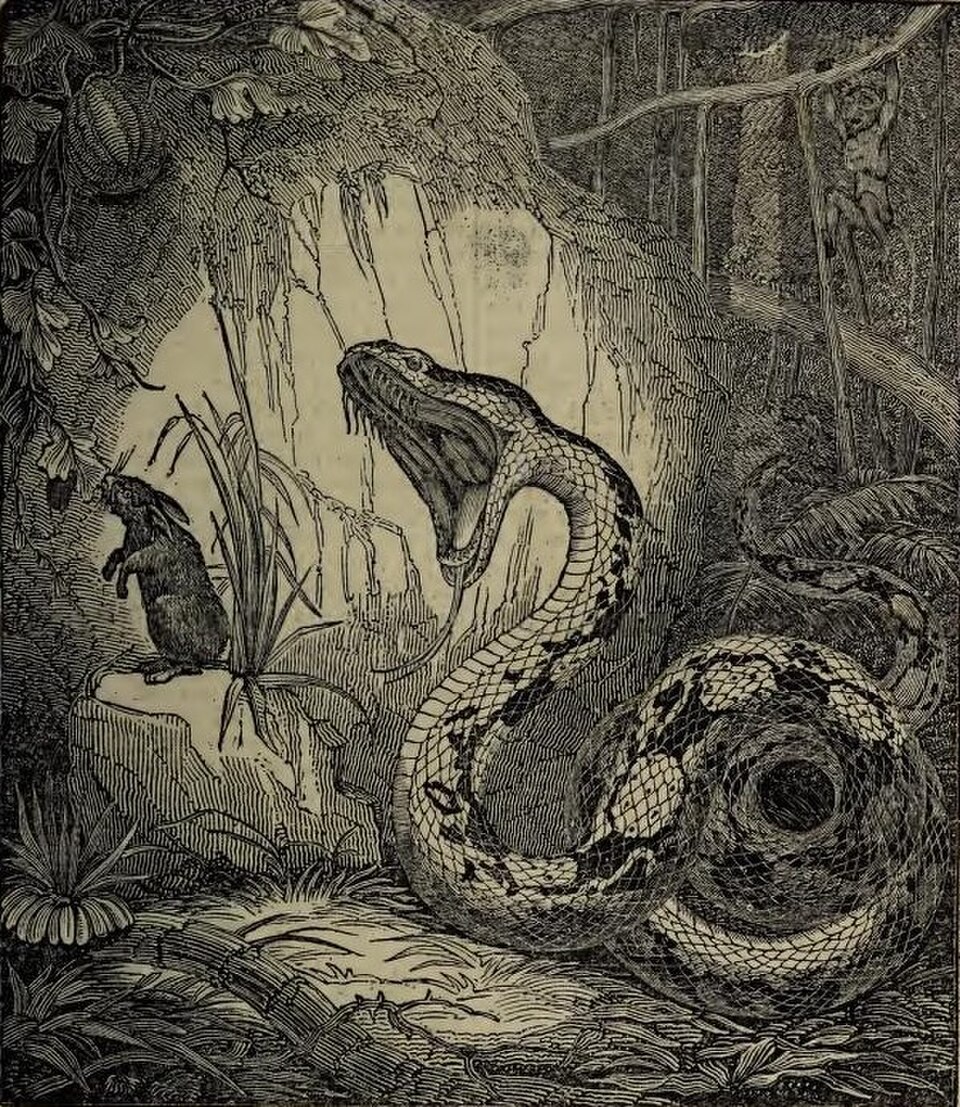
Red Tail Boa
Adult length, strength, and long-term feeding costs are all high; single-person handling and household safety must be assessed first.
- Adult size
- 70.87–118.11 in
- Reference Lifespan
- 20–30 yr
- Environment reference
- 77–87.8 °F
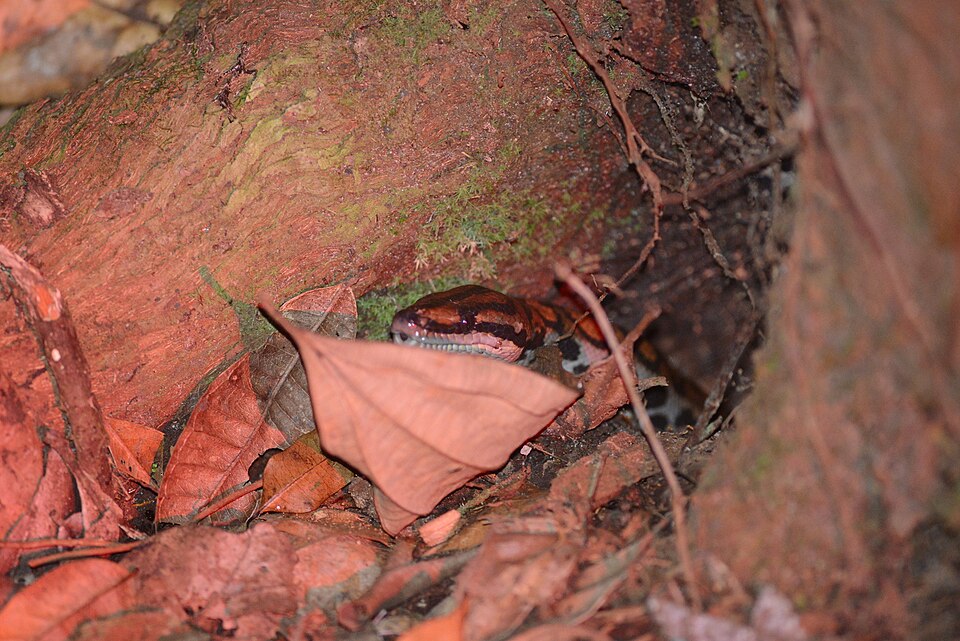
Brazilian Rainbow Boa
High-humidity environments require strong ventilation and mold prevention; adult enclosures and frozen mouse storage must allow extra space.
- Adult size
- 47.24–70.87 in
- Reference Lifespan
- 15–25 yr
- Environment reference
- 75.2–86 °F
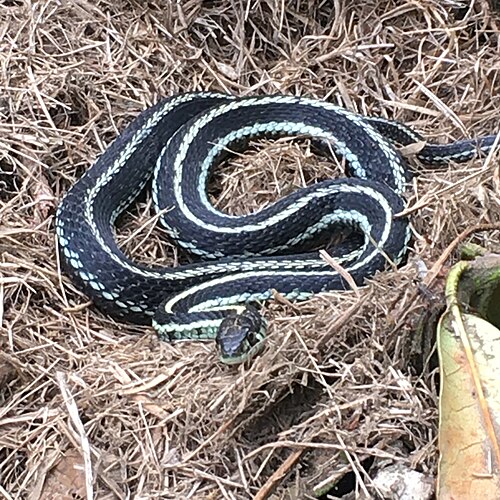
Common Garter Snake
Requires varied food and stable water; confirm individual compatibility, space, and feeding management before group housing.
- Adult size
- 17.72–35.43 in
- Reference Lifespan
- 6–10 yr
- Environment reference
- 68–82.4 °F
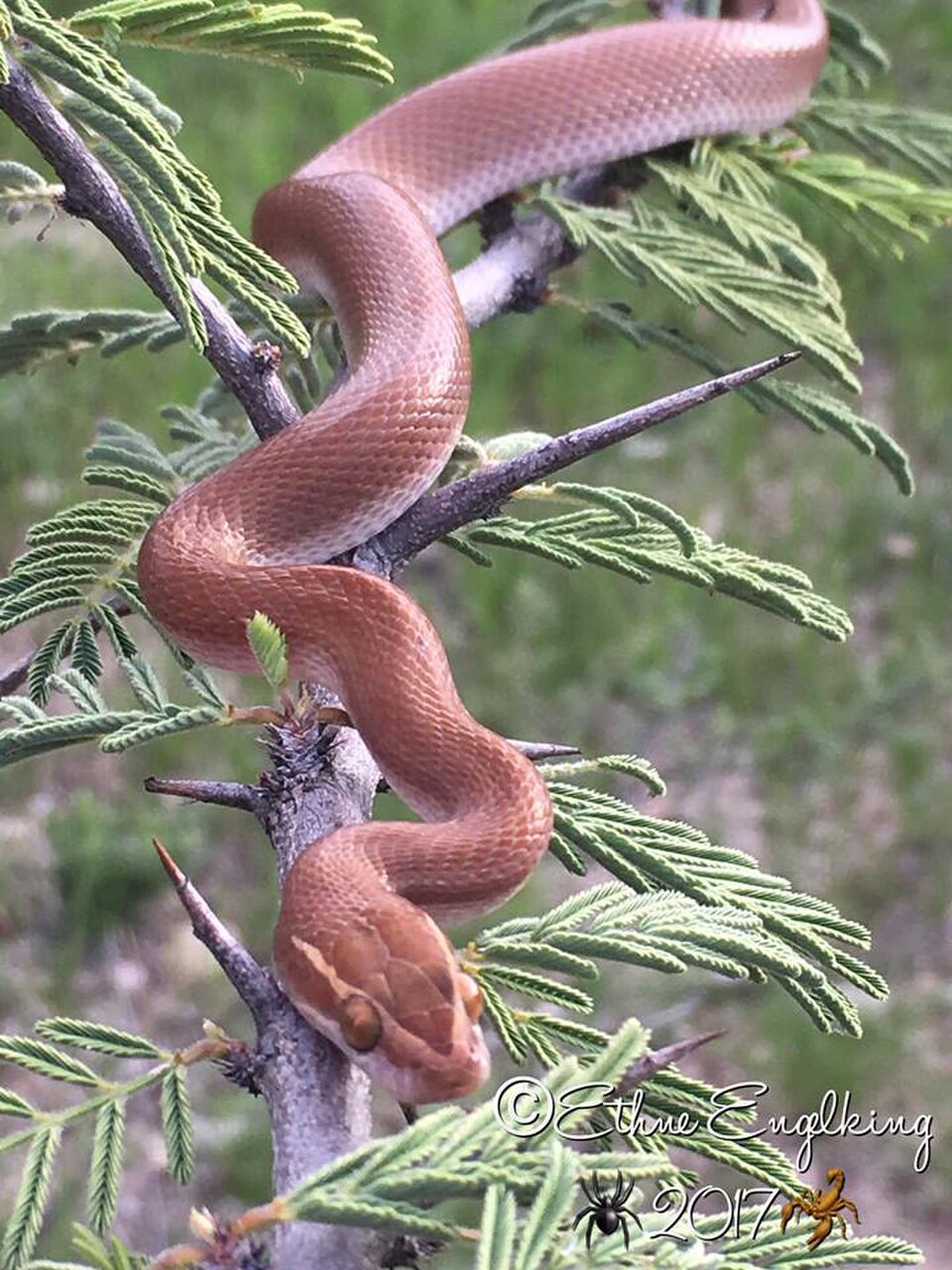
African House Snake
Compact body but prone to escape; maintain consistent locking, hiding, and frozen rodent feeding records.
- Adult size
- 23.62–39.37 in
- Reference Lifespan
- 8–15 yr
- Environment reference
- 71.6–86 °F
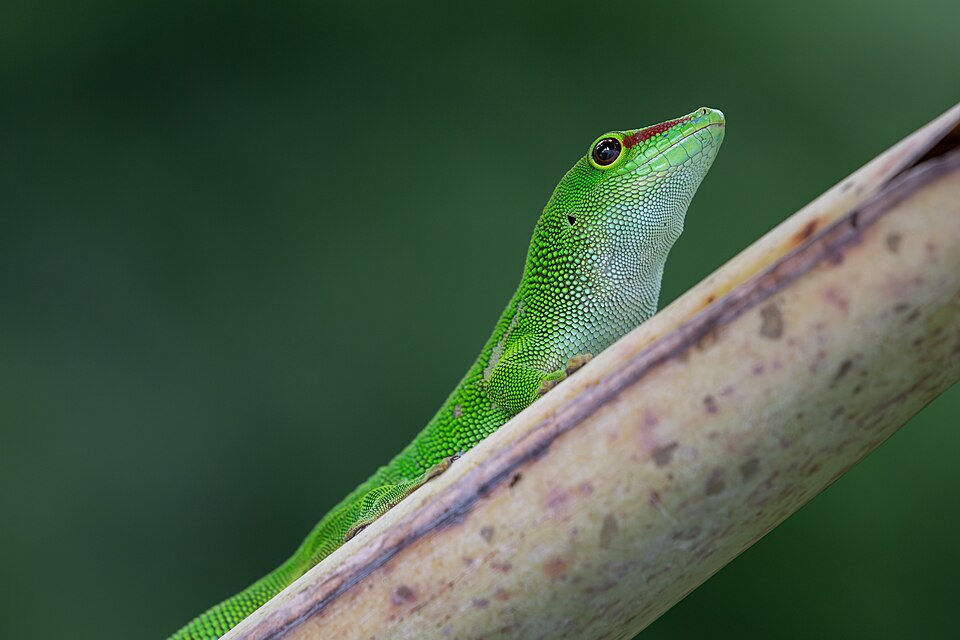
Giant Day Gecko
Diurnal, agile, and with fragile skin; vertical space, hydration, and avoiding forceful handling are priorities.
- Adult size
- 8.66–11.81 in
- Reference Lifespan
- 10–15 yr
- Environment reference
- 75.2–86 °F
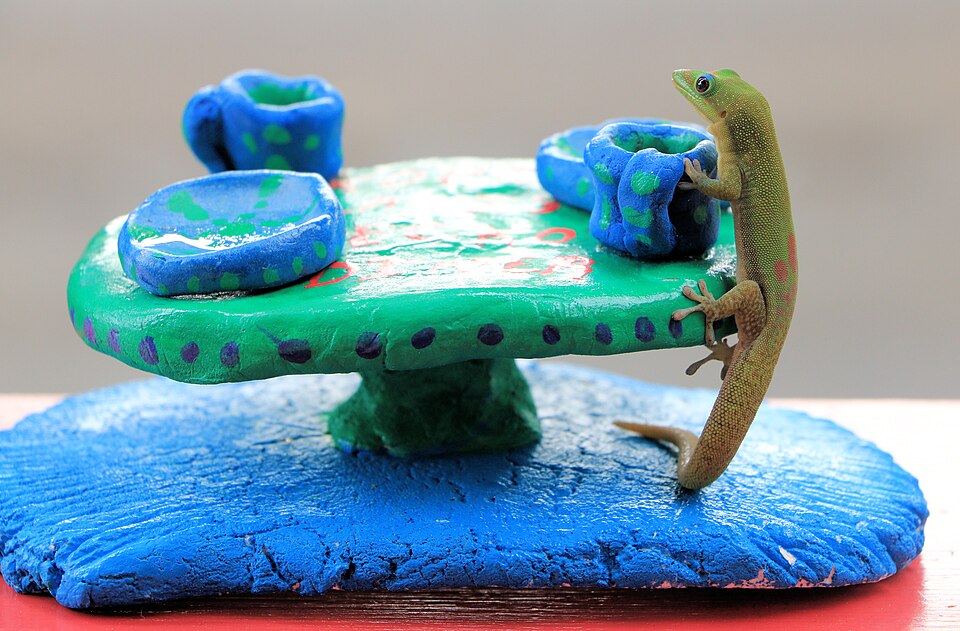
Gold Dust Day Gecko
Small body but fast-moving; UVB, ventilation, and escape-proofing details determine long-term observability.
- Adult size
- 4.72–7.09 in
- Reference Lifespan
- 8–12 yr
- Environment reference
- 73.4–84.2 °F
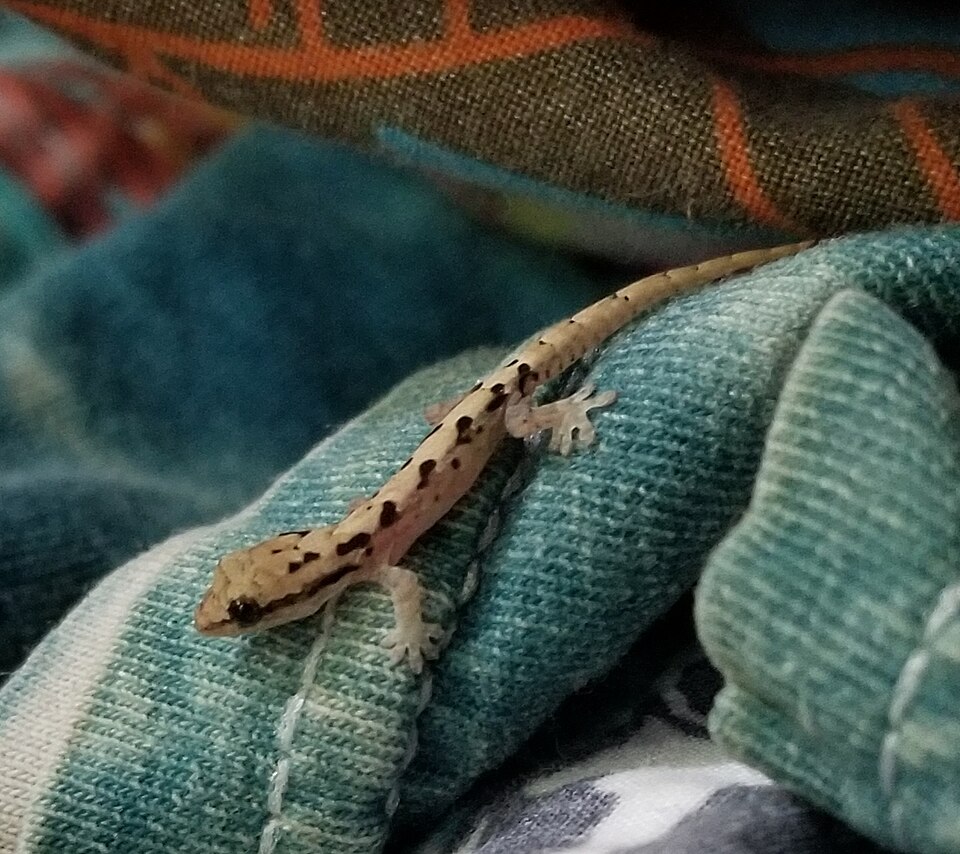
Mourning Gecko
Extremely small body and capable of escaping through gaps; group breeding and ventilation hole protection must be designed in advance.
- Adult size
- 3.15–3.94 in
- Reference Lifespan
- 5–10 yr
- Environment reference
- 71.6–82.4 °F

Chinese Cave Gecko
Cool, high-humidity, and low-light environments require continuous stability; summer cooling and source verification cannot be omitted.
- Adult size
- 7.09–9.84 in
- Reference Lifespan
- 8–15 yr
- Environment reference
- 64.4–77 °F
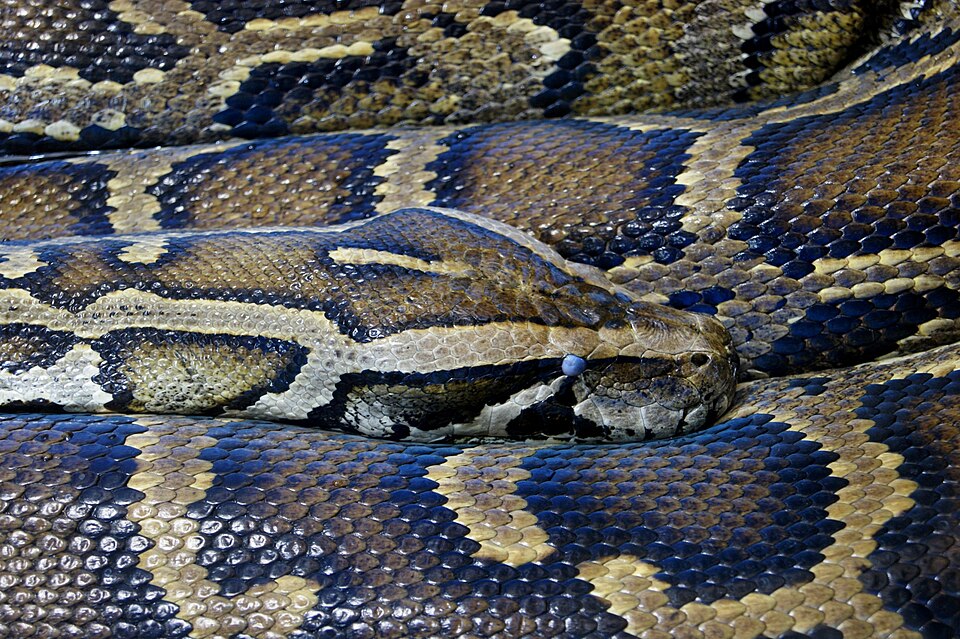
Burmese Python
Juveniles may appear small, but adult length, weight, frozen rodent storage, and escape-proofing requirements escalate rapidly.
- Adult size
- 98.43–177.17 in
- Reference Lifespan
- 15–25 yr
- Environment reference
- 75.2–89.6 °F
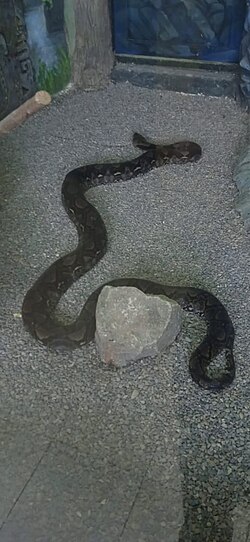
Reticulated Python
This is a large python project, not suitable for planning as a standard pet snake; adult space and handler requirements must be determined in advance.
- Adult size
- 118.11–236.22 in
- Reference Lifespan
- 15–25 yr
- Environment reference
- 78.8–89.6 °F
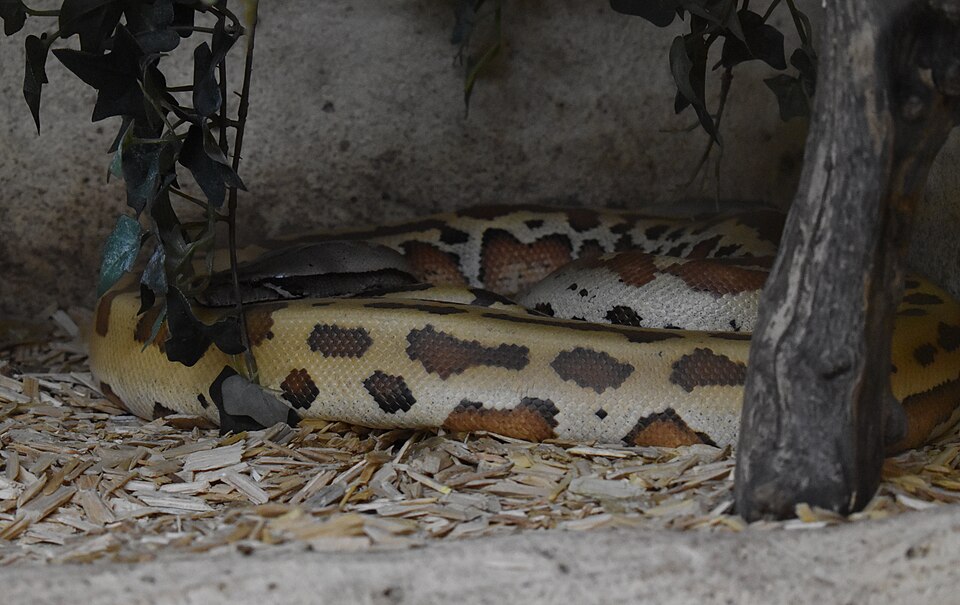
Blood Python
Sturdy body; stress and respiratory issues require a stable environment; body length alone is insufficient when handling.
- Adult size
- 59.06–86.61 in
- Reference Lifespan
- 15–25 yr
- Environment reference
- 77–87.8 °F
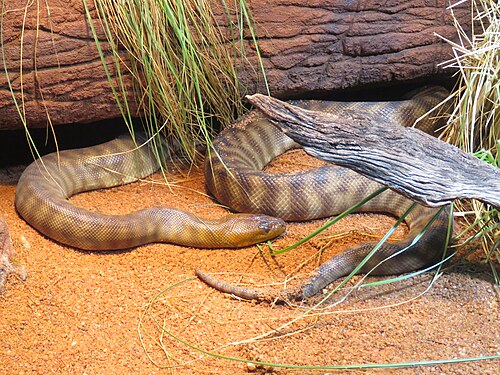
Woma Python
Drought tolerance does not mean ignoring temperature gradients; adult length and continuous movement requirements must be planned for large enclosures.
- Adult size
- 47.24–70.87 in
- Reference Lifespan
- 15–20 yr
- Environment reference
- 75.2–89.6 °F
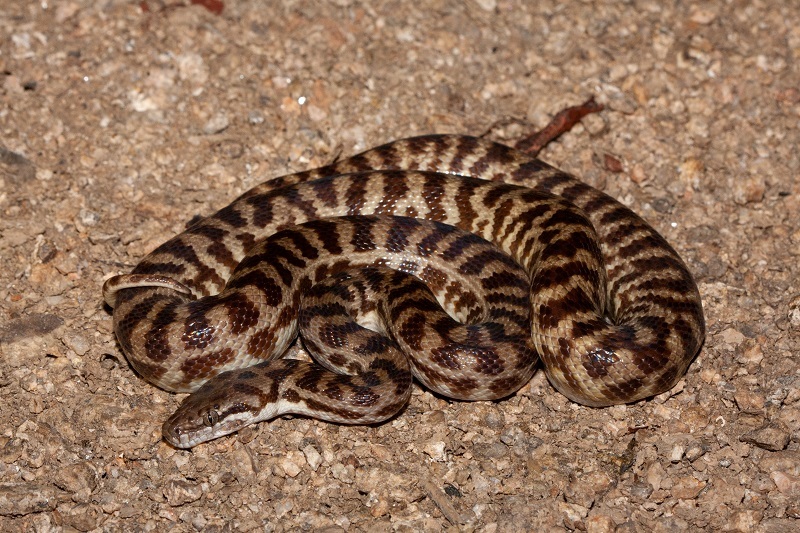
Spotted Python
Relatively compact body size, but still requires a stable thermal gradient, escape-proofing, and enclosures sized for replacement as they reach adulthood.
- Adult size
- 31.5–47.24 in
- Reference Lifespan
- 15–20 yr
- Environment reference
- 75.2–87.8 °F
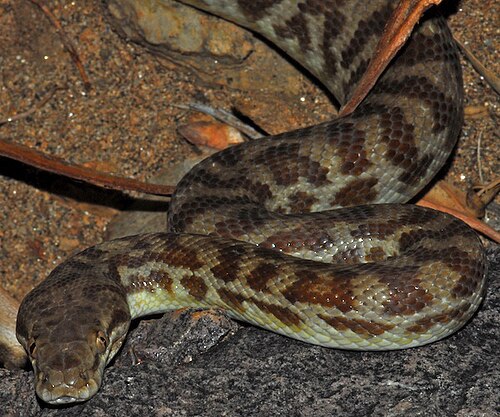
Stimson Python
Suitable for observation-based keepers, but nocturnal activity, live or frozen prey availability, and temperature differential control still require a fixed routine.
- Adult size
- 27.56–43.31 in
- Reference Lifespan
- 15–20 yr
- Environment reference
- 75.2–87.8 °F
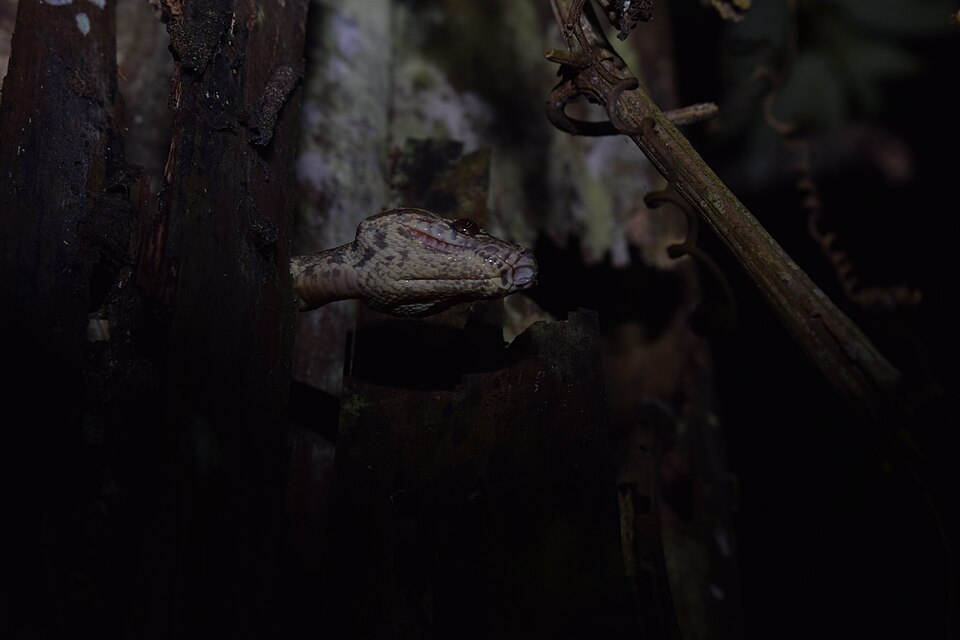
Amazon Tree Boa
Arboreal habits, nocturnal activity, and defensive responses are harder to manage than appearance; not suitable for frequent handling.
- Adult size
- 47.24–70.87 in
- Reference Lifespan
- 12–18 yr
- Environment reference
- 75.2–86 °F
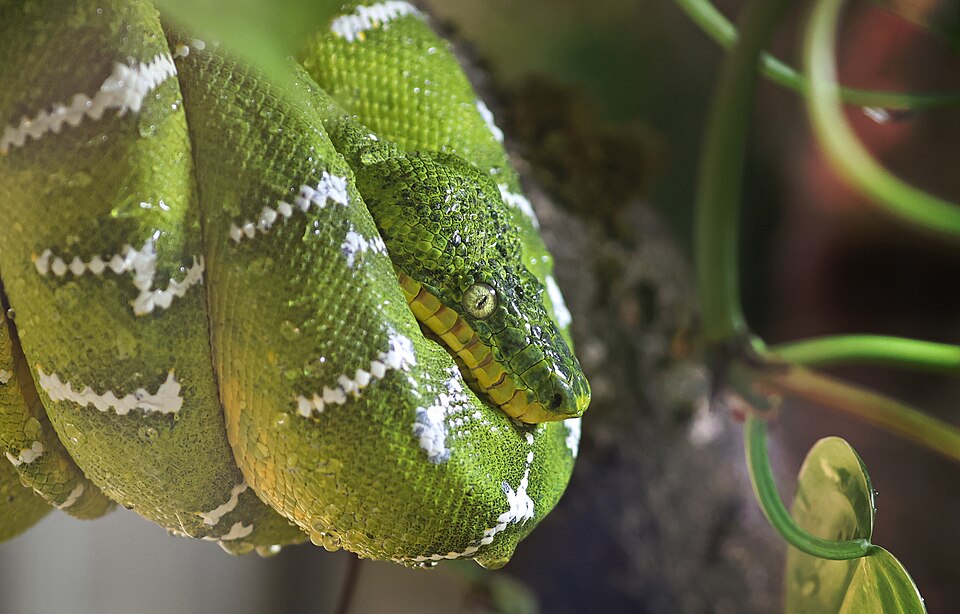
Emerald Tree Boa
Sensitive to temperature, ventilation, and perch stability; safe handling of adults requires experience.
- Adult size
- 59.06–86.61 in
- Reference Lifespan
- 15–20 yr
- Environment reference
- 77–86 °F
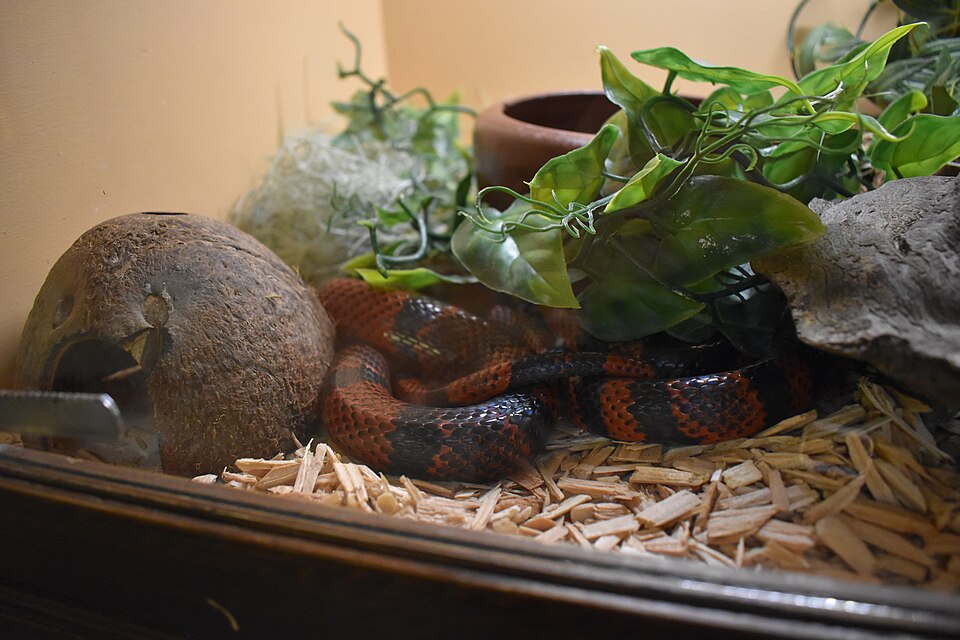
Honduran Milk Snake
Appetite is usually stable, but escape-proofing, feeding intervals, and isolation from other snakes remain foundational requirements.
- Adult size
- 39.37–55.12 in
- Reference Lifespan
- 15–20 yr
- Environment reference
- 73.4–86 °F
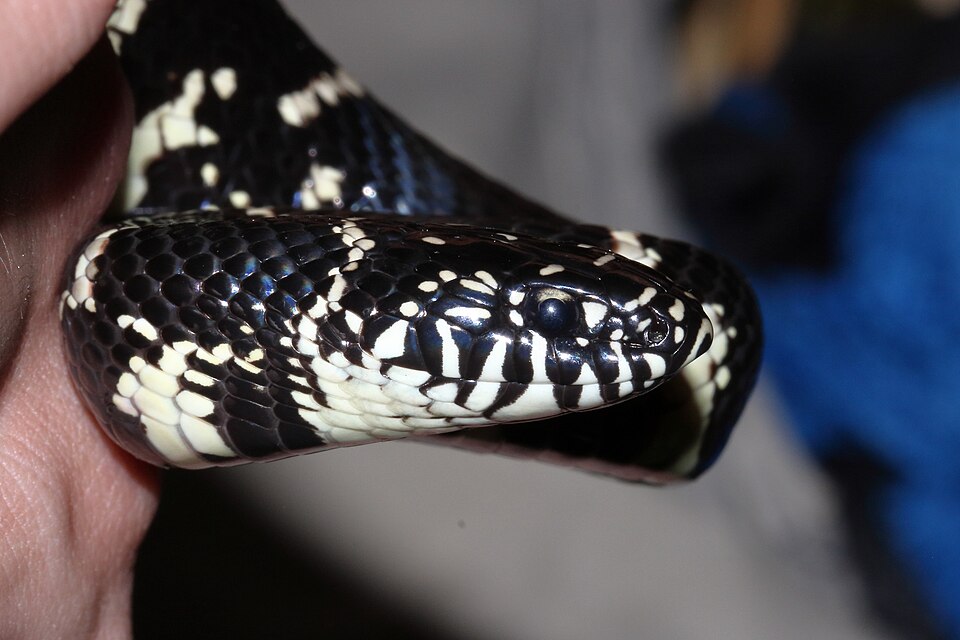
Eastern Kingsnake
High activity and strong foraging response; keep alone, secure enclosure to prevent escape, and include protocols to avoid cannibalism.
- Adult size
- 35.43–59.06 in
- Reference Lifespan
- 15–20 yr
- Environment reference
- 71.6–86 °F
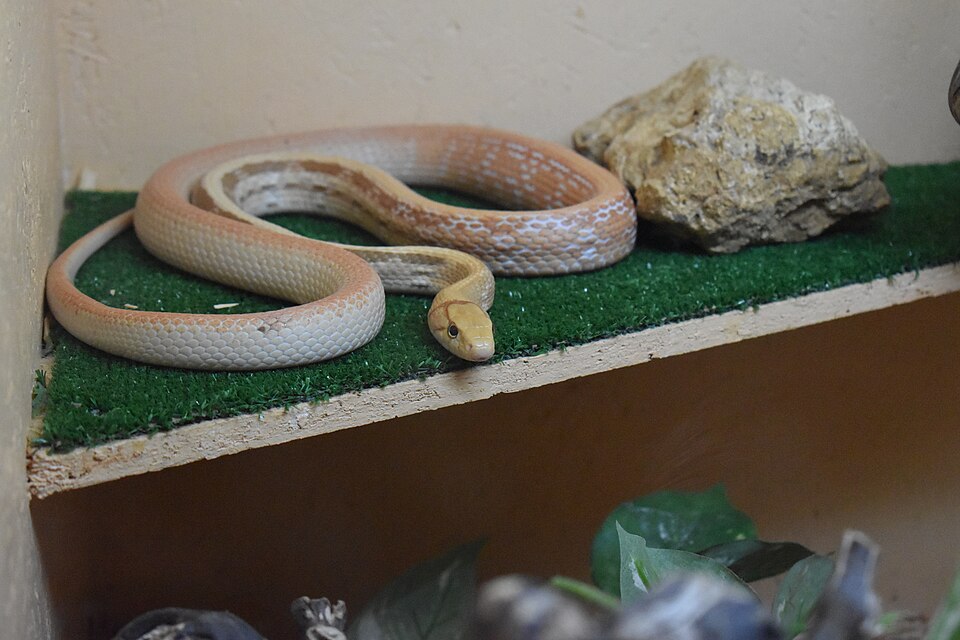
Trinket Snake
Fast speed and obvious defensive response; prepare enclosure height, escape-proofing, and experienced handling methods in advance.
- Adult size
- 47.24–70.87 in
- Reference Lifespan
- 12–18 yr
- Environment reference
- 75.2–86 °F
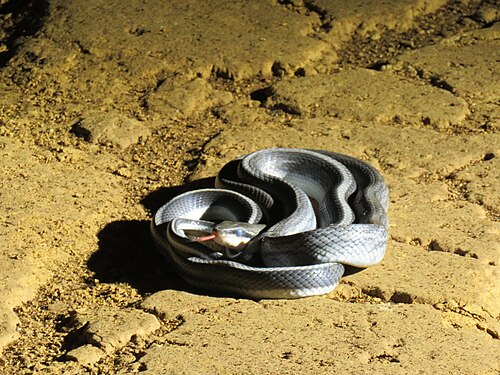
Beauty Rat Snake
Slender body, strong climbing and escape ability; verify source, scientific name, and regional regulations before purchase.
- Adult size
- 59.06–86.61 in
- Reference Lifespan
- 15–20 yr
- Environment reference
- 71.6–86 °F
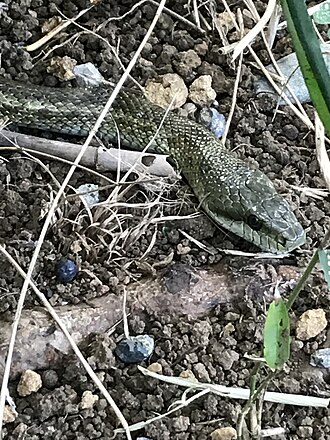
Japanese Rat Snake
Requires sufficient length and climbing structures; seasonal temperature changes and hibernation cycles must be understood in advance.
- Adult size
- 39.37–70.87 in
- Reference Lifespan
- 15–20 yr
- Environment reference
- 68–82.4 °F
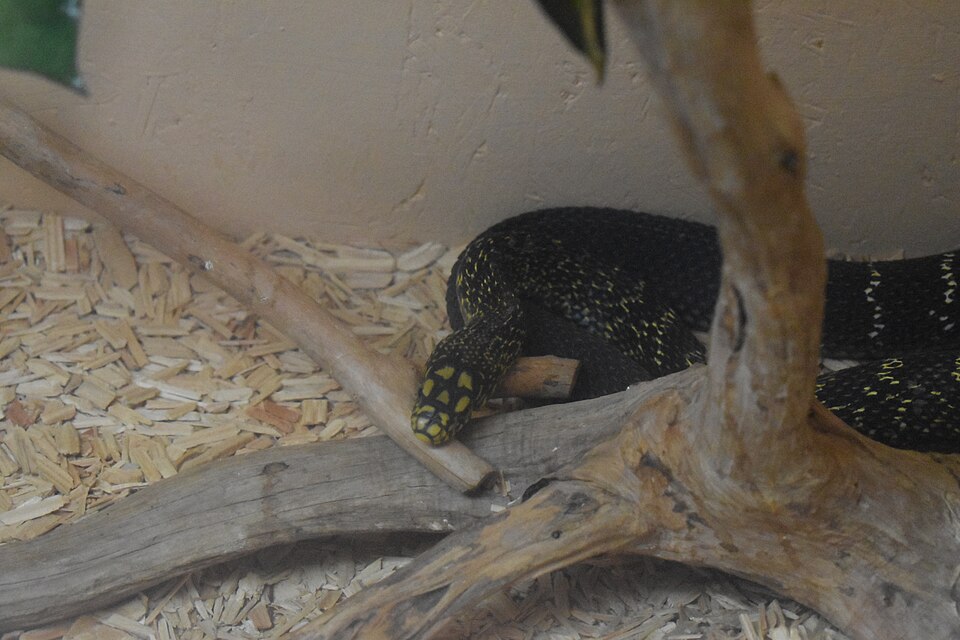
Mandarin Rat Snake
Size, diet, and defensiveness may be underestimated; verify domestic sources and wildlife regulations first.
- Adult size
- 59.06–98.43 in
- Reference Lifespan
- 15–20 yr
- Environment reference
- 71.6–86 °F
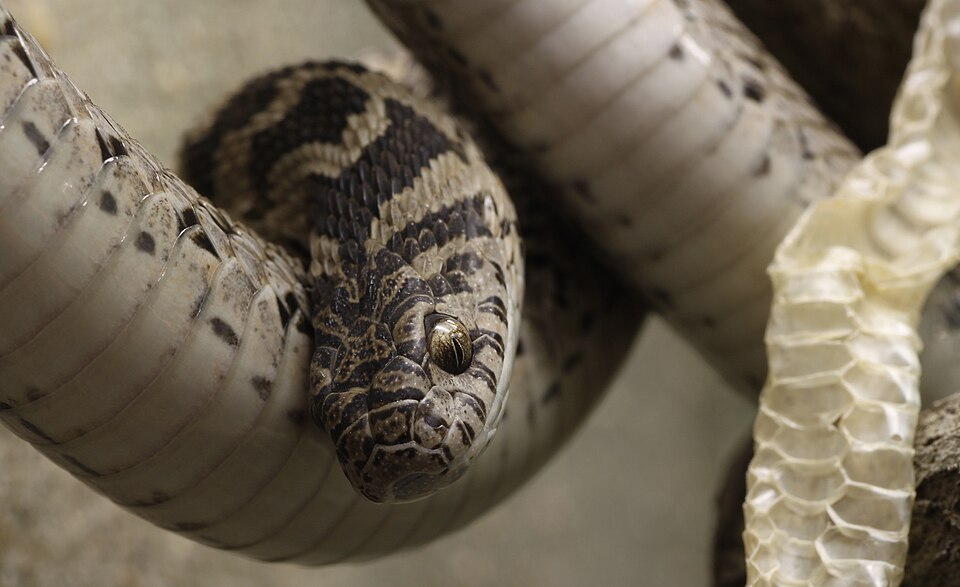
African Egg Eating Snake
Specialized egg-eating means feed size, supply stability, and refusal management cannot be applied using standard rat snake experience.
- Adult size
- 27.56–39.37 in
- Reference Lifespan
- 10–15 yr
- Environment reference
- 71.6–82.4 °F
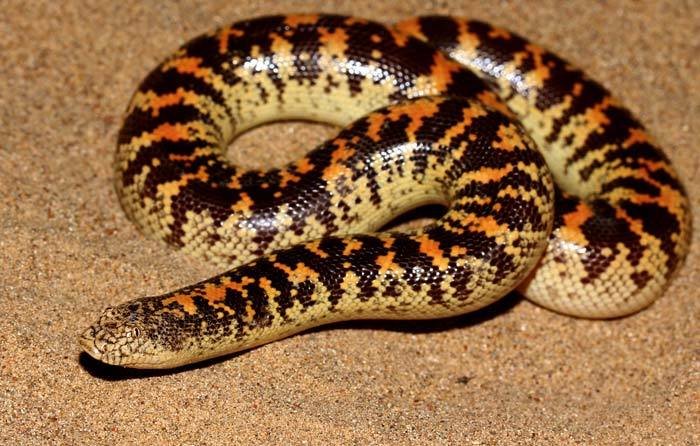
Arabian Sand Boa
Small in size but capable of long-term burrowing; substrate depth, temperature gradient, and escape-proofing are more critical than decoration.
- Adult size
- 17.72–29.53 in
- Reference Lifespan
- 10–15 yr
- Environment reference
- 75.2–89.6 °F
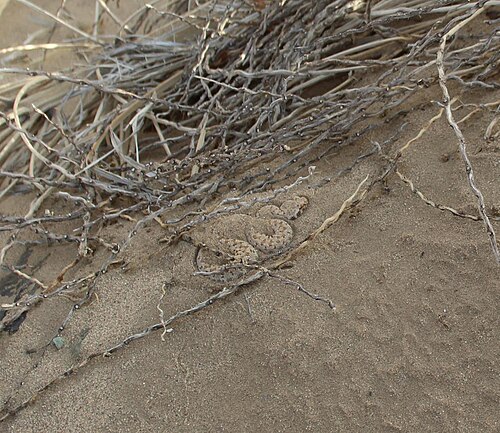
Saharan Horned Viper
Venomous snake program; safety cannot be assumed based on appearance or small size; legality, isolation, and emergency resources must be prioritized.
- Adult size
- 15.75–23.62 in
- Reference Lifespan
- 10–15 yr
- Environment reference
- 75.2–89.6 °F
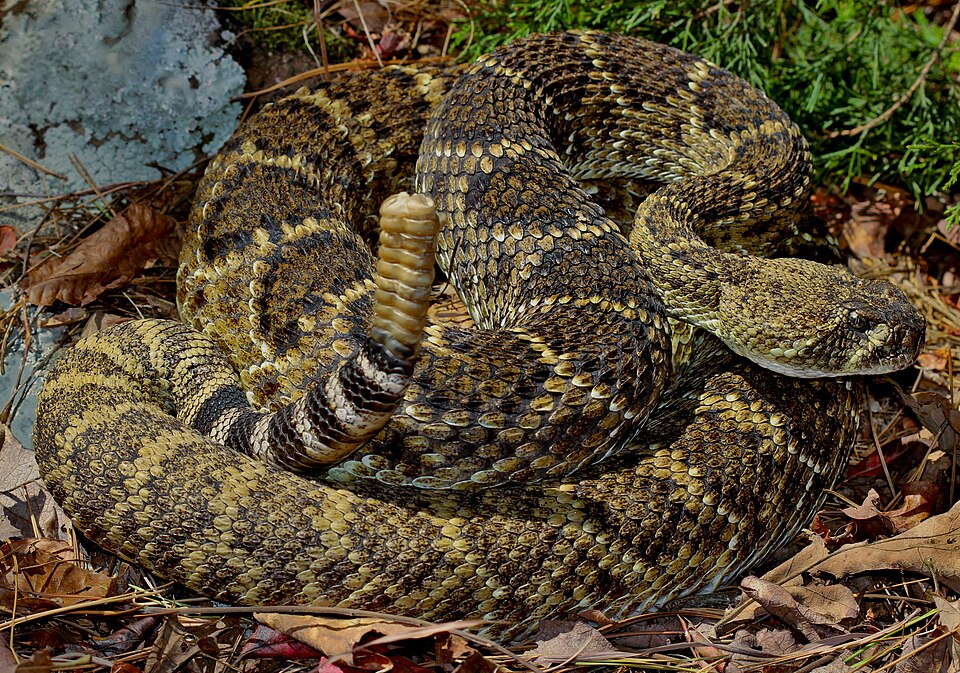
Western Diamondback
Venomous snake husbandry requires professional facilities, compliant permits, and emergency response plans; it is not a suitable choice for typical households.
- Adult size
- 35.43–59.06 in
- Reference Lifespan
- 15–20 yr
- Environment reference
- 75.2–86 °F
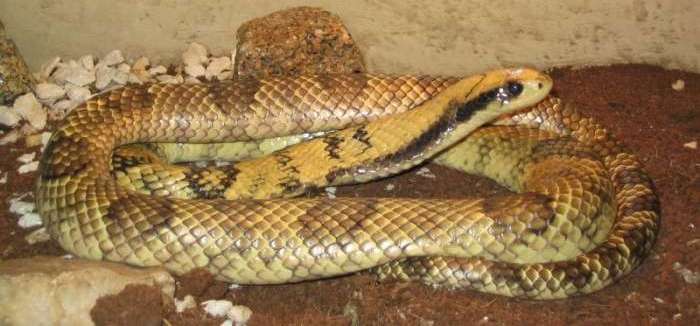
False Water Cobra
Both rear-fanged venom delivery and defensive behavior require serious attention; water, space, and professional veterinary care are all essential.
- Adult size
- 59.06–86.61 in
- Reference Lifespan
- 15–20 yr
- Environment reference
- 75.2–86 °F
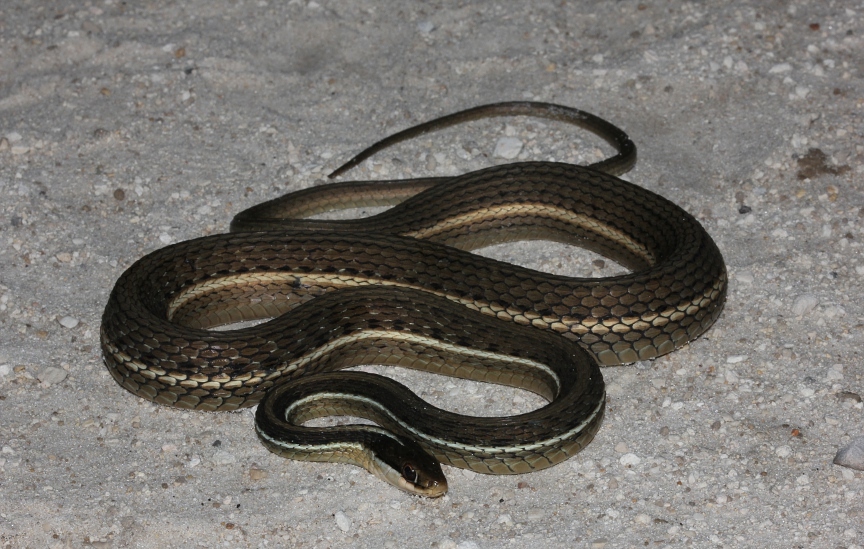
Ribbon Snake
Active, escape-prone, and prefers moist hiding spots; diet and ventilation must both remain stable.
- Adult size
- 23.62–35.43 in
- Reference Lifespan
- 8–12 yr
- Environment reference
- 71.6–82.4 °F
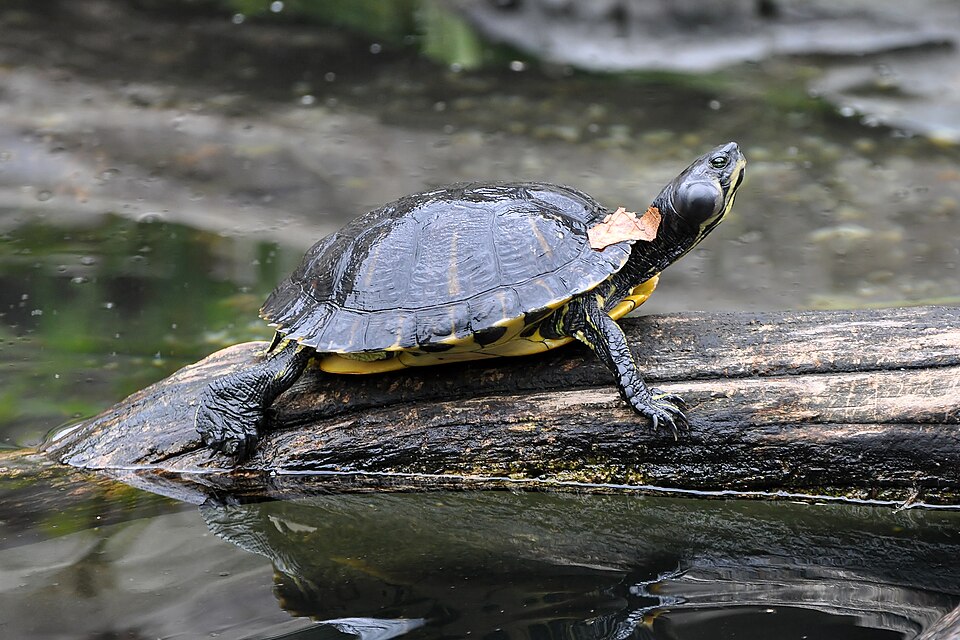
Yellow Bellied Slider
Juveniles are often underestimated; adult size, filtration load, basking platforms, and regulatory issues must be planned for long-term conditions.
- Adult size
- 7.87–11.81 in
- Reference Lifespan
- 20–30 yr
- Environment reference
- 75.2–86 °F
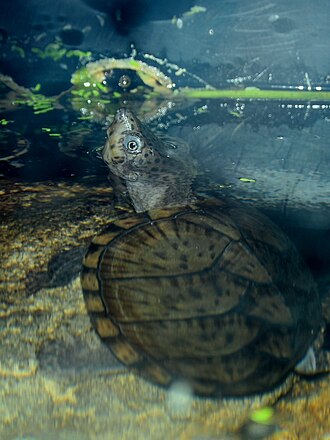
Razor Backed Musk Turtle
Small body size but requires stable water quality, substrate area, and surface aeration; small boxes cannot replace aquariums for long-term housing.
- Adult size
- 3.94–5.91 in
- Reference Lifespan
- 20–30 yr
- Environment reference
- 71.6–82.4 °F
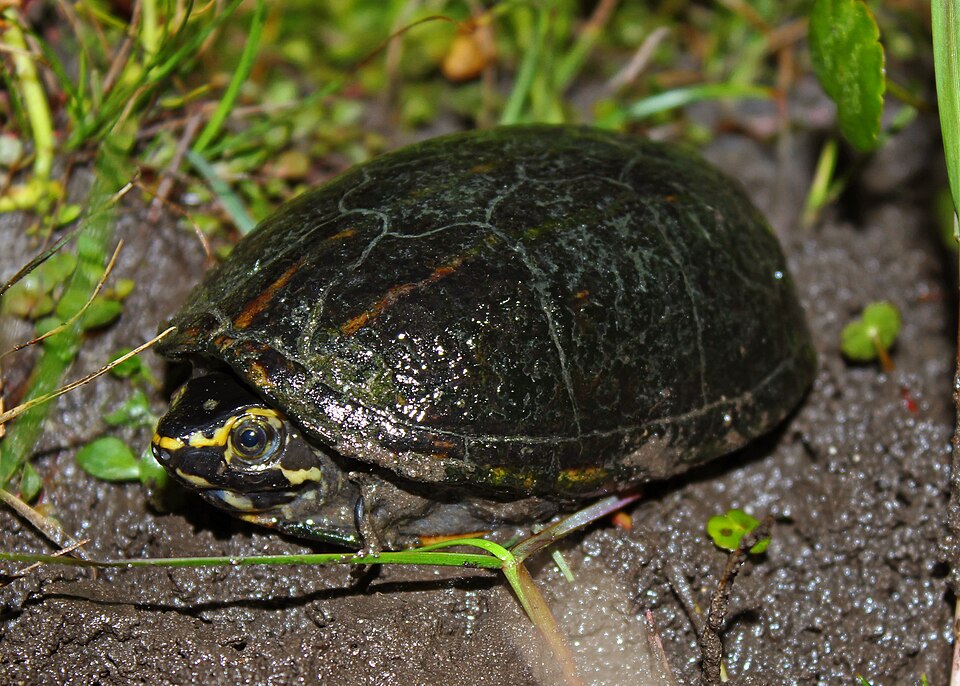
Striped Mud Turtle
Shallow water, basking platforms, and hides must form a safe route; water quality fluctuations directly impact feeding and activity.
- Adult size
- 3.94–5.91 in
- Reference Lifespan
- 20–30 yr
- Environment reference
- 71.6–82.4 °F
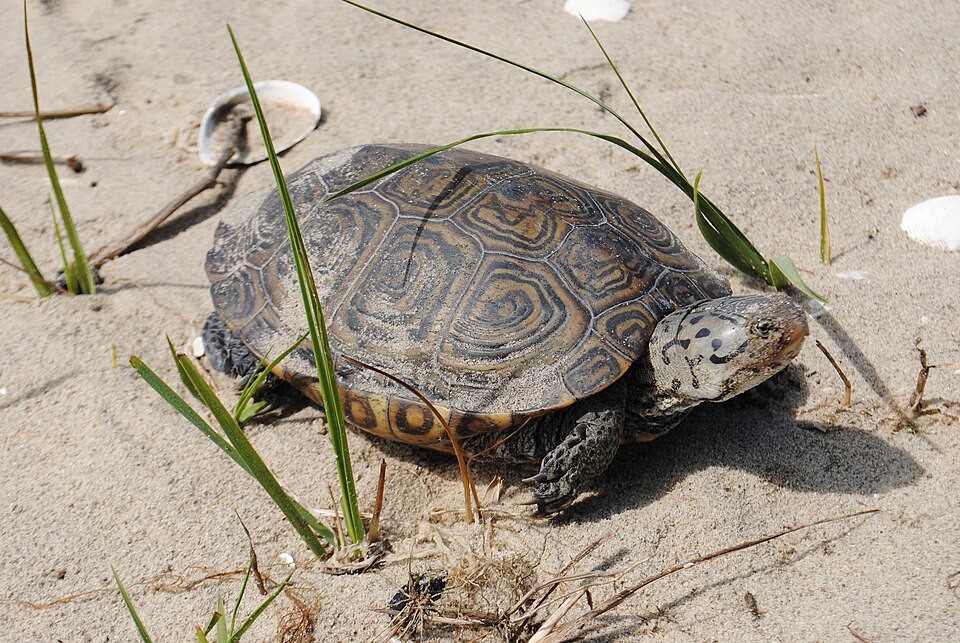
Diamondback Terrapin
Salinity, filtration, basking, and long-term body size must be managed; brackish water care is more complex than freshwater turtle management.
- Adult size
- 4.72–9.84 in
- Reference Lifespan
- 25–40 yr
- Environment reference
- 75.2–86 °F
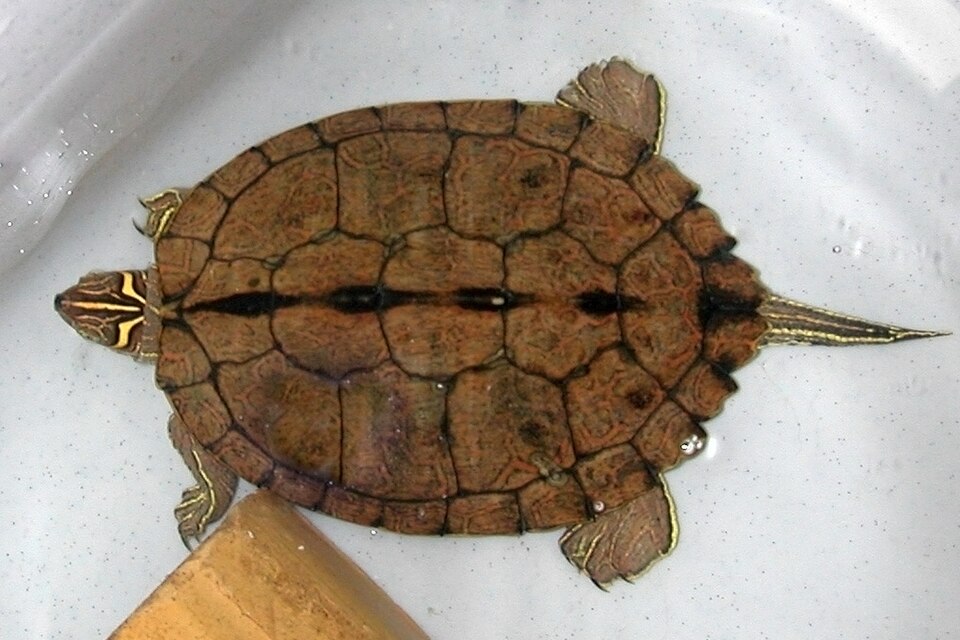
Map Turtle
Sexual dimorphism in body size may be significant; basking platforms, filtration, and adult substrate area must be prepared for the larger individual.
- Adult size
- 3.94–9.84 in
- Reference Lifespan
- 15–25 yr
- Environment reference
- 73.4–84.2 °F
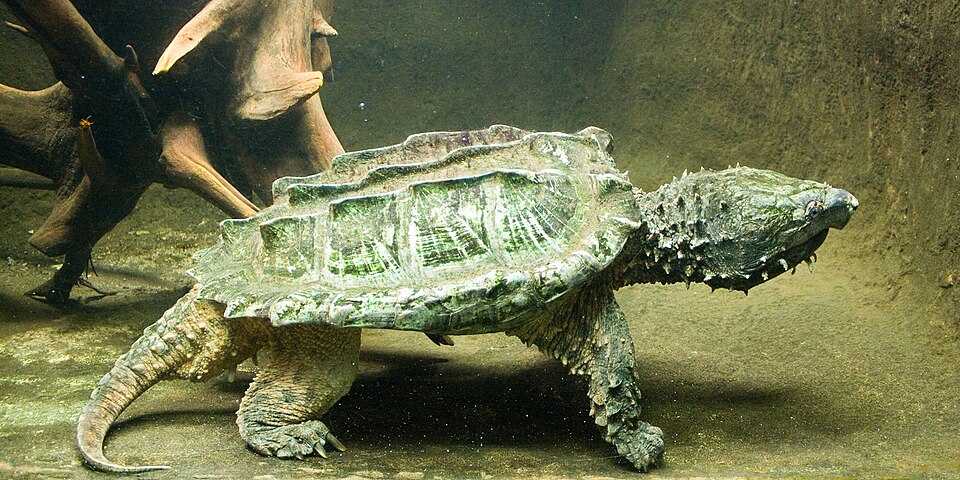
Alligator Snapping Turtle
Extremely high body size, bite force, and water load; home environments typically cannot meet adult requirements.
- Adult size
- 13.78–31.5 in
- Reference Lifespan
- 50–70 yr
- Environment reference
- 71.6–82.4 °F
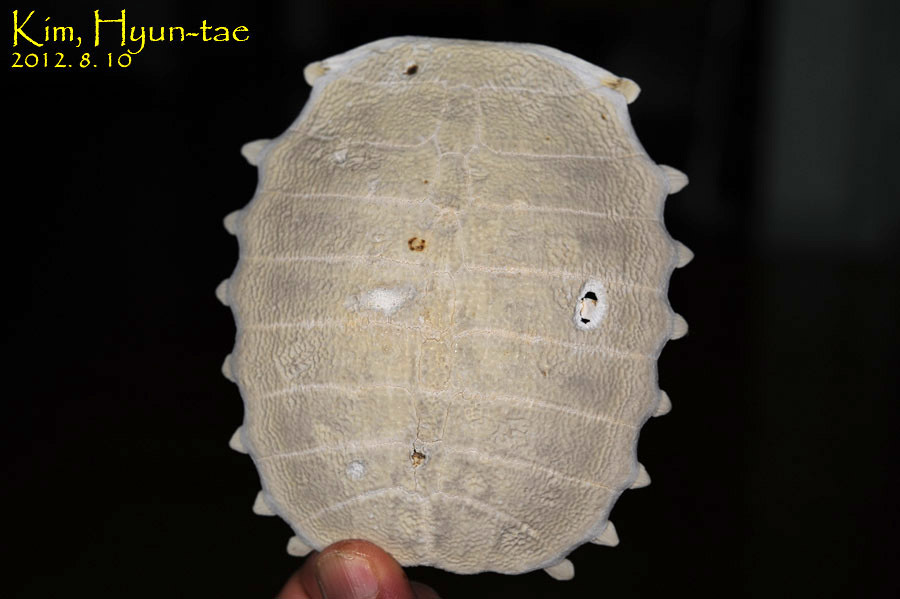
Chinese Softshell Turtle
Bites, burrows, and has specific water quality and substrate requirements; source, usage, and regional regulations must be verified separately.
- Adult size
- 7.87–13.78 in
- Reference Lifespan
- 20–30 yr
- Environment reference
- 71.6–82.4 °F
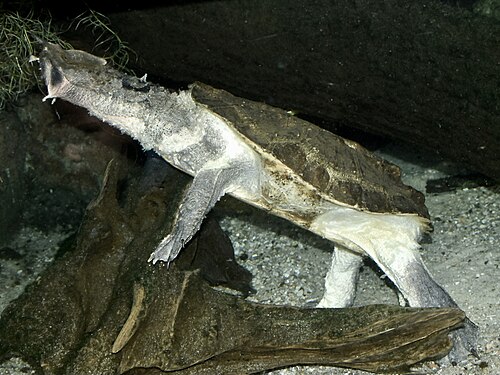
Mata Mata
Water depth, filtration, dissolved oxygen, and feeding methods are all specialized; equipment and maintenance requirements increase significantly as the animal grows.
- Adult size
- 15.75–19.69 in
- Reference Lifespan
- 15–25 yr
- Environment reference
- 75.2–84.2 °F
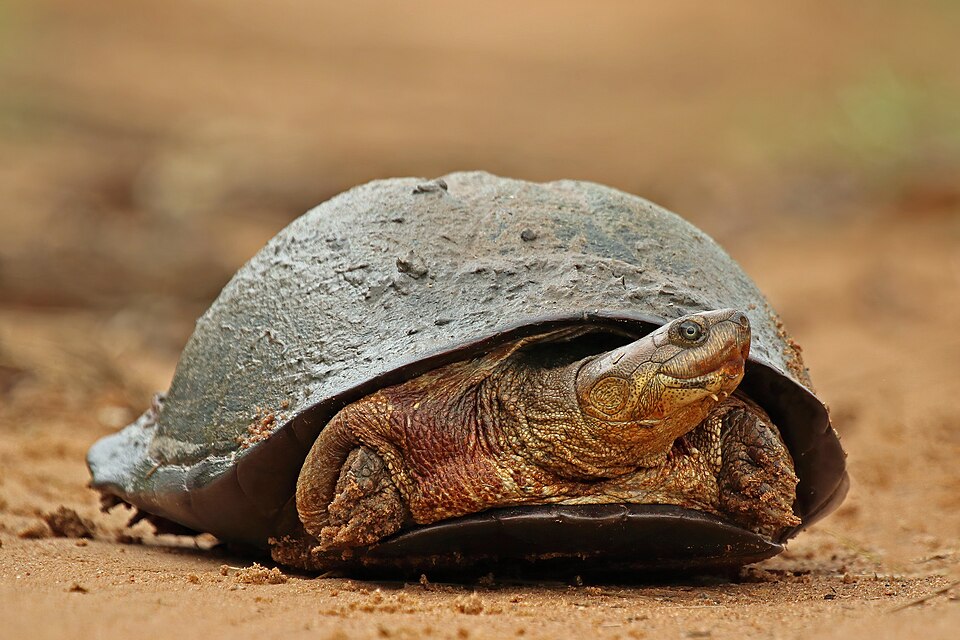
African Helmeted Turtle
Basking and water quality are equally important; the activity space and filtration capacity for adults cannot be estimated based on juveniles.
- Adult size
- 5.91–9.84 in
- Reference Lifespan
- 20–30 yr
- Environment reference
- 71.6–86 °F
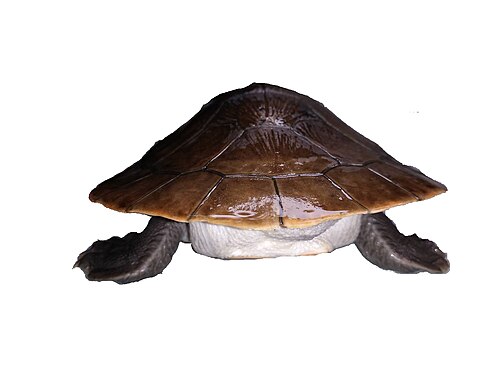
Pink Bellied Side Necked Turtle
Requires stable water temperature, basking platforms, and strong filtration; when kept in community, watch for food competition and size differences.
- Adult size
- 7.87–11.81 in
- Reference Lifespan
- 25–35 yr
- Environment reference
- 75.2–84.2 °F
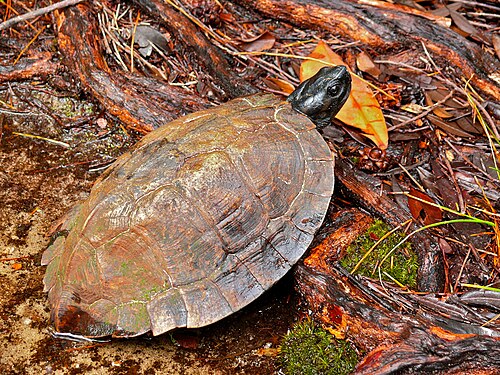
Asian Leaf Turtle
Water-land transition, cool and humid conditions, and hiding spaces must remain stable; source and protection regulations must be checked first.
- Adult size
- 7.87–9.84 in
- Reference Lifespan
- 20–30 yr
- Environment reference
- 71.6–82.4 °F
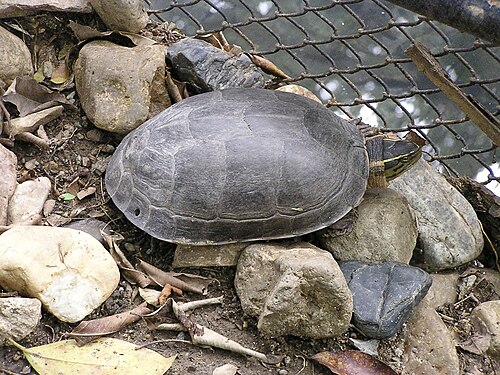
Malayan Box Turtle
Maintain a semi-aquatic habitat, water quality, and moist terrestrial areas simultaneously; do not overlook wild-sourced origins and trade restrictions.
- Adult size
- 7.87–11.81 in
- Reference Lifespan
- 20–30 yr
- Environment reference
- 75.2–86 °F
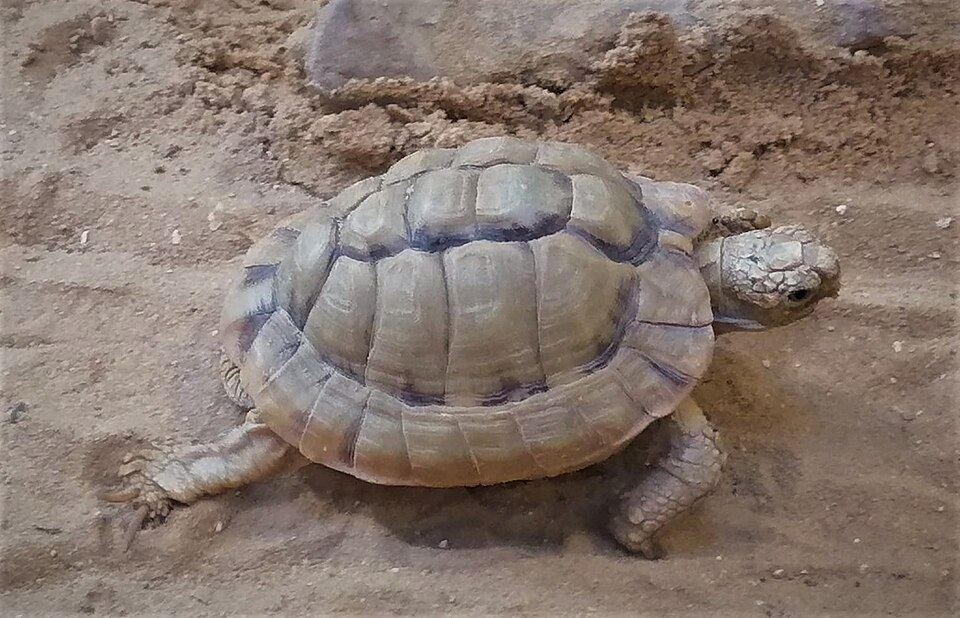
Egyptian Tortoise
Small in size but demanding high temperatures, ventilation, low humidity, and legal sourcing; verify documentation and permits before purchase.
- Adult size
- 3.94–5.51 in
- Reference Lifespan
- 30–50 yr
- Environment reference
- 75.2–89.6 °F
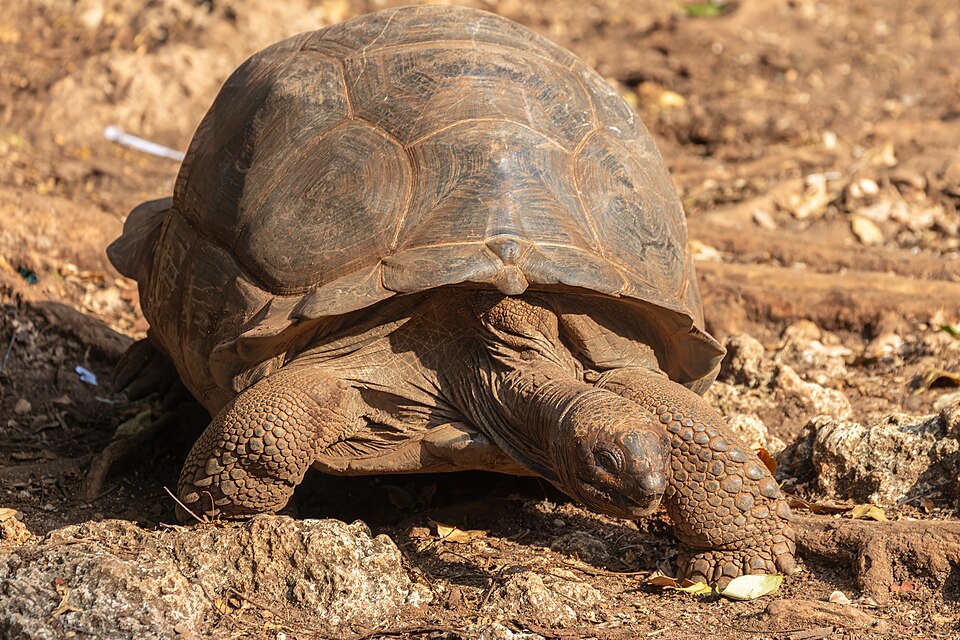
Aldabra Giant Tortoise
Longevity and size make them long-term facility projects; verify space, permits, and lifelong care commitments before home keeping.
- Adult size
- 35.43–47.24 in
- Reference Lifespan
- 80–120 yr
- Environment reference
- 75.2–89.6 °F
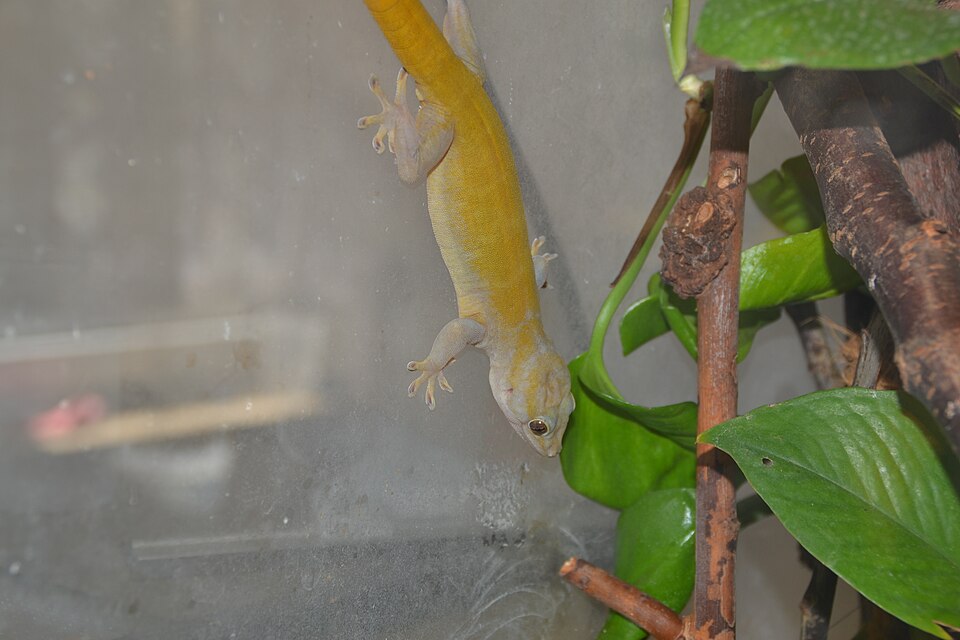
Golden Gecko
Nocturnal, fast-moving, and defensive; ventilation, vertical space, and escape prevention are more critical than simply increasing humidity.
- Adult size
- 7.09–9.84 in
- Reference Lifespan
- 8–12 yr
- Environment reference
- 75.2–86 °F
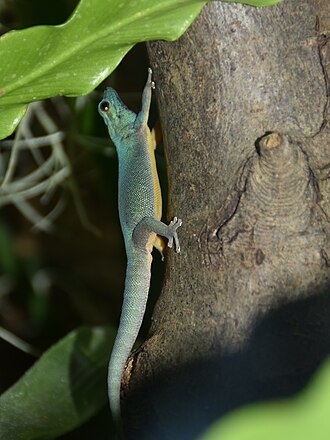
Electric Blue Gecko
Small in size but highly sensitive to lighting, ventilation, live micro-prey, and source compliance; not suitable for casual co-housing.
- Adult size
- 3.15–3.94 in
- Reference Lifespan
- 5–8 yr
- Environment reference
- 71.6–82.4 °F
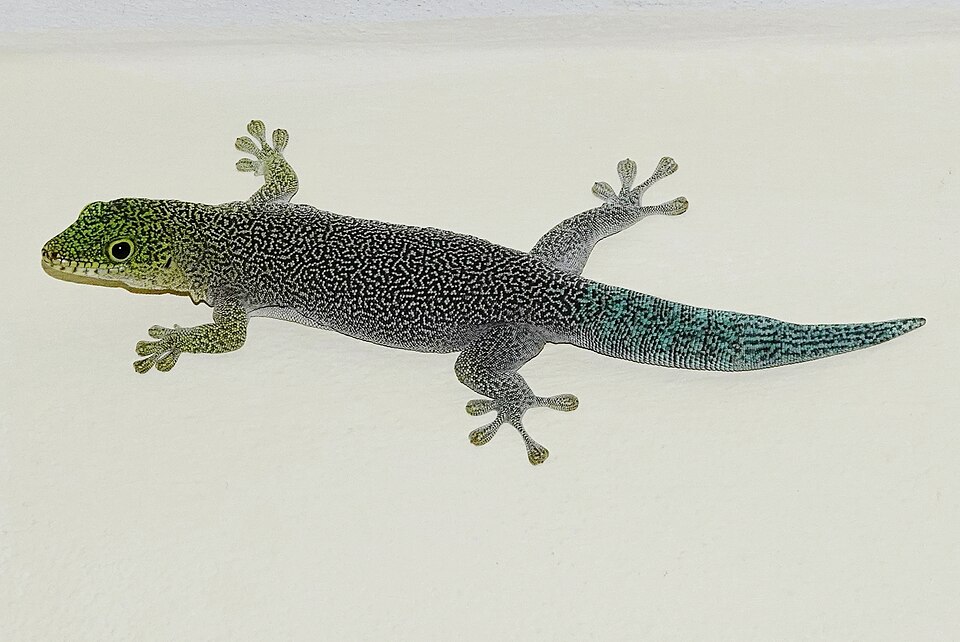
Standing Day Gecko
Requires tall enclosures, UVB lighting, foliage, and supplemental food; tails and skin are not suitable for repeated handling.
- Adult size
- 7.87–9.84 in
- Reference Lifespan
- 10–15 yr
- Environment reference
- 75.2–86 °F
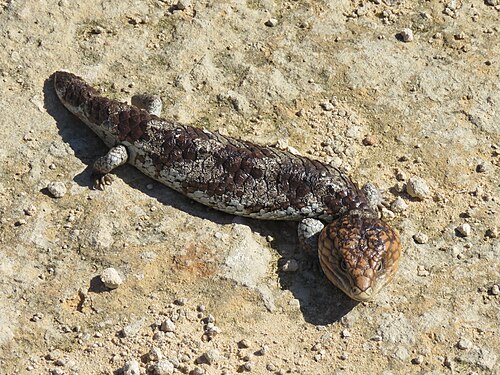
Shingleback Skink
Heavy-bodied, large activity areas, and long lifespans; adult ground space, UVB, and diet must be planned together.
- Adult size
- 13.78–17.72 in
- Reference Lifespan
- 15–20 yr
- Environment reference
- 71.6–89.6 °F
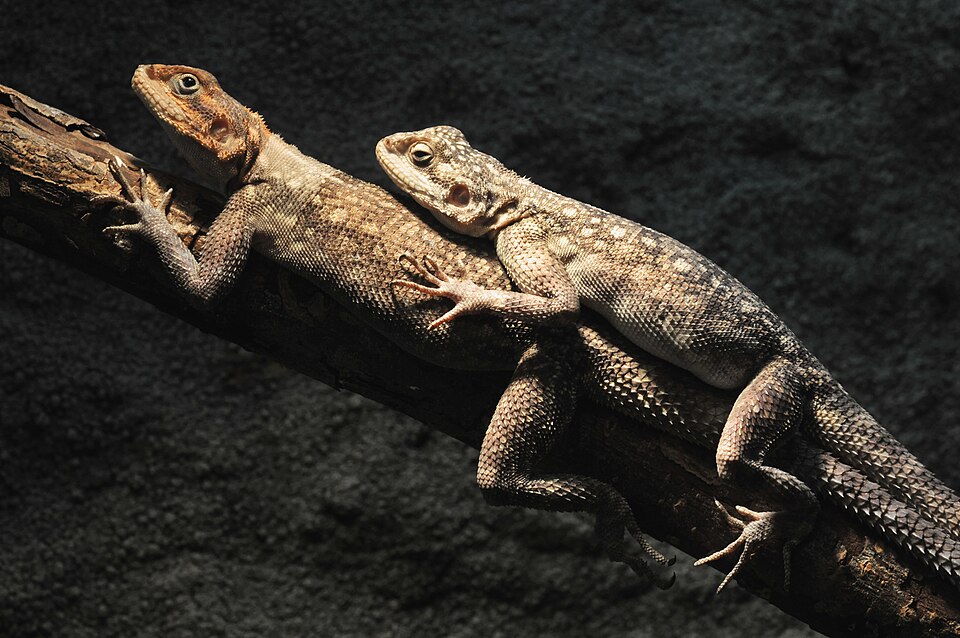
Red Headed Agama
Basking spots, activity levels, and territorial behavior make small-bodied individuals harder to keep; understand sex and space requirements before housing in groups.
- Adult size
- 9.84–13.78 in
- Reference Lifespan
- 8–12 yr
- Environment reference
- 75.2–89.6 °F
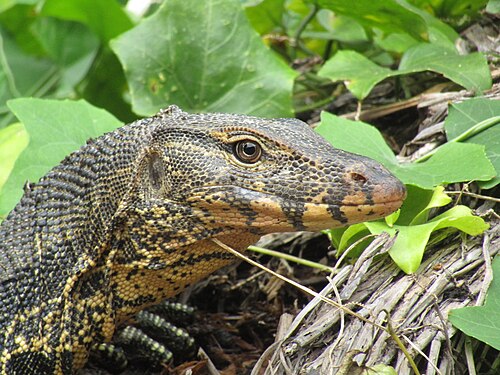
Water Monitor
Large adult size, bite force, water requirements, and enclosure needs; typical home environments usually cannot meet these long-term.
- Adult size
- 47.24–78.74 in
- Reference Lifespan
- 15–20 yr
- Environment reference
- 78.8–89.6 °F
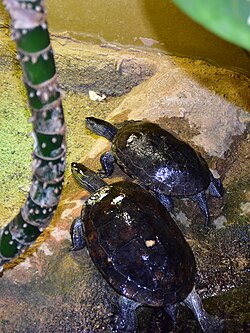
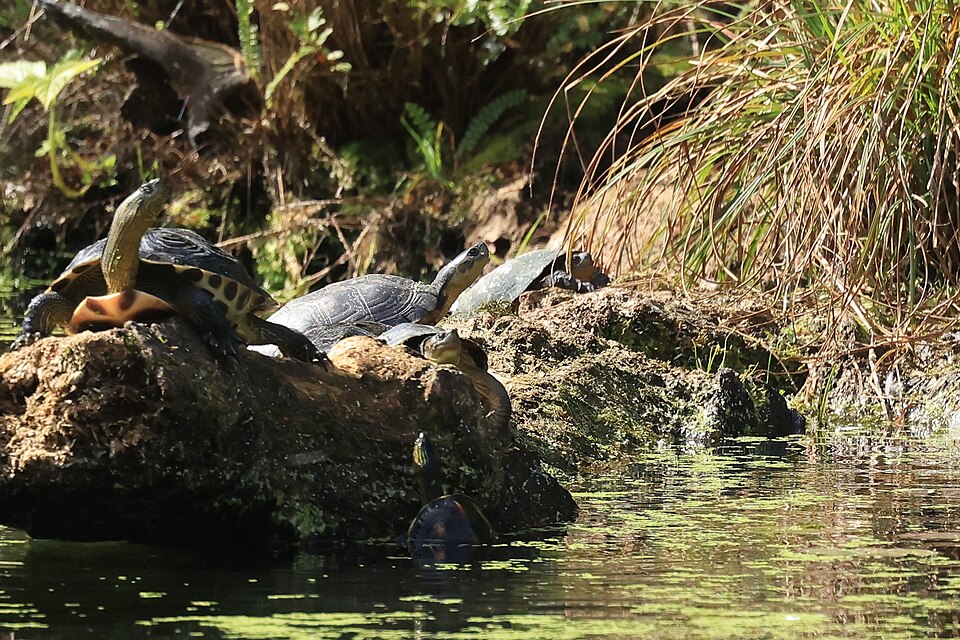
Mauremys sinensis
Long necks and adult body size require spacious water; filtration and basking spots must be planned for adults.
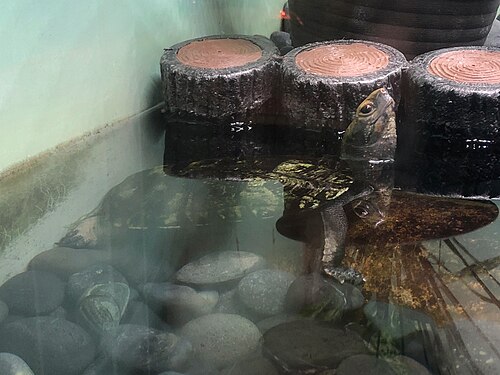
Mauremys mutica
Both aquatic and terrestrial areas must allow safe access and egress; source and individual health are more important than carapace color.
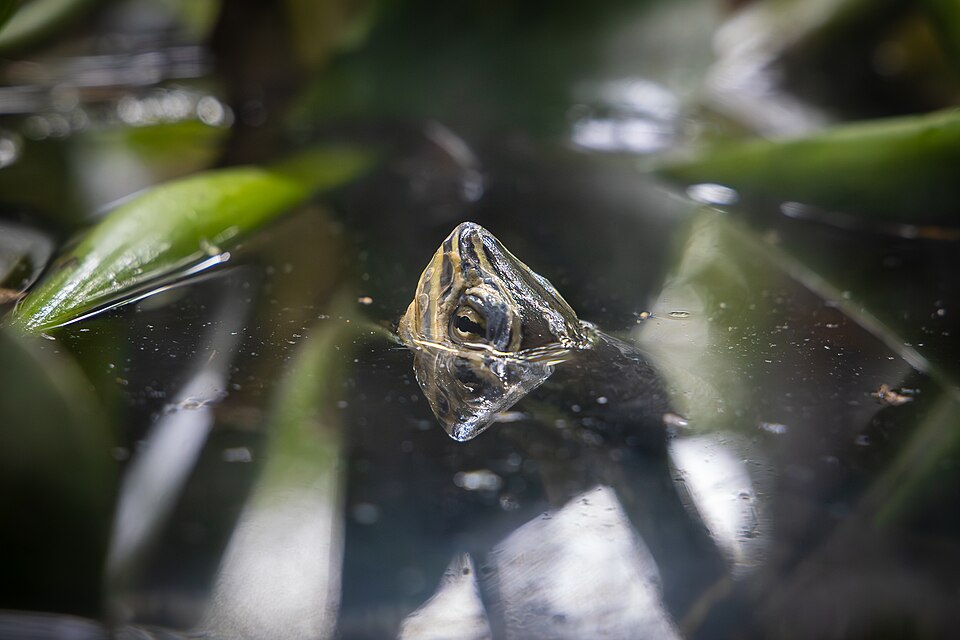
Mauremys japonica
Seasonal changes affect activity and feeding; do not copy the year-round temperatures used for tropical turtles.
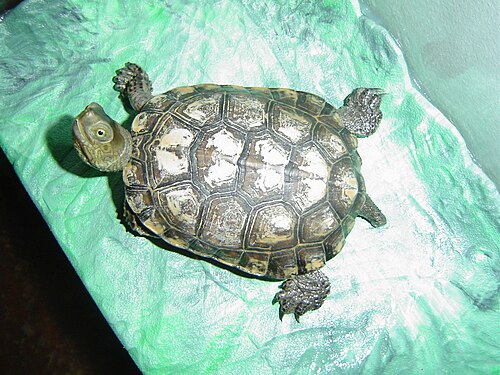
Mauremys annamensis
Source verification is the primary threshold; identity and legality cannot be determined solely by merchant name.
Mauremys leprosa
Adult water volume, basking platform, and filtration must be calculated together; seasonal management requires separate consultation.
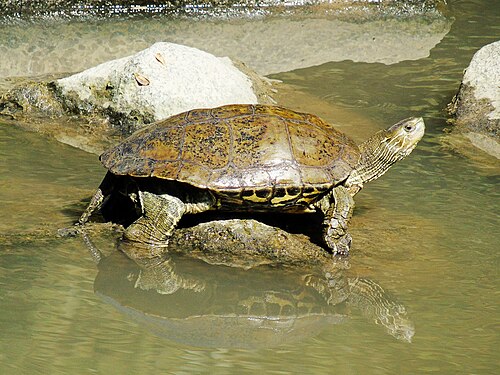
Mauremys caspica
Water and a dry basking platform are both essential; do not purchase long-term equipment based on juvenile size.
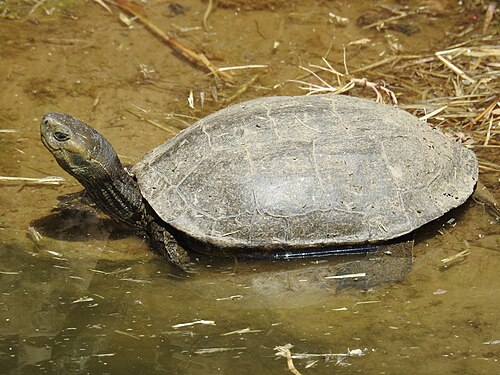
Mauremys rivulata
Requires ample swimming space; hibernation methods vary by population origin and cannot be directly applied.
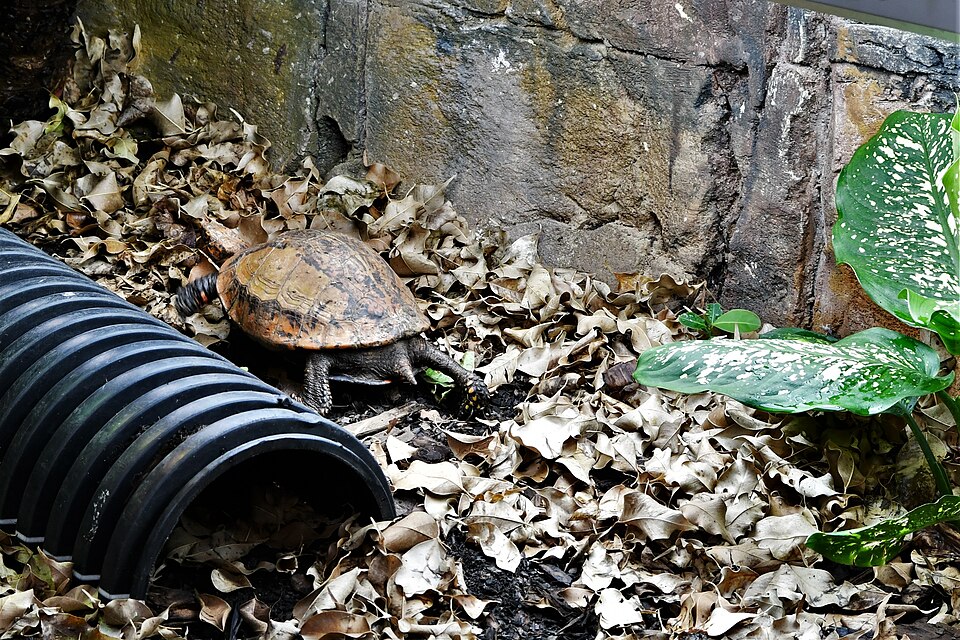
Cuora galbinifrons
A terrestrial forest turtle; cannot be kept in deep water like common aquatic turtles; origin must be verified first.
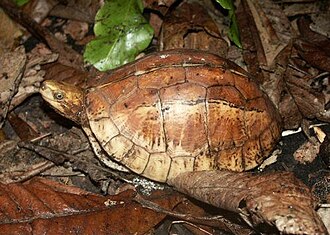
Cuora bourreti
Often confused with the Yellow-bellied Slider; identity, water-to-land ratio, and origin must be confirmed item by item.
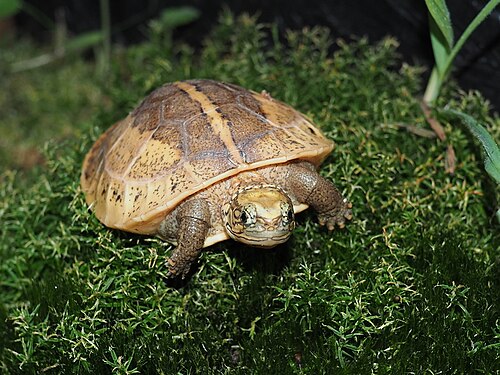
Cuora picturata
Forest floor environment and hiding spaces are critical; limited availability does not mean it is suitable for purchase.
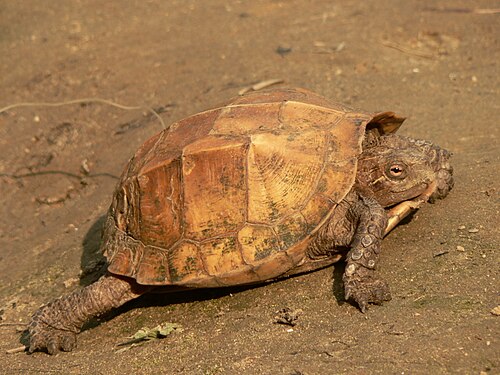
Cuora mouhotii
Has clear terrestrial needs; prolonged immersion in water and neglecting ventilation will lead to incorrect husbandry practices.
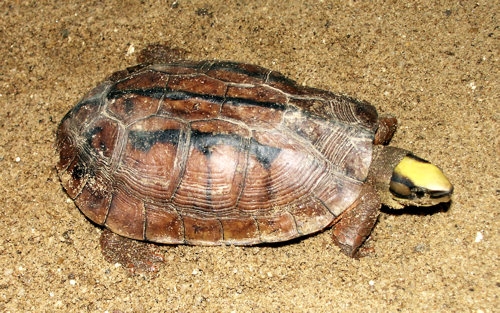
Cuora trifasciata
First verify the scientific name, legal origin, and documentation before discussing equipment and budget.
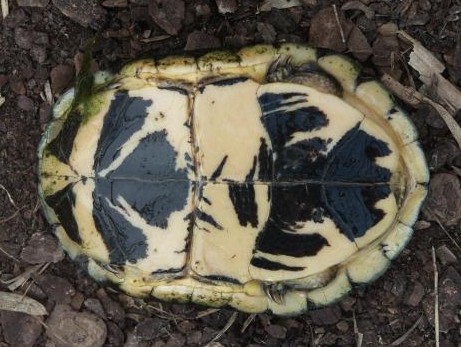
Cuora aurocapitata
Included for identification and assessment purposes; rarity cannot substitute for verifying origin and husbandry capability.
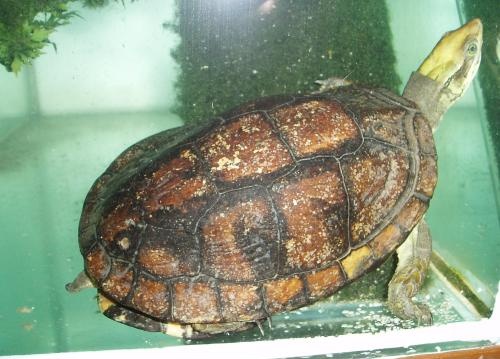
Cuora pani
Highly regional and uncommon; species identification and proof of origin must precede the purchase decision.
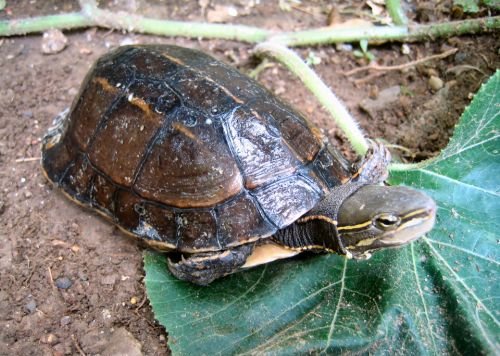
Cuora yunnanensis
Cannot be understood as a common commodity turtle; protection status and origin information must be verified with the relevant authorities.
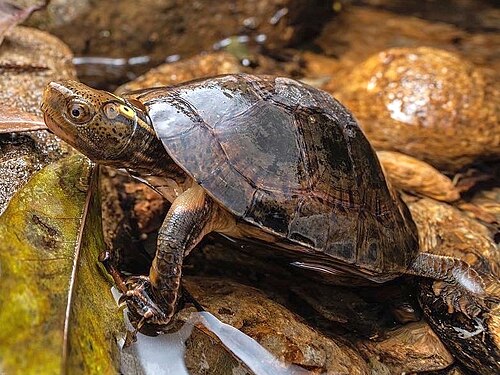
Sacalia bealei
Stream-type care emphasizes water quality and hiding spots; do not copy the layout used for slider turtles.
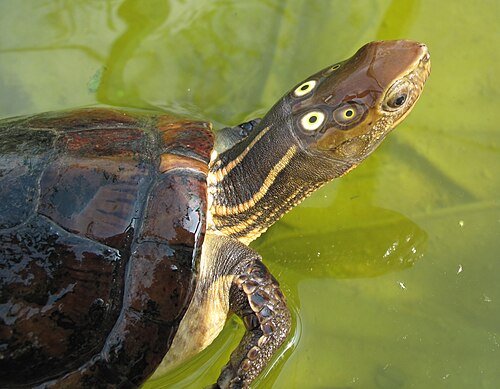
Sacalia quadriocellata
Spots are not a reliable single basis for species identification; they must be verified along with the scientific name and origin.
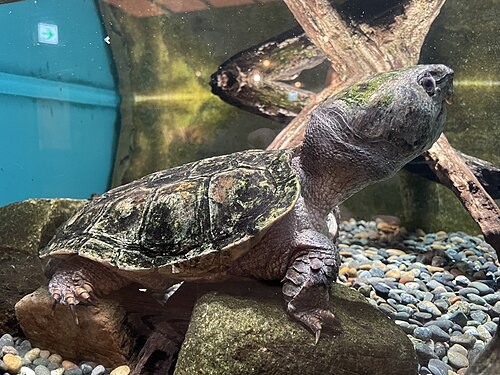
Platysternon megacephalum
Climbing and biting risks are significant; stream environments, escape prevention, and provenance must be verified.
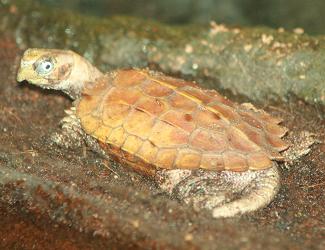
Geoemyda spengleri
Small size does not equal low maintenance; forest floor humidity, cover, and diet are quite specialized.
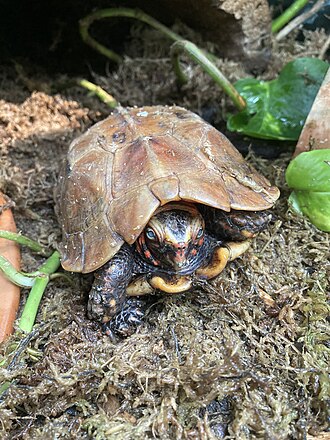
Geoemyda japonica
Terrestrial-leaning; cannot be kept as an aquatic turtle long-term; rare sources require strict verification.
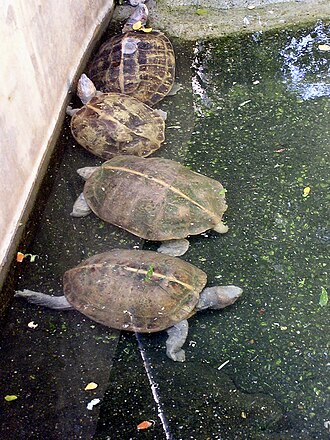
Heosemys grandis
Juvenile and adult requirements differ greatly; large water-land space must be secured before purchase.
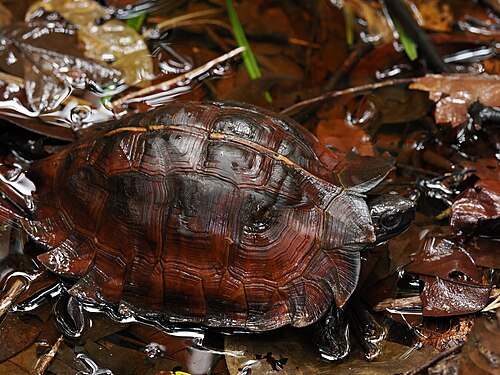
Heosemys spinosa
Land and shallow water must be connected; juvenile spiny margins do not represent adult appearance and size.
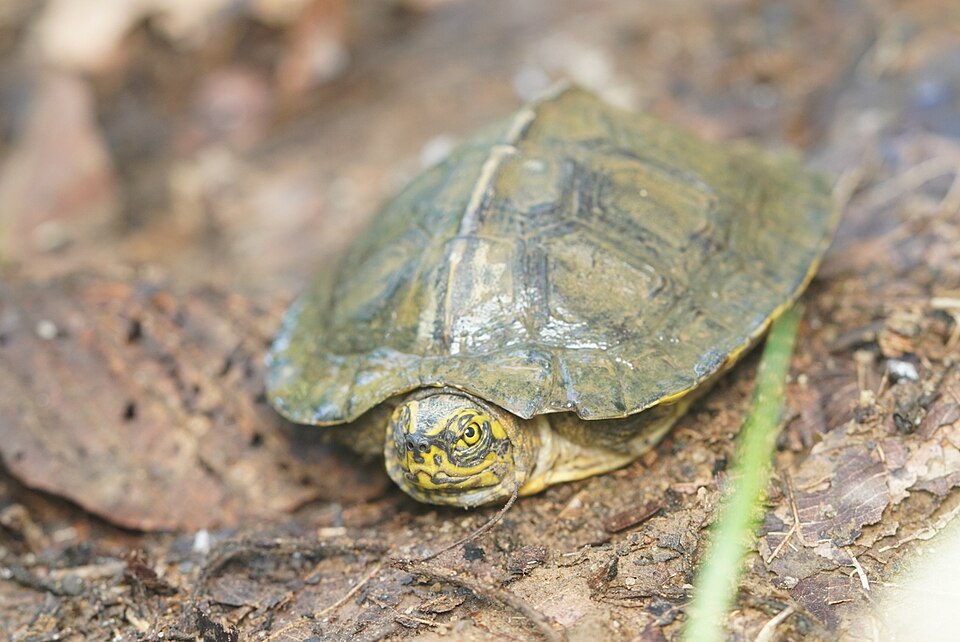
Heosemys annandalii
Adult size is very large; small enclosures become inadequate quickly; long-term facilities and provenance are decision priorities.
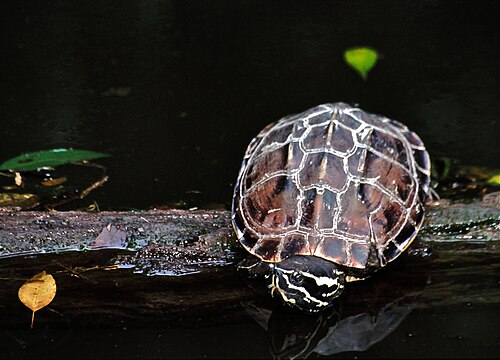
Malayemys subtrijuga
Prefers soft-bodied prey; stable food sources and nutritional balance are harder to arrange than standard turtle pellets.
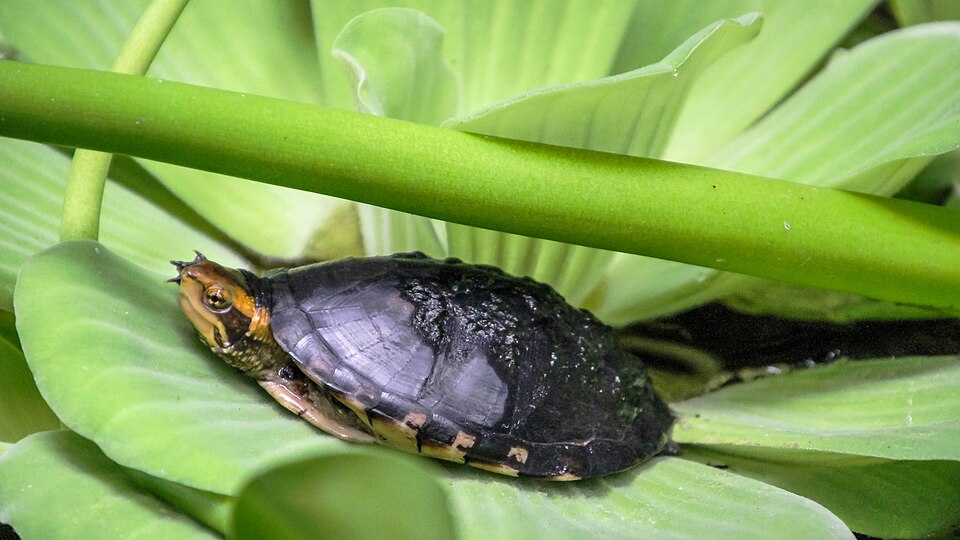
Kinosternon leucostomum
Water-land access and hiding spaces must be connected; source, size, and water quality management must be verified item by item.
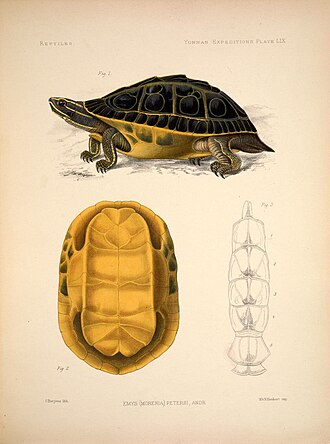
Morenia petersi
Stable water and plant-based food require joint planning; trade source must be verified separately.
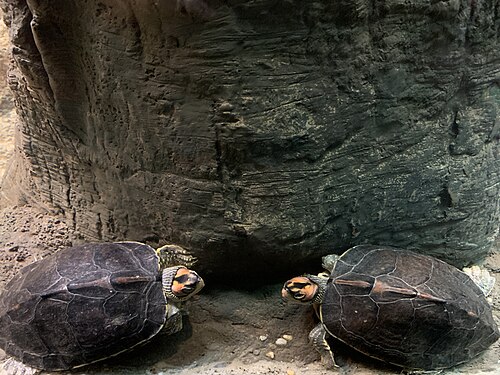
Pangshura tecta
Basking and water quality are both important; size differences between sexes will alter aquarium budget.
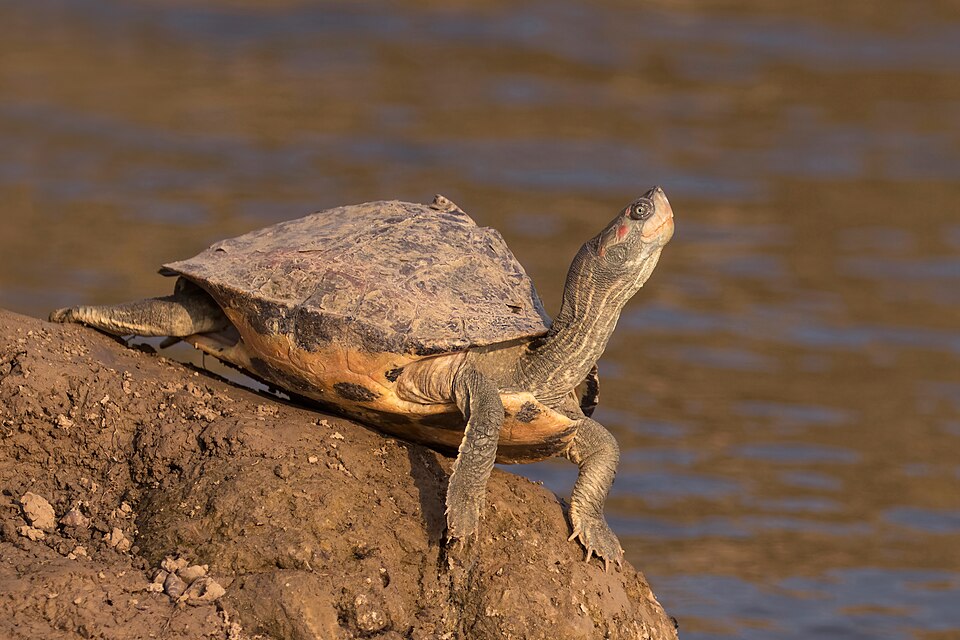
Pangshura tentoria
Carapace shape alone cannot determine identity; adult females require more space.
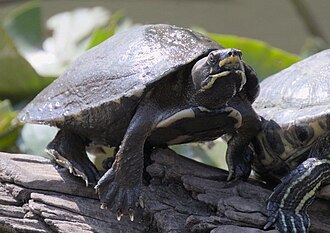
Hardella thurjii
Sexual size dimorphism is significant; the size of a small male cannot represent the entire species.
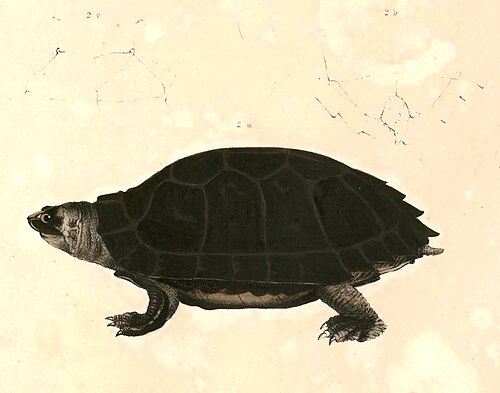
Siebenrockiella crassicollis
Adequate water-land hiding spaces are essential; long-term water quality and individual health observation are foundational.
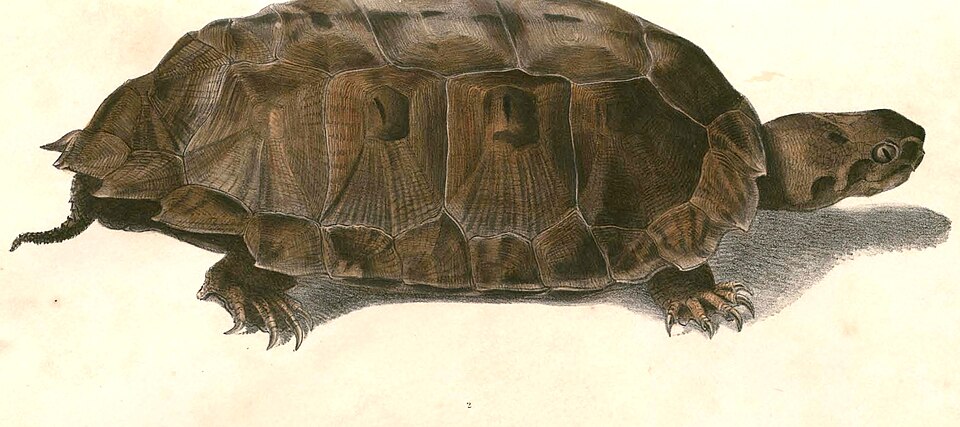
Notochelys platynota
Sufficient floor area and water-land hiding spaces are required; shallow small containers cannot be used for long-term acclimation.
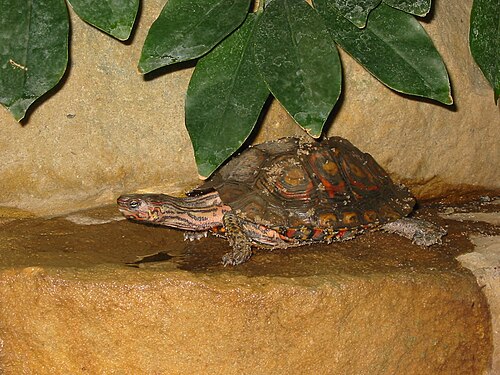
Rhinoclemmys pulcherrima
Water-to-land ratio and diet must be verified for the specific source; do not keep them based solely on the general musk turtle category.
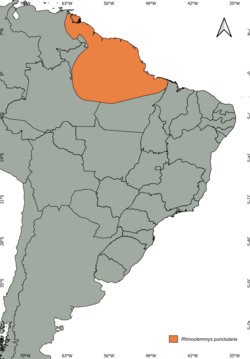
Rhinoclemmys punctularia
Semi-aquatic needs are significant; both water and land areas must be permanent fixtures, not temporary setups.
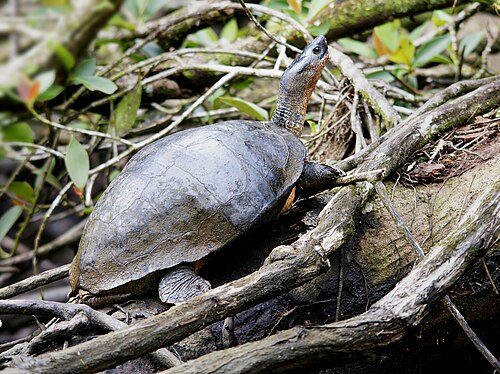
Rhinoclemmys funerea
Adults require substantial water volume and maintenance; verify the ability to maintain long-term filtration and land platforms first.
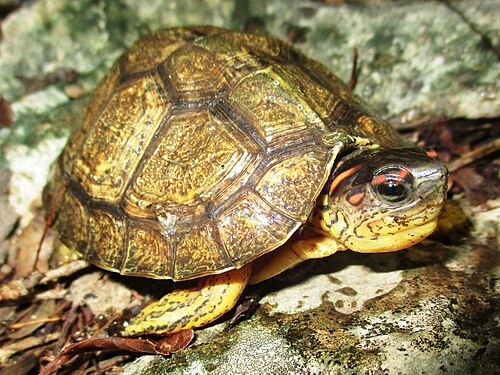
Rhinoclemmys areolata
Both terrestrial activity and moist hiding spots are important; the environment cannot consist of only a water bowl.
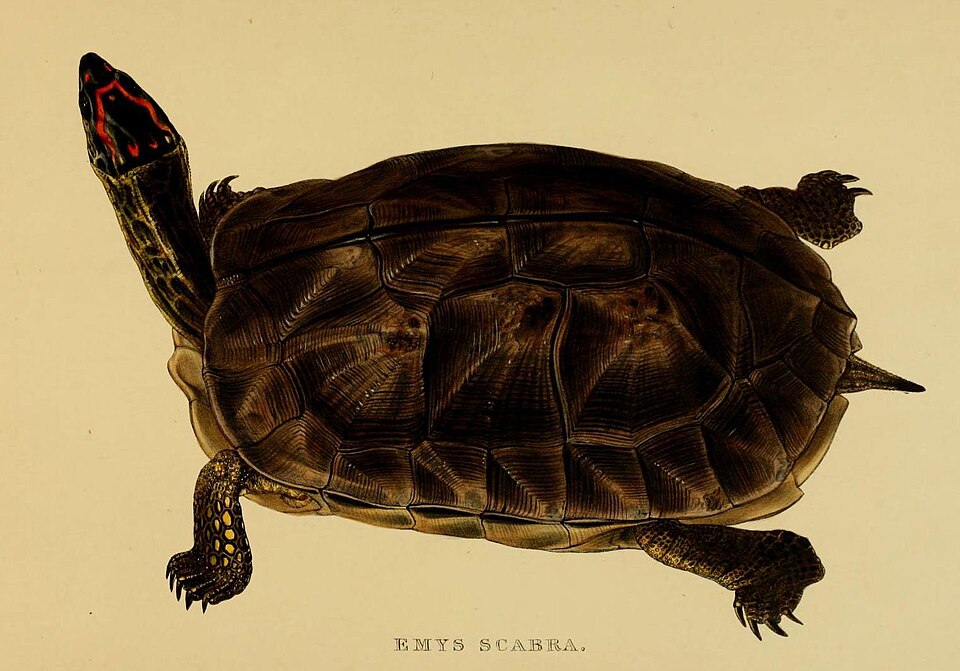
Glyptemys insculpta
Requires activity space and seasonal management; compliance with source regulations cannot be assumed based on captive-bred labels.
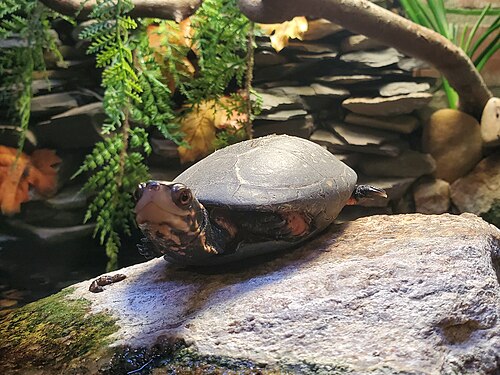
Clemmys guttata
Shallow water, easily climbable land, and hiding spots should be connected; small individuals still require filtration.
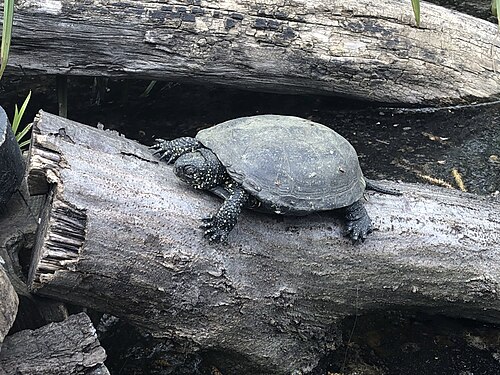
Emys orbicularis
Temperate seasonal rhythms are pronounced; overwintering plans must be determined based on origin and health status.
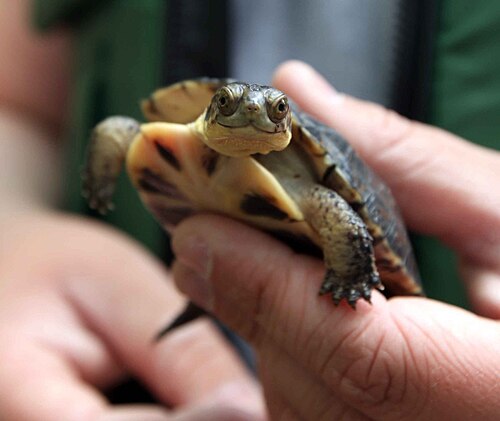
Emydoidea blandingii
Neck color is not a purchase criterion; water and land requirements, season, and origin must all be verified.
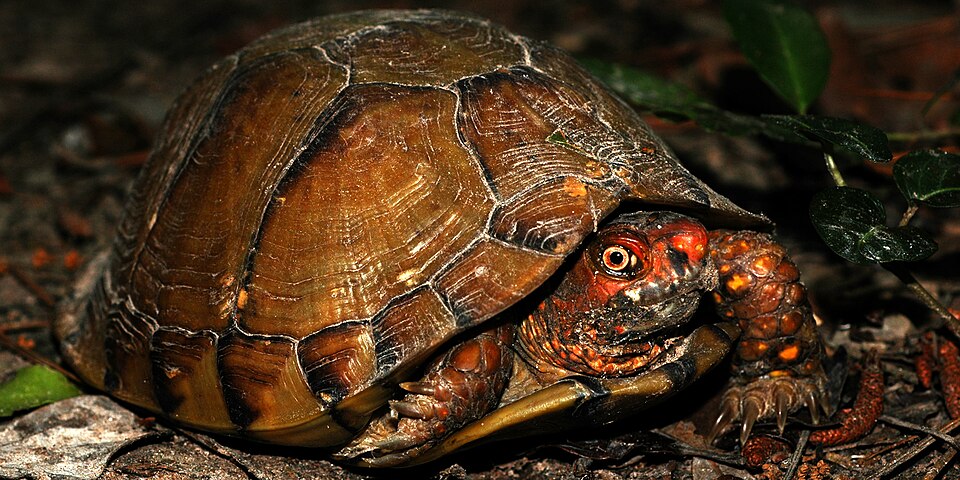
Terrapene carolina
A terrestrial box turtle; moist shelter and activity ground are more important than deep water.
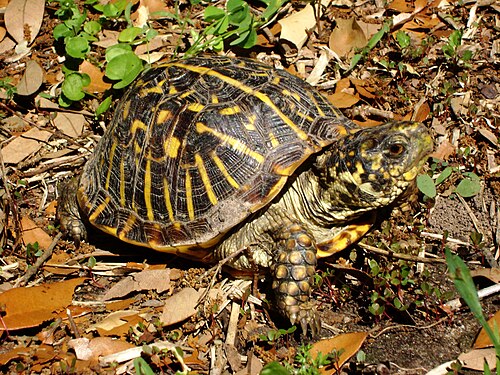
Terrapene ornata
The terrestrial microhabitat must offer choices between dry and moist conditions; a dry environment should not be interpreted as completely lacking water supplementation.
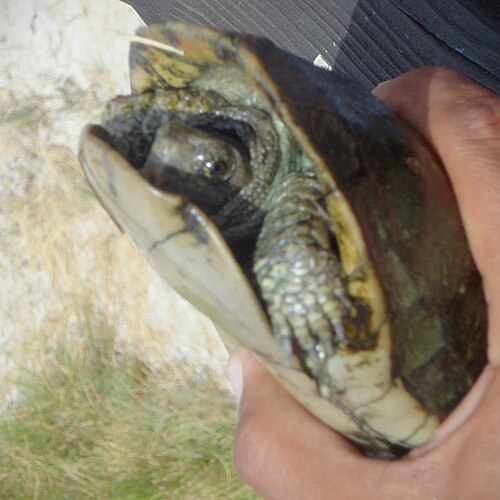
Terrapene coahuila
Its aquatic degree differs from other box turtles; terrestrial box turtle plans cannot be directly reused.
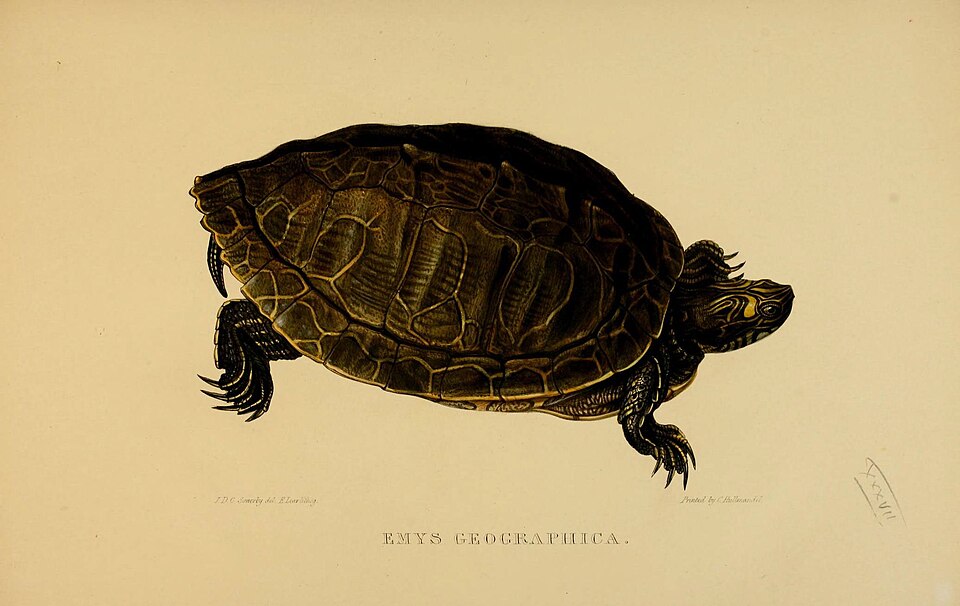
Graptemys geographica
Sexual size dimorphism is pronounced; strong filtration and basking areas must be reserved for adult females.
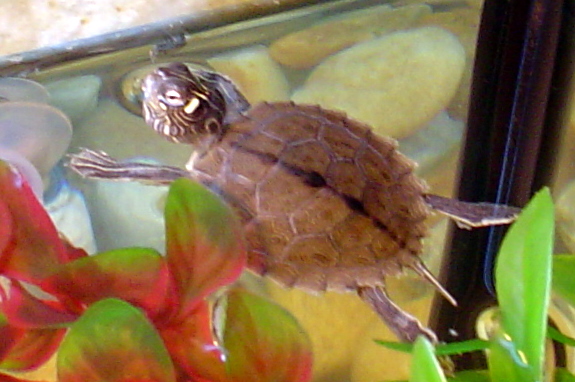
Graptemys ouachitensis
Identity and sex must be determined first; adult size directly impacts water volume budgeting.
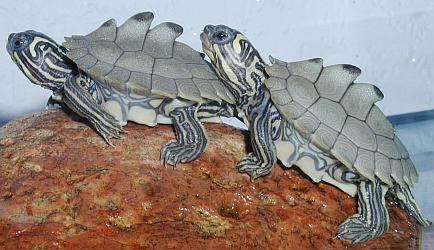
Graptemys nigrinoda
The dorsal spines change with age; filtration, basking, and a quiet environment are more important than appearance.
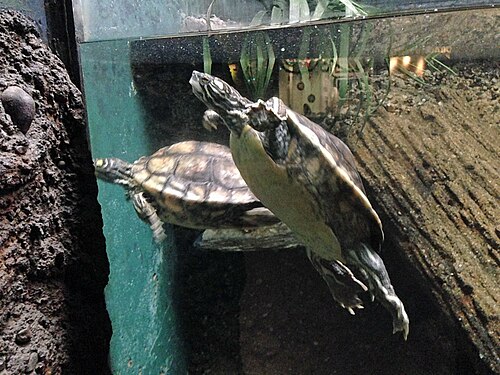
Graptemys flavimaculata
Inclusion does not equal a purchase recommendation; source, conservation status, and water quality requirements must be verified first.
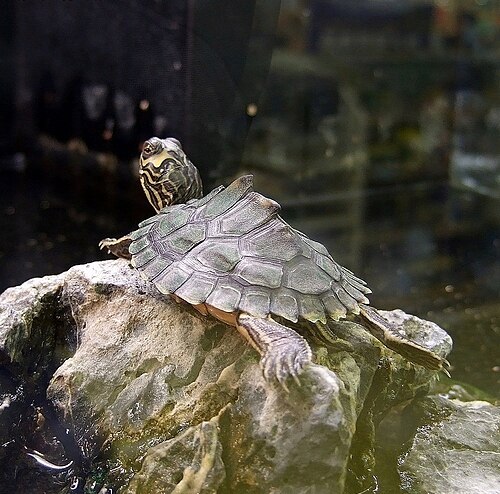
Graptemys pulchra
Small males and large females cannot share the same long-term space budget.
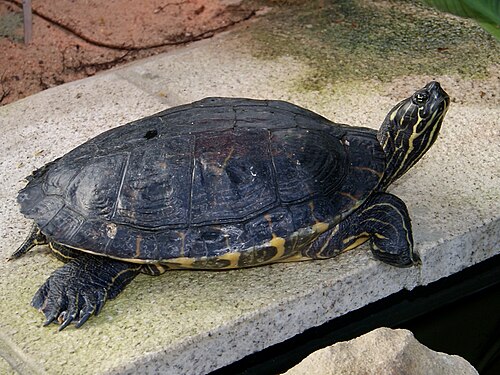
Pseudemys concinna
After growth, they require large water volumes; plant-based food and basking equipment cannot be overlooked.
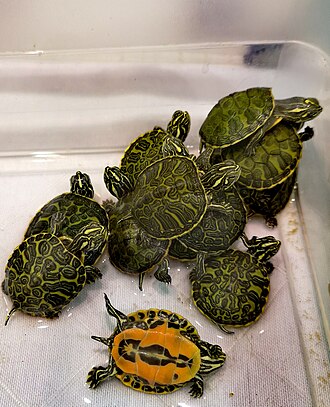
Pseudemys nelsoni
The adult carapace is much larger than common hatchlings; filtration upgrades and long-term space must be planned in advance.
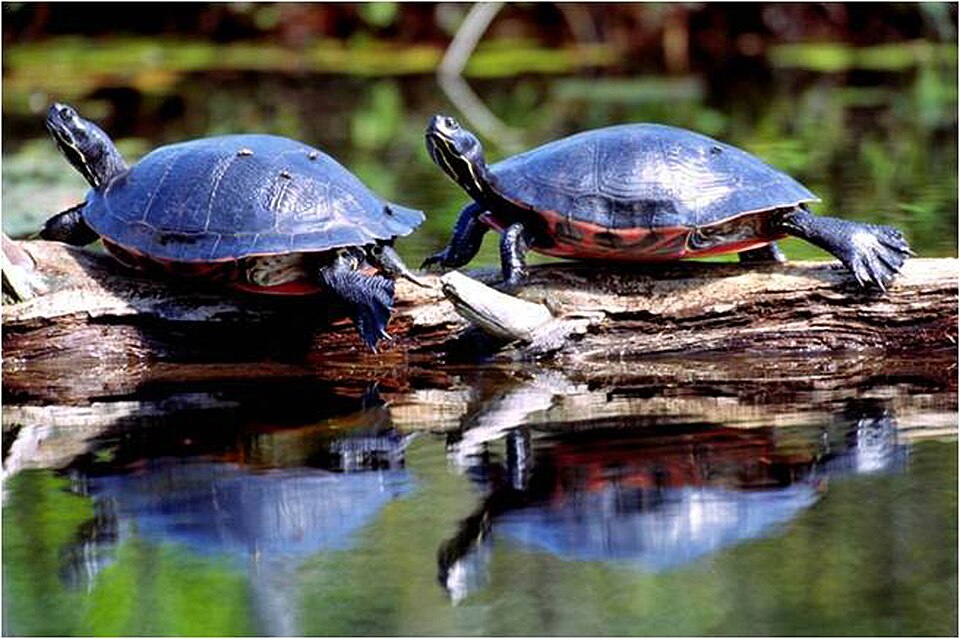
Pseudemys rubriventris
Seasonal management for temperate turtles cannot be copied from tropical plans; long-term adult water volume must be implemented.
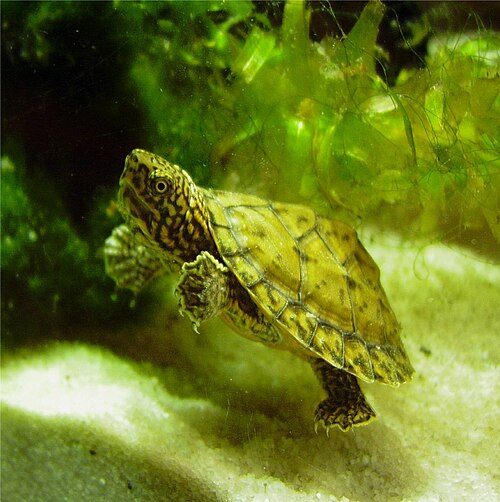
Sternotherus minor
A large head does not mean it is easy to handle; shallow water breathing routes, filtration, and bite protection are all important.
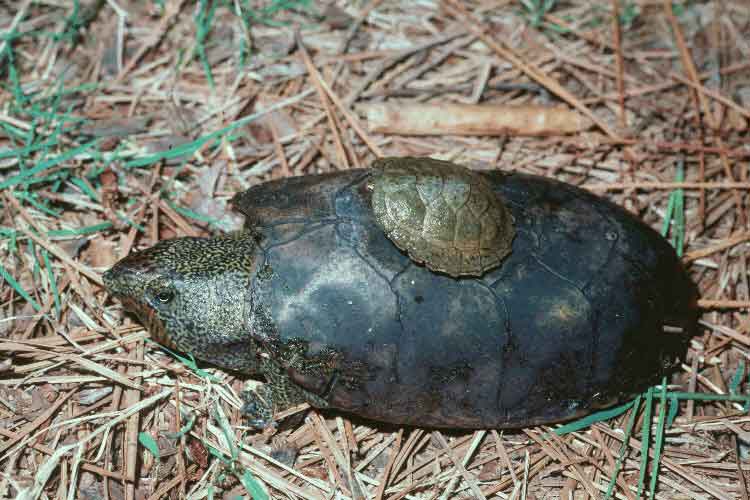
Sternotherus depressus
Small body size does not lower sourcing verification standards; stream water quality requirements must be checked specifically.
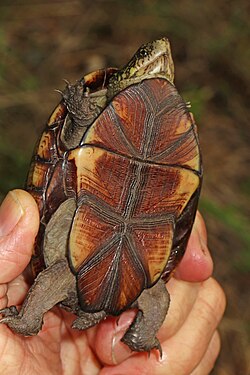
Kinosternon subrubrum
Water depth and exit routes must suit benthic activity; do not prioritize tank height alone.
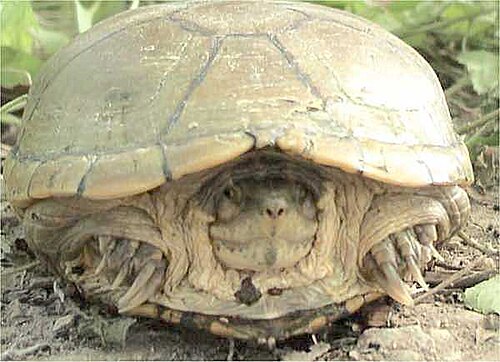
Kinosternon flavescens
Land burrowing and seasonal activity are equally important; do not provide deep water exclusively for long periods.
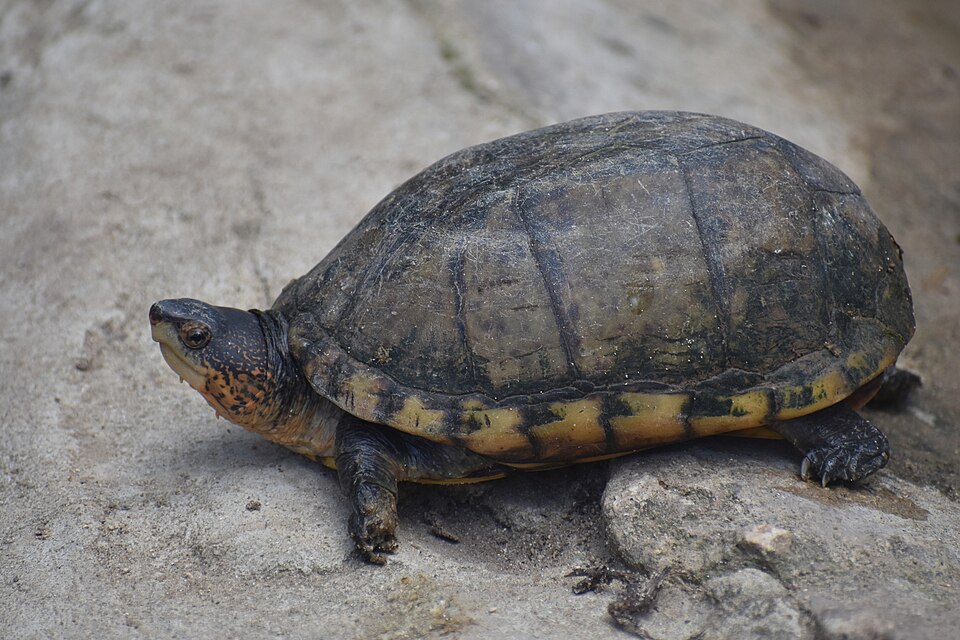
Kinosternon scorpioides
Individuals from different sources show significant variation; adult size and water/land requirements must be verified separately.
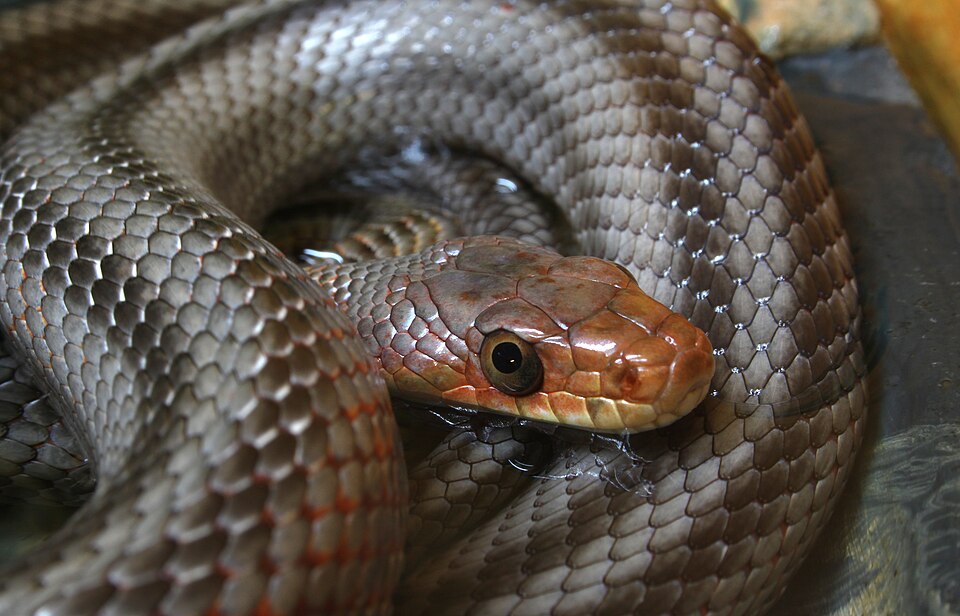
Pantherophis bairdi
Adult length and climbing activity must be planned together; confirm stable frozen prey feeding first.
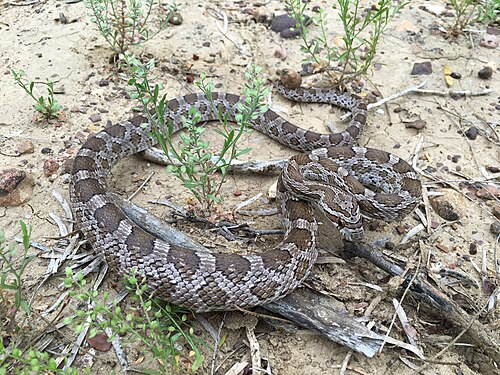
Pantherophis emoryi
Appearance is similar to corn snakes, but still verify origin and care data by scientific name.
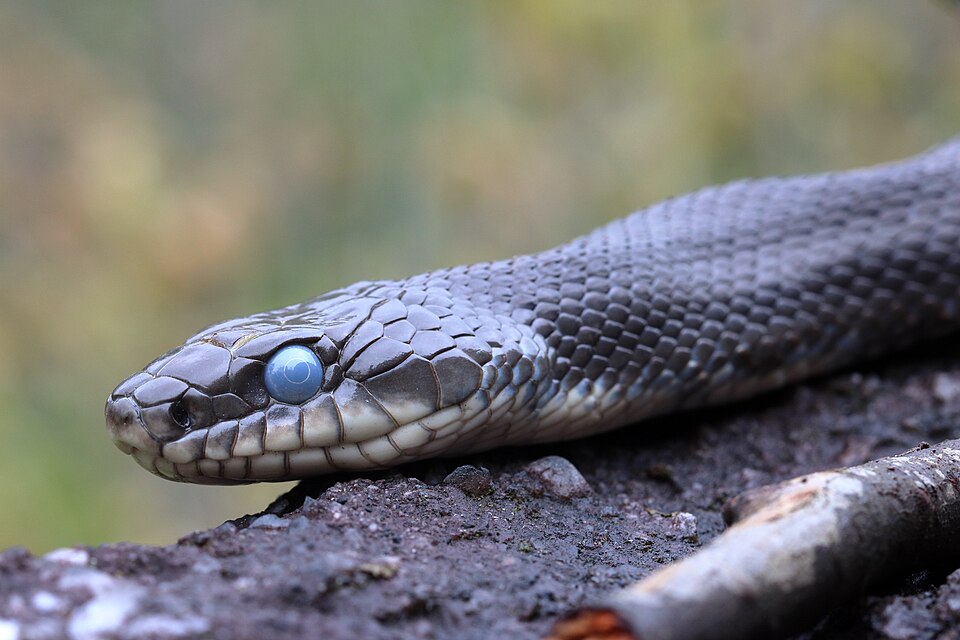
Pantherophis alleghaniensis
Strong climbing and escape ability; check door gaps, ventilation holes, and enclosure length.
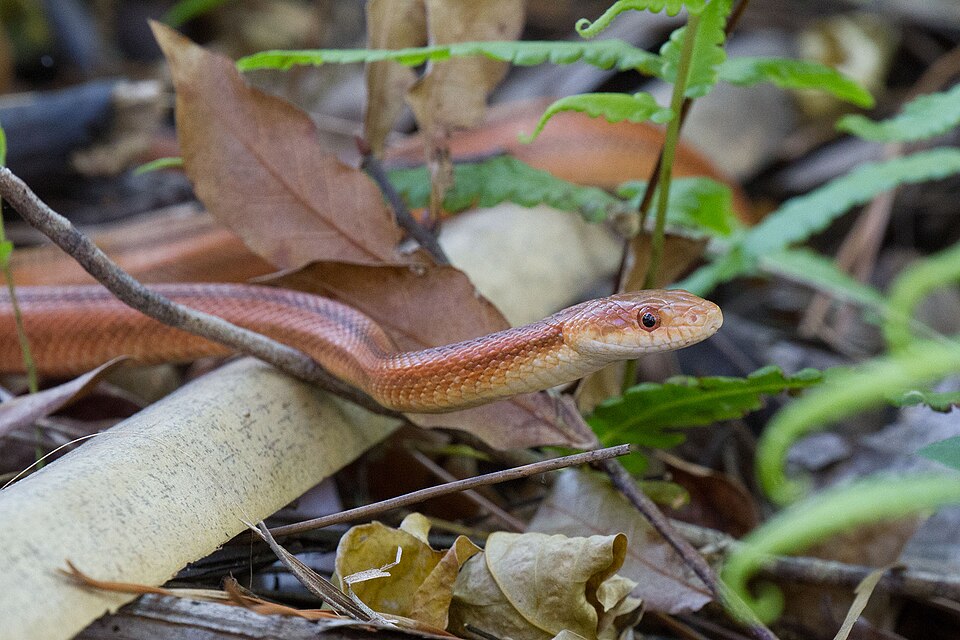
Pantherophis quadrivittatus
Do not identify species solely by yellow appearance; consider adult range and safe handling first.
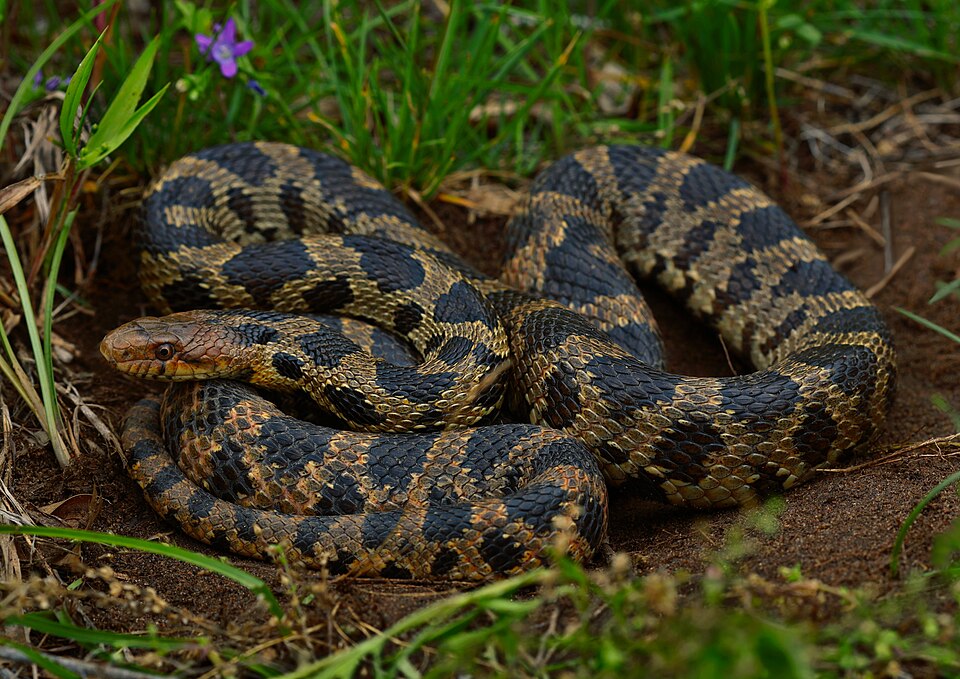
Pantherophis vulpinus
Defensive reactions and seasonal changes affect handling; do not treat a docile label as a guarantee.
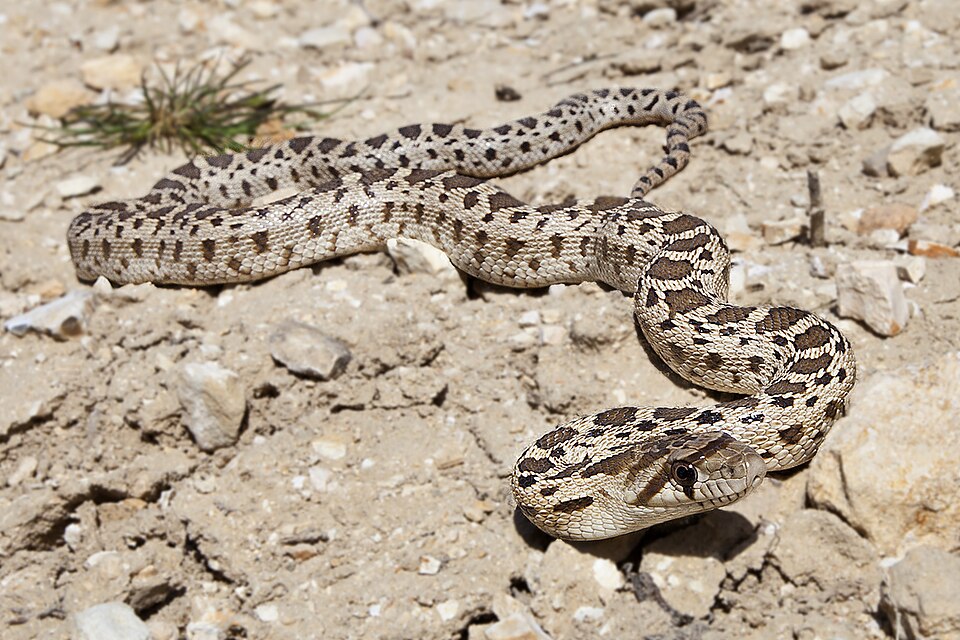
Pituophis catenifer
High activity and large adult size; enclosure doors and ventilation structure must prevent escape.
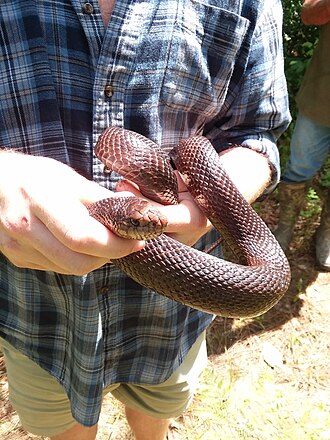
Pituophis melanoleucus
Size and burrowing needs are often underestimated; provide deep substrate and continuous ground cover.
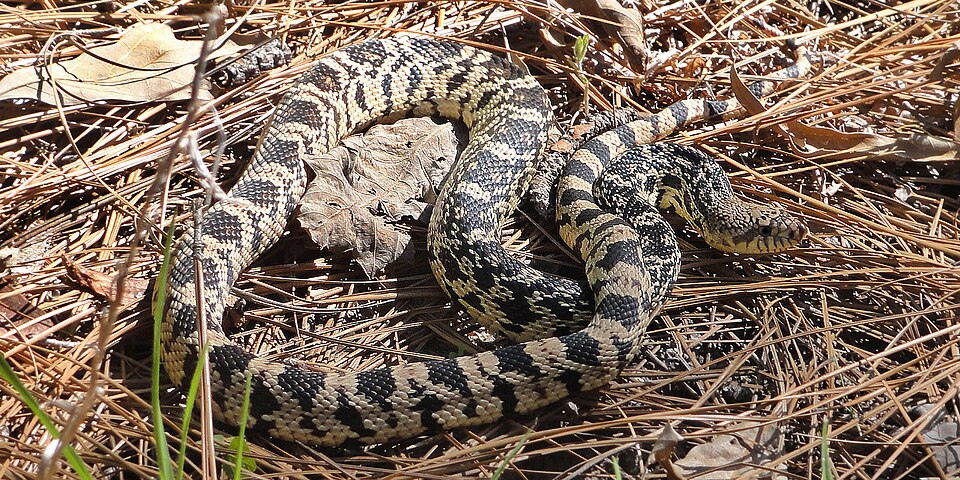
Pituophis ruthveni
Source verification takes priority over purchase; rare status does not mean suitable for home keeping.
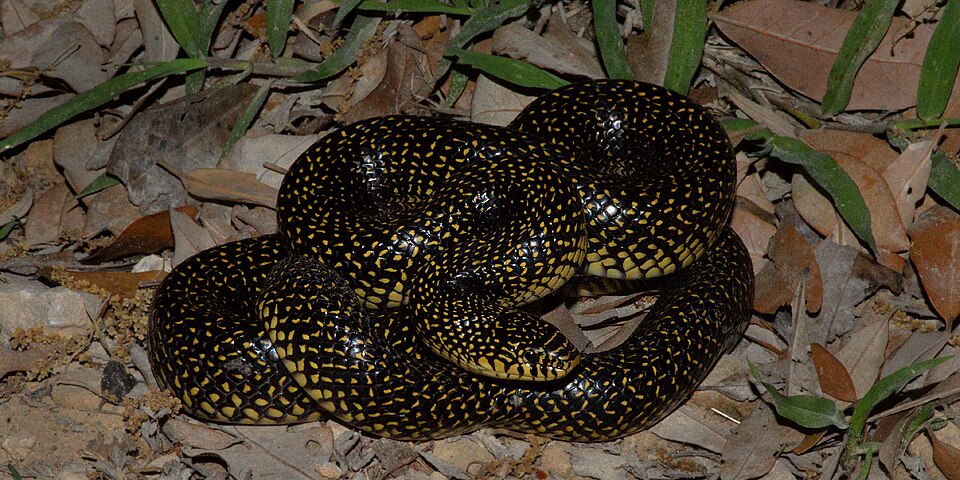
Lampropeltis holbrooki
Housing alone and separate feeding are fundamental; they cannot be co-housed with other snakes even if similar in size.
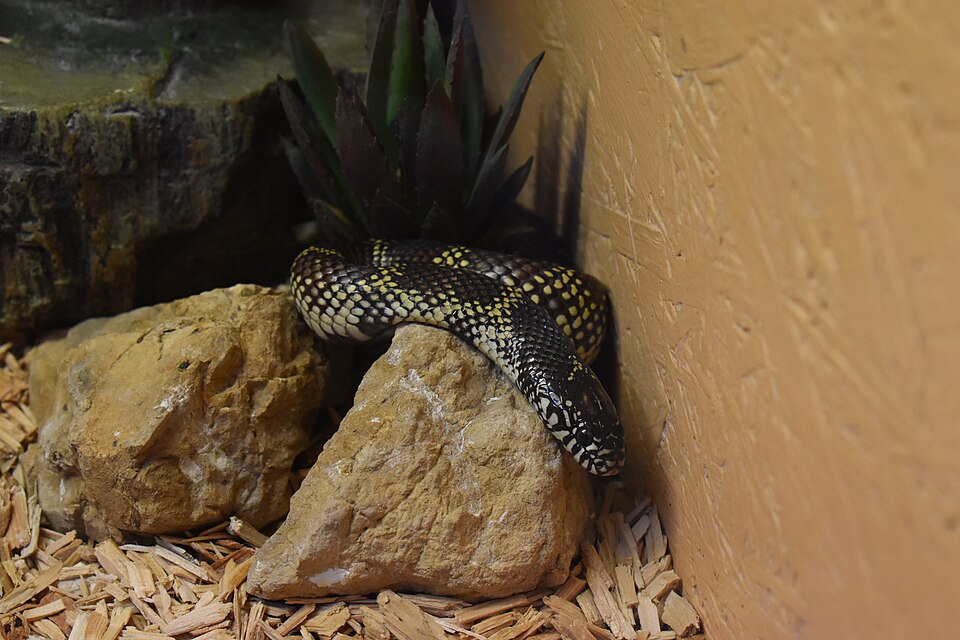
Lampropeltis splendida
Even in dry environments, access to water and moist hides is required; solitary housing, escape prevention, and consistent frozen-thawed prey supply must be maintained.
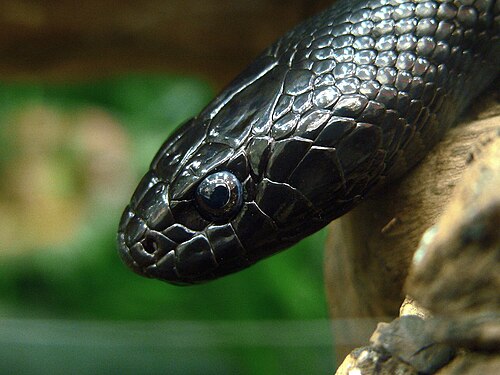
Lampropeltis nigrita
All-black appearance does not substitute for species identification; strong feeding response requires caution to avoid accidental bites.
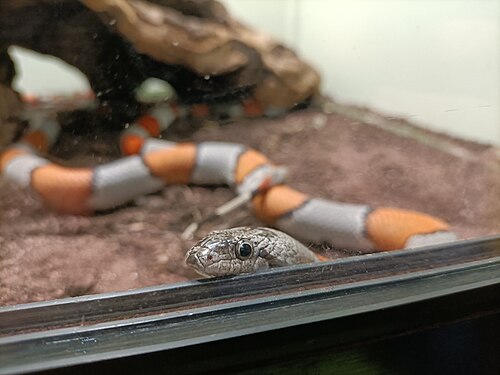
Lampropeltis alterna
Prey acceptance in juveniles must be verified first; purchasing decisions should not be based solely on coloration.
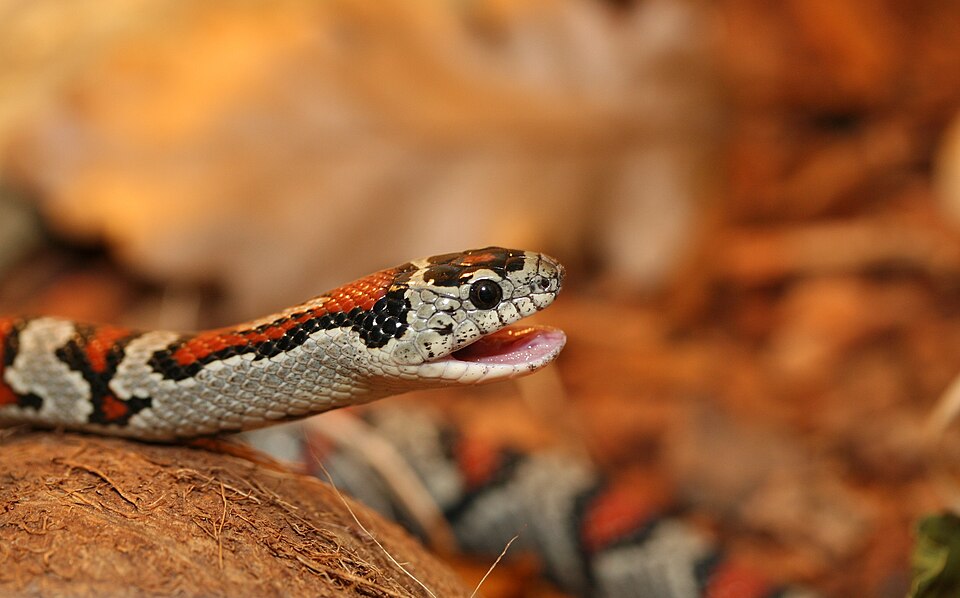
Lampropeltis mexicana
Individual appetite and seasonal activity rhythms must be observed; adult size cannot be estimated from juvenile measurements.
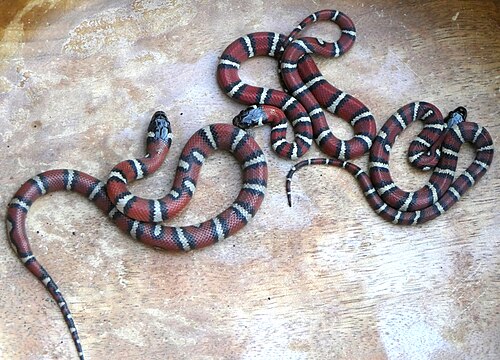
Lampropeltis ruthveni
Must be housed alone and confirmed to accept stable frozen-thawed prey; similar names do not justify applying all care parameters.
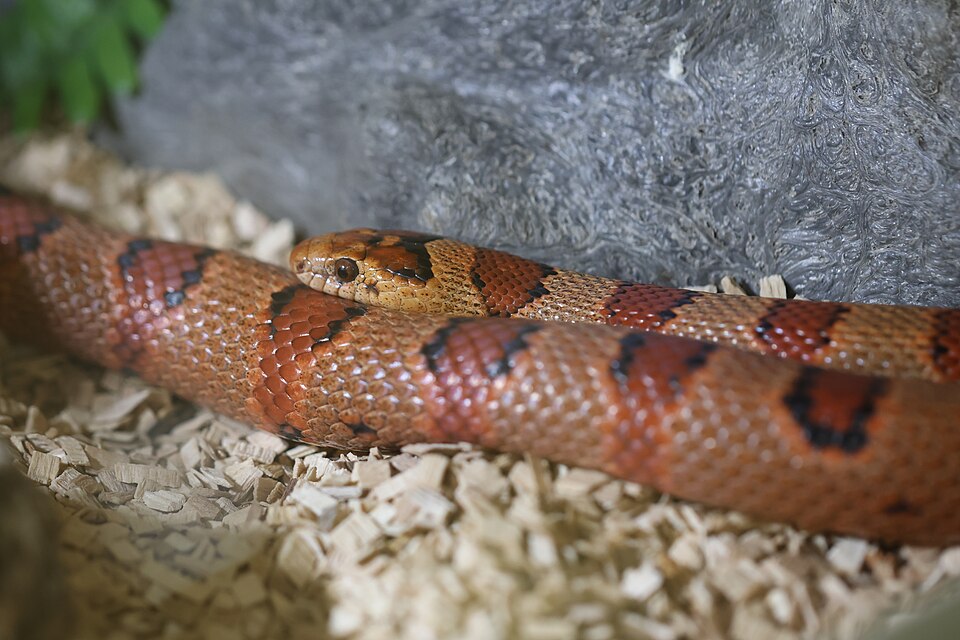
Lampropeltis leonis
Coloration varies significantly; species identification requires scientific name and origin verification, with particular attention to juvenile diet sources.
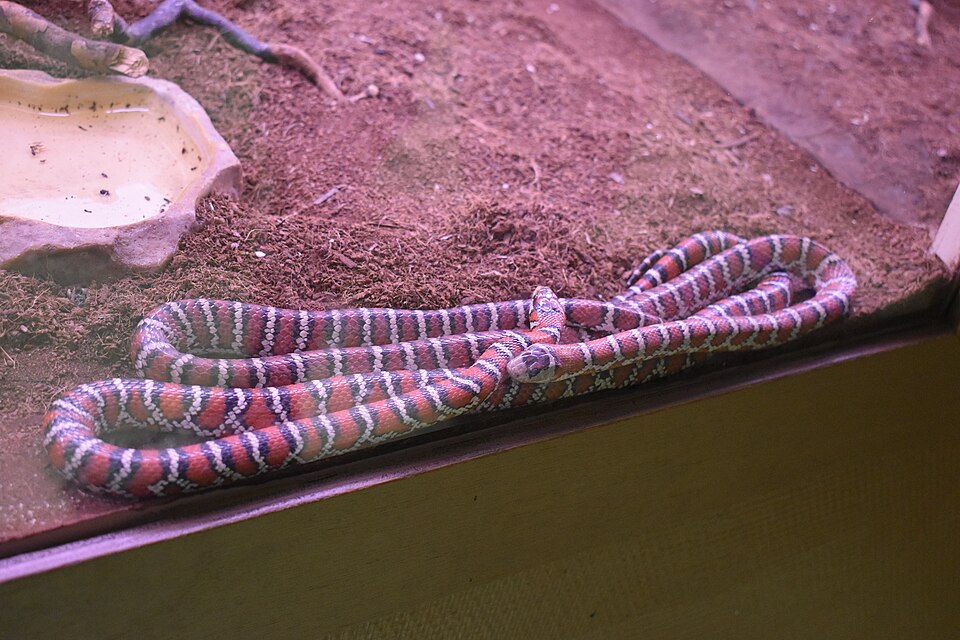
Lampropeltis pyromelana
Mountain habitat means temperature management differs from tropical snakes; do not simply aim for high heat.
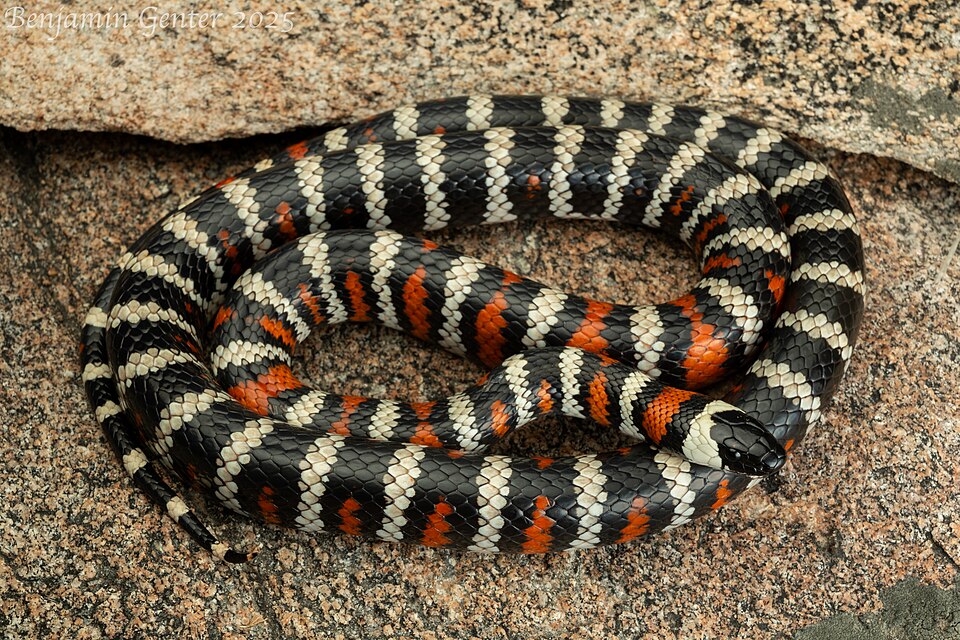
Lampropeltis zonata
Verify source and stable feeding first; mountain kingsnakes cannot be kept in continuously hot environments year-round.
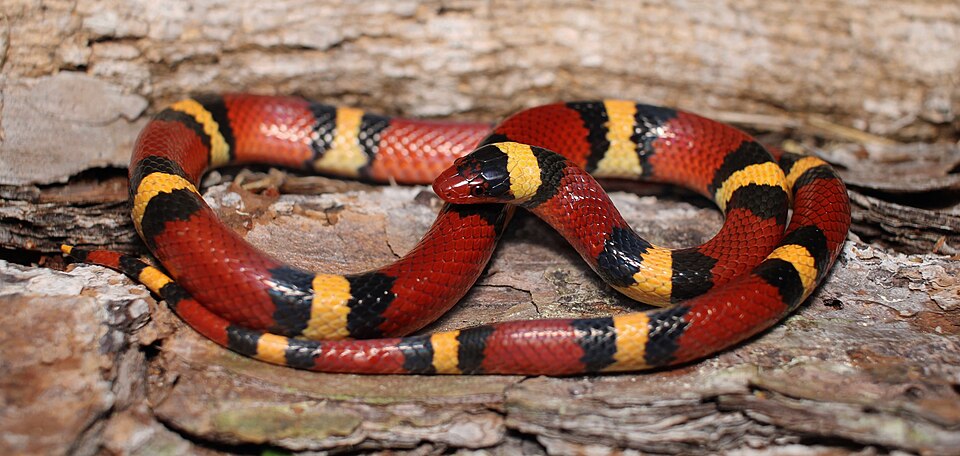
Lampropeltis elapsoides
Small size and specialized diet increase difficulty in getting them to eat; not recommended for beginners following standard milk snake protocols.
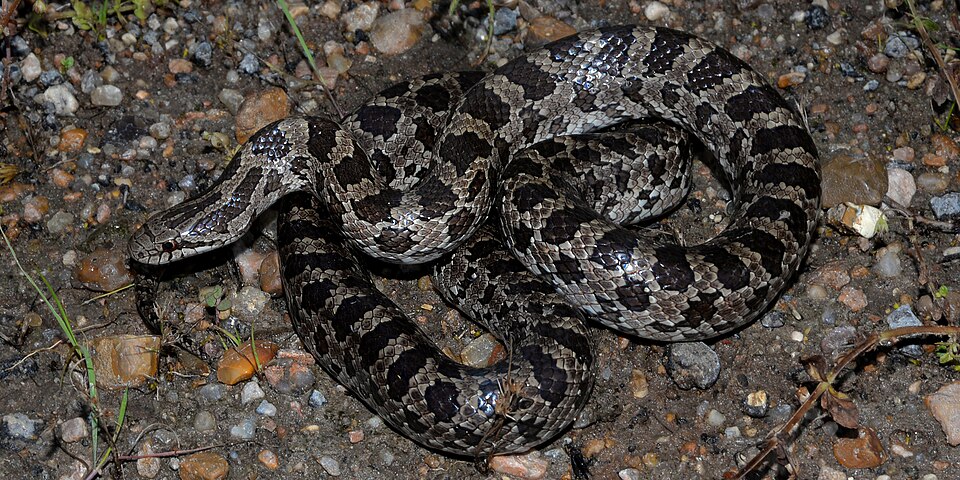
Lampropeltis calligaster
Adequate hiding and burrowing space is essential; solitary housing and escape prevention remain basic requirements.
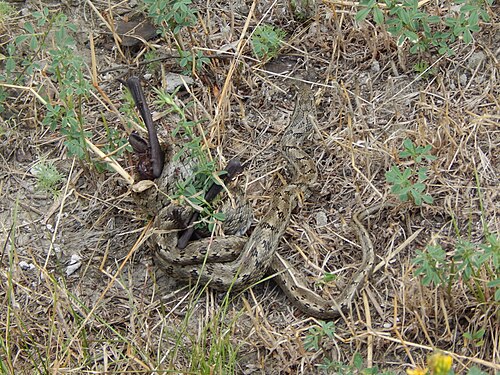
Elaphe dione
Common domestic names do not imply casual collection; verify source and seasonal management first.
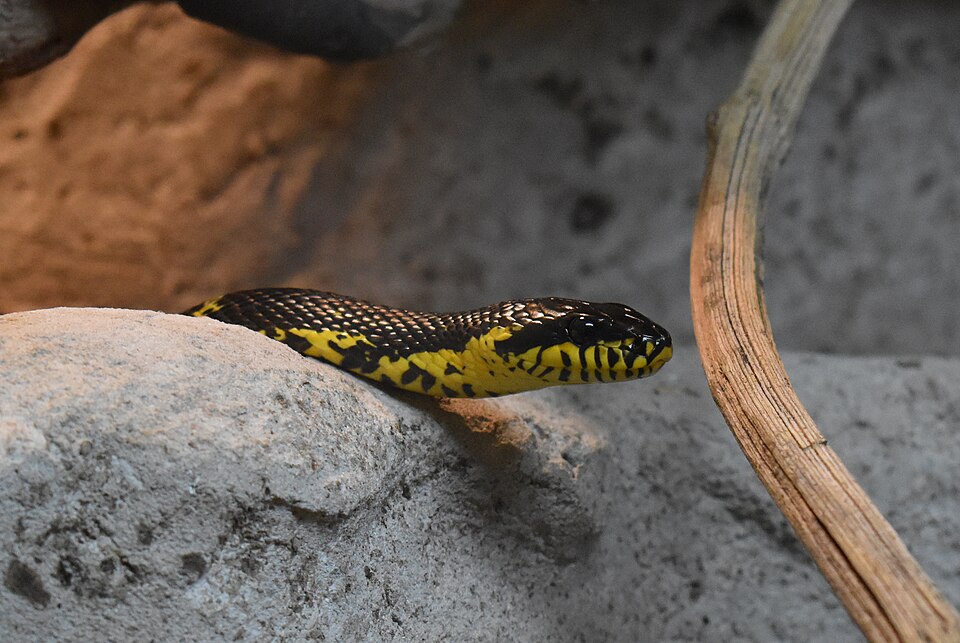
Elaphe schrenckii
Adult size, climbing behavior, and temperate rhythms affect enclosure setup and year-round care schedules.
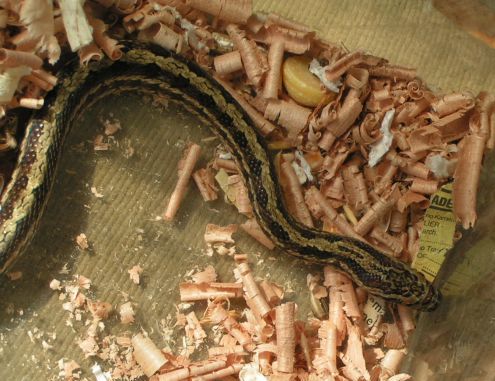
Elaphe bimaculata
Small colubrids still require escape-proof enclosures and stable feeding schedules; wild-caught individuals should not be the default source.
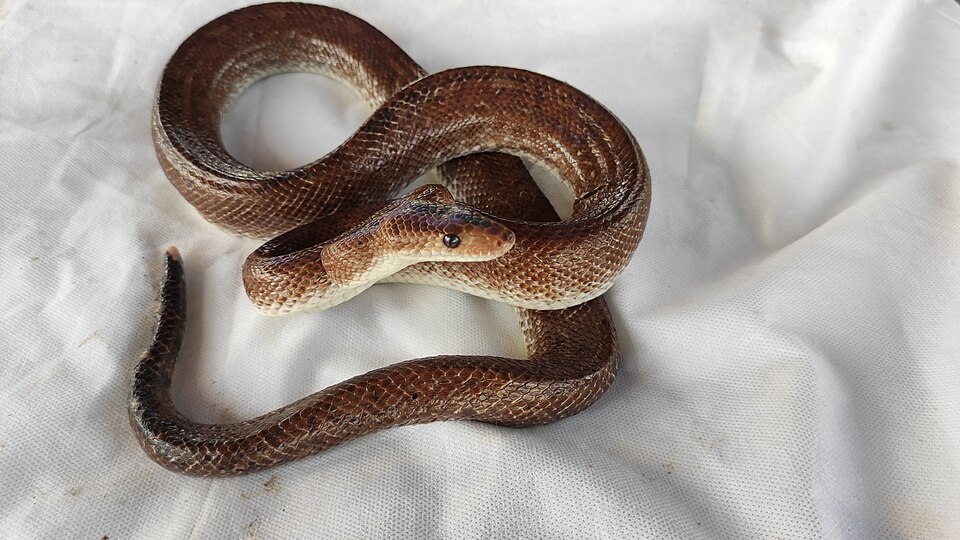
Epicrates maurus
Do not conflate with the Brazilian Rainbow Boa; enclosure space, hydration, and provenance must be verified against the accurate scientific name.
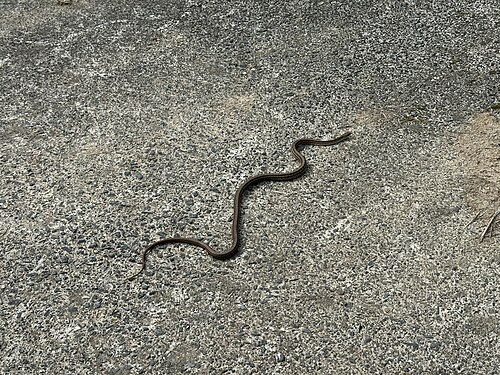
Elaphe quadrivirgata
Activity levels and defensiveness vary by individual; enclosure length and climbing structures are both important.
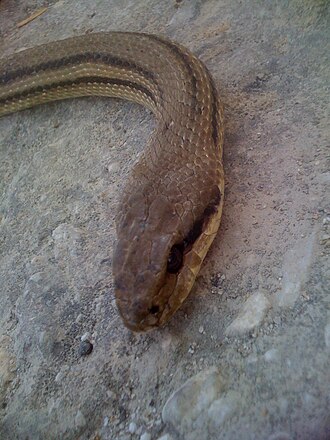
Elaphe quatuorlineata
Adult size is large; do not plan storage boxes based solely on juvenile space requirements.
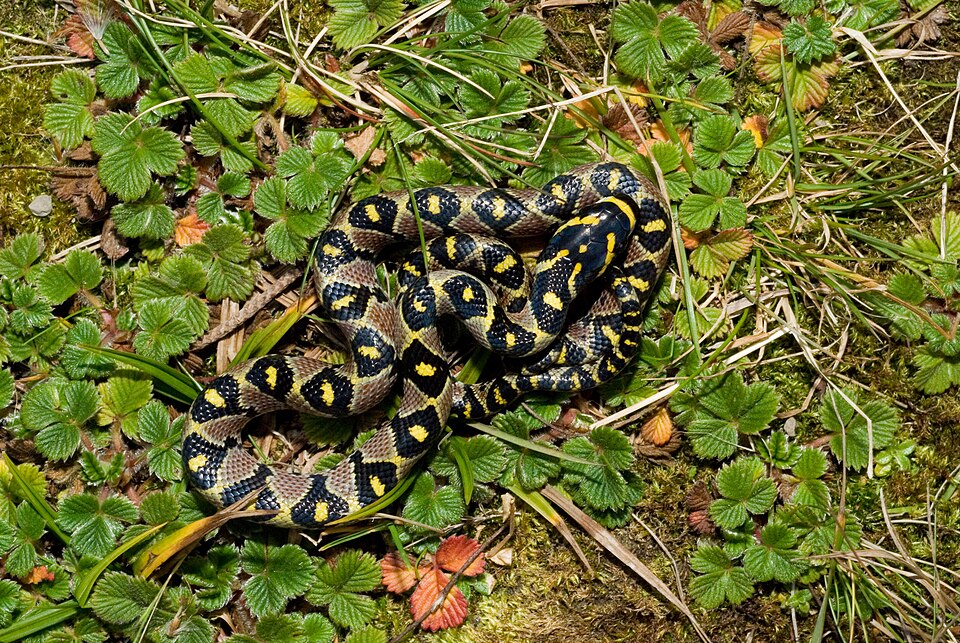
Euprepiophis mandarinus
Heat tolerance, ventilation, and consistent feeding must be verified specifically; do not purchase based on appearance alone.
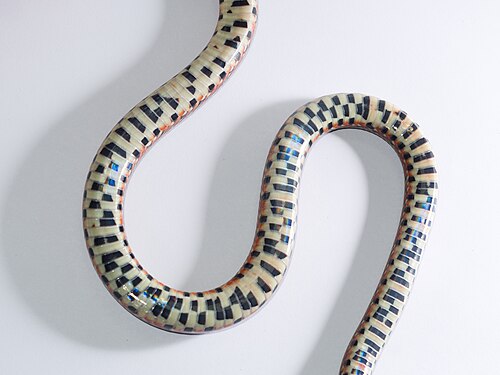
Euprepiophis conspicillata
A cryptic lifestyle requires ample hiding spots; continuous display or handling should not be pursued.
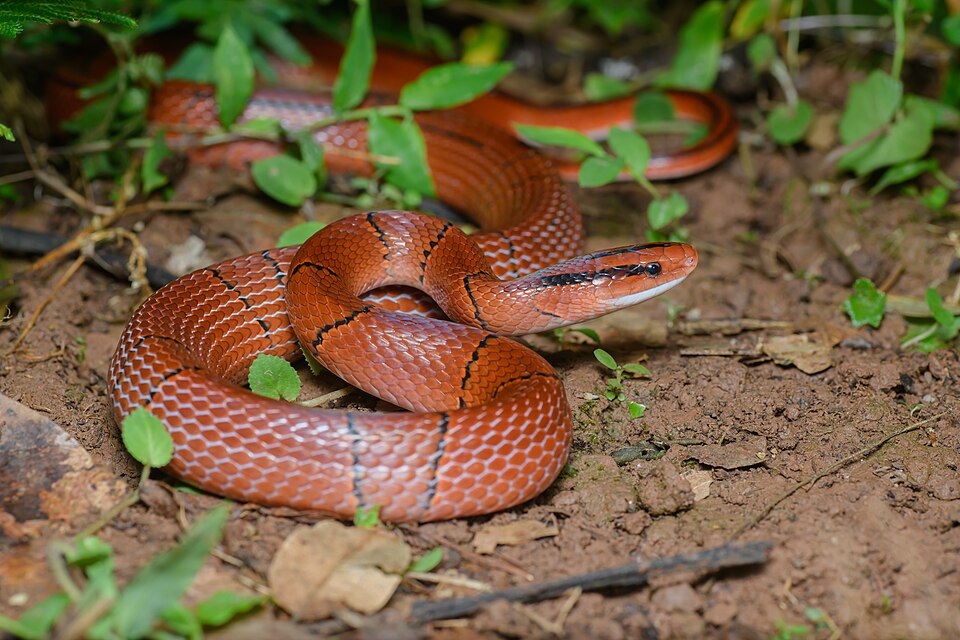
Oreocryptophis porphyraceus
Mountain habitat backgrounds require attention to summer overheating; individual provenance and feeding readiness must be confirmed first.
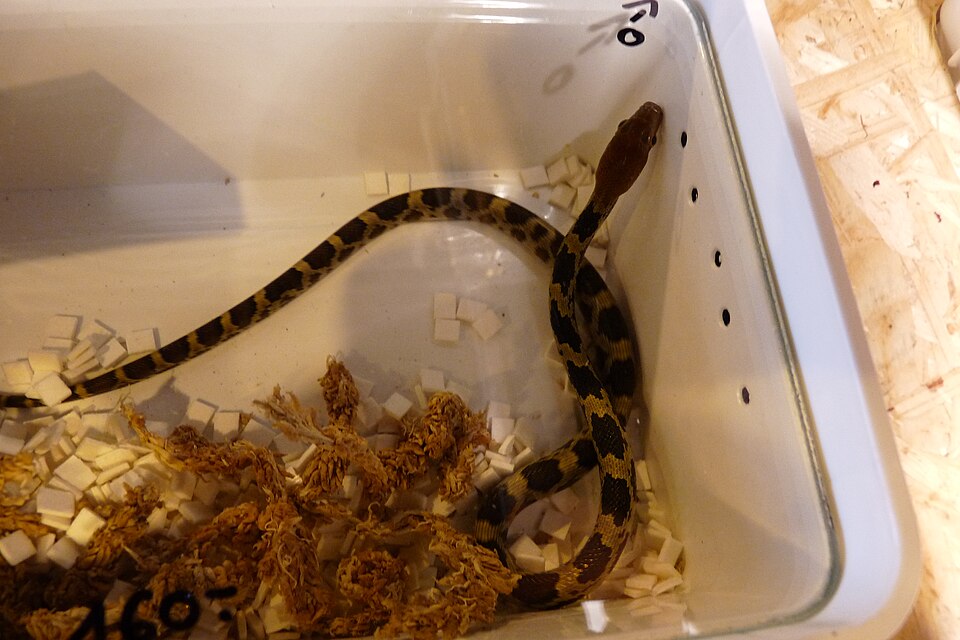
Orthriophis moellendorffi
Body size, stress response, and feeding adaptation all require experience; the Corn Snake protocol cannot be applied.
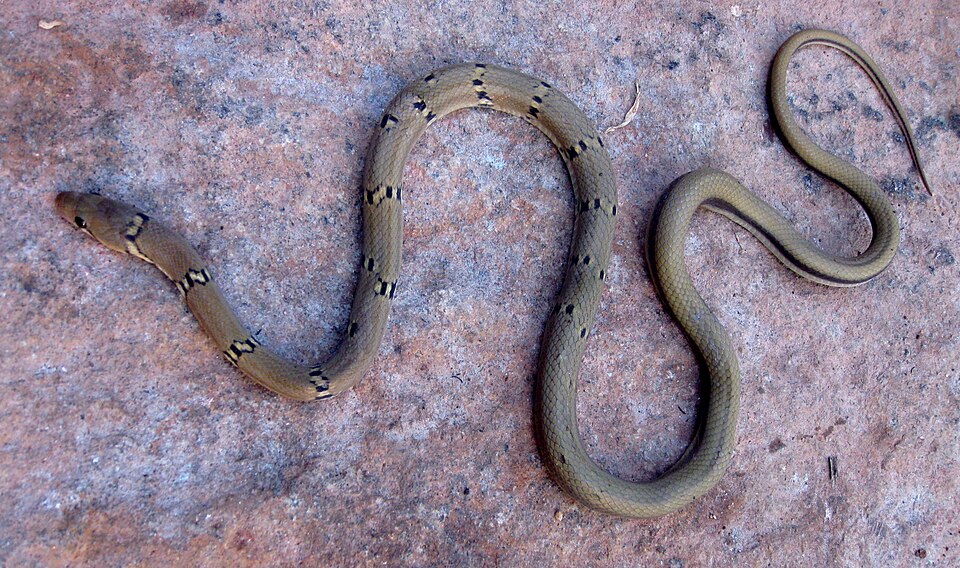
Coelognathus helena
Strong climbing ability and speed; stable frozen-thawed prey feeding and escape prevention must both be confirmed.
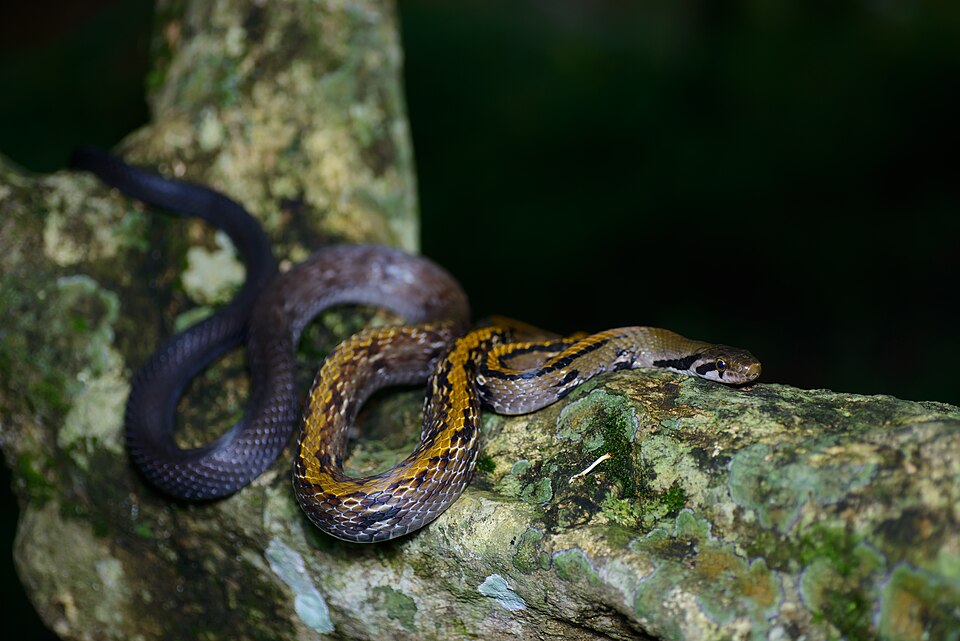
Coelognathus flavolineatus
Large, active snakes require continuous activity space; supply source and acclimation status must be verified first.
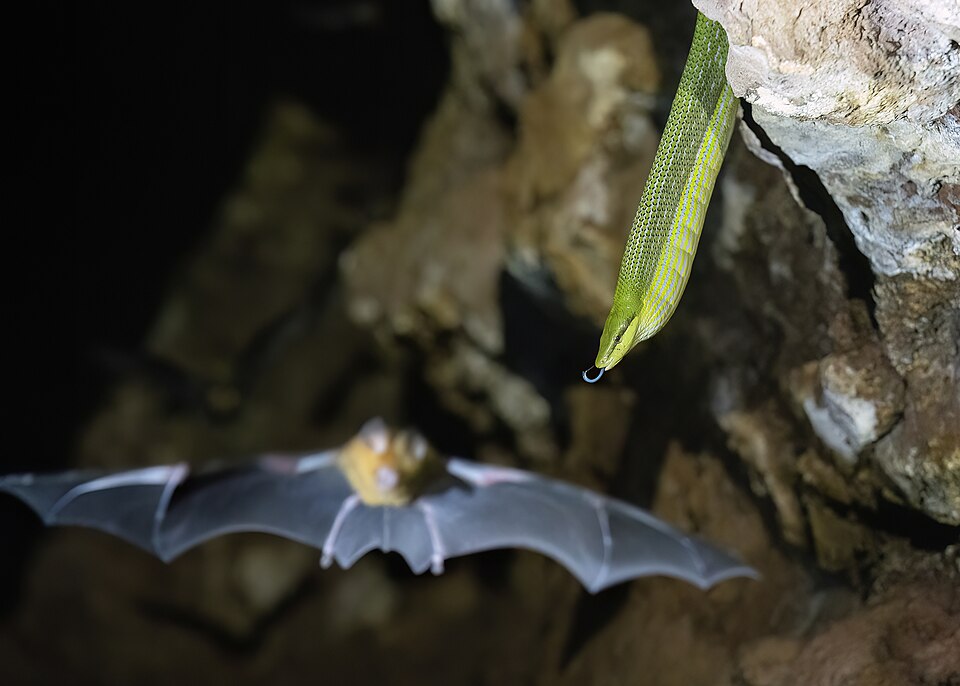
Gonyosoma oxycephalum
Arboreal space, water access, and ventilation are all critical; simply increasing enclosure length is insufficient.
Gonyosoma boulengeri
Juvenile feeding initiation and arboreal water intake methods are unusual; confirm stable acclimation before purchase.
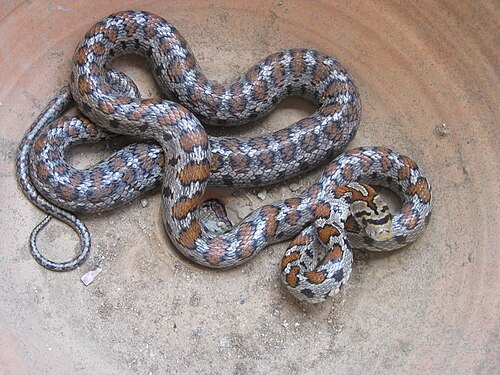
Zamenis situla
The banded pattern in the name does not indicate docility or ease of care; temperate seasonality and food sources require planning.
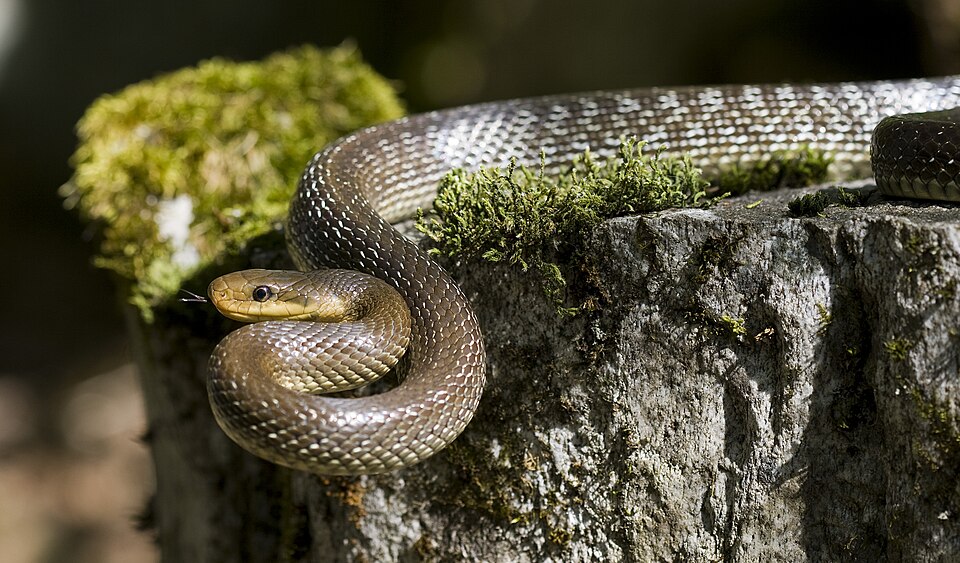
Zamenis longissimus
Climbing activity and adult length must be counted together for space; legality of the source must be checked separately.
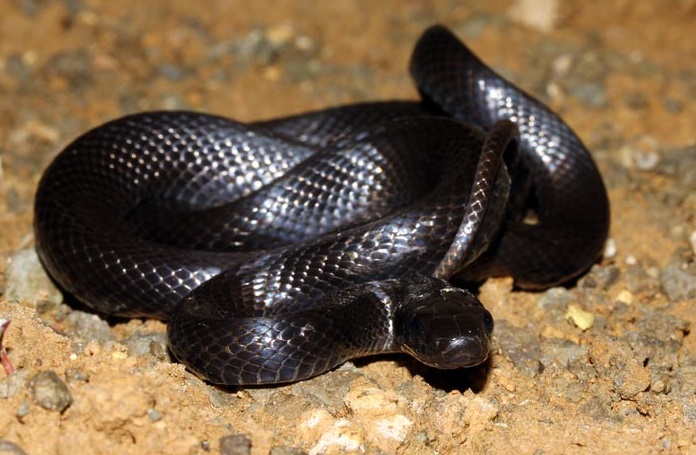
Zamenis persicus
Shy individuals are unsuitable for frequent disturbance; enclosures and a stable food source must be prepared in advance.
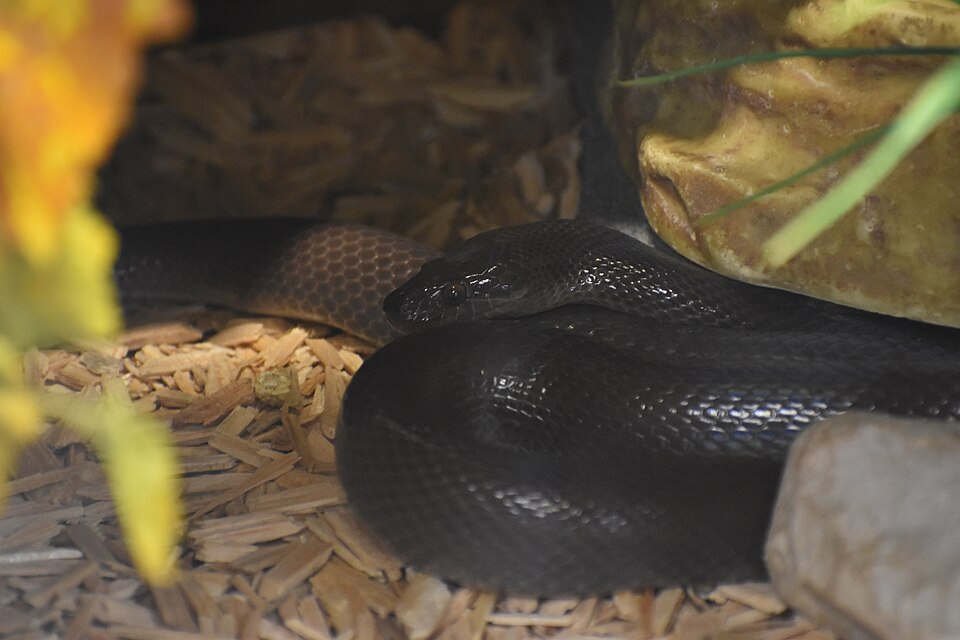
Boaedon fuliginosus
The term 'House Snake' may encompass different species; confirm the scientific name first, then arrange frozen prey and space.
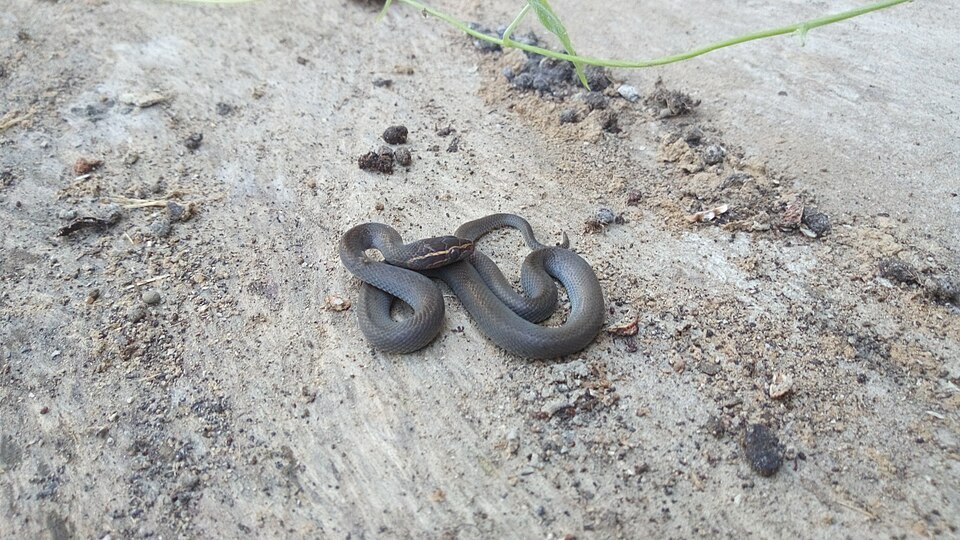
Boaedon lineatus
Feeding and size vary by individual; adult male and female sizes need to be understood separately.
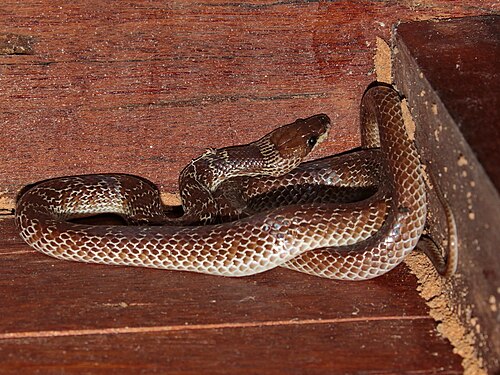
Lycodon capucinus
Has specific prey preferences; cannot assume acceptance of frozen mice; confirm long-term food sources before purchase.
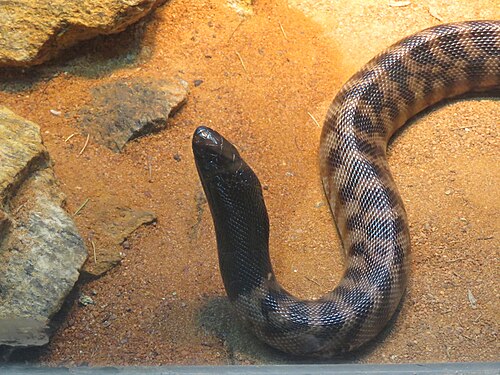
Aspidites melanocephalus
Adult size and strong feeding response increase handling difficulty; large floor space is required.
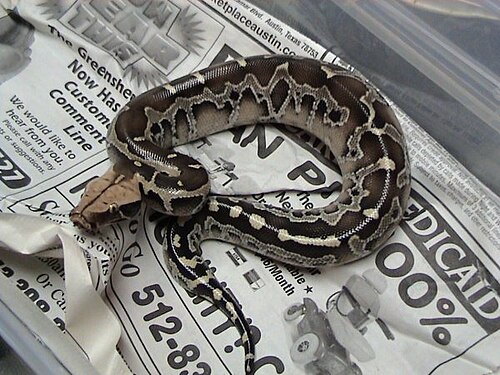
Python breitensteini
Weight and stress are harder to estimate than body length; ventilation, cleaning, and handling capacity must be prepared.
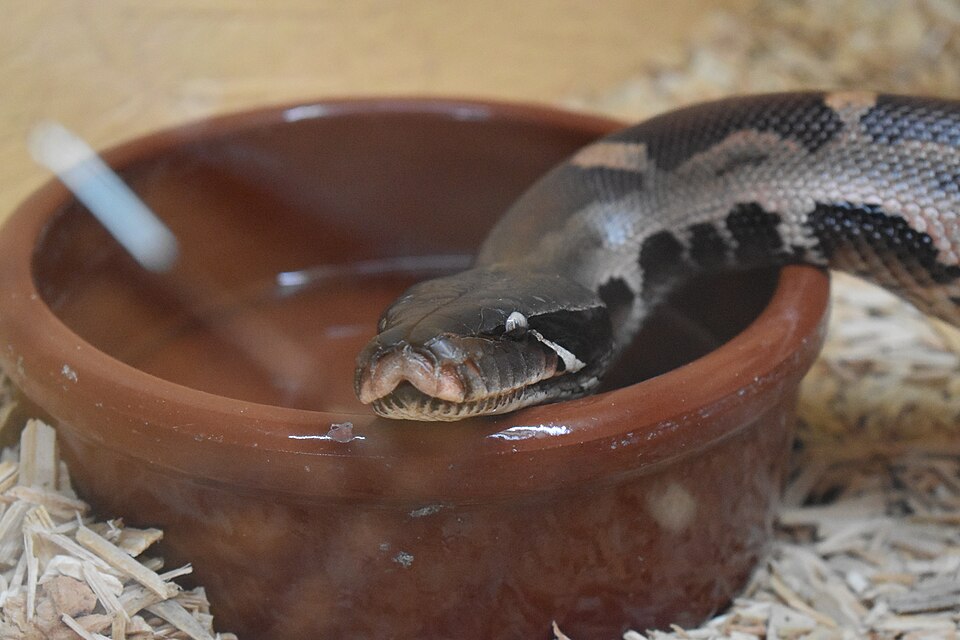
Python curtus
The robust body shape makes floor space and load-bearing capacity critical; do not estimate requirements based on the length of slender snakes.
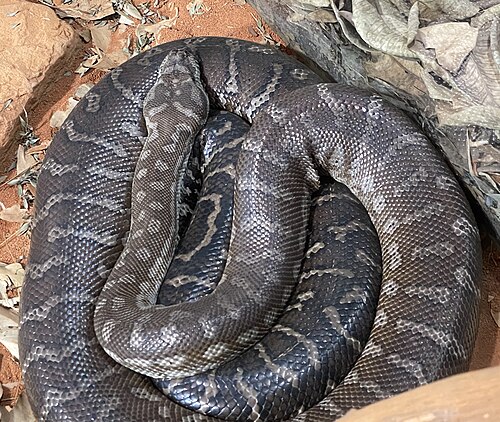
Morelia bredli
Both climbing and adult size require large enclosures; seasonal background and heat zones must be verified separately.
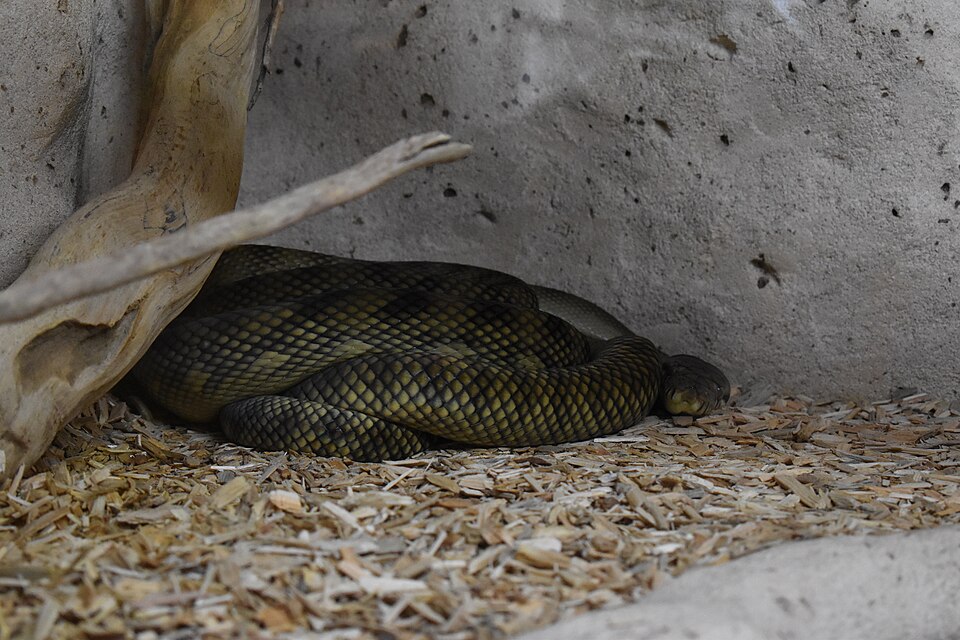
Simalia amethistina
Facilities and safe transfer requirements for large arboreal pythons are high; typical home spaces are usually insufficient.
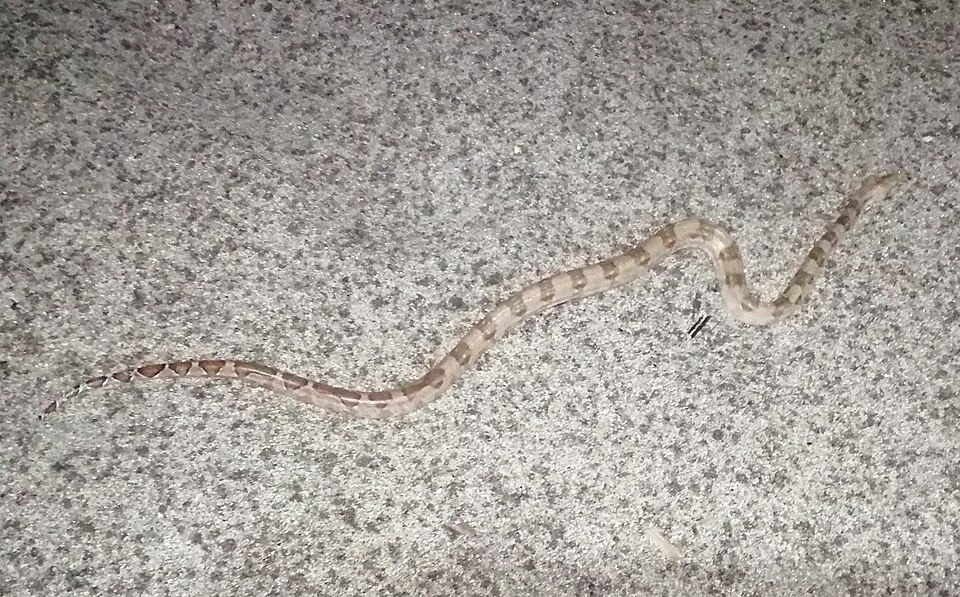
Boa imperator
Commitment must include adult weight, length, and lifespan; local morphs cannot be identified solely by common name.
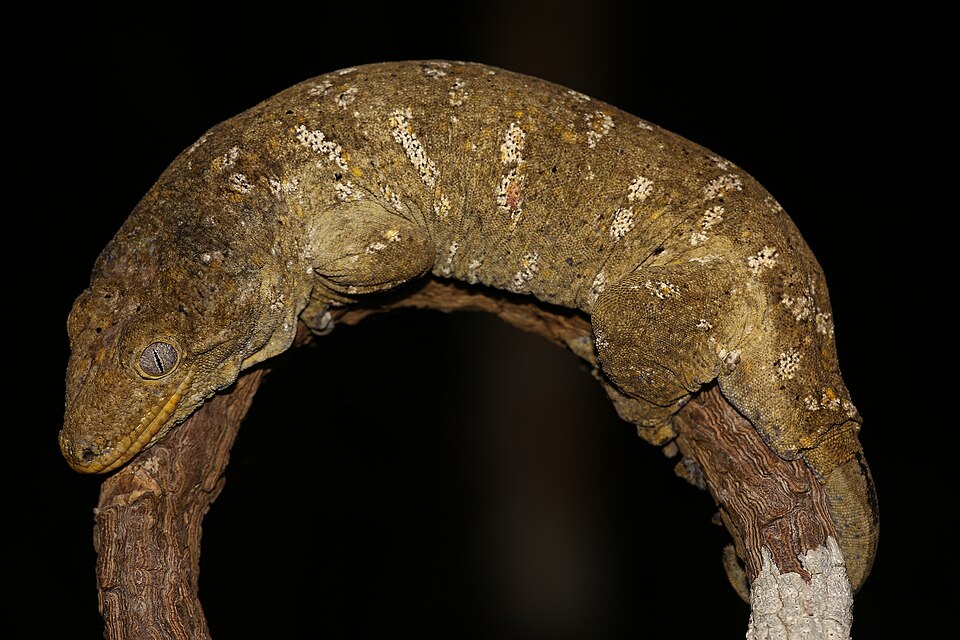
Rhacodactylus leachianus
Nocturnal vocalizations, territorial behavior, and adult weight may exceed the experience level of small gecko keepers.
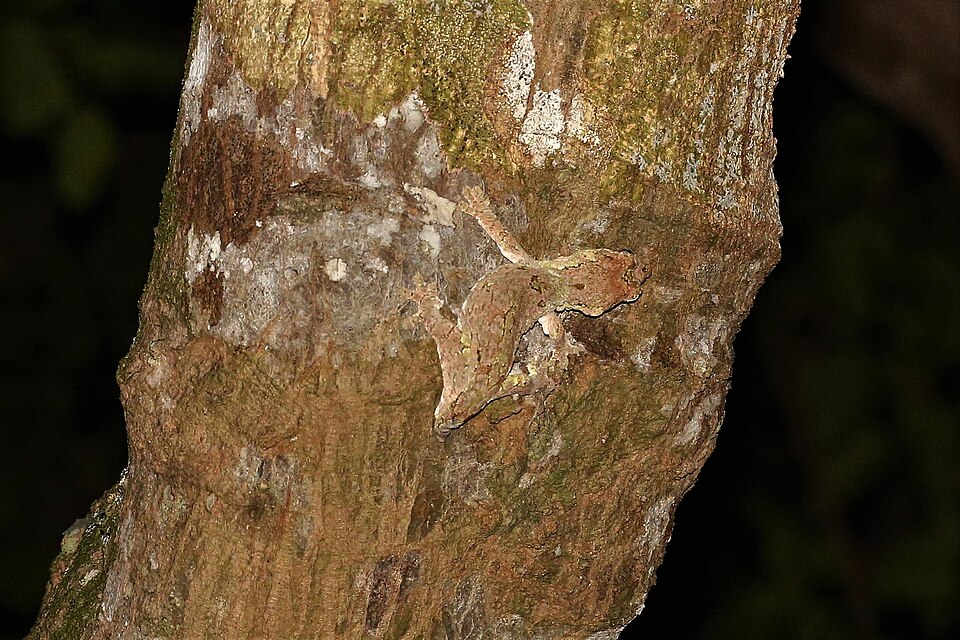
Mniarogekko chahoua
Prepare for an arboreal route and a complete diet simultaneously; do not rely on feeding sweet fruit puree long-term.
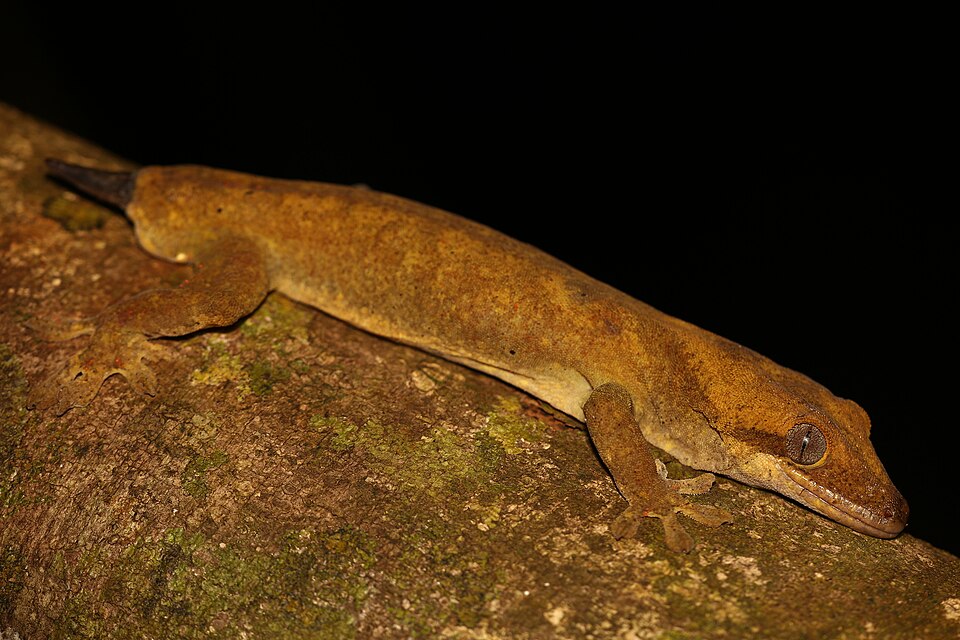
Correlophus sarasinorum
Vertical activity space and escape prevention are critical; handle with care to minimize stress and tail injury risks.
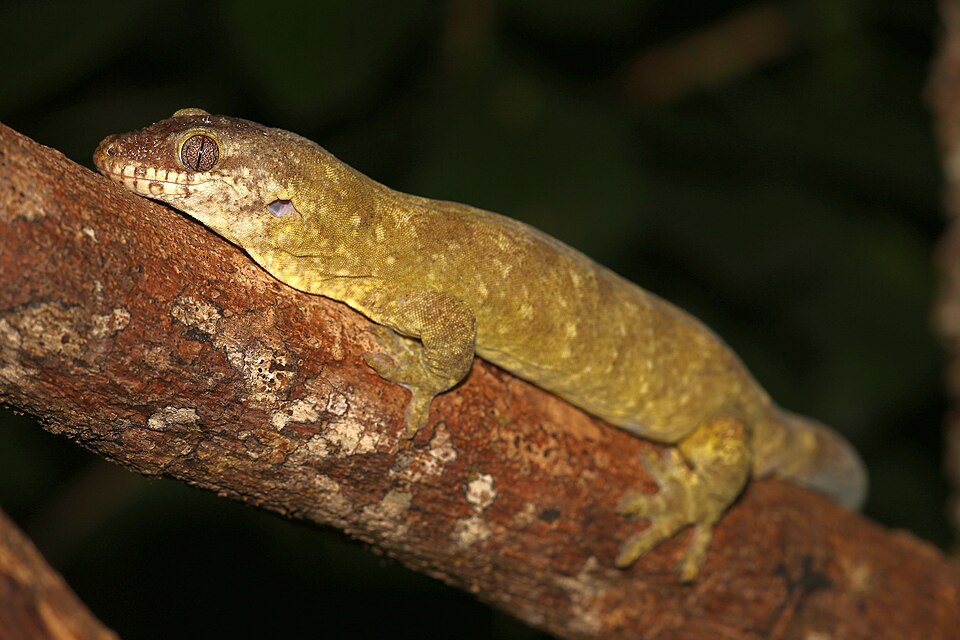
Rhacodactylus trachyrhynchus
Rare in origin and limited husbandry data; verify identity and breeding source first.
Eublepharis angramainyu
Unlike common leopard geckos, adult size and habitat conditions cannot be directly replicated.
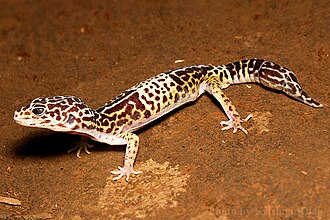
Eublepharis fuscus
Do not substitute common leopard gecko commercial labels for scientific names; verify origin and environment specifically.
Eublepharis hardwickii
Less common; do not assume identical parameters due to same genus; prioritize individual health and source.
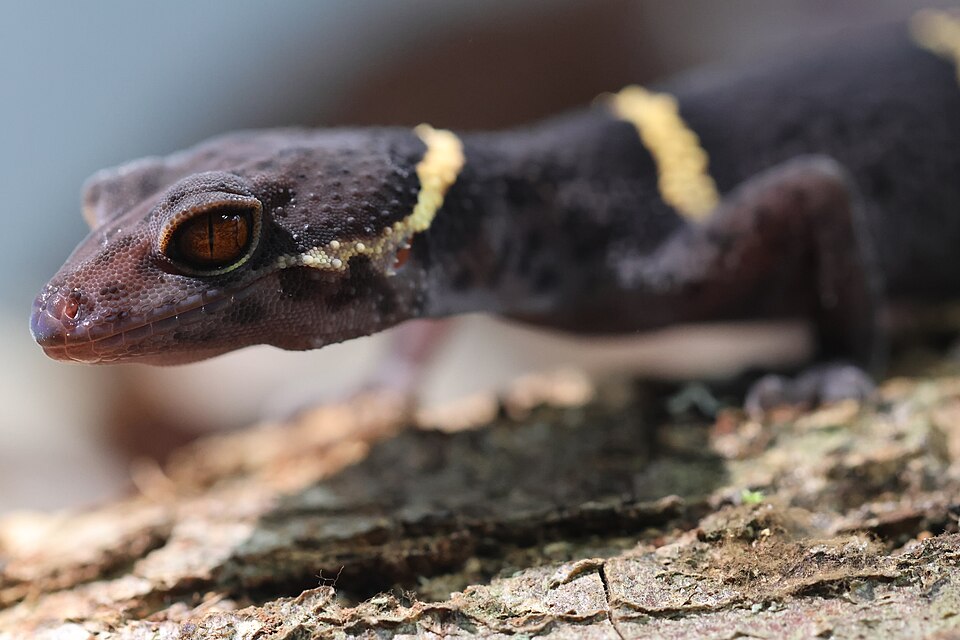
Goniurosaurus hainanensis
Heat-sensitive forest floor species; implement summer cooling, ventilation, and humid hideouts first.
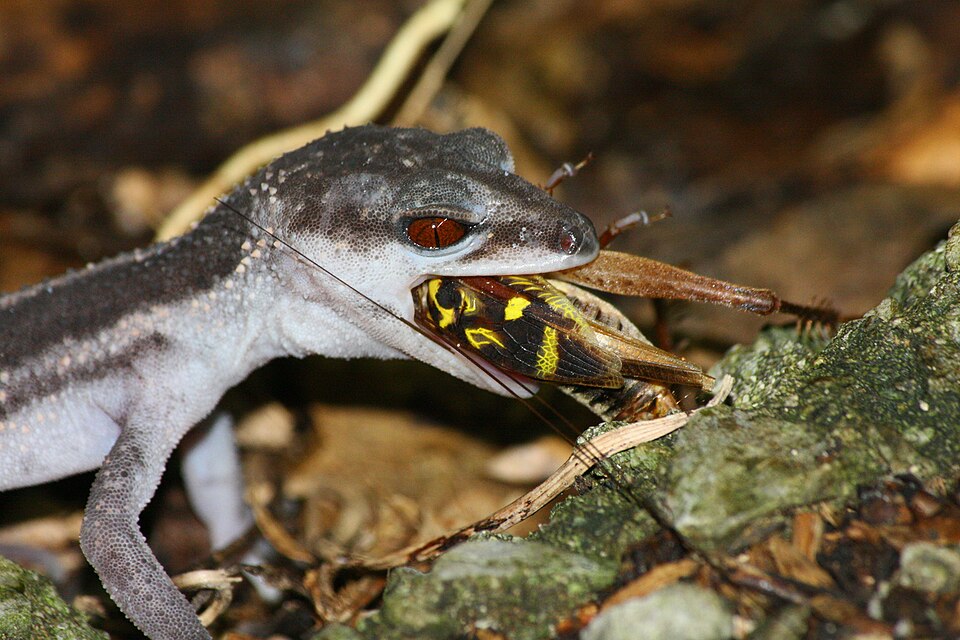
Goniurosaurus kuroiwae
Strongly region-specific; verify origin and conservation status first; do not default to wild collection as supply.
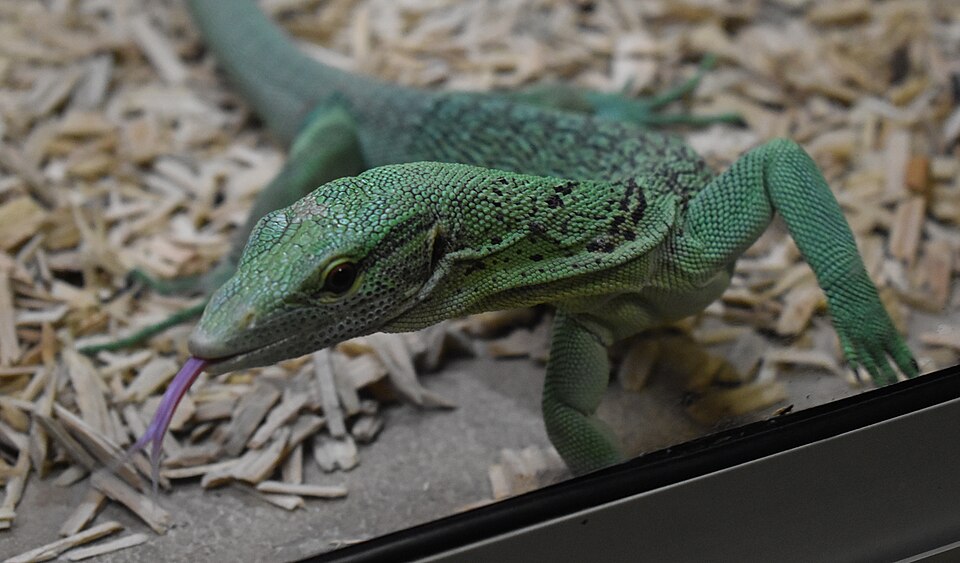
Varanus prasinus
Arboreal monitors require ample vertical activity space; food sources, escape prevention, and safe transfer options must be established first.
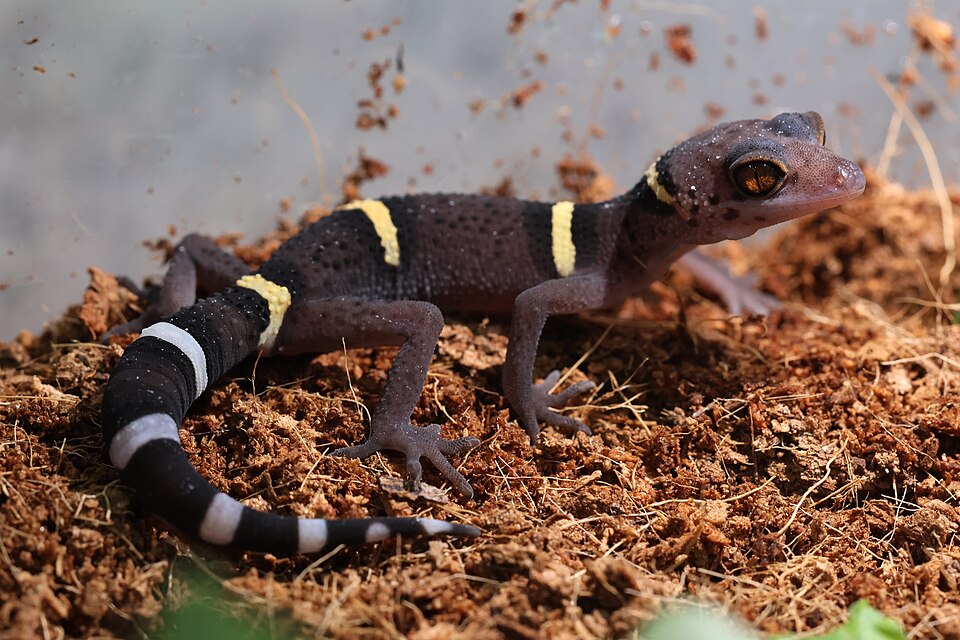
Goniurosaurus lichtenfelderi
Humidity and ventilation must be balanced; prolonged high temperatures are not suitable for all geckos.
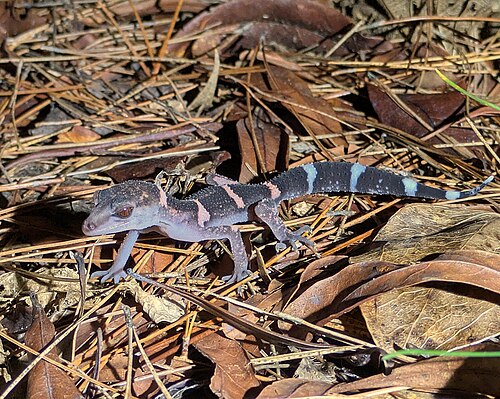
Goniurosaurus splendens
Verify regional origin and identity first; husbandry parameters must be confirmed based on the accurate scientific name.
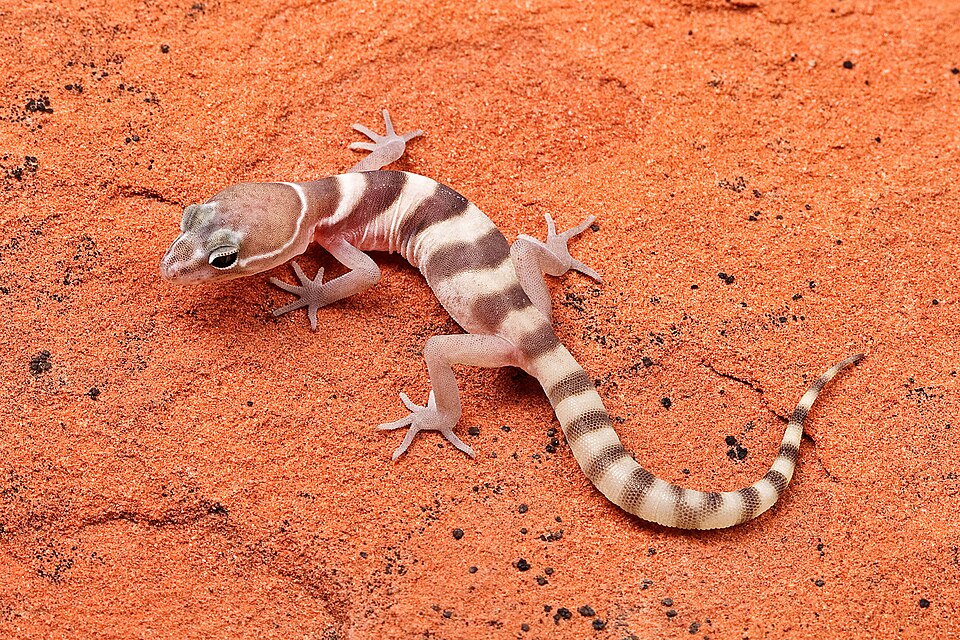
Coleonyx variegatus
Even small, ground-dwelling individuals still require both dry and moist hiding spots; providing only a single layer of dry sand is insufficient.
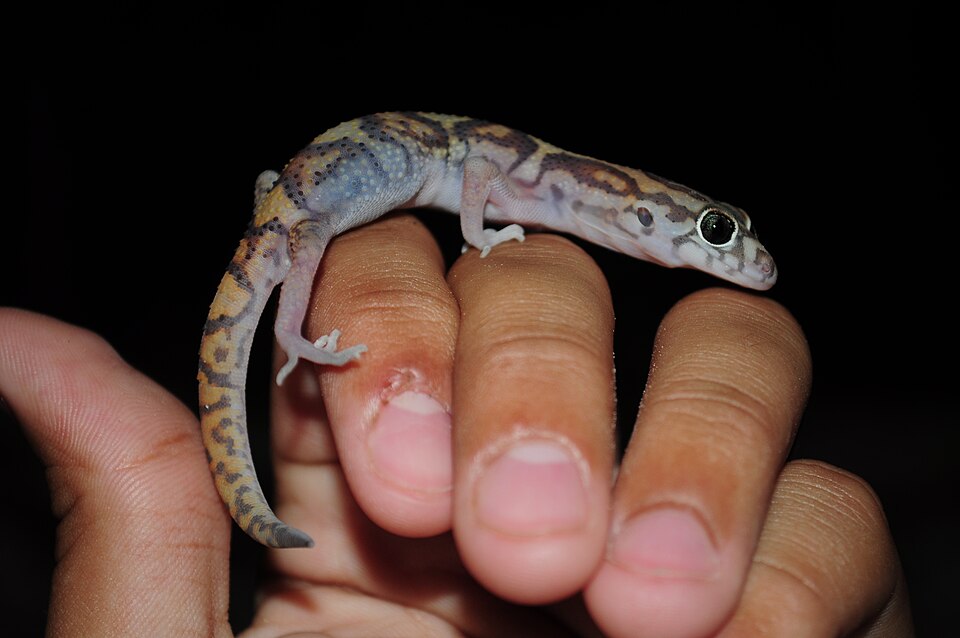
Coleonyx elegans
Tropical ground environments differ from common desert geckos; humidity cannot be universally reduced.
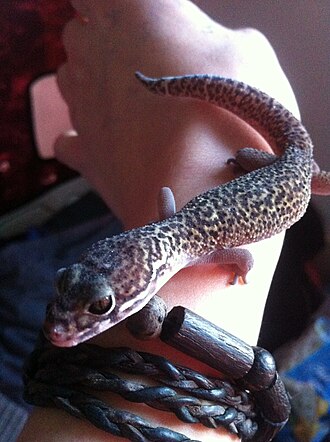
Coleonyx mitratus
Strong nocturnal and hiding needs; handling and cleaning should minimize direct grabbing.
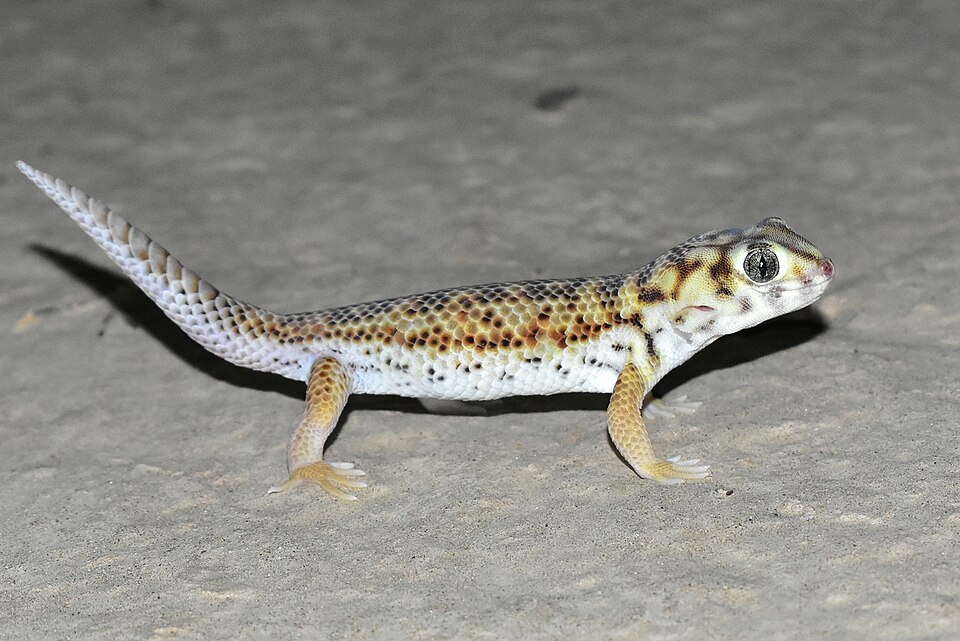
Teratoscincus scincus
Skin and scales are easily damaged by handling; better suited for observation than play.
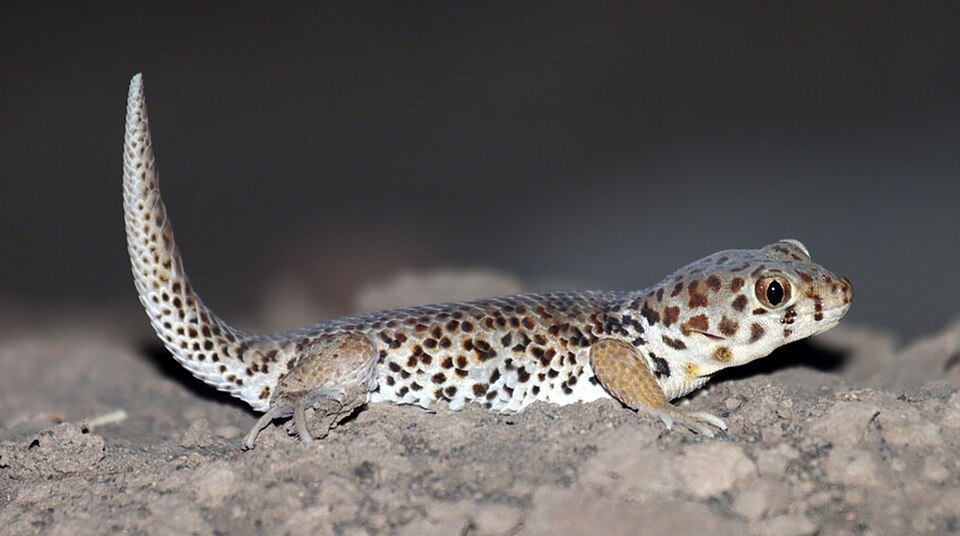
Teratoscincus roborowskii
A sandy background does not equate to high ambient heat throughout the enclosure; deep hides and humidity gradients must still be provided.
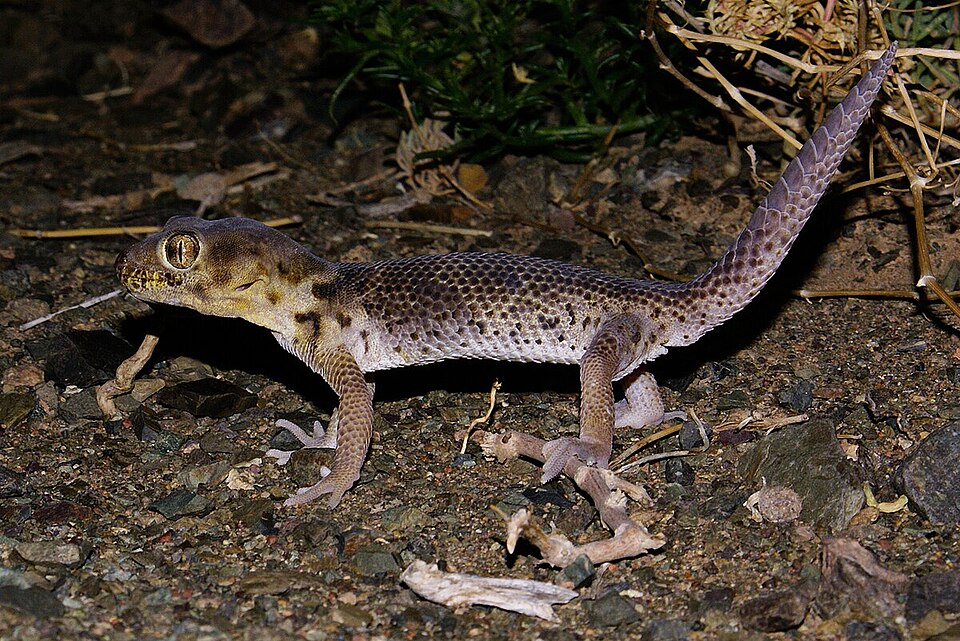
Teratoscincus przewalskii
Burrowing behavior requires appropriate substrate; source and temperature gradients must be verified first.
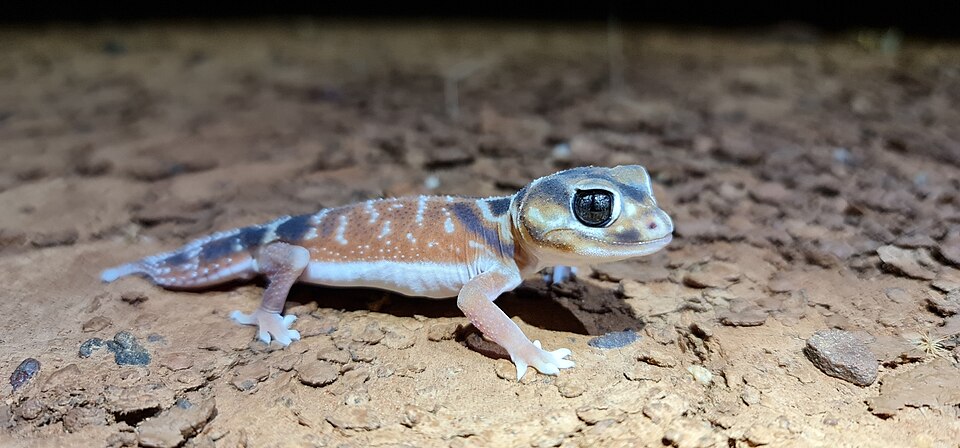
Nephrurus levis
Activity centers on digging and hiding; substrate and localized humidity are more important than decorative piles.
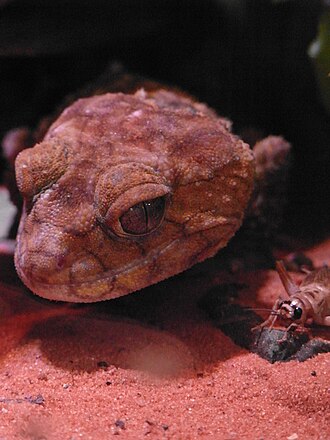
Nephrurus amyae
Contact and defensive reactions may not be gentle; deep hides and a quiet environment are essential.
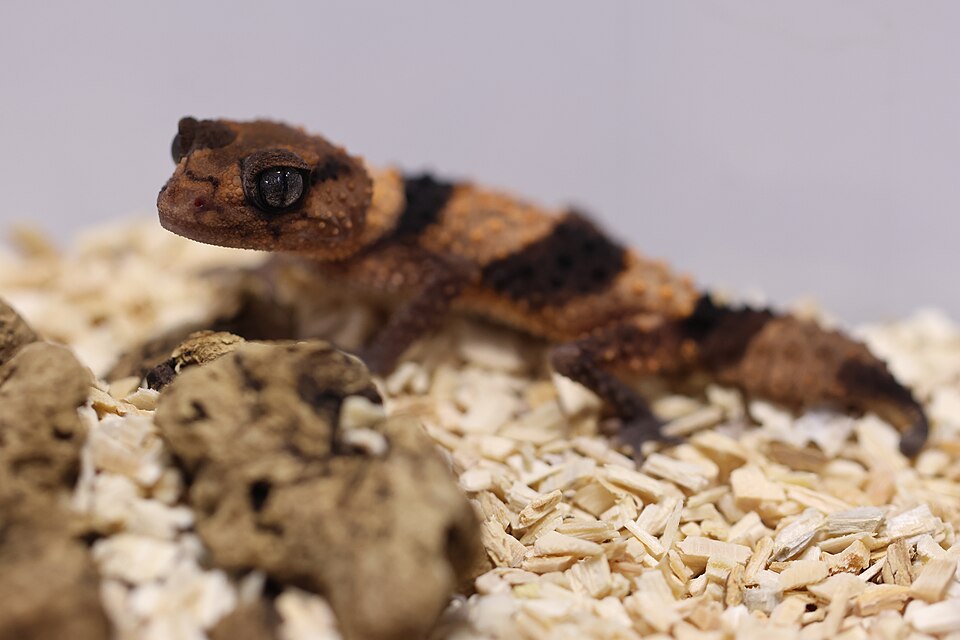
Nephrurus wheeleri
Suitable for observation-based care; options for dry surfaces and moist hides must be retained.
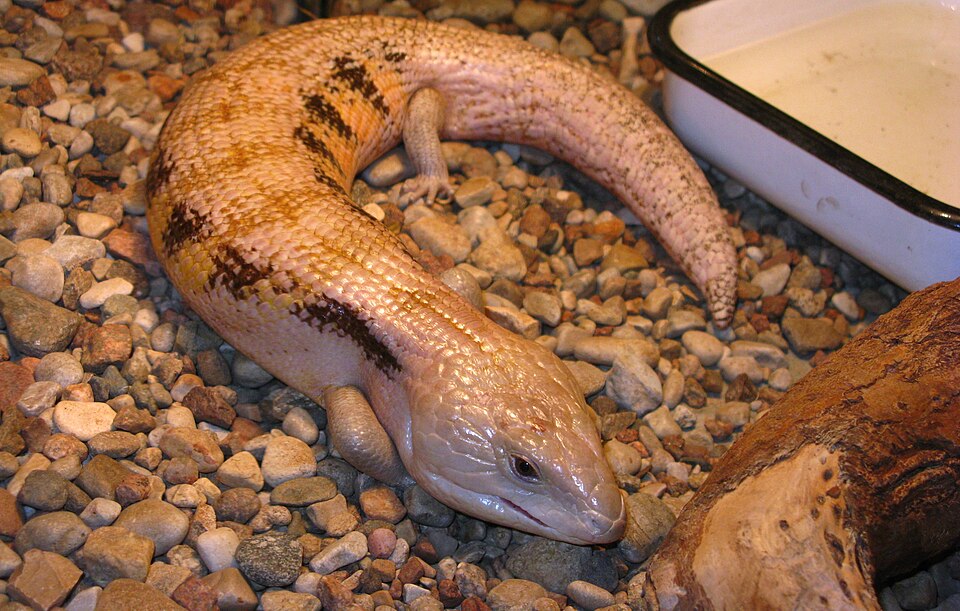
Tiliqua gigas
Humidity requirements for Indonesian individuals cannot be directly applied to Australian Blue-tongued Skinks; adult floor space and diet must be verified specifically.
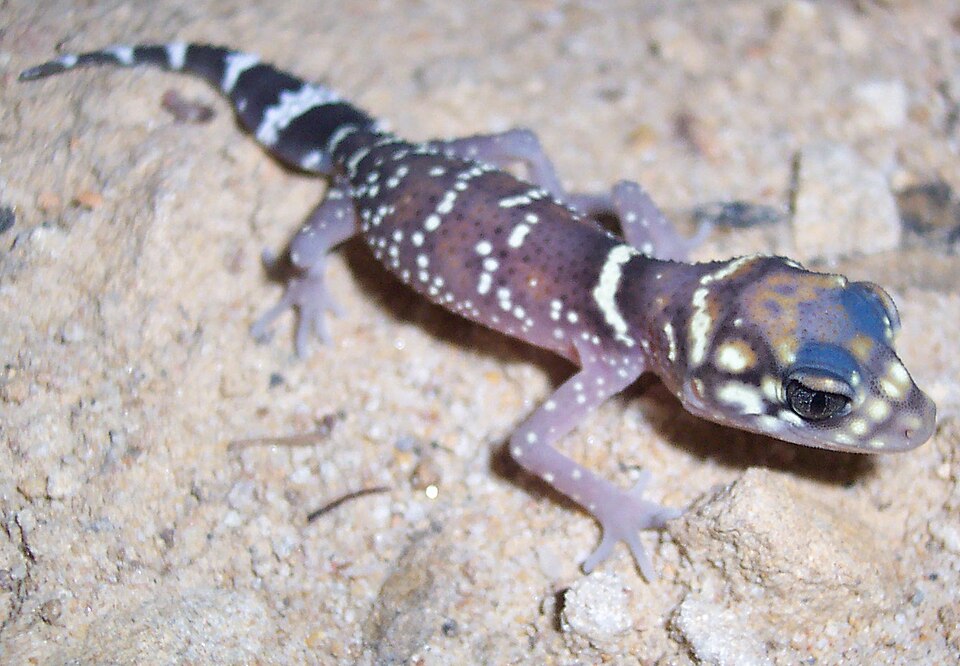
Underwoodisaurus milii
Do not duplicate entries by common name; verify classification names against the source database.
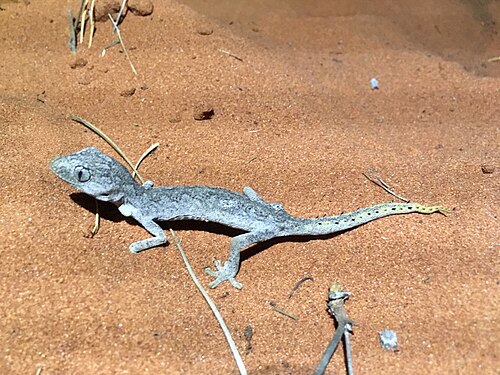
Strophurus ciliaris
Be aware of defensive secretions and arboreal activity; do not attempt to handle by grabbing the tail.
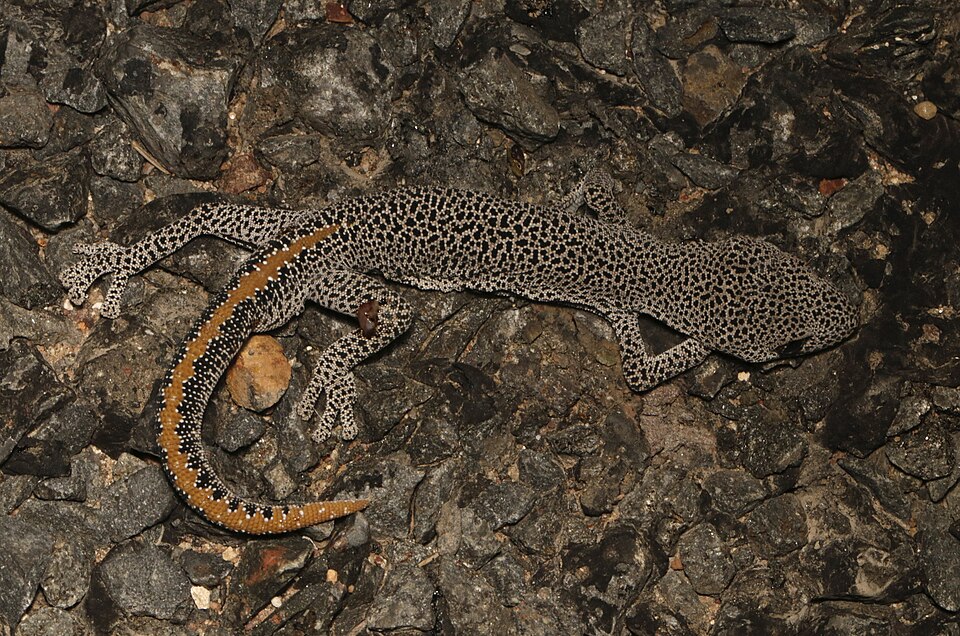
Strophurus taenicauda
Branch routes and ventilation are critical; do not substitute a closed, high-humidity environment for an arboreal habitat.
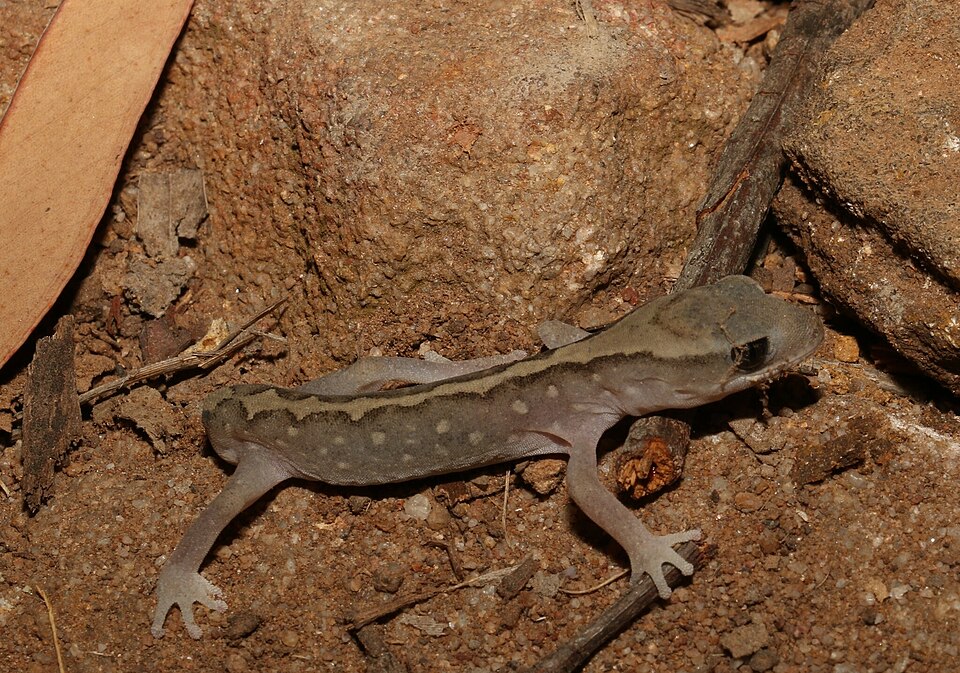
Diplodactylus vittatus
Prepare micro-live prey and escape-proof mesh sizes; small size does not mean any box is suitable.
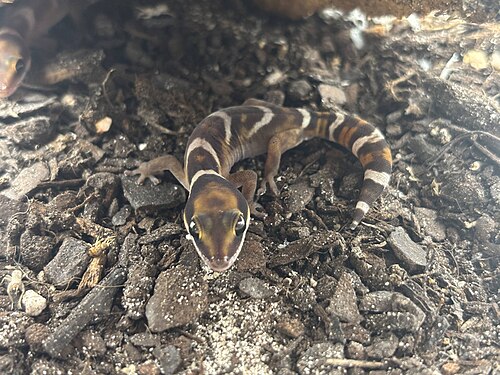
Oedura castelnaui
Nocturnal climbing and crevice hiding must both be accommodated; do not provide only flat floor space.
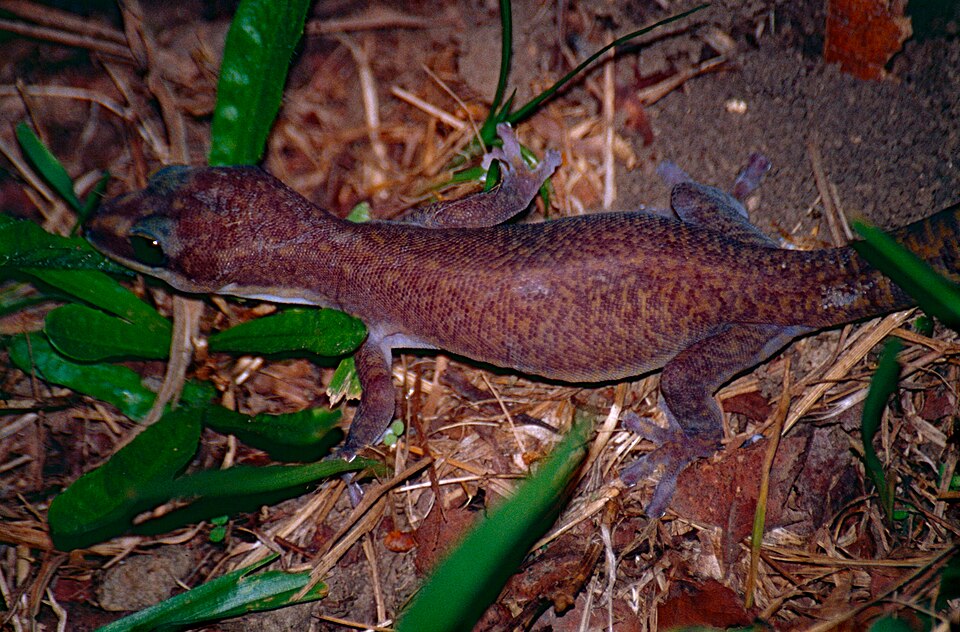
Oedura monilis
Climbing structures must be secure; provide a safe transfer space during cleaning rather than chasing by hand.
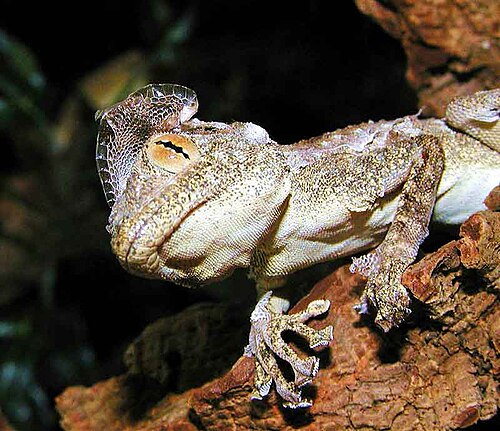
Ptyodactylus hasselquistii
Strong vertical climbing and escape ability; door and ventilation structures must be tested in advance.
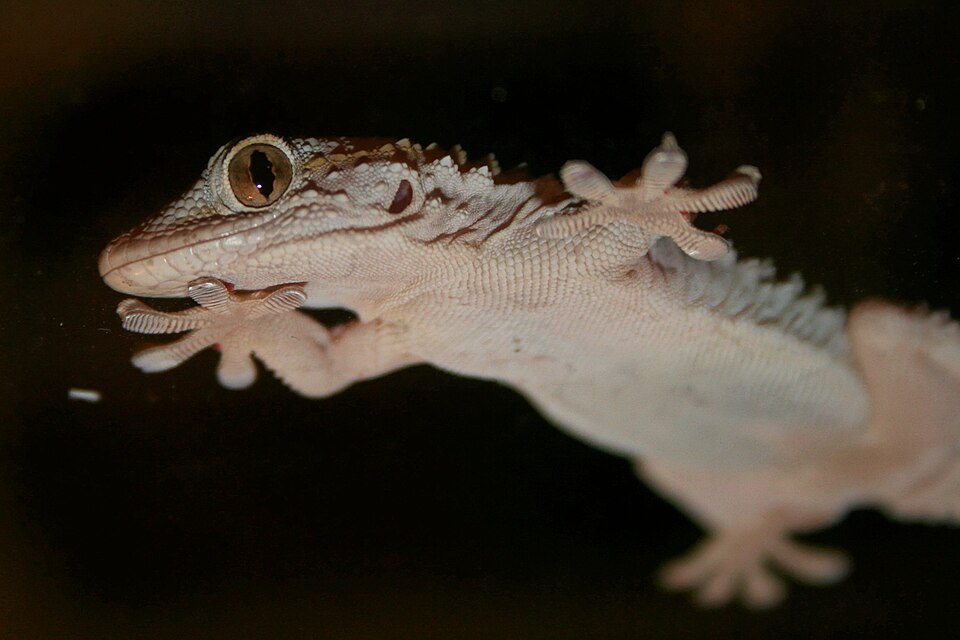
Tarentola mauritanica
Common wild animals also require legal sourcing; territorial behavior makes them unsuitable for casual group housing.
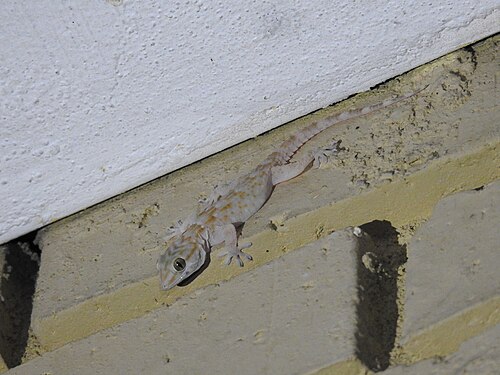
Tarentola annularis
Larger body size and defensiveness must be taken seriously; do not plan space as for small house geckos.
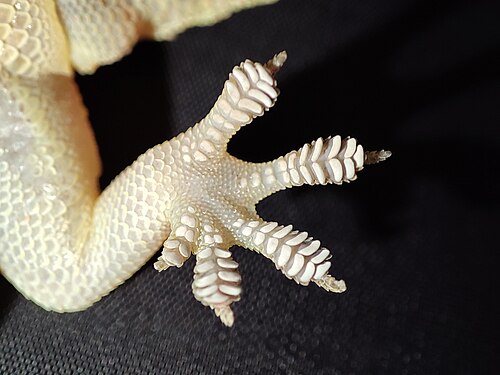
Hemidactylus frenatus
Small individuals have high anti-escape requirements; presence in buildings does not mean they can be casually captured.
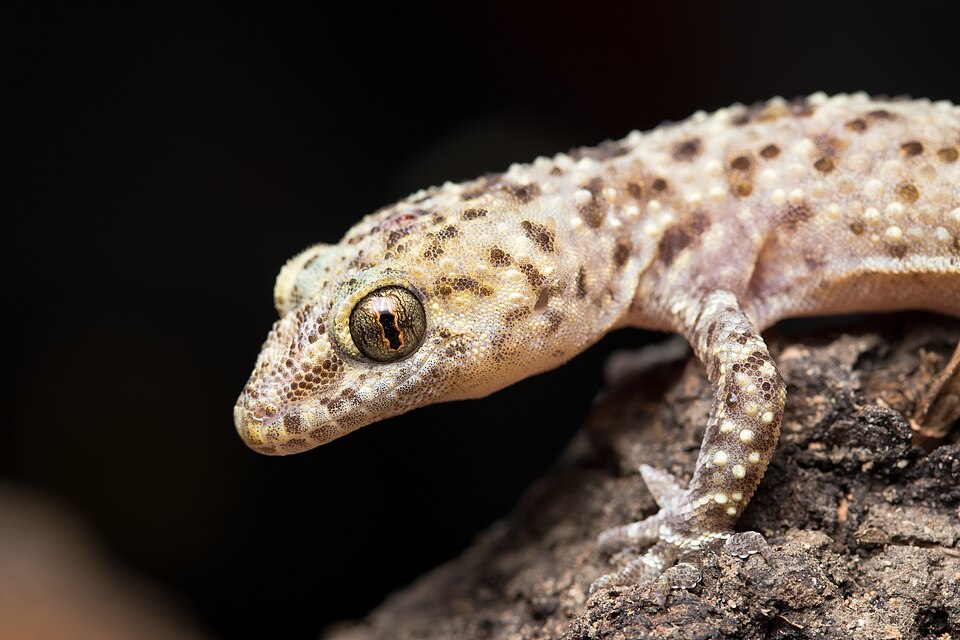
Hemidactylus turcicus
Nocturnal activity and stable supply of small live prey are required; finding them outdoors does not equal legal pet sourcing.
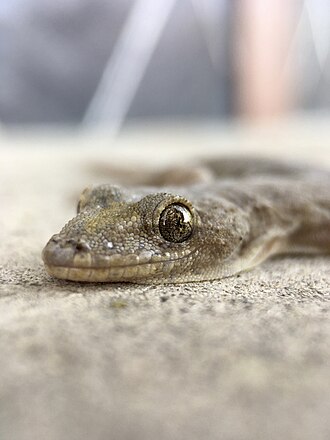
Gekko japonicus
Better suited for understanding and observation; do not treat wild capture as the default collection purpose.
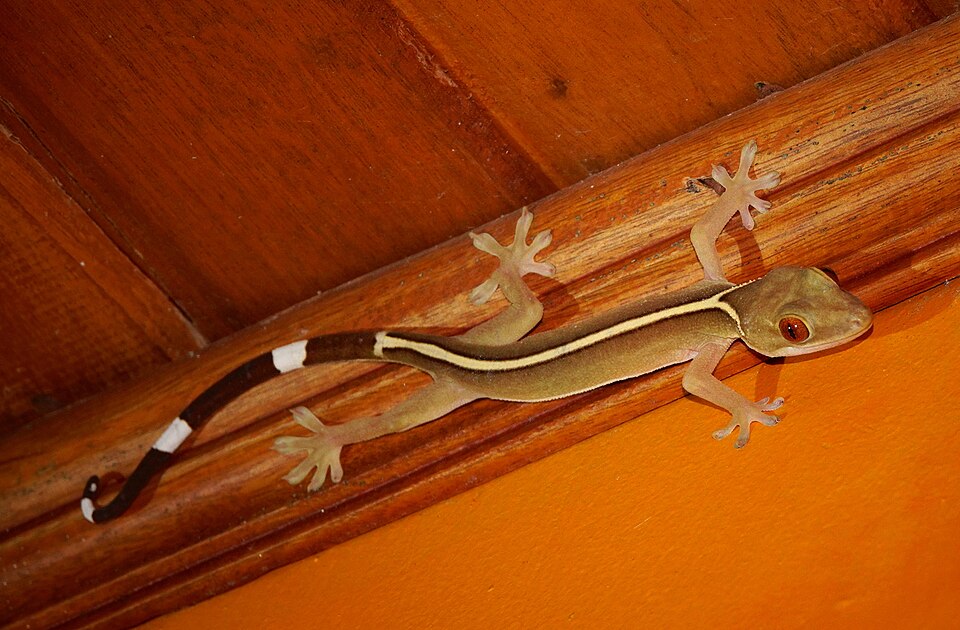
Gekko vittatus
Fine toes and tail make handling unsuitable; tree-keeping enclosures must include retreats where the animal can exit the line of sight.
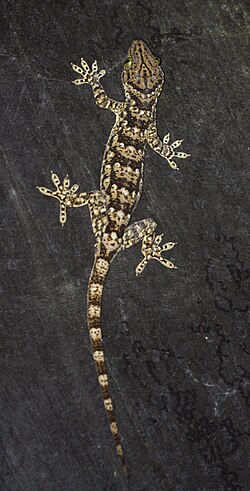
Gekko smithii
Make sure to understand their vocalizations, size, and bite risk; they are not small, silent geckos.
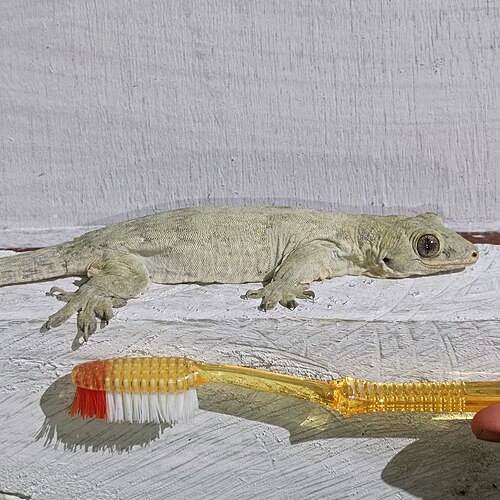
Gehyra marginata
Fast and large in size; prepare vertical space and secure transfer containers.
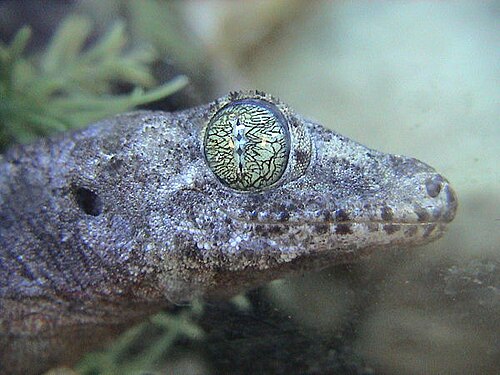
Gehyra vorax
Consider arboreal activity and strong feeding response together; avoid hand-feeding directly.
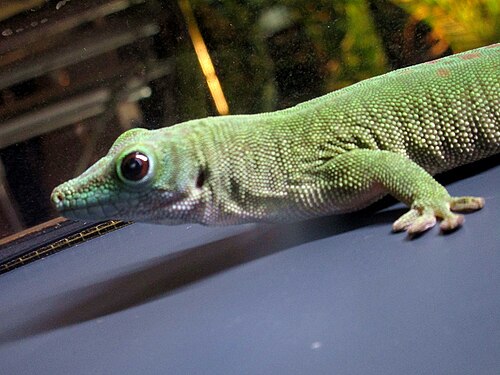
Phelsuma madagascariensis
Clear requirements for diurnal activity, lighting, and arboreal space; do not configure lighting as for nocturnal geckos.
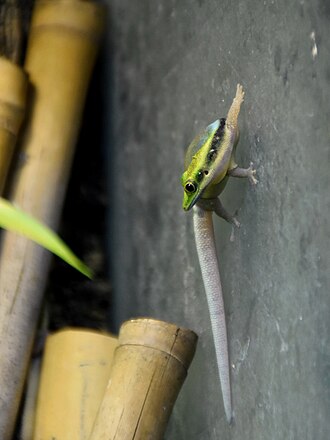
Phelsuma klemmeri
Prepare live micro-prey, bamboo tubes for hiding, and escape-proof mesh sizes in advance.
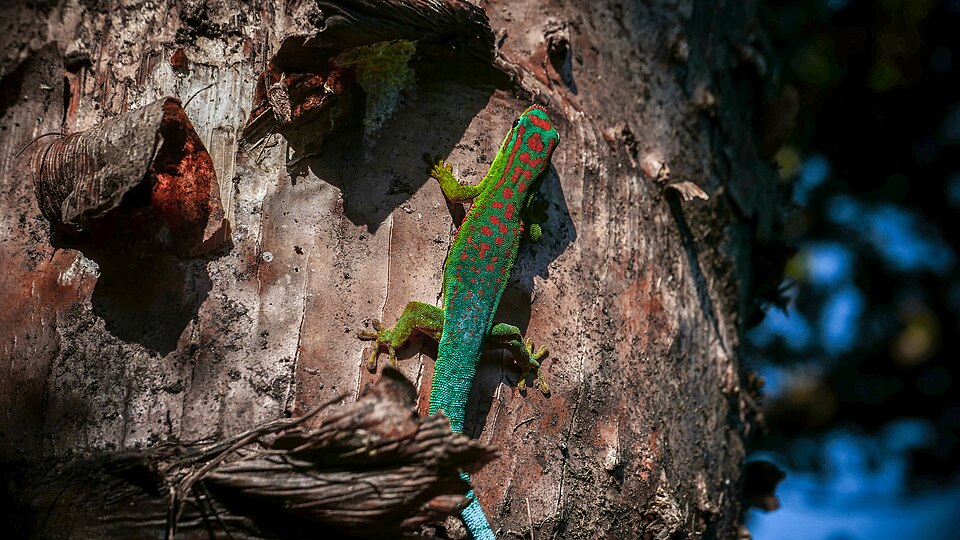
Phelsuma cepediana
Arrange for diurnal lighting, ventilation, and territorial behavior; do not mix-keep arbitrarily for color.
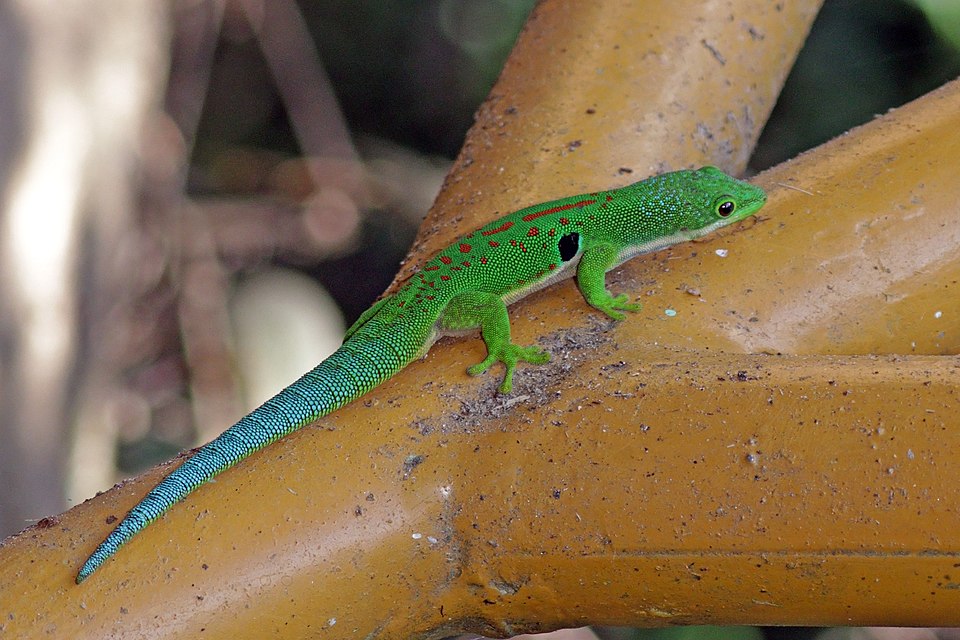
Phelsuma quadriocellata
Fear of overheating and need for lighting are not contradictory; shaded hiding areas must be retained.
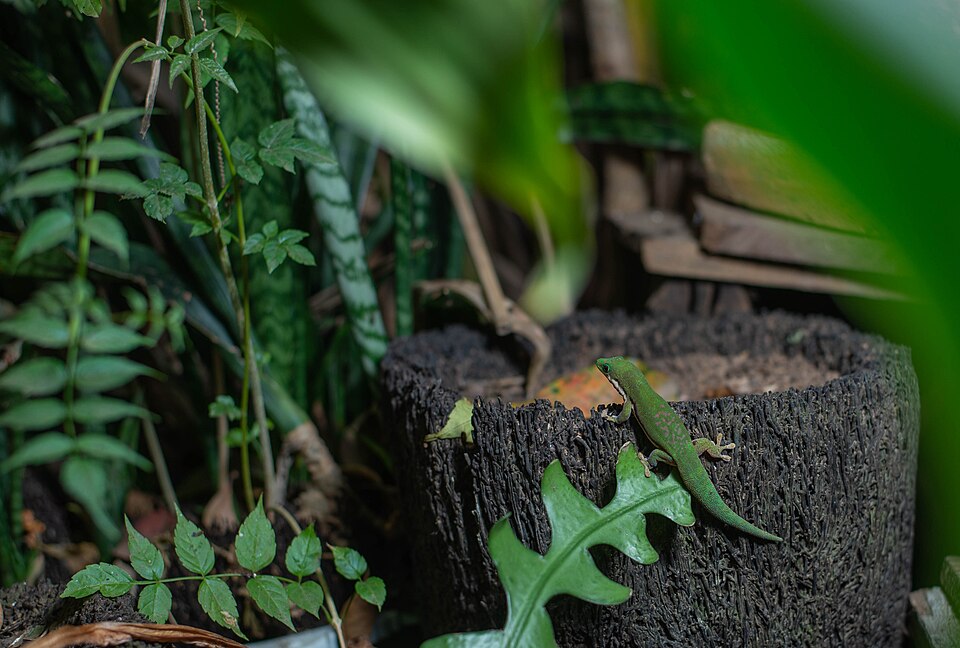
Phelsuma lineata
Both live prey and a complete supplemented diet must be provided; fruit alone should not be the long-term sole food source.
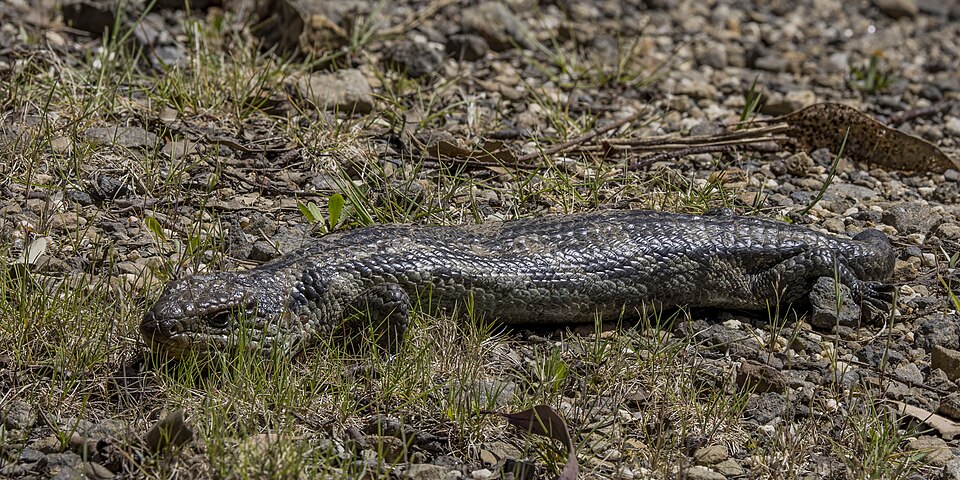
Tiliqua nigrolutea
Temperate background and seasonal management must be verified; do not directly copy year-round parameters from other Blue-tongued Skinks.
Phelsuma kochi
Adults are larger in size; arboreal space and territory separation must be arranged for adults.
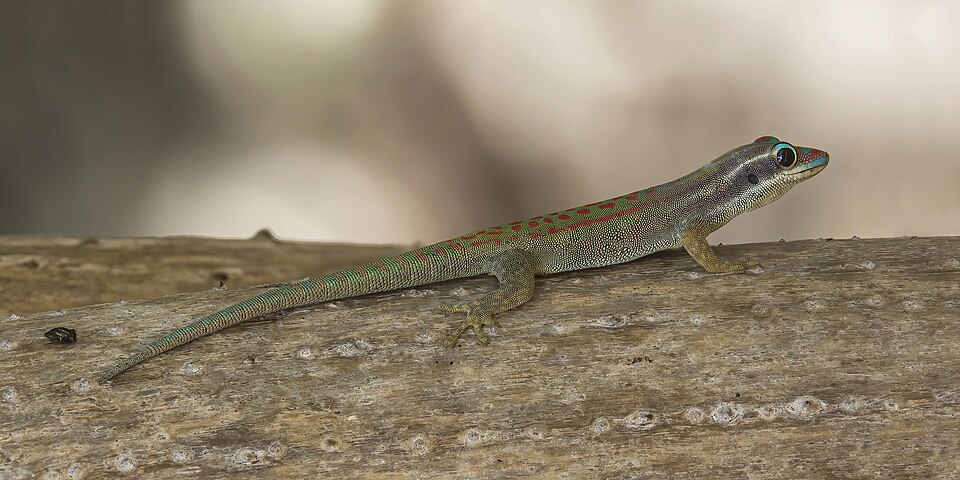
Phelsuma ornata
High daytime activity also requires ample shade; do not reduce hiding spots for observation.
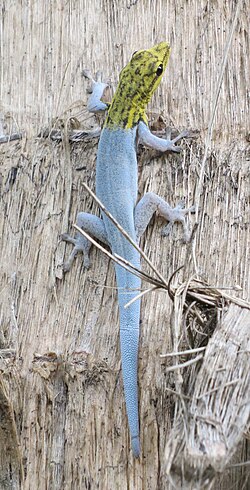
Lygodactylus luteopicturatus
Micro-individuals easily escape from crevices; food source and equipment precision are more important than enclosure cost.
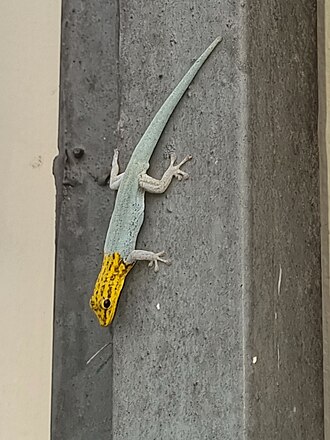
Lygodactylus picturatus
Daytime lighting and micro live prey must both be available; maintaining the diet solely on fruit puree is not recommended.
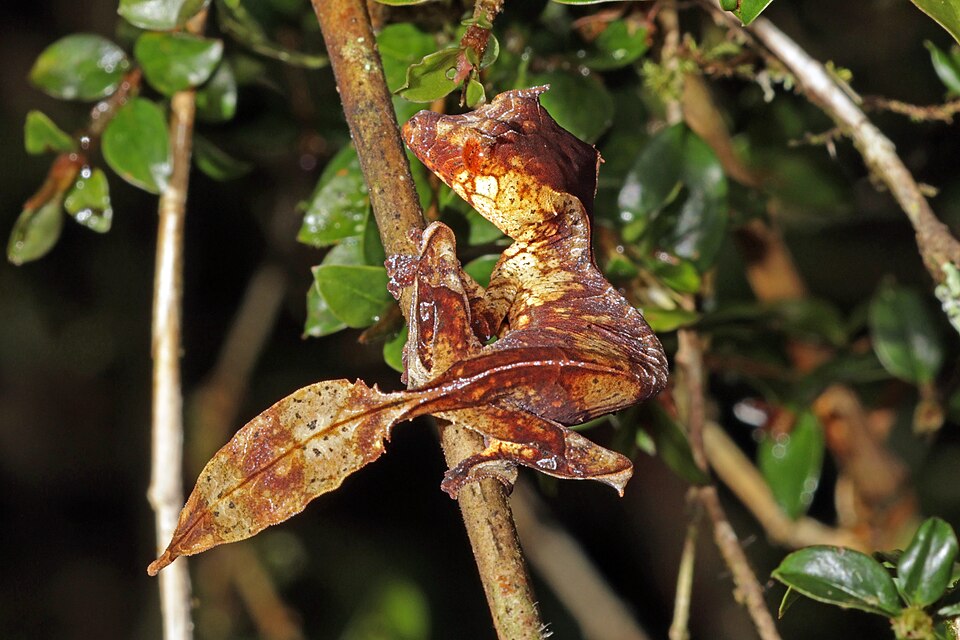
Uroplatus phantasticus
Sensitive to overheating, poor ventilation, and dehydration; camouflage appearance does not equate to simple care.
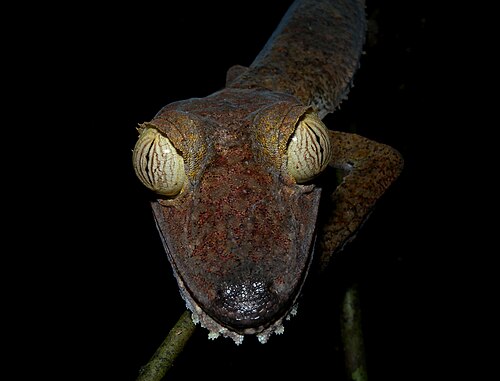
Uroplatus fimbriatus
Adults require significant vertical space for length and expanded body shape; humidity and temperature management cannot be neglected.
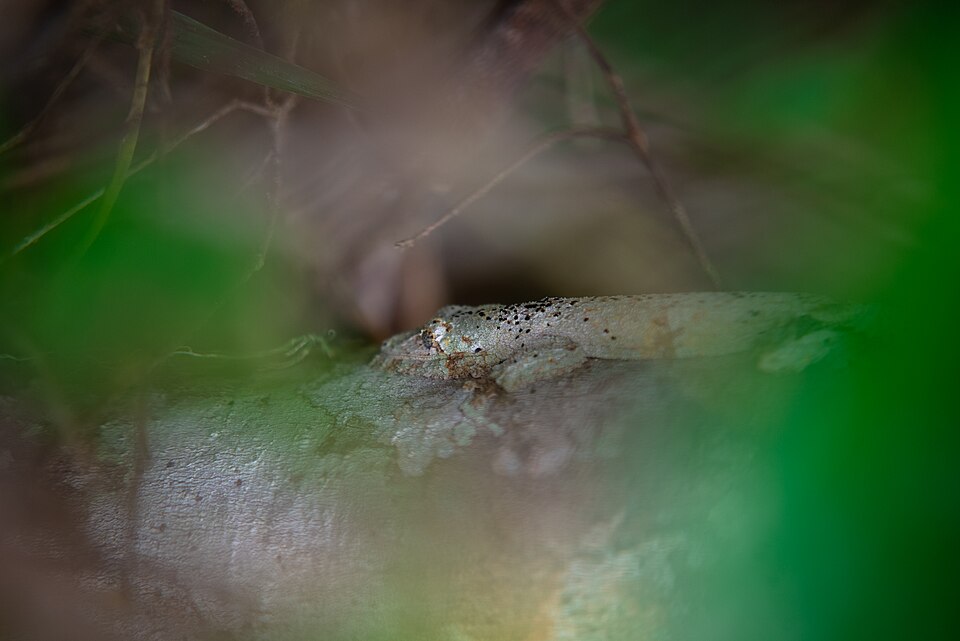
Uroplatus henkeli
Forest microenvironment and cooling capacity must be established first; individual adaptation and source verification require priority attention.
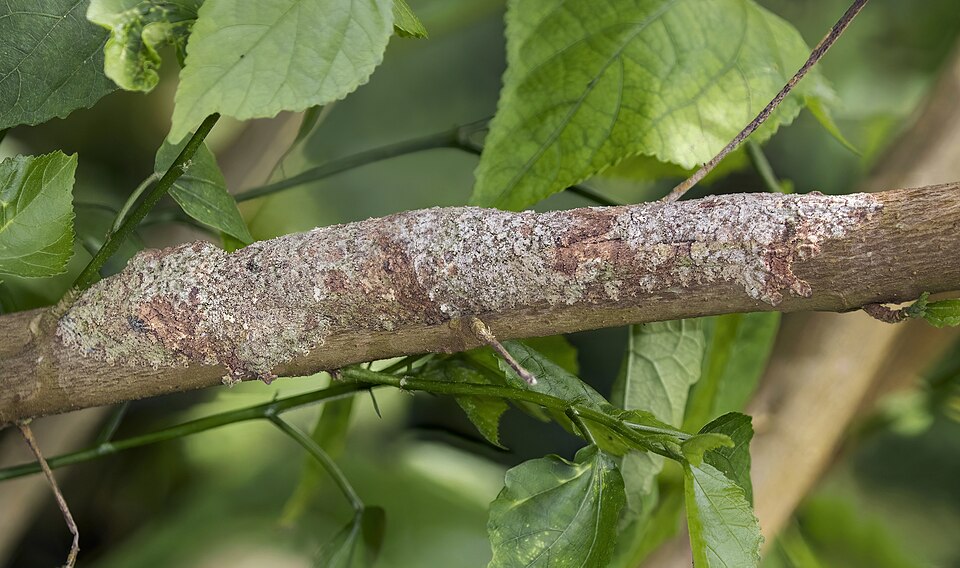
Uroplatus sikorae
High humidity does not equal lack of ventilation; summer overheating and stress must be avoided as a priority.
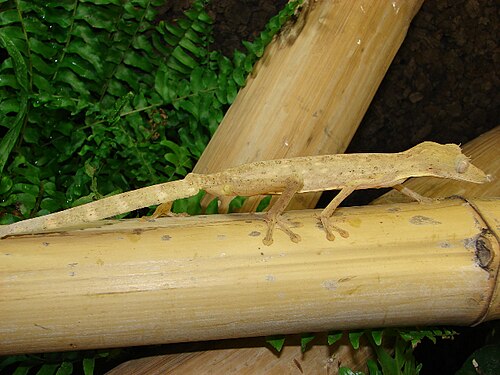
Uroplatus lineatus
Arbororeal structure and hiding needs require careful arrangement; frequent direct handling is not advisable.
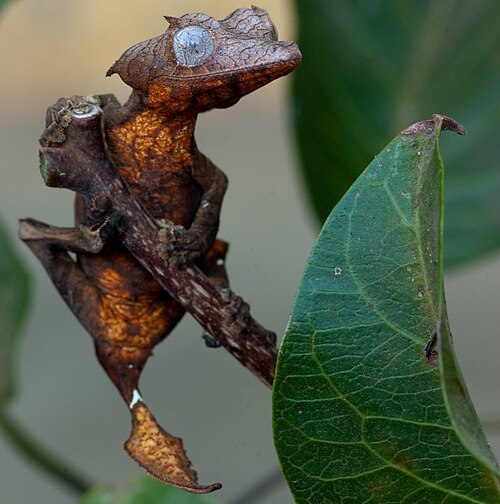
Uroplatus ebenaui
Live prey size and tolerance to environmental fluctuations must be carefully verified; standard gecko recommendations do not apply.
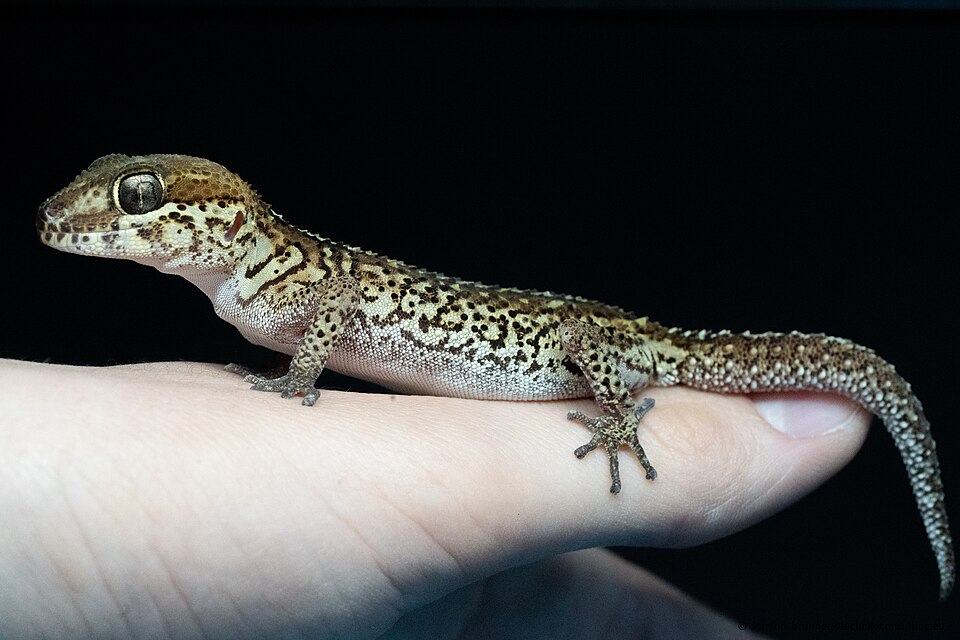
Paroedura picta
Terrestrial and nocturnal requirements are clear; stable live insect supply and hiding spots must be prepared in advance.
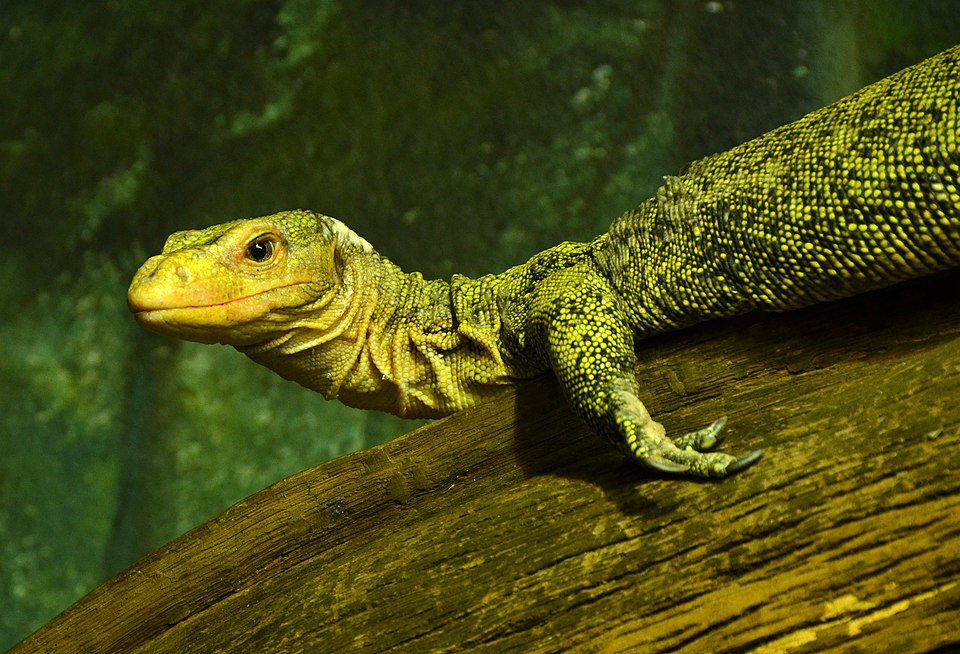
Varanus melinus
Adult size and high activity levels cannot be estimated using juvenile enclosures; sourcing and long-term equipment investment must be verified first.
Varanus glauerti
Rock crevice sheltering, climbing, and thermal environment requirements need specialized verification and cannot be applied using standard gecko equipment lists.
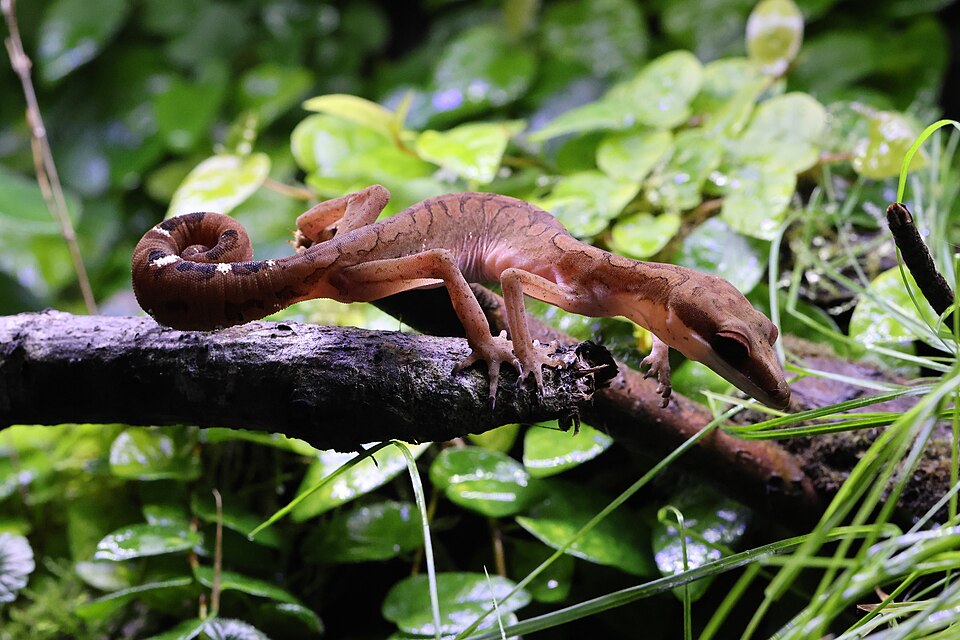
Aeluroscalabotes felinus
Cool, ventilated, and hydration needs must be verified separately; tropical high-temperature enclosures are not suitable.

Saltuarius cornutus
Arboreal and cool sheltering needs are evident; sourcing review and summer temperature control must be implemented first.
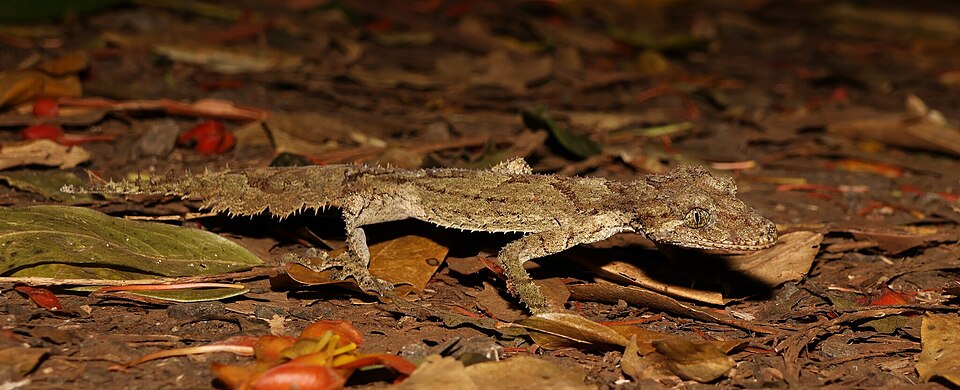
Saltuarius swaini
Sourcing and environmental data require specialized verification; parameters should not be applied based on appearance resembling other leaf-tailed geckos.