Amphibians
Amphibians are more sensitive to water quality, humidity, and skin contact.
Switch Major Category
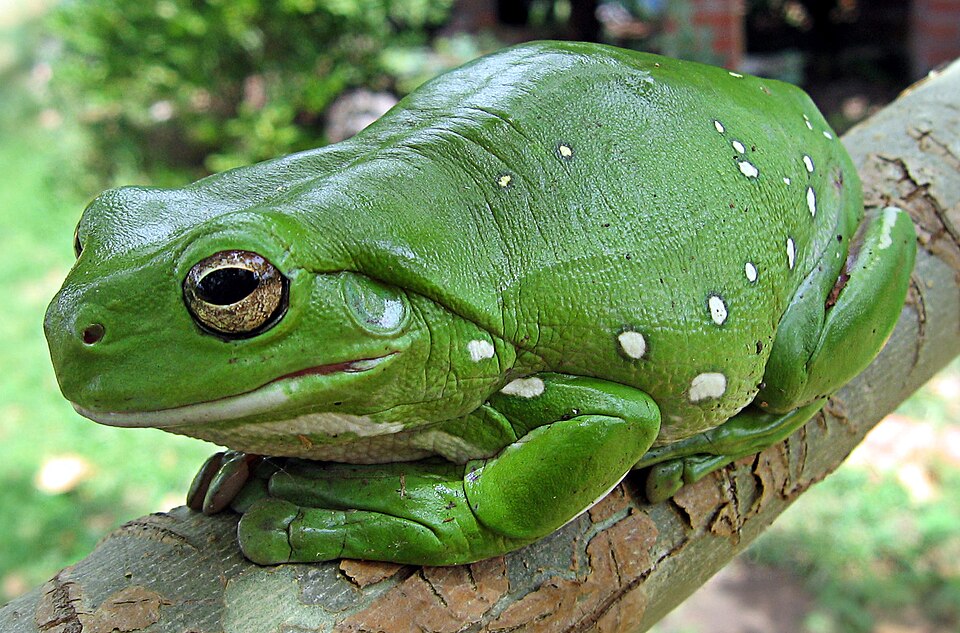
Whites Tree Frog
Nocturnal arboreal frog, sensitive skin, suitable for observation rather than frequent handling.
- Adult size
- 2.76–4.72 in
- Reference Lifespan
- 10–15 yr
- Environment reference
- 75.2–82.4 °F
Pacman Frog
Ambush-burrowing terrestrial frog, mostly concealed in moist substrate.
- Adult size
- 3.15–5.12 in
- Reference Lifespan
- 8–12 yr
- Environment reference
- 75.2–82.4 °F
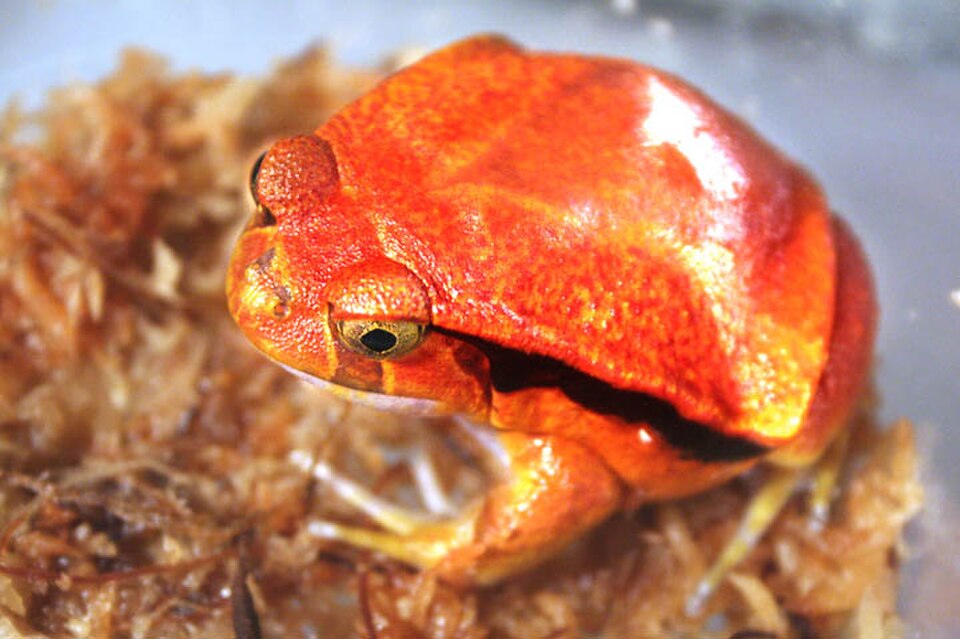
Tomato Frog
Terrestrial burrowing frog. The commercial name 'tomato frog' may correspond to different species.
- Adult size
- 2.36–3.94 in
- Reference Lifespan
- 6–10 yr
- Environment reference
- 71.6–78.8 °F
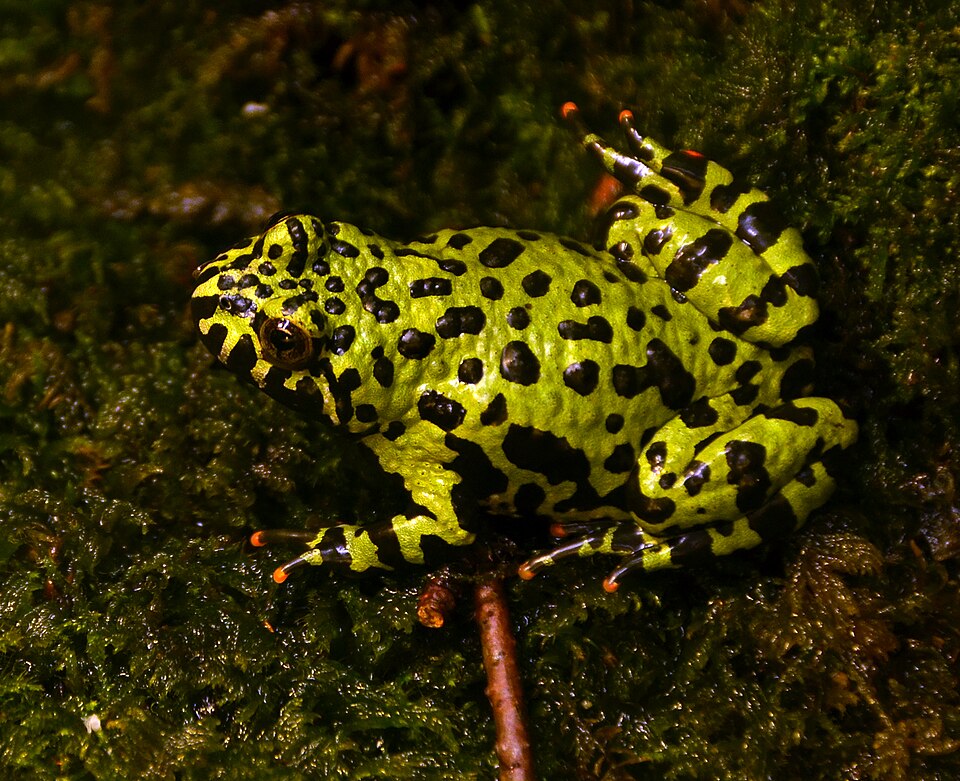
Fire Bellied Toad
Semi-aquatic amphibian requiring an easily accessible water-land interface.
- Adult size
- 1.57–2.36 in
- Reference Lifespan
- 10–15 yr
- Environment reference
- 64.4–75.2 °F
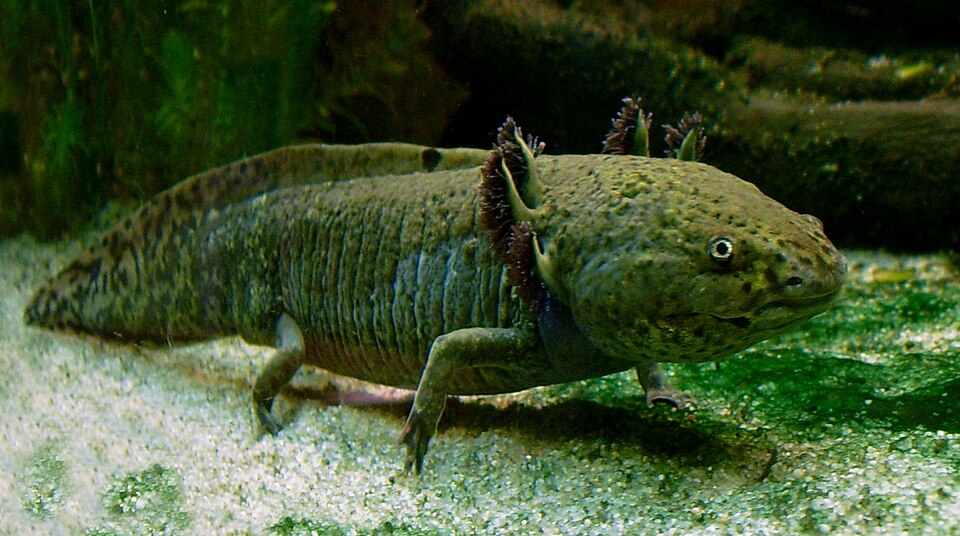
Axolotl
A permanently aquatic salamander; cold-water maintenance is the core cost.
- Adult size
- 7.87–11.81 in
- Reference Lifespan
- 10–15 yr
- Water Temperature
- 60.8–64.4 °F
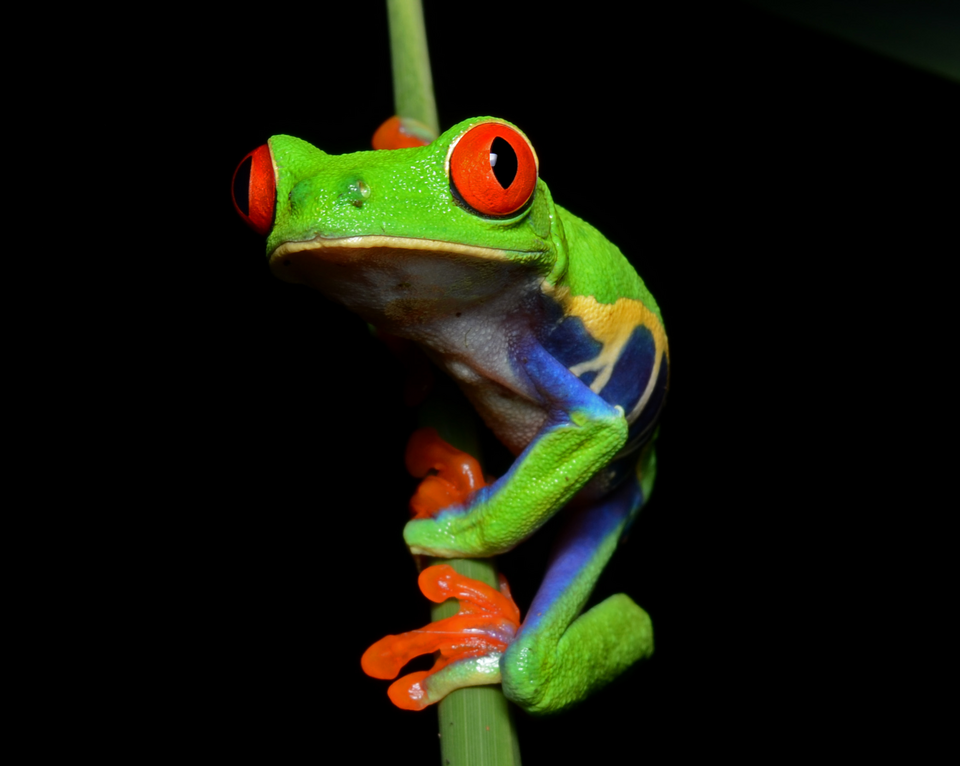
Red Eyed Tree Frog
Requires a tall enclosure, stable humidity drop, and low handling frequency.
- Adult size
- 1.57–2.36 in
- Reference Lifespan
- 8–12 yr
- Environment reference
- 71.6–80.6 °F
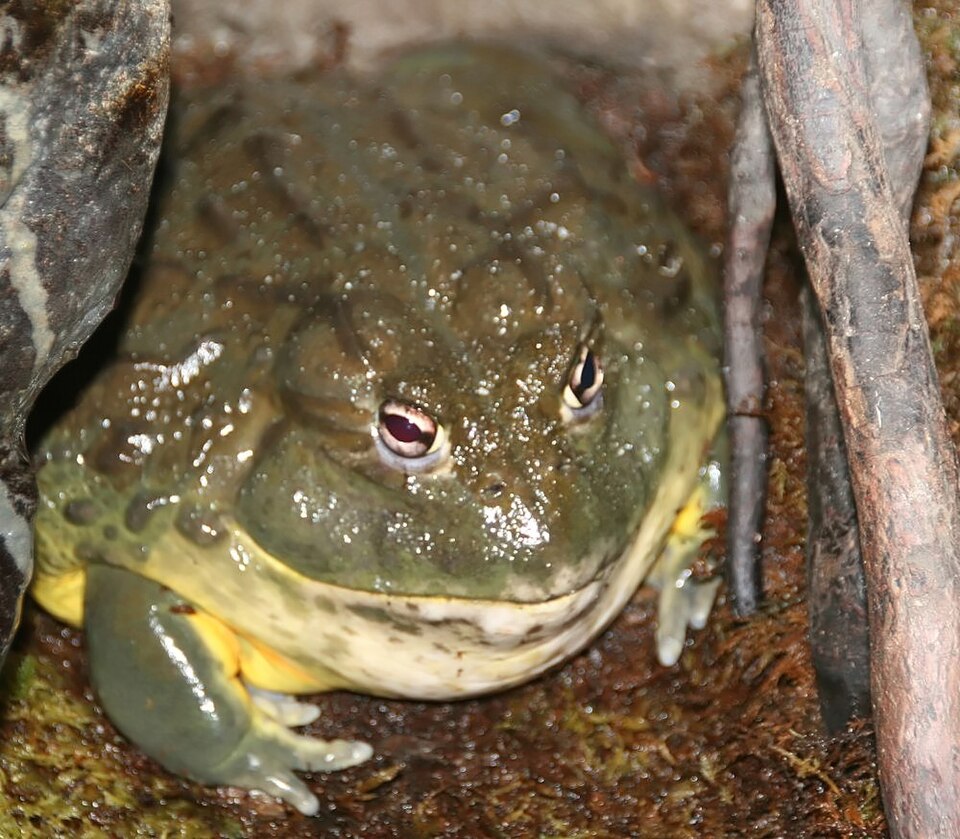
African Bullfrog
Large ambush frog with strong swallowing appetite; long-term space and handling risks must be taken seriously.
- Adult size
- 5.91–9.84 in
- Reference Lifespan
- 15–20 yr
- Environment reference
- 75.2–86 °F
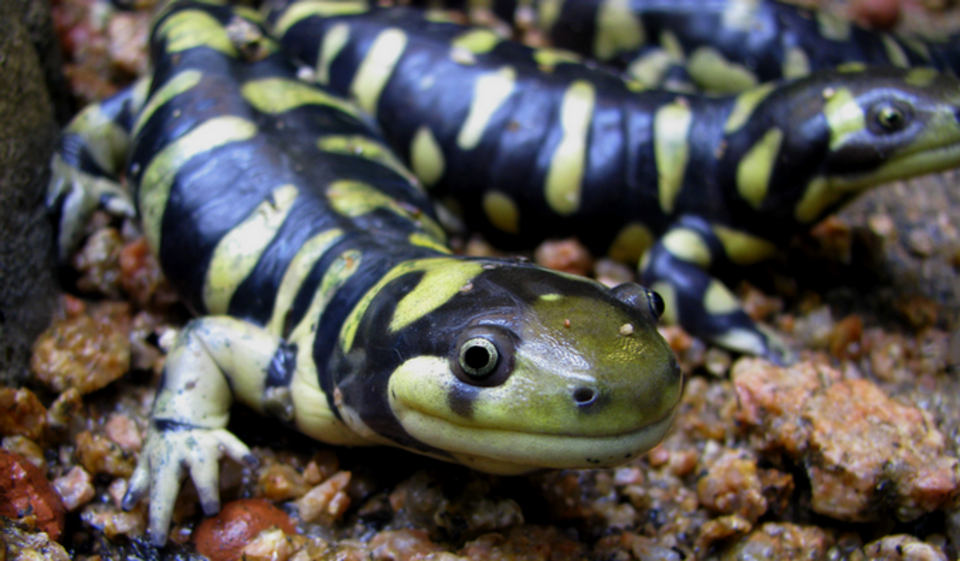
Tiger Salamander
Cooler terrestrial salamander; tropical frog standards do not apply.
- Adult size
- 7.09–11.81 in
- Reference Lifespan
- 10–15 yr
- Environment reference
- 60.8–71.6 °F
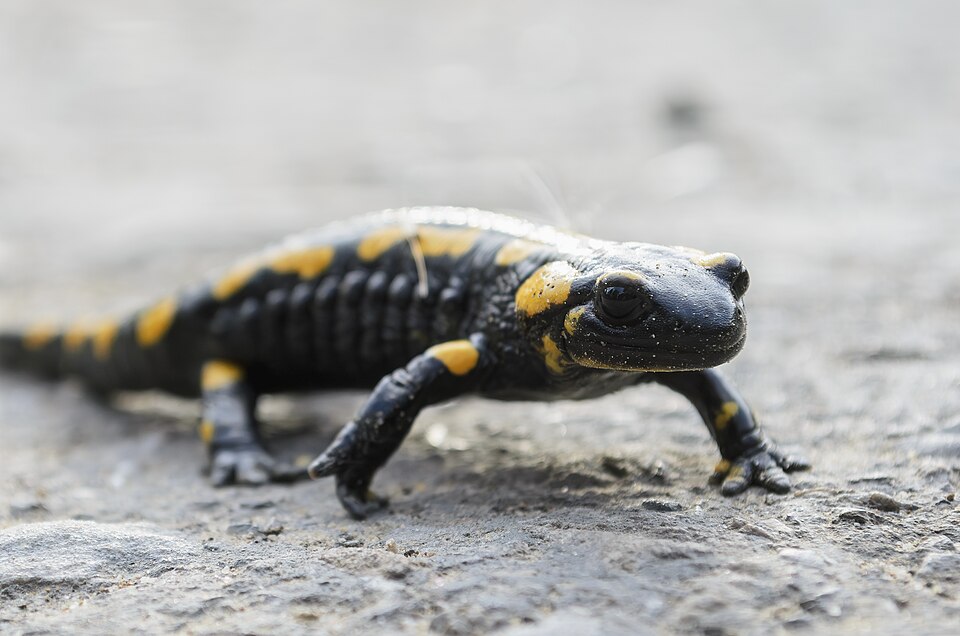
Fire Salamander
High requirements for cool, humid environments and skin secretion management; sourcing and regulations must be addressed upfront.
- Adult size
- 5.91–9.84 in
- Reference Lifespan
- 10–20 yr
- Environment reference
- 59–68 °F
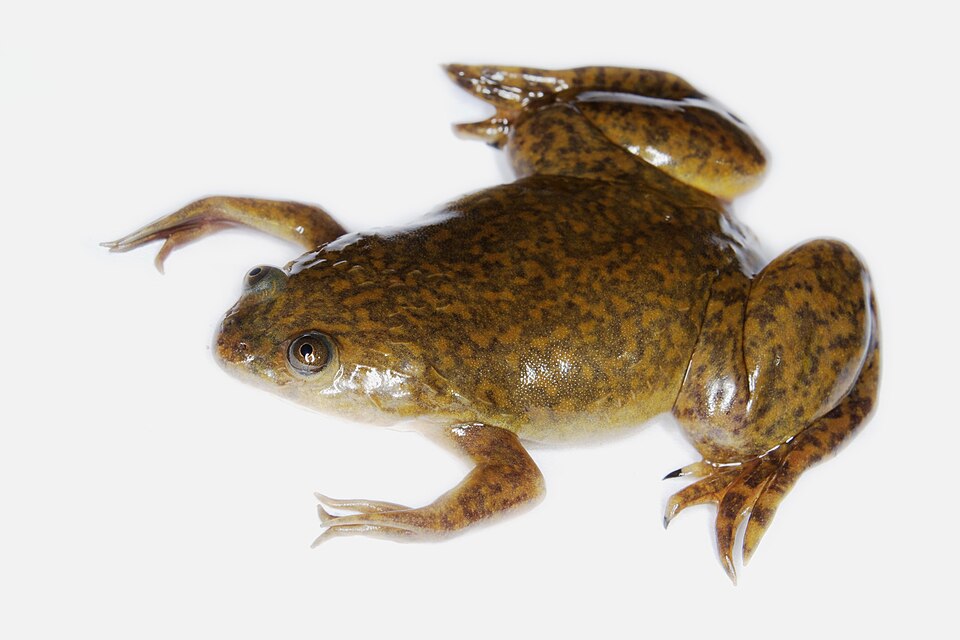
African Clawed Frog
Fully aquatic, high food intake, and potential pathogen carrier; water quality and escape prevention are core tasks.
- Adult size
- 3.15–5.12 in
- Reference Lifespan
- 10–15 yr
- Water Temperature
- 64.4–71.6 °F
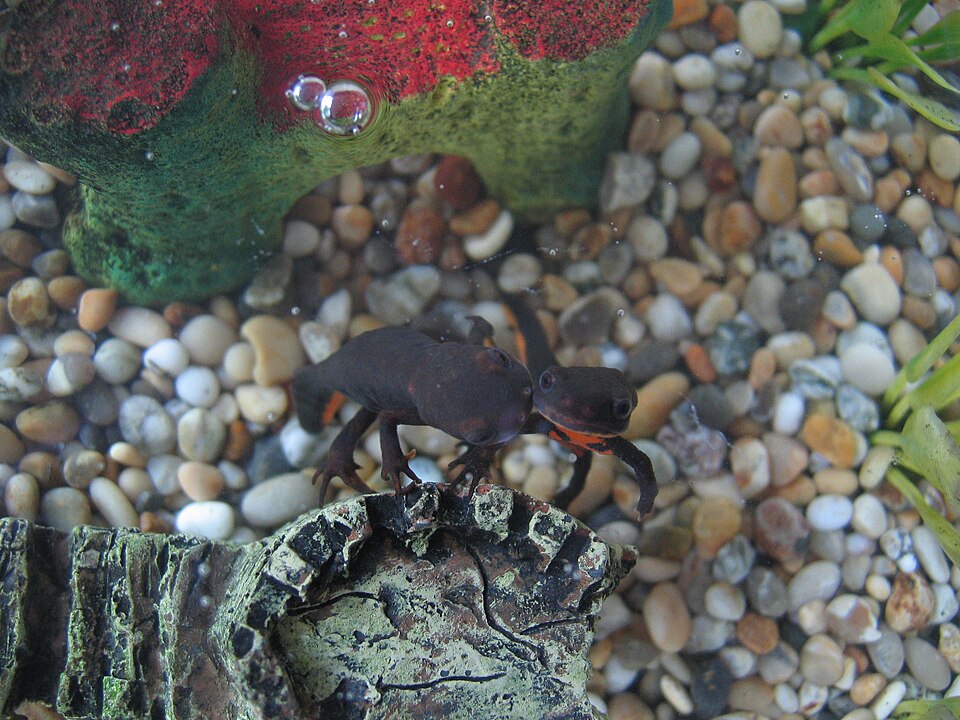
Oriental Fire Bellied Newt
Semi-aquatic, skin-sensitive; water-land transitions and summer cooling must be arranged in advance.
- Adult size
- 3.15–4.72 in
- Reference Lifespan
- 10–15 yr
- Water Temperature
- 64.4–75.2 °F
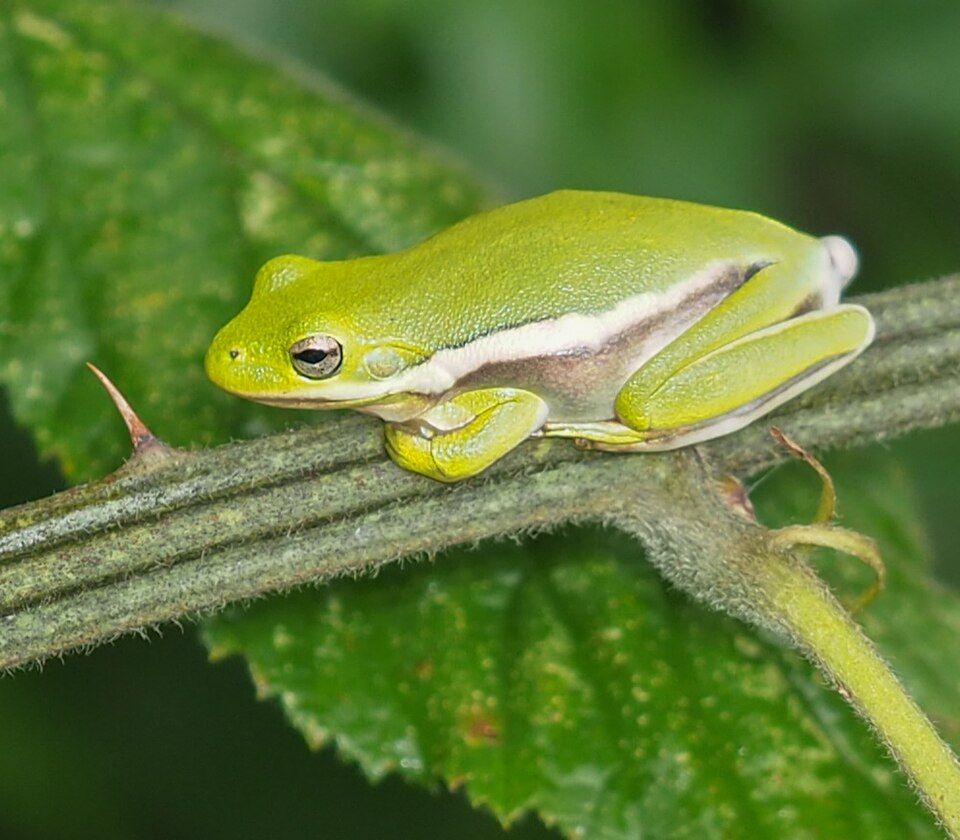
American Green Tree Frog
Nocturnal and arboreal; ventilation and misting with a return to dryness are more important than constant moisture.
- Adult size
- 1.57–2.36 in
- Reference Lifespan
- 6–10 yr
- Environment reference
- 68–80.6 °F
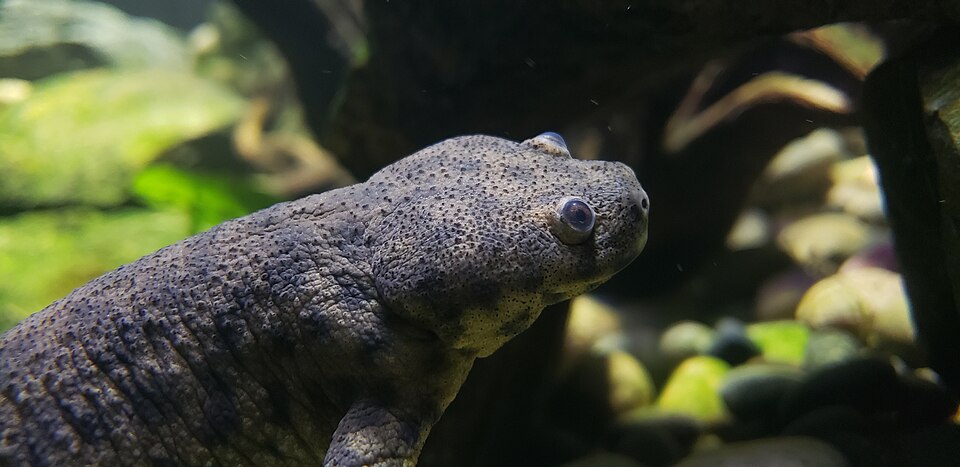
Spanish Ribbed Newt
The water body should be cool and have a secure basking platform; cooling, filtration, and escape-proofing are more important than decoration in summer.
- Adult size
- 7.87–11.81 in
- Reference Lifespan
- 10–15 yr
- Environment reference
- 60.8–75.2 °F
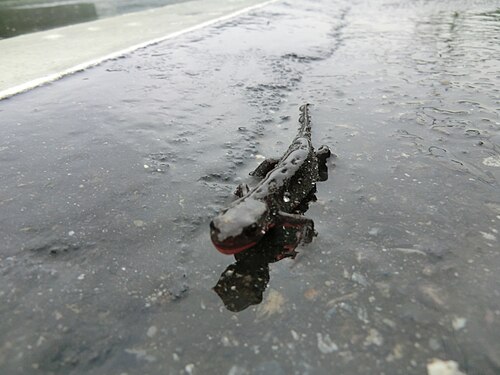
Japanese Fire Bellied Newt
Skin is sensitive and heat-intolerant; water quality, cover, and summer cooling must be tested before acquisition.
- Adult size
- 3.15–5.51 in
- Reference Lifespan
- 10–20 yr
- Environment reference
- 60.8–75.2 °F
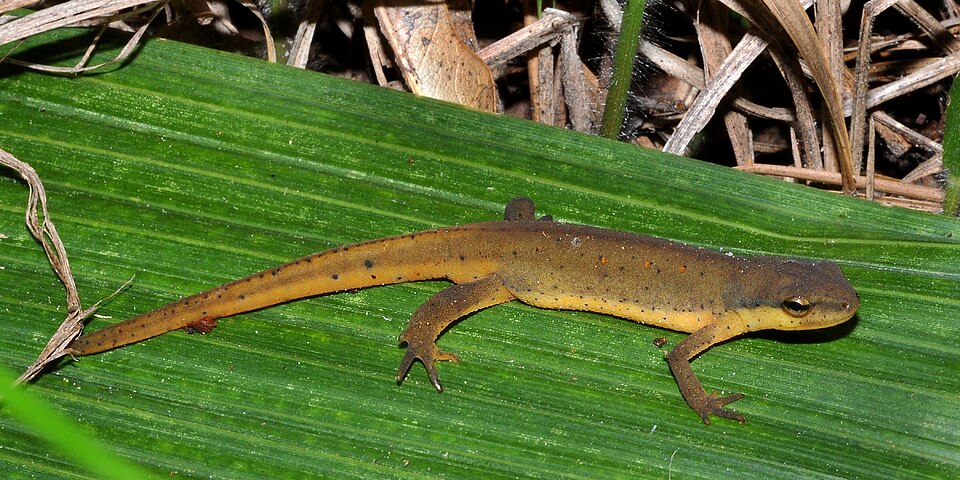
Eastern Newt
Juvenile and adult requirements differ; water-land transitions, clean water, and low-temperature management must all be considered.
- Adult size
- 2.76–4.72 in
- Reference Lifespan
- 10–15 yr
- Environment reference
- 60.8–75.2 °F
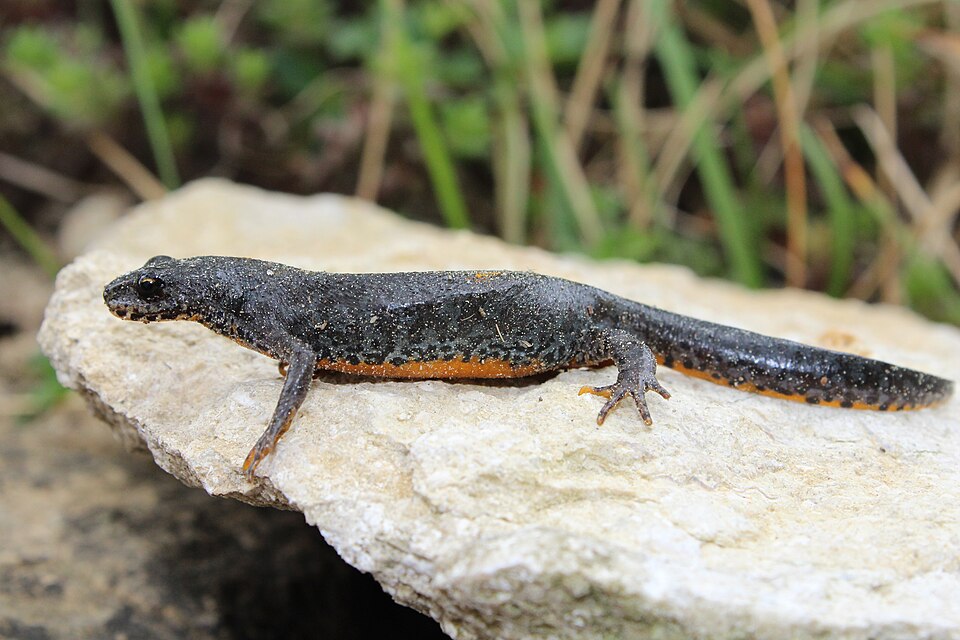
Alpine Newt
Cool water and seasonal changes are challenging; typical indoor summer temperatures may remain too high for extended periods.
- Adult size
- 3.15–5.12 in
- Reference Lifespan
- 10–15 yr
- Environment reference
- 57.2–71.6 °F
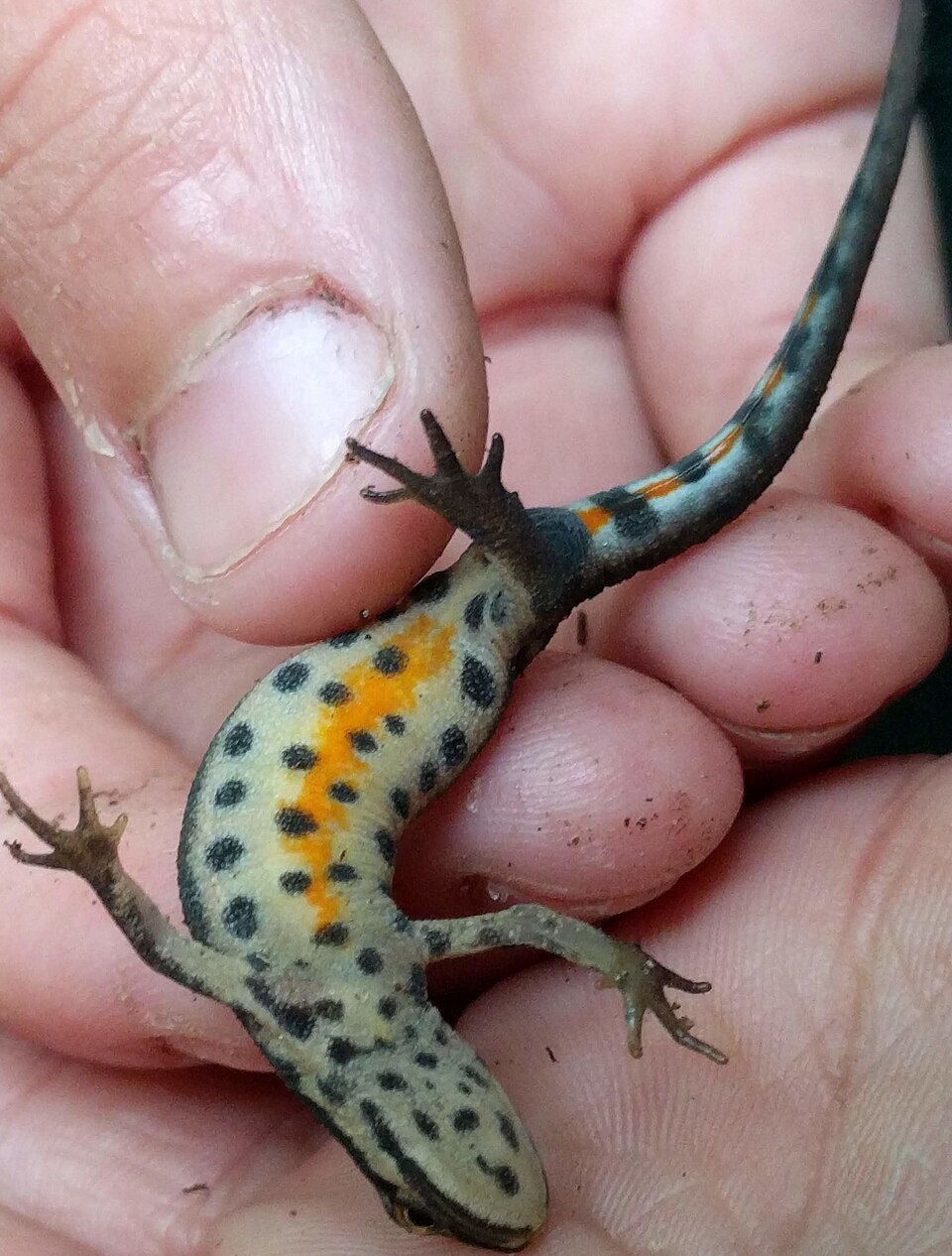
Smooth Newt
During breeding, they enter the water; water-land setup and low-temperature cycles cannot be replaced by a single frog tank setup.
- Adult size
- 2.76–4.33 in
- Reference Lifespan
- 6–12 yr
- Environment reference
- 57.2–73.4 °F
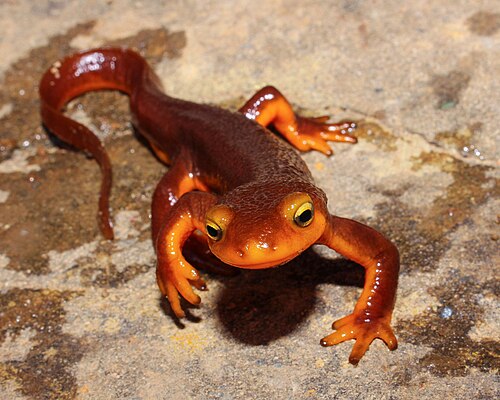
California Newt
Skin toxins and cool water-land environments both require high standards; contact and child-family safety must be assessed first.
- Adult size
- 4.72–7.87 in
- Reference Lifespan
- 10–20 yr
- Environment reference
- 59–73.4 °F
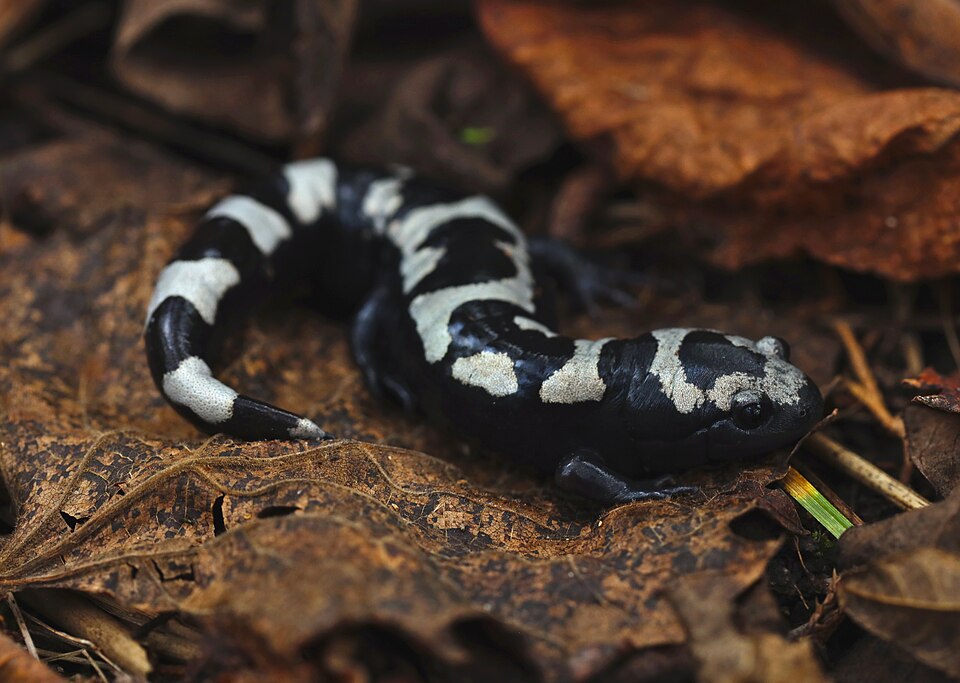
Marbled Salamander
Terrestrial-leaning and requires deep, moist substrate; reduce disturbance and bright light during molting and feeding.
- Adult size
- 3.54–5.12 in
- Reference Lifespan
- 8–15 yr
- Environment reference
- 60.8–75.2 °F
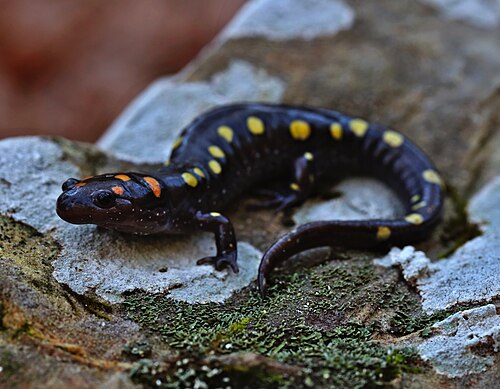
Spotted Salamander
Requires cool, deep substrate and high humidity without standing water; summer temperatures are the primary risk.
- Adult size
- 5.91–9.84 in
- Reference Lifespan
- 10–20 yr
- Environment reference
- 60.8–75.2 °F
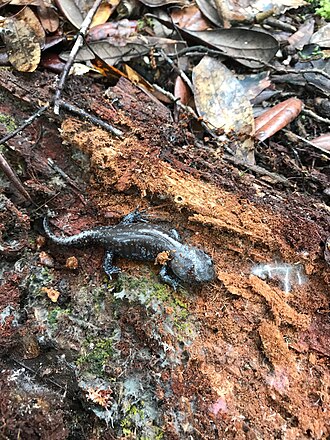
Mole Salamander
Shy and temperature-sensitive; arrange deep substrate, water bowls, and low-disturbance care simultaneously.
- Adult size
- 3.15–4.72 in
- Reference Lifespan
- 8–12 yr
- Environment reference
- 60.8–75.2 °F
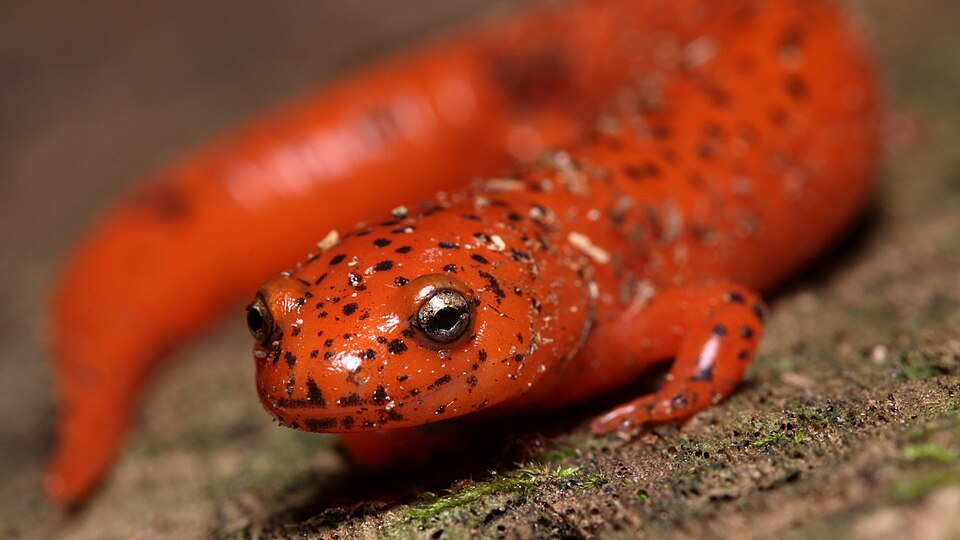
Red Salamander
Sensitive to water temperature, dissolved oxygen, and water quality fluctuations; standard tropical amphibian equipment is unsuitable.
- Adult size
- 3.94–7.09 in
- Reference Lifespan
- 10–20 yr
- Environment reference
- 53.6–68 °F
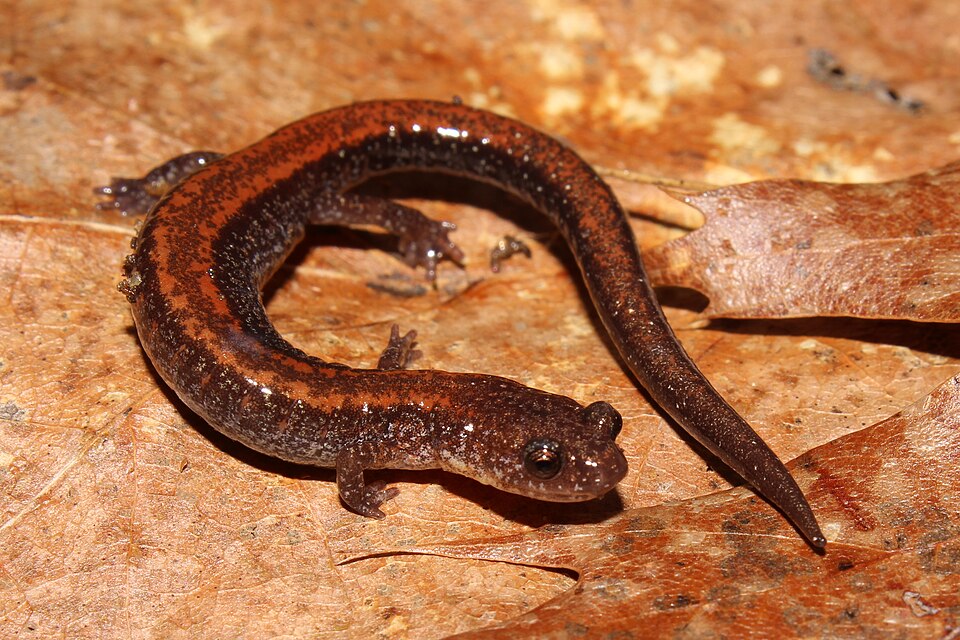
Red Backed Salamander
Dependent on moist leaf litter and small live prey; environmental overheating or excessive dryness will quickly affect condition.
- Adult size
- 3.15–5.12 in
- Reference Lifespan
- 6–10 yr
- Environment reference
- 57.2–71.6 °F
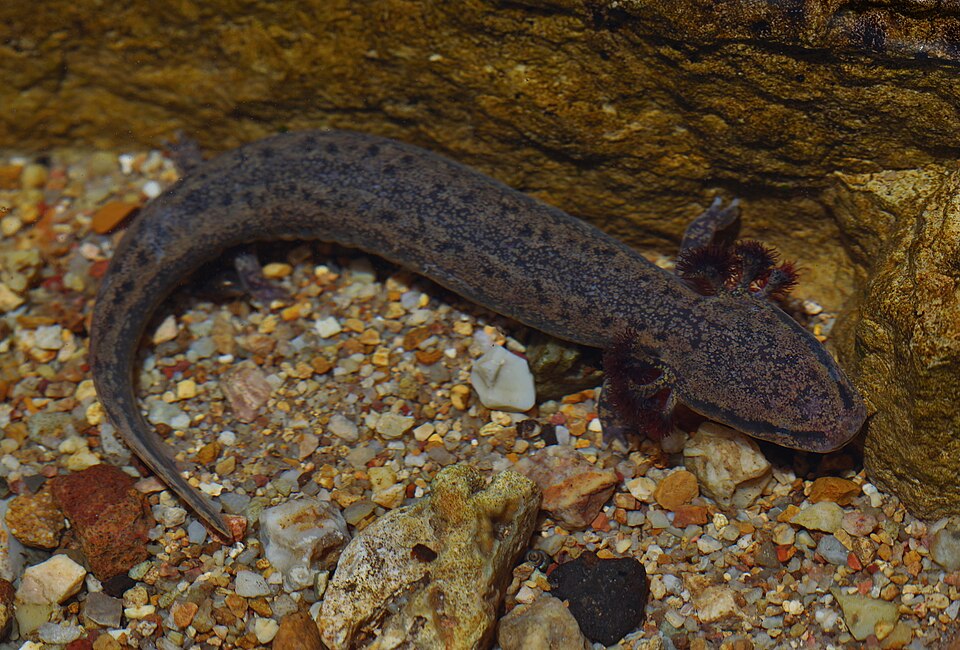
Mudpuppy
Requires low temperatures, high dissolved oxygen, and stable water flow; summer cooling equipment is usually the decisive cost.
- Adult size
- 7.87–13.78 in
- Reference Lifespan
- 10–20 yr
- Environment reference
- 50–68 °F
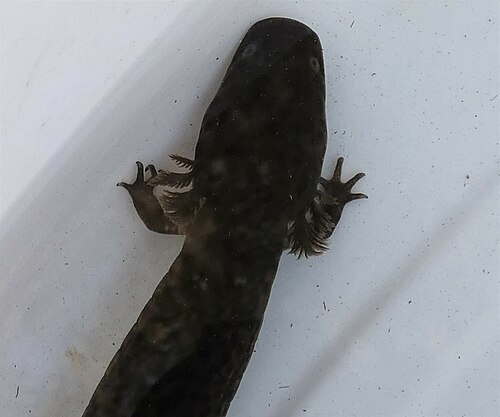
Greater Siren
Large-bodied, nocturnal and fully aquatic; mature size, filtration and escape-proofing must be calculated for adults.
- Adult size
- 15.75–27.56 in
- Reference Lifespan
- 10–20 yr
- Environment reference
- 64.4–77 °F
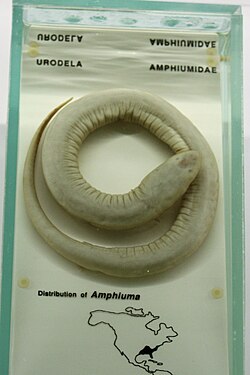
Two Toed Amphiuma
Elongated body, nocturnal and strong bite; requires deep water, hiding spots and secure lids.
- Adult size
- 11.81–39.37 in
- Reference Lifespan
- 10–20 yr
- Environment reference
- 64.4–77 °F
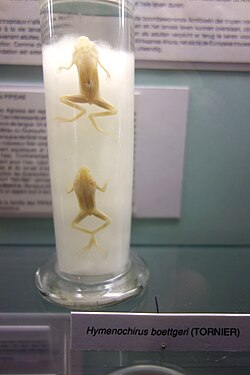
Dwarf Clawed Frog
Fully aquatic but fragile-bodied; focus on mature water volume, slow flow and avoiding tank-mates that compete for food.
- Adult size
- 1.18–1.97 in
- Reference Lifespan
- 5–8 yr
- Environment reference
- 71.6–82.4 °F
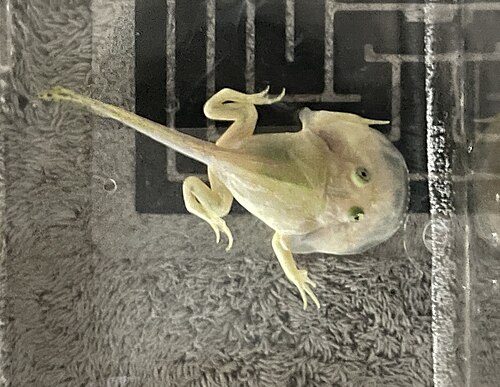
Budgetts Frog
High food intake and cannibalistic; plan water-to-land ratio, single housing and adult bite risk before introduction.
- Adult size
- 3.94–5.91 in
- Reference Lifespan
- 8–12 yr
- Environment reference
- 68–82.4 °F
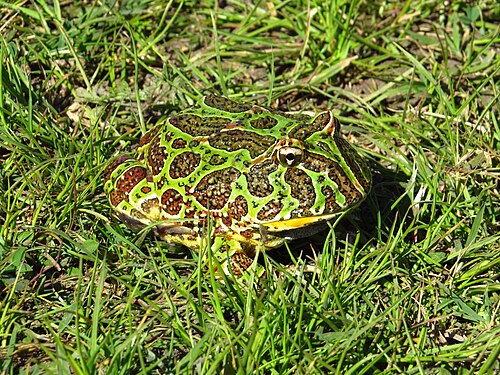
Argentine Horned Frog
Strong appetite and prone to accidental bites; controlling body weight, single housing and safe handling outweigh frequent interaction.
- Adult size
- 4.72–7.09 in
- Reference Lifespan
- 8–12 yr
- Environment reference
- 71.6–82.4 °F
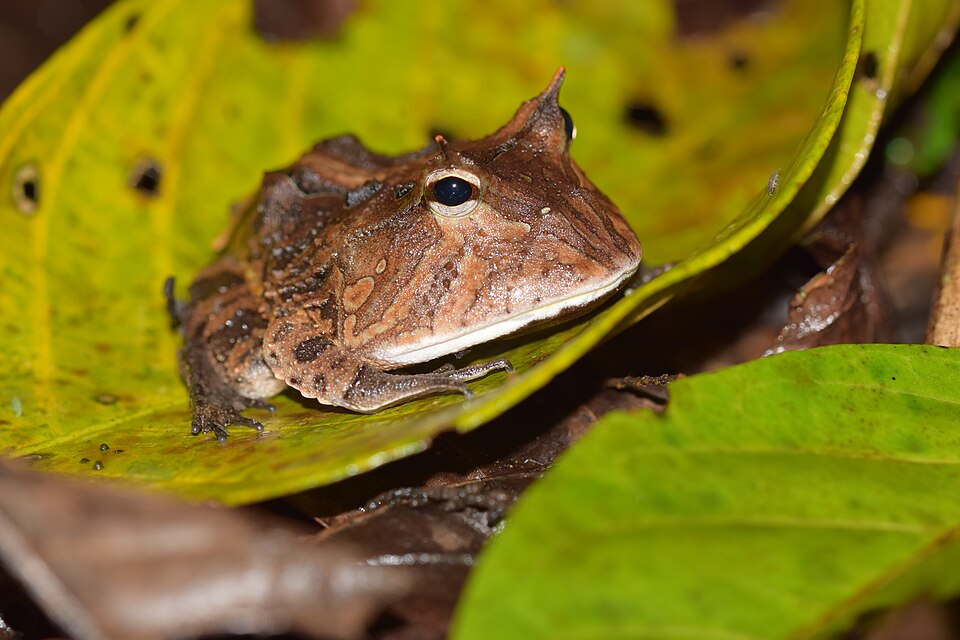
Surinam Horned Frog
Strong camouflage and obvious predatory feeding; deep substrate, solitary housing, and handling tools must be prepared in advance.
- Adult size
- 4.72–7.09 in
- Reference Lifespan
- 8–12 yr
- Environment reference
- 71.6–82.4 °F
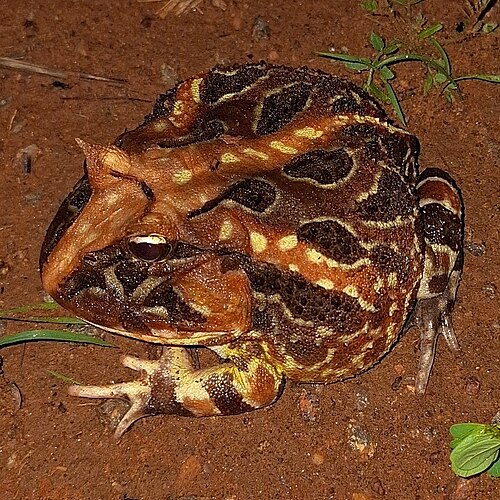
Brazilian Horned Frog
Ambushes live prey; substrate moisture, feeding intervals, and risk of accidental ingestion must be adjusted according to individual size.
- Adult size
- 3.94–6.3 in
- Reference Lifespan
- 8–12 yr
- Environment reference
- 71.6–84.2 °F
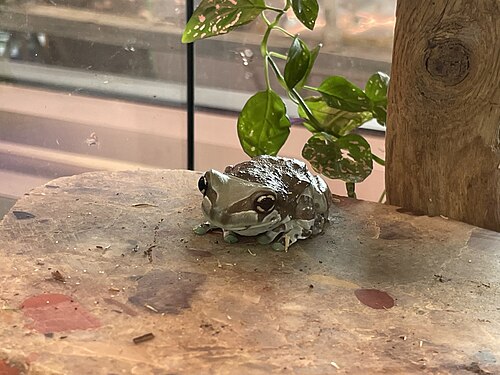
Amazon Milk Frog
Arboreal high enclosure, ventilation, and misting schedule must be coordinated; prolonged dampness and standing water cause skin problems.
- Adult size
- 2.76–3.94 in
- Reference Lifespan
- 8–12 yr
- Environment reference
- 71.6–82.4 °F
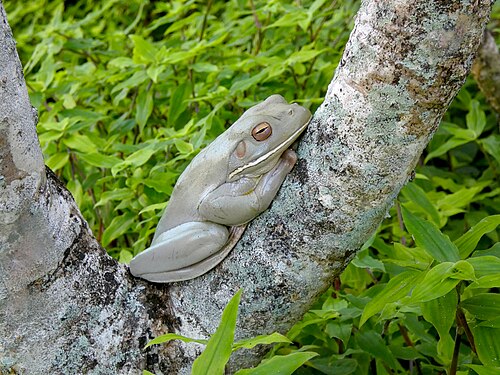
White Lipped Tree Frog
Adults are larger and arboreal; vertical space, safe landing spots, and live prey storage must allow for extra room.
- Adult size
- 3.15–5.12 in
- Reference Lifespan
- 8–12 yr
- Environment reference
- 71.6–82.4 °F
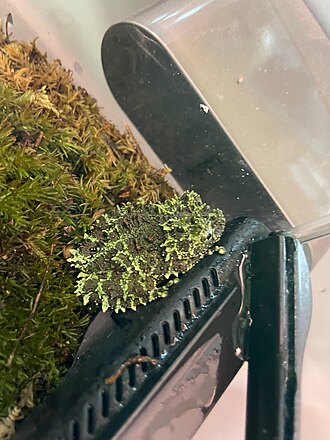
Vietnamese Mossy Frog
Cooler, high humidity, and water-land crevice environments require stable maintenance; inadequate ventilation leads to rapid mold growth.
- Adult size
- 2.76–3.54 in
- Reference Lifespan
- 8–12 yr
- Environment reference
- 64.4–77 °F
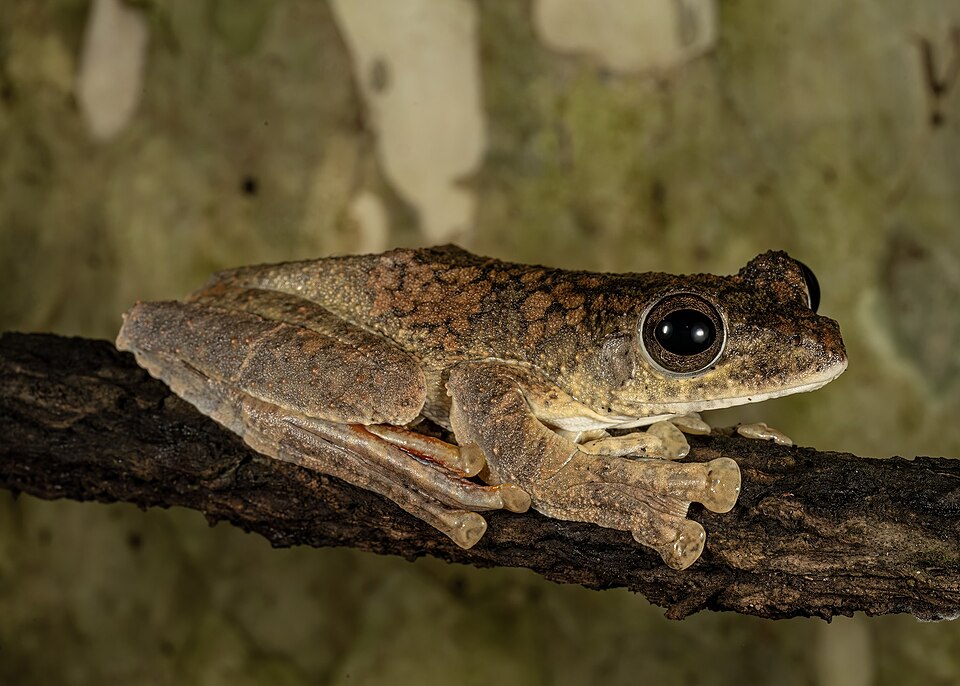
Vietnamese Flying Frog
Requires high enclosure, foliage, and continuous ventilation; jump distance and escape gaps are key setup considerations.
- Adult size
- 2.36–3.54 in
- Reference Lifespan
- 6–10 yr
- Environment reference
- 68–80.6 °F
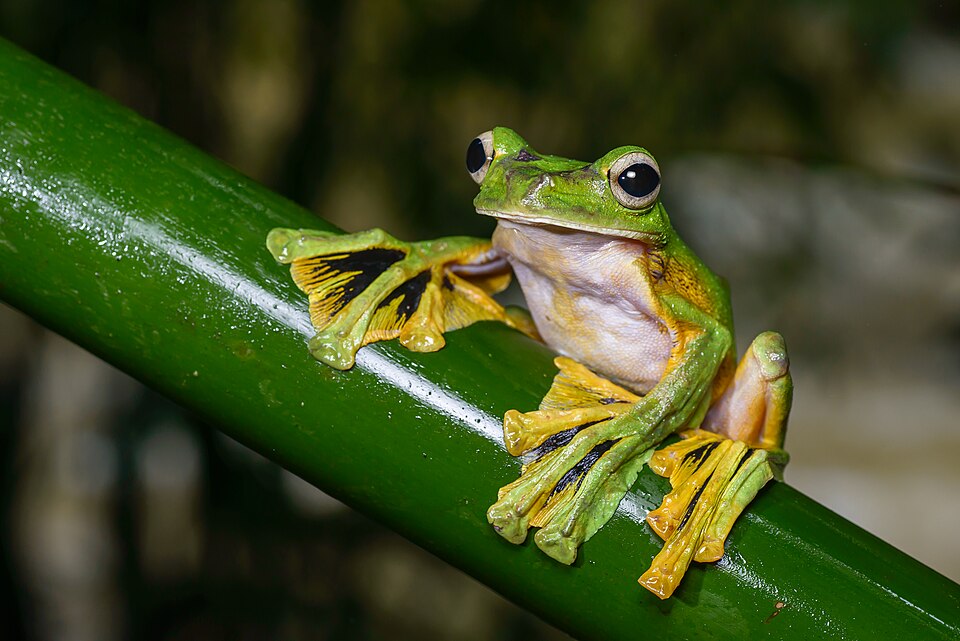
Wallaces Flying Frog
High-sided enclosures with humidity and secure landing spots are all required; standard terrestrial frog tanks cannot be used as substitutes.
- Adult size
- 3.15–4.72 in
- Reference Lifespan
- 6–10 yr
- Environment reference
- 71.6–82.4 °F
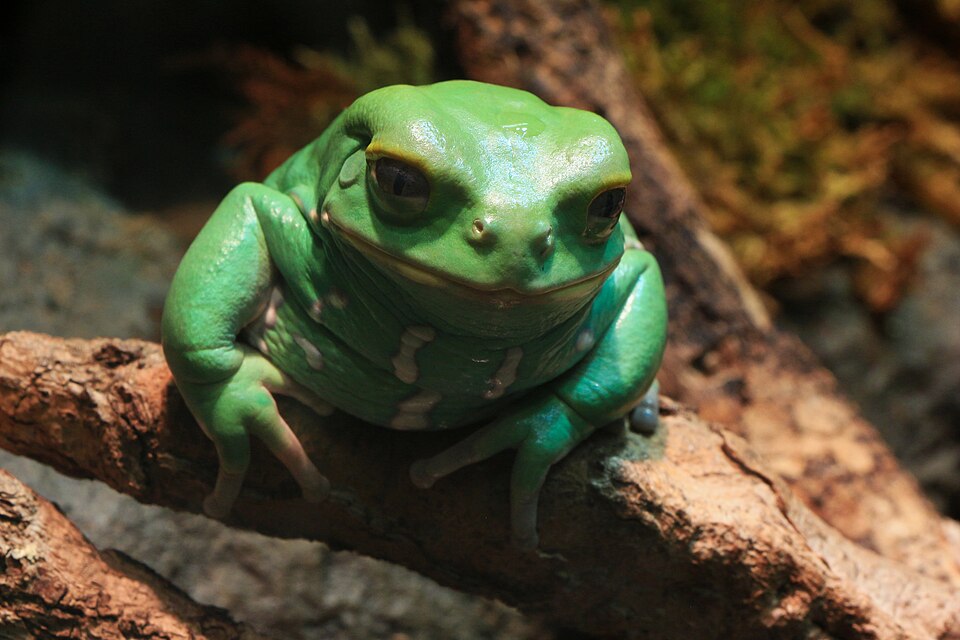
Waxy Monkey Tree Frog
Nocturnal arboreal species requiring a dry-wet cycle; continuous misting masks its true environmental needs.
- Adult size
- 2.76–3.94 in
- Reference Lifespan
- 8–12 yr
- Environment reference
- 71.6–86 °F
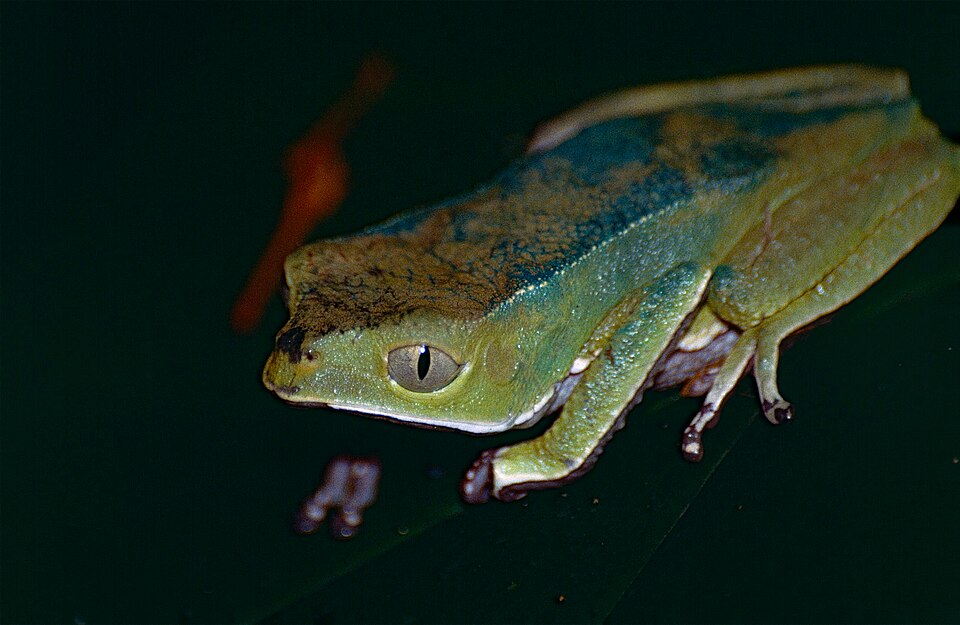
Giant Monkey Frog
Size, climbing height, and skin secretions require safe handling; source and contact boundaries must be confirmed first.
- Adult size
- 3.54–4.72 in
- Reference Lifespan
- 8–12 yr
- Environment reference
- 71.6–84.2 °F
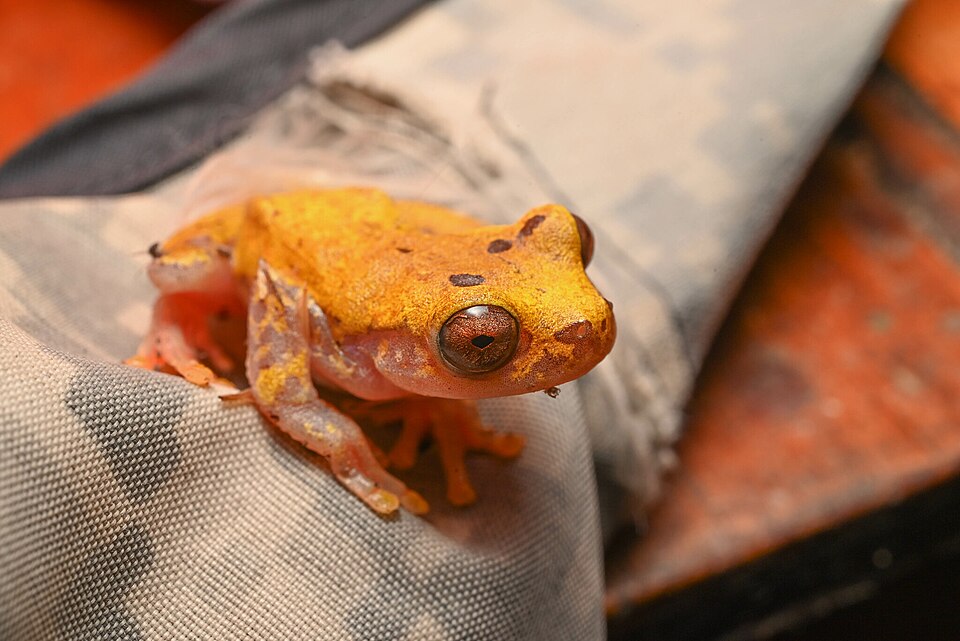
Clown Tree Frog
Small size, active, and prone to escaping through gaps; high-sided ventilation and tiny live prey must be prepared in advance.
- Adult size
- 1.18–1.97 in
- Reference Lifespan
- 5–8 yr
- Environment reference
- 71.6–82.4 °F
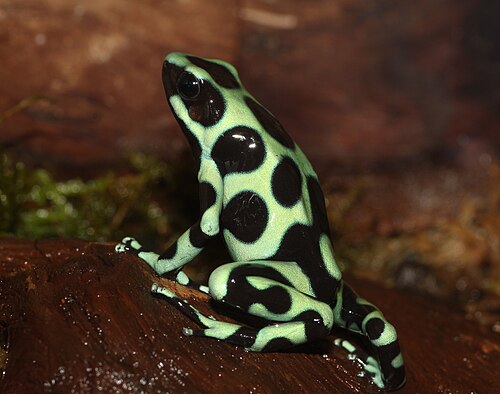
Green Black Poison Frog
Captive-bred individuals are typically non-venomous, but high humidity, tiny live prey, and breeding management still require careful control.
- Adult size
- 1.18–1.97 in
- Reference Lifespan
- 8–15 yr
- Environment reference
- 68–78.8 °F
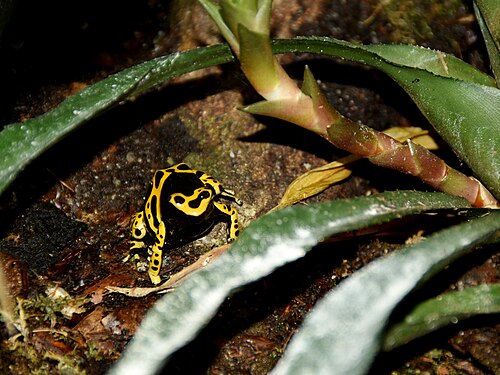
Bumblebee Poison Frog
Risk is usually reduced after captive breeding, but temperature, humidity, and tiny live prey supply still require stable control.
- Adult size
- 1.18–1.97 in
- Reference Lifespan
- 8–15 yr
- Environment reference
- 68–78.8 °F
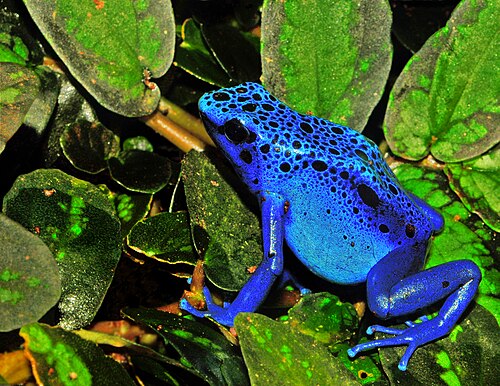
Tinc Poison Dart Frog
Captive-bred individuals are typically non-venomous; husbandry challenges shift to high humidity, ventilation, and stable live insect prey.
- Adult size
- 1.57–2.36 in
- Reference Lifespan
- 10–20 yr
- Environment reference
- 68–78.8 °F
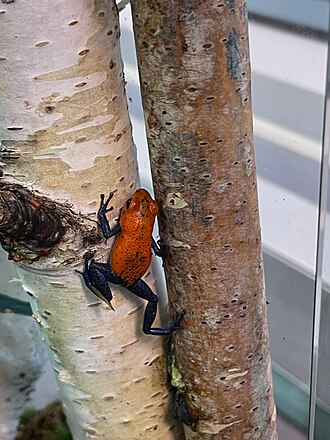
Strawberry Poison Frog
Extremely small, territorial, and with complex breeding details; origin, live prey, and humidity equipment must be verified together.
- Adult size
- 0.79–1.18 in
- Reference Lifespan
- 8–15 yr
- Environment reference
- 68–78.8 °F
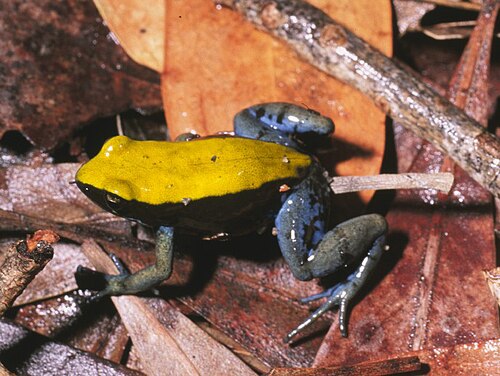
Blue Legged Mantella
Sensitive to high temperatures and water quality fluctuations; captive-bred sources and live prey availability must be confirmed first.
- Adult size
- 0.79–1.18 in
- Reference Lifespan
- 6–10 yr
- Environment reference
- 68–78.8 °F
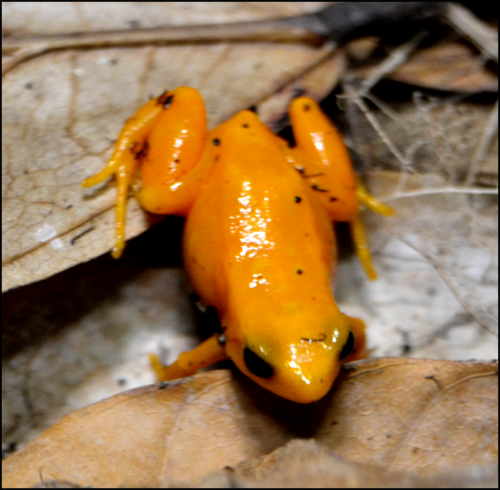
Golden Mantella
Extremely small and with sensitive conservation status; temperature, live prey, and proof of origin cannot be guessed by experience.
- Adult size
- 0.79–1.18 in
- Reference Lifespan
- 6–10 yr
- Environment reference
- 64.4–77 °F
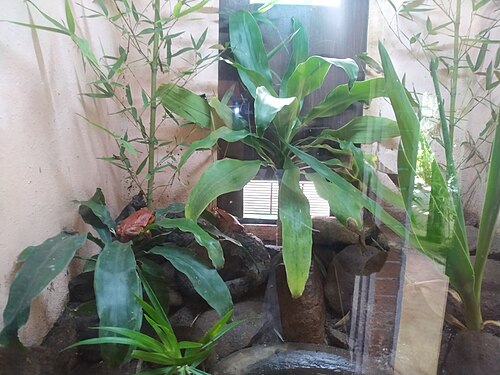
Madagascar Tomato Frog
Stocky body but secretes irritants; moist substrate, solitary housing, and gentle handling are basic requirements.
- Adult size
- 2.76–3.94 in
- Reference Lifespan
- 8–12 yr
- Environment reference
- 71.6–82.4 °F
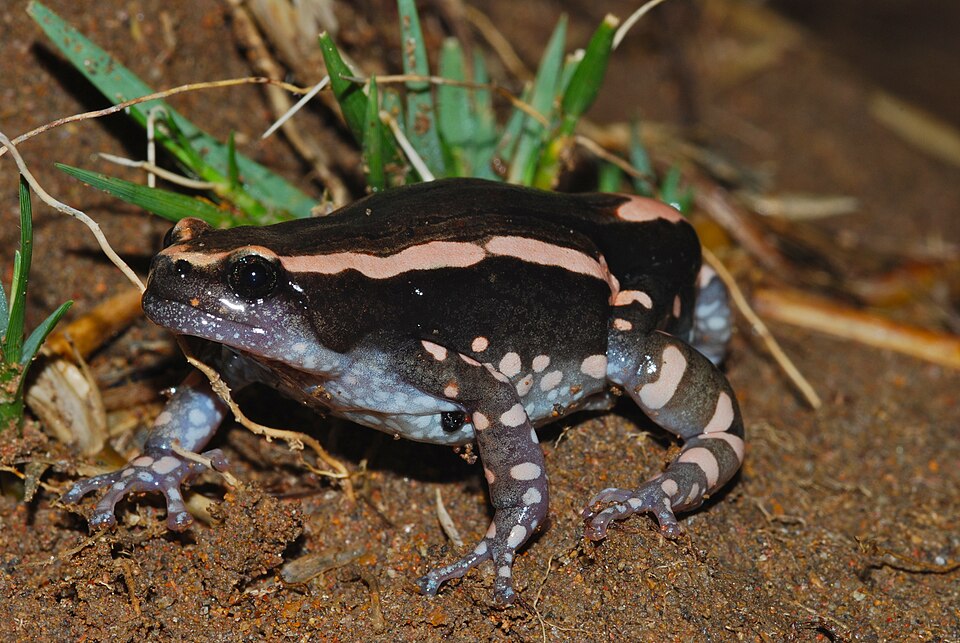
Red Banded Rubber Frog
Seasonal activity is pronounced; humidity cycles, dark hiding spots, and live prey must be adjusted according to the season.
- Adult size
- 1.57–2.36 in
- Reference Lifespan
- 5–8 yr
- Environment reference
- 71.6–84.2 °F
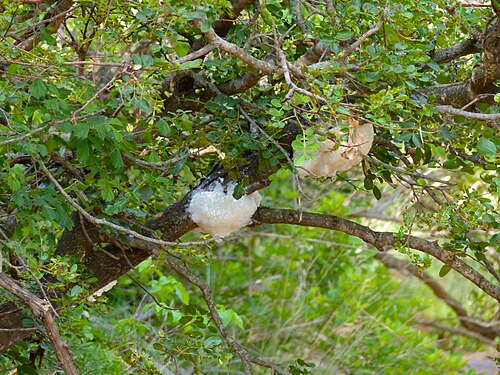
African Foam Nest Frog
Arboreal, nocturnal, and with unique breeding behaviors; reserve space for ventilation, branches, and seasonal misting.
- Adult size
- 1.97–3.15 in
- Reference Lifespan
- 5–10 yr
- Environment reference
- 71.6–86 °F
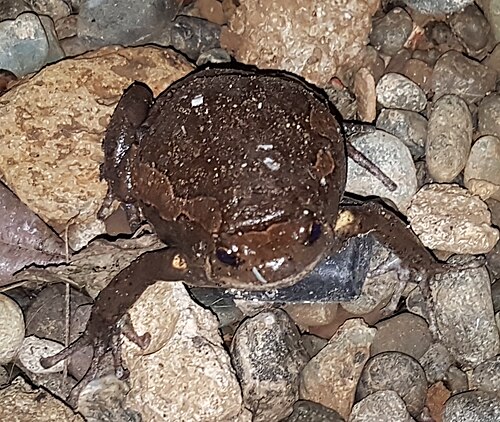
Asian Painted Frog
Nocturnal, burrows into substrate, and has a distinct call; deep substrate, ventilation, and bedroom noise must be assessed first.
- Adult size
- 2.36–3.15 in
- Reference Lifespan
- 6–10 yr
- Environment reference
- 71.6–86 °F
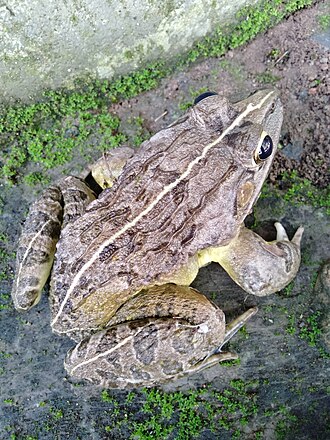
Indian Bullfrog
Size and appetite increase rapidly; single housing, large water bowl, and preventing accidental ingestion of food are basic requirements.
- Adult size
- 4.72–7.09 in
- Reference Lifespan
- 8–12 yr
- Environment reference
- 71.6–86 °F
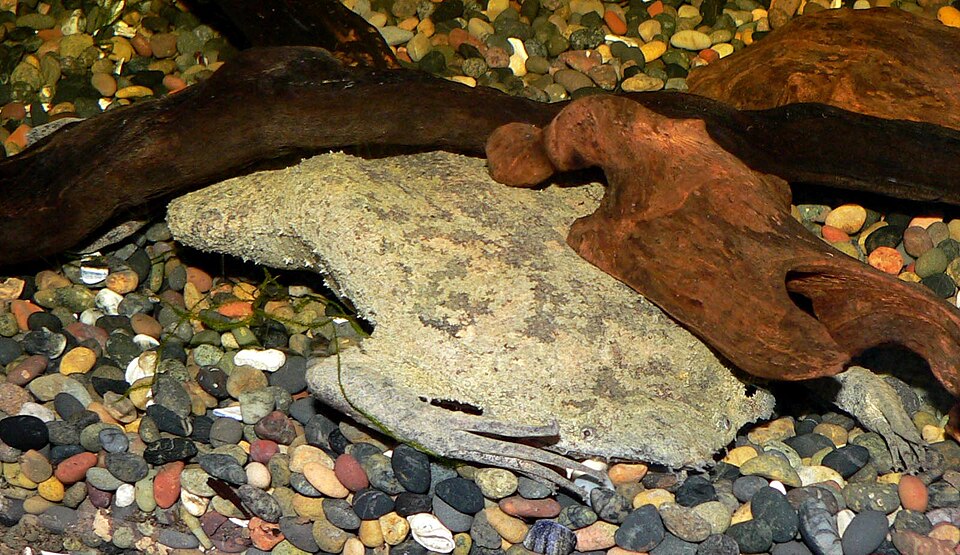
Surinam Toad
Fully aquatic and sensitive to water quality; filtration, dissolved oxygen, and long-term stable water changes are more important than aquascaping.
- Adult size
- 5.91–7.87 in
- Reference Lifespan
- 8–15 yr
- Environment reference
- 75.2–82.4 °F
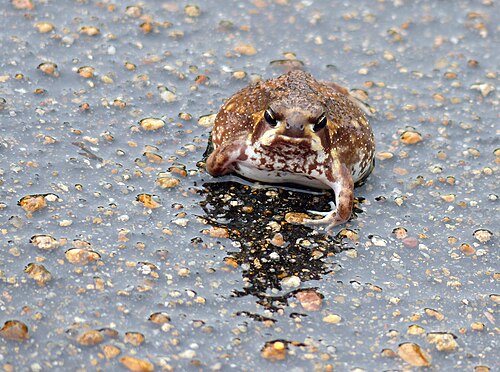
African Rain Frog
Excavates burrows and dislikes standing water; substrate depth, seasonal humidity, and live micro-prey must remain stable.
- Adult size
- 1.57–2.36 in
- Reference Lifespan
- 5–8 yr
- Environment reference
- 68–82.4 °F
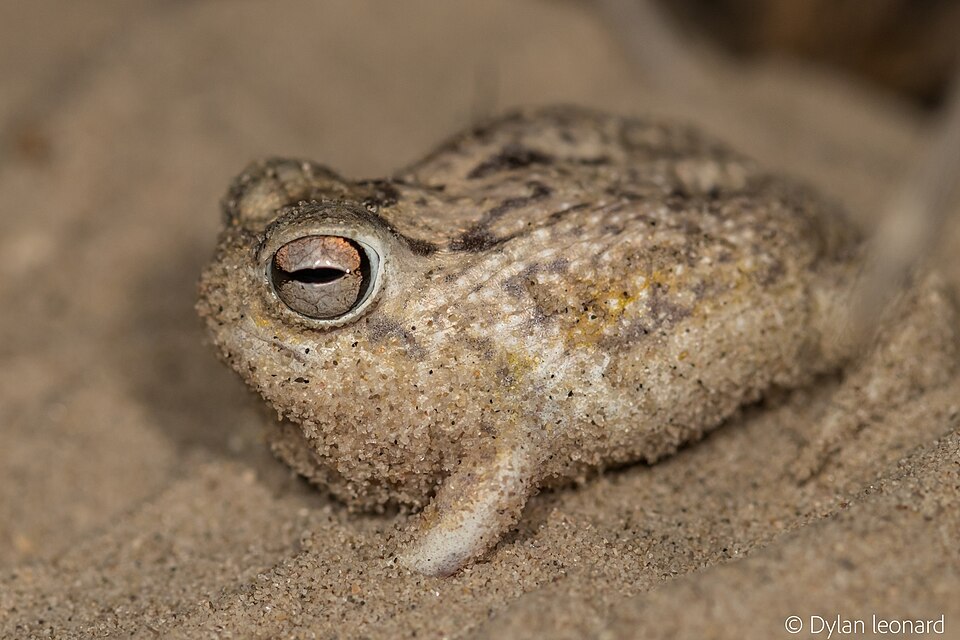
Desert Rain Frog
Cool coastal climates are difficult to replicate; overheating, excessive humidity, and insufficient ventilation can quickly cause problems.
- Adult size
- 1.57–2.36 in
- Reference Lifespan
- 5–8 yr
- Environment reference
- 60.8–75.2 °F
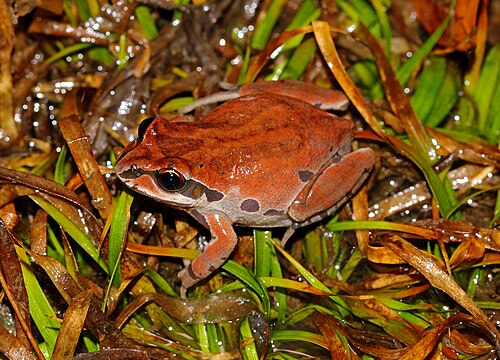
Ornate Chorus Frog
Small body size with distinct nocturnal calls; micro live prey and seasonal humidity must be arranged in advance.
- Adult size
- 1.18–1.97 in
- Reference Lifespan
- 4–8 yr
- Environment reference
- 64.4–78.8 °F
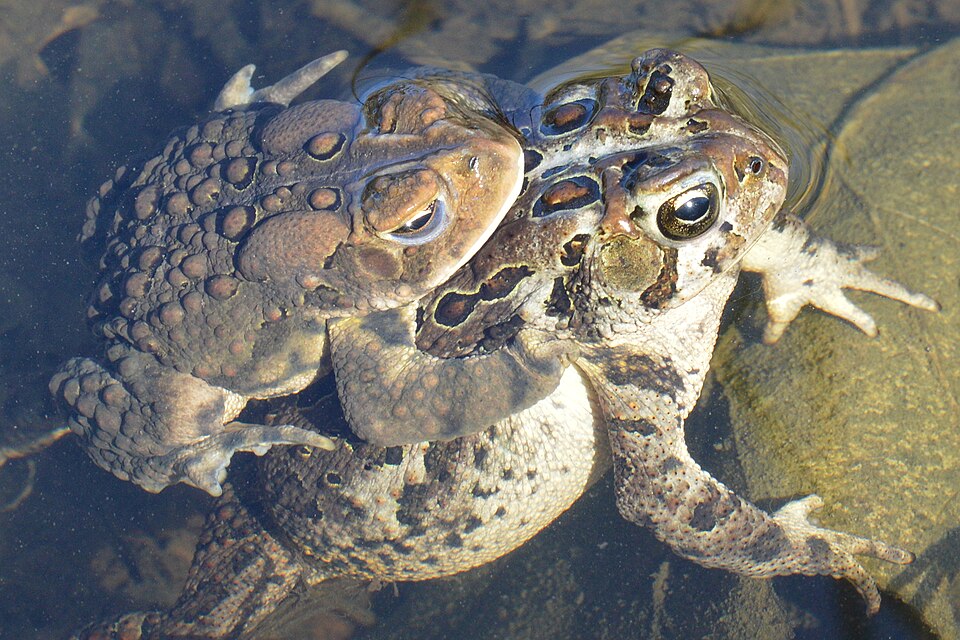
American Toad
Skin secretions and nocturnal activity require hygiene and noise management; wild-caught specimens should not be brought home directly.
- Adult size
- 1.97–3.94 in
- Reference Lifespan
- 5–10 yr
- Environment reference
- 64.4–80.6 °F
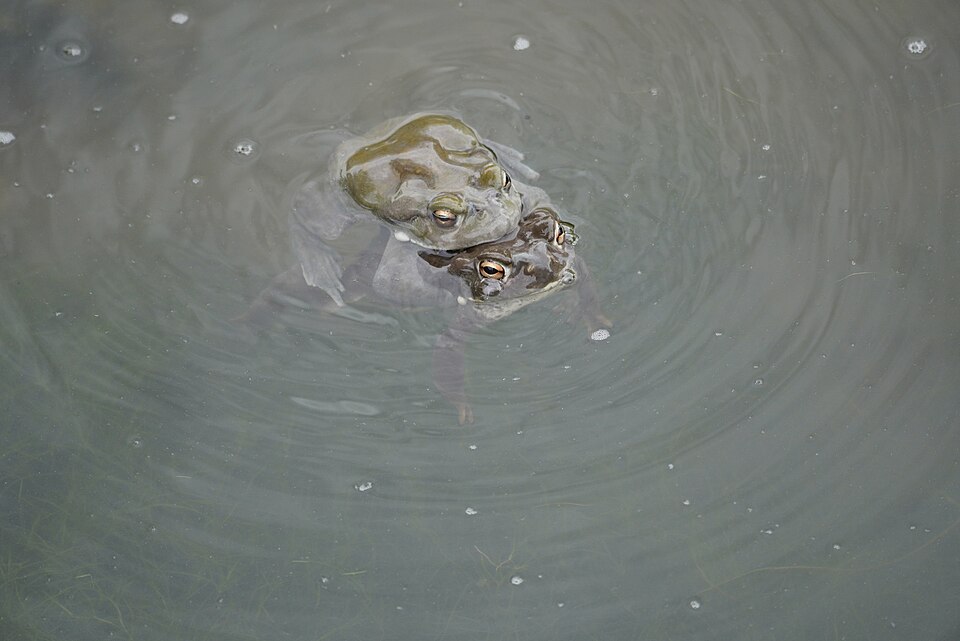
Colorado River Toad
Skin secretions may pose serious risks; regulations, contact boundaries, and professional veterinary confirmation must be verified first.
- Adult size
- 3.94–7.09 in
- Reference Lifespan
- 8–15 yr
- Environment reference
- 71.6–86 °F
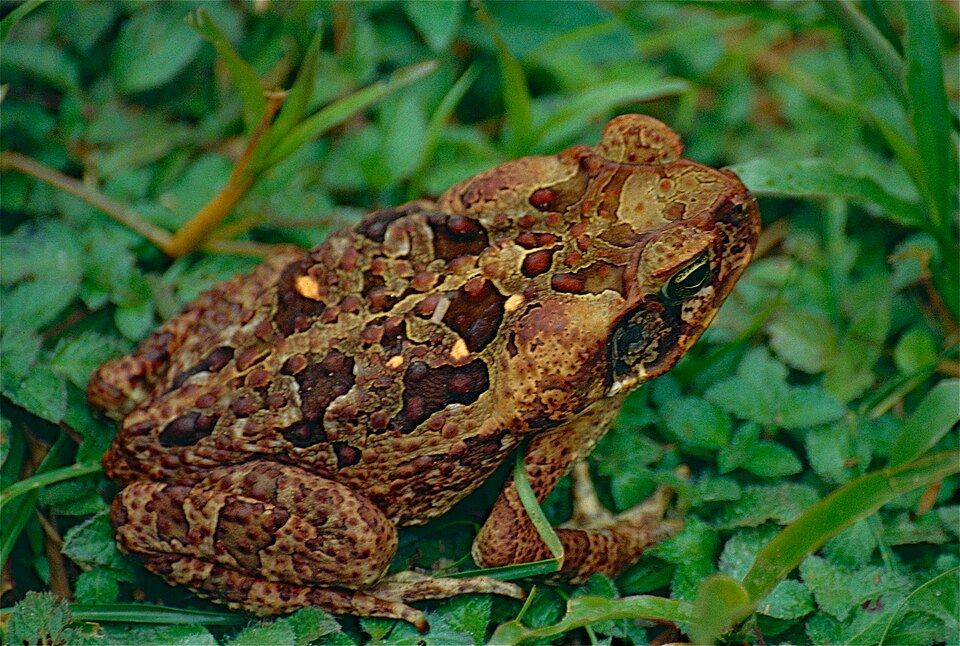
Cane Toad
Large body size, high food consumption, and toxin gland risks; verify foreign invasion status and local ban/restriction regulations first.
- Adult size
- 3.94–7.87 in
- Reference Lifespan
- 8–15 yr
- Environment reference
- 71.6–86 °F
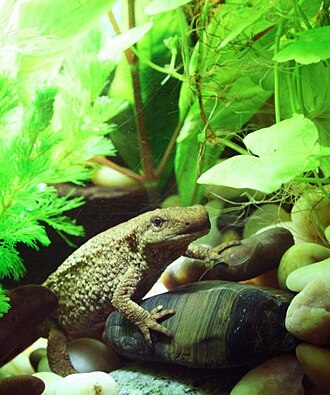
Chinese Warty Newt
Water quality, low temperature, and terrestrial platform structure must remain stable long-term; source and regional protection regulations cannot be omitted.
- Adult size
- 4.72–7.87 in
- Reference Lifespan
- 10–20 yr
- Environment reference
- 60.8–75.2 °F
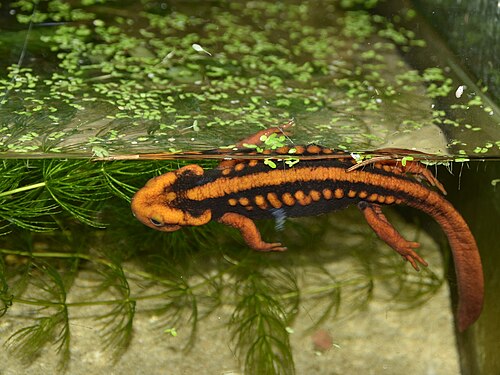
Crocodile Newt
Skin secretions, cool high humidity, and source restrictions all require professional documentation support; do not treat as a common newt.
- Adult size
- 5.91–8.66 in
- Reference Lifespan
- 10–20 yr
- Environment reference
- 60.8–75.2 °F
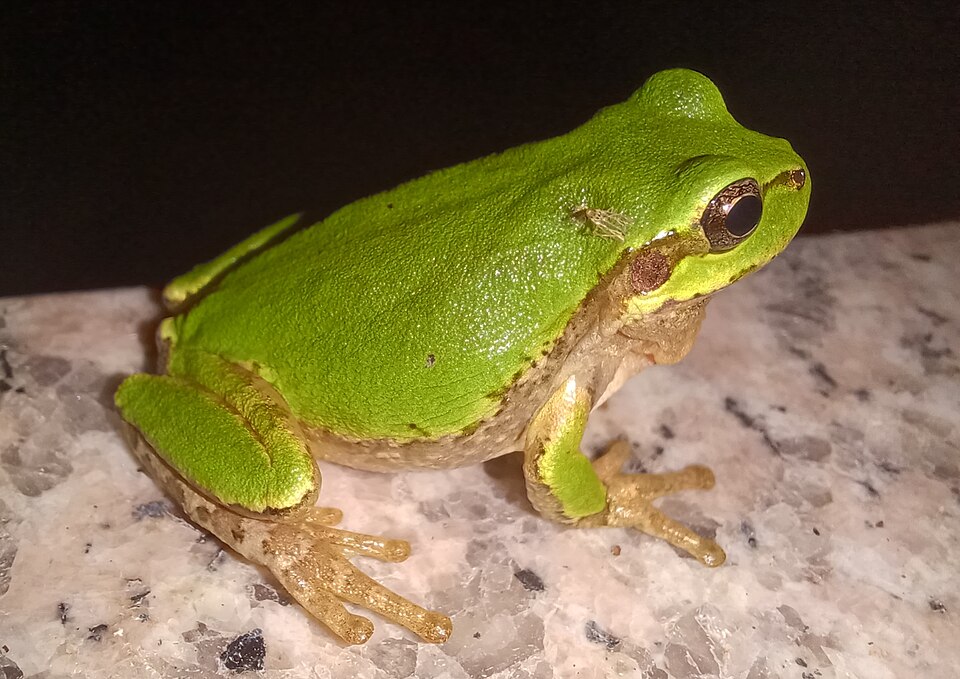
Japanese Tree Frog
Nocturnal, capable of jumping, and with distinct calls; basic preparation includes ventilation, escape-proofing, and live micro-prey.
- Adult size
- 1.18–1.97 in
- Reference Lifespan
- 5–10 yr
- Environment reference
- 64.4–80.6 °F