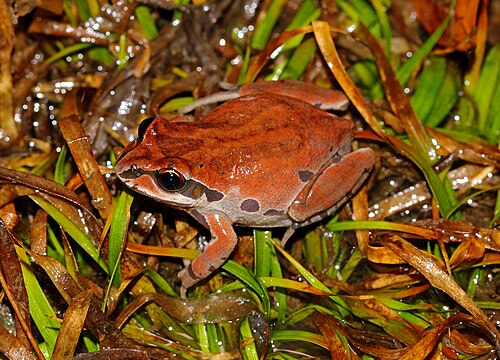
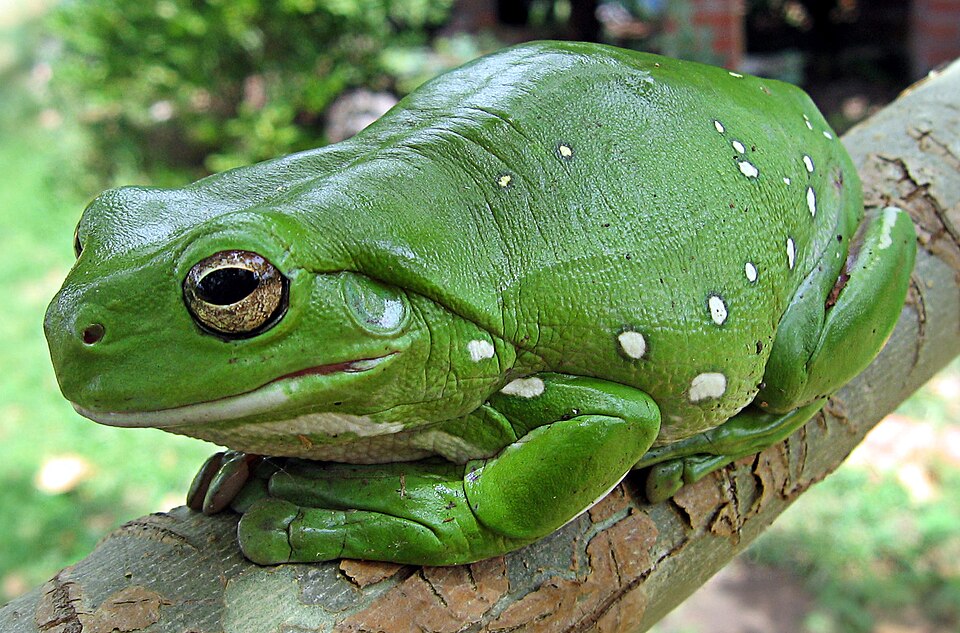
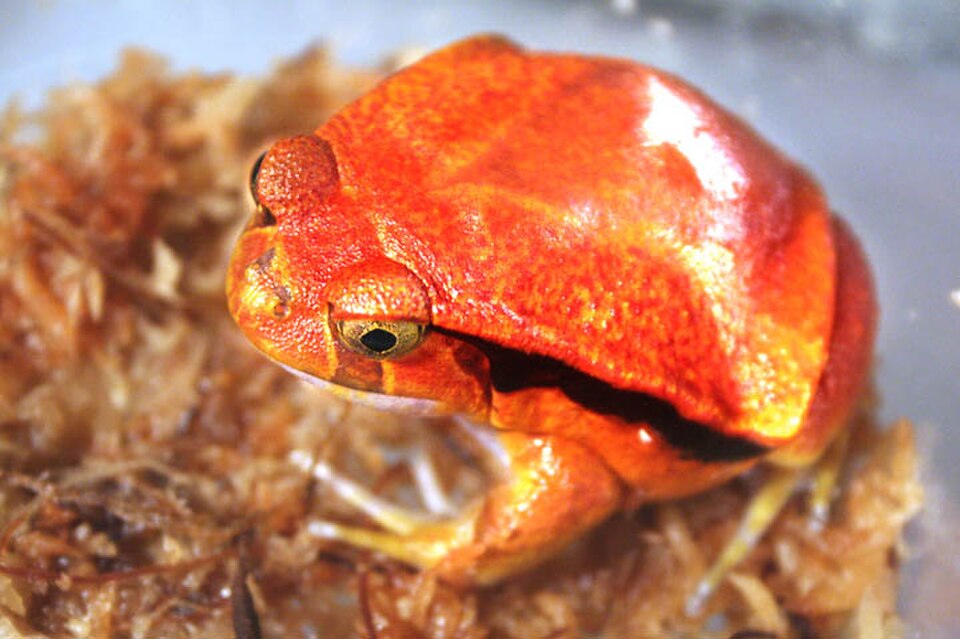
This is an edited estimate of lifestyle compatibility, not an animal value rating. A higher score indicates that, based on current data, the animal is easier to integrate into your daily routine.
Children and families 88Apartments 96Bedrooms 96Frequent travel 62
The composite score is calculated by weighting nine factors: beginner-friendliness, handling ease, interaction, space requirements, cost, maintenance, travel, veterinary access, and safety. Read risk signals according to field direction: lower scores for biting, escape, and toxicity indicate greater safety; higher scores for noise, odor, and cleaning indicate less hassle. Combine this page's environmental requirements and risk notes with your judgment; do not rely solely on the total score.
BEFORE YOU COMMIT
First check whether it fits your life
This brief brings together the space, maintenance, feeding, lifespan and veterinary conditions recorded on this page so you know what to verify next.
60/100 · Depends on specific conditions
A better fit if
The living conditions need closer planning
Adult space is relatively easy to plan, but use the recommended enclosure as the baseline
Daily maintenance requires a steady time commitment
Resolve these first
Water Quality and Skin:Skin is directly involved in respiration; cleaners, chlorine, and standing water can cause rapid injury.
Confirm an exotic veterinarian and emergency route before purchase
Adult size
1.18–1.97 in
Reference Lifespan
4 to 8 years
Minimum space
Adults require continuous space to perform natural behaviors, with hiding spots and safe ventilation; do not purchase based on juvenile size.
Veterinary Accessibility
Difficult
This is a comparison aid based on the current record, not a purchase, medical or local-law conclusion. Check the sources and local conditions before continuing.
THINGS OWNERS UNDERESTIMATE
Common Underestimations by Keepers
Water Quality and SkinSkin is directly involved in respiration; cleaners, chlorine, and standing water can cause rapid injury.
Observe, Do Not HandleFrequent handling increases stress and skin contact risk; health records are more important.
VETERINARY ACCESS
Veterinary Accessibility
Difficult
Routine clinics have limited coverage; best to arrange referral channels before acquisition.
Difficult; water quality or temperature issues can progress quickly.
Specialist Exotic Pet Care Typically Required
DATA STATUS
Where this record stands
Editorial example
Last updated
2026-09-07
Fields checked
No field review record yet
Reference sources
1 · Reference sources
Professional review
Pending veterinary or taxonomic review
Local rules
Local rules need verification
Source links are starting points for reading. A group-level guide does not verify every value for each species. Check local rules separately.
Pine forests and seasonal puddles in the southeastern United States
Body Size and Diameter
Common adult carapace length; see species-specific data for exact carapace width.
Dietary Habits
Insectivore
Activity Cycle
Mostly active at night, minimize skin contact, and also avoid significant environmental fluctuations.
Availability of Captive-Bred Individuals
Moderate
Temperament and Aggression
Individual responses vary. Behavior may change when startled, in pain, or feeding.
Toxicity and Contact Risks
Venom has no substantial effect on humans, but proper hygiene and safe handling are still required. Contact Risks: Low。
Socialization and Handling
Whether to keep singly or with conspecifics depends on the species' sociality. Similar appearance does not justify cohabitation.
Environmental Parameters
Temperature Gradient
Set up warm, cool, and shaded zones; connect all heat sources to a thermostat and verify temperatures by spot-checking at each location.
Humidity and Ventilation
60 to 85%. Humidity varies with ventilation, misting, and day-night cycles; do not maintain the entire enclosure at one reading long-term.
Lighting and Circadian Rhythm
Provide UVB or environmental light matching species needs; adjust based on lamp distance, shading, and measured results.
Basking Spot / Localized Heat
Set up warm, cool, and shaded zones; connect all heat sources to a thermostat and verify temperatures by spot-checking at each location.
UVB Requirements
Provide UVB or environmental light matching species needs; adjust based on lamp distance, shading, and measured results.
Adult Space
Minimum: Adults require continuous space to perform natural behaviors, with hiding spots and safe ventilation; do not purchase based on juvenile size. Recommended: Adults require continuous space to perform natural behaviors, hiding spots, and secure ventilation; do not purchase based on juvenile size; recommended setups add approximately 25% additional land or water buffer to the minimum space and include a secure retreat area.
Substrate and Water
Pesticide-free substrate that can retain moisture but does not accumulate standing water. Amphibious species must have a safe ramp. · Use treated low-pollution water. Amphibious species must have a stable body of water that they can enter and exit.
These ranges are for planning the environment of a healthy adult, not a constant value for the entire enclosure, and do not cover disease, breeding, or juvenile stages.
Diet and Nutrition
Select complete food matching species needs; adjust according to body condition, age, and season; do not feed only one type long-term, and do not overfeed.
Feeding Frequency
Usually several times per week, then adjust according to body size, age, and feeding response.
Live Prey Requirement
Required
Rodent Pellets
Not Required
Enclosure and activity space
Adults require continuous space to perform natural behaviors, with hiding spots and safe ventilation; do not purchase based on juvenile size.
Dimensions are editor suggestions, not mandatory minimum standards in all regions. Group size, individual body size, and layout may require more space.
Frequently Asked Questions
Is it suitable for frequent handling?
Observation is primary. When handling is necessary, use safe tools and keep the duration as short as possible.
Can this record replace a complete husbandry manual?
No. It is only a decision summary for adult, healthy individuals. Before formal husbandry, you still need complete data, equipment testing, and veterinary resources.
Risks and Legality
Before bringing home, confirm the source, long-term care capability, local regulations, and nearby exotic pet veterinary resources.
Local rules need verificationNo jurisdiction selected
Purchase, possession, breeding, transport, and import/export regulations may differ. Please verify with the local competent authority using the scientific name.
Sources and editor notes
This page is a structured editing example and has not yet undergone field-by-field expert review. Reference links are for further consultation; data for some groups may not apply to every species. Please read the full manual before formal husbandry.