Exotic Atlas CARE BEFORE COMMITMENT Start Matching
Decision Scenario
BROWSE BY CONDITION

Exotic pets for smaller spaces

Small spaces must still accommodate adult body size, ventilation, equipment, and operational margin; do not calculate based solely on minimum enclosure size. You can start by comparing these candidates.

176 Candidate Records · selected using care requirements

Re-match with Your Criteria

Leopard Gecko Why It Was Selected

Space compatibility 72 /100, escape risk 25 /100 (lower is better); adult enclosures still require adequate space.

Please Confirm: Adult Space,Juveniles appear small; long-term costs are mainly the adult enclosure, lighting, and backup equipment.

Reptiles
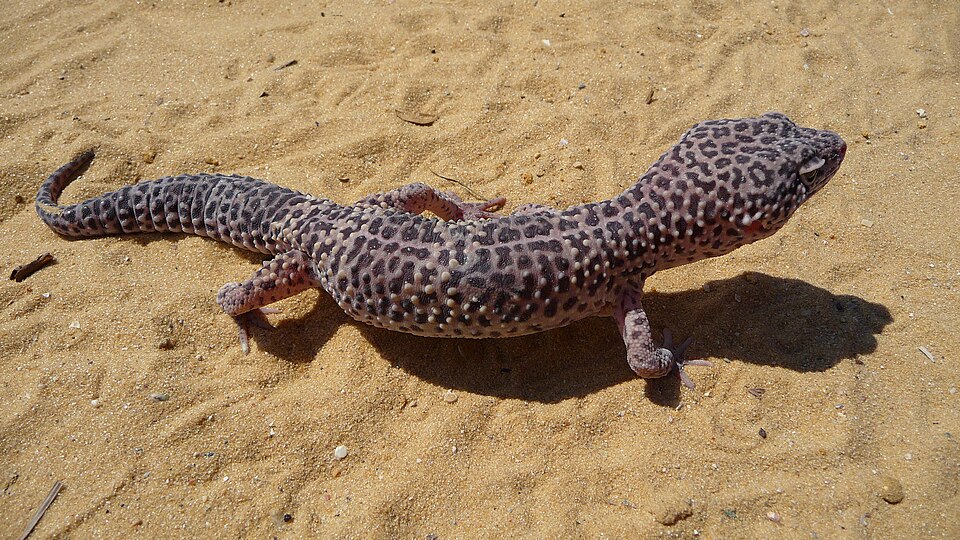
Leopard Gecko (Eublepharis macularius)
Images · Public domainGeorge Chernilevsky / Wikimedia Commons

Leopard Gecko

Eublepharis macularius

Terrestrial, crepuscular activity. Provide multiple hideouts for security.

Adult size
7.09–9.84 in
Reference Lifespan
15–20 yr
Environment reference
75.2–78.8 °F
Basic CareInsectivore · Risks Low
Ownership Score 80/100
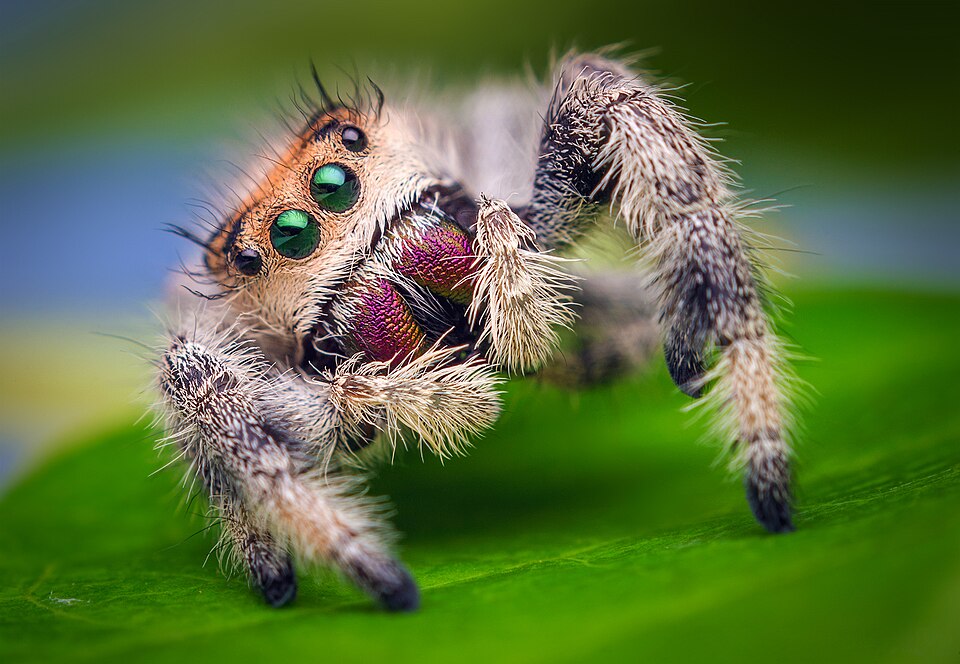
Regal Jumping Spider Why It Was Selected

Space compatibility 96 /100, escape risk 36 /100 (lower is better); adult enclosures still require adequate space.

Please Confirm: Molting window,Do not move or feed during the molting period; temporary inactivity is often natural behavior.

Invertebrates
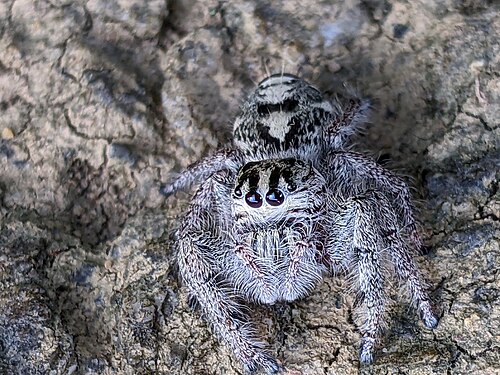
Regal Jumping Spider (Phidippus regius)
Images · CC BY 2.0Thomas Shahan / Wikimedia Commons

Regal Jumping Spider

Phidippus regius

Small body size, good vision, and suitable for observation, but short lifespan and live prey supply require mental preparation.

Adult size
0.59–0.79 in
Reference Lifespan
1–2 yr
Environment reference
71.6–82.4 °F
Basic CareInsectivore · Risks Low
Ownership Score 73/100

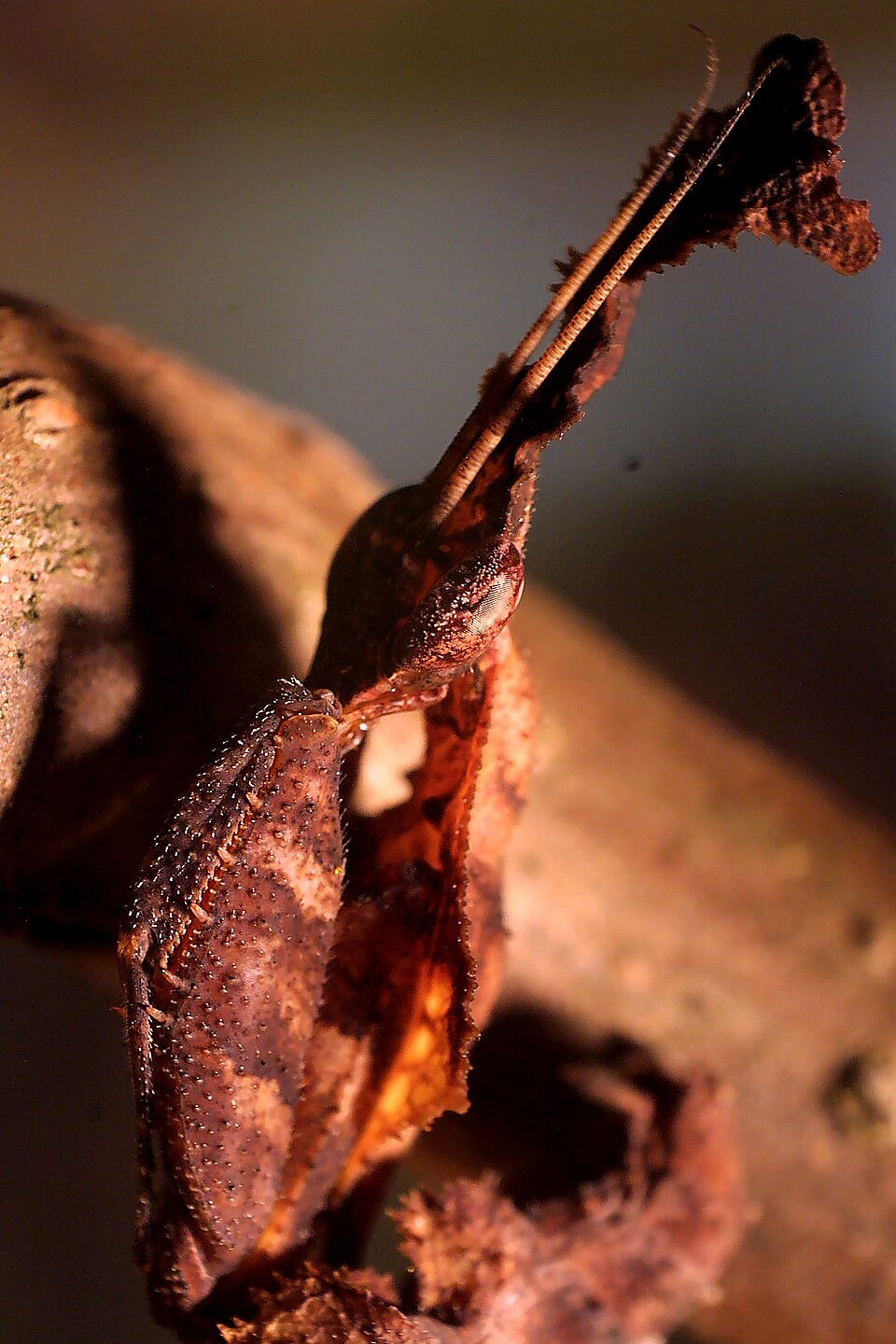
Ghost Mantis Why It Was Selected

Space compatibility 92 /100, escape risk 36 /100 (lower is better); adult enclosures still require adequate space.

Please Confirm: Molting window,Do not move or feed during the molting period; temporary inactivity is often natural behavior.

Invertebrates
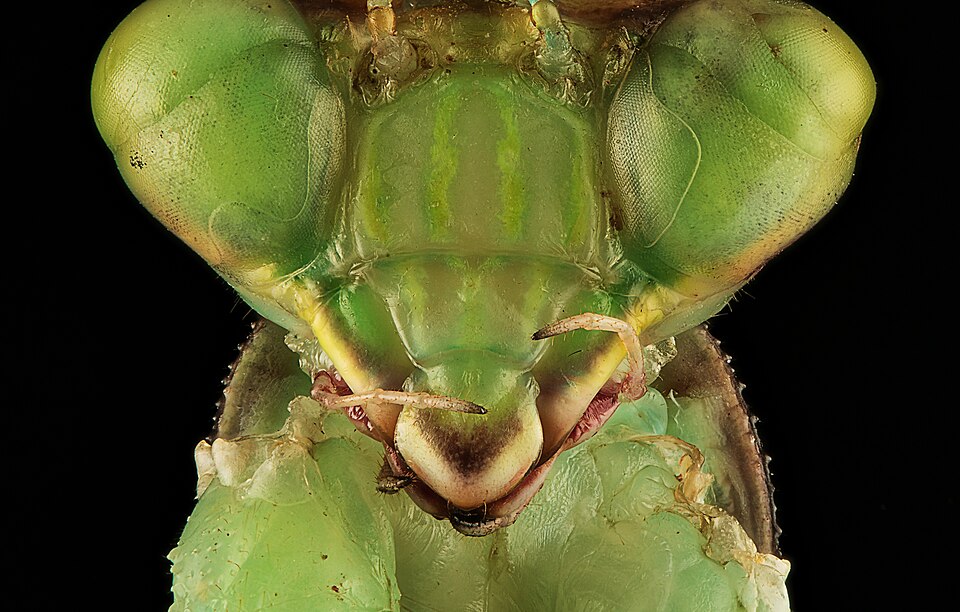
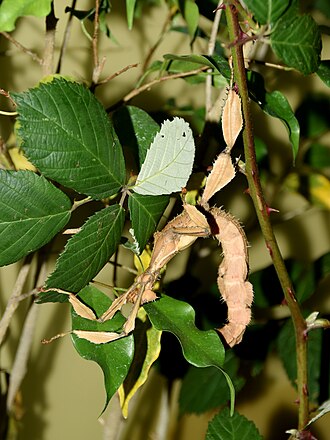
Ghost Mantis (Phyllocrania paradoxa)
Images · CC BY-SA 3.0Mydriatic / Wikimedia Commons

Ghost Mantis

Phyllocrania paradoxa

Camouflage-oriented observation insects requiring high, ventilated, and stable live prey.

Adult size
1.57–2.36 in
Reference Lifespan
1–2 yr
Environment reference
71.6–82.4 °F
Basic CareInsectivore · Risks Low
Ownership Score 73/100

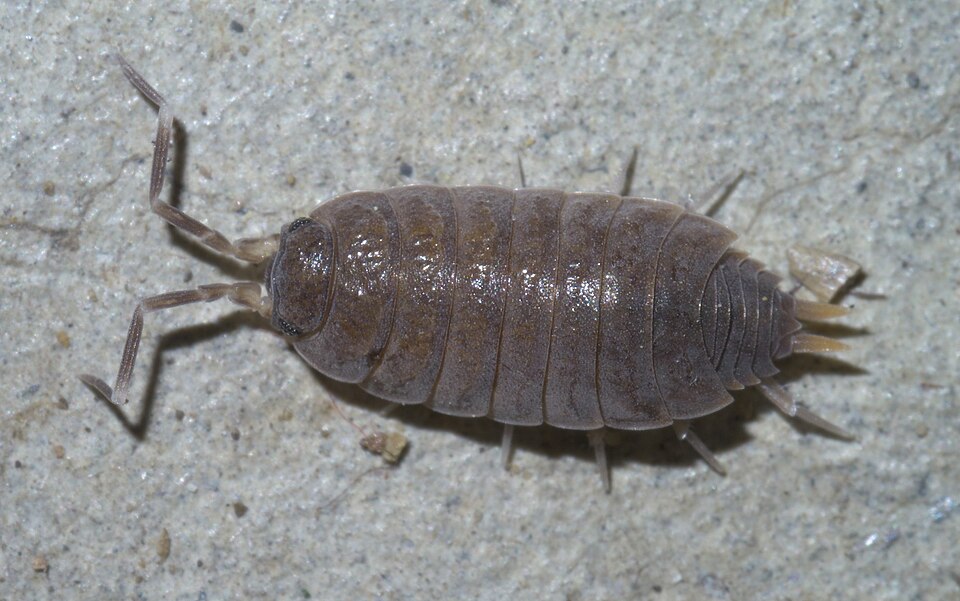
Powder Orange Isopod Why It Was Selected

Space compatibility 96 /100, escape risk 36 /100 (lower is better); adult enclosures still require adequate space.

Please Confirm: Molting window,Do not move or feed during the molting period; temporary inactivity is often natural behavior.

Invertebrates
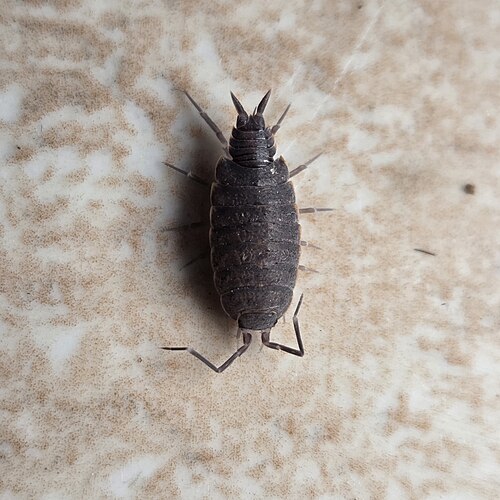
Powder Orange Isopod (Porcellionides pruinosus)
Images · CC BY-SA 4.0 xpda / Wikimedia Commons

Powder Orange Isopod

Porcellionides pruinosus

Decomposer colonies centered on safe leaf litter, rotting wood, and humidity gradients.

Adult size
0.39–0.79 in
Reference Lifespan
1–2 yr
Environment reference
68–78.8 °F
Basic CareDetritivore · Risks Low
Ownership Score 73/100

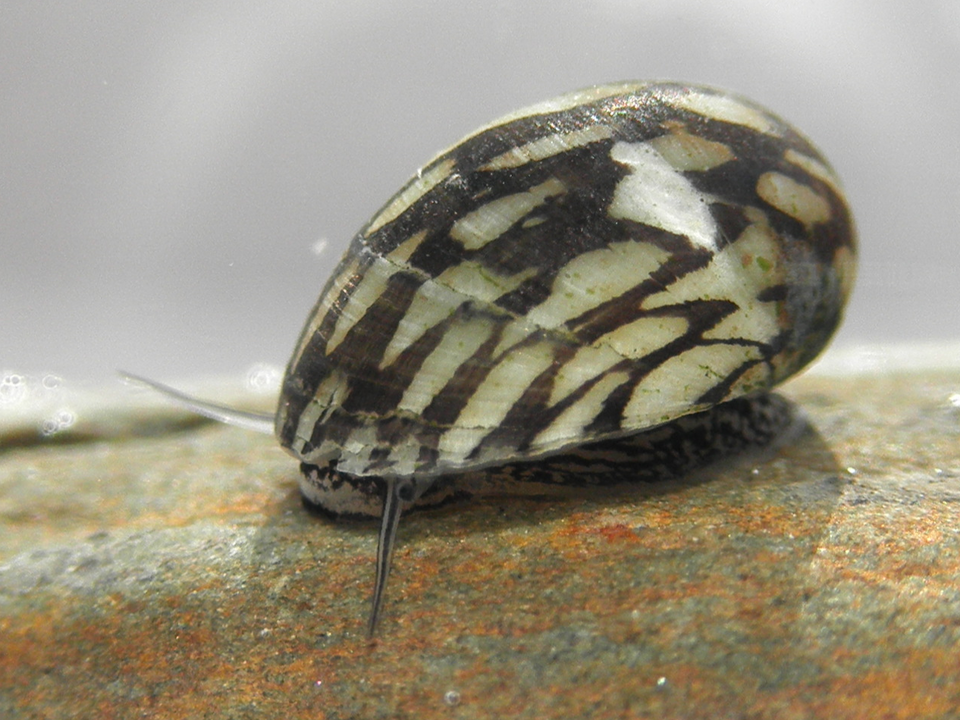
Nerite Snail Why It Was Selected

Space compatibility 95 /100, escape risk 12 /100 (lower is better); adult enclosures still require adequate space.

Please Confirm: Condition the water before introducing animals.,Established cycling, water changes, and water quality testing are daily tasks; a clear tank does not mean low maintenance.

Ornamental Aquatics
Nerite Snail (Neritina natalensis)
Images · CC BY 4.0Michal Maňas / Wikimedia Commons

Nerite Snail

Neritina natalensis

An ornamental snail that feeds primarily on algal films; stable life depends on mature tanks, minerals, and escape prevention.

Adult size
0.79–1.18 in
Reference Lifespan
1–2 yr
Water Temperature
68–82.4 °F
Basic CareHerbivore · Risks Low
Ownership Score 72/100

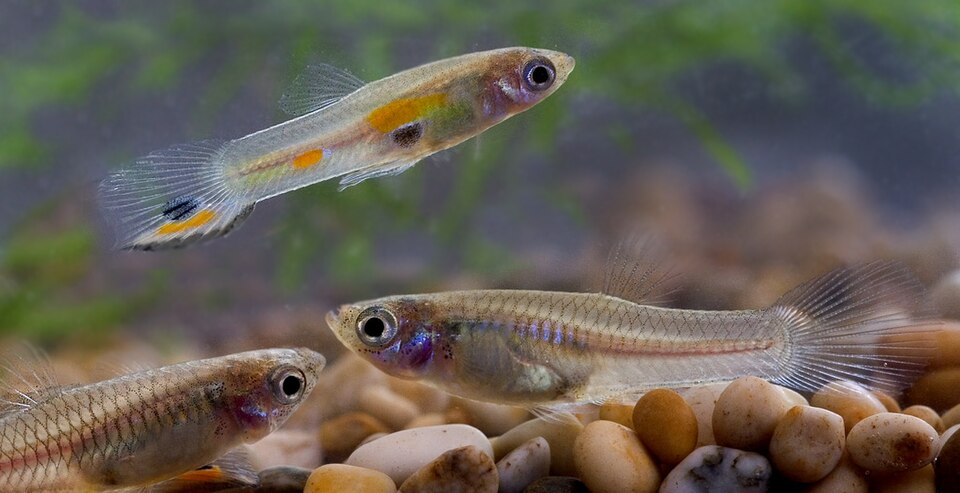
Guppy Why It Was Selected

Space compatibility 92 /100, escape risk 12 /100 (lower is better); adult enclosures still require adequate space.

Please Confirm: Condition the water before introducing animals.,Established cycling, water changes, and water quality testing are daily tasks; a clear tank does not mean low maintenance.

Ornamental Aquatics
Guppy (Poecilia reticulata)
Images · CC BY 3.0Per Harald Olsen / Wikimedia Commons

Guppy

Poecilia reticulata

Active livebearers; breeding rates often exceed beginner expectations.

Adult size
1.18–2.36 in
Reference Lifespan
2–3 yr
Water Temperature
71.6–78.8 °F
Basic CareOmnivore · Risks Low
Ownership Score 71/100

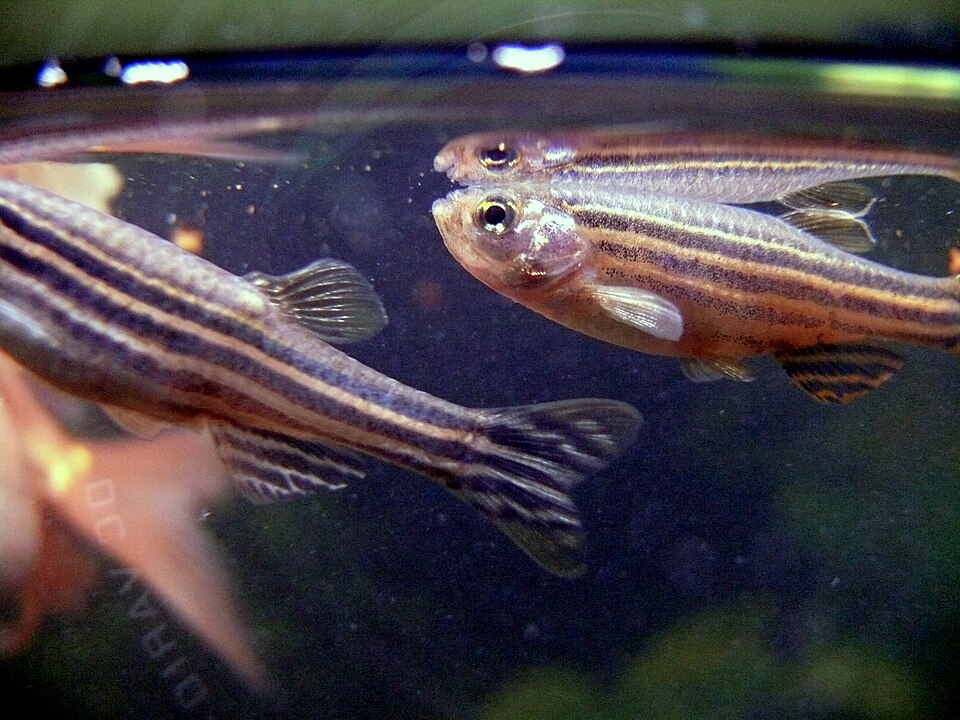
Zebra Danio Why It Was Selected

Space compatibility 93 /100, escape risk 12 /100 (lower is better); adult enclosures still require adequate space.

Please Confirm: Condition the water before introducing animals.,Established cycling, water changes, and water quality testing are daily tasks; a clear tank does not mean low maintenance.

Ornamental Aquatics
Zebra Danio (Danio rerio)
Images · CC BY-SA 3.0Pogrebnoj-Alexandroff / Wikimedia Commons

Zebra Danio

Danio rerio

Fast-schooling fish; do not omit horizontal swimming space due to small body size.

Adult size
1.57–1.97 in
Reference Lifespan
3–5 yr
Water Temperature
64.4–75.2 °F
Basic CareOmnivore · Risks Low
Ownership Score 71/100

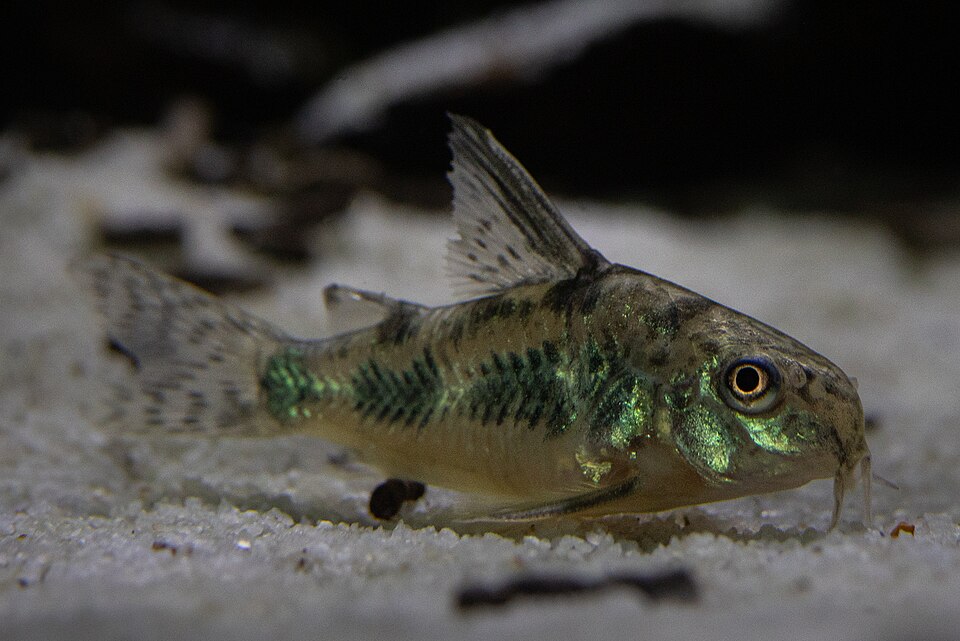
Peppered Corydoras Why It Was Selected

Space compatibility 91 /100, escape risk 12 /100 (lower is better); adult enclosures still require adequate space.

Please Confirm: Condition the water before introducing animals.,Established cycling, water changes, and water quality testing are daily tasks; a clear tank does not mean low maintenance.

Ornamental Aquatics
Peppered Corydoras (Corydoras paleatus)
Images · CC BY-SA 4.0 Mattia Nocciola / Wikimedia Commons

Peppered Corydoras

Corydoras paleatus

Bottom-dwelling schooling fish; soft substrate, sufficient companions, and mature cycling are more important than the 'cleaner' label.

Adult size
1.97–2.76 in
Reference Lifespan
3–5 yr
Water Temperature
68–77 °F
Basic CareOmnivore · Risks Low
Ownership Score 71/100

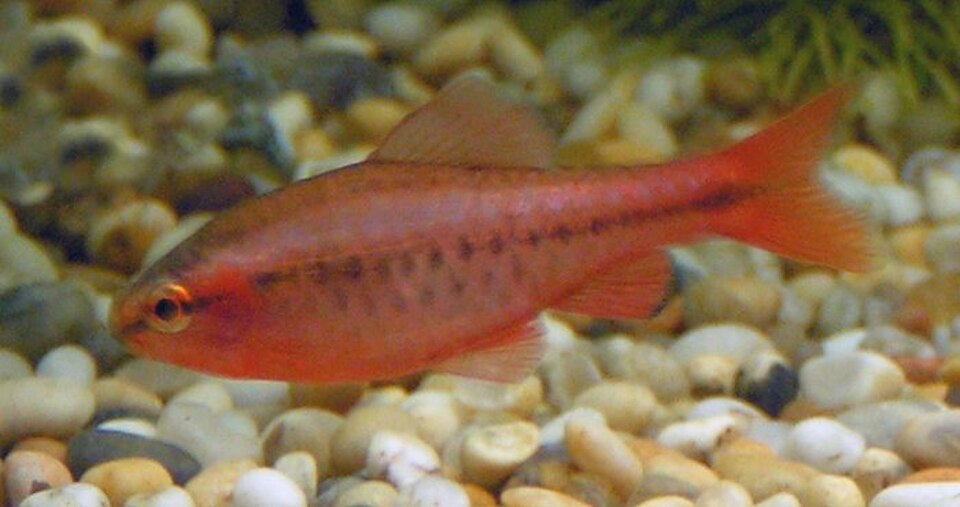
Cherry Barb Why It Was Selected

Space compatibility 93 /100, escape risk 12 /100 (lower is better); adult enclosures still require adequate space.

Please Confirm: Condition the water before introducing animals.,Established cycling, water changes, and water quality testing are daily tasks; a clear tank does not mean low maintenance.

Ornamental Aquatics
Cherry Barb (Puntius titteya)
Images · CC BY-SA 3.0sannse / Wikimedia Commons

Cherry Barb

Puntius titteya

Gentle schooling fish; require sufficient companions, plant cover, and mature cycling.

Adult size
1.57–1.97 in
Reference Lifespan
4–6 yr
Water Temperature
71.6–80.6 °F
Basic CareOmnivore · Risks Low
Ownership Score 71/100

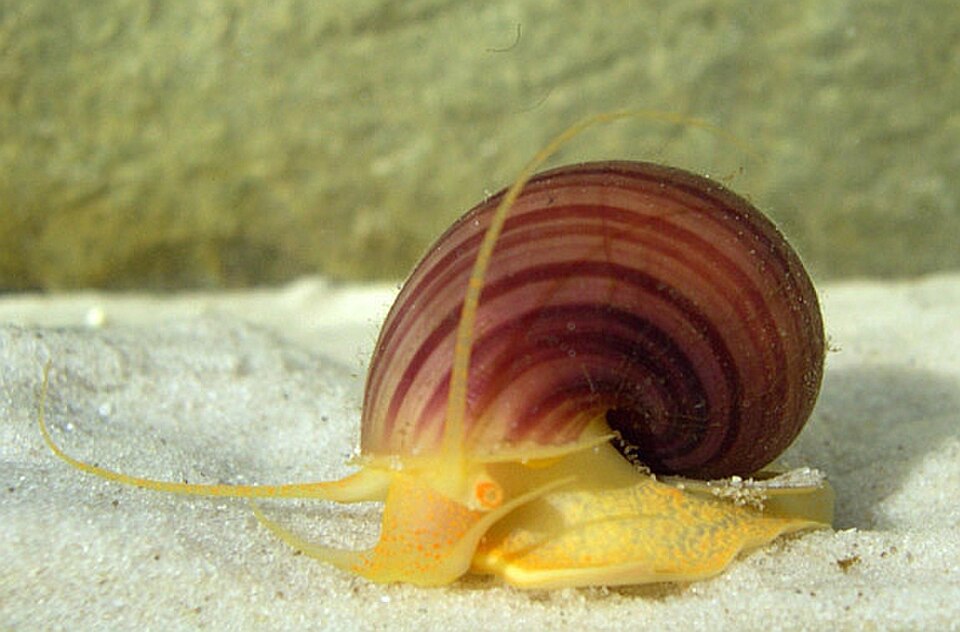
Mystery Snail Why It Was Selected

Space compatibility 93 /100, escape risk 12 /100 (lower is better); adult enclosures still require adequate space.

Please Confirm: Condition the water before introducing animals.,Established cycling, water changes, and water quality testing are daily tasks; a clear tank does not mean low maintenance.

Ornamental Aquatics
Mystery Snail (Pomacea diffusa)
Images · CC BY-SA 3.0Stijn Ghesquiere / Wikimedia Commons

Mystery Snail

Pomacea diffusa

A freshwater snail that breathes air and can climb out of the tank; calcium, water level, and escape prevention are more important than appearance.

Adult size
1.57–1.97 in
Reference Lifespan
1–2 yr
Water Temperature
68–82.4 °F
Basic CareHerbivore · Risks Low
Ownership Score 71/100

Common Musk Turtle Why It Was Selected

Space compatibility 83 /100, escape risk 36 /100 (lower is better); adult enclosures still require adequate space.

Please Confirm: Adult Space,Juveniles may appear small, but adult enclosures, lighting, and backup equipment constitute the long-term cost.

Reptiles
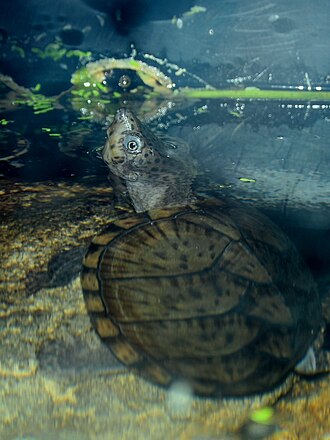
Common Musk Turtle (Sternotherus odoratus)
Images · CC BY-SA 4.0William L. Farr / Wikimedia Commons

Common Musk Turtle

Sternotherus odoratus

Small size but can climb out of water and bite; prepare shallow water structure, basking platform, and escape-proof cover simultaneously.

Adult size
3.15–5.51 in
Reference Lifespan
20–30 yr
Environment reference
71.6–82.4 °F
Advanced CareCarnivore · Risks Low
Ownership Score 69/100

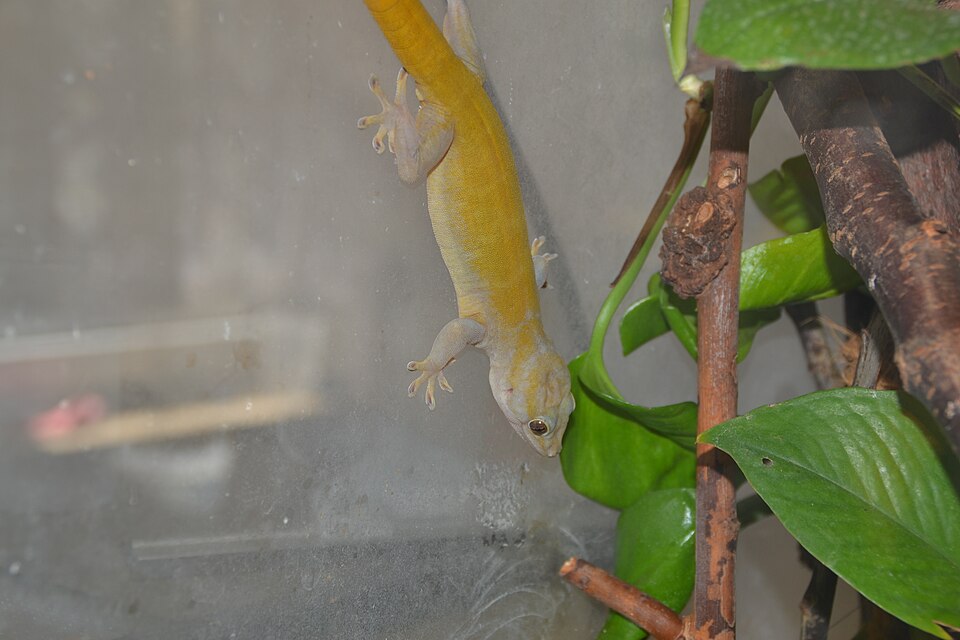
Mourning Gecko Why It Was Selected

Space compatibility 88 /100, escape risk 36 /100 (lower is better); adult enclosures still require adequate space.

Please Confirm: Adult Space,Juveniles may appear small, but adult enclosures, lighting, and backup equipment constitute the long-term cost.

Reptiles
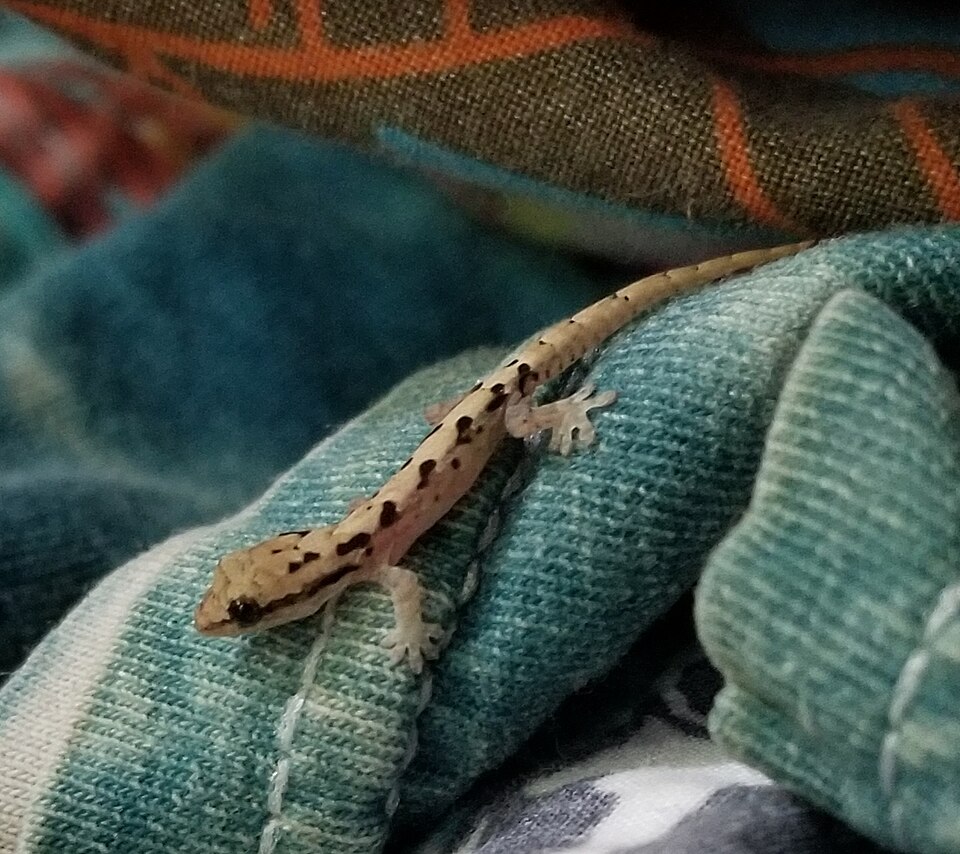
Mourning Gecko (Lepidodactylus lugubris)
Images · CC BY 2.0patrickkavanagh / Wikimedia Commons

Mourning Gecko

Lepidodactylus lugubris

Extremely small body and capable of escaping through gaps; group breeding and ventilation hole protection must be designed in advance.

Adult size
3.15–3.94 in
Reference Lifespan
5–10 yr
Environment reference
71.6–82.4 °F
Advanced CareOmnivore · Risks Low
Ownership Score 69/100

Razor Backed Musk Turtle Why It Was Selected

Space compatibility 82 /100, escape risk 36 /100 (lower is better); adult enclosures still require adequate space.

Please Confirm: Adult Space,Juveniles may appear small, but adult enclosures, lighting, and backup equipment constitute the long-term cost.

Reptiles
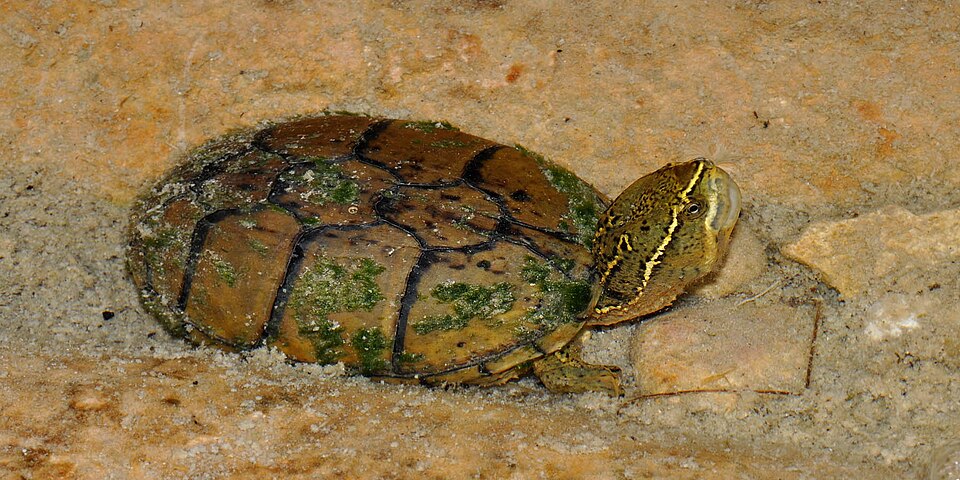
Razor Backed Musk Turtle (Sternotherus carinatus)
Images · CC BY-SA 4.0NasserHalaweh / Wikimedia Commons

Razor Backed Musk Turtle

Sternotherus carinatus

Small body size but requires stable water quality, substrate area, and surface aeration; small boxes cannot replace aquariums for long-term housing.

Adult size
3.94–5.91 in
Reference Lifespan
20–30 yr
Environment reference
71.6–82.4 °F
Advanced CareOmnivore · Risks Low
Ownership Score 69/100

Striped Mud Turtle Why It Was Selected

Space compatibility 82 /100, escape risk 36 /100 (lower is better); adult enclosures still require adequate space.

Please Confirm: Adult Space,Juveniles may appear small, but adult enclosures, lighting, and backup equipment constitute the long-term cost.

Reptiles
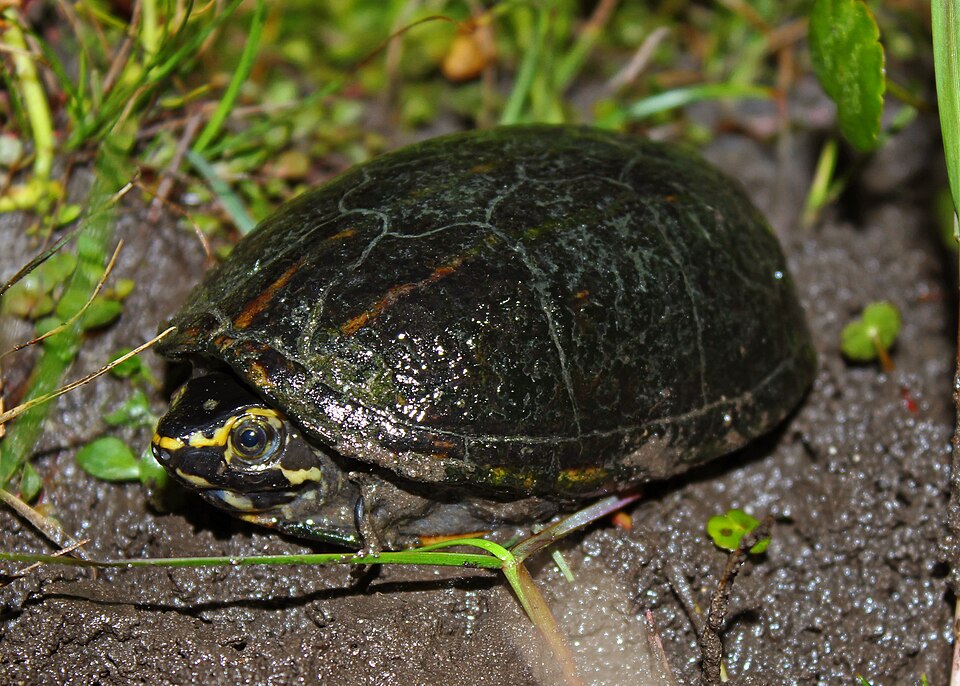
Striped Mud Turtle (Kinosternon baurii)
Images · CC BY 2.0Peter Paplanus / Wikimedia Commons

Striped Mud Turtle

Kinosternon baurii

Shallow water, basking platforms, and hides must form a safe route; water quality fluctuations directly impact feeding and activity.

Adult size
3.94–5.91 in
Reference Lifespan
20–30 yr
Environment reference
71.6–82.4 °F
Advanced CareOmnivore · Risks Low
Ownership Score 69/100

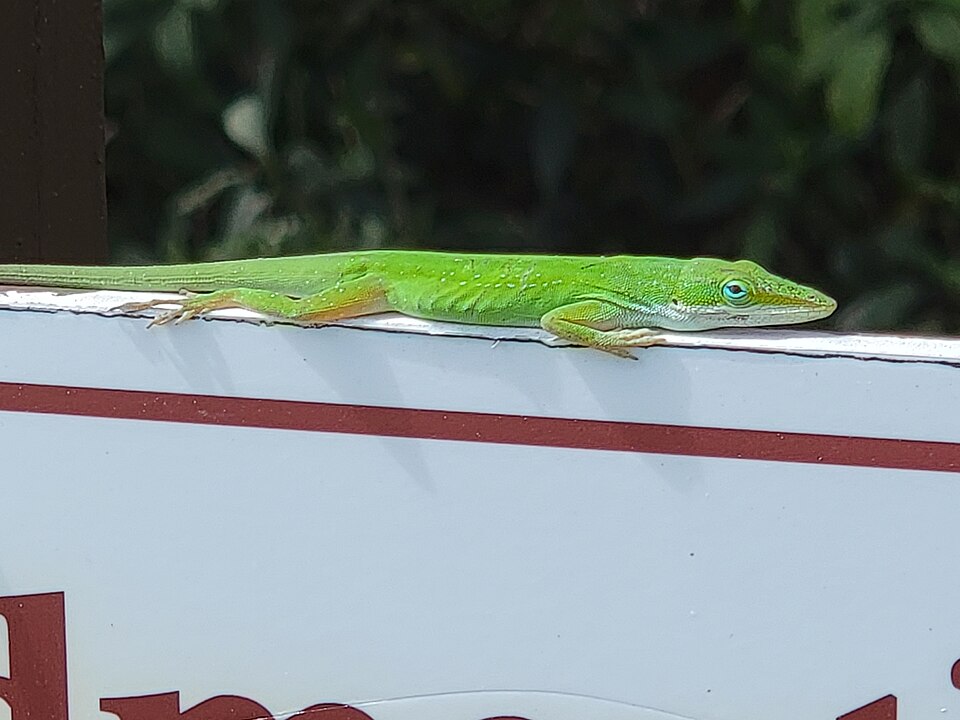
Green Anole Why It Was Selected

Space compatibility 77 /100, escape risk 36 /100 (lower is better); adult enclosures still require adequate space.

Please Confirm: Adult Space,Juveniles may appear small, but adult enclosures, lighting, and backup equipment constitute the long-term cost.

Reptiles
Green Anole (Anolis carolinensis)
Images · CC BY-SA 4.0Wilafa / Wikimedia Commons

Green Anole

Anolis carolinensis

Small body size but relies on vertical space, UVB, and live prey; when group-housed, monitor for territorial stress.

Adult size
4.72–7.87 in
Reference Lifespan
4–8 yr
Environment reference
71.6–86 °F
Advanced CareInsectivore · Risks Low
Ownership Score 68/100

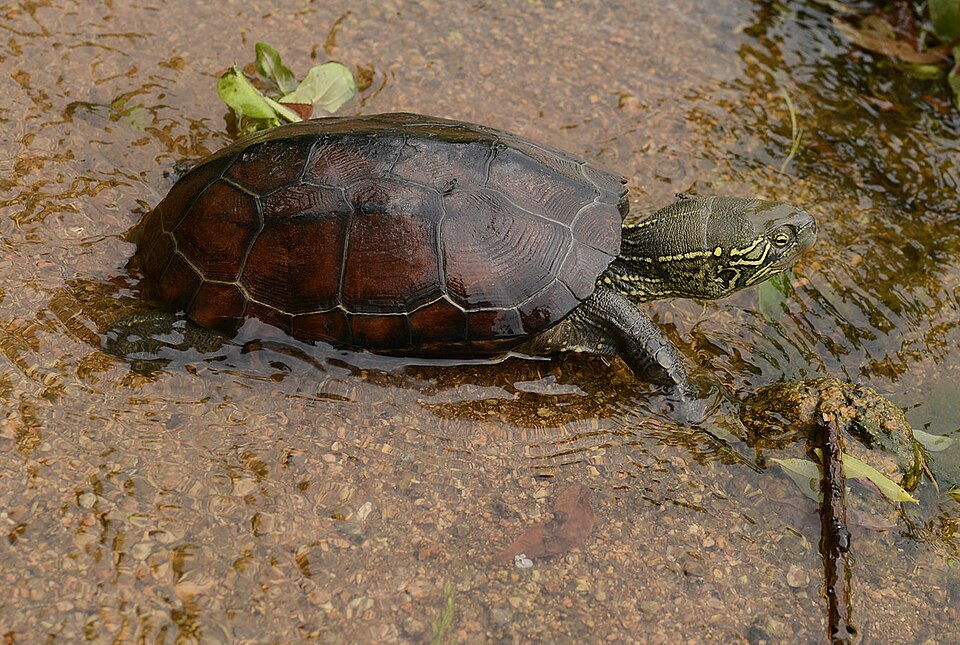
Reeves Turtle Why It Was Selected

Space compatibility 72 /100, escape risk 36 /100 (lower is better); adult enclosures still require adequate space.

Please Confirm: Adult Space,Juveniles may appear small, but adult enclosures, lighting, and backup equipment constitute the long-term cost.

Reptiles
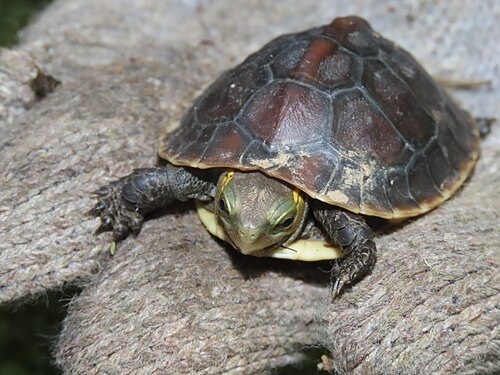
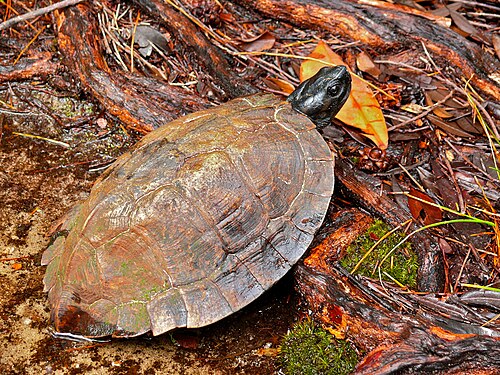
Reeves Turtle (Mauremys reevesii)
Images · CC BY 4.0Kim, Hyun-tae / Wikimedia Commons

Reeves Turtle

Mauremys reevesii

Juvenile tolerance does not mean water quality can be ignored; reserve space for basking, seasonal rhythms, and adult growth.

Adult size
5.91–9.84 in
Reference Lifespan
20–35 yr
Environment reference
71.6–86 °F
Advanced CareOmnivore · Risks Low
Ownership Score 67/100

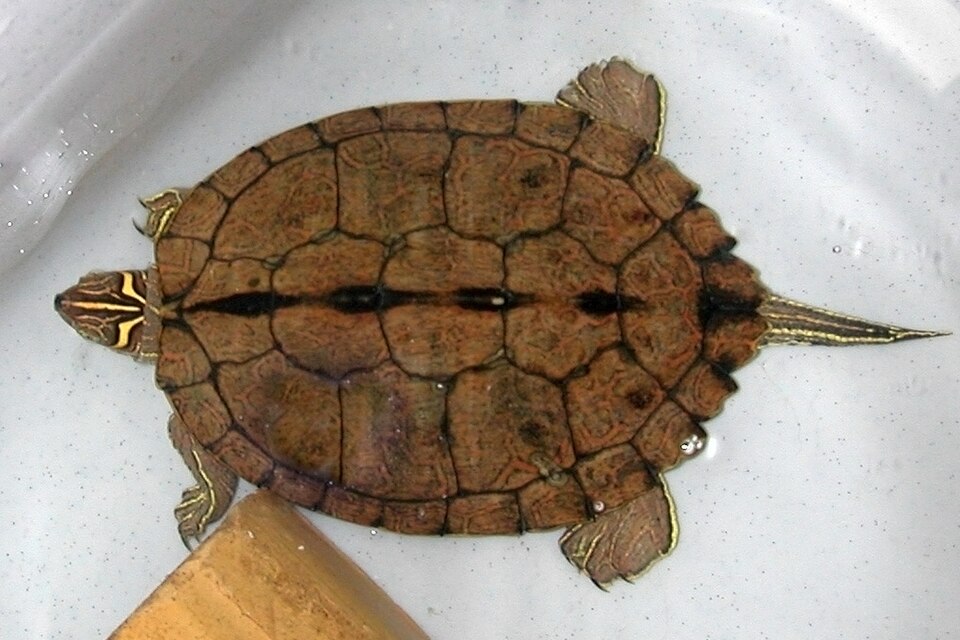
Map Turtle Why It Was Selected

Space compatibility 72 /100, escape risk 36 /100 (lower is better); adult enclosures still require adequate space.

Please Confirm: Adult Space,Juveniles may appear small, but adult enclosures, lighting, and backup equipment constitute the long-term cost.

Reptiles
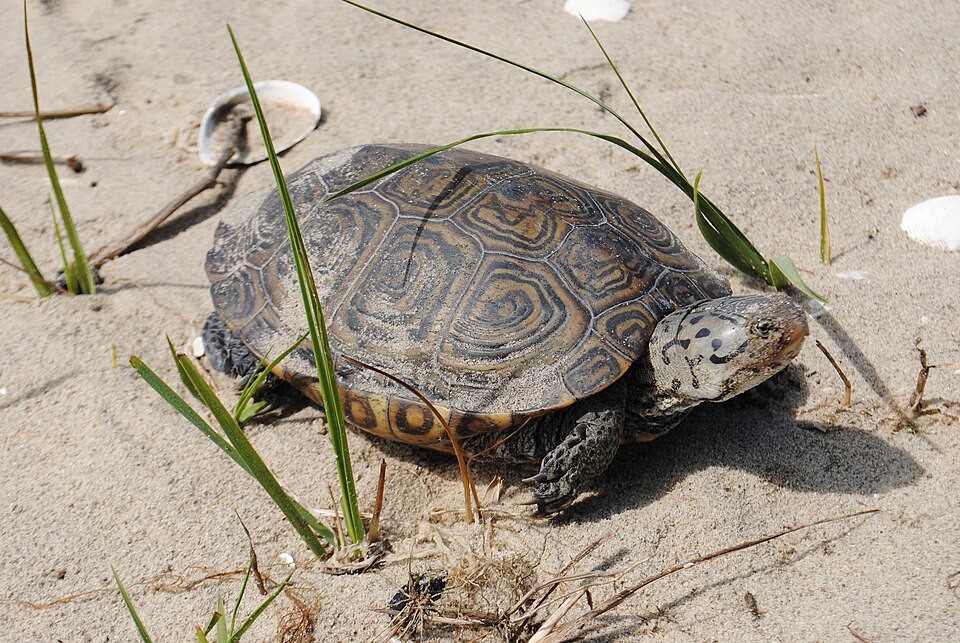
Map Turtle (Graptemys pseudogeographica)
Images · CC BY-SA 4.0HeikeMarie / Wikimedia Commons

Map Turtle

Graptemys pseudogeographica

Sexual dimorphism in body size may be significant; basking platforms, filtration, and adult substrate area must be prepared for the larger individual.

Adult size
3.94–9.84 in
Reference Lifespan
15–25 yr
Environment reference
73.4–84.2 °F
Advanced CareOmnivore · Risks Low
Ownership Score 67/100

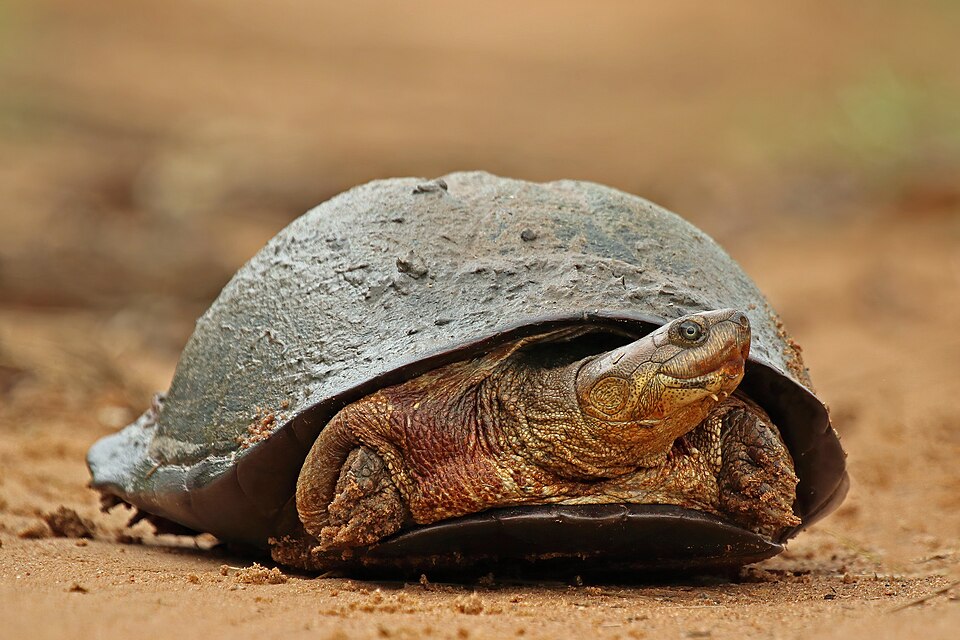
African Helmeted Turtle Why It Was Selected

Space compatibility 72 /100, escape risk 36 /100 (lower is better); adult enclosures still require adequate space.

Please Confirm: Adult Space,Juveniles may appear small, but adult enclosures, lighting, and backup equipment constitute the long-term cost.

Reptiles
African Helmeted Turtle (Pelomedusa subrufa)
Images · CC BY-SA 4.0Charles J. Sharp / Wikimedia Commons

African Helmeted Turtle

Pelomedusa subrufa

Basking and water quality are equally important; the activity space and filtration capacity for adults cannot be estimated based on juveniles.

Adult size
5.91–9.84 in
Reference Lifespan
20–30 yr
Environment reference
71.6–86 °F
Advanced CareOmnivore · Risks Low
Ownership Score 67/100

Gold Dust Day Gecko Why It Was Selected

Space compatibility 79 /100, escape risk 36 /100 (lower is better); adult enclosures still require adequate space.

Please Confirm: Adult Space,Juveniles may appear small, but adult enclosures, lighting, and backup equipment constitute the long-term cost.

Reptiles
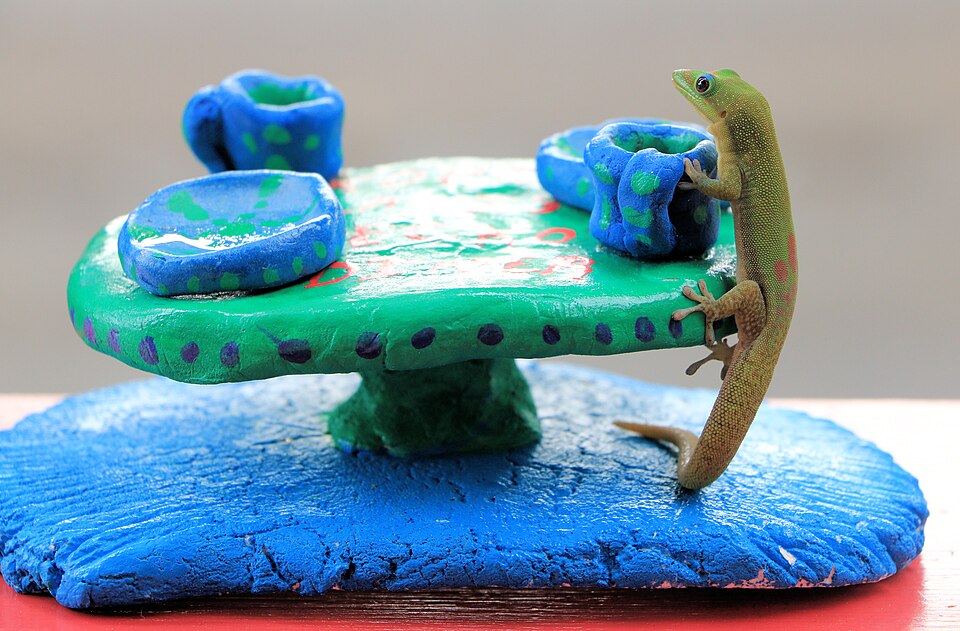
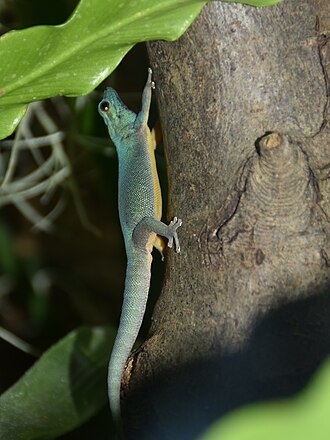
Gold Dust Day Gecko (Phelsuma laticauda)
Images · CC BY 4.0ImagePerson / Wikimedia Commons

Gold Dust Day Gecko

Phelsuma laticauda

Small body but fast-moving; UVB, ventilation, and escape-proofing details determine long-term observability.

Adult size
4.72–7.09 in
Reference Lifespan
8–12 yr
Environment reference
73.4–84.2 °F
Advanced CareOmnivore · Risks Low
Ownership Score 64/100

Dwarf Clawed Frog Why It Was Selected

Space compatibility 93 /100, escape risk 36 /100 (lower is better); adult enclosures still require adequate space.

Please Confirm: Water Quality and Skin,Skin is directly involved in respiration; cleaners, chlorine, and standing water can cause rapid injury.

Amphibians
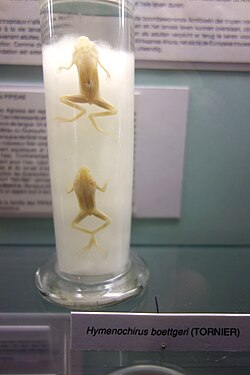
Dwarf Clawed Frog (Hymenochirus boettgeri)
Images · CC BY-SA 4.0Daderot / Wikimedia Commons

Dwarf Clawed Frog

Hymenochirus boettgeri

Fully aquatic but fragile-bodied; focus on mature water volume, slow flow and avoiding tank-mates that compete for food.

Adult size
1.18–1.97 in
Reference Lifespan
5–8 yr
Environment reference
71.6–82.4 °F
Advanced CareCarnivore · Risks Low
Ownership Score 64/100

Asian Painted Frog Why It Was Selected

Space compatibility 90 /100, escape risk 36 /100 (lower is better); adult enclosures still require adequate space.

Please Confirm: Water Quality and Skin,Skin is directly involved in respiration; cleaners, chlorine, and standing water can cause rapid injury.

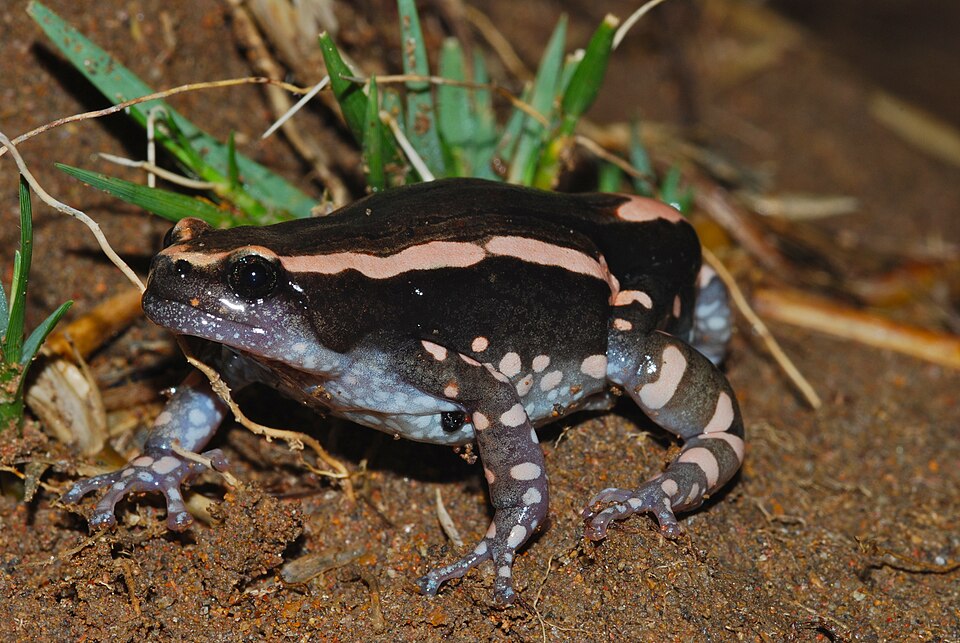
Amphibians
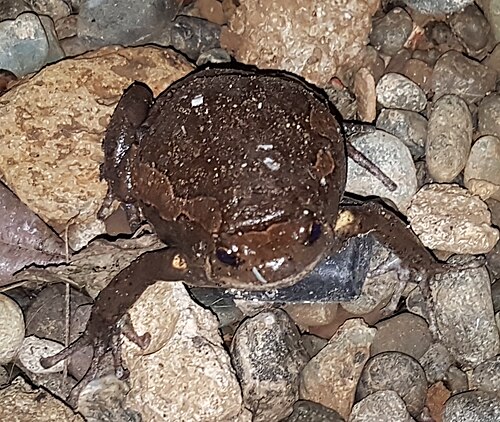
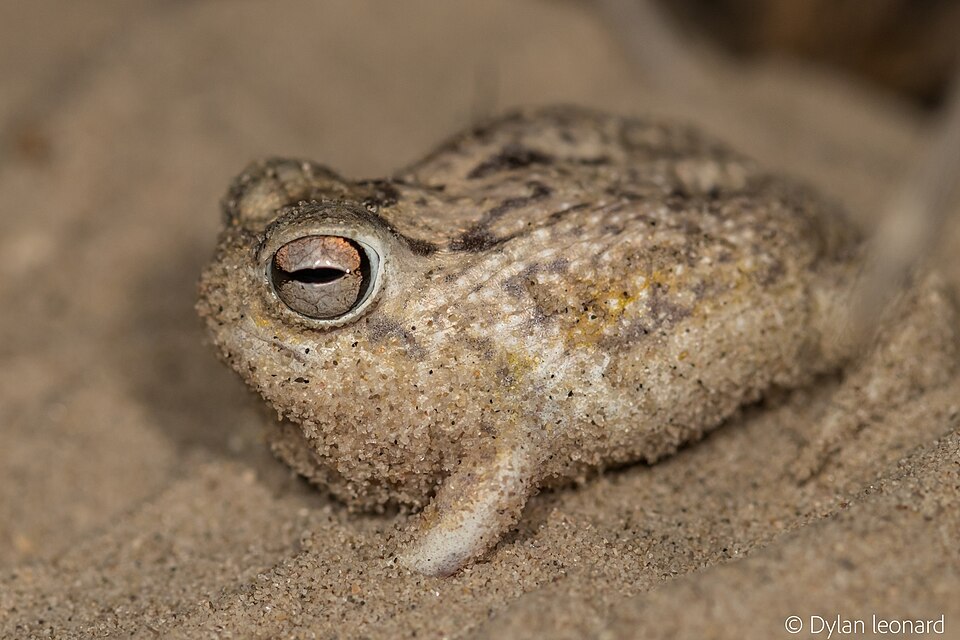
Asian Painted Frog (Kaloula pulchra)
Images · CC0Obsidian Soul / Wikimedia Commons

Asian Painted Frog

Kaloula pulchra

Nocturnal, burrows into substrate, and has a distinct call; deep substrate, ventilation, and bedroom noise must be assessed first.

Adult size
2.36–3.15 in
Reference Lifespan
6–10 yr
Environment reference
71.6–86 °F
Advanced CareInsectivore · Risks Low
Ownership Score 64/100

Japanese Tree Frog Why It Was Selected

Space compatibility 93 /100, escape risk 36 /100 (lower is better); adult enclosures still require adequate space.

Please Confirm: Water Quality and Skin,Skin is directly involved in respiration; cleaners, chlorine, and standing water can cause rapid injury.

Amphibians
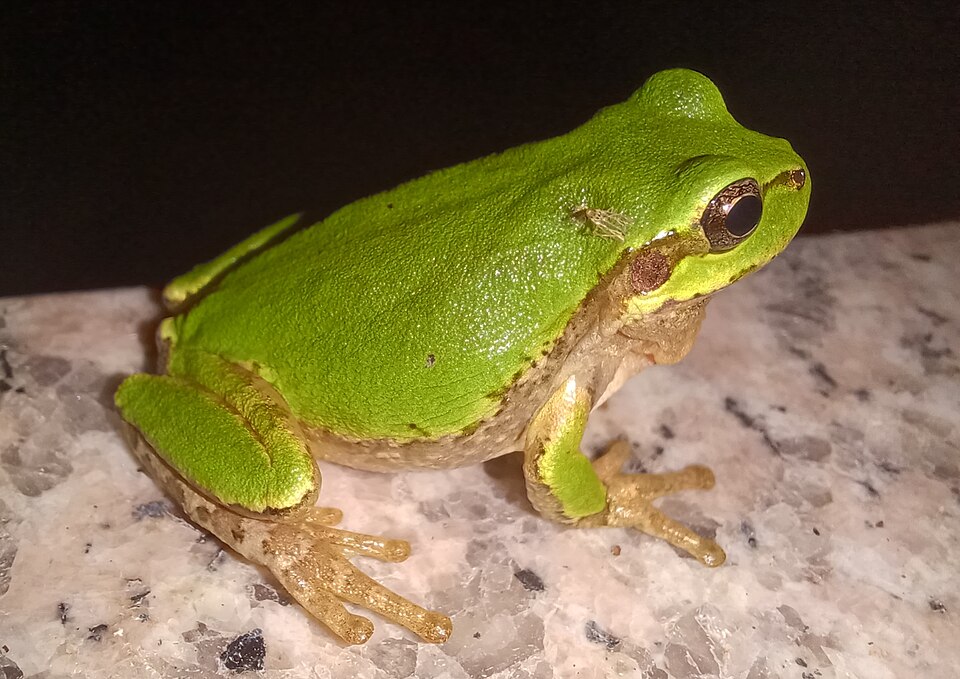
Japanese Tree Frog (Dryophytes japonicus)
Images · CC BY-SA 4.0Warehadokuro / Wikimedia Commons

Japanese Tree Frog

Dryophytes japonicus

Nocturnal, capable of jumping, and with distinct calls; basic preparation includes ventilation, escape-proofing, and live micro-prey.

Adult size
1.18–1.97 in
Reference Lifespan
5–10 yr
Environment reference
64.4–80.6 °F
Advanced CareInsectivore · Risks Low
Ownership Score 64/100

Blue Death Feigning Beetle Why It Was Selected

Space compatibility 95 /100, escape risk 36 /100 (lower is better); adult enclosures still require adequate space.

Please Confirm: Molting window,Do not move or feed during the molting period; temporary inactivity is often natural behavior.

Invertebrates
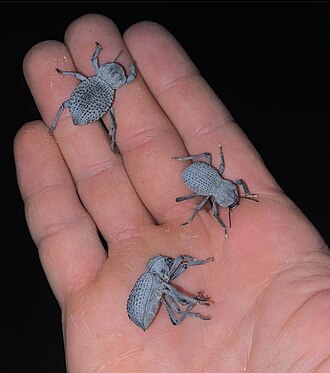
Blue Death Feigning Beetle (Asbolus verrucosus)
Images · CC0Cor2ran / Wikimedia Commons

Blue Death Feigning Beetle

Asbolus verrucosus

Drought-tolerant and low-maintenance but requires ventilation and dry substrate; wetness and standing water are more dangerous than lack of water.

Adult size
0.79–1.18 in
Reference Lifespan
5–8 yr
Environment reference
71.6–89.6 °F
Advanced CareDetritivore · Risks Low
Ownership Score 64/100

Flower Chafer Why It Was Selected

Space compatibility 95 /100, escape risk 36 /100 (lower is better); adult enclosures still require adequate space.

Please Confirm: Molting window,Do not move or feed during the molting period; temporary inactivity is often natural behavior.

Invertebrates
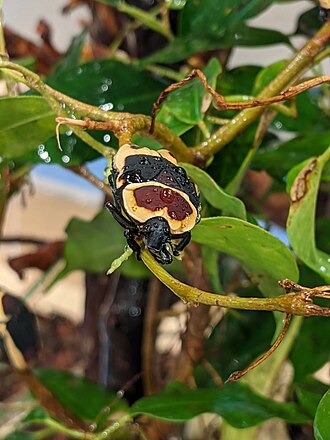
Flower Chafer (Pachnoda marginata)
Images · CC BY 4.0Jbjensen1 / Wikimedia Commons

Flower Chafer

Pachnoda marginata

Suitable for observation but breeds quickly; manage humus substrate, fruits/vegetables, and larva numbers in sync.

Adult size
0.79–1.18 in
Reference Lifespan
1–2 yr
Environment reference
75.2–86 °F
Advanced CareDetritivore · Risks Low
Ownership Score 64/100

Bold Jumping Spider Why It Was Selected

Space compatibility 96 /100, escape risk 36 /100 (lower is better); adult enclosures still require adequate space.

Please Confirm: Molting window,Do not move or feed during the molting period; temporary inactivity is often natural behavior.

Invertebrates
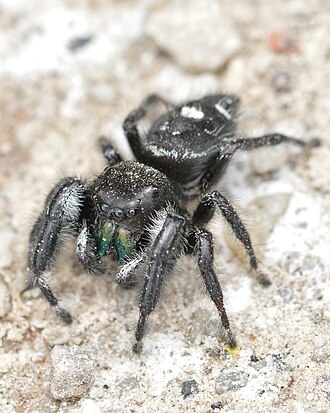
Bold Jumping Spider (Phidippus audax)
Images · CC BY-SA 4.0Ryan Hodnett / Wikimedia Commons

Bold Jumping Spider

Phidippus audax

Small body size, keen vision, and jumping ability; ventilation holes, micro live prey, and open-top escape-proof enclosures are critical.

Adult size
0.39–0.79 in
Reference Lifespan
1–2 yr
Environment reference
68–82.4 °F
Advanced CareCarnivore · Risks Low
Ownership Score 64/100

Dairy Cow Isopod Why It Was Selected

Space compatibility 96 /100, escape risk 36 /100 (lower is better); adult enclosures still require adequate space.

Please Confirm: Molting window,Do not move or feed during the molting period; temporary inactivity is often natural behavior.

Invertebrates
Dairy Cow Isopod (Porcellio laevis)
Images · CC BY-SA 4.0Nathan Jones / Wikimedia Commons

Dairy Cow Isopod

Porcellio laevis

Rapid reproduction and fast population growth; manage wet zones, dry zones, calcium sources, and population control simultaneously.

Adult size
0.39–0.79 in
Reference Lifespan
1–2 yr
Environment reference
68–82.4 °F
Advanced CareDetritivore · Risks Low
Ownership Score 64/100

Powder Blue Isopod Why It Was Selected

Space compatibility 96 /100, escape risk 36 /100 (lower is better); adult enclosures still require adequate space.

Please Confirm: Molting window,Do not move or feed during the molting period; temporary inactivity is often natural behavior.

Invertebrates Morph records
Powder Blue Isopod (Porcellionides pruinosus)
Images · CC BY-SA 4.0Gannu03 / Wikimedia Commons

Powder Blue Isopod

Porcellionides pruinosus

Often kept as a cleaning colony but still requires individual management; do not ignore humidity gradients and transfer space after population explosions.

Adult size
0.39–0.79 in
Reference Lifespan
1–2 yr
Environment reference
68–82.4 °F
Advanced CareDetritivore · Risks Low
Ownership Score 64/100

Russian Tortoise Why It Was Selected

Space compatibility 72 /100, escape risk 36 /100 (lower is better); adult enclosures still require adequate space.

Please Confirm: Adult Space,Juveniles may appear small, but adult enclosures, lighting, and backup equipment constitute the long-term cost.

Reptiles
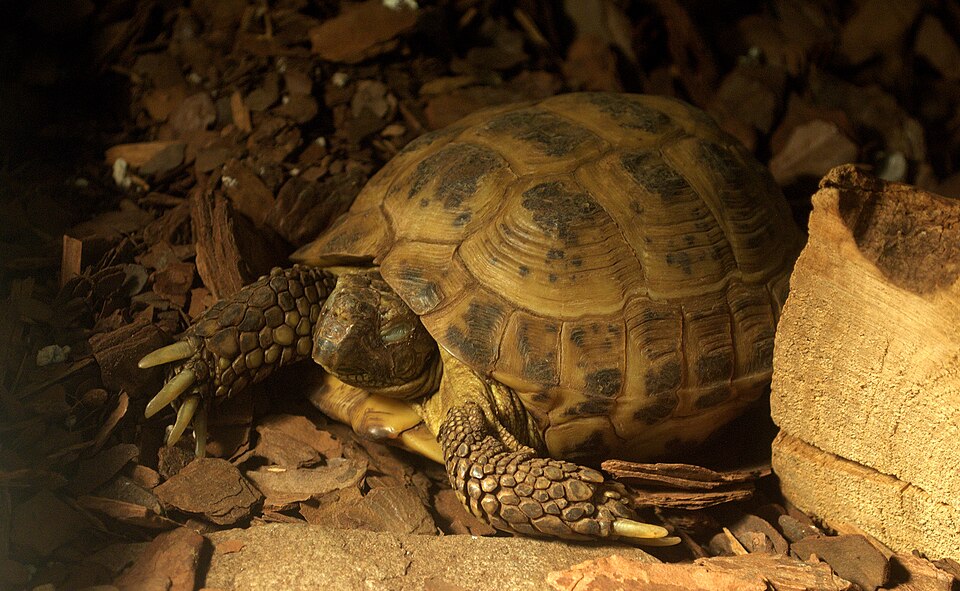
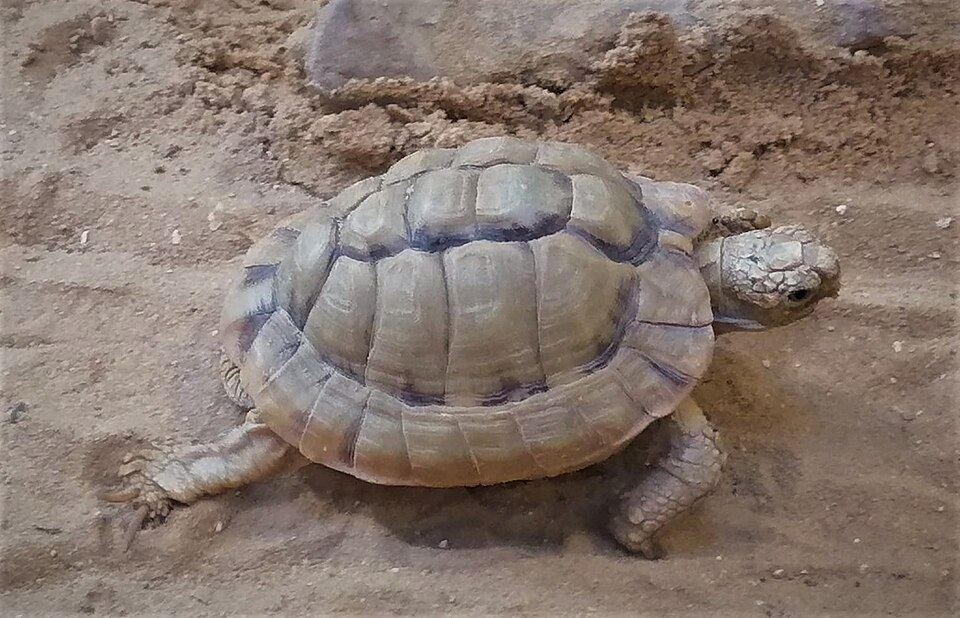
Russian Tortoise (Testudo horsfieldii)
Images · CC BY-SA 3.0Futureman1199 / Wikimedia Commons

Russian Tortoise

Testudo horsfieldii

Tolerates dryness but not prolonged crowding. Adult space and winter management are often underestimated.

Adult size
5.91–9.84 in
Reference Lifespan
40–50 yr
Environment reference
68–89.6 °F
Advanced CareHerbivore · Risks Low
Ownership Score 63/100

Painted Turtle Why It Was Selected

Space compatibility 72 /100, escape risk 36 /100 (lower is better); adult enclosures still require adequate space.

Please Confirm: Adult Space,Juveniles may appear small, but adult enclosures, lighting, and backup equipment constitute the long-term cost.

Reptiles
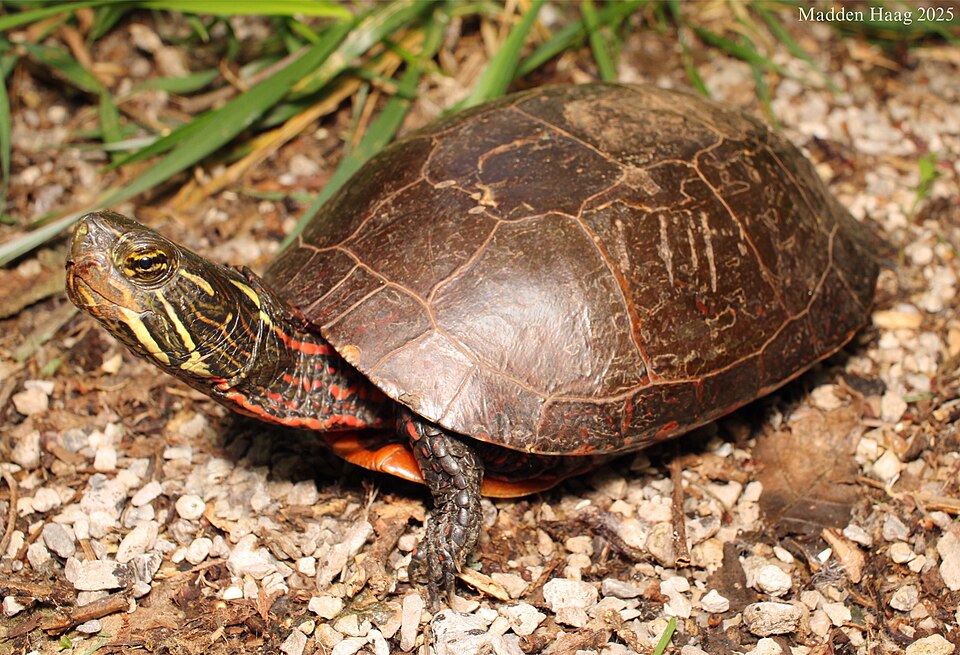
Painted Turtle (Chrysemys picta)
Images · CC BY-SA 4.0MH Herpetology / Wikimedia Commons

Painted Turtle

Chrysemys picta

Requires a fully emergent basking platform, sufficient water depth, and efficient filtration; adult excretion load is often underestimated.

Adult size
4.72–9.84 in
Reference Lifespan
20–40 yr
Environment reference
71.6–86 °F
Advanced CareOmnivore · Risks Low
Ownership Score 63/100

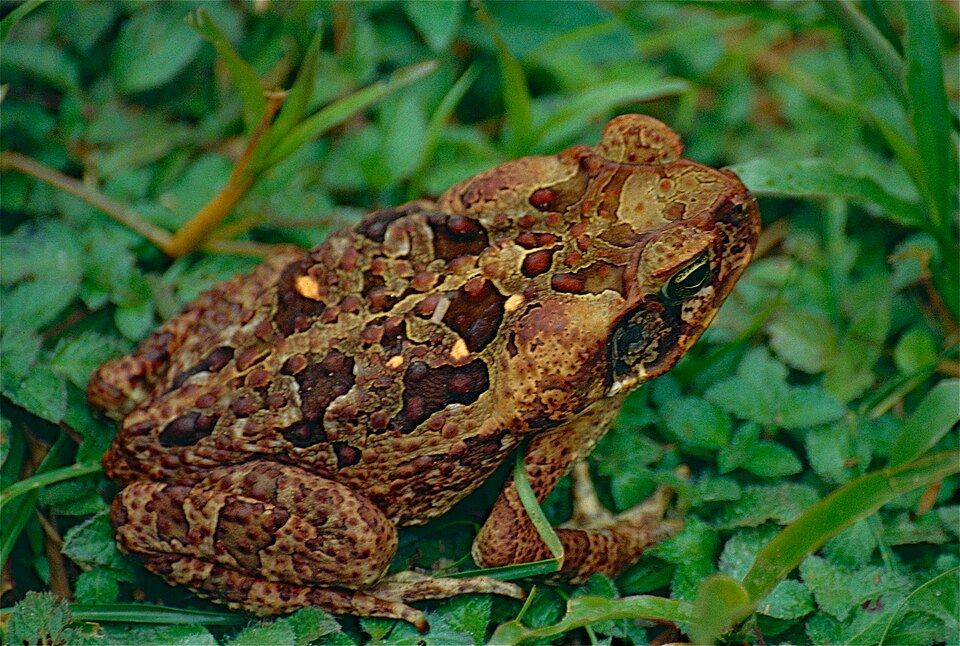
American Toad Why It Was Selected

Space compatibility 88 /100, escape risk 36 /100 (lower is better); adult enclosures still require adequate space.

Please Confirm: Water Quality and Skin,Skin is directly involved in respiration; cleaners, chlorine, and standing water can cause rapid injury.

Amphibians
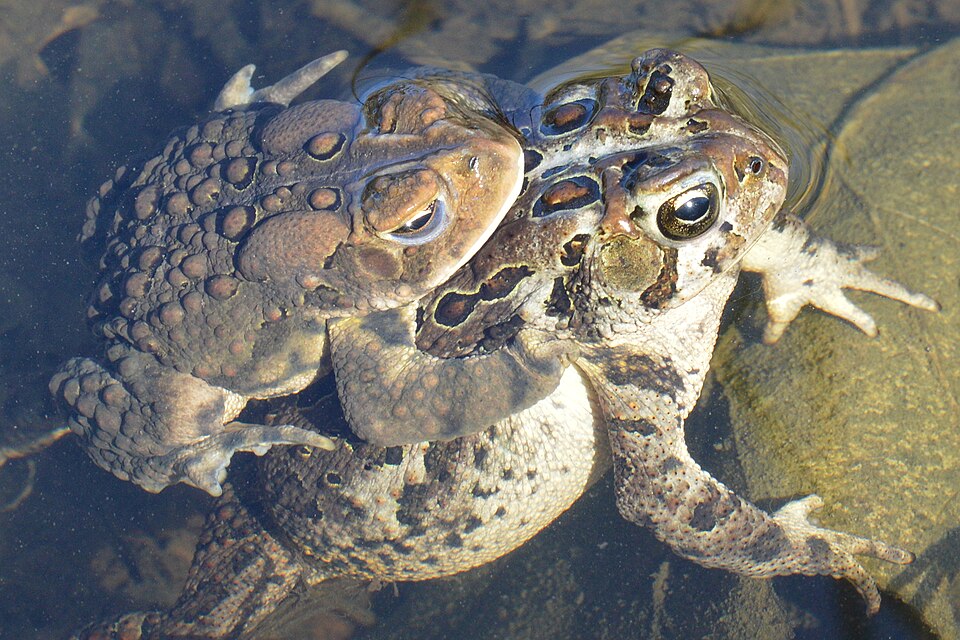
American Toad (Anaxyrus americanus)
Images · CC BY-SA 4.0Ryan Hodnett / Wikimedia Commons

American Toad

Anaxyrus americanus

Skin secretions and nocturnal activity require hygiene and noise management; wild-caught specimens should not be brought home directly.

Adult size
1.97–3.94 in
Reference Lifespan
5–10 yr
Environment reference
64.4–80.6 °F
Advanced CareInsectivore · Risks Low
Ownership Score 63/100

Tailless Whip Scorpion Why It Was Selected

Space compatibility 85 /100, escape risk 36 /100 (lower is better); adult enclosures still require adequate space.

Please Confirm: Molting window,Do not move or feed during the molting period; temporary inactivity is often natural behavior.

Invertebrates
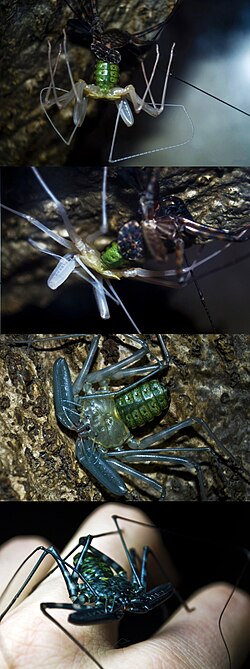
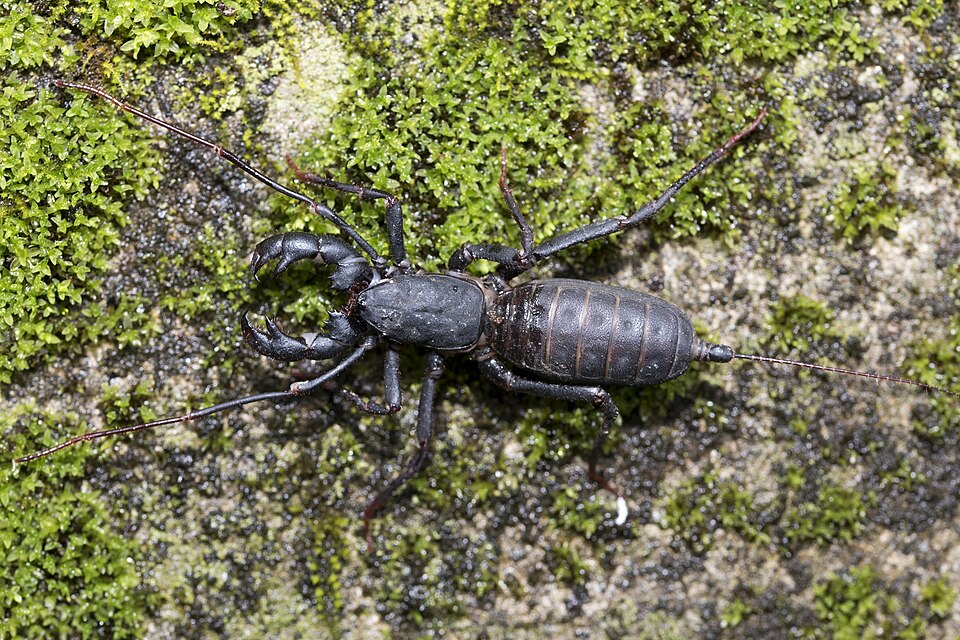
Tailless Whip Scorpion (Damon diadema)
Images · CC BY-SA 3.0Steven Acres / Wikimedia Commons

Tailless Whip Scorpion

Damon diadema

Appearance is frightening but primarily relies on sensing with legs; vertical hiding, low light, and live prey are core requirements.

Adult size
3.15–4.72 in
Reference Lifespan
5–10 yr
Environment reference
71.6–82.4 °F
Advanced CareCarnivore · Risks Low
Ownership Score 63/100

Rhinoceros Beetle Why It Was Selected

Space compatibility 93 /100, escape risk 36 /100 (lower is better); adult enclosures still require adequate space.

Please Confirm: Molting window,Do not move or feed during the molting period; temporary inactivity is often natural behavior.

Invertebrates
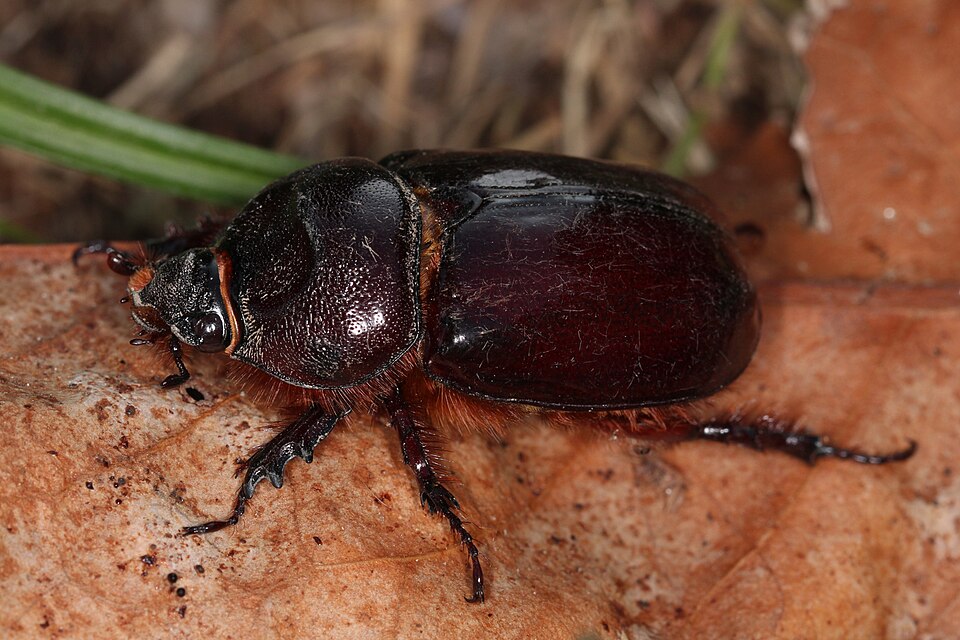
Rhinoceros Beetle (Oryctes nasicornis)
Images · CC BY 4.0Holger Krisp / Wikimedia Commons

Rhinoceros Beetle

Oryctes nasicornis

Adults have short lifespans, but larvae require deep humus substrate; prepare complete life-cycle space before breeding.

Adult size
1.18–1.97 in
Reference Lifespan
1–2 yr
Environment reference
71.6–82.4 °F
Advanced CareDetritivore · Risks Low
Ownership Score 63/100

Bess Beetle Why It Was Selected

Space compatibility 93 /100, escape risk 36 /100 (lower is better); adult enclosures still require adequate space.

Please Confirm: Molting window,Do not move or feed during the molting period; temporary inactivity is often natural behavior.

Invertebrates
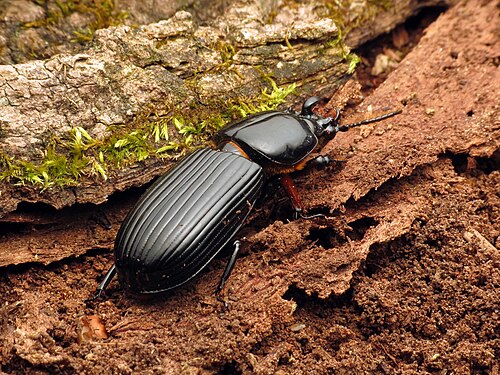
Bess Beetle (Odontotaenius disjunctus)
Images · CC BY 4.0Schulz, Katja / Wikimedia Commons

Bess Beetle

Odontotaenius disjunctus

Dependent on rotting wood and group cooperation; wood sourcing, humidity, and mold control are primary maintenance tasks.

Adult size
1.18–1.97 in
Reference Lifespan
1–2 yr
Environment reference
68–80.6 °F
Advanced CareDetritivore · Risks Low
Ownership Score 63/100

Indian Stick Insect Why It Was Selected

Space compatibility 88 /100, escape risk 36 /100 (lower is better); adult enclosures still require adequate space.

Please Confirm: Molting window,Do not move or feed during the molting period; temporary inactivity is often natural behavior.

Invertebrates
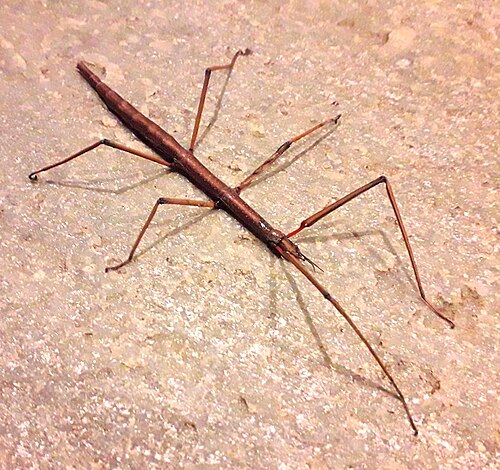
Indian Stick Insect (Carausius morosus)
Images · CC BY 4.0KKOUTRAS61 / Wikimedia Commons

Indian Stick Insect

Carausius morosus

Foliage consumption and breeding rates are easily underestimated; escape prevention, plant supply, and population control must be implemented together.

Adult size
2.76–3.94 in
Reference Lifespan
1–2 yr
Environment reference
68–82.4 °F
Advanced CareHerbivore · Risks Low
Ownership Score 63/100

Giant Asian Mantis Why It Was Selected

Space compatibility 88 /100, escape risk 36 /100 (lower is better); adult enclosures still require adequate space.

Please Confirm: Molting window,Do not move or feed during the molting period; temporary inactivity is often natural behavior.

Invertebrates
Giant Asian Mantis (Hierodula membranacea)
Images · CC BY-SA 4.0MicrocosmicWorld / Wikimedia Commons

Giant Asian Mantis

Hierodula membranacea

Requires continuous live prey and vertical molting space; adults prey on each other; separate housing and feeding schedules are essential.

Adult size
2.76–3.94 in
Reference Lifespan
1–2 yr
Environment reference
71.6–86 °F
Advanced CareCarnivore · Risks Low
Ownership Score 63/100

Chinese Mantis Why It Was Selected

Space compatibility 88 /100, escape risk 36 /100 (lower is better); adult enclosures still require adequate space.

Please Confirm: Molting window,Do not move or feed during the molting period; temporary inactivity is often natural behavior.

Invertebrates
Chinese Mantis (Tenodera sinensis)
Images · CC BY-SA 4.0Fungus Guy / Wikimedia Commons

Chinese Mantis

Tenodera sinensis

Single housing, live prey, and ample vertical space for molting are key; individuals caught outdoors should not be introduced directly indoors.

Adult size
2.76–3.94 in
Reference Lifespan
1–2 yr
Environment reference
68–82.4 °F
Advanced CareCarnivore · Risks Low
Ownership Score 63/100

Spiny Flower Mantis Why It Was Selected

Space compatibility 92 /100, escape risk 36 /100 (lower is better); adult enclosures still require adequate space.

Please Confirm: Molting window,Do not move or feed during the molting period; temporary inactivity is often natural behavior.

Invertebrates
Spiny Flower Mantis (Pseudocreobotra wahlbergii)
Images · CC BY-SA 4.0Yasunori Koide / Wikimedia Commons

Spiny Flower Mantis

Pseudocreobotra wahlbergii

Small body size but fragile molting; live prey size, ventilation, and vertical space require precise control.

Adult size
1.57–2.36 in
Reference Lifespan
1–2 yr
Environment reference
71.6–82.4 °F
Advanced CareCarnivore · Risks Low
Ownership Score 63/100

Budwing Mantis Why It Was Selected

Space compatibility 90 /100, escape risk 36 /100 (lower is better); adult enclosures still require adequate space.

Please Confirm: Molting window,Do not move or feed during the molting period; temporary inactivity is often natural behavior.

Invertebrates
Budwing Mantis (Parasphendale affinis)
Images · CC BY 4.0Jon Glittenberg / Wikimedia Commons

Budwing Mantis

Parasphendale affinis

Requires live prey and vertical space for molting; adult behavior and sexual dimorphism must be understood in advance.

Adult size
1.97–3.15 in
Reference Lifespan
1–2 yr
Environment reference
71.6–86 °F
Advanced CareCarnivore · Risks Low
Ownership Score 63/100

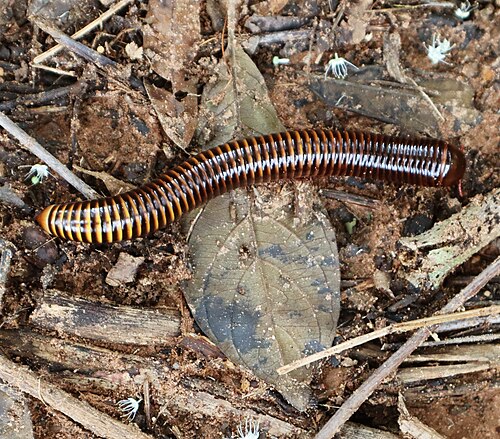
Bumblebee Millipede Why It Was Selected

Space compatibility 88 /100, escape risk 36 /100 (lower is better); adult enclosures still require adequate space.

Please Confirm: Molting window,Do not move or feed during the molting period; temporary inactivity is often natural behavior.

Invertebrates
Bumblebee Millipede (Anadenobolus monilicornis)
Images · CC0Peterkwashie / Wikimedia Commons

Bumblebee Millipede

Anadenobolus monilicornis

Requires deep leaf litter substrate and stable humidity; pay attention to defensive secretions, pesticide-treated wood, and molting periods.

Adult size
2.36–3.94 in
Reference Lifespan
2–4 yr
Environment reference
71.6–82.4 °F
Advanced CareDetritivore · Risks Low
Ownership Score 63/100

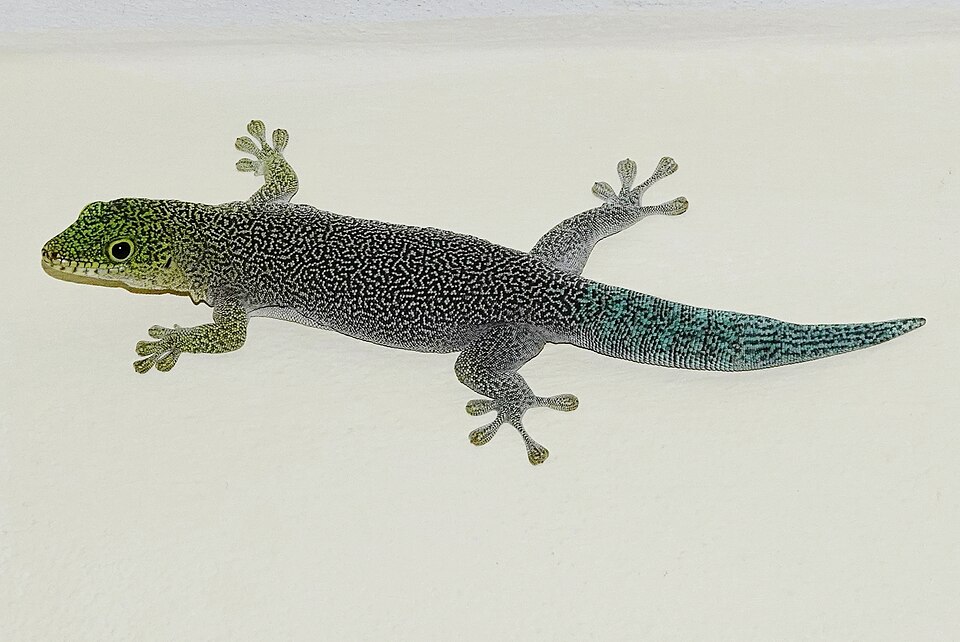
Standing Day Gecko Why It Was Selected

Space compatibility 72 /100, escape risk 36 /100 (lower is better); adult enclosures still require adequate space.

Please Confirm: Adult Space,Juveniles may appear small, but adult enclosures, lighting, and backup equipment constitute the long-term cost.

Reptiles
Standing Day Gecko (Phelsuma standingi)
Images · CC BY 4.0Margaret Stevens / Wikimedia Commons

Standing Day Gecko

Phelsuma standingi

Requires tall enclosures, UVB lighting, foliage, and supplemental food; tails and skin are not suitable for repeated handling.

Adult size
7.87–9.84 in
Reference Lifespan
10–15 yr
Environment reference
75.2–86 °F
Advanced CareOmnivore · Risks Low
Ownership Score 63/100

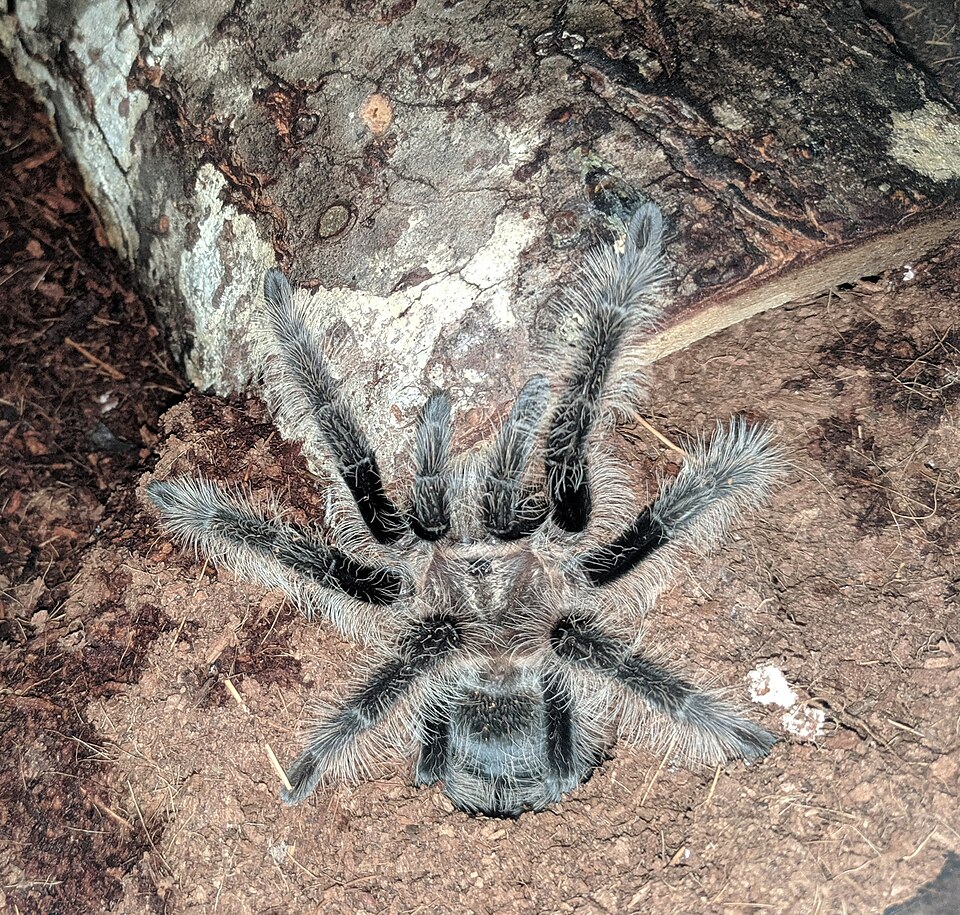
Chilean Rose Tarantula Why It Was Selected

Space compatibility 90 /100, escape risk 32 /100 (lower is better); adult enclosures still require adequate space.

Please Confirm: Spine protection,Defensive urticating hairs can irritate skin and eyes; wear gloves during cleaning and avoid blowing on the substrate.

Invertebrates
Chilean Rose Tarantula (Grammostola rosea)
Images · CC BY-SA 4.0Premeditated / Wikimedia Commons

Chilean Rose Tarantula

Grammostola rosea

Moves slowly but kicks urticating hairs; suitable for observation, not for frequent handling.

Adult size
3.94–5.12 in
Reference Lifespan
5–20 yr
Environment reference
68–78.8 °F
Basic CareCarnivore · Risks Medium
Ownership Score 62/100

Brazilian Black Tarantula Why It Was Selected

Space compatibility 81 /100, escape risk 36 /100 (lower is better); adult enclosures still require adequate space.

Please Confirm: Molting window,Do not move or feed during the molting period; temporary inactivity is often natural behavior.

Invertebrates
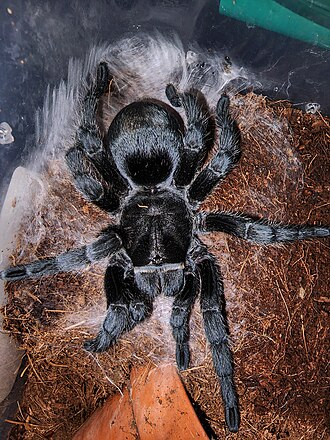
Brazilian Black Tarantula (Grammostola pulchra)
Images · CC BY-SA 4.0DigitalLem0n / Wikimedia Commons

Brazilian Black Tarantula

Grammostola pulchra

Movement is usually slow but they kick urticating hairs; low enclosures, shallow water, and observational care are more suitable.

Adult size
4.72–6.3 in
Reference Lifespan
8–20 yr
Environment reference
71.6–82.4 °F
Advanced CareCarnivore · Risks Low
Ownership Score 62/100

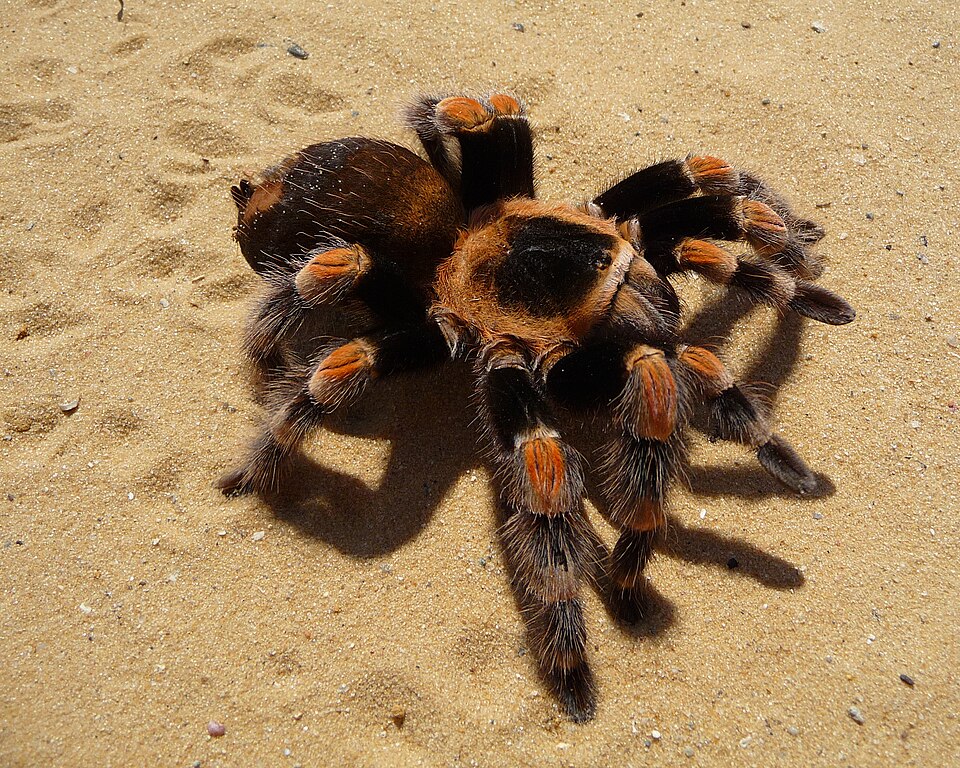
Mexican Red Rump Why It Was Selected

Space compatibility 81 /100, escape risk 36 /100 (lower is better); adult enclosures still require adequate space.

Please Confirm: Molting window,Do not move or feed during the molting period; temporary inactivity is often natural behavior.

Invertebrates
Mexican Red Rump (Brachypelma vagans)
Images · CC BY-SA 4.0Elekes Andor / Wikimedia Commons

Mexican Red Rump

Brachypelma vagans

Terrestrial, with a relatively wide tolerance range, but urticating hairs, molting, and live prey residue still require fixed procedures.

Adult size
4.72–6.3 in
Reference Lifespan
8–20 yr
Environment reference
71.6–82.4 °F
Advanced CareCarnivore · Risks Low
Ownership Score 62/100

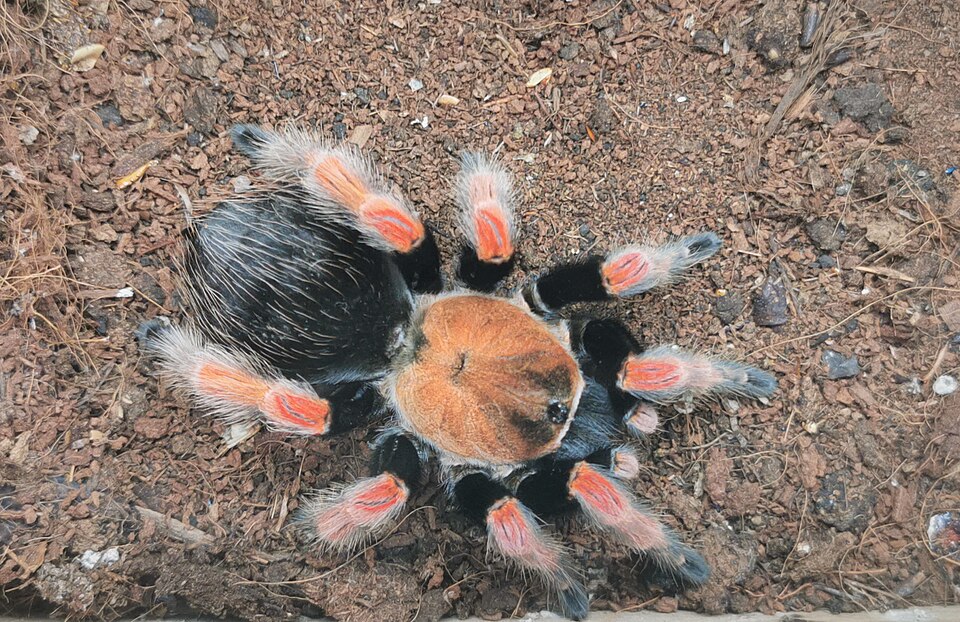
Mexican Red Leg Why It Was Selected

Space compatibility 81 /100, escape risk 36 /100 (lower is better); adult enclosures still require adequate space.

Please Confirm: Molting window,Do not move or feed during the molting period; temporary inactivity is often natural behavior.

Invertebrates
Mexican Red Leg (Brachypelma emilia)
Images · CC BY-SA 4.0Fungus Guy / Wikimedia Commons

Mexican Red Leg

Brachypelma emilia

Suitable for observation but not for frequent handling; source, molting period, and low-humidity ventilation must remain stable.

Adult size
4.72–6.3 in
Reference Lifespan
10–20 yr
Environment reference
71.6–82.4 °F
Advanced CareCarnivore · Risks Low
Ownership Score 62/100

Costa Rican Zebra Tarantula Why It Was Selected

Space compatibility 83 /100, escape risk 36 /100 (lower is better); adult enclosures still require adequate space.

Please Confirm: Molting window,Do not move or feed during the molting period; temporary inactivity is often natural behavior.

Invertebrates
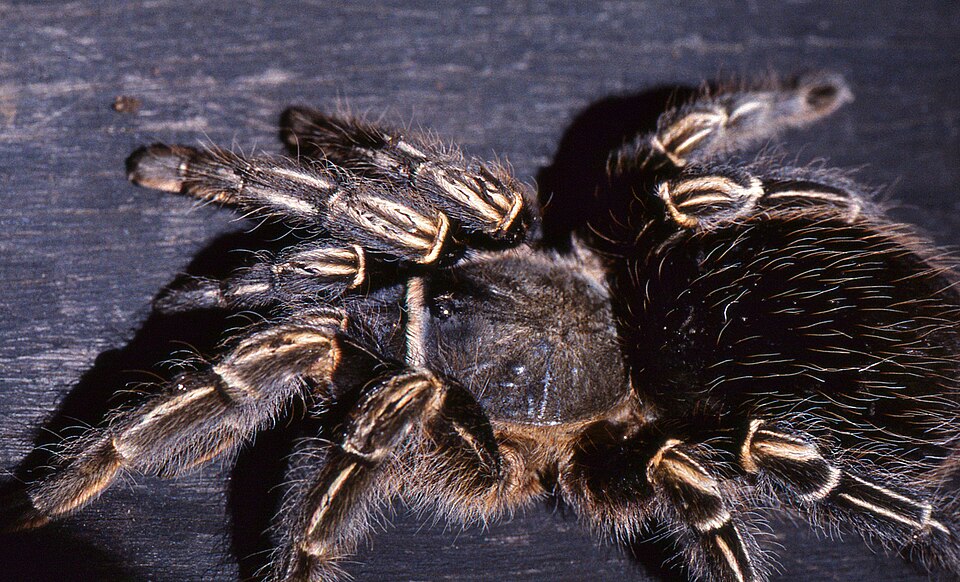
Costa Rican Zebra Tarantula (Aphonopelma seemanni)
Images · CC BY-SA 2.0Bernard DUPONT from FRANCE / Wikimedia Commons

Costa Rican Zebra Tarantula

Aphonopelma seemanni

Ground-dwelling, fast-moving, and prone to kicking; escape plans and low-disturbance observation are more suitable than handling.

Adult size
3.94–5.51 in
Reference Lifespan
8–15 yr
Environment reference
71.6–82.4 °F
Advanced CareCarnivore · Risks Low
Ownership Score 62/100

Arizona Blonde Tarantula Why It Was Selected

Space compatibility 83 /100, escape risk 36 /100 (lower is better); adult enclosures still require adequate space.

Please Confirm: Molting window,Do not move or feed during the molting period; temporary inactivity is often natural behavior.

Invertebrates
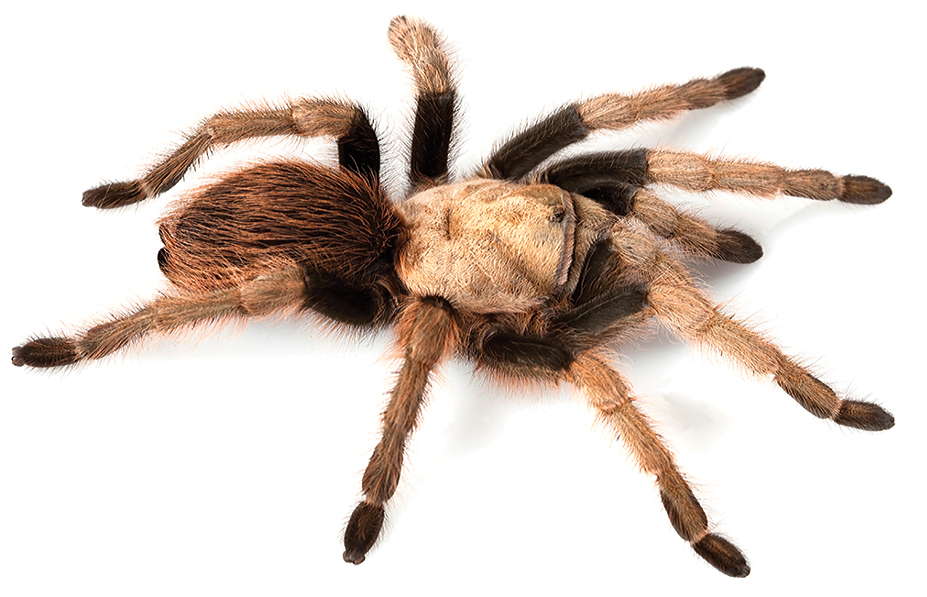
Arizona Blonde Tarantula (Aphonopelma chalcodes)
Images · CC BY 4.0Chris A. Hamilton, Brent E. Hendrixson, Jason E. Bond / Wikimedia Commons

Arizona Blonde Tarantula

Aphonopelma chalcodes

Dry, low enclosures with shallow water are the basic setup; wild collection and local protection regulations must be verified first.

Adult size
3.94–5.51 in
Reference Lifespan
8–20 yr
Environment reference
68–82.4 °F
Advanced CareCarnivore · Risks Low
Ownership Score 62/100

Green Bottle Blue Tarantula Why It Was Selected

Space compatibility 81 /100, escape risk 36 /100 (lower is better); adult enclosures still require adequate space.

Please Confirm: Molting window,Do not move or feed during the molting period; temporary inactivity is often natural behavior.

Invertebrates
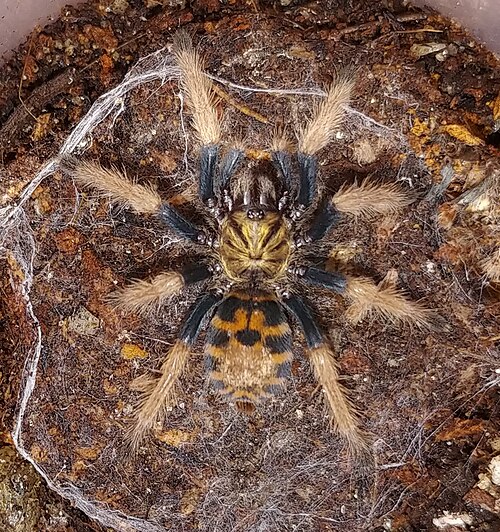
Green Bottle Blue Tarantula (Chromatopelma cyaneopubescens)
Images · CC BY-SA 4.0DigitalLem0n / Wikimedia Commons

Green Bottle Blue Tarantula

Chromatopelma cyaneopubescens

High webbing production, fast movement, and tendency to kick and shed urticating hairs; low humidity and ventilation, along with an escape plan when opening the lid, are critical.

Adult size
4.72–6.3 in
Reference Lifespan
8–15 yr
Environment reference
71.6–86 °F
Advanced CareCarnivore · Risks Low
Ownership Score 62/100

Giant Prickly Stick Insect Why It Was Selected

Space compatibility 82 /100, escape risk 36 /100 (lower is better); adult enclosures still require adequate space.

Please Confirm: Molting window,Do not move or feed during the molting period; temporary inactivity is often natural behavior.

Invertebrates
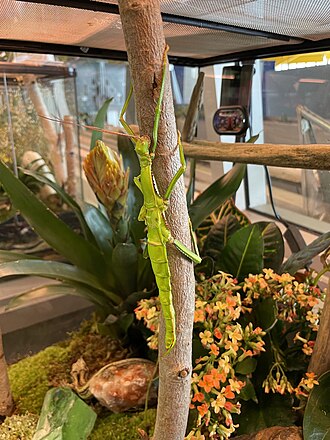
Giant Prickly Stick Insect (Extatosoma tiaratum)
Images · CC BY-SA 4.0NasserHalaweh / Wikimedia Commons

Giant Prickly Stick Insect

Extatosoma tiaratum

Large body size and molting require significant vertical space; foliage supply, escape prevention, and juvenile isolation must be prepared in advance.

Adult size
3.94–5.91 in
Reference Lifespan
1–2 yr
Environment reference
68–82.4 °F
Advanced CareHerbivore · Risks Low
Ownership Score 62/100

Giant Walking Stick Why It Was Selected

Space compatibility 79 /100, escape risk 36 /100 (lower is better); adult enclosures still require adequate space.

Please Confirm: Molting window,Do not move or feed during the molting period; temporary inactivity is often natural behavior.

Invertebrates
Giant Walking Stick (Diapherodes gigantea)
Images · CC BY-SA 4.0Fungus Guy / Wikimedia Commons

Giant Walking Stick

Diapherodes gigantea

High body size and climbing height requirements; foliage supply, ventilation, and molting space must be adequately provided.

Adult size
4.72–7.09 in
Reference Lifespan
1–2 yr
Environment reference
73.4–84.2 °F
Advanced CareHerbivore · Risks Low
Ownership Score 62/100

Ember Tetra Why It Was Selected

Space compatibility 95 /100, escape risk 12 /100 (lower is better); adult enclosures still require adequate space.

Please Confirm: Condition the water before introducing animals.,Established cycling, water changes, and water quality testing are daily tasks; a clear tank does not mean low maintenance.

Ornamental Aquatics
Ember Tetra (Hyphessobrycon amandae)
Images · CC BY-SA 3.0Pascal Wolterman / Wikimedia Commons

Ember Tetra

Hyphessobrycon amandae

Small schooling fish require mature micro-ecosystems and fine-grained food; observe when mixing species for feeding competition.

Adult size
0.79–1.18 in
Reference Lifespan
2–4 yr
Water Temperature
73.4–84.2 °F
Advanced CareOmnivore · Risks Low
Ownership Score 62/100

Black Neon Tetra Why It Was Selected

Space compatibility 94 /100, escape risk 12 /100 (lower is better); adult enclosures still require adequate space.

Please Confirm: Condition the water before introducing animals.,Established cycling, water changes, and water quality testing are daily tasks; a clear tank does not mean low maintenance.

Ornamental Aquatics
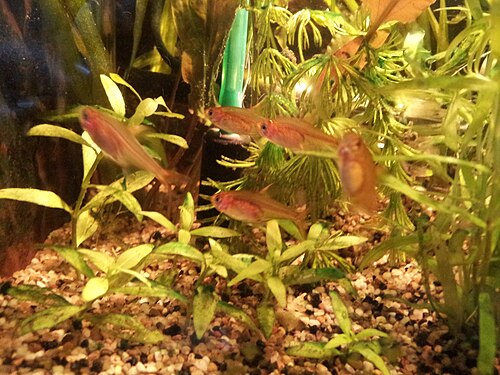
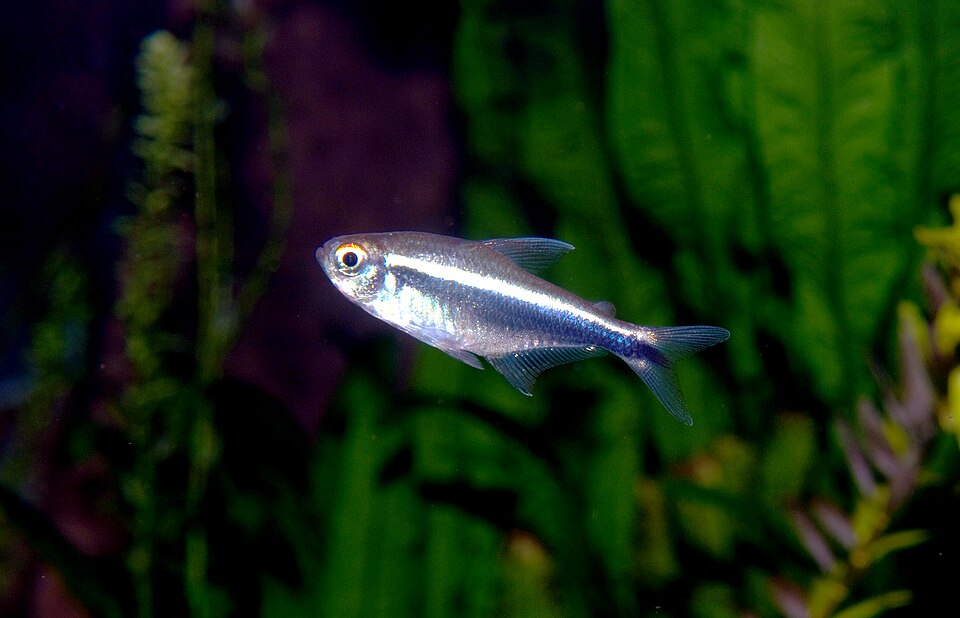
Black Neon Tetra (Hyphessobrycon herbertaxelrodi)
Images · CC BY 2.0Brian Gratwicke / Wikimedia Commons

Black Neon Tetra

Hyphessobrycon herbertaxelrodi

Schooling, shelter, and stable water quality are basic requirements; long-term single-tank setups are not viable.

Adult size
1.18–1.57 in
Reference Lifespan
3–5 yr
Water Temperature
73.4–82.4 °F
Advanced CareOmnivore · Risks Low
Ownership Score 62/100

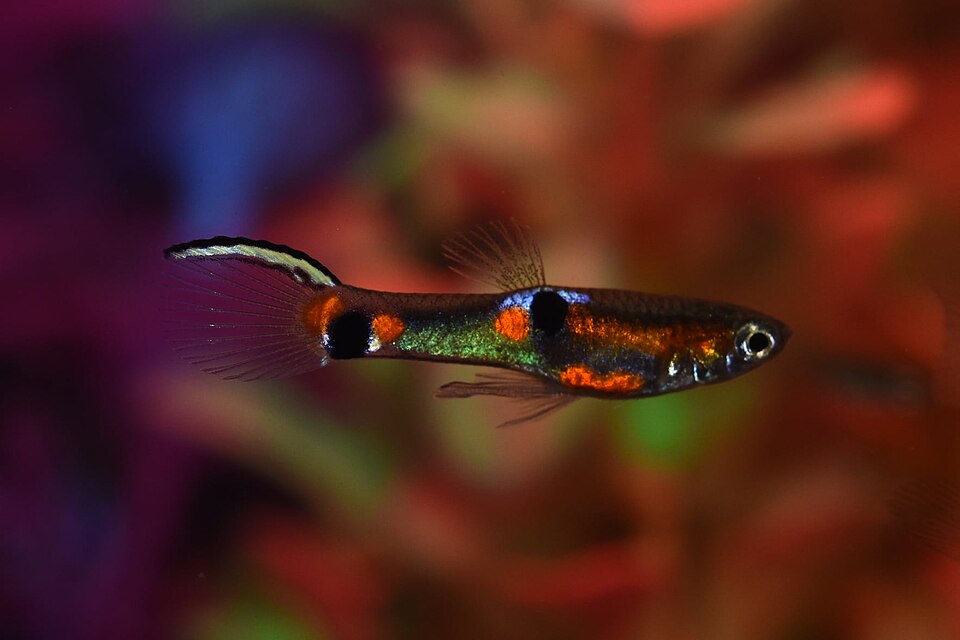
Endlers Livebearer Why It Was Selected

Space compatibility 94 /100, escape risk 12 /100 (lower is better); adult enclosures still require adequate space.

Please Confirm: Condition the water before introducing animals.,Established cycling, water changes, and water quality testing are daily tasks; a clear tank does not mean low maintenance.

Ornamental Aquatics
Endlers Livebearer (Poecilia wingei)
Images · CC BY-SA 4.0Dgrummon / Wikimedia Commons

Endlers Livebearer

Poecilia wingei

Small body size, fast breeding, and prone to hybridization; plan carefully for group numbers, fry destination, and genetic lines.

Adult size
0.79–1.57 in
Reference Lifespan
2–3 yr
Water Temperature
71.6–82.4 °F
Advanced CareOmnivore · Risks Low
Ownership Score 62/100

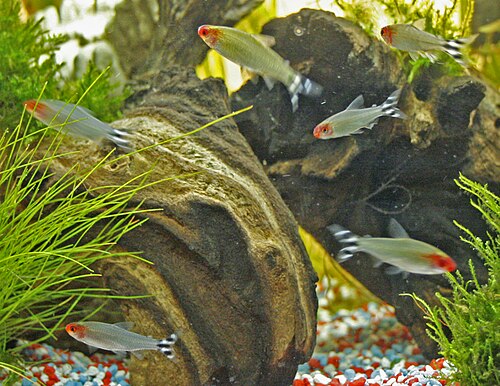
Rummy Nose Tetra Why It Was Selected

Space compatibility 93 /100, escape risk 12 /100 (lower is better); adult enclosures still require adequate space.

Please Confirm: Condition the water before introducing animals.,Established cycling, water changes, and water quality testing are daily tasks; a clear tank does not mean low maintenance.

Ornamental Aquatics
Rummy Nose Tetra (Hemigrammus rhodostomus)
Images · CC BY-SA 3.0Gavinevans / Wikimedia Commons

Rummy Nose Tetra

Hemigrammus rhodostomus

Schooling and water stability are more important than individual price; prioritize a mature cycle, cover, and sufficient companions.

Adult size
1.57–1.97 in
Reference Lifespan
4–6 yr
Water Temperature
75.2–82.4 °F
Advanced CareOmnivore · Risks Low
Ownership Score 61/100

Cardinal Tetra Why It Was Selected

Space compatibility 93 /100, escape risk 12 /100 (lower is better); adult enclosures still require adequate space.

Please Confirm: Condition the water before introducing animals.,Established cycling, water changes, and water quality testing are daily tasks; a clear tank does not mean low maintenance.

Ornamental Aquatics
Cardinal Tetra (Paracheirodon axelrodi)
Images · Public domainPaolo Neo / Wikimedia Commons

Cardinal Tetra

Paracheirodon axelrodi

Requires stable, soft, acidic water and proper group numbers; fluctuations in a newly cycled tank will cause losses faster than the fish's size.

Adult size
1.18–1.97 in
Reference Lifespan
3–5 yr
Water Temperature
73.4–82.4 °F
Advanced CareOmnivore · Risks Low
Ownership Score 61/100

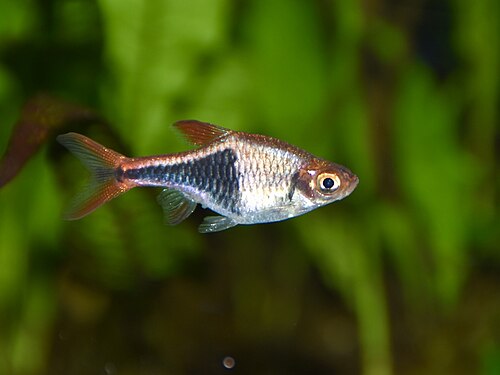
Harlequin Rasbora Why It Was Selected

Space compatibility 93 /100, escape risk 12 /100 (lower is better); adult enclosures still require adequate space.

Please Confirm: Condition the water before introducing animals.,Established cycling, water changes, and water quality testing are daily tasks; a clear tank does not mean low maintenance.

Ornamental Aquatics
Harlequin Rasbora (Trigonostigma heteromorpha)
Images · CC BY-SA 4.0NasserHalaweh / Wikimedia Commons

Harlequin Rasbora

Trigonostigma heteromorpha

Requires schooling, plant cover, and stable water quality; strong currents cause chronic stress in small fish.

Adult size
1.57–1.97 in
Reference Lifespan
4–6 yr
Water Temperature
73.4–84.2 °F
Advanced CareOmnivore · Risks Low
Ownership Score 61/100

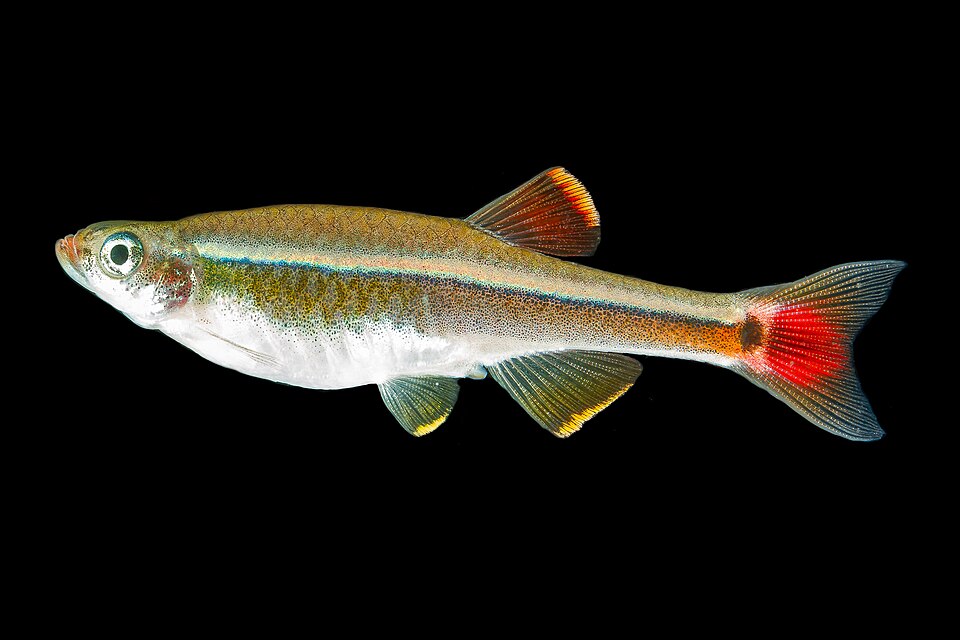
White Cloud Mountain Minnow Why It Was Selected

Space compatibility 93 /100, escape risk 12 /100 (lower is better); adult enclosures still require adequate space.

Please Confirm: Condition the water before introducing animals.,Established cycling, water changes, and water quality testing are daily tasks; a clear tank does not mean low maintenance.

Ornamental Aquatics
White Cloud Mountain Minnow (Tanichthys albonubes)
Images · CC BY 4.0Petrtyl / Wikimedia Commons

White Cloud Mountain Minnow

Tanichthys albonubes

Cool-water schooling fish; summer cooling, sufficient conspecifics, and gentle currents are more critical than small tank volume.

Adult size
1.18–1.97 in
Reference Lifespan
4–6 yr
Water Temperature
64.4–75.2 °F
Advanced CareOmnivore · Risks Low
Ownership Score 61/100

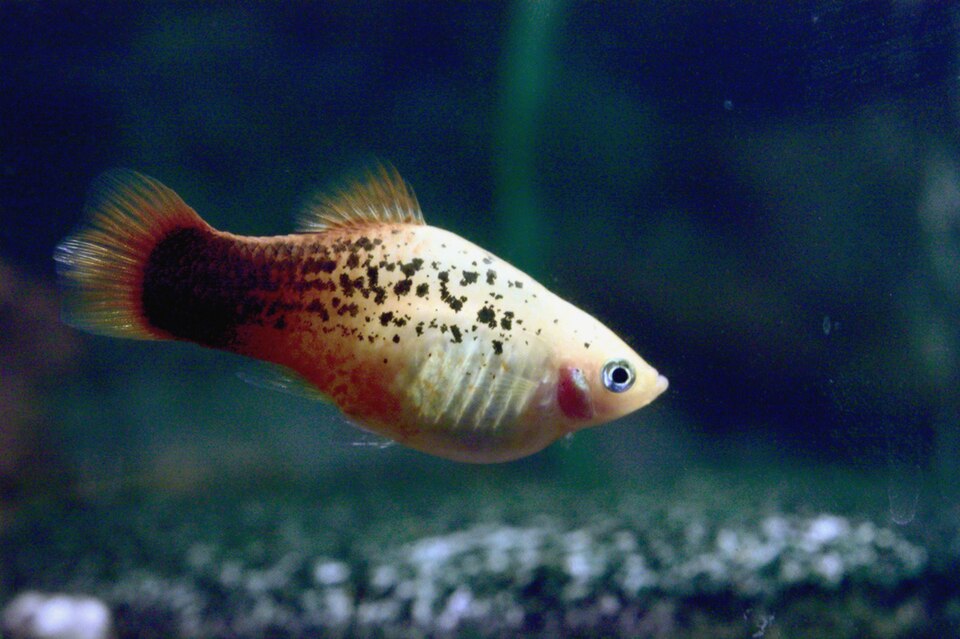
Platy Why It Was Selected

Space compatibility 91 /100, escape risk 12 /100 (lower is better); adult enclosures still require adequate space.

Please Confirm: Condition the water before introducing animals.,Established cycling, water changes, and water quality testing are daily tasks; a clear tank does not mean low maintenance.

Ornamental Aquatics
Platy (Xiphophorus maculatus)
Images · CC BY 2.0vxixiv / Wikimedia Commons

Platy

Xiphophorus maculatus

Moderate hardiness but high reproduction rates; water hardness, group ratios, and isolation space require advance planning.

Adult size
1.97–2.76 in
Reference Lifespan
3–5 yr
Water Temperature
71.6–82.4 °F
Advanced CareOmnivore · Risks Low
Ownership Score 61/100

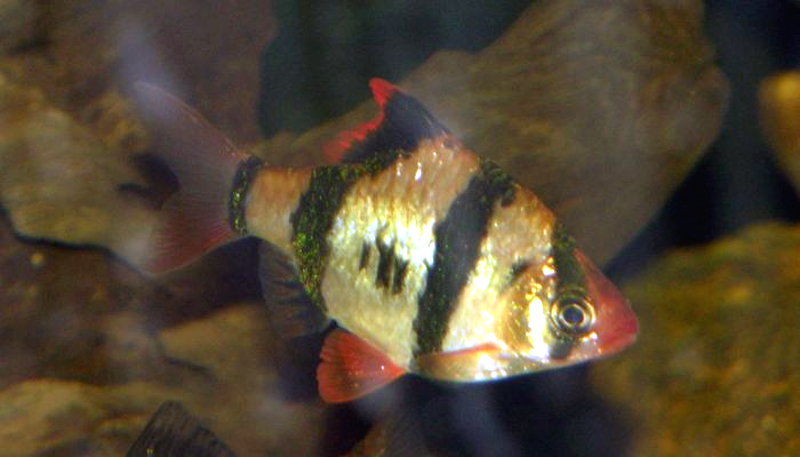
Tiger Barb Why It Was Selected

Space compatibility 91 /100, escape risk 12 /100 (lower is better); adult enclosures still require adequate space.

Please Confirm: Condition the water before introducing animals.,Established cycling, water changes, and water quality testing are daily tasks; a clear tank does not mean low maintenance.

Ornamental Aquatics
Tiger Barb (Puntigrus tetrazona)
Images · CC BY-SA 2.5Photo by Derek Ramsey (Ram-Man) / Wikimedia Commons

Tiger Barb

Puntigrus tetrazona

Schooling disperses chasing behavior; stocking numbers, tank mates, and filter cycling must be considered together.

Adult size
1.97–2.76 in
Reference Lifespan
5–7 yr
Water Temperature
73.4–82.4 °F
Advanced CareOmnivore · Risks Low
Ownership Score 61/100

Gold Barb Why It Was Selected

Space compatibility 89 /100, escape risk 12 /100 (lower is better); adult enclosures still require adequate space.

Please Confirm: Condition the water before introducing animals.,Established cycling, water changes, and water quality testing are daily tasks; a clear tank does not mean low maintenance.

Ornamental Aquatics
Gold Barb (Barbodes semifasciolatus)
Images · CC BY 2.5Gerd Nomade / Wikimedia Commons

Gold Barb

Barbodes semifasciolatus

Schooling, plant cover, and stable filtration reduce stress; separate space is also needed during breeding season.

Adult size
2.36–3.54 in
Reference Lifespan
5–7 yr
Water Temperature
68–80.6 °F
Advanced CareOmnivore · Risks Low
Ownership Score 61/100

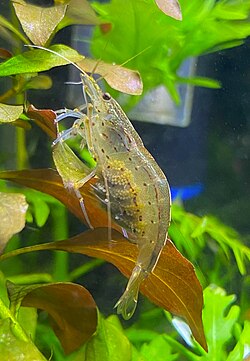
Amano Shrimp Why It Was Selected

Space compatibility 92 /100, escape risk 12 /100 (lower is better); adult enclosures still require adequate space.

Please Confirm: Condition the water before introducing animals.,Established cycling, water changes, and water quality testing are daily tasks; a clear tank does not mean low maintenance.

Ornamental Aquatics
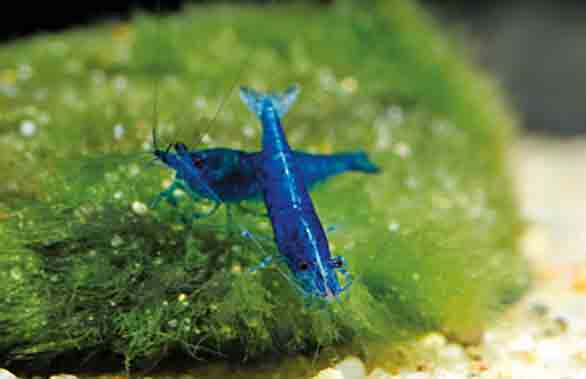
Amano Shrimp (Caridina multidentata)
Images · CC BY 4.0Jolielover / Wikimedia Commons

Amano Shrimp

Caridina multidentata

Requires mature algal films and stable minerals; molting periods, species mixing predation, and suction risks must be monitored.

Adult size
1.57–2.36 in
Reference Lifespan
2–4 yr
Water Temperature
68–80.6 °F
Advanced CareOmnivore · Risks Low
Ownership Score 61/100

Curly Hair Tarantula Why It Was Selected

Space compatibility 92 /100, escape risk 35 /100 (lower is better); adult enclosures still require adequate space.

Please Confirm: Molting window,Do not move or feed during the molting period; temporary inactivity is often natural behavior.

Invertebrates
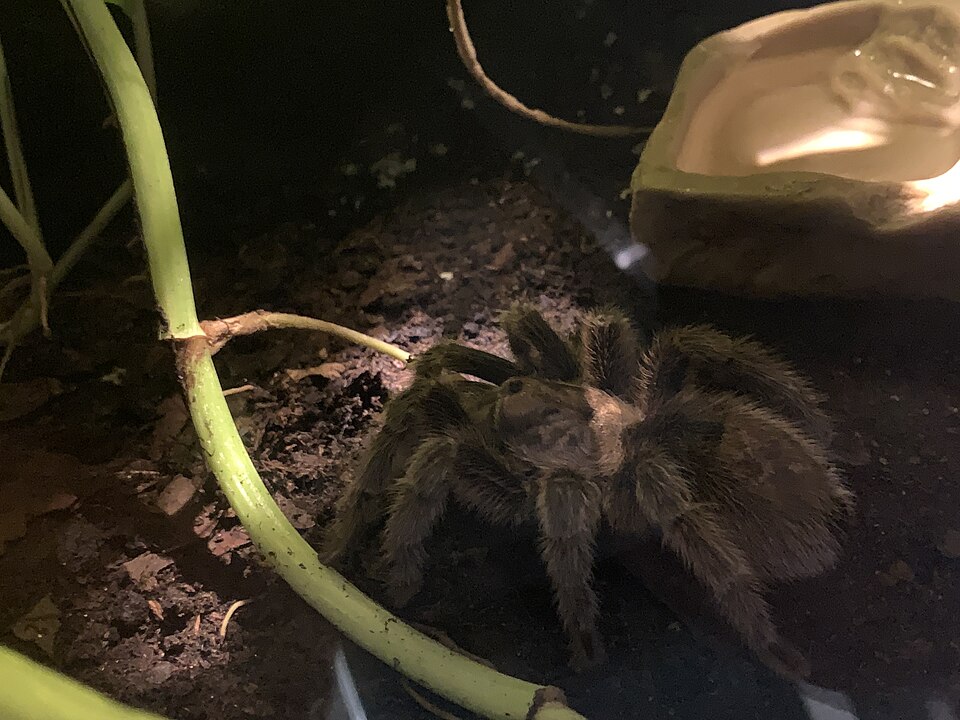
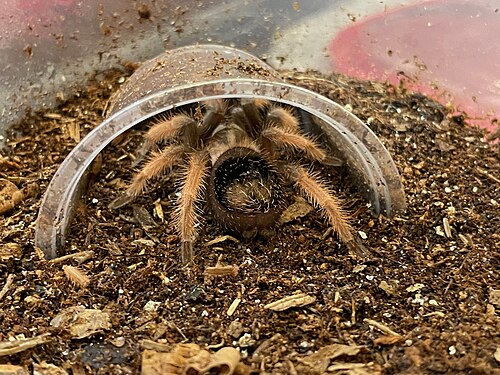
Curly Hair Tarantula (Tliltocatl albopilosus)
Images · CC BY-SA 4.0Elick11 / Wikimedia Commons

Curly Hair Tarantula

Tliltocatl albopilosus

Burrowing, ground-dwelling tarantula. Lifespan range refers to females; males are significantly shorter.

Adult size
4.72–5.91 in
Reference Lifespan
15–20 yr
Environment reference
71.6–78.8 °F
Advanced CareCarnivore · Risks Medium
Ownership Score 60/100
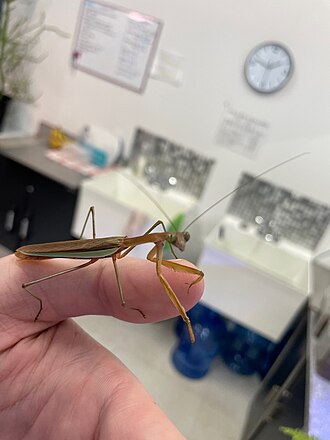
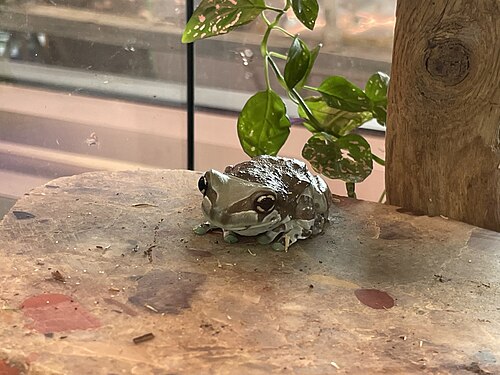
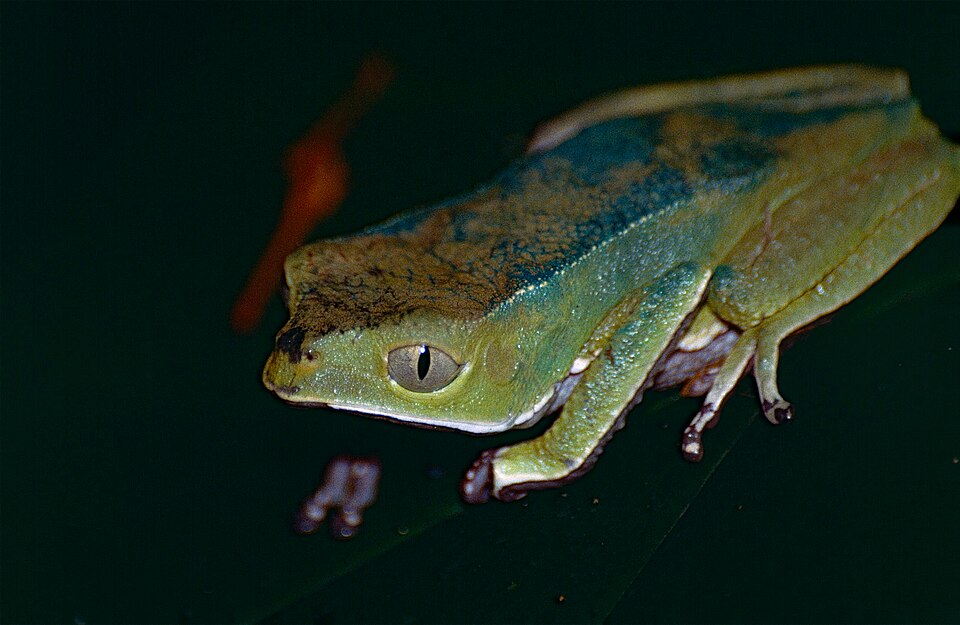
Amazon Milk Frog Why It Was Selected

Space compatibility 88 /100, escape risk 36 /100 (lower is better); adult enclosures still require adequate space.
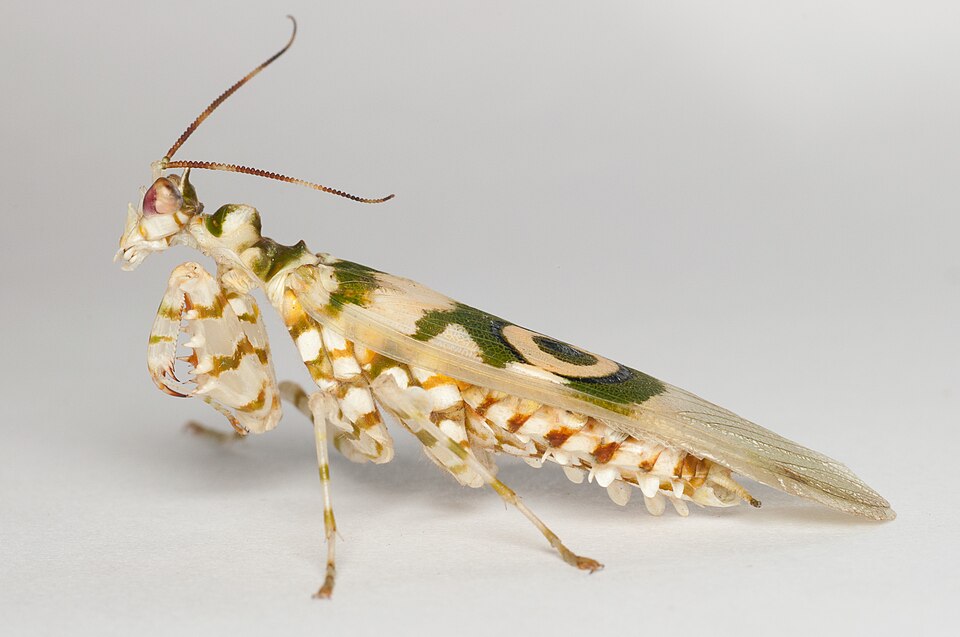
Please Confirm: Water Quality and Skin,Skin is directly involved in respiration; cleaners, chlorine, and standing water can cause rapid injury.

Amphibians
Amazon Milk Frog (Trachycephalus resinifictrix)
Images · CC BY-SA 4.0Fungus Guy / Wikimedia Commons

Amazon Milk Frog

Trachycephalus resinifictrix

Arboreal high enclosure, ventilation, and misting schedule must be coordinated; prolonged dampness and standing water cause skin problems.

Adult size
2.76–3.94 in
Reference Lifespan
8–12 yr
Environment reference
71.6–82.4 °F
Advanced CareInsectivore · Risks Low
Ownership Score 60/100
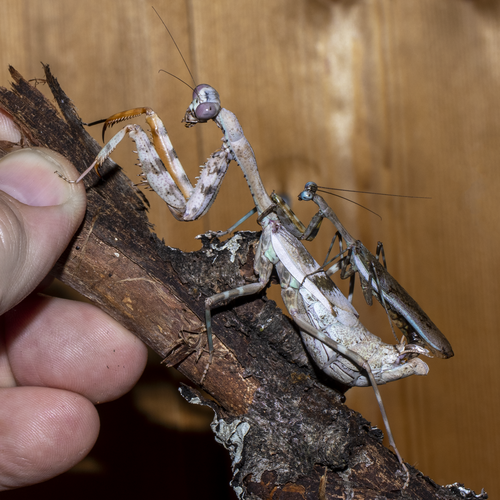
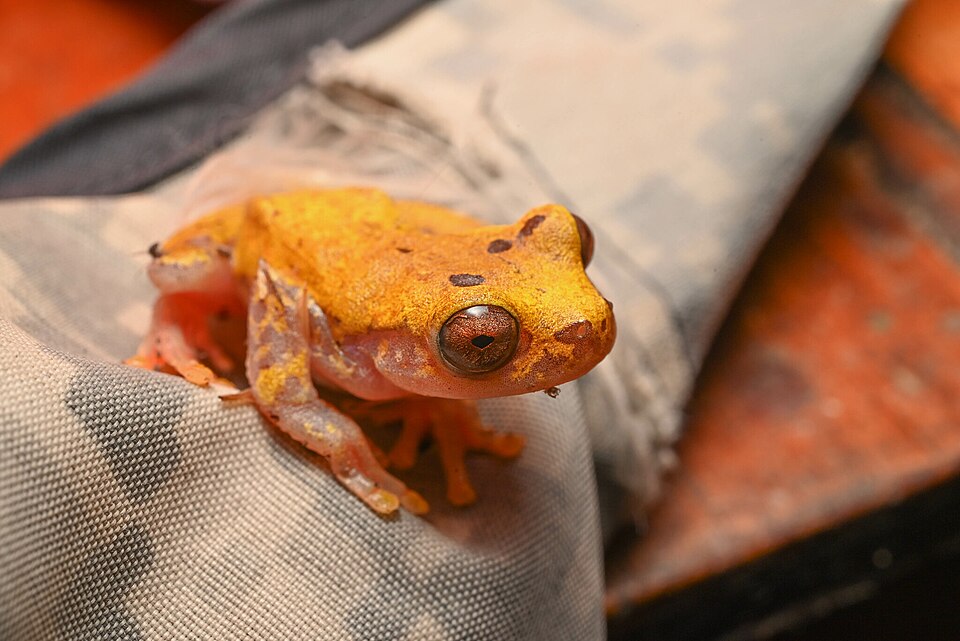
Clown Tree Frog Why It Was Selected

Space compatibility 93 /100, escape risk 36 /100 (lower is better); adult enclosures still require adequate space.
Please Confirm: Water Quality and Skin,Skin is directly involved in respiration; cleaners, chlorine, and standing water can cause rapid injury.

Amphibians
Clown Tree Frog (Dendropsophus leucophyllatus)
Images · CC BY 4.0Anders Hastings / Wikimedia Commons

Clown Tree Frog

Dendropsophus leucophyllatus

Small size, active, and prone to escaping through gaps; high-sided ventilation and tiny live prey must be prepared in advance.

Adult size
1.18–1.97 in
Reference Lifespan
5–8 yr
Environment reference
71.6–82.4 °F
Advanced CareInsectivore · Risks Low
Ownership Score 60/100
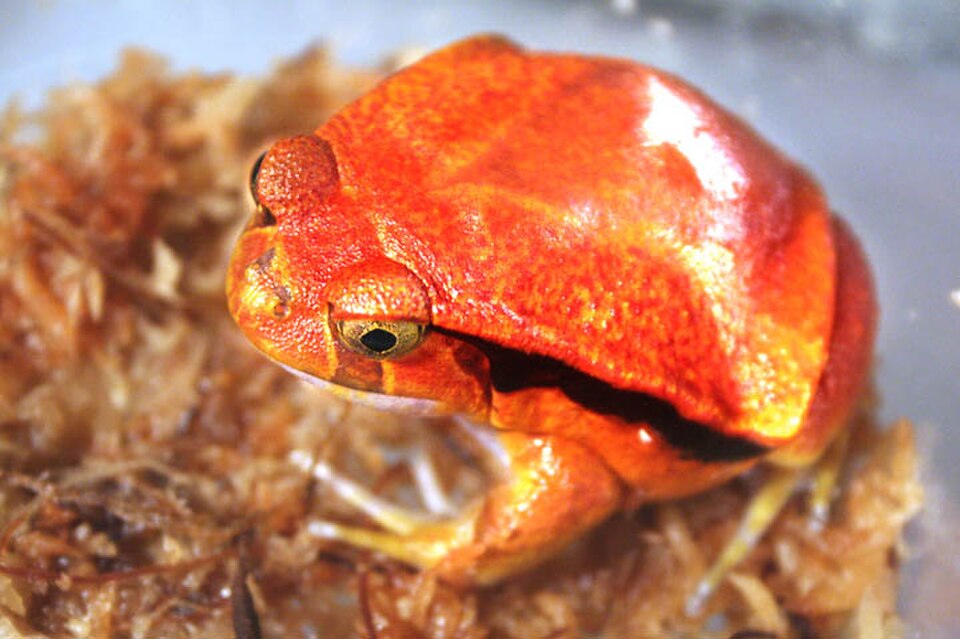
Madagascar Tomato Frog Why It Was Selected

Space compatibility 88 /100, escape risk 36 /100 (lower is better); adult enclosures still require adequate space.

Please Confirm: Water Quality and Skin,Skin is directly involved in respiration; cleaners, chlorine, and standing water can cause rapid injury.

Amphibians
Madagascar Tomato Frog (Dyscophus antongilii)
Images · CC BY-SA 4.0IrmaA2 / Wikimedia Commons

Madagascar Tomato Frog

Dyscophus antongilii

Stocky body but secretes irritants; moist substrate, solitary housing, and gentle handling are basic requirements.

Adult size
2.76–3.94 in
Reference Lifespan
8–12 yr
Environment reference
71.6–82.4 °F
Advanced CareInsectivore · Risks Low
Ownership Score 60/100
African Foam Nest Frog Why It Was Selected

Space compatibility 90 /100, escape risk 36 /100 (lower is better); adult enclosures still require adequate space.
Please Confirm: Water Quality and Skin,Skin is directly involved in respiration; cleaners, chlorine, and standing water can cause rapid injury.

Amphibians
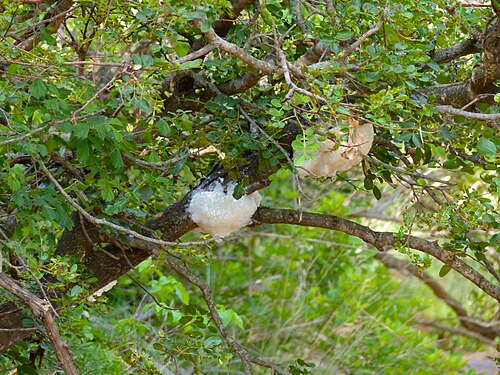
African Foam Nest Frog (Chiromantis xerampelina)
Images · CC BY-SA 2.0Bernard DUPONT from FRANCE / Wikimedia Commons

African Foam Nest Frog

Chiromantis xerampelina

Arboreal, nocturnal, and with unique breeding behaviors; reserve space for ventilation, branches, and seasonal misting.

Adult size
1.97–3.15 in
Reference Lifespan
5–10 yr
Environment reference
71.6–86 °F
Advanced CareInsectivore · Risks Low
Ownership Score 60/100
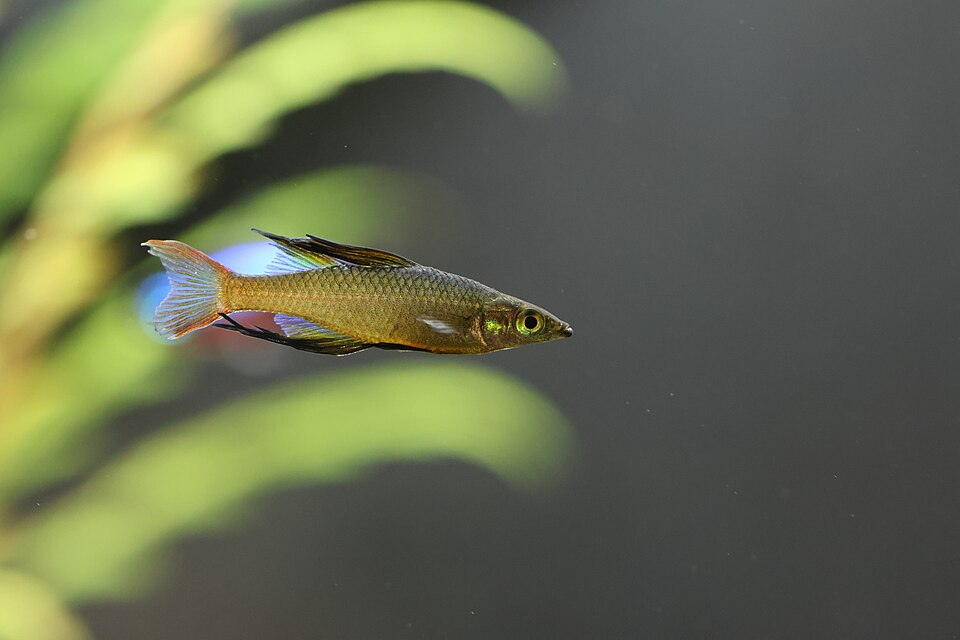
Ornate Chorus Frog Why It Was Selected

Space compatibility 93 /100, escape risk 36 /100 (lower is better); adult enclosures still require adequate space.
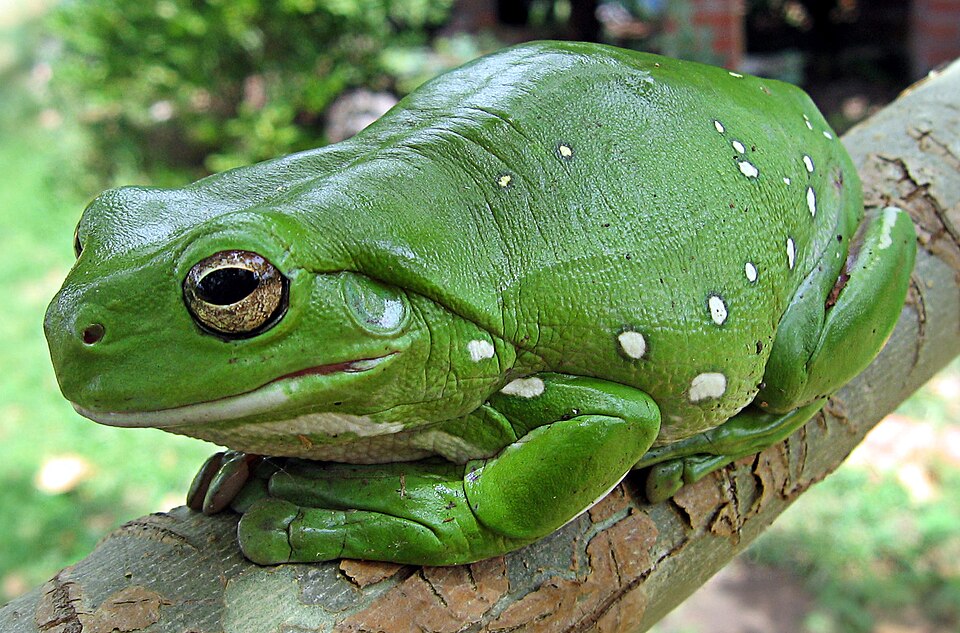
Please Confirm: Water Quality and Skin,Skin is directly involved in respiration; cleaners, chlorine, and standing water can cause rapid injury.

Amphibians
Ornate Chorus Frog (Pseudacris ornata)
Images · CC BY 2.0Peter Paplanus / Wikimedia Commons

Ornate Chorus Frog

Pseudacris ornata

Small body size with distinct nocturnal calls; micro live prey and seasonal humidity must be arranged in advance.

Adult size
1.18–1.97 in
Reference Lifespan
4–8 yr
Environment reference
64.4–78.8 °F
Advanced CareInsectivore · Risks Low
Ownership Score 60/100
Heavy Jumper Why It Was Selected

Space compatibility 95 /100, escape risk 36 /100 (lower is better); adult enclosures still require adequate space.

Please Confirm: Molting window,Do not move or feed during the molting period; temporary inactivity is often natural behavior.

Invertebrates
Heavy Jumper (Hyllus diardi)
Images · CC BY 4.0Doreen / Wikimedia Commons

Heavy Jumper

Hyllus diardi

Larger body size and strong jumping ability; vertical space, micro live prey, and secondary enclosures are more important.

Adult size
0.79–1.18 in
Reference Lifespan
1–2 yr
Environment reference
73.4–84.2 °F
Advanced CareCarnivore · Risks Low
Ownership Score 60/100

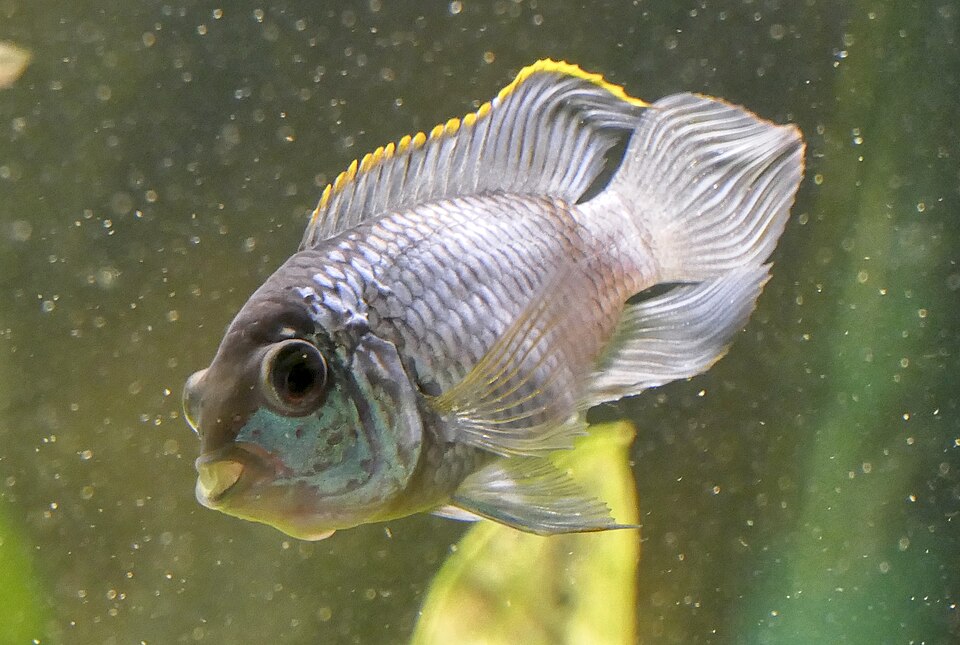
Electric Blue Acara Why It Was Selected

Space compatibility 79 /100, escape risk 12 /100 (lower is better); adult enclosures still require adequate space.

Please Confirm: Condition the water before introducing animals.,Established cycling, water changes, and water quality testing are daily tasks; a clear tank does not mean low maintenance.

Ornamental Aquatics
Electric Blue Acara (Andinoacara pulcher)
Images · CC05snake5 / Wikimedia Commons

Electric Blue Acara

Andinoacara pulcher

Relatively peaceful but still possess breeding territories; mature water volume, hiding spots, and group planning are more important than color.

Adult size
4.72–7.09 in
Reference Lifespan
8–12 yr
Water Temperature
73.4–84.2 °F
Advanced CareOmnivore · Risks Low
Ownership Score 60/100

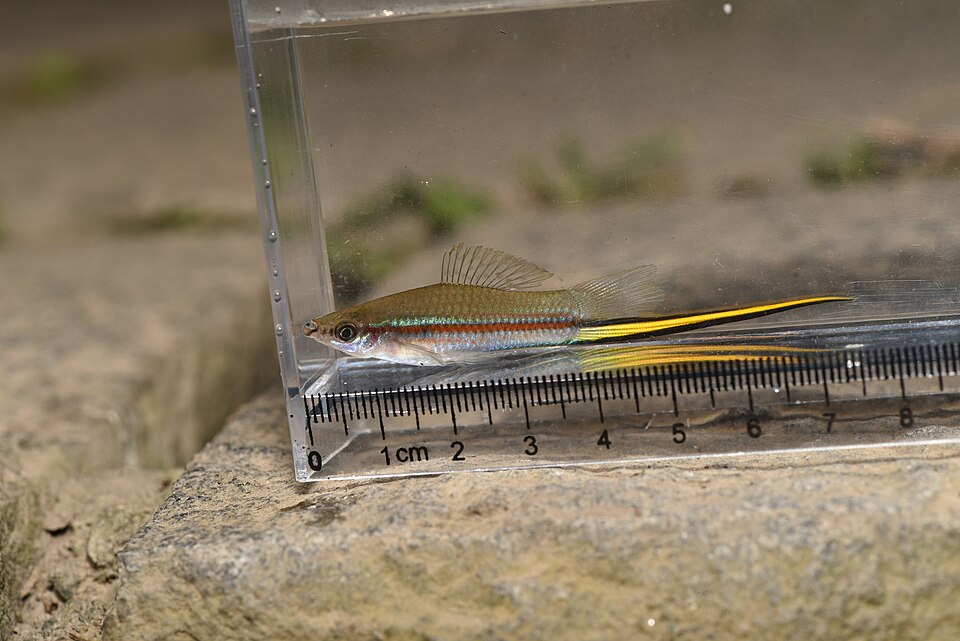
Swordtail Why It Was Selected

Space compatibility 83 /100, escape risk 12 /100 (lower is better); adult enclosures still require adequate space.

Please Confirm: Condition the water before introducing animals.,Established cycling, water changes, and water quality testing are daily tasks; a clear tank does not mean low maintenance.

Ornamental Aquatics
Swordtail (Xiphophorus hellerii)
Images · CC BY 4.0Yung-Lun Lin / Wikimedia Commons

Swordtail

Xiphophorus hellerii

Rapid reproduction with males potentially chasing conspecifics; plan group ratios, filtration, and fry disposition in advance.

Adult size
3.15–5.51 in
Reference Lifespan
3–5 yr
Water Temperature
71.6–82.4 °F
Advanced CareOmnivore · Risks Low
Ownership Score 60/100

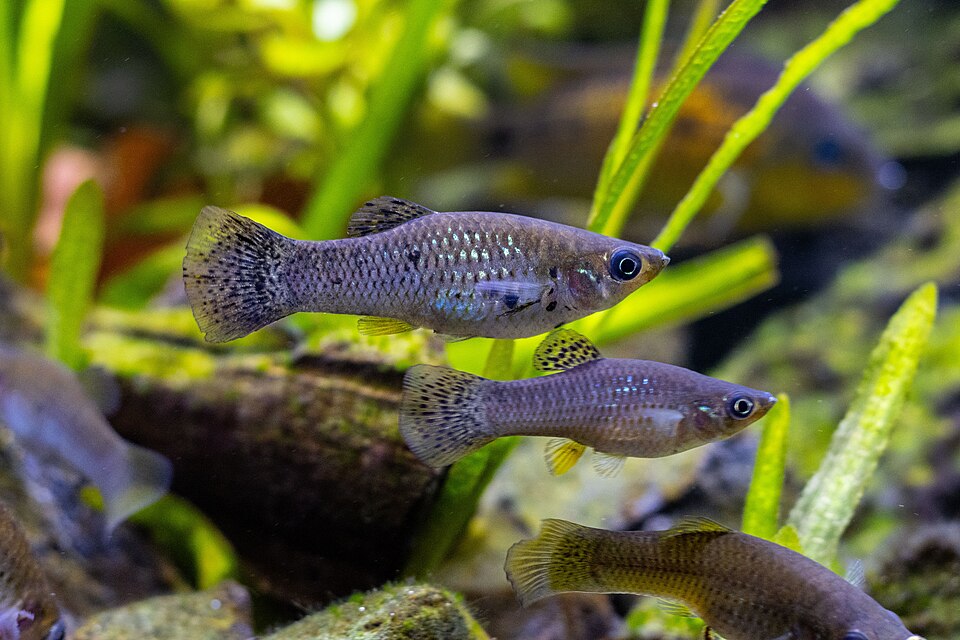
Molly Why It Was Selected

Space compatibility 85 /100, escape risk 12 /100 (lower is better); adult enclosures still require adequate space.

Please Confirm: Condition the water before introducing animals.,Established cycling, water changes, and water quality testing are daily tasks; a clear tank does not mean low maintenance.

Ornamental Aquatics
Molly (Poecilia sphenops)
Images · CC BY-SA 4.0Dnoerholm / Wikimedia Commons

Molly

Poecilia sphenops

Requires higher minerals and a stable group; breeding, salinity, and water load are easily underestimated.

Adult size
2.36–4.72 in
Reference Lifespan
3–5 yr
Water Temperature
75.2–86 °F
Advanced CareOmnivore · Risks Low
Ownership Score 60/100

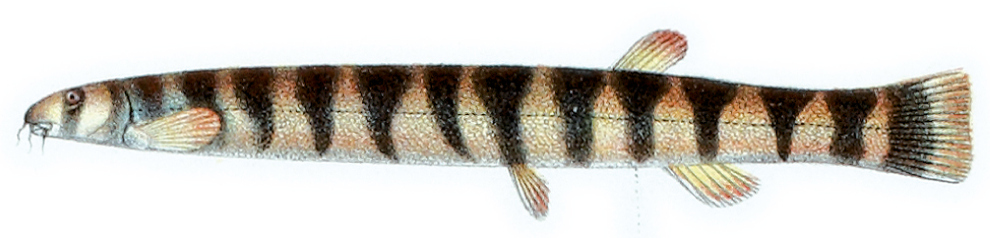
Kuhli Loach Why It Was Selected

Space compatibility 85 /100, escape risk 12 /100 (lower is better); adult enclosures still require adequate space.

Please Confirm: Condition the water before introducing animals.,Established cycling, water changes, and water quality testing are daily tasks; a clear tank does not mean low maintenance.

Ornamental Aquatics
Kuhli Loach (Pangio kuhlii)
Images · CC BY 3.0Published by Zoologische Mededelingen, at http://www.zoologischemededelingen.nl . Creative commons license published on main page. / Wikimedia Commons

Kuhli Loach

Pangio kuhlii

Nocturnal schooling and likes to burrow in substrate; fine smooth substrate, hiding spots, and sufficient companions are basic requirements.

Adult size
3.15–4.72 in
Reference Lifespan
8–12 yr
Water Temperature
75.2–86 °F
Advanced CareOmnivore · Risks Low
Ownership Score 60/100

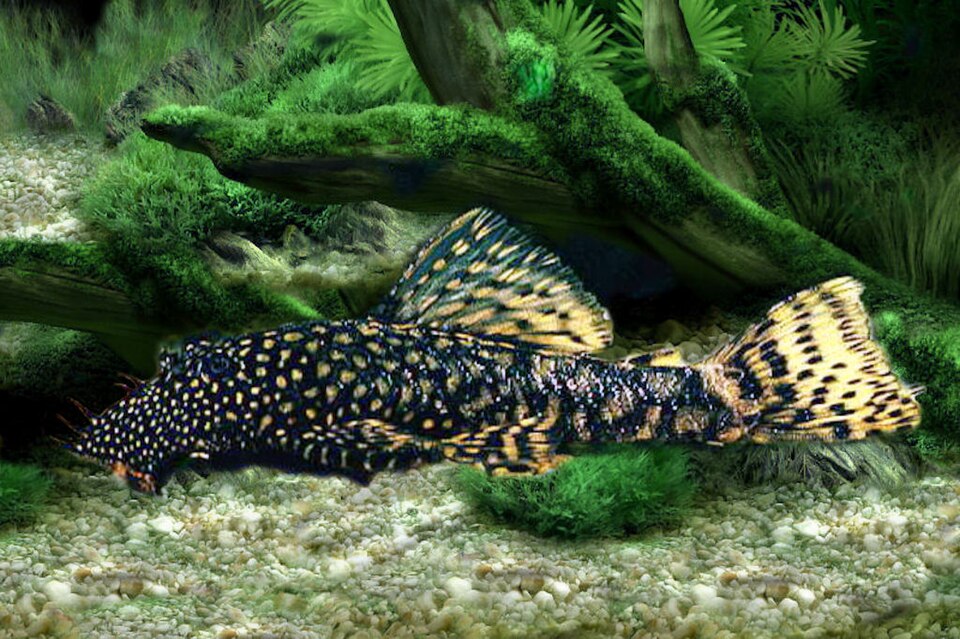
Bristlenose Pleco Why It Was Selected

Space compatibility 82 /100, escape risk 12 /100 (lower is better); adult enclosures still require adequate space.

Please Confirm: Condition the water before introducing animals.,Established cycling, water changes, and water quality testing are daily tasks; a clear tank does not mean low maintenance.

Ornamental Aquatics
Bristlenose Pleco (Ancistrus cirrhosus)
Images · CC BY-SA 3.0 deThe Last 99 / Wikimedia Commons

Bristlenose Pleco

Ancistrus cirrhosus

Requires driftwood, hiding spots, and high-fiber food; cannot rely solely on tank wall algae for long-term nutrition.

Adult size
3.94–5.91 in
Reference Lifespan
8–12 yr
Water Temperature
73.4–84.2 °F
Advanced CareHerbivore · Risks Low
Ownership Score 60/100

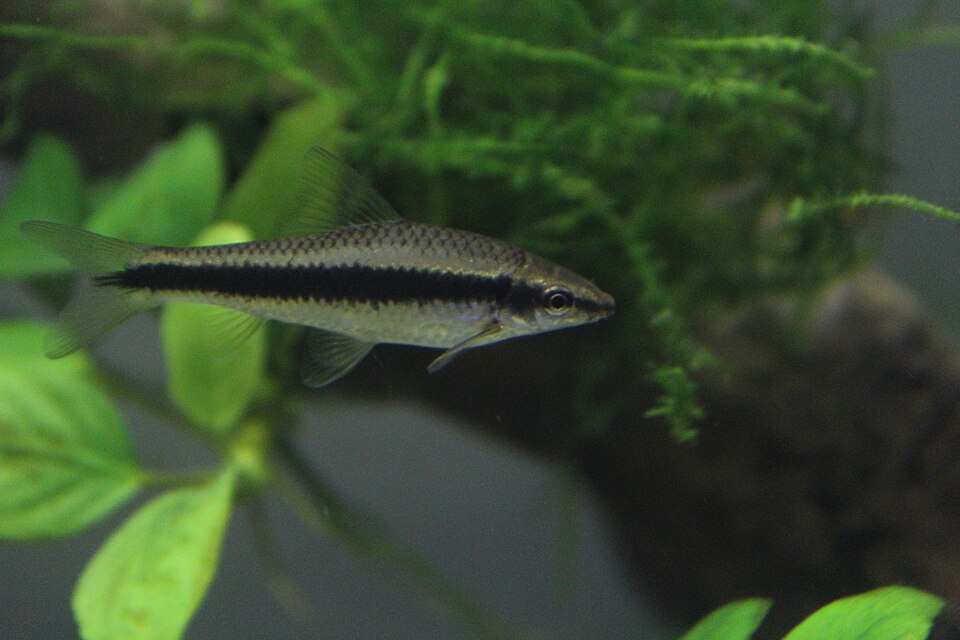
Siamese Algae Eater Why It Was Selected

Space compatibility 81 /100, escape risk 12 /100 (lower is better); adult enclosures still require adequate space.

Please Confirm: Condition the water before introducing animals.,Established cycling, water changes, and water quality testing are daily tasks; a clear tank does not mean low maintenance.

Ornamental Aquatics
Siamese Algae Eater (Crossocheilus oblongus)
Images · CC BY-SA 4.0aleander2137 / Wikimedia Commons

Siamese Algae Eater

Crossocheilus oblongus

Algae-removal capacity changes with age; long-term care must adjust for group size, water flow, and supplemental feeding.

Adult size
4.72–6.3 in
Reference Lifespan
6–10 yr
Water Temperature
73.4–82.4 °F
Advanced CareOmnivore · Risks Low
Ownership Score 60/100

Rosy Barb Why It Was Selected

Space compatibility 85 /100, escape risk 12 /100 (lower is better); adult enclosures still require adequate space.

Please Confirm: Condition the water before introducing animals.,Established cycling, water changes, and water quality testing are daily tasks; a clear tank does not mean low maintenance.

Ornamental Aquatics
Rosy Barb (Pethia conchonius)
Images · CC BY 4.0235x / Wikimedia Commons

Rosy Barb

Pethia conchonius

Cool-water schooling fish; sufficient companions, open swimming space, and summer temperature control must all be included.

Adult size
3.15–4.72 in
Reference Lifespan
5–7 yr
Water Temperature
64.4–78.8 °F
Advanced CareOmnivore · Risks Low
Ownership Score 60/100

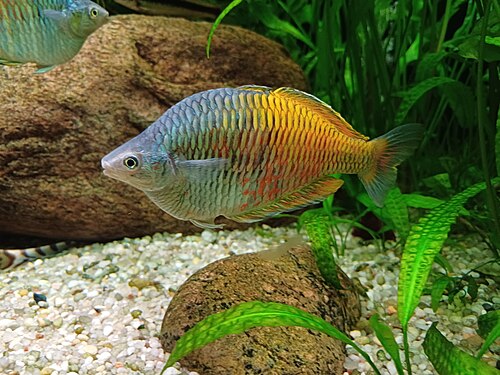
Boesemani Rainbowfish Why It Was Selected

Space compatibility 83 /100, escape risk 12 /100 (lower is better); adult enclosures still require adequate space.

Please Confirm: Condition the water before introducing animals.,Established cycling, water changes, and water quality testing are daily tasks; a clear tank does not mean low maintenance.

Ornamental Aquatics
Boesemani Rainbowfish (Melanotaenia boesemani)
Images · CC BY-SA 4.0Botev / Wikimedia Commons

Boesemani Rainbowfish

Melanotaenia boesemani

Requires schooling and horizontal swimming space; adult coloration and body size depend on stable water quality and a balanced diet.

Adult size
3.94–5.51 in
Reference Lifespan
5–8 yr
Water Temperature
75.2–82.4 °F
Advanced CareOmnivore · Risks Low
Ownership Score 60/100

Golden Gecko Why It Was Selected

Space compatibility 72 /100, escape risk 36 /100 (lower is better); adult enclosures still require adequate space.

Please Confirm: Adult Space,Juveniles may appear small, but adult enclosures, lighting, and backup equipment constitute the long-term cost.

Reptiles
Golden Gecko (Gekko badenii)
Images · CC BY-SA 4.0Heroinabspeutzer / Wikimedia Commons

Golden Gecko

Gekko badenii

Nocturnal, fast-moving, and defensive; ventilation, vertical space, and escape prevention are more critical than simply increasing humidity.

Adult size
7.09–9.84 in
Reference Lifespan
8–12 yr
Environment reference
75.2–86 °F
Advanced CareInsectivore · Risks Medium
Ownership Score 60/100

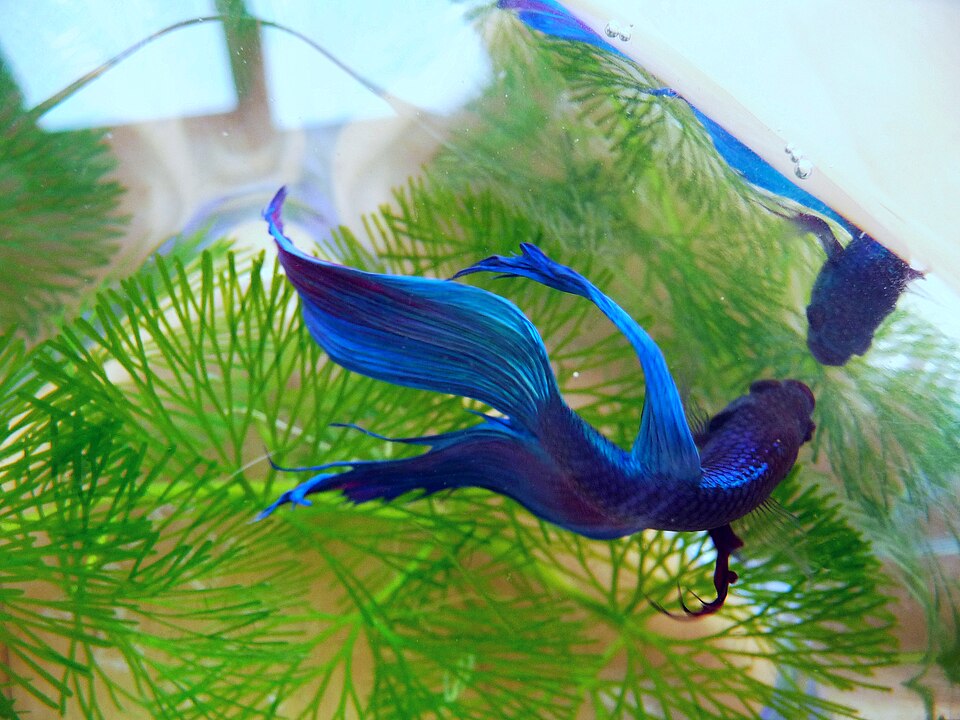
Betta Why It Was Selected

Space compatibility 82 /100, escape risk 5 /100 (lower is better); adult enclosures still require adequate space.

Please Confirm: Condition the water before introducing animals.,Established cycling, water changes, and water quality testing are daily tasks; a clear tank does not mean low maintenance.

Ornamental Aquatics
Betta (Betta splendens)
Images · CC BY-SA 2.0Denise Chan / Wikimedia Commons

Betta

Betta splendens

Even though they can breathe air, they still require filtration, stable temperature, and consistent water quality.

Adult size
1.97–2.76 in
Reference Lifespan
3–5 yr
Water Temperature
75.2–82.4 °F
Basic CareCarnivore · Risks Medium
Ownership Score 59/100

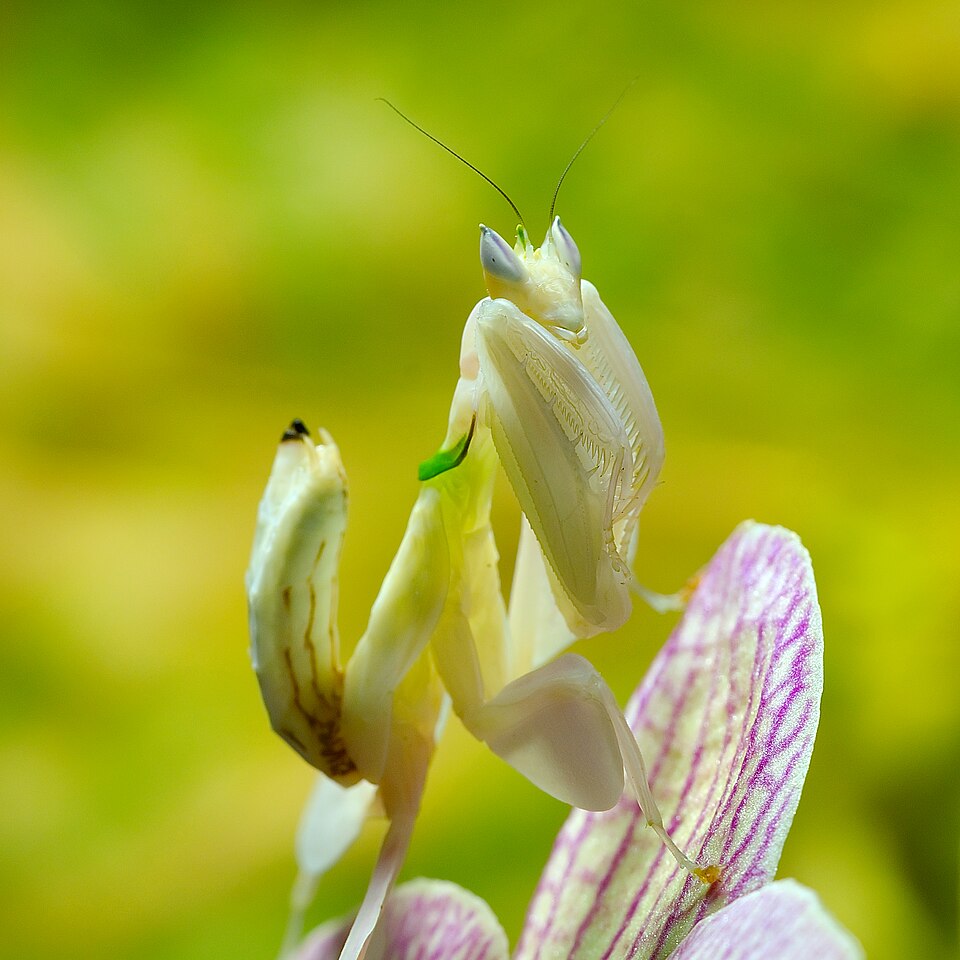
Orchid Mantis Why It Was Selected

Space compatibility 92 /100, escape risk 36 /100 (lower is better); adult enclosures still require adequate space.

Please Confirm: Molting window,Do not move or feed during the molting period; temporary inactivity is often natural behavior.

Invertebrates
Orchid Mantis (Hymenopus coronatus)
Images · CC BY-SA 3.0Luc Viatour / Wikimedia Commons

Orchid Mantis

Hymenopus coronatus

Arboreal insect dependent on appropriate live prey, ventilation, and molting height.

Adult size
1.57–2.36 in
Reference Lifespan
0.5–1 yr
Environment reference
71.6–82.4 °F
Advanced CareInsectivore · Risks Low
Ownership Score 59/100

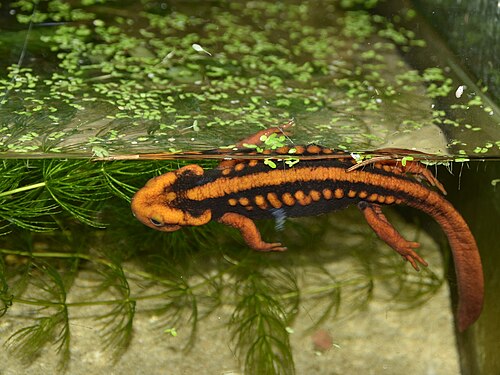
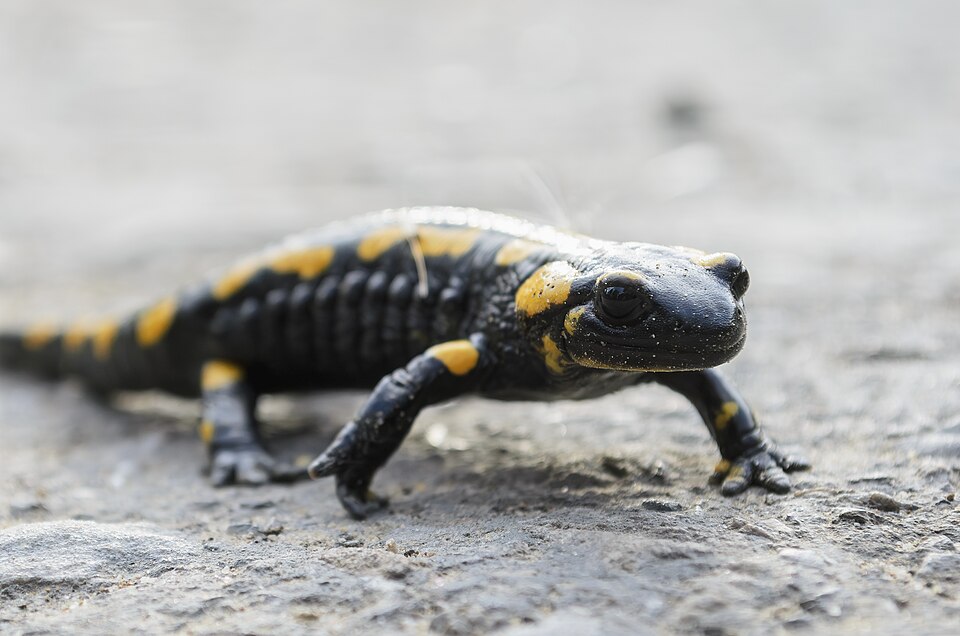
Japanese Fire Bellied Newt Why It Was Selected

Space compatibility 83 /100, escape risk 36 /100 (lower is better); adult enclosures still require adequate space.

Please Confirm: Water Quality and Skin,Skin is directly involved in respiration; cleaners, chlorine, and standing water can cause rapid injury.

Amphibians
Japanese Fire Bellied Newt (Cynops pyrrhogaster)
Images · CC BY-SA 4.0Motokoka / Wikimedia Commons

Japanese Fire Bellied Newt

Cynops pyrrhogaster

Skin is sensitive and heat-intolerant; water quality, cover, and summer cooling must be tested before acquisition.

Adult size
3.15–5.51 in
Reference Lifespan
10–20 yr
Environment reference
60.8–75.2 °F
Advanced CareCarnivore · Risks Low
Ownership Score 59/100

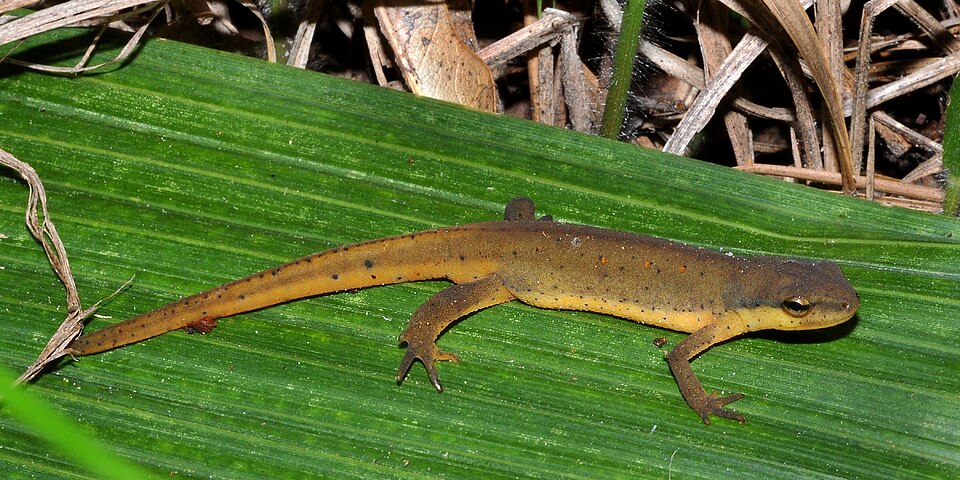
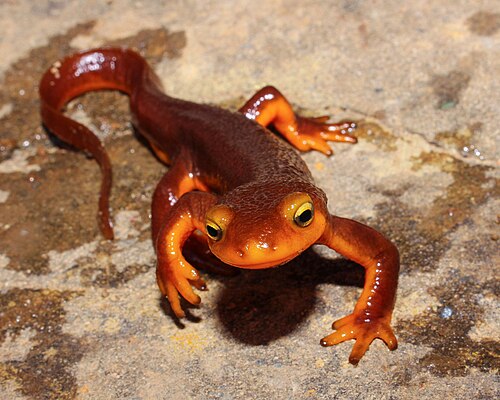
Eastern Newt Why It Was Selected

Space compatibility 85 /100, escape risk 36 /100 (lower is better); adult enclosures still require adequate space.

Please Confirm: Water Quality and Skin,Skin is directly involved in respiration; cleaners, chlorine, and standing water can cause rapid injury.

Amphibians
Eastern Newt (Notophthalmus viridescens)
Images · CC BY-SA 2.5Patrick Coin (Patrick Coin) / Wikimedia Commons

Eastern Newt

Notophthalmus viridescens

Juvenile and adult requirements differ; water-land transitions, clean water, and low-temperature management must all be considered.

Adult size
2.76–4.72 in
Reference Lifespan
10–15 yr
Environment reference
60.8–75.2 °F
Advanced CareCarnivore · Risks Low
Ownership Score 59/100

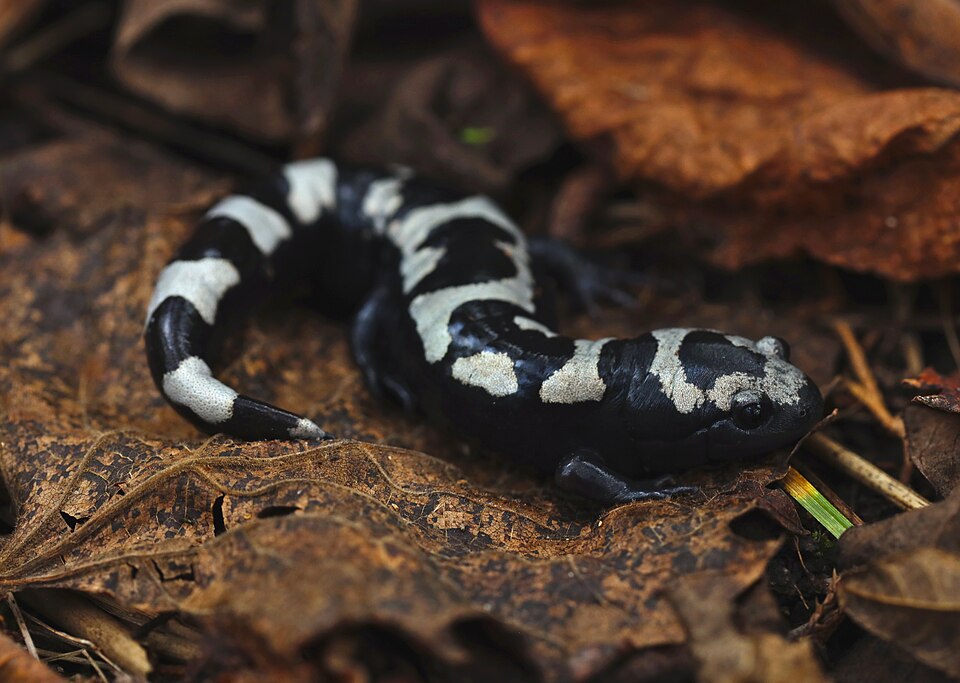
Marbled Salamander Why It Was Selected

Space compatibility 84 /100, escape risk 36 /100 (lower is better); adult enclosures still require adequate space.

Please Confirm: Water Quality and Skin,Skin is directly involved in respiration; cleaners, chlorine, and standing water can cause rapid injury.

Amphibians
Marbled Salamander (Ambystoma opacum)
Images · CC BY 2.0Peter Paplanus / Wikimedia Commons

Marbled Salamander

Ambystoma opacum

Terrestrial-leaning and requires deep, moist substrate; reduce disturbance and bright light during molting and feeding.

Adult size
3.54–5.12 in
Reference Lifespan
8–15 yr
Environment reference
60.8–75.2 °F
Advanced CareCarnivore · Risks Low
Ownership Score 59/100

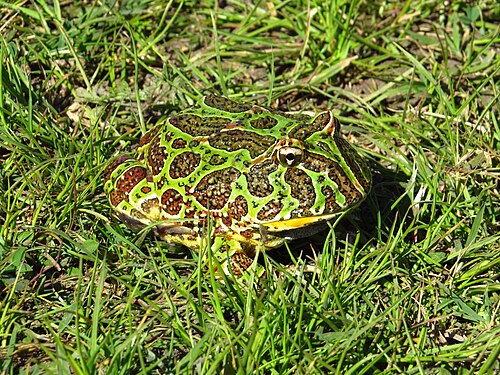
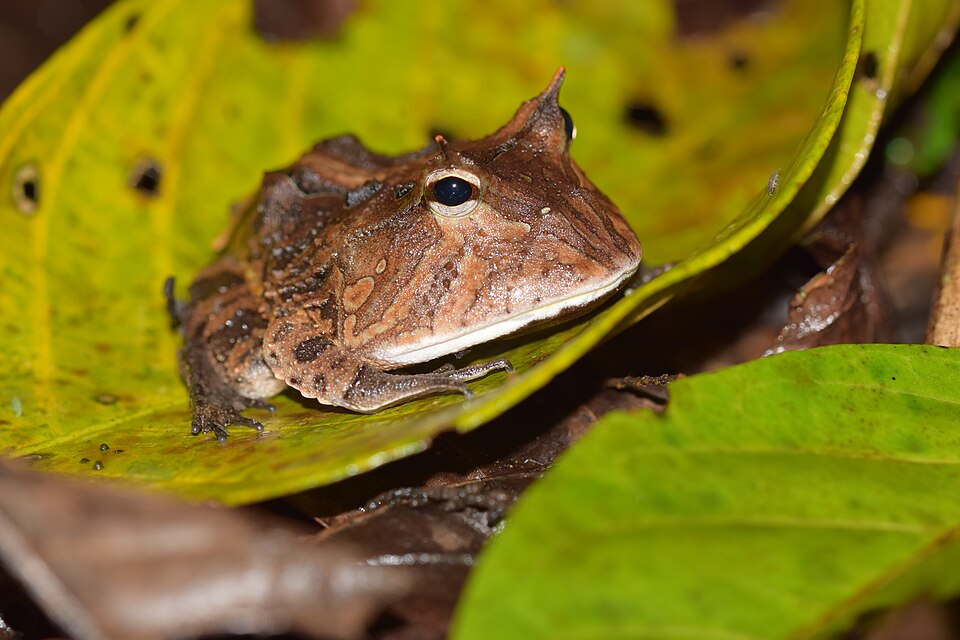
Argentine Horned Frog Why It Was Selected

Space compatibility 79 /100, escape risk 36 /100 (lower is better); adult enclosures still require adequate space.

Please Confirm: Water Quality and Skin,Skin is directly involved in respiration; cleaners, chlorine, and standing water can cause rapid injury.

Amphibians
Argentine Horned Frog (Ceratophrys ornata)
Images · CC BY 4.0Leonel Roget / Wikimedia Commons

Argentine Horned Frog

Ceratophrys ornata

Strong appetite and prone to accidental bites; controlling body weight, single housing and safe handling outweigh frequent interaction.

Adult size
4.72–7.09 in
Reference Lifespan
8–12 yr
Environment reference
71.6–82.4 °F
Advanced CareCarnivore · Risks Medium
Ownership Score 59/100

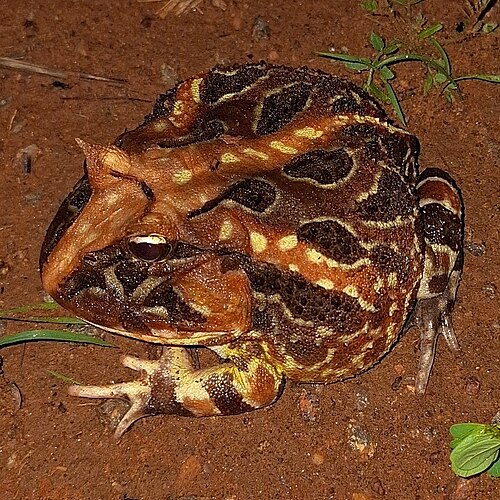
Brazilian Horned Frog Why It Was Selected

Space compatibility 81 /100, escape risk 36 /100 (lower is better); adult enclosures still require adequate space.

Please Confirm: Water Quality and Skin,Skin is directly involved in respiration; cleaners, chlorine, and standing water can cause rapid injury.

Amphibians
Brazilian Horned Frog (Ceratophrys joazeirensis)
Images · CC0Fabricio Carvalho da Silva / Wikimedia Commons

Brazilian Horned Frog

Ceratophrys joazeirensis

Ambushes live prey; substrate moisture, feeding intervals, and risk of accidental ingestion must be adjusted according to individual size.

Adult size
3.94–6.3 in
Reference Lifespan
8–12 yr
Environment reference
71.6–84.2 °F
Advanced CareCarnivore · Risks Low
Ownership Score 59/100

Atlas Beetle Why It Was Selected

Space compatibility 85 /100, escape risk 36 /100 (lower is better); adult enclosures still require adequate space.

Please Confirm: Molting window,Do not move or feed during the molting period; temporary inactivity is often natural behavior.

Invertebrates
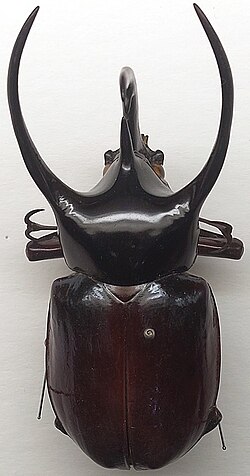
Atlas Beetle (Chalcosoma atlas)
Images · CC BY 4.0Ctac / Wikimedia Commons

Atlas Beetle

Chalcosoma atlas

Long larval stage and high substrate consumption; male fighting and breeding numbers must be planned in advance.

Adult size
1.97–4.72 in
Reference Lifespan
1–2 yr
Environment reference
75.2–86 °F
Advanced CareDetritivore · Risks Low
Ownership Score 59/100

Dead Leaf Mantis Why It Was Selected

Space compatibility 88 /100, escape risk 36 /100 (lower is better); adult enclosures still require adequate space.

Please Confirm: Molting window,Do not move or feed during the molting period; temporary inactivity is often natural behavior.

Invertebrates
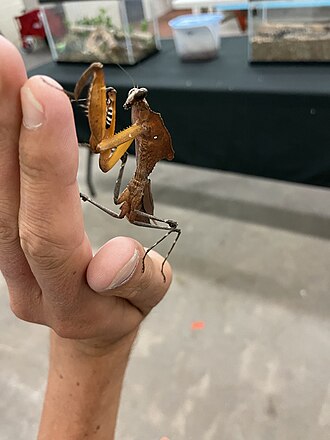
Dead Leaf Mantis (Deroplatys desiccata)
Images · CC BY-SA 4.0Fungus Guy / Wikimedia Commons

Dead Leaf Mantis

Deroplatys desiccata

Relies on camouflage against vertical branches and stable humidity; cannot be moved frequently or misted during molting.

Adult size
2.76–3.94 in
Reference Lifespan
1–2 yr
Environment reference
71.6–82.4 °F
Advanced CareCarnivore · Risks Low
Ownership Score 59/100

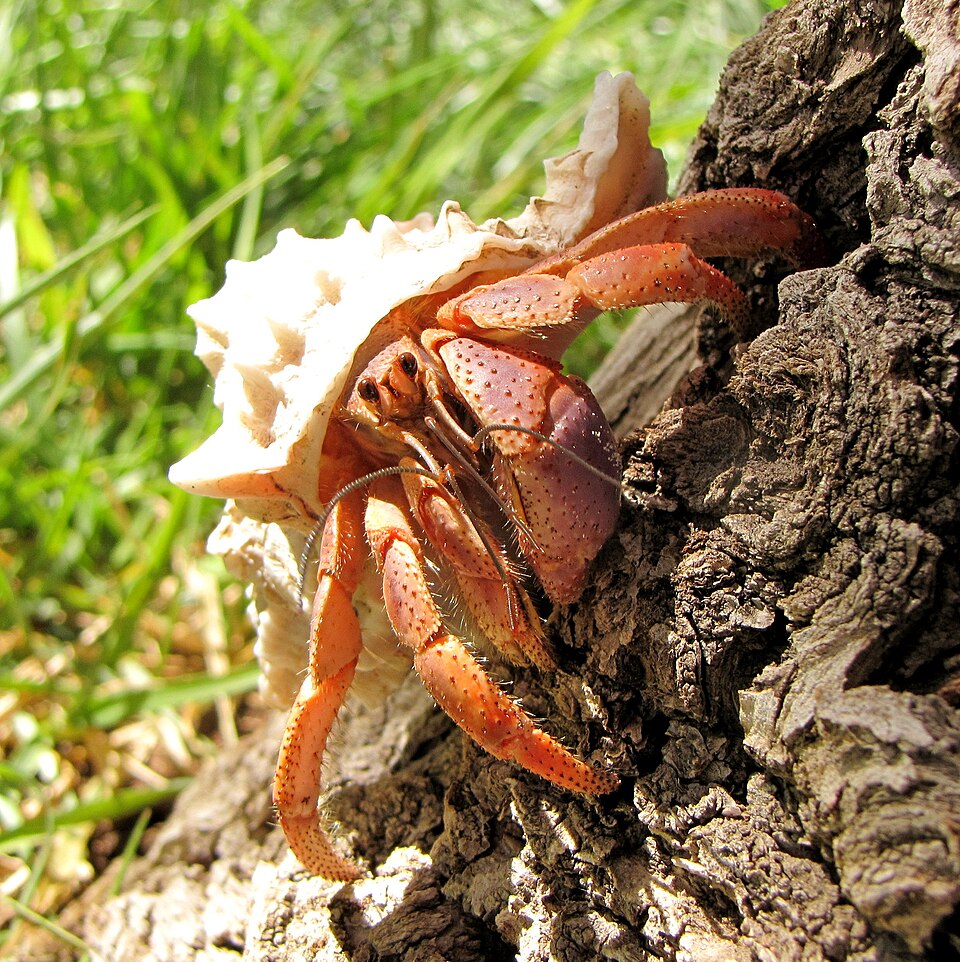
Ecuadorian Hermit Crab Why It Was Selected

Space compatibility 92 /100, escape risk 36 /100 (lower is better); adult enclosures still require adequate space.

Please Confirm: Molting window,Do not move or feed during the molting period; temporary inactivity is often natural behavior.

Invertebrates
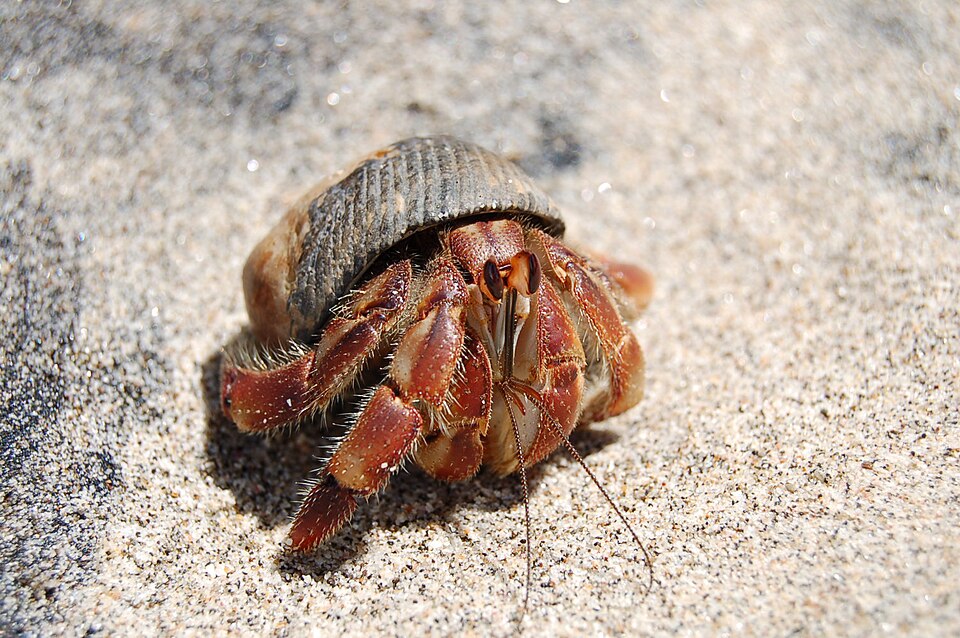
Ecuadorian Hermit Crab (Coenobita compressus)
Images · CC BY-SA 4.0Picardo7 / Wikimedia Commons

Ecuadorian Hermit Crab

Coenobita compressus

Requires fresh water, salt water, deep moist substrate, and spare shells; a single small box cannot support long-term life.

Adult size
1.18–2.36 in
Reference Lifespan
10–20 yr
Environment reference
75.2–84.2 °F
Advanced CareOmnivore · Risks Low
Ownership Score 59/100

Purple Pincher Hermit Crab Why It Was Selected

Space compatibility 88 /100, escape risk 36 /100 (lower is better); adult enclosures still require adequate space.

Please Confirm: Molting window,Do not move or feed during the molting period; temporary inactivity is often natural behavior.

Invertebrates Morph records
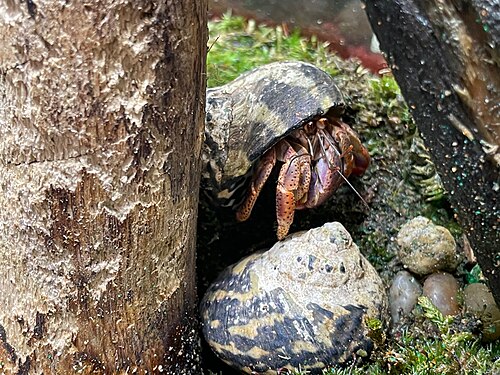
Purple Pincher Hermit Crab (Coenobita clypeatus)
Images · CC BY-SA 4.0Fungus Guy / Wikimedia Commons

Purple Pincher Hermit Crab

Coenobita clypeatus

Do not rely solely on a shallow water dish and decorative sand; prepare deep substrate, dual water sources, shells, and communal space.

Adult size
1.57–3.94 in
Reference Lifespan
10–20 yr
Environment reference
75.2–84.2 °F
Advanced CareOmnivore · Risks Low
Ownership Score 59/100

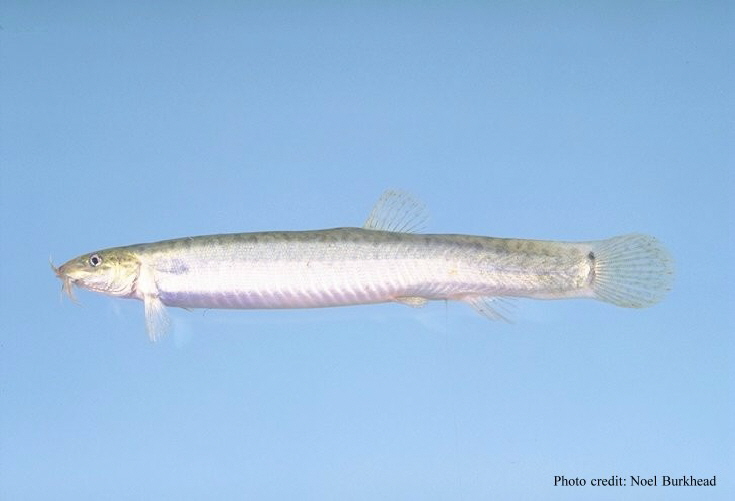
Dojo Loach Why It Was Selected

Space compatibility 72 /100, escape risk 12 /100 (lower is better); adult enclosures still require adequate space.

Please Confirm: Condition the water before introducing animals.,Established cycling, water changes, and water quality testing are daily tasks; a clear tank does not mean low maintenance.

Ornamental Aquatics
Dojo Loach (Misgurnus anguillicaudatus)
Images · Public domainNoel Burkhead / USGS / Wikimedia Commons

Dojo Loach

Misgurnus anguillicaudatus

Benthic, burrows in substrate, and can jump out of the tank; plan substrate, escape prevention, and group space based on adult size.

Adult size
5.91–9.84 in
Reference Lifespan
8–12 yr
Water Temperature
64.4–78.8 °F
Advanced CareOmnivore · Risks Low
Ownership Score 59/100

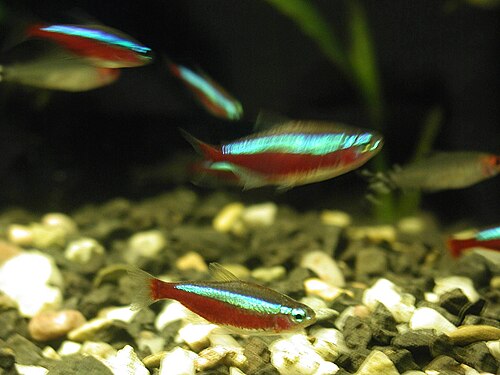
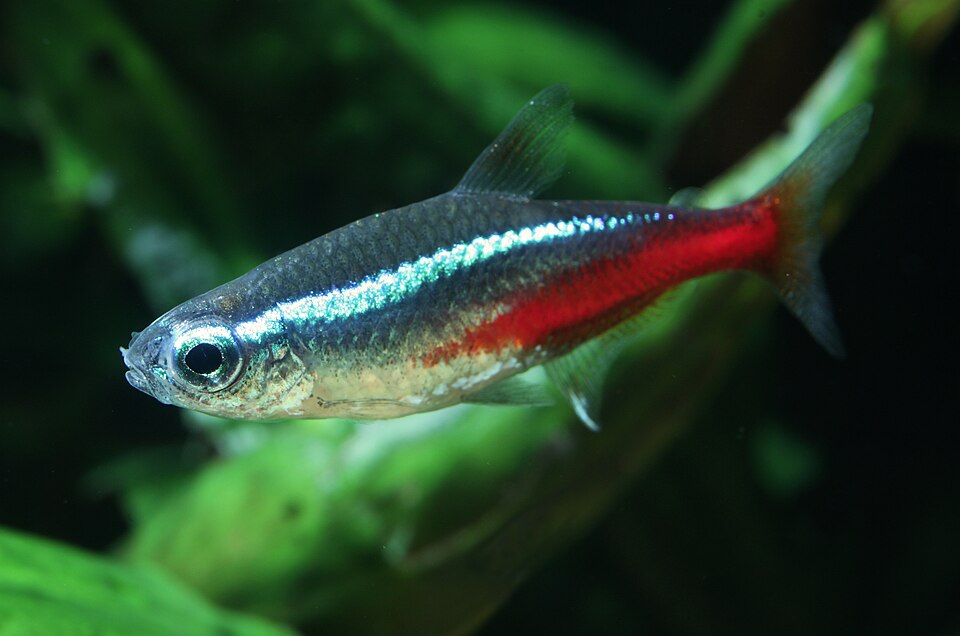
Neon Tetra Why It Was Selected

Space compatibility 94 /100, escape risk 12 /100 (lower is better); adult enclosures still require adequate space.

Please Confirm: Condition the water before introducing animals.,Established cycling, water changes, and water quality testing are daily tasks; a clear tank does not mean low maintenance.

Ornamental Aquatics
Neon Tetra (Paracheirodon innesi)
Images · CC BY 3.0Holger Krisp / Wikimedia Commons

Neon Tetra

Paracheirodon innesi

Schooling dwarf tetras; established water and sufficient companions are more important than individual specimens.

Adult size
1.18–1.57 in
Reference Lifespan
5–8 yr
Water Temperature
69.8–77 °F
Advanced CareOmnivore · Risks Low
Ownership Score 58/100

Pink Toe Tarantula Why It Was Selected

Space compatibility 82 /100, escape risk 36 /100 (lower is better); adult enclosures still require adequate space.

Please Confirm: Molting window,Do not move or feed during the molting period; temporary inactivity is often natural behavior.

Invertebrates
Pink Toe Tarantula (Avicularia avicularia)
Images · CC BY 4.0BhaalPriestess / Wikimedia Commons

Pink Toe Tarantula

Avicularia avicularia

Arboreal, high jumping, and rapid escape are the main challenges; high enclosure ventilation and a lid-opening escape plan must be tested first.

Adult size
3.94–5.91 in
Reference Lifespan
6–12 yr
Environment reference
73.4–82.4 °F
Advanced CareCarnivore · Risks Low
Ownership Score 58/100

Jungle Nymph Why It Was Selected

Space compatibility 79 /100, escape risk 36 /100 (lower is better); adult enclosures still require adequate space.

Please Confirm: Molting window,Do not move or feed during the molting period; temporary inactivity is often natural behavior.

Invertebrates
Jungle Nymph (Heteropteryx dilatata)
Images · CC BY-SA 4.0Fungus Guy / Wikimedia Commons

Jungle Nymph

Heteropteryx dilatata

Females are large and spiny; enclosure height, foliage supply, and disturbance prevention during molting must be accounted for.

Adult size
4.72–7.09 in
Reference Lifespan
1–2 yr
Environment reference
73.4–84.2 °F
Advanced CareHerbivore · Risks Low
Ownership Score 58/100

Celestial Pearl Danio Why It Was Selected

Space compatibility 95 /100, escape risk 12 /100 (lower is better); adult enclosures still require adequate space.

Please Confirm: Condition the water before introducing animals.,Established cycling, water changes, and water quality testing are daily tasks; a clear tank does not mean low maintenance.

Ornamental Aquatics
Celestial Pearl Danio (Danio margaritatus)
Images · CC BY-SA 4.0NasserHalaweh / Wikimedia Commons

Celestial Pearl Danio

Danio margaritatus

Small body size, rapid reproduction, and need for live micro-prey; high stocking density, schooling, and stable water quality must be synchronized.

Adult size
0.79–1.18 in
Reference Lifespan
2–4 yr
Water Temperature
68–78.8 °F
Advanced CareOmnivore · Risks Low
Ownership Score 58/100

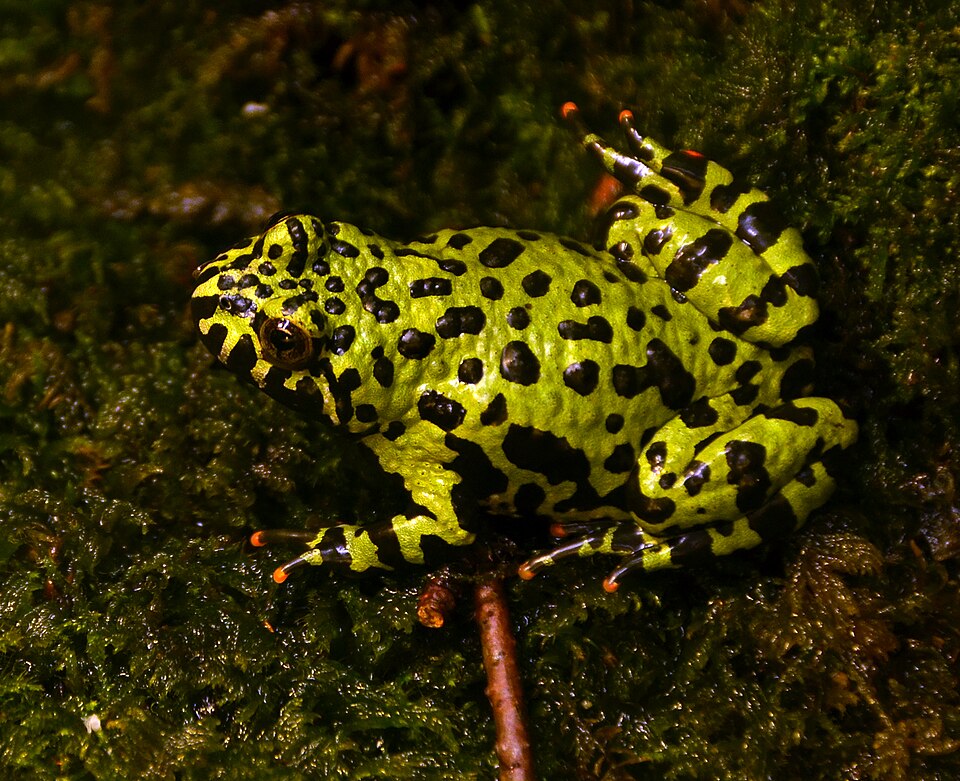
Fire Bellied Toad Why It Was Selected

Space compatibility 92 /100, escape risk 36 /100 (lower is better); adult enclosures still require adequate space.

Please Confirm: Water Quality and Skin,Skin is directly involved in respiration; cleaners, chlorine, and standing water can cause rapid injury.

Amphibians
Fire Bellied Toad (Bombina orientalis)
Images · CC0Vassil / Wikimedia Commons

Fire Bellied Toad

Bombina orientalis

Semi-aquatic amphibian requiring an easily accessible water-land interface.

Adult size
1.57–2.36 in
Reference Lifespan
10–15 yr
Environment reference
64.4–75.2 °F
Advanced CareInsectivore · Risks Medium
Ownership Score 57/100

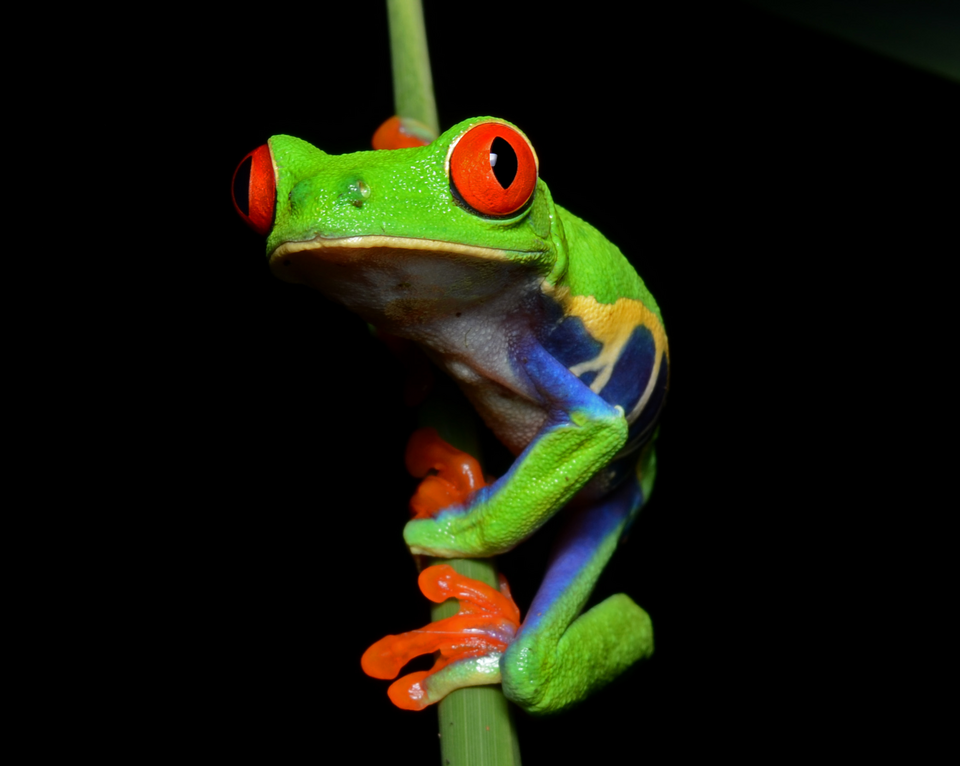
Red Eyed Tree Frog Why It Was Selected

Space compatibility 92 /100, escape risk 36 /100 (lower is better); adult enclosures still require adequate space.

Please Confirm: Water Quality and Skin,Skin is directly involved in respiration; cleaners, chlorine, and standing water can cause rapid injury.

Amphibians
Red Eyed Tree Frog (Agalychnis callidryas)
Images · CC BY 2.0Red-eyed Tree Frog (Agalychnis callidryas) 3.jpg: Geoff Gallice from Gainesville, FL, USA derivative work: B kimmel / Wikimedia Commons

Red Eyed Tree Frog

Agalychnis callidryas

Requires a tall enclosure, stable humidity drop, and low handling frequency.

Adult size
1.57–2.36 in
Reference Lifespan
8–12 yr
Environment reference
71.6–80.6 °F
Advanced CareInsectivore · Risks Medium
Ownership Score 57/100

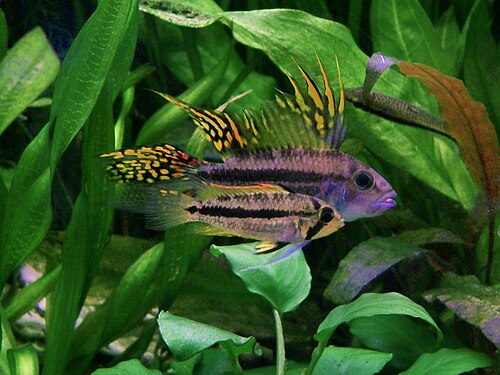
Cockatoo Cichlid Why It Was Selected

Space compatibility 88 /100, escape risk 12 /100 (lower is better); adult enclosures still require adequate space.

Please Confirm: Condition the water before introducing animals.,Established cycling, water changes, and water quality testing are daily tasks; a clear tank does not mean low maintenance.

Ornamental Aquatics
Cockatoo Cichlid (Apistogramma cacatuoides)
Images · CC BY-SA 3.0Redspider / Wikimedia Commons

Cockatoo Cichlid

Apistogramma cacatuoides

Requires cover, soft water, and breeding zones; community tanks must provide isolation space.

Adult size
2.36–3.94 in
Reference Lifespan
3–5 yr
Water Temperature
73.4–82.4 °F
Advanced CareOmnivore · Risks Low
Ownership Score 57/100

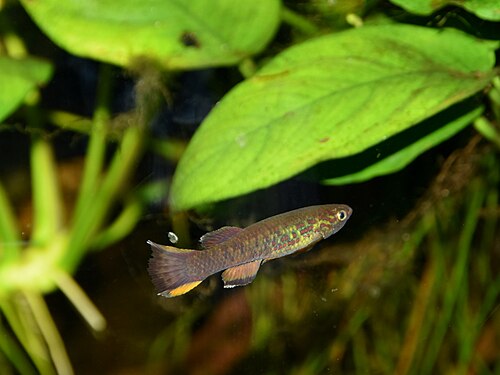
Australe Killifish Why It Was Selected

Space compatibility 91 /100, escape risk 12 /100 (lower is better); adult enclosures still require adequate space.

Please Confirm: Condition the water before introducing animals.,Established cycling, water changes, and water quality testing are daily tasks; a clear tank does not mean low maintenance.

Ornamental Aquatics
Australe Killifish (Aphyosemion australe)
Images · CC BY-SA 4.0NasserHalaweh / Wikimedia Commons

Australe Killifish

Aphyosemion australe

Prefers cool water, prone to jumping, and has a unique breeding method; prepare covers, live food, and a hatching plan in advance.

Adult size
1.97–2.76 in
Reference Lifespan
2–4 yr
Water Temperature
68–77 °F
Advanced CareCarnivore · Risks Low
Ownership Score 57/100

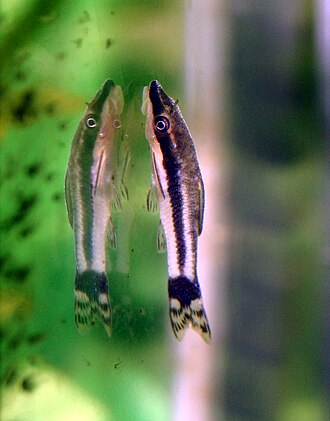
Otocinclus Why It Was Selected

Space compatibility 93 /100, escape risk 12 /100 (lower is better); adult enclosures still require adequate space.

Please Confirm: Condition the water before introducing animals.,Established cycling, water changes, and water quality testing are daily tasks; a clear tank does not mean low maintenance.

Ornamental Aquatics
Otocinclus (Otocinclus affinis)
Images · CC BY-SA 3.0Marrabbio2 / Wikimedia Commons

Otocinclus

Otocinclus affinis

Requires mature tanks, algae films, and stable dissolved oxygen; newly introduced individuals are prone to losses from starvation and transport stress.

Adult size
1.18–1.97 in
Reference Lifespan
3–5 yr
Water Temperature
71.6–82.4 °F
Advanced CareHerbivore · Risks Low
Ownership Score 57/100

Threadfin Rainbowfish Why It Was Selected

Space compatibility 93 /100, escape risk 12 /100 (lower is better); adult enclosures still require adequate space.

Please Confirm: Condition the water before introducing animals.,Established cycling, water changes, and water quality testing are daily tasks; a clear tank does not mean low maintenance.

Ornamental Aquatics
Threadfin Rainbowfish (Iriatherina werneri)
Images · CC BY-SA 4.0NRJMelvinT / Wikimedia Commons

Threadfin Rainbowfish

Iriatherina werneri

Delicate fin rays, small body size, and fine mouth structure; gentle tank mates, micro-foods, and stable water flow are essential.

Adult size
1.57–1.97 in
Reference Lifespan
3–5 yr
Water Temperature
75.2–84.2 °F
Advanced CareOmnivore · Risks Low
Ownership Score 57/100

Whites Tree Frog Why It Was Selected

Space compatibility 85 /100, escape risk 36 /100 (lower is better); adult enclosures still require adequate space.

Please Confirm: Water Quality and Skin,Skin is directly involved in respiration; cleaners, chlorine, and standing water can cause rapid injury.

Amphibians
Whites Tree Frog (Litoria caerulea)
Images · Public domainLiquidGhoul / Wikimedia Commons

Whites Tree Frog

Litoria caerulea

Nocturnal arboreal frog, sensitive skin, suitable for observation rather than frequent handling.

Adult size
2.76–4.72 in
Reference Lifespan
10–15 yr
Environment reference
75.2–82.4 °F
Advanced CareInsectivore · Risks Medium
Ownership Score 56/100

Pacman Frog Why It Was Selected

Space compatibility 84 /100, escape risk 36 /100 (lower is better); adult enclosures still require adequate space.

Please Confirm: Burrowing substrate,Requires sufficiently deep, clean substrate; also address risks of accidental ingestion, waterlogging, and hygiene.

Amphibians
Pacman Frog (Ceratophrys cranwelli)
Images · CC BY-SA 3.0Diberri and Celgeofrog / Wikimedia Commons

Pacman Frog

Ceratophrys cranwelli

Ambush-burrowing terrestrial frog, mostly concealed in moist substrate.

Adult size
3.15–5.12 in
Reference Lifespan
8–12 yr
Environment reference
75.2–82.4 °F
Advanced CareCarnivore · Risks Medium
Ownership Score 56/100

Tomato Frog Why It Was Selected

Space compatibility 88 /100, escape risk 36 /100 (lower is better); adult enclosures still require adequate space.

Please Confirm: Water Quality and Skin,Skin is directly involved in respiration; cleaners, chlorine, and standing water can cause rapid injury.

Amphibians
Tomato Frog (Dyscophus guineti)
Images · AttributionThe original uploader was Firereptiles at English Wikipedia. / Wikimedia Commons

Tomato Frog

Dyscophus guineti

Terrestrial burrowing frog. The commercial name 'tomato frog' may correspond to different species.

Adult size
2.36–3.94 in
Reference Lifespan
6–10 yr
Environment reference
71.6–78.8 °F
Advanced CareInsectivore · Risks Medium
Ownership Score 56/100

African Clawed Frog Why It Was Selected

Space compatibility 84 /100, escape risk 36 /100 (lower is better); adult enclosures still require adequate space.

Please Confirm: Water Quality and Skin,Skin is directly involved in respiration; cleaners, chlorine, and standing water can cause rapid injury.

Amphibians
African Clawed Frog (Xenopus laevis)
Images · CC BY 2.0Brian Gratwicke / Wikimedia Commons

African Clawed Frog

Xenopus laevis

Fully aquatic, high food intake, and potential pathogen carrier; water quality and escape prevention are core tasks.

Adult size
3.15–5.12 in
Reference Lifespan
10–15 yr
Water Temperature
64.4–71.6 °F
Advanced CareCarnivore · Risks Medium
Ownership Score 56/100

Budgetts Frog Why It Was Selected

Space compatibility 82 /100, escape risk 36 /100 (lower is better); adult enclosures still require adequate space.

Please Confirm: Water Quality and Skin,Skin is directly involved in respiration; cleaners, chlorine, and standing water can cause rapid injury.

Amphibians
Budgetts Frog (Lepidobatrachus laevis)
Images · CC BY 4.0メルビル / Wikimedia Commons

Budgetts Frog

Lepidobatrachus laevis

High food intake and cannibalistic; plan water-to-land ratio, single housing and adult bite risk before introduction.

Adult size
3.94–5.91 in
Reference Lifespan
8–12 yr
Environment reference
68–82.4 °F
Advanced CareCarnivore · Risks Medium
Ownership Score 56/100

Convict Cichlid Why It Was Selected

Space compatibility 82 /100, escape risk 12 /100 (lower is better); adult enclosures still require adequate space.

Please Confirm: Condition the water before introducing animals.,Established cycling, water changes, and water quality testing are daily tasks; a clear tank does not mean low maintenance.

Ornamental Aquatics
Convict Cichlid (Amatitlania nigrofasciata)
Images · CC BY 4.0geosesarma / Wikimedia Commons

Convict Cichlid

Amatitlania nigrofasciata

Rapid breeding and strong territoriality; tank zoning and juvenile disposition must be considered before purchase.

Adult size
3.94–5.91 in
Reference Lifespan
8–12 yr
Water Temperature
73.4–84.2 °F
Advanced CareOmnivore · Risks Low
Ownership Score 56/100

Peacock Cichlid Why It Was Selected

Space compatibility 82 /100, escape risk 12 /100 (lower is better); adult enclosures still require adequate space.

Please Confirm: Condition the water before introducing animals.,Established cycling, water changes, and water quality testing are daily tasks; a clear tank does not mean low maintenance.

Ornamental Aquatics
Peacock Cichlid (Aulonocara nyassae)
Images · Public domainCharles Tate Regan (1878 - 1943) / Wikimedia Commons

Peacock Cichlid

Aulonocara nyassae

Requires stable, slightly alkaline water and proper stocking ratios; reserve capacity for territory and filtration in community tanks.

Adult size
3.94–5.91 in
Reference Lifespan
6–10 yr
Water Temperature
75.2–82.4 °F
Advanced CareOmnivore · Risks Low
Ownership Score 56/100

Mexican Red Knee Why It Was Selected

Space compatibility 81 /100, escape risk 36 /100 (lower is better); adult enclosures still require adequate space.

Please Confirm: Molting window,Do not move or feed during the molting period; temporary inactivity is often natural behavior.

Invertebrates
Mexican Red Knee (Brachypelma hamorii)
Images · Public domainGeorge Chernilevsky / Wikimedia Commons

Mexican Red Knee

Brachypelma hamorii

Slow-growing terrestrial tarantula; females can live for decades.

Adult size
4.72–6.3 in
Reference Lifespan
20–30 yr
Environment reference
71.6–80.6 °F
Advanced CareCarnivore · Risks Medium
Ownership Score 55/100

Fancy Goldfish Why It Was Selected

Space compatibility 72 /100, escape risk 12 /100 (lower is better); adult enclosures still require adequate space.

Please Confirm: Condition the water before introducing animals.,Established cycling, water changes, and water quality testing are daily tasks; a clear tank does not mean low maintenance.

Ornamental Aquatics
Fancy Goldfish (Carassius auratus)
Images · CC BY-SA 3.0לינה אבוגוש / Wikimedia Commons

Fancy Goldfish

Carassius auratus

Goldfish are not small-bowl pets; waste output, adult size, and filtration requirements are all high.

Adult size
3.94–9.84 in
Reference Lifespan
10–15 yr
Water Temperature
64.4–73.4 °F
Advanced CareOmnivore · Risks Low
Ownership Score 55/100

Mexican Fire Leg Why It Was Selected

Space compatibility 79 /100, escape risk 36 /100 (lower is better); adult enclosures still require adequate space.

Please Confirm: Molting window,Do not move or feed during the molting period; temporary inactivity is often natural behavior.

Invertebrates
Mexican Fire Leg (Brachypelma boehmei)
Images · CC BY-SA 4.0Elekes Andor / Wikimedia Commons

Mexican Fire Leg

Brachypelma boehmei

Noticeable bristling and slow growth; low enclosures, shallow water, and a quiet environment during molting are priorities.

Adult size
5.12–7.09 in
Reference Lifespan
10–20 yr
Environment reference
71.6–82.4 °F
Advanced CareCarnivore · Risks Medium
Ownership Score 55/100

Pea Puffer Why It Was Selected

Space compatibility 95 /100, escape risk 12 /100 (lower is better); adult enclosures still require adequate space.

Please Confirm: Condition the water before introducing animals.,Established cycling, water changes, and water quality testing are daily tasks; a clear tank does not mean low maintenance.

Ornamental Aquatics
Pea Puffer (Carinotetraodon travancoricus)
Images · CC BY-SA 4.0Beta Mahatvaraj / Wikimedia Commons

Pea Puffer

Carinotetraodon travancoricus

Small body size but with distinct territory and live food requirements; single housing or dense planting in separate zones must be arranged based on individual responses.

Adult size
0.79–1.18 in
Reference Lifespan
3–5 yr
Water Temperature
75.2–82.4 °F
Advanced CareCarnivore · Risks Medium
Ownership Score 55/100

Brazilian Red White Tarantula Why It Was Selected

Space compatibility 77 /100, escape risk 36 /100 (lower is better); adult enclosures still require adequate space.

Please Confirm: Molting window,Do not move or feed during the molting period; temporary inactivity is often natural behavior.

Invertebrates
Brazilian Red White Tarantula (Nhandu chromatus)
Images · CC BY-SA 4.0Fungus Guy / Wikimedia Commons

Brazilian Red White Tarantula

Nhandu chromatus

Vivid coloration does not mean they are suitable for handling; urticating hairs, live prey, and escape-proofing must be planned according to large tarantulas.

Adult size
5.51–7.87 in
Reference Lifespan
8–15 yr
Environment reference
71.6–82.4 °F
Advanced CareCarnivore · Risks Medium
Ownership Score 54/100

Brazilian White Knee Tarantula Why It Was Selected

Space compatibility 75 /100, escape risk 36 /100 (lower is better); adult enclosures still require adequate space.

Please Confirm: Molting window,Do not move or feed during the molting period; temporary inactivity is often natural behavior.

Invertebrates
Brazilian White Knee Tarantula (Acanthoscurria geniculata)
Images · CC BY-SA 4.0Fungus Guy / Wikimedia Commons

Brazilian White Knee Tarantula

Acanthoscurria geniculata

Large body size, fast feeding response, and they kick urticating hairs; low enclosures with a large floor area and tool-assisted transfers are safer.

Adult size
6.3–8.66 in
Reference Lifespan
8–15 yr
Environment reference
71.6–82.4 °F
Advanced CareCarnivore · Risks Medium
Ownership Score 54/100

Salmon Pink Bird Eater Why It Was Selected

Space compatibility 72 /100, escape risk 36 /100 (lower is better); adult enclosures still require adequate space.

Please Confirm: Molting window,Do not move or feed during the molting period; temporary inactivity is often natural behavior.

Invertebrates
Salmon Pink Bird Eater (Lasiodora parahybana)
Images · CC BY-SA 4.0Fungus Guy / Wikimedia Commons

Salmon Pink Bird Eater

Lasiodora parahybana

Fast growth, large size, and heavy feeding requirements; enclosures, live prey, and molting isolation must be sized with ample margin.

Adult size
7.09–9.84 in
Reference Lifespan
6–12 yr
Environment reference
71.6–82.4 °F
Advanced CareCarnivore · Risks Medium
Ownership Score 54/100

Electric Blue Gecko Why It Was Selected

Space compatibility 88 /100, escape risk 36 /100 (lower is better); adult enclosures still require adequate space.

Please Confirm: Adult Space,Juveniles may appear small, but adult enclosures, lighting, and backup equipment constitute the long-term cost.

Reptiles
Electric Blue Gecko (Lygodactylus williamsi)
Images · CC BY-SA 4.0NasserHalaweh / Wikimedia Commons

Electric Blue Gecko

Lygodactylus williamsi

Small in size but highly sensitive to lighting, ventilation, live micro-prey, and source compliance; not suitable for casual co-housing.

Adult size
3.15–3.94 in
Reference Lifespan
5–8 yr
Environment reference
71.6–82.4 °F
High-Demand CareInsectivore · Risks Low
Ownership Score 54/100

Cherry Shrimp Why It Was Selected

Space compatibility 88 /100, escape risk 8 /100 (lower is better); adult enclosures still require adequate space.

Please Confirm: Condition the water before introducing animals.,Established cycling, water changes, and water quality testing are daily tasks; a clear tank does not mean low maintenance.

Ornamental Aquatics
Cherry Shrimp (Neocaridina davidi)
Images · CC BY-SA 4.0Friedrich Bitter / Wikimedia Commons

Cherry Shrimp

Neocaridina davidi

Freshwater shrimp that rely heavily on biofilm; stable mineral balance is more important than pursuing an exact pH.

Adult size
0.79–1.18 in
Reference Lifespan
1–2 yr
Water Temperature
68–77 °F
Advanced CareOmnivore · Risks Low
Ownership Score 53/100

Vinegaroon Why It Was Selected

Space compatibility 90 /100, escape risk 36 /100 (lower is better); adult enclosures still require adequate space.

Please Confirm: Molting window,Do not move or feed during the molting period; temporary inactivity is often natural behavior.

Invertebrates
Vinegaroon (Mastigoproctus giganteus)
Images · CC BY 2.0Yu Yaqian / Wikimedia Commons

Vinegaroon

Mastigoproctus giganteus

Distinctive appearance but unsuitable for bare-handed handling; defensive acid spray and pincer strike risks must be visible.

Adult size
1.97–3.15 in
Reference Lifespan
5–8 yr
Environment reference
71.6–82.4 °F
Advanced CareCarnivore · Risks High
Ownership Score 53/100

Mbuna Cichlid Why It Was Selected

Space compatibility 83 /100, escape risk 12 /100 (lower is better); adult enclosures still require adequate space.

Please Confirm: Condition the water before introducing animals.,Established cycling, water changes, and water quality testing are daily tasks; a clear tank does not mean low maintenance.

Ornamental Aquatics
Mbuna Cichlid (Pseudotropheus zebra)
Images · CC BY 3.0lienyuan lee / Wikimedia Commons

Mbuna Cichlid

Pseudotropheus zebra

Territorial aggression and high alkalinity are core challenges; plan for rock cover, proper group ratios, and quarantine tanks first.

Adult size
3.94–5.51 in
Reference Lifespan
6–10 yr
Water Temperature
75.2–82.4 °F
Advanced CareHerbivore · Risks Medium
Ownership Score 53/100

Egyptian Tortoise Why It Was Selected

Space compatibility 83 /100, escape risk 36 /100 (lower is better); adult enclosures still require adequate space.

Please Confirm: Adult Space,Juveniles may appear small, but adult enclosures, lighting, and backup equipment constitute the long-term cost.

Reptiles
Egyptian Tortoise (Testudo kleinmanni)
Images · CC BY-SA 4.0JaffaFalcon / Wikimedia Commons

Egyptian Tortoise

Testudo kleinmanni

Small in size but demanding high temperatures, ventilation, low humidity, and legal sourcing; verify documentation and permits before purchase.

Adult size
3.94–5.51 in
Reference Lifespan
30–50 yr
Environment reference
75.2–89.6 °F
High-Demand CareHerbivore · Risks Medium
Ownership Score 51/100

Pancake Tortoise Why It Was Selected

Space compatibility 79 /100, escape risk 36 /100 (lower is better); adult enclosures still require adequate space.

Please Confirm: Adult Space,Juveniles may appear small, but adult enclosures, lighting, and backup equipment constitute the long-term cost.

Reptiles
Pancake Tortoise (Malacochersus tornieri)
Images · CC BY-SA 4.0Ethmostigmus / Wikimedia Commons

Pancake Tortoise

Malacochersus tornieri

Skilled at climbing rock crevices; enclosure escape-proofing, drop protection, and legal sourcing are more critical than size figures.

Adult size
5.91–7.09 in
Reference Lifespan
30–50 yr
Environment reference
75.2–89.6 °F
High-Demand CareHerbivore · Risks Medium
Ownership Score 50/100

Chinese Box Turtle Why It Was Selected

Space compatibility 77 /100, escape risk 36 /100 (lower is better); adult enclosures still require adequate space.

Please Confirm: Adult Space,Juveniles may appear small, but adult enclosures, lighting, and backup equipment constitute the long-term cost.

Reptiles
Chinese Box Turtle (Cuora flavomarginata)
Images · CC BY 4.0chiuluan / Wikimedia Commons

Chinese Box Turtle

Cuora flavomarginata

Requires moist terrestrial habitat, shelter, and stable temperatures; sourcing and protection regulations must be verified first.

Adult size
5.91–7.87 in
Reference Lifespan
30–50 yr
Environment reference
71.6–84.2 °F
High-Demand CareOmnivore · Risks Medium
Ownership Score 50/100

Chinese Cave Gecko Why It Was Selected

Space compatibility 72 /100, escape risk 36 /100 (lower is better); adult enclosures still require adequate space.

Please Confirm: Adult Space,Juveniles may appear small, but adult enclosures, lighting, and backup equipment constitute the long-term cost.

Reptiles
Chinese Cave Gecko (Goniurosaurus lui)
Images · CC BY 4.0Qi S, Wang J, Grismer LL, Chen H-H, Lyu Z-T, Wang Y-Y (2020) The Stoor Hobbit of Guangdong: Goniurosaurus gollum sp. nov., a cave-dwelling Leopard Gecko (Squamata, Eublepharidae) from South China. ZooKeys 991: 137-153. / Wikimedia Commons

Chinese Cave Gecko

Goniurosaurus lui

Cool, high-humidity, and low-light environments require continuous stability; summer cooling and source verification cannot be omitted.

Adult size
7.09–9.84 in
Reference Lifespan
8–15 yr
Environment reference
64.4–77 °F
High-Demand CareInsectivore · Risks Medium
Ownership Score 49/100

Vietnamese Mossy Frog Why It Was Selected

Space compatibility 89 /100, escape risk 36 /100 (lower is better); adult enclosures still require adequate space.

Please Confirm: Water Quality and Skin,Skin is directly involved in respiration; cleaners, chlorine, and standing water can cause rapid injury.

Amphibians
Vietnamese Mossy Frog (Theloderma corticale)
Images · CC BY-SA 4.0Fungus Guy / Wikimedia Commons

Vietnamese Mossy Frog

Theloderma corticale

Cooler, high humidity, and water-land crevice environments require stable maintenance; inadequate ventilation leads to rapid mold growth.

Adult size
2.76–3.54 in
Reference Lifespan
8–12 yr
Environment reference
64.4–77 °F
High-Demand CareInsectivore · Risks Low
Ownership Score 49/100

Vietnamese Flying Frog Why It Was Selected

Space compatibility 89 /100, escape risk 36 /100 (lower is better); adult enclosures still require adequate space.

Please Confirm: Water Quality and Skin,Skin is directly involved in respiration; cleaners, chlorine, and standing water can cause rapid injury.

Amphibians
Vietnamese Flying Frog (Rhacophorus annamensis)
Images · CC BY 4.0James Hunt / Wikimedia Commons

Vietnamese Flying Frog

Rhacophorus annamensis

Requires high enclosure, foliage, and continuous ventilation; jump distance and escape gaps are key setup considerations.

Adult size
2.36–3.54 in
Reference Lifespan
6–10 yr
Environment reference
68–80.6 °F
High-Demand CareInsectivore · Risks Low
Ownership Score 49/100

Waxy Monkey Tree Frog Why It Was Selected

Space compatibility 88 /100, escape risk 36 /100 (lower is better); adult enclosures still require adequate space.

Please Confirm: Water Quality and Skin,Skin is directly involved in respiration; cleaners, chlorine, and standing water can cause rapid injury.

Amphibians
Waxy Monkey Tree Frog (Phyllomedusa sauvagii)
Images · CC BY-SA 4.0Paul Harrison / Wikimedia Commons

Waxy Monkey Tree Frog

Phyllomedusa sauvagii

Nocturnal arboreal species requiring a dry-wet cycle; continuous misting masks its true environmental needs.

Adult size
2.76–3.94 in
Reference Lifespan
8–12 yr
Environment reference
71.6–86 °F
High-Demand CareInsectivore · Risks Low
Ownership Score 49/100

Red Banded Rubber Frog Why It Was Selected

Space compatibility 92 /100, escape risk 36 /100 (lower is better); adult enclosures still require adequate space.

Please Confirm: Water Quality and Skin,Skin is directly involved in respiration; cleaners, chlorine, and standing water can cause rapid injury.

Amphibians
Red Banded Rubber Frog (Phrynomantis bifasciatus)
Images · CC BY-SA 2.0Bernard DUPONT from FRANCE / Wikimedia Commons

Red Banded Rubber Frog

Phrynomantis bifasciatus

Seasonal activity is pronounced; humidity cycles, dark hiding spots, and live prey must be adjusted according to the season.

Adult size
1.57–2.36 in
Reference Lifespan
5–8 yr
Environment reference
71.6–84.2 °F
High-Demand CareInsectivore · Risks Low
Ownership Score 49/100

African Rain Frog Why It Was Selected

Space compatibility 92 /100, escape risk 36 /100 (lower is better); adult enclosures still require adequate space.

Please Confirm: Water Quality and Skin,Skin is directly involved in respiration; cleaners, chlorine, and standing water can cause rapid injury.

Amphibians
African Rain Frog (Breviceps adspersus)
Images · CC BY-SA 2.0Bernard DUPONT from FRANCE / Wikimedia Commons

African Rain Frog

Breviceps adspersus

Excavates burrows and dislikes standing water; substrate depth, seasonal humidity, and live micro-prey must remain stable.

Adult size
1.57–2.36 in
Reference Lifespan
5–8 yr
Environment reference
68–82.4 °F
High-Demand CareInsectivore · Risks Low
Ownership Score 49/100

Desert Rain Frog Why It Was Selected

Space compatibility 92 /100, escape risk 36 /100 (lower is better); adult enclosures still require adequate space.

Please Confirm: Water Quality and Skin,Skin is directly involved in respiration; cleaners, chlorine, and standing water can cause rapid injury.

Amphibians
Desert Rain Frog (Breviceps macrops)
Images · CC BY-SA 4.0Dylan Leonard / Wikimedia Commons

Desert Rain Frog

Breviceps macrops

Cool coastal climates are difficult to replicate; overheating, excessive humidity, and insufficient ventilation can quickly cause problems.

Adult size
1.57–2.36 in
Reference Lifespan
5–8 yr
Environment reference
60.8–75.2 °F
High-Demand CareInsectivore · Risks Low
Ownership Score 49/100

Rubber Ducky Isopod Why It Was Selected

Space compatibility 96 /100, escape risk 36 /100 (lower is better); adult enclosures still require adequate space.

Please Confirm: Molting window,Do not move or feed during the molting period; temporary inactivity is often natural behavior.

Invertebrates
Rubber Ducky Isopod (Cubaris sp.)
Images · CC BY 4.0Edgars Fish Channel / Wikimedia Commons

Rubber Ducky Isopod

Cubaris sp.

Slow reproduction, high price, and sensitive to environmental fluctuations; test source, ventilation, and stable wet zones first.

Adult size
0.39–0.79 in
Reference Lifespan
1–3 yr
Environment reference
71.6–82.4 °F
High-Demand CareDetritivore · Risks Low
Ownership Score 49/100

Diamondback Terrapin Why It Was Selected

Space compatibility 72 /100, escape risk 36 /100 (lower is better); adult enclosures still require adequate space.

Please Confirm: Adult Space,Juveniles may appear small, but adult enclosures, lighting, and backup equipment constitute the long-term cost.

Reptiles
Diamondback Terrapin (Malaclemys terrapin)
Images · CC BY 4.0Zihao Wang / Wikimedia Commons

Diamondback Terrapin

Malaclemys terrapin

Salinity, filtration, basking, and long-term body size must be managed; brackish water care is more complex than freshwater turtle management.

Adult size
4.72–9.84 in
Reference Lifespan
25–40 yr
Environment reference
75.2–86 °F
High-Demand CareCarnivore · Risks Medium
Ownership Score 49/100

Asian Leaf Turtle Why It Was Selected

Space compatibility 72 /100, escape risk 36 /100 (lower is better); adult enclosures still require adequate space.

Please Confirm: Adult Space,Juveniles may appear small, but adult enclosures, lighting, and backup equipment constitute the long-term cost.

Reptiles
Asian Leaf Turtle (Cyclemys dentata)
Images · CC BY-SA 2.0Bernard DUPONT from FRANCE / Wikimedia Commons

Asian Leaf Turtle

Cyclemys dentata

Water-land transition, cool and humid conditions, and hiding spaces must remain stable; source and protection regulations must be checked first.

Adult size
7.87–9.84 in
Reference Lifespan
20–30 yr
Environment reference
71.6–82.4 °F
High-Demand CareOmnivore · Risks Medium
Ownership Score 49/100

Alpine Newt Why It Was Selected

Space compatibility 84 /100, escape risk 36 /100 (lower is better); adult enclosures still require adequate space.

Please Confirm: Water Quality and Skin,Skin is directly involved in respiration; cleaners, chlorine, and standing water can cause rapid injury.

Amphibians
Alpine Newt (Ichthyosaura alpestris)
Images · CC BY 3.0Holger Krisp / Wikimedia Commons

Alpine Newt

Ichthyosaura alpestris

Cool water and seasonal changes are challenging; typical indoor summer temperatures may remain too high for extended periods.

Adult size
3.15–5.12 in
Reference Lifespan
10–15 yr
Environment reference
57.2–71.6 °F
High-Demand CareCarnivore · Risks Low
Ownership Score 48/100

Smooth Newt Why It Was Selected

Space compatibility 86 /100, escape risk 36 /100 (lower is better); adult enclosures still require adequate space.

Please Confirm: Water Quality and Skin,Skin is directly involved in respiration; cleaners, chlorine, and standing water can cause rapid injury.

Amphibians
Smooth Newt (Lissotriton vulgaris)
Images · CC BY-SA 4.0Michel Langeveld / Wikimedia Commons

Smooth Newt

Lissotriton vulgaris

During breeding, they enter the water; water-land setup and low-temperature cycles cannot be replaced by a single frog tank setup.

Adult size
2.76–4.33 in
Reference Lifespan
6–12 yr
Environment reference
57.2–73.4 °F
High-Demand CareCarnivore · Risks Low
Ownership Score 48/100

Mole Salamander Why It Was Selected

Space compatibility 85 /100, escape risk 36 /100 (lower is better); adult enclosures still require adequate space.

Please Confirm: Water Quality and Skin,Skin is directly involved in respiration; cleaners, chlorine, and standing water can cause rapid injury.

Amphibians
Mole Salamander (Ambystoma talpoideum)
Images · CC BY 4.0evangrimes / Wikimedia Commons

Mole Salamander

Ambystoma talpoideum

Shy and temperature-sensitive; arrange deep substrate, water bowls, and low-disturbance care simultaneously.

Adult size
3.15–4.72 in
Reference Lifespan
8–12 yr
Environment reference
60.8–75.2 °F
High-Demand CareCarnivore · Risks Low
Ownership Score 48/100

Red Backed Salamander Why It Was Selected

Space compatibility 84 /100, escape risk 36 /100 (lower is better); adult enclosures still require adequate space.

Please Confirm: Water Quality and Skin,Skin is directly involved in respiration; cleaners, chlorine, and standing water can cause rapid injury.

Amphibians
Red Backed Salamander (Plethodon cinereus)
Images · CC BY-SA 4.0Alex Karasoulos / Wikimedia Commons

Red Backed Salamander

Plethodon cinereus

Dependent on moist leaf litter and small live prey; environmental overheating or excessive dryness will quickly affect condition.

Adult size
3.15–5.12 in
Reference Lifespan
6–10 yr
Environment reference
57.2–71.6 °F
High-Demand CareInsectivore · Risks Low
Ownership Score 48/100

White Lipped Tree Frog Why It Was Selected

Space compatibility 84 /100, escape risk 36 /100 (lower is better); adult enclosures still require adequate space.

Please Confirm: Water Quality and Skin,Skin is directly involved in respiration; cleaners, chlorine, and standing water can cause rapid injury.

Amphibians
White Lipped Tree Frog (Nyctimystes infrafrenatus)
Images · CC BY-SA 4.0Steve Fitzgerald / Wikimedia Commons

White Lipped Tree Frog

Nyctimystes infrafrenatus

Adults are larger and arboreal; vertical space, safe landing spots, and live prey storage must allow for extra room.

Adult size
3.15–5.12 in
Reference Lifespan
8–12 yr
Environment reference
71.6–82.4 °F
High-Demand CareInsectivore · Risks Low
Ownership Score 48/100

Wallaces Flying Frog Why It Was Selected

Space compatibility 85 /100, escape risk 36 /100 (lower is better); adult enclosures still require adequate space.

Please Confirm: Water Quality and Skin,Skin is directly involved in respiration; cleaners, chlorine, and standing water can cause rapid injury.

Amphibians
Wallaces Flying Frog (Rhacophorus nigropalmatus)
Images · CC BY-SA 4.0Rushenb / Wikimedia Commons

Wallaces Flying Frog

Rhacophorus nigropalmatus

High-sided enclosures with humidity and secure landing spots are all required; standard terrestrial frog tanks cannot be used as substitutes.

Adult size
3.15–4.72 in
Reference Lifespan
6–10 yr
Environment reference
71.6–82.4 °F
High-Demand CareInsectivore · Risks Low
Ownership Score 48/100

Strawberry Hermit Crab Why It Was Selected

Space compatibility 90 /100, escape risk 36 /100 (lower is better); adult enclosures still require adequate space.

Please Confirm: Molting window,Do not move or feed during the molting period; temporary inactivity is often natural behavior.

Invertebrates
Strawberry Hermit Crab (Coenobita perlatus)
Images · CC BY-SA 3.0The original uploader was Lilcrabbygal at English Wikipedia. / Wikimedia Commons

Strawberry Hermit Crab

Coenobita perlatus

Coastal environments are difficult to replicate; humidity, salt water, deep substrate, and group space are more important than appearance.

Adult size
1.57–3.15 in
Reference Lifespan
10–20 yr
Environment reference
75.2–84.2 °F
High-Demand CareOmnivore · Risks Low
Ownership Score 48/100

Spotted Salamander Why It Was Selected

Space compatibility 72 /100, escape risk 36 /100 (lower is better); adult enclosures still require adequate space.

Please Confirm: Water Quality and Skin,Skin is directly involved in respiration; cleaners, chlorine, and standing water can cause rapid injury.

Amphibians
Spotted Salamander (Ambystoma maculatum)
Images · CC BY 2.0Peter Paplanus / Wikimedia Commons

Spotted Salamander

Ambystoma maculatum

Requires cool, deep substrate and high humidity without standing water; summer temperatures are the primary risk.

Adult size
5.91–9.84 in
Reference Lifespan
10–20 yr
Environment reference
60.8–75.2 °F
High-Demand CareCarnivore · Risks Low
Ownership Score 47/100

Red Salamander Why It Was Selected

Space compatibility 79 /100, escape risk 36 /100 (lower is better); adult enclosures still require adequate space.

Please Confirm: Water Quality and Skin,Skin is directly involved in respiration; cleaners, chlorine, and standing water can cause rapid injury.

Amphibians
Red Salamander (Pseudotriton ruber)
Images · CC BY-SA 4.0Riley Stanton / Wikimedia Commons

Red Salamander

Pseudotriton ruber

Sensitive to water temperature, dissolved oxygen, and water quality fluctuations; standard tropical amphibian equipment is unsuitable.

Adult size
3.94–7.09 in
Reference Lifespan
10–20 yr
Environment reference
53.6–68 °F
High-Demand CareCarnivore · Risks Low
Ownership Score 47/100

Surinam Toad Why It Was Selected

Space compatibility 77 /100, escape risk 36 /100 (lower is better); adult enclosures still require adequate space.

Please Confirm: Water Quality and Skin,Skin is directly involved in respiration; cleaners, chlorine, and standing water can cause rapid injury.

Amphibians
Surinam Toad (Pipa pipa)
Images · CC BY-SA 3.0User:Stan Shebs / Wikimedia Commons

Surinam Toad

Pipa pipa

Fully aquatic and sensitive to water quality; filtration, dissolved oxygen, and long-term stable water changes are more important than aquascaping.

Adult size
5.91–7.87 in
Reference Lifespan
8–15 yr
Environment reference
75.2–82.4 °F
High-Demand CareCarnivore · Risks Low
Ownership Score 47/100

Chinese Warty Newt Why It Was Selected

Space compatibility 77 /100, escape risk 36 /100 (lower is better); adult enclosures still require adequate space.

Please Confirm: Water Quality and Skin,Skin is directly involved in respiration; cleaners, chlorine, and standing water can cause rapid injury.

Amphibians
Chinese Warty Newt (Paramesotriton chinensis)
Images · CC BY 3.0Firedreams / Wikimedia Commons

Chinese Warty Newt

Paramesotriton chinensis

Water quality, low temperature, and terrestrial platform structure must remain stable long-term; source and regional protection regulations cannot be omitted.

Adult size
4.72–7.87 in
Reference Lifespan
10–20 yr
Environment reference
60.8–75.2 °F
High-Demand CareCarnivore · Risks Low
Ownership Score 47/100

Crystal Red Shrimp Why It Was Selected

Space compatibility 95 /100, escape risk 12 /100 (lower is better); adult enclosures still require adequate space.

Please Confirm: Condition the water before introducing animals.,Established cycling, water changes, and water quality testing are daily tasks; a clear tank does not mean low maintenance.

Ornamental Aquatics
Crystal Red Shrimp (Caridina cantonensis)
Images · CC BY-SA 4.0FakirNL / Wikimedia Commons

Crystal Red Shrimp

Caridina cantonensis

Sensitive to temperature, hardness, and ammonia fluctuations; a mature, stable micro-ecosystem is more important than tank decorations.

Adult size
0.79–1.18 in
Reference Lifespan
1–2 yr
Water Temperature
68–77 °F
High-Demand CareOmnivore · Risks Low
Ownership Score 47/100

Green Black Poison Frog Why It Was Selected

Space compatibility 93 /100, escape risk 36 /100 (lower is better); adult enclosures still require adequate space.

Please Confirm: Water Quality and Skin,Skin is directly involved in respiration; cleaners, chlorine, and standing water can cause rapid injury.

Amphibians
Green Black Poison Frog (Dendrobates auratus)
Images · CC BY 3.0Holger Krisp / Wikimedia Commons

Green Black Poison Frog

Dendrobates auratus

Captive-bred individuals are typically non-venomous, but high humidity, tiny live prey, and breeding management still require careful control.

Adult size
1.18–1.97 in
Reference Lifespan
8–15 yr
Environment reference
68–78.8 °F
High-Demand CareInsectivore · Risks Medium
Ownership Score 46/100

Bumblebee Poison Frog Why It Was Selected

Space compatibility 93 /100, escape risk 36 /100 (lower is better); adult enclosures still require adequate space.

Please Confirm: Water Quality and Skin,Skin is directly involved in respiration; cleaners, chlorine, and standing water can cause rapid injury.

Amphibians
Bumblebee Poison Frog (Dendrobates leucomelas)
Images · CC BY-SA 4.0NasserHalaweh / Wikimedia Commons

Bumblebee Poison Frog

Dendrobates leucomelas

Risk is usually reduced after captive breeding, but temperature, humidity, and tiny live prey supply still require stable control.

Adult size
1.18–1.97 in
Reference Lifespan
8–15 yr
Environment reference
68–78.8 °F
High-Demand CareInsectivore · Risks Medium
Ownership Score 46/100

Tinc Poison Dart Frog Why It Was Selected

Space compatibility 92 /100, escape risk 36 /100 (lower is better); adult enclosures still require adequate space.

Please Confirm: Water Quality and Skin,Skin is directly involved in respiration; cleaners, chlorine, and standing water can cause rapid injury.

Amphibians
Tinc Poison Dart Frog (Dendrobates tinctorius)
Images · CC BY 3.0Michael Gäbler / Wikimedia Commons

Tinc Poison Dart Frog

Dendrobates tinctorius

Captive-bred individuals are typically non-venomous; husbandry challenges shift to high humidity, ventilation, and stable live insect prey.

Adult size
1.57–2.36 in
Reference Lifespan
10–20 yr
Environment reference
68–78.8 °F
High-Demand CareInsectivore · Risks Medium
Ownership Score 46/100

Strawberry Poison Frog Why It Was Selected

Space compatibility 95 /100, escape risk 36 /100 (lower is better); adult enclosures still require adequate space.

Please Confirm: Water Quality and Skin,Skin is directly involved in respiration; cleaners, chlorine, and standing water can cause rapid injury.

Amphibians
Strawberry Poison Frog (Oophaga pumilio)
Images · CC BY-SA 4.0Fungus Guy / Wikimedia Commons

Strawberry Poison Frog

Oophaga pumilio

Extremely small, territorial, and with complex breeding details; origin, live prey, and humidity equipment must be verified together.

Adult size
0.79–1.18 in
Reference Lifespan
8–15 yr
Environment reference
68–78.8 °F
High-Demand CareInsectivore · Risks Medium
Ownership Score 46/100

Blue Legged Mantella Why It Was Selected

Space compatibility 95 /100, escape risk 36 /100 (lower is better); adult enclosures still require adequate space.

Please Confirm: Water Quality and Skin,Skin is directly involved in respiration; cleaners, chlorine, and standing water can cause rapid injury.

Amphibians
Blue Legged Mantella (Mantella expectata)
Images · CC BY-SA 2.5Franco Andreone - see authorization / Wikimedia Commons

Blue Legged Mantella

Mantella expectata

Sensitive to high temperatures and water quality fluctuations; captive-bred sources and live prey availability must be confirmed first.

Adult size
0.79–1.18 in
Reference Lifespan
6–10 yr
Environment reference
68–78.8 °F
High-Demand CareInsectivore · Risks Medium
Ownership Score 46/100

Golden Mantella Why It Was Selected

Space compatibility 95 /100, escape risk 36 /100 (lower is better); adult enclosures still require adequate space.

Please Confirm: Water Quality and Skin,Skin is directly involved in respiration; cleaners, chlorine, and standing water can cause rapid injury.

Amphibians
Golden Mantella (Mantella aurantiaca)
Images · CC BY-SA 4.0Nicolas Eynaud / Wikimedia Commons

Golden Mantella

Mantella aurantiaca

Extremely small and with sensitive conservation status; temperature, live prey, and proof of origin cannot be guessed by experience.

Adult size
0.79–1.18 in
Reference Lifespan
6–10 yr
Environment reference
64.4–77 °F
High-Demand CareInsectivore · Risks Medium
Ownership Score 46/100

German Blue Ram Why It Was Selected

Space compatibility 91 /100, escape risk 12 /100 (lower is better); adult enclosures still require adequate space.

Please Confirm: Condition the water before introducing animals.,Established cycling, water changes, and water quality testing are daily tasks; a clear tank does not mean low maintenance.

Ornamental Aquatics
German Blue Ram (Mikrogeophagus ramirezi)
Images · CC BY-SA 3.0Loup1128 / Wikimedia Commons

German Blue Ram

Mikrogeophagus ramirezi

Small in size but sensitive to high temperatures, water parameters, and medication residues; a mature, stable tank is more important than decorations.

Adult size
1.97–2.76 in
Reference Lifespan
3–5 yr
Water Temperature
78.8–86 °F
High-Demand CareOmnivore · Risks Low
Ownership Score 46/100

Bamboo Shrimp Why It Was Selected

Space compatibility 88 /100, escape risk 12 /100 (lower is better); adult enclosures still require adequate space.

Please Confirm: Condition the water before introducing animals.,Established cycling, water changes, and water quality testing are daily tasks; a clear tank does not mean low maintenance.

Ornamental Aquatics
Bamboo Shrimp (Atyopsis moluccensis)
Images · CC BY-SA 4.0Kacper Aleksander / Wikimedia Commons

Bamboo Shrimp

Atyopsis moluccensis

Dependent on suspended food in the water; filtration, flow rate, and molting-period hiding must be designed together.

Adult size
2.36–3.94 in
Reference Lifespan
1–3 yr
Water Temperature
71.6–82.4 °F
High-Demand CareFilter feeding · Risks Low
Ownership Score 46/100

Caribbean Hermit Crab Why It Was Selected

Space compatibility 92 /100, escape risk 36 /100 (lower is better); adult enclosures still require adequate space.

Please Confirm: Molting window,Do not move or feed during the molting period; temporary inactivity is often natural behavior.

Invertebrates
Caribbean Hermit Crab (Coenobita clypeatus)
Images · CC BY-SA 3.0ZooFari / Wikimedia Commons

Caribbean Hermit Crab

Coenobita clypeatus

Terrestrial crustaceans still require humid air, fresh water, and salt water. Not suitable for dry small enclosures.

Adult size
1.18–2.36 in
Reference Lifespan
10–20 yr
Environment reference
75.2–82.4 °F
High-Demand CareOmnivore · Risks Medium
Ownership Score 45/100

Giant Monkey Frog Why It Was Selected

Space compatibility 85 /100, escape risk 36 /100 (lower is better); adult enclosures still require adequate space.

Please Confirm: Water Quality and Skin,Skin is directly involved in respiration; cleaners, chlorine, and standing water can cause rapid injury.

Amphibians
Giant Monkey Frog (Phyllomedusa bicolor)
Images · CC BY-SA 2.0Bernard DUPONT from FRANCE / Wikimedia Commons

Giant Monkey Frog

Phyllomedusa bicolor

Size, climbing height, and skin secretions require safe handling; source and contact boundaries must be confirmed first.

Adult size
3.54–4.72 in
Reference Lifespan
8–12 yr
Environment reference
71.6–84.2 °F
High-Demand CareInsectivore · Risks Medium
Ownership Score 45/100

Surinam Horned Frog Why It Was Selected

Space compatibility 79 /100, escape risk 36 /100 (lower is better); adult enclosures still require adequate space.

Please Confirm: Water Quality and Skin,Skin is directly involved in respiration; cleaners, chlorine, and standing water can cause rapid injury.

Amphibians
Surinam Horned Frog (Ceratophrys cornuta)
Images · CC BY-SA 4.0MauMirror / Wikimedia Commons

Surinam Horned Frog

Ceratophrys cornuta

Strong camouflage and obvious predatory feeding; deep substrate, solitary housing, and handling tools must be prepared in advance.

Adult size
4.72–7.09 in
Reference Lifespan
8–12 yr
Environment reference
71.6–82.4 °F
High-Demand CareCarnivore · Risks Medium
Ownership Score 44/100

Indian Bullfrog Why It Was Selected

Space compatibility 79 /100, escape risk 36 /100 (lower is better); adult enclosures still require adequate space.

Please Confirm: Water Quality and Skin,Skin is directly involved in respiration; cleaners, chlorine, and standing water can cause rapid injury.

Amphibians
Indian Bullfrog (Hoplobatrachus tigerinus)
Images · CC BY-SA 4.0Vijayanrajapuram / Wikimedia Commons

Indian Bullfrog

Hoplobatrachus tigerinus

Size and appetite increase rapidly; single housing, large water bowl, and preventing accidental ingestion of food are basic requirements.

Adult size
4.72–7.09 in
Reference Lifespan
8–12 yr
Environment reference
71.6–86 °F
High-Demand CareCarnivore · Risks Medium
Ownership Score 44/100

Crocodile Newt Why It Was Selected

Space compatibility 75 /100, escape risk 36 /100 (lower is better); adult enclosures still require adequate space.

Please Confirm: Water Quality and Skin,Skin is directly involved in respiration; cleaners, chlorine, and standing water can cause rapid injury.

Amphibians
Crocodile Newt (Tylototriton shanjing)
Images · CC BY-SA 4.0NasserHalaweh / Wikimedia Commons

Crocodile Newt

Tylototriton shanjing

Skin secretions, cool high humidity, and source restrictions all require professional documentation support; do not treat as a common newt.

Adult size
5.91–8.66 in
Reference Lifespan
10–20 yr
Environment reference
60.8–75.2 °F
High-Demand CareCarnivore · Risks Medium
Ownership Score 44/100

Severum Why It Was Selected

Space compatibility 72 /100, escape risk 12 /100 (lower is better); adult enclosures still require adequate space.

Please Confirm: Condition the water before introducing animals.,Established cycling, water changes, and water quality testing are daily tasks; a clear tank does not mean low maintenance.

Ornamental Aquatics
Severum (Heros severus)
Images · CC BY 2.5moi même / Wikimedia Commons

Severum

Heros severus

Adult body size and territorial behavior are pronounced; water volume, filtration, and plant protection must be arranged simultaneously.

Adult size
7.09–9.84 in
Reference Lifespan
8–12 yr
Water Temperature
75.2–86 °F
High-Demand CareOmnivore · Risks Low
Ownership Score 44/100

Giant African Land Snail Why It Was Selected

Space compatibility 77 /100, escape risk 36 /100 (lower is better); adult enclosures still require adequate space.

Please Confirm: Molting window,Do not move or feed during the molting period; temporary inactivity is often natural behavior.

Invertebrates
Giant African Land Snail (Lissachatina fulica)
Images · CC BY-SA 4.0Fungus Guy / Wikimedia Commons

Giant African Land Snail

Lissachatina fulica

High reproduction volume and involves foreign invasion regulations; emphasize calcium sources, humidity, escape prevention, and never release into the wild.

Adult size
3.94–7.87 in
Reference Lifespan
5–10 yr
Environment reference
71.6–82.4 °F
High-Demand CareHerbivore · Risks Medium
Ownership Score 43/100

Striped Tail Scorpion Why It Was Selected

Space compatibility 90 /100, escape risk 36 /100 (lower is better); adult enclosures still require adequate space.

Please Confirm: Molting window,Do not move or feed during the molting period; temporary inactivity is often natural behavior.

Invertebrates
Striped Tail Scorpion (Centruroides vittatus)
Images · CC0Insects Unlocked from USA / Wikimedia Commons

Striped Tail Scorpion

Centruroides vittatus

Small in size but prone to escape and stings; secondary containers, long tools, and first-aid plans must be prepared in advance.

Adult size
1.97–3.15 in
Reference Lifespan
3–6 yr
Environment reference
71.6–86 °F
High-Demand CareCarnivore · Risks High
Ownership Score 42/100

African Butterflyfish Why It Was Selected

Space compatibility 82 /100, escape risk 12 /100 (lower is better); adult enclosures still require adequate space.

Please Confirm: Condition the water before introducing animals.,Established cycling, water changes, and water quality testing are daily tasks; a clear tank does not mean low maintenance.

Ornamental Aquatics
African Butterflyfish (Pantodon buchholzi)
Images · CC BY-SA 3.0Toniher / Wikimedia Commons

African Butterflyfish

Pantodon buchholzi

Surface feeding, jumping out of the tank, and compatibility with tank mates must be managed; a lid, live food, and surface space are all indispensable.

Adult size
3.94–5.91 in
Reference Lifespan
5–8 yr
Water Temperature
75.2–86 °F
High-Demand CareCarnivore · Risks Medium
Ownership Score 42/100

Figure Eight Puffer Why It Was Selected

Space compatibility 85 /100, escape risk 12 /100 (lower is better); adult enclosures still require adequate space.

Please Confirm: Condition the water before introducing animals.,Established cycling, water changes, and water quality testing are daily tasks; a clear tank does not mean low maintenance.

Ornamental Aquatics
Figure Eight Puffer (Dichotomyctere ocellatus)
Images · CC BY 2.5ColdmachineUK / Wikimedia Commons

Figure Eight Puffer

Dichotomyctere ocellatus

High risk of tooth damage, salinity fluctuations, and species mixing; water quality transitions must be slow and continuously monitored.

Adult size
3.15–4.72 in
Reference Lifespan
5–8 yr
Water Temperature
75.2–86 °F
High-Demand CareCarnivore · Risks Medium
Ownership Score 42/100

Emperor Scorpion Why It Was Selected

Space compatibility 77 /100, escape risk 36 /100 (lower is better); adult enclosures still require adequate space.

Please Confirm: Molting window,Do not move or feed during the molting period; temporary inactivity is often natural behavior.

Invertebrates
Emperor Scorpion (Pandinus imperator)
Images · CC BY-SA 3.0Rosa Pineda / Wikimedia Commons

Emperor Scorpion

Pandinus imperator

Nocturnal, terrestrial scorpion. Escape prevention, transfers using suitable tools and risk management are essential.

Adult size
5.91–7.87 in
Reference Lifespan
6–8 yr
Environment reference
75.2–82.4 °F
High-Demand CareCarnivore · Risks High
Ownership Score 41/100

African Bullfrog Why It Was Selected

Space compatibility 72 /100, escape risk 36 /100 (lower is better); adult enclosures still require adequate space.

Please Confirm: Water Quality and Skin,Skin is directly involved in respiration; cleaners, chlorine, and standing water can cause rapid injury.

Amphibians
African Bullfrog (Pyxicephalus adspersus)
Images · CC BY-SA 4.0Photo by David J. Stang / Wikimedia Commons

African Bullfrog

Pyxicephalus adspersus

Large ambush frog with strong swallowing appetite; long-term space and handling risks must be taken seriously.

Adult size
5.91–9.84 in
Reference Lifespan
15–20 yr
Environment reference
75.2–86 °F
High-Demand CareCarnivore · Risks High
Ownership Score 41/100

Fire Salamander Why It Was Selected

Space compatibility 72 /100, escape risk 36 /100 (lower is better); adult enclosures still require adequate space.

Please Confirm: Water Quality and Skin,Skin is directly involved in respiration; cleaners, chlorine, and standing water can cause rapid injury.

Amphibians
Fire Salamander (Salamandra salamandra)
Images · CC BY 4.0Vasyl Krasnoshtan / Wikimedia Commons

Fire Salamander

Salamandra salamandra

High requirements for cool, humid environments and skin secretion management; sourcing and regulations must be addressed upfront.

Adult size
5.91–9.84 in
Reference Lifespan
10–20 yr
Environment reference
59–68 °F
High-Demand CareInsectivore · Risks High
Ownership Score 41/100

California Newt Why It Was Selected

Space compatibility 77 /100, escape risk 36 /100 (lower is better); adult enclosures still require adequate space.

Please Confirm: Water Quality and Skin,Skin is directly involved in respiration; cleaners, chlorine, and standing water can cause rapid injury.

Amphibians
California Newt (Taricha torosa)
Images · CC BY-SA 3.0Connor Long / Wikimedia Commons

California Newt

Taricha torosa

Skin toxins and cool water-land environments both require high standards; contact and child-family safety must be assessed first.

Adult size
4.72–7.87 in
Reference Lifespan
10–20 yr
Environment reference
59–73.4 °F
High-Demand CareCarnivore · Risks High
Ownership Score 41/100

Colorado River Toad Why It Was Selected

Space compatibility 79 /100, escape risk 36 /100 (lower is better); adult enclosures still require adequate space.

Please Confirm: Water Quality and Skin,Skin is directly involved in respiration; cleaners, chlorine, and standing water can cause rapid injury.

Amphibians
Colorado River Toad (Incilius alvarius)
Images · CC BY 4.0Sean Krieg / Wikimedia Commons

Colorado River Toad

Incilius alvarius

Skin secretions may pose serious risks; regulations, contact boundaries, and professional veterinary confirmation must be verified first.

Adult size
3.94–7.09 in
Reference Lifespan
8–15 yr
Environment reference
71.6–86 °F
High-Demand CareCarnivore · Risks High
Ownership Score 41/100

Cane Toad Why It Was Selected

Space compatibility 77 /100, escape risk 36 /100 (lower is better); adult enclosures still require adequate space.

Please Confirm: Water Quality and Skin,Skin is directly involved in respiration; cleaners, chlorine, and standing water can cause rapid injury.

Amphibians
Cane Toad (Rhinella marina)
Images · CC BY-SA 2.0Bernard DUPONT from FRANCE / Wikimedia Commons

Cane Toad

Rhinella marina

Large body size, high food consumption, and toxin gland risks; verify foreign invasion status and local ban/restriction regulations first.

Adult size
3.94–7.87 in
Reference Lifespan
8–15 yr
Environment reference
71.6–86 °F
High-Demand CareCarnivore · Risks High
Ownership Score 41/100

Cobalt Blue Tarantula Why It Was Selected

Space compatibility 81 /100, escape risk 36 /100 (lower is better); adult enclosures still require adequate space.

Please Confirm: Molting window,Do not move or feed during the molting period; temporary inactivity is often natural behavior.

Invertebrates
Cobalt Blue Tarantula (Cyriopagopus lividum)
Images · CC BY-SA 4.0Unix.dude44 / Wikimedia Commons

Cobalt Blue Tarantula

Cyriopagopus lividum

Fast-moving, highly defensive, and burrowing; operation with tools and secure containment are prerequisites.

Adult size
4.72–6.3 in
Reference Lifespan
8–15 yr
Environment reference
75.2–86 °F
High-Demand CareCarnivore · Risks High
Ownership Score 41/100

Venezuelan Suntiger Why It Was Selected

Space compatibility 81 /100, escape risk 36 /100 (lower is better); adult enclosures still require adequate space.

Please Confirm: Molting window,Do not move or feed during the molting period; temporary inactivity is often natural behavior.

Invertebrates
Venezuelan Suntiger (Psalmopoeus irminia)
Images · CC BY-SA 4.0Naviberkz21 / Wikimedia Commons

Venezuelan Suntiger

Psalmopoeus irminia

Fast and highly defensive; arboreal enclosures, secure locks, and full-tool operation cannot be omitted.

Adult size
4.72–6.3 in
Reference Lifespan
6–12 yr
Environment reference
73.4–82.4 °F
High-Demand CareCarnivore · Risks High
Ownership Score 41/100

Trinidad Chevron Tarantula Why It Was Selected

Space compatibility 81 /100, escape risk 36 /100 (lower is better); adult enclosures still require adequate space.

Please Confirm: Molting window,Do not move or feed during the molting period; temporary inactivity is often natural behavior.

Invertebrates
Trinidad Chevron Tarantula (Psalmopoeus cambridgei)
Images · CC BY-SA 4.0Fungus Guy / Wikimedia Commons

Trinidad Chevron Tarantula

Psalmopoeus cambridgei

Agile, arboreal, and prone to door-bashing; suitable for tool-based handling and observation, not for frequent lid-opening displays.

Adult size
4.72–6.3 in
Reference Lifespan
6–12 yr
Environment reference
73.4–82.4 °F
High-Demand CareCarnivore · Risks High
Ownership Score 41/100

Singapore Blue Tarantula Why It Was Selected

Space compatibility 77 /100, escape risk 36 /100 (lower is better); adult enclosures still require adequate space.

Please Confirm: Molting window,Do not move or feed during the molting period; temporary inactivity is often natural behavior.

Invertebrates
Singapore Blue Tarantula (Lampropelma violaceopes)
Images · CC BY-SA 4.0Stefan Walkowski / Wikimedia Commons

Singapore Blue Tarantula

Lampropelma violaceopes

Arboreal, fast, and highly defensive; a secondary container and long-handled tools are required when opening the lid.

Adult size
5.51–7.87 in
Reference Lifespan
8–15 yr
Environment reference
75.2–86 °F
High-Demand CareCarnivore · Risks High
Ownership Score 41/100

Orange Baboon Tarantula Why It Was Selected

Space compatibility 83 /100, escape risk 36 /100 (lower is better); adult enclosures still require adequate space.

Please Confirm: Molting window,Do not move or feed during the molting period; temporary inactivity is often natural behavior.

Invertebrates
Orange Baboon Tarantula (Pterinochilus murinus)
Images · CC BY-SA 4.0Fungus Guy / Wikimedia Commons

Orange Baboon Tarantula

Pterinochilus murinus

Fast, strong web-building, and with obvious defensive reactions; safe handling must be prioritized over display.

Adult size
3.94–5.51 in
Reference Lifespan
6–12 yr
Environment reference
71.6–86 °F
High-Demand CareCarnivore · Risks High
Ownership Score 41/100

Asian Forest Scorpion Why It Was Selected

Space compatibility 82 /100, escape risk 36 /100 (lower is better); adult enclosures still require adequate space.

Please Confirm: Molting window,Do not move or feed during the molting period; temporary inactivity is often natural behavior.

Invertebrates
Asian Forest Scorpion (Heterometrus spinifer)
Images · CC BY-SA 4.0Fungus Guy / Wikimedia Commons

Asian Forest Scorpion

Heterometrus spinifer

Pincers and stinger require respect; deep substrate, hides, and tool-feeding are safer than manual handling.

Adult size
3.94–5.91 in
Reference Lifespan
5–8 yr
Environment reference
75.2–86 °F
High-Demand CareCarnivore · Risks High
Ownership Score 41/100

Desert Hairy Scorpion Why It Was Selected

Space compatibility 82 /100, escape risk 36 /100 (lower is better); adult enclosures still require adequate space.

Please Confirm: Molting window,Do not move or feed during the molting period; temporary inactivity is often natural behavior.

Invertebrates
Desert Hairy Scorpion (Hadrurus arizonensis)
Images · CC BY-SA 4.0BertaDasNashorn / Wikimedia Commons

Desert Hairy Scorpion

Hadrurus arizonensis

Dry, burrowing, and stinger risk must be accounted for; enclosure openings and child-family safety cannot be overlooked.

Adult size
3.94–5.91 in
Reference Lifespan
5–8 yr
Environment reference
75.2–89.6 °F
High-Demand CareCarnivore · Risks High
Ownership Score 41/100

Jack Dempsey Why It Was Selected

Space compatibility 72 /100, escape risk 12 /100 (lower is better); adult enclosures still require adequate space.

Please Confirm: Condition the water before introducing animals.,Established cycling, water changes, and water quality testing are daily tasks; a clear tank does not mean low maintenance.

Ornamental Aquatics
Jack Dempsey (Rocio octofasciata)
Images · CC BY-SA 2.0Bernard DUPONT / Wikimedia Commons

Jack Dempsey

Rocio octofasciata

Strong territoriality and aggression; tank compatibility, filtration, and backup isolation tanks must be planned in advance.

Adult size
7.87–9.84 in
Reference Lifespan
8–12 yr
Water Temperature
75.2–86 °F
High-Demand CareCarnivore · Risks Medium
Ownership Score 41/100

Indian Ornamental Why It Was Selected

Space compatibility 75 /100, escape risk 36 /100 (lower is better); adult enclosures still require adequate space.

Please Confirm: Molting window,Do not move or feed during the molting period; temporary inactivity is often natural behavior.

Invertebrates
Indian Ornamental (Poecilotheria regalis)
Images · CC BY-SA 2.5 inN.A.Nazeer / Wikimedia Commons

Indian Ornamental

Poecilotheria regalis

High speed and venom risk; must have a locked high enclosure, long tools, and professional emergency resources.

Adult size
6.3–8.66 in
Reference Lifespan
8–15 yr
Environment reference
73.4–82.4 °F
High-Demand CareCarnivore · Risks High
Ownership Score 40/100

Gooty Sapphire Ornamental Why It Was Selected

Space compatibility 75 /100, escape risk 36 /100 (lower is better); adult enclosures still require adequate space.

Please Confirm: Molting window,Do not move or feed during the molting period; temporary inactivity is often natural behavior.

Invertebrates
Gooty Sapphire Ornamental (Poecilotheria metallica)
Images · CC BY-SA 2.0B a y L e e ' s 8 Legged Art / Wikimedia Commons

Gooty Sapphire Ornamental

Poecilotheria metallica

Rare in color but handling risk is equally high; source, enclosure, escape prevention, and medical pathways must be confirmed first.

Adult size
6.3–8.66 in
Reference Lifespan
8–15 yr
Environment reference
73.4–82.4 °F
High-Demand CareCarnivore · Risks High
Ownership Score 40/100

King Baboon Tarantula Why It Was Selected

Space compatibility 75 /100, escape risk 36 /100 (lower is better); adult enclosures still require adequate space.

Please Confirm: Molting window,Do not move or feed during the molting period; temporary inactivity is often natural behavior.

Invertebrates
King Baboon Tarantula (Citharischius crawshayi)
Images · CC BY-SA 3.0Matěj Baťha / Wikimedia Commons

King Baboon Tarantula

Citharischius crawshayi

Deep burrowing, fast, and difficult to observe directly; enclosure depth, latches, and transfer plans must be prepared in advance.

Adult size
5.91–8.66 in
Reference Lifespan
8–15 yr
Environment reference
71.6–82.4 °F
High-Demand CareCarnivore · Risks High
Ownership Score 40/100

These candidates come from the editor's filtering rules, not purchase recommendations. Open the record to review environmental parameters, hidden challenges, veterinary accessibility, and cost assumptions.