Small Mammals
Small size does not mean less care; space, diet, and companionship must be arranged in advance.
Switch Major Category
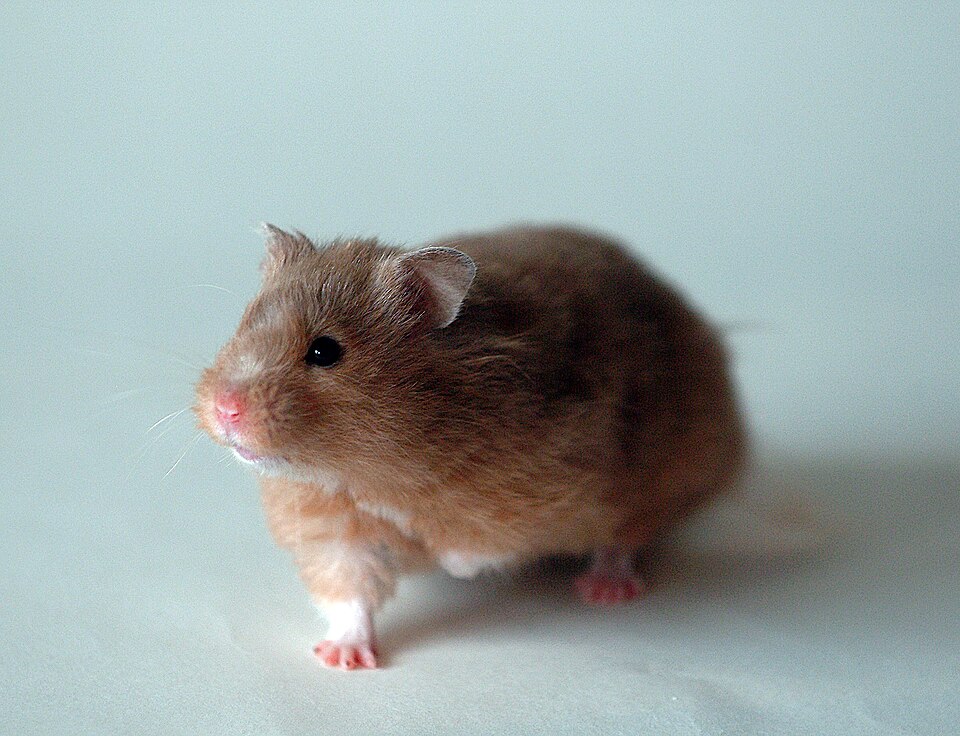
Syrian Hamster
Solitary nocturnal rodent; prioritize deep bedding and continuous floor space.
- Adult size
- 5.12–7.09 in
- Reference Lifespan
- 2–3 yr
- Environment reference
- 64.4–75.2 °F
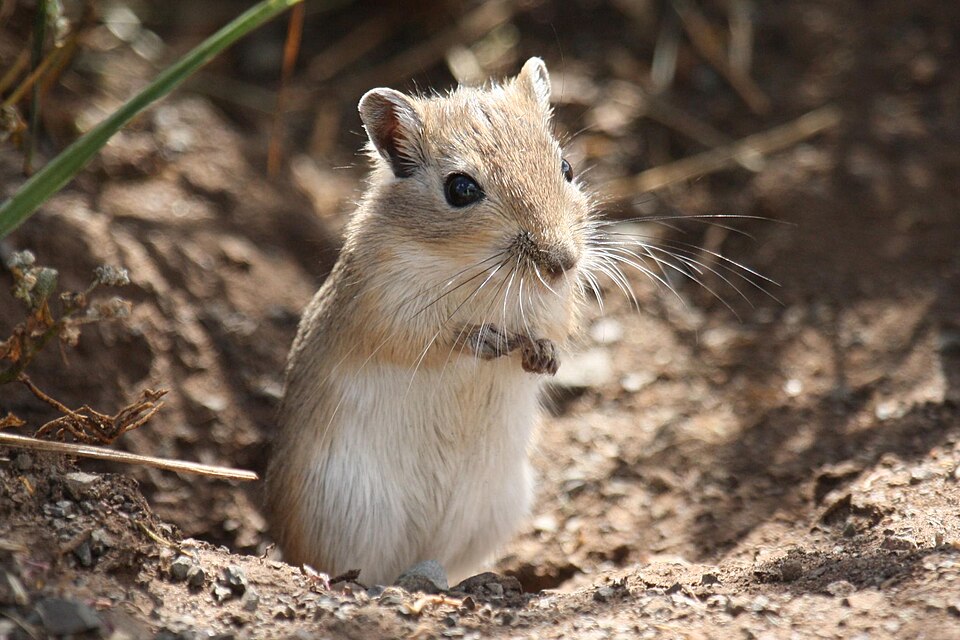
Mongolian Gerbil
Social rodents that are good at digging; require deep substrate, not just a small cage.
- Adult size
- 3.94–5.12 in
- Reference Lifespan
- 3–4 yr
- Environment reference
- 64.4–75.2 °F
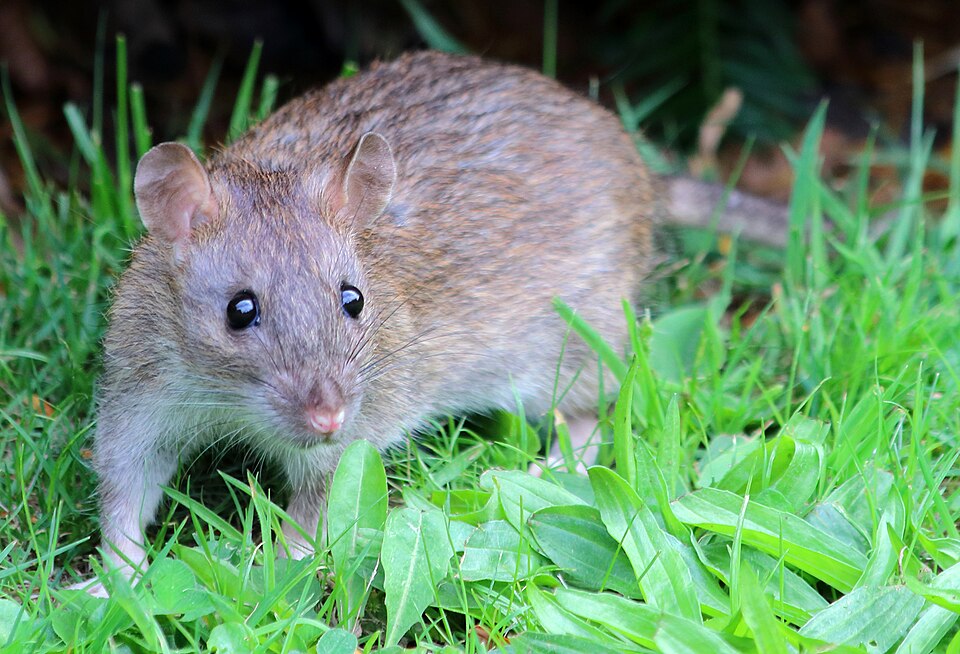
Fancy Rat
Highly social and exploratory rodents; companionship and environmental enrichment are essential.
- Adult size
- 7.87–11.02 in
- Reference Lifespan
- 2–3 yr
- Environment reference
- 64.4–75.2 °F
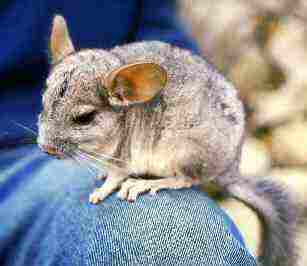
Chinchilla
Heat-sensitive high-fiber herbivore; summer cooling and long-term dental care are important.
- Adult size
- 8.66–14.96 in
- Reference Lifespan
- 10–20 yr
- Environment reference
- 60.8–69.8 °F
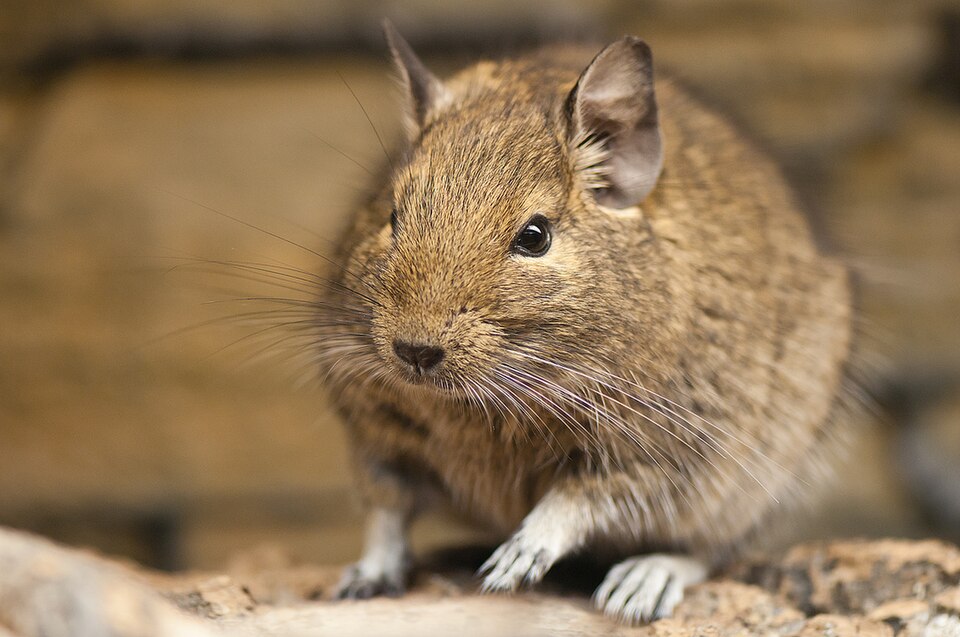
Degu
Diurnal, social rodents that require chewing, digging, and a low-sugar diet.
- Adult size
- 4.72–7.87 in
- Reference Lifespan
- 5–8 yr
- Environment reference
- 64.4–71.6 °F
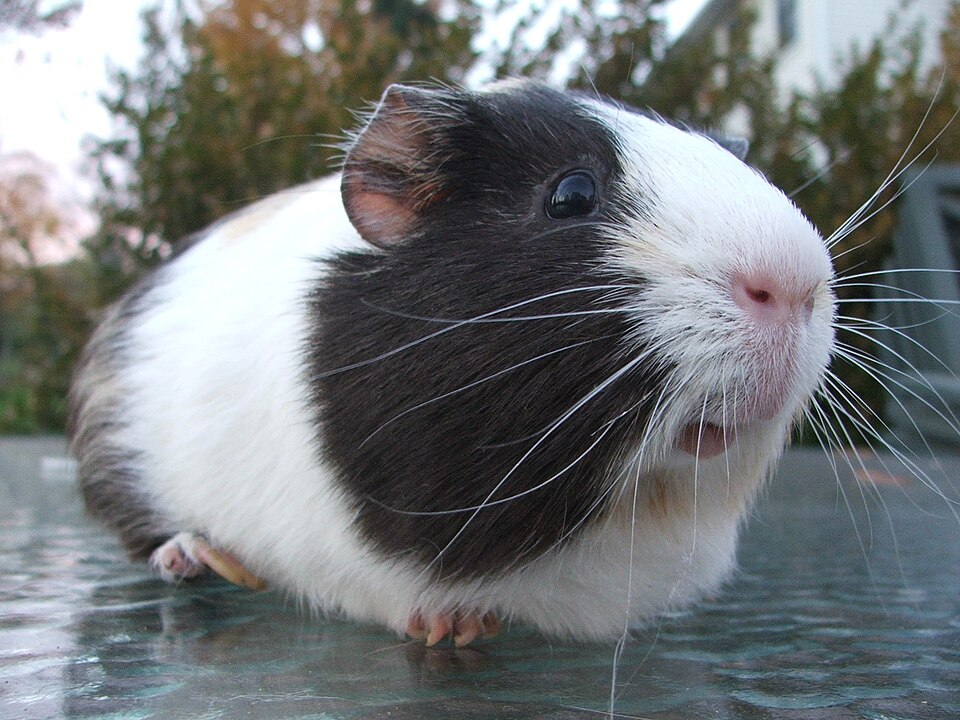
Guinea Pig
Requires companions, continuous ground, unlimited hay, and vitamin C.
- Adult size
- 7.87–11.81 in
- Reference Lifespan
- 4–8 yr
- Environment reference
- 64.4–75.2 °F
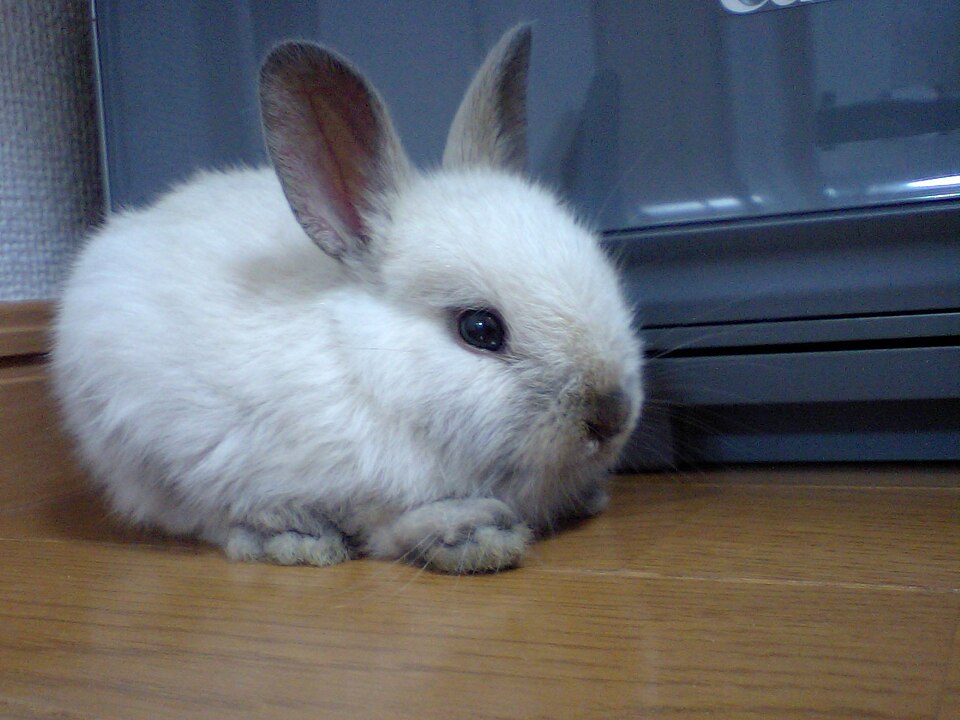
Dwarf Rabbit
Rabbits are not small-cage animals; they require large exercise areas, hay, neutering, and long-term veterinary budgets.
- Adult size
- 9.84–15.75 in
- Reference Lifespan
- 8–12 yr
- Environment reference
- 59–71.6 °F
African Pygmy Hedgehog
Nocturnal, capable of rolling into a spiny ball and running; observation-type small mammal; temperature, exercise, and exotic animal veterinary care are critical.
- Adult size
- 5.91–9.84 in
- Reference Lifespan
- 3–6 yr
- Environment reference
- 71.6–80.6 °F
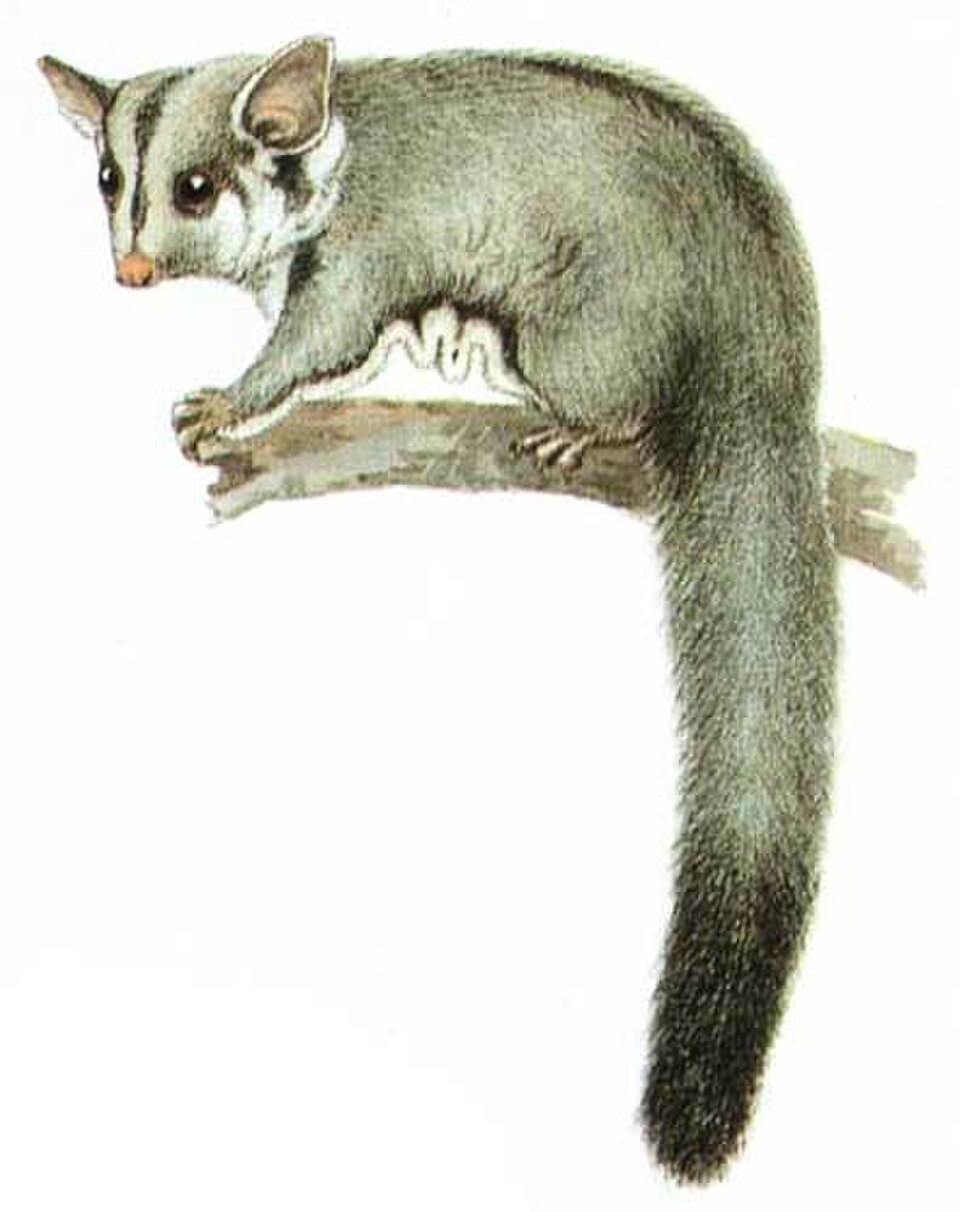
Sugar Glider
Highly social, nocturnal, and long-lived arboreal marsupials; not suitable for understanding as small-cage pets.
- Adult size
- 4.72–5.91 in
- Reference Lifespan
- 10–15 yr
- Environment reference
- 68–82.4 °F
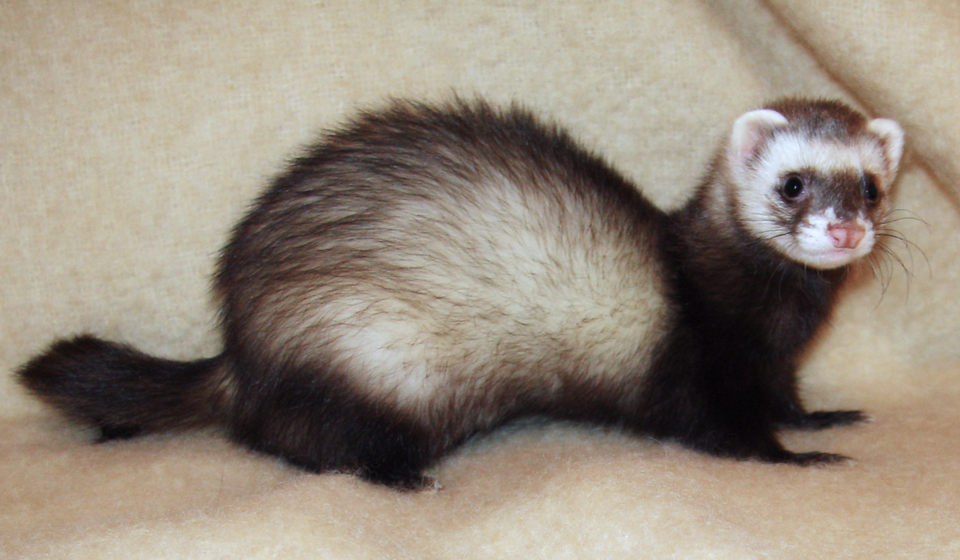
Ferret
Highly active, high-exploration, and high-odor small carnivores; require daily outdoor time and escape-proof modification.
- Adult size
- 13.78–19.69 in
- Reference Lifespan
- 6–10 yr
- Environment reference
- 59–75.2 °F
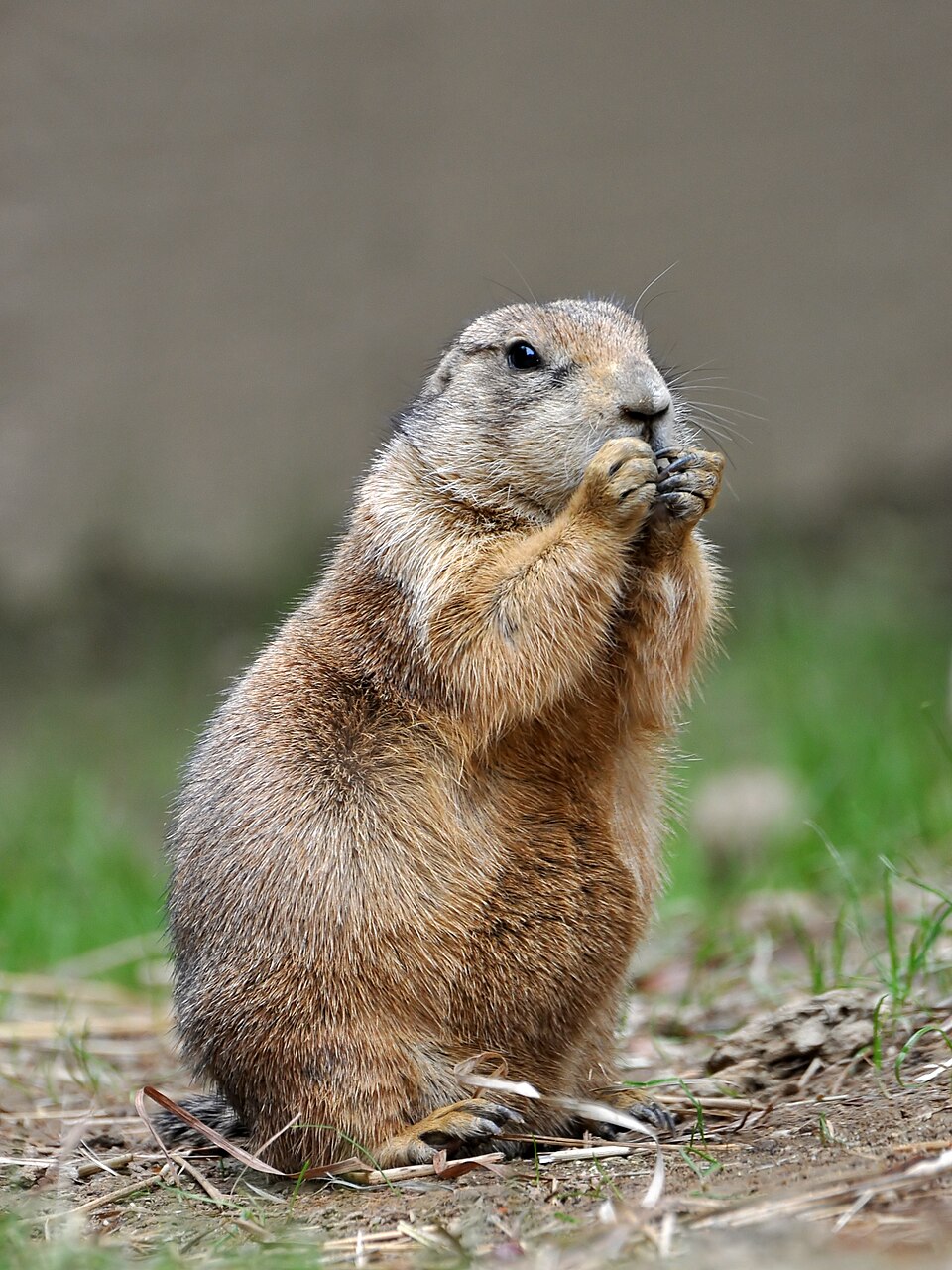
Black Tailed Prairie Dog
Highly social and active; indoor space, chew-proofing, and veterinary resources are heavily required.
- Adult size
- 11.81–15.75 in
- Reference Lifespan
- 8–12 yr
- Environment reference
- 64.4–78.8 °F
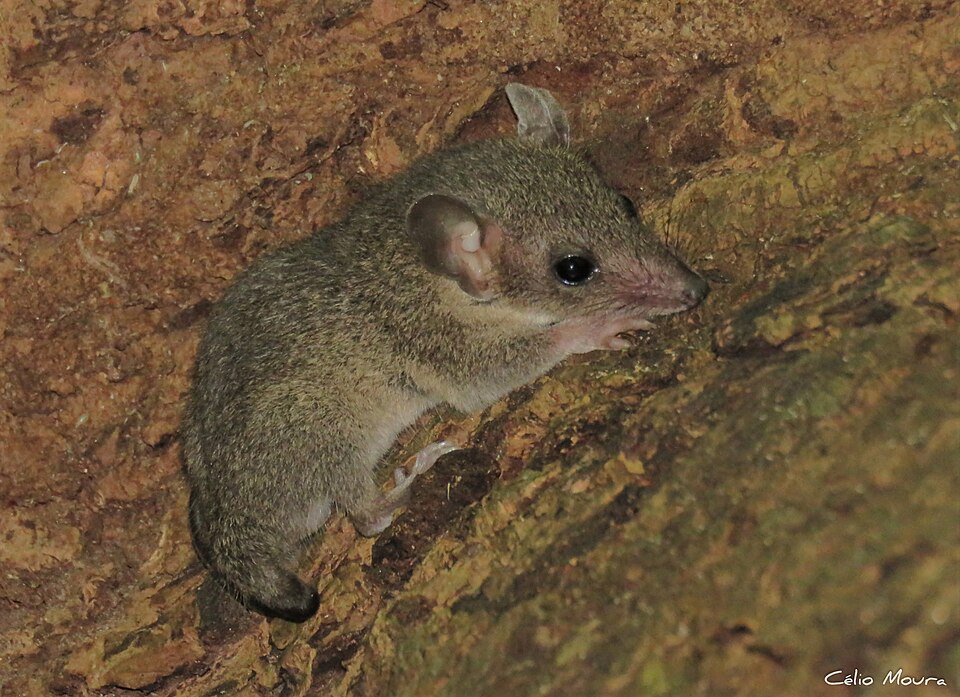
Gray Short Tailed Opossum
Nocturnal, solitary small marsupial; scent, interaction rhythm, and medical care must be arranged in advance.
- Adult size
- 4.72–7.09 in
- Reference Lifespan
- 3–5 yr
- Environment reference
- 71.6–82.4 °F
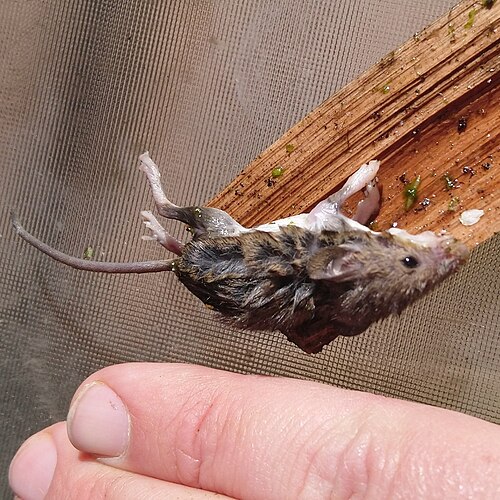
African Pygmy Mouse
Extremely small in size and fast-breeding, requiring careful management of escape-proof mesh, group numbers, and nocturnal activity.
- Adult size
- 1.97–3.15 in
- Reference Lifespan
- 1–2 yr
- Environment reference
- 68–78.8 °F
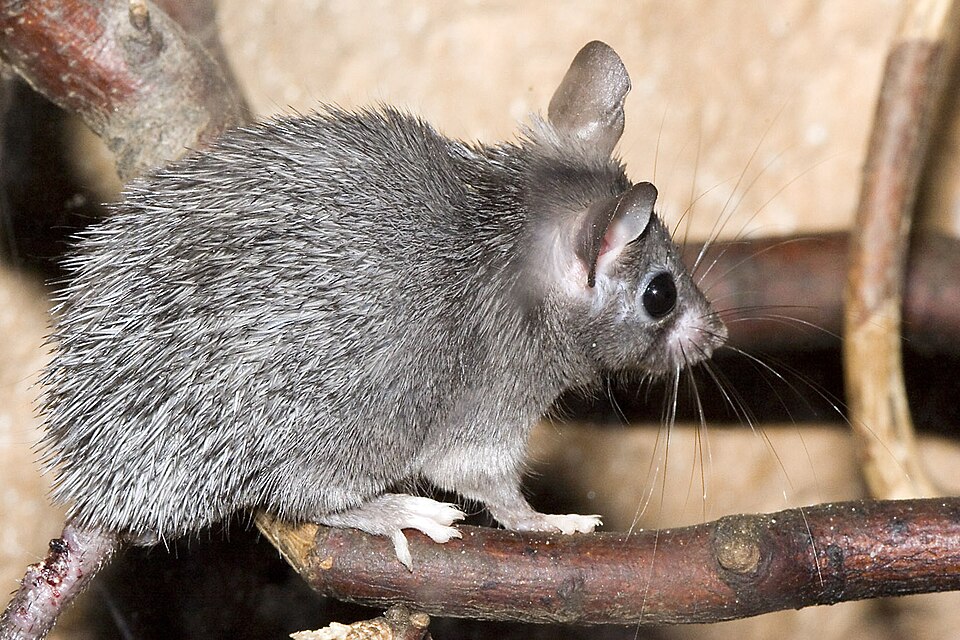
Spiny Mouse
Skin and social dynamics differ from the common house mouse; escape prevention, sand bathing, and low-fat diets must be planned together.
- Adult size
- 3.15–5.12 in
- Reference Lifespan
- 4–7 yr
- Environment reference
- 68–82.4 °F
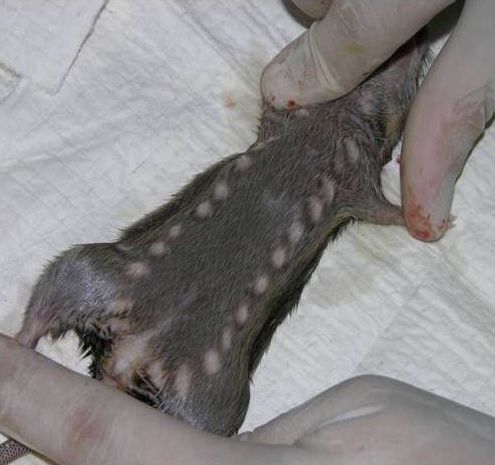
African Soft Furred Rat
Social, active, and fast-breeding; housing space, scent, and isolation cages must be prepared before acquisition.
- Adult size
- 4.72–7.09 in
- Reference Lifespan
- 2–4 yr
- Environment reference
- 68–80.6 °F
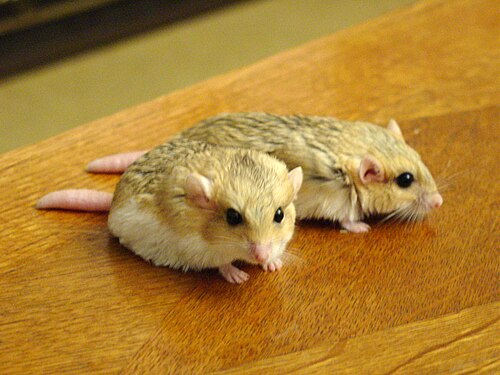
Fat Tailed Gerbil
Tail fat storage and nocturnal activity are key traits; deep bedding, low-sugar diets, and escape prevention are most critical.
- Adult size
- 3.94–5.12 in
- Reference Lifespan
- 4–7 yr
- Environment reference
- 68–82.4 °F
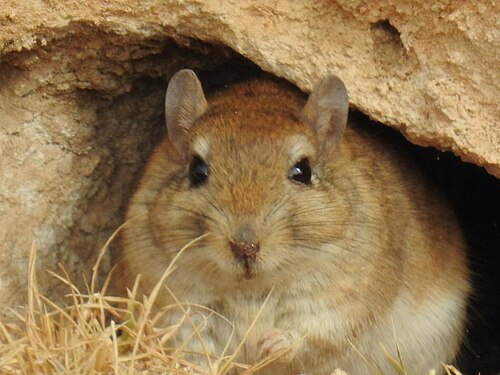
Shaws Jird
Excavators, nocturnal, and prone to biting; deep bedding, chew-proof fencing, and social dynamics must be arranged first.
- Adult size
- 4.72–7.09 in
- Reference Lifespan
- 3–6 yr
- Environment reference
- 68–82.4 °F
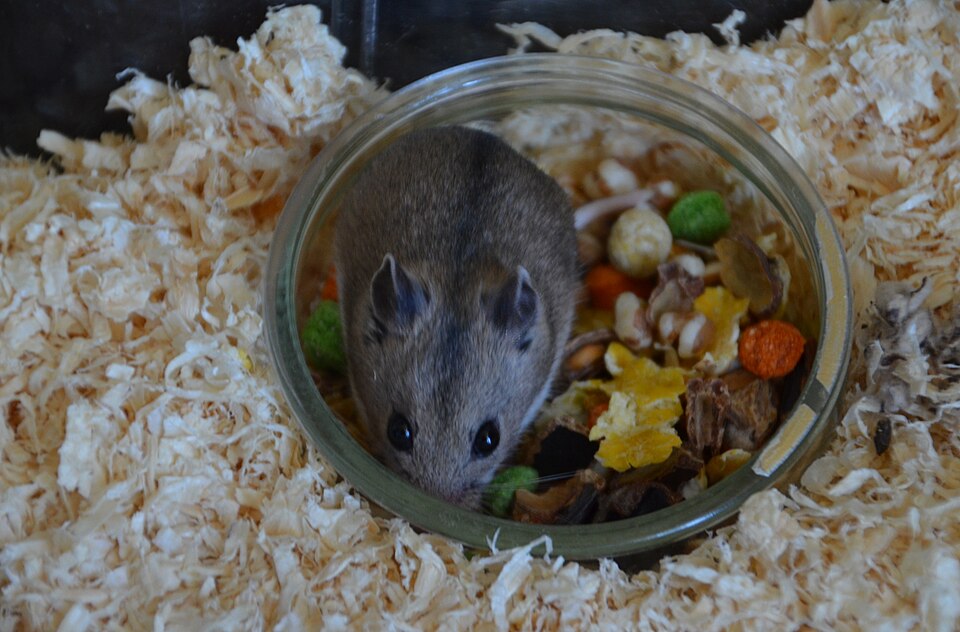
Chinese Hamster
Slender body and strong climbing ability; cage gaps, escape prevention, and single-housing boundaries cannot be simplified based on common hamster experience.
- Adult size
- 3.54–4.72 in
- Reference Lifespan
- 2–4 yr
- Environment reference
- 64.4–77 °F
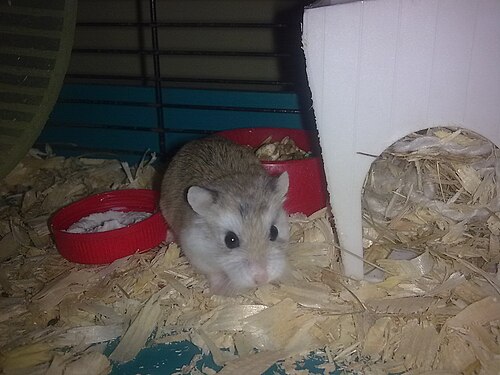
Roborovski Hamster
Small body size, fast, and not necessarily handling-friendly; prioritize wheels, deep bedding, and escape-proofing.
- Adult size
- 1.97–3.15 in
- Reference Lifespan
- 2–4 yr
- Environment reference
- 64.4–77 °F
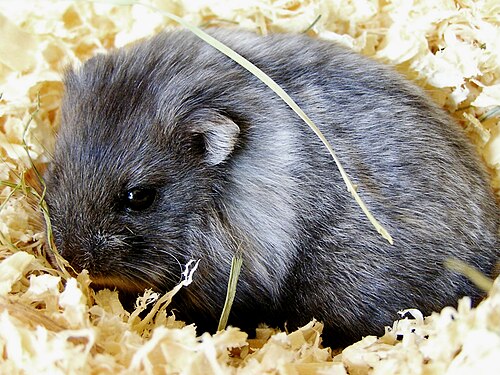
Campbell Dwarf Hamster
Requires deep bedding, stable routine, and controlled-sugar diet; co-housing cannot be assumed safe.
- Adult size
- 3.15–4.33 in
- Reference Lifespan
- 2–3 yr
- Environment reference
- 64.4–77 °F
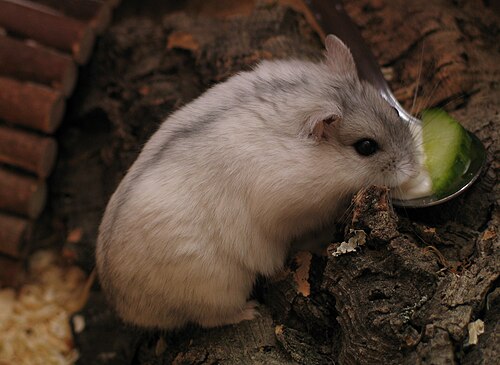
Winter White Hamster
Small body size but requires full running space; lighting, temperature, and co-housing conflicts must be considered in advance.
- Adult size
- 3.15–4.33 in
- Reference Lifespan
- 2–3 yr
- Environment reference
- 64.4–77 °F
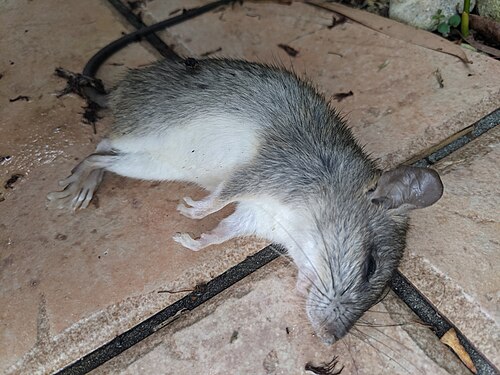
Common Mouse
Fast breeding, strong odor, and good at squeezing into crevices; gender segregation, bedding, and escape-proofing must be implemented simultaneously.
- Adult size
- 2.76–3.94 in
- Reference Lifespan
- 1–3 yr
- Environment reference
- 64.4–78.8 °F
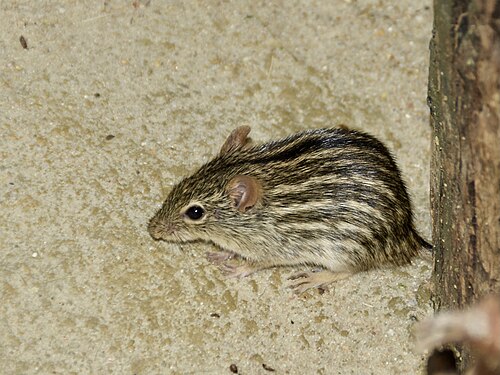
African Striped Mouse
Active, agile, and not necessarily suitable for frequent handling; requires long cages, group observation, and escape-proofing.
- Adult size
- 3.94–5.51 in
- Reference Lifespan
- 2–4 yr
- Environment reference
- 64.4–78.8 °F
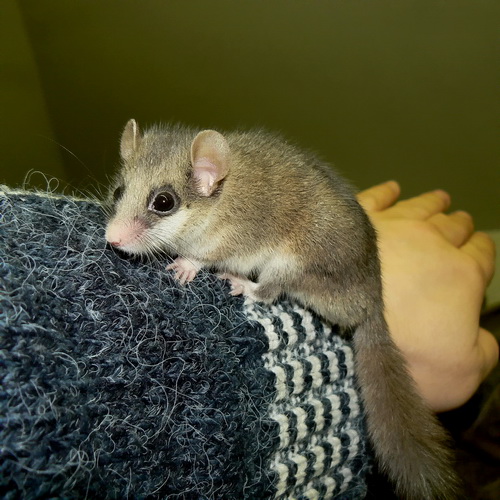
African Dormouse
Nocturnal, good at climbing, and requires hidden nest boxes; escape risk and stable nighttime care must be assessed first.
- Adult size
- 3.15–4.72 in
- Reference Lifespan
- 3–6 yr
- Environment reference
- 64.4–78.8 °F
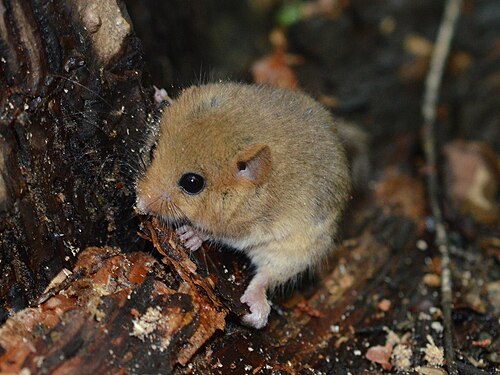
Hazel Dormouse
Protection and sourcing are heavily restricted; nocturnal activity, hibernation, and climbing space must be permitted by local regulations before considering ownership.
- Adult size
- 2.36–3.54 in
- Reference Lifespan
- 3–6 yr
- Environment reference
- 60.8–75.2 °F
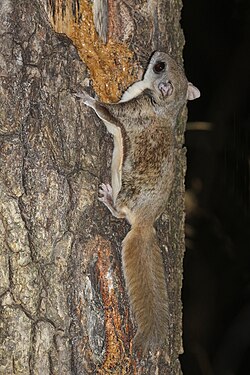
Southern Flying Squirrel
Requires continuous vertical space and a night activity zone; ventilation, escape prevention, and exotic vet care are all difficult.
- Adult size
- 7.87–11.81 in
- Reference Lifespan
- 5–8 yr
- Environment reference
- 64.4–77 °F
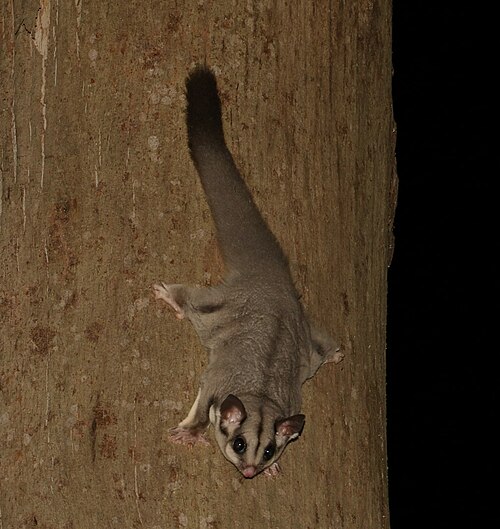
Squirrel Glider
Nocturnal, social, and requires a large-volume enclosure; diet, odor, and long-term companionship cannot be underestimated.
- Adult size
- 7.87–11.81 in
- Reference Lifespan
- 8–12 yr
- Environment reference
- 64.4–78.8 °F
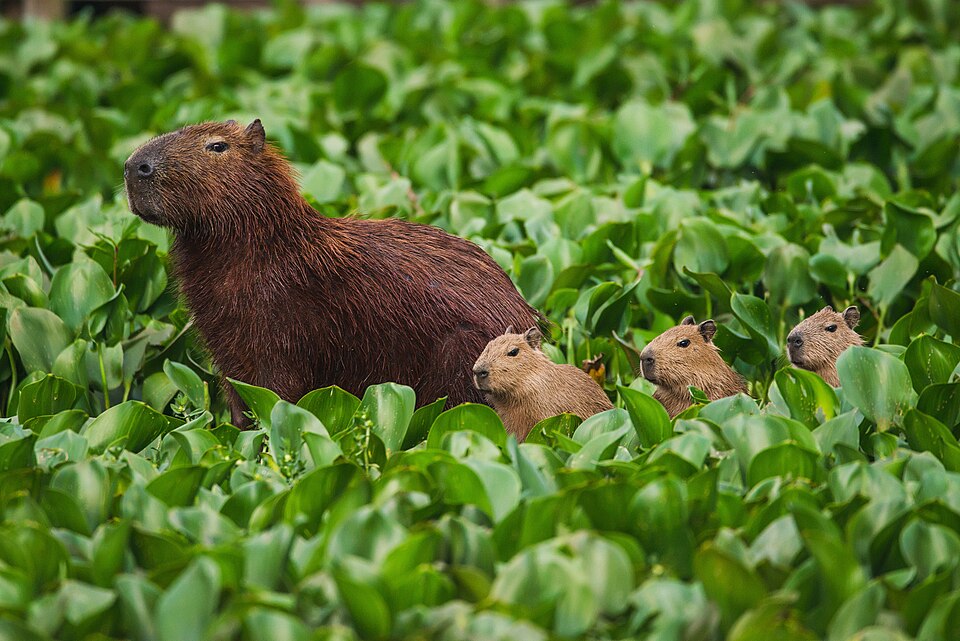
Capybara
Social, large-bodied, and water-dependent; household environments almost always face space, hygiene, and regulatory barriers.
- Adult size
- 35.43–51.18 in
- Reference Lifespan
- 8–12 yr
- Environment reference
- 68–86 °F
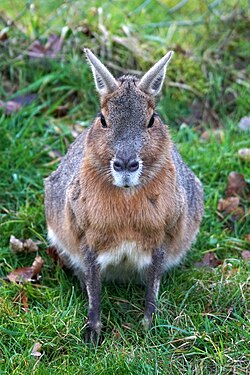
Patagonian Mara
High running distance, gnawing, and social needs; indoor housing requires pen-level space.
- Adult size
- 25.59–31.5 in
- Reference Lifespan
- 10–15 yr
- Environment reference
- 59–77 °F
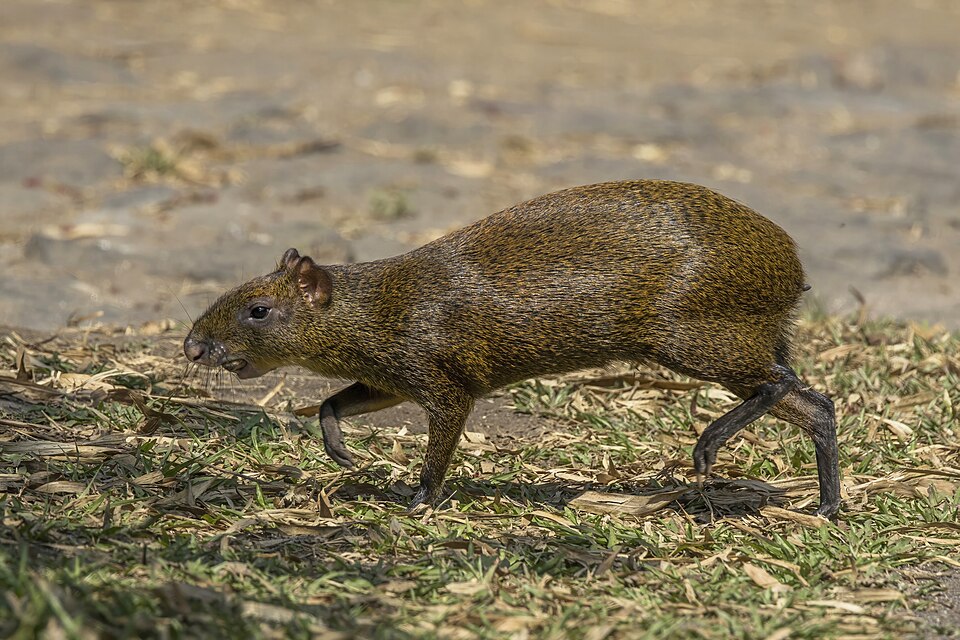
Agouti
High activity, gnawing, and territoriality; requires durable fencing, environmental enrichment, and stable social arrangements.
- Adult size
- 15.75–23.62 in
- Reference Lifespan
- 10–15 yr
- Environment reference
- 71.6–86 °F
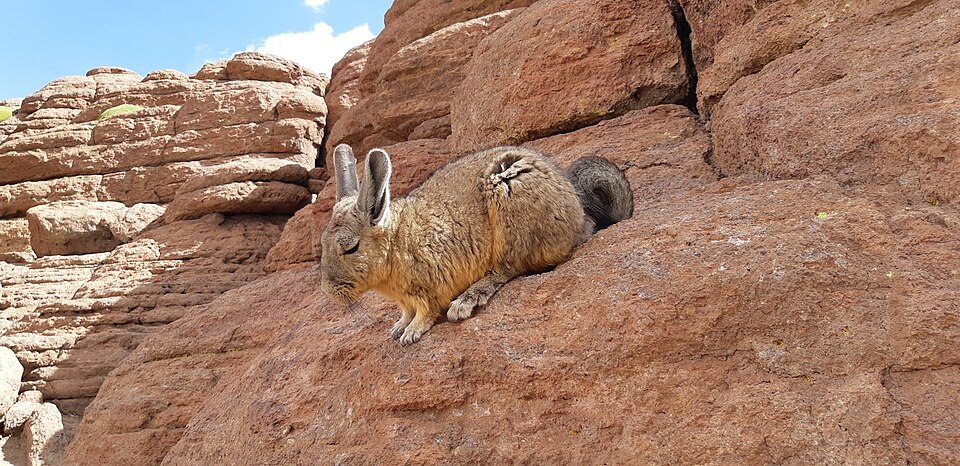
Mountain Viscacha
Cooler, good at jumping, and requires rock shelves; summer cooling and high-fiber diets are the main challenges.
- Adult size
- 11.81–17.72 in
- Reference Lifespan
- 8–12 yr
- Environment reference
- 53.6–75.2 °F
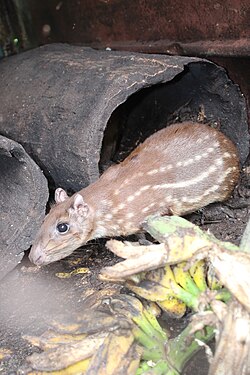
Lowland Paca
Nocturnal, large body size, and requires water and deep hides; standard pet cages cannot meet long-term needs.
- Adult size
- 23.62–35.43 in
- Reference Lifespan
- 10–15 yr
- Environment reference
- 71.6–86 °F
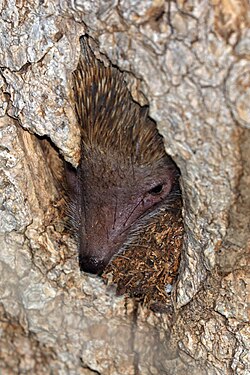
African Pygmy Tenrec
Nocturnal, seasonal hibernation, and diet differ from common hedgehogs; temperature fluctuations and exotics veterinary care must be verified first.
- Adult size
- 5.12–7.09 in
- Reference Lifespan
- 4–8 yr
- Environment reference
- 71.6–86 °F
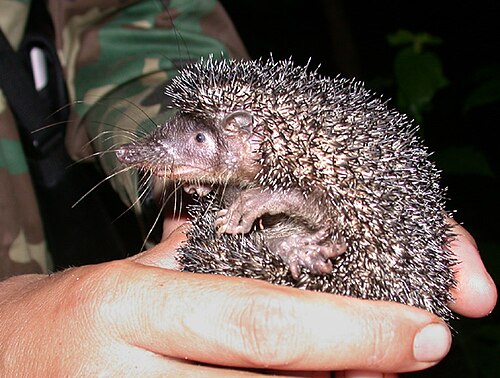
Greater Hedgehog Tenrec
Body size and spiny defense exceed those of common small hedgehogs; nocturnal activity, diet, and medical resources require attention.
- Adult size
- 7.09–9.84 in
- Reference Lifespan
- 4–8 yr
- Environment reference
- 71.6–86 °F
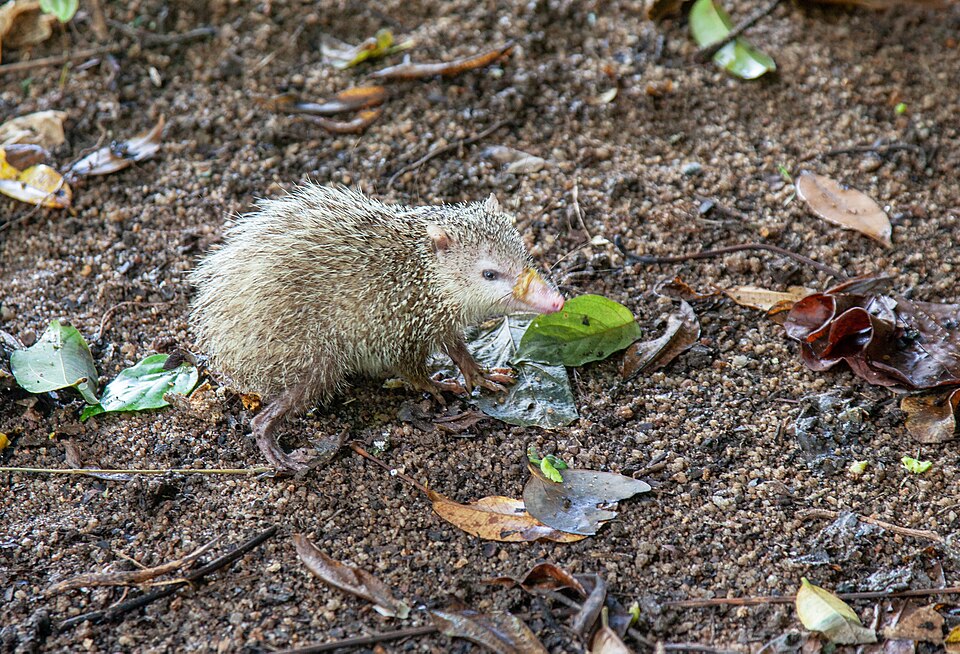
Common Tenrec
Body size, spiny defense, and seasonal hibernation make care complex; sources and specialist veterinarians must be verified first.
- Adult size
- 9.84–15.75 in
- Reference Lifespan
- 4–8 yr
- Environment reference
- 71.6–86 °F
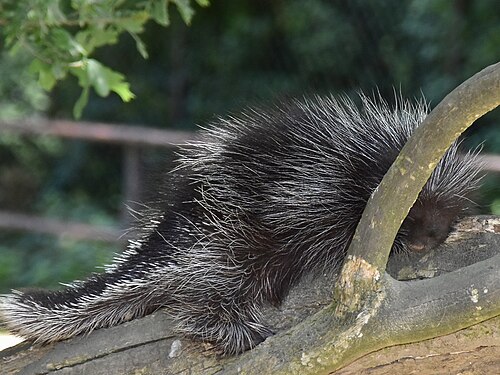
North American Porcupine
Strong spiny defense, gnawing, and climbing abilities; require outdoor-grade enclosures and professional medical support.
- Adult size
- 23.62–39.37 in
- Reference Lifespan
- 10–15 yr
- Environment reference
- 59–77 °F
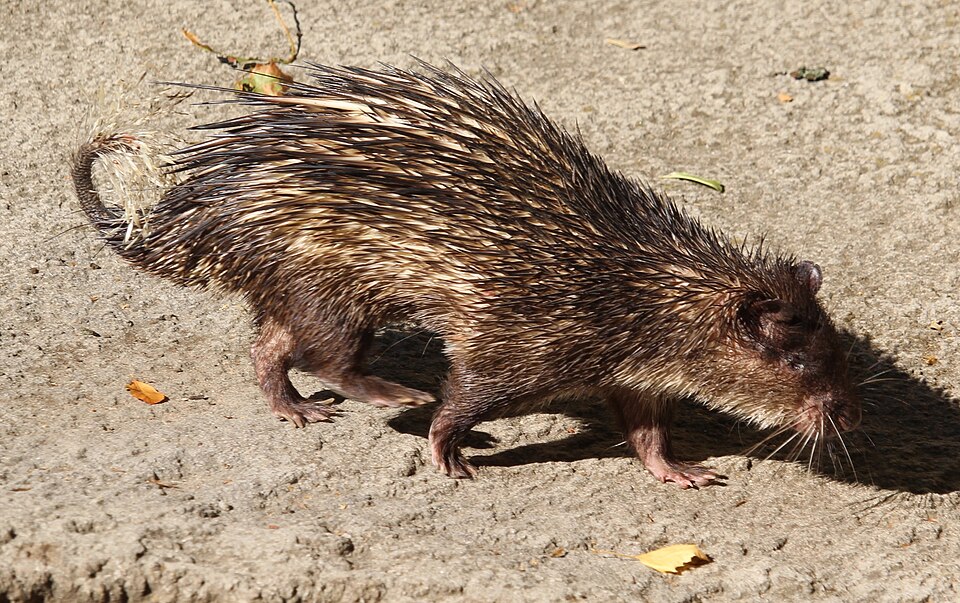
African Brush Tailed Porcupine
Nocturnal habits, gnawing, and spiny defense result in high maintenance costs; ordinary households are not suitable as a starting exotic pet.
- Adult size
- 13.78–23.62 in
- Reference Lifespan
- 8–15 yr
- Environment reference
- 68–82.4 °F
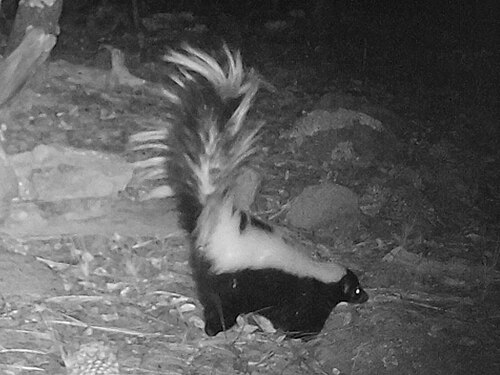
Striped Skunk
Scent glands, digging, and regulations are hard barriers; they cannot be kept as ordinary small mammals.
- Adult size
- 15.75–27.56 in
- Reference Lifespan
- 5–10 yr
- Environment reference
- 64.4–78.8 °F
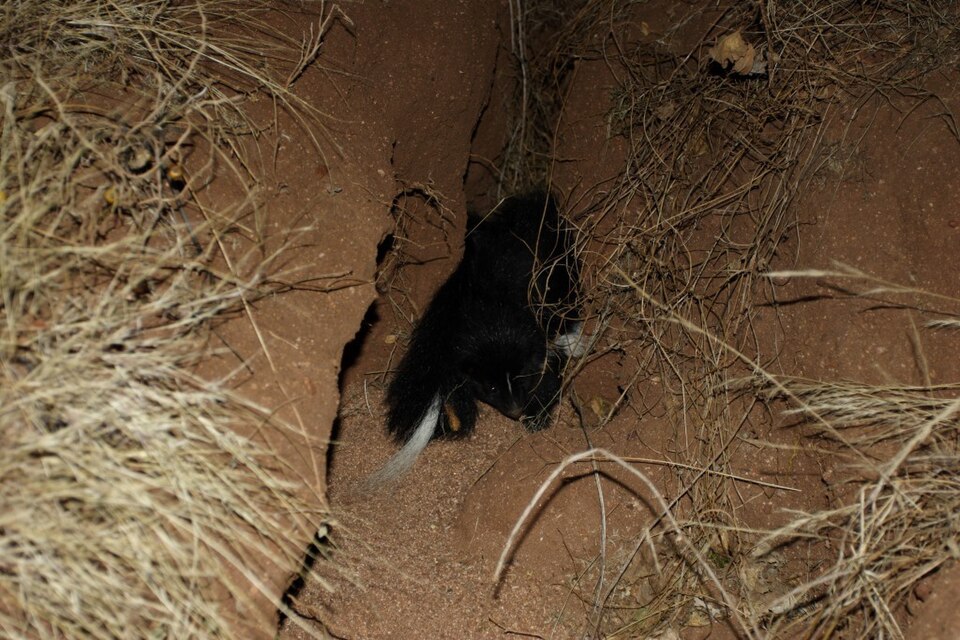
Hooded Skunk
Scent, nocturnal activity, and defensive behavior require specialized housing and regulatory review; interaction cannot be judged solely by domestication level.
- Adult size
- 13.78–23.62 in
- Reference Lifespan
- 5–10 yr
- Environment reference
- 68–86 °F
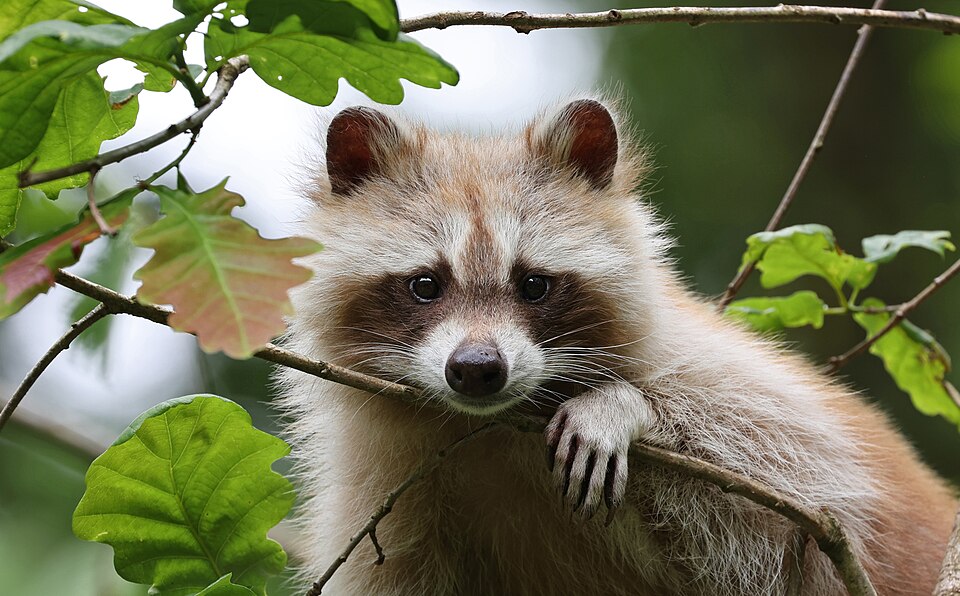
Raccoon
Intelligent, curious, capable of unlocking, and highly destructive; long-term care requires specialized enclosures and veterinary resources.
- Adult size
- 15.75–27.56 in
- Reference Lifespan
- 10–16 yr
- Environment reference
- 64.4–82.4 °F
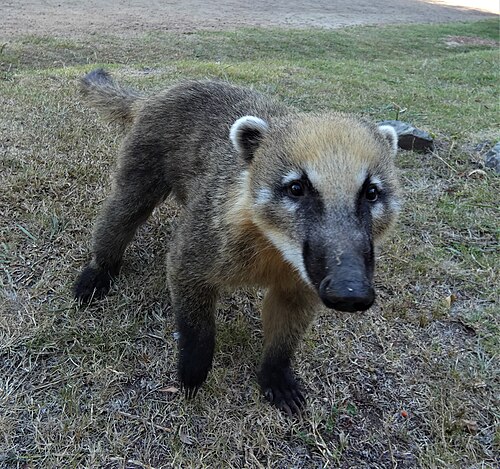
Coati
High social, climbing, and foraging needs make it difficult for a home environment to simultaneously ensure safety and enrichment.
- Adult size
- 15.75–27.56 in
- Reference Lifespan
- 10–15 yr
- Environment reference
- 71.6–86 °F
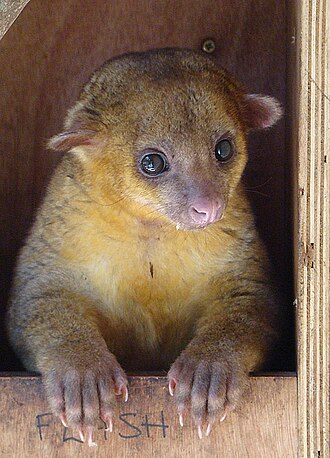
Kinkajou
Nocturnal, long-lived, and with bite risk; requires large vertical space, consistent companionship, and exotic veterinary care.
- Adult size
- 15.75–23.62 in
- Reference Lifespan
- 20–25 yr
- Environment reference
- 71.6–86 °F
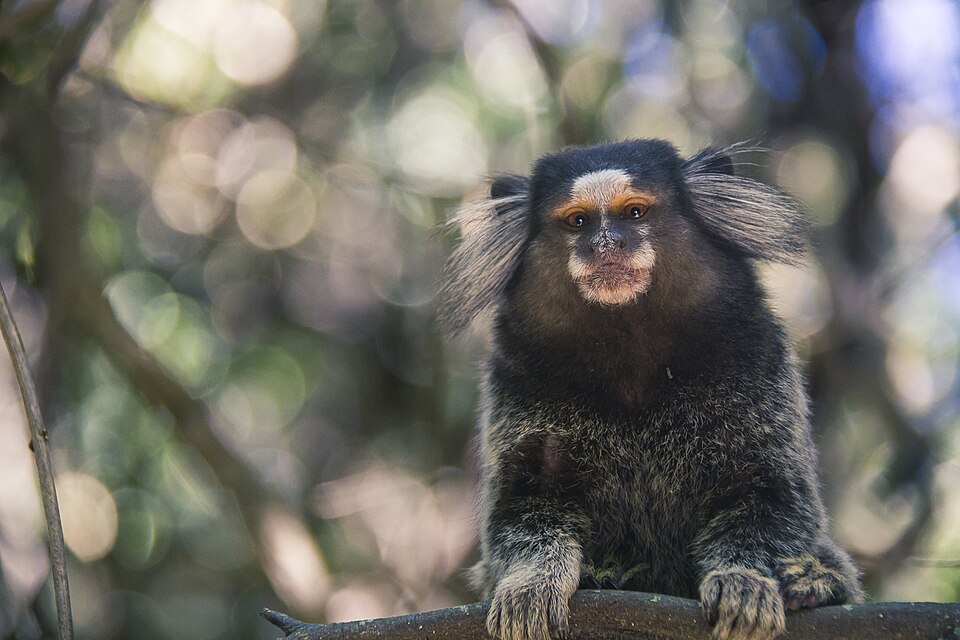
Common Marmoset
Highly social, long-lived, and requiring primate medical care; completely unsuitable as an ordinary household pet.
- Adult size
- 7.09–9.84 in
- Reference Lifespan
- 12–16 yr
- Environment reference
- 71.6–86 °F
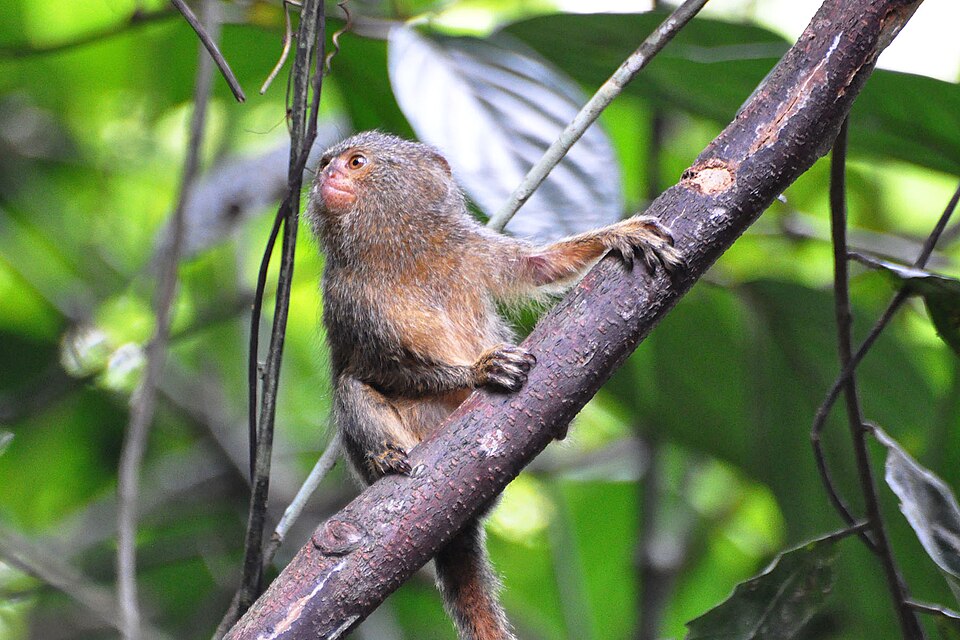
Pygmy Marmoset
Small size does not mean easy care; social needs, arboreal space, diet, and regulatory thresholds are all very high.
- Adult size
- 4.72–6.3 in
- Reference Lifespan
- 12–16 yr
- Environment reference
- 71.6–86 °F
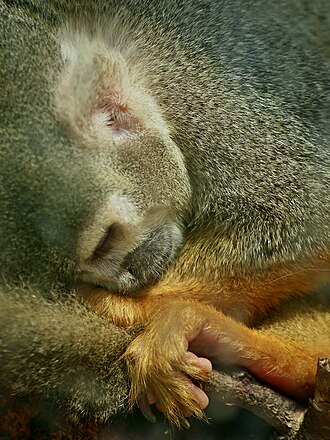
Squirrel Monkey
Social, active, and requiring primate-specialist care; standard cages and single-animal interaction are insufficient.
- Adult size
- 9.84–13.78 in
- Reference Lifespan
- 15–25 yr
- Environment reference
- 71.6–86 °F
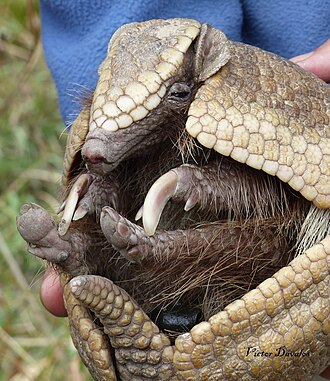
Southern Three Banded Armadillo
Requires digging, activity, and a low-stress environment; source, diet, and specialist veterinary care must be confirmed first.
- Adult size
- 11.81–15.75 in
- Reference Lifespan
- 15–20 yr
- Environment reference
- 71.6–86 °F
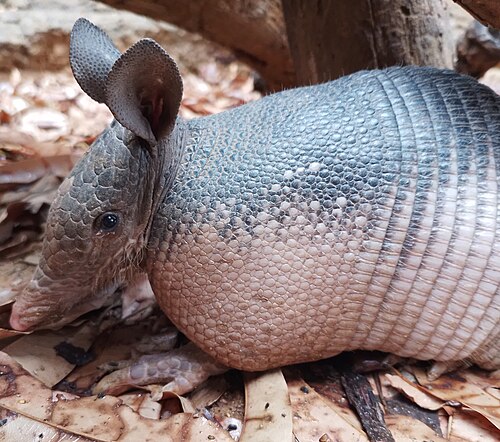
Nine Banded Armadillo
Nocturnal, burrowing, and requiring deep substrate; indoor space, hygiene, and regulatory restrictions are all significant.
- Adult size
- 13.78–23.62 in
- Reference Lifespan
- 10–15 yr
- Environment reference
- 71.6–86 °F
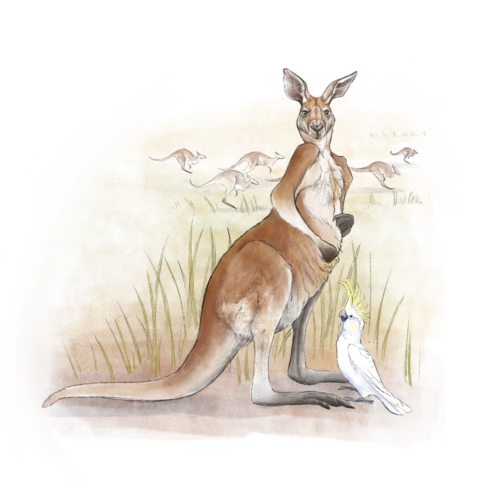
Red Kangaroo
Size and jumping ability dictate that it requires paddock-level space; standard residential housing cannot provide safe activity distances.
- Adult size
- 39.37–62.99 in
- Reference Lifespan
- 12–20 yr
- Environment reference
- 59–86 °F
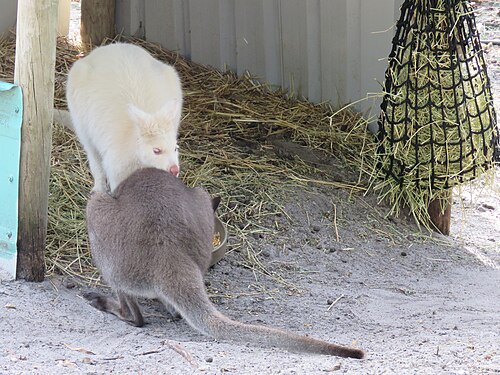
Bennets Wallaby
Requires large grassy areas, jump-proof fencing, and conspecific socialization; urban households struggle to meet long-term activity needs.
- Adult size
- 27.56–39.37 in
- Reference Lifespan
- 10–15 yr
- Environment reference
- 53.6–78.8 °F
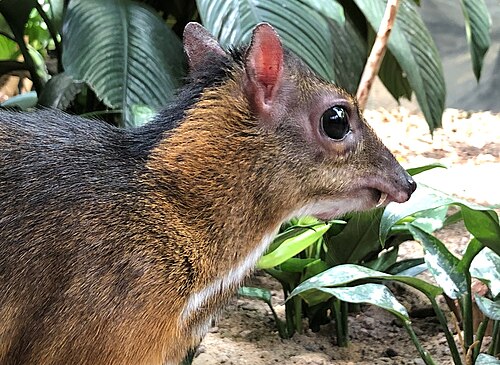
Mouse Deer
Timid, nocturnal, and forest-dependent; sourcing and professional veterinary care are more critical than interaction expectations.
- Adult size
- 15.75–21.65 in
- Reference Lifespan
- 10–15 yr
- Environment reference
- 71.6–86 °F
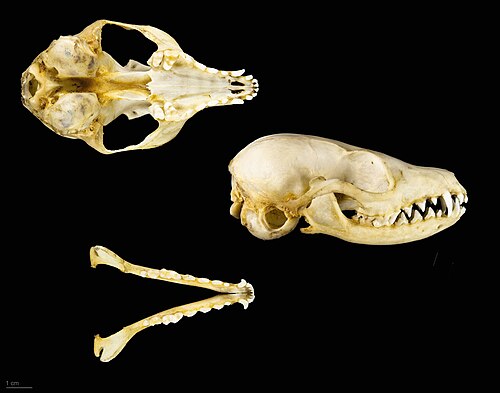
Fennec Fox
Nocturnal, burrowing, with loud vocalizations and strong odor; requires specialized housing and local regulatory permits.
- Adult size
- 9.84–15.75 in
- Reference Lifespan
- 10–14 yr
- Environment reference
- 68–89.6 °F
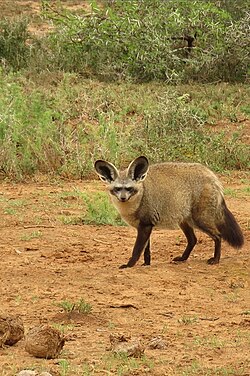
Bat Eared Fox
Requires running, burrowing, and nocturnal activity space; husbandry costs and regulatory thresholds far exceed those of typical small mammals.
- Adult size
- 17.72–25.59 in
- Reference Lifespan
- 8–12 yr
- Environment reference
- 64.4–86 °F
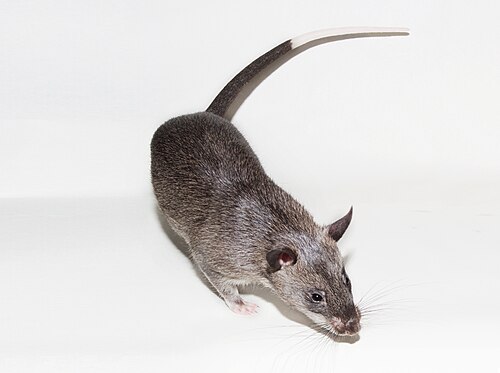
Gambian Pouched Rat
Large body size, strong biting, and social enrichment needs; housing, odor management, and veterinary care must be established first.
- Adult size
- 13.78–19.69 in
- Reference Lifespan
- 5–8 yr
- Environment reference
- 68–82.4 °F
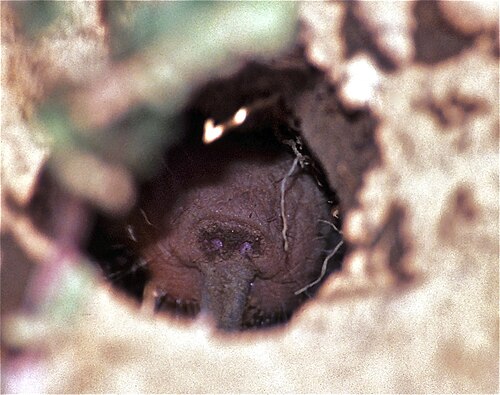
Naked Mole Rat
Highly social, subterranean, with specialized temperature requirements; ordinary households cannot replicate group environments.
- Adult size
- 3.15–4.72 in
- Reference Lifespan
- 10–25 yr
- Environment reference
- 82.4–89.6 °F
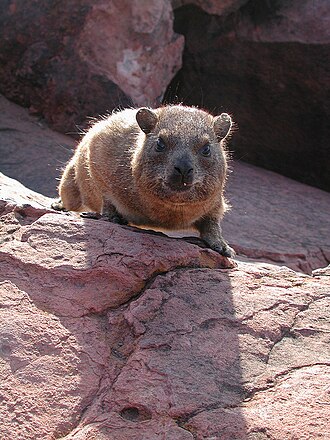
Rock Hyrax
Exhibits strong social, climbing, and territorial behaviors; requires rock-wall style enclosures and specialized veterinary care; unsuitable for home keeping.
- Adult size
- 15.75–23.62 in
- Reference Lifespan
- 8–12 yr
- Environment reference
- 64.4–86 °F
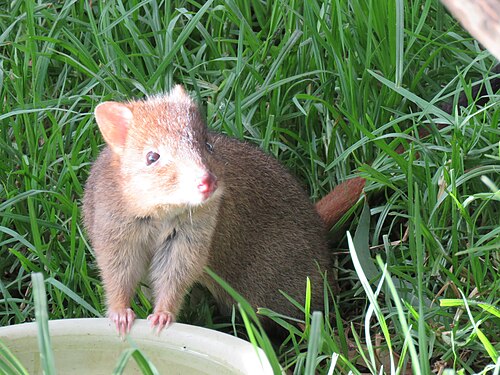
Brush Tailed Bettong
Nocturnal, arboreal, and capable of jumping; requires digging and foraging space; source and specialist veterinary resources must be verified first.
- Adult size
- 11.81–15.75 in
- Reference Lifespan
- 6–10 yr
- Environment reference
- 60.8–78.8 °F
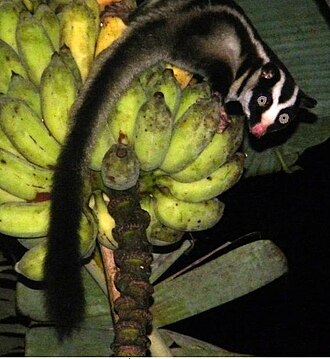
Striped Possum
Nocturnal, arboreal, and capable of biting; requires tall enclosures, environmental enrichment, and specialist veterinary care; cannot be managed like common rodents.
- Adult size
- 9.84–13.78 in
- Reference Lifespan
- 6–10 yr
- Environment reference
- 68–82.4 °F
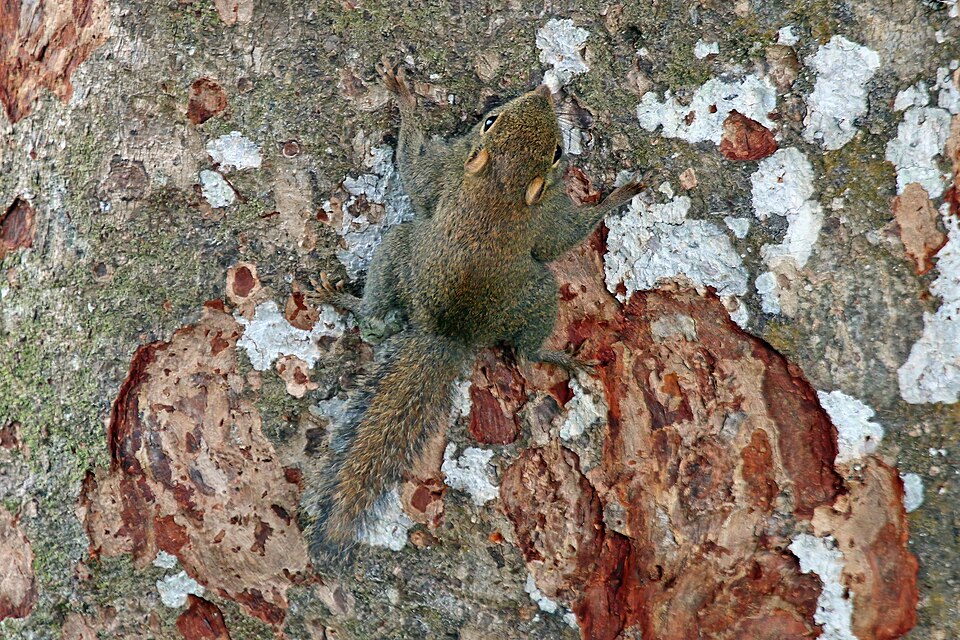
African Pygmy Squirrel
Small body size but requires tall enclosures, climbing opportunities, and continuous enrichment; source and specialist veterinary care must be verified first.
- Adult size
- 3.94–5.91 in
- Reference Lifespan
- 4–8 yr
- Environment reference
- 71.6–84.2 °F
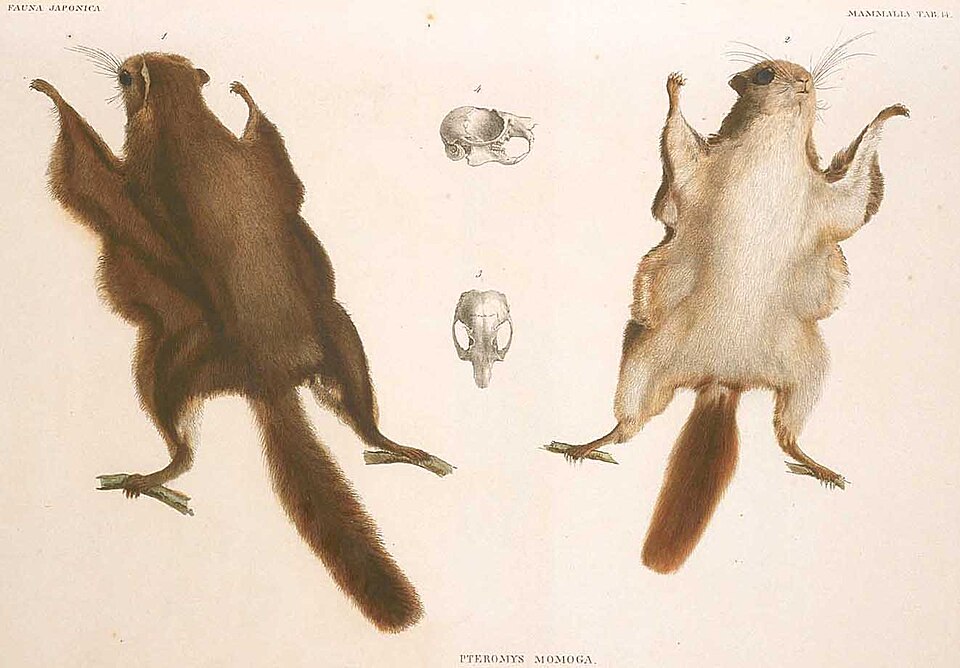
Japanese Flying Squirrel
Nocturnal, gliding, and arboreal; requires high enclosure length, escape risk assessment, and regulatory compliance evaluation.
- Adult size
- 5.51–7.87 in
- Reference Lifespan
- 5–8 yr
- Environment reference
- 60.8–77 °F
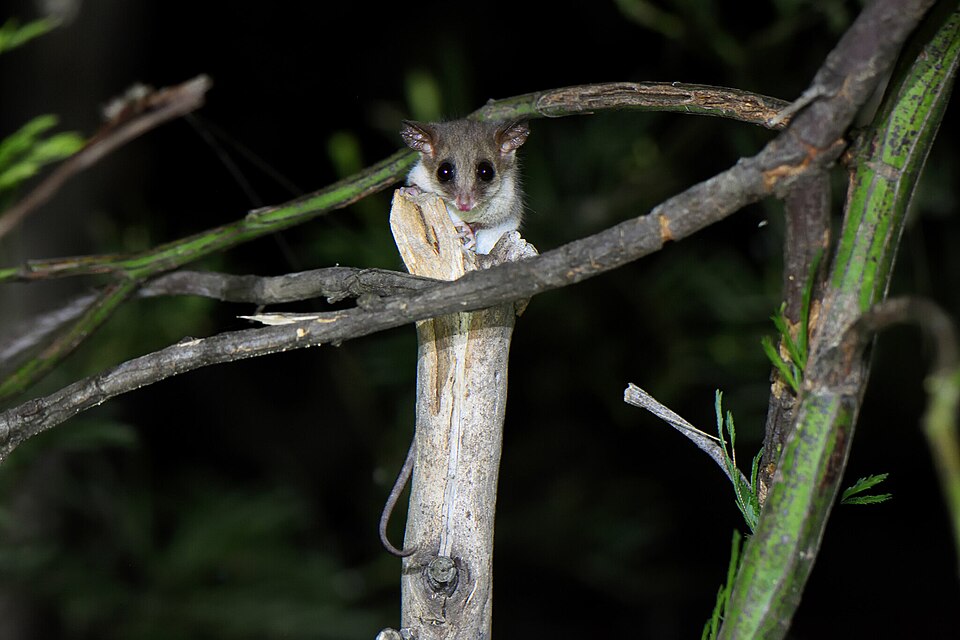
Common Pygmy Possum
Small body size, nocturnal, and requires arboreal nesting boxes; food, temperature, and veterinary resources cannot be managed like hamsters.
- Adult size
- 3.94–5.51 in
- Reference Lifespan
- 4–6 yr
- Environment reference
- 64.4–78.8 °F