Invertebrates
Spiders, insects, crustaceans, and snails have varying needs for defense, molting, or environment.
Switch Major Category
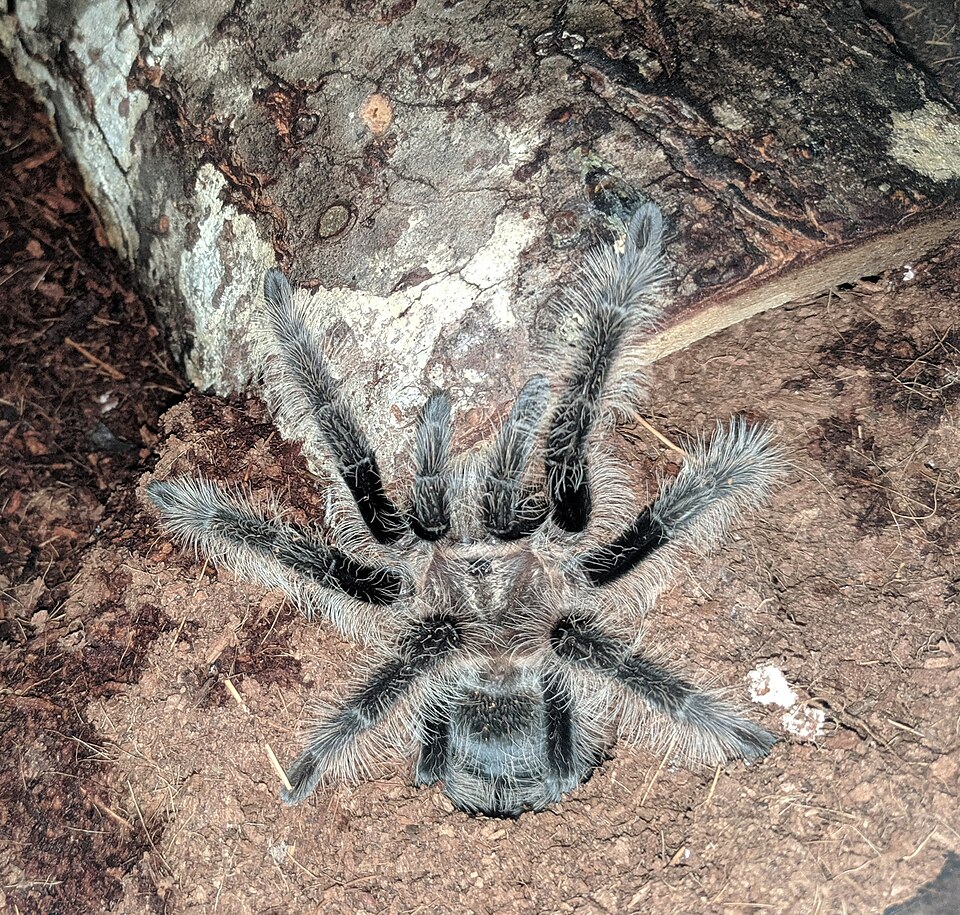
Curly Hair Tarantula
Burrowing, ground-dwelling tarantula. Lifespan range refers to females; males are significantly shorter.
- Adult size
- 4.72–5.91 in
- Reference Lifespan
- 15–20 yr
- Environment reference
- 71.6–78.8 °F
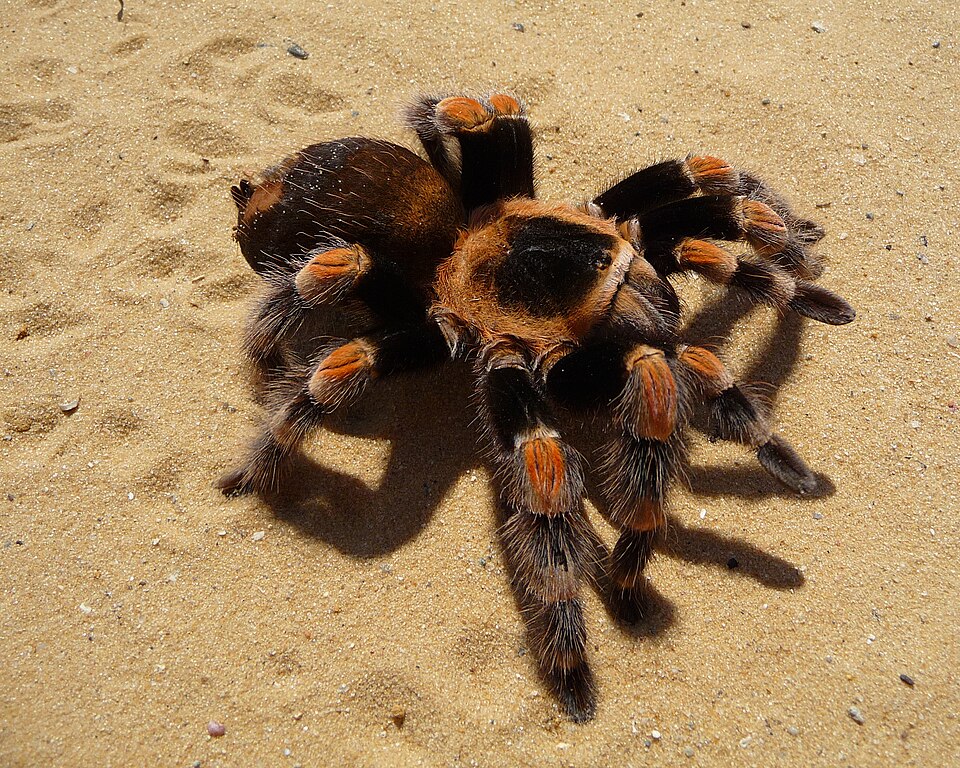
Mexican Red Knee
Slow-growing terrestrial tarantula; females can live for decades.
- Adult size
- 4.72–6.3 in
- Reference Lifespan
- 20–30 yr
- Environment reference
- 71.6–80.6 °F
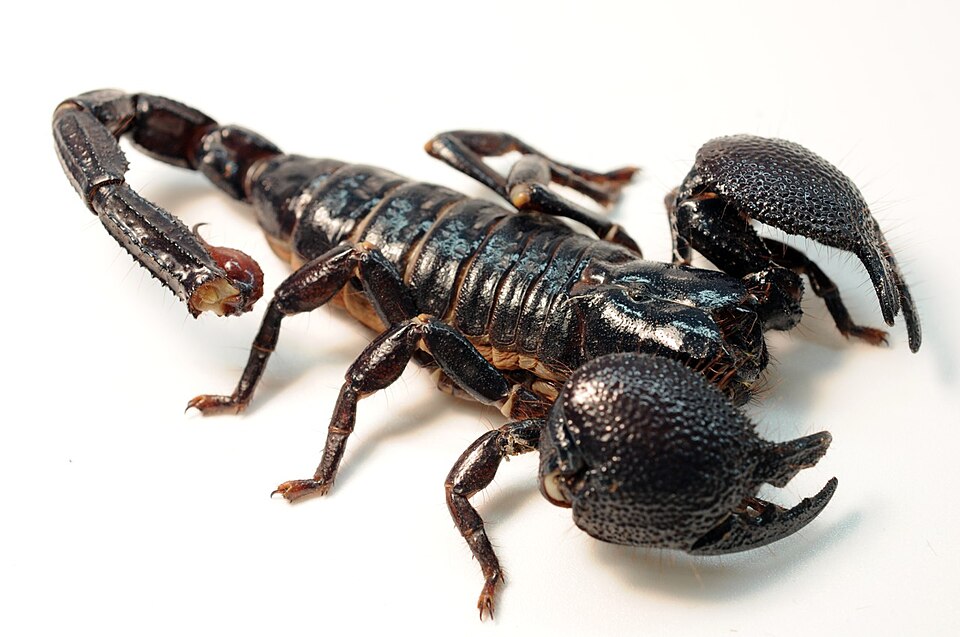
Emperor Scorpion
Nocturnal, terrestrial scorpion. Escape prevention, transfers using suitable tools and risk management are essential.
- Adult size
- 5.91–7.87 in
- Reference Lifespan
- 6–8 yr
- Environment reference
- 75.2–82.4 °F
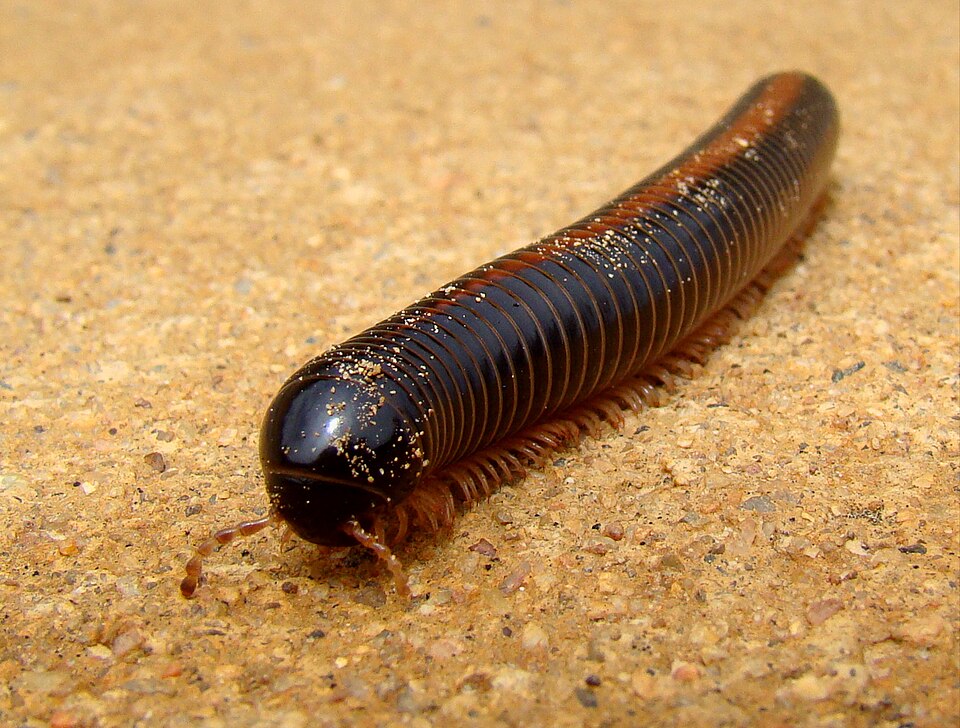
Giant Millipede
Decomposer dependent on leaf litter and rotting wood; the substrate itself serves as the primary food source.
- Adult size
- 7.87–11.81 in
- Reference Lifespan
- 5–10 yr
- Environment reference
- 71.6–78.8 °F
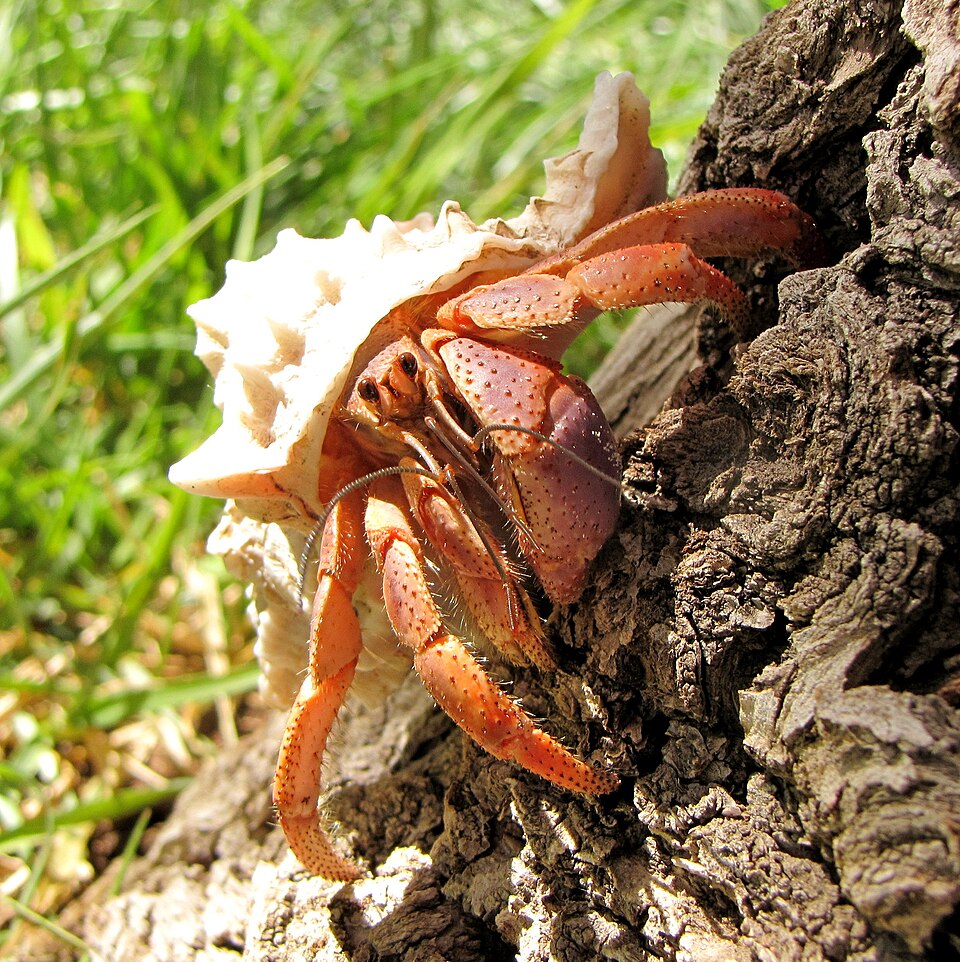
Caribbean Hermit Crab
Terrestrial crustaceans still require humid air, fresh water, and salt water. Not suitable for dry small enclosures.
- Adult size
- 1.18–2.36 in
- Reference Lifespan
- 10–20 yr
- Environment reference
- 75.2–82.4 °F
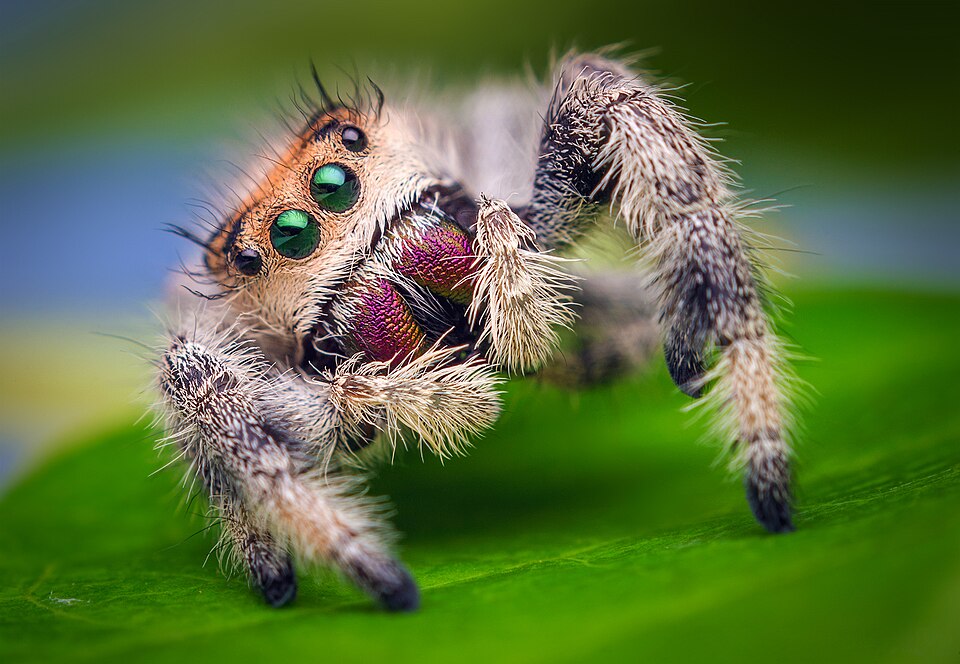
Regal Jumping Spider
Small body size, good vision, and suitable for observation, but short lifespan and live prey supply require mental preparation.
- Adult size
- 0.59–0.79 in
- Reference Lifespan
- 1–2 yr
- Environment reference
- 71.6–82.4 °F
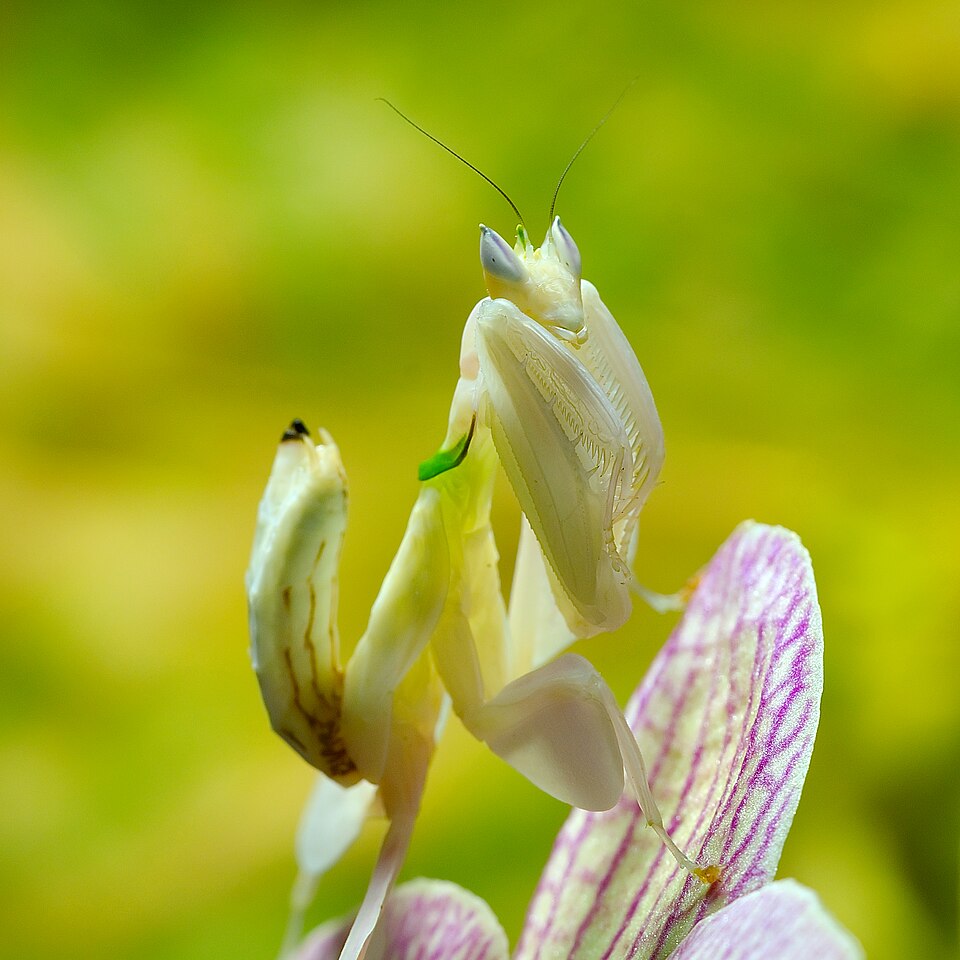
Orchid Mantis
Arboreal insect dependent on appropriate live prey, ventilation, and molting height.
- Adult size
- 1.57–2.36 in
- Reference Lifespan
- 0.5–1 yr
- Environment reference
- 71.6–82.4 °F
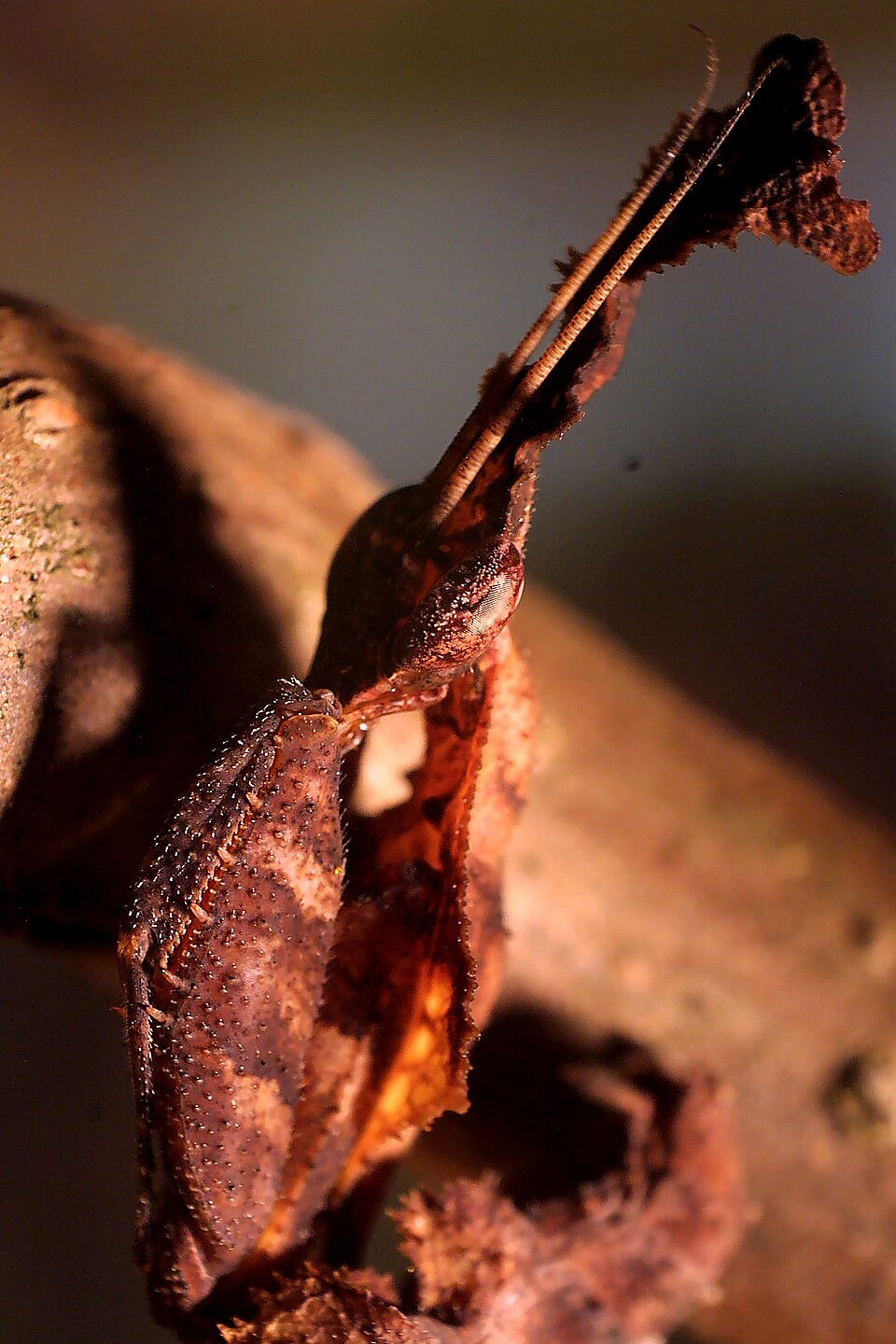
Ghost Mantis
Camouflage-oriented observation insects requiring high, ventilated, and stable live prey.
- Adult size
- 1.57–2.36 in
- Reference Lifespan
- 1–2 yr
- Environment reference
- 71.6–82.4 °F
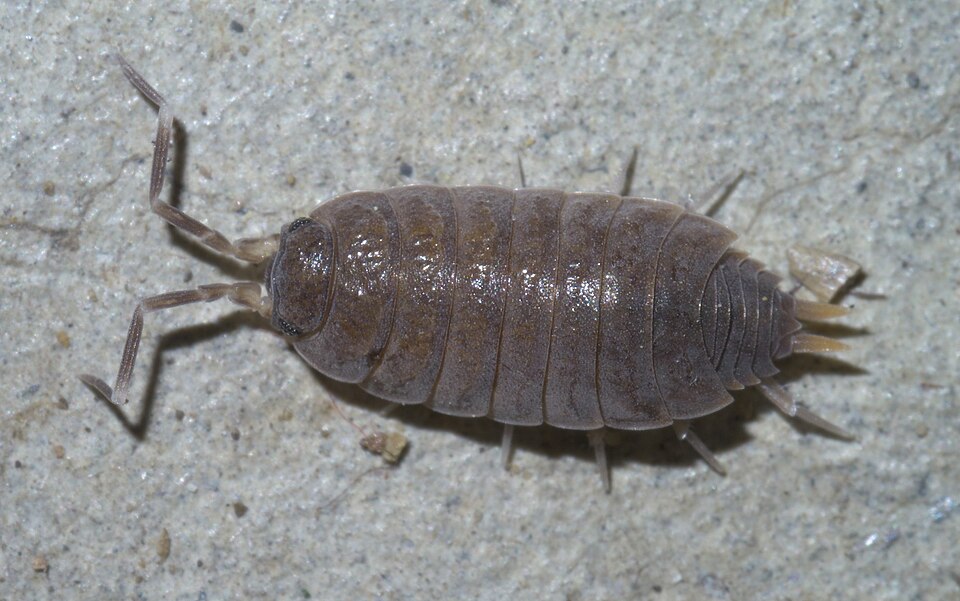
Powder Orange Isopod
Decomposer colonies centered on safe leaf litter, rotting wood, and humidity gradients.
- Adult size
- 0.39–0.79 in
- Reference Lifespan
- 1–2 yr
- Environment reference
- 68–78.8 °F
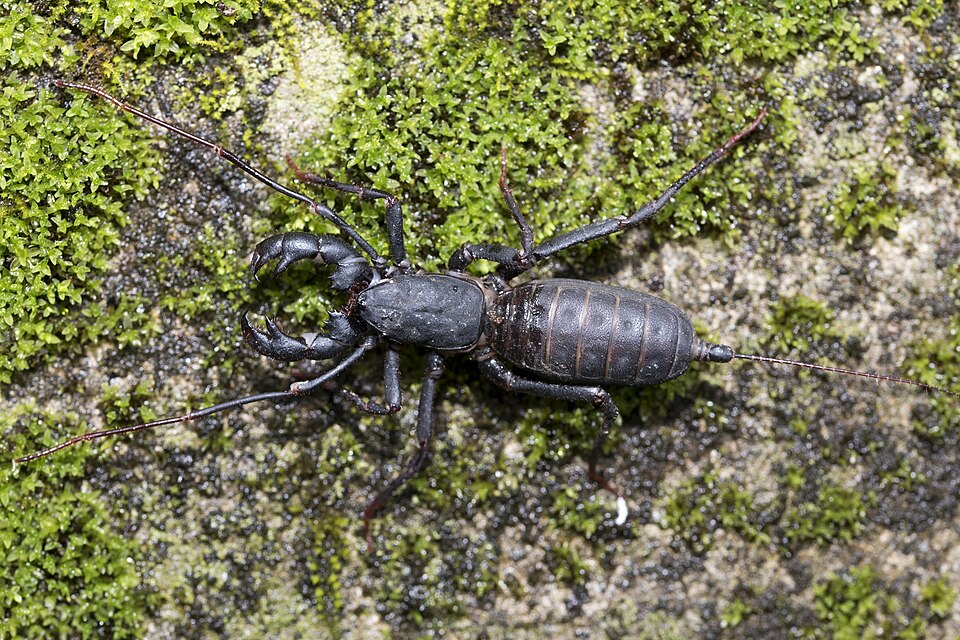
Vinegaroon
Distinctive appearance but unsuitable for bare-handed handling; defensive acid spray and pincer strike risks must be visible.
- Adult size
- 1.97–3.15 in
- Reference Lifespan
- 5–8 yr
- Environment reference
- 71.6–82.4 °F
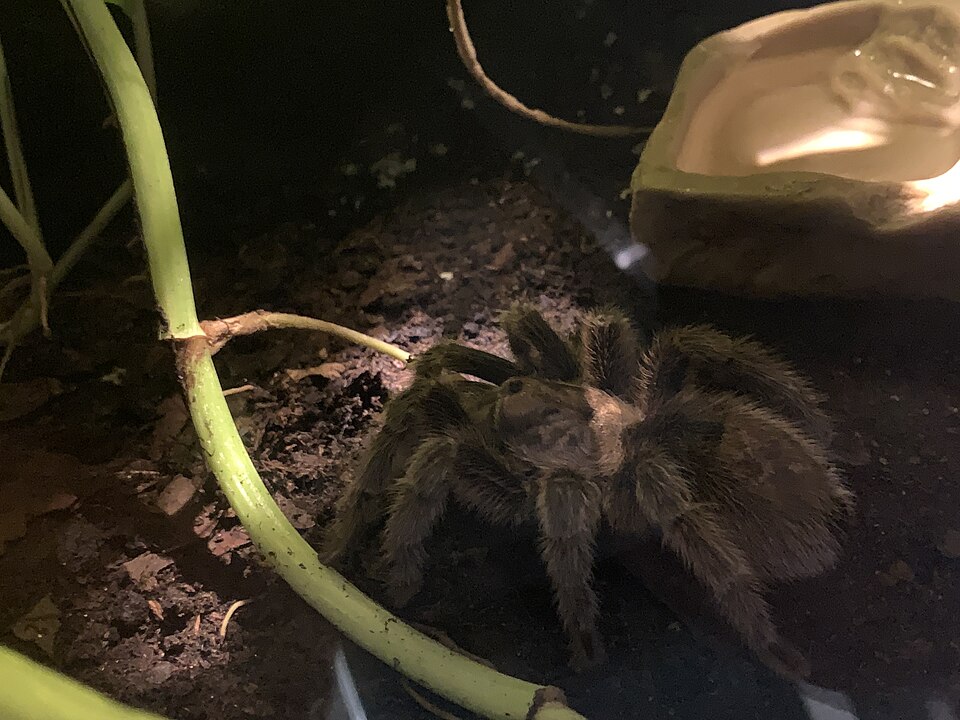
Chilean Rose Tarantula
Moves slowly but kicks urticating hairs; suitable for observation, not for frequent handling.
- Adult size
- 3.94–5.12 in
- Reference Lifespan
- 5–20 yr
- Environment reference
- 68–78.8 °F
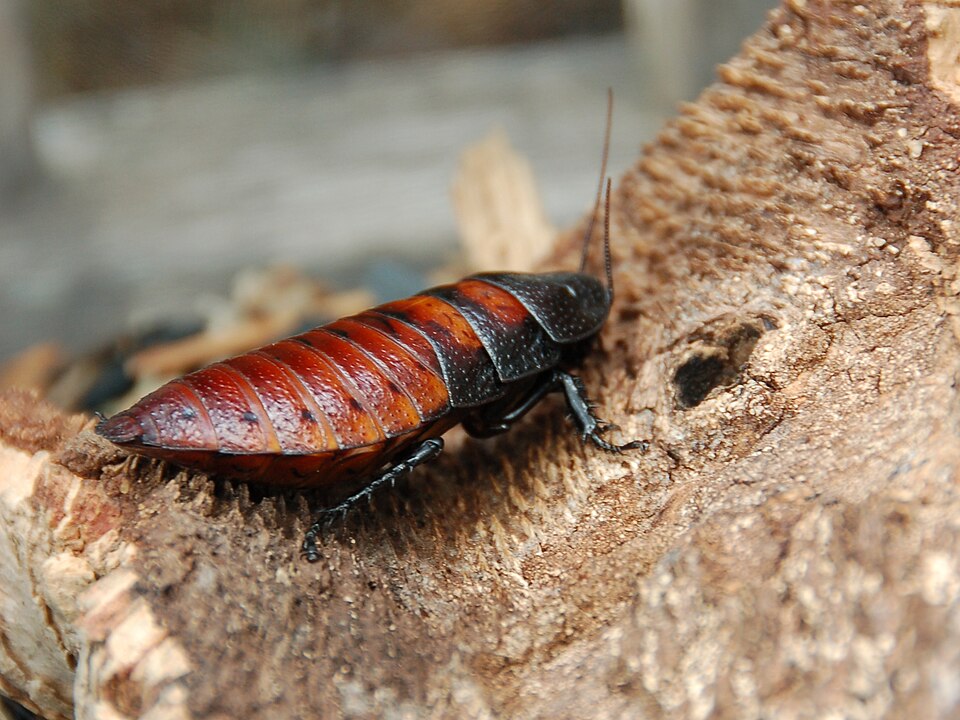
Madagascar Hissing Cockroach
Group housing, hissing, and breeding rates require more planning than they appear to suggest based on appearance.
- Adult size
- 1.97–3.15 in
- Reference Lifespan
- 2–5 yr
- Environment reference
- 75.2–86 °F
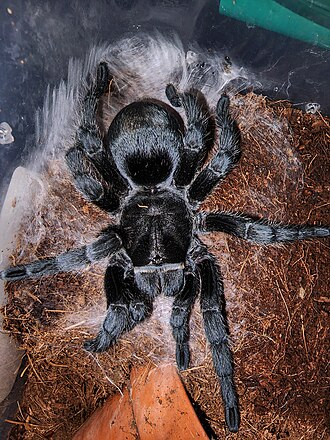
Brazilian Black Tarantula
Movement is usually slow but they kick urticating hairs; low enclosures, shallow water, and observational care are more suitable.
- Adult size
- 4.72–6.3 in
- Reference Lifespan
- 8–20 yr
- Environment reference
- 71.6–82.4 °F
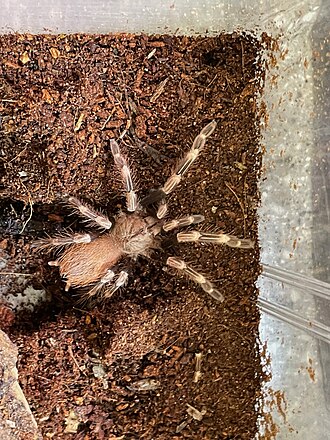
Brazilian Red White Tarantula
Vivid coloration does not mean they are suitable for handling; urticating hairs, live prey, and escape-proofing must be planned according to large tarantulas.
- Adult size
- 5.51–7.87 in
- Reference Lifespan
- 8–15 yr
- Environment reference
- 71.6–82.4 °F
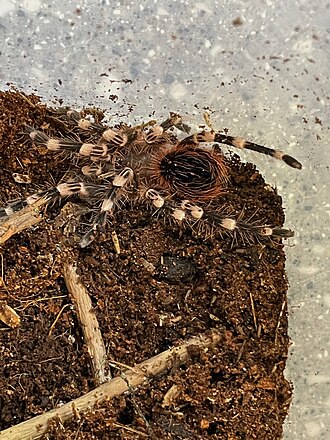
Brazilian White Knee Tarantula
Large body size, fast feeding response, and they kick urticating hairs; low enclosures with a large floor area and tool-assisted transfers are safer.
- Adult size
- 6.3–8.66 in
- Reference Lifespan
- 8–15 yr
- Environment reference
- 71.6–82.4 °F
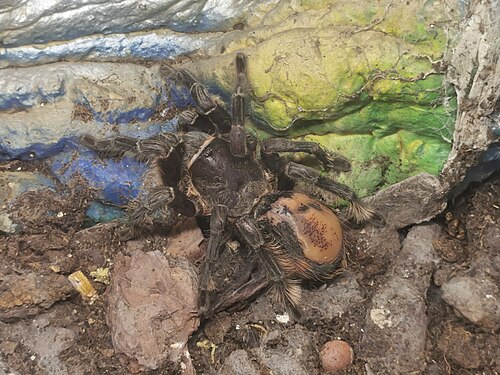
Mexican Red Rump
Terrestrial, with a relatively wide tolerance range, but urticating hairs, molting, and live prey residue still require fixed procedures.
- Adult size
- 4.72–6.3 in
- Reference Lifespan
- 8–20 yr
- Environment reference
- 71.6–82.4 °F
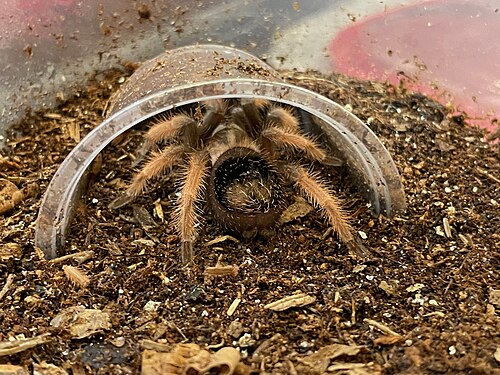
Mexican Red Leg
Suitable for observation but not for frequent handling; source, molting period, and low-humidity ventilation must remain stable.
- Adult size
- 4.72–6.3 in
- Reference Lifespan
- 10–20 yr
- Environment reference
- 71.6–82.4 °F
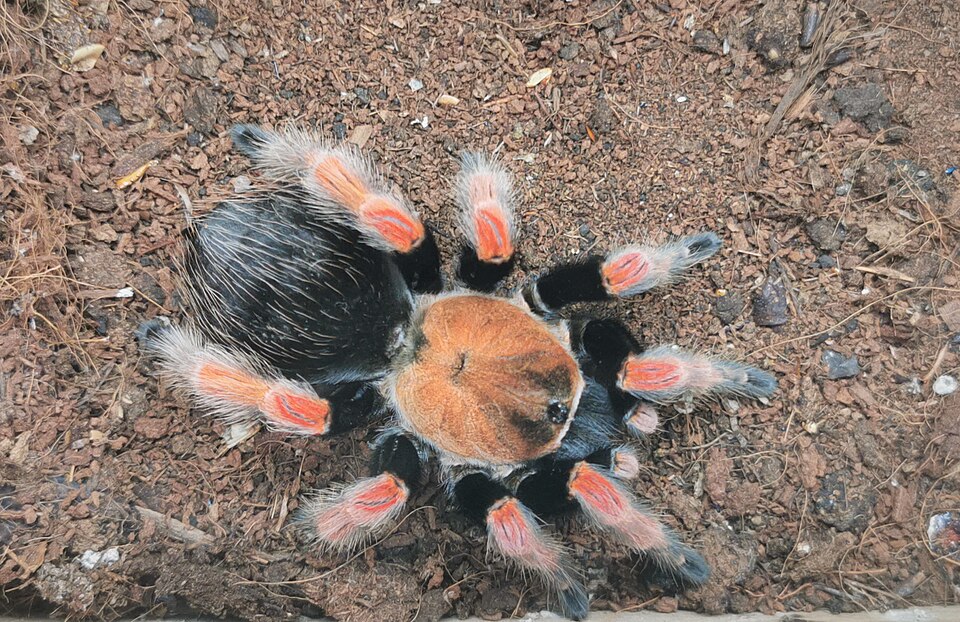
Mexican Fire Leg
Noticeable bristling and slow growth; low enclosures, shallow water, and a quiet environment during molting are priorities.
- Adult size
- 5.12–7.09 in
- Reference Lifespan
- 10–20 yr
- Environment reference
- 71.6–82.4 °F
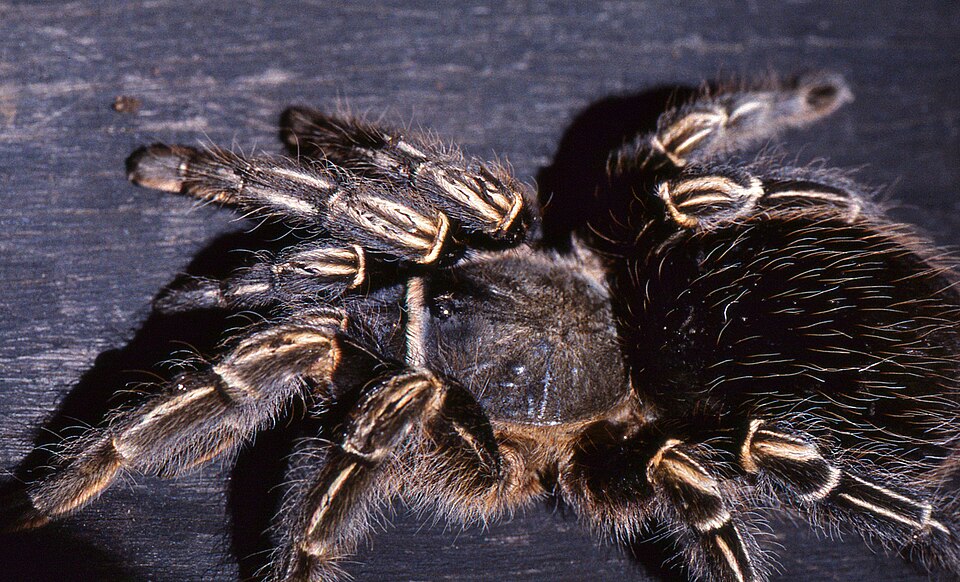
Costa Rican Zebra Tarantula
Ground-dwelling, fast-moving, and prone to kicking; escape plans and low-disturbance observation are more suitable than handling.
- Adult size
- 3.94–5.51 in
- Reference Lifespan
- 8–15 yr
- Environment reference
- 71.6–82.4 °F
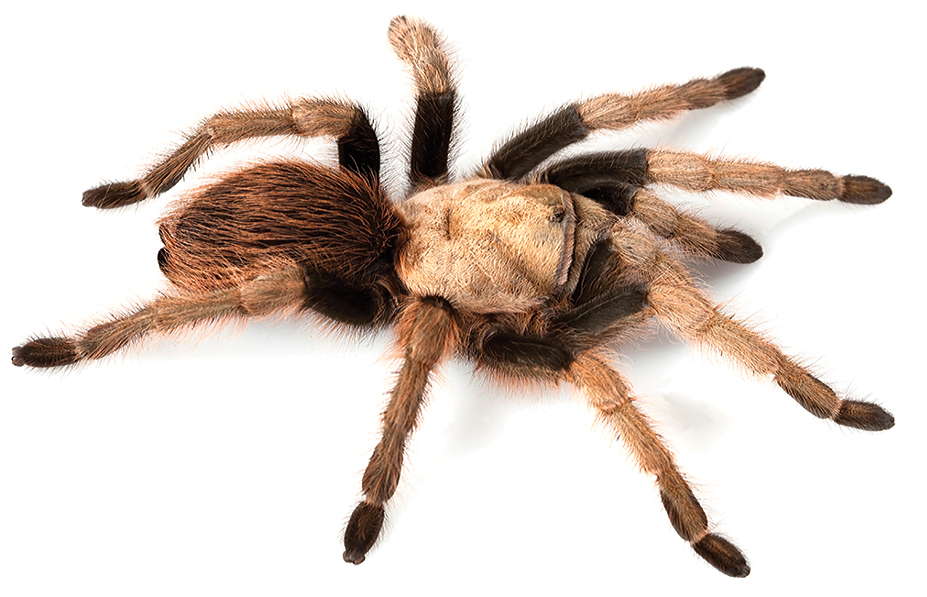
Arizona Blonde Tarantula
Dry, low enclosures with shallow water are the basic setup; wild collection and local protection regulations must be verified first.
- Adult size
- 3.94–5.51 in
- Reference Lifespan
- 8–20 yr
- Environment reference
- 68–82.4 °F
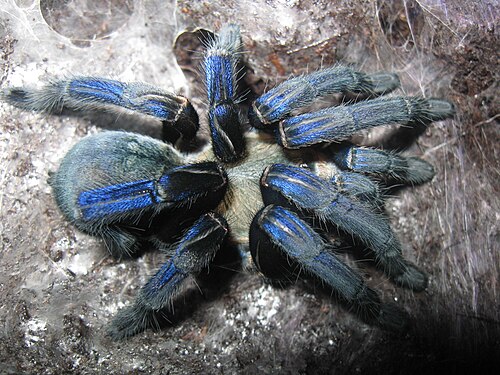
Cobalt Blue Tarantula
Fast-moving, highly defensive, and burrowing; operation with tools and secure containment are prerequisites.
- Adult size
- 4.72–6.3 in
- Reference Lifespan
- 8–15 yr
- Environment reference
- 75.2–86 °F
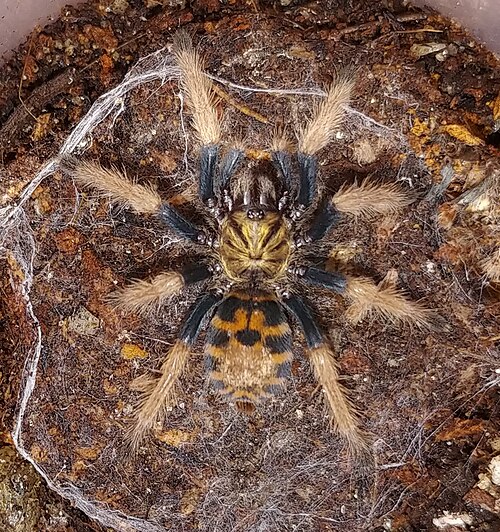
Green Bottle Blue Tarantula
High webbing production, fast movement, and tendency to kick and shed urticating hairs; low humidity and ventilation, along with an escape plan when opening the lid, are critical.
- Adult size
- 4.72–6.3 in
- Reference Lifespan
- 8–15 yr
- Environment reference
- 71.6–86 °F
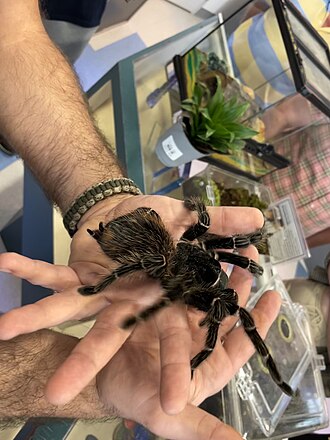
Salmon Pink Bird Eater
Fast growth, large size, and heavy feeding requirements; enclosures, live prey, and molting isolation must be sized with ample margin.
- Adult size
- 7.09–9.84 in
- Reference Lifespan
- 6–12 yr
- Environment reference
- 71.6–82.4 °F
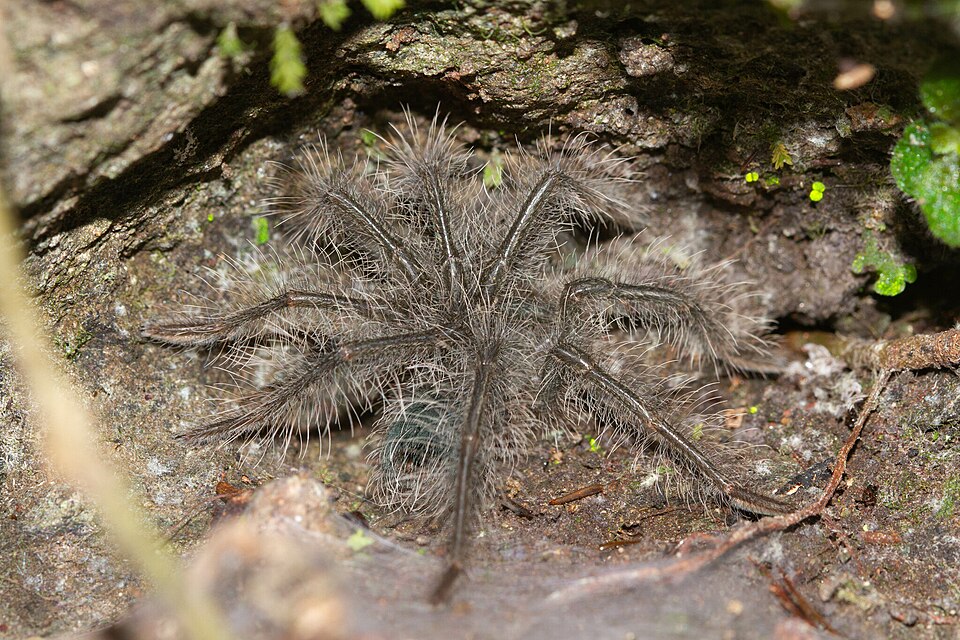
Goliath Birdeater
Strong body size, urticating hairs, and defensive reactions; suitable for observation by experienced keepers, not for handling.
- Adult size
- 7.87–11.81 in
- Reference Lifespan
- 8–15 yr
- Environment reference
- 73.4–82.4 °F
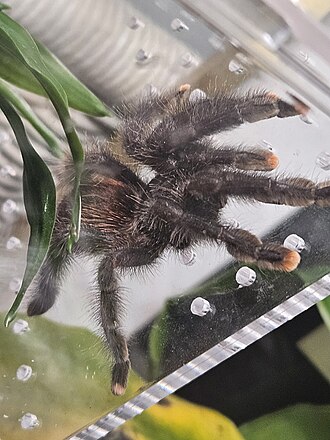
Pink Toe Tarantula
Arboreal, high jumping, and rapid escape are the main challenges; high enclosure ventilation and a lid-opening escape plan must be tested first.
- Adult size
- 3.94–5.91 in
- Reference Lifespan
- 6–12 yr
- Environment reference
- 73.4–82.4 °F
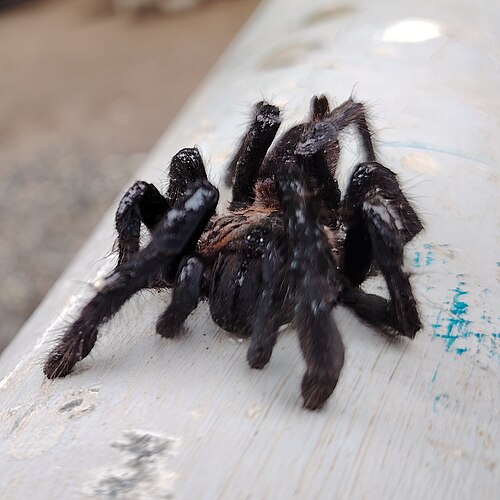
Venezuelan Suntiger
Fast and highly defensive; arboreal enclosures, secure locks, and full-tool operation cannot be omitted.
- Adult size
- 4.72–6.3 in
- Reference Lifespan
- 6–12 yr
- Environment reference
- 73.4–82.4 °F
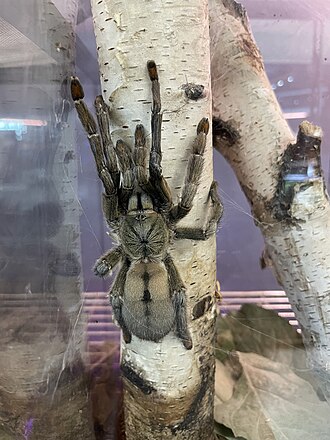
Trinidad Chevron Tarantula
Agile, arboreal, and prone to door-bashing; suitable for tool-based handling and observation, not for frequent lid-opening displays.
- Adult size
- 4.72–6.3 in
- Reference Lifespan
- 6–12 yr
- Environment reference
- 73.4–82.4 °F
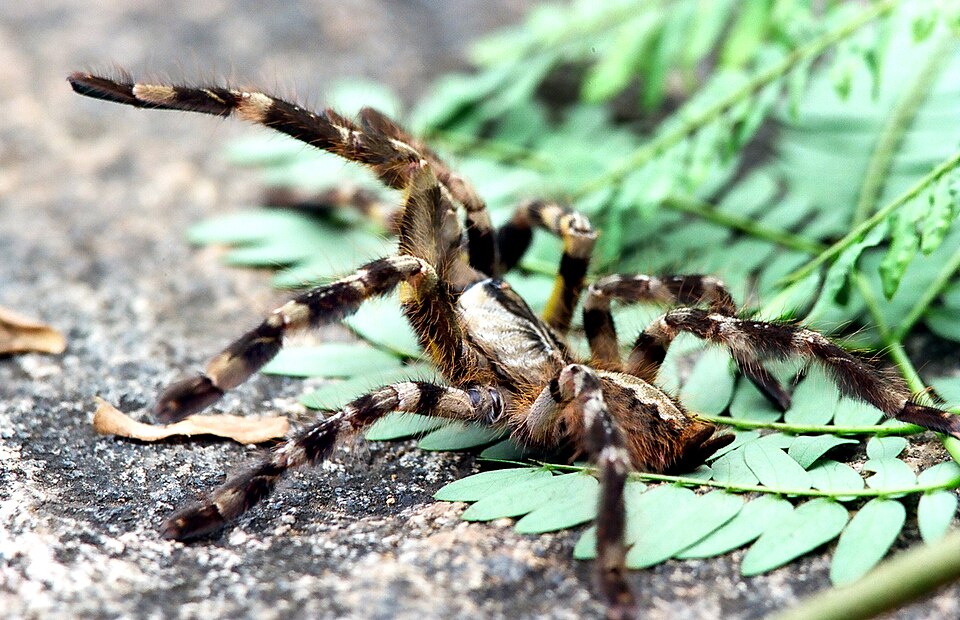
Indian Ornamental
High speed and venom risk; must have a locked high enclosure, long tools, and professional emergency resources.
- Adult size
- 6.3–8.66 in
- Reference Lifespan
- 8–15 yr
- Environment reference
- 73.4–82.4 °F
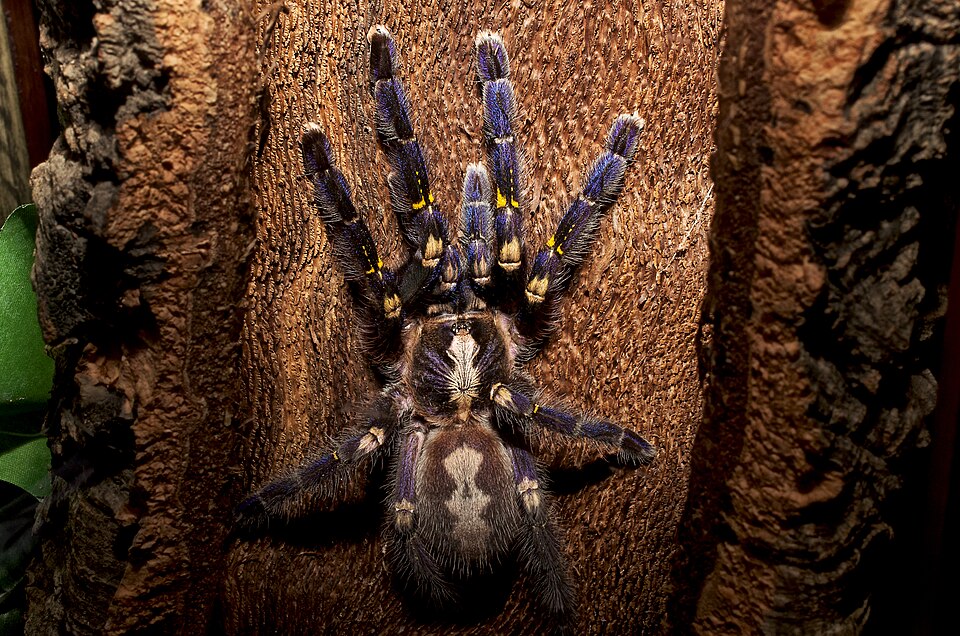
Gooty Sapphire Ornamental
Rare in color but handling risk is equally high; source, enclosure, escape prevention, and medical pathways must be confirmed first.
- Adult size
- 6.3–8.66 in
- Reference Lifespan
- 8–15 yr
- Environment reference
- 73.4–82.4 °F
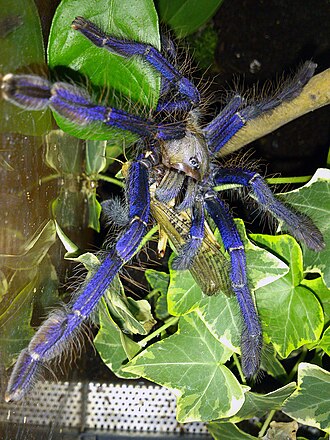
Singapore Blue Tarantula
Arboreal, fast, and highly defensive; a secondary container and long-handled tools are required when opening the lid.
- Adult size
- 5.51–7.87 in
- Reference Lifespan
- 8–15 yr
- Environment reference
- 75.2–86 °F
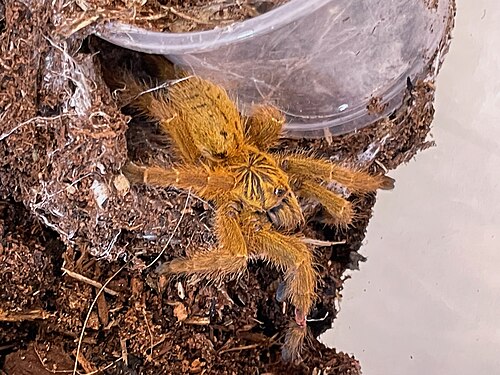
Orange Baboon Tarantula
Fast, strong web-building, and with obvious defensive reactions; safe handling must be prioritized over display.
- Adult size
- 3.94–5.51 in
- Reference Lifespan
- 6–12 yr
- Environment reference
- 71.6–86 °F
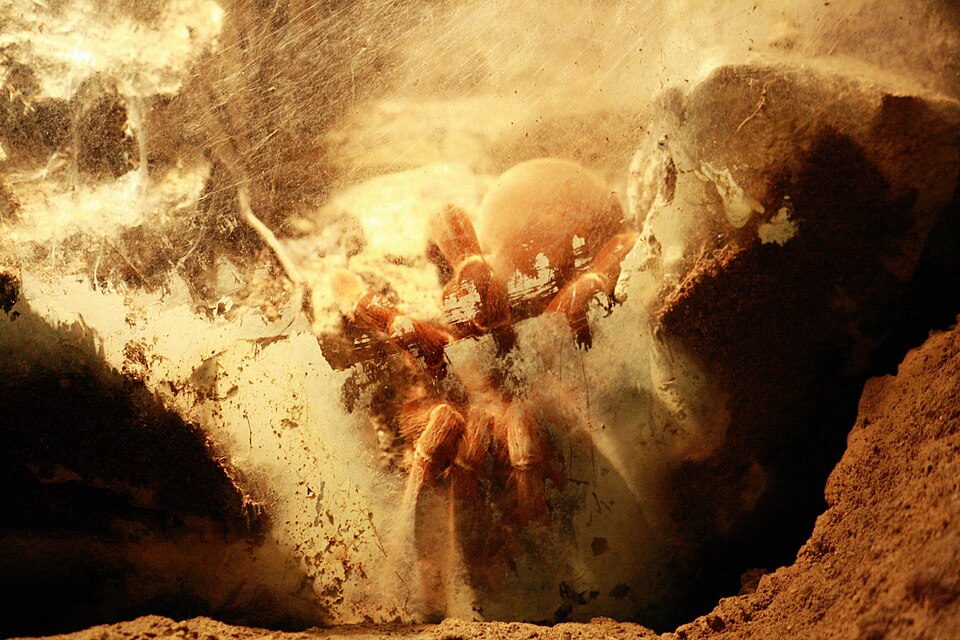
King Baboon Tarantula
Deep burrowing, fast, and difficult to observe directly; enclosure depth, latches, and transfer plans must be prepared in advance.
- Adult size
- 5.91–8.66 in
- Reference Lifespan
- 8–15 yr
- Environment reference
- 71.6–82.4 °F
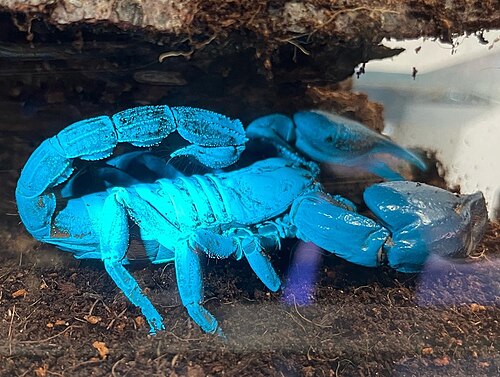
Asian Forest Scorpion
Pincers and stinger require respect; deep substrate, hides, and tool-feeding are safer than manual handling.
- Adult size
- 3.94–5.91 in
- Reference Lifespan
- 5–8 yr
- Environment reference
- 75.2–86 °F
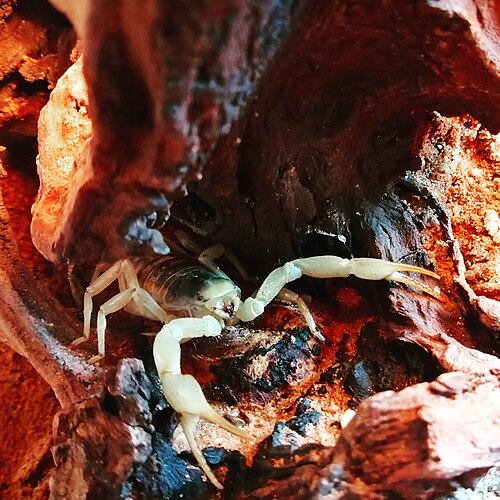
Desert Hairy Scorpion
Dry, burrowing, and stinger risk must be accounted for; enclosure openings and child-family safety cannot be overlooked.
- Adult size
- 3.94–5.91 in
- Reference Lifespan
- 5–8 yr
- Environment reference
- 75.2–89.6 °F
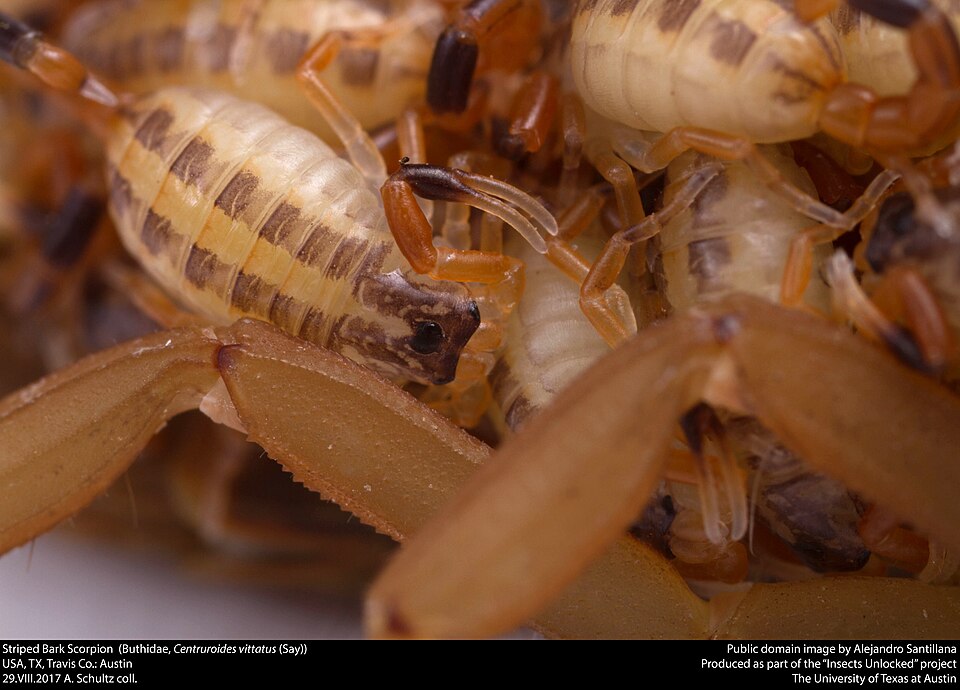
Striped Tail Scorpion
Small in size but prone to escape and stings; secondary containers, long tools, and first-aid plans must be prepared in advance.
- Adult size
- 1.97–3.15 in
- Reference Lifespan
- 3–6 yr
- Environment reference
- 71.6–86 °F
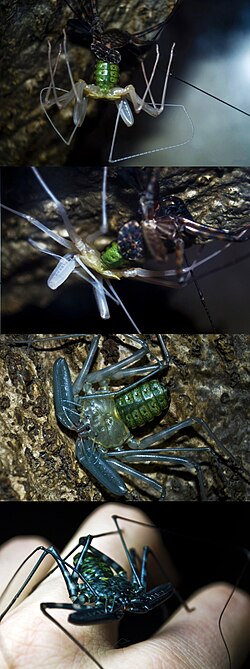
Tailless Whip Scorpion
Appearance is frightening but primarily relies on sensing with legs; vertical hiding, low light, and live prey are core requirements.
- Adult size
- 3.15–4.72 in
- Reference Lifespan
- 5–10 yr
- Environment reference
- 71.6–82.4 °F
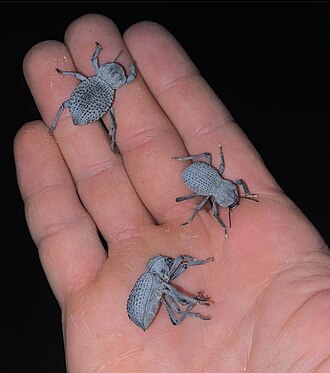
Blue Death Feigning Beetle
Drought-tolerant and low-maintenance but requires ventilation and dry substrate; wetness and standing water are more dangerous than lack of water.
- Adult size
- 0.79–1.18 in
- Reference Lifespan
- 5–8 yr
- Environment reference
- 71.6–89.6 °F
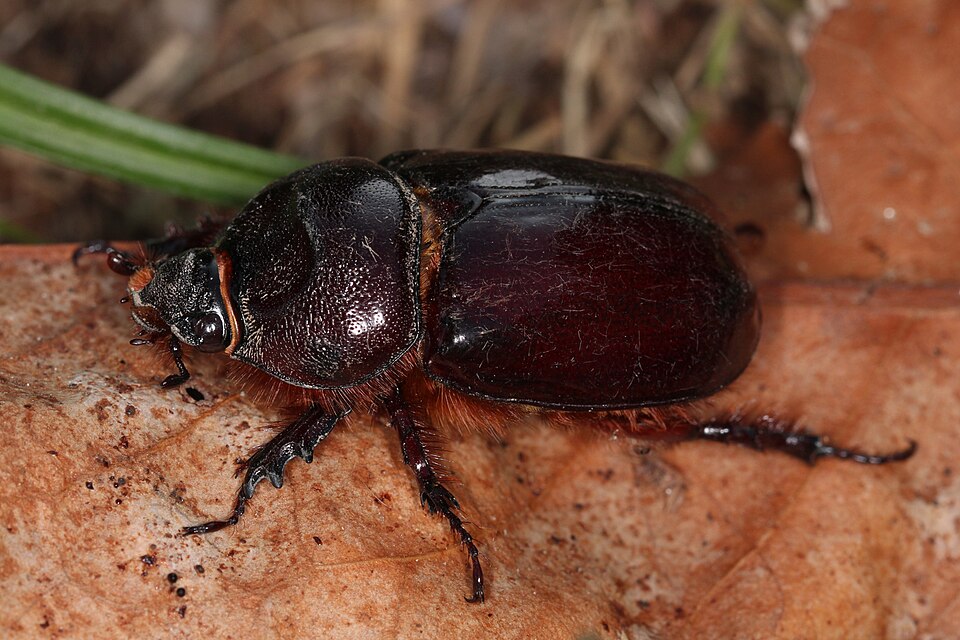
Rhinoceros Beetle
Adults have short lifespans, but larvae require deep humus substrate; prepare complete life-cycle space before breeding.
- Adult size
- 1.18–1.97 in
- Reference Lifespan
- 1–2 yr
- Environment reference
- 71.6–82.4 °F
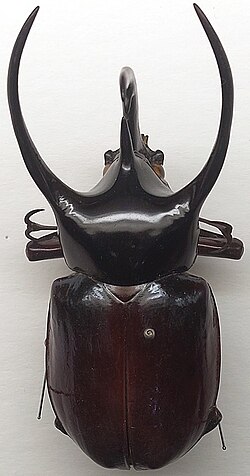
Atlas Beetle
Long larval stage and high substrate consumption; male fighting and breeding numbers must be planned in advance.
- Adult size
- 1.97–4.72 in
- Reference Lifespan
- 1–2 yr
- Environment reference
- 75.2–86 °F
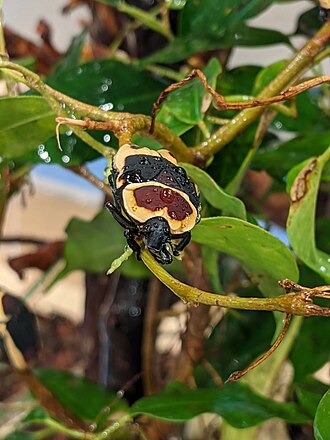
Flower Chafer
Suitable for observation but breeds quickly; manage humus substrate, fruits/vegetables, and larva numbers in sync.
- Adult size
- 0.79–1.18 in
- Reference Lifespan
- 1–2 yr
- Environment reference
- 75.2–86 °F
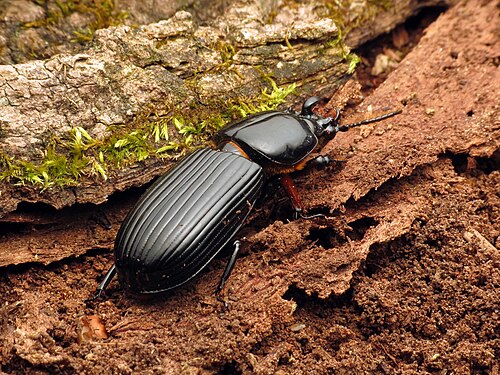
Bess Beetle
Dependent on rotting wood and group cooperation; wood sourcing, humidity, and mold control are primary maintenance tasks.
- Adult size
- 1.18–1.97 in
- Reference Lifespan
- 1–2 yr
- Environment reference
- 68–80.6 °F
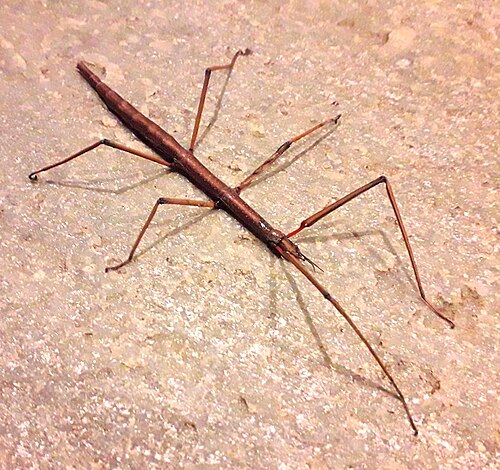
Indian Stick Insect
Foliage consumption and breeding rates are easily underestimated; escape prevention, plant supply, and population control must be implemented together.
- Adult size
- 2.76–3.94 in
- Reference Lifespan
- 1–2 yr
- Environment reference
- 68–82.4 °F
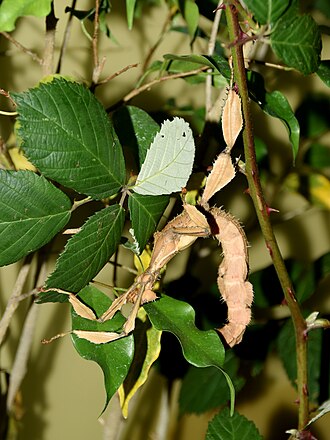
Giant Prickly Stick Insect
Large body size and molting require significant vertical space; foliage supply, escape prevention, and juvenile isolation must be prepared in advance.
- Adult size
- 3.94–5.91 in
- Reference Lifespan
- 1–2 yr
- Environment reference
- 68–82.4 °F
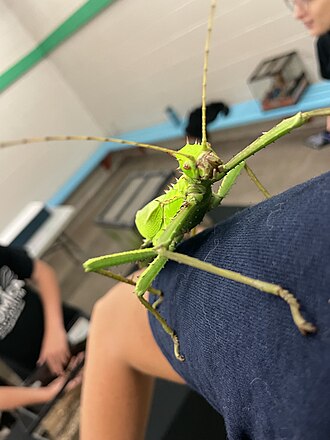
Jungle Nymph
Females are large and spiny; enclosure height, foliage supply, and disturbance prevention during molting must be accounted for.
- Adult size
- 4.72–7.09 in
- Reference Lifespan
- 1–2 yr
- Environment reference
- 73.4–84.2 °F
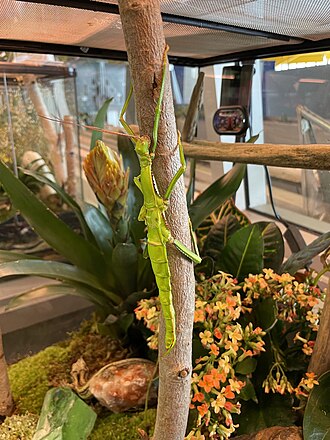
Giant Walking Stick
High body size and climbing height requirements; foliage supply, ventilation, and molting space must be adequately provided.
- Adult size
- 4.72–7.09 in
- Reference Lifespan
- 1–2 yr
- Environment reference
- 73.4–84.2 °F
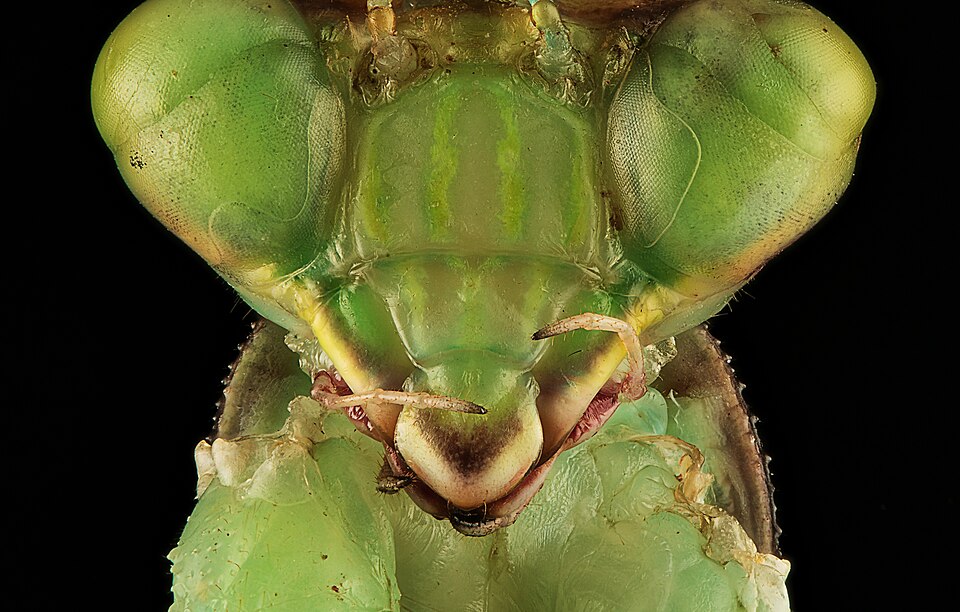
Giant Asian Mantis
Requires continuous live prey and vertical molting space; adults prey on each other; separate housing and feeding schedules are essential.
- Adult size
- 2.76–3.94 in
- Reference Lifespan
- 1–2 yr
- Environment reference
- 71.6–86 °F
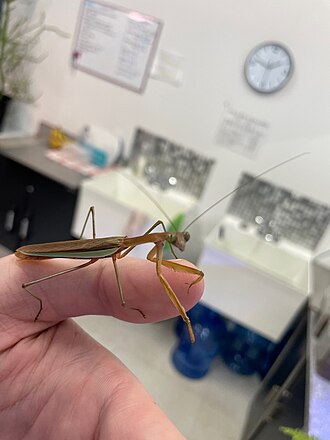
Chinese Mantis
Single housing, live prey, and ample vertical space for molting are key; individuals caught outdoors should not be introduced directly indoors.
- Adult size
- 2.76–3.94 in
- Reference Lifespan
- 1–2 yr
- Environment reference
- 68–82.4 °F
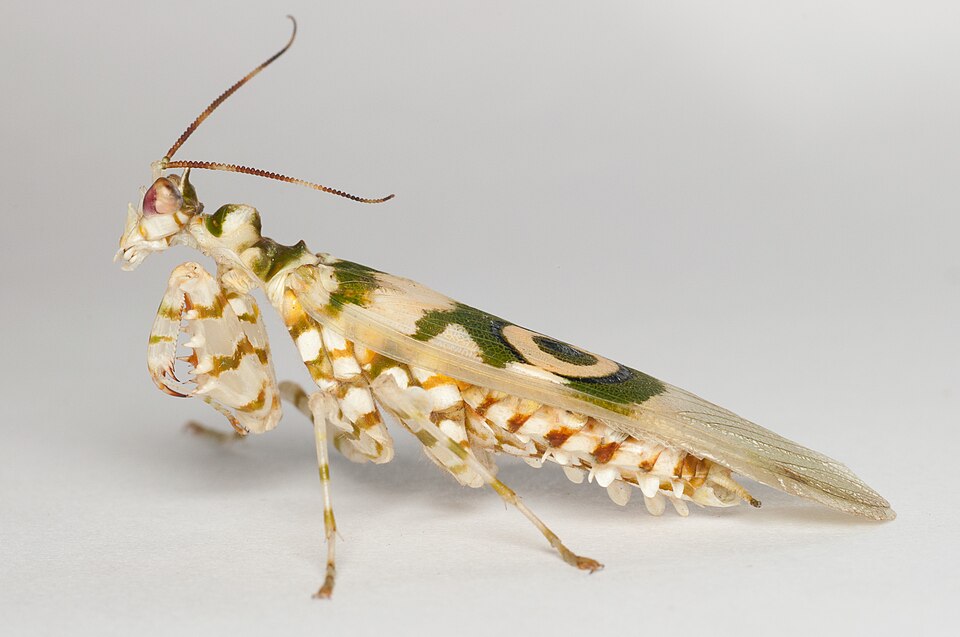
Spiny Flower Mantis
Small body size but fragile molting; live prey size, ventilation, and vertical space require precise control.
- Adult size
- 1.57–2.36 in
- Reference Lifespan
- 1–2 yr
- Environment reference
- 71.6–82.4 °F
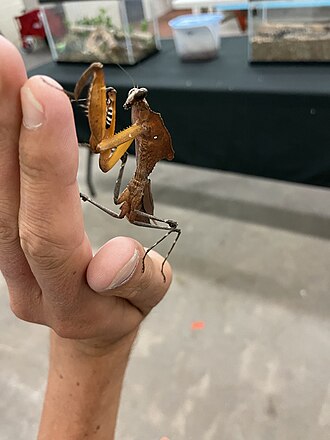
Dead Leaf Mantis
Relies on camouflage against vertical branches and stable humidity; cannot be moved frequently or misted during molting.
- Adult size
- 2.76–3.94 in
- Reference Lifespan
- 1–2 yr
- Environment reference
- 71.6–82.4 °F
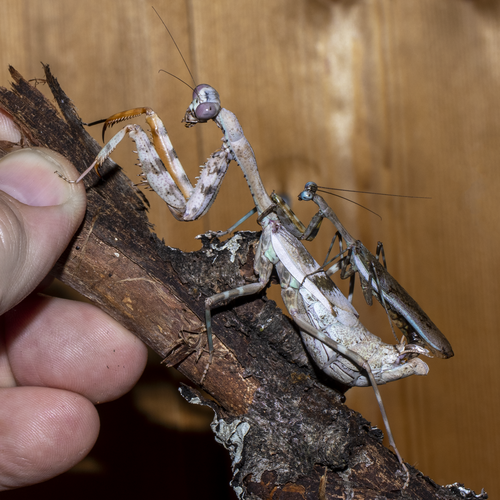
Budwing Mantis
Requires live prey and vertical space for molting; adult behavior and sexual dimorphism must be understood in advance.
- Adult size
- 1.97–3.15 in
- Reference Lifespan
- 1–2 yr
- Environment reference
- 71.6–86 °F
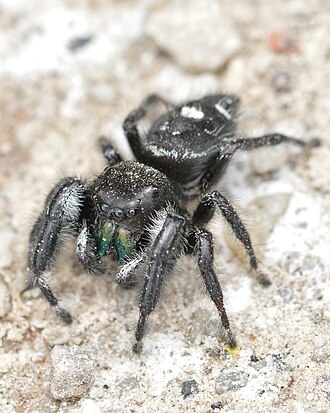
Bold Jumping Spider
Small body size, keen vision, and jumping ability; ventilation holes, micro live prey, and open-top escape-proof enclosures are critical.
- Adult size
- 0.39–0.79 in
- Reference Lifespan
- 1–2 yr
- Environment reference
- 68–82.4 °F
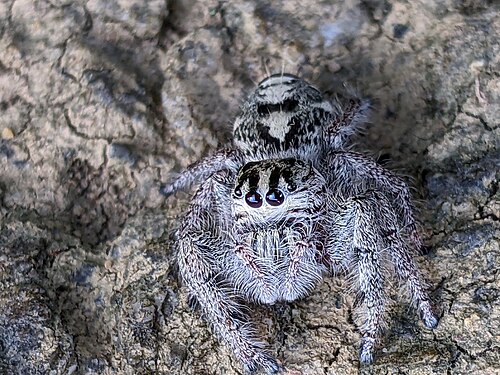
Heavy Jumper
Larger body size and strong jumping ability; vertical space, micro live prey, and secondary enclosures are more important.
- Adult size
- 0.79–1.18 in
- Reference Lifespan
- 1–2 yr
- Environment reference
- 73.4–84.2 °F
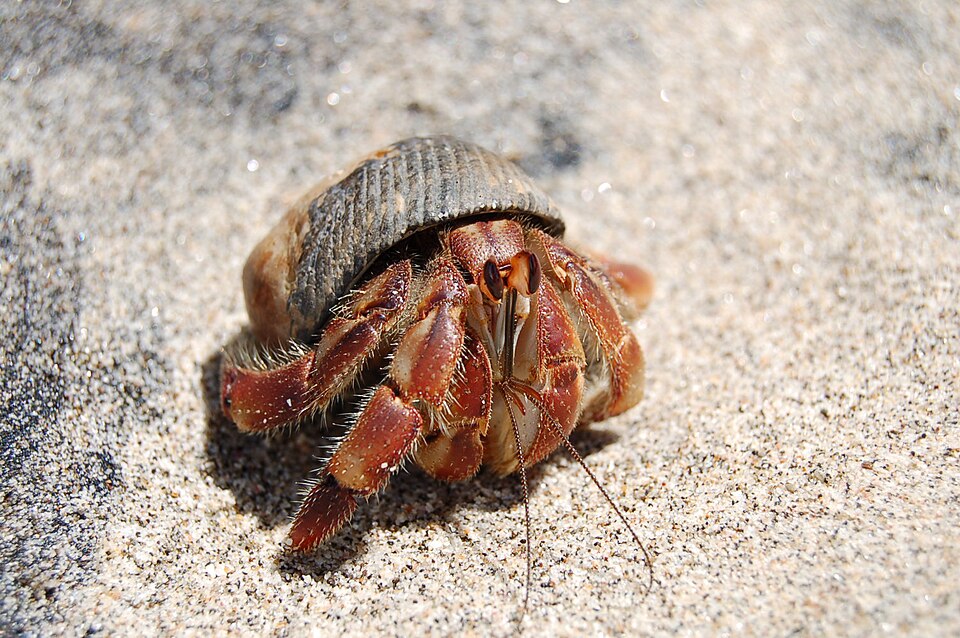
Ecuadorian Hermit Crab
Requires fresh water, salt water, deep moist substrate, and spare shells; a single small box cannot support long-term life.
- Adult size
- 1.18–2.36 in
- Reference Lifespan
- 10–20 yr
- Environment reference
- 75.2–84.2 °F
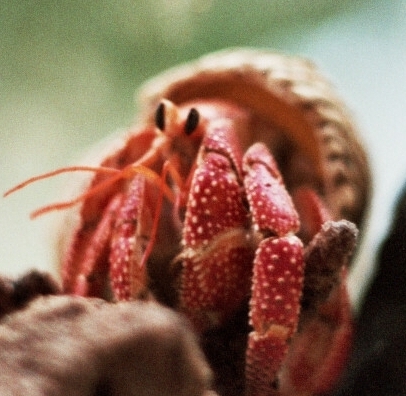
Strawberry Hermit Crab
Coastal environments are difficult to replicate; humidity, salt water, deep substrate, and group space are more important than appearance.
- Adult size
- 1.57–3.15 in
- Reference Lifespan
- 10–20 yr
- Environment reference
- 75.2–84.2 °F
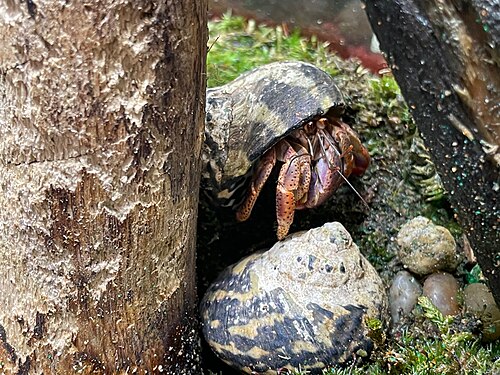
Purple Pincher Hermit Crab
Do not rely solely on a shallow water dish and decorative sand; prepare deep substrate, dual water sources, shells, and communal space.
- Adult size
- 1.57–3.94 in
- Reference Lifespan
- 10–20 yr
- Environment reference
- 75.2–84.2 °F
Dairy Cow Isopod
Rapid reproduction and fast population growth; manage wet zones, dry zones, calcium sources, and population control simultaneously.
- Adult size
- 0.39–0.79 in
- Reference Lifespan
- 1–2 yr
- Environment reference
- 68–82.4 °F
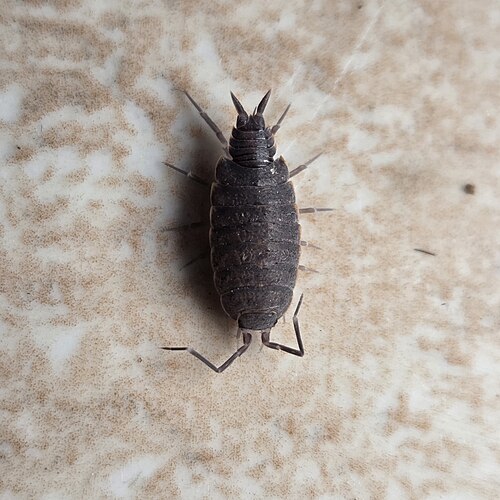
Powder Blue Isopod
Often kept as a cleaning colony but still requires individual management; do not ignore humidity gradients and transfer space after population explosions.
- Adult size
- 0.39–0.79 in
- Reference Lifespan
- 1–2 yr
- Environment reference
- 68–82.4 °F
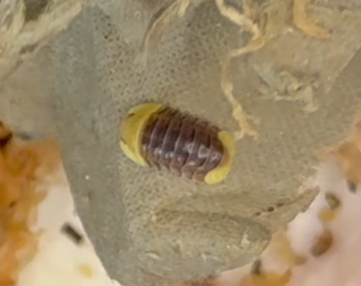
Rubber Ducky Isopod
Slow reproduction, high price, and sensitive to environmental fluctuations; test source, ventilation, and stable wet zones first.
- Adult size
- 0.39–0.79 in
- Reference Lifespan
- 1–3 yr
- Environment reference
- 71.6–82.4 °F
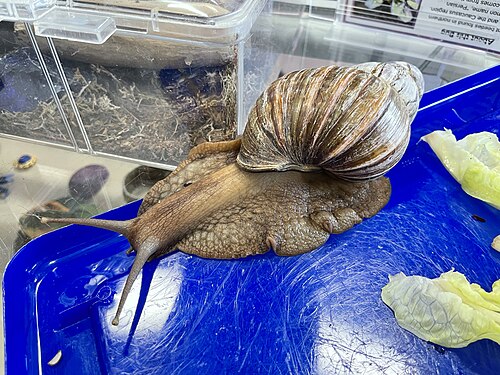
Giant African Land Snail
High reproduction volume and involves foreign invasion regulations; emphasize calcium sources, humidity, escape prevention, and never release into the wild.
- Adult size
- 3.94–7.87 in
- Reference Lifespan
- 5–10 yr
- Environment reference
- 71.6–82.4 °F
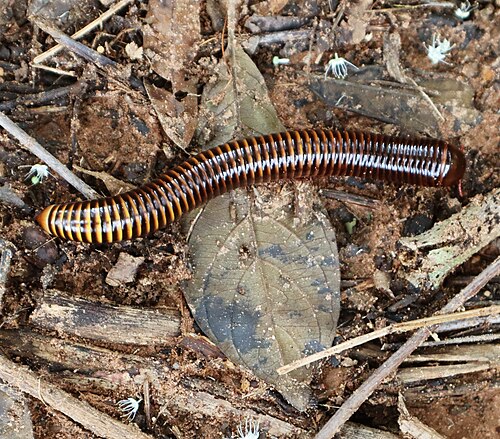
Bumblebee Millipede
Requires deep leaf litter substrate and stable humidity; pay attention to defensive secretions, pesticide-treated wood, and molting periods.
- Adult size
- 2.36–3.94 in
- Reference Lifespan
- 2–4 yr
- Environment reference
- 71.6–82.4 °F