This is an edited estimate of lifestyle compatibility, not an animal value rating. A higher score indicates that, based on current data, the animal is easier to integrate into your daily routine.
Children and families 62Apartments 58Bedrooms 30Frequent travel 44
The composite score is calculated by weighting nine factors: beginner-friendliness, handling ease, interaction, space requirements, cost, maintenance, travel, veterinary access, and safety. Read risk signals according to field direction: lower scores for biting, escape, and toxicity indicate greater safety; higher scores for noise, odor, and cleaning indicate less hassle. Combine this page's environmental requirements and risk notes with your judgment; do not rely solely on the total score.
BEFORE YOU COMMIT
First check whether it fits your life
This brief brings together the space, maintenance, feeding, lifespan and veterinary conditions recorded on this page so you know what to verify next.
60/100 · Depends on specific conditions
A better fit if
The living conditions need closer planning
Adult space is a threshold to solve before purchase
Daily maintenance requires a steady time commitment
Resolve these first
Space and companionship:Small body size does not mean a small cage is sufficient; social species also require stable companions or interaction time.
The lifespan is a long commitment and needs a long-term plan
Adult size
8.66–14.96 in
Reference Lifespan
10 to 20 years
Minimum space
Spacious cage accommodating jump height and anti-fall platforms; for two individuals, plan for approximately 39.37 × 23.62 × 47.24 in and increase activity space.
Veterinary Accessibility
Moderate
This is a comparison aid based on the current record, not a purchase, medical or local-law conclusion. Check the sources and local conditions before continuing.
THINGS OWNERS UNDERESTIMATE
Common Underestimations by Keepers
Space and companionshipSmall body size does not mean a small cage is sufficient; social species also require stable companions or interaction time.
Exotic animal veterinary careRegular dog and cat clinics may not be equipped to handle this species; confirm veterinary resources before seeking care.
VETERINARY ACCESS
Veterinary Accessibility
Moderate
Some exotic animal clinics are available in cities, but appointments must be confirmed in advance.
Moderate; respiratory or digestive emergencies cannot be delayed.
Specialist Exotic Pet Care Typically Required
DATA STATUS
Where this record stands
Editorial example
Last updated
2026-09-07
Fields checked
No field review record yet
Reference sources
1 · Reference sources
Professional review
Pending veterinary or taxonomic review
Local rules
Local rules need verification
Source links are starting points for reading. A group-level guide does not verify every value for each species. Check local rules separately.
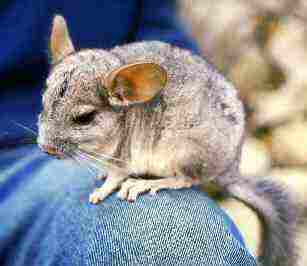
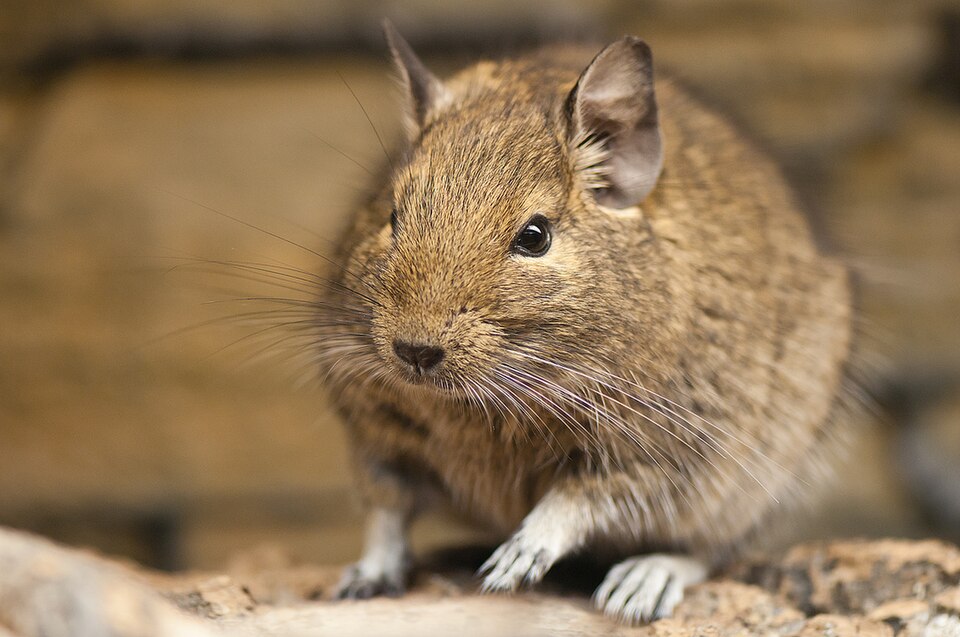
South American Andes. Domesticated long-tailed chinchilla breeds.
Body Size and Diameter
Body length excludes tail
Dietary Habits
Herbivore
Activity Cycle
Varies by species; ensure continuous space for sleeping, exploring, and hiding.
Availability of Captive-Bred Individuals
Common
Temperament and Aggression
Prone to fur loss and fragile bones; do not handle by fur.
Toxicity and Contact Risks
Non-venomous. Contact Risks: Medium。
Socialization and Handling
Compatible with conspecifics, but introductions must be supervised.
Environmental Parameters
Temperature Gradient
Avoid hot environments approaching or exceeding 77 °F; risk is higher in humid heat.
Humidity and Ventilation
30 to 50%. Keep dry and well-ventilated; use specialized sand for bathing rather than water washing.
Lighting and Circadian Rhythm
Quiet daytime resting area and normal daylight cycle.
Basking Spot / Localized Heat
Avoid hot environments approaching or exceeding 77 °F; risk is higher in humid heat.
UVB Requirements
Quiet daytime resting area and normal daylight cycle.
Adult Space
Minimum: Spacious cage accommodating jump height and anti-fall platforms; for two individuals, plan for approximately 39.37 × 23.62 × 47.24 in and increase activity space. Recommended: A spacious cage that accommodates jumping height and includes a secure landing platform; for two individuals, start at approximately 39.37 × 23.62 × 47.24 in and increase activity space; the recommended plan adds approximately 30% more activity, sleeping, and enrichment space on top of the minimum space.
Substrate and Water
Low-dust, diggable bedding free of aromatic oils, kept clean and dry. · Provide fresh water continuously; check waterers daily for blockages.
These ranges are for planning the environment of a healthy adult, not a constant value for the entire enclosure, and do not cover disease, breeding, or juvenile stages.
Diet and Nutrition
Unlimited high-quality hay and dried grass, moderate amounts of high-quality chinchilla pellets, and fresh water. Avoid sweet fruits and high-sugar treats.
Feeding Frequency
Feed in multiple portions daily and provide water appropriate for the species at all times.
Live Prey Requirement
Not Required
Rodent Pellets
Not Required
Enclosure and activity space
Spacious cage accommodating jump height and anti-fall platforms; for two individuals, plan for approximately 39.37 × 23.62 × 47.24 in and increase activity space.
Dimensions are editor suggestions, not mandatory minimum standards in all regions. Group size, individual body size, and layout may require more space.
Frequently Asked Questions
Is air conditioning a necessity?
In hot regions, reliable cooling is required first. Fans alone do not guarantee safety.
Can I start keeping this animal based solely on this record?
No. This is a summary plan for a healthy adult. Juveniles, breeding periods, disease states, and regional climate variations require separate assessment.
Risks and Legality
Washing and humid environments can cause serious problems.
Before acquiring, verify reliable sources, long-term care capability, and local exotic animal veterinary resources.
Local rules need verificationNo jurisdiction selected
Regulations for purchase, holding, breeding, transport, and import/export may vary. Please verify conservation lists, non-native species restrictions, and proof of origin with your local authorities using the scientific name. This page does not constitute legal advice.
Sources and editor notes
This page is a structured editing example and has not yet undergone field-by-field expert review. Reference links are for further consultation; data for some groups may not apply to every species. Please read the full manual before formal husbandry.