Axolotl Care Starts With Cool Water: Temperature, Water Quality and Summer Planning
Axolotls are fully aquatic amphibians. Stable cool water, mature filtration and safe substrate matter more than elaborate decoration.
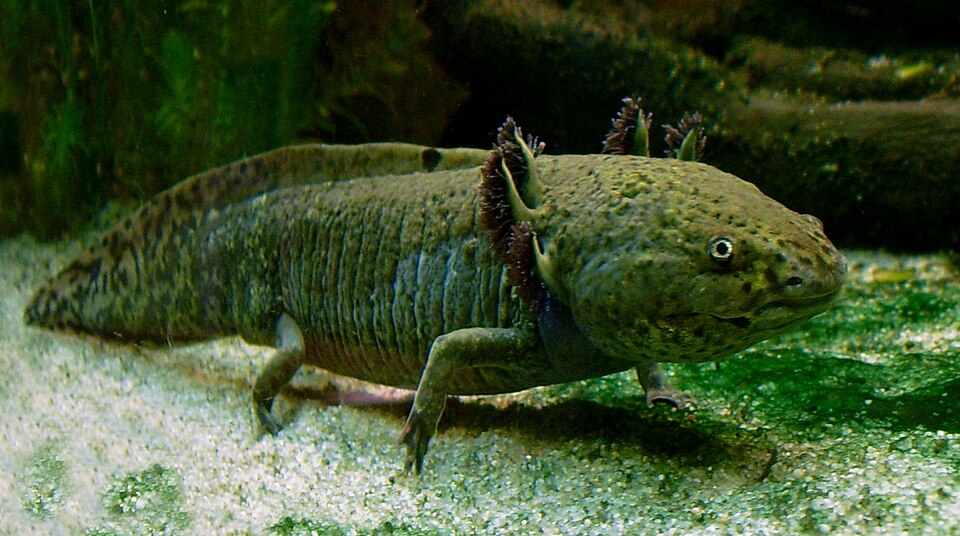
An axolotl’s appearance is an easy reason to want one, but it is not an aquarium pet you can keep by simply filling a tank. The real questions are whether you can maintain cool, stable water, mature the filter and test water quality, and manage summer heat with a reliable plan.
Treat water temperature as core equipment
A common planning range is about 60.8–64.4 °F. Stability, low flow and oxygen matter more than a complicated aquascape. Axolotls are fully aquatic, have no basking area, and air humidity is not applicable.
If the room exceeds this range in summer, test an air-conditioning or chiller plan early. Waiting until the water is already too warm leaves fewer options.
Mature filtration beats water that only looks clean
For one adult, plan at least 35.43 in of tank length and around 26.42 US gal, with 47.24 in and about 39.63 US gal or more as a recommended target. Ammonia and nitrite should test at 0, nitrate should stay low, and flow should not push the animal continuously.
A bare bottom or a securely fixed flat surface is often easier to keep safe than small gravel that can be swallowed. Substrate, water changes and test supplies are recurring work, not a one-time setup purchase.
Observation is the main form of interaction
Axolotl skin and gills are sensitive, and frequent netting adds stress and injury risk. Use appropriate tools for cleaning, transfer or treatment; otherwise watch feeding, posture and water conditions.
They are carnivores and adults are commonly fed every 2–3 days, adjusted for intake and body condition. When food, temperature or water quality goes wrong, a veterinarian with amphibian experience is safer than repeated guesswork.
Take this checklist with you
- For one adult, plan at least 35.43 in and around 26.42 US gal; where possible, use 47.24 in and about 39.63 US gal or more.
- Finish the nitrogen cycle before stocking, prepare ammonia, nitrite and nitrate tests, and tune the filter to low flow.
- Write summer cooling, power-outage contingencies and exotic-pet veterinary access into the plan.
Plan for these hard parts
- Stable water temperature matters more than extra decoration; summer cooling cannot be improvised.
- Small ingestible gravel creates risk, so choose substrate around body size and behavior.
- Fully aquatic does not mean low maintenance; water quality, filtration and changes take ongoing work.
An axolotl can be a fascinating observation pet if you can provide cool stable water and learn cycling and water testing. If summer temperature is outside your control, solve cooling first and buy later.
Further reading
Royal Veterinary College Axolotl Care ManualAxolotl.org Aquarium and Substrate GuideThis is an editorial introduction. It does not replace veterinary advice or establish local legal status.
Axolotl
A permanently aquatic salamander; cold-water maintenance is the core cost.
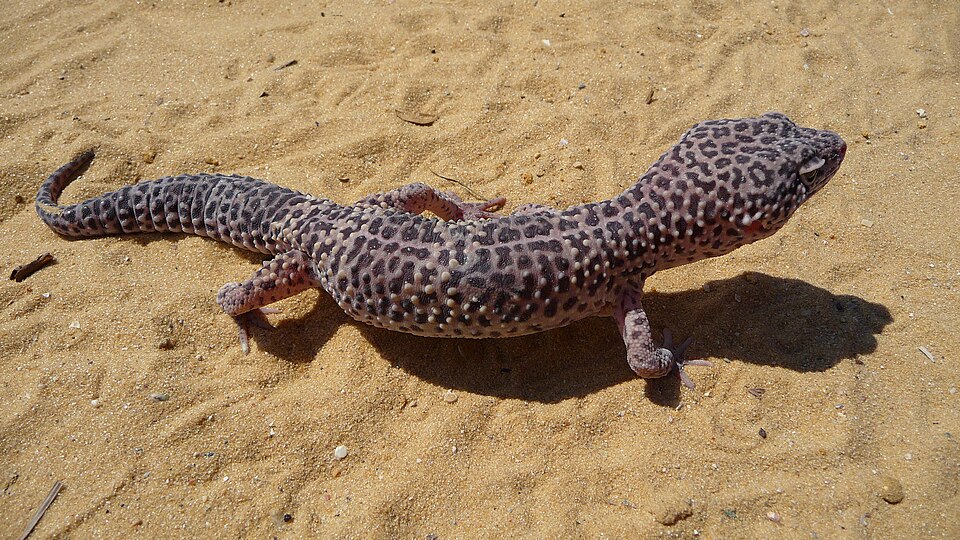
Is a Leopard Gecko a Good First Exotic Pet? Space, Food and Heat
Leopard geckos are often suggested for beginners, but adult space, live prey, supplements and a temperature gradient still need a real plan.
Read the guide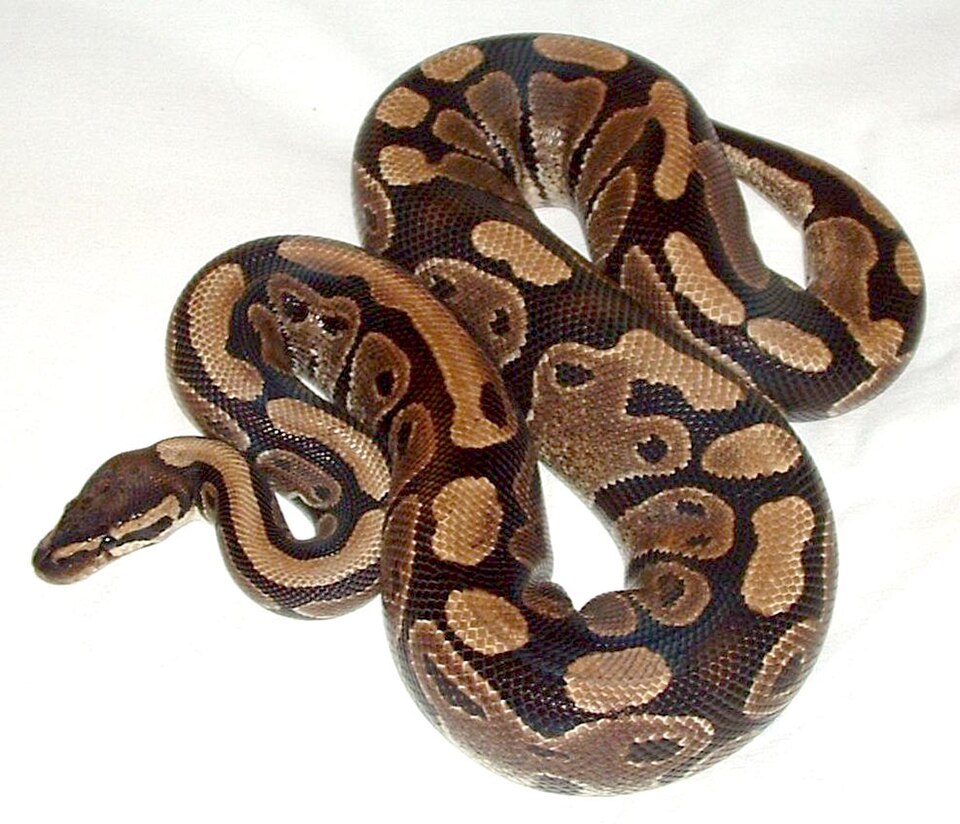
5 Things to Think Through Before Getting a Ball Python
Ball pythons are quiet and long-lived, but adult space, frozen rodents, feeding refusals and steady climate control are real commitments.
Read the guide