The Bearded Dragon Detail People Miss: UVB and the Basking Zone
Bearded dragons need adult floor space, a measured basking zone and a usable UVB gradient. One heat lamp does not solve the setup.
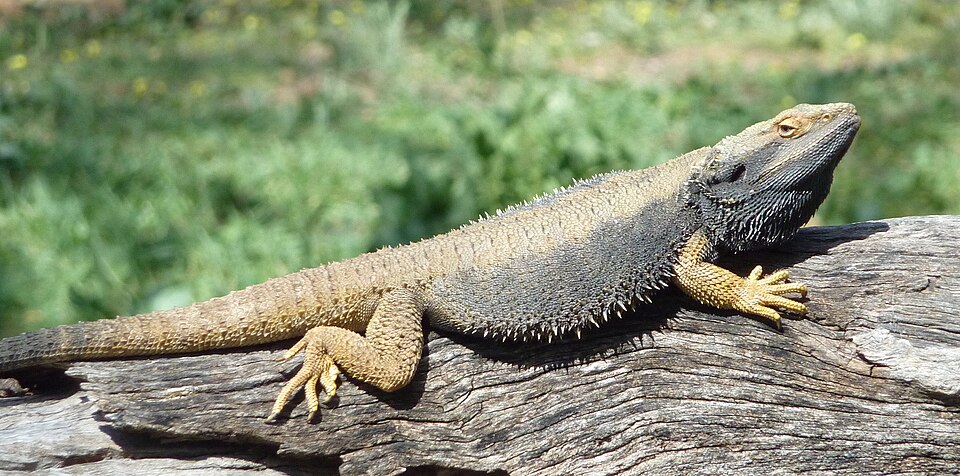
Bearded dragons are often described as personable, visible daytime lizards, but the core equipment is not simple. The basking zone, cool end, UVB, ventilation and diet must work together. Heating the enclosure alone does not create a proper day-light environment.
Give the adult enough floor space
Adults commonly reach 15.75–21.65 in. Plan at least 47.24 × 23.62 × 23.62 in, with 59.06–70.87 × 23.62 × 23.62 in as a recommended target. Floor area and ventilation matter more than extra height.
The basking platform should be stable, with a clear route to the cool end and a fully shaded retreat. A high basking spot without an exit turns basking into forced exposure.
Measure UVB instead of trusting the package
Plan UVI around 3–5 in the basking area while keeping a UVI 0 shaded zone. Bulb percentage, screen, distance and age all change the output, so test the installed position and distance.
UVB output declines. Maintenance or replacement depends on the model, distance and measurements. Treating UVB as a one-time accessory is a common long-term blind spot.
Food changes with age and body condition
Bearded dragons are omnivores. Juveniles often eat daily; adults eat plant food daily with small weekly insect supplements, adjusted for body condition. One large meal does not replace a long-term trend.
A planning humidity range is often around 30–40%, but dry air does not remove the need for water and ventilation. Read temperature, light and diet together instead of chasing one number.
Take this checklist with you
- Plan at least 47.24 × 23.62 × 23.62 in for an adult, with a 59.06–70.87 in long enclosure if possible.
- Measure UVI in the basking and shaded zones, and confirm the distance between heat, UVB and the thermostat probe.
- Prepare steady plant food, insects, supplements and a veterinarian experienced with lizards.
Plan for these hard parts
- Basking temperature is not the whole-enclosure temperature; the cool end must exist at the same time.
- UVB output fades, and replacement timing cannot be judged by appearance alone.
- Adult space, lighting and electricity continue to cost money after the animal is purchased.
A bearded dragon suits someone who is willing to measure conditions, maintain lights and reserve adult floor space. If you want a daytime lizard that can sit on a desk with an ordinary heat lamp, this is not that setup.
Further reading
RSPCA Species Care DataThis is an editorial introduction. It does not replace veterinary advice or establish local legal status.
Central Bearded Dragon
Diurnal terrestrial lizard with specific requirements for UVB, basking spot, and diet ratio.
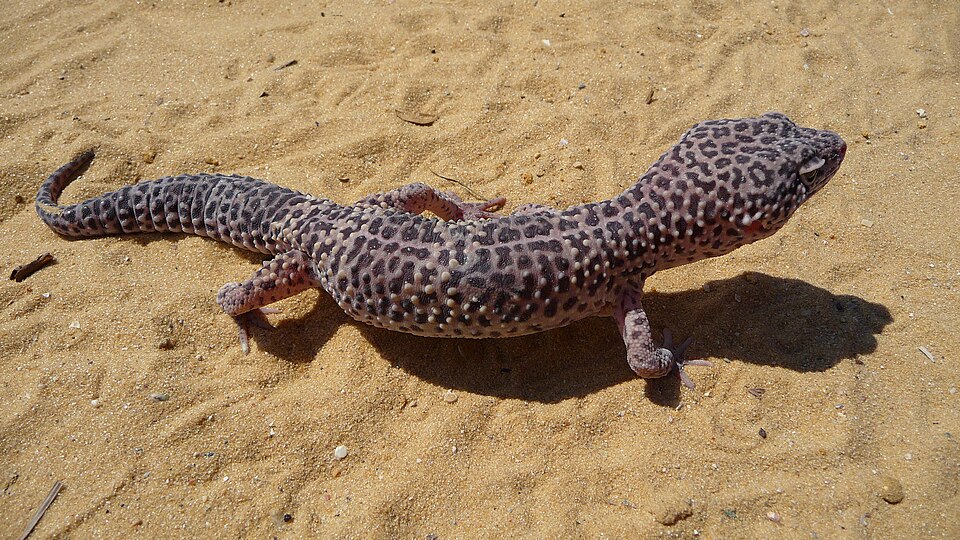
Is a Leopard Gecko a Good First Exotic Pet? Space, Food and Heat
Leopard geckos are often suggested for beginners, but adult space, live prey, supplements and a temperature gradient still need a real plan.
Read the guide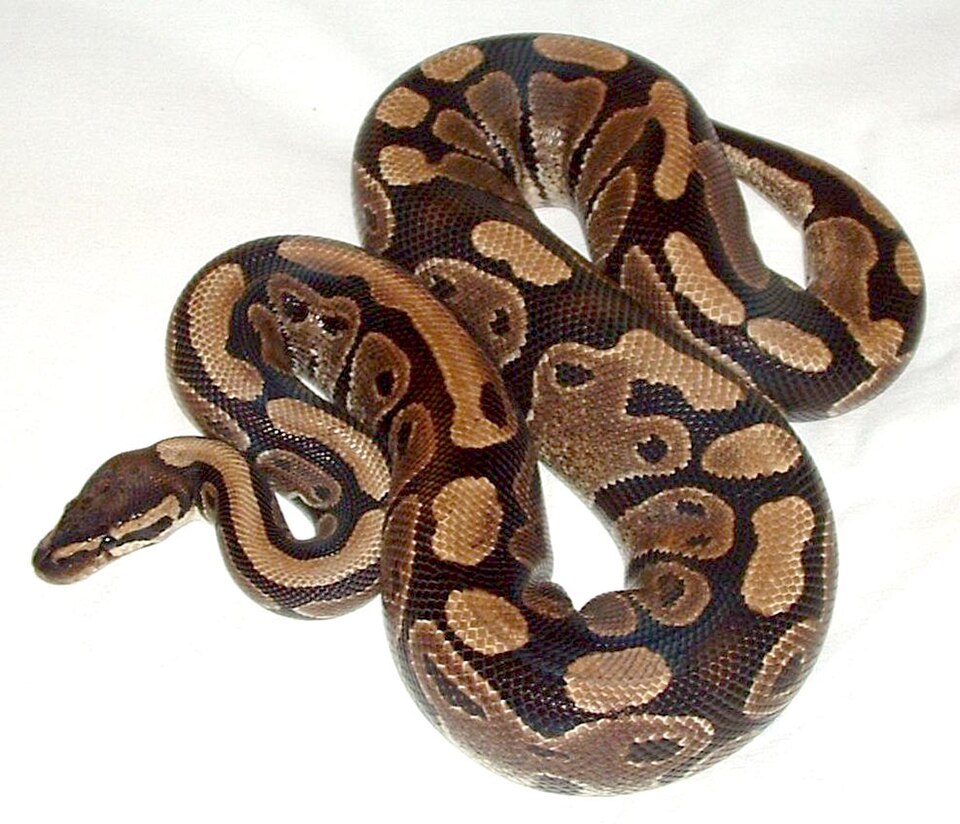
5 Things to Think Through Before Getting a Ball Python
Ball pythons are quiet and long-lived, but adult space, frozen rodents, feeding refusals and steady climate control are real commitments.
Read the guide