Are Corn Snakes Easy to Keep? Adult Space and Frozen Rodents
Corn snakes are often treated as beginner snakes, but adult length, escape control, frozen rodents and a long-term enclosure still matter.
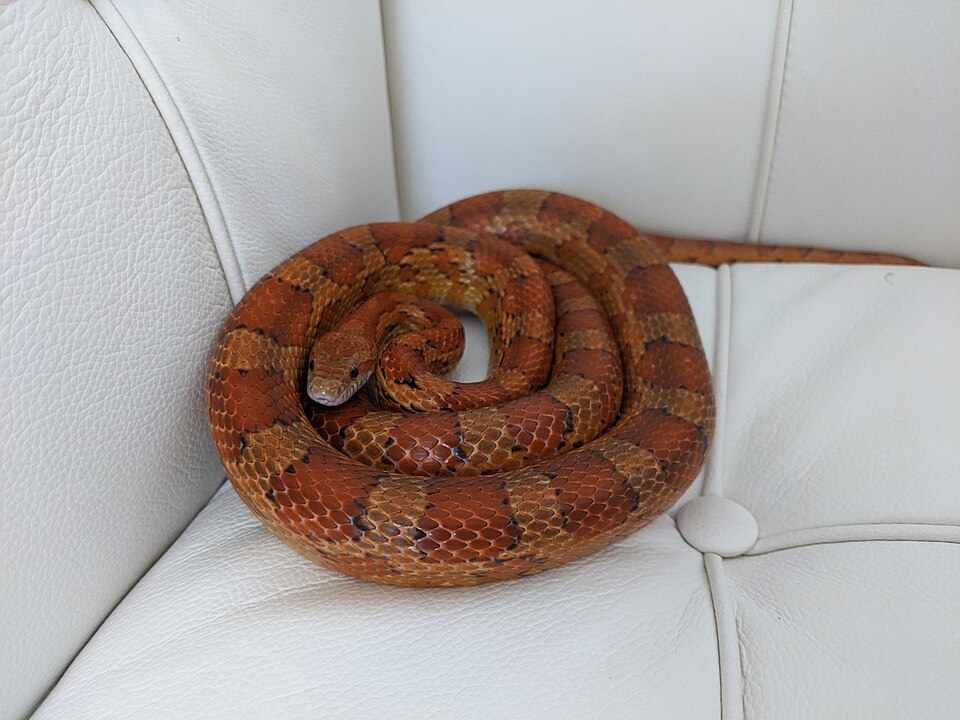
Corn snake care is fairly clear, which is why the species appears in beginner lists. The catch is that it will not stay in a small box forever. Adult length, escape control and a frozen-rodent routine decide whether it actually fits your room and life.
Easy care does not mean a small footprint
Adults commonly reach about 35.43–59.06 in. Plan at least 47.24 × 23.62 × 23.62 in, with about 59.06 × 23.62 × 23.62 in or more for larger animals. A juvenile enclosure is only a stage in the plan.
Corn snakes climb and look for gaps. Check the screen, locks, cable holes and vents as if the snake will actively search for an exit.
Temperature and humidity need a repeatable rhythm
Plan a cool end around 68–75.2 °F and a warm end around 82.4–86 °F, with a moderate night drop. Humidity is usually around 40–50%, with a humid hide to support complete sheds.
Put every heat source on a thermostat and measure with a probe. A gradient lets the snake choose a position; heating the whole enclosure does not replace it.
Be honest about the frozen-rodent routine
Corn snakes need rodent prey. Juveniles commonly eat every 5–7 days and adults every 7–14 days, adjusted for body condition. You need a plan for frozen storage, thawing and cleaning.
Many adapt to calm, occasional handling, but every snake differs. After feeding, during a shed or just after arrival, quiet time matters more than rushing to handle.
Take this checklist with you
- Reserve at least a 47.24 × 23.62 × 23.62 in adult enclosure, with a longer plan for larger animals.
- List every gap, lock and cable hole and test the enclosure for escape routes.
- Confirm a frozen-rodent supply, storage and handling routine, plus access to an exotic-pet veterinarian.
Plan for these hard parts
- A beginner label does not remove the adult footprint.
- A snake can use a surprisingly small gap; escape control is more than buying a screen lid.
- Rodent prey and the cleaning routine must be something you can accept long term.
With adult space, frozen rodents and careful escape control, a corn snake can fit a predictable care routine. If your room only fits a juvenile box or rodents are a hard no, do not rush into the purchase.
Further reading
RSPCA Species Care DataThis is an editorial introduction. It does not replace veterinary advice or establish local legal status.
Corn Snake
Climbing, crepuscular snakes; escape-proofing and long-term space are primary requirements.
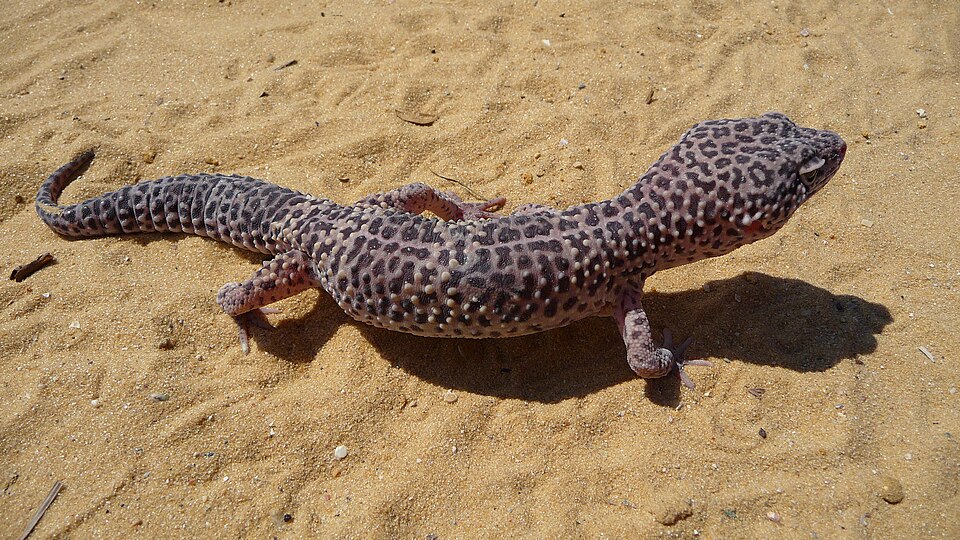
Is a Leopard Gecko a Good First Exotic Pet? Space, Food and Heat
Leopard geckos are often suggested for beginners, but adult space, live prey, supplements and a temperature gradient still need a real plan.
Read the guide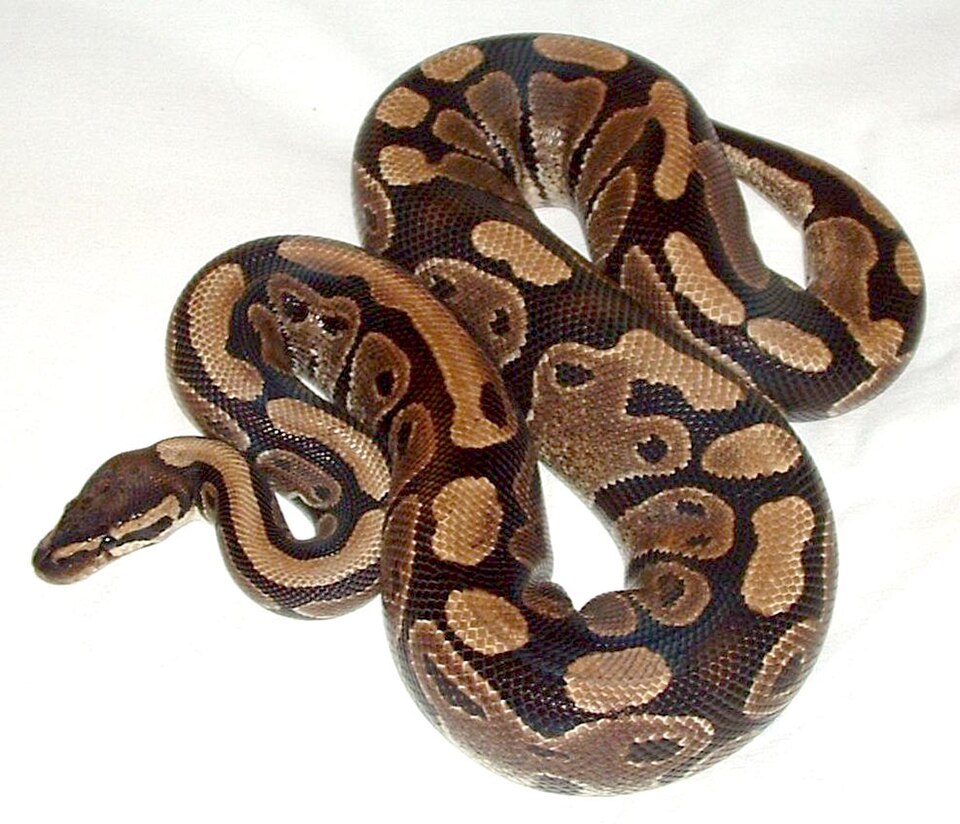
5 Things to Think Through Before Getting a Ball Python
Ball pythons are quiet and long-lived, but adult space, frozen rodents, feeding refusals and steady climate control are real commitments.
Read the guide