High-Demand Care
Difficulty is referenced against equipment, environmental stability, and daily management. Rated as Basic, it still requires thorough preparation.
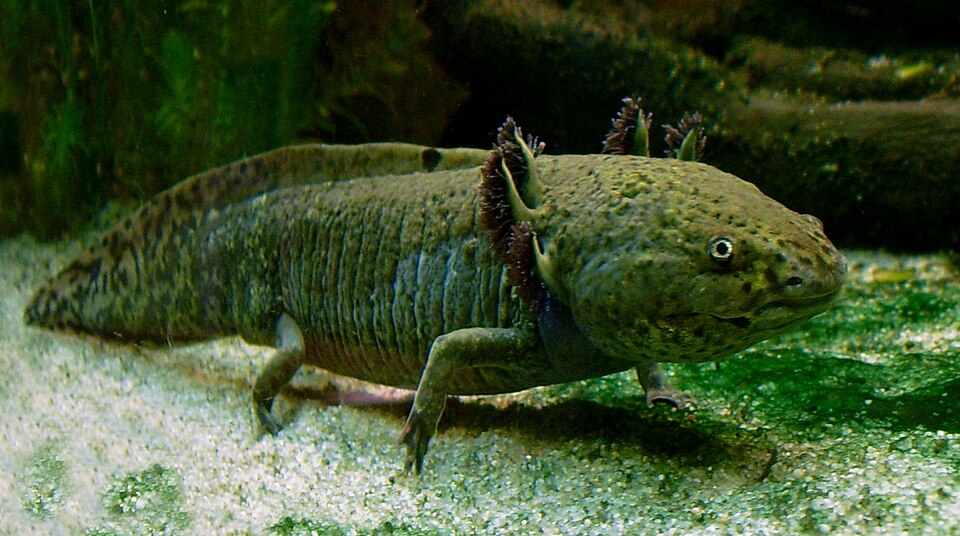
Axolotl
A permanently aquatic salamander; cold-water maintenance is the core cost.
- Adult size
- 7.87–11.81 in
- Reference Lifespan
- 10–15 yr
- Water Temperature
- 60.8–64.4 °F
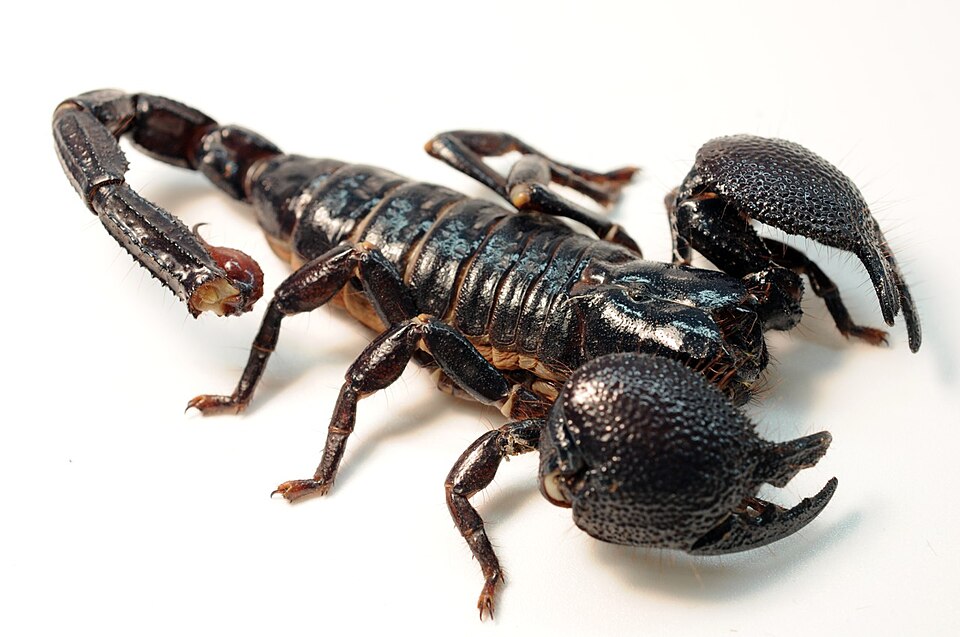
Emperor Scorpion
Nocturnal, terrestrial scorpion. Escape prevention, transfers using suitable tools and risk management are essential.
- Adult size
- 5.91–7.87 in
- Reference Lifespan
- 6–8 yr
- Environment reference
- 75.2–82.4 °F
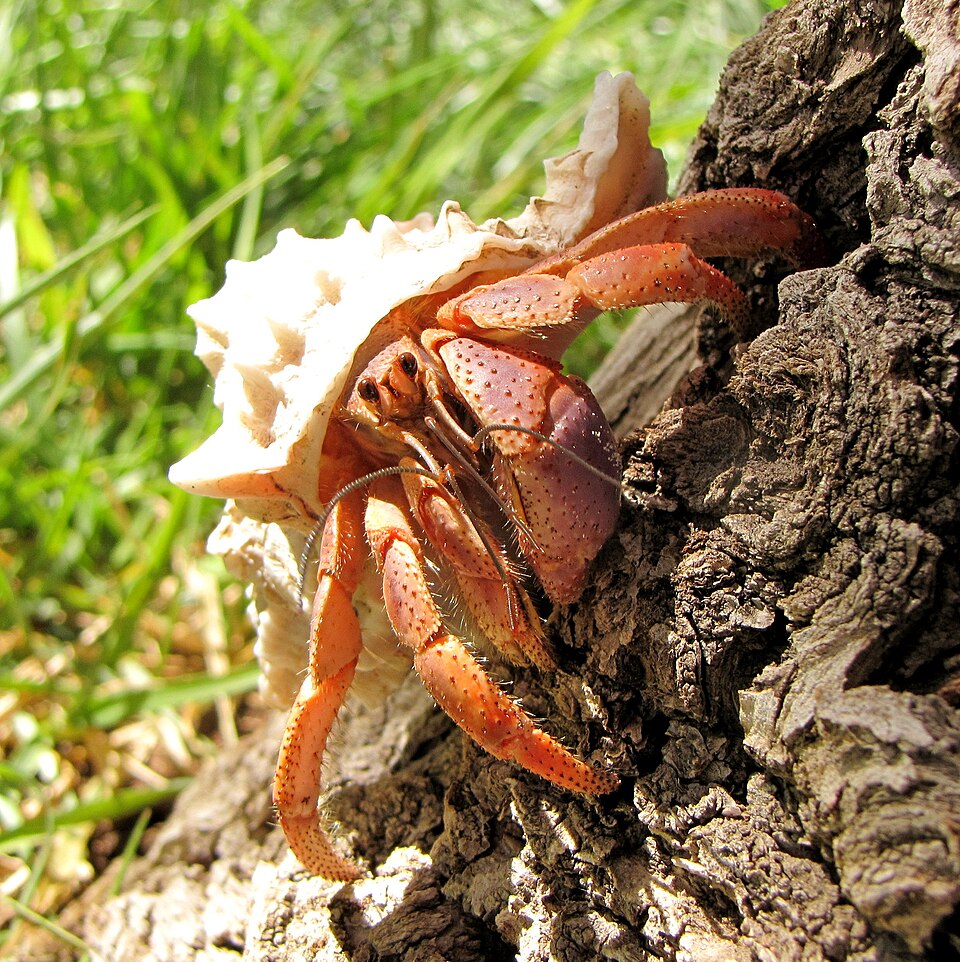
Caribbean Hermit Crab
Terrestrial crustaceans still require humid air, fresh water, and salt water. Not suitable for dry small enclosures.
- Adult size
- 1.18–2.36 in
- Reference Lifespan
- 10–20 yr
- Environment reference
- 75.2–82.4 °F
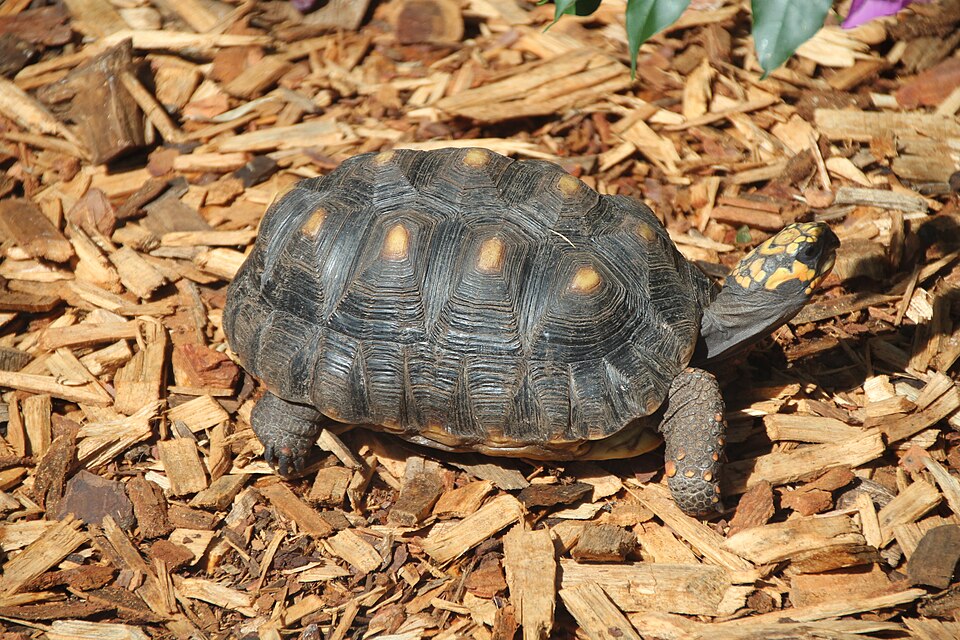
Red Footed Tortoise
Size and humidity requirements far exceed juvenile impressions; long-term large space and a stable environment are needed.
- Adult size
- 11.81–17.72 in
- Reference Lifespan
- 30–50 yr
- Environment reference
- 75.2–86 °F
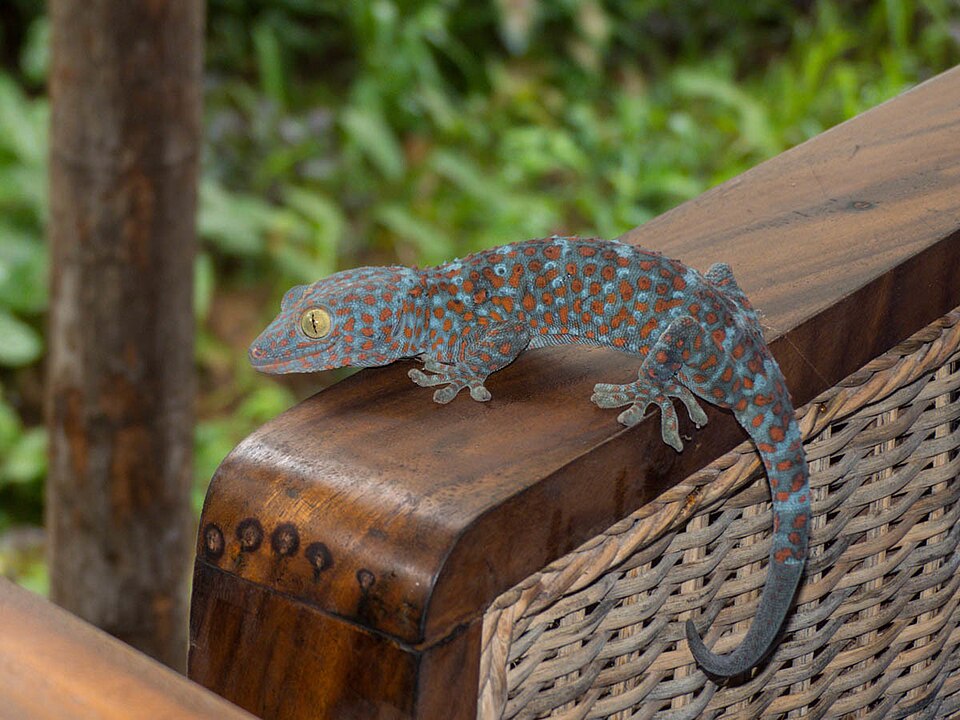
Tokay Gecko
Larger in size, with stronger bite force and escape ability than common small geckos; suitable for experienced keepers.
- Adult size
- 9.84–13.78 in
- Reference Lifespan
- 10–15 yr
- Environment reference
- 75.2–86 °F
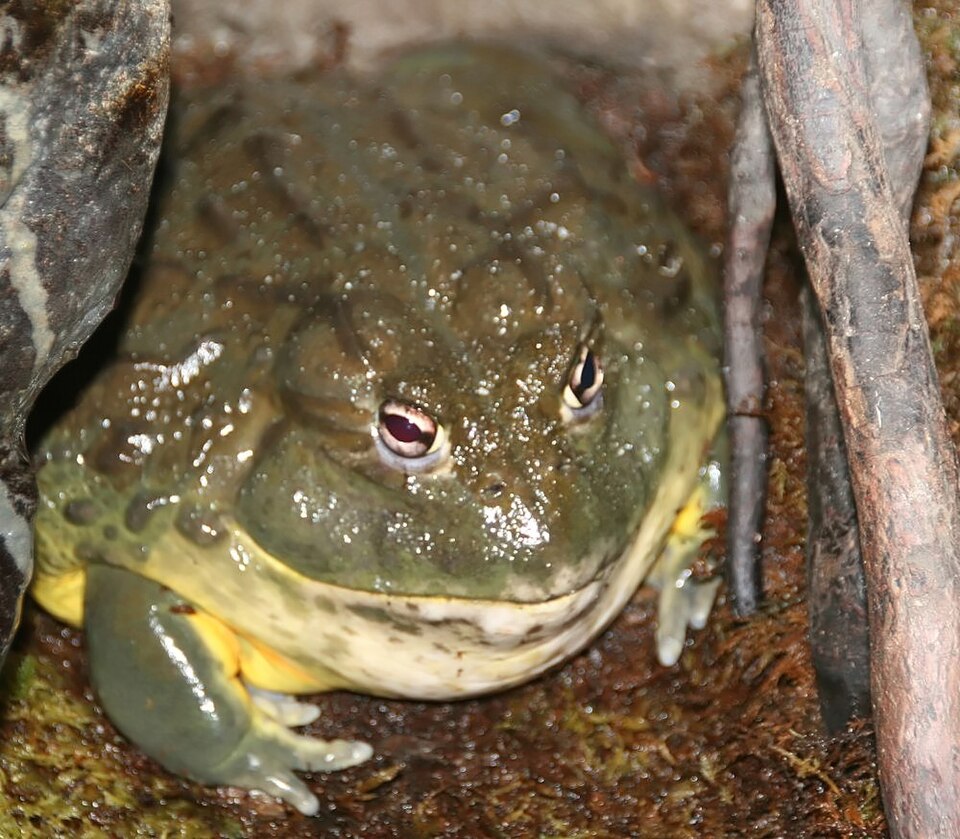
African Bullfrog
Large ambush frog with strong swallowing appetite; long-term space and handling risks must be taken seriously.
- Adult size
- 5.91–9.84 in
- Reference Lifespan
- 15–20 yr
- Environment reference
- 75.2–86 °F
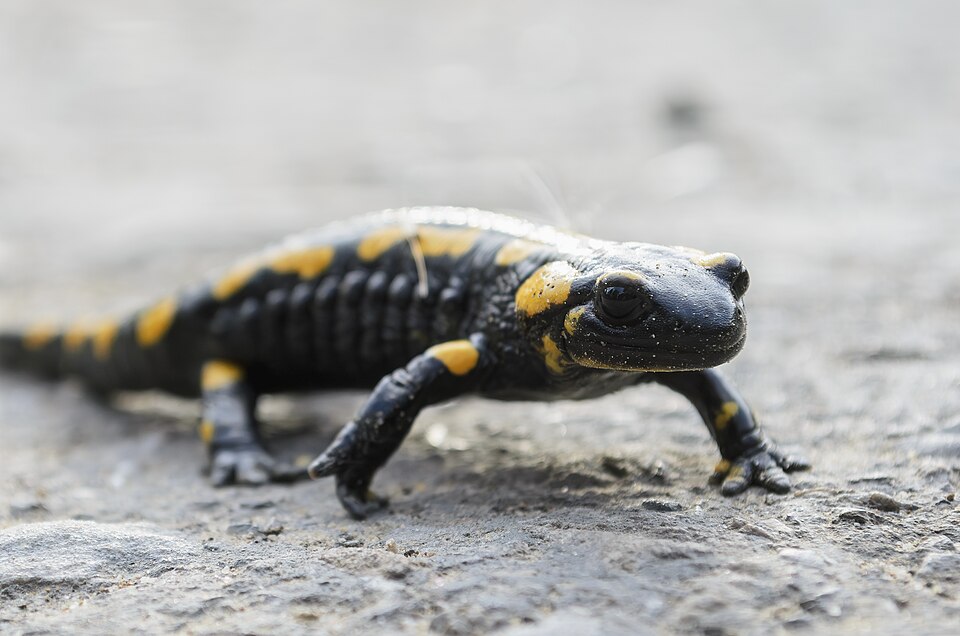
Fire Salamander
High requirements for cool, humid environments and skin secretion management; sourcing and regulations must be addressed upfront.
- Adult size
- 5.91–9.84 in
- Reference Lifespan
- 10–20 yr
- Environment reference
- 59–68 °F
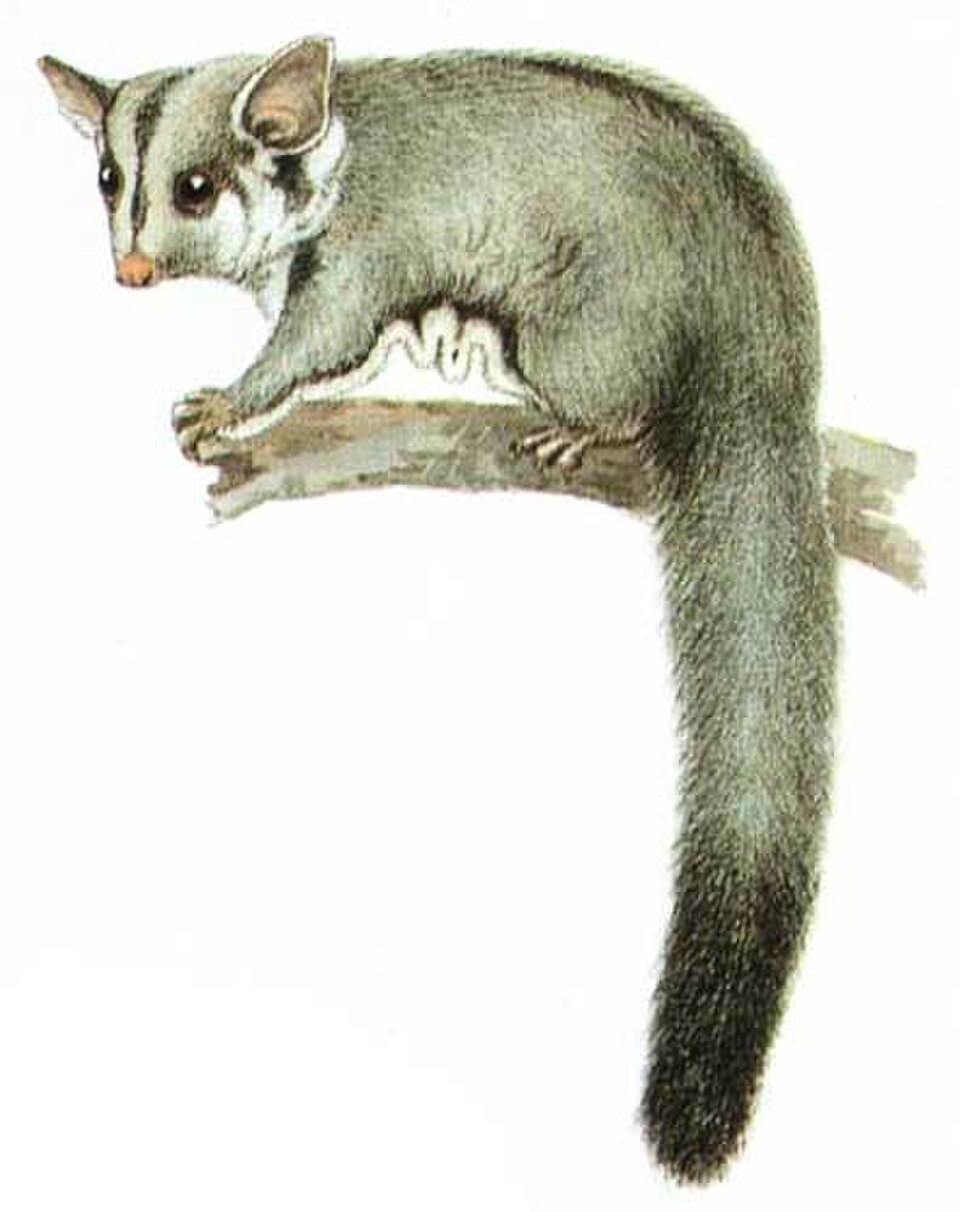
Sugar Glider
Highly social, nocturnal, and long-lived arboreal marsupials; not suitable for understanding as small-cage pets.
- Adult size
- 4.72–5.91 in
- Reference Lifespan
- 10–15 yr
- Environment reference
- 68–82.4 °F
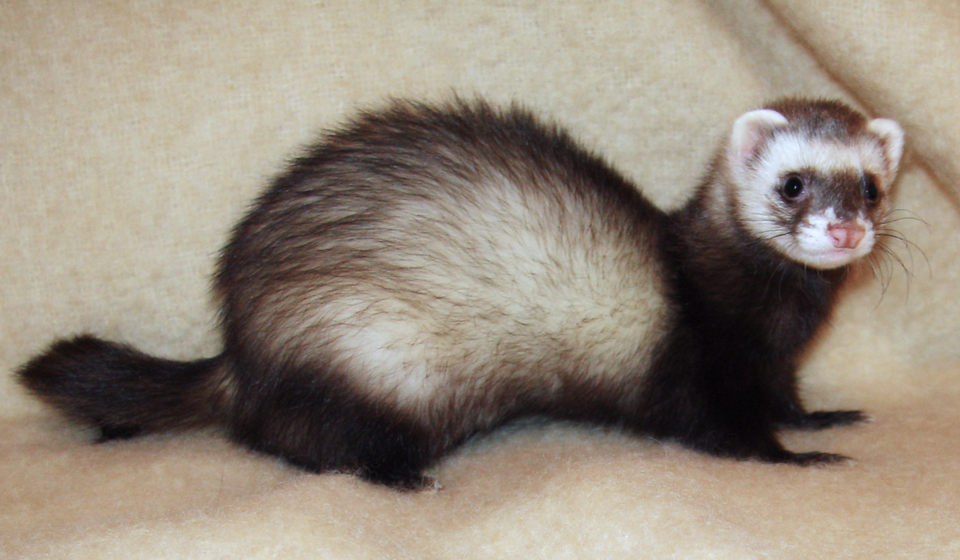
Ferret
Highly active, high-exploration, and high-odor small carnivores; require daily outdoor time and escape-proof modification.
- Adult size
- 13.78–19.69 in
- Reference Lifespan
- 6–10 yr
- Environment reference
- 59–75.2 °F
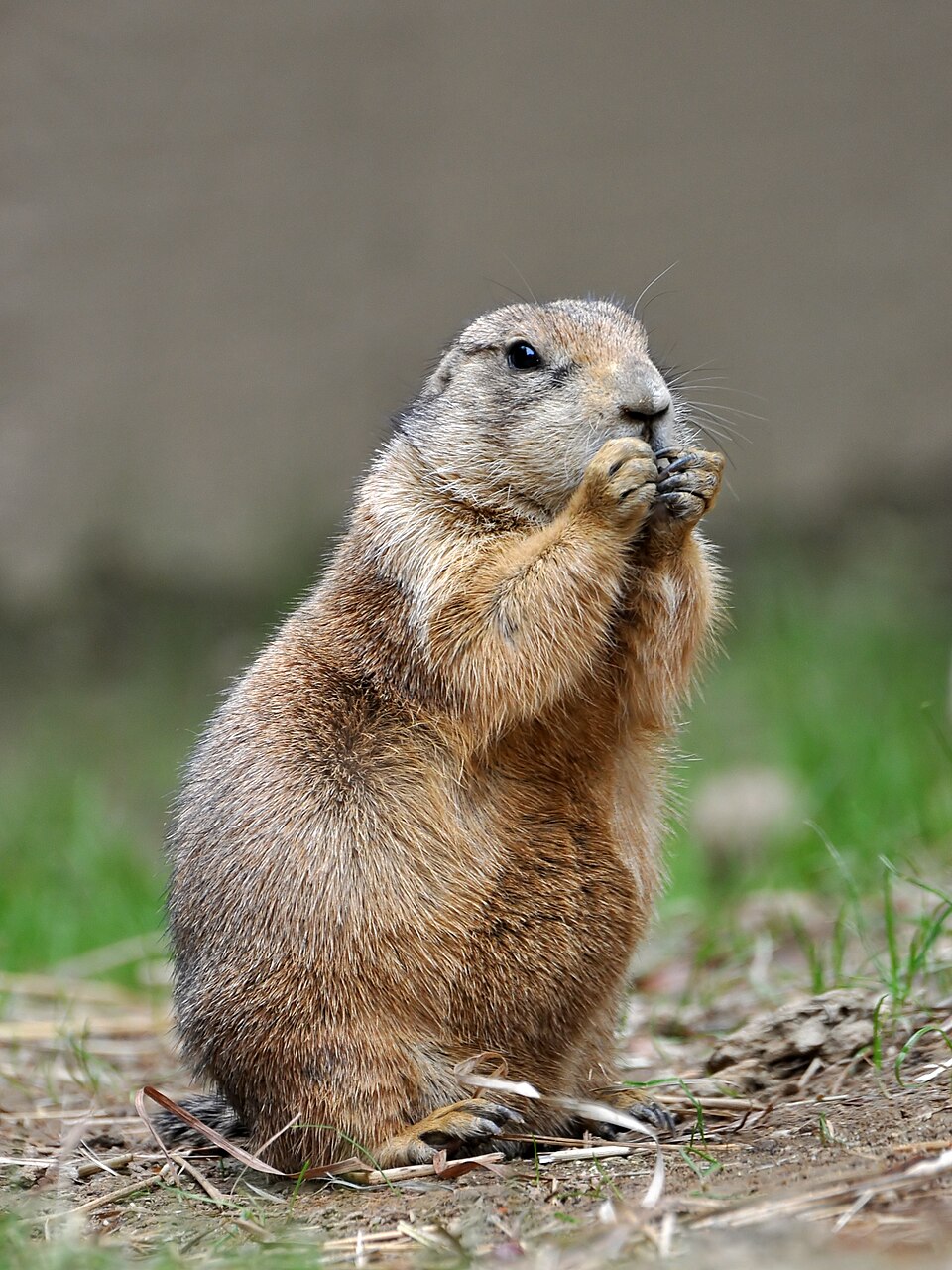
Black Tailed Prairie Dog
Highly social and active; indoor space, chew-proofing, and veterinary resources are heavily required.
- Adult size
- 11.81–15.75 in
- Reference Lifespan
- 8–12 yr
- Environment reference
- 64.4–78.8 °F
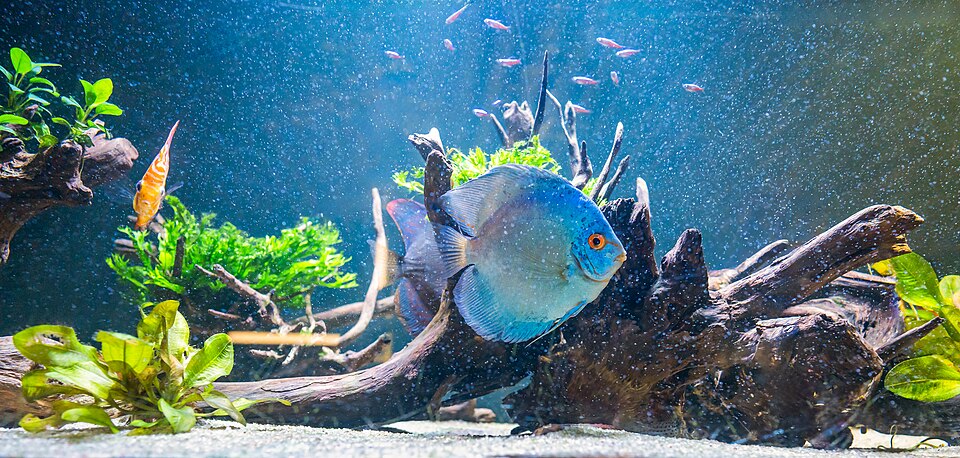
Discus Fish
High-temperature schooling fish; stable water quality, sufficient water volume, and continuous water changes are core requirements.
- Adult size
- 5.91–7.87 in
- Reference Lifespan
- 8–12 yr
- Water Temperature
- 80.6–86 °F
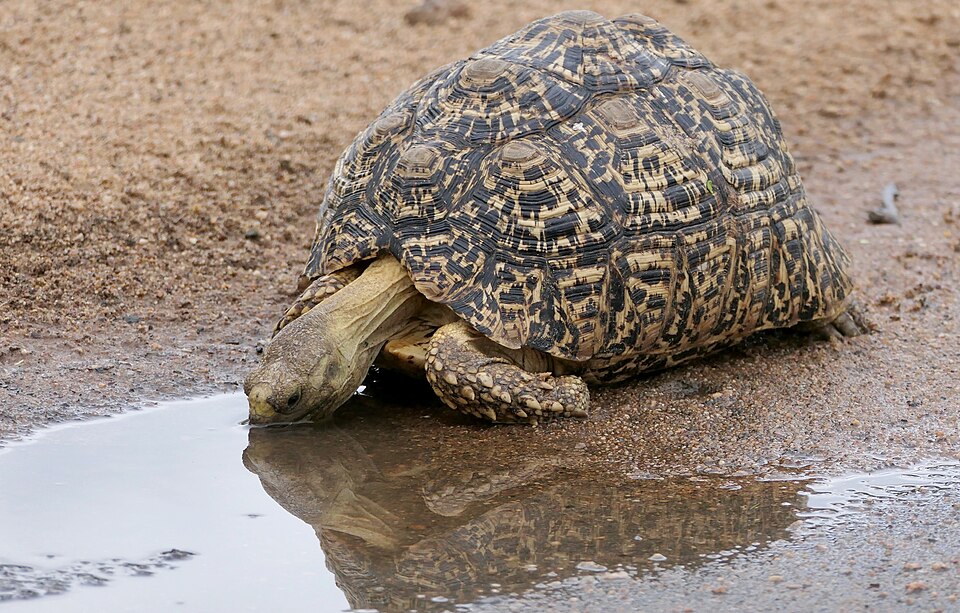
Leopard Tortoise
Slow growth but occupies large space; hay, basking spots, and adult activity areas must be planned together.
- Adult size
- 11.81–17.72 in
- Reference Lifespan
- 40–70 yr
- Environment reference
- 75.2–89.6 °F
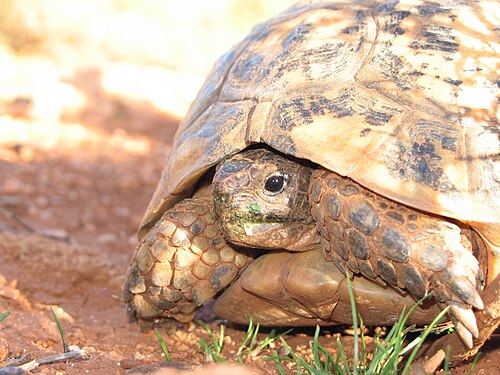
Greek Tortoise
Long lifespan; seasonal changes, low-sugar hay, and hibernation management cannot be handled based solely on juvenile experience.
- Adult size
- 5.91–11.81 in
- Reference Lifespan
- 40–60 yr
- Environment reference
- 71.6–86 °F
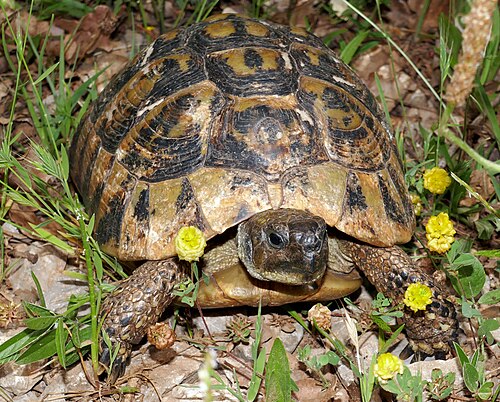
Hermanns Tortoise
Requires strong UVB, spacious floor space, and seasonal rhythms; for long-term indoor housing, activity levels must be addressed first.
- Adult size
- 5.91–11.02 in
- Reference Lifespan
- 40–70 yr
- Environment reference
- 71.6–86 °F
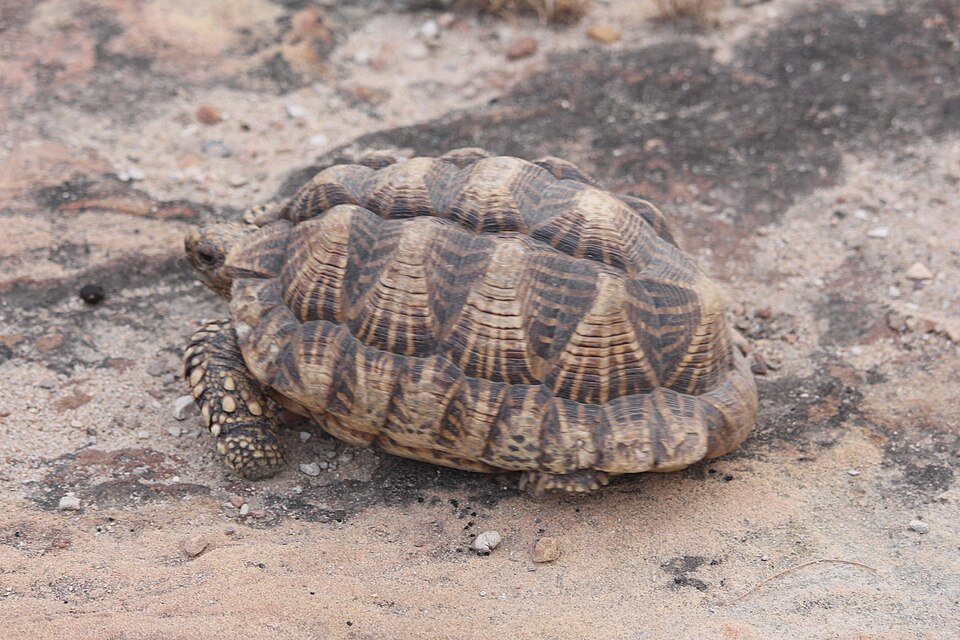
Indian Star Tortoise
High demands for humidity, ventilation, and provenance; verify legal documentation carefully before purchase.
- Adult size
- 7.87–13.78 in
- Reference Lifespan
- 30–50 yr
- Environment reference
- 75.2–89.6 °F
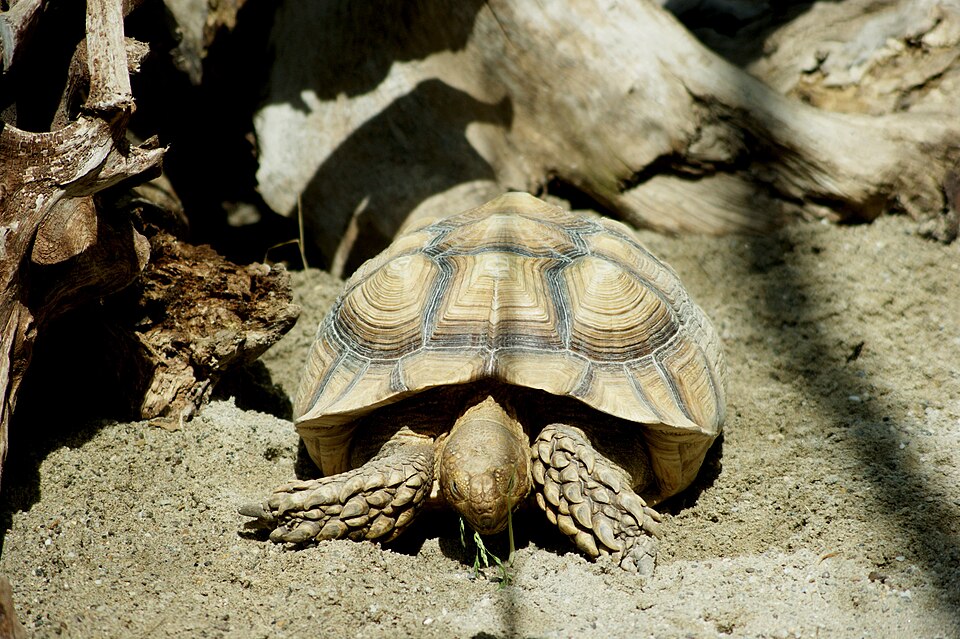
Sulcata Tortoise
Juveniles appear small, but adults require outdoor-grade space, low-sugar forage, and durable enclosures.
- Adult size
- 23.62–35.43 in
- Reference Lifespan
- 50–80 yr
- Environment reference
- 78.8–95 °F
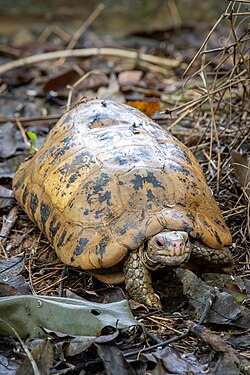
Elongated Tortoise
High-humidity environments must coexist with ventilation; wild-caught status and conservation status make source verification more important than price.
- Adult size
- 11.81–15.75 in
- Reference Lifespan
- 30–50 yr
- Environment reference
- 75.2–86 °F
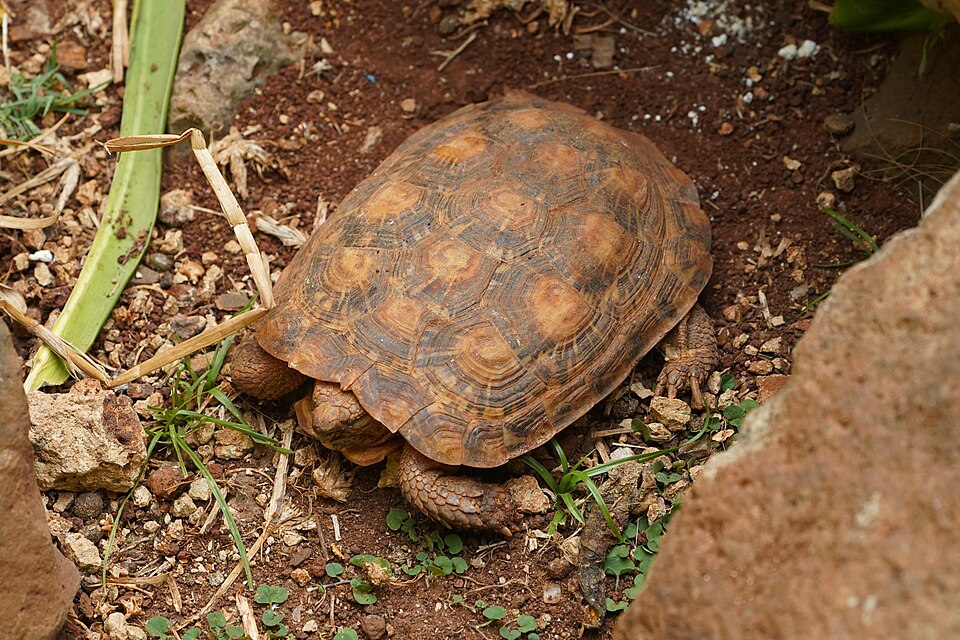
Pancake Tortoise
Skilled at climbing rock crevices; enclosure escape-proofing, drop protection, and legal sourcing are more critical than size figures.
- Adult size
- 5.91–7.09 in
- Reference Lifespan
- 30–50 yr
- Environment reference
- 75.2–89.6 °F
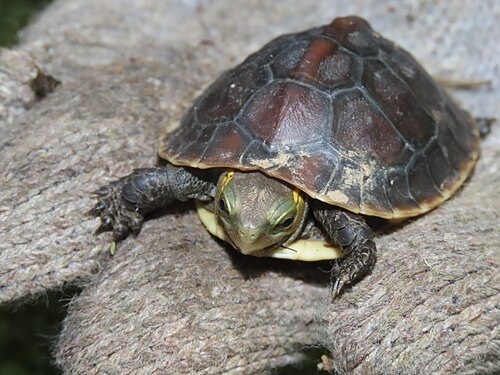
Chinese Box Turtle
Requires moist terrestrial habitat, shelter, and stable temperatures; sourcing and protection regulations must be verified first.
- Adult size
- 5.91–7.87 in
- Reference Lifespan
- 30–50 yr
- Environment reference
- 71.6–84.2 °F
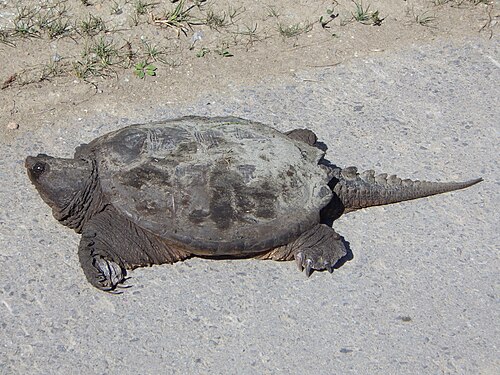
Common Snapping Turtle
High bite force, adult size, and water load; not suitable for keeping as a typical small turtle.
- Adult size
- 9.84–17.72 in
- Reference Lifespan
- 30–50 yr
- Environment reference
- 71.6–82.4 °F
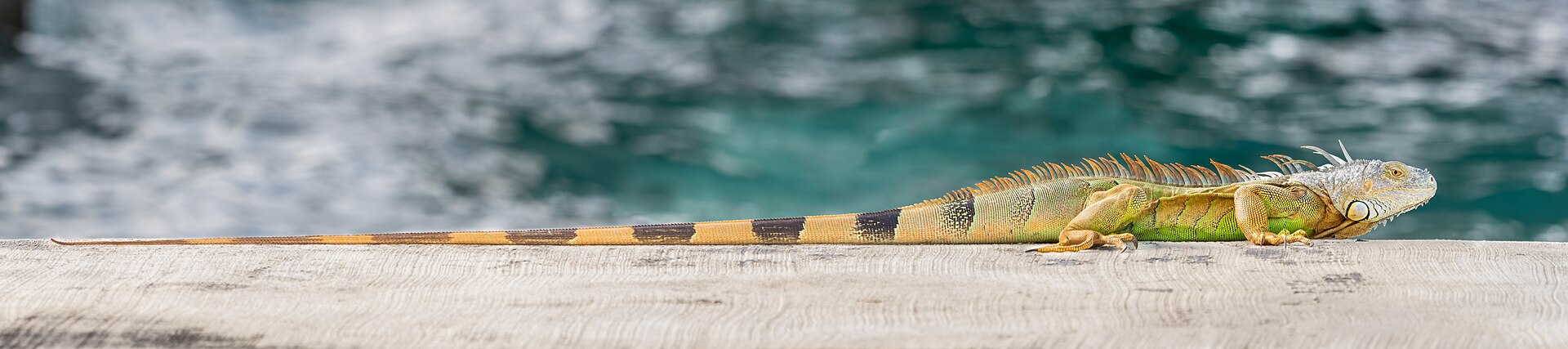
Green Iguana
Hatchlings are popular, but adults require tall enclosures, strong UVB, humidity, and safe tail clearance.
- Adult size
- 39.37–70.87 in
- Reference Lifespan
- 10–20 yr
- Environment reference
- 78.8–95 °F
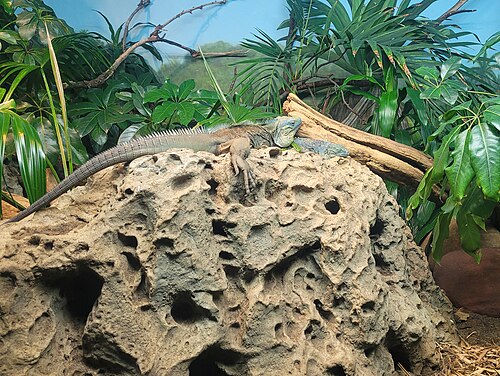
Blue Iguana
Large, long-lived, and sourcing is affected by protection status; only consider if outdoor-level facilities are available.
- Adult size
- 39.37–59.06 in
- Reference Lifespan
- 20–40 yr
- Environment reference
- 78.8–93.2 °F
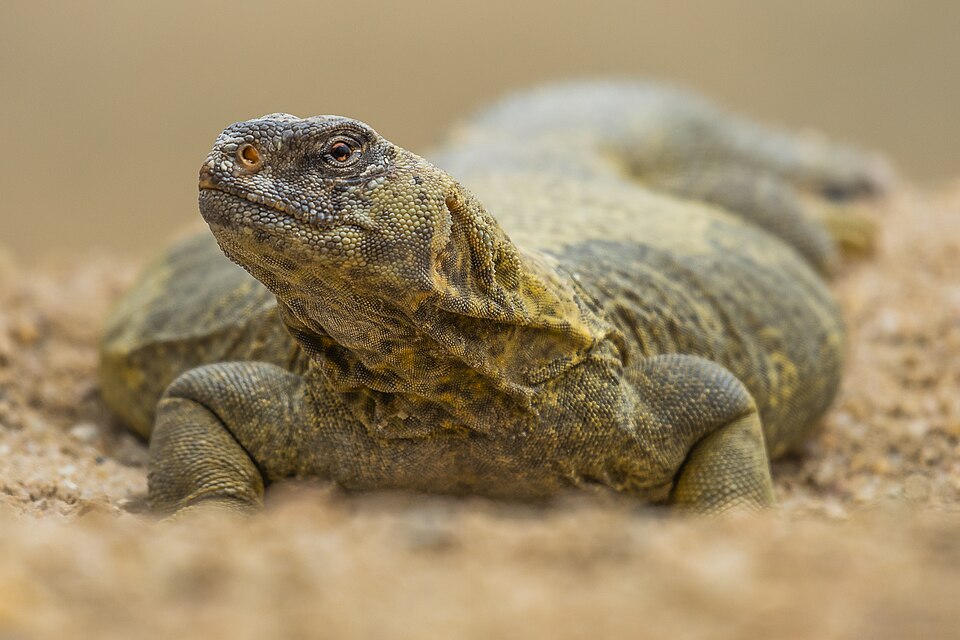
Egyptian Uromastyx
Heavier body size and basking spots than common spiny-tailed iguanas; calculate electricity, ventilation, and adult space requirements first.
- Adult size
- 19.69–29.53 in
- Reference Lifespan
- 20–30 yr
- Environment reference
- 86–107.6 °F
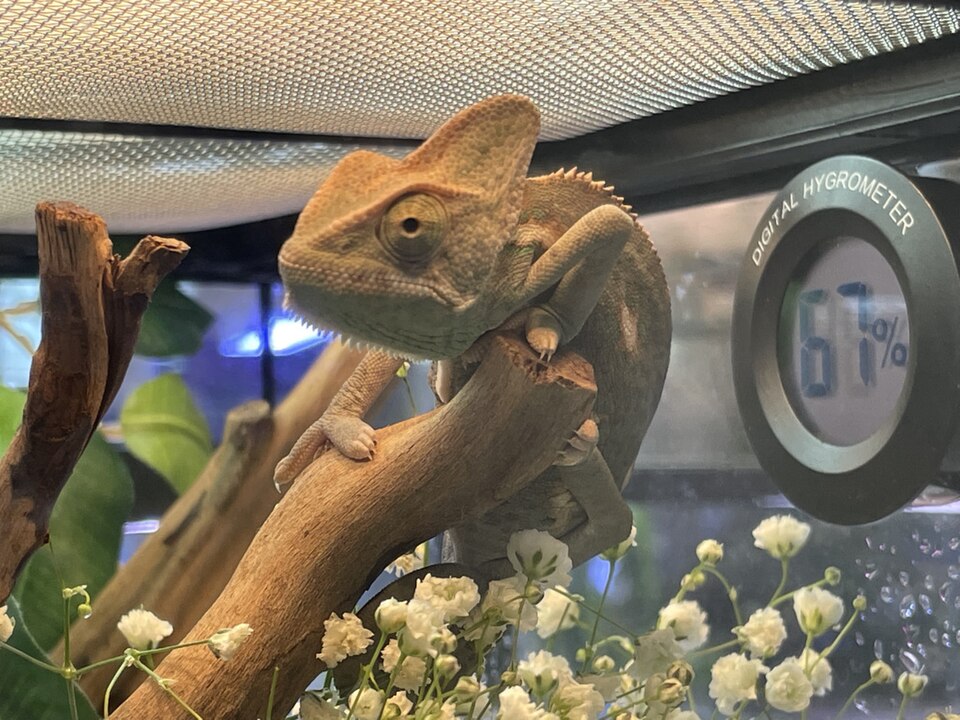
Veiled Chameleon
Ventilation, dripping water, UVB, and basking spots must remain stable simultaneously; long-term water deprivation is more dangerous than short-term temperature deviations.
- Adult size
- 13.78–23.62 in
- Reference Lifespan
- 5–8 yr
- Environment reference
- 71.6–89.6 °F
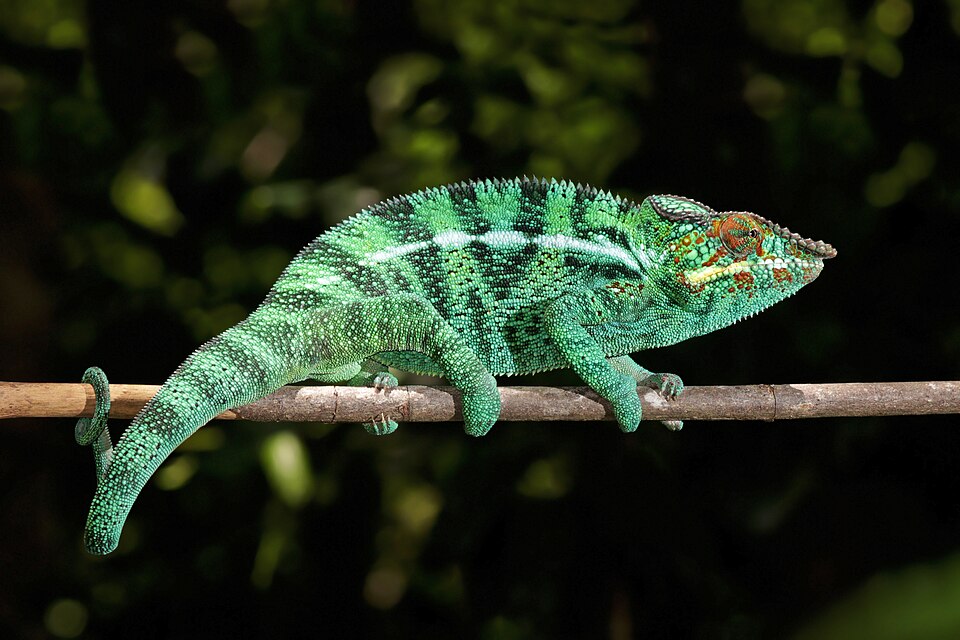
Panther Chameleon
Color is not an indicator of difficulty; ventilation, water availability, temperature gradients, and exotic animal veterinary care determine stability.
- Adult size
- 13.78–21.65 in
- Reference Lifespan
- 5–8 yr
- Environment reference
- 68–86 °F
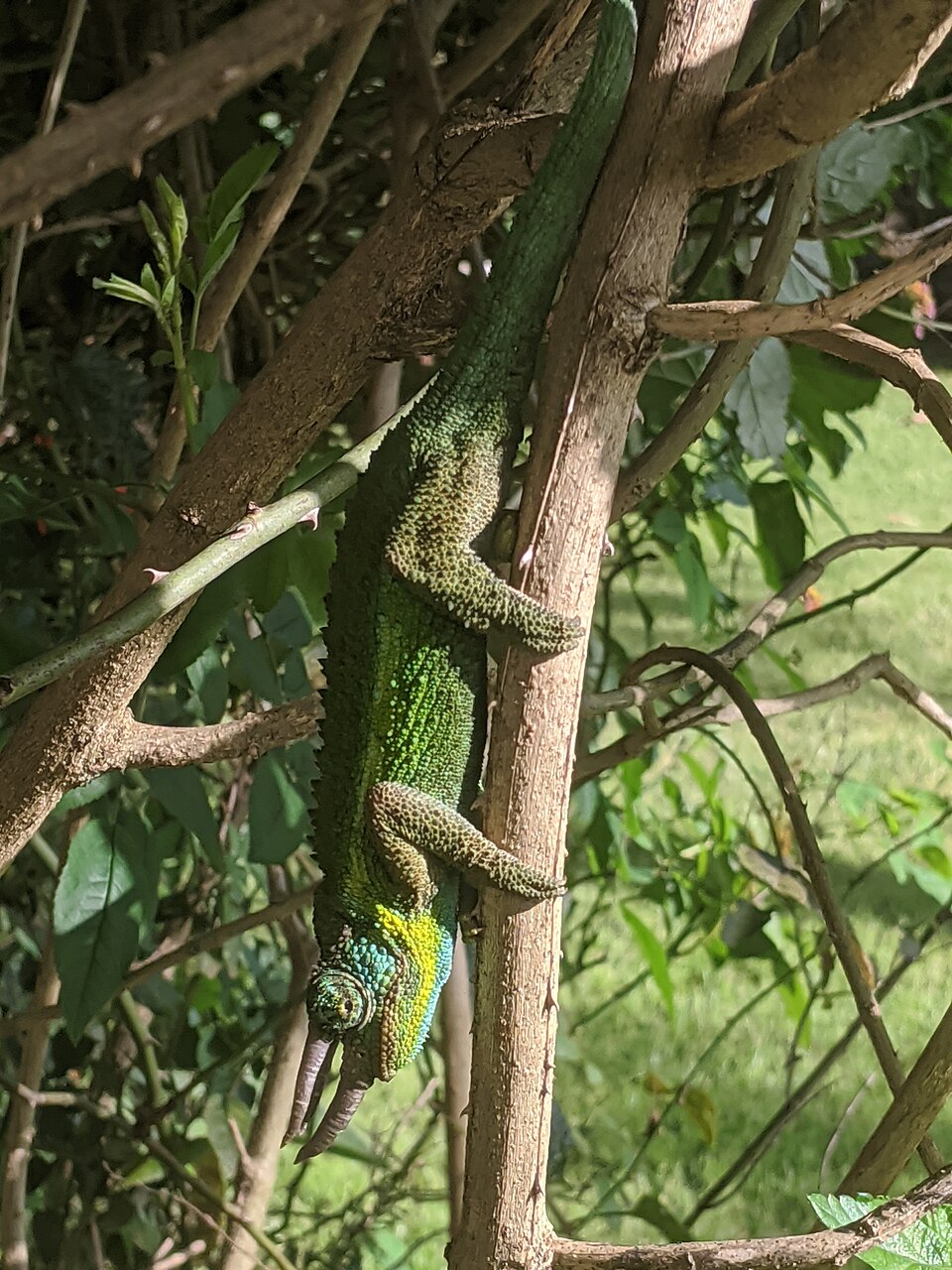
Jackson Chameleon
Requires a tall enclosure that is cool, humid, and well-ventilated; summer cooling and night-day temperature differentials cannot be omitted.
- Adult size
- 7.87–13.78 in
- Reference Lifespan
- 5–10 yr
- Environment reference
- 64.4–80.6 °F
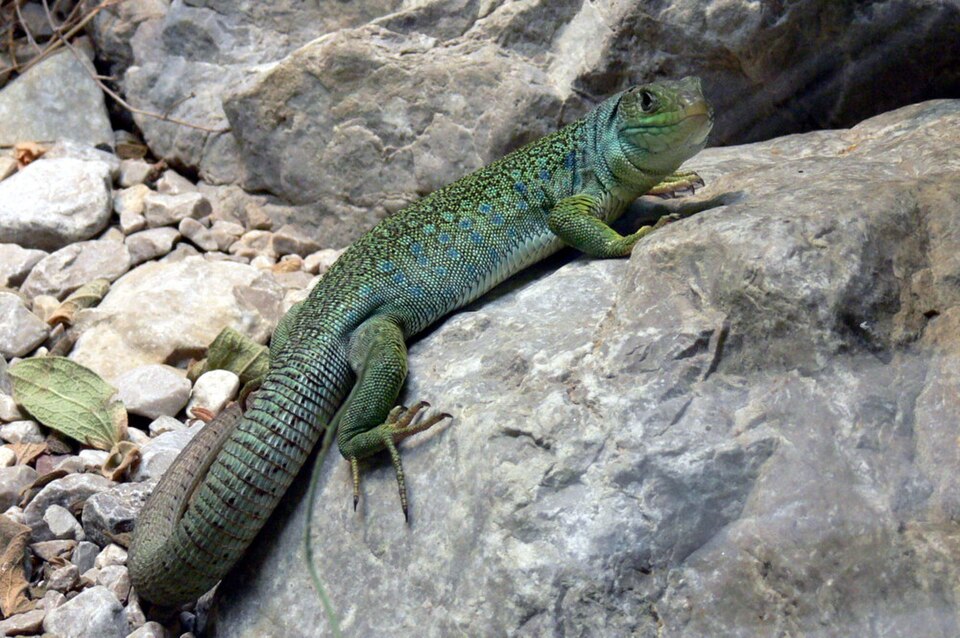
Jeweled Lacerta
Activity levels and territoriality are more prominent than appearance; requires long enclosures, strong UVB, and retreat areas.
- Adult size
- 17.72–25.59 in
- Reference Lifespan
- 15–20 yr
- Environment reference
- 75.2–93.2 °F
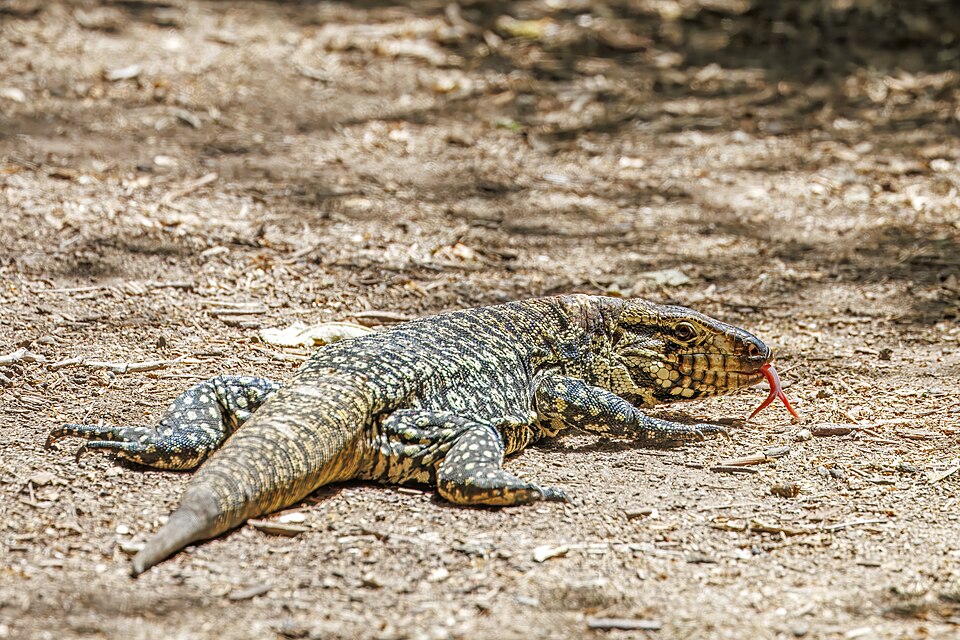
Argentine Tegu
High intelligence, large size, and high activity levels require room-sized enclosures; domestication cannot replace safety management.
- Adult size
- 35.43–55.12 in
- Reference Lifespan
- 15–20 yr
- Environment reference
- 78.8–95 °F
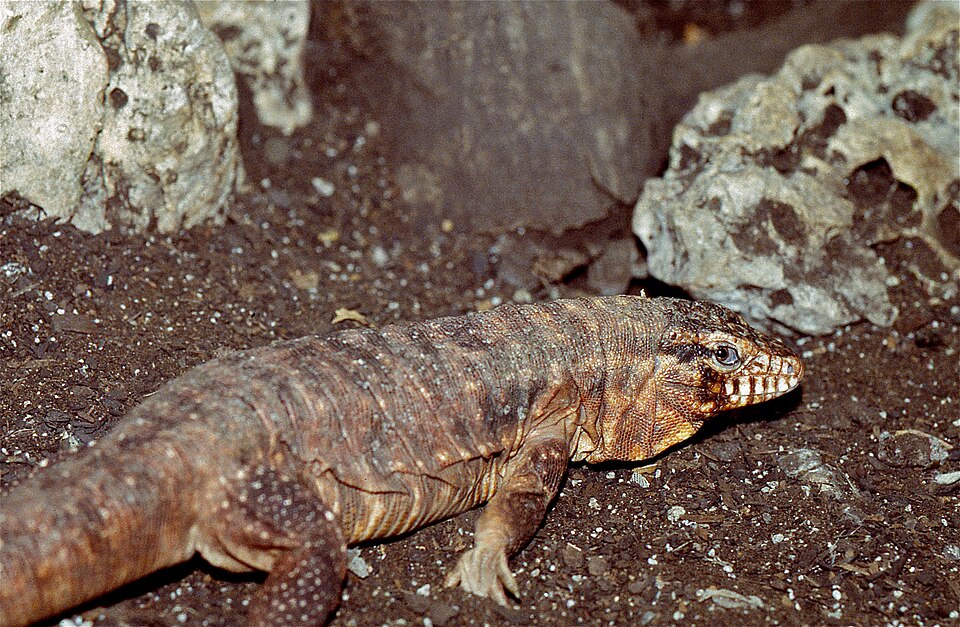
Red Tegu
Adult space, protein control, and bite-proofing measures are all critical; costs cannot be estimated based on small lizard budgets.
- Adult size
- 31.5–47.24 in
- Reference Lifespan
- 15–20 yr
- Environment reference
- 77–93.2 °F
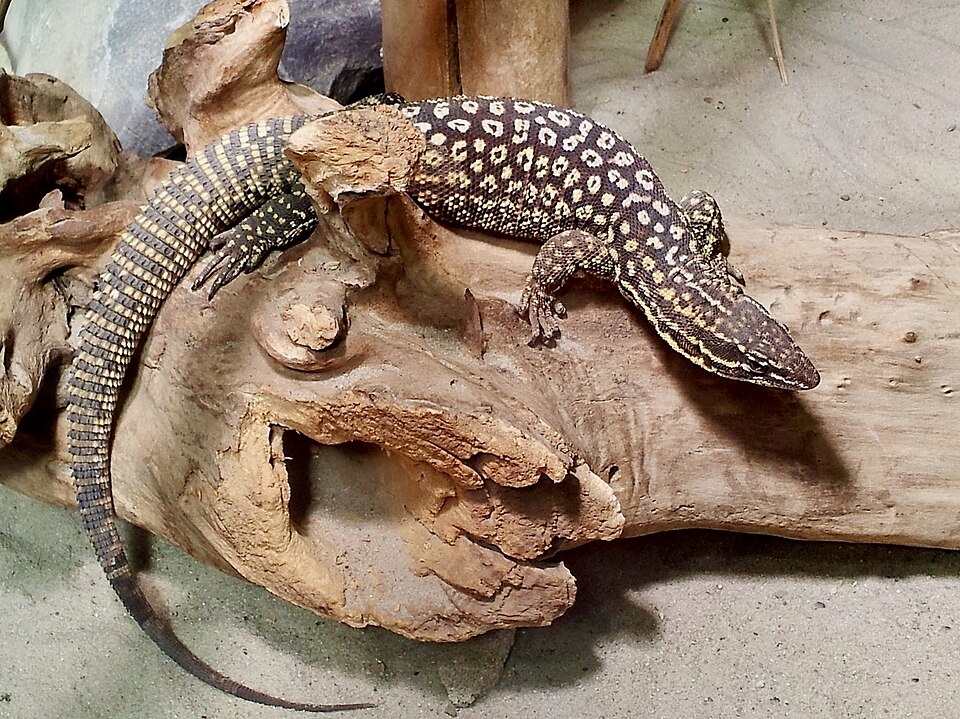
Ackie Monitor
Requires deep substrate, strong basking spots, and ample exploration space; live food costs and tail protection cannot be overlooked.
- Adult size
- 17.72–27.56 in
- Reference Lifespan
- 12–20 yr
- Environment reference
- 82.4–100.4 °F
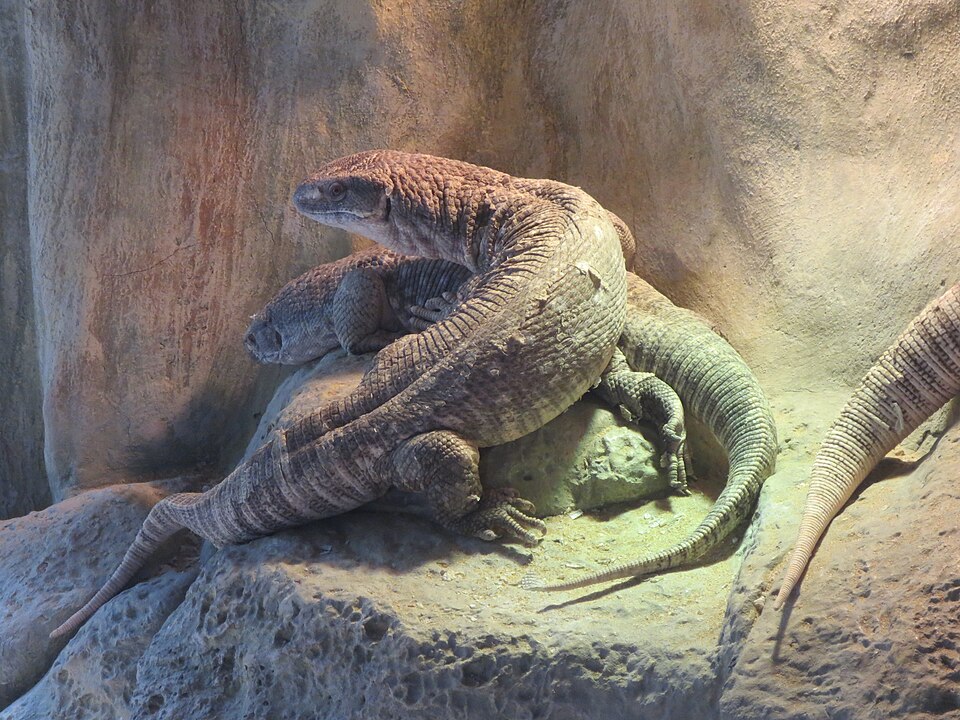
Savannah Monitor
The juvenile market often leads to underestimating adult space and obesity risks; deep substrate, exercise, and feeding control must all be in place.
- Adult size
- 31.5–47.24 in
- Reference Lifespan
- 10–15 yr
- Environment reference
- 82.4–100.4 °F
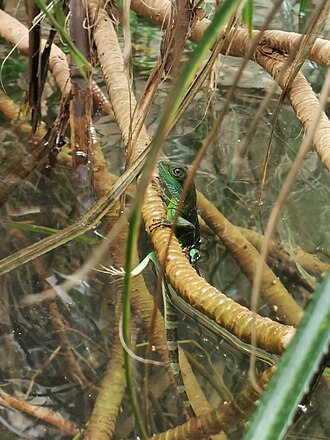
Chinese Water Dragon
High enclosures, moving water, ventilation, and humidity control constrain each other; standard glass tanks will quickly become insufficient.
- Adult size
- 23.62–35.43 in
- Reference Lifespan
- 10–15 yr
- Environment reference
- 75.2–89.6 °F
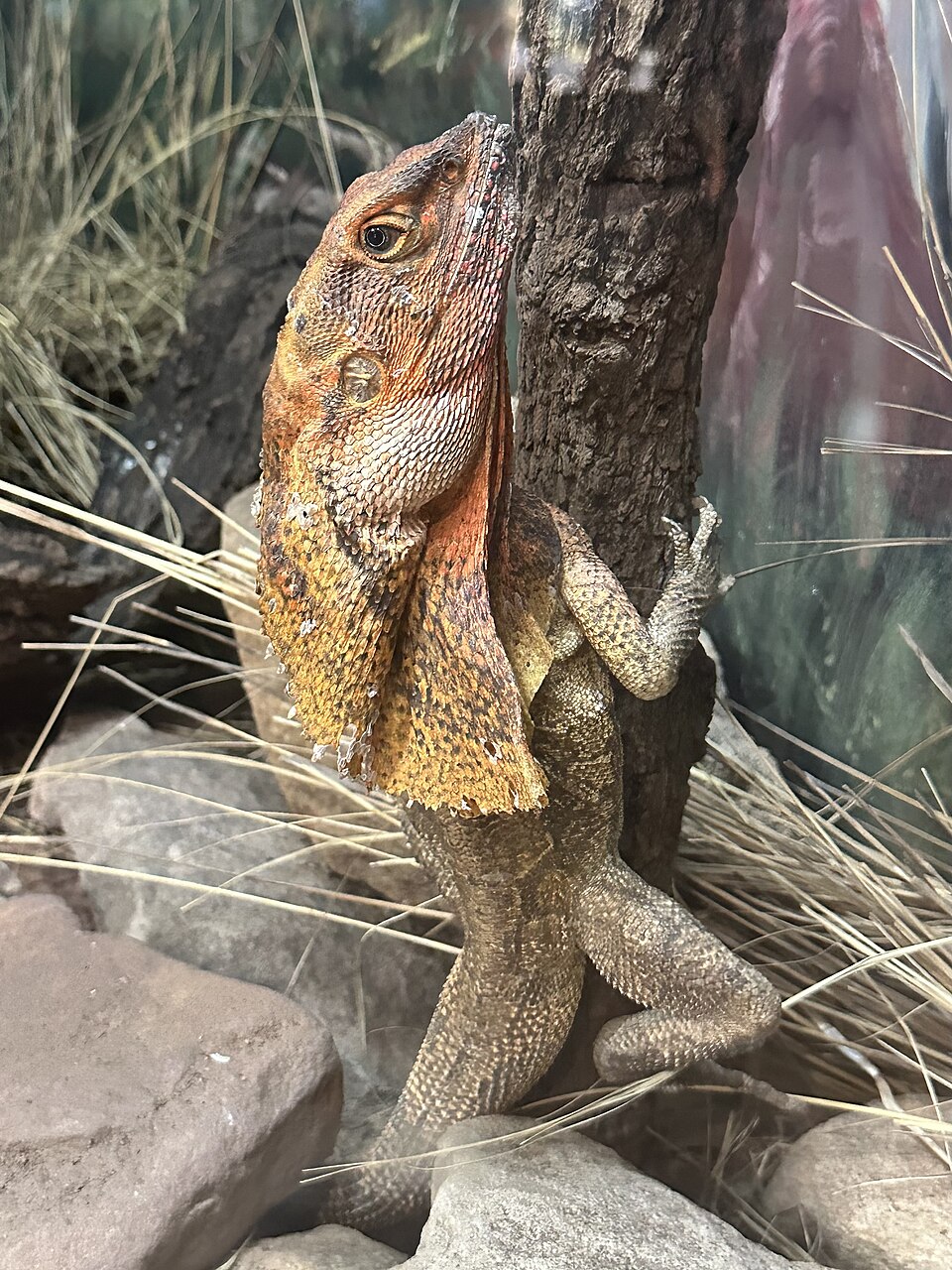
Frilled Lizard
Tree-dwelling height, running distance, and strong UVB must be provided; escape responses when startled are very fast.
- Adult size
- 23.62–35.43 in
- Reference Lifespan
- 10–15 yr
- Environment reference
- 77–95 °F
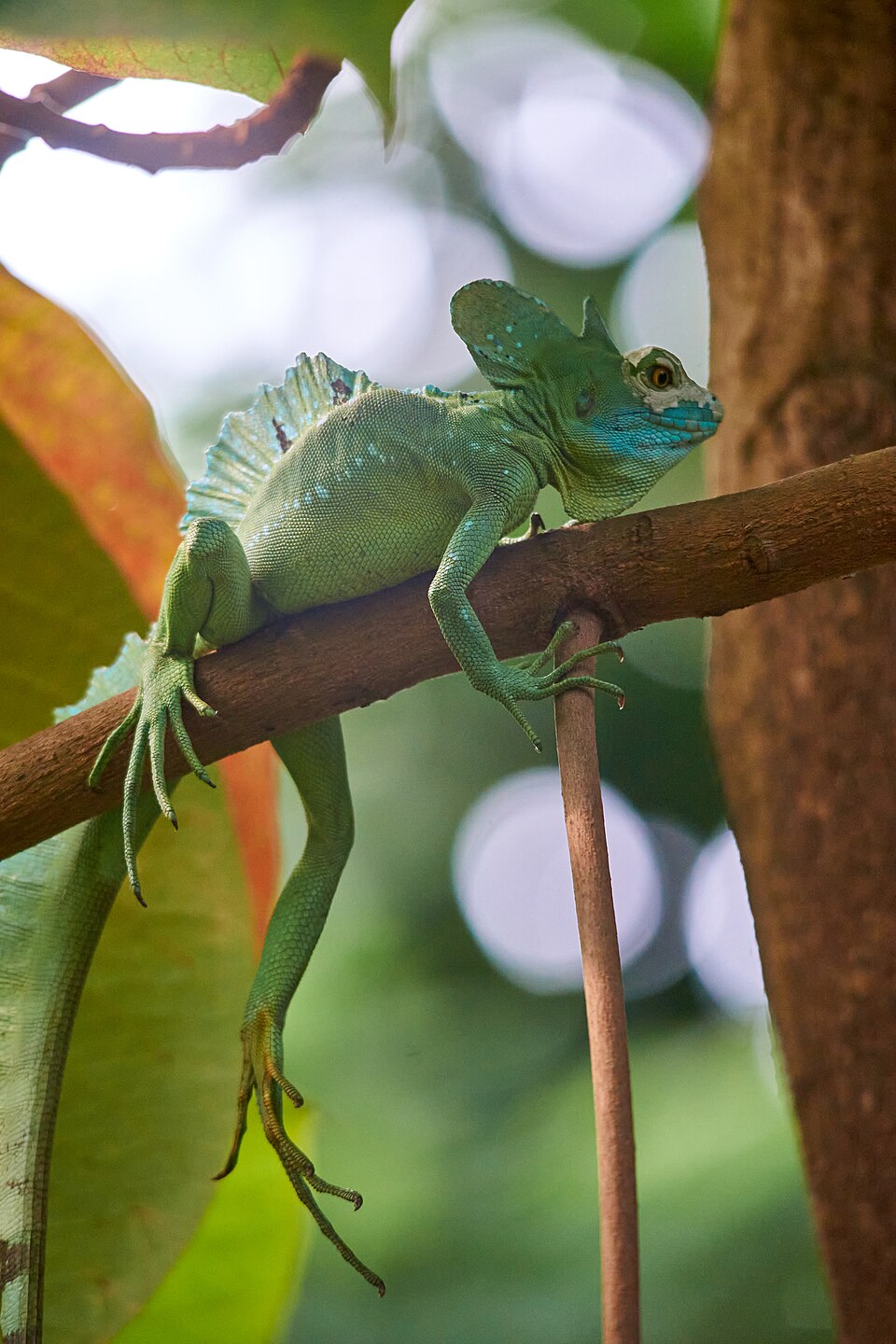
Green Basilisk
High humidity, moving water, and vertical climbing space are all essential; adults will quickly overwhelm standard home setups.
- Adult size
- 23.62–35.43 in
- Reference Lifespan
- 8–12 yr
- Environment reference
- 77–89.6 °F
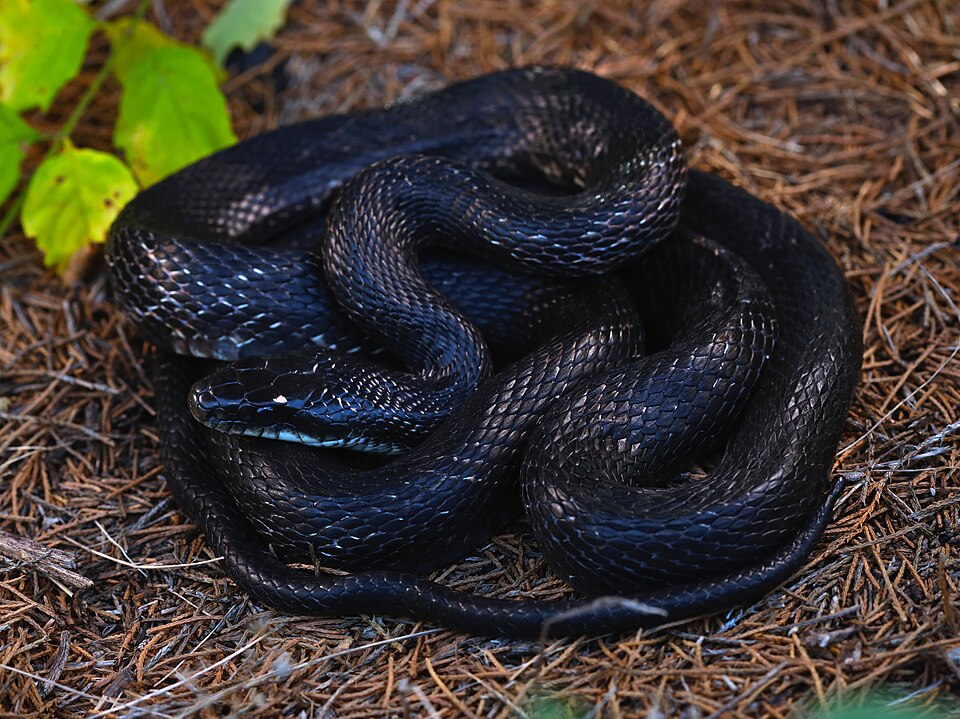
Western Rat Snake
Excellent climber and grows very long; enclosure latches, ventilation, and frozen rodent storage must be managed as for large snakes.
- Adult size
- 47.24–70.87 in
- Reference Lifespan
- 15–25 yr
- Environment reference
- 71.6–86 °F
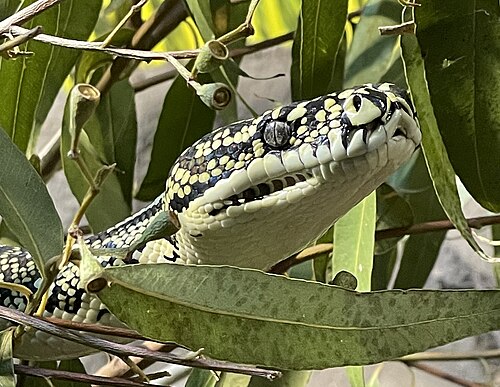
Carpet Python
Climbing space and adult length are both large; learn safe handling before interaction and prepare ample frozen mice.
- Adult size
- 59.06–98.43 in
- Reference Lifespan
- 15–25 yr
- Environment reference
- 75.2–89.6 °F
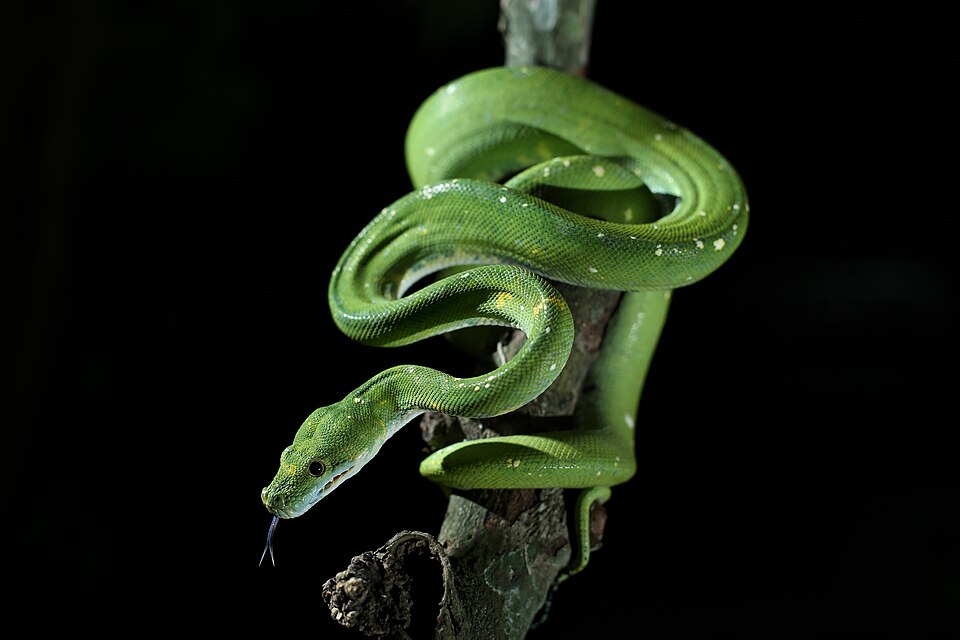
Green Tree Python
High-level coiling, ventilation, and humidity must be precisely controlled; not suitable as a typical terrestrial snake.
- Adult size
- 47.24–70.87 in
- Reference Lifespan
- 15–20 yr
- Environment reference
- 75.2–86 °F
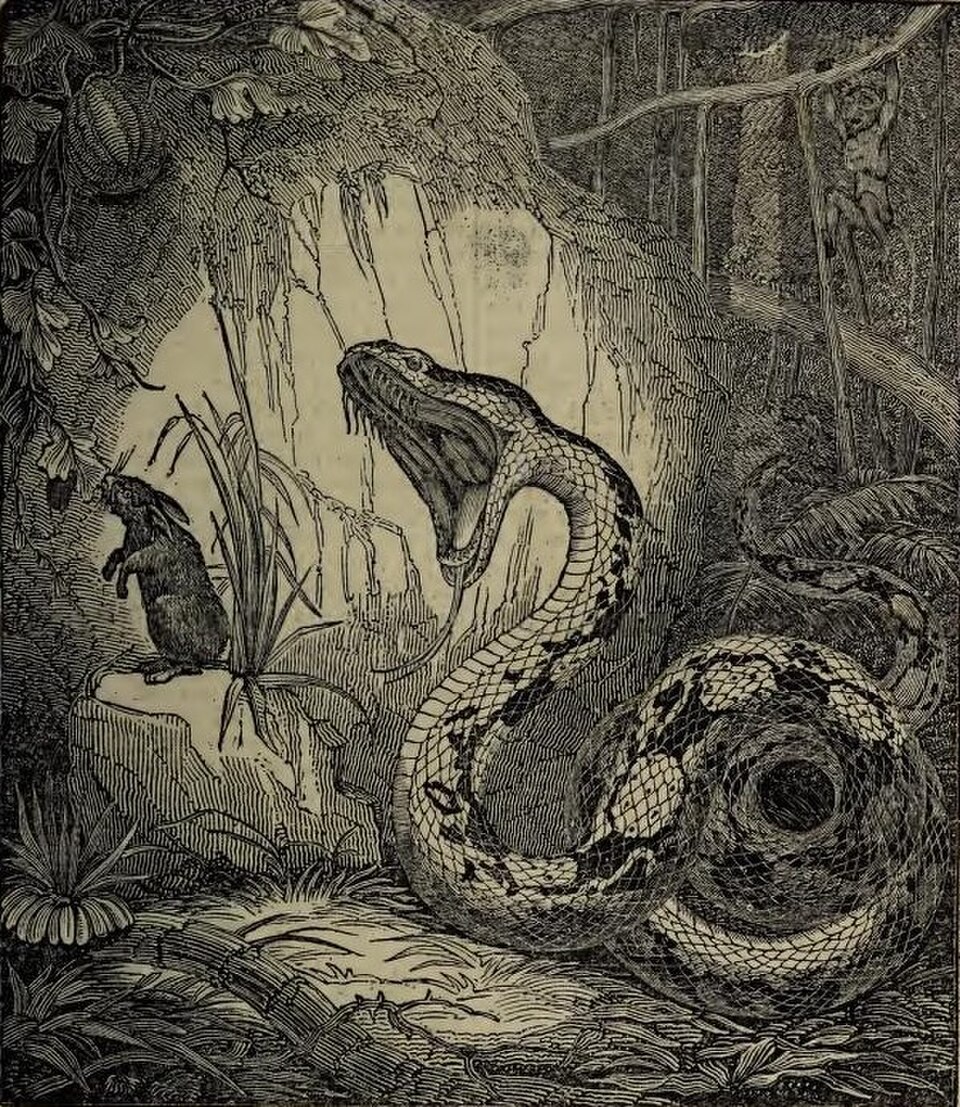
Red Tail Boa
Adult length, strength, and long-term feeding costs are all high; single-person handling and household safety must be assessed first.
- Adult size
- 70.87–118.11 in
- Reference Lifespan
- 20–30 yr
- Environment reference
- 77–87.8 °F
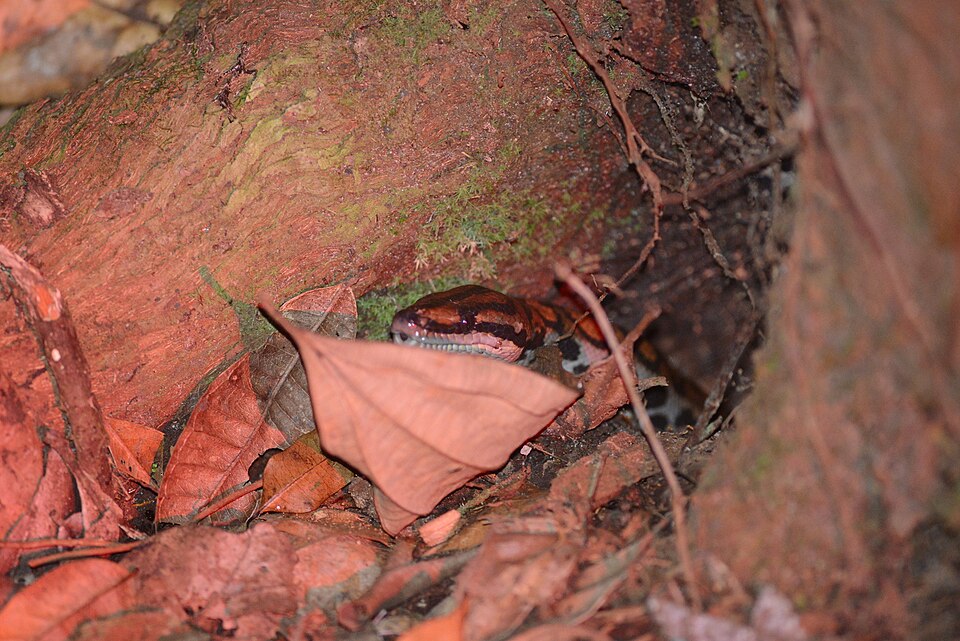
Brazilian Rainbow Boa
High-humidity environments require strong ventilation and mold prevention; adult enclosures and frozen mouse storage must allow extra space.
- Adult size
- 47.24–70.87 in
- Reference Lifespan
- 15–25 yr
- Environment reference
- 75.2–86 °F

Chinese Cave Gecko
Cool, high-humidity, and low-light environments require continuous stability; summer cooling and source verification cannot be omitted.
- Adult size
- 7.09–9.84 in
- Reference Lifespan
- 8–15 yr
- Environment reference
- 64.4–77 °F
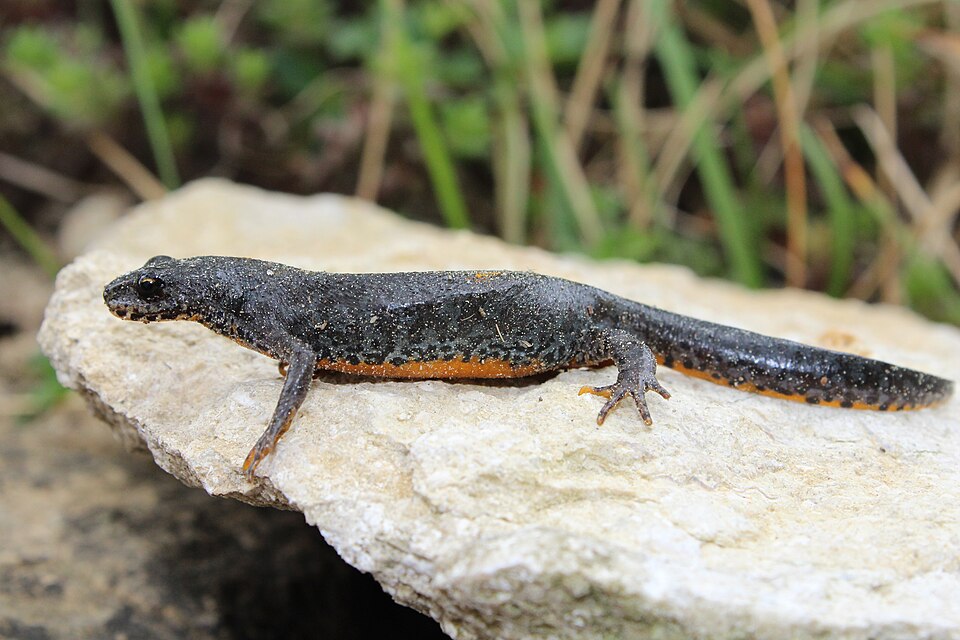
Alpine Newt
Cool water and seasonal changes are challenging; typical indoor summer temperatures may remain too high for extended periods.
- Adult size
- 3.15–5.12 in
- Reference Lifespan
- 10–15 yr
- Environment reference
- 57.2–71.6 °F
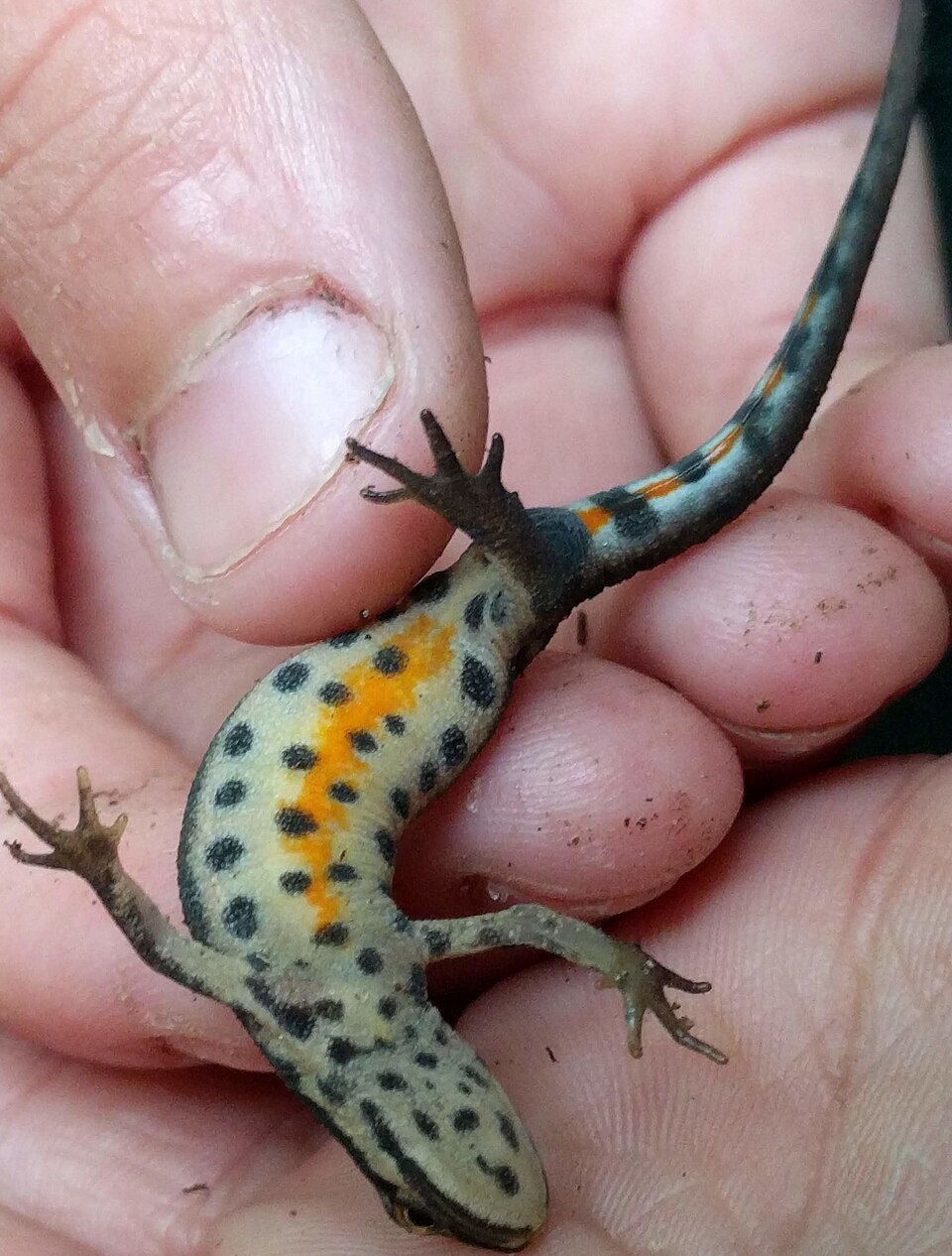
Smooth Newt
During breeding, they enter the water; water-land setup and low-temperature cycles cannot be replaced by a single frog tank setup.
- Adult size
- 2.76–4.33 in
- Reference Lifespan
- 6–12 yr
- Environment reference
- 57.2–73.4 °F
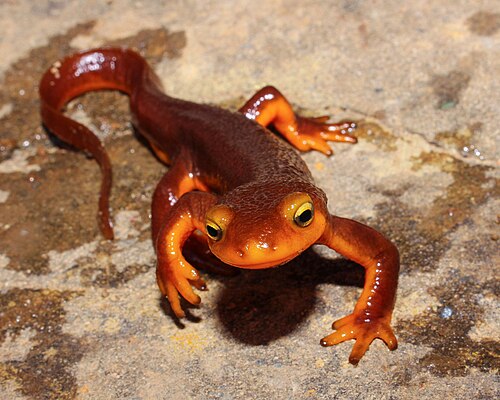
California Newt
Skin toxins and cool water-land environments both require high standards; contact and child-family safety must be assessed first.
- Adult size
- 4.72–7.87 in
- Reference Lifespan
- 10–20 yr
- Environment reference
- 59–73.4 °F
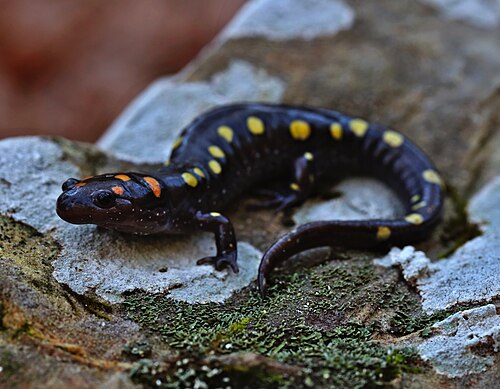
Spotted Salamander
Requires cool, deep substrate and high humidity without standing water; summer temperatures are the primary risk.
- Adult size
- 5.91–9.84 in
- Reference Lifespan
- 10–20 yr
- Environment reference
- 60.8–75.2 °F
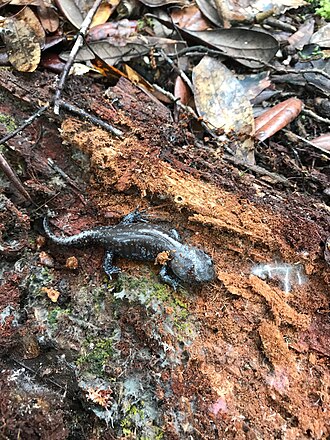
Mole Salamander
Shy and temperature-sensitive; arrange deep substrate, water bowls, and low-disturbance care simultaneously.
- Adult size
- 3.15–4.72 in
- Reference Lifespan
- 8–12 yr
- Environment reference
- 60.8–75.2 °F
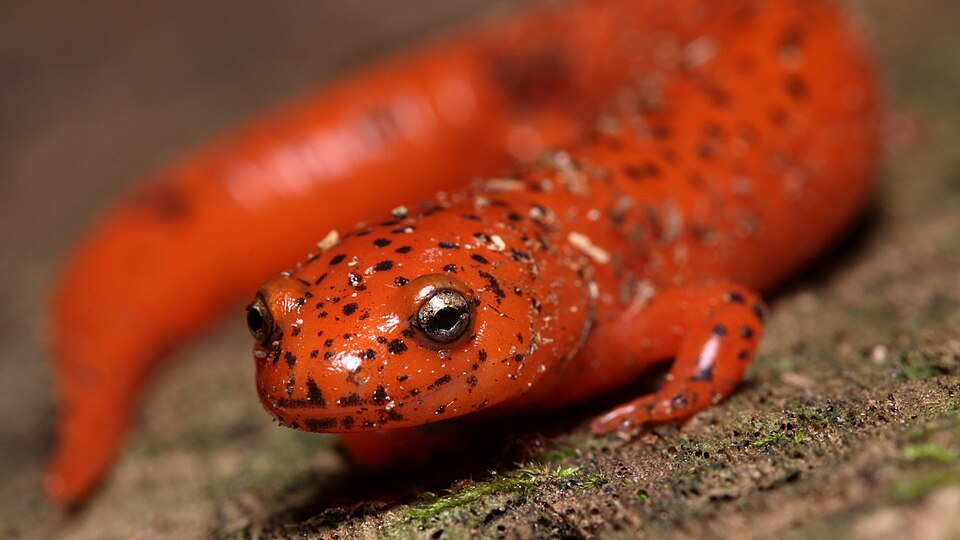
Red Salamander
Sensitive to water temperature, dissolved oxygen, and water quality fluctuations; standard tropical amphibian equipment is unsuitable.
- Adult size
- 3.94–7.09 in
- Reference Lifespan
- 10–20 yr
- Environment reference
- 53.6–68 °F
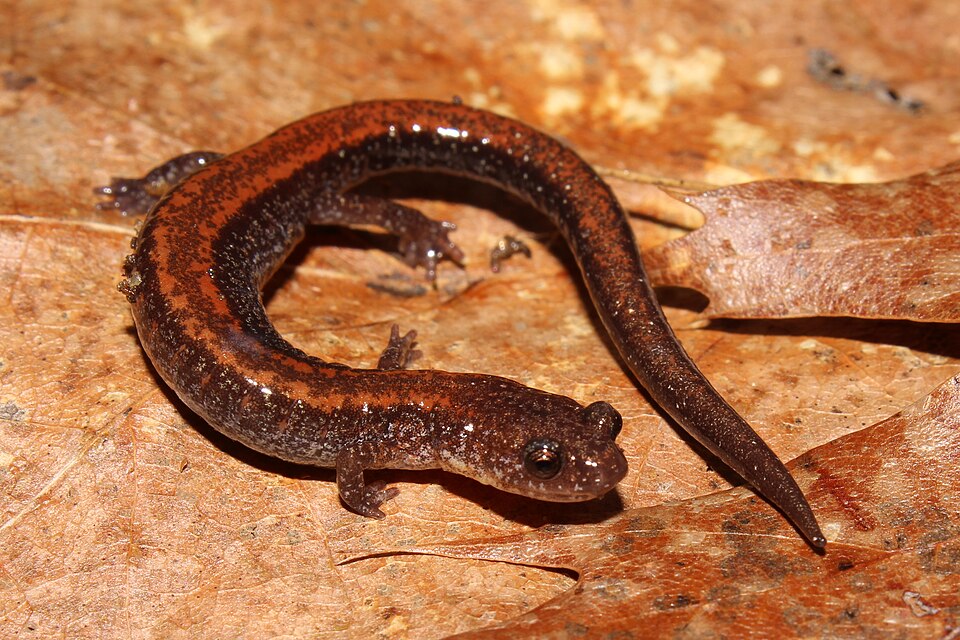
Red Backed Salamander
Dependent on moist leaf litter and small live prey; environmental overheating or excessive dryness will quickly affect condition.
- Adult size
- 3.15–5.12 in
- Reference Lifespan
- 6–10 yr
- Environment reference
- 57.2–71.6 °F
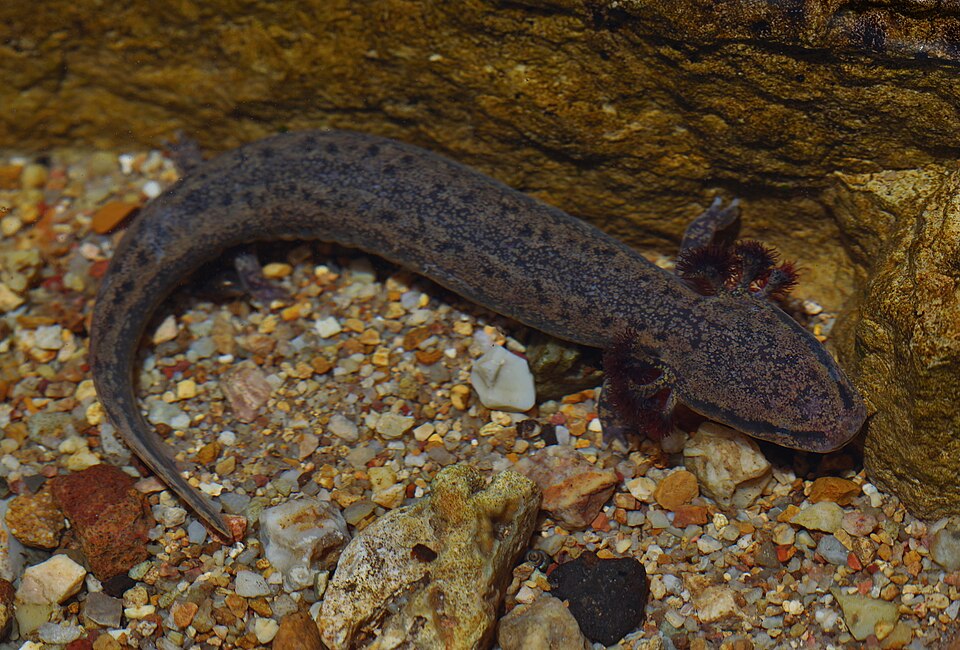
Mudpuppy
Requires low temperatures, high dissolved oxygen, and stable water flow; summer cooling equipment is usually the decisive cost.
- Adult size
- 7.87–13.78 in
- Reference Lifespan
- 10–20 yr
- Environment reference
- 50–68 °F
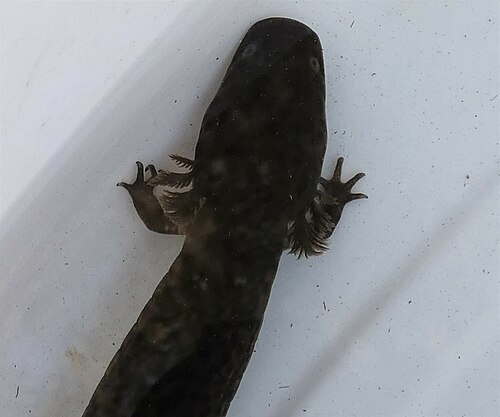
Greater Siren
Large-bodied, nocturnal and fully aquatic; mature size, filtration and escape-proofing must be calculated for adults.
- Adult size
- 15.75–27.56 in
- Reference Lifespan
- 10–20 yr
- Environment reference
- 64.4–77 °F
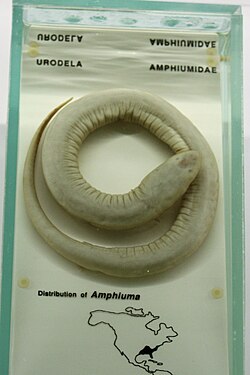
Two Toed Amphiuma
Elongated body, nocturnal and strong bite; requires deep water, hiding spots and secure lids.
- Adult size
- 11.81–39.37 in
- Reference Lifespan
- 10–20 yr
- Environment reference
- 64.4–77 °F
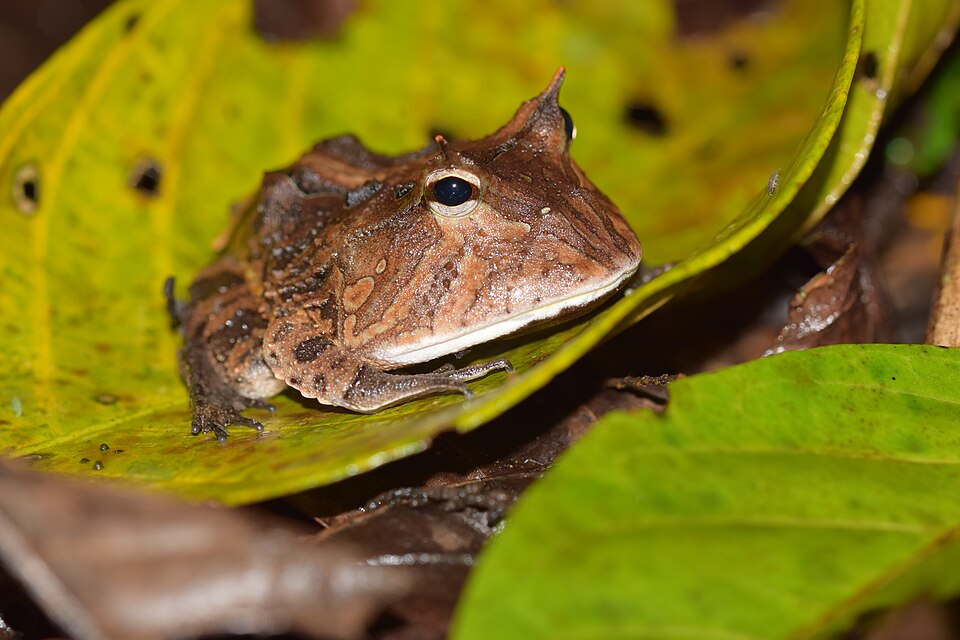
Surinam Horned Frog
Strong camouflage and obvious predatory feeding; deep substrate, solitary housing, and handling tools must be prepared in advance.
- Adult size
- 4.72–7.09 in
- Reference Lifespan
- 8–12 yr
- Environment reference
- 71.6–82.4 °F
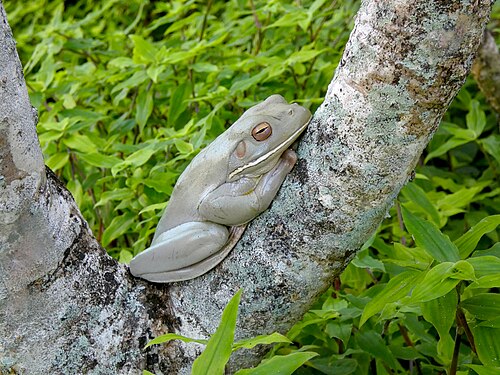
White Lipped Tree Frog
Adults are larger and arboreal; vertical space, safe landing spots, and live prey storage must allow for extra room.
- Adult size
- 3.15–5.12 in
- Reference Lifespan
- 8–12 yr
- Environment reference
- 71.6–82.4 °F
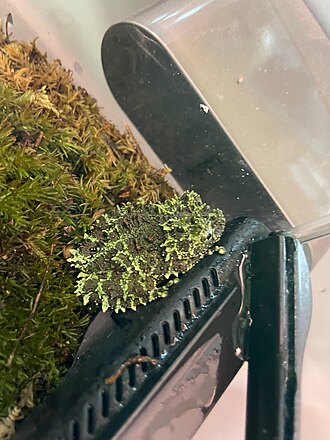
Vietnamese Mossy Frog
Cooler, high humidity, and water-land crevice environments require stable maintenance; inadequate ventilation leads to rapid mold growth.
- Adult size
- 2.76–3.54 in
- Reference Lifespan
- 8–12 yr
- Environment reference
- 64.4–77 °F
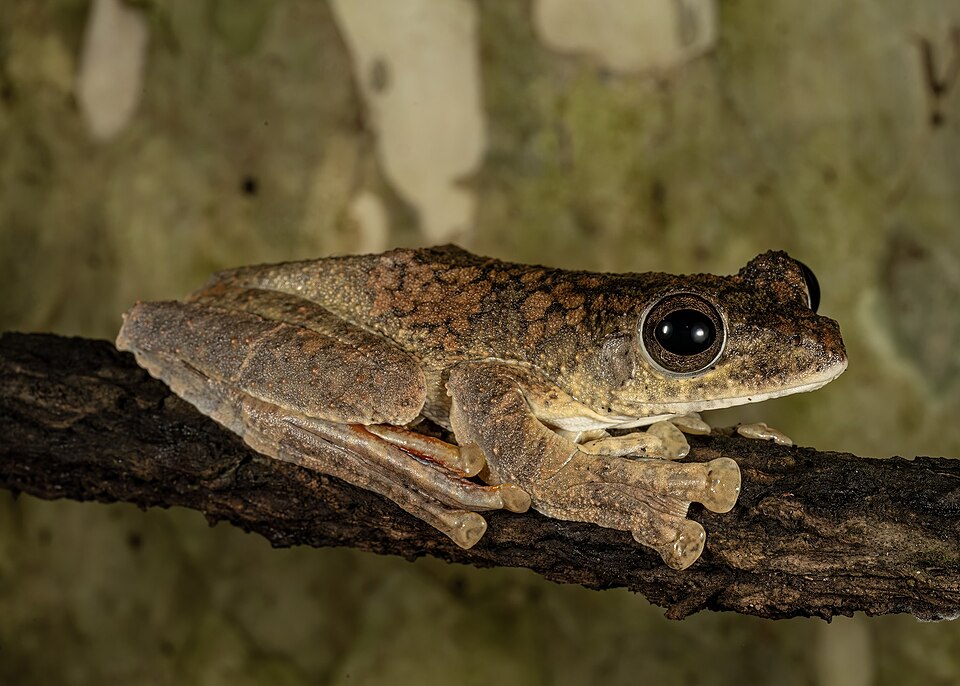
Vietnamese Flying Frog
Requires high enclosure, foliage, and continuous ventilation; jump distance and escape gaps are key setup considerations.
- Adult size
- 2.36–3.54 in
- Reference Lifespan
- 6–10 yr
- Environment reference
- 68–80.6 °F
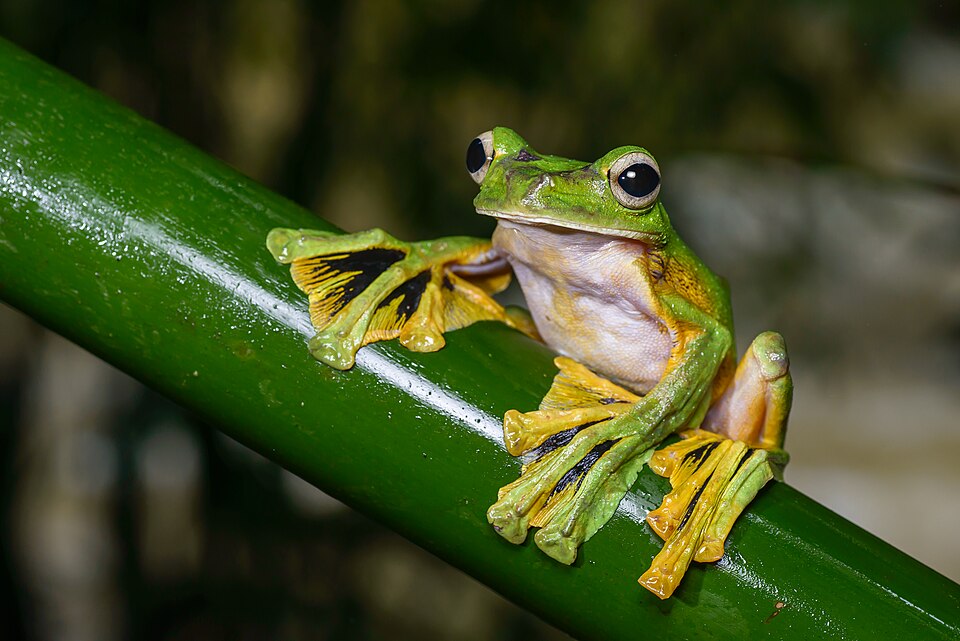
Wallaces Flying Frog
High-sided enclosures with humidity and secure landing spots are all required; standard terrestrial frog tanks cannot be used as substitutes.
- Adult size
- 3.15–4.72 in
- Reference Lifespan
- 6–10 yr
- Environment reference
- 71.6–82.4 °F
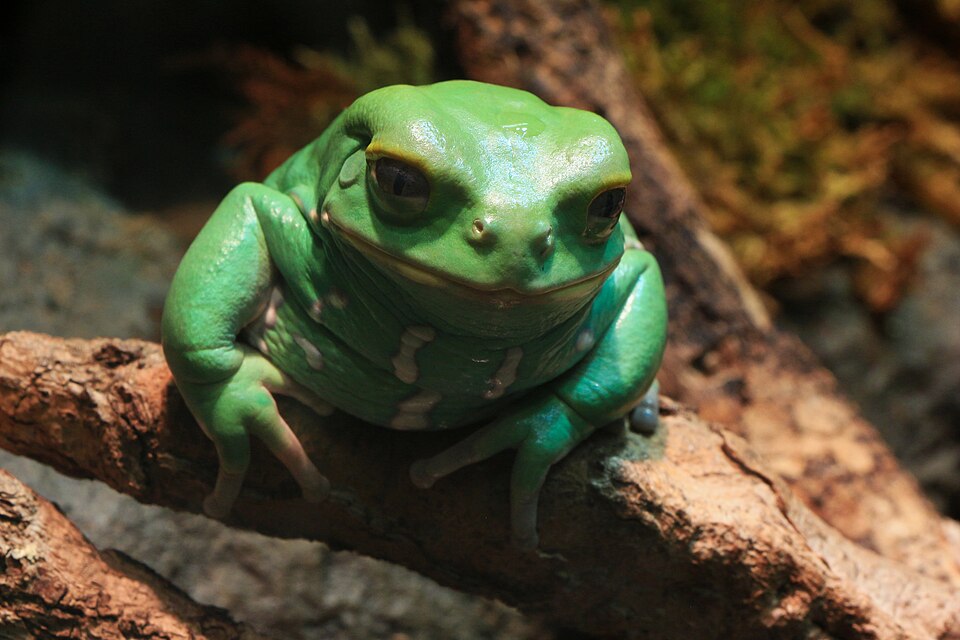
Waxy Monkey Tree Frog
Nocturnal arboreal species requiring a dry-wet cycle; continuous misting masks its true environmental needs.
- Adult size
- 2.76–3.94 in
- Reference Lifespan
- 8–12 yr
- Environment reference
- 71.6–86 °F
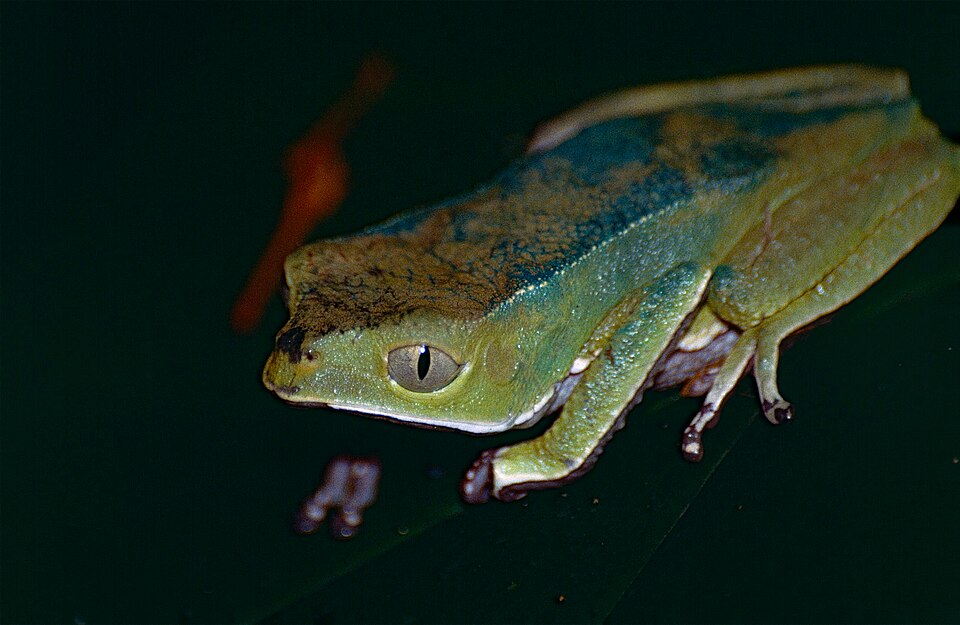
Giant Monkey Frog
Size, climbing height, and skin secretions require safe handling; source and contact boundaries must be confirmed first.
- Adult size
- 3.54–4.72 in
- Reference Lifespan
- 8–12 yr
- Environment reference
- 71.6–84.2 °F
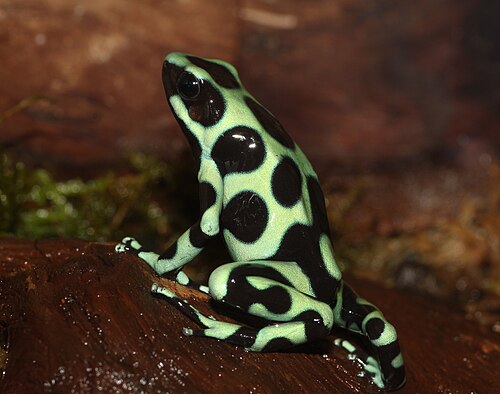
Green Black Poison Frog
Captive-bred individuals are typically non-venomous, but high humidity, tiny live prey, and breeding management still require careful control.
- Adult size
- 1.18–1.97 in
- Reference Lifespan
- 8–15 yr
- Environment reference
- 68–78.8 °F
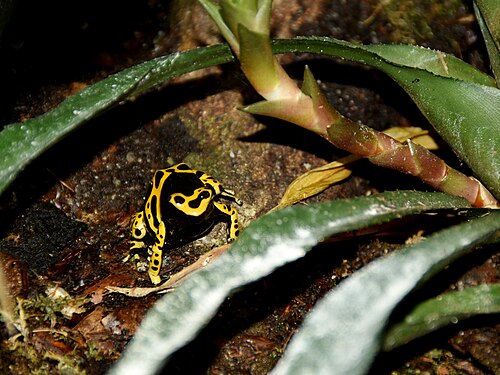
Bumblebee Poison Frog
Risk is usually reduced after captive breeding, but temperature, humidity, and tiny live prey supply still require stable control.
- Adult size
- 1.18–1.97 in
- Reference Lifespan
- 8–15 yr
- Environment reference
- 68–78.8 °F
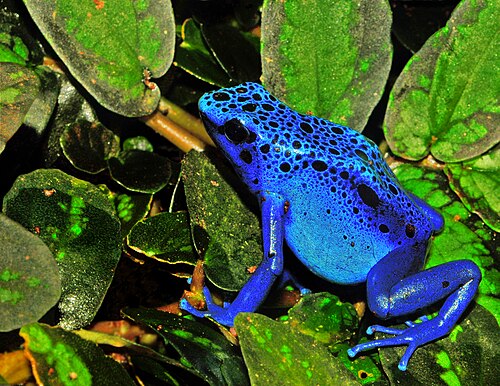
Tinc Poison Dart Frog
Captive-bred individuals are typically non-venomous; husbandry challenges shift to high humidity, ventilation, and stable live insect prey.
- Adult size
- 1.57–2.36 in
- Reference Lifespan
- 10–20 yr
- Environment reference
- 68–78.8 °F
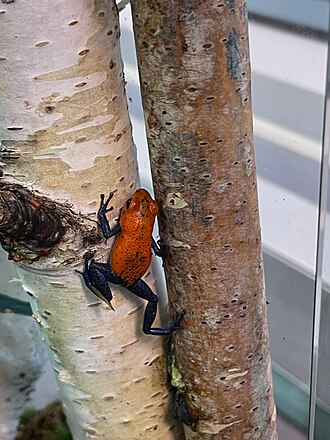
Strawberry Poison Frog
Extremely small, territorial, and with complex breeding details; origin, live prey, and humidity equipment must be verified together.
- Adult size
- 0.79–1.18 in
- Reference Lifespan
- 8–15 yr
- Environment reference
- 68–78.8 °F
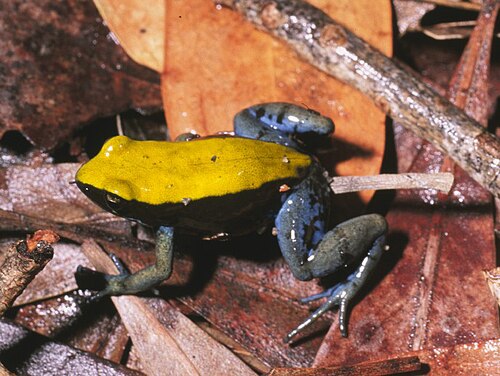
Blue Legged Mantella
Sensitive to high temperatures and water quality fluctuations; captive-bred sources and live prey availability must be confirmed first.
- Adult size
- 0.79–1.18 in
- Reference Lifespan
- 6–10 yr
- Environment reference
- 68–78.8 °F
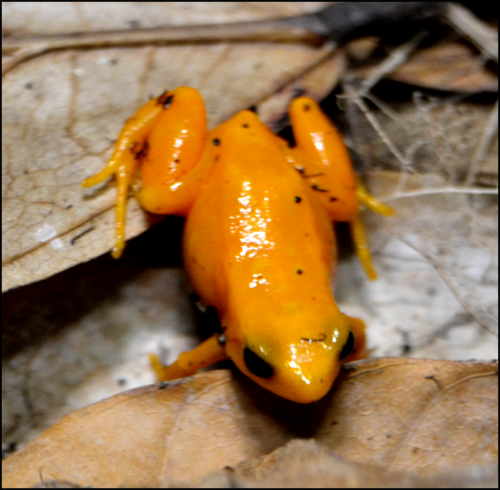
Golden Mantella
Extremely small and with sensitive conservation status; temperature, live prey, and proof of origin cannot be guessed by experience.
- Adult size
- 0.79–1.18 in
- Reference Lifespan
- 6–10 yr
- Environment reference
- 64.4–77 °F
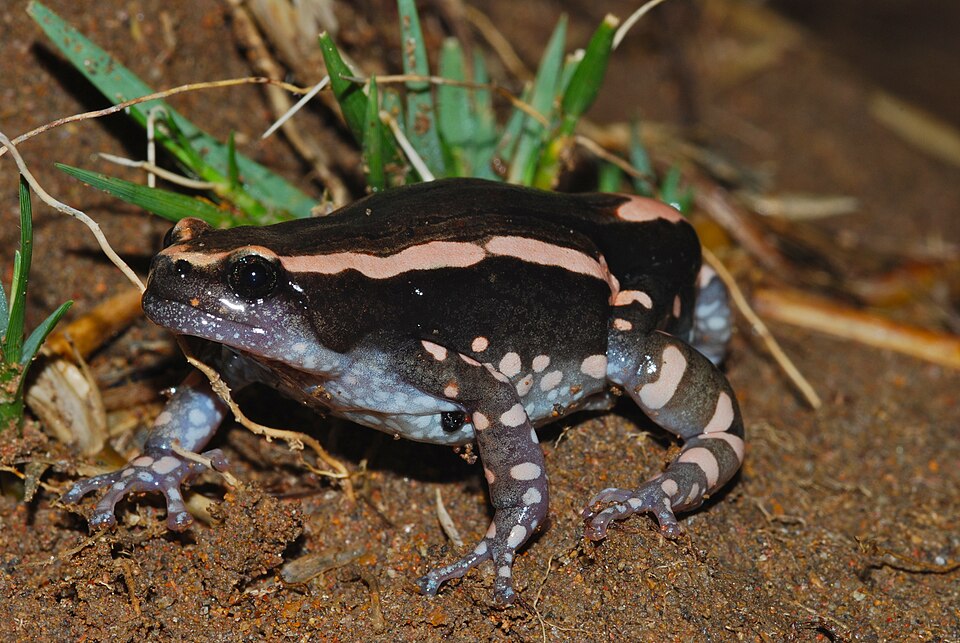
Red Banded Rubber Frog
Seasonal activity is pronounced; humidity cycles, dark hiding spots, and live prey must be adjusted according to the season.
- Adult size
- 1.57–2.36 in
- Reference Lifespan
- 5–8 yr
- Environment reference
- 71.6–84.2 °F
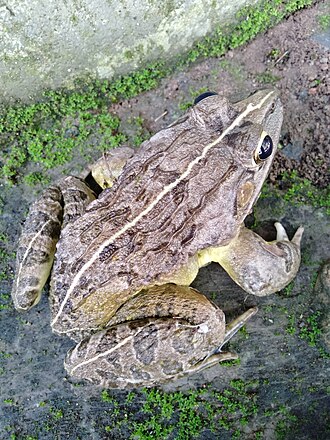
Indian Bullfrog
Size and appetite increase rapidly; single housing, large water bowl, and preventing accidental ingestion of food are basic requirements.
- Adult size
- 4.72–7.09 in
- Reference Lifespan
- 8–12 yr
- Environment reference
- 71.6–86 °F
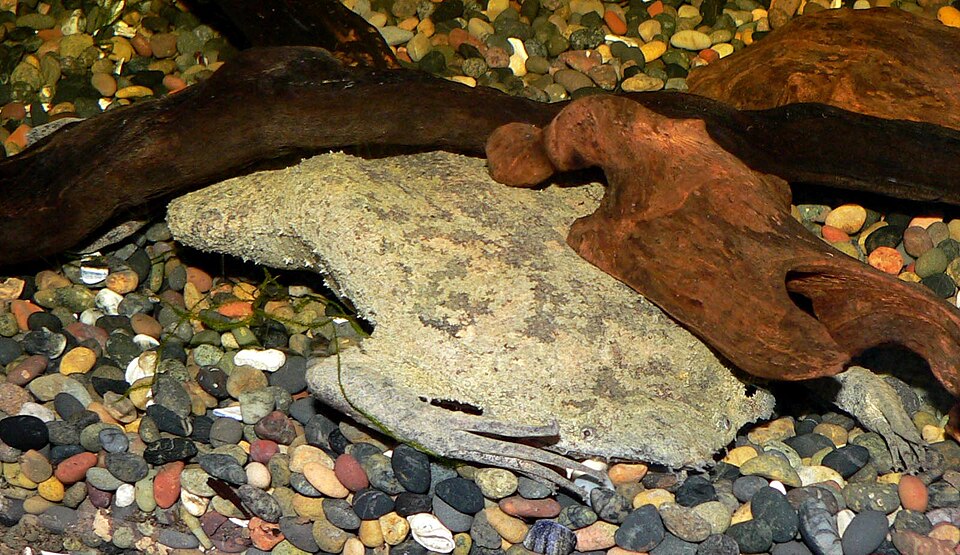
Surinam Toad
Fully aquatic and sensitive to water quality; filtration, dissolved oxygen, and long-term stable water changes are more important than aquascaping.
- Adult size
- 5.91–7.87 in
- Reference Lifespan
- 8–15 yr
- Environment reference
- 75.2–82.4 °F
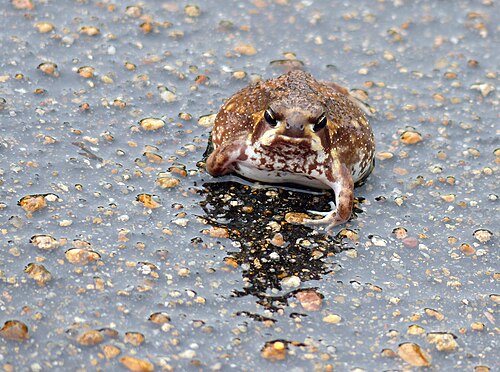
African Rain Frog
Excavates burrows and dislikes standing water; substrate depth, seasonal humidity, and live micro-prey must remain stable.
- Adult size
- 1.57–2.36 in
- Reference Lifespan
- 5–8 yr
- Environment reference
- 68–82.4 °F
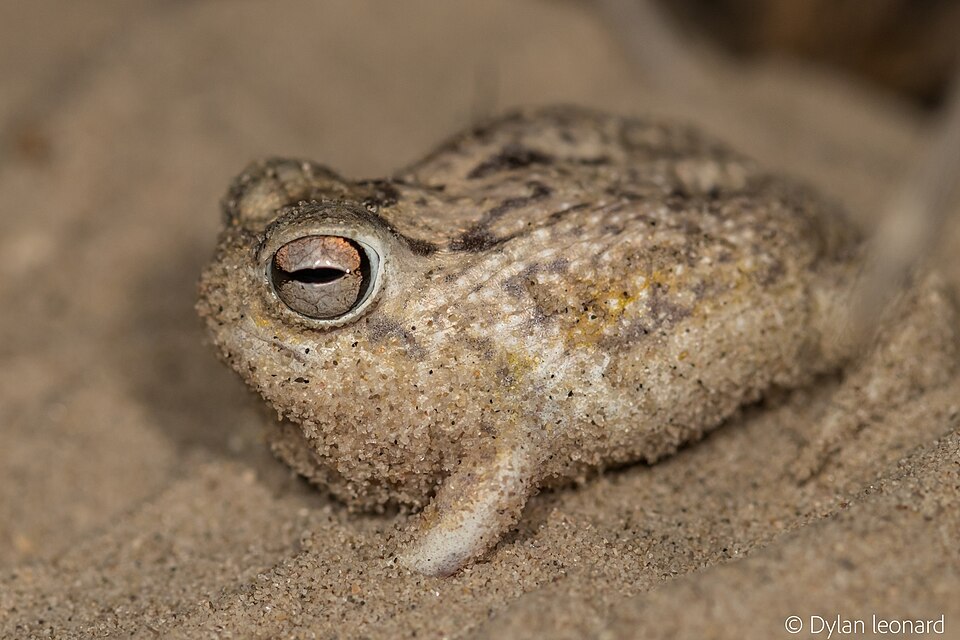
Desert Rain Frog
Cool coastal climates are difficult to replicate; overheating, excessive humidity, and insufficient ventilation can quickly cause problems.
- Adult size
- 1.57–2.36 in
- Reference Lifespan
- 5–8 yr
- Environment reference
- 60.8–75.2 °F
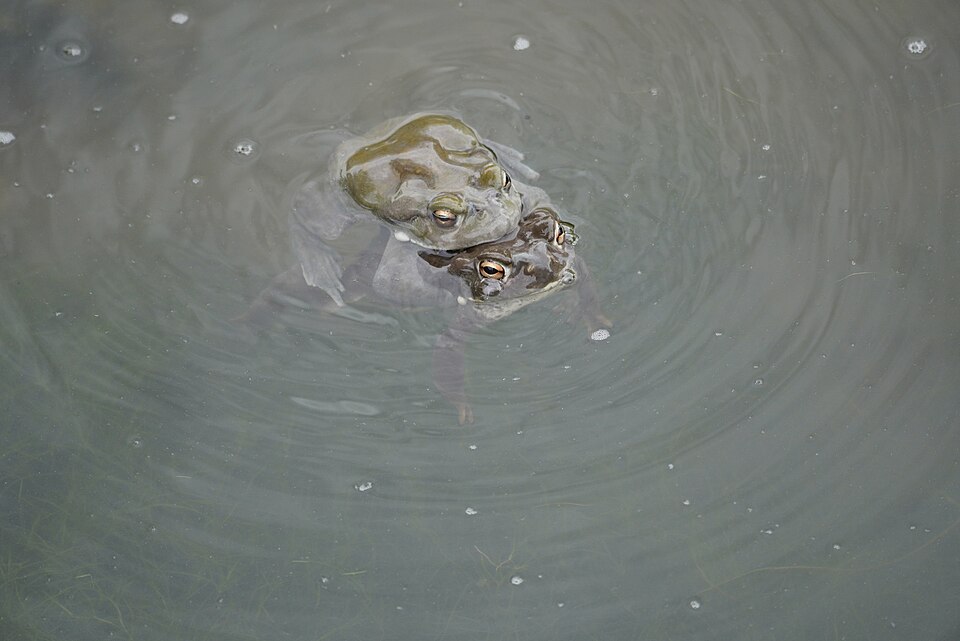
Colorado River Toad
Skin secretions may pose serious risks; regulations, contact boundaries, and professional veterinary confirmation must be verified first.
- Adult size
- 3.94–7.09 in
- Reference Lifespan
- 8–15 yr
- Environment reference
- 71.6–86 °F
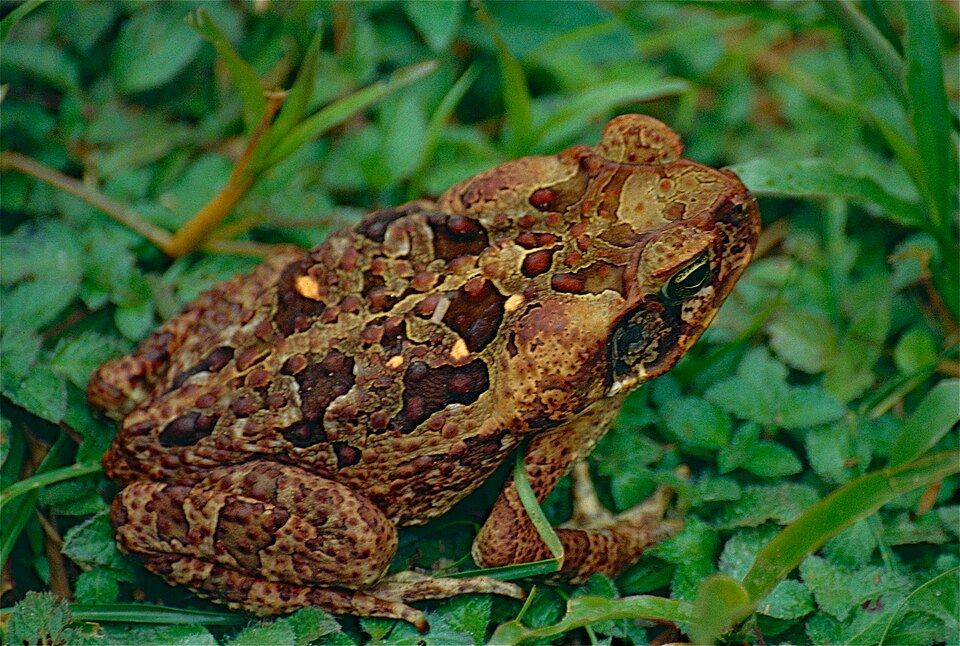
Cane Toad
Large body size, high food consumption, and toxin gland risks; verify foreign invasion status and local ban/restriction regulations first.
- Adult size
- 3.94–7.87 in
- Reference Lifespan
- 8–15 yr
- Environment reference
- 71.6–86 °F
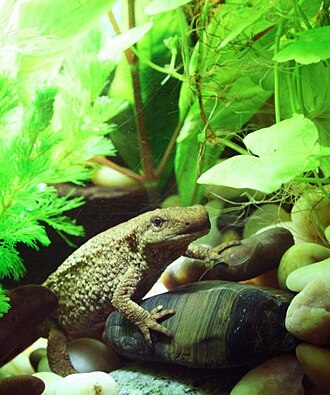
Chinese Warty Newt
Water quality, low temperature, and terrestrial platform structure must remain stable long-term; source and regional protection regulations cannot be omitted.
- Adult size
- 4.72–7.87 in
- Reference Lifespan
- 10–20 yr
- Environment reference
- 60.8–75.2 °F
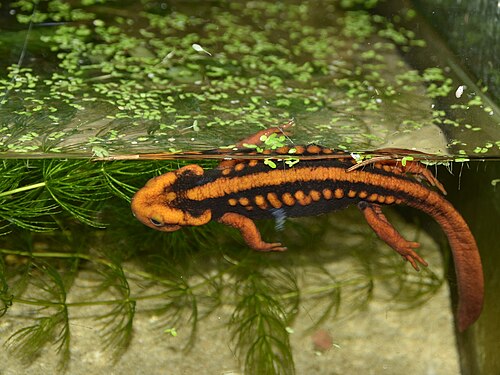
Crocodile Newt
Skin secretions, cool high humidity, and source restrictions all require professional documentation support; do not treat as a common newt.
- Adult size
- 5.91–8.66 in
- Reference Lifespan
- 10–20 yr
- Environment reference
- 60.8–75.2 °F
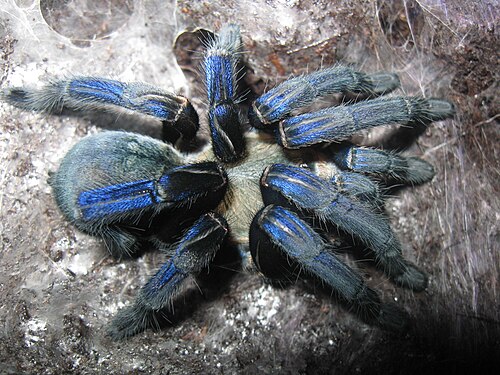
Cobalt Blue Tarantula
Fast-moving, highly defensive, and burrowing; operation with tools and secure containment are prerequisites.
- Adult size
- 4.72–6.3 in
- Reference Lifespan
- 8–15 yr
- Environment reference
- 75.2–86 °F
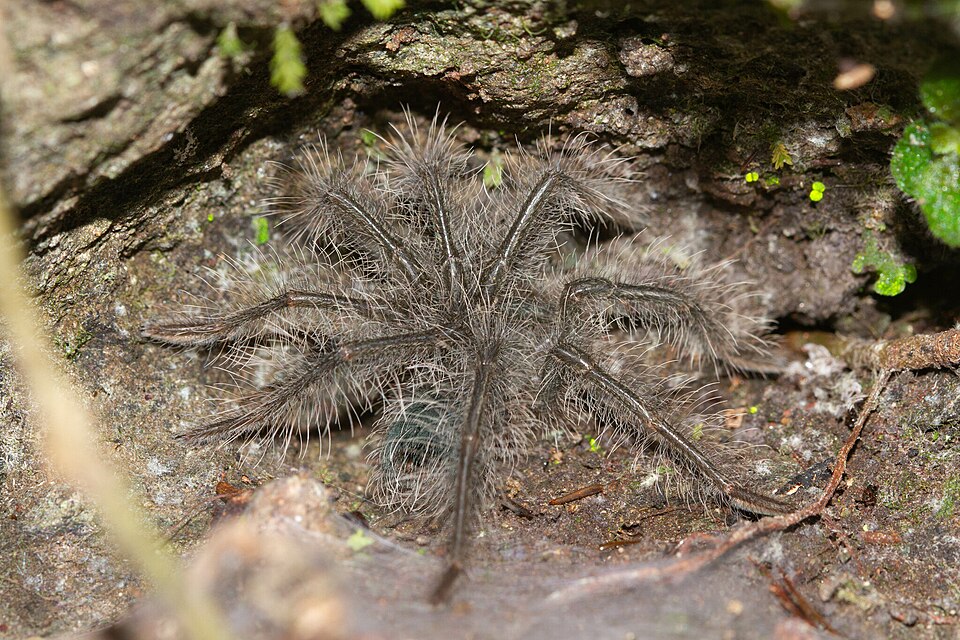
Goliath Birdeater
Strong body size, urticating hairs, and defensive reactions; suitable for observation by experienced keepers, not for handling.
- Adult size
- 7.87–11.81 in
- Reference Lifespan
- 8–15 yr
- Environment reference
- 73.4–82.4 °F
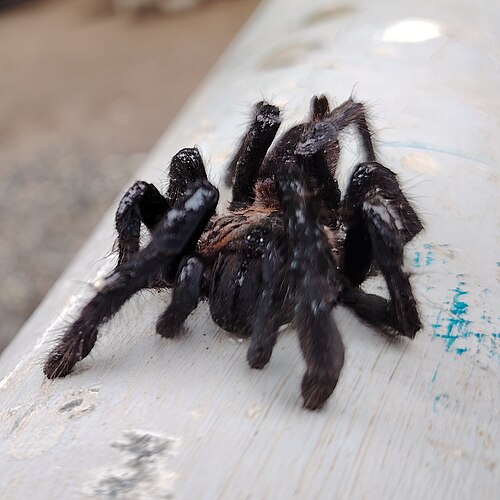
Venezuelan Suntiger
Fast and highly defensive; arboreal enclosures, secure locks, and full-tool operation cannot be omitted.
- Adult size
- 4.72–6.3 in
- Reference Lifespan
- 6–12 yr
- Environment reference
- 73.4–82.4 °F
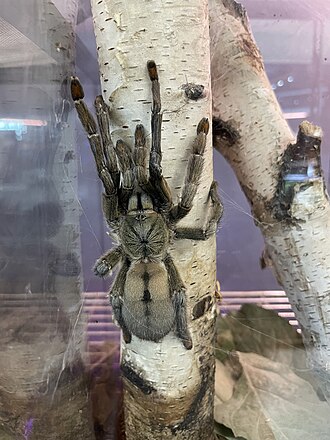
Trinidad Chevron Tarantula
Agile, arboreal, and prone to door-bashing; suitable for tool-based handling and observation, not for frequent lid-opening displays.
- Adult size
- 4.72–6.3 in
- Reference Lifespan
- 6–12 yr
- Environment reference
- 73.4–82.4 °F
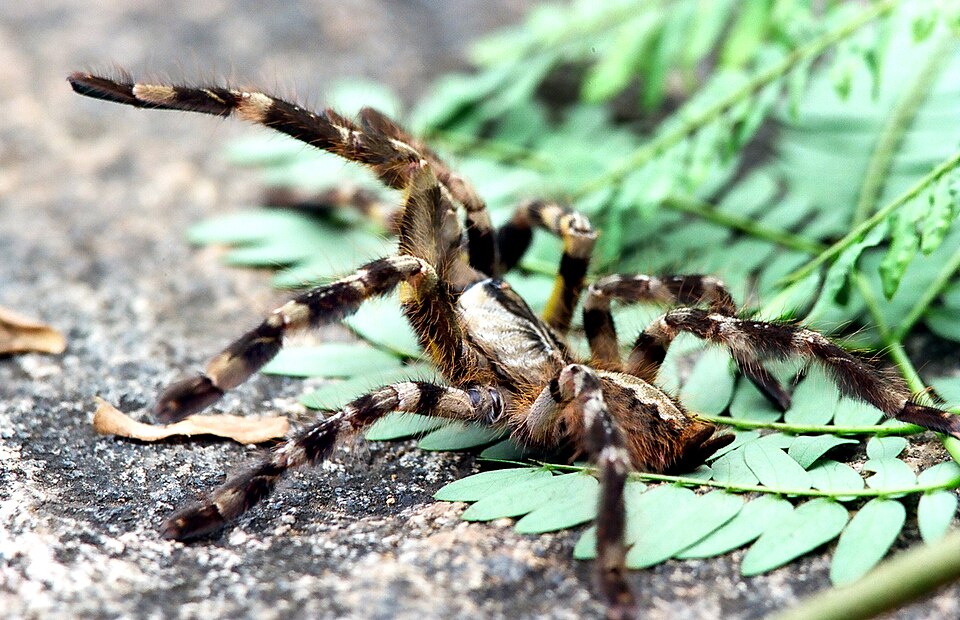
Indian Ornamental
High speed and venom risk; must have a locked high enclosure, long tools, and professional emergency resources.
- Adult size
- 6.3–8.66 in
- Reference Lifespan
- 8–15 yr
- Environment reference
- 73.4–82.4 °F
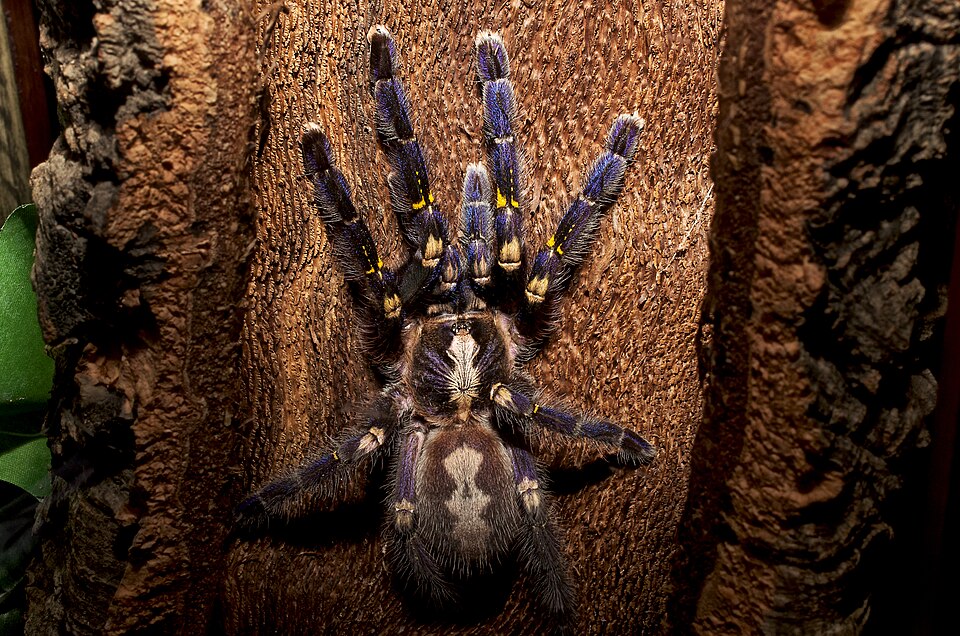
Gooty Sapphire Ornamental
Rare in color but handling risk is equally high; source, enclosure, escape prevention, and medical pathways must be confirmed first.
- Adult size
- 6.3–8.66 in
- Reference Lifespan
- 8–15 yr
- Environment reference
- 73.4–82.4 °F
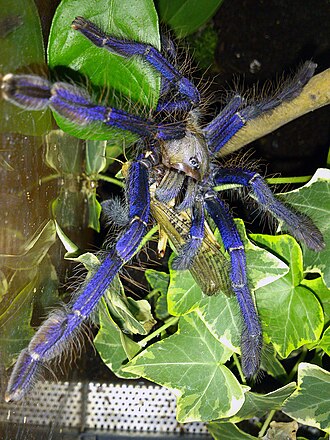
Singapore Blue Tarantula
Arboreal, fast, and highly defensive; a secondary container and long-handled tools are required when opening the lid.
- Adult size
- 5.51–7.87 in
- Reference Lifespan
- 8–15 yr
- Environment reference
- 75.2–86 °F
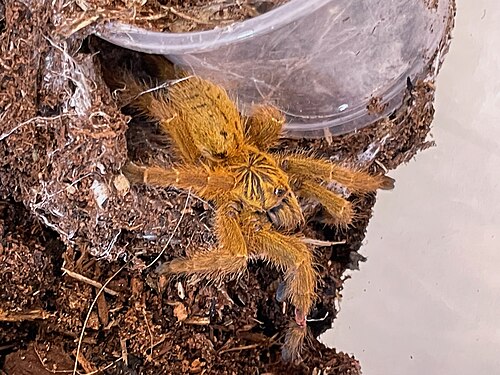
Orange Baboon Tarantula
Fast, strong web-building, and with obvious defensive reactions; safe handling must be prioritized over display.
- Adult size
- 3.94–5.51 in
- Reference Lifespan
- 6–12 yr
- Environment reference
- 71.6–86 °F
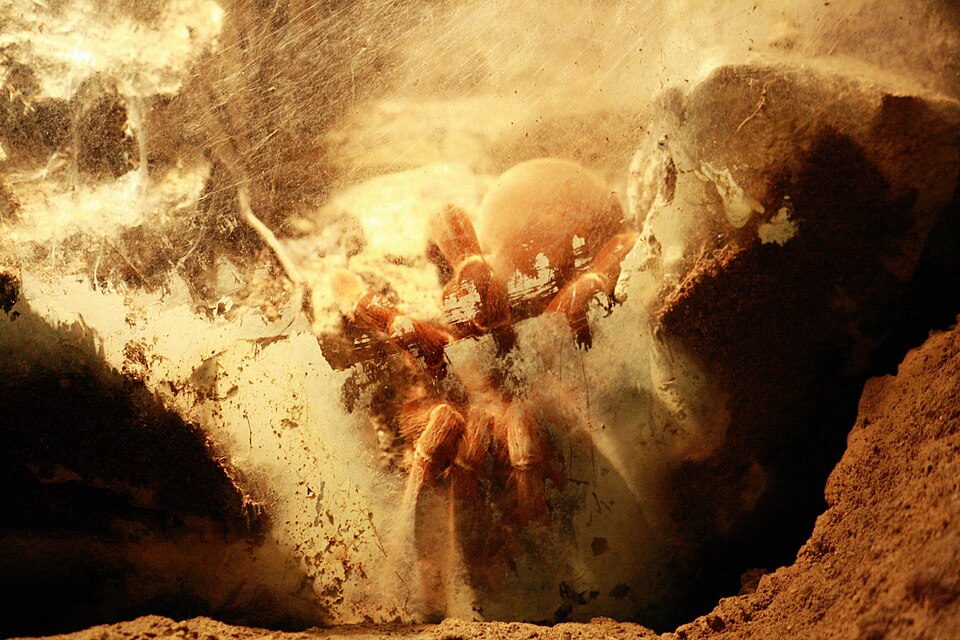
King Baboon Tarantula
Deep burrowing, fast, and difficult to observe directly; enclosure depth, latches, and transfer plans must be prepared in advance.
- Adult size
- 5.91–8.66 in
- Reference Lifespan
- 8–15 yr
- Environment reference
- 71.6–82.4 °F
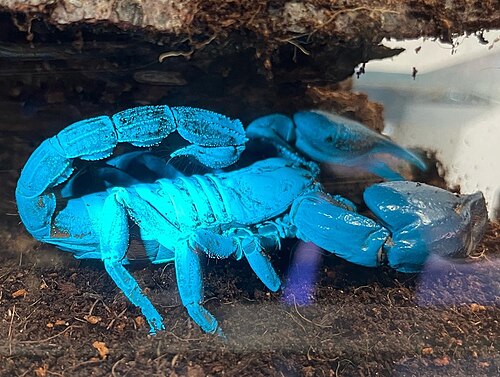
Asian Forest Scorpion
Pincers and stinger require respect; deep substrate, hides, and tool-feeding are safer than manual handling.
- Adult size
- 3.94–5.91 in
- Reference Lifespan
- 5–8 yr
- Environment reference
- 75.2–86 °F
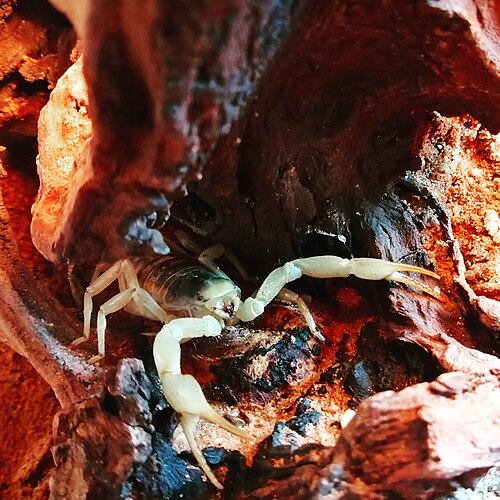
Desert Hairy Scorpion
Dry, burrowing, and stinger risk must be accounted for; enclosure openings and child-family safety cannot be overlooked.
- Adult size
- 3.94–5.91 in
- Reference Lifespan
- 5–8 yr
- Environment reference
- 75.2–89.6 °F
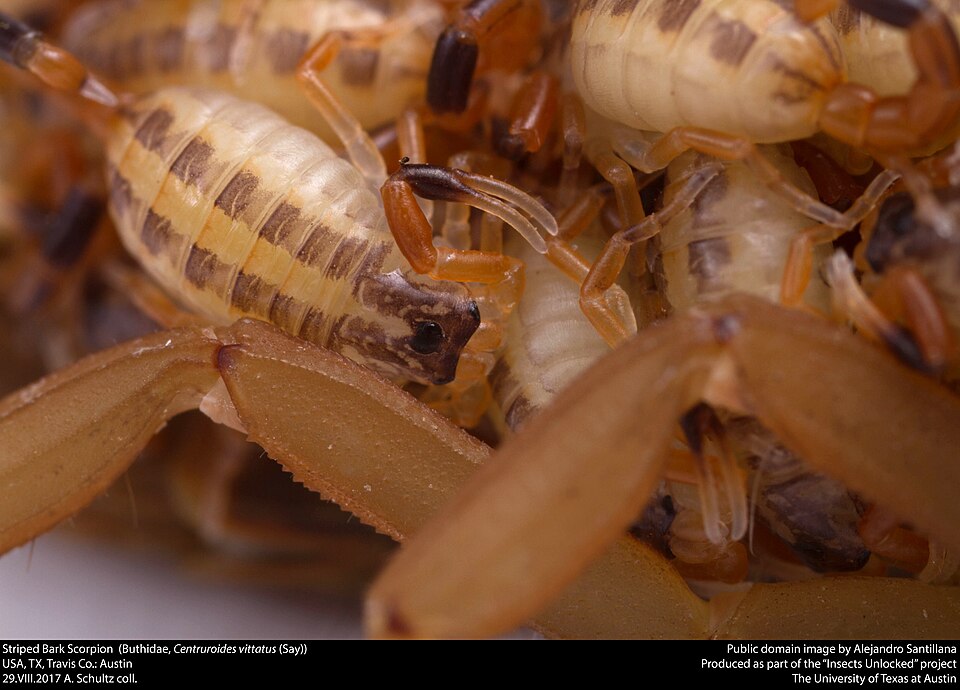
Striped Tail Scorpion
Small in size but prone to escape and stings; secondary containers, long tools, and first-aid plans must be prepared in advance.
- Adult size
- 1.97–3.15 in
- Reference Lifespan
- 3–6 yr
- Environment reference
- 71.6–86 °F
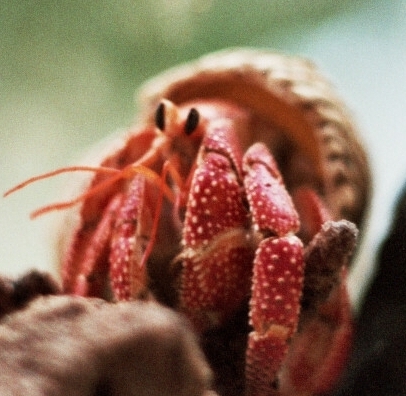
Strawberry Hermit Crab
Coastal environments are difficult to replicate; humidity, salt water, deep substrate, and group space are more important than appearance.
- Adult size
- 1.57–3.15 in
- Reference Lifespan
- 10–20 yr
- Environment reference
- 75.2–84.2 °F
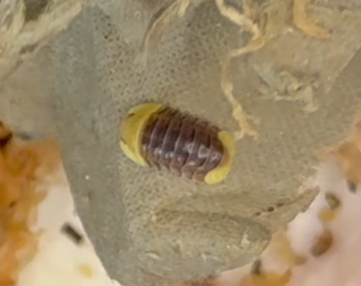
Rubber Ducky Isopod
Slow reproduction, high price, and sensitive to environmental fluctuations; test source, ventilation, and stable wet zones first.
- Adult size
- 0.39–0.79 in
- Reference Lifespan
- 1–3 yr
- Environment reference
- 71.6–82.4 °F
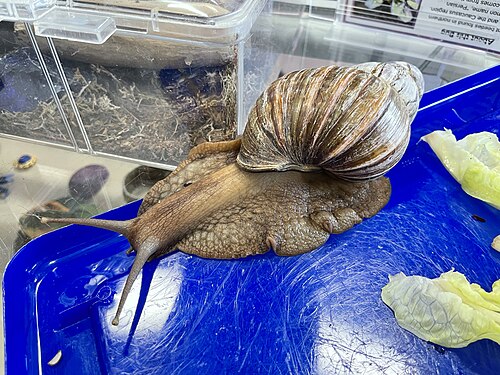
Giant African Land Snail
High reproduction volume and involves foreign invasion regulations; emphasize calcium sources, humidity, escape prevention, and never release into the wild.
- Adult size
- 3.94–7.87 in
- Reference Lifespan
- 5–10 yr
- Environment reference
- 71.6–82.4 °F
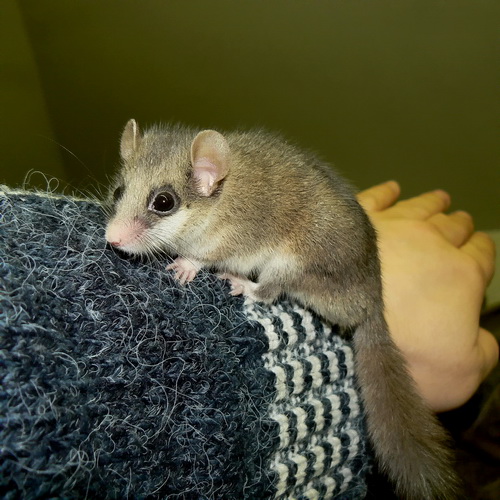
African Dormouse
Nocturnal, good at climbing, and requires hidden nest boxes; escape risk and stable nighttime care must be assessed first.
- Adult size
- 3.15–4.72 in
- Reference Lifespan
- 3–6 yr
- Environment reference
- 64.4–78.8 °F
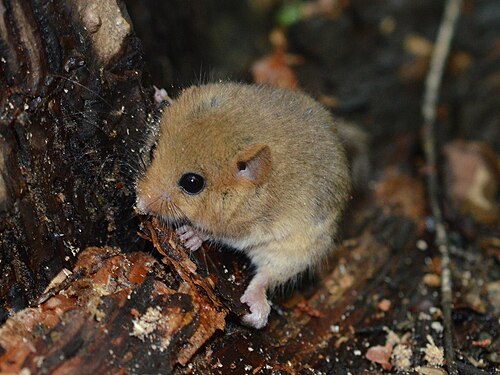
Hazel Dormouse
Protection and sourcing are heavily restricted; nocturnal activity, hibernation, and climbing space must be permitted by local regulations before considering ownership.
- Adult size
- 2.36–3.54 in
- Reference Lifespan
- 3–6 yr
- Environment reference
- 60.8–75.2 °F
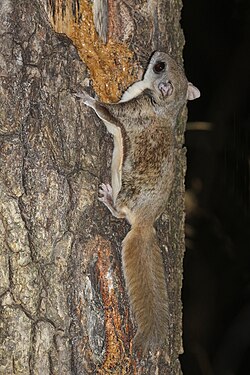
Southern Flying Squirrel
Requires continuous vertical space and a night activity zone; ventilation, escape prevention, and exotic vet care are all difficult.
- Adult size
- 7.87–11.81 in
- Reference Lifespan
- 5–8 yr
- Environment reference
- 64.4–77 °F
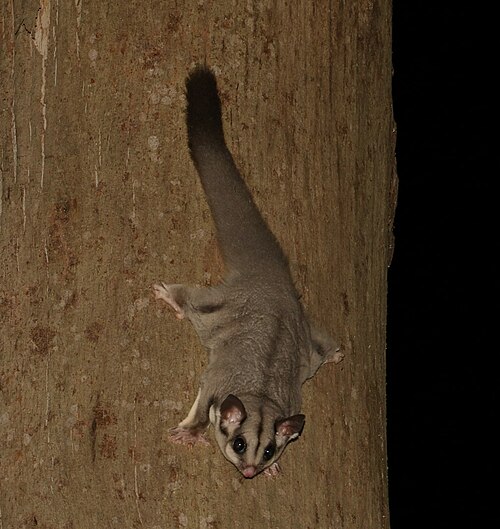
Squirrel Glider
Nocturnal, social, and requires a large-volume enclosure; diet, odor, and long-term companionship cannot be underestimated.
- Adult size
- 7.87–11.81 in
- Reference Lifespan
- 8–12 yr
- Environment reference
- 64.4–78.8 °F
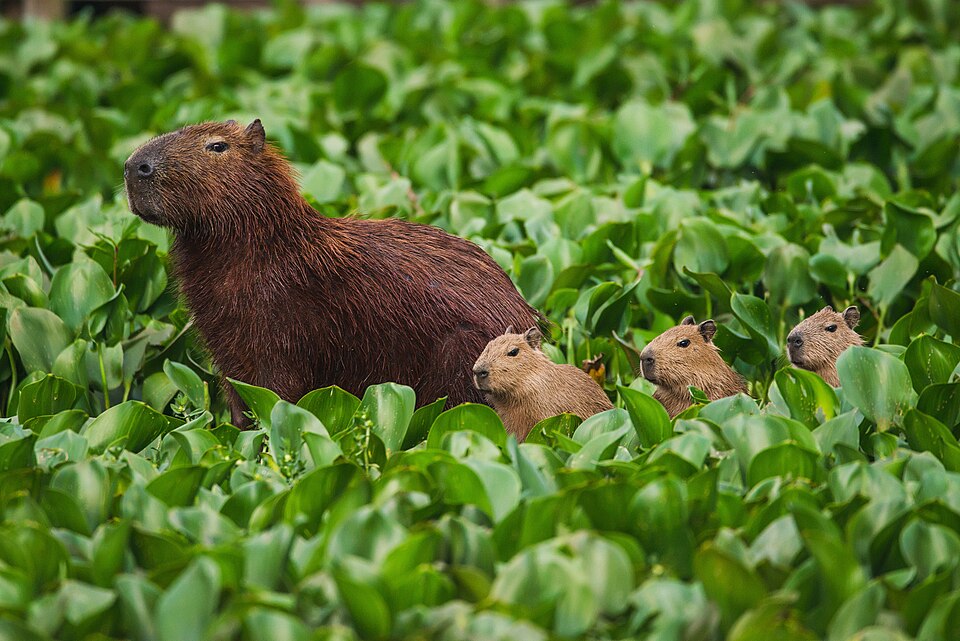
Capybara
Social, large-bodied, and water-dependent; household environments almost always face space, hygiene, and regulatory barriers.
- Adult size
- 35.43–51.18 in
- Reference Lifespan
- 8–12 yr
- Environment reference
- 68–86 °F
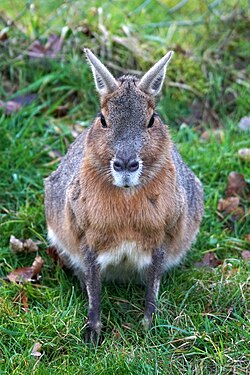
Patagonian Mara
High running distance, gnawing, and social needs; indoor housing requires pen-level space.
- Adult size
- 25.59–31.5 in
- Reference Lifespan
- 10–15 yr
- Environment reference
- 59–77 °F
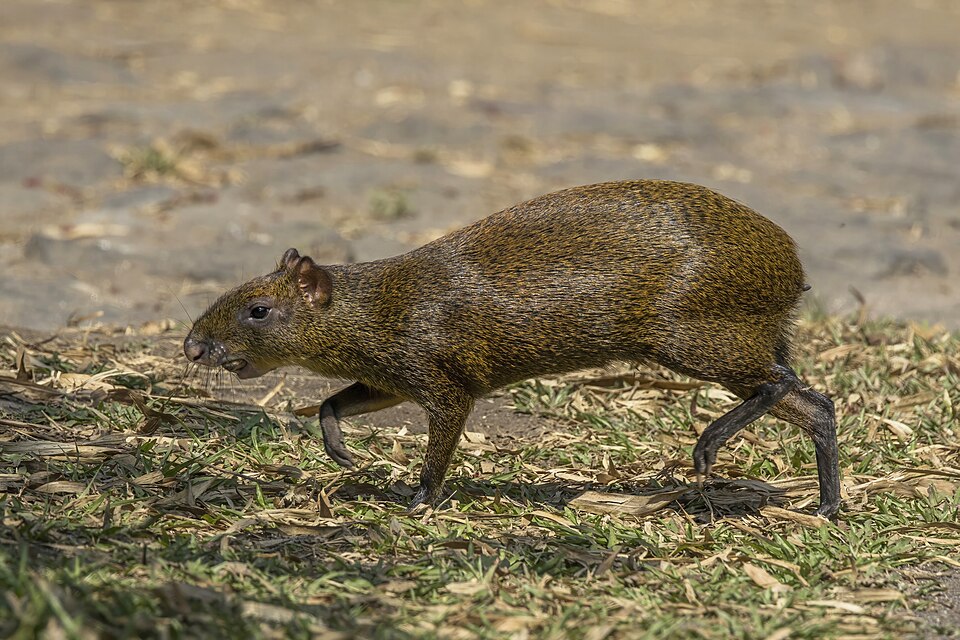
Agouti
High activity, gnawing, and territoriality; requires durable fencing, environmental enrichment, and stable social arrangements.
- Adult size
- 15.75–23.62 in
- Reference Lifespan
- 10–15 yr
- Environment reference
- 71.6–86 °F
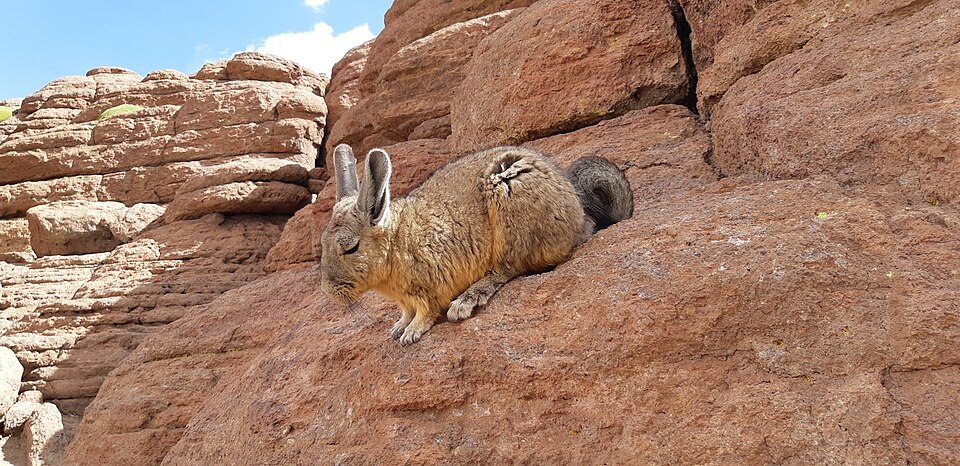
Mountain Viscacha
Cooler, good at jumping, and requires rock shelves; summer cooling and high-fiber diets are the main challenges.
- Adult size
- 11.81–17.72 in
- Reference Lifespan
- 8–12 yr
- Environment reference
- 53.6–75.2 °F
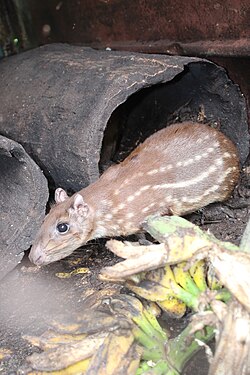
Lowland Paca
Nocturnal, large body size, and requires water and deep hides; standard pet cages cannot meet long-term needs.
- Adult size
- 23.62–35.43 in
- Reference Lifespan
- 10–15 yr
- Environment reference
- 71.6–86 °F
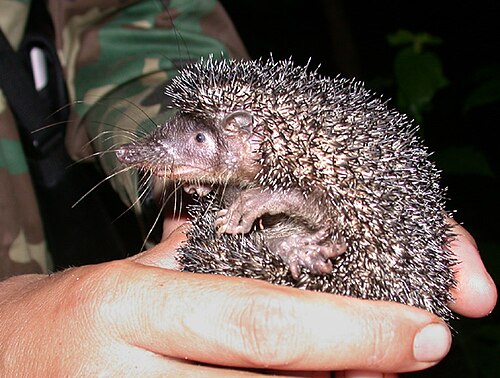
Greater Hedgehog Tenrec
Body size and spiny defense exceed those of common small hedgehogs; nocturnal activity, diet, and medical resources require attention.
- Adult size
- 7.09–9.84 in
- Reference Lifespan
- 4–8 yr
- Environment reference
- 71.6–86 °F
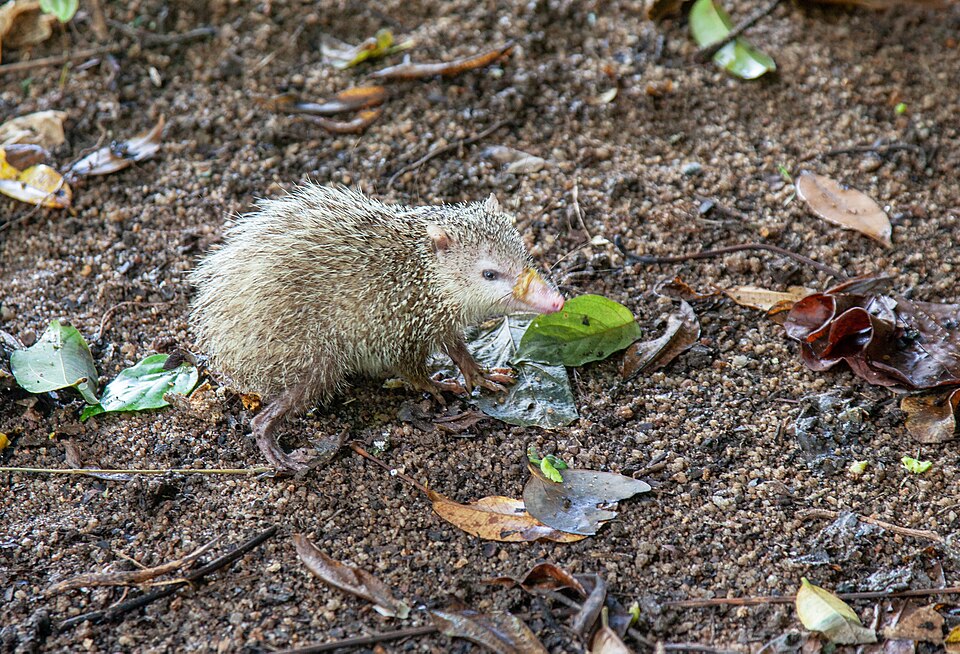
Common Tenrec
Body size, spiny defense, and seasonal hibernation make care complex; sources and specialist veterinarians must be verified first.
- Adult size
- 9.84–15.75 in
- Reference Lifespan
- 4–8 yr
- Environment reference
- 71.6–86 °F
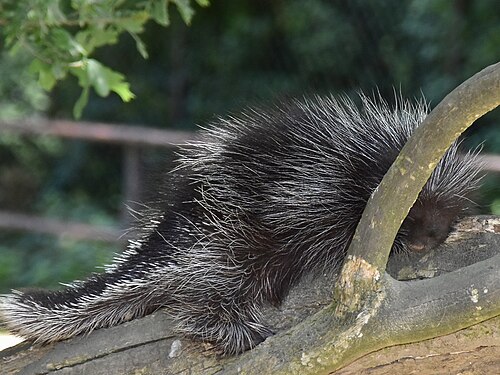
North American Porcupine
Strong spiny defense, gnawing, and climbing abilities; require outdoor-grade enclosures and professional medical support.
- Adult size
- 23.62–39.37 in
- Reference Lifespan
- 10–15 yr
- Environment reference
- 59–77 °F
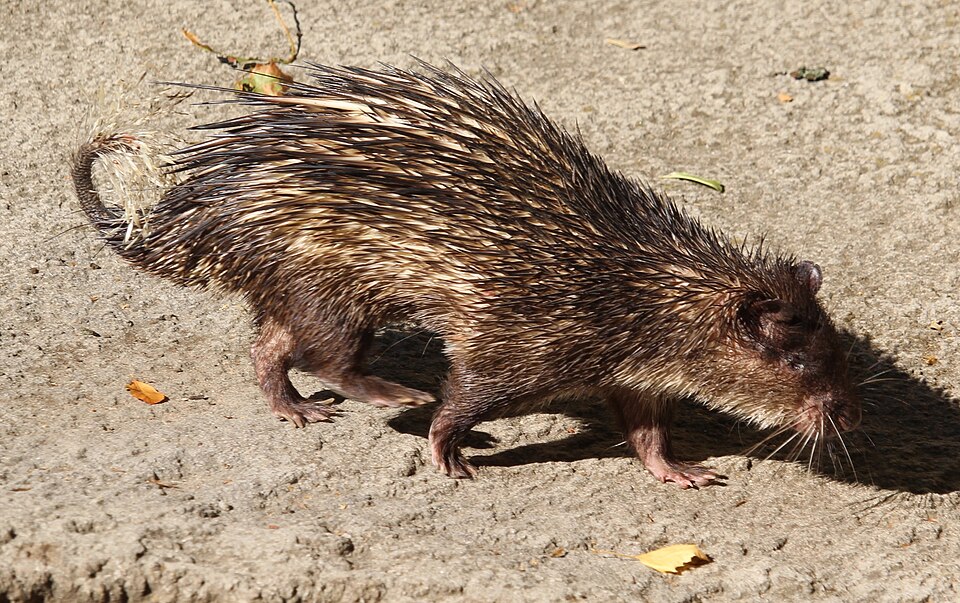
African Brush Tailed Porcupine
Nocturnal habits, gnawing, and spiny defense result in high maintenance costs; ordinary households are not suitable as a starting exotic pet.
- Adult size
- 13.78–23.62 in
- Reference Lifespan
- 8–15 yr
- Environment reference
- 68–82.4 °F
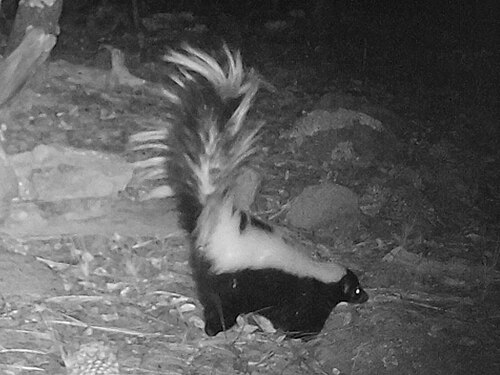
Striped Skunk
Scent glands, digging, and regulations are hard barriers; they cannot be kept as ordinary small mammals.
- Adult size
- 15.75–27.56 in
- Reference Lifespan
- 5–10 yr
- Environment reference
- 64.4–78.8 °F
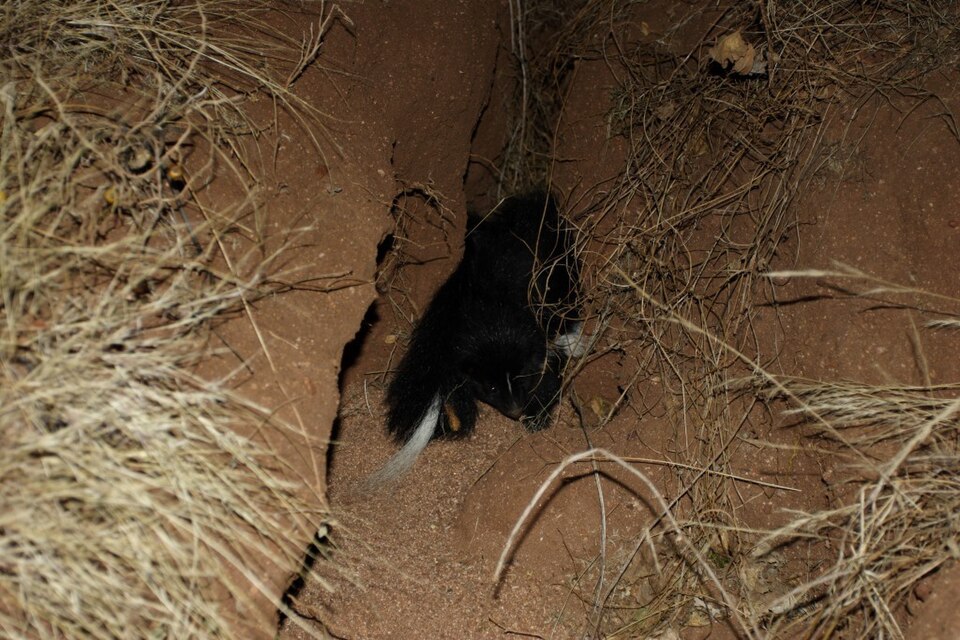
Hooded Skunk
Scent, nocturnal activity, and defensive behavior require specialized housing and regulatory review; interaction cannot be judged solely by domestication level.
- Adult size
- 13.78–23.62 in
- Reference Lifespan
- 5–10 yr
- Environment reference
- 68–86 °F
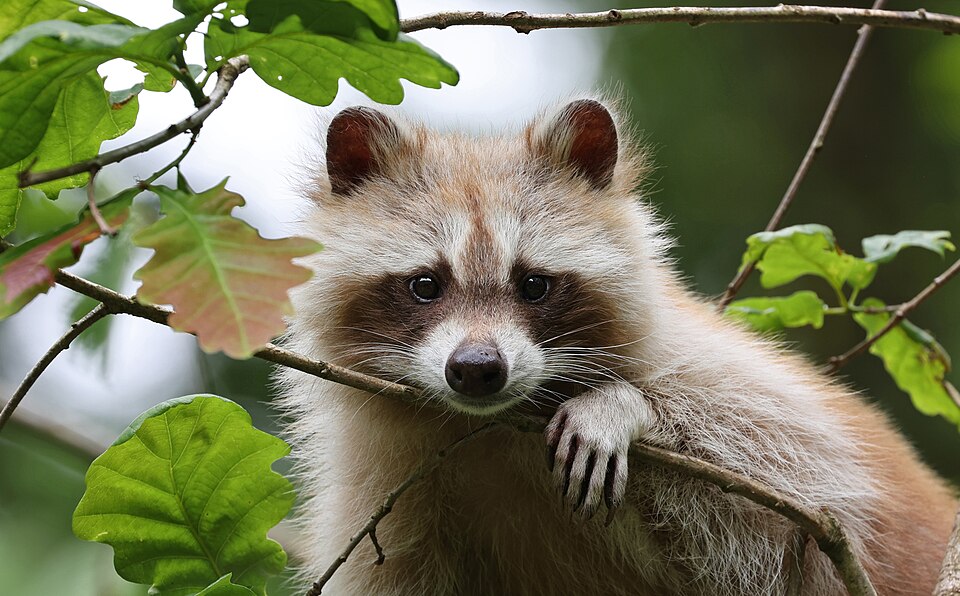
Raccoon
Intelligent, curious, capable of unlocking, and highly destructive; long-term care requires specialized enclosures and veterinary resources.
- Adult size
- 15.75–27.56 in
- Reference Lifespan
- 10–16 yr
- Environment reference
- 64.4–82.4 °F
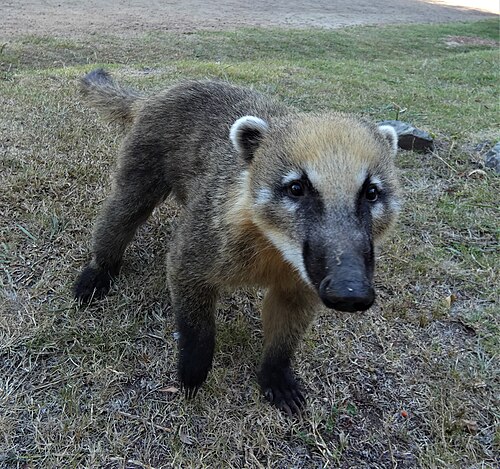
Coati
High social, climbing, and foraging needs make it difficult for a home environment to simultaneously ensure safety and enrichment.
- Adult size
- 15.75–27.56 in
- Reference Lifespan
- 10–15 yr
- Environment reference
- 71.6–86 °F
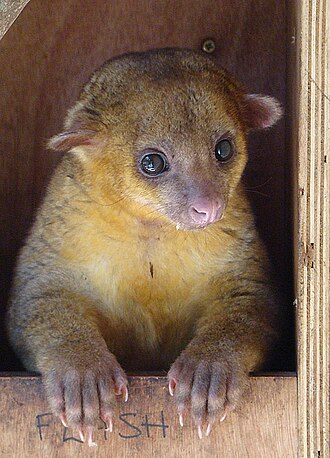
Kinkajou
Nocturnal, long-lived, and with bite risk; requires large vertical space, consistent companionship, and exotic veterinary care.
- Adult size
- 15.75–23.62 in
- Reference Lifespan
- 20–25 yr
- Environment reference
- 71.6–86 °F
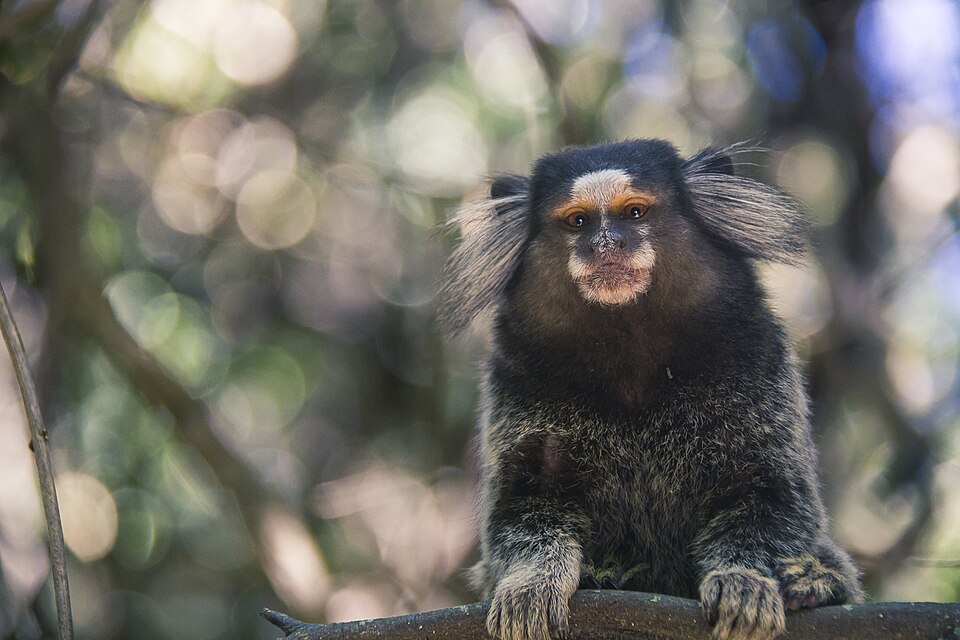
Common Marmoset
Highly social, long-lived, and requiring primate medical care; completely unsuitable as an ordinary household pet.
- Adult size
- 7.09–9.84 in
- Reference Lifespan
- 12–16 yr
- Environment reference
- 71.6–86 °F
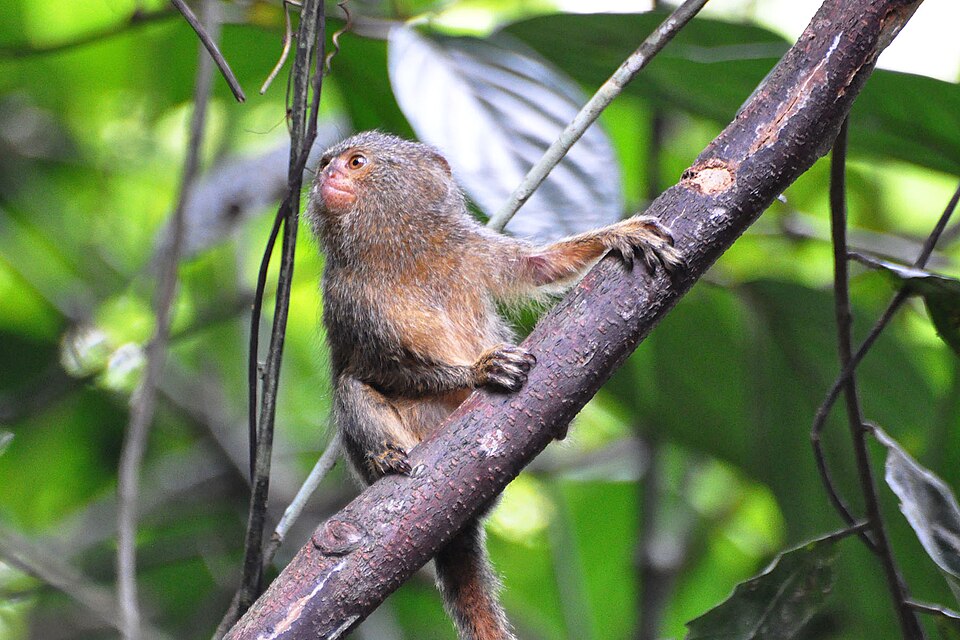
Pygmy Marmoset
Small size does not mean easy care; social needs, arboreal space, diet, and regulatory thresholds are all very high.
- Adult size
- 4.72–6.3 in
- Reference Lifespan
- 12–16 yr
- Environment reference
- 71.6–86 °F
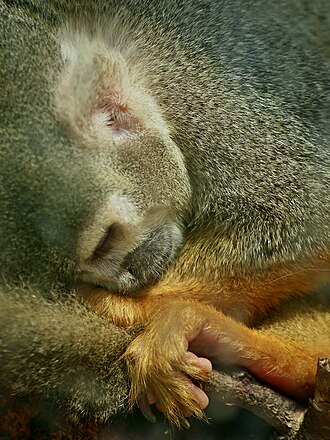
Squirrel Monkey
Social, active, and requiring primate-specialist care; standard cages and single-animal interaction are insufficient.
- Adult size
- 9.84–13.78 in
- Reference Lifespan
- 15–25 yr
- Environment reference
- 71.6–86 °F
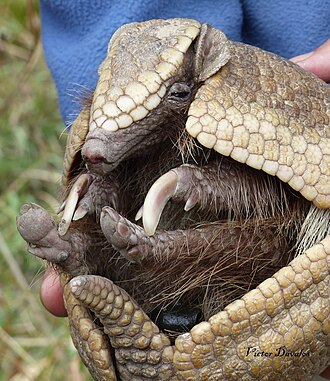
Southern Three Banded Armadillo
Requires digging, activity, and a low-stress environment; source, diet, and specialist veterinary care must be confirmed first.
- Adult size
- 11.81–15.75 in
- Reference Lifespan
- 15–20 yr
- Environment reference
- 71.6–86 °F
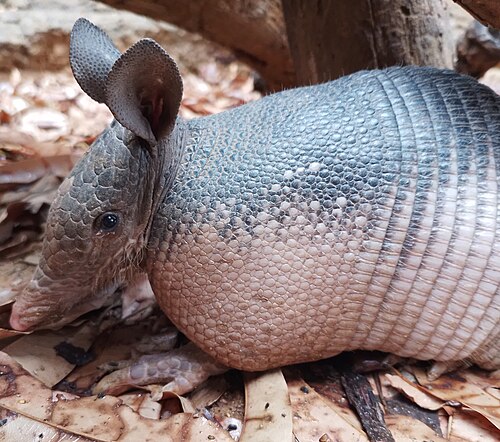
Nine Banded Armadillo
Nocturnal, burrowing, and requiring deep substrate; indoor space, hygiene, and regulatory restrictions are all significant.
- Adult size
- 13.78–23.62 in
- Reference Lifespan
- 10–15 yr
- Environment reference
- 71.6–86 °F
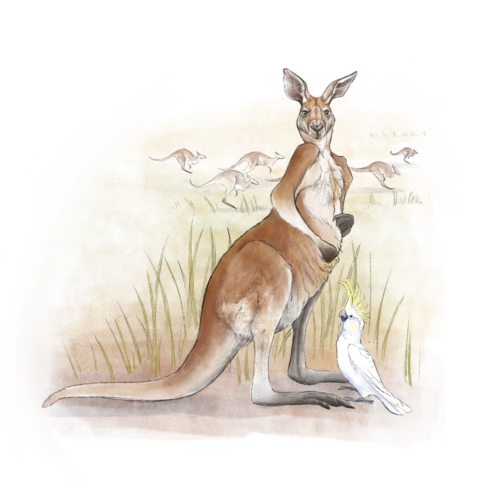
Red Kangaroo
Size and jumping ability dictate that it requires paddock-level space; standard residential housing cannot provide safe activity distances.
- Adult size
- 39.37–62.99 in
- Reference Lifespan
- 12–20 yr
- Environment reference
- 59–86 °F
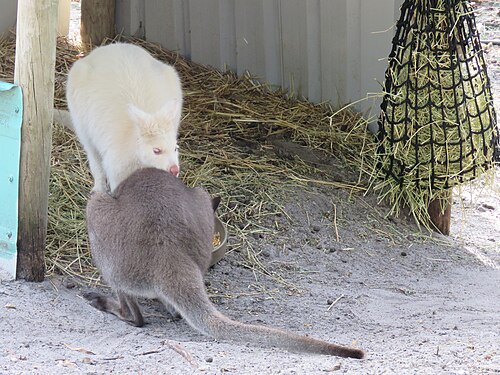
Bennets Wallaby
Requires large grassy areas, jump-proof fencing, and conspecific socialization; urban households struggle to meet long-term activity needs.
- Adult size
- 27.56–39.37 in
- Reference Lifespan
- 10–15 yr
- Environment reference
- 53.6–78.8 °F
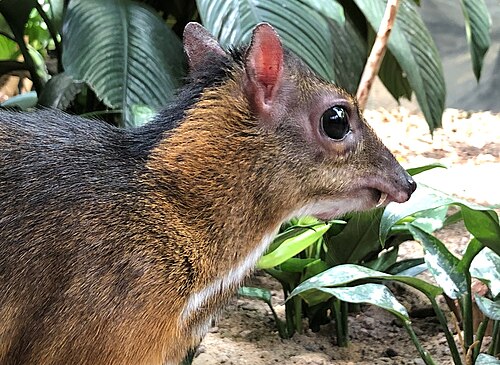
Mouse Deer
Timid, nocturnal, and forest-dependent; sourcing and professional veterinary care are more critical than interaction expectations.
- Adult size
- 15.75–21.65 in
- Reference Lifespan
- 10–15 yr
- Environment reference
- 71.6–86 °F
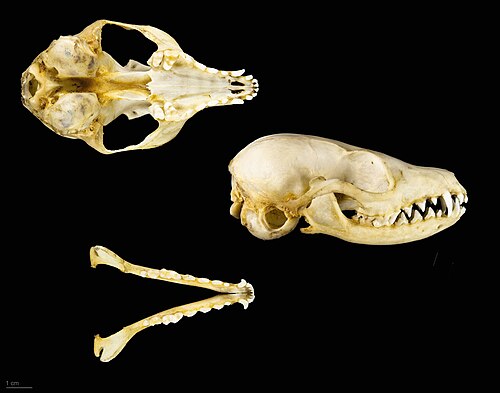
Fennec Fox
Nocturnal, burrowing, with loud vocalizations and strong odor; requires specialized housing and local regulatory permits.
- Adult size
- 9.84–15.75 in
- Reference Lifespan
- 10–14 yr
- Environment reference
- 68–89.6 °F
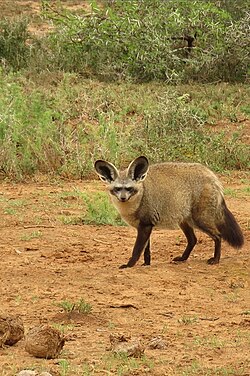
Bat Eared Fox
Requires running, burrowing, and nocturnal activity space; husbandry costs and regulatory thresholds far exceed those of typical small mammals.
- Adult size
- 17.72–25.59 in
- Reference Lifespan
- 8–12 yr
- Environment reference
- 64.4–86 °F
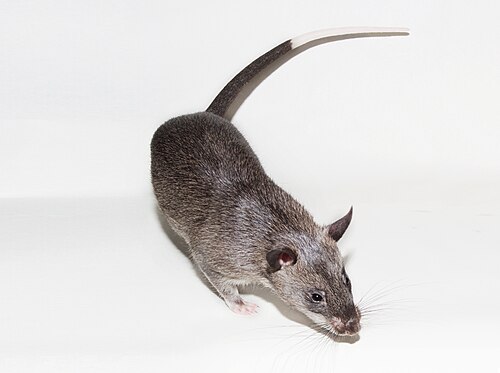
Gambian Pouched Rat
Large body size, strong biting, and social enrichment needs; housing, odor management, and veterinary care must be established first.
- Adult size
- 13.78–19.69 in
- Reference Lifespan
- 5–8 yr
- Environment reference
- 68–82.4 °F
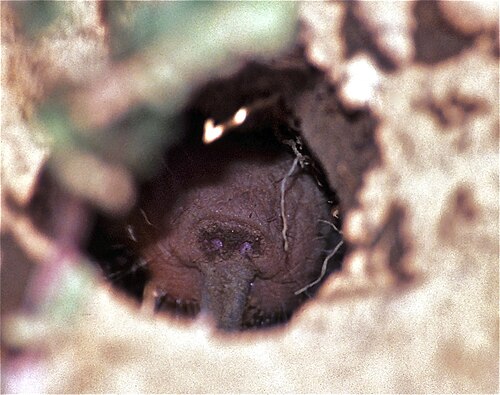
Naked Mole Rat
Highly social, subterranean, with specialized temperature requirements; ordinary households cannot replicate group environments.
- Adult size
- 3.15–4.72 in
- Reference Lifespan
- 10–25 yr
- Environment reference
- 82.4–89.6 °F
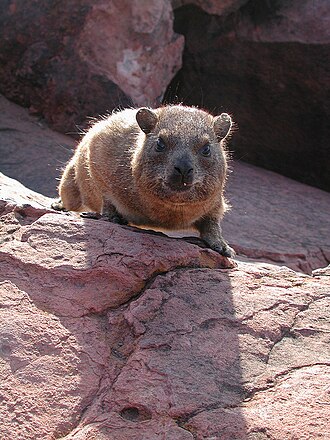
Rock Hyrax
Exhibits strong social, climbing, and territorial behaviors; requires rock-wall style enclosures and specialized veterinary care; unsuitable for home keeping.
- Adult size
- 15.75–23.62 in
- Reference Lifespan
- 8–12 yr
- Environment reference
- 64.4–86 °F
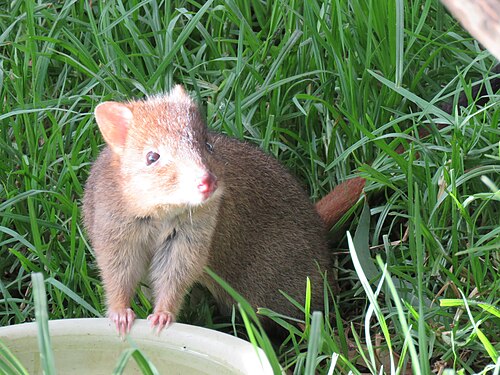
Brush Tailed Bettong
Nocturnal, arboreal, and capable of jumping; requires digging and foraging space; source and specialist veterinary resources must be verified first.
- Adult size
- 11.81–15.75 in
- Reference Lifespan
- 6–10 yr
- Environment reference
- 60.8–78.8 °F
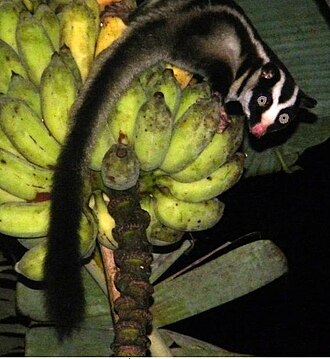
Striped Possum
Nocturnal, arboreal, and capable of biting; requires tall enclosures, environmental enrichment, and specialist veterinary care; cannot be managed like common rodents.
- Adult size
- 9.84–13.78 in
- Reference Lifespan
- 6–10 yr
- Environment reference
- 68–82.4 °F
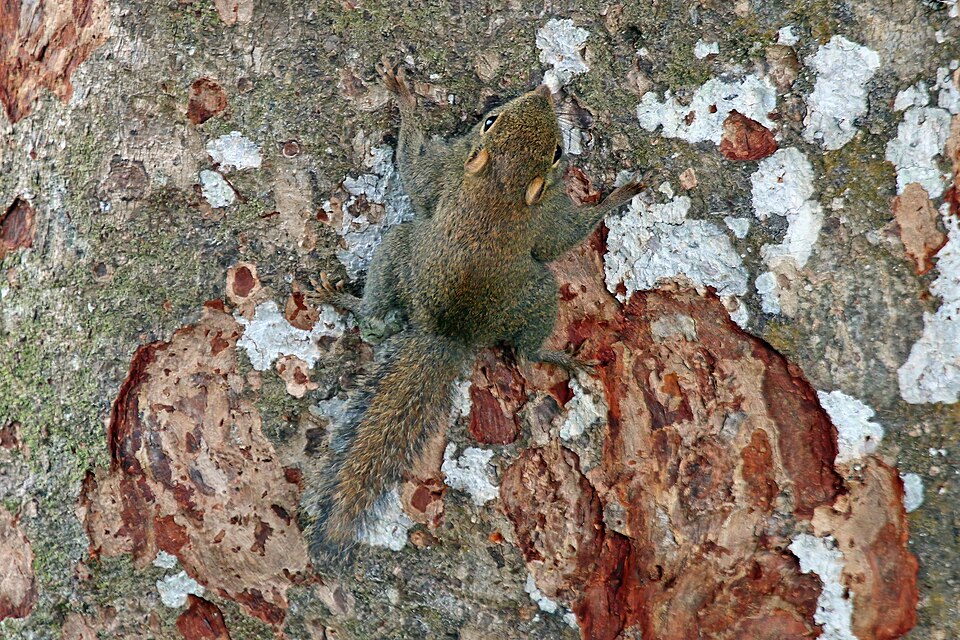
African Pygmy Squirrel
Small body size but requires tall enclosures, climbing opportunities, and continuous enrichment; source and specialist veterinary care must be verified first.
- Adult size
- 3.94–5.91 in
- Reference Lifespan
- 4–8 yr
- Environment reference
- 71.6–84.2 °F
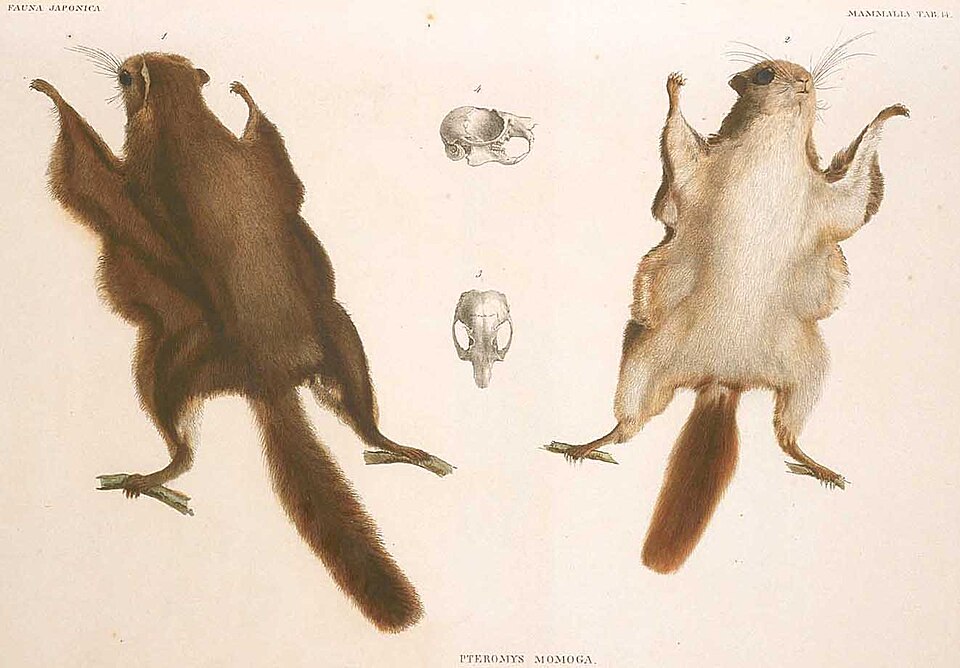
Japanese Flying Squirrel
Nocturnal, gliding, and arboreal; requires high enclosure length, escape risk assessment, and regulatory compliance evaluation.
- Adult size
- 5.51–7.87 in
- Reference Lifespan
- 5–8 yr
- Environment reference
- 60.8–77 °F
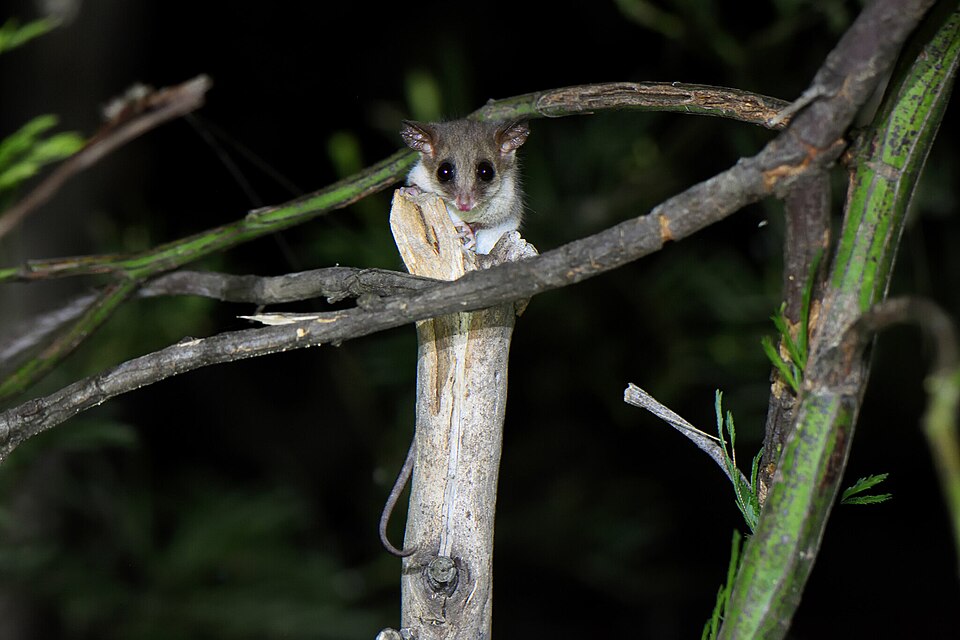
Common Pygmy Possum
Small body size, nocturnal, and requires arboreal nesting boxes; food, temperature, and veterinary resources cannot be managed like hamsters.
- Adult size
- 3.94–5.51 in
- Reference Lifespan
- 4–6 yr
- Environment reference
- 64.4–78.8 °F
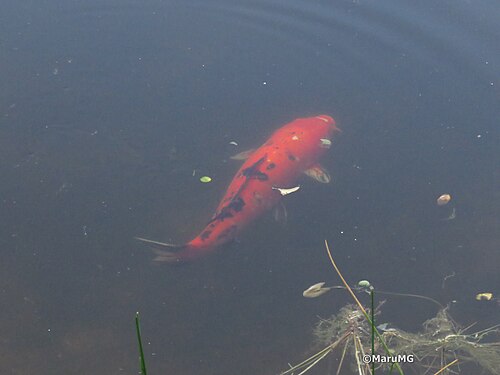
Koi
Juveniles are easily underestimated; adults require pond-sized water volume, filtration, and overwintering plans.
- Adult size
- 19.69–35.43 in
- Reference Lifespan
- 20–40 yr
- Water Temperature
- 64.4–82.4 °F
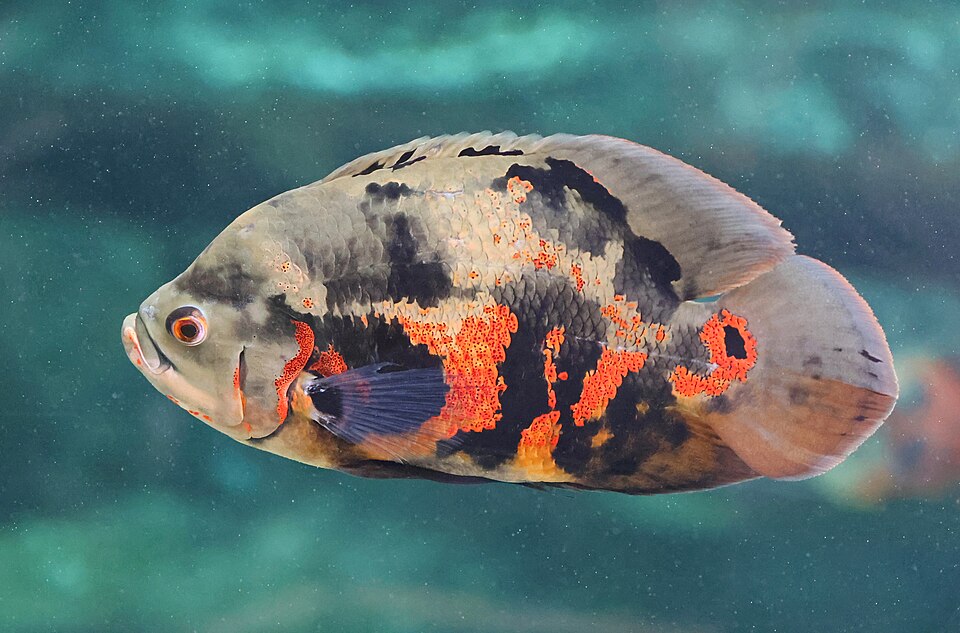
Oscar Fish
Large body size, heavy feeding, and substrate modification; ample water volume, filtration, and dedicated isolation space must be provided.
- Adult size
- 9.84–13.78 in
- Reference Lifespan
- 10–15 yr
- Water Temperature
- 73.4–84.2 °F
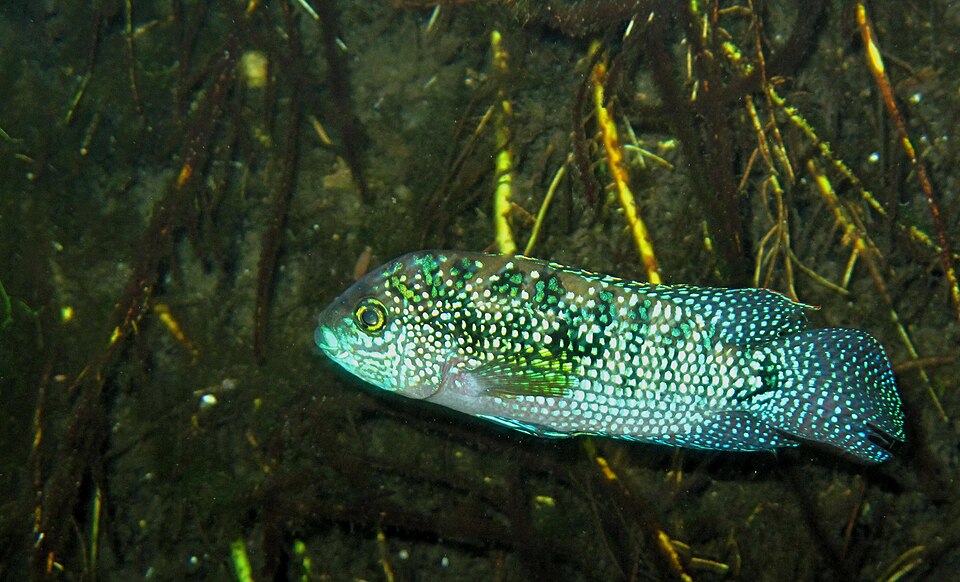
Jack Dempsey
Strong territoriality and aggression; tank compatibility, filtration, and backup isolation tanks must be planned in advance.
- Adult size
- 7.87–9.84 in
- Reference Lifespan
- 8–12 yr
- Water Temperature
- 75.2–86 °F
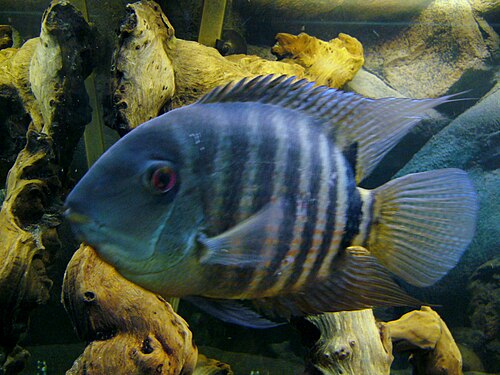
Severum
Adult body size and territorial behavior are pronounced; water volume, filtration, and plant protection must be arranged simultaneously.
- Adult size
- 7.09–9.84 in
- Reference Lifespan
- 8–12 yr
- Water Temperature
- 75.2–86 °F
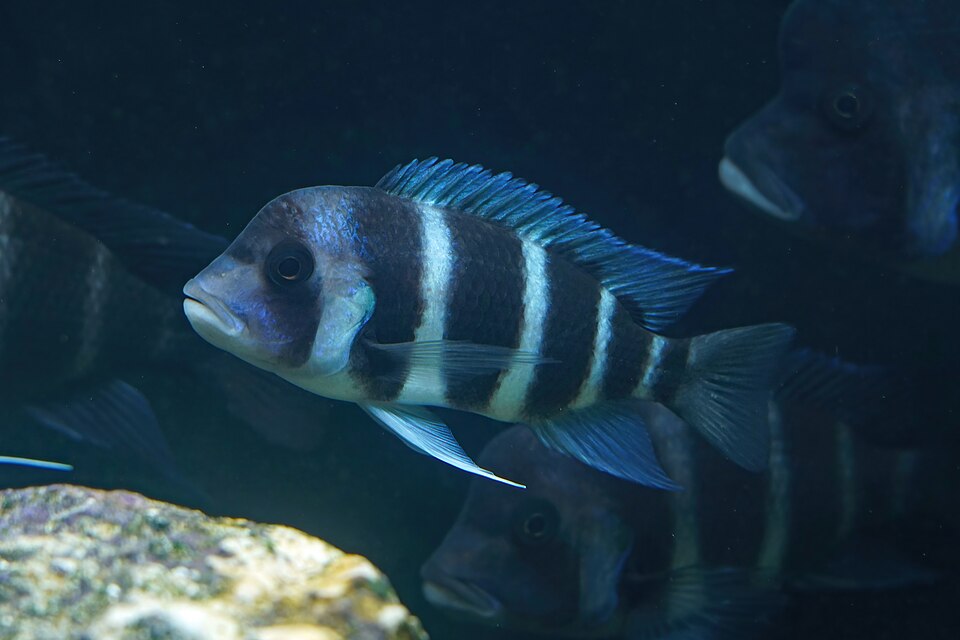
Frontosa
Large schooling, alkaline water, and cave structure require a large, mature aquarium system.
- Adult size
- 9.84–13.78 in
- Reference Lifespan
- 15–20 yr
- Water Temperature
- 75.2–82.4 °F
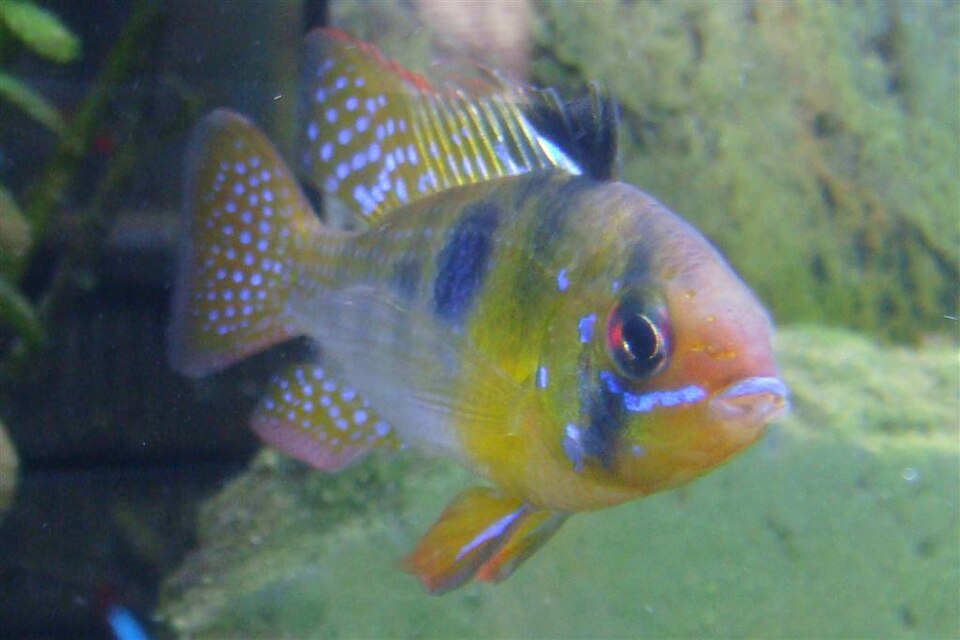
German Blue Ram
Small in size but sensitive to high temperatures, water parameters, and medication residues; a mature, stable tank is more important than decorations.
- Adult size
- 1.97–2.76 in
- Reference Lifespan
- 3–5 yr
- Water Temperature
- 78.8–86 °F
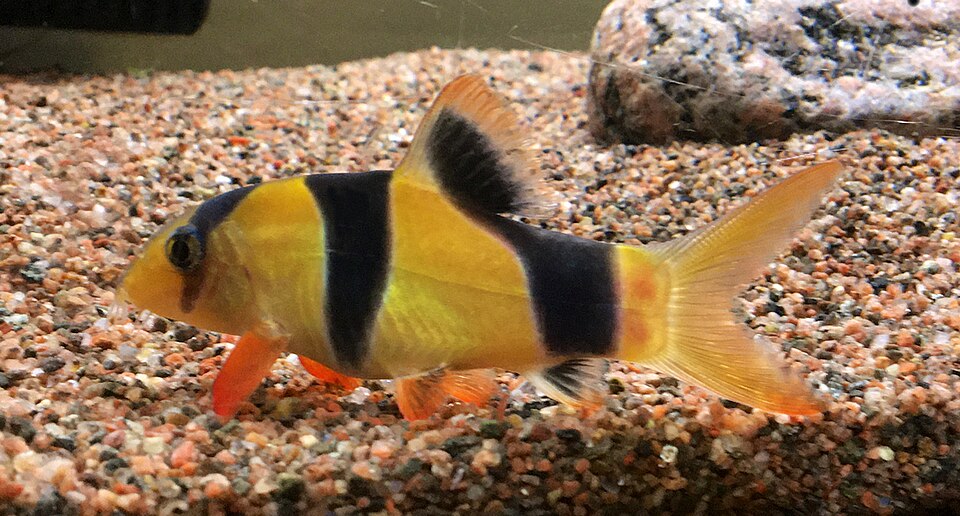
Clown Loach
Fry are cute but adults grow large and school; plan water, filtration, and sufficient companions based on a multi-year cycle.
- Adult size
- 7.87–11.81 in
- Reference Lifespan
- 10–20 yr
- Water Temperature
- 77–86 °F
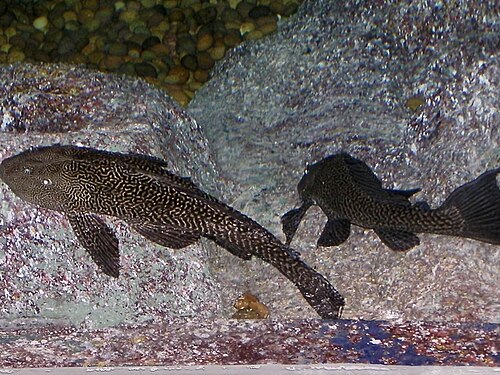
Common Pleco
Fry are often mistaken for small cleaner fish; adults pose high risks due to size, waste production, and abandonment.
- Adult size
- 11.81–19.69 in
- Reference Lifespan
- 10–15 yr
- Water Temperature
- 73.4–84.2 °F
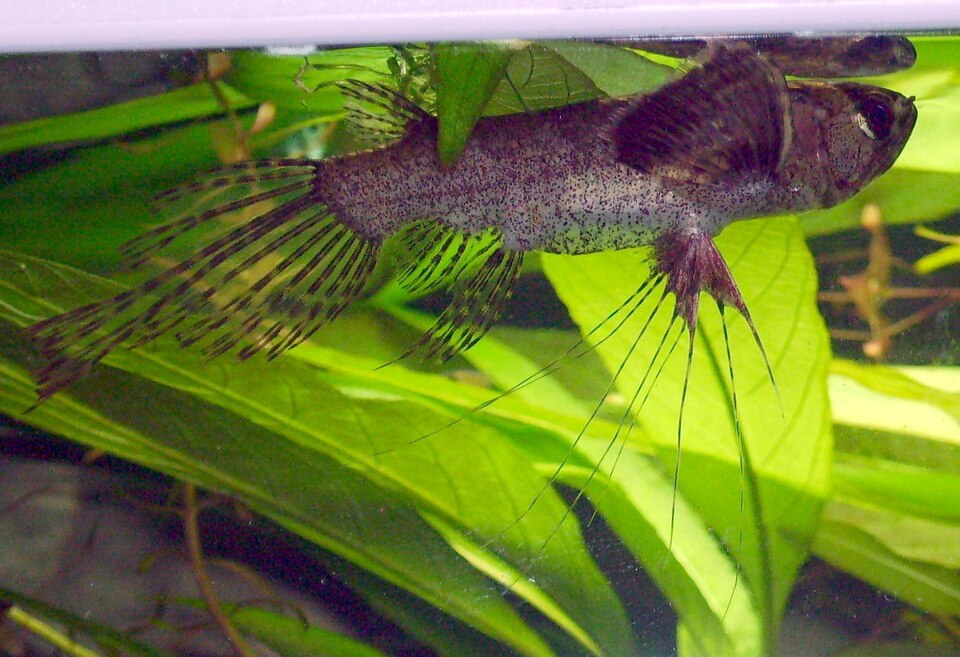
African Butterflyfish
Surface feeding, jumping out of the tank, and compatibility with tank mates must be managed; a lid, live food, and surface space are all indispensable.
- Adult size
- 3.94–5.91 in
- Reference Lifespan
- 5–8 yr
- Water Temperature
- 75.2–86 °F
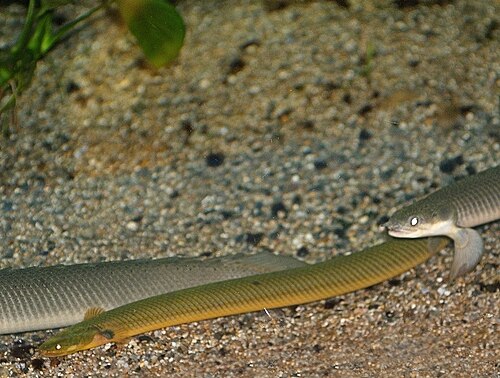
Rope Fish
Nocturnal, air-breathing, and prone to escaping; plan for a surface cover, hiding spots, and sufficient tank length in advance.
- Adult size
- 13.78–19.69 in
- Reference Lifespan
- 10–15 yr
- Water Temperature
- 75.2–84.2 °F
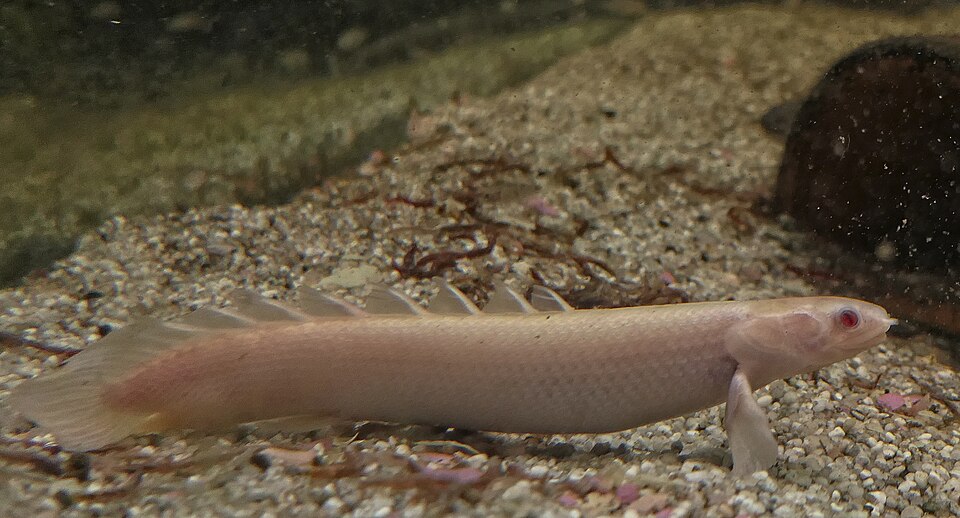
Senegal Bichir
Surfaces to breathe and eats small fish; calculate requirements for a lid, bottom area, and compatible tank mate sizes beforehand.
- Adult size
- 11.81–17.72 in
- Reference Lifespan
- 10–15 yr
- Water Temperature
- 75.2–84.2 °F
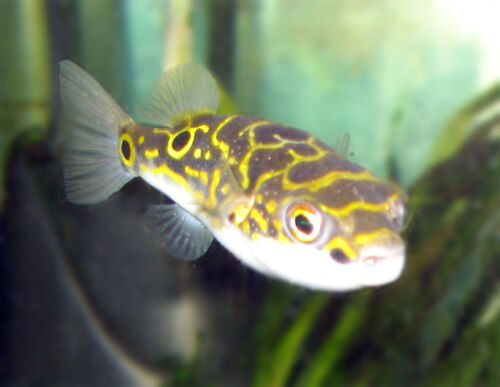
Figure Eight Puffer
High risk of tooth damage, salinity fluctuations, and species mixing; water quality transitions must be slow and continuously monitored.
- Adult size
- 3.15–4.72 in
- Reference Lifespan
- 5–8 yr
- Water Temperature
- 75.2–86 °F
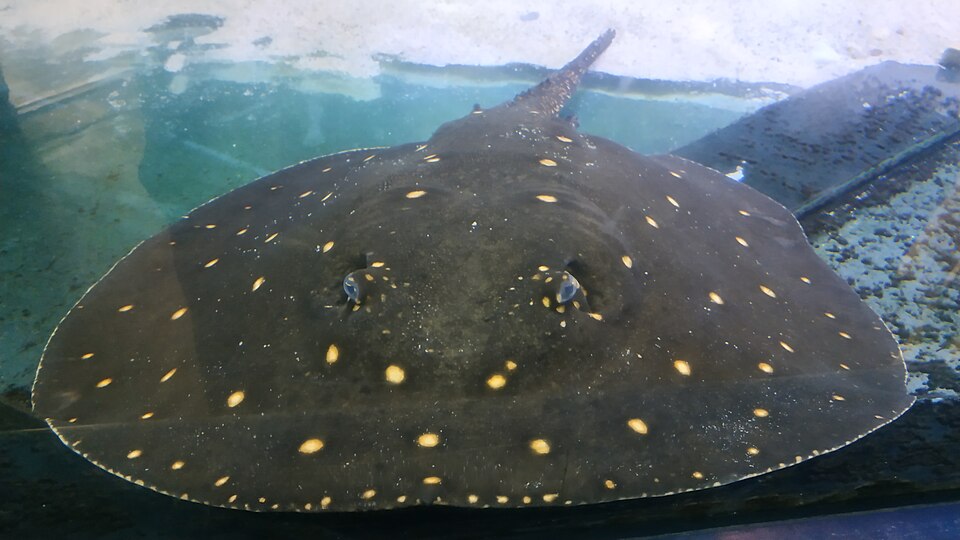
Motoro Stingray
Large aquarium systems are required for bottom area, filtration, and sting safety; standard home tanks are insufficient.
- Adult size
- 17.72–27.56 in
- Reference Lifespan
- 10–20 yr
- Water Temperature
- 75.2–86 °F
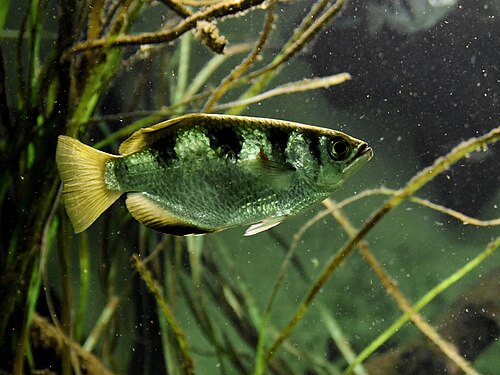
Archerfish
Water surface height, covers, and salinity management are highly specific; feeding behavior cannot replace comprehensive water quality planning.
- Adult size
- 7.87–11.81 in
- Reference Lifespan
- 8–12 yr
- Water Temperature
- 75.2–86 °F
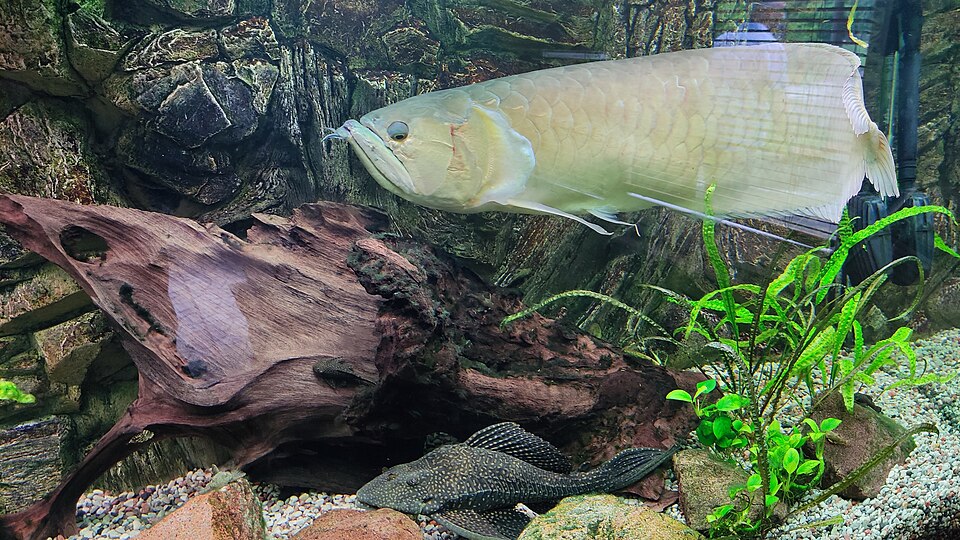
Silver Arowana
Long body shape, strong jumping ability, and high surface load; require giant tanks, secure covers, and long-term budgeting.
- Adult size
- 31.5–47.24 in
- Reference Lifespan
- 10–15 yr
- Water Temperature
- 75.2–86 °F
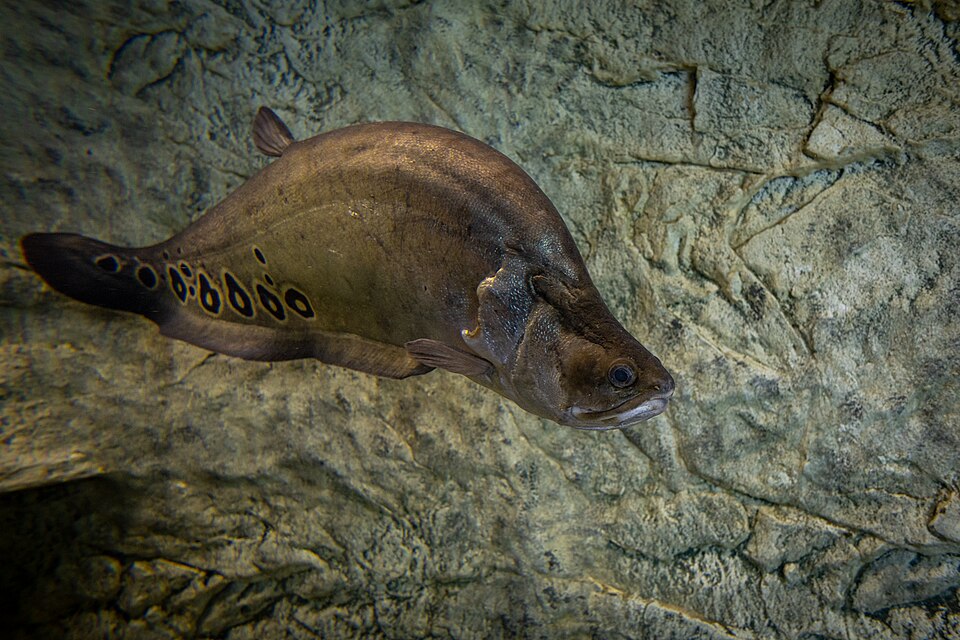
Clown Knifefish
Juvenile size changes rapidly; nocturnal behavior, predatory nature, and adult water requirements must be planned in advance for large fish systems.
- Adult size
- 23.62–39.37 in
- Reference Lifespan
- 10–15 yr
- Water Temperature
- 75.2–86 °F
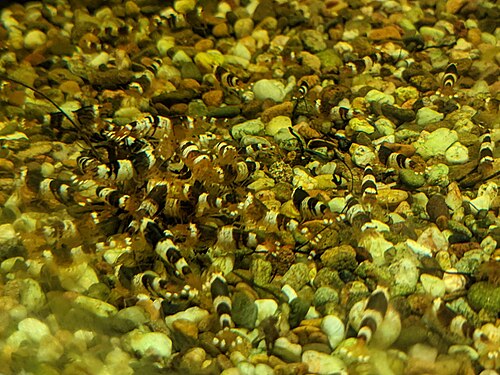
Crystal Red Shrimp
Sensitive to temperature, hardness, and ammonia fluctuations; a mature, stable micro-ecosystem is more important than tank decorations.
- Adult size
- 0.79–1.18 in
- Reference Lifespan
- 1–2 yr
- Water Temperature
- 68–77 °F
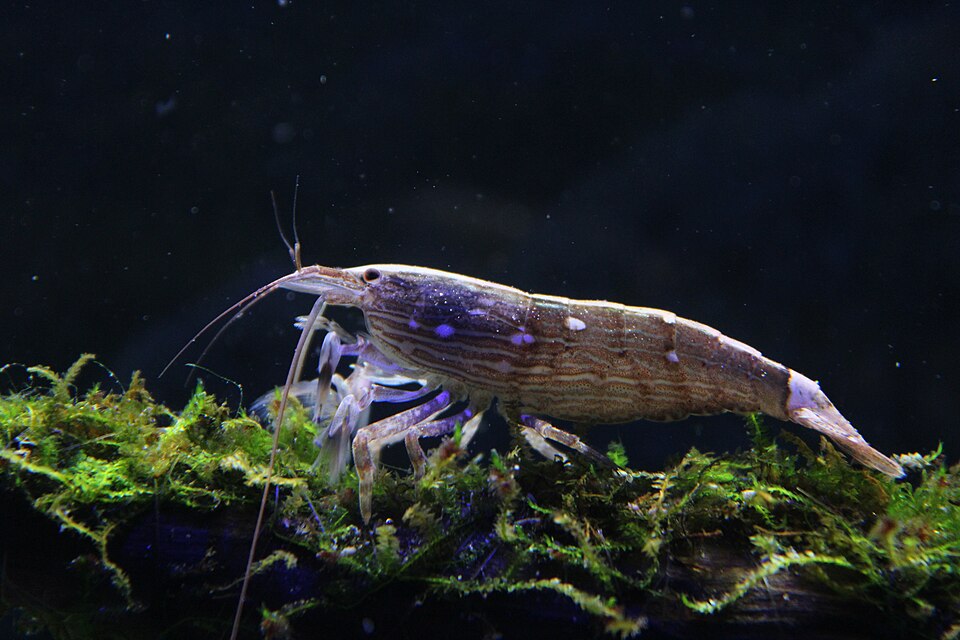
Bamboo Shrimp
Dependent on suspended food in the water; filtration, flow rate, and molting-period hiding must be designed together.
- Adult size
- 2.36–3.94 in
- Reference Lifespan
- 1–3 yr
- Water Temperature
- 71.6–82.4 °F
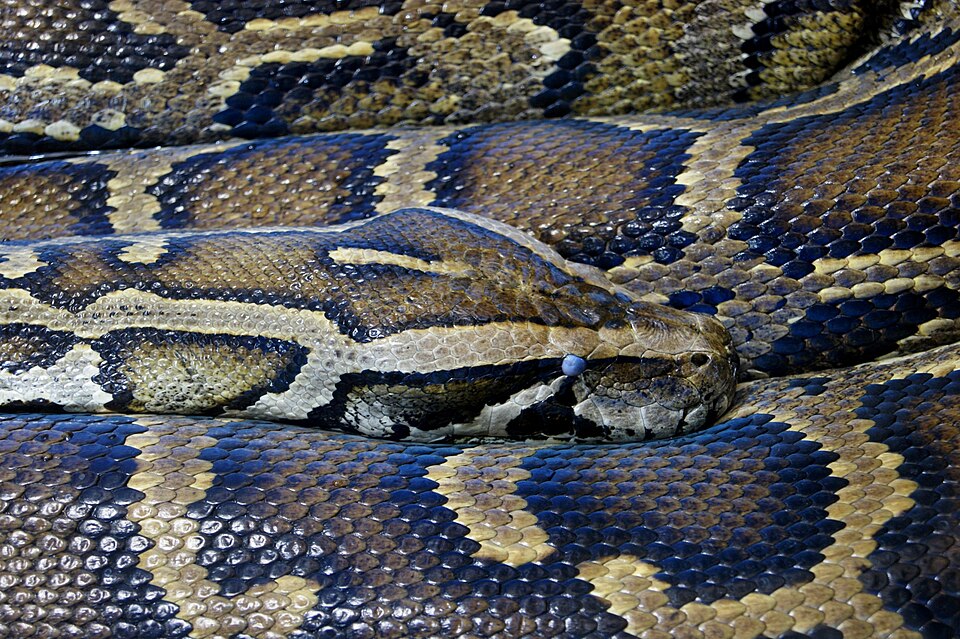
Burmese Python
Juveniles may appear small, but adult length, weight, frozen rodent storage, and escape-proofing requirements escalate rapidly.
- Adult size
- 98.43–177.17 in
- Reference Lifespan
- 15–25 yr
- Environment reference
- 75.2–89.6 °F
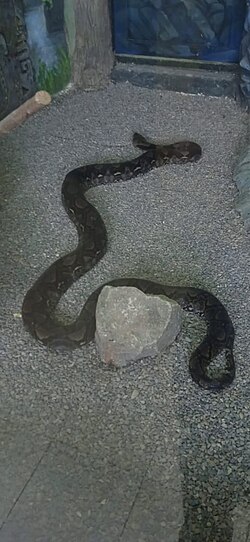
Reticulated Python
This is a large python project, not suitable for planning as a standard pet snake; adult space and handler requirements must be determined in advance.
- Adult size
- 118.11–236.22 in
- Reference Lifespan
- 15–25 yr
- Environment reference
- 78.8–89.6 °F
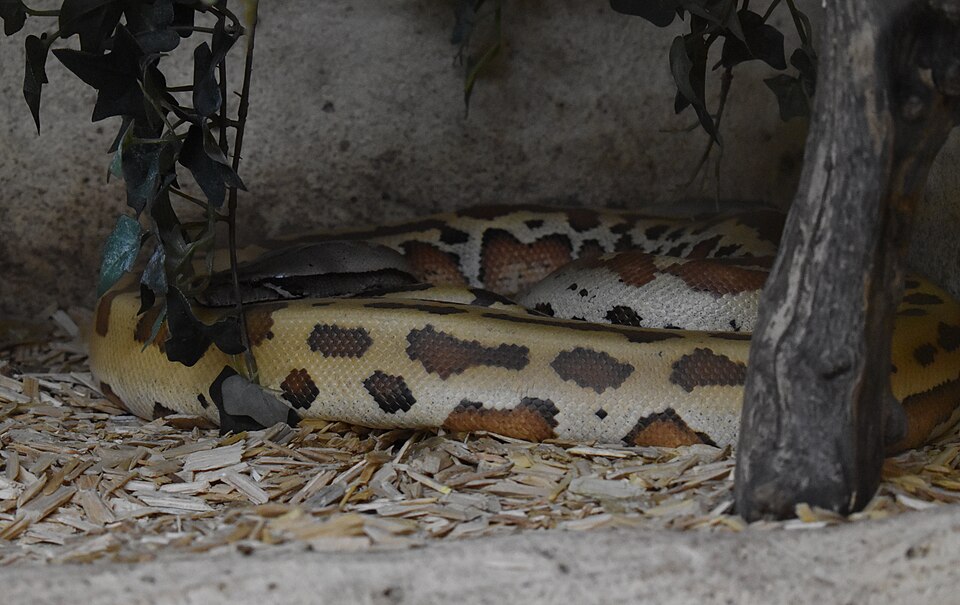
Blood Python
Sturdy body; stress and respiratory issues require a stable environment; body length alone is insufficient when handling.
- Adult size
- 59.06–86.61 in
- Reference Lifespan
- 15–25 yr
- Environment reference
- 77–87.8 °F
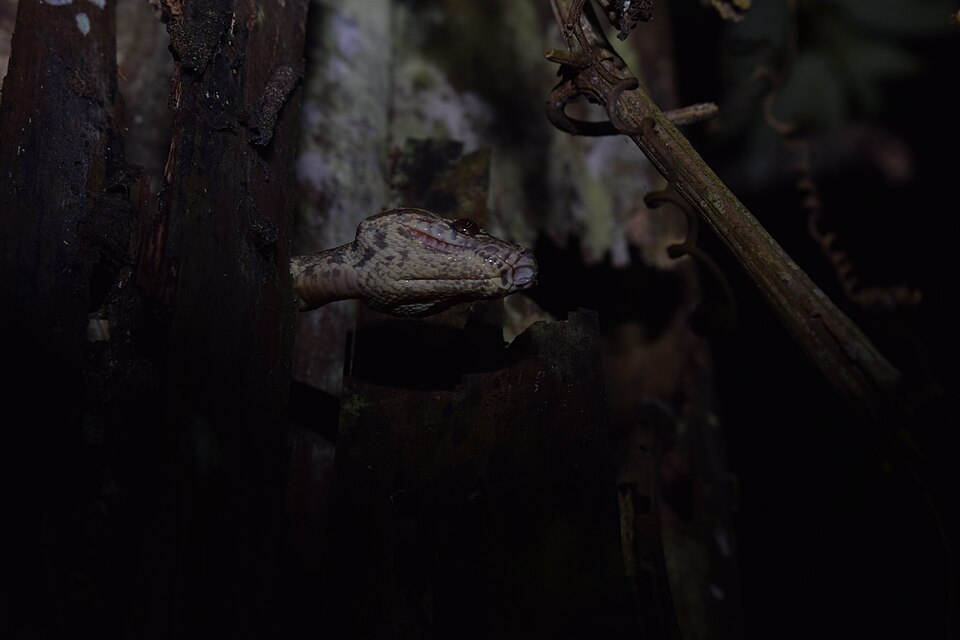
Amazon Tree Boa
Arboreal habits, nocturnal activity, and defensive responses are harder to manage than appearance; not suitable for frequent handling.
- Adult size
- 47.24–70.87 in
- Reference Lifespan
- 12–18 yr
- Environment reference
- 75.2–86 °F
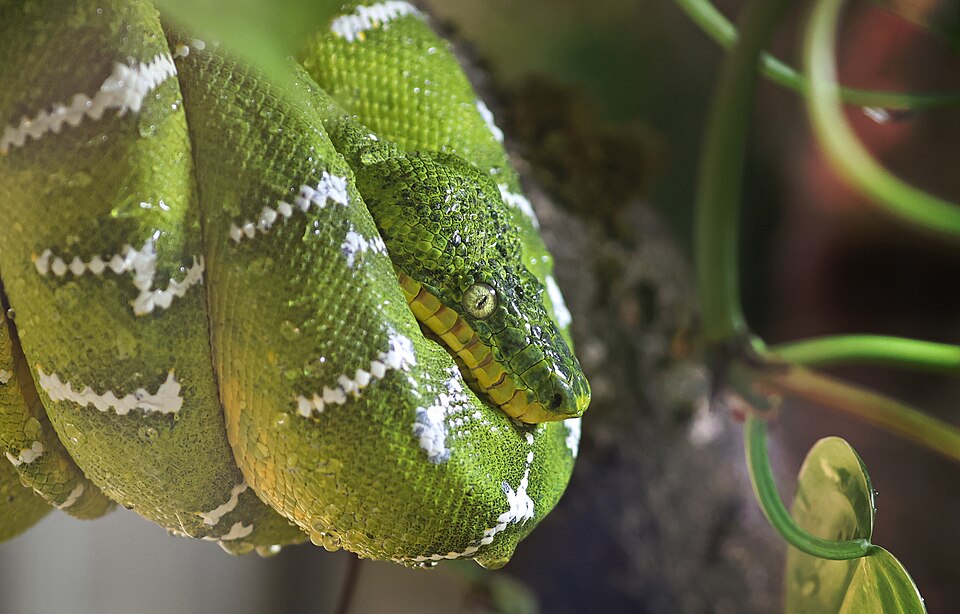
Emerald Tree Boa
Sensitive to temperature, ventilation, and perch stability; safe handling of adults requires experience.
- Adult size
- 59.06–86.61 in
- Reference Lifespan
- 15–20 yr
- Environment reference
- 77–86 °F
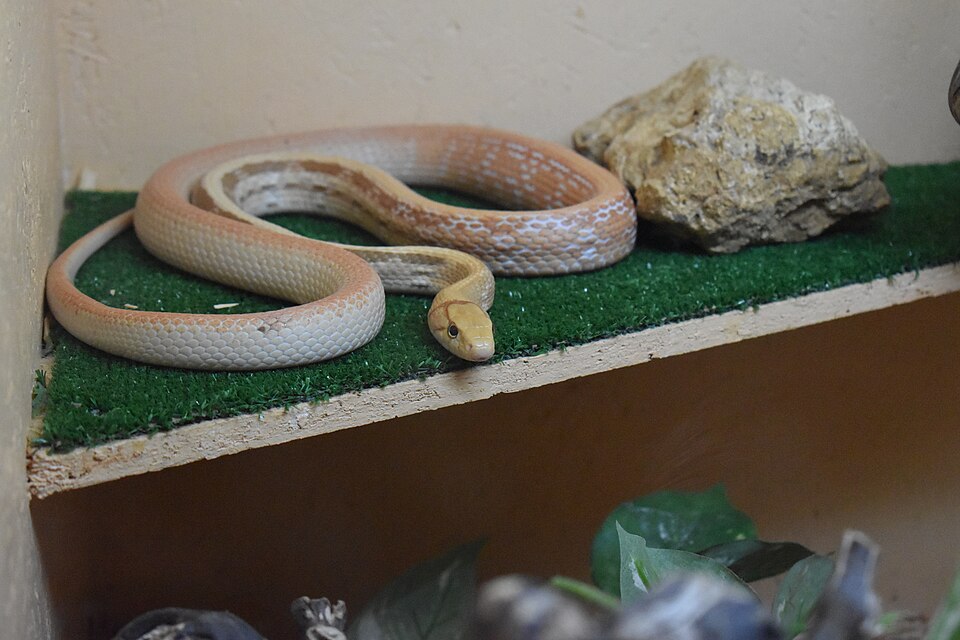
Trinket Snake
Fast speed and obvious defensive response; prepare enclosure height, escape-proofing, and experienced handling methods in advance.
- Adult size
- 47.24–70.87 in
- Reference Lifespan
- 12–18 yr
- Environment reference
- 75.2–86 °F
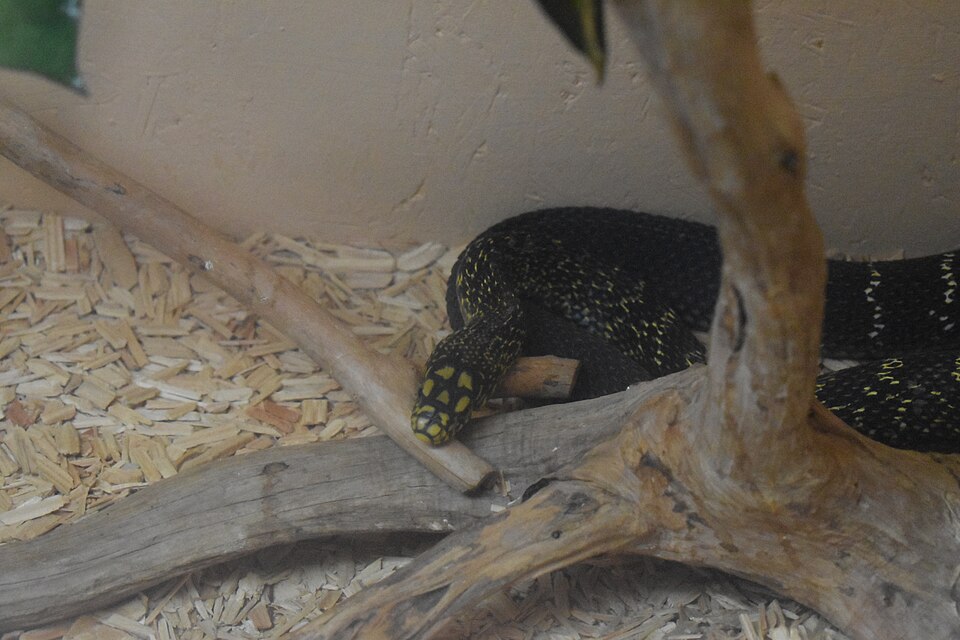
Mandarin Rat Snake
Size, diet, and defensiveness may be underestimated; verify domestic sources and wildlife regulations first.
- Adult size
- 59.06–98.43 in
- Reference Lifespan
- 15–20 yr
- Environment reference
- 71.6–86 °F
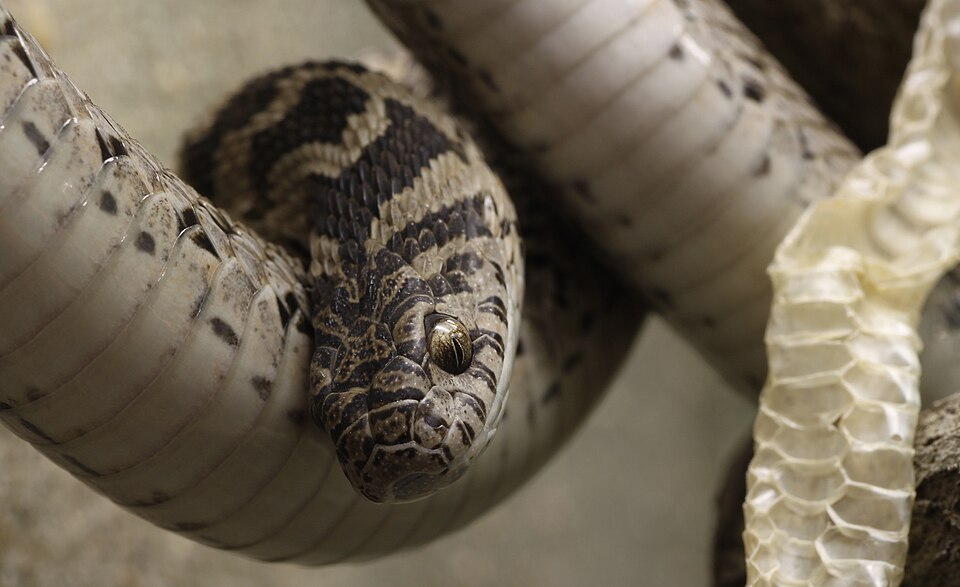
African Egg Eating Snake
Specialized egg-eating means feed size, supply stability, and refusal management cannot be applied using standard rat snake experience.
- Adult size
- 27.56–39.37 in
- Reference Lifespan
- 10–15 yr
- Environment reference
- 71.6–82.4 °F
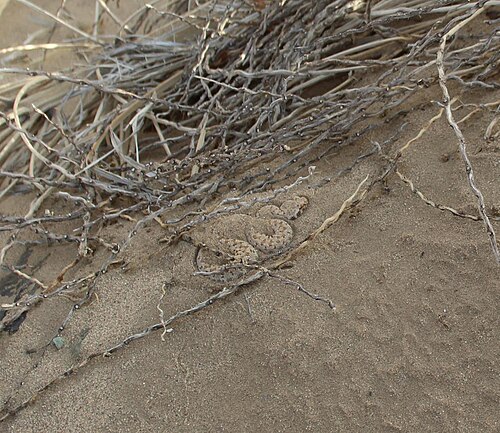
Saharan Horned Viper
Venomous snake program; safety cannot be assumed based on appearance or small size; legality, isolation, and emergency resources must be prioritized.
- Adult size
- 15.75–23.62 in
- Reference Lifespan
- 10–15 yr
- Environment reference
- 75.2–89.6 °F
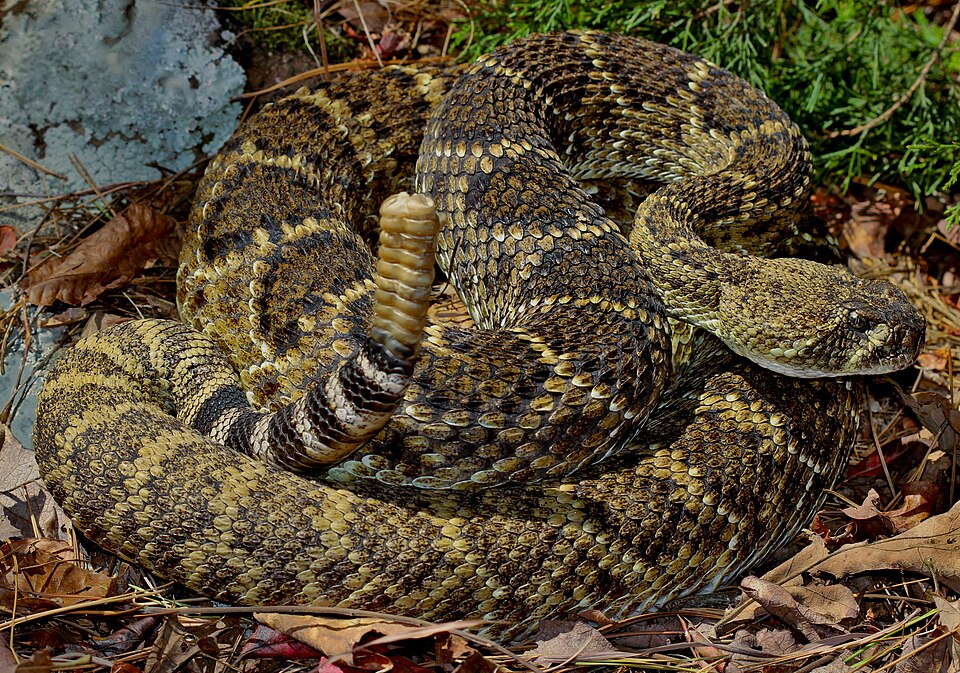
Western Diamondback
Venomous snake husbandry requires professional facilities, compliant permits, and emergency response plans; it is not a suitable choice for typical households.
- Adult size
- 35.43–59.06 in
- Reference Lifespan
- 15–20 yr
- Environment reference
- 75.2–86 °F
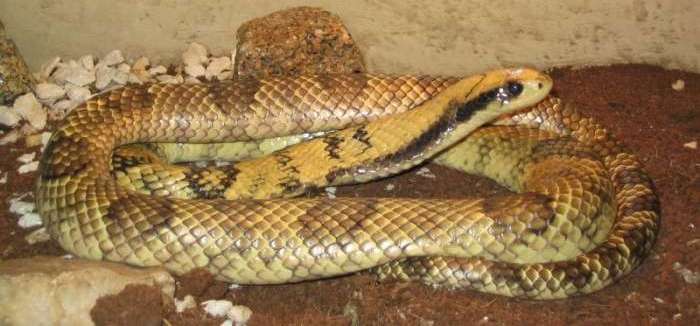
False Water Cobra
Both rear-fanged venom delivery and defensive behavior require serious attention; water, space, and professional veterinary care are all essential.
- Adult size
- 59.06–86.61 in
- Reference Lifespan
- 15–20 yr
- Environment reference
- 75.2–86 °F
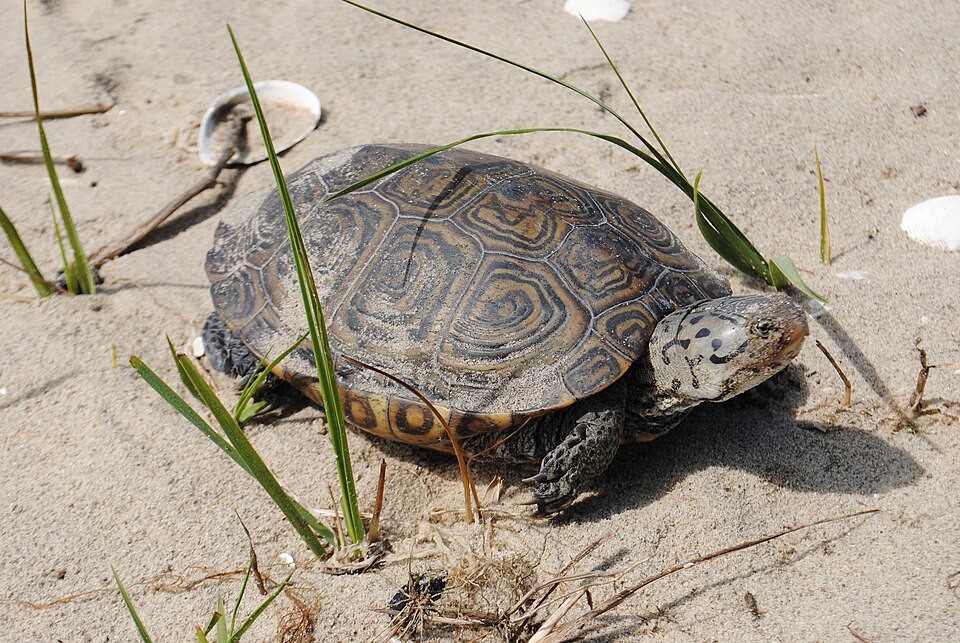
Diamondback Terrapin
Salinity, filtration, basking, and long-term body size must be managed; brackish water care is more complex than freshwater turtle management.
- Adult size
- 4.72–9.84 in
- Reference Lifespan
- 25–40 yr
- Environment reference
- 75.2–86 °F
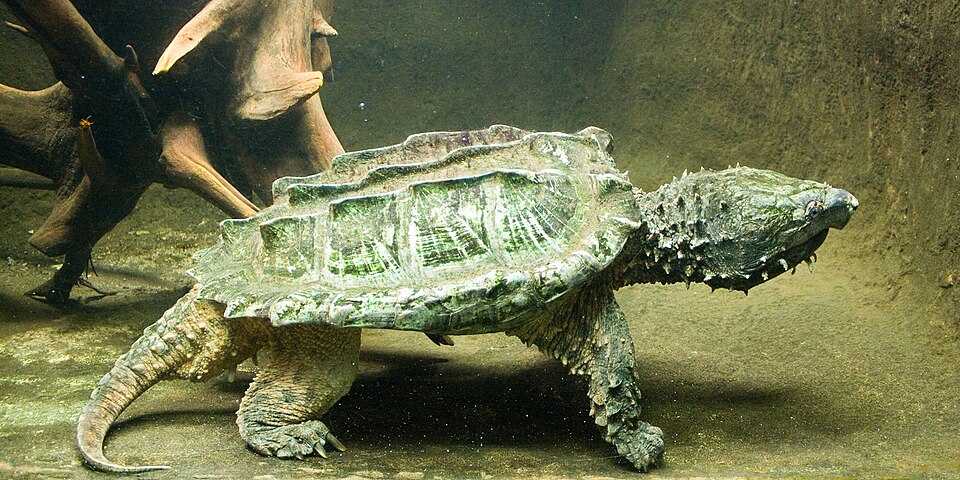
Alligator Snapping Turtle
Extremely high body size, bite force, and water load; home environments typically cannot meet adult requirements.
- Adult size
- 13.78–31.5 in
- Reference Lifespan
- 50–70 yr
- Environment reference
- 71.6–82.4 °F
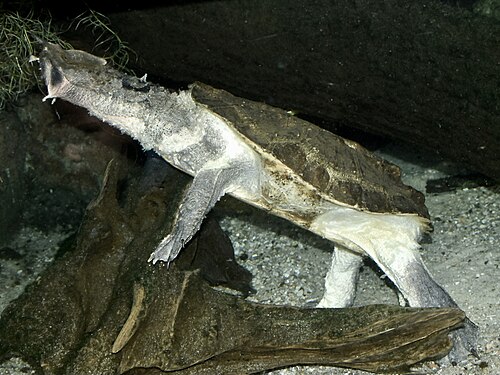
Mata Mata
Water depth, filtration, dissolved oxygen, and feeding methods are all specialized; equipment and maintenance requirements increase significantly as the animal grows.
- Adult size
- 15.75–19.69 in
- Reference Lifespan
- 15–25 yr
- Environment reference
- 75.2–84.2 °F
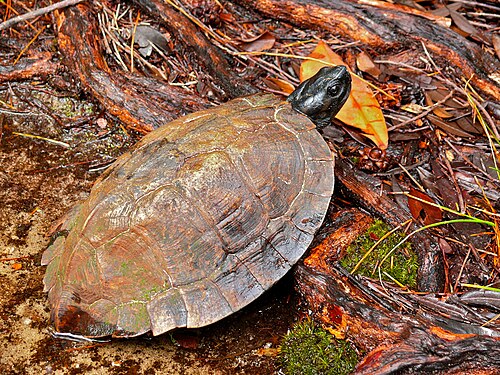
Asian Leaf Turtle
Water-land transition, cool and humid conditions, and hiding spaces must remain stable; source and protection regulations must be checked first.
- Adult size
- 7.87–9.84 in
- Reference Lifespan
- 20–30 yr
- Environment reference
- 71.6–82.4 °F
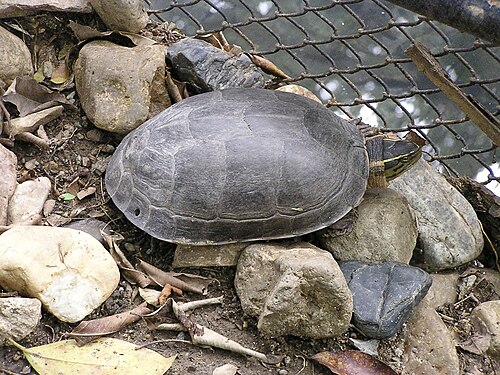
Malayan Box Turtle
Maintain a semi-aquatic habitat, water quality, and moist terrestrial areas simultaneously; do not overlook wild-sourced origins and trade restrictions.
- Adult size
- 7.87–11.81 in
- Reference Lifespan
- 20–30 yr
- Environment reference
- 75.2–86 °F
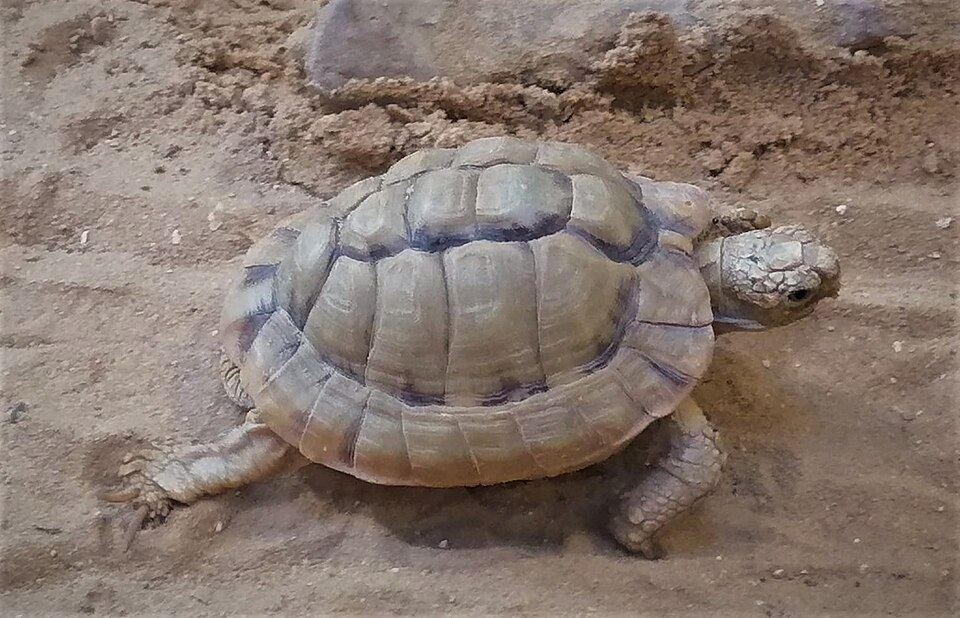
Egyptian Tortoise
Small in size but demanding high temperatures, ventilation, low humidity, and legal sourcing; verify documentation and permits before purchase.
- Adult size
- 3.94–5.51 in
- Reference Lifespan
- 30–50 yr
- Environment reference
- 75.2–89.6 °F
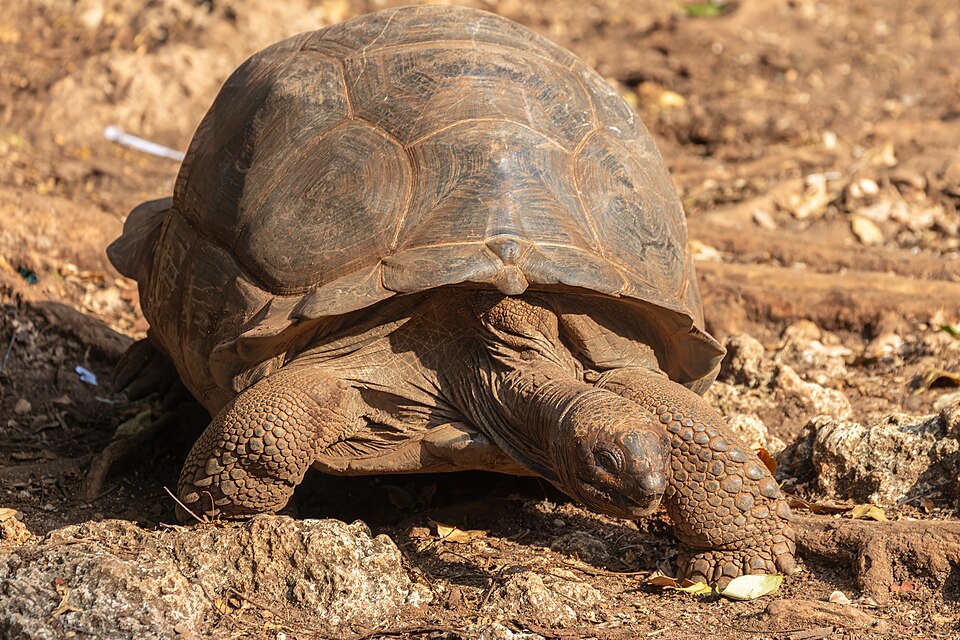
Aldabra Giant Tortoise
Longevity and size make them long-term facility projects; verify space, permits, and lifelong care commitments before home keeping.
- Adult size
- 35.43–47.24 in
- Reference Lifespan
- 80–120 yr
- Environment reference
- 75.2–89.6 °F
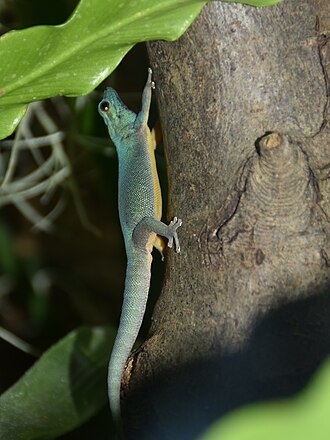
Electric Blue Gecko
Small in size but highly sensitive to lighting, ventilation, live micro-prey, and source compliance; not suitable for casual co-housing.
- Adult size
- 3.15–3.94 in
- Reference Lifespan
- 5–8 yr
- Environment reference
- 71.6–82.4 °F
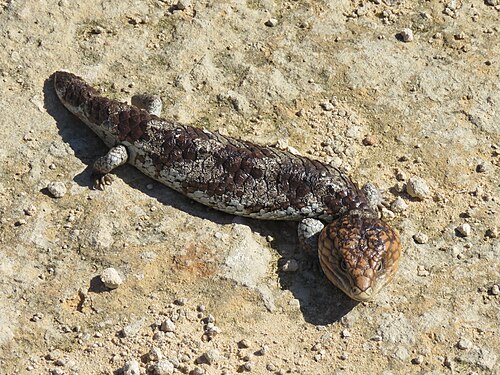
Shingleback Skink
Heavy-bodied, large activity areas, and long lifespans; adult ground space, UVB, and diet must be planned together.
- Adult size
- 13.78–17.72 in
- Reference Lifespan
- 15–20 yr
- Environment reference
- 71.6–89.6 °F
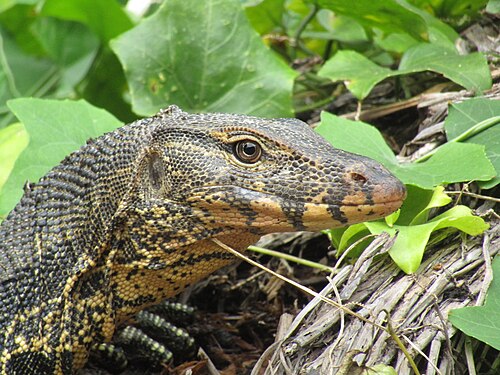
Water Monitor
Large adult size, bite force, water requirements, and enclosure needs; typical home environments usually cannot meet these long-term.
- Adult size
- 47.24–78.74 in
- Reference Lifespan
- 15–20 yr
- Environment reference
- 78.8–89.6 °F