Basic Care
Difficulty is referenced against equipment, environmental stability, and daily management. Rated as Basic, it still requires thorough preparation.
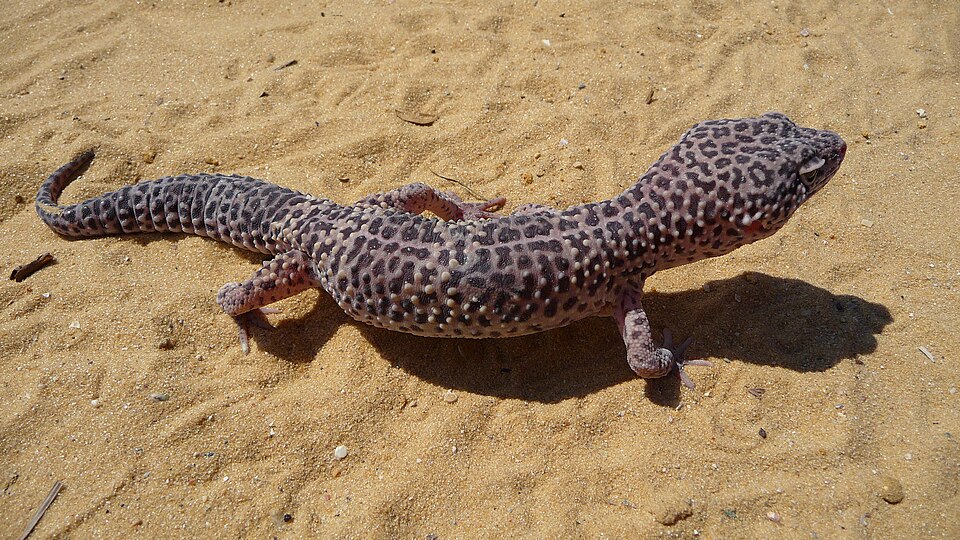
Leopard Gecko
Terrestrial, crepuscular activity. Provide multiple hideouts for security.
- Adult size
- 7.09–9.84 in
- Reference Lifespan
- 15–20 yr
- Environment reference
- 75.2–78.8 °F
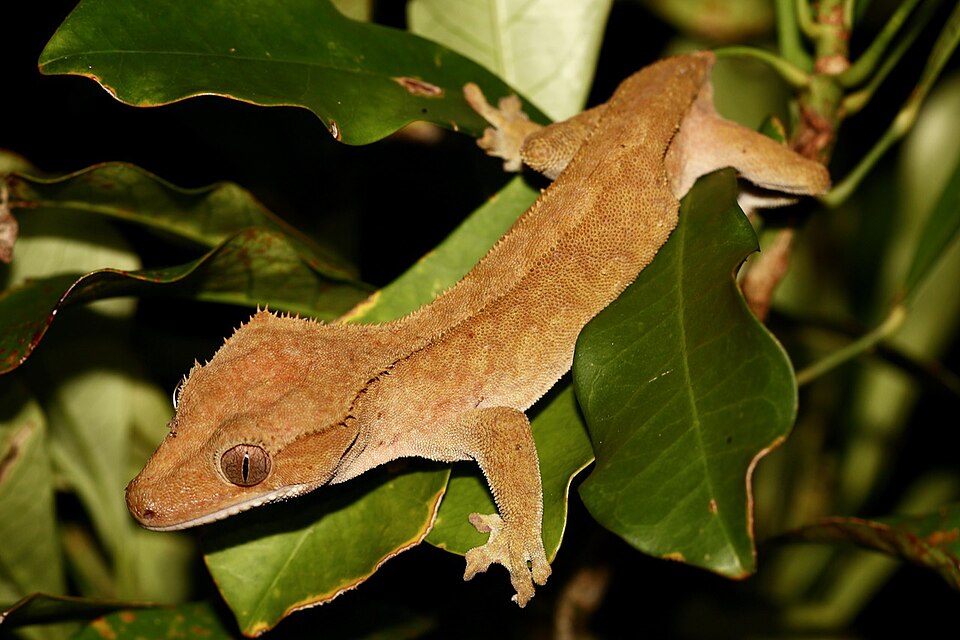
Crested Gecko
Nocturnal arboreal gecko; vertical space is more valuable than exposed floor.
- Adult size
- 7.09–9.84 in
- Reference Lifespan
- 15–20 yr
- Environment reference
- 71.6–78.8 °F
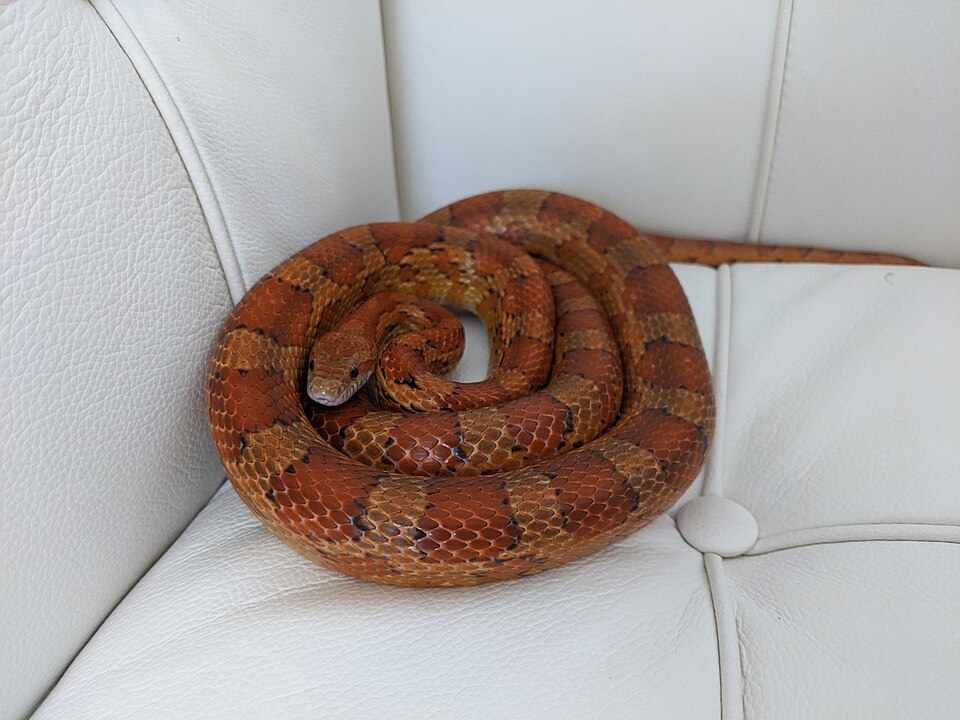
Corn Snake
Climbing, crepuscular snakes; escape-proofing and long-term space are primary requirements.
- Adult size
- 35.43–59.06 in
- Reference Lifespan
- 15–20 yr
- Environment reference
- 68–86 °F
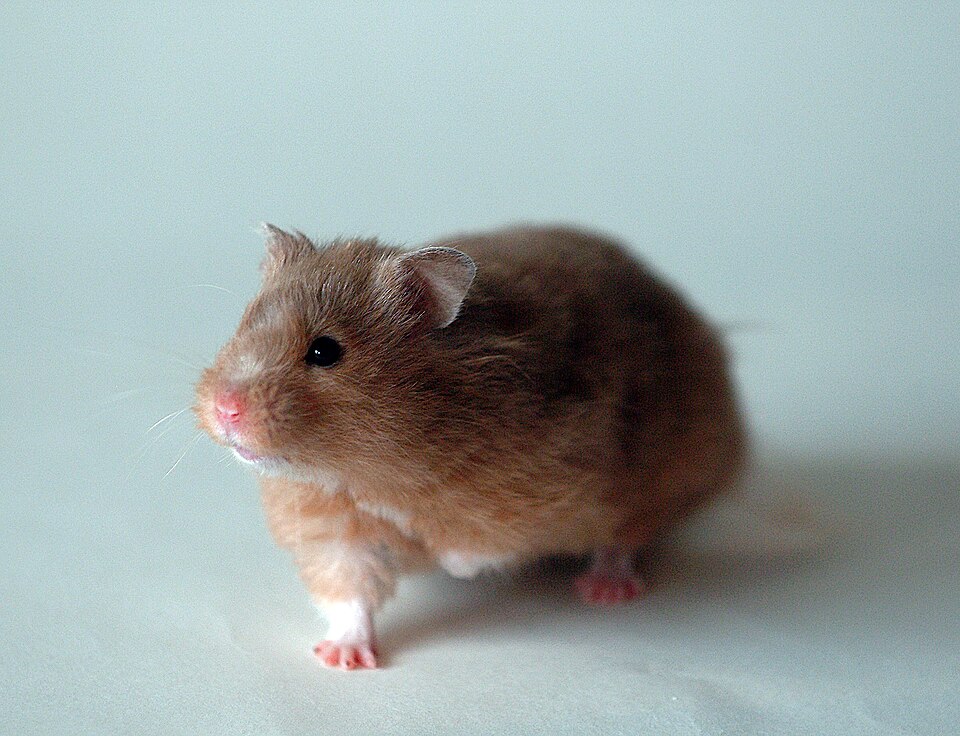
Syrian Hamster
Solitary nocturnal rodent; prioritize deep bedding and continuous floor space.
- Adult size
- 5.12–7.09 in
- Reference Lifespan
- 2–3 yr
- Environment reference
- 64.4–75.2 °F
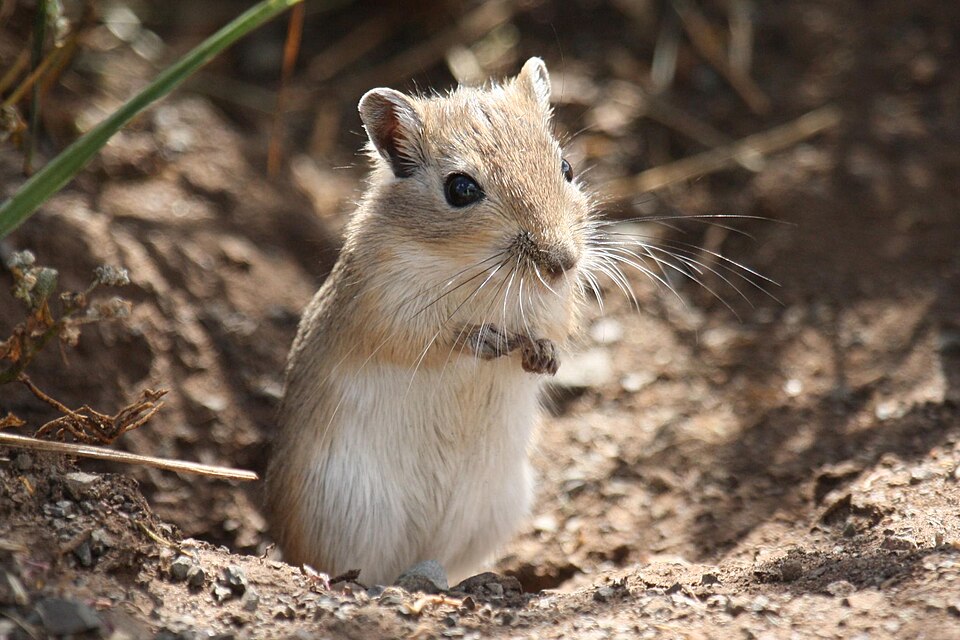
Mongolian Gerbil
Social rodents that are good at digging; require deep substrate, not just a small cage.
- Adult size
- 3.94–5.12 in
- Reference Lifespan
- 3–4 yr
- Environment reference
- 64.4–75.2 °F
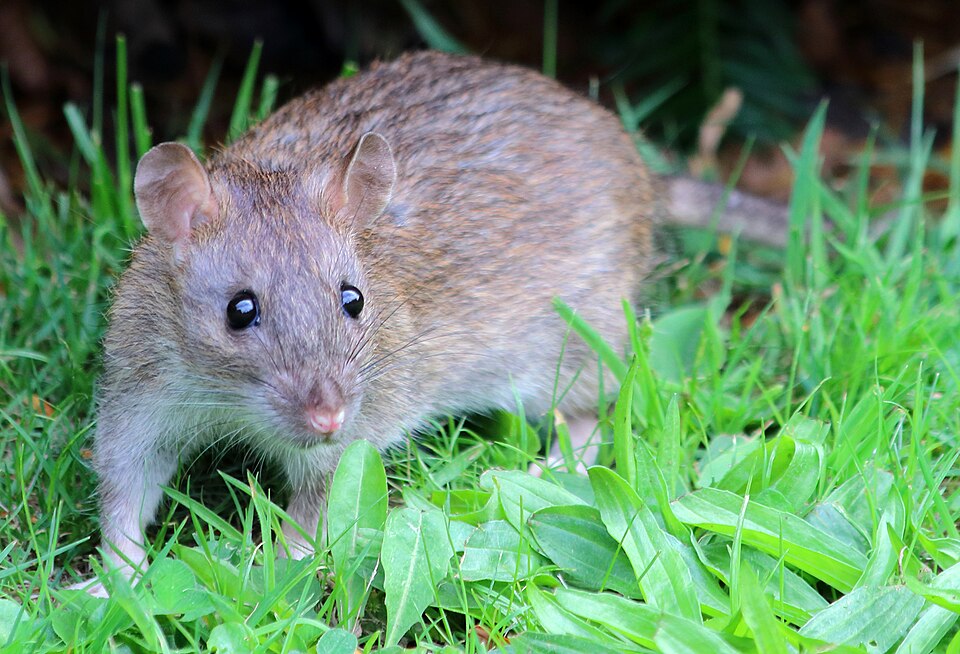
Fancy Rat
Highly social and exploratory rodents; companionship and environmental enrichment are essential.
- Adult size
- 7.87–11.02 in
- Reference Lifespan
- 2–3 yr
- Environment reference
- 64.4–75.2 °F
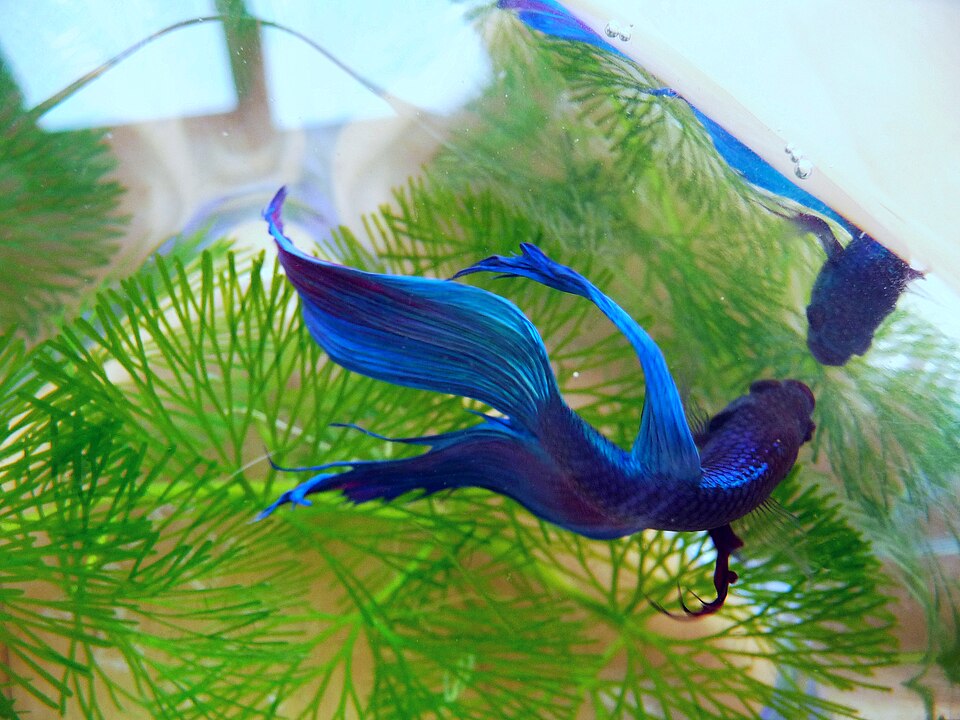
Betta
Even though they can breathe air, they still require filtration, stable temperature, and consistent water quality.
- Adult size
- 1.97–2.76 in
- Reference Lifespan
- 3–5 yr
- Water Temperature
- 75.2–82.4 °F
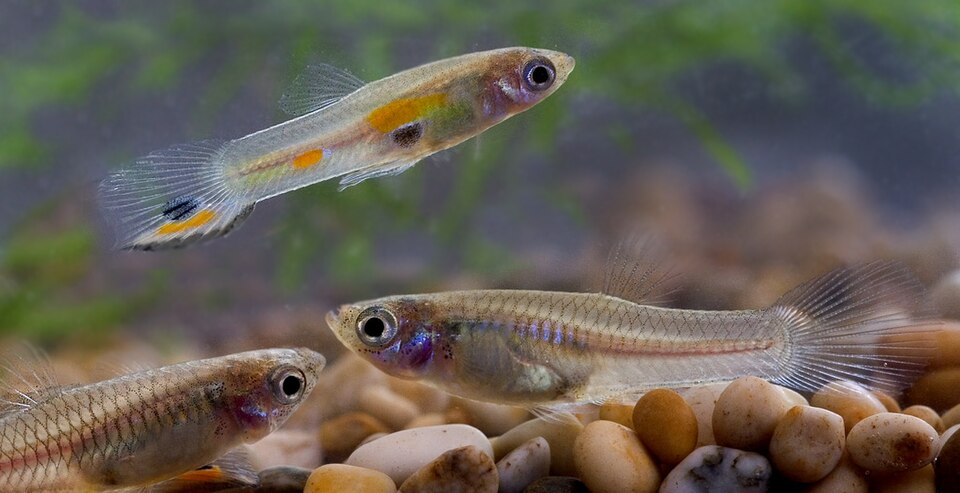
Guppy
Active livebearers; breeding rates often exceed beginner expectations.
- Adult size
- 1.18–2.36 in
- Reference Lifespan
- 2–3 yr
- Water Temperature
- 71.6–78.8 °F
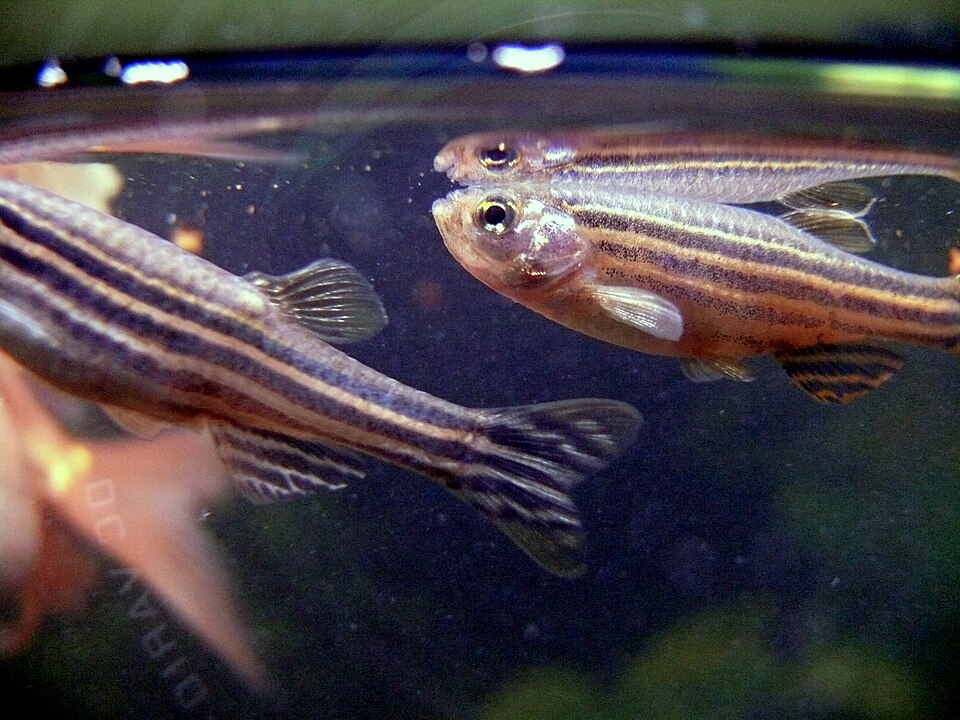
Zebra Danio
Fast-schooling fish; do not omit horizontal swimming space due to small body size.
- Adult size
- 1.57–1.97 in
- Reference Lifespan
- 3–5 yr
- Water Temperature
- 64.4–75.2 °F
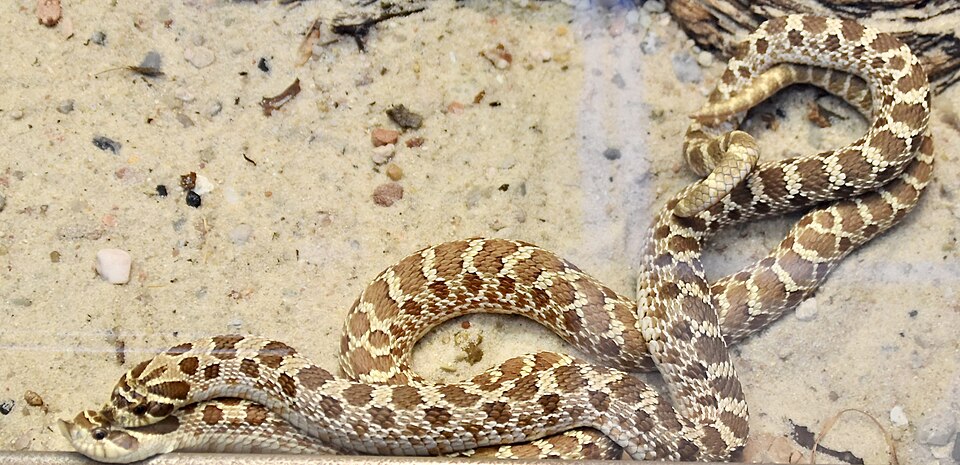
Western Hognose
Smaller size but possesses rear fangs and defensive displays; should not be understood as a harmless small snake.
- Adult size
- 15.75–35.43 in
- Reference Lifespan
- 12–18 yr
- Environment reference
- 71.6–86 °F
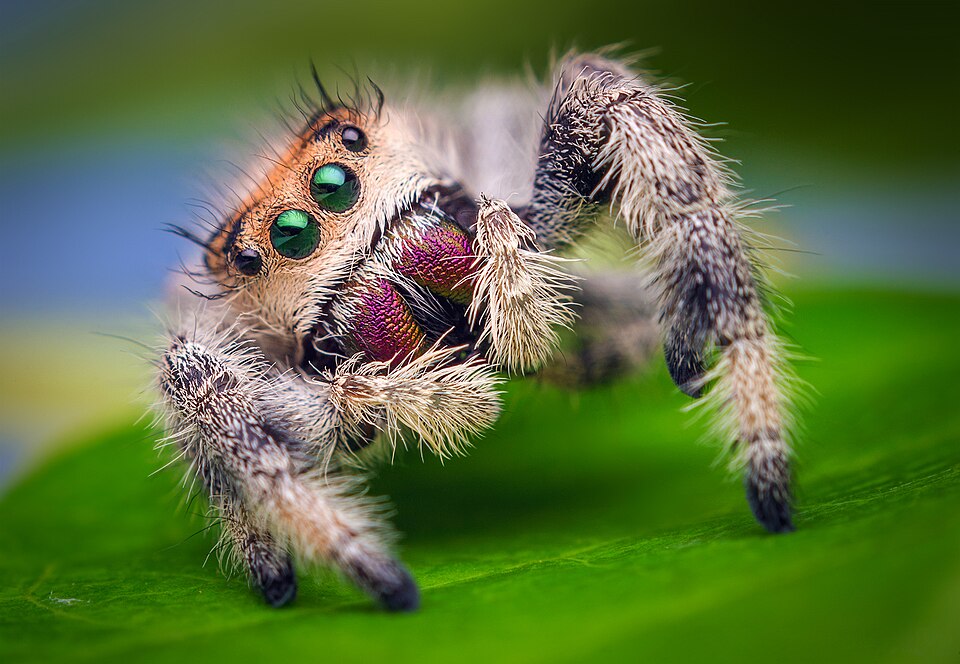
Regal Jumping Spider
Small body size, good vision, and suitable for observation, but short lifespan and live prey supply require mental preparation.
- Adult size
- 0.59–0.79 in
- Reference Lifespan
- 1–2 yr
- Environment reference
- 71.6–82.4 °F
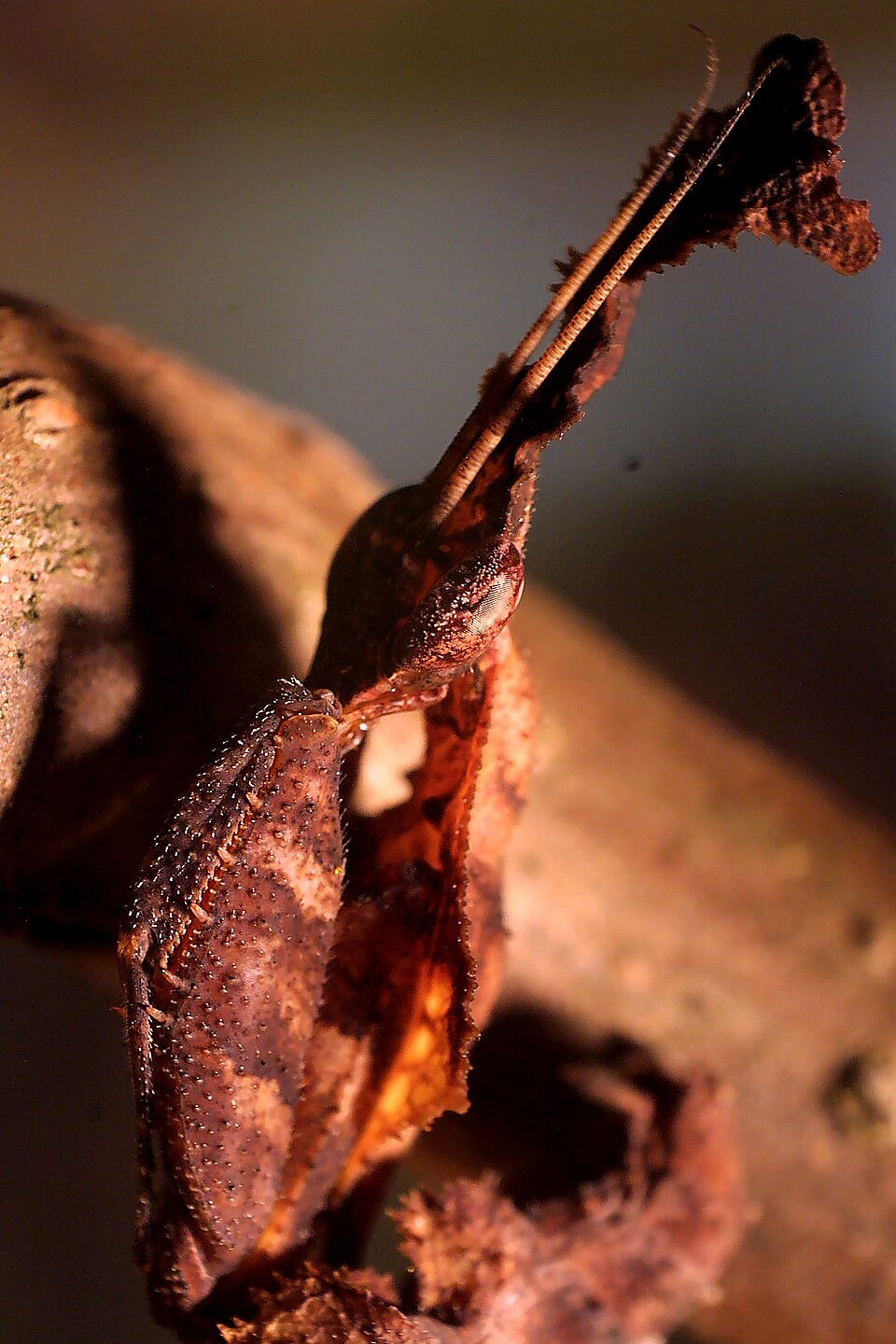
Ghost Mantis
Camouflage-oriented observation insects requiring high, ventilated, and stable live prey.
- Adult size
- 1.57–2.36 in
- Reference Lifespan
- 1–2 yr
- Environment reference
- 71.6–82.4 °F
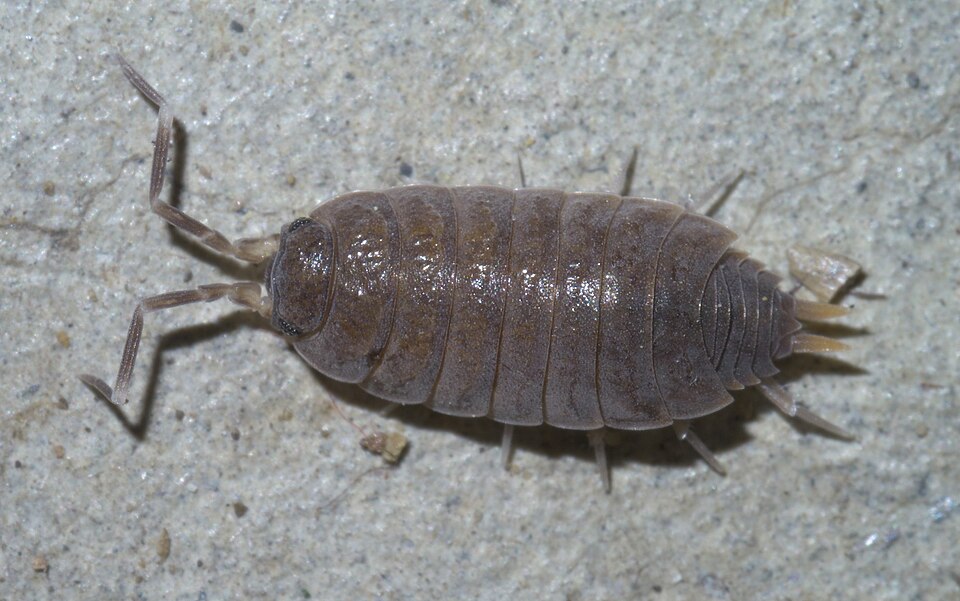
Powder Orange Isopod
Decomposer colonies centered on safe leaf litter, rotting wood, and humidity gradients.
- Adult size
- 0.39–0.79 in
- Reference Lifespan
- 1–2 yr
- Environment reference
- 68–78.8 °F
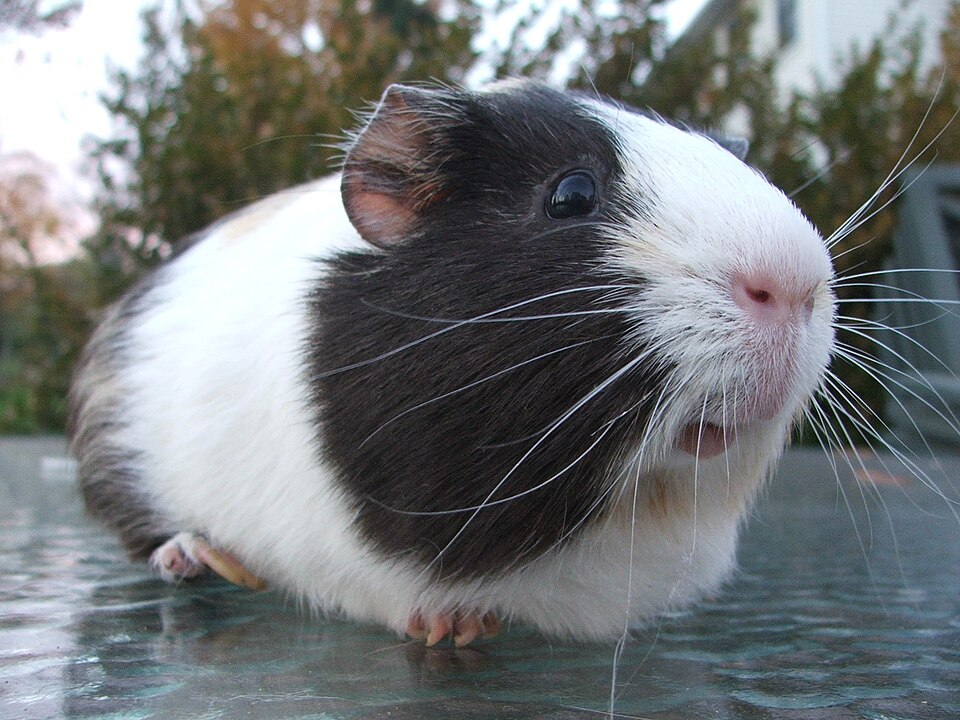
Guinea Pig
Requires companions, continuous ground, unlimited hay, and vitamin C.
- Adult size
- 7.87–11.81 in
- Reference Lifespan
- 4–8 yr
- Environment reference
- 64.4–75.2 °F
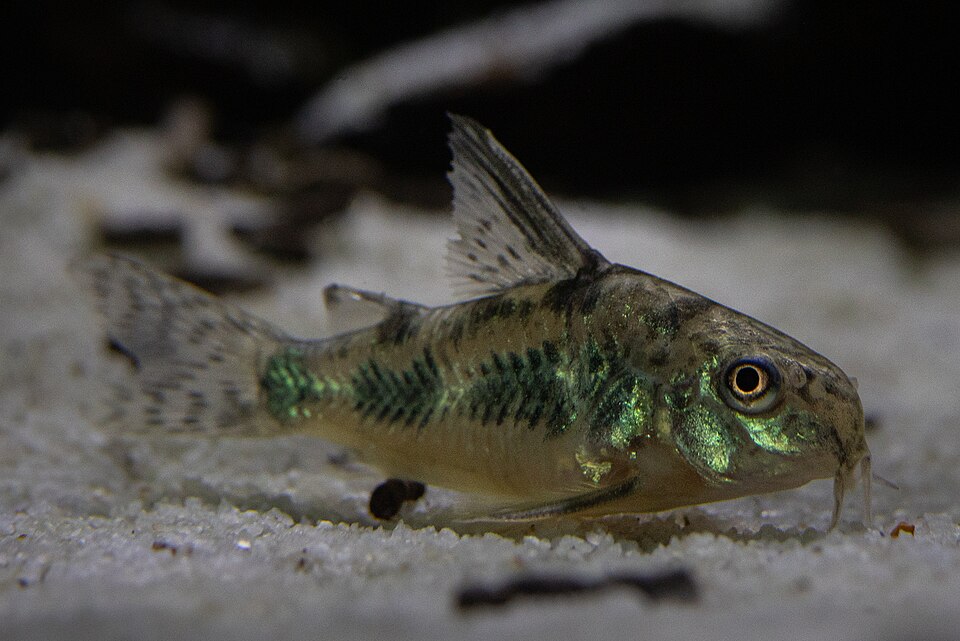
Peppered Corydoras
Bottom-dwelling schooling fish; soft substrate, sufficient companions, and mature cycling are more important than the 'cleaner' label.
- Adult size
- 1.97–2.76 in
- Reference Lifespan
- 3–5 yr
- Water Temperature
- 68–77 °F
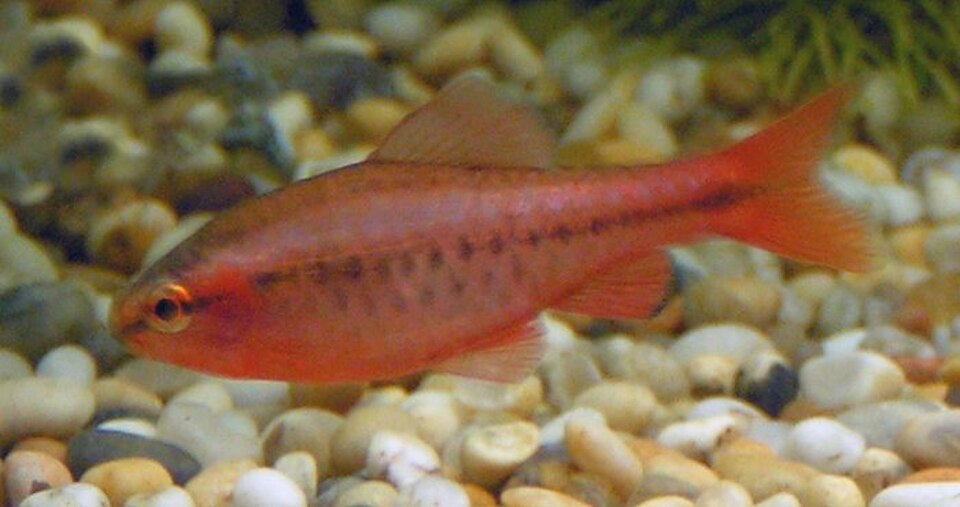
Cherry Barb
Gentle schooling fish; require sufficient companions, plant cover, and mature cycling.
- Adult size
- 1.57–1.97 in
- Reference Lifespan
- 4–6 yr
- Water Temperature
- 71.6–80.6 °F
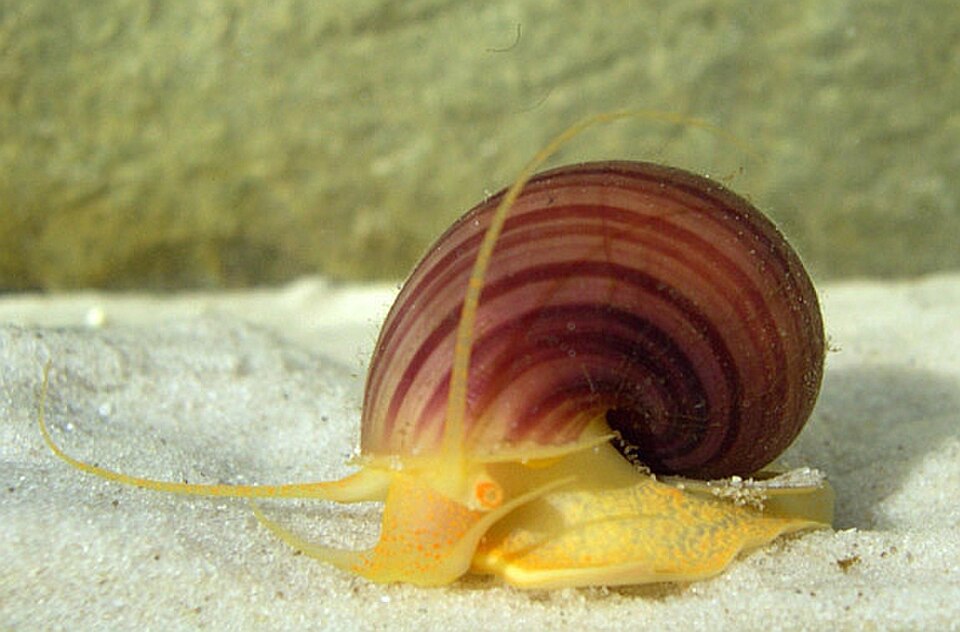
Mystery Snail
A freshwater snail that breathes air and can climb out of the tank; calcium, water level, and escape prevention are more important than appearance.
- Adult size
- 1.57–1.97 in
- Reference Lifespan
- 1–2 yr
- Water Temperature
- 68–82.4 °F
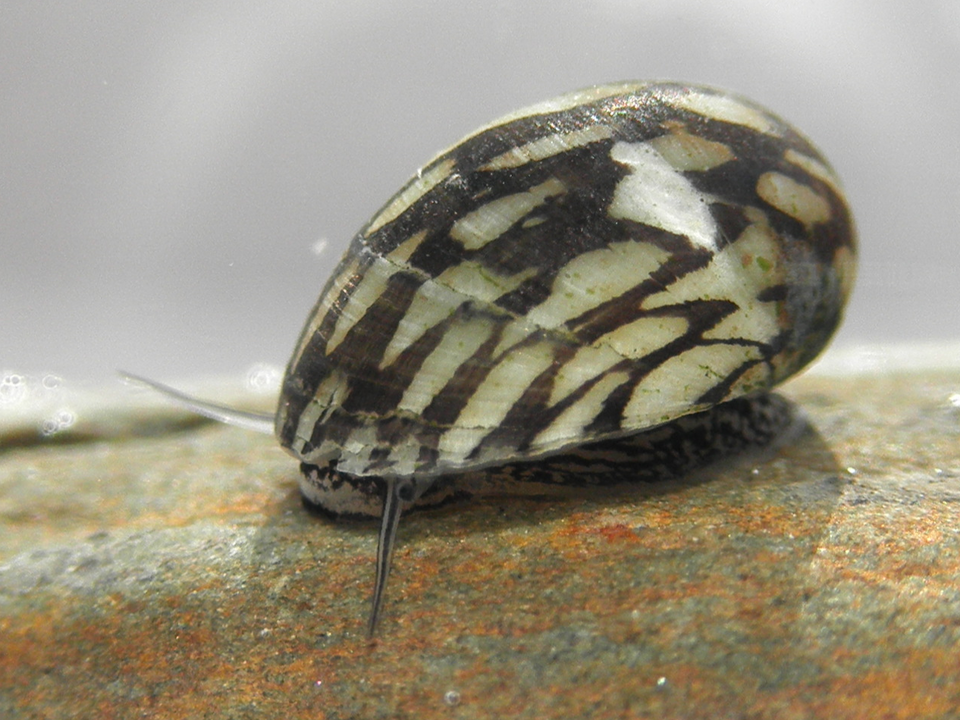
Nerite Snail
An ornamental snail that feeds primarily on algal films; stable life depends on mature tanks, minerals, and escape prevention.
- Adult size
- 0.79–1.18 in
- Reference Lifespan
- 1–2 yr
- Water Temperature
- 68–82.4 °F
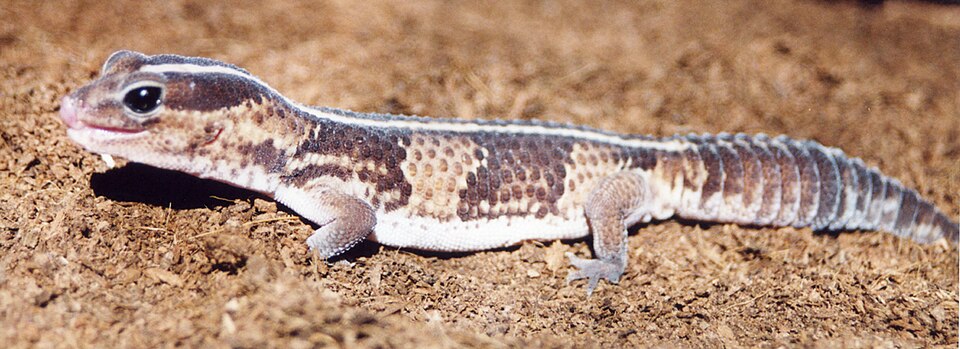
Fat Tailed Gecko
Terrestrial and nocturnal, similar to Leopard Geckos, but humidity and hide configurations cannot be directly copied.
- Adult size
- 7.09–9.06 in
- Reference Lifespan
- 10–15 yr
- Environment reference
- 75.2–86 °F
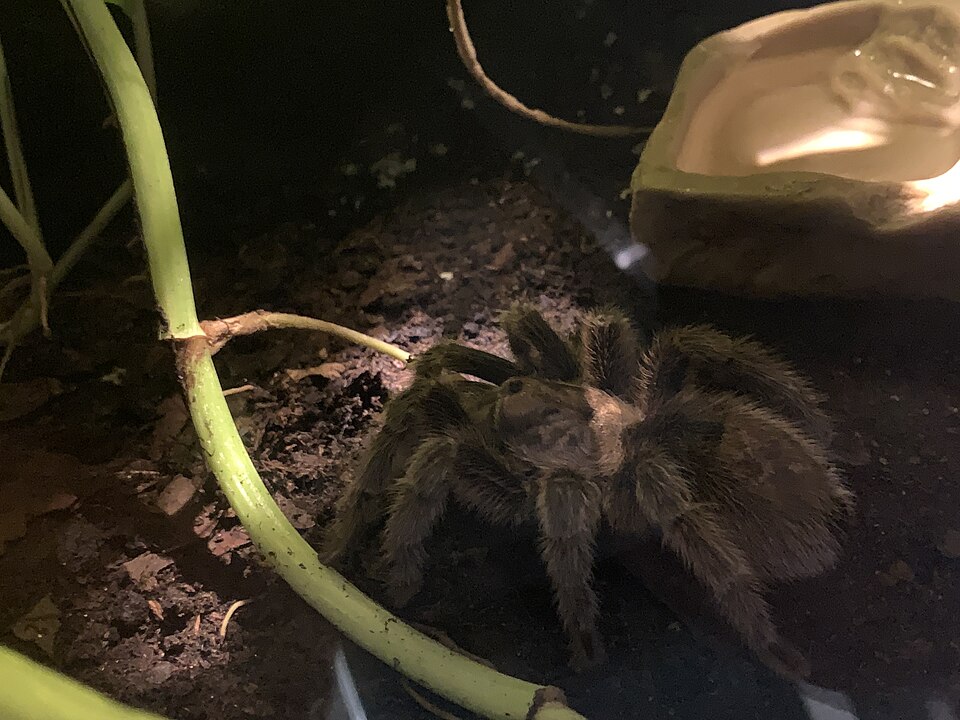
Chilean Rose Tarantula
Moves slowly but kicks urticating hairs; suitable for observation, not for frequent handling.
- Adult size
- 3.94–5.12 in
- Reference Lifespan
- 5–20 yr
- Environment reference
- 68–78.8 °F
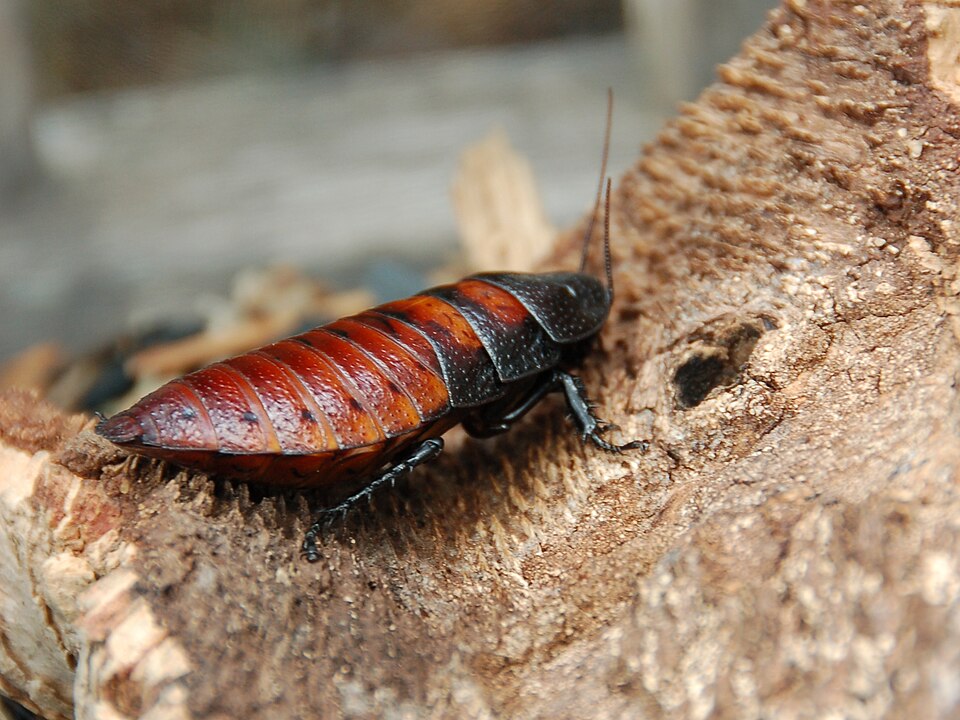
Madagascar Hissing Cockroach
Group housing, hissing, and breeding rates require more planning than they appear to suggest based on appearance.
- Adult size
- 1.97–3.15 in
- Reference Lifespan
- 2–5 yr
- Environment reference
- 75.2–86 °F
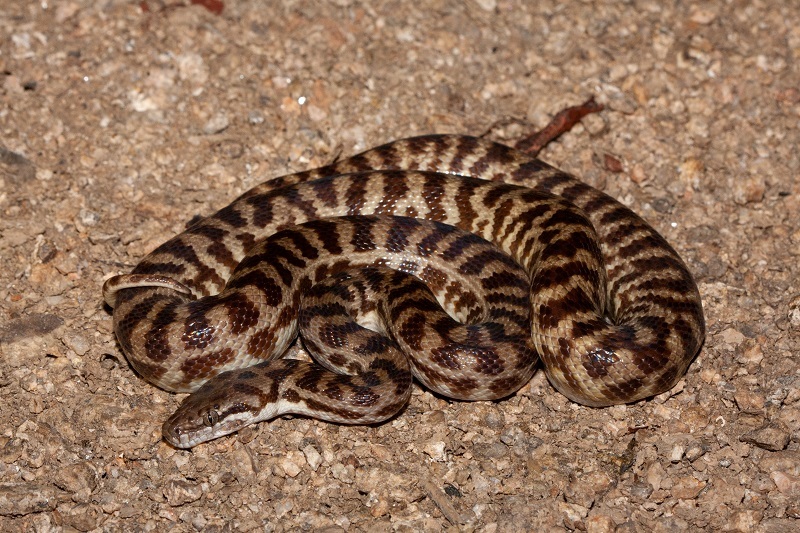
Spotted Python
Relatively compact body size, but still requires a stable thermal gradient, escape-proofing, and enclosures sized for replacement as they reach adulthood.
- Adult size
- 31.5–47.24 in
- Reference Lifespan
- 15–20 yr
- Environment reference
- 75.2–87.8 °F
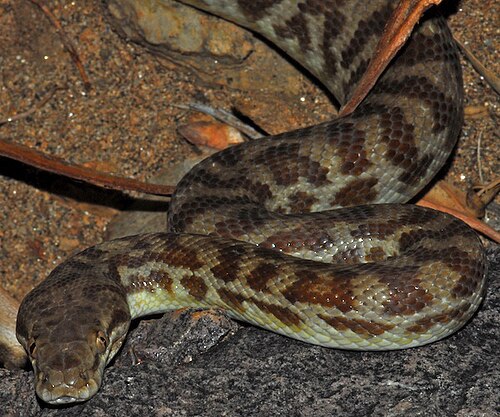
Stimson Python
Suitable for observation-based keepers, but nocturnal activity, live or frozen prey availability, and temperature differential control still require a fixed routine.
- Adult size
- 27.56–43.31 in
- Reference Lifespan
- 15–20 yr
- Environment reference
- 75.2–87.8 °F
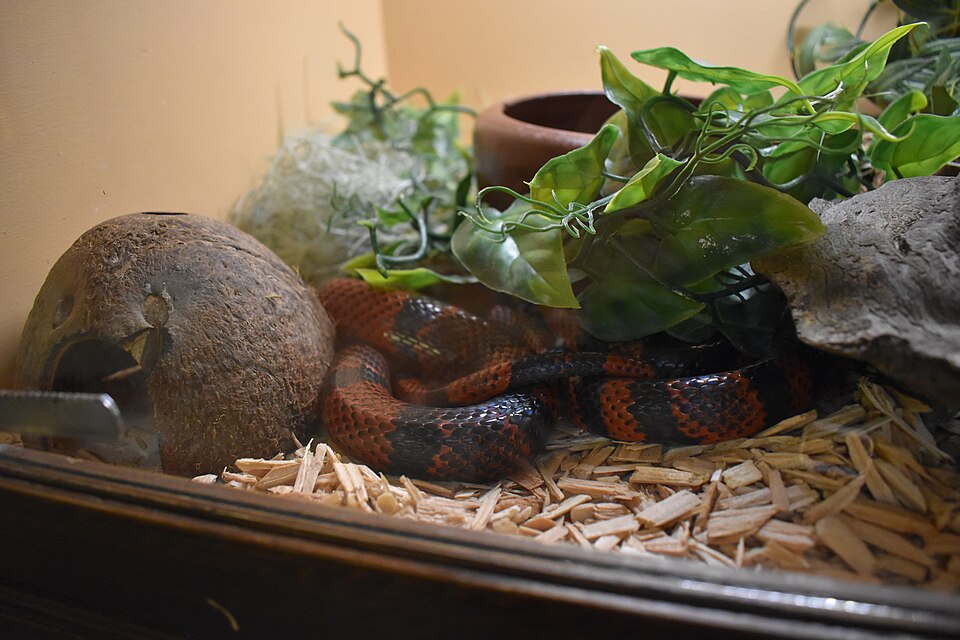
Honduran Milk Snake
Appetite is usually stable, but escape-proofing, feeding intervals, and isolation from other snakes remain foundational requirements.
- Adult size
- 39.37–55.12 in
- Reference Lifespan
- 15–20 yr
- Environment reference
- 73.4–86 °F
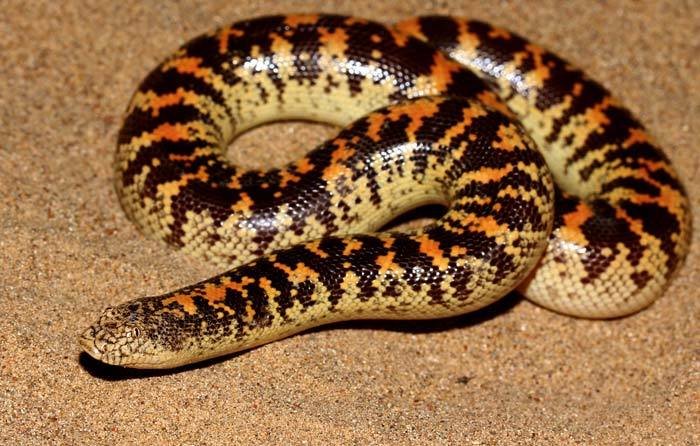
Arabian Sand Boa
Small in size but capable of long-term burrowing; substrate depth, temperature gradient, and escape-proofing are more critical than decoration.
- Adult size
- 17.72–29.53 in
- Reference Lifespan
- 10–15 yr
- Environment reference
- 75.2–89.6 °F