Advanced Care
Difficulty is referenced against equipment, environmental stability, and daily management. Rated as Basic, it still requires thorough preparation.
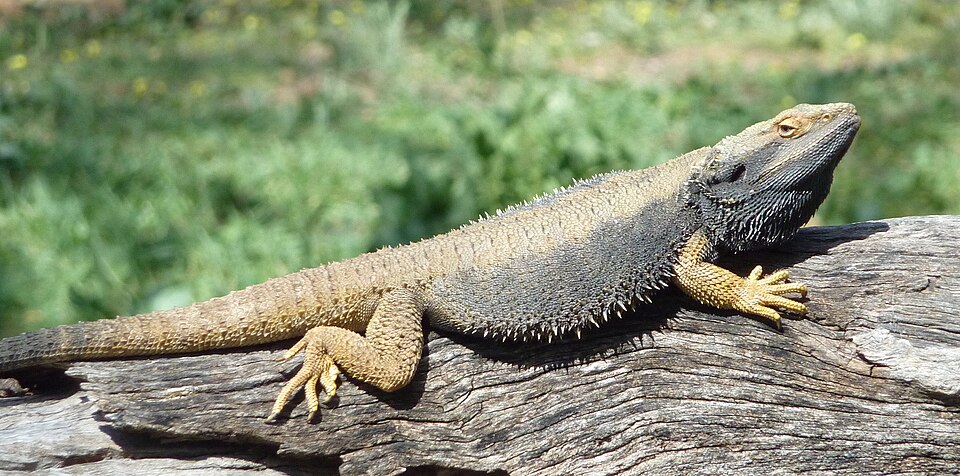
Central Bearded Dragon
Diurnal terrestrial lizard with specific requirements for UVB, basking spot, and diet ratio.
- Adult size
- 15.75–21.65 in
- Reference Lifespan
- 10–15 yr
- Environment reference
- 71.6–78.8 °F
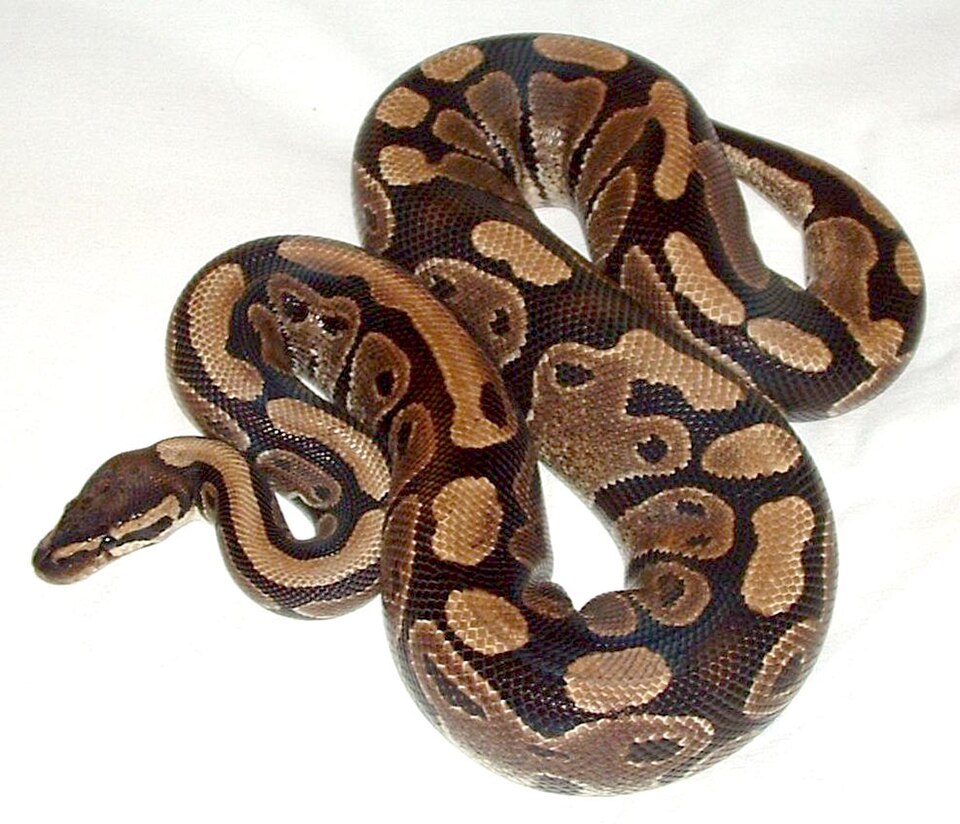
Ball Python
Terrestrial, nocturnal pythons with long lifespans; humidity management and source verification require advance planning.
- Adult size
- 35.43–59.06 in
- Reference Lifespan
- 20–30 yr
- Environment reference
- 75.2–87.8 °F
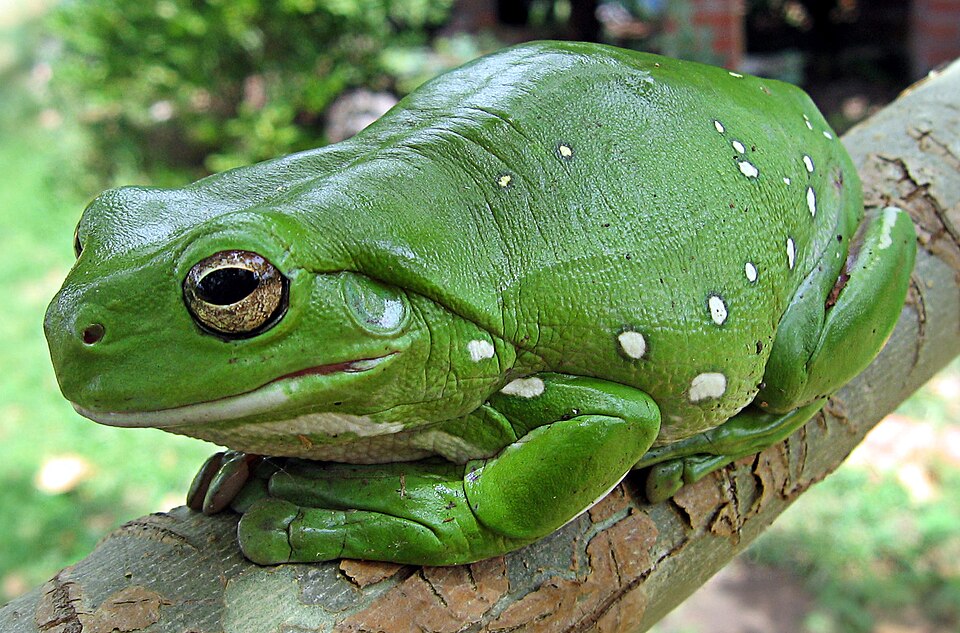
Whites Tree Frog
Nocturnal arboreal frog, sensitive skin, suitable for observation rather than frequent handling.
- Adult size
- 2.76–4.72 in
- Reference Lifespan
- 10–15 yr
- Environment reference
- 75.2–82.4 °F
Pacman Frog
Ambush-burrowing terrestrial frog, mostly concealed in moist substrate.
- Adult size
- 3.15–5.12 in
- Reference Lifespan
- 8–12 yr
- Environment reference
- 75.2–82.4 °F
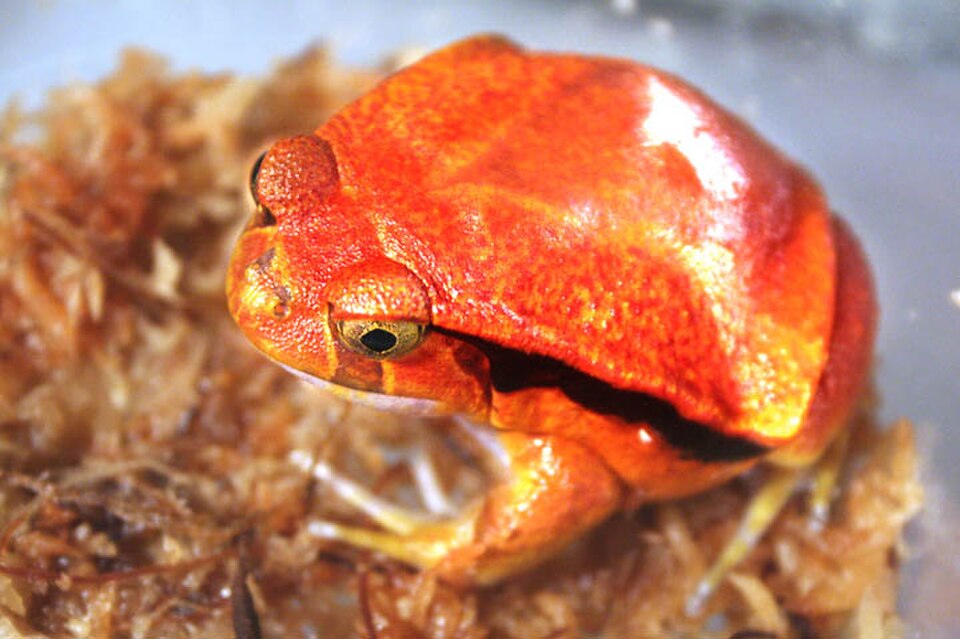
Tomato Frog
Terrestrial burrowing frog. The commercial name 'tomato frog' may correspond to different species.
- Adult size
- 2.36–3.94 in
- Reference Lifespan
- 6–10 yr
- Environment reference
- 71.6–78.8 °F
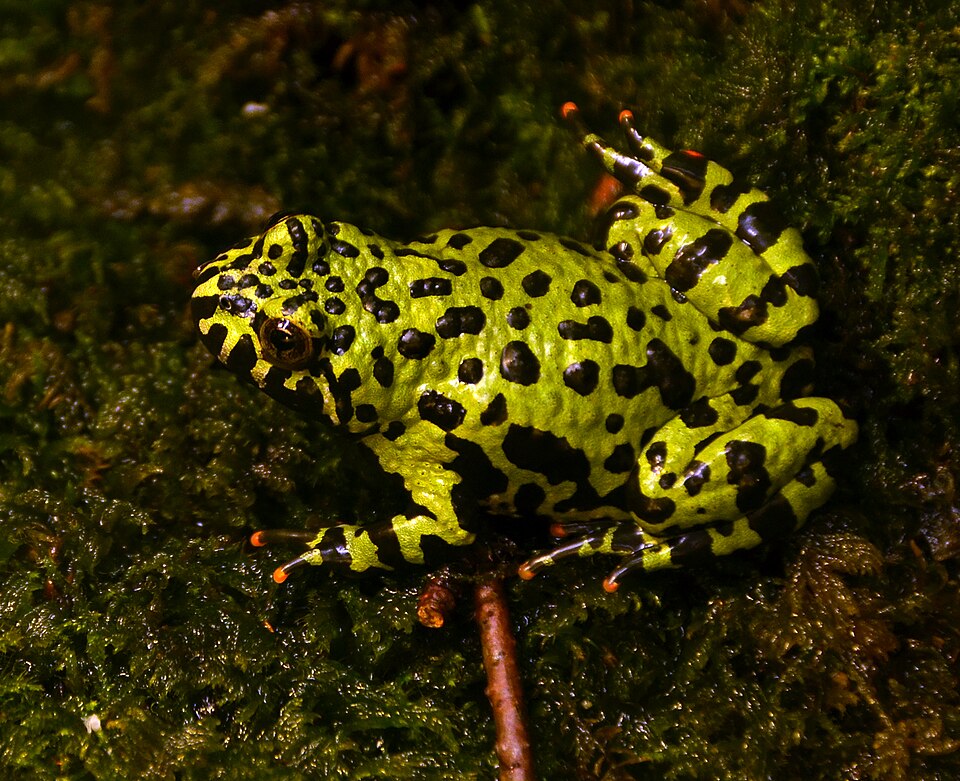
Fire Bellied Toad
Semi-aquatic amphibian requiring an easily accessible water-land interface.
- Adult size
- 1.57–2.36 in
- Reference Lifespan
- 10–15 yr
- Environment reference
- 64.4–75.2 °F
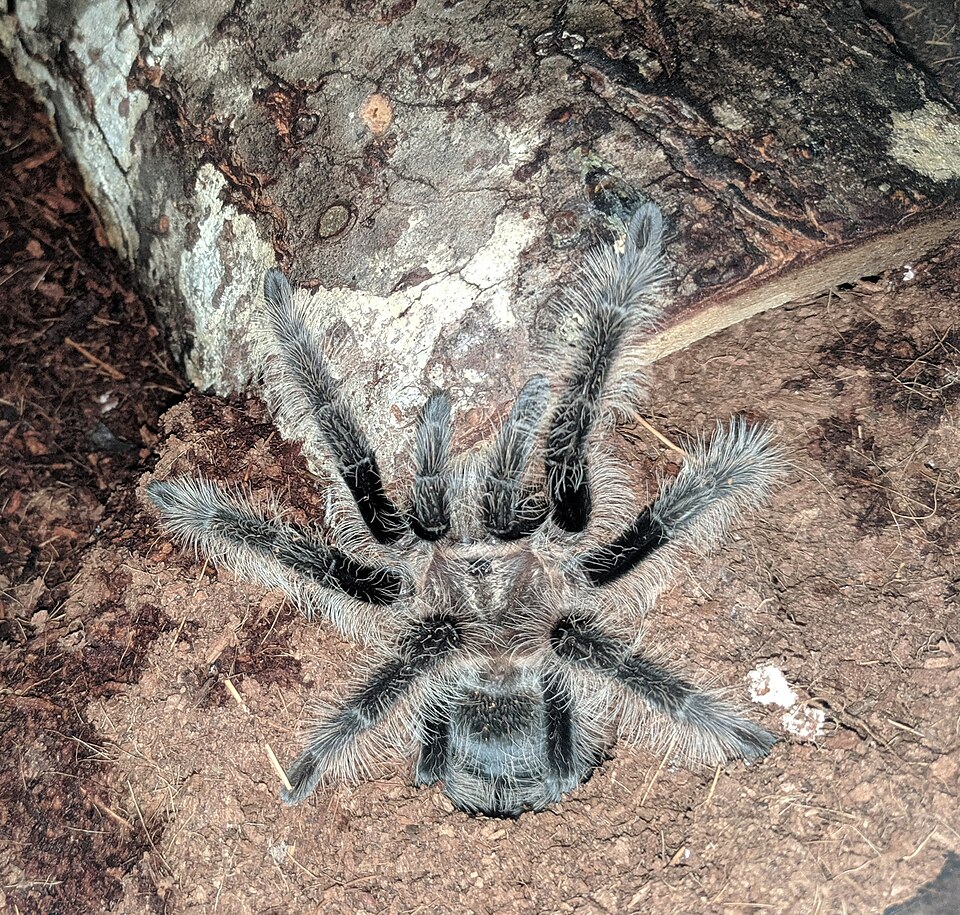
Curly Hair Tarantula
Burrowing, ground-dwelling tarantula. Lifespan range refers to females; males are significantly shorter.
- Adult size
- 4.72–5.91 in
- Reference Lifespan
- 15–20 yr
- Environment reference
- 71.6–78.8 °F
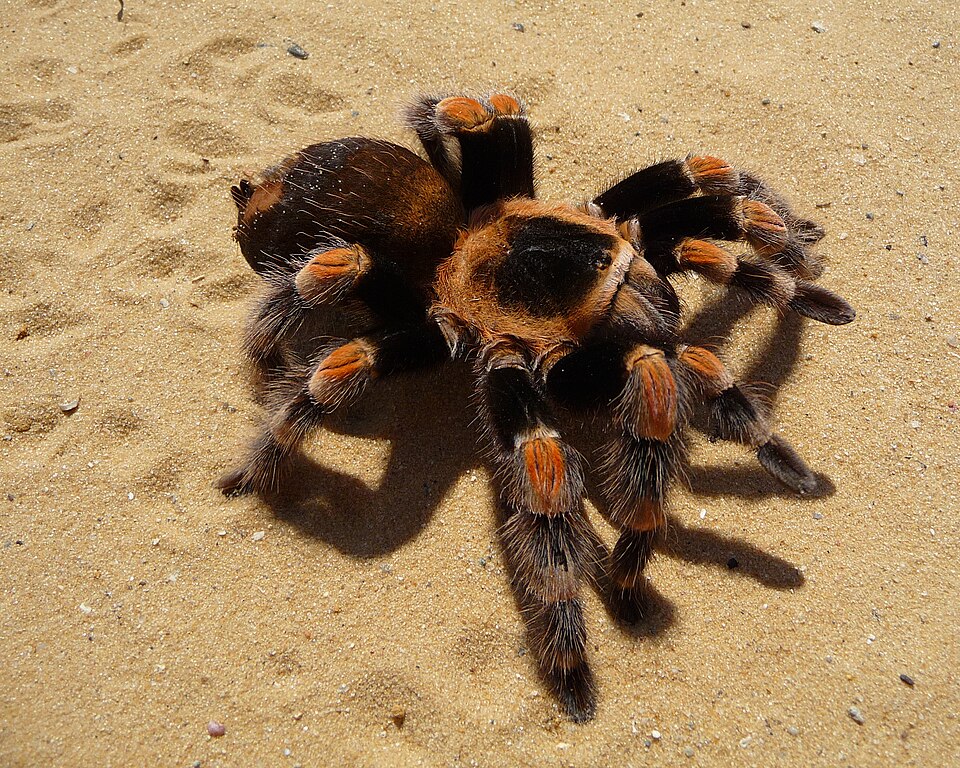
Mexican Red Knee
Slow-growing terrestrial tarantula; females can live for decades.
- Adult size
- 4.72–6.3 in
- Reference Lifespan
- 20–30 yr
- Environment reference
- 71.6–80.6 °F
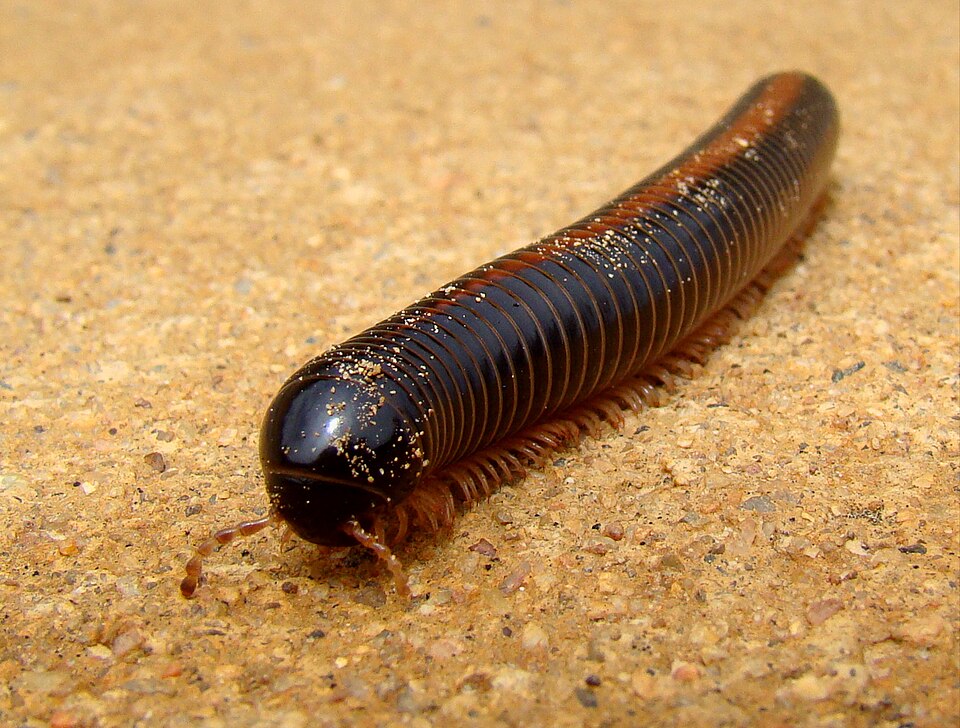
Giant Millipede
Decomposer dependent on leaf litter and rotting wood; the substrate itself serves as the primary food source.
- Adult size
- 7.87–11.81 in
- Reference Lifespan
- 5–10 yr
- Environment reference
- 71.6–78.8 °F
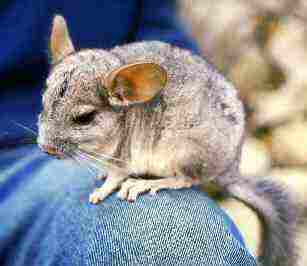
Chinchilla
Heat-sensitive high-fiber herbivore; summer cooling and long-term dental care are important.
- Adult size
- 8.66–14.96 in
- Reference Lifespan
- 10–20 yr
- Environment reference
- 60.8–69.8 °F
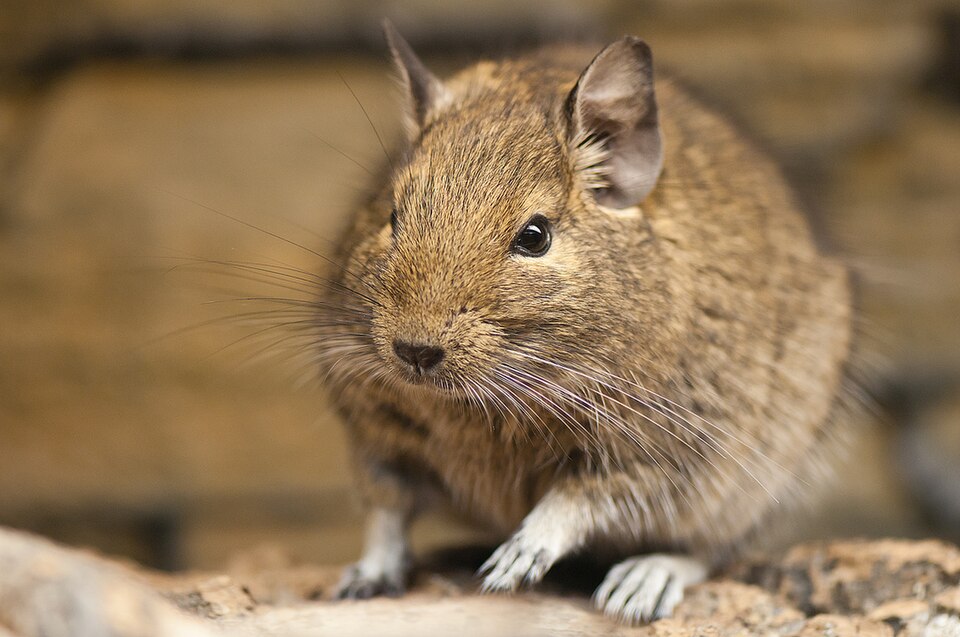
Degu
Diurnal, social rodents that require chewing, digging, and a low-sugar diet.
- Adult size
- 4.72–7.87 in
- Reference Lifespan
- 5–8 yr
- Environment reference
- 64.4–71.6 °F
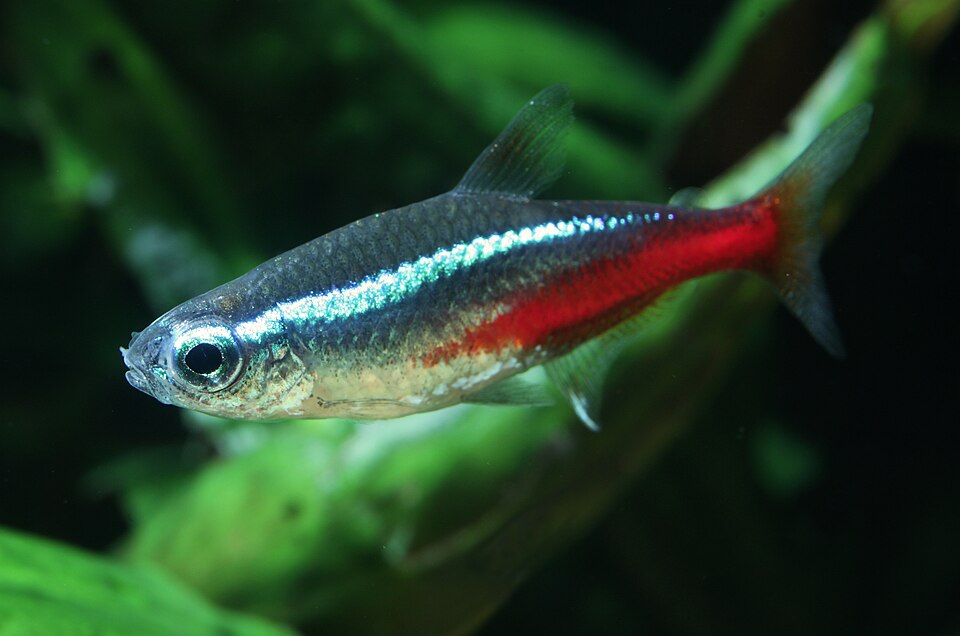
Neon Tetra
Schooling dwarf tetras; established water and sufficient companions are more important than individual specimens.
- Adult size
- 1.18–1.57 in
- Reference Lifespan
- 5–8 yr
- Water Temperature
- 69.8–77 °F
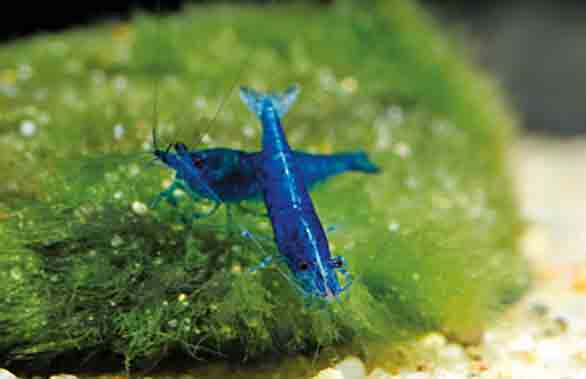
Cherry Shrimp
Freshwater shrimp that rely heavily on biofilm; stable mineral balance is more important than pursuing an exact pH.
- Adult size
- 0.79–1.18 in
- Reference Lifespan
- 1–2 yr
- Water Temperature
- 68–77 °F
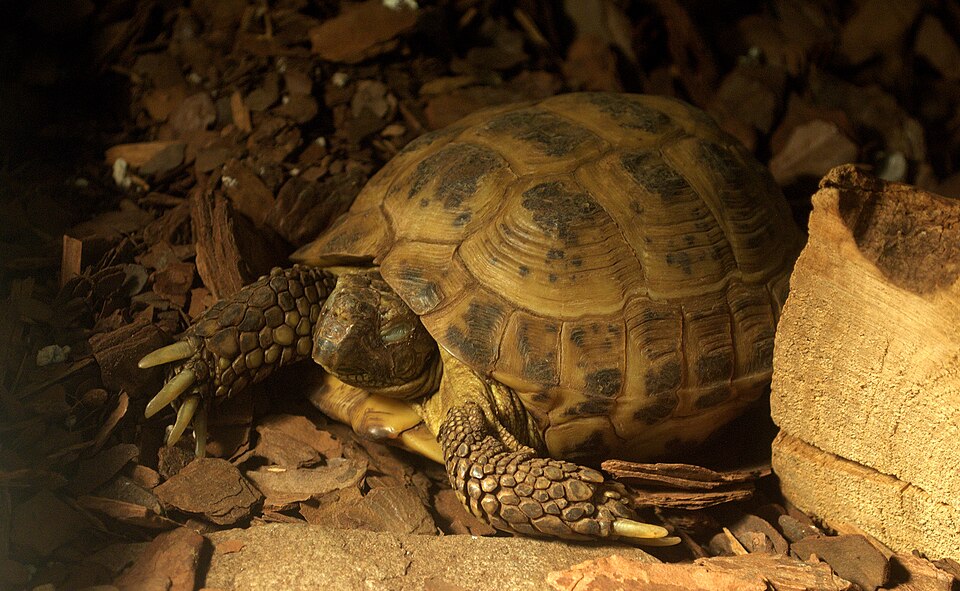
Russian Tortoise
Tolerates dryness but not prolonged crowding. Adult space and winter management are often underestimated.
- Adult size
- 5.91–9.84 in
- Reference Lifespan
- 40–50 yr
- Environment reference
- 68–89.6 °F
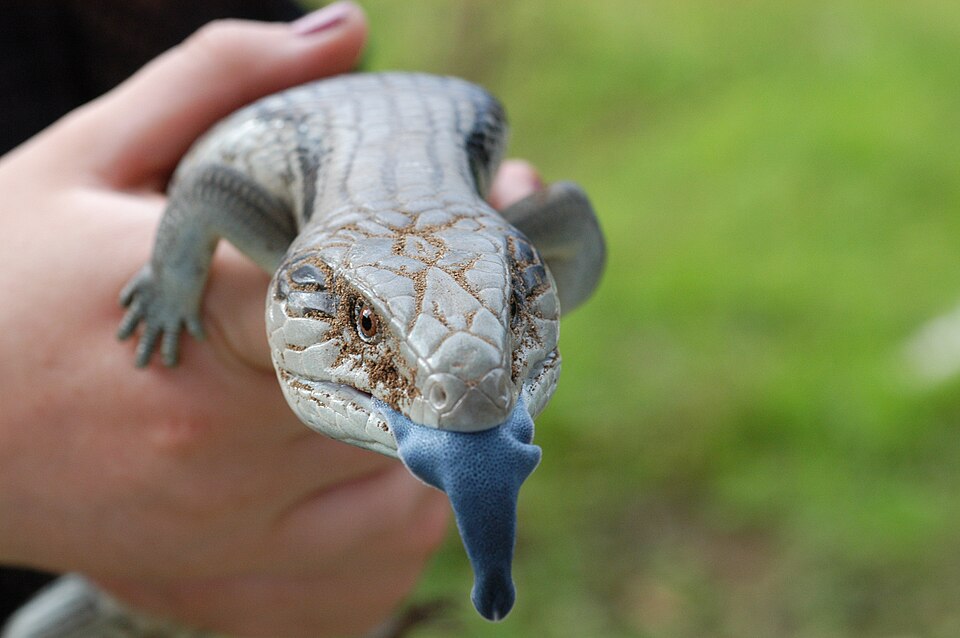
Blue Tongued Skink
Sturdy build and varied diet, but adult enclosure, lighting, and body condition management cannot be omitted.
- Adult size
- 17.72–23.62 in
- Reference Lifespan
- 15–20 yr
- Environment reference
- 71.6–89.6 °F
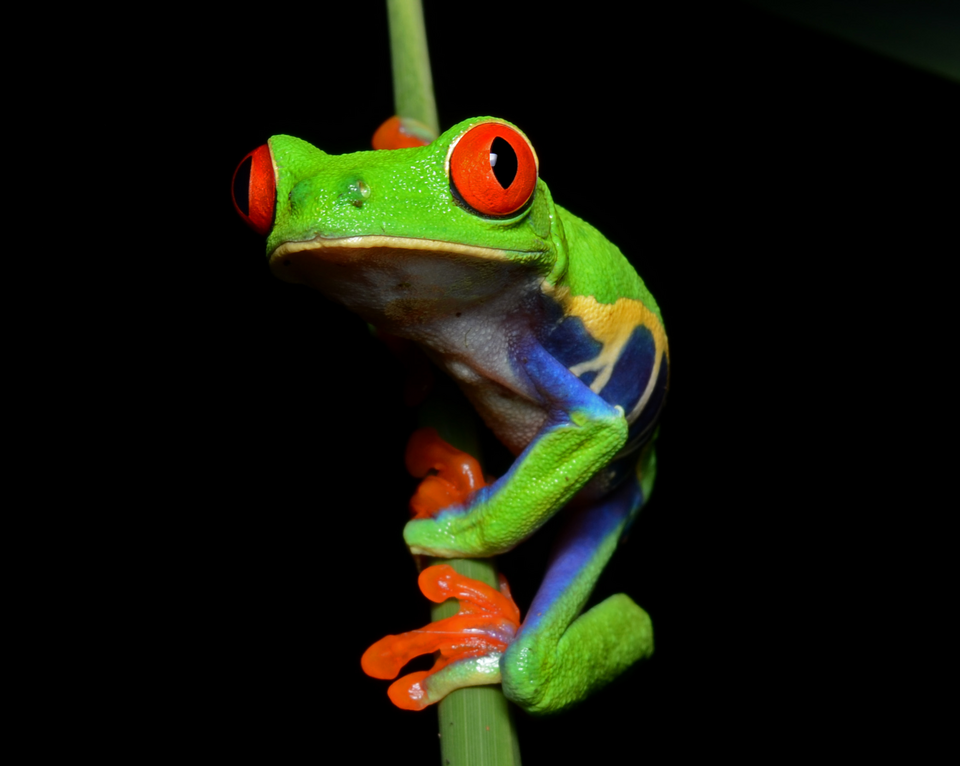
Red Eyed Tree Frog
Requires a tall enclosure, stable humidity drop, and low handling frequency.
- Adult size
- 1.57–2.36 in
- Reference Lifespan
- 8–12 yr
- Environment reference
- 71.6–80.6 °F
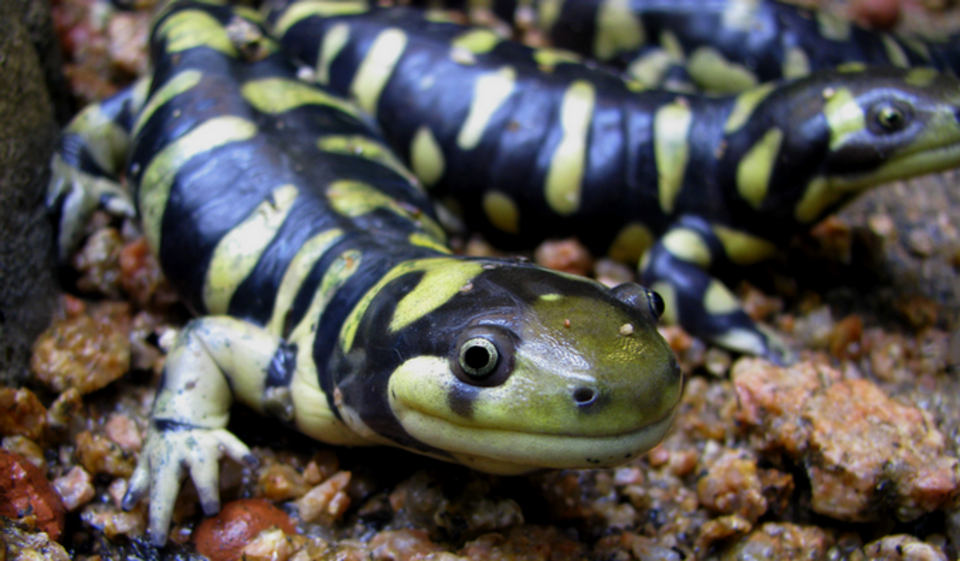
Tiger Salamander
Cooler terrestrial salamander; tropical frog standards do not apply.
- Adult size
- 7.09–11.81 in
- Reference Lifespan
- 10–15 yr
- Environment reference
- 60.8–71.6 °F
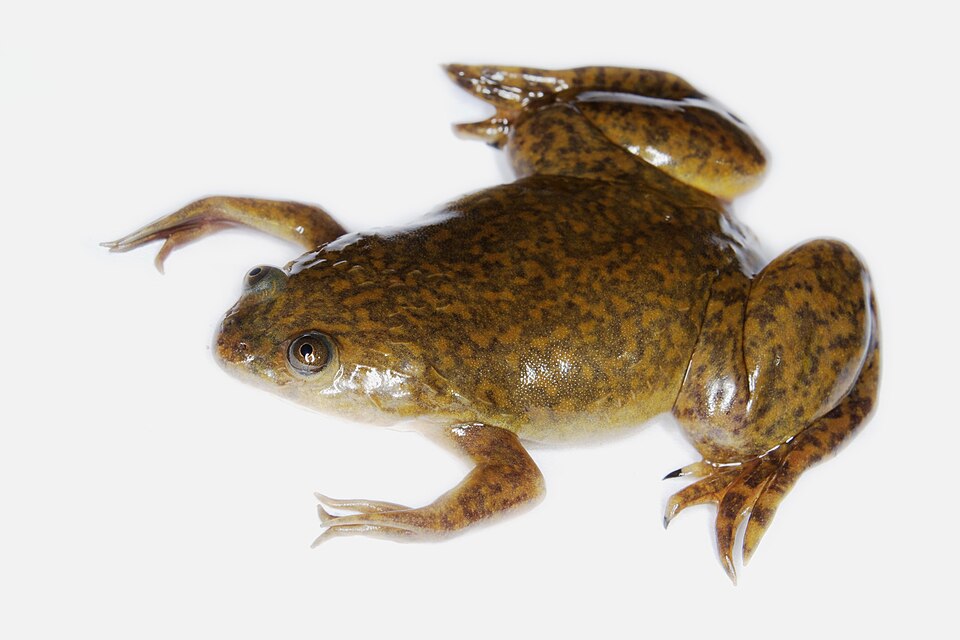
African Clawed Frog
Fully aquatic, high food intake, and potential pathogen carrier; water quality and escape prevention are core tasks.
- Adult size
- 3.15–5.12 in
- Reference Lifespan
- 10–15 yr
- Water Temperature
- 64.4–71.6 °F
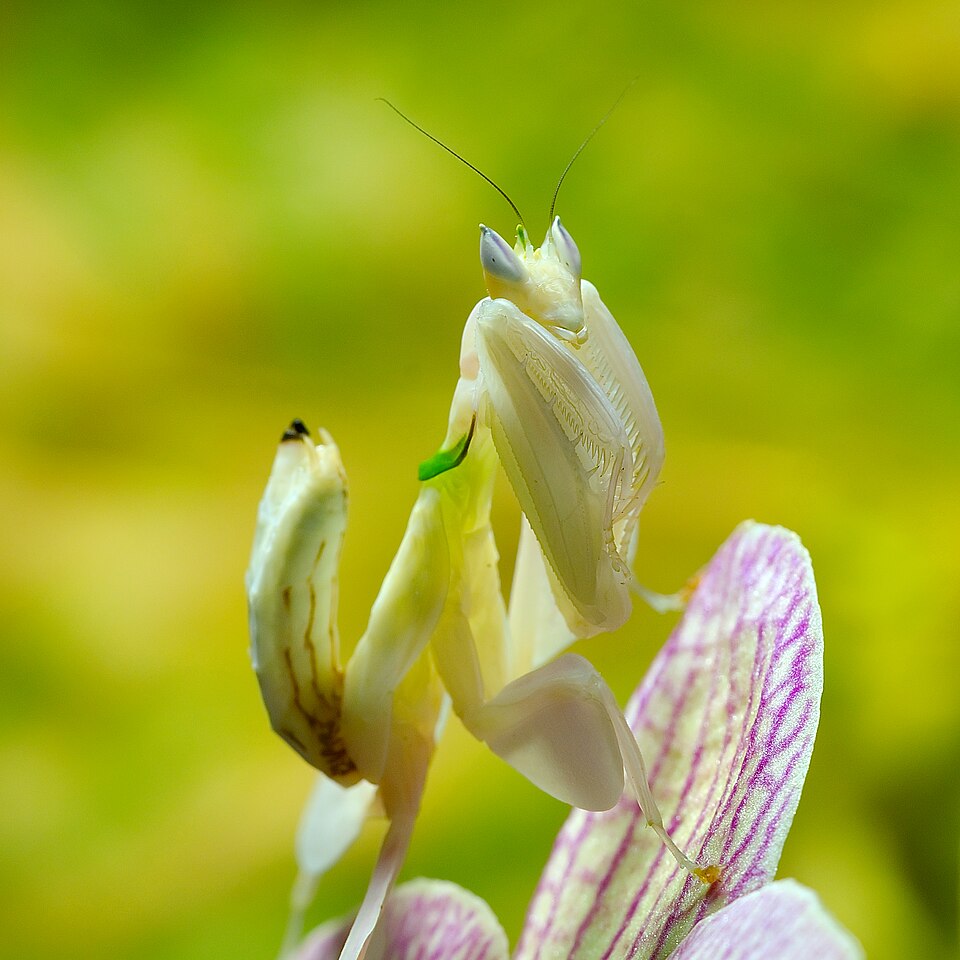
Orchid Mantis
Arboreal insect dependent on appropriate live prey, ventilation, and molting height.
- Adult size
- 1.57–2.36 in
- Reference Lifespan
- 0.5–1 yr
- Environment reference
- 71.6–82.4 °F
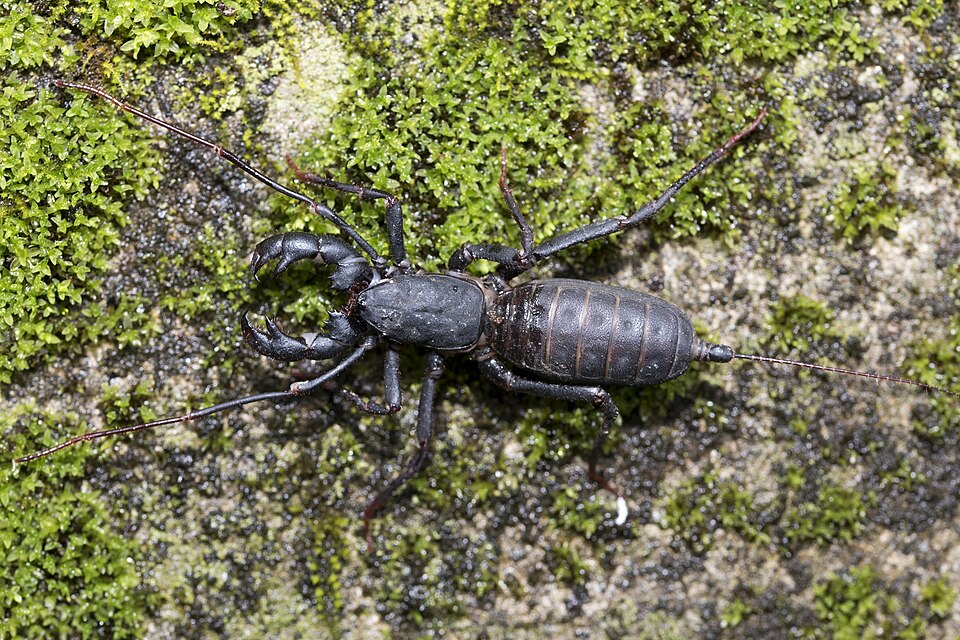
Vinegaroon
Distinctive appearance but unsuitable for bare-handed handling; defensive acid spray and pincer strike risks must be visible.
- Adult size
- 1.97–3.15 in
- Reference Lifespan
- 5–8 yr
- Environment reference
- 71.6–82.4 °F
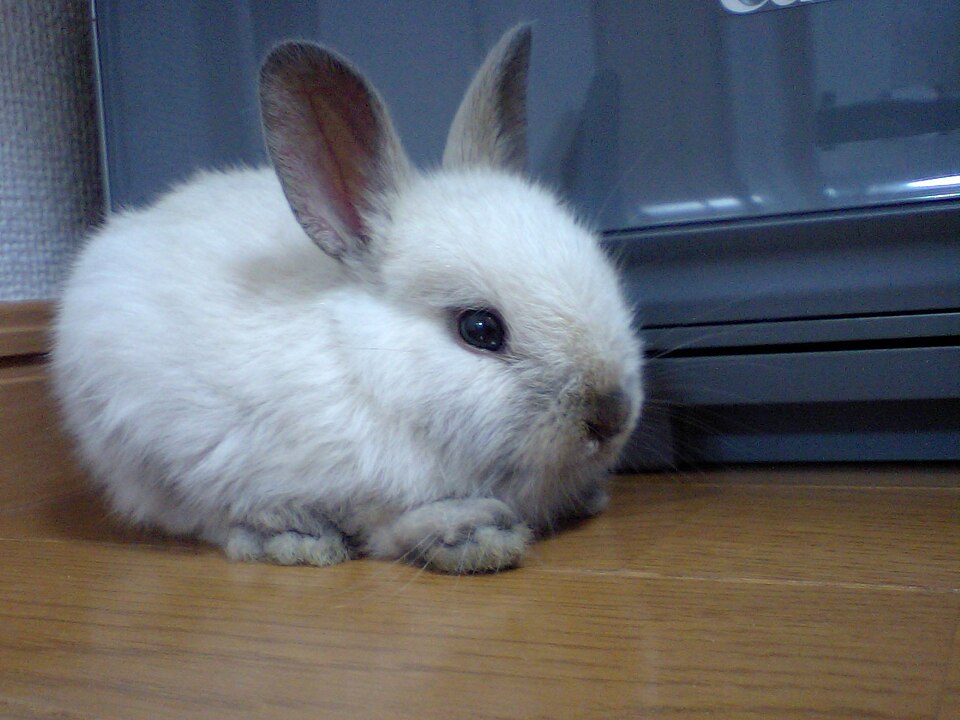
Dwarf Rabbit
Rabbits are not small-cage animals; they require large exercise areas, hay, neutering, and long-term veterinary budgets.
- Adult size
- 9.84–15.75 in
- Reference Lifespan
- 8–12 yr
- Environment reference
- 59–71.6 °F
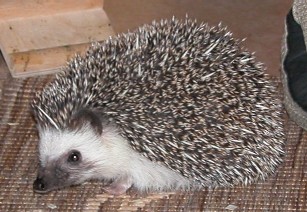
African Pygmy Hedgehog
Nocturnal, capable of rolling into a spiny ball and running; observation-type small mammal; temperature, exercise, and exotic animal veterinary care are critical.
- Adult size
- 5.91–9.84 in
- Reference Lifespan
- 3–6 yr
- Environment reference
- 71.6–80.6 °F
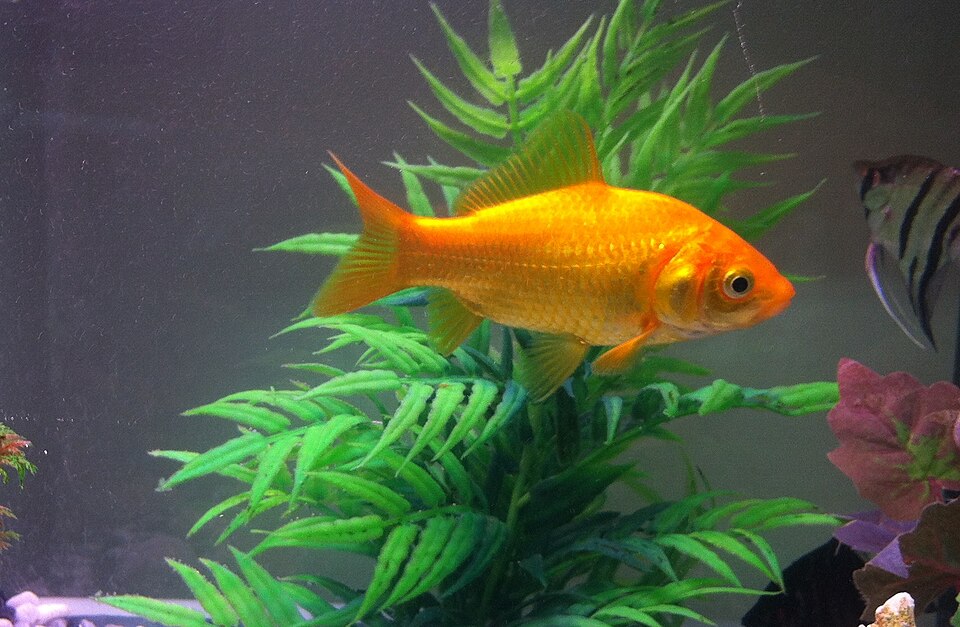
Fancy Goldfish
Goldfish are not small-bowl pets; waste output, adult size, and filtration requirements are all high.
- Adult size
- 3.94–9.84 in
- Reference Lifespan
- 10–15 yr
- Water Temperature
- 64.4–73.4 °F
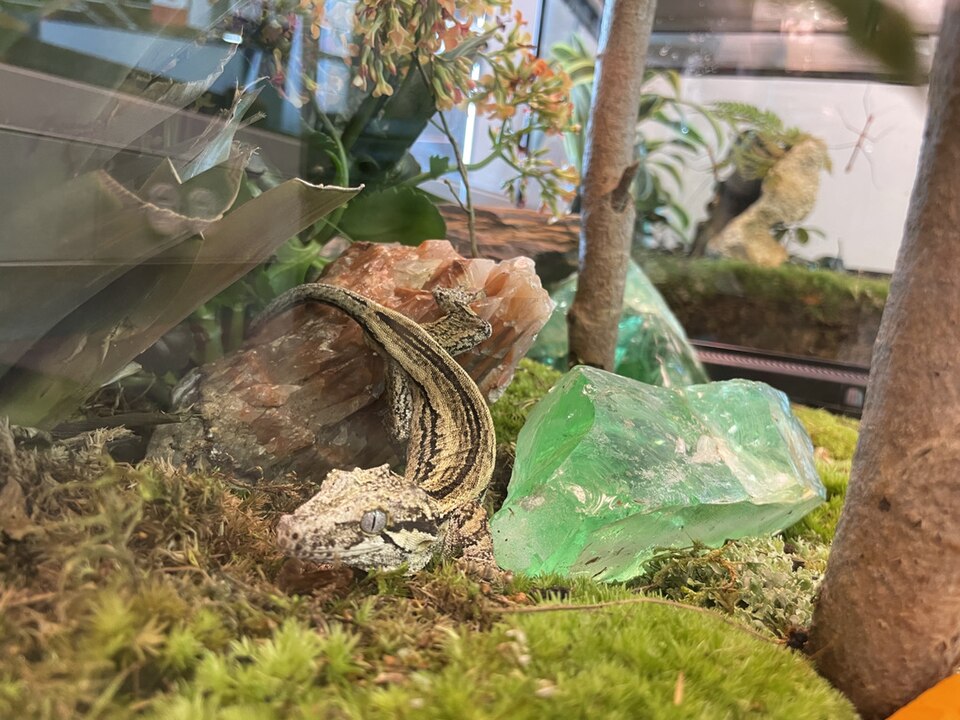
Gargoyle Gecko
New Caledonian arboreal gecko; climbing height and escape prevention are more important than floor space.
- Adult size
- 7.87–9.84 in
- Reference Lifespan
- 15–20 yr
- Environment reference
- 71.6–82.4 °F
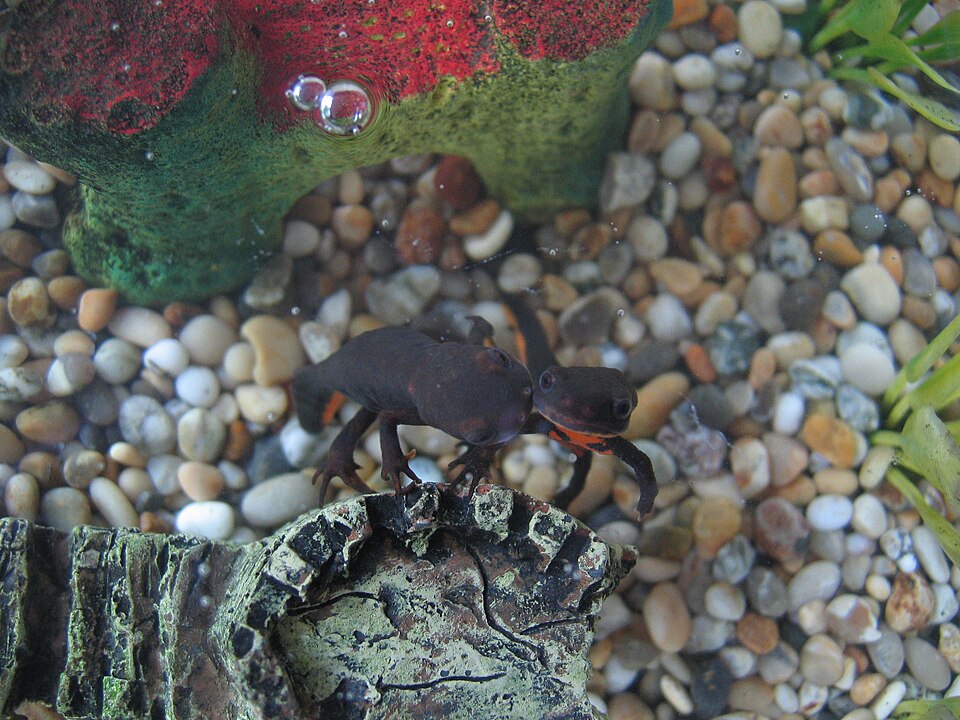
Oriental Fire Bellied Newt
Semi-aquatic, skin-sensitive; water-land transitions and summer cooling must be arranged in advance.
- Adult size
- 3.15–4.72 in
- Reference Lifespan
- 10–15 yr
- Water Temperature
- 64.4–75.2 °F
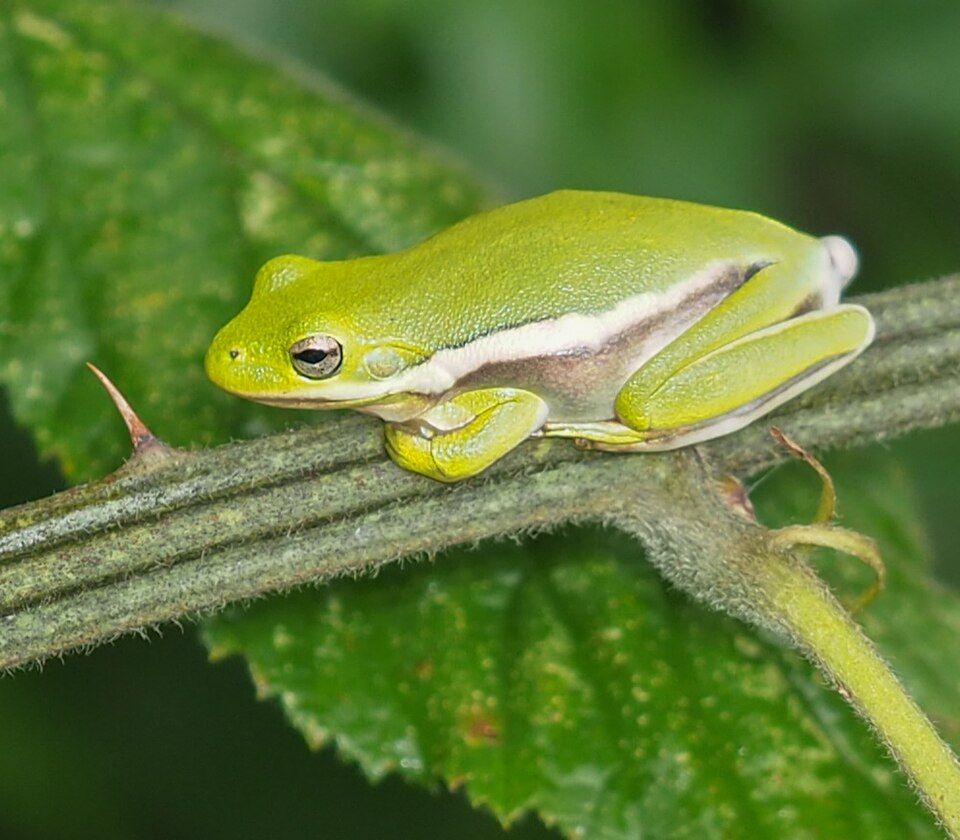
American Green Tree Frog
Nocturnal and arboreal; ventilation and misting with a return to dryness are more important than constant moisture.
- Adult size
- 1.57–2.36 in
- Reference Lifespan
- 6–10 yr
- Environment reference
- 68–80.6 °F
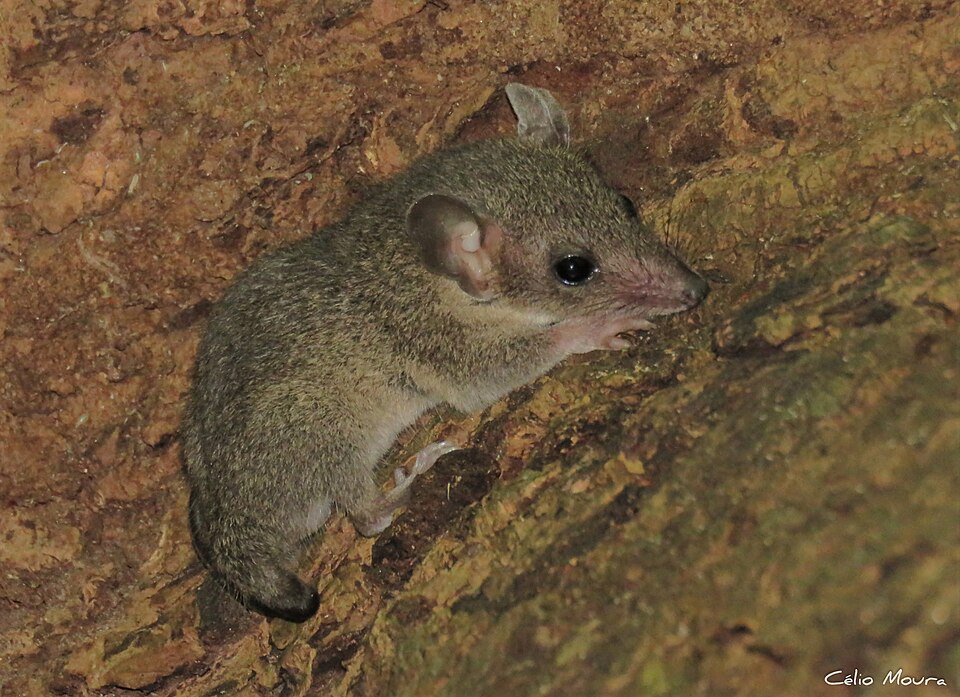
Gray Short Tailed Opossum
Nocturnal, solitary small marsupial; scent, interaction rhythm, and medical care must be arranged in advance.
- Adult size
- 4.72–7.09 in
- Reference Lifespan
- 3–5 yr
- Environment reference
- 71.6–82.4 °F
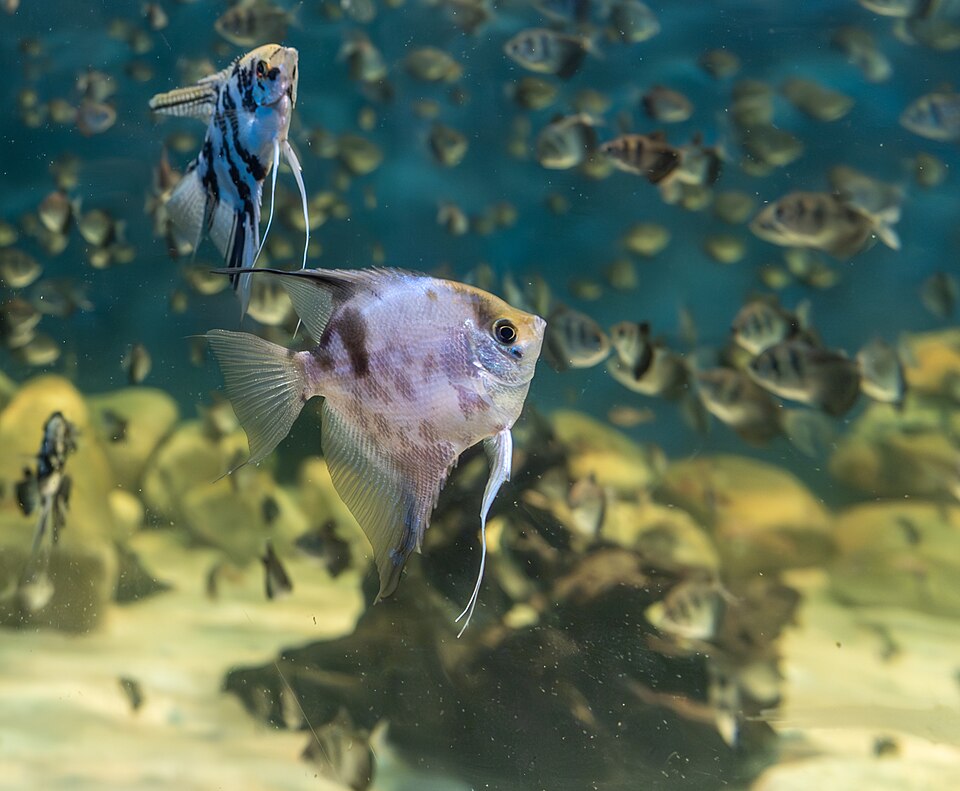
Freshwater Angelfish
Tall-bodied schooling fish with territorial tendencies; adult height and filtration load are often underestimated.
- Adult size
- 5.91–7.87 in
- Reference Lifespan
- 8–12 yr
- Water Temperature
- 75.2–84.2 °F
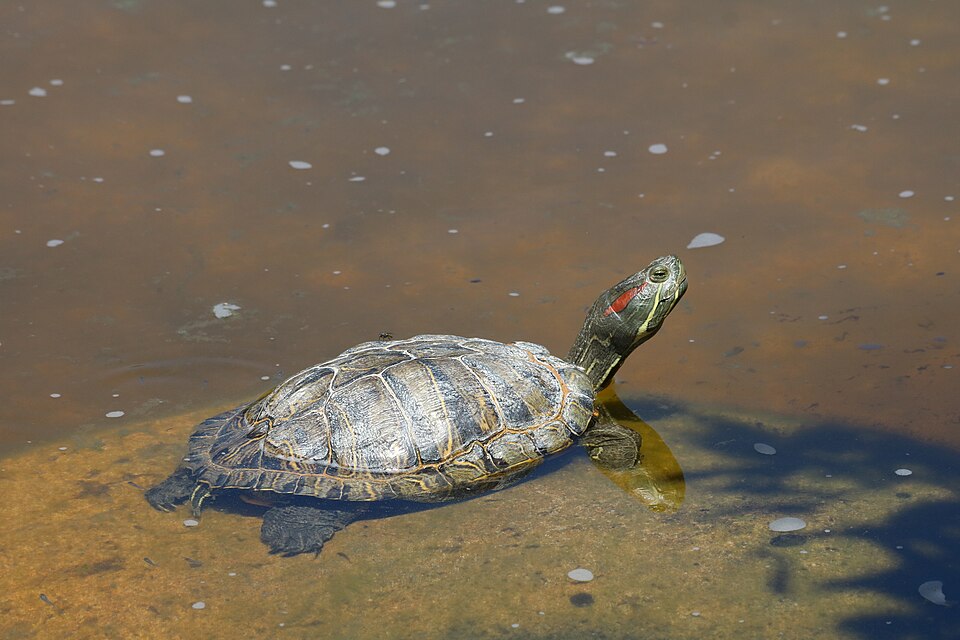
Red Eared Slider
Water volume, basking platforms, filtration, and adult size far exceed juvenile stages; never release into the wild.
- Adult size
- 7.87–11.81 in
- Reference Lifespan
- 20–40 yr
- Environment reference
- 75.2–86 °F
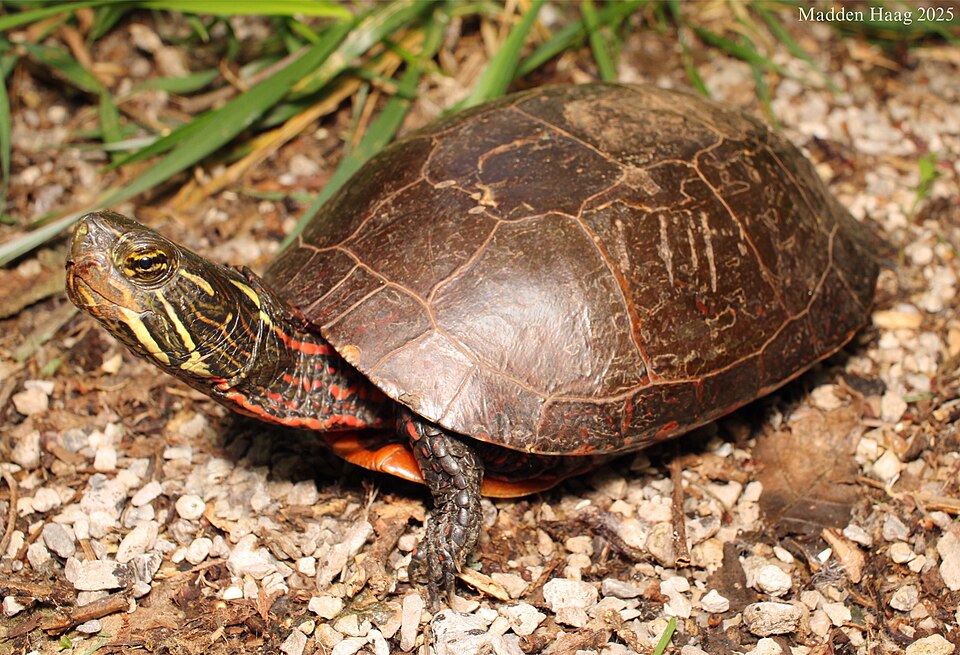
Painted Turtle
Requires a fully emergent basking platform, sufficient water depth, and efficient filtration; adult excretion load is often underestimated.
- Adult size
- 4.72–9.84 in
- Reference Lifespan
- 20–40 yr
- Environment reference
- 71.6–86 °F
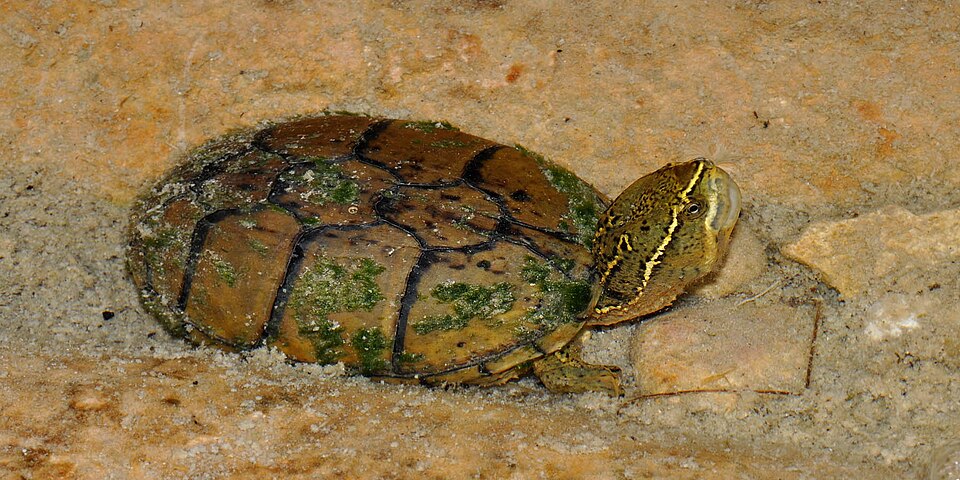
Common Musk Turtle
Small size but can climb out of water and bite; prepare shallow water structure, basking platform, and escape-proof cover simultaneously.
- Adult size
- 3.15–5.51 in
- Reference Lifespan
- 20–30 yr
- Environment reference
- 71.6–82.4 °F
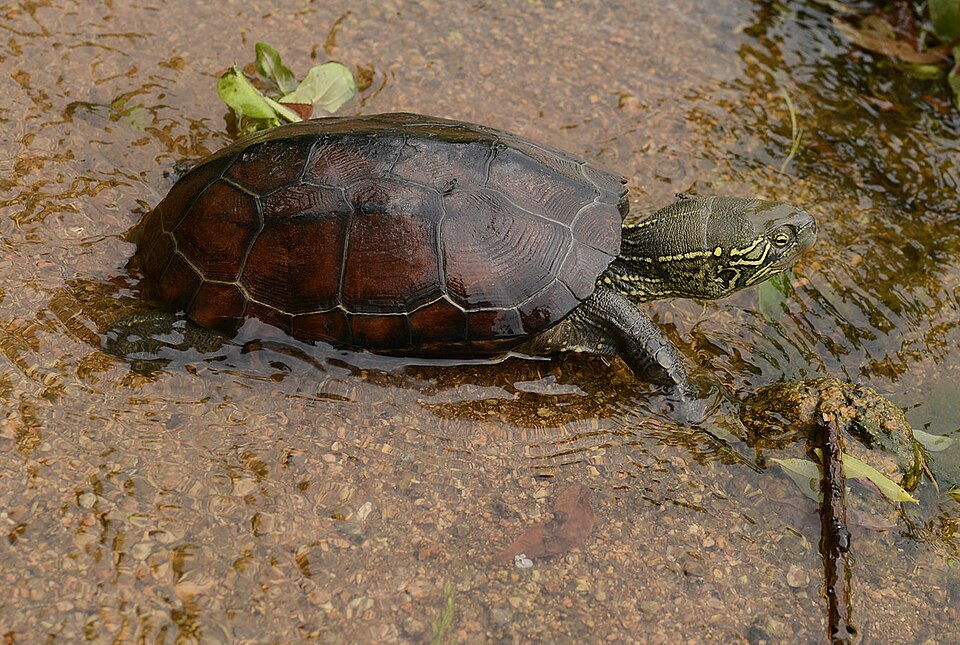
Reeves Turtle
Juvenile tolerance does not mean water quality can be ignored; reserve space for basking, seasonal rhythms, and adult growth.
- Adult size
- 5.91–9.84 in
- Reference Lifespan
- 20–35 yr
- Environment reference
- 71.6–86 °F
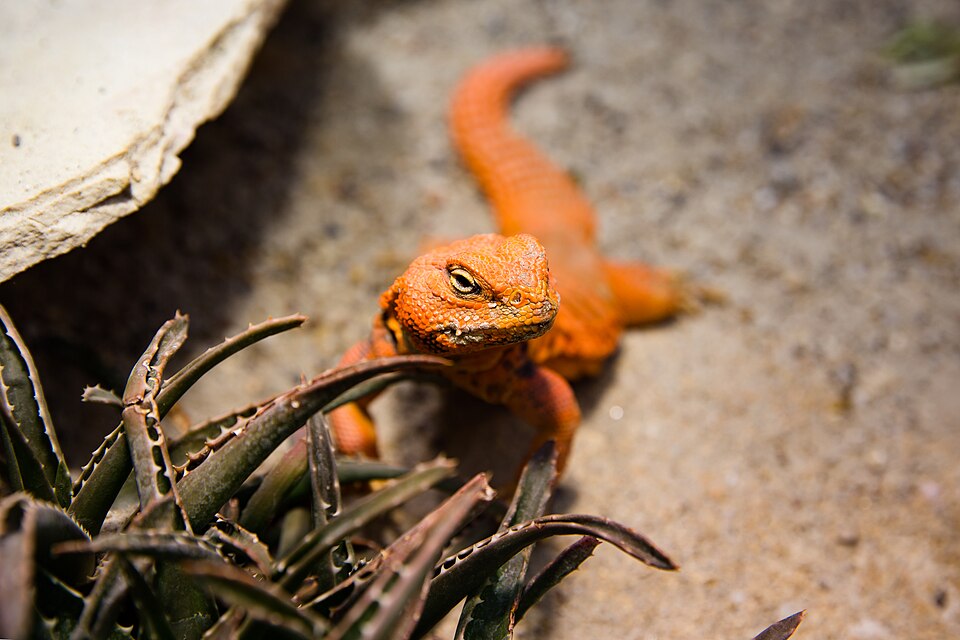
Uromastyx
High basking spots, low humidity, and high-fiber plants are core requirements; standard room temperature and humid setups are unsuitable.
- Adult size
- 9.84–13.78 in
- Reference Lifespan
- 15–25 yr
- Environment reference
- 82.4–104 °F
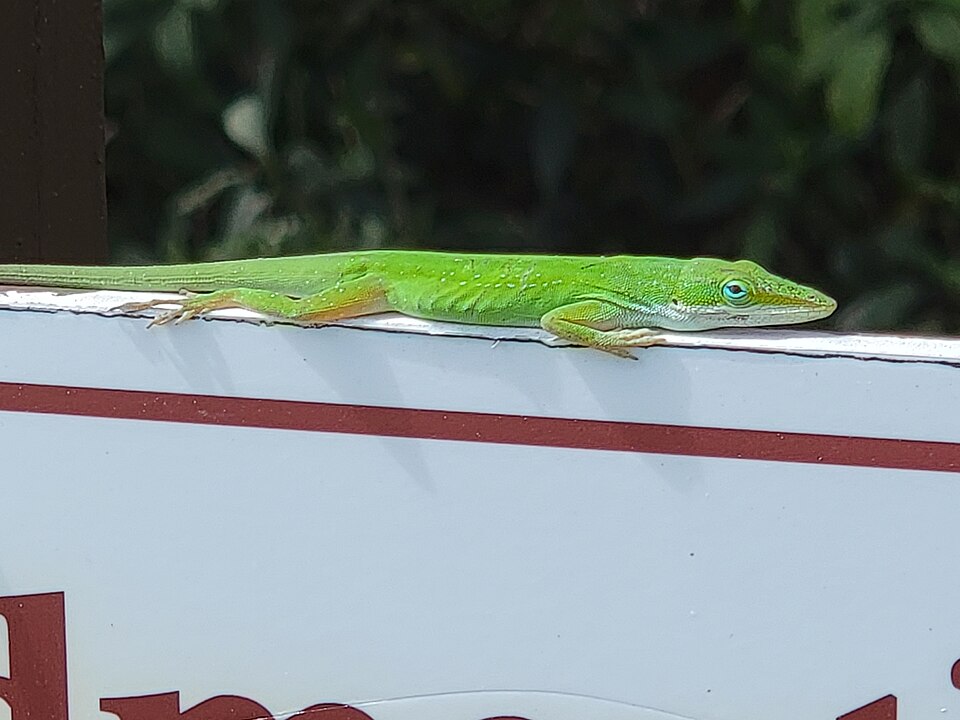
Green Anole
Small body size but relies on vertical space, UVB, and live prey; when group-housed, monitor for territorial stress.
- Adult size
- 4.72–7.87 in
- Reference Lifespan
- 4–8 yr
- Environment reference
- 71.6–86 °F
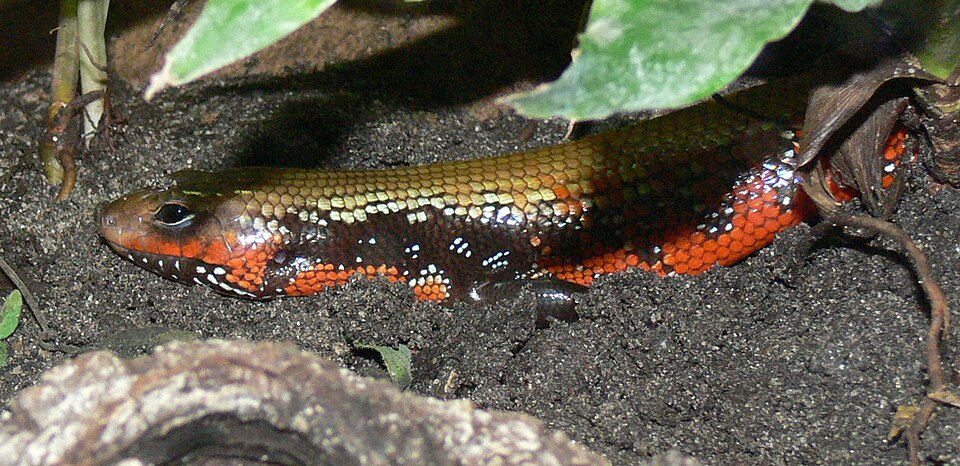
Fire Skink
Prefers deep substrate and hiding spots; humidity must be stable but the tank bottom should not remain waterlogged.
- Adult size
- 9.84–13.78 in
- Reference Lifespan
- 10–15 yr
- Environment reference
- 75.2–86 °F
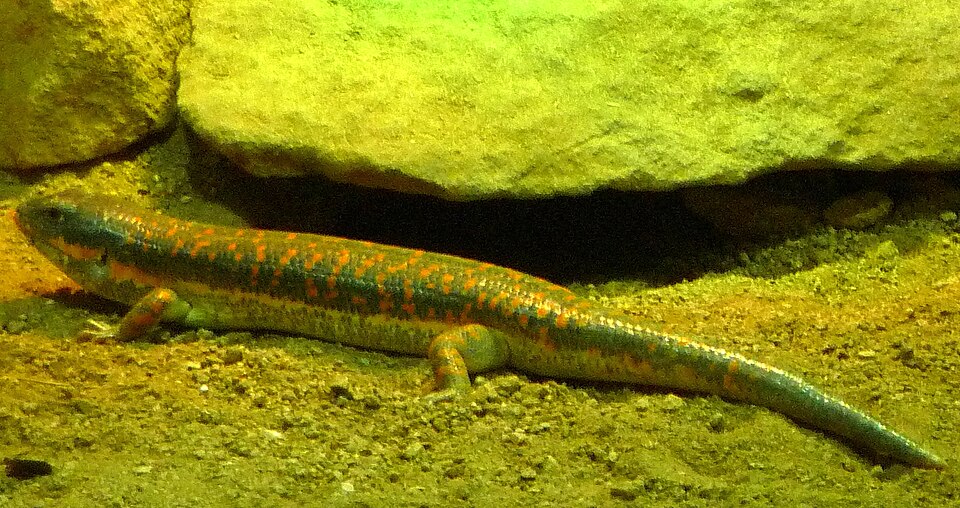
Schneiders Skink
Diurnal, voracious, and requires strong basking spots; adult enclosure size and diet control are more critical than in the juvenile stage.
- Adult size
- 13.78–19.69 in
- Reference Lifespan
- 15–25 yr
- Environment reference
- 77–95 °F
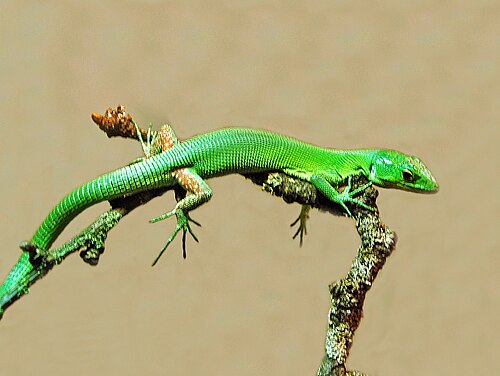
Green Keel Bellied Lizard
Arborial climbing space, branch stability, and ventilation must be designed together; low enclosures are unsuitable.
- Adult size
- 9.84–13.78 in
- Reference Lifespan
- 8–12 yr
- Environment reference
- 71.6–82.4 °F
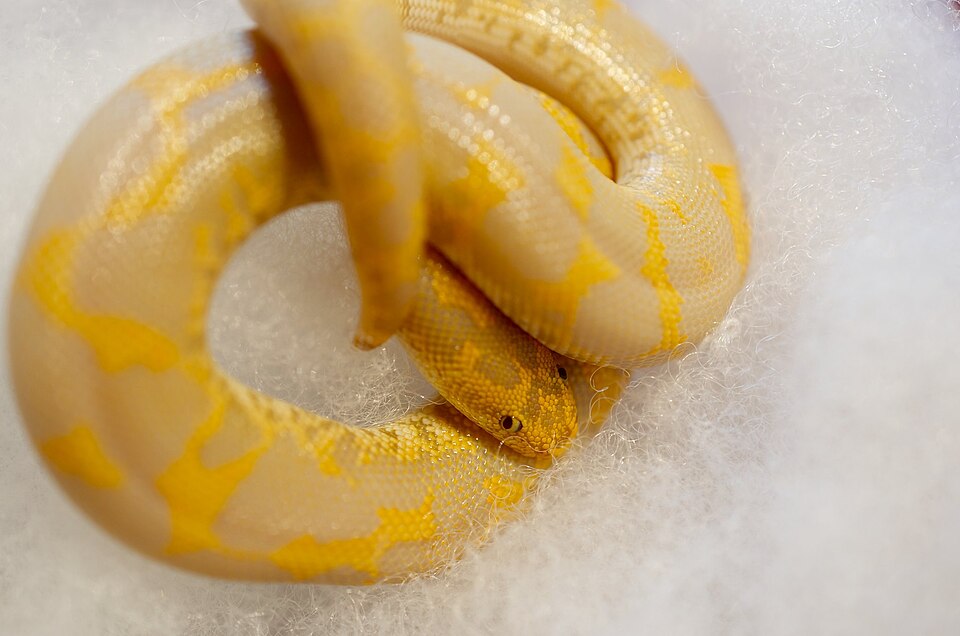
Kenyan Sand Boa
Most of the time buried in substrate; depth, escape-proofing, and frozen rodent storage are more practical preparations before purchase.
- Adult size
- 17.72–29.53 in
- Reference Lifespan
- 15–25 yr
- Environment reference
- 75.2–89.6 °F
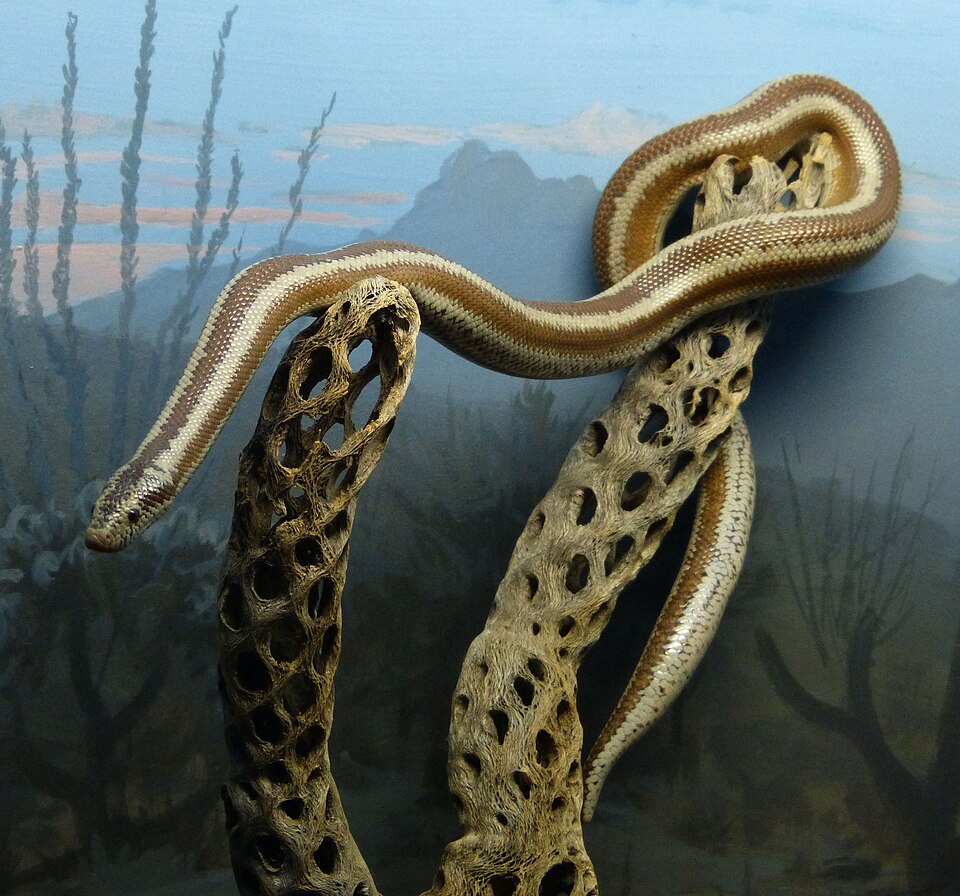
Rosy Boa
Generally docile temperament, but long lifespan, frozen rodent feeding, and escape-proofing still require planning for adult size.
- Adult size
- 23.62–39.37 in
- Reference Lifespan
- 20–30 yr
- Environment reference
- 71.6–86 °F
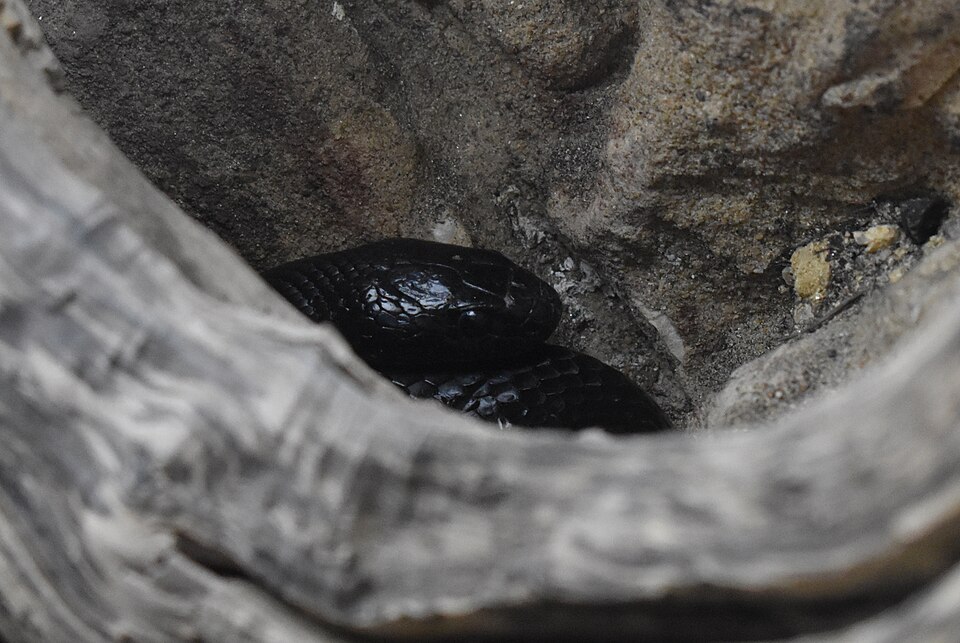
California Kingsnake
Activity levels and escape-proofing requirements exceed juvenile appearance; frozen rodent feeding, secure latches, and adult enclosures must be prepared in advance.
- Adult size
- 35.43–51.18 in
- Reference Lifespan
- 15–20 yr
- Environment reference
- 71.6–86 °F
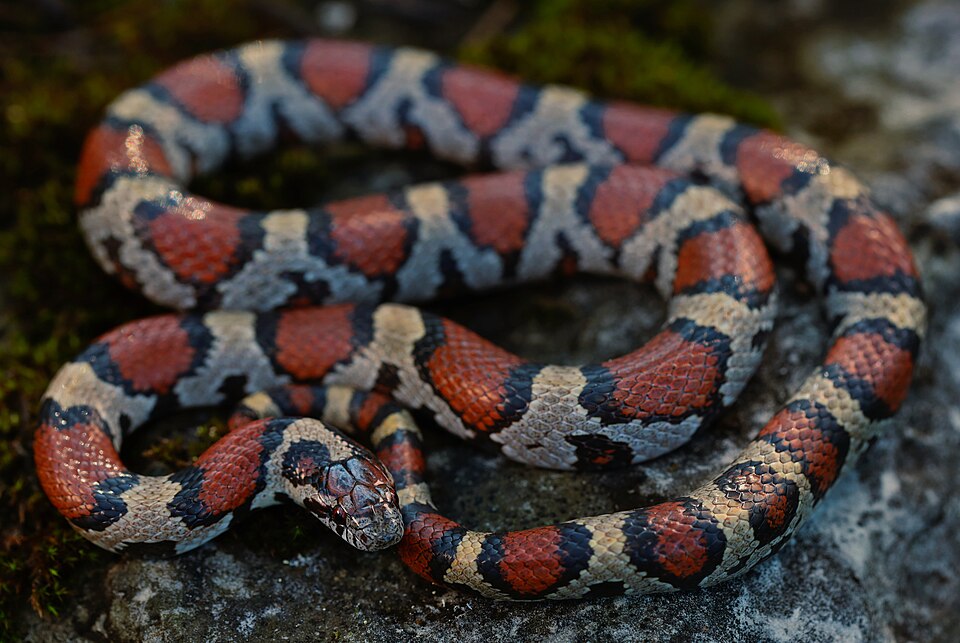
Milk Snake
Patterns can make its climbing and escape ability overlooked; space, secure latches, and frozen rodent feeding routines must be stable.
- Adult size
- 35.43–59.06 in
- Reference Lifespan
- 15–20 yr
- Environment reference
- 71.6–86 °F
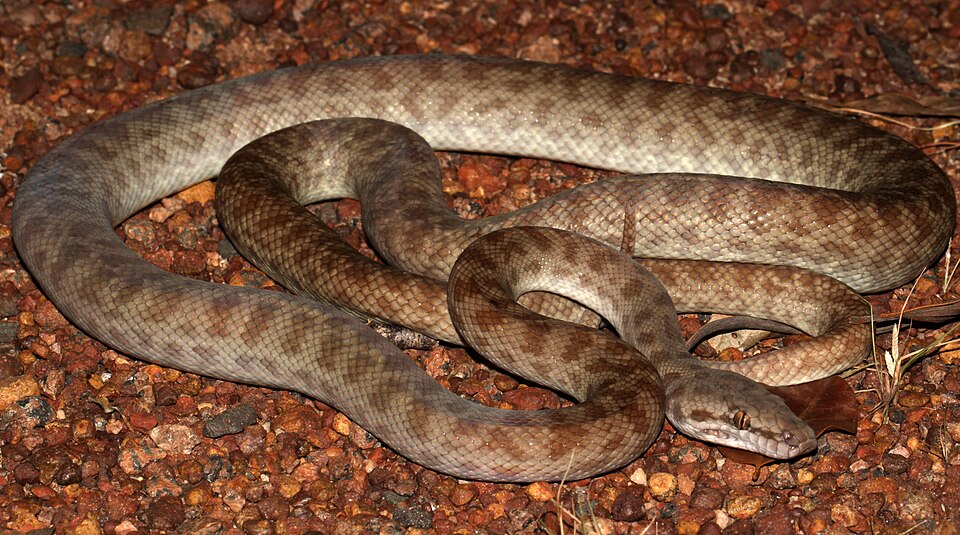
Childrens Python
Relatively compact body size but still requires locking and frozen mouse feeding; nocturnal activity affects bedroom placement.
- Adult size
- 35.43–47.24 in
- Reference Lifespan
- 15–25 yr
- Environment reference
- 75.2–87.8 °F
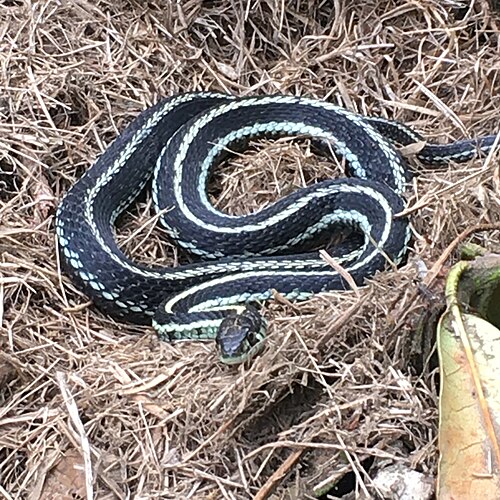
Common Garter Snake
Requires varied food and stable water; confirm individual compatibility, space, and feeding management before group housing.
- Adult size
- 17.72–35.43 in
- Reference Lifespan
- 6–10 yr
- Environment reference
- 68–82.4 °F
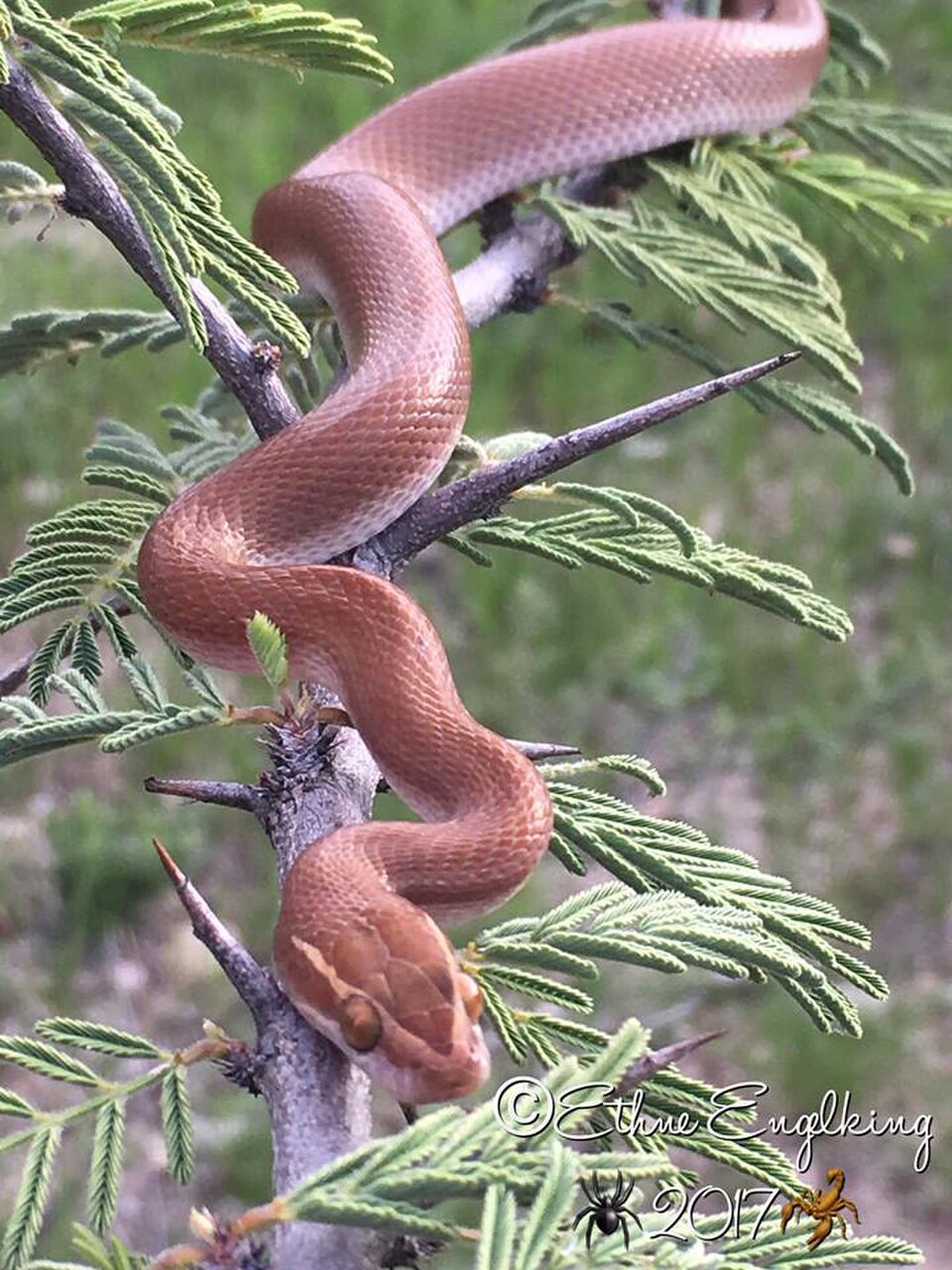
African House Snake
Compact body but prone to escape; maintain consistent locking, hiding, and frozen rodent feeding records.
- Adult size
- 23.62–39.37 in
- Reference Lifespan
- 8–15 yr
- Environment reference
- 71.6–86 °F
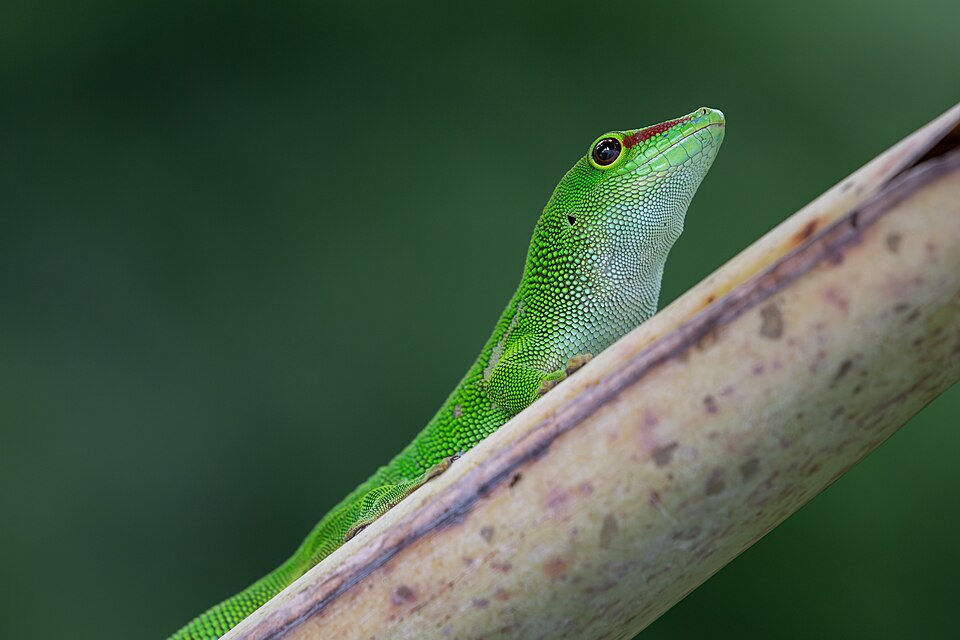
Giant Day Gecko
Diurnal, agile, and with fragile skin; vertical space, hydration, and avoiding forceful handling are priorities.
- Adult size
- 8.66–11.81 in
- Reference Lifespan
- 10–15 yr
- Environment reference
- 75.2–86 °F
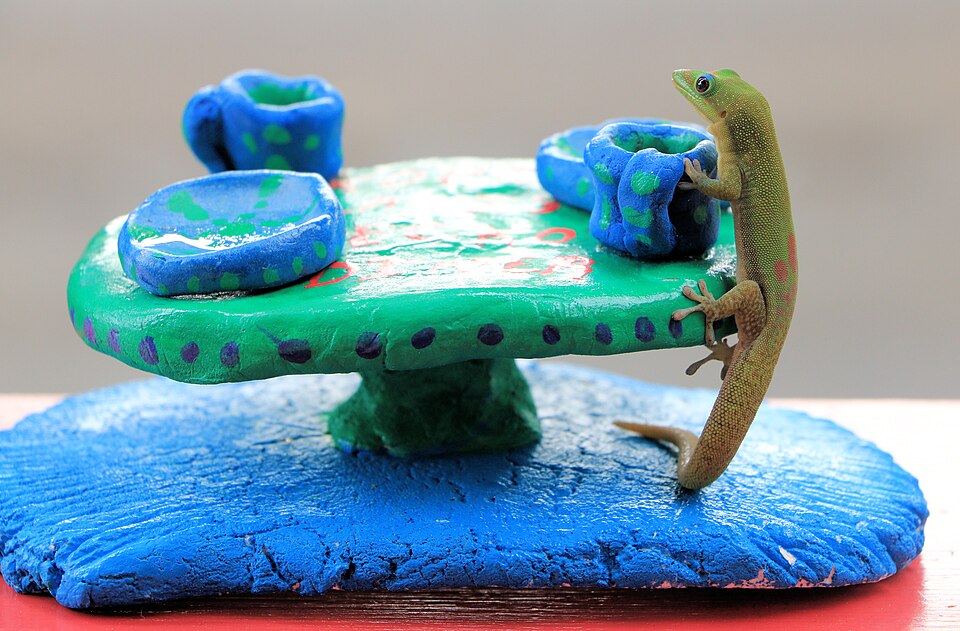
Gold Dust Day Gecko
Small body but fast-moving; UVB, ventilation, and escape-proofing details determine long-term observability.
- Adult size
- 4.72–7.09 in
- Reference Lifespan
- 8–12 yr
- Environment reference
- 73.4–84.2 °F
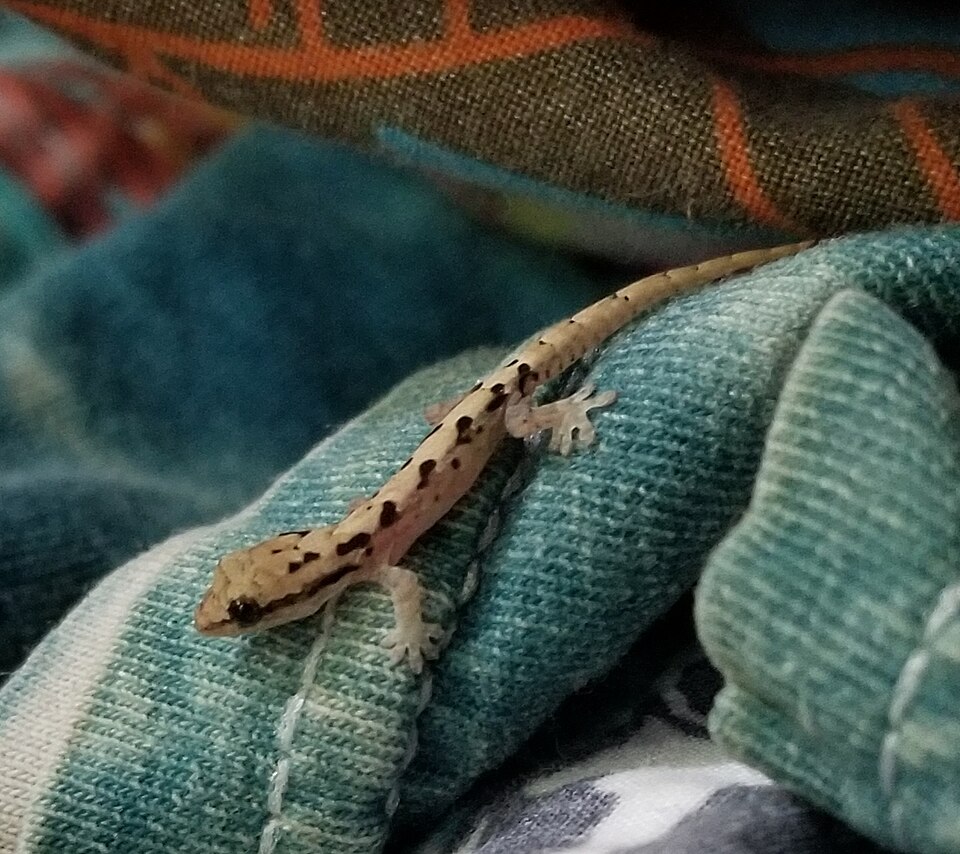
Mourning Gecko
Extremely small body and capable of escaping through gaps; group breeding and ventilation hole protection must be designed in advance.
- Adult size
- 3.15–3.94 in
- Reference Lifespan
- 5–10 yr
- Environment reference
- 71.6–82.4 °F
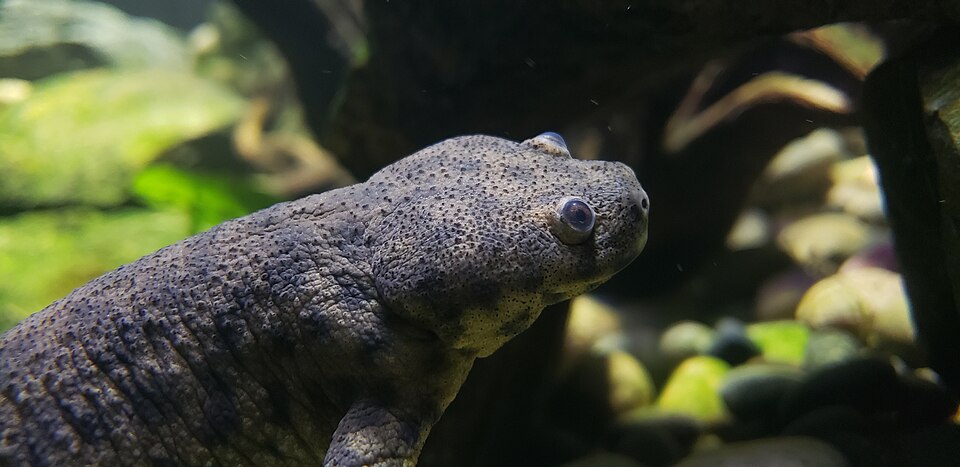
Spanish Ribbed Newt
The water body should be cool and have a secure basking platform; cooling, filtration, and escape-proofing are more important than decoration in summer.
- Adult size
- 7.87–11.81 in
- Reference Lifespan
- 10–15 yr
- Environment reference
- 60.8–75.2 °F
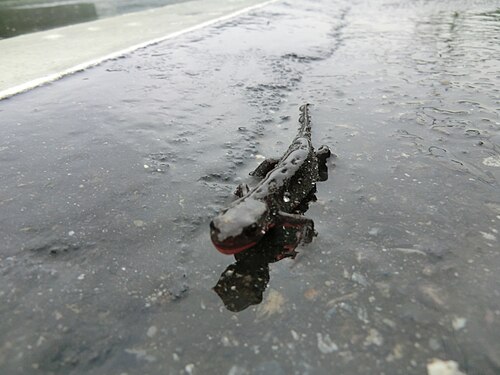
Japanese Fire Bellied Newt
Skin is sensitive and heat-intolerant; water quality, cover, and summer cooling must be tested before acquisition.
- Adult size
- 3.15–5.51 in
- Reference Lifespan
- 10–20 yr
- Environment reference
- 60.8–75.2 °F
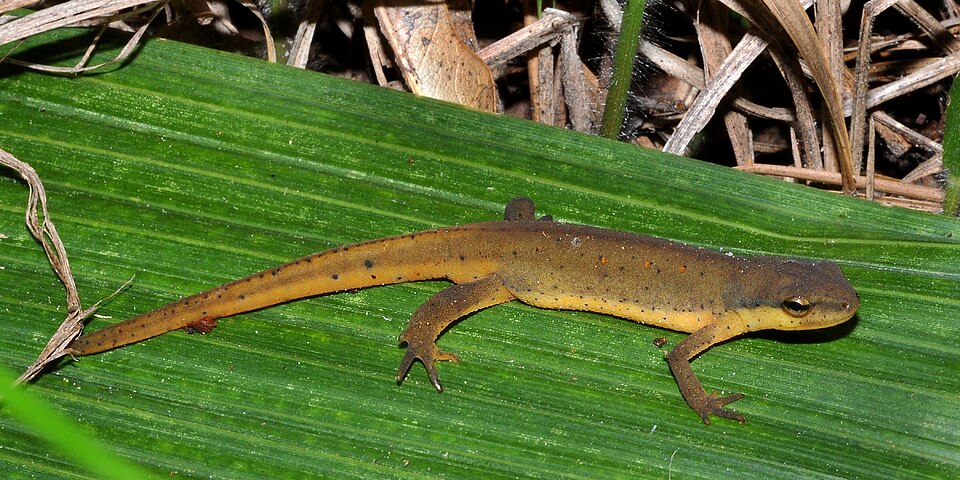
Eastern Newt
Juvenile and adult requirements differ; water-land transitions, clean water, and low-temperature management must all be considered.
- Adult size
- 2.76–4.72 in
- Reference Lifespan
- 10–15 yr
- Environment reference
- 60.8–75.2 °F
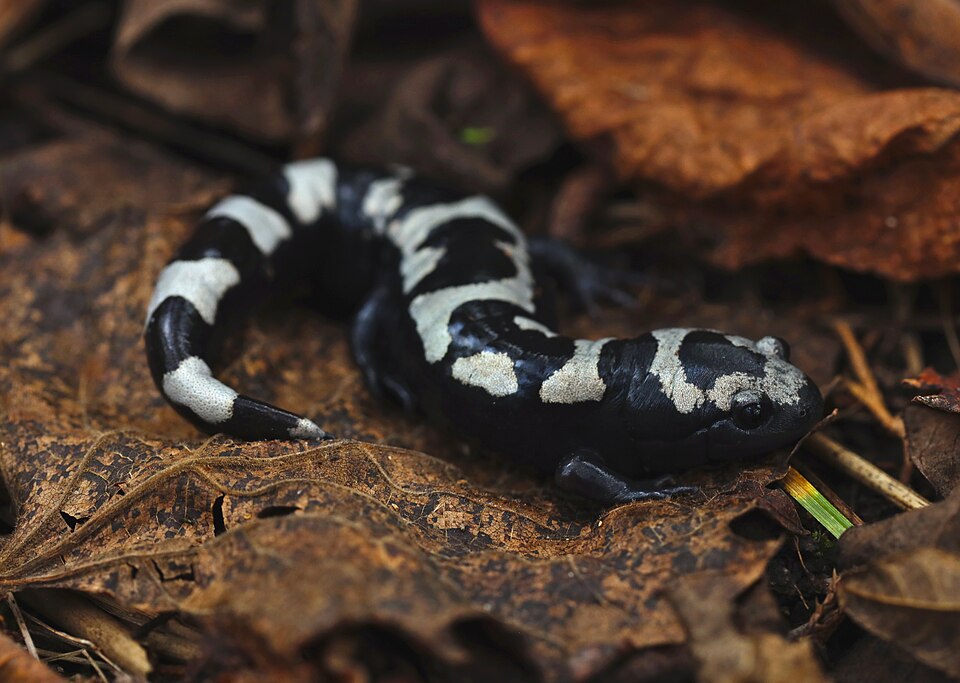
Marbled Salamander
Terrestrial-leaning and requires deep, moist substrate; reduce disturbance and bright light during molting and feeding.
- Adult size
- 3.54–5.12 in
- Reference Lifespan
- 8–15 yr
- Environment reference
- 60.8–75.2 °F
Dwarf Clawed Frog
Fully aquatic but fragile-bodied; focus on mature water volume, slow flow and avoiding tank-mates that compete for food.
- Adult size
- 1.18–1.97 in
- Reference Lifespan
- 5–8 yr
- Environment reference
- 71.6–82.4 °F
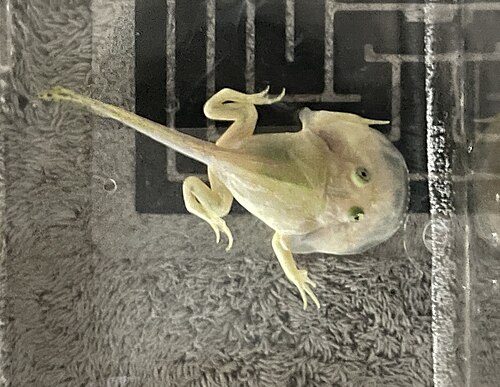
Budgetts Frog
High food intake and cannibalistic; plan water-to-land ratio, single housing and adult bite risk before introduction.
- Adult size
- 3.94–5.91 in
- Reference Lifespan
- 8–12 yr
- Environment reference
- 68–82.4 °F
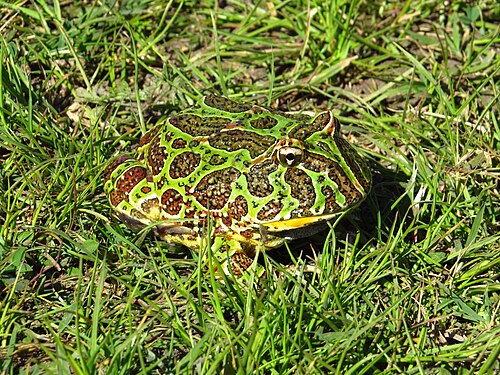
Argentine Horned Frog
Strong appetite and prone to accidental bites; controlling body weight, single housing and safe handling outweigh frequent interaction.
- Adult size
- 4.72–7.09 in
- Reference Lifespan
- 8–12 yr
- Environment reference
- 71.6–82.4 °F
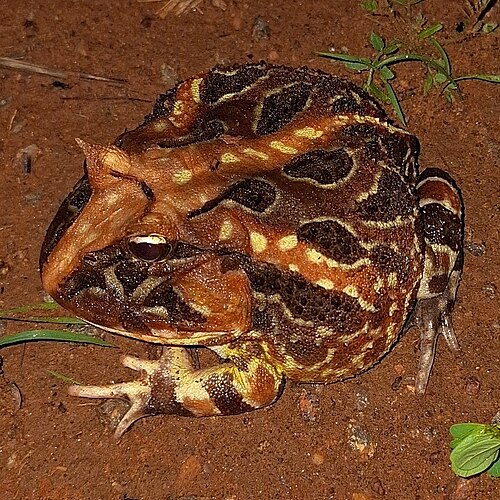
Brazilian Horned Frog
Ambushes live prey; substrate moisture, feeding intervals, and risk of accidental ingestion must be adjusted according to individual size.
- Adult size
- 3.94–6.3 in
- Reference Lifespan
- 8–12 yr
- Environment reference
- 71.6–84.2 °F
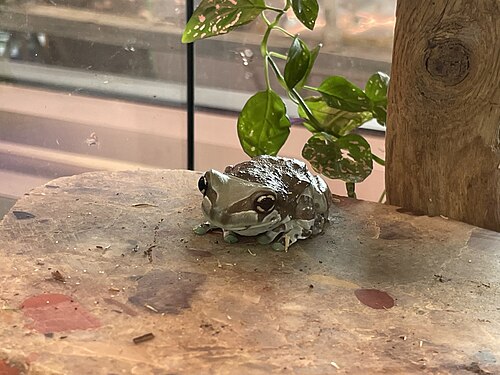
Amazon Milk Frog
Arboreal high enclosure, ventilation, and misting schedule must be coordinated; prolonged dampness and standing water cause skin problems.
- Adult size
- 2.76–3.94 in
- Reference Lifespan
- 8–12 yr
- Environment reference
- 71.6–82.4 °F
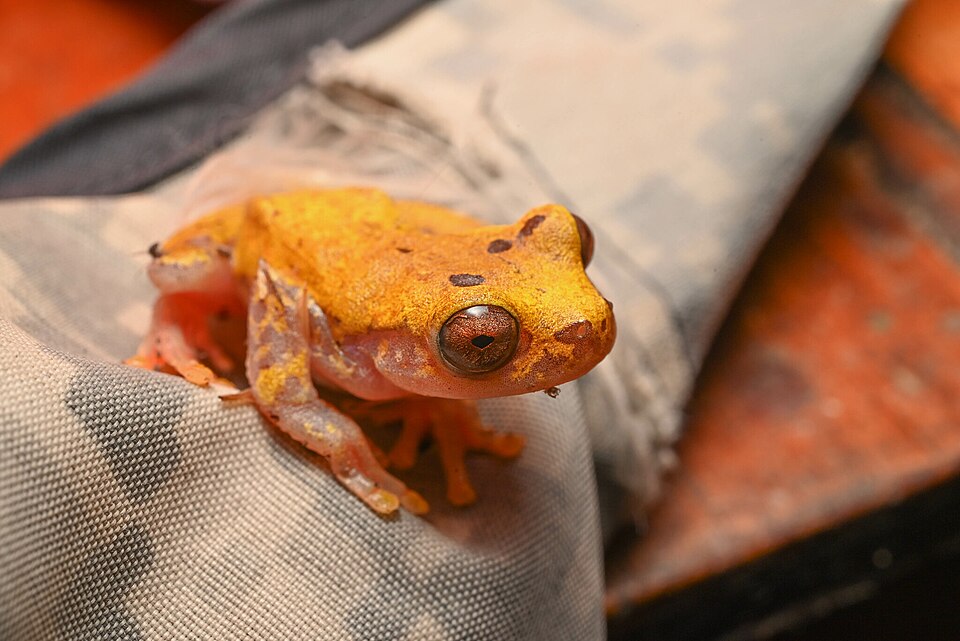
Clown Tree Frog
Small size, active, and prone to escaping through gaps; high-sided ventilation and tiny live prey must be prepared in advance.
- Adult size
- 1.18–1.97 in
- Reference Lifespan
- 5–8 yr
- Environment reference
- 71.6–82.4 °F
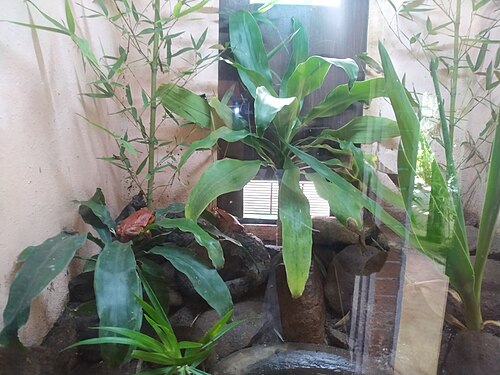
Madagascar Tomato Frog
Stocky body but secretes irritants; moist substrate, solitary housing, and gentle handling are basic requirements.
- Adult size
- 2.76–3.94 in
- Reference Lifespan
- 8–12 yr
- Environment reference
- 71.6–82.4 °F
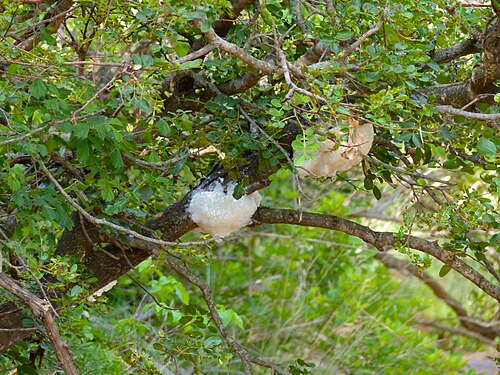
African Foam Nest Frog
Arboreal, nocturnal, and with unique breeding behaviors; reserve space for ventilation, branches, and seasonal misting.
- Adult size
- 1.97–3.15 in
- Reference Lifespan
- 5–10 yr
- Environment reference
- 71.6–86 °F
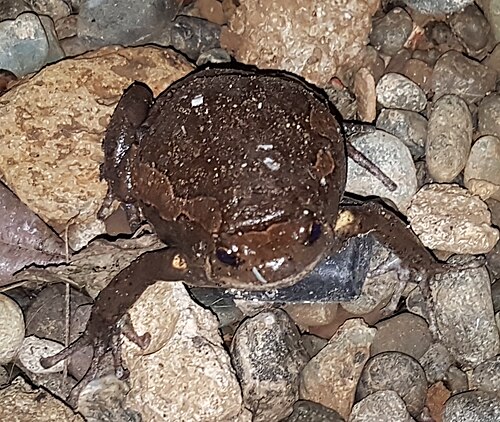
Asian Painted Frog
Nocturnal, burrows into substrate, and has a distinct call; deep substrate, ventilation, and bedroom noise must be assessed first.
- Adult size
- 2.36–3.15 in
- Reference Lifespan
- 6–10 yr
- Environment reference
- 71.6–86 °F
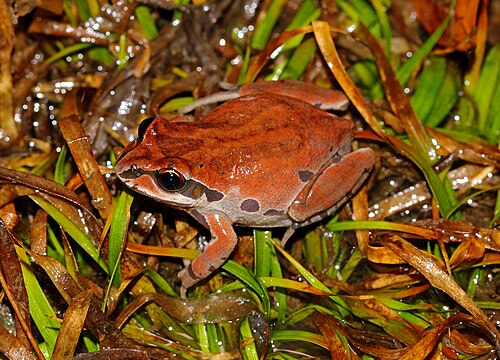
Ornate Chorus Frog
Small body size with distinct nocturnal calls; micro live prey and seasonal humidity must be arranged in advance.
- Adult size
- 1.18–1.97 in
- Reference Lifespan
- 4–8 yr
- Environment reference
- 64.4–78.8 °F
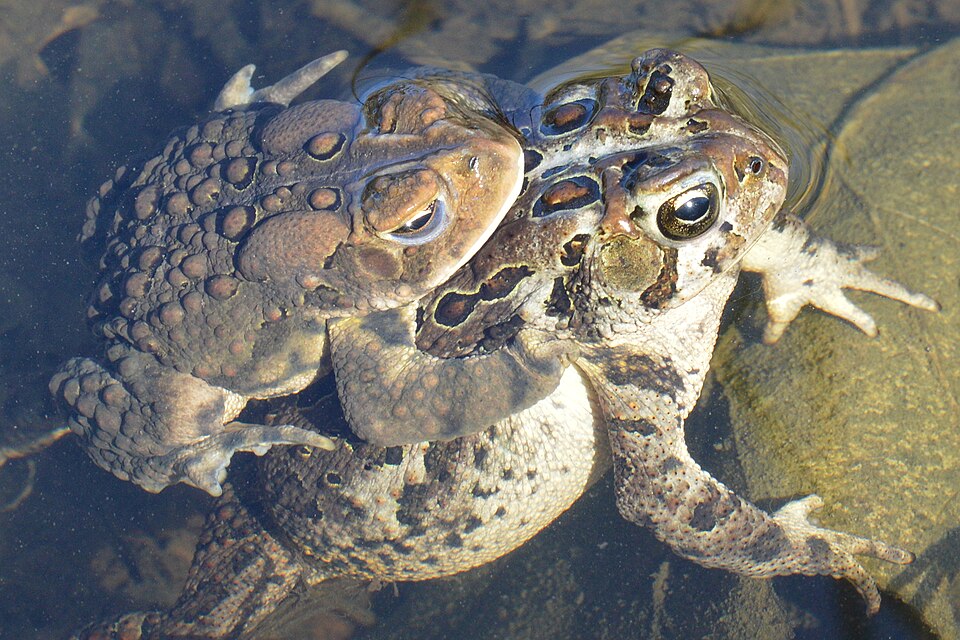
American Toad
Skin secretions and nocturnal activity require hygiene and noise management; wild-caught specimens should not be brought home directly.
- Adult size
- 1.97–3.94 in
- Reference Lifespan
- 5–10 yr
- Environment reference
- 64.4–80.6 °F
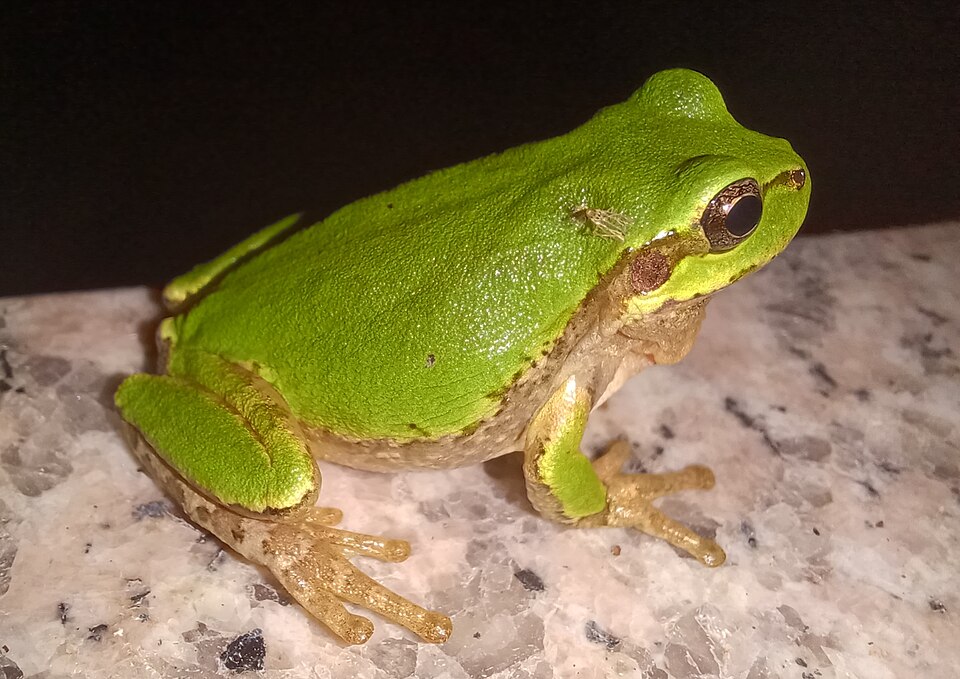
Japanese Tree Frog
Nocturnal, capable of jumping, and with distinct calls; basic preparation includes ventilation, escape-proofing, and live micro-prey.
- Adult size
- 1.18–1.97 in
- Reference Lifespan
- 5–10 yr
- Environment reference
- 64.4–80.6 °F
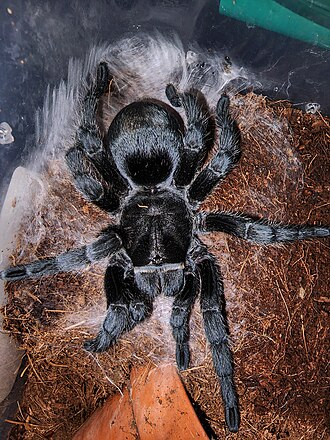
Brazilian Black Tarantula
Movement is usually slow but they kick urticating hairs; low enclosures, shallow water, and observational care are more suitable.
- Adult size
- 4.72–6.3 in
- Reference Lifespan
- 8–20 yr
- Environment reference
- 71.6–82.4 °F
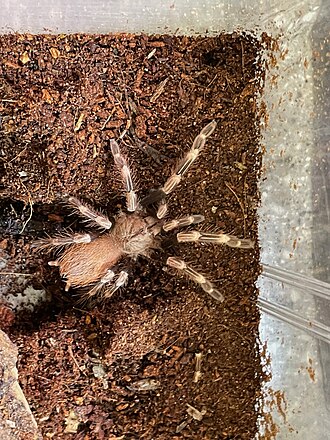
Brazilian Red White Tarantula
Vivid coloration does not mean they are suitable for handling; urticating hairs, live prey, and escape-proofing must be planned according to large tarantulas.
- Adult size
- 5.51–7.87 in
- Reference Lifespan
- 8–15 yr
- Environment reference
- 71.6–82.4 °F
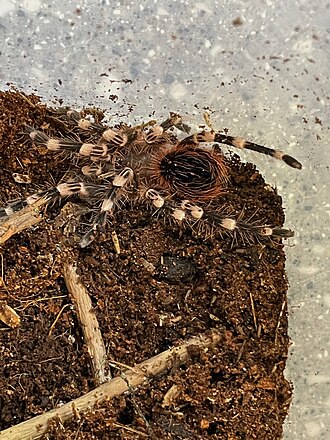
Brazilian White Knee Tarantula
Large body size, fast feeding response, and they kick urticating hairs; low enclosures with a large floor area and tool-assisted transfers are safer.
- Adult size
- 6.3–8.66 in
- Reference Lifespan
- 8–15 yr
- Environment reference
- 71.6–82.4 °F
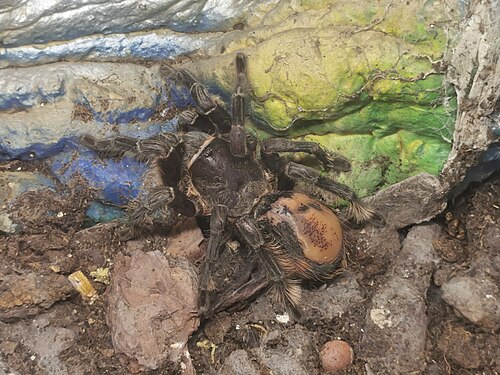
Mexican Red Rump
Terrestrial, with a relatively wide tolerance range, but urticating hairs, molting, and live prey residue still require fixed procedures.
- Adult size
- 4.72–6.3 in
- Reference Lifespan
- 8–20 yr
- Environment reference
- 71.6–82.4 °F
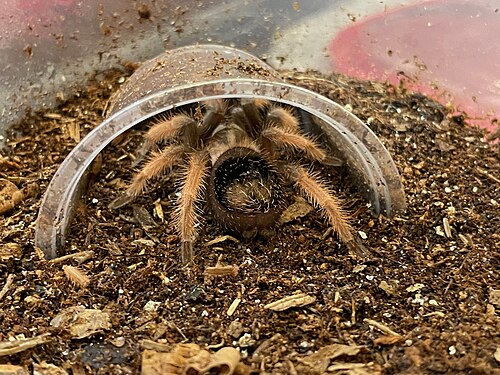
Mexican Red Leg
Suitable for observation but not for frequent handling; source, molting period, and low-humidity ventilation must remain stable.
- Adult size
- 4.72–6.3 in
- Reference Lifespan
- 10–20 yr
- Environment reference
- 71.6–82.4 °F
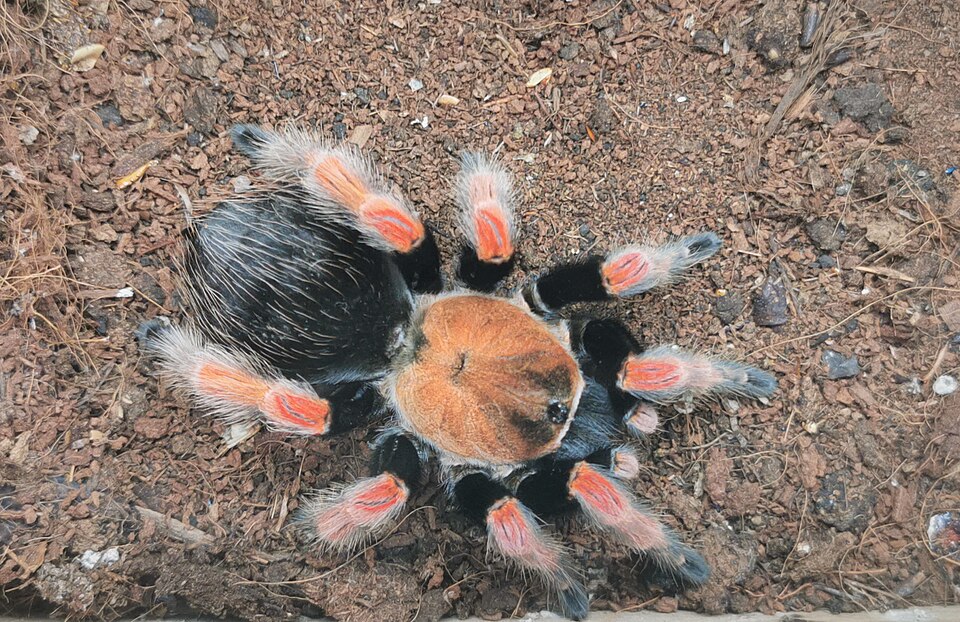
Mexican Fire Leg
Noticeable bristling and slow growth; low enclosures, shallow water, and a quiet environment during molting are priorities.
- Adult size
- 5.12–7.09 in
- Reference Lifespan
- 10–20 yr
- Environment reference
- 71.6–82.4 °F
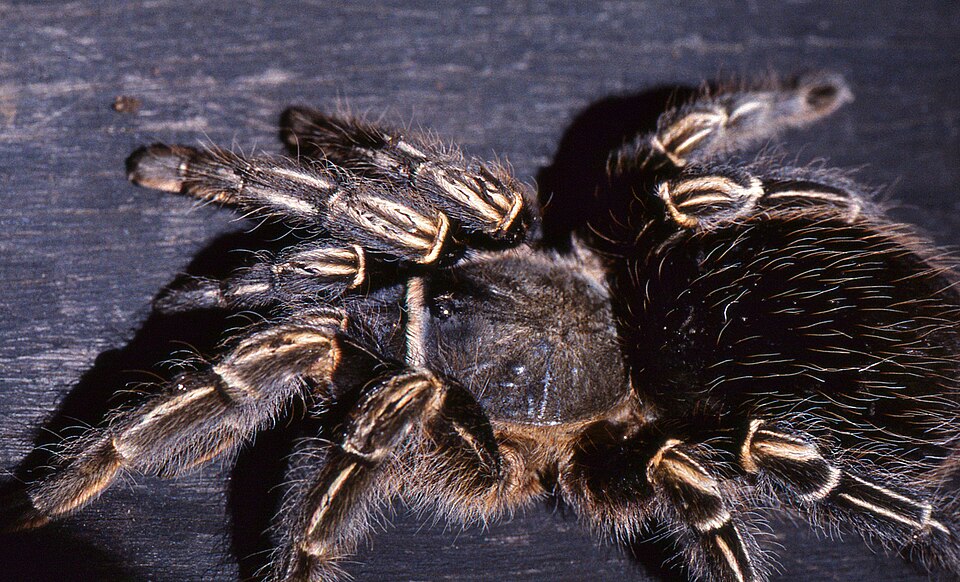
Costa Rican Zebra Tarantula
Ground-dwelling, fast-moving, and prone to kicking; escape plans and low-disturbance observation are more suitable than handling.
- Adult size
- 3.94–5.51 in
- Reference Lifespan
- 8–15 yr
- Environment reference
- 71.6–82.4 °F
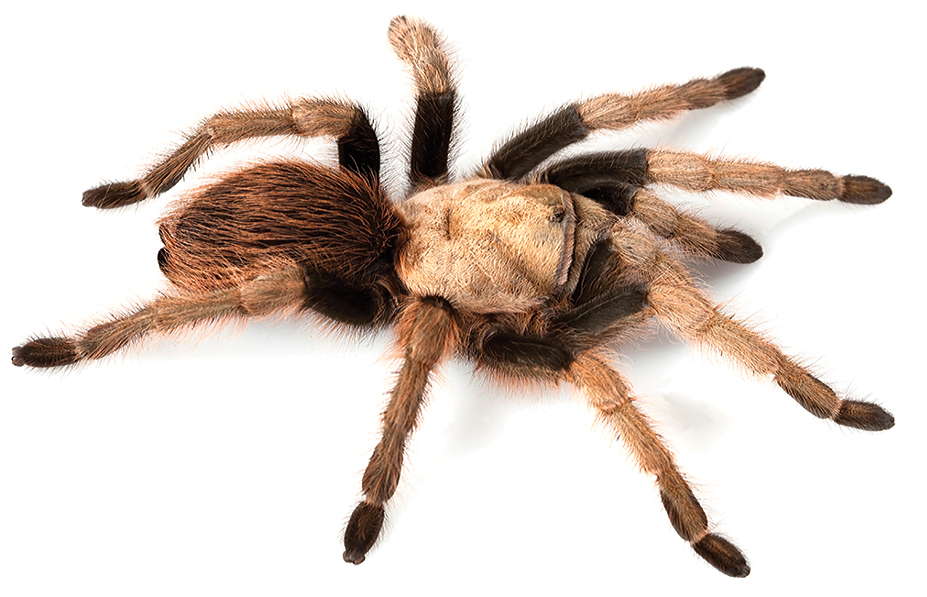
Arizona Blonde Tarantula
Dry, low enclosures with shallow water are the basic setup; wild collection and local protection regulations must be verified first.
- Adult size
- 3.94–5.51 in
- Reference Lifespan
- 8–20 yr
- Environment reference
- 68–82.4 °F
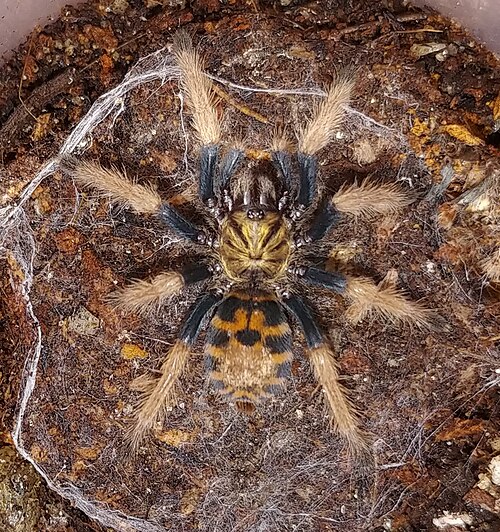
Green Bottle Blue Tarantula
High webbing production, fast movement, and tendency to kick and shed urticating hairs; low humidity and ventilation, along with an escape plan when opening the lid, are critical.
- Adult size
- 4.72–6.3 in
- Reference Lifespan
- 8–15 yr
- Environment reference
- 71.6–86 °F
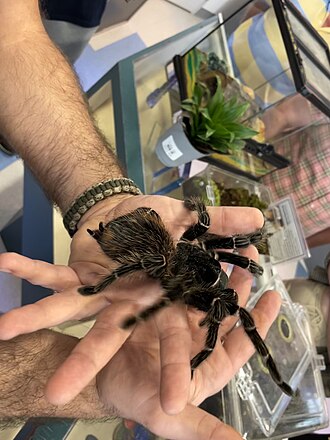
Salmon Pink Bird Eater
Fast growth, large size, and heavy feeding requirements; enclosures, live prey, and molting isolation must be sized with ample margin.
- Adult size
- 7.09–9.84 in
- Reference Lifespan
- 6–12 yr
- Environment reference
- 71.6–82.4 °F
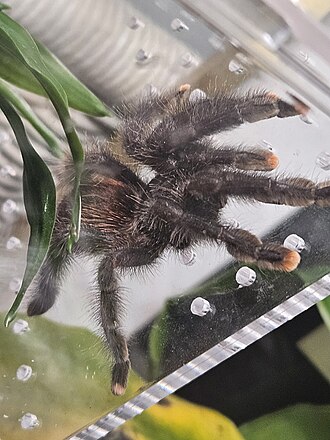
Pink Toe Tarantula
Arboreal, high jumping, and rapid escape are the main challenges; high enclosure ventilation and a lid-opening escape plan must be tested first.
- Adult size
- 3.94–5.91 in
- Reference Lifespan
- 6–12 yr
- Environment reference
- 73.4–82.4 °F
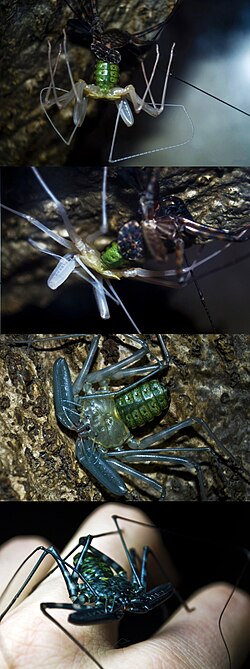
Tailless Whip Scorpion
Appearance is frightening but primarily relies on sensing with legs; vertical hiding, low light, and live prey are core requirements.
- Adult size
- 3.15–4.72 in
- Reference Lifespan
- 5–10 yr
- Environment reference
- 71.6–82.4 °F
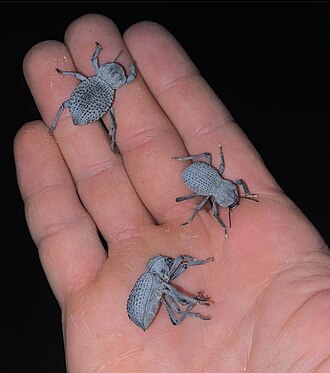
Blue Death Feigning Beetle
Drought-tolerant and low-maintenance but requires ventilation and dry substrate; wetness and standing water are more dangerous than lack of water.
- Adult size
- 0.79–1.18 in
- Reference Lifespan
- 5–8 yr
- Environment reference
- 71.6–89.6 °F
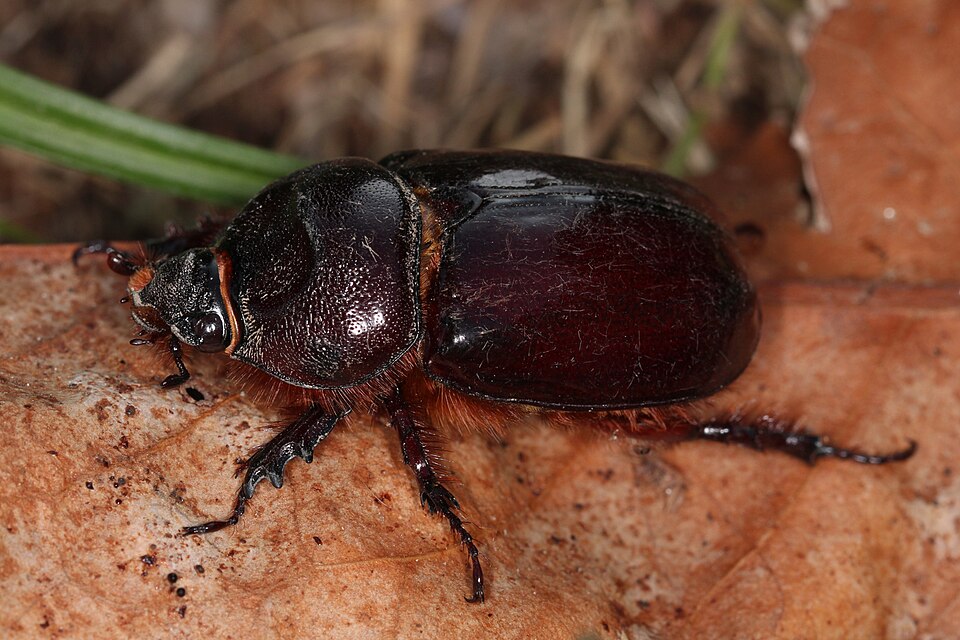
Rhinoceros Beetle
Adults have short lifespans, but larvae require deep humus substrate; prepare complete life-cycle space before breeding.
- Adult size
- 1.18–1.97 in
- Reference Lifespan
- 1–2 yr
- Environment reference
- 71.6–82.4 °F
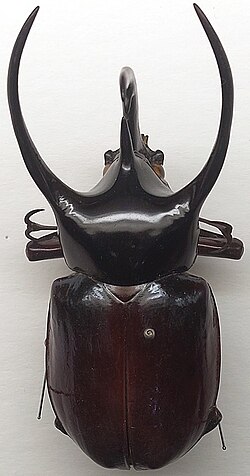
Atlas Beetle
Long larval stage and high substrate consumption; male fighting and breeding numbers must be planned in advance.
- Adult size
- 1.97–4.72 in
- Reference Lifespan
- 1–2 yr
- Environment reference
- 75.2–86 °F
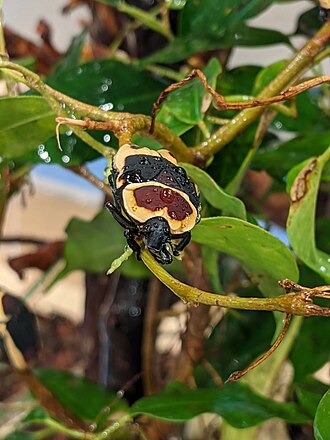
Flower Chafer
Suitable for observation but breeds quickly; manage humus substrate, fruits/vegetables, and larva numbers in sync.
- Adult size
- 0.79–1.18 in
- Reference Lifespan
- 1–2 yr
- Environment reference
- 75.2–86 °F
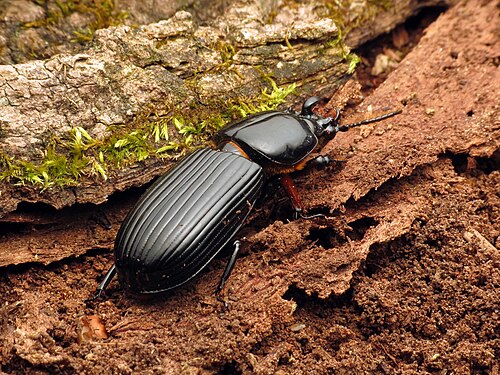
Bess Beetle
Dependent on rotting wood and group cooperation; wood sourcing, humidity, and mold control are primary maintenance tasks.
- Adult size
- 1.18–1.97 in
- Reference Lifespan
- 1–2 yr
- Environment reference
- 68–80.6 °F
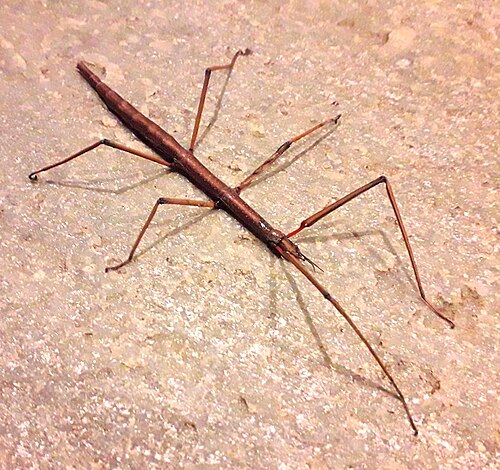
Indian Stick Insect
Foliage consumption and breeding rates are easily underestimated; escape prevention, plant supply, and population control must be implemented together.
- Adult size
- 2.76–3.94 in
- Reference Lifespan
- 1–2 yr
- Environment reference
- 68–82.4 °F
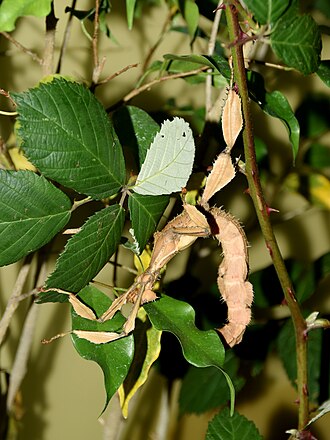
Giant Prickly Stick Insect
Large body size and molting require significant vertical space; foliage supply, escape prevention, and juvenile isolation must be prepared in advance.
- Adult size
- 3.94–5.91 in
- Reference Lifespan
- 1–2 yr
- Environment reference
- 68–82.4 °F
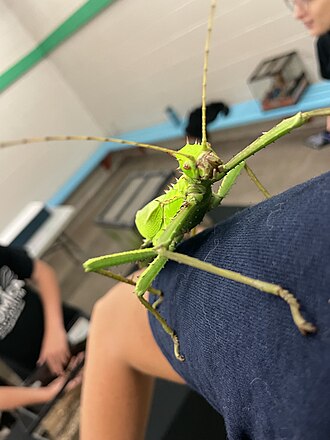
Jungle Nymph
Females are large and spiny; enclosure height, foliage supply, and disturbance prevention during molting must be accounted for.
- Adult size
- 4.72–7.09 in
- Reference Lifespan
- 1–2 yr
- Environment reference
- 73.4–84.2 °F
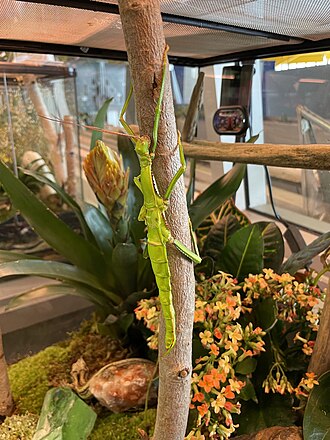
Giant Walking Stick
High body size and climbing height requirements; foliage supply, ventilation, and molting space must be adequately provided.
- Adult size
- 4.72–7.09 in
- Reference Lifespan
- 1–2 yr
- Environment reference
- 73.4–84.2 °F
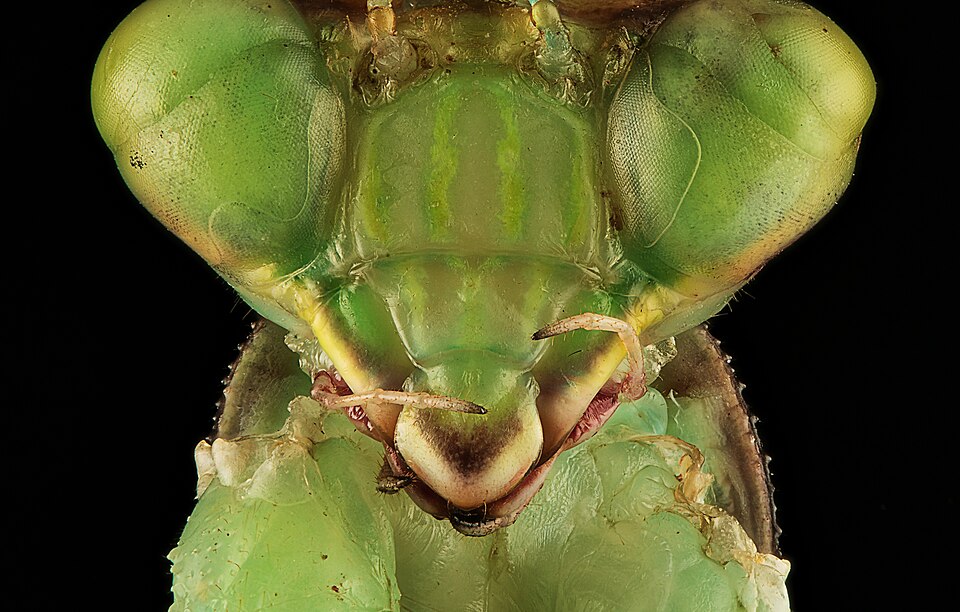
Giant Asian Mantis
Requires continuous live prey and vertical molting space; adults prey on each other; separate housing and feeding schedules are essential.
- Adult size
- 2.76–3.94 in
- Reference Lifespan
- 1–2 yr
- Environment reference
- 71.6–86 °F
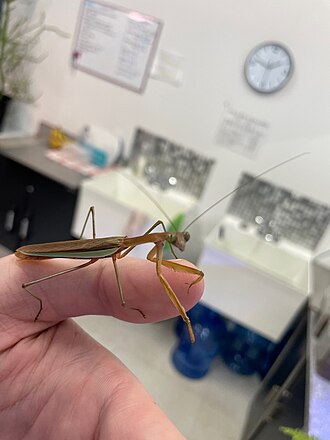
Chinese Mantis
Single housing, live prey, and ample vertical space for molting are key; individuals caught outdoors should not be introduced directly indoors.
- Adult size
- 2.76–3.94 in
- Reference Lifespan
- 1–2 yr
- Environment reference
- 68–82.4 °F
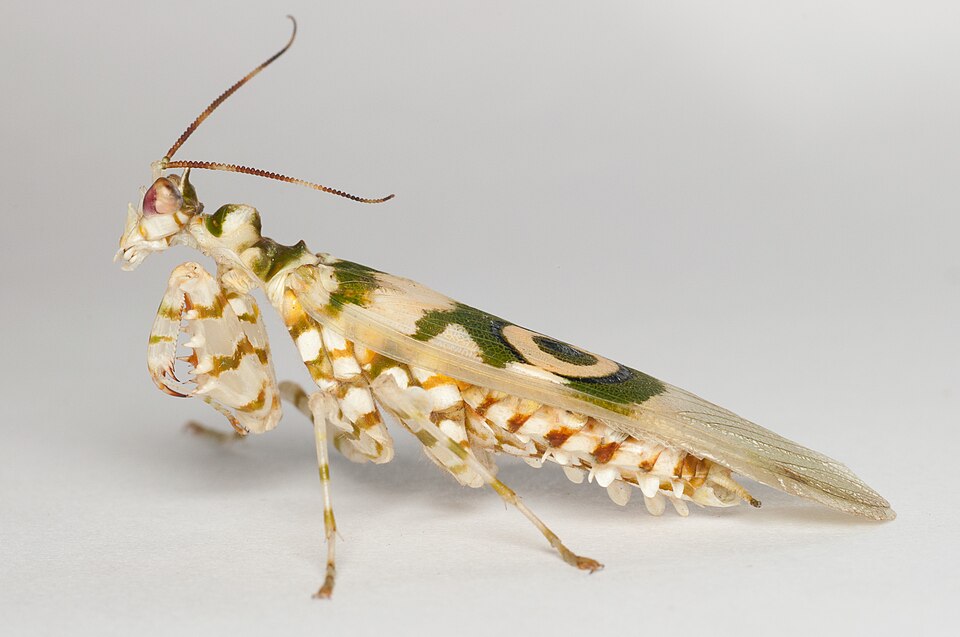
Spiny Flower Mantis
Small body size but fragile molting; live prey size, ventilation, and vertical space require precise control.
- Adult size
- 1.57–2.36 in
- Reference Lifespan
- 1–2 yr
- Environment reference
- 71.6–82.4 °F
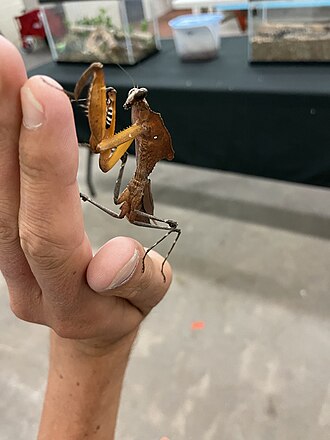
Dead Leaf Mantis
Relies on camouflage against vertical branches and stable humidity; cannot be moved frequently or misted during molting.
- Adult size
- 2.76–3.94 in
- Reference Lifespan
- 1–2 yr
- Environment reference
- 71.6–82.4 °F
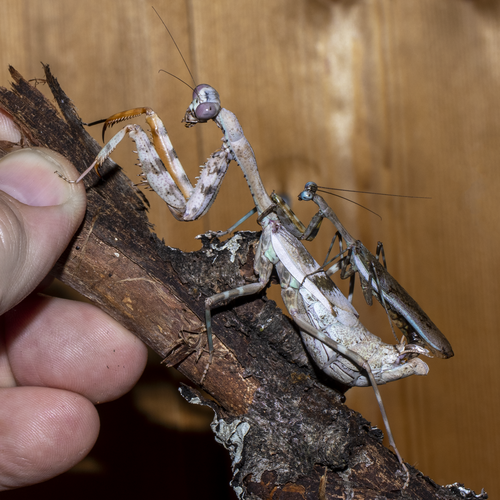
Budwing Mantis
Requires live prey and vertical space for molting; adult behavior and sexual dimorphism must be understood in advance.
- Adult size
- 1.97–3.15 in
- Reference Lifespan
- 1–2 yr
- Environment reference
- 71.6–86 °F
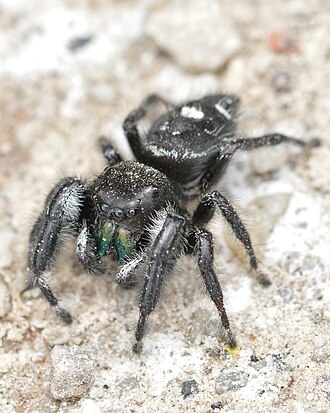
Bold Jumping Spider
Small body size, keen vision, and jumping ability; ventilation holes, micro live prey, and open-top escape-proof enclosures are critical.
- Adult size
- 0.39–0.79 in
- Reference Lifespan
- 1–2 yr
- Environment reference
- 68–82.4 °F
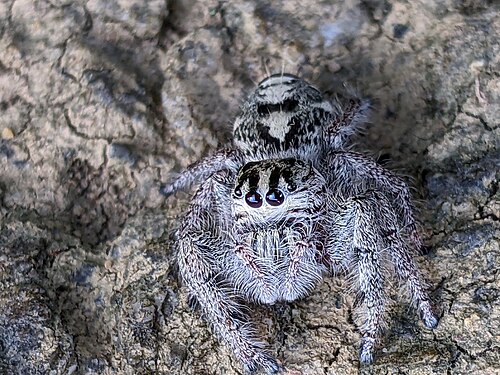
Heavy Jumper
Larger body size and strong jumping ability; vertical space, micro live prey, and secondary enclosures are more important.
- Adult size
- 0.79–1.18 in
- Reference Lifespan
- 1–2 yr
- Environment reference
- 73.4–84.2 °F
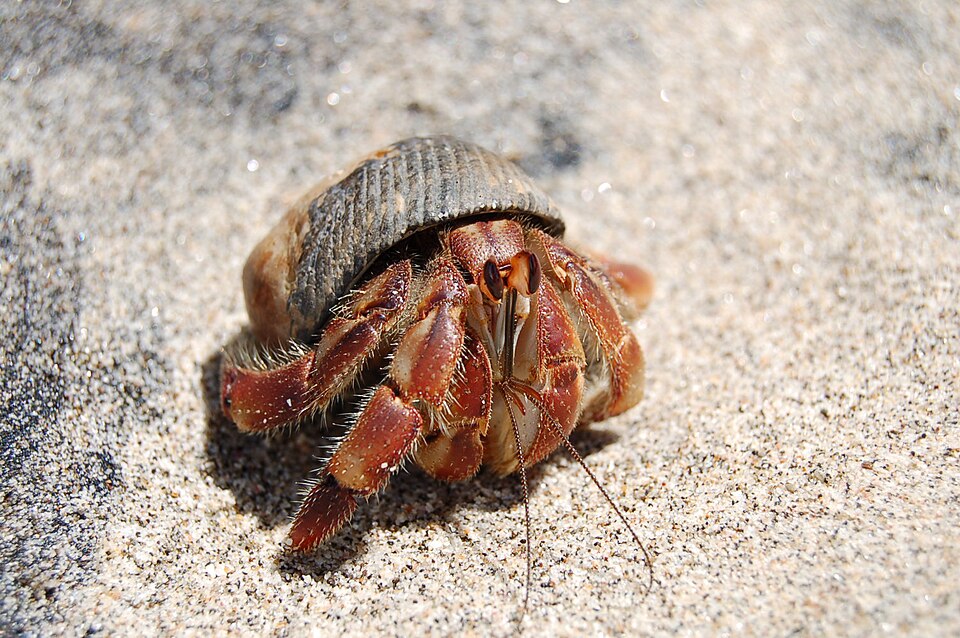
Ecuadorian Hermit Crab
Requires fresh water, salt water, deep moist substrate, and spare shells; a single small box cannot support long-term life.
- Adult size
- 1.18–2.36 in
- Reference Lifespan
- 10–20 yr
- Environment reference
- 75.2–84.2 °F
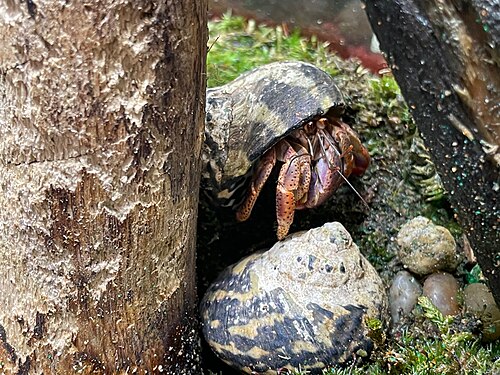
Purple Pincher Hermit Crab
Do not rely solely on a shallow water dish and decorative sand; prepare deep substrate, dual water sources, shells, and communal space.
- Adult size
- 1.57–3.94 in
- Reference Lifespan
- 10–20 yr
- Environment reference
- 75.2–84.2 °F
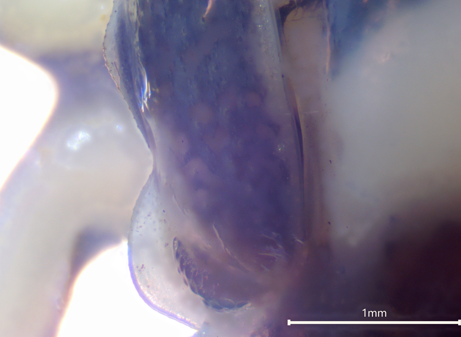
Dairy Cow Isopod
Rapid reproduction and fast population growth; manage wet zones, dry zones, calcium sources, and population control simultaneously.
- Adult size
- 0.39–0.79 in
- Reference Lifespan
- 1–2 yr
- Environment reference
- 68–82.4 °F
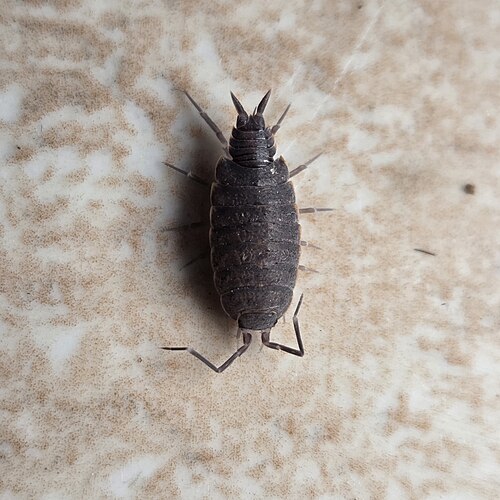
Powder Blue Isopod
Often kept as a cleaning colony but still requires individual management; do not ignore humidity gradients and transfer space after population explosions.
- Adult size
- 0.39–0.79 in
- Reference Lifespan
- 1–2 yr
- Environment reference
- 68–82.4 °F
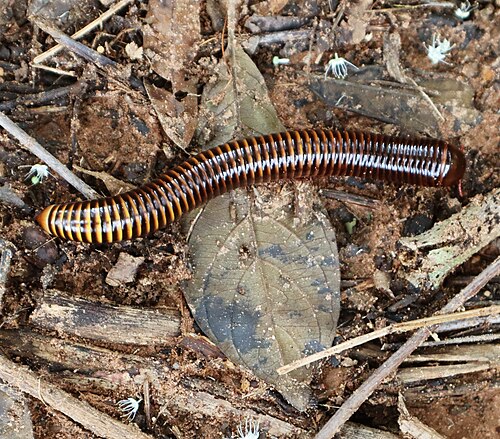
Bumblebee Millipede
Requires deep leaf litter substrate and stable humidity; pay attention to defensive secretions, pesticide-treated wood, and molting periods.
- Adult size
- 2.36–3.94 in
- Reference Lifespan
- 2–4 yr
- Environment reference
- 71.6–82.4 °F
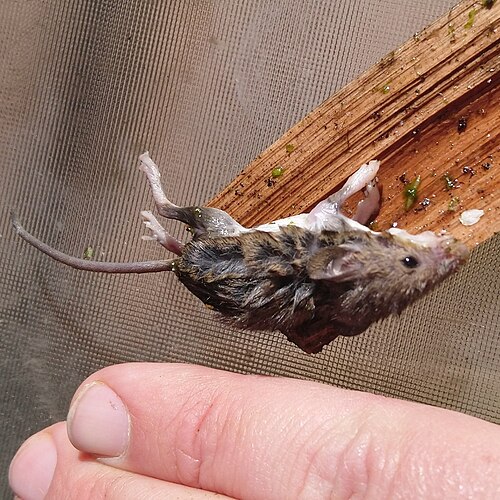
African Pygmy Mouse
Extremely small in size and fast-breeding, requiring careful management of escape-proof mesh, group numbers, and nocturnal activity.
- Adult size
- 1.97–3.15 in
- Reference Lifespan
- 1–2 yr
- Environment reference
- 68–78.8 °F
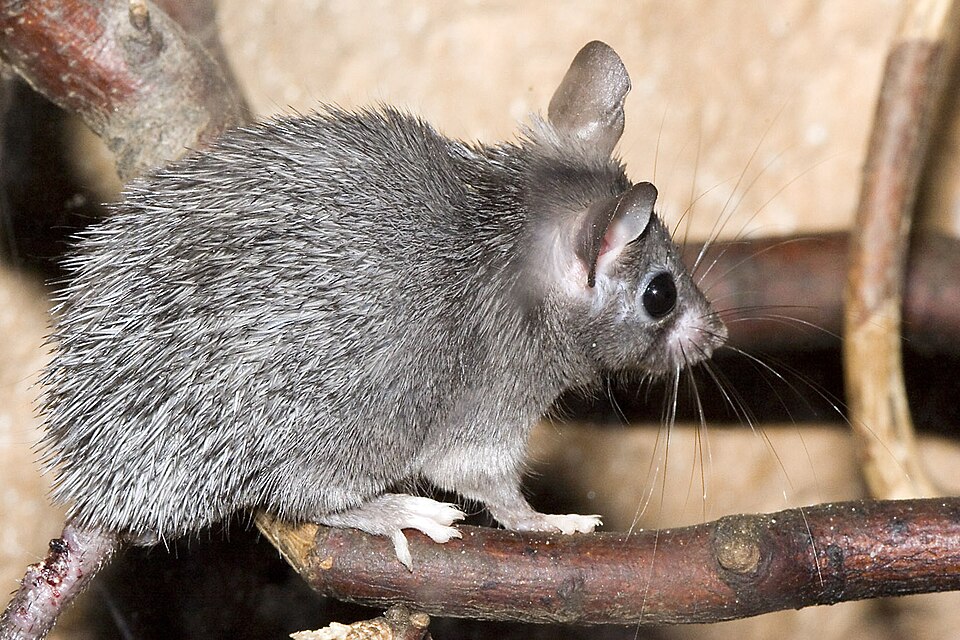
Spiny Mouse
Skin and social dynamics differ from the common house mouse; escape prevention, sand bathing, and low-fat diets must be planned together.
- Adult size
- 3.15–5.12 in
- Reference Lifespan
- 4–7 yr
- Environment reference
- 68–82.4 °F
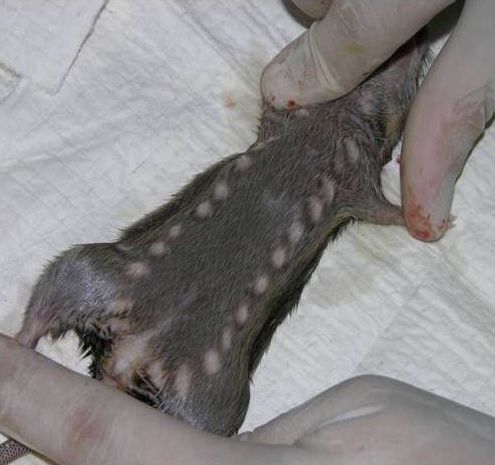
African Soft Furred Rat
Social, active, and fast-breeding; housing space, scent, and isolation cages must be prepared before acquisition.
- Adult size
- 4.72–7.09 in
- Reference Lifespan
- 2–4 yr
- Environment reference
- 68–80.6 °F
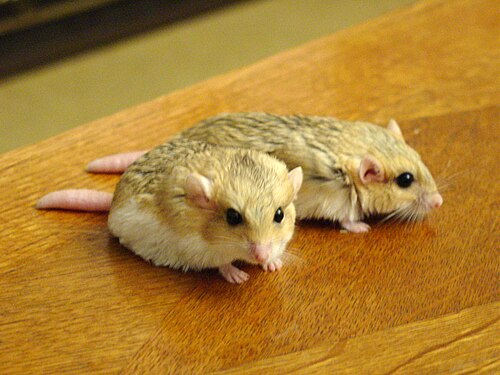
Fat Tailed Gerbil
Tail fat storage and nocturnal activity are key traits; deep bedding, low-sugar diets, and escape prevention are most critical.
- Adult size
- 3.94–5.12 in
- Reference Lifespan
- 4–7 yr
- Environment reference
- 68–82.4 °F
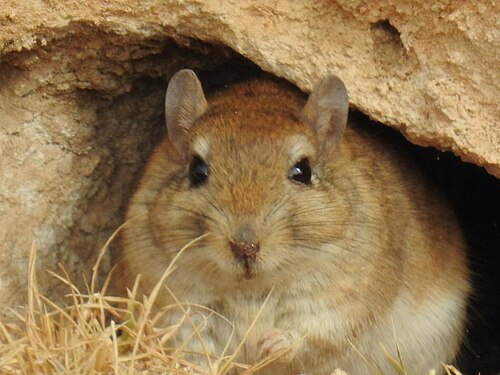
Shaws Jird
Excavators, nocturnal, and prone to biting; deep bedding, chew-proof fencing, and social dynamics must be arranged first.
- Adult size
- 4.72–7.09 in
- Reference Lifespan
- 3–6 yr
- Environment reference
- 68–82.4 °F
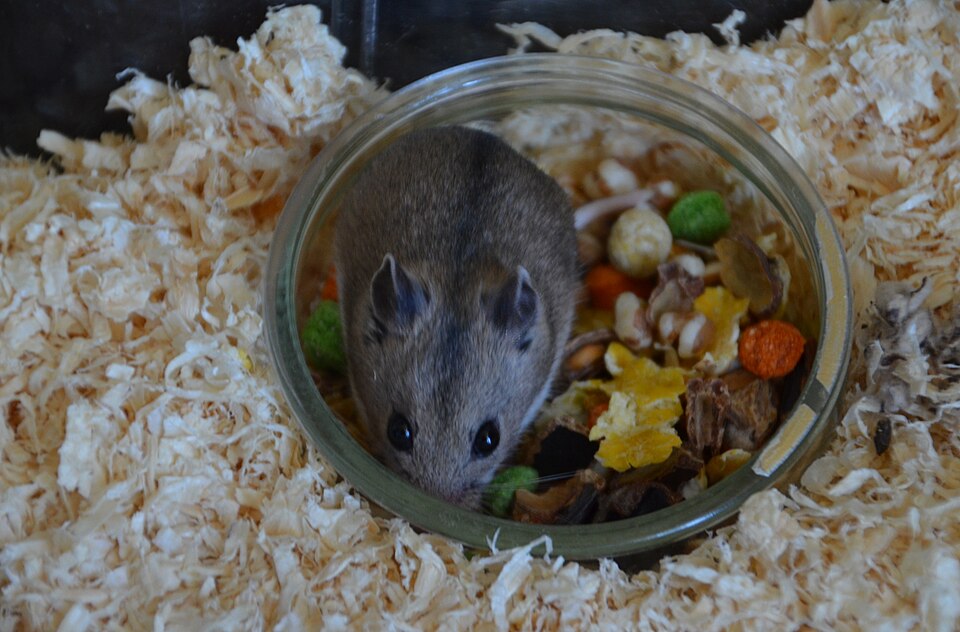
Chinese Hamster
Slender body and strong climbing ability; cage gaps, escape prevention, and single-housing boundaries cannot be simplified based on common hamster experience.
- Adult size
- 3.54–4.72 in
- Reference Lifespan
- 2–4 yr
- Environment reference
- 64.4–77 °F
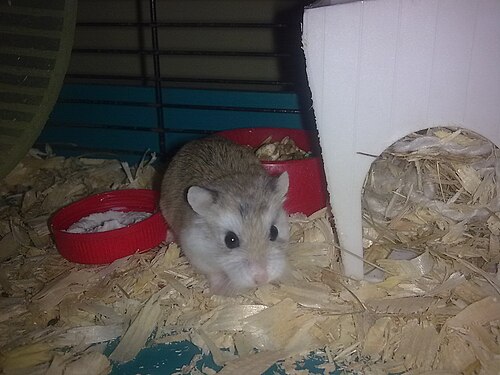
Roborovski Hamster
Small body size, fast, and not necessarily handling-friendly; prioritize wheels, deep bedding, and escape-proofing.
- Adult size
- 1.97–3.15 in
- Reference Lifespan
- 2–4 yr
- Environment reference
- 64.4–77 °F
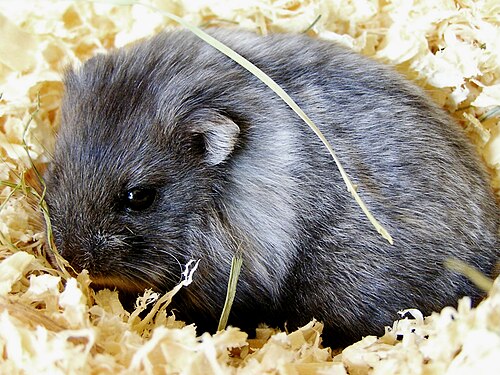
Campbell Dwarf Hamster
Requires deep bedding, stable routine, and controlled-sugar diet; co-housing cannot be assumed safe.
- Adult size
- 3.15–4.33 in
- Reference Lifespan
- 2–3 yr
- Environment reference
- 64.4–77 °F
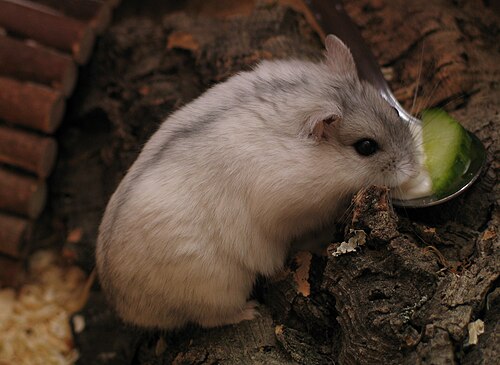
Winter White Hamster
Small body size but requires full running space; lighting, temperature, and co-housing conflicts must be considered in advance.
- Adult size
- 3.15–4.33 in
- Reference Lifespan
- 2–3 yr
- Environment reference
- 64.4–77 °F
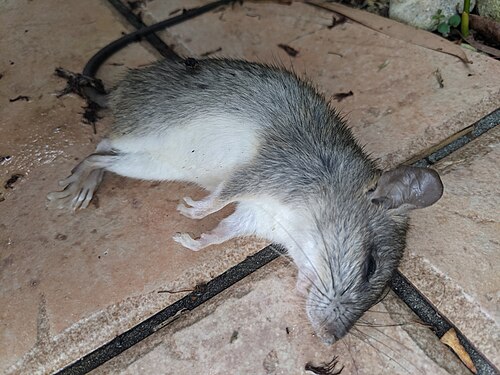
Common Mouse
Fast breeding, strong odor, and good at squeezing into crevices; gender segregation, bedding, and escape-proofing must be implemented simultaneously.
- Adult size
- 2.76–3.94 in
- Reference Lifespan
- 1–3 yr
- Environment reference
- 64.4–78.8 °F
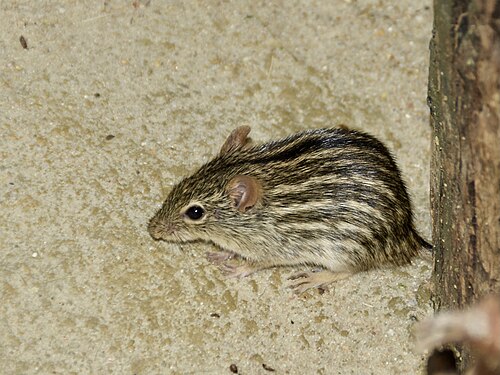
African Striped Mouse
Active, agile, and not necessarily suitable for frequent handling; requires long cages, group observation, and escape-proofing.
- Adult size
- 3.94–5.51 in
- Reference Lifespan
- 2–4 yr
- Environment reference
- 64.4–78.8 °F
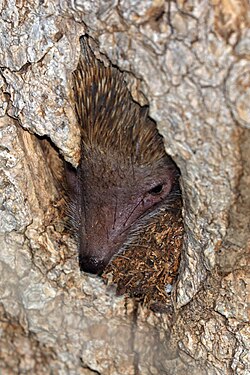
African Pygmy Tenrec
Nocturnal, seasonal hibernation, and diet differ from common hedgehogs; temperature fluctuations and exotics veterinary care must be verified first.
- Adult size
- 5.12–7.09 in
- Reference Lifespan
- 4–8 yr
- Environment reference
- 71.6–86 °F
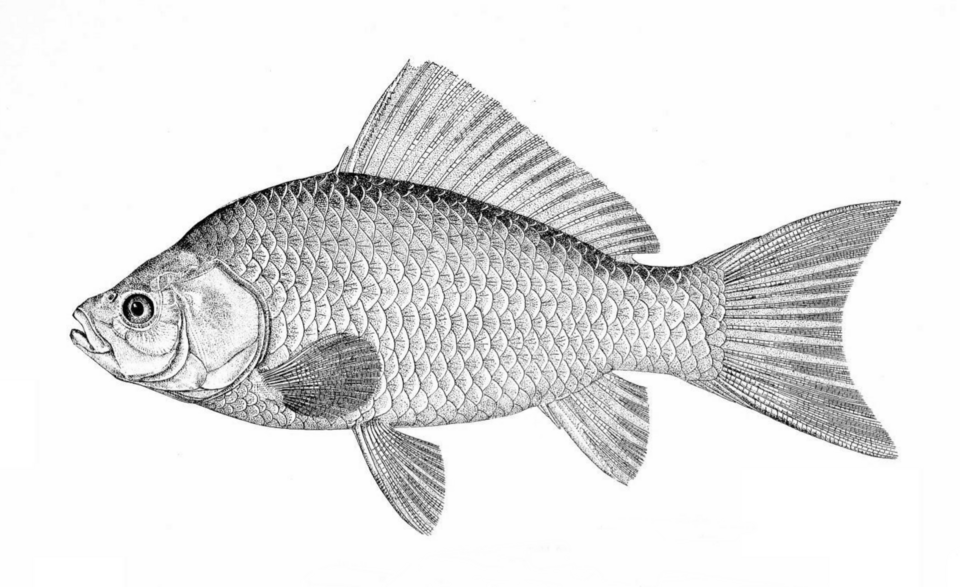
Comet Goldfish
Tolerance does not equal suitability for small tanks; adult waste output, filtration, and group space must be calculated for long-term conditions.
- Adult size
- 7.87–13.78 in
- Reference Lifespan
- 10–20 yr
- Water Temperature
- 64.4–78.8 °F
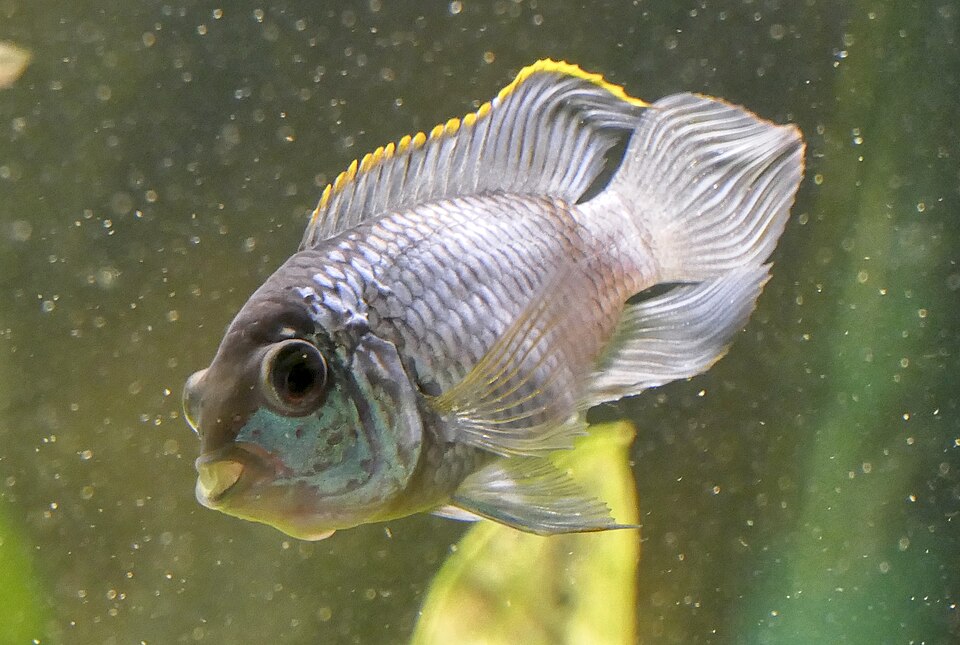
Electric Blue Acara
Relatively peaceful but still possess breeding territories; mature water volume, hiding spots, and group planning are more important than color.
- Adult size
- 4.72–7.09 in
- Reference Lifespan
- 8–12 yr
- Water Temperature
- 73.4–84.2 °F
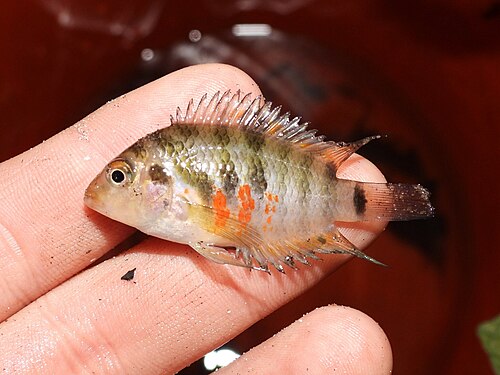
Convict Cichlid
Rapid breeding and strong territoriality; tank zoning and juvenile disposition must be considered before purchase.
- Adult size
- 3.94–5.91 in
- Reference Lifespan
- 8–12 yr
- Water Temperature
- 73.4–84.2 °F
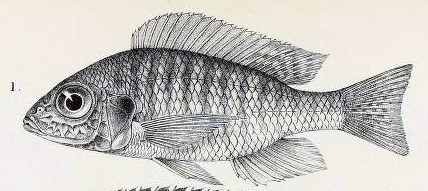
Peacock Cichlid
Requires stable, slightly alkaline water and proper stocking ratios; reserve capacity for territory and filtration in community tanks.
- Adult size
- 3.94–5.91 in
- Reference Lifespan
- 6–10 yr
- Water Temperature
- 75.2–82.4 °F
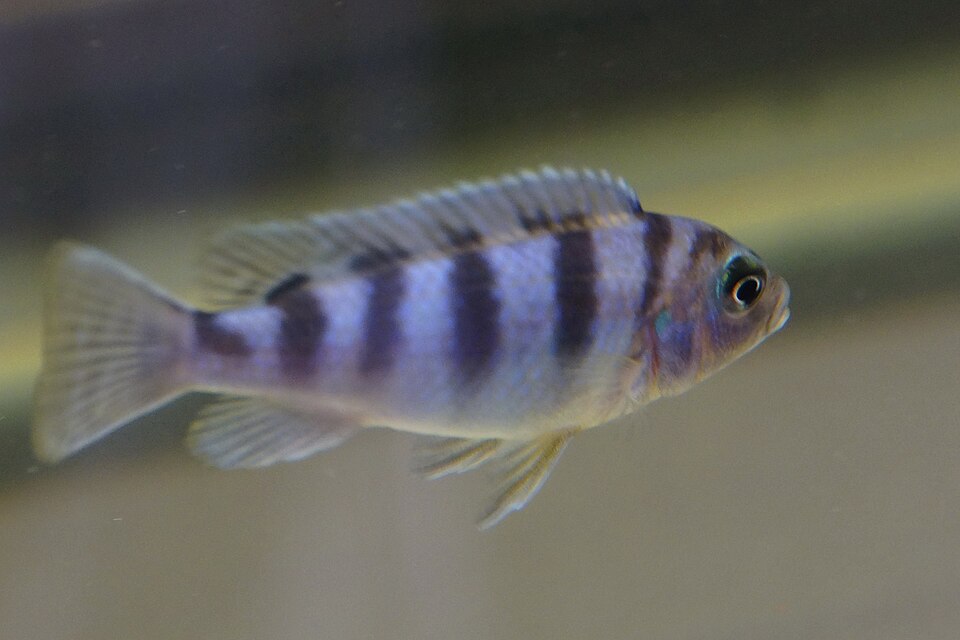
Mbuna Cichlid
Territorial aggression and high alkalinity are core challenges; plan for rock cover, proper group ratios, and quarantine tanks first.
- Adult size
- 3.94–5.51 in
- Reference Lifespan
- 6–10 yr
- Water Temperature
- 75.2–82.4 °F
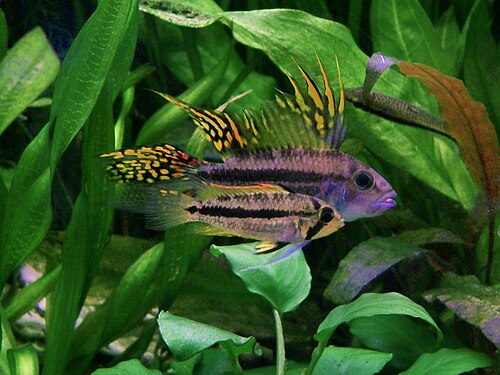
Cockatoo Cichlid
Requires cover, soft water, and breeding zones; community tanks must provide isolation space.
- Adult size
- 2.36–3.94 in
- Reference Lifespan
- 3–5 yr
- Water Temperature
- 73.4–82.4 °F
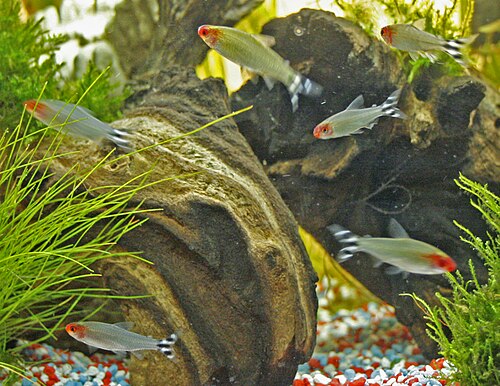
Rummy Nose Tetra
Schooling and water stability are more important than individual price; prioritize a mature cycle, cover, and sufficient companions.
- Adult size
- 1.57–1.97 in
- Reference Lifespan
- 4–6 yr
- Water Temperature
- 75.2–82.4 °F
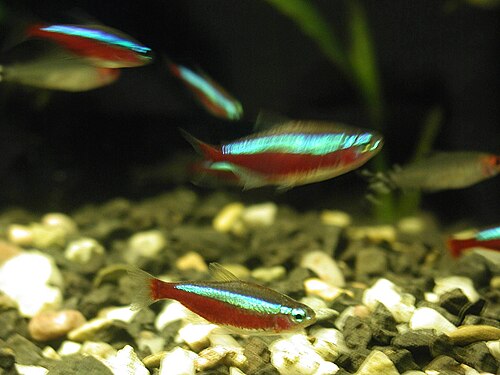
Cardinal Tetra
Requires stable, soft, acidic water and proper group numbers; fluctuations in a newly cycled tank will cause losses faster than the fish's size.
- Adult size
- 1.18–1.97 in
- Reference Lifespan
- 3–5 yr
- Water Temperature
- 73.4–82.4 °F
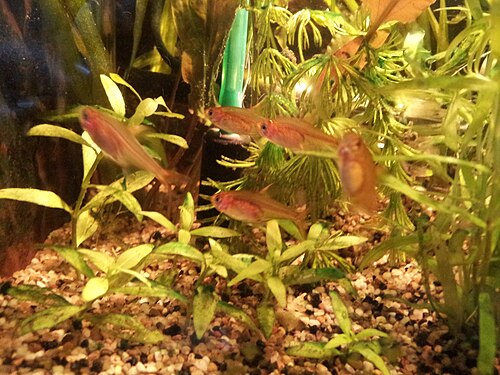
Ember Tetra
Small schooling fish require mature micro-ecosystems and fine-grained food; observe when mixing species for feeding competition.
- Adult size
- 0.79–1.18 in
- Reference Lifespan
- 2–4 yr
- Water Temperature
- 73.4–84.2 °F
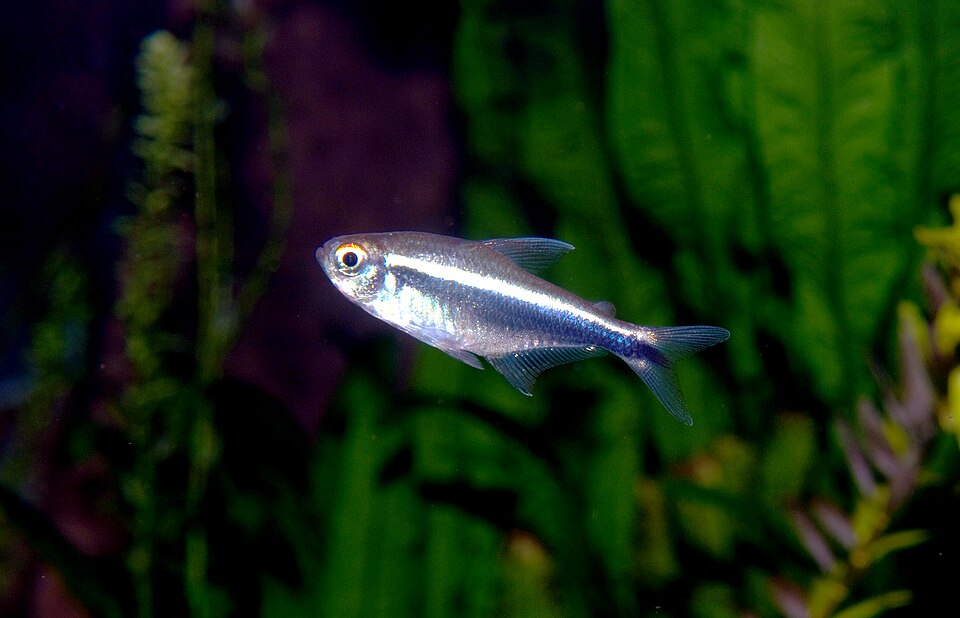
Black Neon Tetra
Schooling, shelter, and stable water quality are basic requirements; long-term single-tank setups are not viable.
- Adult size
- 1.18–1.57 in
- Reference Lifespan
- 3–5 yr
- Water Temperature
- 73.4–82.4 °F
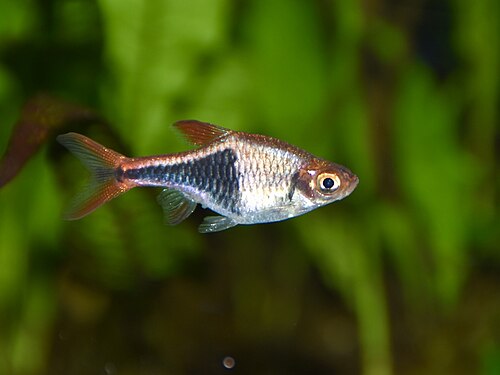
Harlequin Rasbora
Requires schooling, plant cover, and stable water quality; strong currents cause chronic stress in small fish.
- Adult size
- 1.57–1.97 in
- Reference Lifespan
- 4–6 yr
- Water Temperature
- 73.4–84.2 °F
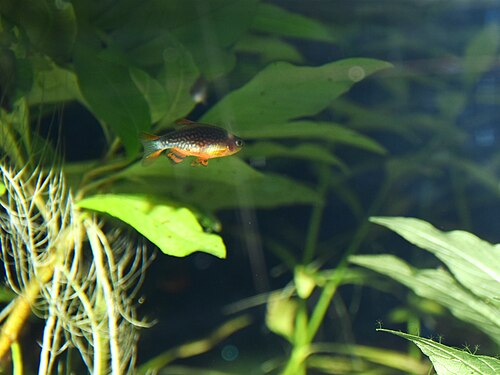
Celestial Pearl Danio
Small body size, rapid reproduction, and need for live micro-prey; high stocking density, schooling, and stable water quality must be synchronized.
- Adult size
- 0.79–1.18 in
- Reference Lifespan
- 2–4 yr
- Water Temperature
- 68–78.8 °F
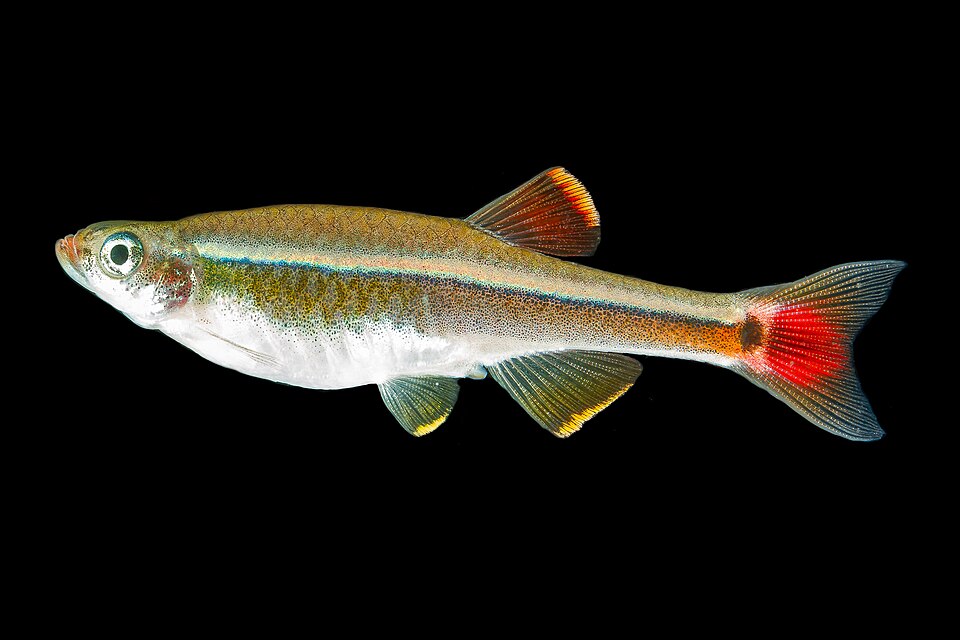
White Cloud Mountain Minnow
Cool-water schooling fish; summer cooling, sufficient conspecifics, and gentle currents are more critical than small tank volume.
- Adult size
- 1.18–1.97 in
- Reference Lifespan
- 4–6 yr
- Water Temperature
- 64.4–75.2 °F
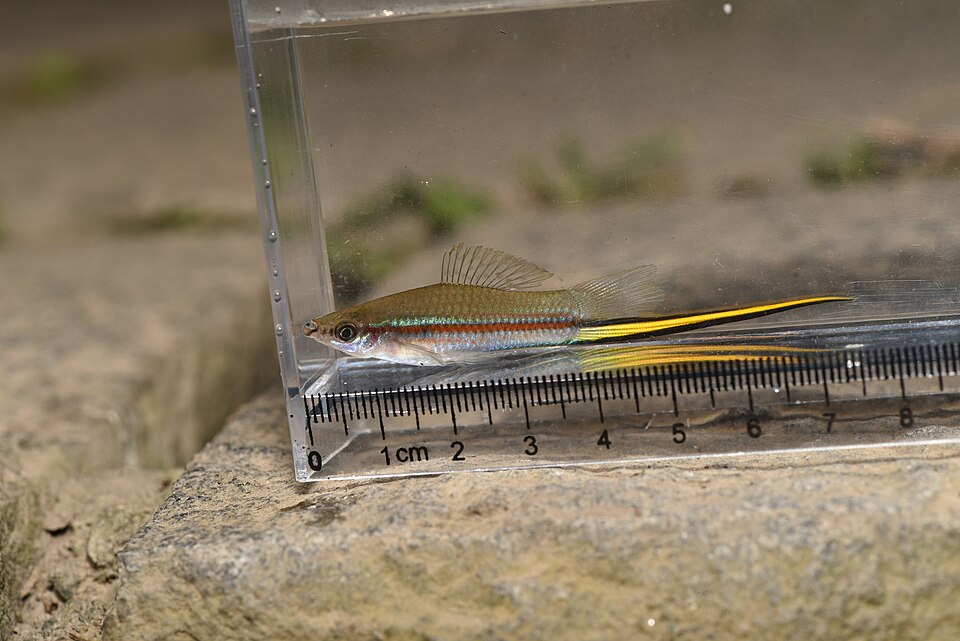
Swordtail
Rapid reproduction with males potentially chasing conspecifics; plan group ratios, filtration, and fry disposition in advance.
- Adult size
- 3.15–5.51 in
- Reference Lifespan
- 3–5 yr
- Water Temperature
- 71.6–82.4 °F
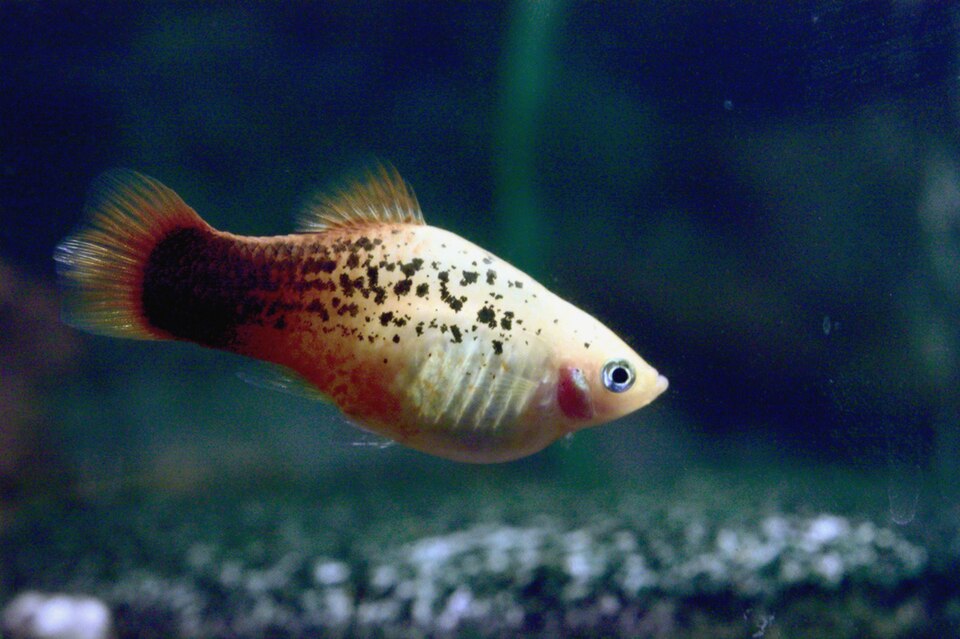
Platy
Moderate hardiness but high reproduction rates; water hardness, group ratios, and isolation space require advance planning.
- Adult size
- 1.97–2.76 in
- Reference Lifespan
- 3–5 yr
- Water Temperature
- 71.6–82.4 °F
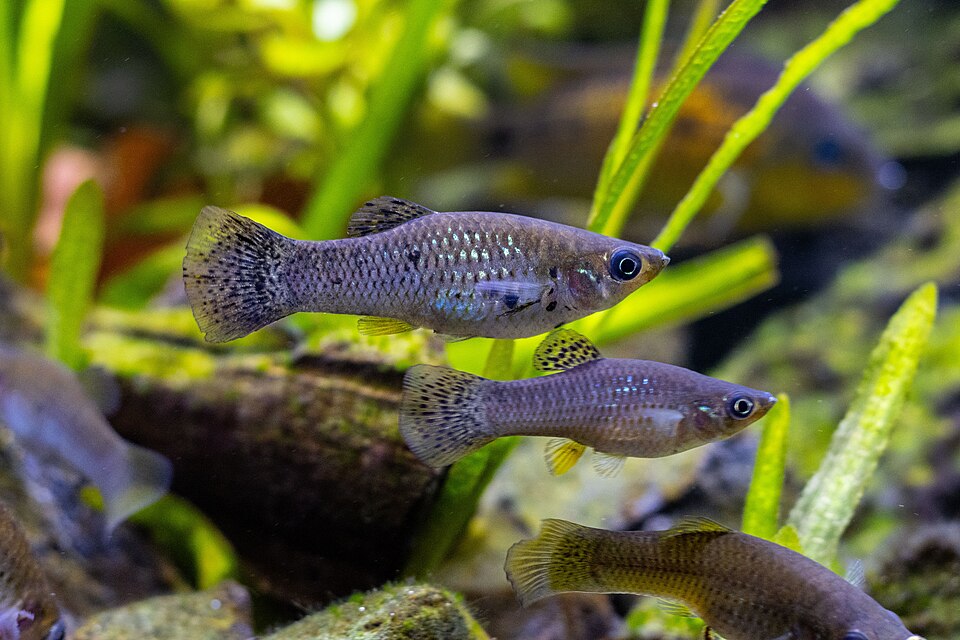
Molly
Requires higher minerals and a stable group; breeding, salinity, and water load are easily underestimated.
- Adult size
- 2.36–4.72 in
- Reference Lifespan
- 3–5 yr
- Water Temperature
- 75.2–86 °F
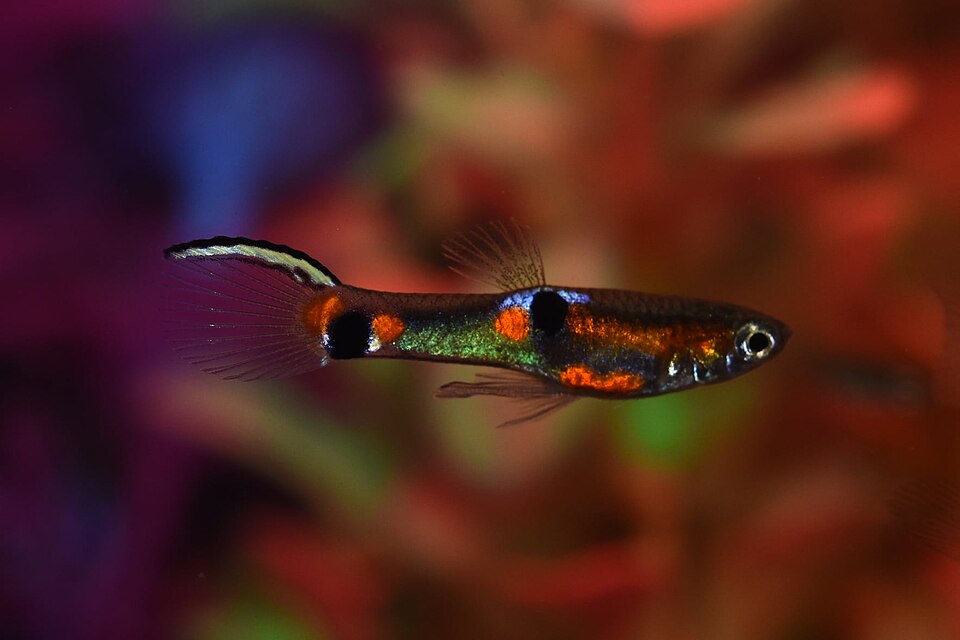
Endlers Livebearer
Small body size, fast breeding, and prone to hybridization; plan carefully for group numbers, fry destination, and genetic lines.
- Adult size
- 0.79–1.57 in
- Reference Lifespan
- 2–3 yr
- Water Temperature
- 71.6–82.4 °F
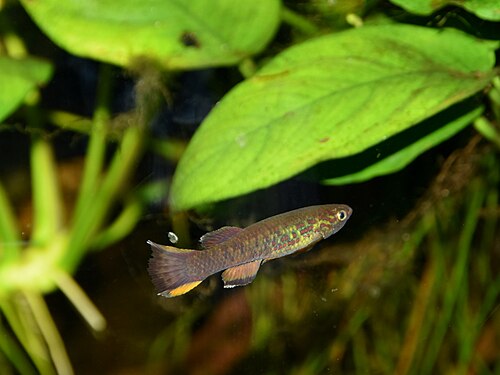
Australe Killifish
Prefers cool water, prone to jumping, and has a unique breeding method; prepare covers, live food, and a hatching plan in advance.
- Adult size
- 1.97–2.76 in
- Reference Lifespan
- 2–4 yr
- Water Temperature
- 68–77 °F
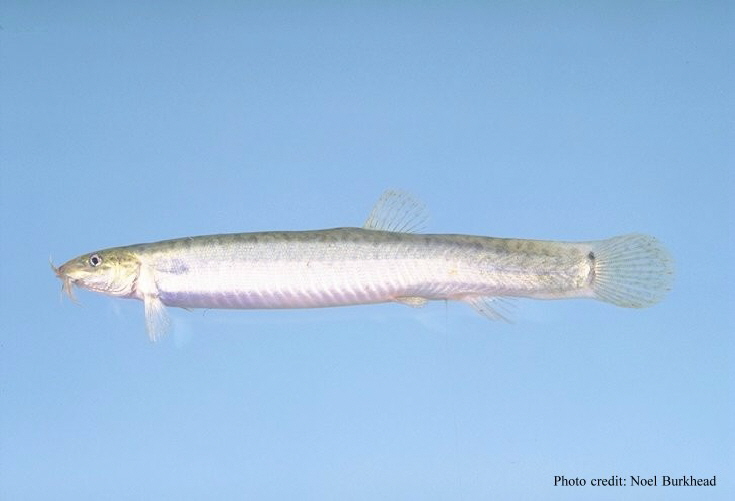
Dojo Loach
Benthic, burrows in substrate, and can jump out of the tank; plan substrate, escape prevention, and group space based on adult size.
- Adult size
- 5.91–9.84 in
- Reference Lifespan
- 8–12 yr
- Water Temperature
- 64.4–78.8 °F
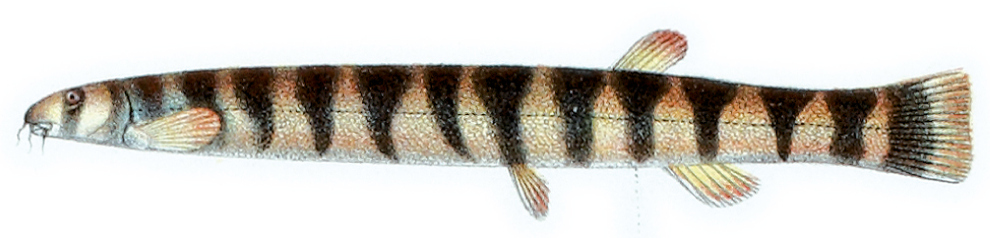
Kuhli Loach
Nocturnal schooling and likes to burrow in substrate; fine smooth substrate, hiding spots, and sufficient companions are basic requirements.
- Adult size
- 3.15–4.72 in
- Reference Lifespan
- 8–12 yr
- Water Temperature
- 75.2–86 °F
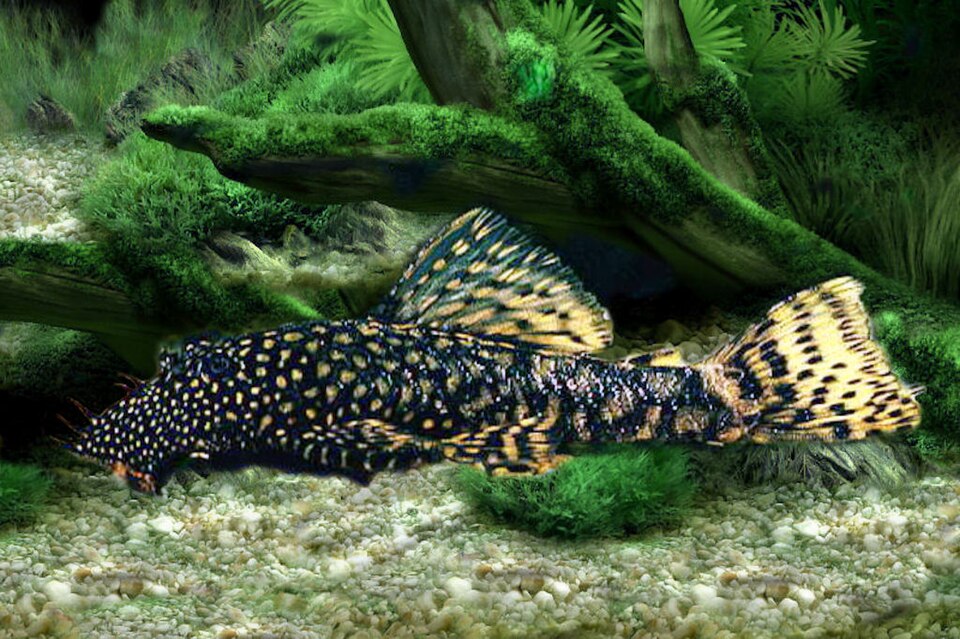
Bristlenose Pleco
Requires driftwood, hiding spots, and high-fiber food; cannot rely solely on tank wall algae for long-term nutrition.
- Adult size
- 3.94–5.91 in
- Reference Lifespan
- 8–12 yr
- Water Temperature
- 73.4–84.2 °F
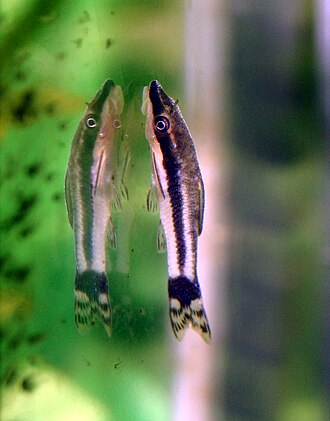
Otocinclus
Requires mature tanks, algae films, and stable dissolved oxygen; newly introduced individuals are prone to losses from starvation and transport stress.
- Adult size
- 1.18–1.97 in
- Reference Lifespan
- 3–5 yr
- Water Temperature
- 71.6–82.4 °F
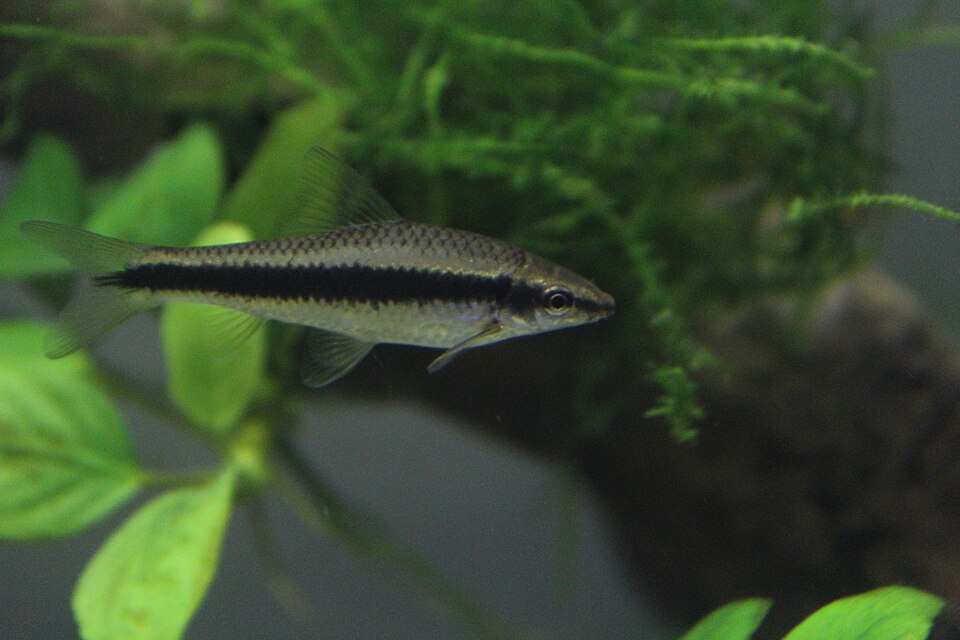
Siamese Algae Eater
Algae-removal capacity changes with age; long-term care must adjust for group size, water flow, and supplemental feeding.
- Adult size
- 4.72–6.3 in
- Reference Lifespan
- 6–10 yr
- Water Temperature
- 73.4–82.4 °F
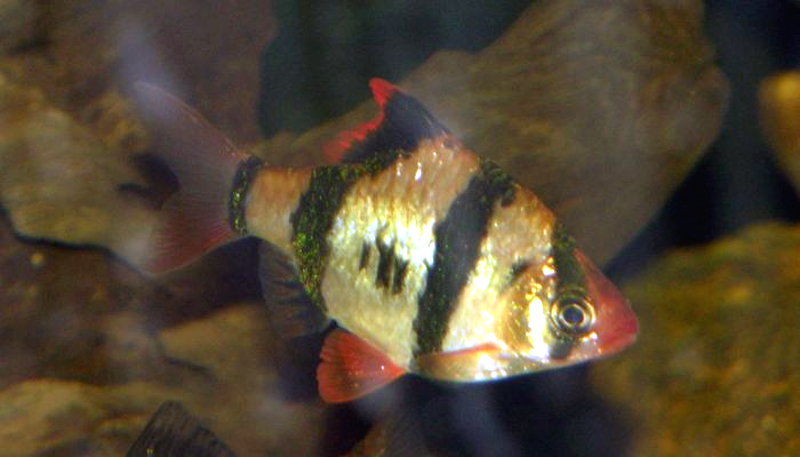
Tiger Barb
Schooling disperses chasing behavior; stocking numbers, tank mates, and filter cycling must be considered together.
- Adult size
- 1.97–2.76 in
- Reference Lifespan
- 5–7 yr
- Water Temperature
- 73.4–82.4 °F
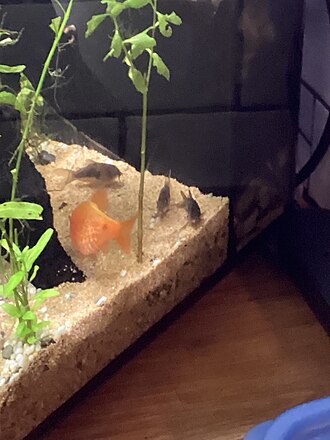
Rosy Barb
Cool-water schooling fish; sufficient companions, open swimming space, and summer temperature control must all be included.
- Adult size
- 3.15–4.72 in
- Reference Lifespan
- 5–7 yr
- Water Temperature
- 64.4–78.8 °F
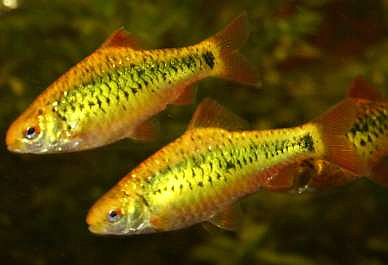
Gold Barb
Schooling, plant cover, and stable filtration reduce stress; separate space is also needed during breeding season.
- Adult size
- 2.36–3.54 in
- Reference Lifespan
- 5–7 yr
- Water Temperature
- 68–80.6 °F
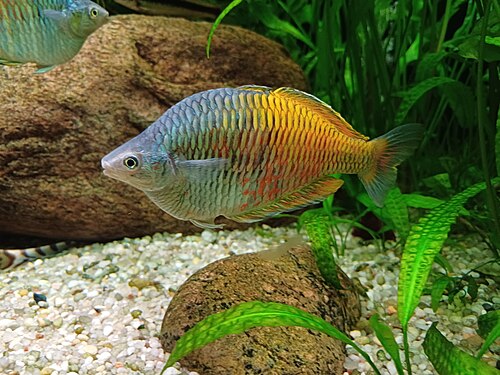
Boesemani Rainbowfish
Requires schooling and horizontal swimming space; adult coloration and body size depend on stable water quality and a balanced diet.
- Adult size
- 3.94–5.51 in
- Reference Lifespan
- 5–8 yr
- Water Temperature
- 75.2–82.4 °F
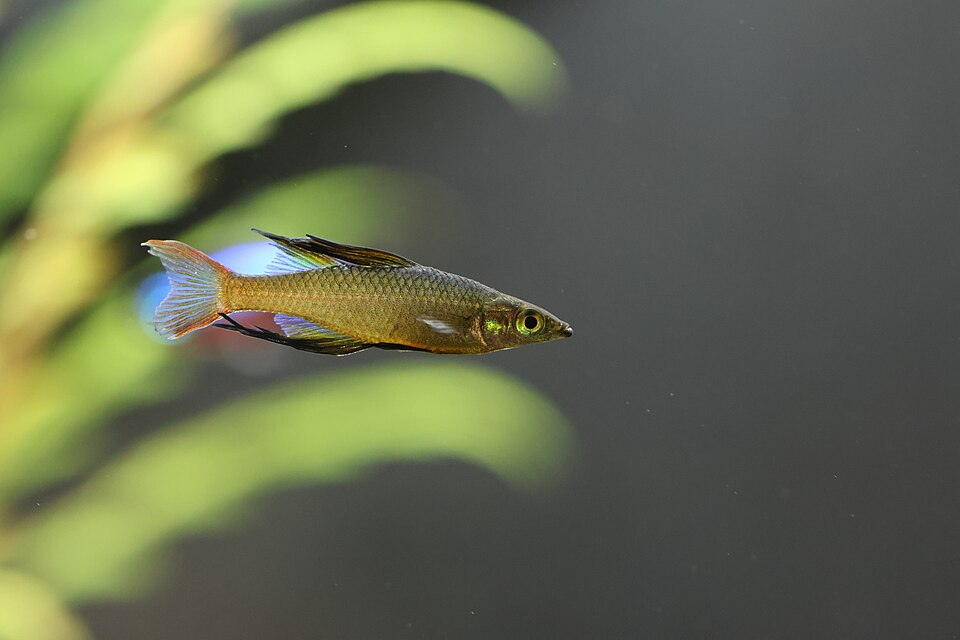
Threadfin Rainbowfish
Delicate fin rays, small body size, and fine mouth structure; gentle tank mates, micro-foods, and stable water flow are essential.
- Adult size
- 1.57–1.97 in
- Reference Lifespan
- 3–5 yr
- Water Temperature
- 75.2–84.2 °F
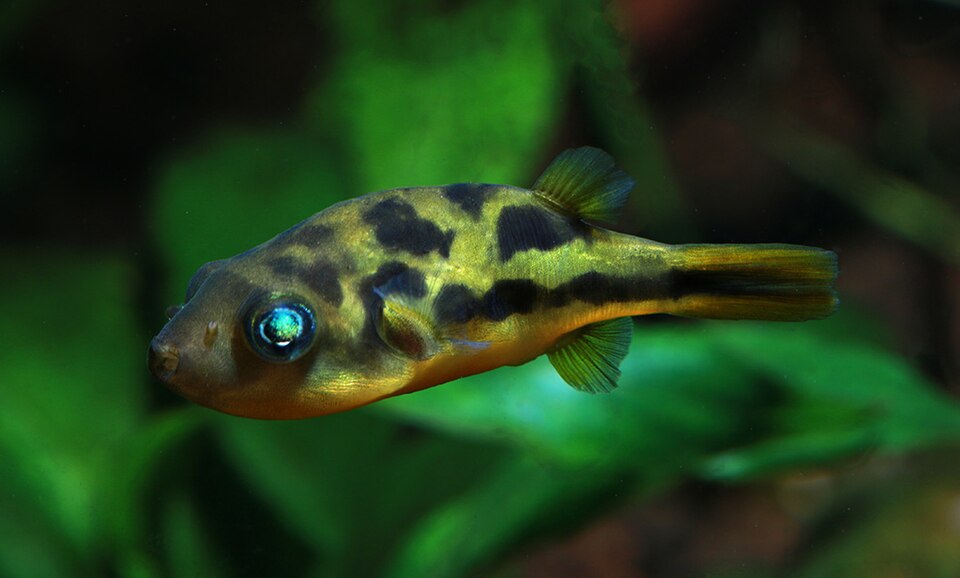
Pea Puffer
Small body size but with distinct territory and live food requirements; single housing or dense planting in separate zones must be arranged based on individual responses.
- Adult size
- 0.79–1.18 in
- Reference Lifespan
- 3–5 yr
- Water Temperature
- 75.2–82.4 °F
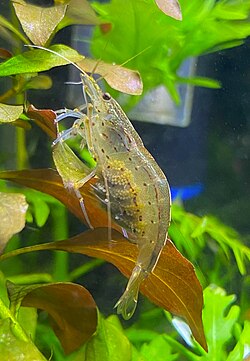
Amano Shrimp
Requires mature algal films and stable minerals; molting periods, species mixing predation, and suction risks must be monitored.
- Adult size
- 1.57–2.36 in
- Reference Lifespan
- 2–4 yr
- Water Temperature
- 68–80.6 °F
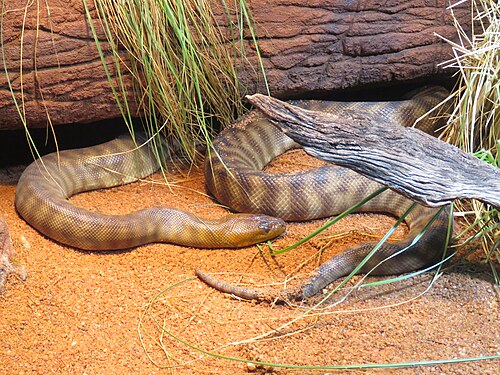
Woma Python
Drought tolerance does not mean ignoring temperature gradients; adult length and continuous movement requirements must be planned for large enclosures.
- Adult size
- 47.24–70.87 in
- Reference Lifespan
- 15–20 yr
- Environment reference
- 75.2–89.6 °F
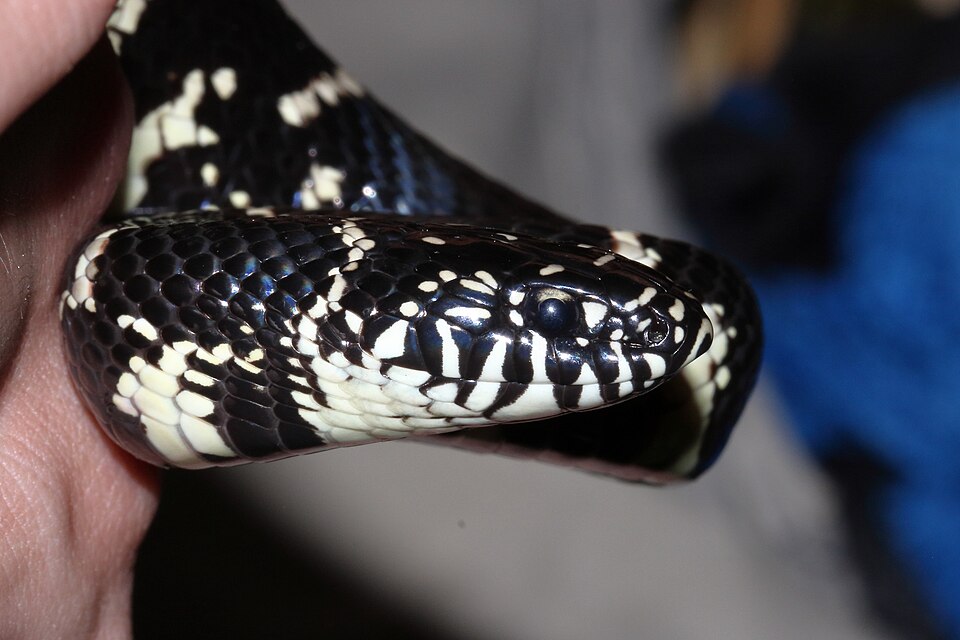
Eastern Kingsnake
High activity and strong foraging response; keep alone, secure enclosure to prevent escape, and include protocols to avoid cannibalism.
- Adult size
- 35.43–59.06 in
- Reference Lifespan
- 15–20 yr
- Environment reference
- 71.6–86 °F
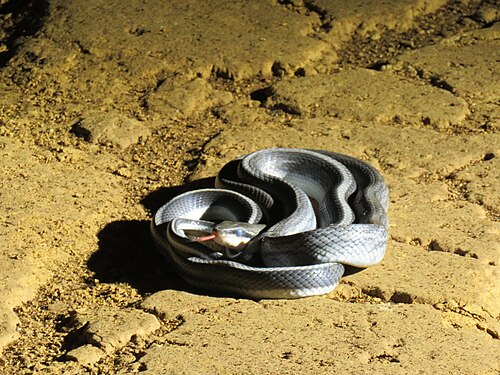
Beauty Rat Snake
Slender body, strong climbing and escape ability; verify source, scientific name, and regional regulations before purchase.
- Adult size
- 59.06–86.61 in
- Reference Lifespan
- 15–20 yr
- Environment reference
- 71.6–86 °F
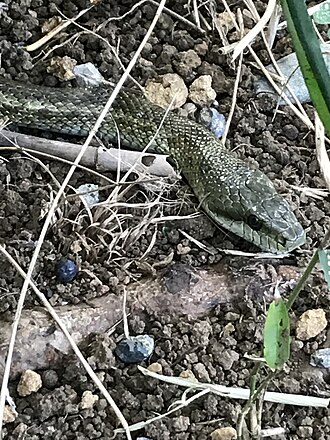
Japanese Rat Snake
Requires sufficient length and climbing structures; seasonal temperature changes and hibernation cycles must be understood in advance.
- Adult size
- 39.37–70.87 in
- Reference Lifespan
- 15–20 yr
- Environment reference
- 68–82.4 °F
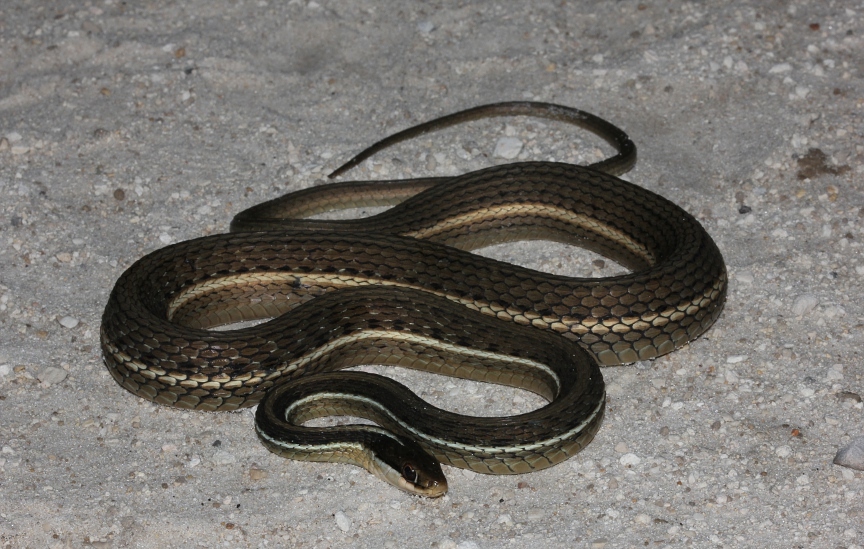
Ribbon Snake
Active, escape-prone, and prefers moist hiding spots; diet and ventilation must both remain stable.
- Adult size
- 23.62–35.43 in
- Reference Lifespan
- 8–12 yr
- Environment reference
- 71.6–82.4 °F
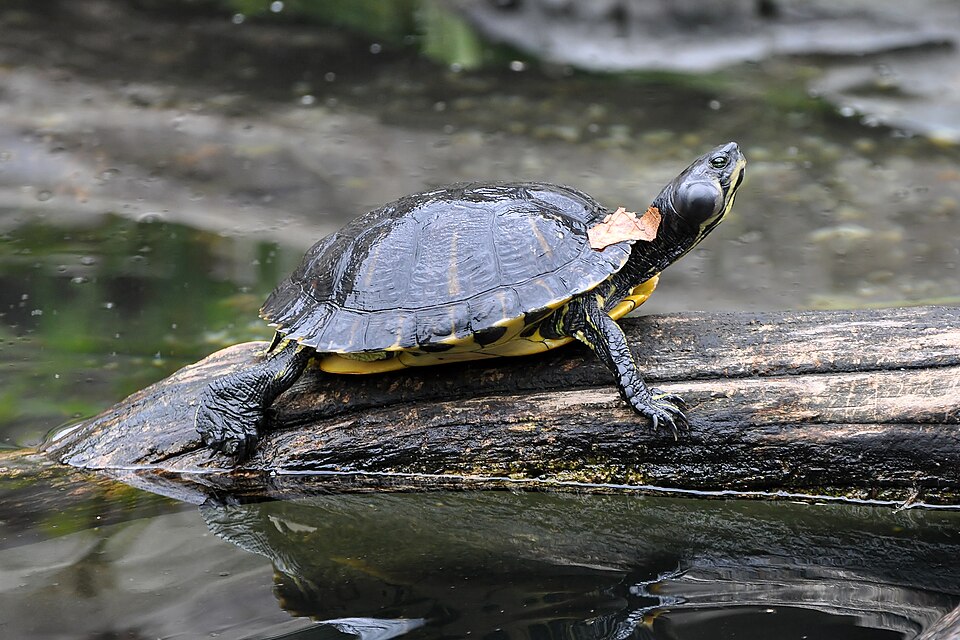
Yellow Bellied Slider
Juveniles are often underestimated; adult size, filtration load, basking platforms, and regulatory issues must be planned for long-term conditions.
- Adult size
- 7.87–11.81 in
- Reference Lifespan
- 20–30 yr
- Environment reference
- 75.2–86 °F
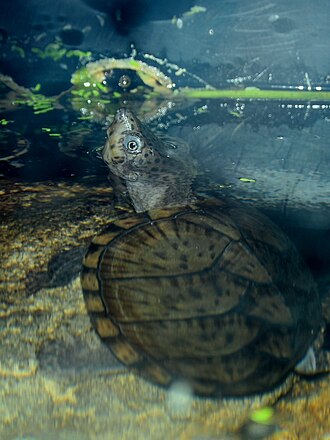
Razor Backed Musk Turtle
Small body size but requires stable water quality, substrate area, and surface aeration; small boxes cannot replace aquariums for long-term housing.
- Adult size
- 3.94–5.91 in
- Reference Lifespan
- 20–30 yr
- Environment reference
- 71.6–82.4 °F
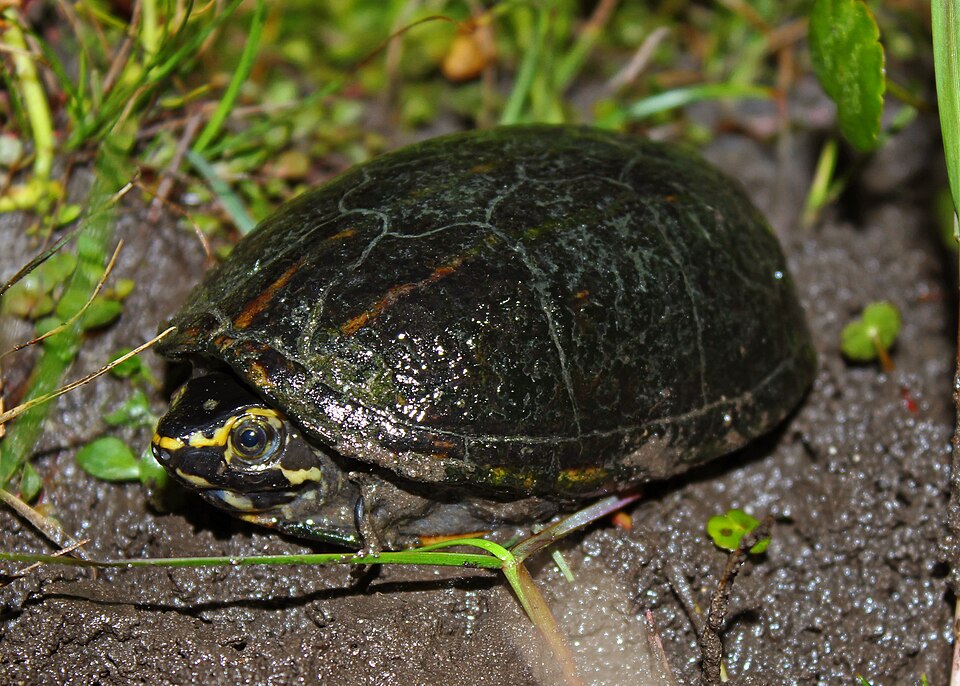
Striped Mud Turtle
Shallow water, basking platforms, and hides must form a safe route; water quality fluctuations directly impact feeding and activity.
- Adult size
- 3.94–5.91 in
- Reference Lifespan
- 20–30 yr
- Environment reference
- 71.6–82.4 °F
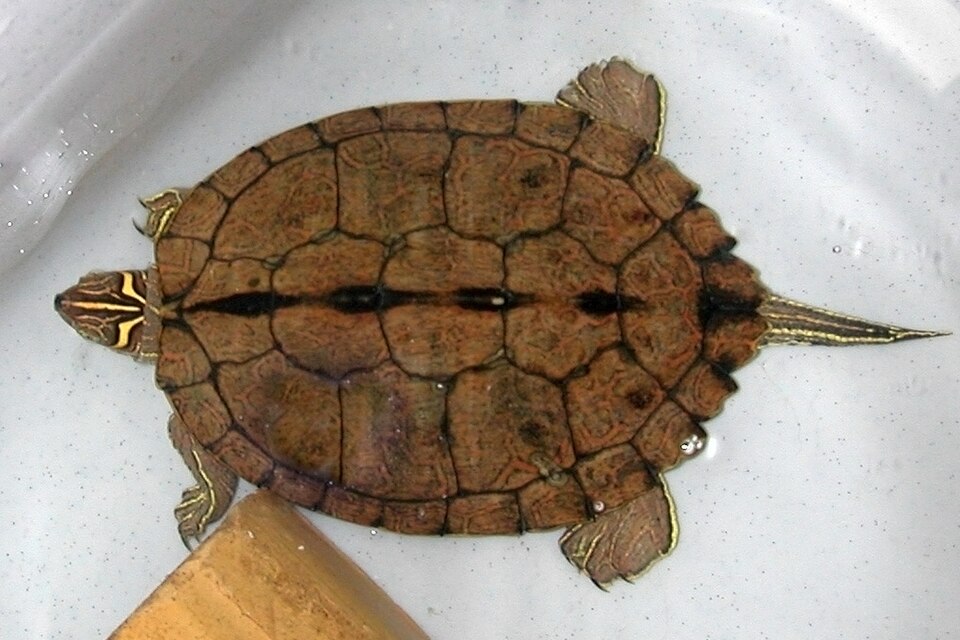
Map Turtle
Sexual dimorphism in body size may be significant; basking platforms, filtration, and adult substrate area must be prepared for the larger individual.
- Adult size
- 3.94–9.84 in
- Reference Lifespan
- 15–25 yr
- Environment reference
- 73.4–84.2 °F
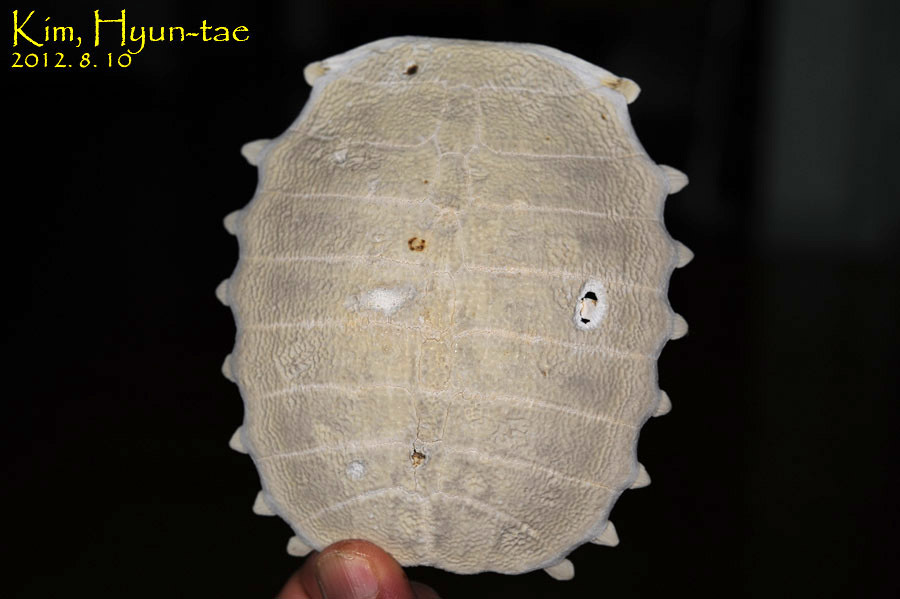
Chinese Softshell Turtle
Bites, burrows, and has specific water quality and substrate requirements; source, usage, and regional regulations must be verified separately.
- Adult size
- 7.87–13.78 in
- Reference Lifespan
- 20–30 yr
- Environment reference
- 71.6–82.4 °F
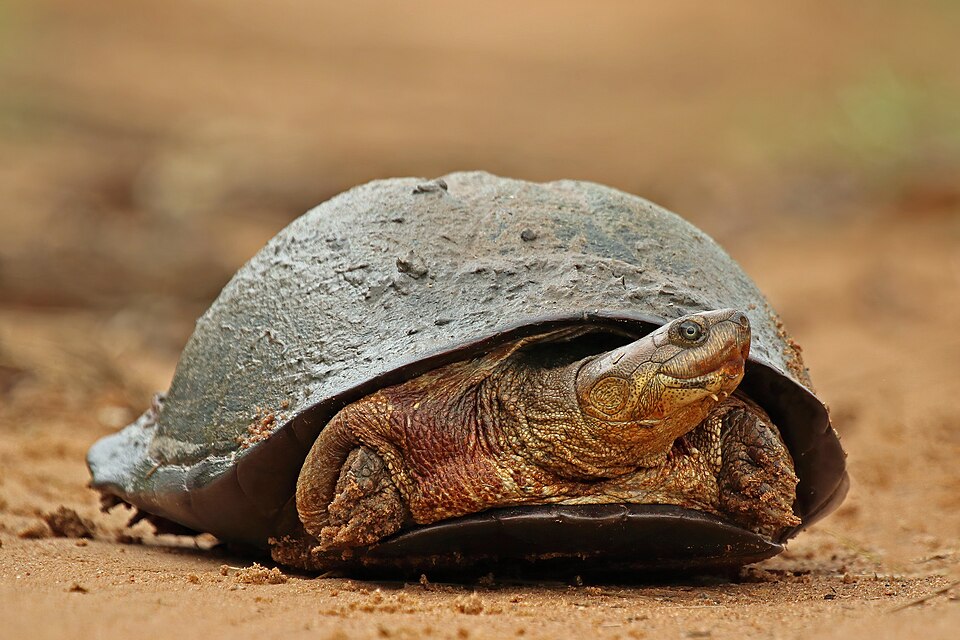
African Helmeted Turtle
Basking and water quality are equally important; the activity space and filtration capacity for adults cannot be estimated based on juveniles.
- Adult size
- 5.91–9.84 in
- Reference Lifespan
- 20–30 yr
- Environment reference
- 71.6–86 °F
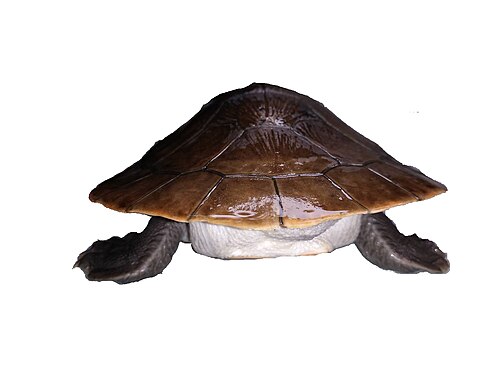
Pink Bellied Side Necked Turtle
Requires stable water temperature, basking platforms, and strong filtration; when kept in community, watch for food competition and size differences.
- Adult size
- 7.87–11.81 in
- Reference Lifespan
- 25–35 yr
- Environment reference
- 75.2–84.2 °F
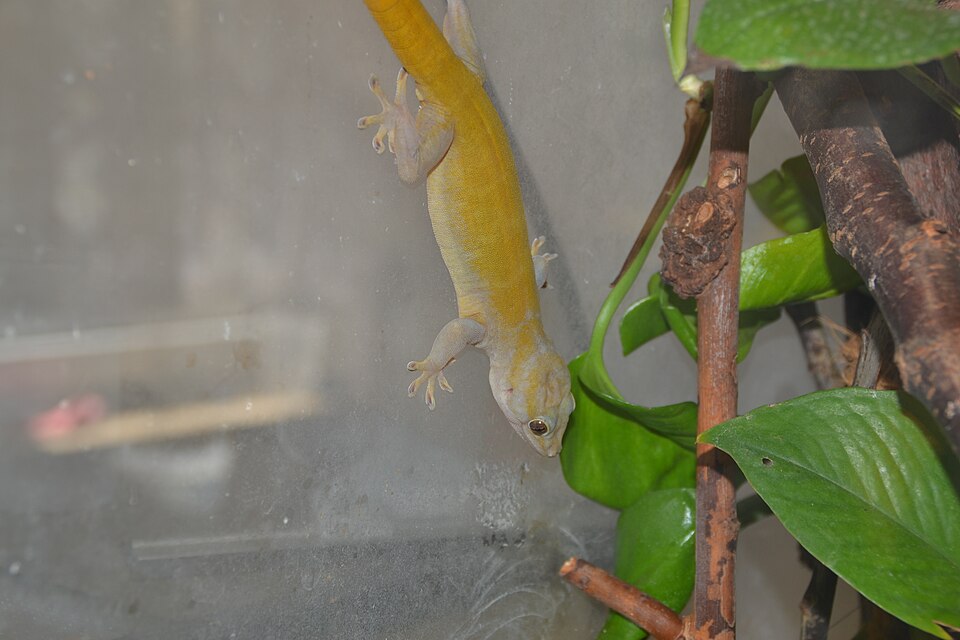
Golden Gecko
Nocturnal, fast-moving, and defensive; ventilation, vertical space, and escape prevention are more critical than simply increasing humidity.
- Adult size
- 7.09–9.84 in
- Reference Lifespan
- 8–12 yr
- Environment reference
- 75.2–86 °F
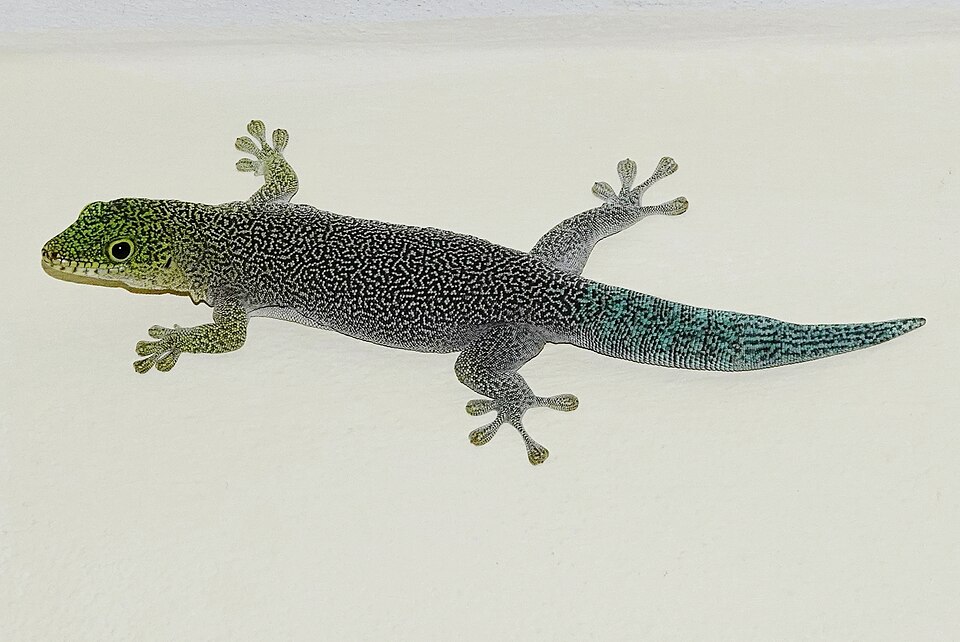
Standing Day Gecko
Requires tall enclosures, UVB lighting, foliage, and supplemental food; tails and skin are not suitable for repeated handling.
- Adult size
- 7.87–9.84 in
- Reference Lifespan
- 10–15 yr
- Environment reference
- 75.2–86 °F
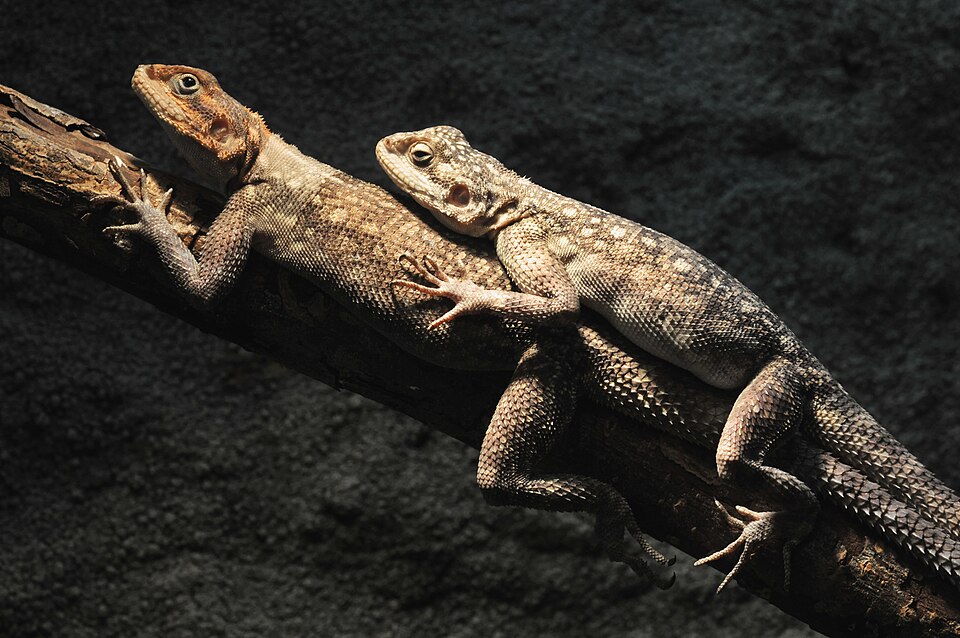
Red Headed Agama
Basking spots, activity levels, and territorial behavior make small-bodied individuals harder to keep; understand sex and space requirements before housing in groups.
- Adult size
- 9.84–13.78 in
- Reference Lifespan
- 8–12 yr
- Environment reference
- 75.2–89.6 °F